



Pimitespib
Based on 9 publication(s) in Google Scholar
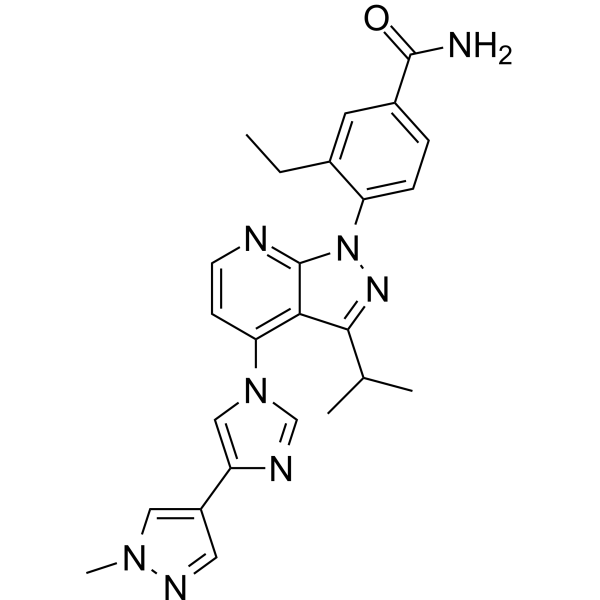
Pimitespib (TAS-116) is an oral bioavailable, ATP-competitive, highly specific HSP90α/HSP90β inhibitor (Kis of 34.7 nM and 21.3 nM, respectively) without inhibiting other HSP90 family proteins such as GRP94. Pimitespib demonstrates less ocular toxicity.
연구목적의 판매만을 진행합니다. 환자를 대상으로 한 판매는 하지 않습니다.
- Purity : 99.87%
- CAS No.: 1260533-36-5
- 화학식: C25H26N8O
- 분자량:454.53
-
보관:Powder -20°C, 3 years , 4°C, 2 years ; In solvent -80°C, 1 year , -20°C, 6 months

To place orders, for customer services and technical support, please contact: MedChemExpress USA
Tel: 609-228-6898 E-mail: [email protected] [email protected]


-
 Biological Activity
-
Chemical Information
-
용액&용해도
- 순도&문서
- References
-
 Help & FAQs


-
HY-15205
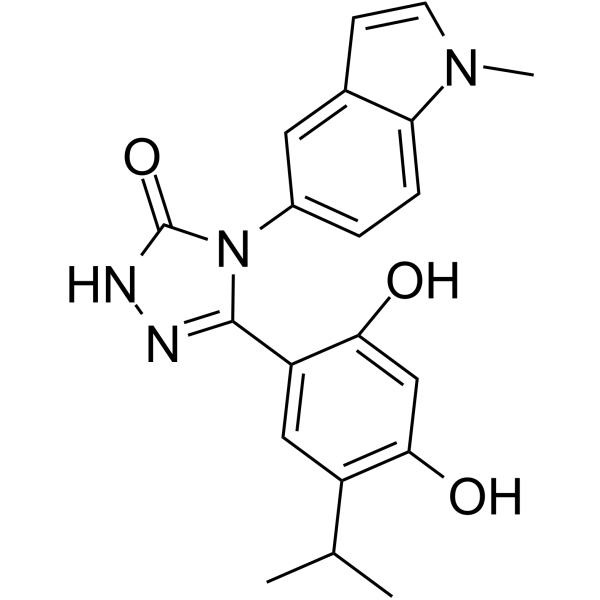
GanetespibHSP90 Inhibitor -
HY-10215
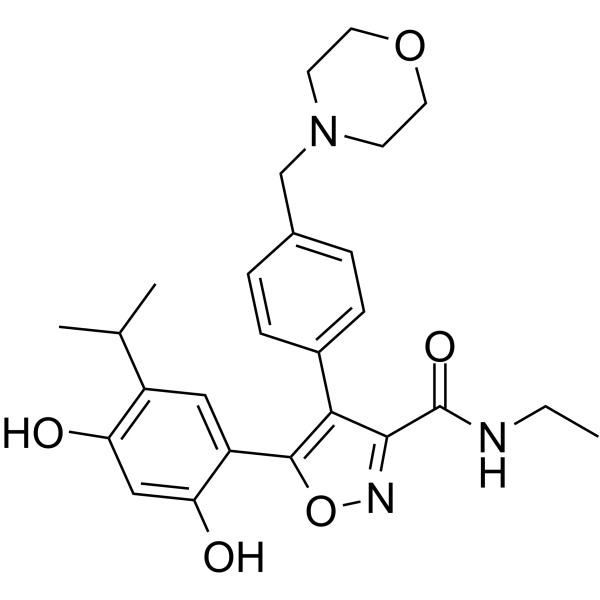
LuminespibHSP90 Inhibitor -
HY-14463
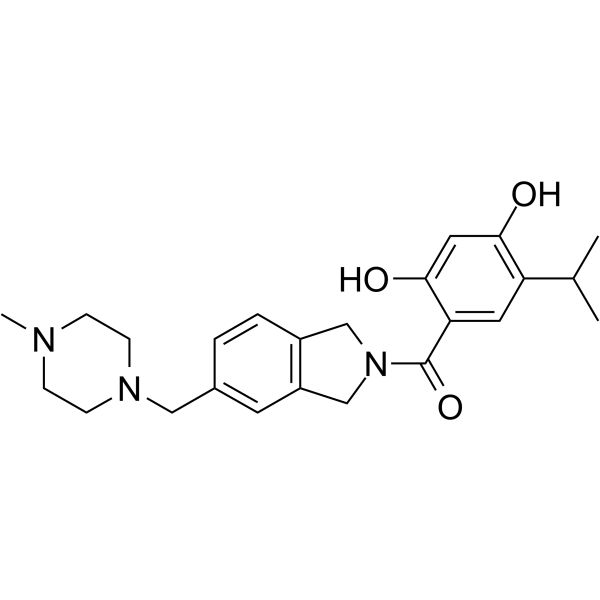
OnalespibHsp90 Inhibitor -
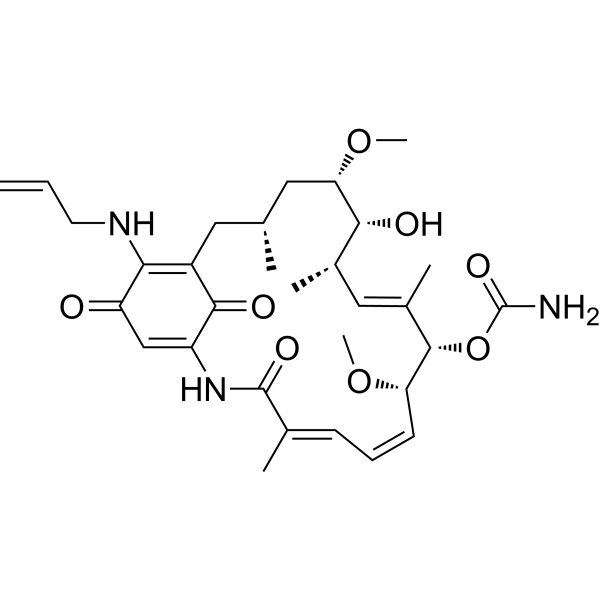
HY-10211
TanespimycinHSP90 Inhibitor -
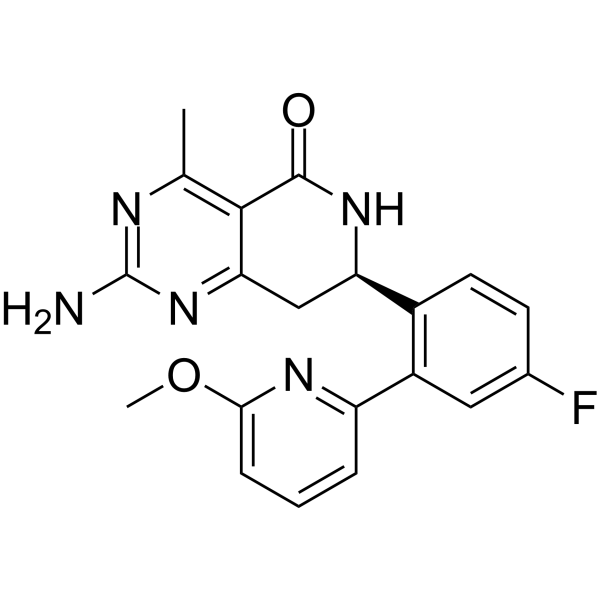
HY-15190
NVP-HSP990Apoptosis Inducer -
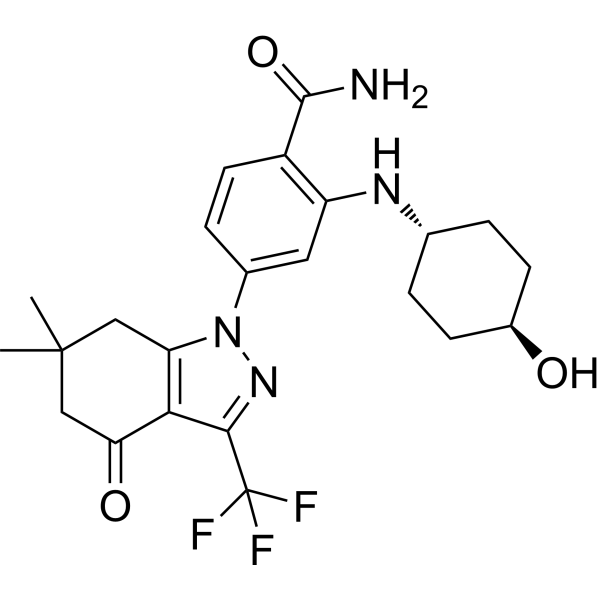
HY-10214
SNX-2112 -
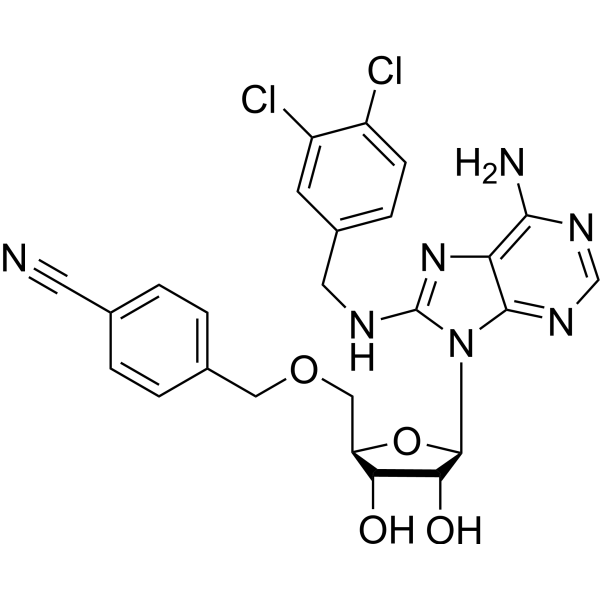
HY-10941
VER-155008Hsp70 Inhibitor -
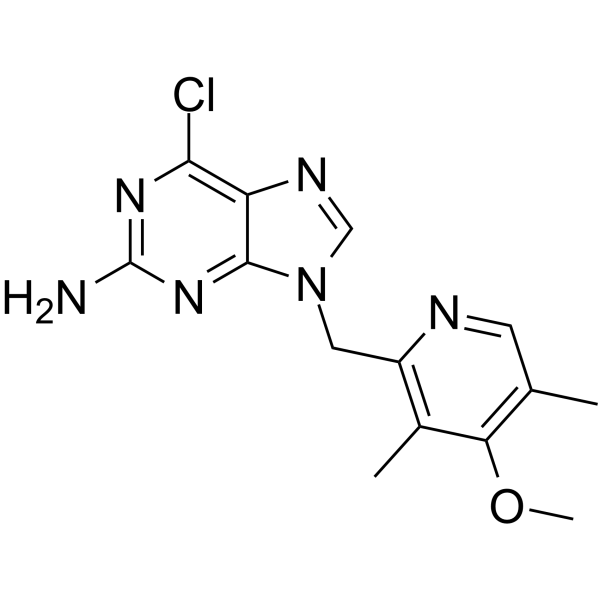
HY-10212
BIIB021HSP90 Inhibitor -
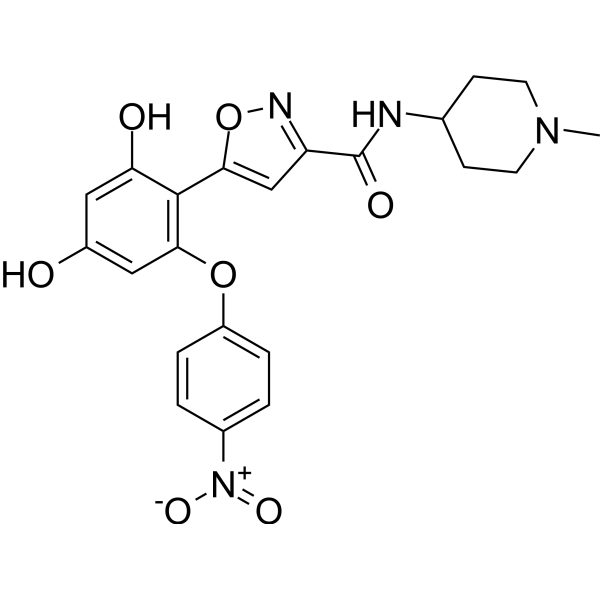
HY-17547
NMS-E973HSP90 Inhibitor -
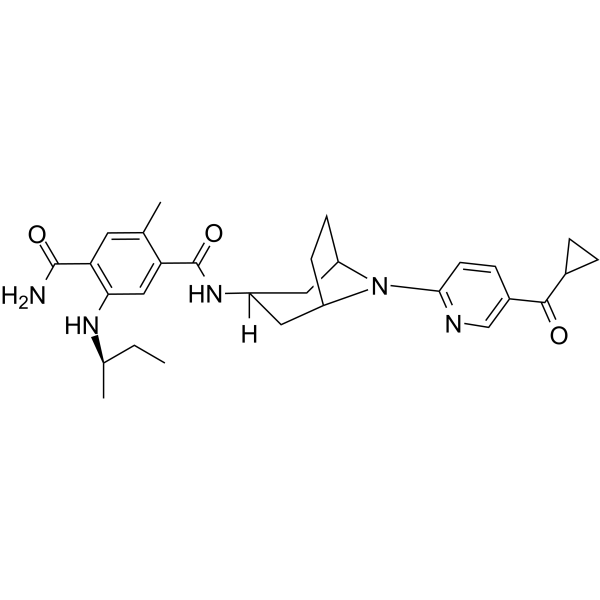
HY-13313
XL888HSP90 Inhibitor -
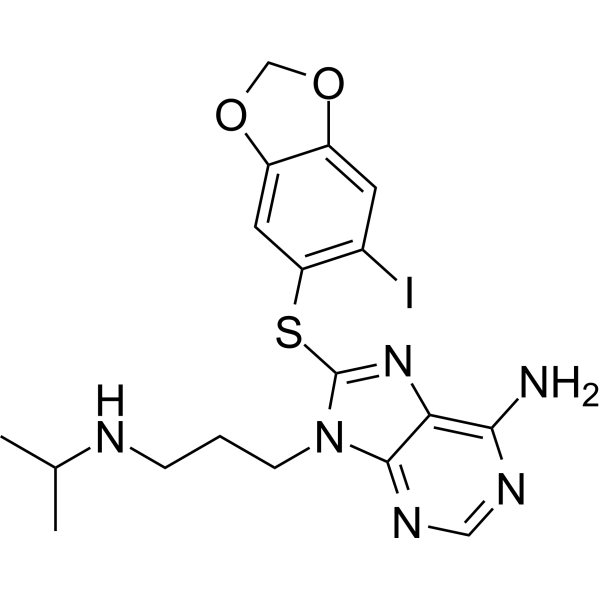
HY-11038
ZelavespibHsp90 Inhibitor -
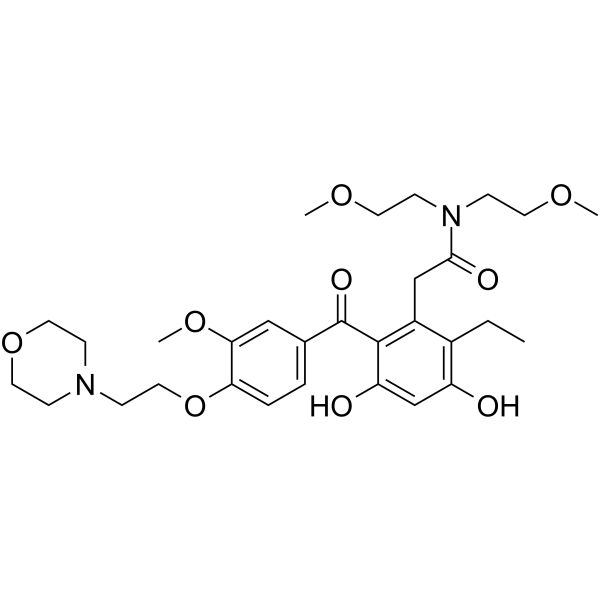
HY-13468
KW-2478
Publications Citing Use of MedChemExpress (MCE) Pimitespib
More- Signal Transduct Target Ther. 2025 Oct 15;10(1):346. [Abstract]
- ACS Nano. 2025 Aug 19;19(32):29073-29086. [Abstract]
- Adv Sci (Weinh). 2024 Sep;11(33):e2310109. [Abstract]
- J Transl Med. 2025 Feb 10;23(1):172. [Abstract]
- J Invest Dermatol. 2025 Feb 18:S0022-202X(25)00110-1. [Abstract]
- Int J Mol Sci. 2025 Jan 7;26(2):441. [Abstract]
- J Extracell Biol. 2026 Jan 28;5(2):e70112. [Abstract]
- JTO Clin Res Rep. 2023 Jan 24;4(3):100462. [Abstract]
- Cancer Med. 2023 Feb;12(4):4605-4615. [Abstract]
 Customer Validation & Images

-
In Vivo Efficacy Study
-
RT-PCR
-
WB
-
Histological Imaging/Staining
-
WB


Biological Activity
제품 설명
IC50 & Target
[1]|
HSP90α 34.7 nM (Ki) |
HSP90β 21.3 nM (Ki) |
Cellular Effect
|
Cell Line

|
Type | Value | Description | References |
|---|---|---|---|---|
| SK-BR-3 | IC50 |
330 nM
Compound: 16e
|
Growth inhibition of human SK-BR-3 cells after 72 hrs by CellTiter-Glo assay
Growth inhibition of human SK-BR-3 cells after 72 hrs by CellTiter-Glo assay
|
[PMID: 30525599] |
In Vitro
Pimitespib binds not only to the conventional-binding pockets as existing Hsp-90 inhibitors, but also to a novel-binding pocket. Such a unique binding mode makes Pimitespib highly specific for Hsp-90α/β without inhibiting other Hsp-90 family proteins such as GRP94 in endoplasmic reticulum or TRAP-1 in mitochondria[3].
Pimitespib (0-5 μM, 48 hours) inhibits human retinal pigment epithelial ARPE-19 cell lines and NCI-H929 MM cells growth[2].
More significant degradation of p-C-Raf and p-MEK1/2, HSP90 client proteins and key RAS/RAF/MEK pathway regulators, is triggered by Pimitespib (0.125-1 μM, 24 hours) than 17-AAG in INA6 and NCI-H929 MM cells[2].
MedChemExpress (MCE) has not independently confirmed the accuracy of these methods. They are for reference only.
-
Cell Line:Human retinal pigment epithelial ARPE-19 cell lines and NCI-H929 MM cells
-
Concentration:0-5 μM
-
Incubation Time:48 hours
-
Result:Inhibited NCI-H929 MM cells growth with an IC50 of 0.35 μM.
-
Cell Line:MM cell lines INA6 and NCI-H929 cells
-
Concentration:0.125-1 μM
-
Incubation Time:24 hours
-
Result:Targeted potently HSP90 client proteins including C-Raf and MEK1/2; as well as inhibited upregulation of HSP27 and overcomes 17-AAG resistance mechanisms.
In Vivo
Pimitespib triggers enhanced in vivo anti-MM activities, both alone and in combination with PS-341 (BTZ), with a favorable safety profile. Mice treated with Pimitespib (10 mg/kg and 15 mg/kg, orally, 38 days), BTZ, or Pimitespib plus BTZ show significantly enhance growth inhibition versus the vehicle control group. Median overall survival of treated animals (Pimitespib, orally, 10 mg/kg=33 days, 15 mg/kg=37 days, BTZ=36 days, and the combination=56.5 days) is significantly longer than vehicle control[2].
The favorable pharmacokinetic profile of Pimitespib is reflected in its dose-dependent antitumor activity; the T/C (tumor volume of Pimitespib-treated mice vs. vehicle-treated mice) is 47%, 21%, and 9% for doses of 3.6 mg/kg, 7.1 mg/kg, and 14.0 mg/kg, respectively. Pimitespib is orally absorbed and has a bioavailability of almost 100% in mice, and 69.0% in rats. Pimitespib has moderate terminal elimination half-life (t1/2=8.2 h, 2.5 h, 4.4 h and 2.2 h for mouse (3.6 mg/kg, p.o.), mouse (7.1 mg/kg, p.o.), mouse (14.0 mg/kg, p.o.), rat (4 mg/kg, p.o.)). Pimitespib is more rapidly eliminated from retina (t1/2=3.4 hours) than the other HSP90 inhibitors (t1/2=7.1-19.1 hours)[1].
MedChemExpress (MCE) has not independently confirmed the accuracy of these methods. They are for reference only.
-
Animal Model:Male F344 nude rats (6 weeks old) with established NCI-H1975 xenografts (6 weeks old)[1]
-
Dosage:12.0 mg/kg
-
Administration:Oral administration; daily; two weeks
-
Result:Led to tumor shrinkage. Showed antitumor activity without inducing eye injury in rats and did not cause ocular toxicity at the effective dose in the NCI-H1975 rat xenograft model.
-
Animal Model:CB17 SCID mice (48-54 days old) with murine xenograft model[2]
-
Dosage:10 and 15 mg/kg
-
Administration:Oral administration; 5 days a week; for 28 days
-
Result:Enhanced significantly growth inhibition versus the vehicle control group. The delay in tumor growth was greater in the combination-treated group compared with either monotherapy cohort.
-
Animal Model:Mice, Rats, and Dogs[1]
-
Dosage:3.0 mg/kg for dogs, 4.0 mg/kg for rats, 3.6, 7.1 and 14.0 mg/kg for mice
-
Administration:Oral administration; daily; 20 days
-
Result:Absorbed orally and had a bioavailability of almost 100% in mice, 69.0% in rats, and 73.9% in dogs without special formulation.
Clinical Trial
| NCT Number | Sponsor | Condition | Start Date |
Phase
|
|---|---|---|---|---|
| NCT01329991 | Plexxikon| | 2011-05 | PHASE1 |


Chemical Information
-
CAS No. 1260533-36-5
-
Appearance Solid
-
분자량 454.53
-
화학식 C25H26N8O
-
Color White to off-white
-
SMILES
O=C(N)C1=CC=C(N2N=C(C(C)C)C3=C(N4C=C(C5=CN(C)N=C5)N=C4)C=CN=C32)C(CC)=C1
-
Synonyms
TAS-116
-
선적
Room temperature in continental US; may vary elsewhere.
-
보관
Powder -20°C 3 years 4°C 2 years In solvent -80°C 1 year -20°C 6 months


Publications (9)
-
Journal Impact Factor
-
Most Recent
-
Signal Transduct Target Ther
In vivo self-assembled nano-PROTAC for the dual degradation of AR and HSP90 to overcome castration-resistant prostate cancer resistance. [Abstract]2025 Oct 15;10(1):346. PMID: 41087345 -
ACS Nano
Quantitative and Reversible Regulation of Yes-Associated Protein Activity by Ultrasmall Nanoparticle-Mediated Magnetothermal Stimulation of F-Actin. [Abstract]2025 Aug 19;19(32):29073-29086. PMID: 40763353 -
Adv Sci (Weinh)
Hsp90 Promotes Gastric Cancer Cell Metastasis and Stemness by Regulating the Regional Distribution of Glycolysis-Related Metabolic Enzymes in the Cytoplasm. [Abstract]2024 Sep;11(33):e2310109. PMID: 38874476 -
J Transl Med
HSP90 co-regulates the formation and nuclear distribution of the glycolytic output complex to promote resistance and poor prognosis in gastric cancer patients. [Abstract]2025 Feb 10;23(1):172. PMID: 39930487 -
J Invest Dermatol
The Differential Roles of HSP90 Isoforms in Skin Inflammation: Anti-Inflammatory Potential of TRAP1 Inhibition. [Abstract]2025 Feb 18:S0022-202X(25)00110-1. PMID: 39978584 -
Int J Mol Sci
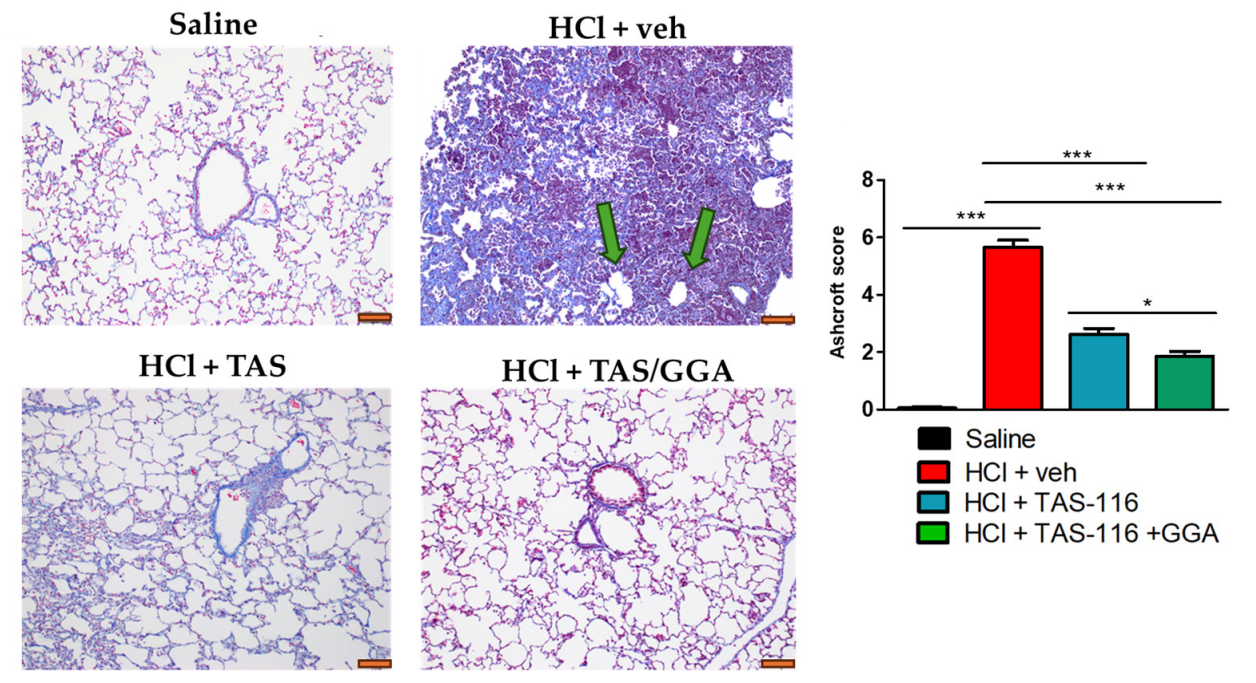
Combination of HSP90 Inhibitors and HSP70 Inducers Prevent Hydrochloric Acid-Induced Pulmonary Fibrosis in Rabbits. [Abstract]2025 Jan 7;26(2):441. PMID: 39859156
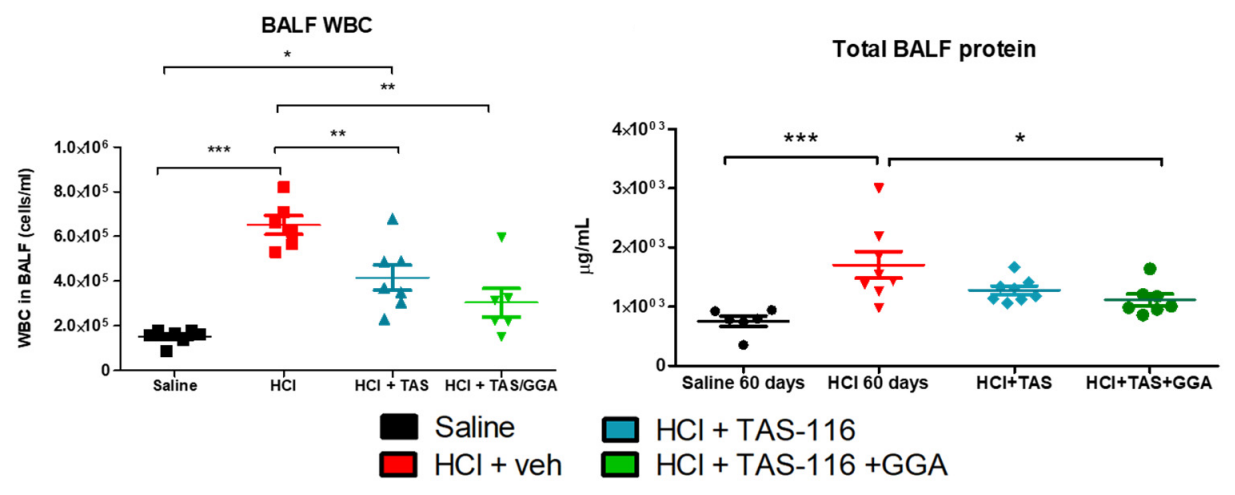
Pimitespib purchased from MedChemExpress. Usage Cited in: Int J Mol Sci. 2025 Jan 7;26(2):441. [Abstract]
Pimitespib (TAS-116) (1.7 mg/kg; p.o.; five times a week for 18 d) reduced the amount of white blood cells and total protein in the bronchoalveolar lavage fluid (BALF) of rabbits.
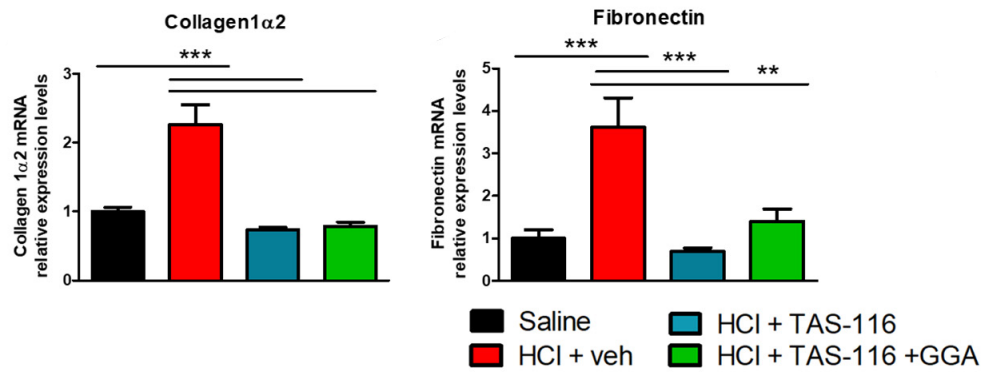
Pimitespib purchased from MedChemExpress. Usage Cited in: Int J Mol Sci. 2025 Jan 7;26(2):441. [Abstract]
Pimitespib (TAS-116) (1.7 mg/kg; p.o.; five times a week for 18 d) significantly reduced the HCl-increased expression levels of collagen 1α2 and fibronectin in rabbit lung.
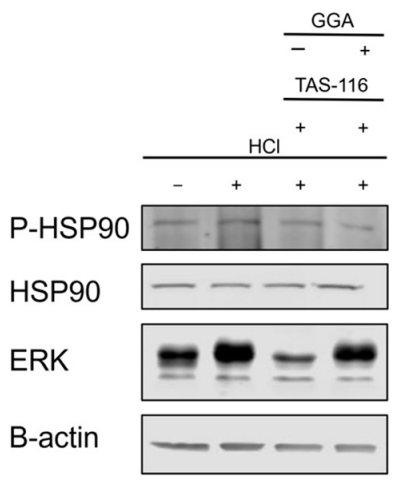
Pimitespib purchased from MedChemExpress. Usage Cited in: Int J Mol Sci. 2025 Jan 7;26(2):441. [Abstract]
Pimitespib (TAS-116) (1.7 mg/kg; p.o.; five times a week for 18 d) treatment reduced the HCl-induced activation of HSP90 and constitutive expression of ERK in rabbit lung.
Pimitespib purchased from MedChemExpress. Usage Cited in: Int J Mol Sci. 2025 Jan 7;26(2):441. [Abstract]
Pimitespib (TAS-116) (1.7 mg/kg; p.o.; five times a week for 18 d) treatment resulted in a milder level of chronic lung injury, minimal fibrotic response, and conserved alveolar and septal lung structure in rabbits.
-
J Extracell Biol
Unconventional Secretion of Angiogenic Sonic Hedgehog-Containing Extra-Large Extracellular Vesicles is Driven by PI3K-Rab18-GDP Signalling. [Abstract]2026 Jan 28;5(2):e70112. PMID: 41614083 -
JTO Clin Res Rep
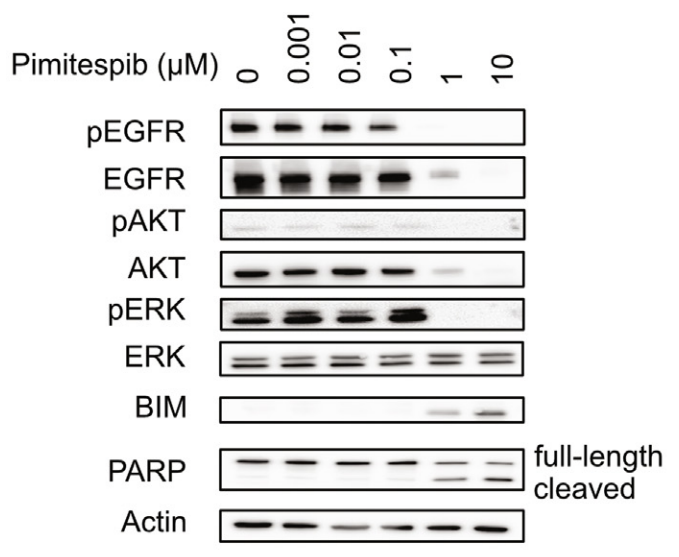
The EGFR C797S Mutation Confers Resistance to a Novel EGFR Inhibitor CLN-081 to EGFR Exon 20 Insertion Mutations. [Abstract]2023 Jan 24;4(3):100462. PMID: 36915628
Pimitespib purchased from MedChemExpress. Usage Cited in: JTO Clin Res Rep. 2023 Jan 24;4(3):100462. [Abstract]
Pimitespib (1 μM; 24 h) treatment decreased levels of EGFR and AKT, which were client proteins of HSP90, and induced a nonphosphorylated, stabilized form of Bim and cleavage of full-length PARP in Ba/F3-insSVD-C797S.
-
Cancer Med
Cisplatin-induced HSF1-HSP90 axis enhances the expression of functional PD-L1 in oral squamous cell carcinoma. [Abstract]2023 Feb;12(4):4605-4615. PMID: 36200687


용액&용해도
In Vitro:
DMSO : 125 mg/mL (275.01 mM; Need ultrasonic; Hygroscopic DMSO has a significant impact on the solubility of product, please use newly opened DMSO)
Please refer to the solubility information to select the appropriate solvent. Once prepared, please aliquot and store the solution to prevent product inactivation from repeated freeze-thaw cycles.
Storage method and period of stock solution: -80°C, 1 year; -20°C, 6 months. When stored at -80°C, please use it within 1 year. When stored at -20°C, please use it within 6 months.
Please refer to the solubility information to select the appropriate solvent. Once prepared, please aliquot and store the solution to prevent product inactivation from repeated freeze-thaw cycles.
Storage method and period of stock solution: -80°C, 1 year; -20°C, 6 months. When stored at -80°C, please use it within 1 year. When stored at -20°C, please use it within 6 months.
Concentration (start) × Volume (start) = Concentration (final) × Volume (final)
In Vivo:
Select the appropriate dissolution method based on your experimental animal and administration route.
- For the following dissolution methods, please ensure to first prepare a clear stock solution using an In Vitro approach and then sequentially add co-solvents:
- To ensure reliable experimental results, the clarified stock solution can be appropriately stored based on storage conditions. As for the working solution for In Vivo experiments, it is recommended to prepare freshly and use it on the same day.
- The percentages shown for the solvents indicate their volumetric ratio in the final prepared solution. If precipitation or phase separation occurs during preparation, heat and/or sonication can be used to aid dissolution.
Add each solvent one by one: 10% DMSO 40% PEG300 5% Tween-80 45% Saline
Solubility: ≥ 2.08 mg/mL (4.58 mM); Clear solution
This protocol yields a clear solution of ≥ 2.08 mg/mL (saturation unknown).
Taking 1 mL working solution as an example, add 100 μL DMSO stock solution (20.8 mg/mL) to 400 μL PEG300, and mix evenly; then add 50 μL Tween-80 and mix evenly; then add 450 μL Saline to adjust the volume to 1 mL.
Preparation of Saline: Dissolve 0.9 g sodium chloride in ddH₂O and dilute to 100 mL to obtain a clear Saline solution.
Add each solvent one by one: 10% DMSO 90% (20% SBE-β-CD in Saline)
Solubility: ≥ 2.08 mg/mL (4.58 mM); Clear solution
This protocol yields a clear solution of ≥ 2.08 mg/mL (saturation unknown).
Taking 1 mL working solution as an example, add 100 μL DMSO stock solution (20.8 mg/mL) to 900 μL 20% SBE-β-CD in Saline, and mix evenly.
Preparation of 20% SBE-β-CD in Saline (4°C, storage for one week): 2 g SBE-β-CD powder is dissolved in 10 mL Saline, completely dissolve until clear.
In Vivo Dissolution Calculator
Please enter the basic information of animal experiments:
-
-
-
-
Recommended: Prepare an additional quantity of animals to account for potential losses during experiments.
Please enter your animal formula composition:
-
%DMSO +
Recommended: Keep the proportion of DMSO in working solution below 2% if your animal is weak.
-
%+
-
+%Tween-80 + +
-
%Saline +
The co-solvents required include: DMSO, . All of co-solvents are available by MedChemExpress (MCE). , Tween 80. All of co-solvents are available by MedChemExpress (MCE).
Working solution concentration: 0.22 mg/mL
Method for preparing stock solution: mg drug dissolved in μL DMSO. Stock solution concentration: mg/mL.
1. Take μL DMSO stock solution;
2. Add μL .
μL , mix evenly;
3. Then add μL Tween 80, mix evenly;
4. Then add μL
Please ensure that the stock solution in the first step is dissolved to a clear state, and add co-solvents in sequence. You can use ultrasonic heating (ultrasonic cleaner, recommended frequency 20-40 kHz), vortexing, etc. to assist dissolution.


순도&문서
-
Data Sheet (283 KB)
-
SDS (393 KB)
- English - EN (393 KB)
- Français - FR (393 KB)
- Deutsch - DE (393 KB)
- Norwegian - NO (393 KB)
- Español - ES (393 KB)
- Swedish - SV (393 KB)
- Italian - IT (393 KB)
- Korean - KR (393 KB)
- Portuguese - PT (393 KB)
-
Handling Instructions (2659 KB)
References
[1]. Ohkubo S, et al. TAS-116, a highly selective inhibitor of heat shock protein 90α and β, demonstrates potent antitumor activity and minimal ocular toxicity in preclinical models. Mol Cancer Ther. 2015 Jan;14(1):14-22. [Content Brief]
[2]. Suzuki R, et al. Anti-tumor activities of selective HSP90α/β inhibitor, TAS-116, in combination with PS-341 in multiple myeloma. Leukemia. 2015 Feb;29(2):510-4. [Content Brief]
[3]. Utsugi T. New challenges and inspired answers for anticancer drug discovery and development. Jpn J Clin Oncol. 2013 Oct;43(10):945-53. [Content Brief]


Complete Stock Solution Preparation Table
Please refer to the solubility information to select the appropriate solvent. Once prepared, please aliquot and store the solution to prevent product inactivation from repeated freeze-thaw cycles.
Storage method and period of stock solution: -80°C, 1 year; -20°C, 6 months. When stored at -80°C, please use it within 1 year. When stored at -20°C, please use it within 6 months.
| Optional Solvent | Concentration Solvent Mass | 1 mg | 5 mg | 10 mg | 25 mg |
|---|---|---|---|---|---|
| DMSO | 1 mM | 2.2001 mL | 11.0004 mL | 22.0007 mL | 55.0019 mL |
| 5 mM | 0.4400 mL | 2.2001 mL | 4.4001 mL | 11.0004 mL | |
| 10 mM | 0.2200 mL | 1.1000 mL | 2.2001 mL | 5.5002 mL | |
| 15 mM | 0.1467 mL | 0.7334 mL | 1.4667 mL | 3.6668 mL | |
| 20 mM | 0.1100 mL | 0.5500 mL | 1.1000 mL | 2.7501 mL | |
| 25 mM | 0.0880 mL | 0.4400 mL | 0.8800 mL | 2.2001 mL | |
| 30 mM | 0.0733 mL | 0.3667 mL | 0.7334 mL | 1.8334 mL | |
| 40 mM | 0.0550 mL | 0.2750 mL | 0.5500 mL | 1.3750 mL | |
| 50 mM | 0.0440 mL | 0.2200 mL | 0.4400 mL | 1.1000 mL | |
| 60 mM | 0.0367 mL | 0.1833 mL | 0.3667 mL | 0.9167 mL | |
| 80 mM | 0.0275 mL | 0.1375 mL | 0.2750 mL | 0.6875 mL | |
| 100 mM | 0.0220 mL | 0.1100 mL | 0.2200 mL | 0.5500 mL |


Pimitespib Related Classifications
HY-15785 Related Classifications
 Powered by Bioz