62 Results for "

Arte

" in MedChemExpress (MCE) Product Catalog:
Products (62)

62 Results for "Arte" in MCE Product Catalog:

45
45 Publications Verification
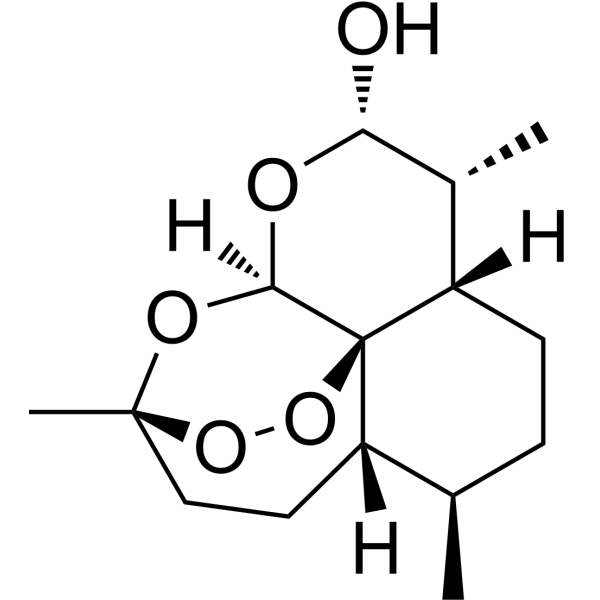
Cat. No.: HY-N0176
CAS No.: 71939-50-9
Synonyms: Dihydroqinghaosu; β-DihydroArtemisinin; Artenimol
Dihydroartemisinin is an orally active metabolite of rtemisinin (HY-B0094) and antimalarial agent. Dihydroartemisinin induces Autophagy by inhibiting NF-κB activation. Dihydroartemisinin promotes ROS accumulation. Dihydroartemisinin exhibits anticancer activity in esophageal cancer cells. Dihydroartemisinin shows schistosomicidal activity against juvenile and adult worms of Schistosoma japonicum, reduces worm burden, and displays antiparasitic activity. Dihydroartemisinin can be used in research related to multiple myeloma, promyelocytic leukemia, esophageal cancer, and Schistosoma japonicum infection .
41
41 Cited Publications
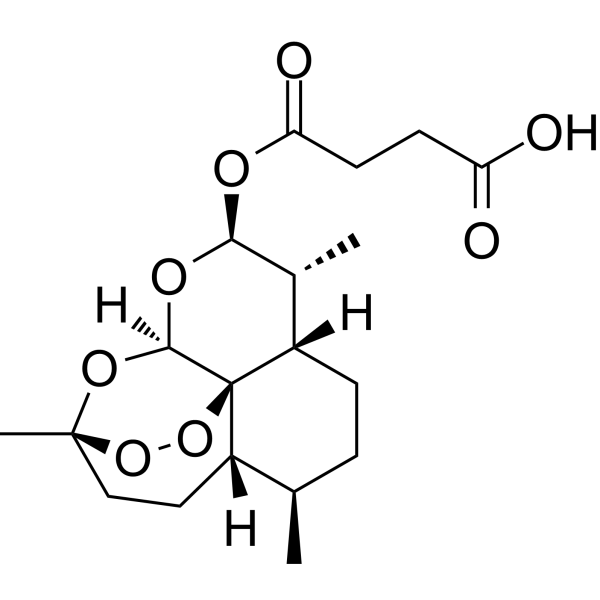
Cat. No.: HY-N0193
CAS No.: 88495-63-0
Artesunate is an inhibitor of both STAT-3 and exported protein 1 (EXP1).
32
32 Cited Publications
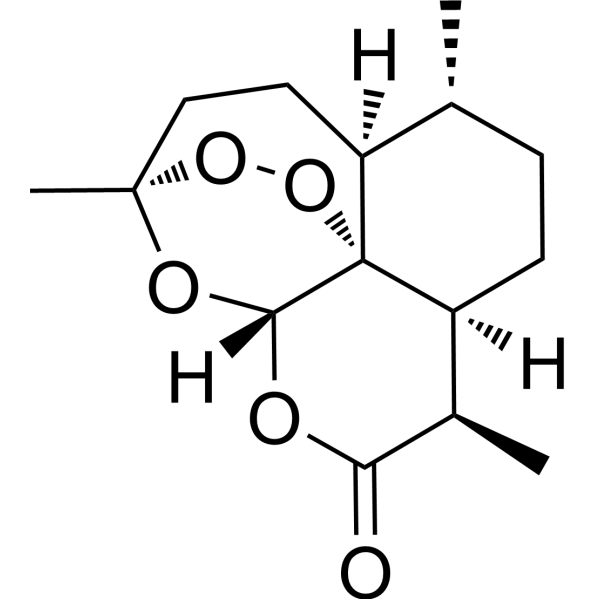
Cat. No.: HY-B0094
CAS No.: 63968-64-9
Synonyms: Qinghaosu; NSC 369397
Artemisinin (Qinghaosu), a sesquiterpene lactone, is an anti-malarial agent isolated from the aerial parts of Artemisia annua L. plants . Artemisinin inhibits AKT signaling pathway by decreasing pAKT in a dose-dependent manner. Artemisinin reduces cancer cell proliferation, migration, invasion, tumorigenesis and metastasis and has neuroprotective effects .
4
4 Cited Publications
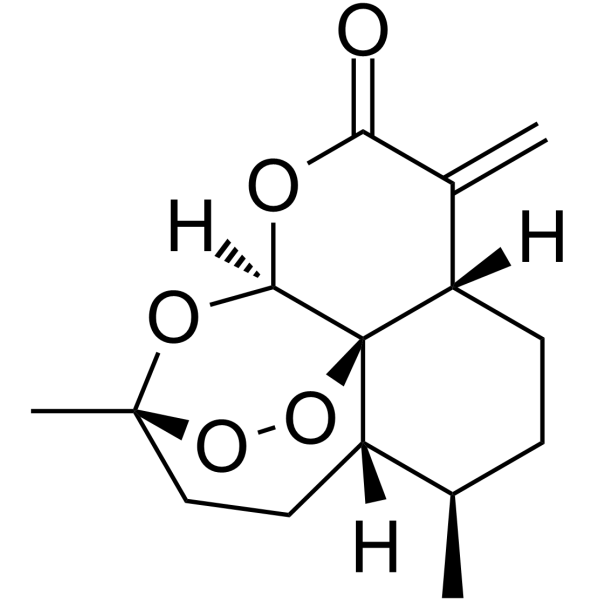
Cat. No.: HY-122550
CAS No.: 101020-89-7
Purity:  99.93%
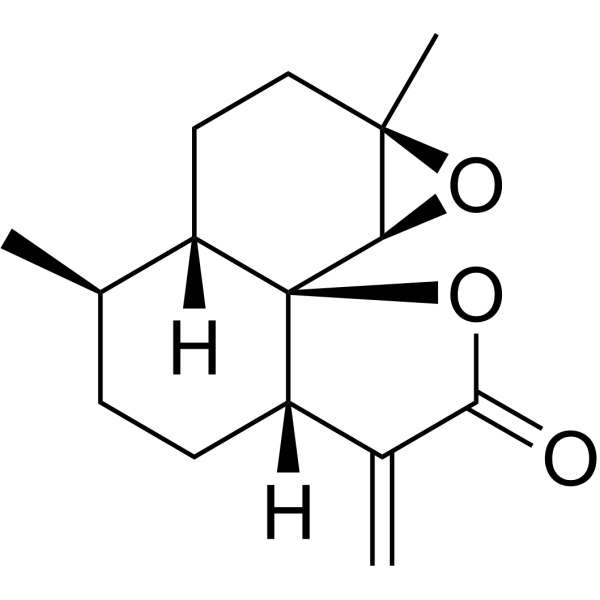
Artemisitene, a natural derivative of Artemisinin, is a Nrf2 activator with antioxidant and anticancer activities. Artemisitene activates Nrf2 by decreasing Nrf2 ubiquitination and increasing its stability .
3
3 Cited Publications
Cat. No.: HY-N0402
CAS No.: 71963-77-4
Synonyms: Dihydroqinghaosu methyl ether; DihydroArtemisinin methyl ether; SM224
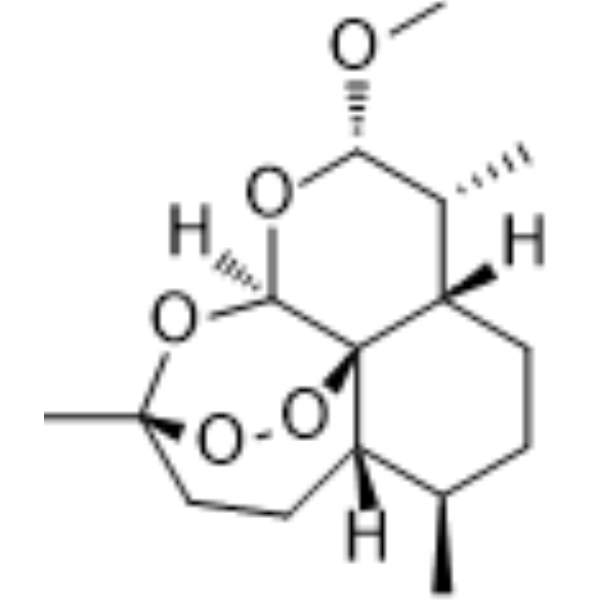
Artemether is an anti-malarial compound that targets drug-resistant strains of falciparum malaria .
3
3 Cited Publications
Cat. No.: HY-N2016
CAS No.: 50906-56-4
Arteannuin B, No. 2000 can be jointly submitted with the blue material. Arteannuin B had anti-SARS-CoV-2 activity, EC50=10.28 μM .
2
2 Cited Publications
Cat. No.: HY-16762
CAS No.: 1029939-86-3
Synonyms: OZ439
Research Areas:  

Infection

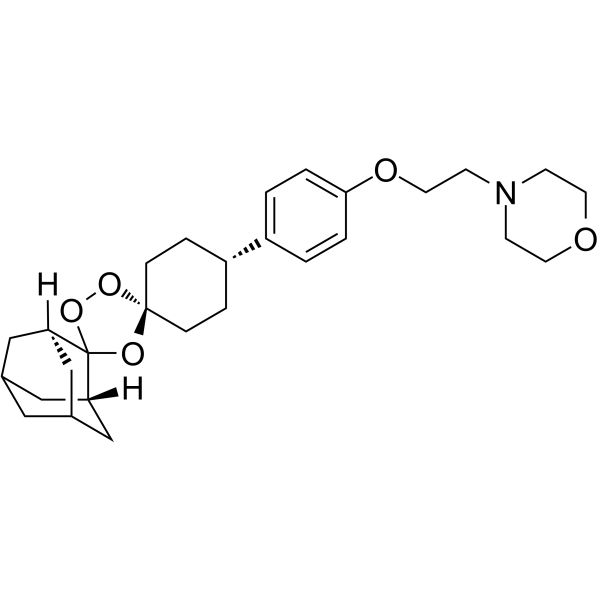
Artefenomel (OZ439) is an orally active, synthetic anti-malarial compound containing an artemisinin pharmacophore with a mechanism of action similar to that of artemisinin. Artefenomel has antiviral activity against SARS-CoV-2 .
1
1 Cited Publications
Cat. No.: HY-N3017
CAS No.: 479-90-3
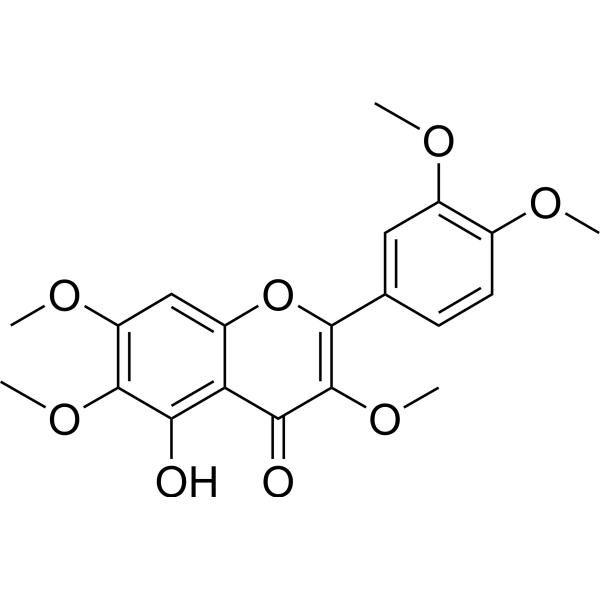
Artemitin is a flavonoid neuroanesthetic agent with moderate cytotoxicity. Artemitint has selective inhibitory activity against Meth-A sarcoma cells with an ED50 of 5-10 μg/mL, and has no significant effect on LLC lung cancer cells. Artemitin exerts anticancer activity by affecting cell proliferation signaling pathways, and also has potential anti-inflammatory and neuroprotective effects. Artemitin exhibits a dose-dependent antinociceptive effect in the mouse hot plate test, with an ED50 of 1.6 μg/kg, and has analgesic activity .
1
1 Cited Publications
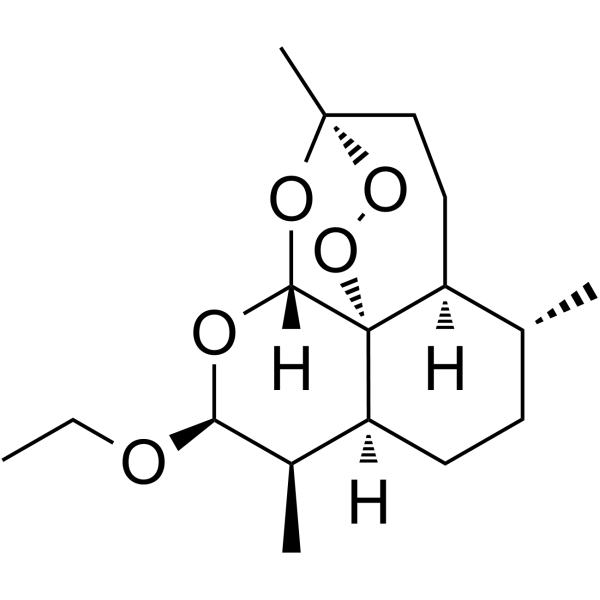
Cat. No.: HY-B0770
CAS No.: 75887-54-6
Synonyms: β-Arteether; (+)-Arteether; Arteether
Artemotil (β-Arteether) has antimalarial activity for the treatment of chloroquine-resistant Plasmodium falciparum malaria with an IC50 of 1.61 nM. Artemotil also has central nervous system (CNS) neurotoxicity and anorectic toxicity in rats, dogs and monkeys .
1
1 Cited Publications
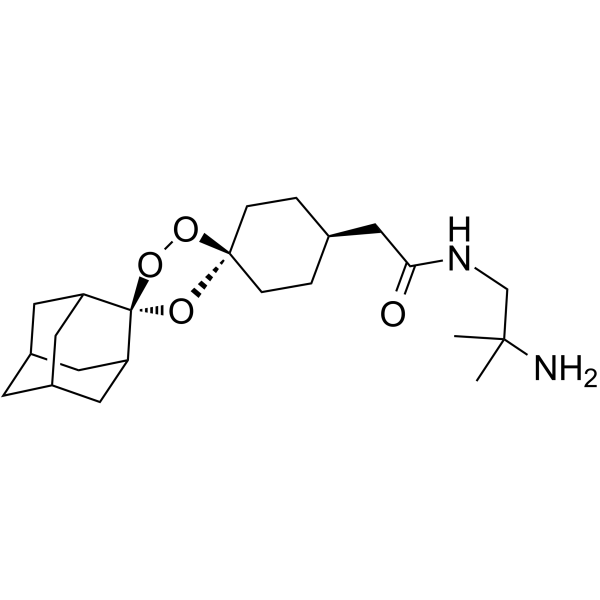
Cat. No.: HY-10852
CAS No.: 664338-39-0
Purity:  ≥98.0%
Synonyms: OZ 277; RBx 11160
Target:  

Parasite

Research Areas:  

Infection

Arterolane is an antimalarial agent, with IC50 of both 1.1 nM against P. falciparum Ro73 and W2, respectively.
1
1 Cited Publications
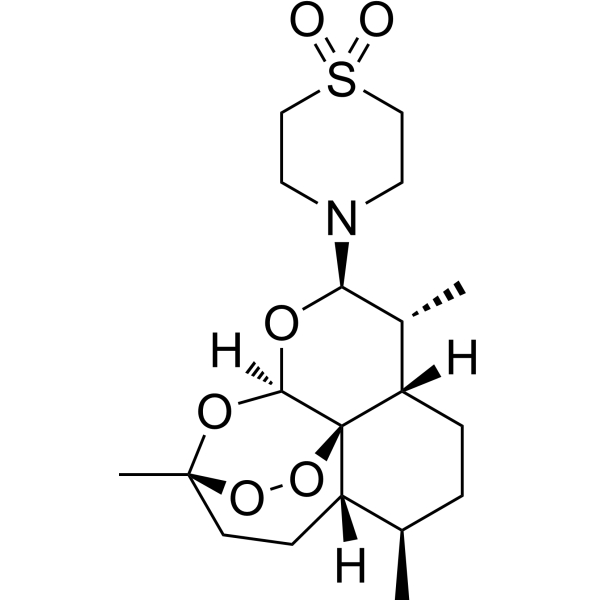
Cat. No.: HY-19502
CAS No.: 255730-18-8
Synonyms: Artemifone; BAY 44-9585
Target:  

Parasite CMV

Research Areas:  

Infection

Artemisone (Artemifone) is a potent and semi-synthetic antimalarial, inhibits P. falciparum strains, with a mean IC50 of 0.83 nM . Artemisone is also a potent inhibitor of human CMV .
1
1 Cited Publications
Cat. No.: HY-N0193R
CAS No.: 88495-63-0
Artesunate (Standard) is the analytical standard of Artesunate. This product is intended for research and analytical applications. Artesunate is an inhibitor of both STAT-3 and exported protein 1 (EXP1).
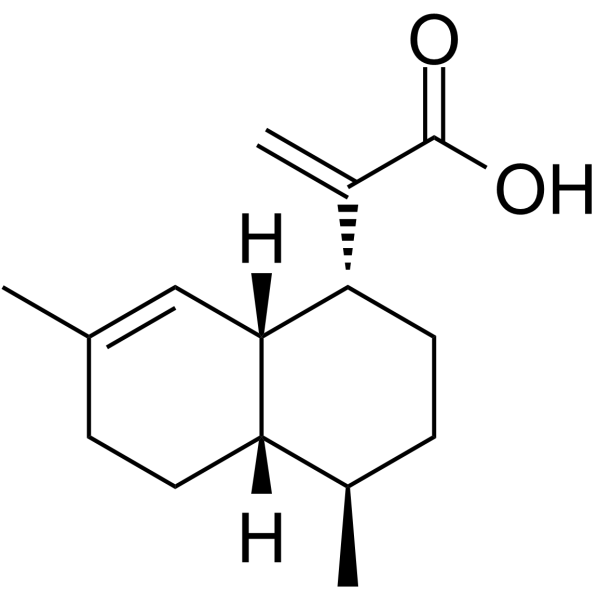
Cat. No.: HY-N1984
CAS No.: 80286-58-4
Synonyms: Qing Hao acid; Artemisinic acid; Arteannuic acid
Artemisinic acid (Qing Hao acid) is a sesquiterpene that can be isolated from Artemisia annua L. Artemisinic acid is also an important precursor for the synthesis of Artemisinin (HY-B0094). Artemisinic acid has various pharmacological activities, such as antimalarial activity, antitumor activity, antipyretic effect, antibacterial activity, allelopathic effect, and anti-adipogenic effect .
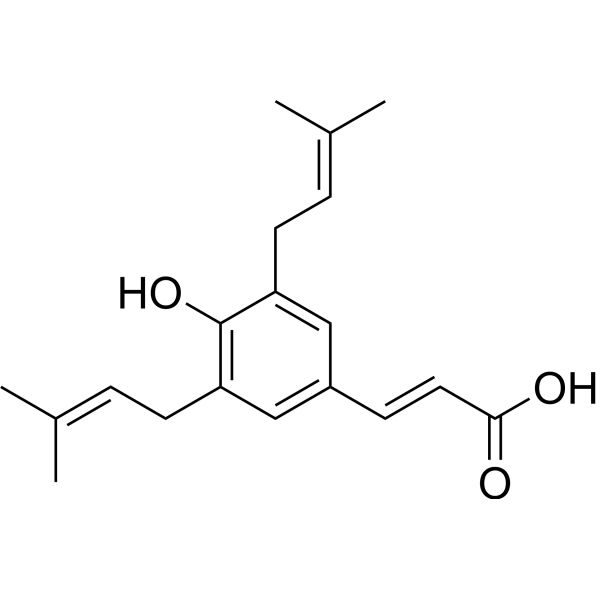
Cat. No.: HY-N10319
CAS No.: 72944-19-5
Artepillin C is an orally active CREB/CRTC2 inhibitor and TRPA1 covalent agonist (EC50=1.8 μM). Artepillin C inhibits CREB/CRTC2-mediated gene transcription and downregulates BMAL1 expression to regulate glucose and lipid metabolism. Artepillin C can also activate TRPA1 channels to induce spicy taste signals. Artepillin C can inhibit tumor cell proliferation, induce necroptosis, improve insulin resistance and inhibit liver lipid synthesis. Artepillin C can be used in the study of metabolic syndrome, tumor prevention and treatment, and inflammation .
Cat. No.: HY-N0176R
CAS No.: 71939-50-9
Synonyms: Dihydroqinghaosu (Standard); β-DihydroArtemisinin (Standard); Artenimol (Standard)
Dihydroartemisinin (Standard) is the analytical standard of Dihydroartemisinin. This product is intended for research and analytical applications. Dihydroartemisinin is a potent anti-malaria agent.
Cat. No.: HY-B0094R
CAS No.: 63968-64-9
Synonyms: Qinghaosu (Standard); NSC 369397 (Standard)
Artemisinin (Standard) is the analytical standard of Artemisinin. This product is intended for research and analytical applications. Artemisinin (Qinghaosu), a sesquiterpene lactone, is an anti-malarial agent isolated from the aerial parts of Artemisia annua L. plants . Artemisinin inhibits AKT signaling pathway by decreasing pAKT in a dose-dependent manner. Artemisinin reduces cancer cell proliferation, migration, invasion, tumorigenesis and metastasis and has neuroprotective effects .
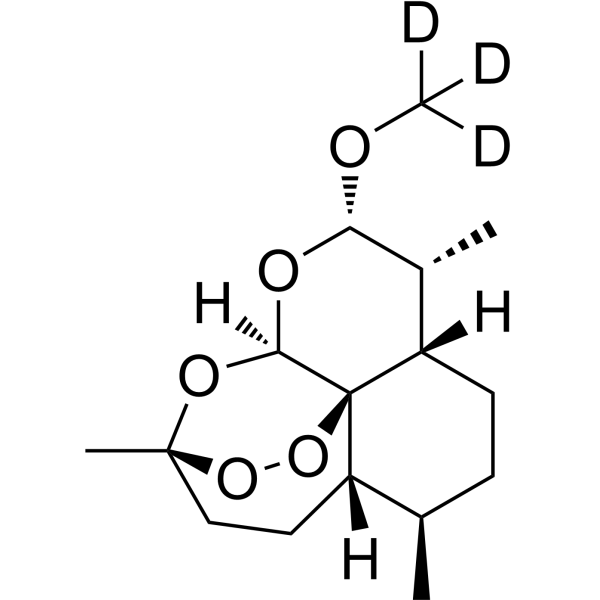
Cat. No.: HY-N0402S
CAS No.: 93787-85-0
Synonyms: Dihydroqinghaosu methyl ether-d3; DihydroArtemisinin methyl ether-d3; SM224-d3
Artemether-d3 is the deuterium labeled Artemether. Artemether is an antimalarial for the treatment of resistant strains of falciparum malaria.
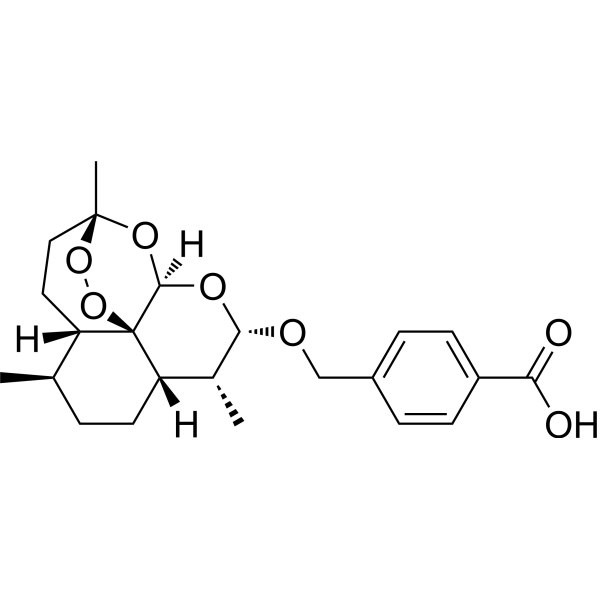
Cat. No.: HY-135578
CAS No.: 120020-26-0
Purity:  99.96%
Target:  

Parasite

Research Areas:  

Infection

Artelinic acid, a derivative of Artemisinin, is an antimalarial agent for the treatment of multidrug resistant strains of Plasmodium falciparum. Artelinic acid can be administered by various routes of administration, including intravenous, intramuscular and oral routes .
Cat. No.: HY-N10319R
CAS No.: 72944-19-5
Artepillin C (Standard) is the analytical standard of Artepillin C (HY-N10319). This product is intended for research and analytical applications. Artepillin C is an orally active CREB/CRTC2 inhibitor and TRPA1 covalent agonist (EC50=1.8 μM). Artepillin C inhibits CREB/CRTC2-mediated gene transcription and downregulates BMAL1 expression to regulate glucose and lipid metabolism. Artepillin C can also activate TRPA1 channels to induce spicy taste signals. Artepillin C can inhibit tumor cell proliferation, induce apoptosis, improve insulin resistance and inhibit liver lipid synthesis. Artepillin C can be used in the study of metabolic syndrome, tumor prevention and treatment, and inflammation .
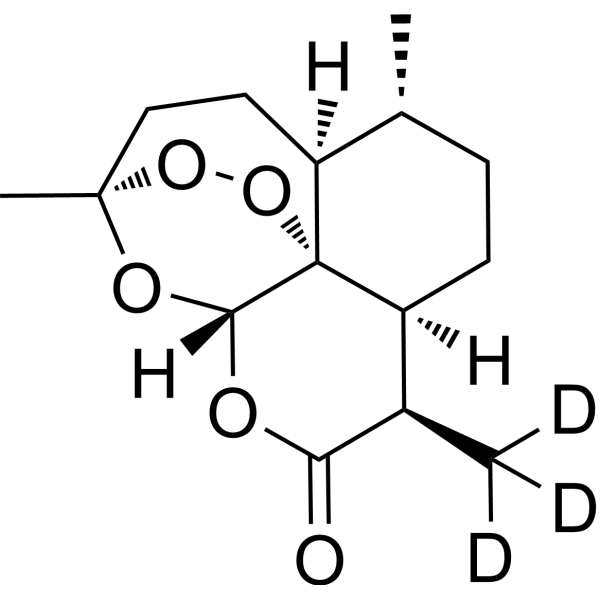
Cat. No.: HY-B0094S
CAS No.: 176652-07-6
Synonyms: Qinghaosu-d3; NSC 369397-d3
Artemisinin-d3 is the deuterium labeled Artemisinin. Artemisinin (Qinghaosu), a sesquiterpene lactone, is an anti-malarial agent isolated from the aerial parts of Artemisia annua L. plants . Artemisinin inhibits AKT signaling pathway by decreasing pAKT in a dose-dependent manner. Artemisinin reduces cancer cell proliferation, migration, invasion, tumorigenesis and metastasis and has neuroprotective effects .

