Search Result
Results for "
DNA labeling agent
" in MedChemExpress (MCE) Product Catalog:
77
Isotope-Labeled Compounds
| Cat. No. |
Product Name |
Target |
Research Areas |
Chemical Structure |
-
- HY-14519S
-
|
|
Antifolate
DNA/RNA Synthesis
ADC Payload
Apoptosis
|
Inflammation/Immunology
Cancer
|
|
Methotrexate-d3 (Amethopterin-d3) is the deuterium labeled Methotrexate. Methotrexate (Amethopterin), an antimetabolite and antifolate agent, inhibits the enzyme dihydrofolate reductase, thereby preventing the conversion of folic acid into tetrahydrofolate, and inhibiting DNA synthesis. Methotrexate, also an immunosuppressant and antineoplastic agent, is used for the research of rheumatoid arthritis and a number of different cancers (such as acute lymphoblastic leukemia) .
|
-
-
- HY-B1777AS
-
|
|
Isotope-Labeled Compounds
Endogenous Metabolite
Reactive Oxygen Species (ROS)
Bacterial
DNA/RNA Synthesis
|
Metabolic Disease
|
|
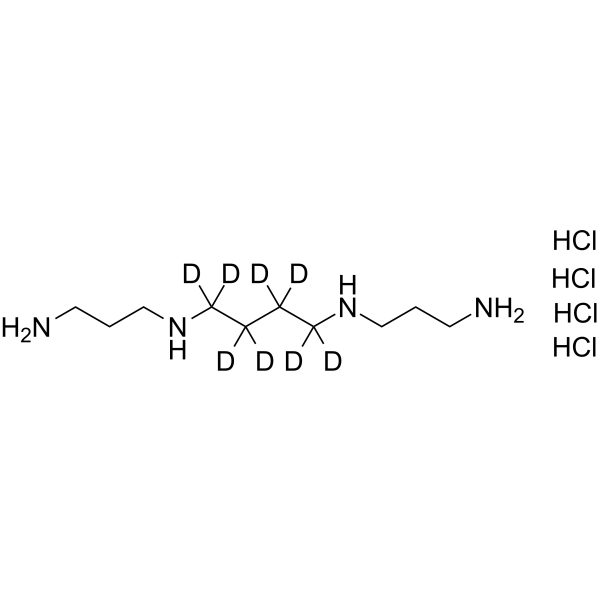
Spermine-d8 (tetrahydrochloride) is the deuterium labeled Spermine tetrahydrochloride. Spermine tetrahydrochloride is a polyamine nitric oxide donor that can provide nitric oxide to platelets and inhibit platelet activation to a certain extent concentration-dependently. Spermine tetrahydrochloride occurs in mammalian tissues, plants, bacteria, ribosomes and bacteriophage. Spermine tetrahydrochloride inhibits primary human embryo lung fibroblasts in vitro. Spermine is a natural antioxidant and anti-inflammatory agent. Spermine is known to inhibit some bacterial cultures, especially strains of Staphylococcus aureus. Spermine induces neurotoxicity in the striarum dose-dependently. Spermine can reversibly inhibits DNA synthetic response, mixed lymphocyte response and the induction of cytolytic lymphocyte response in primary cultures of murine spleen cells .
|
-
-
- HY-B0003S
-
|
LY 188011-13C,15N2 hydrochloride
|
Apoptosis
Nucleoside Antimetabolite/Analog
DNA/RNA Synthesis
Autophagy
|
Cancer
|
|
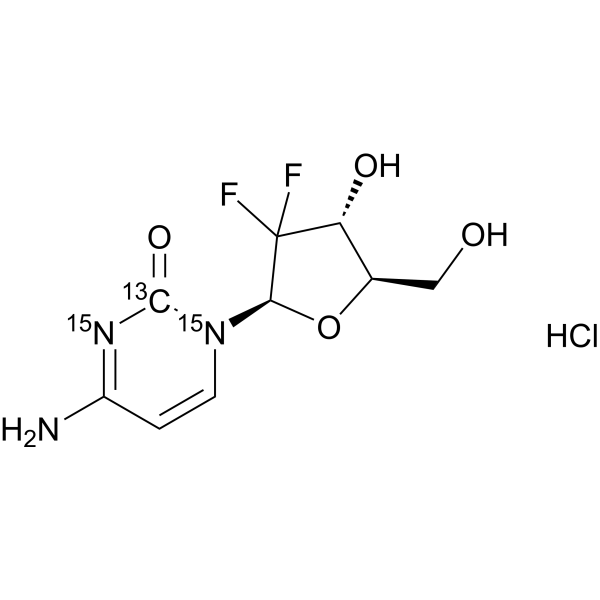
Gemcitabine- 13C, 15N2 (hydrochloride) is the 13C and 15N labeled Gemcitabine hydrochloride . Gemcitabine Hydrochloride (LY 188011 Hydrochloride) is a pyrimidine nucleoside analog antimetabolite and an antineoplastic agent. Gemcitabine Hydrochloride inhibits DNA synthesis and repair, resulting in autophagyand apoptosis .
|
-
-
- HY-W011500S
-
|
|
Isotope-Labeled Compounds
|
Others
|
|
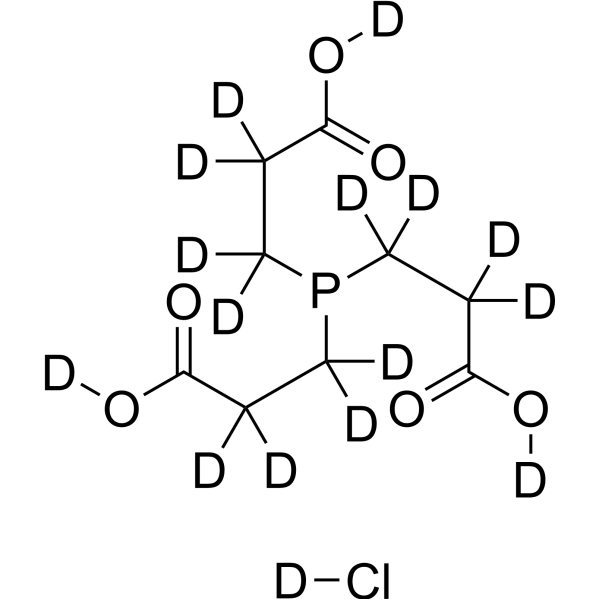
TCEP-d16 (hydrochloride) is the deuterium labeled TCEP hydrochloride . TCEP hydrochloride (Tris(2-carboxyethyl)phosphine hydrochloride) is a non-thiol reducing agent that is more stable and produces a faster S-S reductive reaction than other chemical reductants. TCEP hydrochloride is a trialkylphosphine, selectively reduces protein disuldes without altering the properties or interacting with thiol-directed agents in the reaction mixture. TCEP hydrochloride is also a commonly used reducing agent in the DNA/AuNP chemistry .
|
-
-
- HY-D1668
-
|
|
DNA Stain
Reverse Transcriptase
|
Infection
Neurological Disease
Cancer
|
|
Biotin-11-dCTP is a biotinylated deoxynucleoside triphosphate and an important DNA labeling reagent. In random primer DNA labeling reactions, Biotin-11-dCTP incorporates into newly synthesized DNA strands to generate labeled DNA probes suitable for hybridization applications. In addition, Biotin-11-dCTP can serve as a substrate for terminal deoxynucleotidyl transferase to end-label oligonucleotides for telomere sequence detection, or to label the cut ends of linearized DNA molecules, thereby supporting streptavidin-based electron microscopy analysis. For example, Biotin-11-dCTP can label the cut ends of linearized DNA molecules under the action of dGTP and avian myeloblastosis virus reverse transcriptase .
|
-
-
- HY-D0163
-
|
|
DNA Stain
|
Others
|
|
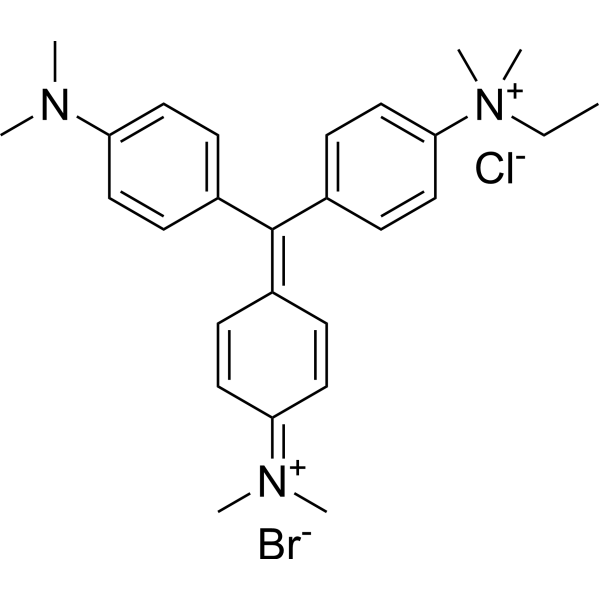
Methyl Green is a non-intercalating fluorescent labeling agent that selectively binds to the major groove of DNA. Methyl Green electrostatically interacts with the major groove of DNA through positively charged groups, exhibiting key activities such as high affinity, resistance to photobleaching, and stable fluorescence emission. Methyl Green can be directly measured by microscopy and flow cytometry, with peaks at 633 and 677 nm. Methyl Green can be used for fluorescent labeling of the nuclei of embryonic tissues or cells, or DNA staining and cell activity detection in gel electrophoresis[1][2][3].
|
-
-
- HY-13580S
-
|
|
Glucocorticoid Receptor
|
Inflammation/Immunology
Cancer
|
|
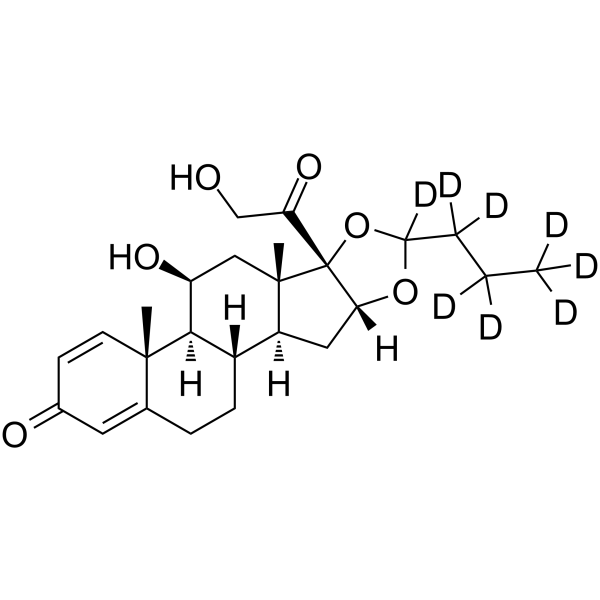
Budesonide-d8 is the deuterium labeled Budesonide. Budesonide, an inhaled glucocortical steroid, is an orally active glucocorticoid receptor agonist. Budesonide decreases the size of lung tumors, reverses DNA hypomethylation and modulates mRNA expression of genes. Budesonide is an anti-inflammatory agent used for asthma .
|
-
-
- HY-151662
-
|
N3-TFBA
|
ADC Linker
|
Others
|
|
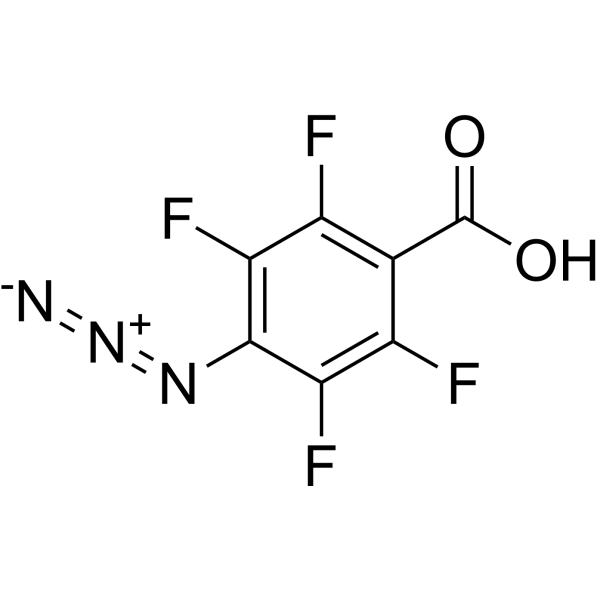
4-Azido-2,3,5,6-tetrafluorobenzoic Acid (N3-TFBA) is a click chemistry reagent containing an azide group. 4-Azido-2,3,5,6-tetrafluorobenzoic Acid is a complex with FAM-labeled DNA probe. 4-Azido-2,3,5,6-tetrafluorobenzoic Acid can be used as versatile photoaffinity labeling agents to probe biological receptors. It contains an azide group and can undergo copper-catalyzed azide-alkyne cycloaddition (CuAAc) with molecules containing alkyne groups. It can also undergo ring strain-promoted alkyne-azide cycloaddition (SPAAC) with molecules containing DBCO or BCN groups.
|
-
-
- HY-B0245S
-
|
|
DNA Alkylator/Crosslinker
Apoptosis
|
Inflammation/Immunology
Cancer
|
|
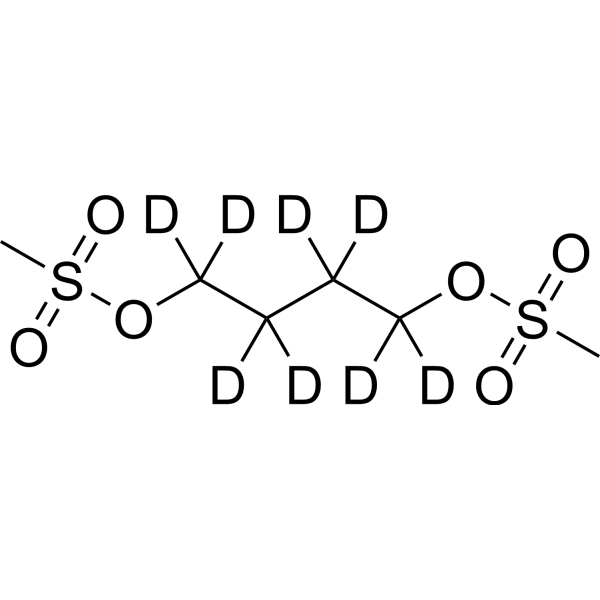
Busulfan-d8 is a deuterium labeled Busulfan. Busulfan is a potent alkylating antineoplastic agent. Busulfan causes DNA damage by cross-linking DNAs and DNA and proteins. Busulfan inhibits thioredoxin reductase. Busulfan induces apoptosis. Busulfan is an immunosuppressive and myeloablative chemotherapeutic agent .
|
-
-
- HY-17364S
-
|
|
DNA Alkylator/Crosslinker
Autophagy
Apoptosis
|
Cancer
|
|
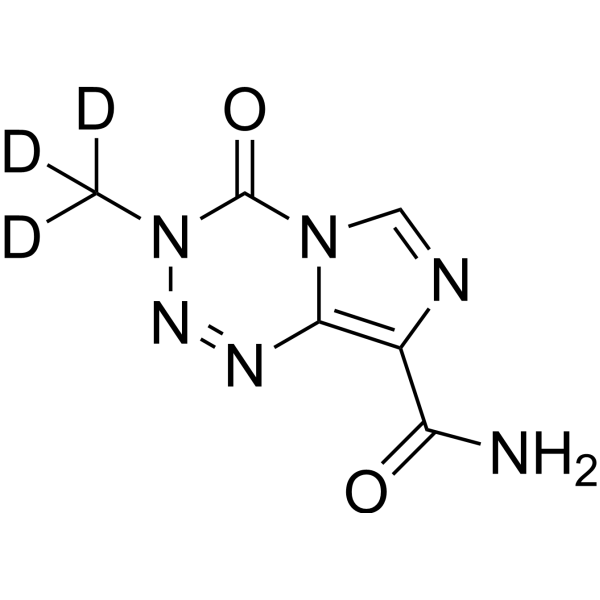
Temozolomide-d3 is the deuterium labeled Temozolomide. Temozolomide (NSC 362856) is an oral active DNA alkylating agent that crosses the blood-brain barrier. Temozolomide is also a proautophagic and proapoptotic agent. Temozolomide is effective against tumor cells that are characterized by low levels of O6-alkylguanine DNA alkyltransferase (OGAT) and a functional mismatch repair system. Temozolomide has antitumor and antiangiogenic effects .
|
-
-
- HY-17422S1
-
|
Aciclovir-d4; Acycloguanosine-d4
|
Isotope-Labeled Compounds
HSV
Bacterial
Apoptosis
Antibiotic
|
Infection
Cancer
|
|
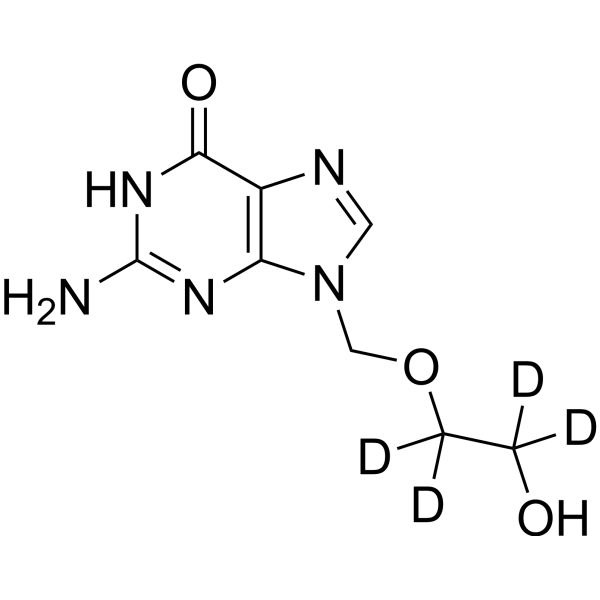
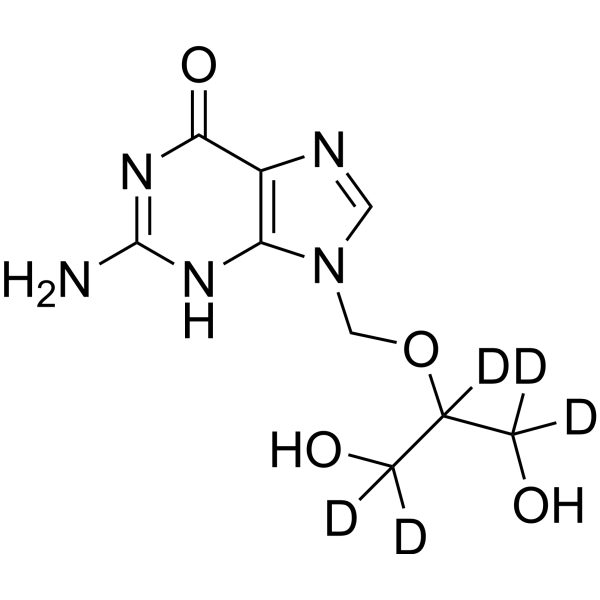
Acyclovir-d4 is the deuterium labeled Acyclovir. Acyclovir (Aciclovir) is a guanosine analogue and an orally active antiviral agent. Acyclovir inhibits HSV-1 (IC50 of 0.85 μM), HSV-2 (IC50 of 0.86 μM) and varicella-zoster virus. Acyclovir can be phosphorylated by viral thymidine kinase (TK), and Acyclovir triphosphate interferes with viral DNA polymerization through competitive inhibition with guanosine triphosphate and obligatory chain termination . Acyclovir prevents bacterial infections during induction therapy for acute leukaemia .
|
-
-
- HY-B0330S
-
|
(-)-Ofloxacin-d8
|
Bacterial
Antibiotic
|
Infection
|
|
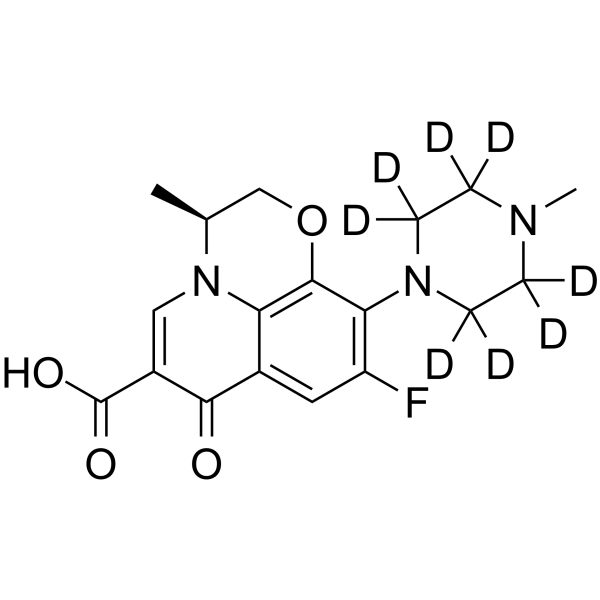
Levofloxacin-d8 is the deuterium labeled Levofloxacin. Levofloxacin, a synthetic fluoroquinolone, is an antibacterial agent that inhibits the supercoiling activity of bacterial DNA gyrase, halting DNA replication.
|
-
-
- HY-Y0842S1
-
|
Methanamide-d3; Formimidic acid-d3
|
Isotope-Labeled Compounds
Biochemical Assay Reagents
Apoptosis
|
Cardiovascular Disease
Cancer
|
|
Formamide-d3 is the deuterium labeled Formamide (HY-Y0842). Formamide is an effective DNA denaturant that significantly reduces the stability of DNA in buffer solutions. Formamide can also be used as a decalcifying agent for rat cardiac cells. Additionally, formamide is widely used as a solvent or chemical raw material for ion compounds, resins, and plasticizers.
|
-
-
- HY-Y0546S
-
|
|
Isotope-Labeled Compounds
Endogenous Metabolite
Photosensitizer
|
Cancer
|
|
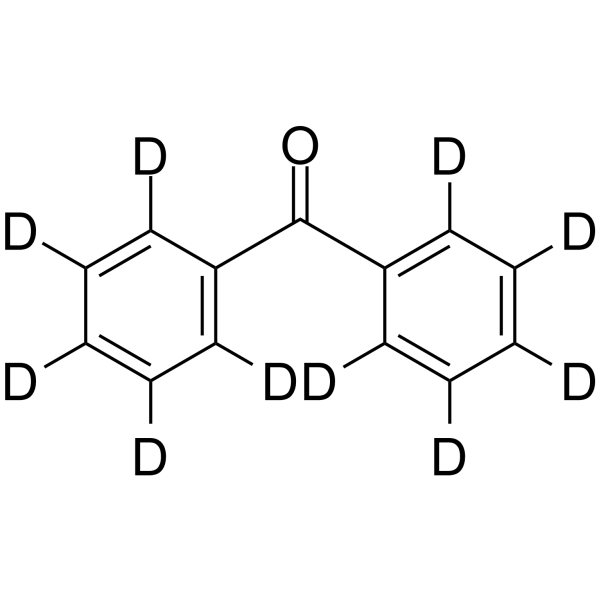
Benzophenone-d10 is the deuterium labeled Benzophenone (HY-Y0546). Benzophenone is an endogenous metabolite. Benzophenone is a photosensitizer, that absorbs UV light, transfers its energy to DNA, and triggers DNA damage. Benzophenone can be used as the fragrance enhancer, ultraviolet curing agent, additive in plastics, or the flavor ingredient. Benzophenone can also be used in the manufacturing of insecticides, agricultural chemicals, hypnotics, antihistamines, and other pharmaceuticals. Benzophenone exhibits certain carcinogenicity in mouse/rat models under long term exposure. Benzophenone exhibits estrogenic activity .
|
-
-
- HY-N1150S9
-
|
DThyd-15N2; NSC-15N2
|
DNA/RNA Synthesis
Endogenous Metabolite
Orthopoxvirus
|
Cancer
|
|
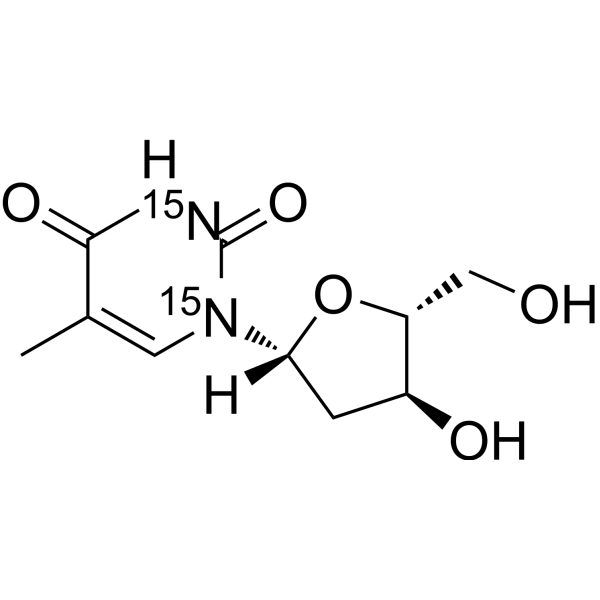
Thymidine- 15N2 is the 15N labeled Thymidine . Thymidine, a specific precursor of deoxyribonucleic acid, is used as a cell synchronizing agent. Thymidine is a DNA synthesis inhibitor that can arrest cell at G1/S boundary, prior to DNA replication .
|
-
-
- HY-N1150S8
-
|
DThyd-13C10,15N2; NSC-13C10,15N2
|
DNA/RNA Synthesis
Endogenous Metabolite
Orthopoxvirus
|
Cancer
|
|
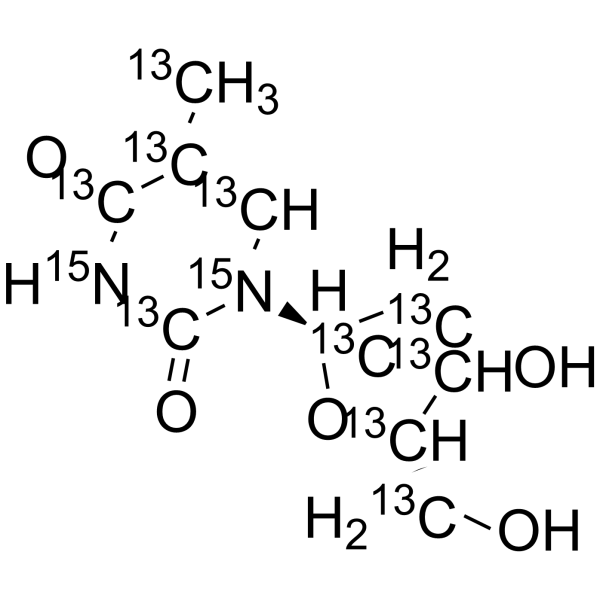
Thymidine- 13C10, 15N2 is the 13C and 15N labeled Thymidine[1]. Thymidine, a specific precursor of deoxyribonucleic acid, is used as a cell synchronizing agent. Thymidine is a DNA synthesis inhibitor that can arrest cell at G1/S boundary, prior to DNA replication[2][3][4].
|
-
-
- HY-N1150S11
-
-
-
- HY-D0948
-
|
|
Fluorescent Dye
|
Infection
|
|
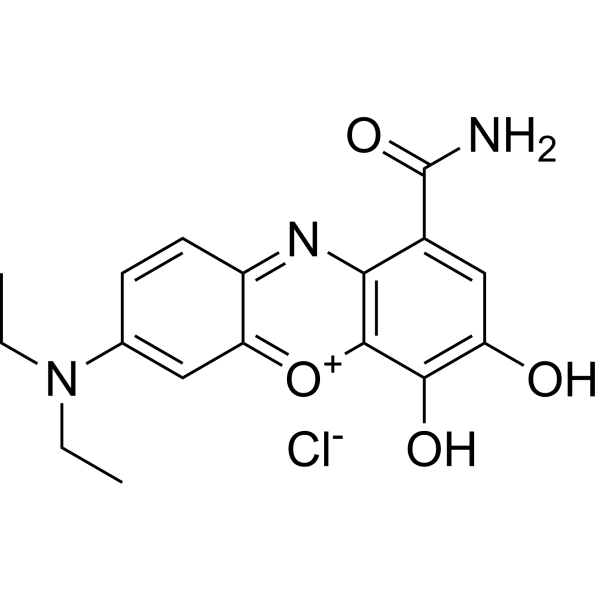
Celestine Blue is a electroactive indicator in DNA biosensors. Celestine Blue is strongly adsorbed on the spinel phases and CNT (carbon nanotubes), facilitates dispersion, acts as a capping agent and allows for the fabrication of spinel decorated CNT. Celestine Blue is an efficient charge transfer mediator, which allows for significant improvement of capacitive behavior. TiO2 nanoparticles doped with Celestine Blue can be used as a label in a sandwich immunoassay for the hepatitis C virus (HCV) core antigen .
|
-
-
- HY-13637S
-
|
BW 759-d5; 2'-Nor-2'-deoxyguanosine-d5
|
Isotope-Labeled Compounds
CMV
HSV
Antibiotic
Nucleoside Antimetabolite/Analog
|
Infection
|
|
Ganciclovir-d5 is the deuterium labeled Ganciclovir. Ganciclovir (BW 759), a nucleoside analogue, is an orally active antiviral agent with activity against CMV. Ganciclovir also has activity in vitro against members of the herpes group and some other DNA viruses. Ganciclovir inhibits the in vitro replication of human herpes viruses (HSV 1 and 2, CMV) and adenovirus serotypes 1, 2, 4, 6, 8, 10, 19, 22 and 28. Ganciclovir has an IC50 of 5.2 μM for feline herpesvirus type-1 (FHV-1) .
|
-
-
- HY-N0573S
-
|
7-Hydroxycoumarin-d5; Hydrangin-d5; NSC 19790-d5
|
Isotope-Labeled Compounds
Apoptosis
Fluorescent Dye
|
Neurological Disease
Inflammation/Immunology
Cancer
|
|
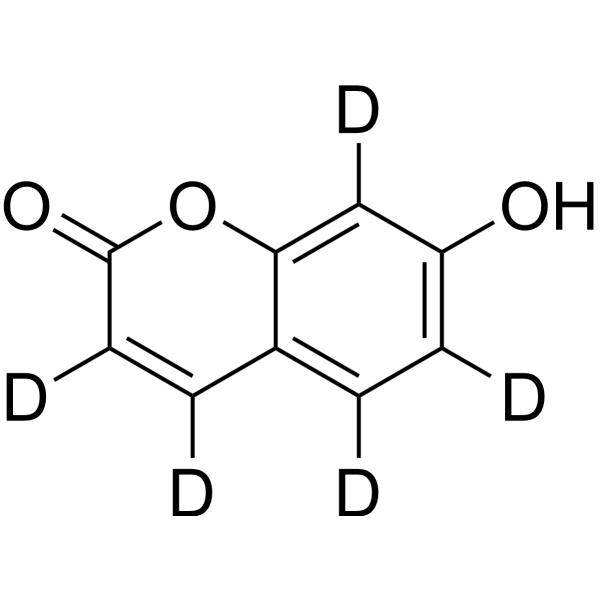
Umbelliferone-d5 (7-Hydroxycoumarin-d5) is the deuterium labeled Umbelliferone (HY-N0573 ). Umbelliferone (7-Hydroxycoumarin), a natural orally active product of the coumarin family, is a fluorescing compound which can be used as a sunscreen agent. Umbelliferone induces cell cycle arrest, apoptosis and DNA fragmentation in HepG2 cells. Umbelliferone exhibits significant anticancer effects. Umbelliferone attenuates the alteration characteristics of allergic airway inflammation. Umbelliferone displays the neuroprotective effects and cross the blood-brain barrier. Umbelliferone exhibits anti-inflammatory and antioxidant effects in chronic alcohol-fed rats .
|
-
-
- HY-W018008
-
|
Ferrocenylacetylene; Ferrocenylethyne
|
Biochemical Assay Reagents
|
Others
|
|
Ethynylferrocene (Ferrocenylacetylene) is a click chemistry agent. Ethynylferrocene can be used for labeling of hairpin DNA probes to monitor the DNA hybridization via the Cu(I)-catalyzed azide-alkyne cycloaddition (CuAAC) .
|
-
-
- HY-17393S
-
-
-
- HY-N1150S2
-
-
-
- HY-N1150S
-
|
DThyd-d3; NSC 21548-d3
|
Isotope-Labeled Compounds
DNA/RNA Synthesis
Endogenous Metabolite
|
Others
|
|
Thymidine-d3 is the deuterium labeled Thymidine. Thymidine, a specific precursor of deoxyribonucleic acid, is used as a cell synchronizing agent. Thymidine is a DNA synthesis inhibitor that can arrest cell at G1/S boundary, prior to DNA replication .
|
-
-
- HY-Y0842S3
-
|
Methanamide-15N; Formimidic acid-15N
|
Isotope-Labeled Compounds
Biochemical Assay Reagents
Apoptosis
|
Cardiovascular Disease
Cancer
|
|
Formamide- 15N is the 15N labeled Formamide (HY-Y0842). Formamide is an effective DNA denaturant that significantly reduces the stability of DNA in buffer solutions. Formamide can also be used as a decalcifying agent for rat cardiac cells. Additionally, formamide is widely used as a solvent or chemical raw material for ion compounds, resins, and plasticizers.
|
-
-
- HY-D2438
-
|
|
Fluorescent Dye
|
Cancer
|
|
CDDP-PEG-Cy3 is a CDDP-PEG conjugate labeled with Cy3 (HY-D0822). The Cy3 fluorophore is commonly used in applications such as immunolabeling, nucleic acid labeling, fluorescence microscopy, and flow cytometry. The maximum emission wavelength of Cy3 is approximately 562-570 nm. Cisplatin (CDDP) (HY-17394) is an antineoplastic chemotherapy agent by cross-linking with DNA and causing DNA damage in cancer cells. Cisplatin activates ferroptosis and induces autophagy .
|
-
-
- HY-B0537AS
-
|
MP-601205-d4 dihydrochloride
|
Isotope-Labeled Compounds
Parasite
Fungal
Phosphatase
Bacterial
Antibiotic
|
Infection
Cancer
|
|
Pentamidine-d4 (dihydrochloride) is the deuterium labeled Pentamidine dihydrochloride. Pentamidine dihydrochloride (MP-601205 dihydrochloride) is an antimicrobial agent and interferes with DNA biosynthetics. Pentamidine dihydrochloride inhibits parasite Leishmania infantum with an IC50 of 2.5 μM. Pentamidine dihydrochloride is a potent and selective protein tyrosine phosphatases (PTPases) and phosphatase of regenerating liver (PRL) inhibitor. Pentamidine dihydrochloride has the potential for Gambian trypanosomiasis, antimony-resistant leishmaniasis, and Pneumocystis carinii pneumonia treatment. Antitumor and antibacterial activities .
|
-
-
- HY-N1150S6
-
-
-
- HY-N1150S10
-
-
-
- HY-W004702S
-
-
-
- HY-Y0546S2
-
|
|
Isotope-Labeled Compounds
Endogenous Metabolite
Photosensitizer
|
Cancer
|
|
Benzophenone- 13C is the 13C labeled Benzophenone (HY-Y0546). Benzophenone is an endogenous metabolite. Benzophenone is a photosensitizer, that absorbs UV light, transfers its energy to DNA, and triggers DNA damage. Benzophenone can be used as the fragrance enhancer, ultraviolet curing agent, additive in plastics, or the flavor ingredient. Benzophenone can also be used in the manufacturing of insecticides, agricultural chemicals, hypnotics, antihistamines, and other pharmaceuticals. Benzophenone exhibits certain carcinogenicity in mouse/rat models under long term exposure. Benzophenone exhibits estrogenic activity .
|
-
-
- HY-B0960S
-
|
N-Sulfanilylbenzamide-d4
|
Bacterial
Autophagy
Isotope-Labeled Compounds
MDM-2/p53
Caspase
PARP
DNA-PK
Akt
|
Infection
Cancer
|
|
Sulfabenzamide (N-Sulfanilylbenzamide)-d4 is the deuterium labeled Sulfabenzamide (HY-B0960). Sulfabenzamide is a sulfonamide antibacterial agent. Sulfabenzamide exhibit antibacterial activity against Staphylococcus aureus (ATCC 25923) and Escherichia coli (ATCC 8739). Sulfabenzamide can promote autophagic cell autophagy in breast cancer cells through p53/ DRAM pathway. Sulfabenzamide increases caspase-3 activity, deactivates PARP1 and DNA-PK, downregulates AKT1 and AKT2. Sulfabenzamide can be used for the researches of breast cancer and bacterial infections .
|
-
-
- HY-113352S
-
|
|
Endogenous Metabolite
|
Others
|
|
7-Methylguanine-d3 is the deuterium labeled 7-Methylguanine . 7-Methylguanine is a metabolite of DNA methylation. It can be generated by methylating agents, and used as a probe of protein–DNA interactions and a key component of DNA sequencing method .
|
-
-
- HY-N1150S1
-
|
DThyd-d4; NSC 21548-d4
|
DNA/RNA Synthesis
Endogenous Metabolite
|
Others
|
|
Thymidine-d4 is the deuterium labeled Thymidine. Thymidine, a specific precursor of deoxyribonucleic acid, is used as a cell synchronizing agent. Thymidine is a DNA synthesis inhibitor that can arrest cell at G1/S boundary, prior to DNA replication .
|
-
-
- HY-N1150S3
-
-
-
- HY-13562AS
-
|
AQ4N-d12 dihydrochloride
|
Topoisomerase
|
Cancer
|
|
Banoxantrone-d12 (dihydrochloride) is the deuterium labeled Banoxantrone dihydrochloride. Banoxantrone is a novel bioreductive agent that can be reduced to a stable, DNA-affinic compound AQ4, which is a potent topoisomerase II inhibitor.
|
-
-
- HY-13562S
-
|
AQ4N d12
|
Isotope-Labeled Compounds
Topoisomerase
|
Cancer
|
|
Banoxantrone-d12 is the deuterium labeled banoxantrone. Banoxantrone is a novel bioreductive agent that can be reduced to a stable, DNA-affinic compound AQ4, which is a potent topoisomerase II inhibitor.
|
-
-
- HY-W742981
-
-
-
- HY-14771S
-
-
-
- HY-A0061S
-
|
Trifluorothymidine-13C,15N2; 5-Trifluorothymidine-13C,15N2; TFT-13C,15N2
|
Thymidylate Synthase
Nucleoside Antimetabolite/Analog
HSV
Orthopoxvirus
|
Cancer
|
|
Trifluridine- 13C, 15N2 is the 13C and 15N labeled Trifluridine . Trifluridine (Trifluorothymidine;5-Trifluorothymidine;TFT) is an irreversible thymidylate synthase inhibitor, and thereby suppresses DNA synthesis. Trifluridine is an antiviral agent for herpes simplex virus (HSV) infection. Trifluorothymidine also has anti-orthopoxvirus activity .
|
-
-
- HY-W744243
-
-
-
- HY-B0497S2
-
|
BAY2353-d3
|
Isotope-Labeled Compounds
Antibiotic
STAT
Parasite
|
Infection
Cancer
|
|
Niclosamide-d3 (BAY2353-d3) is deuterium labeled Niclosamide. Niclosamide (BAY2353) is an orally active antihelminthic agent used in parasitic infection research . Niclosamide is a STAT3 inhibitor with an IC50 of 0.25 μM in HeLa cells . Niclosamide has biological activities against cancer, inhibits DNA replication in Vero E6 cells .
|
-
-
- HY-B0724BS
-
|
T3761-d4
|
Isotope-Labeled Compounds
Bacterial
DNA/RNA Synthesis
|
Infection
|
|
Pazufloxacin-d4 is deuterium labeled Pazufloxacin (HY-B0724B). Pazufloxacin is an orally active fluoroquinolone antimicrobial agent. Pazufloxacin inhibits DNA gyrase with IC50 values of 0.88 μg/mL (E. coli) and 1.9 μg/mL (P. aeruginosa). Pazufloxacin exhibits broad-spectrum antimicrobial activity, with MIC90 values ranging from 0.025 to 100 μg/mL against Gram-positive and Gram-negative bacteria, non-fermenting bacteria, Legionella spp., and anaerobic bacteria. Pazufloxacin is indicated for research on systemic infections, lung infections, urinary tract infections, and Legionella pneumonia .
|
-
-
- HY-B1777S
-
|
NSC 268508-15N2; Neuridine-15N2
|
Isotope-Labeled Compounds
Endogenous Metabolite
Bacterial
Reactive Oxygen Species (ROS)
DNA/RNA Synthesis
|
Infection
Neurological Disease
Inflammation/Immunology
|
|
Spermine- 15N2 (NSC 268508- 15N2) is the 15N-labeled Spermine (HY-B1777). Spermine is a natural antioxidant and anti-inflammatory agent. Spermine is known to inhibit some bacterial cultures, especially strains of Staphylococcus aureus. Spermine induces neurotoxicity in the striarum dose-dependently. Spermine can reversibly inhibits DNA synthetic response, mixed lymphocyte response and the induction of cytolytic lymphocyte response in primary cultures of murine spleen cells. Spermine tetrahydrochloride is a polyamine nitric oxide donor that can provide nitric oxide to platelets and inhibit platelet activation to a certain extent concentration-dependently. Spermine tetrahydrochloride occurs in mammalian tissues, plants, bacteria, ribosomes and bacteriophage. Spermine tetrahydrochloride inhibits primary human embryo lung fibroblasts in vitro .
|
-
-
- HY-13567S
-
-
-
- HY-B0330S1
-
|
|
Bacterial
Antibiotic
|
Infection
|
|
(S)-Ofloxacin-d3 is the deuterium labeled Levofloxacin. Levofloxacin, a synthetic fluoroquinolone, is an antibacterial agent that inhibits the supercoiling activity of bacterial DNA gyrase, halting DNA replication.
|
-
-
- HY-135389S
-
|
|
Isotope-Labeled Compounds
Drug Metabolite
Antibiotic
|
Infection
|
|
Desmethyl Levofloxacin-d8 hydrochloride is the deuterium labeled Desmethyl Levofloxacin. Desmethyl Levofloxacin is a metabolite of Levofloxacin. Levofloxacin, a synthetic fluoroquinolone, is an antibacterial agent that inhibits the supercoiling activity of bacterial DNA gyrase, halting DNA replication .
|
-
-
- HY-135389S1
-
|
|
Isotope-Labeled Compounds
Drug Metabolite
Antibiotic
|
Infection
|
|
Desmethyl Levofloxacin-d8 is deuterium labeled Desmethyl Levofloxacin. Desmethyl Levofloxacin is a metabolite of Levofloxacin. Levofloxacin, a synthetic fluoroquinolone, is an antibacterial agent that inhibits the supercoiling activity of bacterial DNA gyrase, halting DNA replication .
|
-
-
- HY-13585S
-
-
-
- HY-W701673
-
-
- HY-B0077S1
-
|
SDX-105-d8
|
Isotope-Labeled Compounds
DNA Alkylator/Crosslinker
Apoptosis
|
Cancer
|
|
Bendamustine-d8 (hydrochloride) is deuterium labeled Bendamustine (hydrochloride). Bendamustine hydrochloride (SDX-105), a purine analogue, is a DNA cross-linking agent. Bendamustine hydrochloride activats DNA-damage stress response and apoptosis. Bendamustine hydrochloride has potent alkylating, anticancer and antimetabolite properties .
|
-
- HY-N1150S5
-
-
- HY-N1150S4
-
-
- HY-13567S1
-
|
SDX-105-d8 free base
|
DNA Alkylator/Crosslinker
Apoptosis
|
Cancer
|
|
Bendamustine-d8 is the deuterium labeled Bendamustine . Bendamustine (SDX-105 free base), a purine analogue, is a DNA cross-linking agent. Bendamustine activates DNA-damage stress response and apoptosis. Bendamustine has potent alkylating, anticancer and antimetabolite properties .
|
-
- HY-B0546AS
-
-
- HY-W738282
-
|
SDX-105-d7
|
Isotope-Labeled Compounds
DNA Alkylator/Crosslinker
Apoptosis
|
Cancer
|
|
Bendamustine-d7 hydrochloride (SDX-105-d7) is the deuterium labeled Bendamustine hydrochloride (HY-B0077). Bendamustine hydrochloride (SDX-105), a purine analogue, is a DNA cross-linking agent. Bendamustine hydrochloride activats DNA-damage stress response and apoptosis. Bendamustine hydrochloride has potent alkylating, anticancer and antimetabolite properties .
|
-
- HY-W766305
-
-
- HY-W704876
-
-
- HY-14519S1
-
|
|
Isotope-Labeled Compounds
|
Metabolic Disease
Inflammation/Immunology
Cancer
|
|
Methotrexate-d3 diammonium is the deuterium labeled Methotrexate diammonium. Methotrexate (Amethopterin), an antimetabolite and antifolate agent, inhibits the enzyme dihydrofolate reductase, thereby preventing the conversion of folic acid into tetrahydrofolate, and inhibiting DNA synthesis. Methotrexate, also an immunosuppressant and antineoplastic agent, is used for the research of rheumatoid arthritis and a number of different cancers (such as acute lymphoblastic leukemia) .
|
-
- HY-Y0842S5
-
|
|
Isotope-Labeled Compounds
Biochemical Assay Reagents
Apoptosis
|
Cardiovascular Disease
Cancer
|
|
Formamide-d2 is the deuterium labeled Formamide (HY-Y0842). Formamide is an effective DNA denaturant that significantly reduces the stability of DNA in buffer solutions. Formamide can also be used as a decalcifying agent for rat cardiac cells. Additionally, formamide is widely used as a solvent or chemical raw material for ion compounds, resins, and plasticizers.
|
-
- HY-Y0842S4
-
|
|
Isotope-Labeled Compounds
Biochemical Assay Reagents
Apoptosis
|
Cardiovascular Disease
Cancer
|
|
Formamide-d1 is the deuterium labeled Formamide (HY-Y0842). Formamide is an effective DNA denaturant that significantly reduces the stability of DNA in buffer solutions. Formamide can also be used as a decalcifying agent for rat cardiac cells. Additionally, formamide is widely used as a solvent or chemical raw material for ion compounds, resins, and plasticizers.
|
-
- HY-Y0842S
-
|
Methanamide-13C; Formimidic acid-13C
|
Isotope-Labeled Compounds
Biochemical Assay Reagents
Apoptosis
|
Cardiovascular Disease
Cancer
|
|
Formamide- 13C is the 13C-labeled Formamide (HY-Y0842). Formamide is an effective DNA denaturant that significantly reduces the stability of DNA in buffer solutions. Formamide can also be used as a decalcifying agent for rat cardiac cells. Additionally, formamide is widely used as a solvent or chemical raw material for ion compounds, resins, and plasticizers.
|
-
- HY-130569S1
-
|
|
Isotope-Labeled Compounds
Drug Metabolite
|
Metabolic Disease
|
|
7-Hydroxymethotrexate-d3 is the deuterium labeled 7-Hydroxymethotrexate. 7-Hydroxymethotrexate is a major metabolite of Methotrexate (HY-14519). Methotrexate, an antimetabolite and antifolate agent, inhibits the enzyme dihydrofolate reductase, thereby preventing the conversion of folic acid into tetrahydrofolate, and inhibiting DNA synthesis .
|
-
- HY-130569S
-
|
|
Isotope-Labeled Compounds
Drug Metabolite
|
Inflammation/Immunology
Cancer
|
|
7-Hydroxymethotrexate-d3 (sodium) is deuterium labeled 7-Hydroxymethotrexate. 7-Hydroxymethotrexate is a major metabolite of Methotrexate (HY-14519). Methotrexate, an antimetabolite and antifolate agent, inhibits the enzyme dihydrofolate reductase, thereby preventing the conversion of folic acid into tetrahydrofolate, and inhibiting DNA synthesis .
|
-
- HY-130569S2
-
|
|
Isotope-Labeled Compounds
Drug Metabolite
|
Metabolic Disease
|
|
7-Hydroxymethotrexate-d3 (ammonium) is the deuterium labeled 7-Hydroxymethotrexate ammonium. 7-Hydroxymethotrexate is a major metabolite of Methotrexate (HY-14519). Methotrexate, an antimetabolite and antifolate agent, inhibits the enzyme dihydrofolate reductase, thereby preventing the conversion of folic acid into tetrahydrofolate, and inhibiting DNA synthesis .
|
-
- HY-W654227
-
|
|
Isotope-Labeled Compounds
Drug Metabolite
|
Inflammation/Immunology
|
|
7-Hydroxy methotrexate-d3 (ammonium salt) is deuterium labeled 7-Hydroxymethotrexate. 7-Hydroxymethotrexate is a major metabolite of Methotrexate (MTX; HY-14519). Methotrexate, an antimetabolite and antifolate agent, inhibits the enzyme dihydrofolate reductase, thereby preventing the conversion of folic acid into tetrahydrofolate, and inhibiting DNA synthesis .
|
-
- HY-13629S
-
-
- HY-13629S1
-
-
- HY-13762S
-
|
|
Isotope-Labeled Compounds
Cytochrome P450
|
Cancer
|
|
Tesmilifene-d4 is the deuterium labeled Tesmilifene (HY-13762). Tesmilifene is an antihistamine agent and a chemical sensitizer. Tesmilifene targets cytochrome P450, exhibits hormonal effects on DNA synthesis in MCF-7 cells, and stimulates the tumor growth in mouse/rat models. Tesmilifene overcomes multidrug resistance .
|
-
- HY-W747737
-
|
(E)-5-(2-Bromovinyl)-dUTP; BVdUTP
|
VZV
DNA/RNA Synthesis
HSV
|
Infection
|
|
BVDU 5′-Triphosphate is an antivirus agent with 5′-Triphosphate label, targeting viral DNA polymerase. BVDU 5′-Triphosphate shows excellent selectivity against varicella-zoster virus (VZV) and herpes simplex virus type 1 (HSV-1), due to a specific phosphorylation by the virus-encoded thymidine kinase.
|
-
- HY-W700621
-
|
Tris(2-carboxyethyl)phosphine hydrochloride-d12
|
Isotope-Labeled Compounds
Others
|
Others
|
|
TCEP-d12 (hydrochloride) (Tris(2-?carboxyethyl)?phosphine hydrochloride-d12) is deuterium labeled TCEP (hydrochloride). TCEP hydrochloride (Tris(2-carboxyethyl)phosphine hydrochloride) is a non-thiol reducing agent that is more stable and produces a faster S-S reductive reaction than other chemical reductants. TCEP hydrochloride is a trialkylphosphine, selectively reduces protein disuldes without altering the properties or interacting with thiol-directed agents in the reaction mixture. TCEP hydrochloride is also a commonly used reducing agent in the DNA/AuNP chemistry .
|
-
- HY-W747737A
-
|
(E)-5-(2-Bromovinyl)-dUTP ammonium; BVdUTP ammonium
|
VZV
DNA/RNA Synthesis
HSV
|
Infection
|
|
BVDU 5′-Triphosphate ammonium is an antivirus agent with 5′-Triphosphate label, targeting viral DNA polymerase. BVDU 5′-Triphosphate ammonium shows excellent selectivity against varicella-zoster virus (VZV) and herpes simplex virus type 1 (HSV-1), due to a specific phosphorylation by the virus-encoded thymidine kinase.
|
-
- HY-Y0546S1
-
|
|
Isotope-Labeled Compounds
Endogenous Metabolite
Photosensitizer
|
Cancer
|
|
Benzophenone-d5 is the deuterium labeled Benzophenone (HY-Y0546). Benzophenone is an endogenous metabolite. Benzophenone is a photosensitizer, that absorbs UV light, transfers its energy to DNA, and triggers DNA damage. Benzophenone can be used as the fragrance enhancer, ultraviolet curing agent, additive in plastics, or the flavor ingredient. Benzophenone can also be used in the manufacturing of insecticides, agricultural chemicals, hypnotics, antihistamines, and other pharmaceuticals. Benzophenone exhibits certain carcinogenicity in mouse/rat models under long term exposure. Benzophenone exhibits estrogenic activity .
|
-
- HY-Y0842S2
-
|
|
Isotope-Labeled Compounds
Biochemical Assay Reagents
Apoptosis
|
Cardiovascular Disease
Cancer
|
|
Glycine- 13C, 15N is the 13C and 15N labeled Glycine (HY-Y0842). Formamide is an effective DNA denaturant that significantly reduces the stability of DNA in buffer solutions. It induces apoptosis by promoting the formation of cyclic nucleotides and the phosphorylation and dephosphorylation processes of nucleotides, making it useful in cancer research. Formamide can also be used as a decalcifying agent for rat cardiac cells. Additionally, formamide is widely used as a solvent or chemical raw material for ion compounds, resins, and plasticizers. .
|
-
- HY-D2435
-
|
|
Fluorescent Dye
|
Inflammation/Immunology
Cancer
|
|
CDDP-PEG-Cy3 is a MTX-PEG conjugate labeled with Cy3 (HY-D0822). The Cy3 fluorophore is commonly used in applications such as immunolabeling, nucleic acid labeling, fluorescence microscopy, and flow cytometry. The maximum emission wavelength of Cy3 is approximately 562-570 nm. Methotrexate (Amethopterin; MTX) (HY-14519), an antimetabolite and antifolate agent, inhibits the enzyme dihydrofolate reductase, thereby preventing the conversion of folic acid into tetrahydrofolate, and inhibiting DNA synthesis. Methotrexate, also an immunosuppressant and antineoplastic agent, is used for the research of rheumatoid arthritis and a number of different cancers (such as acute lymphoblastic leukemia) .
|
-
- HY-B0497BS
-
|
BAY2353-13C6 monohydrate
|
STAT
Parasite
Antibiotic
|
Cancer
|
|
Niclosamide- 13C6 (monohydrate) is the 13C labeled Niclosamide monohydrate . Niclosamide (BAY2353) monohydrate is an orally active antihelminthic agent used in parasitic infection research . Niclosamide monohydrate is a STAT3 inhibitor with an IC50 of 0.25 μM in HeLa cells . Niclosamide monohydrate has biological activities against cancer, and inhibits DNA replication in Vero E6 cells .
|
-
- HY-B1085S
-
|
|
Isotope-Labeled Compounds
|
Infection
|
|
Cinoxacin-d5 is the deuterium-labeled Cinoxacin (HY-B1085) . Cinoxacin (Compound 64716),a synthetic antimicrobial related to the quinolone class of orally active antibacterial agent. Cinoxacin has antibacterial activity against many gram-negative aerobic bacteria and inhibits bacterial DNA synthesis. Cinoxacin can be used for the research of urinary tract infections and bacterial prostatitis .
|
-
- HY-B1826S2
-
|
GS-0393-d4; PMEA-d4
|
Isotope-Labeled Compounds
HBV
Reverse Transcriptase
|
Infection
|
|
Adefovir-d4 is the deuterium labeled Adefovir. Adefovir (GS-0393) is an adenosine monophosphate analog antiviral agent that after intracellular conversion to Adefovir diphosphate inhibits HBV DNA polymerase. Adefovir has an IC50 of 0.7 μM against HBV in the HepG2.2.15 cell line. Adefovir has good antiviral activity against several viruses, including HBV and herpesviruses .
|
-
- HY-16305S1
-
|
1263W94-d6 TFA; BW1263W94-d6 TFA; GW257406X-d6 TFA
|
Bacterial
|
Infection
|
|
Maribavir-d6 TFA (1263W94-d6 TFA; BW1263W94-d6 TFA; GW257406X-d6 TFA) is a deuterium labeled Maribavir (HY-16305). Maribavir is an orally active antiviral agent for cytomegalovirus (CMV) through inhibition of protein kinase UL97 and the following CMV DNA replication .
|
-
- HY-W717139
-
|
|
Isotope-Labeled Compounds
DNA Alkylator/Crosslinker
|
Cancer
|
|
N-Nitroso-N-methylurea-d5 is the deuterium labeled N-Nitroso-N-methylurea (HY-34758). N-Nitroso-N-methylurea (NMU;MNU;NMH) is a potent carcinogen, mutagen and teratogenand. N-Nitroso-N-methylurea is a direct-acting alkylating agent that interacts with DNA. N-Nitroso-N-methylurea targets multiple animal organs to cause various cancer and/or degenerative disease. N-Nitroso-N-methylurea is also a precursor in the synthesis of diazomethane .
|
-
- HY-W713297
-
|
ABOB hydrochloride-d8
|
Influenza Virus
Isotope-Labeled Compounds
HCV
HSV
Apoptosis
Caspase
|
Infection
|
|
Moroxydine hydrochloride-d8 (ABOB hydrochloride-d8) is the deuterium labeled Moroxydine (ABOB) hydrochloride (HY-B0420A). Moroxydine hydrochloride is a broad-spectrum agent with multi-antiviral activities against DNA and RNA viruses, including influenza virus, herpes simplex, varicella zoster, measles, mumps disease, hepatitis C virus, etc. Moroxydine hydrochloride exhibits excellent antiviral activity and shows low cytotoxicity to cells infected by dsRNA viruses (grass carp reovirus, GCRV) and large DNA viruses (giant salamander iridovirus, GSIV). Moroxydine hydrochloride blocks the GCRV-induced cytopathic effects and eliminates nucleocapsids in ctenopharyngodon idella kidney (CIK) cells to keep the normal morphological structure. Moroxydine hydrochloride significantly inhibits the apoptosis, the caspase 3 activity, Bax expression and down-regulates Bcl-2 levels [1][2][3].
|
-
- HY-W777393
-
|
7-Hydroxycoumarin-13C6; Hydrangin-13C6; NSC 19790-13C6
|
Isotope-Labeled Compounds
Apoptosis
Fluorescent Dye
|
Neurological Disease
Inflammation/Immunology
Cancer
|
|
Umbelliferone- 13C6 (7-Hydroxycoumarin- 13C6) is the 13C-labeled Umbelliferone (HY-N0573). Umbelliferone (7-Hydroxycoumarin), a natural orally active product of the coumarin family, is a fluorescing compound which can be used as a sunscreen agent. Umbelliferone induces cell cycle arrest, apoptosis and DNA fragmentation in HepG2 cells. Umbelliferone exhibits significant anticancer effects. Umbelliferone attenuates the alteration characteristics of allergic airway inflammation. Umbelliferone displays the neuroprotective effects and cross the blood-brain barrier. Umbelliferone exhibits anti-inflammatory and antioxidant effects in
chronic alcohol-fed rats .
|
-
- HY-W777675
-
|
NSC 270912-13C4
|
Isotope-Labeled Compounds
DNA/RNA Synthesis
|
Others
|
|
2,5-Deoxyfructosazine- 13C4 (NSC 270912- 13C4) is the 13C-labeled 2,5-Deoxyfructosazine (HY-135078). 2,5-Deoxyfructosazine is a pyrazine derivative that can be found in cured tobacco and is used as a flavoring agent in the food and tobacco industry. Pyrazines, including 2,5-deoxyfructosazine, can be produced either by pyrolytic decomposition of natural compounds or by the reaction of sugars with alcoholic ammonia. 2,5-Deoxyfructosazine is also formed by the breakdown of D-glucosamine at neutral pH. Like glucosamine, 2,5-deoxyfructosazine has DNA strand breakage activity and strongly inhibits IL-2 production by Jurkat cells stimulated with phytohemagglutinin (IC50=~1.25 mM).
|
-
- HY-B1398S
-
|
4-Aminoantipyrine-d3
|
Isotope-Labeled Compounds
COX
Drug Metabolite
|
Neurological Disease
Inflammation/Immunology
Cancer
|
|
Ampyrone-d3 is the deuterium labeled Ampyrone (HY-B1398). Ampyrone (4-Aminophenazone; 4-Aminoantipyrine) is a reversible and low-damage optical clearing agent and non-selective COX inhibitor based on UV absorption properties. Ampyrone can improve the optical transmittance of mouse skin and other tissues. Ampyrone can induce tissue refractive index matching by enhancing UV absorption, reduce light scattering, and achieve tissue transparency in vivo. Ampyrone reduces the synthesis of prostaglandin PGE2, thereby exerting anti-inflammatory, analgesic and antipyretic effects. Ampyrone inhibits DNA damage, cell apoptosis and immune cell phagocytosis induced by Doxorubicin (HY-15142A) and Cisplatin (HY-17394), etc., and participates in the regulation of toxicity in tumor chemotherapy .
|
-
- HY-119696S1
-
-
- HY-119475S
-
|
|
Isotope-Labeled Compounds
Insecticide
DNA/RNA Synthesis
Bacterial
|
Others
|
|
Satranidazole-d3 is the deuterium labeled Satranidazole. Satranidazole is an orally active insecticide and antimicrobial agent with high electron affinity. Satranidazole forms reduced nitro intermediates, which interact with DNA, causing helix instability, strand breakage and release of thymidine derivatives. Satranidazole exhibits antitrichomonal activity against Trichomonas vaginalis and Trichomonas foetus, and antiamoebic activity in rodent models of hepatic amoebiasis and caecal amoebiasis. Satranidazole inhibits the replication of bacteriophage φX174 DNA. Satranidazole can be used in research related to caecal amoebiasis, trichomoniasis and anaerobic bacterial infections.
|
-
- HY-D3405
-
|
|
Fluorescent Dye
|
Others
|
|
BO-TAP-3 is an orange fluorescent carbocyanine monomer dye, and it is also a cell impermeable nucleic acid staining agent. When there is no nucleic acid present, BO-TAP-3 shows a non-fluorescent state. However, when it binds to double-stranded DNA, it exhibits multiple fluorescence enhancement effects. BO-TAP-3 can be used for cell nucleus and cytoplasm imaging, bacterial and sperm labeling, and can also be applied in nucleic acid detection and amplification research. It can also be used as a temperature sensor (Ex/Em = 564/600 nM).
|
-
| Cat. No. |
Product Name |
Type |
-
- HY-D1668
-
|
|
Fluorescent Dye
|
|
Biotin-11-dCTP is a biotinylated deoxynucleoside triphosphate and an important DNA labeling reagent. In random primer DNA labeling reactions, Biotin-11-dCTP incorporates into newly synthesized DNA strands to generate labeled DNA probes suitable for hybridization applications. In addition, Biotin-11-dCTP can serve as a substrate for terminal deoxynucleotidyl transferase to end-label oligonucleotides for telomere sequence detection, or to label the cut ends of linearized DNA molecules, thereby supporting streptavidin-based electron microscopy analysis. For example, Biotin-11-dCTP can label the cut ends of linearized DNA molecules under the action of dGTP and avian myeloblastosis virus reverse transcriptase .
|
-
- HY-D0163
-
|
|
Fluorescent Dye
|
|
Methyl Green is a non-intercalating fluorescent labeling agent that selectively binds to the major groove of DNA. Methyl Green electrostatically interacts with the major groove of DNA through positively charged groups, exhibiting key activities such as high affinity, resistance to photobleaching, and stable fluorescence emission. Methyl Green can be directly measured by microscopy and flow cytometry, with peaks at 633 and 677 nm. Methyl Green can be used for fluorescent labeling of the nuclei of embryonic tissues or cells, or DNA staining and cell activity detection in gel electrophoresis[1][2][3].
|
-
- HY-151662
-
|
N3-TFBA
|
Fluorescent Dye
|
|
4-Azido-2,3,5,6-tetrafluorobenzoic Acid (N3-TFBA) is a click chemistry reagent containing an azide group. 4-Azido-2,3,5,6-tetrafluorobenzoic Acid is a complex with FAM-labeled DNA probe. 4-Azido-2,3,5,6-tetrafluorobenzoic Acid can be used as versatile photoaffinity labeling agents to probe biological receptors. It contains an azide group and can undergo copper-catalyzed azide-alkyne cycloaddition (CuAAc) with molecules containing alkyne groups. It can also undergo ring strain-promoted alkyne-azide cycloaddition (SPAAC) with molecules containing DBCO or BCN groups.
|
-
- HY-D0948
-
|
|
Fluorescent Dye
|
|
Celestine Blue is a electroactive indicator in DNA biosensors. Celestine Blue is strongly adsorbed on the spinel phases and CNT (carbon nanotubes), facilitates dispersion, acts as a capping agent and allows for the fabrication of spinel decorated CNT. Celestine Blue is an efficient charge transfer mediator, which allows for significant improvement of capacitive behavior. TiO2 nanoparticles doped with Celestine Blue can be used as a label in a sandwich immunoassay for the hepatitis C virus (HCV) core antigen .
|
-
- HY-D2438
-
|
|
Fluorescent Dye
|
|
CDDP-PEG-Cy3 is a CDDP-PEG conjugate labeled with Cy3 (HY-D0822). The Cy3 fluorophore is commonly used in applications such as immunolabeling, nucleic acid labeling, fluorescence microscopy, and flow cytometry. The maximum emission wavelength of Cy3 is approximately 562-570 nm. Cisplatin (CDDP) (HY-17394) is an antineoplastic chemotherapy agent by cross-linking with DNA and causing DNA damage in cancer cells. Cisplatin activates ferroptosis and induces autophagy .
|
-
- HY-D2435
-
|
|
Fluorescent Dye
|
|
CDDP-PEG-Cy3 is a MTX-PEG conjugate labeled with Cy3 (HY-D0822). The Cy3 fluorophore is commonly used in applications such as immunolabeling, nucleic acid labeling, fluorescence microscopy, and flow cytometry. The maximum emission wavelength of Cy3 is approximately 562-570 nm. Methotrexate (Amethopterin; MTX) (HY-14519), an antimetabolite and antifolate agent, inhibits the enzyme dihydrofolate reductase, thereby preventing the conversion of folic acid into tetrahydrofolate, and inhibiting DNA synthesis. Methotrexate, also an immunosuppressant and antineoplastic agent, is used for the research of rheumatoid arthritis and a number of different cancers (such as acute lymphoblastic leukemia) .
|
-
- HY-D3405
-
|
|
Fluorescent Dye
|
|
BO-TAP-3 is an orange fluorescent carbocyanine monomer dye, and it is also a cell impermeable nucleic acid staining agent. When there is no nucleic acid present, BO-TAP-3 shows a non-fluorescent state. However, when it binds to double-stranded DNA, it exhibits multiple fluorescence enhancement effects. BO-TAP-3 can be used for cell nucleus and cytoplasm imaging, bacterial and sperm labeling, and can also be applied in nucleic acid detection and amplification research. It can also be used as a temperature sensor (Ex/Em = 564/600 nM).
|
| Cat. No. |
Product Name |
Chemical Structure |
-
- HY-14519S
-
|
|
|
Methotrexate-d3 (Amethopterin-d3) is the deuterium labeled Methotrexate. Methotrexate (Amethopterin), an antimetabolite and antifolate agent, inhibits the enzyme dihydrofolate reductase, thereby preventing the conversion of folic acid into tetrahydrofolate, and inhibiting DNA synthesis. Methotrexate, also an immunosuppressant and antineoplastic agent, is used for the research of rheumatoid arthritis and a number of different cancers (such as acute lymphoblastic leukemia) .
|
-
-
- HY-B1777AS
-
|
|
|
Spermine-d8 (tetrahydrochloride) is the deuterium labeled Spermine tetrahydrochloride. Spermine tetrahydrochloride is a polyamine nitric oxide donor that can provide nitric oxide to platelets and inhibit platelet activation to a certain extent concentration-dependently. Spermine tetrahydrochloride occurs in mammalian tissues, plants, bacteria, ribosomes and bacteriophage. Spermine tetrahydrochloride inhibits primary human embryo lung fibroblasts in vitro. Spermine is a natural antioxidant and anti-inflammatory agent. Spermine is known to inhibit some bacterial cultures, especially strains of Staphylococcus aureus. Spermine induces neurotoxicity in the striarum dose-dependently. Spermine can reversibly inhibits DNA synthetic response, mixed lymphocyte response and the induction of cytolytic lymphocyte response in primary cultures of murine spleen cells .
|
-
-
- HY-B0003S
-
|
|
|
Gemcitabine- 13C, 15N2 (hydrochloride) is the 13C and 15N labeled Gemcitabine hydrochloride . Gemcitabine Hydrochloride (LY 188011 Hydrochloride) is a pyrimidine nucleoside analog antimetabolite and an antineoplastic agent. Gemcitabine Hydrochloride inhibits DNA synthesis and repair, resulting in autophagyand apoptosis .
|
-
-
- HY-W011500S
-
1 Publications Verification
|
|
TCEP-d16 (hydrochloride) is the deuterium labeled TCEP hydrochloride . TCEP hydrochloride (Tris(2-carboxyethyl)phosphine hydrochloride) is a non-thiol reducing agent that is more stable and produces a faster S-S reductive reaction than other chemical reductants. TCEP hydrochloride is a trialkylphosphine, selectively reduces protein disuldes without altering the properties or interacting with thiol-directed agents in the reaction mixture. TCEP hydrochloride is also a commonly used reducing agent in the DNA/AuNP chemistry .
|
-
-
- HY-13580S
-
|
|
|
Budesonide-d8 is the deuterium labeled Budesonide. Budesonide, an inhaled glucocortical steroid, is an orally active glucocorticoid receptor agonist. Budesonide decreases the size of lung tumors, reverses DNA hypomethylation and modulates mRNA expression of genes. Budesonide is an anti-inflammatory agent used for asthma .
|
-
-
- HY-B0245S
-
|
|
|
Busulfan-d8 is a deuterium labeled Busulfan. Busulfan is a potent alkylating antineoplastic agent. Busulfan causes DNA damage by cross-linking DNAs and DNA and proteins. Busulfan inhibits thioredoxin reductase. Busulfan induces apoptosis. Busulfan is an immunosuppressive and myeloablative chemotherapeutic agent .
|
-
-
- HY-17364S
-
|
|
|
Temozolomide-d3 is the deuterium labeled Temozolomide. Temozolomide (NSC 362856) is an oral active DNA alkylating agent that crosses the blood-brain barrier. Temozolomide is also a proautophagic and proapoptotic agent. Temozolomide is effective against tumor cells that are characterized by low levels of O6-alkylguanine DNA alkyltransferase (OGAT) and a functional mismatch repair system. Temozolomide has antitumor and antiangiogenic effects .
|
-
-
- HY-17422S1
-
|
|
|
Acyclovir-d4 is the deuterium labeled Acyclovir. Acyclovir (Aciclovir) is a guanosine analogue and an orally active antiviral agent. Acyclovir inhibits HSV-1 (IC50 of 0.85 μM), HSV-2 (IC50 of 0.86 μM) and varicella-zoster virus. Acyclovir can be phosphorylated by viral thymidine kinase (TK), and Acyclovir triphosphate interferes with viral DNA polymerization through competitive inhibition with guanosine triphosphate and obligatory chain termination . Acyclovir prevents bacterial infections during induction therapy for acute leukaemia .
|
-
-
- HY-B0330S
-
|
|
|
Levofloxacin-d8 is the deuterium labeled Levofloxacin. Levofloxacin, a synthetic fluoroquinolone, is an antibacterial agent that inhibits the supercoiling activity of bacterial DNA gyrase, halting DNA replication.
|
-
-
- HY-Y0842S1
-
|
|
|
Formamide-d3 is the deuterium labeled Formamide (HY-Y0842). Formamide is an effective DNA denaturant that significantly reduces the stability of DNA in buffer solutions. Formamide can also be used as a decalcifying agent for rat cardiac cells. Additionally, formamide is widely used as a solvent or chemical raw material for ion compounds, resins, and plasticizers.
|
-
-
- HY-Y0546S
-
|
|
|
Benzophenone-d10 is the deuterium labeled Benzophenone (HY-Y0546). Benzophenone is an endogenous metabolite. Benzophenone is a photosensitizer, that absorbs UV light, transfers its energy to DNA, and triggers DNA damage. Benzophenone can be used as the fragrance enhancer, ultraviolet curing agent, additive in plastics, or the flavor ingredient. Benzophenone can also be used in the manufacturing of insecticides, agricultural chemicals, hypnotics, antihistamines, and other pharmaceuticals. Benzophenone exhibits certain carcinogenicity in mouse/rat models under long term exposure. Benzophenone exhibits estrogenic activity .
|
-
-
- HY-N1150S9
-
|
|
|
Thymidine- 15N2 is the 15N labeled Thymidine . Thymidine, a specific precursor of deoxyribonucleic acid, is used as a cell synchronizing agent. Thymidine is a DNA synthesis inhibitor that can arrest cell at G1/S boundary, prior to DNA replication .
|
-
-
- HY-N1150S8
-
|
|
|
Thymidine- 13C10, 15N2 is the 13C and 15N labeled Thymidine[1]. Thymidine, a specific precursor of deoxyribonucleic acid, is used as a cell synchronizing agent. Thymidine is a DNA synthesis inhibitor that can arrest cell at G1/S boundary, prior to DNA replication[2][3][4].
|
-
-
- HY-N1150S11
-
|
|
|
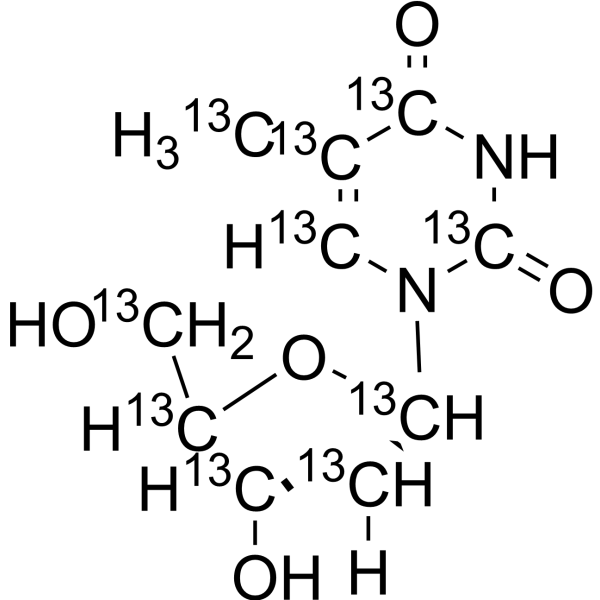
Thymidine- 13C10 (DThyd- 13C10; NSC 21548- 13C10) is 13C-labeled Thymidine (HY-N1150). Thymidine, a specific precursor of deoxyribonucleic acid, is used as a cell synchronizing agent. Thymidine is a DNA synthesis inhibitor that can arrest cell at G1/S boundary, prior to DNA replication.
|
-
-
- HY-13637S
-
|
|
|
Ganciclovir-d5 is the deuterium labeled Ganciclovir. Ganciclovir (BW 759), a nucleoside analogue, is an orally active antiviral agent with activity against CMV. Ganciclovir also has activity in vitro against members of the herpes group and some other DNA viruses. Ganciclovir inhibits the in vitro replication of human herpes viruses (HSV 1 and 2, CMV) and adenovirus serotypes 1, 2, 4, 6, 8, 10, 19, 22 and 28. Ganciclovir has an IC50 of 5.2 μM for feline herpesvirus type-1 (FHV-1) .
|
-
-
- HY-N0573S
-
|
|
|
Umbelliferone-d5 (7-Hydroxycoumarin-d5) is the deuterium labeled Umbelliferone (HY-N0573 ). Umbelliferone (7-Hydroxycoumarin), a natural orally active product of the coumarin family, is a fluorescing compound which can be used as a sunscreen agent. Umbelliferone induces cell cycle arrest, apoptosis and DNA fragmentation in HepG2 cells. Umbelliferone exhibits significant anticancer effects. Umbelliferone attenuates the alteration characteristics of allergic airway inflammation. Umbelliferone displays the neuroprotective effects and cross the blood-brain barrier. Umbelliferone exhibits anti-inflammatory and antioxidant effects in chronic alcohol-fed rats .
|
-
-
- HY-17393S
-
|
|
|
Carboplatin-d4 is the deuterium labeled Carboplatin. Carboplatin (NSC 241240) is a DNA synthesis inhibitor which binds to DNA, inhibits replication and transcription and induces cell death. Carboplatin (NSC 241240) is a derivative of CDDP and a potent anti-cancer agent.
|
-
-
- HY-N1150S2
-
|
|
|
Thymidine- 13C is the 13C labeled Thymidine. Thymidine, a specific precursor of deoxyribonucleic acid, is used as a cell synchronizing agent. Thymidine is a DNA synthesis inhibitor that can arrest cell at G1/S boundary, prior to DNA replication
|
-
-
- HY-N1150S
-
|
|
|
Thymidine-d3 is the deuterium labeled Thymidine. Thymidine, a specific precursor of deoxyribonucleic acid, is used as a cell synchronizing agent. Thymidine is a DNA synthesis inhibitor that can arrest cell at G1/S boundary, prior to DNA replication .
|
-
-
- HY-Y0842S3
-
|
|
|
Formamide- 15N is the 15N labeled Formamide (HY-Y0842). Formamide is an effective DNA denaturant that significantly reduces the stability of DNA in buffer solutions. Formamide can also be used as a decalcifying agent for rat cardiac cells. Additionally, formamide is widely used as a solvent or chemical raw material for ion compounds, resins, and plasticizers.
|
-
-
- HY-B0537AS
-
|
|
|
Pentamidine-d4 (dihydrochloride) is the deuterium labeled Pentamidine dihydrochloride. Pentamidine dihydrochloride (MP-601205 dihydrochloride) is an antimicrobial agent and interferes with DNA biosynthetics. Pentamidine dihydrochloride inhibits parasite Leishmania infantum with an IC50 of 2.5 μM. Pentamidine dihydrochloride is a potent and selective protein tyrosine phosphatases (PTPases) and phosphatase of regenerating liver (PRL) inhibitor. Pentamidine dihydrochloride has the potential for Gambian trypanosomiasis, antimony-resistant leishmaniasis, and Pneumocystis carinii pneumonia treatment. Antitumor and antibacterial activities .
|
-
-
- HY-N1150S6
-
|
|
|
Thymidine-d2 is the deuterium labeled Thymidine. Thymidine, a specific precursor of deoxyribonucleic acid, is used as a cell synchronizing agent. Thymidine is a DNA synthesis inhibitor that can arrest cell at G1/S boundary, prior to DNA replication[1
|
-
-
- HY-N1150S10
-
|
|
|
Thymidine-d14 (DThyd-d14; NSC 21548-d14) is deuterium labeled Thymidine (HY-N1150). Thymidine, a specific precursor of deoxyribonucleic acid, is used as a cell synchronizing agent. Thymidine is a DNA synthesis inhibitor that can arrest cell at G1/S boundary, prior to DNA replication.
|
-
-
- HY-W004702S
-
|
|
|
Methyl methanesulfonate-d3 is the deuterium labeled Methyl methanesulfonate (HY-W004702). Methyl methanesulfonate is an alkylating agent which transfers methyl groups, and induces DNA damage. Methyl methanesulfonate is a biochemical reagent that can be used as a biological material or organic compound for life science related research .
|
-
-
- HY-Y0546S2
-
|
|
|
Benzophenone- 13C is the 13C labeled Benzophenone (HY-Y0546). Benzophenone is an endogenous metabolite. Benzophenone is a photosensitizer, that absorbs UV light, transfers its energy to DNA, and triggers DNA damage. Benzophenone can be used as the fragrance enhancer, ultraviolet curing agent, additive in plastics, or the flavor ingredient. Benzophenone can also be used in the manufacturing of insecticides, agricultural chemicals, hypnotics, antihistamines, and other pharmaceuticals. Benzophenone exhibits certain carcinogenicity in mouse/rat models under long term exposure. Benzophenone exhibits estrogenic activity .
|
-
-
- HY-B0960S
-
|
|
|
Sulfabenzamide (N-Sulfanilylbenzamide)-d4 is the deuterium labeled Sulfabenzamide (HY-B0960). Sulfabenzamide is a sulfonamide antibacterial agent. Sulfabenzamide exhibit antibacterial activity against Staphylococcus aureus (ATCC 25923) and Escherichia coli (ATCC 8739). Sulfabenzamide can promote autophagic cell autophagy in breast cancer cells through p53/ DRAM pathway. Sulfabenzamide increases caspase-3 activity, deactivates PARP1 and DNA-PK, downregulates AKT1 and AKT2. Sulfabenzamide can be used for the researches of breast cancer and bacterial infections .
|
-
-
- HY-113352S
-
|
|
|
7-Methylguanine-d3 is the deuterium labeled 7-Methylguanine . 7-Methylguanine is a metabolite of DNA methylation. It can be generated by methylating agents, and used as a probe of protein–DNA interactions and a key component of DNA sequencing method .
|
-
-
- HY-N1150S1
-
|
|
|
Thymidine-d4 is the deuterium labeled Thymidine. Thymidine, a specific precursor of deoxyribonucleic acid, is used as a cell synchronizing agent. Thymidine is a DNA synthesis inhibitor that can arrest cell at G1/S boundary, prior to DNA replication .
|
-
-
- HY-N1150S3
-
|
|
|
Thymidine- 13C-1 is the 13C labeled Thymidine. Thymidine, a specific precursor of deoxyribonucleic acid, is used as a cell synchronizing agent. Thymidine is a DNA synthesis inhibitor that can arrest cell at G1/S boundary, prior to DNA replication
|
-
-
- HY-13562AS
-
|
|
|
Banoxantrone-d12 (dihydrochloride) is the deuterium labeled Banoxantrone dihydrochloride. Banoxantrone is a novel bioreductive agent that can be reduced to a stable, DNA-affinic compound AQ4, which is a potent topoisomerase II inhibitor.
|
-
-
- HY-13562S
-
|
|
|
Banoxantrone-d12 is the deuterium labeled banoxantrone. Banoxantrone is a novel bioreductive agent that can be reduced to a stable, DNA-affinic compound AQ4, which is a potent topoisomerase II inhibitor.
|
-
-
- HY-W742981
-
|
|
|
Budesonide-d6 is deuterium labeled Budesonide. Budesonide, an inhaled glucocortical steroid, is an orally active glucocorticoid receptor agonist. Budesonide decreases the size of lung tumors, reverses DNA hypomethylation and modulates mRNA expression of genes. Budesonide is an anti-inflammatory agent used for asthma .
|
-
-
- HY-14771S
-
|
|
|
Imeglimin-d3 (EMD 387008-d3) is deuterium labeled Imeglimin. Imeglimin (EMD 387008) is an oral glucose-lowering agent. Imeglimin improves insulin sensitivity. Imeglimin also reduces reactive oxygen species (ROS) production, increases mitochondrial DNA and improves mitochondrial function .
|
-
-
- HY-A0061S
-
|
|
|
Trifluridine- 13C, 15N2 is the 13C and 15N labeled Trifluridine . Trifluridine (Trifluorothymidine;5-Trifluorothymidine;TFT) is an irreversible thymidylate synthase inhibitor, and thereby suppresses DNA synthesis. Trifluridine is an antiviral agent for herpes simplex virus (HSV) infection. Trifluorothymidine also has anti-orthopoxvirus activity .
|
-
-
- HY-W744243
-
|
|
|
Etoposide-d4 (VP-16-d4; VP-16-213-d4) is the deuterium labeled Etoposide (HY-13629). Etoposide (VP-16; VP-16-213) is an anti-cancer chemotherapy agent. Etoposide inhibits topoisomerase II, thus stopping DNA replication. Etoposide induces cell cycle arrest, apoptosis and autophagy .
|
-
-
- HY-B0497S2
-
|
|
|
Niclosamide-d3 (BAY2353-d3) is deuterium labeled Niclosamide. Niclosamide (BAY2353) is an orally active antihelminthic agent used in parasitic infection research . Niclosamide is a STAT3 inhibitor with an IC50 of 0.25 μM in HeLa cells . Niclosamide has biological activities against cancer, inhibits DNA replication in Vero E6 cells .
|
-
-
- HY-B0724BS
-
|
|
|
Pazufloxacin-d4 is deuterium labeled Pazufloxacin (HY-B0724B). Pazufloxacin is an orally active fluoroquinolone antimicrobial agent. Pazufloxacin inhibits DNA gyrase with IC50 values of 0.88 μg/mL (E. coli) and 1.9 μg/mL (P. aeruginosa). Pazufloxacin exhibits broad-spectrum antimicrobial activity, with MIC90 values ranging from 0.025 to 100 μg/mL against Gram-positive and Gram-negative bacteria, non-fermenting bacteria, Legionella spp., and anaerobic bacteria. Pazufloxacin is indicated for research on systemic infections, lung infections, urinary tract infections, and Legionella pneumonia .
|
-
-
- HY-B1777S
-
|
|
|
Spermine- 15N2 (NSC 268508- 15N2) is the 15N-labeled Spermine (HY-B1777). Spermine is a natural antioxidant and anti-inflammatory agent. Spermine is known to inhibit some bacterial cultures, especially strains of Staphylococcus aureus. Spermine induces neurotoxicity in the striarum dose-dependently. Spermine can reversibly inhibits DNA synthetic response, mixed lymphocyte response and the induction of cytolytic lymphocyte response in primary cultures of murine spleen cells. Spermine tetrahydrochloride is a polyamine nitric oxide donor that can provide nitric oxide to platelets and inhibit platelet activation to a certain extent concentration-dependently. Spermine tetrahydrochloride occurs in mammalian tissues, plants, bacteria, ribosomes and bacteriophage. Spermine tetrahydrochloride inhibits primary human embryo lung fibroblasts in vitro .
|
-
-
- HY-13567S
-
|
|
|
Bendamustine-d4 is the deuterium labeled Bendamustine. Bendamustine is a DNA cross-linking agent that causes DNA breaks, with alkylating and antimetabolite properties.
|
-
-
- HY-B0330S1
-
|
|
|
(S)-Ofloxacin-d3 is the deuterium labeled Levofloxacin. Levofloxacin, a synthetic fluoroquinolone, is an antibacterial agent that inhibits the supercoiling activity of bacterial DNA gyrase, halting DNA replication.
|
-
-
- HY-135389S
-
|
|
|
Desmethyl Levofloxacin-d8 hydrochloride is the deuterium labeled Desmethyl Levofloxacin. Desmethyl Levofloxacin is a metabolite of Levofloxacin. Levofloxacin, a synthetic fluoroquinolone, is an antibacterial agent that inhibits the supercoiling activity of bacterial DNA gyrase, halting DNA replication .
|
-
-
- HY-135389S1
-
|
|
|
Desmethyl Levofloxacin-d8 is deuterium labeled Desmethyl Levofloxacin. Desmethyl Levofloxacin is a metabolite of Levofloxacin. Levofloxacin, a synthetic fluoroquinolone, is an antibacterial agent that inhibits the supercoiling activity of bacterial DNA gyrase, halting DNA replication .
|
-
-
- HY-13585S
-
|
|
|
Carmustine-d8 is the deuterium labeled Carmustine. Carmustine is an antitumor chemotherapeutic agent, which works by akylating DNA and RNA .
|
-
-
- HY-W701673
-
|
|
|
Thio-TEPA-d12 is the deuterium labeled Thio-TEPA (HY-17574). Thio-TEPA is a DNA alkylating agent, with antitumor activity.
|
-
-
- HY-B0077S1
-
|
|
|
Bendamustine-d8 (hydrochloride) is deuterium labeled Bendamustine (hydrochloride). Bendamustine hydrochloride (SDX-105), a purine analogue, is a DNA cross-linking agent. Bendamustine hydrochloride activats DNA-damage stress response and apoptosis. Bendamustine hydrochloride has potent alkylating, anticancer and antimetabolite properties .
|
-
-
- HY-N1150S5
-
|
|
|
Thymidine-2′- 13C is the 13C labeled Thymidine. Thymidine, a specific precursor of deoxyribonucleic acid, is used as a cell synchronizing agent. Thymidine is a DNA synthesis inhibitor that can arrest cell at G1/S boundary, prior to DNA replication .
|
-
-
- HY-N1150S4
-
|
|
|
Thymidine- 13C-2 is the 13C labeled Thymidine. Thymidine, a specific precursor of deoxyribonucleic acid, is used as a cell synchronizing agent. Thymidine is a DNA synthesis inhibitor that can arrest cell at G1/S boundary, prior to DNA replication
|
-
-
- HY-13567S1
-
|
|
|
Bendamustine-d8 is the deuterium labeled Bendamustine . Bendamustine (SDX-105 free base), a purine analogue, is a DNA cross-linking agent. Bendamustine activates DNA-damage stress response and apoptosis. Bendamustine has potent alkylating, anticancer and antimetabolite properties .
|
-
-
- HY-B0546AS
-
|
|
|
Procaine-d4 (hydrochloride) is the deuterium labeled Procaine hydrochloride. Procaine hydrochloride is a DNA-demethylating agent. Procaine hydrochloride acts through multiple targets and has a slow onset and a short duration of action .
|
-
-
- HY-W738282
-
|
|
|
Bendamustine-d7 hydrochloride (SDX-105-d7) is the deuterium labeled Bendamustine hydrochloride (HY-B0077). Bendamustine hydrochloride (SDX-105), a purine analogue, is a DNA cross-linking agent. Bendamustine hydrochloride activats DNA-damage stress response and apoptosis. Bendamustine hydrochloride has potent alkylating, anticancer and antimetabolite properties .
|
-
- HY-W766305
-
|
|
|
Thymidine- 13C, 15N2 is the 13C- and 15N-labeled Thymidine (HY-N1150). Thymidine, a specific precursor of deoxyribonucleic acid, is used as a cell synchronizing agent. Thymidine is a DNA synthesis inhibitor that can arrest cell at G1/S boundary, prior to DNA replication .
|
-
- HY-W704876
-
|
|
|
Procaine hydrochloride-d4 is the deuterium labeled Procaine hydrochloride (HY-B0546A). Procaine hydrochloride is a DNA-demethylating agent. Procaine hydrochloride acts through multiple targets and has a slow onset and a short duration of action .
|
-
- HY-14519S1
-
|
|
|
Methotrexate-d3 diammonium is the deuterium labeled Methotrexate diammonium. Methotrexate (Amethopterin), an antimetabolite and antifolate agent, inhibits the enzyme dihydrofolate reductase, thereby preventing the conversion of folic acid into tetrahydrofolate, and inhibiting DNA synthesis. Methotrexate, also an immunosuppressant and antineoplastic agent, is used for the research of rheumatoid arthritis and a number of different cancers (such as acute lymphoblastic leukemia) .
|
-
- HY-Y0842S5
-
|
|
|
Formamide-d2 is the deuterium labeled Formamide (HY-Y0842). Formamide is an effective DNA denaturant that significantly reduces the stability of DNA in buffer solutions. Formamide can also be used as a decalcifying agent for rat cardiac cells. Additionally, formamide is widely used as a solvent or chemical raw material for ion compounds, resins, and plasticizers.
|
-
- HY-Y0842S4
-
|
|
|
Formamide-d1 is the deuterium labeled Formamide (HY-Y0842). Formamide is an effective DNA denaturant that significantly reduces the stability of DNA in buffer solutions. Formamide can also be used as a decalcifying agent for rat cardiac cells. Additionally, formamide is widely used as a solvent or chemical raw material for ion compounds, resins, and plasticizers.
|
-
- HY-Y0842S
-
|
|
|
Formamide- 13C is the 13C-labeled Formamide (HY-Y0842). Formamide is an effective DNA denaturant that significantly reduces the stability of DNA in buffer solutions. Formamide can also be used as a decalcifying agent for rat cardiac cells. Additionally, formamide is widely used as a solvent or chemical raw material for ion compounds, resins, and plasticizers.
|
-
- HY-130569S1
-
|
|
|
7-Hydroxymethotrexate-d3 is the deuterium labeled 7-Hydroxymethotrexate. 7-Hydroxymethotrexate is a major metabolite of Methotrexate (HY-14519). Methotrexate, an antimetabolite and antifolate agent, inhibits the enzyme dihydrofolate reductase, thereby preventing the conversion of folic acid into tetrahydrofolate, and inhibiting DNA synthesis .
|
-
- HY-130569S
-
|
|
|
7-Hydroxymethotrexate-d3 (sodium) is deuterium labeled 7-Hydroxymethotrexate. 7-Hydroxymethotrexate is a major metabolite of Methotrexate (HY-14519). Methotrexate, an antimetabolite and antifolate agent, inhibits the enzyme dihydrofolate reductase, thereby preventing the conversion of folic acid into tetrahydrofolate, and inhibiting DNA synthesis .
|
-
- HY-130569S2
-
|
|
|
7-Hydroxymethotrexate-d3 (ammonium) is the deuterium labeled 7-Hydroxymethotrexate ammonium. 7-Hydroxymethotrexate is a major metabolite of Methotrexate (HY-14519). Methotrexate, an antimetabolite and antifolate agent, inhibits the enzyme dihydrofolate reductase, thereby preventing the conversion of folic acid into tetrahydrofolate, and inhibiting DNA synthesis .
|
-
- HY-W654227
-
|
|
|
7-Hydroxy methotrexate-d3 (ammonium salt) is deuterium labeled 7-Hydroxymethotrexate. 7-Hydroxymethotrexate is a major metabolite of Methotrexate (MTX; HY-14519). Methotrexate, an antimetabolite and antifolate agent, inhibits the enzyme dihydrofolate reductase, thereby preventing the conversion of folic acid into tetrahydrofolate, and inhibiting DNA synthesis .
|
-
- HY-13629S
-
|
|
|
Etoposide-d3 (VP-16-d3) is the deuterium labeled Etoposide (HY-13629). Etoposide (VP-16) is an anti-cancer chemotherapy agent. Etoposide inhibits topoisomerase II, thus stopping DNA replication. Etoposide induces cell cycle arrest, apoptosis and autophagy .
|
-
- HY-13629S1
-
|
|
|
Etoposide- 13C,d3 is the 13C- and deuterium labeled Etoposide. Etoposide (VP-16; VP-16-213) is an anti-cancer chemotherapy agent. Etoposide inhibits topoisomerase II, thus stopping DNA replication. Etoposide induces cell cycle arrest, apoptosis and autophagy .
|
-
- HY-13762S
-
|
|
|
Tesmilifene-d4 is the deuterium labeled Tesmilifene (HY-13762). Tesmilifene is an antihistamine agent and a chemical sensitizer. Tesmilifene targets cytochrome P450, exhibits hormonal effects on DNA synthesis in MCF-7 cells, and stimulates the tumor growth in mouse/rat models. Tesmilifene overcomes multidrug resistance .
|
-
- HY-W700621
-
|
|
|
TCEP-d12 (hydrochloride) (Tris(2-?carboxyethyl)?phosphine hydrochloride-d12) is deuterium labeled TCEP (hydrochloride). TCEP hydrochloride (Tris(2-carboxyethyl)phosphine hydrochloride) is a non-thiol reducing agent that is more stable and produces a faster S-S reductive reaction than other chemical reductants. TCEP hydrochloride is a trialkylphosphine, selectively reduces protein disuldes without altering the properties or interacting with thiol-directed agents in the reaction mixture. TCEP hydrochloride is also a commonly used reducing agent in the DNA/AuNP chemistry .
|
-
- HY-Y0546S1
-
|
|
|
Benzophenone-d5 is the deuterium labeled Benzophenone (HY-Y0546). Benzophenone is an endogenous metabolite. Benzophenone is a photosensitizer, that absorbs UV light, transfers its energy to DNA, and triggers DNA damage. Benzophenone can be used as the fragrance enhancer, ultraviolet curing agent, additive in plastics, or the flavor ingredient. Benzophenone can also be used in the manufacturing of insecticides, agricultural chemicals, hypnotics, antihistamines, and other pharmaceuticals. Benzophenone exhibits certain carcinogenicity in mouse/rat models under long term exposure. Benzophenone exhibits estrogenic activity .
|
-
- HY-Y0842S2
-
|
|
|
Glycine- 13C, 15N is the 13C and 15N labeled Glycine (HY-Y0842). Formamide is an effective DNA denaturant that significantly reduces the stability of DNA in buffer solutions. It induces apoptosis by promoting the formation of cyclic nucleotides and the phosphorylation and dephosphorylation processes of nucleotides, making it useful in cancer research. Formamide can also be used as a decalcifying agent for rat cardiac cells. Additionally, formamide is widely used as a solvent or chemical raw material for ion compounds, resins, and plasticizers. .
|
-
- HY-B0497BS
-
|
|
|
Niclosamide- 13C6 (monohydrate) is the 13C labeled Niclosamide monohydrate . Niclosamide (BAY2353) monohydrate is an orally active antihelminthic agent used in parasitic infection research . Niclosamide monohydrate is a STAT3 inhibitor with an IC50 of 0.25 μM in HeLa cells . Niclosamide monohydrate has biological activities against cancer, and inhibits DNA replication in Vero E6 cells .
|
-
- HY-B1085S
-
|
|
|
Cinoxacin-d5 is the deuterium-labeled Cinoxacin (HY-B1085) . Cinoxacin (Compound 64716),a synthetic antimicrobial related to the quinolone class of orally active antibacterial agent. Cinoxacin has antibacterial activity against many gram-negative aerobic bacteria and inhibits bacterial DNA synthesis. Cinoxacin can be used for the research of urinary tract infections and bacterial prostatitis .
|
-
- HY-B1826S2
-
|
|
|
Adefovir-d4 is the deuterium labeled Adefovir. Adefovir (GS-0393) is an adenosine monophosphate analog antiviral agent that after intracellular conversion to Adefovir diphosphate inhibits HBV DNA polymerase. Adefovir has an IC50 of 0.7 μM against HBV in the HepG2.2.15 cell line. Adefovir has good antiviral activity against several viruses, including HBV and herpesviruses .
|
-
- HY-16305S1
-
|
|
|
Maribavir-d6 TFA (1263W94-d6 TFA; BW1263W94-d6 TFA; GW257406X-d6 TFA) is a deuterium labeled Maribavir (HY-16305). Maribavir is an orally active antiviral agent for cytomegalovirus (CMV) through inhibition of protein kinase UL97 and the following CMV DNA replication .
|
-
- HY-W717139
-
|
|
|
N-Nitroso-N-methylurea-d5 is the deuterium labeled N-Nitroso-N-methylurea (HY-34758). N-Nitroso-N-methylurea (NMU;MNU;NMH) is a potent carcinogen, mutagen and teratogenand. N-Nitroso-N-methylurea is a direct-acting alkylating agent that interacts with DNA. N-Nitroso-N-methylurea targets multiple animal organs to cause various cancer and/or degenerative disease. N-Nitroso-N-methylurea is also a precursor in the synthesis of diazomethane .
|
-
- HY-W713297
-
|
|
|
Moroxydine hydrochloride-d8 (ABOB hydrochloride-d8) is the deuterium labeled Moroxydine (ABOB) hydrochloride (HY-B0420A). Moroxydine hydrochloride is a broad-spectrum agent with multi-antiviral activities against DNA and RNA viruses, including influenza virus, herpes simplex, varicella zoster, measles, mumps disease, hepatitis C virus, etc. Moroxydine hydrochloride exhibits excellent antiviral activity and shows low cytotoxicity to cells infected by dsRNA viruses (grass carp reovirus, GCRV) and large DNA viruses (giant salamander iridovirus, GSIV). Moroxydine hydrochloride blocks the GCRV-induced cytopathic effects and eliminates nucleocapsids in ctenopharyngodon idella kidney (CIK) cells to keep the normal morphological structure. Moroxydine hydrochloride significantly inhibits the apoptosis, the caspase 3 activity, Bax expression and down-regulates Bcl-2 levels [1][2][3].
|
-
- HY-W777393
-
|
|
|
Umbelliferone- 13C6 (7-Hydroxycoumarin- 13C6) is the 13C-labeled Umbelliferone (HY-N0573). Umbelliferone (7-Hydroxycoumarin), a natural orally active product of the coumarin family, is a fluorescing compound which can be used as a sunscreen agent. Umbelliferone induces cell cycle arrest, apoptosis and DNA fragmentation in HepG2 cells. Umbelliferone exhibits significant anticancer effects. Umbelliferone attenuates the alteration characteristics of allergic airway inflammation. Umbelliferone displays the neuroprotective effects and cross the blood-brain barrier. Umbelliferone exhibits anti-inflammatory and antioxidant effects in
chronic alcohol-fed rats .
|
-
- HY-W777675
-
|
|
|
2,5-Deoxyfructosazine- 13C4 (NSC 270912- 13C4) is the 13C-labeled 2,5-Deoxyfructosazine (HY-135078). 2,5-Deoxyfructosazine is a pyrazine derivative that can be found in cured tobacco and is used as a flavoring agent in the food and tobacco industry. Pyrazines, including 2,5-deoxyfructosazine, can be produced either by pyrolytic decomposition of natural compounds or by the reaction of sugars with alcoholic ammonia. 2,5-Deoxyfructosazine is also formed by the breakdown of D-glucosamine at neutral pH. Like glucosamine, 2,5-deoxyfructosazine has DNA strand breakage activity and strongly inhibits IL-2 production by Jurkat cells stimulated with phytohemagglutinin (IC50=~1.25 mM).
|
-
- HY-B1398S
-
|
|
|
Ampyrone-d3 is the deuterium labeled Ampyrone (HY-B1398). Ampyrone (4-Aminophenazone; 4-Aminoantipyrine) is a reversible and low-damage optical clearing agent and non-selective COX inhibitor based on UV absorption properties. Ampyrone can improve the optical transmittance of mouse skin and other tissues. Ampyrone can induce tissue refractive index matching by enhancing UV absorption, reduce light scattering, and achieve tissue transparency in vivo. Ampyrone reduces the synthesis of prostaglandin PGE2, thereby exerting anti-inflammatory, analgesic and antipyretic effects. Ampyrone inhibits DNA damage, cell apoptosis and immune cell phagocytosis induced by Doxorubicin (HY-15142A) and Cisplatin (HY-17394), etc., and participates in the regulation of toxicity in tumor chemotherapy .
|
-
- HY-119696S1
-
|
|
|
MTIC- 13C is the 13C-labeled MTIC (HY-119696). MTIC, the active metabolite of Temozolomide (TMZ), is a DNA alkylating agent. MTIC has antitumor activity
|
-
- HY-119475S
-
|
|
|
Satranidazole-d3 is the deuterium labeled Satranidazole. Satranidazole is an orally active insecticide and antimicrobial agent with high electron affinity. Satranidazole forms reduced nitro intermediates, which interact with DNA, causing helix instability, strand breakage and release of thymidine derivatives. Satranidazole exhibits antitrichomonal activity against Trichomonas vaginalis and Trichomonas foetus, and antiamoebic activity in rodent models of hepatic amoebiasis and caecal amoebiasis. Satranidazole inhibits the replication of bacteriophage φX174 DNA. Satranidazole can be used in research related to caecal amoebiasis, trichomoniasis and anaerobic bacterial infections.
|
-
| Cat. No. |
Product Name |
|
Classification |
-
- HY-D1668
-
|
|
|
Labeling and Fluorescence Imaging
|
|
Biotin-11-dCTP is a biotinylated deoxynucleoside triphosphate and an important DNA labeling reagent. In random primer DNA labeling reactions, Biotin-11-dCTP incorporates into newly synthesized DNA strands to generate labeled DNA probes suitable for hybridization applications. In addition, Biotin-11-dCTP can serve as a substrate for terminal deoxynucleotidyl transferase to end-label oligonucleotides for telomere sequence detection, or to label the cut ends of linearized DNA molecules, thereby supporting streptavidin-based electron microscopy analysis. For example, Biotin-11-dCTP can label the cut ends of linearized DNA molecules under the action of dGTP and avian myeloblastosis virus reverse transcriptase .
|
-
- HY-151662
-
|
N3-TFBA
|
|
Azide
|
|
4-Azido-2,3,5,6-tetrafluorobenzoic Acid (N3-TFBA) is a click chemistry reagent containing an azide group. 4-Azido-2,3,5,6-tetrafluorobenzoic Acid is a complex with FAM-labeled DNA probe. 4-Azido-2,3,5,6-tetrafluorobenzoic Acid can be used as versatile photoaffinity labeling agents to probe biological receptors. It contains an azide group and can undergo copper-catalyzed azide-alkyne cycloaddition (CuAAc) with molecules containing alkyne groups. It can also undergo ring strain-promoted alkyne-azide cycloaddition (SPAAC) with molecules containing DBCO or BCN groups.
|
Your information is safe with us. * Required Fields.
Inquiry Information
- Product Name:
- Cat. No.:
- Quantity:
- MCE Japan Authorized Agent:

