1. Search Result
Search Result
Results for "

Efficient synthesis

" in MedChemExpress (MCE) Product Catalog:

68

Inhibitors & Agonists

2

Screening Libraries

14

Biochemical Assay Reagents

6

Peptides

5

Natural
Products

5

Isotope-Labeled Compounds

1

Click Chemistry

5

Oligonucleotides

Targets Recommended:
Cat. No. Product Name Target Research Areas Chemical Structure
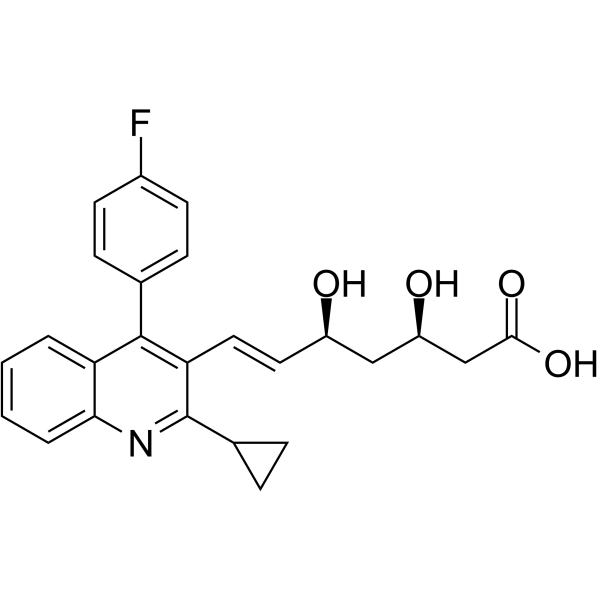
  • HY-B0144A
    Pitavastatin
    Maximum Cited Publications
    11 Publications Verification

    NK-104

    HMG-CoA Reductase (HMGCR) Autophagy Mitophagy Apoptosis Cardiovascular Disease Neurological Disease Metabolic Disease Cancer
    Pitavastatin (NK-104) is a potent hydroxymethylglutaryl-CoA (HMG-CoA) reductase inhibitor. Pitavastatin inhibits cholesterol synthesis from acetic acid with an IC50 of 5.8 nM in HepG2 cells. Pitavastatin is an efficient hepatocyte low-density lipoprotein-cholesterol (LDL-C) receptor inducer. Pitavastatin also possesses anti-atherosclerotic, anti-asthmatic, anti-osteoarthritis, antineoplastic, neuroprotective, hepatoprotective and reno-protective effects .
    Pitavastatin
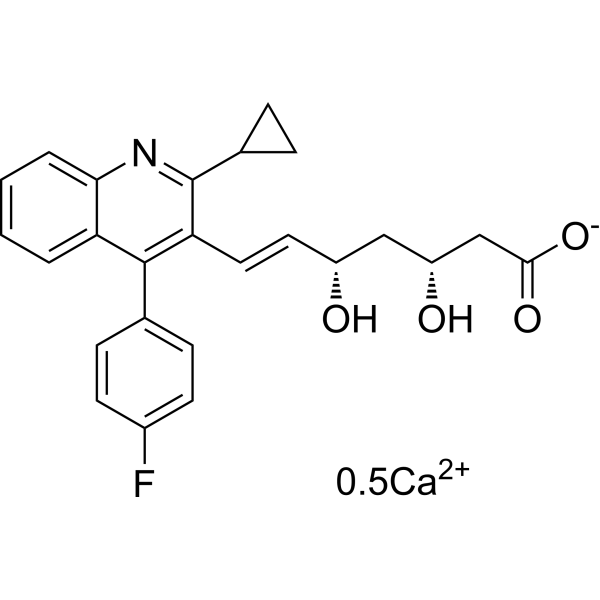
  • HY-B0144
    Pitavastatin Calcium
    Maximum Cited Publications
    11 Publications Verification

    NK-104 hemicalcium; Pitavastatin hemicalcium

    HMG-CoA Reductase (HMGCR) Autophagy Mitophagy Apoptosis Cardiovascular Disease Neurological Disease Metabolic Disease Cancer
    Pitavastatin Calcium (NK-104 hemicalcium) is a potent hydroxymethylglutaryl-CoA (HMG-CoA) reductase inhibitor. Pitavastatin Calcium (NK-104 hemicalcium) inhibits cholesterol synthesis from acetic acid with an IC50 of 5.8 nM in HepG2 cells. Pitavastatin Calcium is an efficient hepatocyte low-density lipoprotein-cholesterol (LDL-C) receptor inducer. Pitavastatin Calcium also possesses anti-atherosclerotic, anti-asthmatic, anti-osteoarthritis, antineoplastic, neuroprotective, hepatoprotective and reno-protective effects .
    Pitavastatin Calcium
  • HY-79647

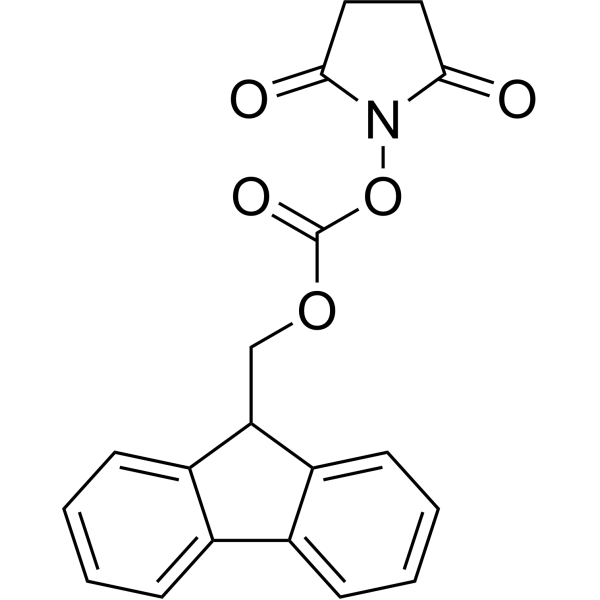
    N-(Fmoc-oxy)succinimide

    Biochemical Assay Reagents Others
    Fmoc-OSu (N-(Fmoc-oxy)succinimide) is an acylating agent that targets amino groups (-NH2). It can selectively protect the amino groups of amino acids by covalently binding with primary or secondary amines through nucleophilic substitution reactions. Fmoc-OSu forms a stable amide bond with the amino group to avoid side reactions of the amino group in peptide synthesis. It can also be used as a fluorescent labeling reagent to react with glycosylamines for efficient labeling of N-sugar chains. Fmoc-OSu can be used as an Fmoc protection strategy in peptide synthesis, and as a fluorescent labeling and analysis method for N-sugar chains .
    Fmoc-OSu
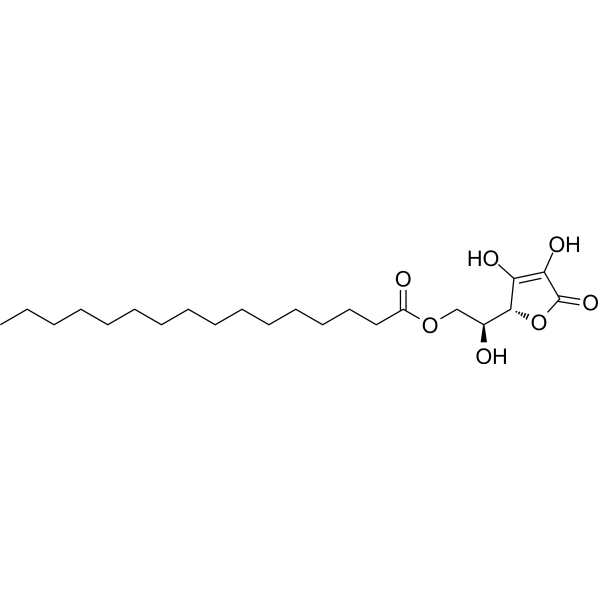
  • HY-B0987
    Ascorbyl palmitate
    3 Publications Verification

    L-Ascorbic acid 6-hexadecanoate; 6-O-Palmitoyl-L-ascorbic acid

    Environmental Pollutants Reactive Oxygen Species (ROS) Endogenous Metabolite Apoptosis Bcl-2 Family Caspase Calcium Channel NOD-like Receptor (NLR) Sodium Channel Inflammation/Immunology
    Ascorbyl palmitate is an orally active ester formed from ascorbic acid and palmitic acid, used as an antioxidant and food additive. Ascorbyl palmitate in preventing fat and oil oxidation is more efficient than Butylated hydroxyanisole (HY-B1066) and Butylated hydroxytoluene (HY-Y0172). Ascorbyl palmitate mitigates inhibition of collagen synthesis by select calcium and sodium channel blockers. Ascorbyl palmitate induces Apoptosis in human umbilical vein endothelial cells (HUVECs). Ascorbyl palmitate ameliorates inflammatory diseases by inhibition of NLRP3 inflammasome .
    Ascorbyl palmitate
  • HY-W021005

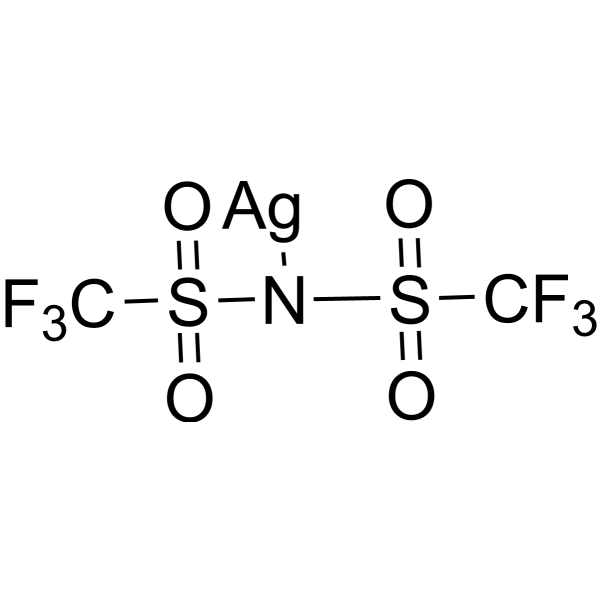
    Silver triflimide

    Biochemical Assay Reagents Others
    Silver bis(trifluoromethanesulfonyl)imide is a kind of silver salt and is widely used as an organic synthesis catalyst. Silver bis(trifluoromethanesulfonyl)imide is used for the C-3 regioselective alkylation of indole derivatives with α,β -enones through conjugated addition reactions. Silver bis(trifluoromethanesulfonyl)imide can also be used as a highly efficient and stable solid-state dye sensitization and P-type dopant for perovskite solar cells .
    Silver bis(trifluoromethanesulfonyl)imide
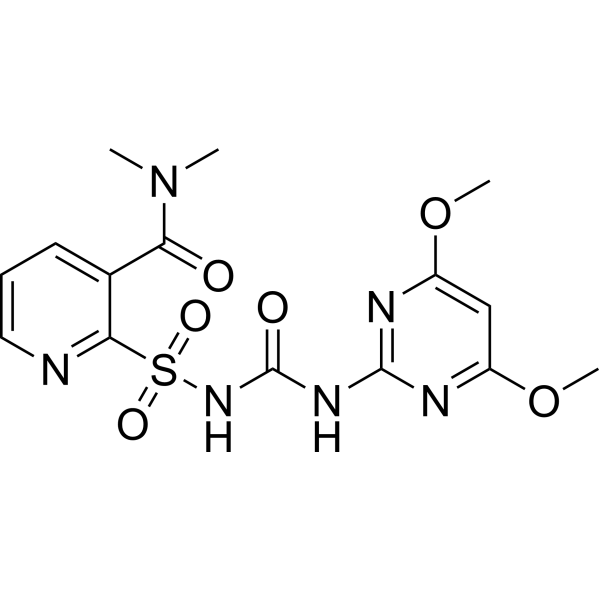
  • HY-B1876

    Environmental Pollutants Acetolactate Synthase (ALS) Others
    Nicosulfuron is efficient, harmless, antifungal and selective herbicide belonging to the sulfonylurea family. Nicosulfuron is also a photosynthetic system inhibitor and inhibits acetolactate synthase (ALS) enzyme activity. Nicosulfuron degradation by Plectosphaerella cucumerina AR1 is glucose concentration dependent in planktonic lifestyle. Nicosulfuron enhances the glycolysis pathway and tricarboxylic acid cycle to improve the adaptability of sweet maize. Nicosulfuron reduces the synthesis of branched-chain amino acids (BCAAs), which is proming for maize cultivation .
    Nicosulfuron
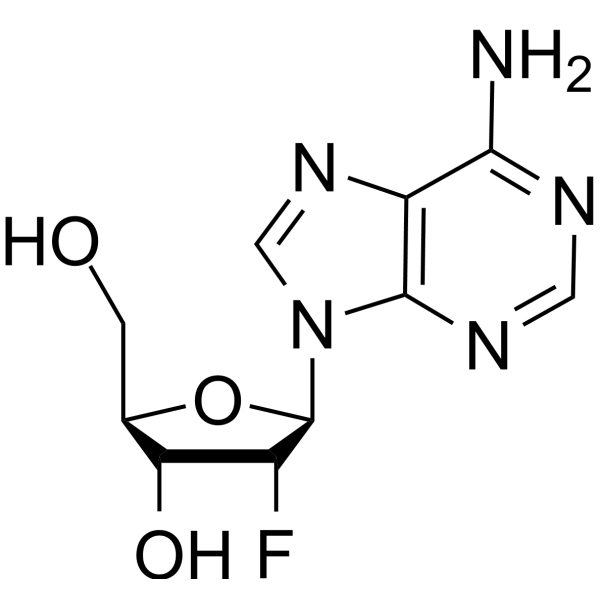
  • HY-W039442
    2′-Deoxy-2′-fluoroadenosine
    1 Publications Verification

    Nucleoside Antimetabolite/Analog Infection Cancer
    2′-Deoxy-2′-fluoroadenosine is a fluorinated deoxyadenosine with antitumor and antiviral activity, able to interfere with viral or cancer cell replication by being incorporated into DNA. 2′-Deoxy-2′-fluoroadenosine can be used for the synthesis of 2′-Deoxy-2′-fluoro-modified oligonucleotides hybridized with RNA. 2′-Deoxy-2′-fluoroadenosine can be cleaved efficiently by E. coli purine nucleoside phosphorylase (PNP) to the toxic agent 2-fluoroadenine (FAde). 2′-Deoxy-2′-fluoroadenosine shows excellent in vivo activity against tumors expressing E. coli PNP .
    2′-Deoxy-2′-fluoroadenosine
  • HY-W345885

    β-glucuronidase Metabolic Disease
    Saccharic acid is a competitive and potent inhibitor of β-glucuronidase. Saccharic acid inhibits glucuronide synthesis. Saccharic acid as an efficient iron chelate to enhance photo-Fenton
    degradation of organic contaminants .
    Saccharic acid
  • HY-W010686

    Biochemical Assay Reagents Others
    PdCl2(Amphos)2 is a highly efficient palladium catalyst. PdCl2(Amphos)2 can be used in research related to organic synthesis .
    PdCl2(Amphos)2
  • HY-134599

    Biochemical Assay Reagents Cancer
    (2E)-TCO-PNB ester is an active reaction substrate with the properties of trans-cyclooctene derivatives. The core chemical property of (2E)-TCO-PNB ester is its ability to undergo efficient inverse electron-demand Diels-Alder (IEDDA) cycloaddition with tetrazine groups. (2E)-TCO-PNB ester can be used in ligation reactions to verify the integrity of tetrazine groups, and also serves as a key synthetic raw material for the preparation of the prodrug TCO-DOX. (2E)-TCO-PNB ester is applied in research related to drug synthesis and bioorthogonal chemistry .
    (2E)-TCO-PNB ester
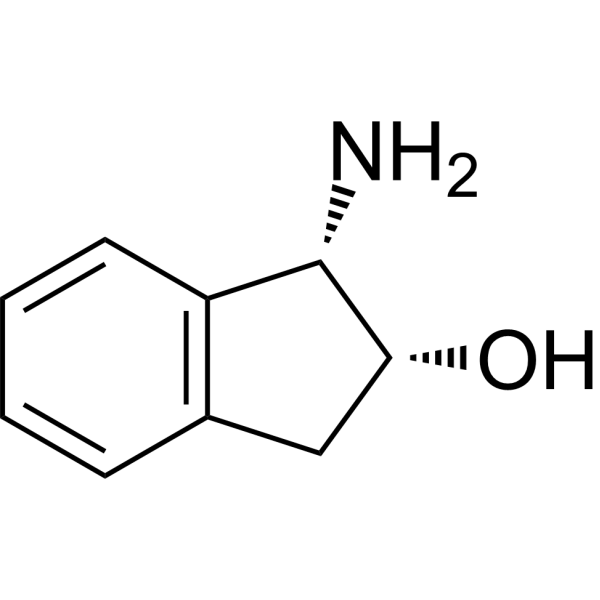
  • HY-W002530

    Biochemical Assay Reagents Infection
    (1S,2R)-1-Aminoindan-2-ol is a chiral resolving agent. (1S,2R)-1-Aminoindan-2-ol efficiently resolves various racemic 2-arylalkanoic acids and precisely controls the stereostructure of the products in asymmetric syntheses. (1S,2R)-1-Aminoindan-2-ol can be used in the synthesis of HIV protease inhibitors .
    (1S,2R)-1-Aminoindan-2-ol
  • HY-Y1078

    N-Dimethoxymethyl-N,N-dimethylamine

    Biochemical Assay Reagents Others
    DMF-DMA (N-Dimethoxymethyl-N,N-dimethylamine) is a reagent with both condensation and alkylation functions. DMF-DMA can undergo condensation reactions with active methylene groups or amino groups to generate enamine and imino derivatives, and can also act as an alkylating agent to methylate nitrogen and oxygen atoms in heterocyclic structures. DMF-DMA is widely used in the synthesis of enaminones and dimethylamino imine intermediates, as well as in the construction of heterocyclic backbones such as pyridine, pyrimidine and pyrazole. DMF-DMA can also serve as a polar aprotic co-solvent; although DMF-DMA cannot dissolve cellulose alone, it can form an efficient cellulose dissolution system with diallylimidazolium methoxyacetate .
    DMF-DMA
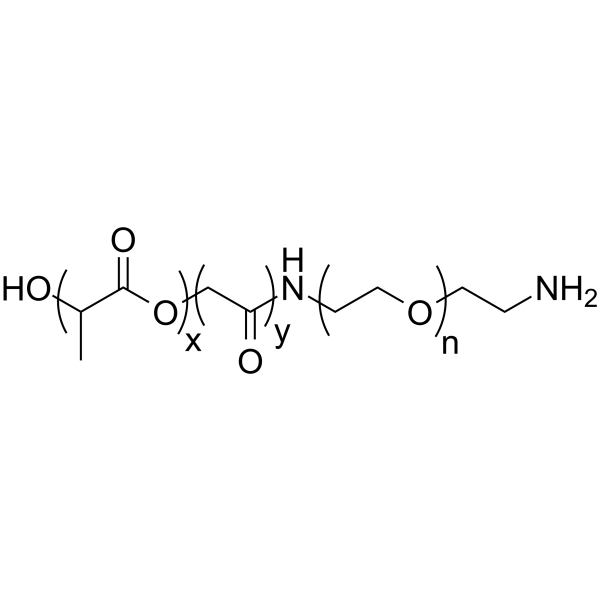
  • HY-145396

    Biochemical Assay Reagents Cancer
    PLGA-PEG-NH2 is a material to synthesis nanomicelles. PLGA-PEG-NH2 nanomicelle is an efficient delivery system of Irinotecan for targeted colorectal cancer and hepatocellular carcinoma .
    PLGA12000-PEG2000-NH2
  • HY-16485
    Telavancin hydrochloride
    1 Publications Verification

    TD-6424 hydrochloride

    Antibiotic Bacterial Infection
    Telavancin hydrochloride is the hydrochloride form of Telavancin (HY-112959). Telavancin hydrochloride is a semisynthetic derivative of vancomycin, and exhibits antibacterial efficacy through inhibition of cell wall synthesis and disruption of cell membrane barrier function. Telavancin hydrochloride is efficient against antibiotic resistant S. aureus strains MRSA, VISA, and hVISA. Telavancin hydrochloride attenuates gram positive bacteria induced complicated skin and skin structure infections (cSSSI) .
    Telavancin hydrochloride
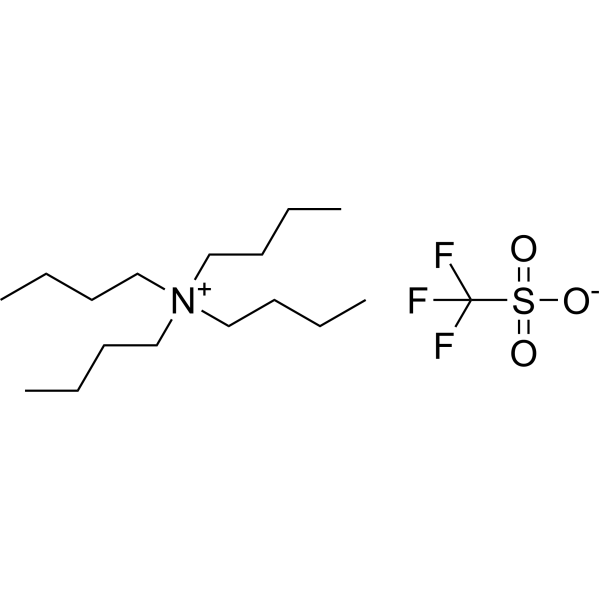
  • HY-W042557

    Biochemical Assay Reagents Others
    Tetrabutylammonium trifluoromethanesulfonate, commonly known as TBAOTf. TBAOTf is widely used as a strong acid catalyst and phase transfer agent in organic synthesis, especially for reactions involving nucleophilic substitution, elimination, and rearrangement, in addition, it is also used as an electrolyte additive for rechargeable batteries and a stabilizer of supercritical fluids Due to its high stability, solubility and selectivity, TBAOTf is considered to be a highly efficient and multifunctional reagent in various applications.
    Tetrabutylammonium trifluoromethanesulfonate
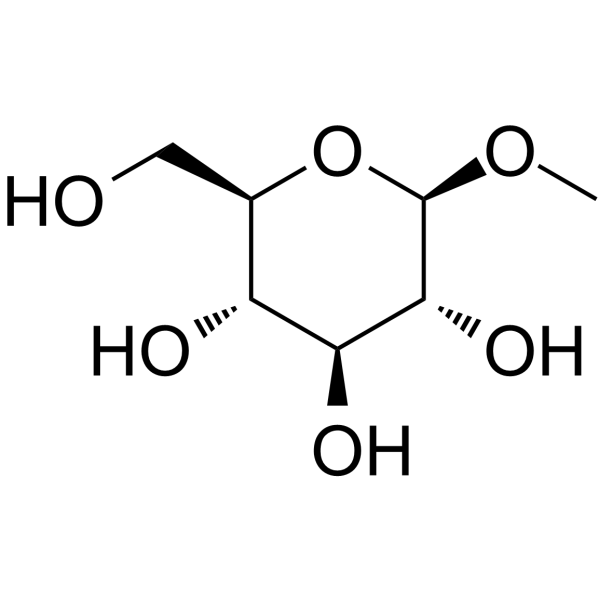
  • HY-116284

    Methyl β-D-glucoside

    Drug Intermediate Others
    Methyl β-D-glucopyranoside (Methyl β-D-glucoside) is a model glycosyl acceptor for enzymatic glycosylation reactions. Methyl β-D-glucopyranoside participates in glycoside synthesis and can react with acyl donors such as caffeic acid esters under the catalysis of specific enzymes (such as Lipozyme TL IM) to achieve acylation modification. Methyl β-D-glucopyranoside can generate biologically active derivatives (such as 6-O-caffeoyl glucoside). Methyl β-D-glucopyranoside can be used in organic synthesis and biocatalysis research, especially the efficient enzymatic preparation of medicinal glycosides (such as Robustaside B (HY-N2720), 6-O-caffeoyl salidroside) .
    Methyl β-D-glucopyranoside
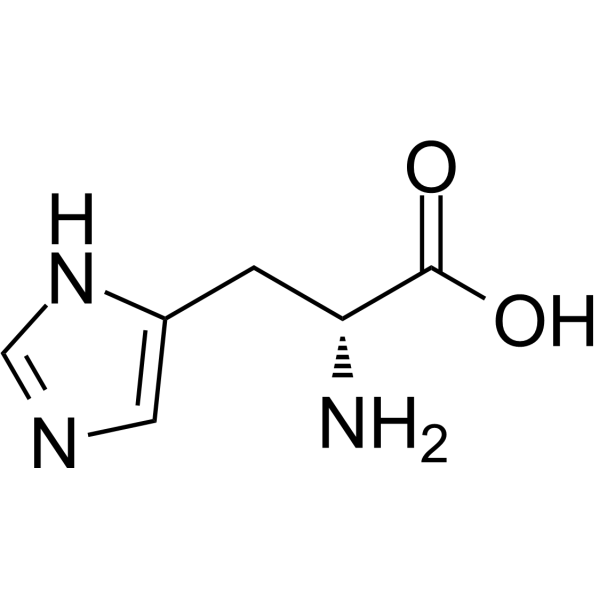
  • HY-W012572

    Mitochondrial Metabolism Bacterial Infection Metabolic Disease
    D-Histidine is an anti-biofilm agent that targets bacterial quorum sensing systems (such as RhlI/RhlR pathway) and has antibacterial activity. D-Histidine works by non-covalently binding to bacterial regulatory factors or copper ion complexes, selectively inhibiting bacterial biofilm formation and motility. D-Histidine downregulates quorum sensing-related gene expression, reduces the synthesis of virulence factors (such as alginate and proteases), and interferes with bacterial membrane stability, inhibiting biofilm formation, promoting the disintegration of mature biofilms, and enhancing antibiotic sensitivity. D-Histidine is also an efficient catalyst for the salt-induced peptide formation (SIPF) reaction, which promotes the condensation of amino acids to form dipeptides (such as dialanine and dilysine) by forming a complex with copper ions (Cu 2+) .
    D-Histidine
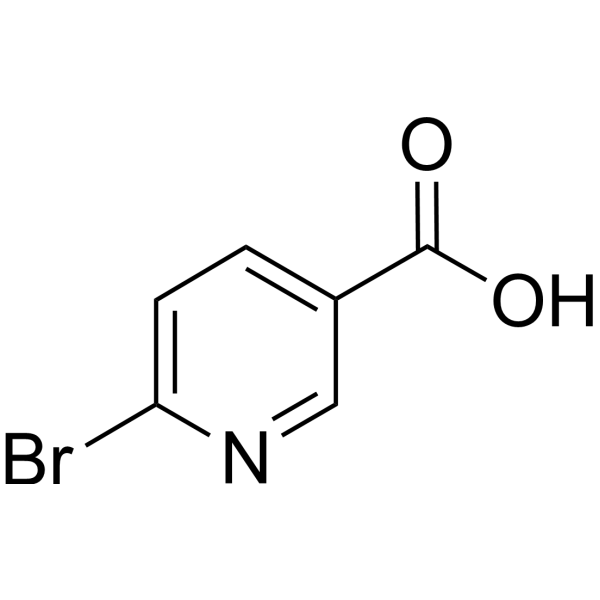
  • HY-W002864

    Drug Intermediate Others
    6-Bromonicotinic acid is a brominated derivative of Niacin (HY-B0143), can be used as a drug intermediate for the synthesis of Anabaseine (HY-115766) derivatives.
    6-Bromonicotinic acid
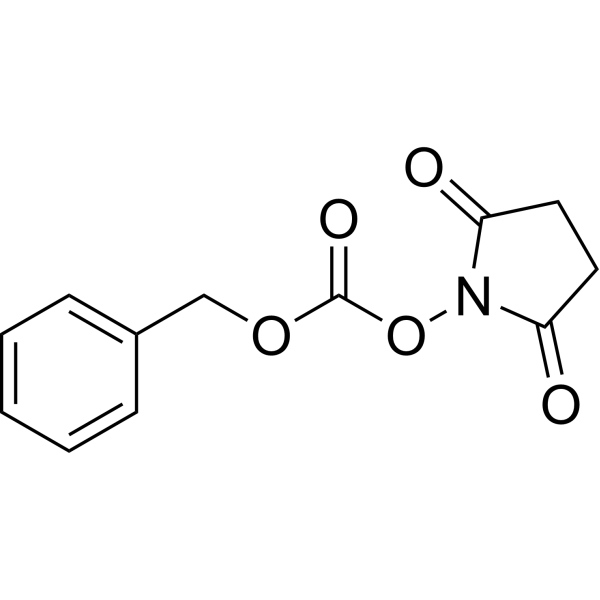
  • HY-75200

    Biochemical Assay Reagents Others
    N-(Benzyloxycarbonyloxy)succinimide is an efficient amino-protecting reagent in organic synthesis, playing an important role in the field of organic synthesis. N-(Benzyloxycarbonyloxy)succinimide is also a neutral ionophore, which significantly improves the performance of erbium ion (Er 3+) sensors and provides a practical tool for the rapid detection of erbium ions in the environment and water quality .
    N-(Benzyloxycarbonyloxy)succinimide
  • HY-P5731

    Bacterial Infection
    Bac7(1-35) is a proline-rich antimicrobial peptide. Bac7(1-35) efficiently binds to different regions of prokaryote ribosomes, leading to the inhibition of protein synthesis. Bac7(1-35) demonstrates in vitro activity against P. aeruginosa strains .
    Bac7(1-35)
  • HY-130652

    E3 Ligase Ligand-Linker Conjugates Cancer
    Pomalidomide 4'-PEG3-azide is a synthesized E3 ligase ligand-linker conjugate that incorporates the Pomalidomide-based cereblon ligand and a linker. Pomalidomide 4'-PEG3-azide can be used for the synthesis of iRucaparib-TP3 (Compound 3). iRucaparib-TP3 is a highly efficient PARP1?degrader based on Rucaparib by using the PROTAC approach . Pomalidomide 4'-PEG3-azide is a click chemistry reagent, it contains an Azide group and can undergo copper-catalyzed azide-alkyne cycloaddition reaction (CuAAc) with molecules containing Alkyne groups. It can also undergo strain-promoted alkyne-azide cycloaddition (SPAAC) reactions with molecules containing DBCO or BCN groups.
    Pomalidomide 4'-PEG3-azide
  • HY-Y0302

    Environmental Pollutants Biochemical Assay Reagents Others
    Diammonium phosphate is a neutral and efficient catalyst in 1,8‐Dioxo‐octahydroxanthene derivatives synthesis. Diammonium phosphate can be used as an excipient, such as diuretic, buffer, effervescent .
    Diammonium phosphate
  • HY-W127637
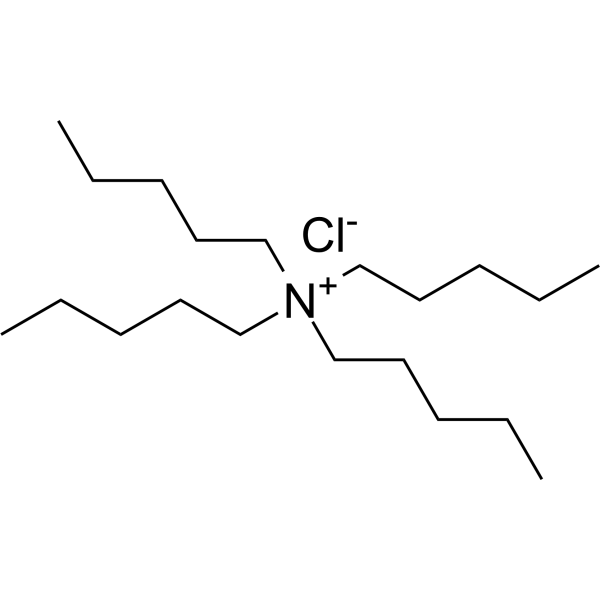
    Tetraamylammonium chloride
    1 Publications Verification

    Tetrapentylammonium chloride

    Biochemical Assay Reagents Others
    Tetraamylammonium chloride is an organic compound containing ammonium and chloride ions. It is commonly used as a phase transfer catalyst in organic synthesis, especially in the production of pharmaceuticals and agrochemicals. Tetraamylammonium Chloride has a strong base that facilitates the transfer of reactants between immiscible solvents, resulting in more efficient chemical reactions. In addition, it can also be used as an intermediate in the synthesis of other quaternary ammonium compounds.
    Tetraamylammonium chloride
  • HY-N9542
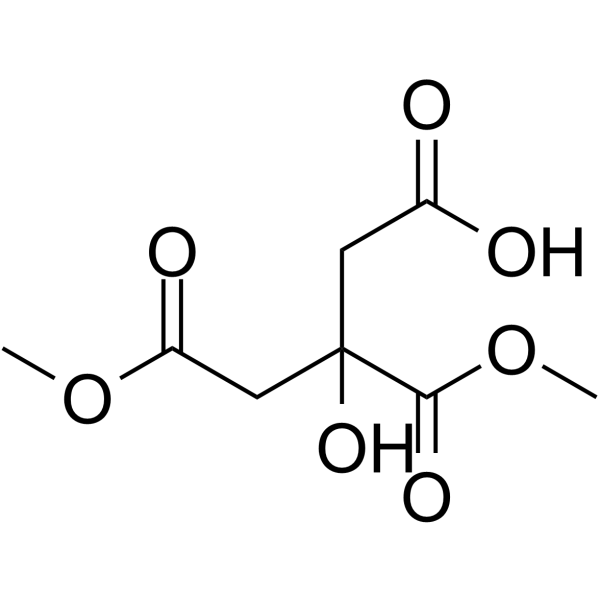
    Dimethyl Citric acid
    1 Publications Verification

    Others Others
    Dimethylurea/citric acid is a highly efficient deep eutectic solvent (DES). Dimethylurea/citric acid can be used as a catalyst and a green reaction medium for the synthesis of bis(indolyl)methanes, quinolines and aryl-4, 5-diphenyl-1H-imidazoles.
    Dimethyl Citric acid
  • HY-B0144AS1

    NK-104-d5 sodium

    Apoptosis HMG-CoA Reductase (HMGCR) Mitophagy Autophagy Metabolic Disease Cancer
    Pitavastatin-d5 (sodium) is the deuterium labeled Pitavastatin sodium. Pitavastatin (NK-104) is a potent hydroxymethylglutaryl-CoA (HMG-CoA) reductase inhibitor. Pitavastatin inhibits cholesterol synthesis from acetic acid with an IC50 of 5.8 nM in HepG2 cells. Pitavastatin is an efficient hepatocyte low-density lipoprotein-cholesterol (LDL-C) receptor inducer. Anti-cancer activity.
    Pitavastatin-d5 sodium
  • HY-W051391

    Me3TACN

    Biochemical Assay Reagents Others
    1,4,7-Trimethyl-1,4,7-triazonane, also known as TMT or trimethylenetris(aziridine), is a cyclic organic compound. TMT is commonly used as a crosslinking agent and a precursor for polymer and resin synthesis. In addition, it is used as a stabilizer in the production of polyurethane foam and as a curing agent for epoxy resins. Due to its high reactivity and stability, TMT is considered to be a versatile and efficient reagent in various applications.
    1,4,7-Trimethyl-1,4,7-triazonane
  • HY-B0144B

    NK-104 sodium

    HMG-CoA Reductase (HMGCR) Autophagy Mitophagy Apoptosis Cardiovascular Disease Neurological Disease Metabolic Disease Cancer
    Pitavastatin (NK-104) sodium is a potent hydroxymethylglutaryl-CoA (HMG-CoA) reductase inhibitor. Pitavastatin sodium inhibits cholesterol synthesis from acetic acid with an IC50 of 5.8 nM in HepG2 cells. Pitavastatin sodium is an efficient hepatocyte low-density lipoprotein-cholesterol (LDL-C) receptor inducer. Pitavastatin sodium also possesses anti-atherosclerotic, anti-asthmatic, anti-osteoarthritis, antineoplastic, neuroprotective, hepatoprotective and reno-protective effects .
    Pitavastatin sodium
  • HY-W001095

    Biochemical Assay Reagents Drug Intermediate Others
    N-Methoxy-N-methylacetamide can efficiently acetylate polycarbonyl compounds. As an important intermediate, N-Methoxy-N-methylacetamide can be used for the synthesis of other active compounds .
    N-Methoxy-N-methylacetamide
  • HY-W127654

    Biochemical Assay Reagents Others
    (Ferrocenylmethyl)trimethylammonium bromide is an organic compound containing ammonium and bromide ions. It is commonly used as a phase transfer catalyst in organic synthesis, especially in the production of pharmaceuticals and agrochemicals. (Ferrocenylmethyl)trimethylammonium Bromide has a strong base that facilitates the transfer of reactants between immiscible solvents for more efficient chemical reactions. In addition, it can also be used as an intermediate in the synthesis of other organic compounds.
    (Ferrocenylmethyl)trimethylammonium bromide
  • HY-P5731A

    Bacterial Infection
    Bac7(1-35) acetate is a proline-rich antimicrobial peptide. Bac7(1-35) acetate efficiently binds to different regions of prokaryote ribosomes, leading to the inhibition of protein synthesis. Bac7(1-35) acetate demonstrates in vitro activity against P. aeruginosa strains .
    Bac7(1-35) acetate
  • HY-W583317

    Biochemical Assay Reagents Endogenous Metabolite
    sSPhos Pd G2 is a palladium catalyst with excellent cross-coupling reaction activity. sSPhos Pd G2 exhibits efficient catalytic ability in the synthesis of organic molecules and compounds. sSPhos Pd G2 can effectively promote the formation of CC bonds, optimize reaction conditions and increase yields. sSPhos Pd G2 is also used in a variety of transformation reactions, helping researchers develop new materials and compounds.
    sSPhos Pd G2
  • HY-B0144AR

    NK-104 (Standard)

    HMG-CoA Reductase (HMGCR) Autophagy Mitophagy Apoptosis Reference Standards Cardiovascular Disease Neurological Disease Metabolic Disease Cancer
    Pitavastatin (Standard) is the analytical standard of Pitavastatin. This product is intended for research and analytical applications. Pitavastatin (NK-104) is a potent hydroxymethylglutaryl-CoA (HMG-CoA) reductase inhibitor. Pitavastatin inhibits cholesterol synthesis from acetic acid with an IC50 of 5.8 nM in HepG2 cells. Pitavastatin is an efficient hepatocyte low-density lipoprotein-cholesterol (LDL-C) receptor inducer. Pitavastatin also possesses anti-atherosclerotic, anti-asthmatic, anti-osteoarthritis, antineoplastic, neuroprotective, hepatoprotective and reno-protective effects .
    Pitavastatin (Standard)
  • HY-W012572A

    Mitochondrial Metabolism Bacterial Infection Metabolic Disease
    D-Histidine hydrochloride hydrate is an anti-biofilm agent that targets bacterial quorum sensing systems (such as RhlI/RhlR pathway) and has antibacterial activity. D-Histidine hydrochloride hydrate works by non-covalently binding to bacterial regulatory factors or copper ion complexes, selectively inhibiting bacterial biofilm formation and motility. D-Histidine hydrochloride hydrate downregulates quorum sensing-related gene expression, reduces the synthesis of virulence factors (such as alginate and proteases), and interferes with bacterial membrane stability, inhibiting biofilm formation, promoting the disintegration of mature biofilms, and enhancing antibiotic sensitivity. D-Histidine hydrochloride hydrate is also an efficient catalyst for the salt-induced peptide formation (SIPF) reaction, which promotes the condensation of amino acids to form dipeptides (such as dialanine and dilysine) by forming a complex with copper ions (Cu 2+) .
    D-Histidine hydrochloride hydrate
  • HY-W127681

    Tetra-n-butylammonium dichlorobromide

    Biochemical Assay Reagents Others
    Tetrabutylammonium dichlorobromide is an organic compound containing ammonium, chloride, and bromide ions. It is commonly used as a phase transfer catalyst in organic synthesis, especially in the production of pharmaceuticals and agrochemicals. Tetrabutylammonium Dichlorobromide has a strong base that facilitates the transfer of reactants between immiscible solvents, resulting in more efficient chemical reactions. In addition, it can also be used as an intermediate in the synthesis of other quaternary ammonium compounds.
    Tetrabutylammonium dichlorobromide
  • HY-W018454

    Biochemical Assay Reagents Others
    Benzyl trimethyl ammonium tribromide is an organic ammonium tribromide. Benzyl trimethyl ammonium tribromide provides controlled bromide ions, enabling efficient cyclization and oxidation while minimizing side reactions caused by excess bromine. Benzyl trimethyl ammonium tribromide can be used in the synthesis of 2-aminobenzothiazole compounds .
    Benzyltrimethylammonium tribromide
  • HY-W854275

    Biochemical Assay Reagents Endogenous Metabolite
    (H2IPr)(Cl)2Ru=CH(o-iPrOC6H4) is a highly efficient catalyst that can effectively promote the metathesis reaction of olefins. The compound exhibits excellent selectivity in the field of transition metal catalysts, is suitable for the synthesis of biologically active compounds, and shows potential application value in compound development.
    (H2IPr)(Cl)2Ru=CH(o-iPrOC6H4)
  • HY-W013156

    2′,3′,5′-Tri-O-acetylinosine

    Biochemical Assay Reagents Cancer
    2′,3′,5′-Triacetylinosine (2′,3′,5′-Tri-O-acetylinosine) has been shown to inhibit the growth of cancer cells, and is also an efficient method for bond cleavage and radiation protection. 2',3',5'-Tri-O-acetylinosine has been shown to bind to pyridinium ions, and it has been used in the synthesis of tetrapeptides with hydroxyl groups or alkylation.
    2′,3′,5′-Triacetylinosine
  • HY-B0144S

    NK-104-d4 hemicalcium; Pitavastatin-d4 hemicalcium

    Isotope-Labeled Compounds HMG-CoA Reductase (HMGCR) Autophagy Mitophagy Apoptosis Metabolic Disease Cancer
    Pitavastatin-d4 (hemicalcium) is deuterium labeled Pitavastatin (Calcium). Pitavastatin Calcium (NK-104 hemicalcium) is a potent hydroxymethylglutaryl-CoA (HMG-CoA) reductase inhibitor. Pitavastatin Calcium (NK-104 hemicalcium) inhibits cholesterol synthesis from acetic acid with an IC50 of 5.8 nM in HepG2 cells. Pitavastatin Calcium is an efficient hepatocyte low-density lipoprotein-cholesterol (LDL-C) receptor inducer. Anti-cancer activity[1][2][3].
    Pitavastatin-d4 hemicalcium
  • HY-B0144AS3

    NK-104-d4-1 sodium

    Isotope-Labeled Compounds HMG-CoA Reductase (HMGCR) Autophagy Mitophagy Apoptosis Cardiovascular Disease Neurological Disease Metabolic Disease
    Pitavastatin-d4-1 (NK-104-d4-1) sodium is the deuterium labeled Pitavastatin sodium (HY-B0144B). Pitavastatin (NK-104) is a potent hydroxymethylglutaryl-CoA (HMG-CoA) reductase inhibitor. Pitavastatin inhibits cholesterol synthesis from acetic acid with an IC50 of 5.8 nM in HepG2 cells. Pitavastatin is an efficient hepatocyte low-density lipoprotein-cholesterol (LDL-C) receptor inducer. Pitavastatin also possesses anti-atherosclerotic, anti-asthmatic, anti-osteoarthritis, antineoplastic, neuroprotective, hepatoprotective and reno-protective effects .
    Pitavastatin-d4-1 sodium
  • HY-B0144R

    NK-104 hemicalcium (Standard); Pitavastatin hemicalcium (Standard)

    Reference Standards HMG-CoA Reductase (HMGCR) Autophagy Mitophagy Apoptosis Cardiovascular Disease Neurological Disease Metabolic Disease Cancer
    Pitavastatin (Calcium) (Standard) is the analytical standard of Pitavastatin (Calcium). This product is intended for research and analytical applications. Pitavastatin Calcium (NK-104 hemicalcium) is a potent hydroxymethylglutaryl-CoA (HMG-CoA) reductase inhibitor. Pitavastatin Calcium (NK-104 hemicalcium) inhibits cholesterol synthesis from acetic acid with an IC50 of 5.8 nM in HepG2 cells. Pitavastatin Calcium is an efficient hepatocyte low-density lipoprotein-cholesterol (LDL-C) receptor inducer. Pitavastatin Calcium also possesses anti-atherosclerotic, anti-asthmatic, anti-osteoarthritis, antineoplastic, neuroprotective, hepatoprotective and reno-protective effects .
    Pitavastatin Calcium (Standard)
  • HY-W664016

    Biochemical Assay Reagents Endogenous Metabolite
    Difluoroheptylazidosulfinate sodium is a compound with efficient C–H activation catalysis, which can effectively promote the formation of CC bonds in organic synthesis, thereby expanding the diverse molecular structures.
    Difluoroheptylazidosulfinate sodium
  • HY-Y0302S

    Biochemical Assay Reagents Others
    Diammonium phosphate- 15N2 is 15N2 labeled Diammonium phosphate (HY-Y0302). Diammonium phosphate is a neutral and efficient catalyst in 1,8-Dioxo-octahydroxanthene derivatives synthesis, which can be used as an excipient, such as diuretic, buffer, effervescent .
    Diammonium phosphate-15N2
  • HY-19877

    Parasite Infection
    GSK932121 is an antimalarial drug with activity that inhibits the electron transport chain of P. falciparum. GSK932121 acts selectively on this pathogen at the level of cytochrome bc1 (complex III). The synthesis method of GSK932121 is highly efficient, and the final structure can be obtained in only 5 steps. The synthesis of GSK932121 can be prepared atKilog scale to support clinical studies .
    GSK932121
  • HY-W001095S

    Isotope-Labeled Compounds Biochemical Assay Reagents Drug Intermediate Others
    N-Methoxy-N-methylacetamide-d3 is deuterium labeled N-Methoxy-N-methylacetamide (HY-W001095). N-Methoxy-N-methylacetamide can efficiently acetylate polycarbonyl compounds. As an important intermediate, N-Methoxy-N-methylacetamide can be used for the synthesis of other active compounds .
    N-Methoxy-N-methylacetamide-d3
  • HY-159103

    Aminoacyl-tRNA Synthetase Infection
    LeuRS-IN-2 (Compound 9) is a Wolbachia leucyl-tRNA synthetase (LeuRS) inhibitor in the presence of adenosine monophosphate (AMP) with an EC50 value of 6 nM, efficiently arresting the growth of pathogenic host. LeuRS-IN-2 forms adenosine-based adducts inhibiting protein synthesis, which is promising for research of new antimicrobials with disrupting microbiota .
    LeuRS-IN-2
  • HY-E70067

    Biochemical Assay Reagents Others
    GlcNAc 1-P uridyltransferase (PmGlmU) catalyzes high efficient synthesis of UDP-GlcNAc from GlcNAc-1-P and UTP. GlcNAc 1-P uridyltransferase (PmGlmU) is used to break down the pyrophosphate formed in the PmGlmU reaction to inorganic phosphate to shift the equilibrium of the coupled enzymatic reactions towards the formation of UDP-GlcNA .
    GlcNAc 1-P uridyltransferase (PmGlmU)
  • HY-W074081

    Biochemical Assay Reagents Endogenous Metabolite
    (CAAC-Cy)Rh(COD)Cl is a rhodium-based catalyst with significant hydrogenation activity. (CAAC-Cy)Rh(COD)Cl is widely used in organic synthesis to catalyze different types of reactions. (CAAC-Cy)Rh(COD)Cl is highly efficient in promoting hydrogenation reactions. (CAAC-Cy)Rh(COD)Cl can effectively catalyze the conversion of certain unsaturated compounds.
    (CAAC-Cy)Rh(COD)Cl
  • HY-W674002

    1-(2-Phosphaethynyl)adamantane

    Apoptosis
    1-Adamantylphosphaethyne (1-(2-Phosphaethynyl)adamantane) is a compound with potential biological activity and can be used as a catalyst in organic synthesis. 1-Adamantylphosphaethyne has shown the ability to induce cell apoptosis in compound development, which helps in anti-tumor inhibition. 1-Adamantylphosphaethyne can also be used as an efficient reaction intermediate to promote the progress of various chemical reactions.
    1-Adamantylphosphaethyne
  • HY-159901

    Histone Demethylase Cancer
    LSD1-IN-37 (Compound 5g) is a lysine-specific demethylase 1 (LSD1) inhibitor constructed using an efficient synthesis strategy incorporating hexafluoroisopropyl groups. This metal-free method exhibits excellent reaction stability and adaptability. LSD1-IN-37 demonstrated outstanding LSD1 inhibitory activity and holds potential for further research .
    LSD1-IN-37
  • HY-W075744

    Biochemical Assay Reagents Endogenous Metabolite
    SK-J002-1n is a highly efficient catalyst with excellent cross-coupling reaction activity. SK-J002-1n is widely used in organic synthesis to construct complex molecular structures. The chiral properties of SK-J002-1n make it play an important role in the pharmaceutical industry and provide support for the synthesis of chiral compounds. SK-J002-1n can significantly improve the conversion efficiency and is an important component of transition metal catalysts.
    SK-J002-1n

Inquiry Online

Your information is safe with us. * Required Fields.

Salutation


Country or Region *

Applicant Name *


Organization Name *

Department *


Email Address *


Product Name *

Cat. No.


Requested quantity *

Phone Number *


Remarks

Inquiry Online

Inquiry Information

Product Name:
Cat. No.:
Quantity:
MCE Japan Authorized Agent:

