1. Search Result
Search Result
Results for "

FGFR phosphorylation

" in MedChemExpress (MCE) Product Catalog:

29

Inhibitors & Agonists

3

Peptides

3

Inhibitory Antibodies

Cat. No. Product Name Target Research Areas Chemical Structure
  • HY-19981
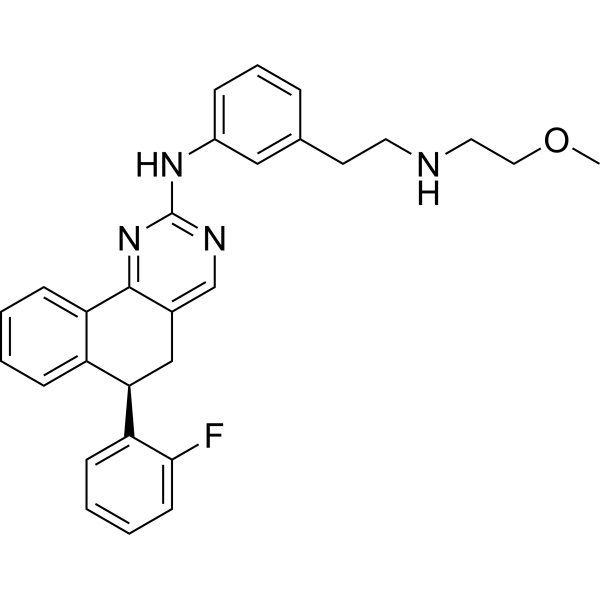
    Derazantinib
    3 Publications Verification

    ARQ-087

    FGFR Cancer
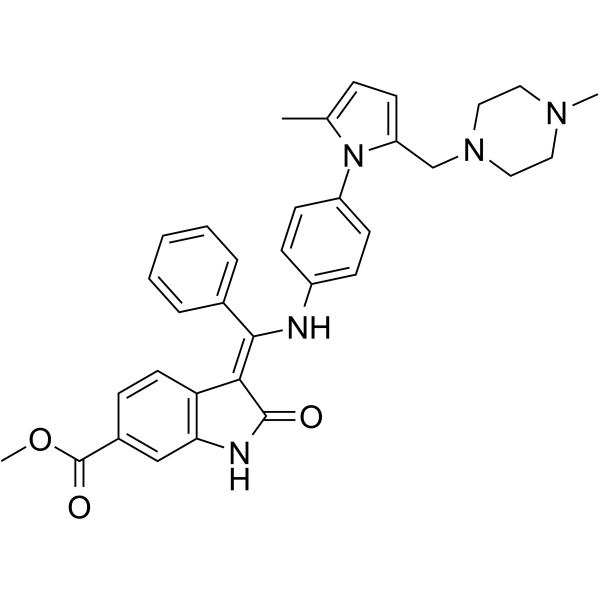
    Derazantinib (ARQ-087) is an ATP competitive and orally activeFGFR inhibitor (IC50s: 1.8 nM for FGFR2, 4.5 nM for FGFR1 and 3 nM). Derazantinib inhibits FGFR phosphorylation. Derazantinib inhibits tumor growth in multiple xenograft models .
    Derazantinib
  • HY-P5321
    bFGF (119-126)
    5 Publications Verification

    FGFR Cancer
    bFGF (119-126) is a ligand of bFGF. The complex formed by bFGF (119-126) and bFGF can bind to FGFR1, while inhibiting the bFGF-FGFR1 interaction, FGFR1 phosphorylation and downstream signaling pathways. Therefore, bFGF (119-126) induces cell apoptosis and inhibits cell proliferation, migration, angiogenesis and metastasis. When conjugated with a carrier, bFGF (119-126) enhances cellular uptake via FGFR-mediated endocytosis and serves as an effective FGFR-targeted ligand. When used in combination with ultrasound and Doxorubicin (HY-15142A), bFGF (119-126) significantly enhances the inhibitory effect on tumors. bFGF (119-126) is applicable to research related to lung cancer, breast cancer, glioblastoma and ovarian cancer .
    bFGF (119-126)
  • HY-12624
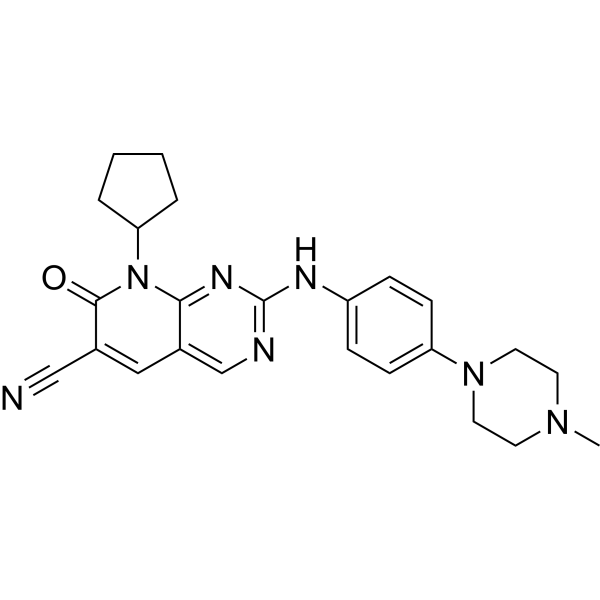
    Narazaciclib
    2 Publications Verification

    ON123300

    CDK AMPK PDGFR Cancer
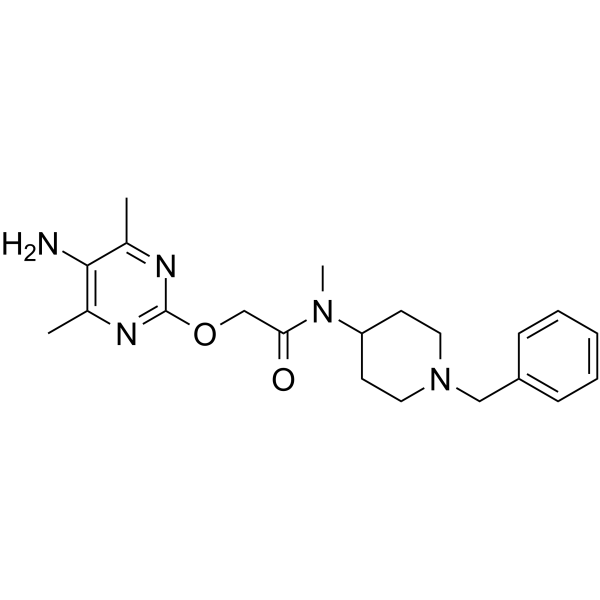
    Narazaciclib (ON123300), a strong and brain-penetrant multi-kinase inhibitor, inhibits CDK4 (IC50=3.9 nM), Ark5 (IC50=5 nM), PDGFRβ (IC50=26 nM), FGFR1 (IC50=26 nM), RET (IC50=9.2 nM), and FYN (IC50=11 nM). Single agent Narazaciclib causes a dose-dependent suppression of phosphorylation of Akt as well as activation of Erk in brain tumors . Narazaciclib inhibits CDK6 with an IC50 of 9.82 nM .
    Narazaciclib
  • HY-148779

    FGFR Cancer
    FGFR3-IN-5 is a potent and selective FGFR3 inhibitor with IC50 values of 3, 44, and 289 nM for FGFR3, FGFR2, and FGFR1, respectively. FGFR3-IN-5 can be used in research of cancer .
    FGFR3-IN-5
  • HY-165298

    PROTACs FGFR ERK Cancer
    DGY-09-192 is a PROTAC FGFR1/2 degrader (FGFR1: DC50 = 4.35 nM; FGFR2: DC50 = 70 nM). DGY-09-192 preferentially degrades wild-type FGFR1/2 and multiple FGFR2 fusion proteins (including FGFR2-PHGDH and FGFR2-OPTN). DGY-09-192 suppresses downstream FGFR signaling (reducing phosphorylation of FRS2 Y196 and ERK1/2 T202/Y204) in vitro and vivo. DGY-09-192 can be used for the study of FGFR-driven cancers. (Pink: FGFR1/2 ligand (HY-160013), Blue: VHL Ligand (HY-112078), Black: Linker (HY-W020017)) .
    DGY-09-192
  • HY-107194

    FGFR c-Myc DNA/RNA Synthesis Caspase Reactive Oxygen Species (ROS) Cancer
    NSC12 is an orally active pan-FGF trap. NSC12 inhibits the interaction between FGF2/FGFR. NSC12 suppresses the phosphorylation of FGFR3. NSC12 reduces c-Myc levels, induces DNA damage, triggers the cleavage of Caspase 3, and promotes ROS production. NSC12 exhibits anticancer activity against lung cancer and multiple myeloma .
    NSC12
  • HY-P991584

    FGFR Cancer
    HuGAL-FR21 is a humanized antiFGFR2IIIb IgG1 monoclonal antibody. HuGAL-FR21 can block the binding of FGF2, FGF7, and FGF10 to FGFR2IIIb and inhibit FGF-induced phosphorylation of FGFR2IIIb. HuGAL-FR21 can downregulate the expression of FGFR2 in SNU-16 cells. HuGAL-FR21 shows the significant anti-tumor activity in athymic nude mice bearing gastric cancer xenograft models. HuGAL-FR21 can be used for research on cancer such as gastric cancer .
    HuGAL-FR21
  • HY-145723
    MAX-40279
    1 Publications Verification

    FLT3 FGFR Inflammation/Immunology Cancer
    MAX-40279 is a dual and orally active inhibitor of FLT3 kinase and FGFR kinase. MAX-40279 is also effective against the FLT3 mutants such as FLT3 D835Y, suggesting that it can overcome resistance to Quizartinib (HY-13001) and Sorafenib (HY-10201). MAX-40279 inhibits NDRG1 phosphorylation at Ser330 and suppresses endothelial-to-mesenchymal transition (EndMT). MAX-40279 can be used for the research of acute myelogenous leukemia (AML) .
    MAX-40279
  • HY-156019

    FGFR Cancer
    FGFR1 inhibitor-10 (Compound 4i) is an FGFR1 inhibitor (IC50: 28 nM). FGFR1 inhibitor-10 inhibits the phosphorylation of FGFR1. FGFR1 inhibitor-10 has anti-angiogenic, anti-invasion activity, and anti-tumor effect .
    FGFR1 inhibitor-10
  • HY-P3695

    FGFR Cancer
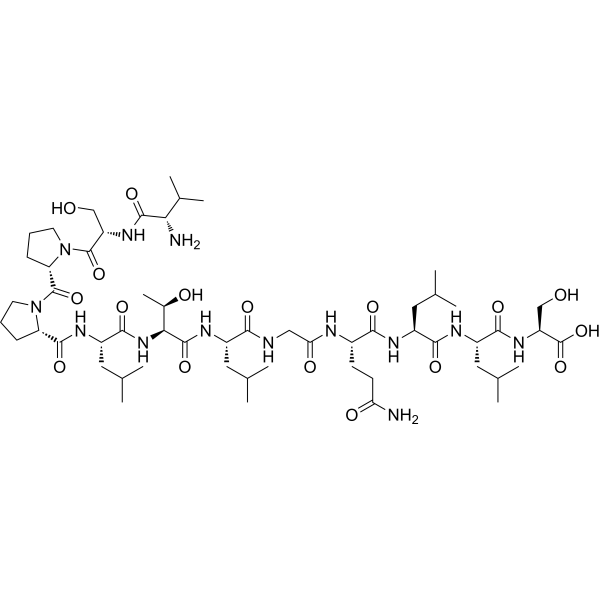
    VSPPLTLGQLLS is a small peptide FGFR3 inhibitor, peptide P3, inhibits FGFR3 phosphorylation. VSPPLTLGQLLS inhibits 9-cisRA-induced tracheal lymphangiogenesis and blocks lymphatic endothelial cell (LEC) proliferation, migration, and tubule formation .
    VSPPLTLGQLLS
  • HY-172916

    SHP2 FGFR p38 MAPK ERK Cancer
    LC-SF-14 is a selective dual inhibitor of SHP2 and FGFR (IC50 values are 71.6 and 8.9 nM, respectively). LC-SF-14 inhibits FGFR2-FRS2α-SHP2-MAPK signaling and ERK phosphorylation. LC-SF-14 inhibits the proliferation of KATOIII cancer cells (IC50: 9.2 nM). LC-SF-14 has antitumor activity in the SNU-16 xenograft mouse model. LC-SF-14 can be used in FGFR2-driven gastric cancer research .
    LC-SF-14
  • HY-147681

    FGFR Neurological Disease
    SUN13837 is an orally active, blood-brain barrier permeable FGFR modulator and neuroprotective agent. SUN13837 mimics the activity of basic fibroblast growth factor, stimulates intracellular tyrosine phosphorylation of FGFR and signal transduction in neuronal cells, induces neurite outgrowth, and inhibits glutamate-induced neuronal death. SUN13837 can be used in research related to acute cervical spinal cord injury and severe spinal cord injury .
    SUN13837
  • HY-122888

    PI3K FGFR Autophagy CDK Reactive Oxygen Species (ROS) Cancer
    MPT0L145 is a PIK3C3/FGFR inhibitor, with a Kd value of 0.53 nM for PIK3C3. MPT0L145 decreases the phosphorylation of FGFR1, FGFR3 and their downstream proteins (FRS2, ERK and Akt). MPT0L145 induces G0/G1 cell cycle arrest and decreased protein levels of cyclin E. MPT0L145 promotes mitochondrial dysfunction, ROS production, and DNA damage. MPT0L145 is an autophagy inhibitor. MPT0L145 significantly sensitizes cancer cells to targeted or chemotherapeutic agents. MPT0L145 can be used for cancer research, such as bladder cancer and NSCLC .
    MPT0L145
  • HY-150026

    VEGFR PDGFR FGFR c-Kit Akt Src Apoptosis Cancer
    Multi-kinase-IN-2 (compound 7h) is an orally active and potent angiokinase inhibitor. Multi-kinase-IN-2 exhibits excellent inhibitory activity against angiokinases including VEGFR-1/2/3, PDGFRα/β, and FGFR-1, as well as LYN and c-KIT kinases. Multi-kinase-IN-2 significantly attenuates phosphorylation of AKT and ERK proteins. Multi-kinase-IN-2 induces cell apoptosis. Multi-kinase-IN-2 shows anticancer activity .
    Multi-kinase-IN-2
  • HY-145723C
    MAX-40279 hemiadipate
    1 Publications Verification

    FLT3 FGFR Inflammation/Immunology Cancer
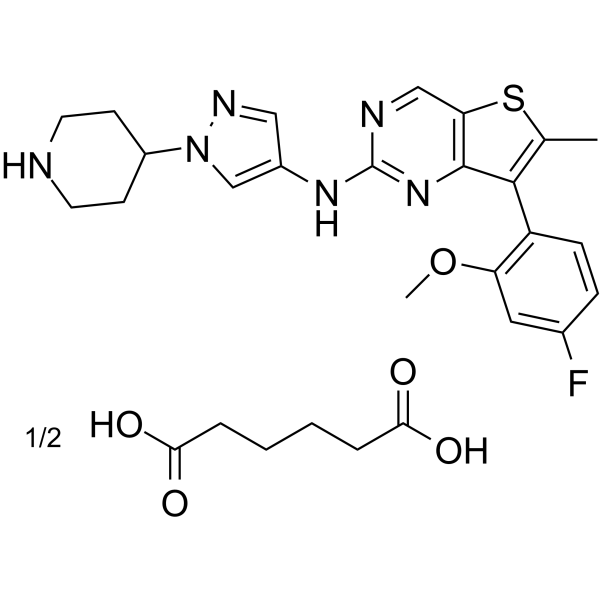
    MAX-40279 hemiadipate is a dual and orally active inhibitor of FLT3 kinase and FGFR kinase. MAX-40279 hemiadipate is also effective against the FLT3 mutants such as FLT3 D835Y, suggesting that it can overcome resistance to Quizartinib (HY-13001) and Sorafenib (HY-10201). MAX-40279 hemiadipate inhibits NDRG1 phosphorylation at Ser330 and suppresses endothelial-to-mesenchymal transition (EndMT). MAX-40279 hemiadipate can be used for the research of acute myelogenous leukemia (AML) .
    MAX-40279 hemiadipate
  • HY-172787

    FGFR Akt AMPK Cancer
    FGFR4-IN-23 (compound 48c) is a FGFR4 inhibitor with an IC50 value of 2.9 nM against FGFR4 WT kinase. FGFR4-IN-23 inhibits the phosphorylation of FGFR4, AKT and MAPK .
    FGFR4-IN-23
  • HY-19981B

    ARQ-087 dihydrochloride

    EGFR Cancer
    Derazantinib (ARQ-087) dihydrochloride is an ATP competitive and orally activeFGFR inhibitor (IC50s: 1.8 nM for FGFR2, 4.5 nM for FGFR1 and 3). Derazantinib dihydrochloride inhibits FGFR phosphorylation. Derazantinib dihydrochloride inhibits tumor growth in multiple xenograft models .
    Derazantinib dihydrochloride
  • HY-P991583

    FGFR ERK Cancer
    GP369 is a humanized FGFR2-IIIb-specific antibody. GP369 significantly inhibits the proliferation of tumor cells. GP369 can significantly inhibit phosphorylation of FGFR2 and downstream signaling pathways. GP369 can be used for research on cancer such as gastric cancer and breast cancer .
    GP369
  • HY-P3695A

    FGFR Cancer
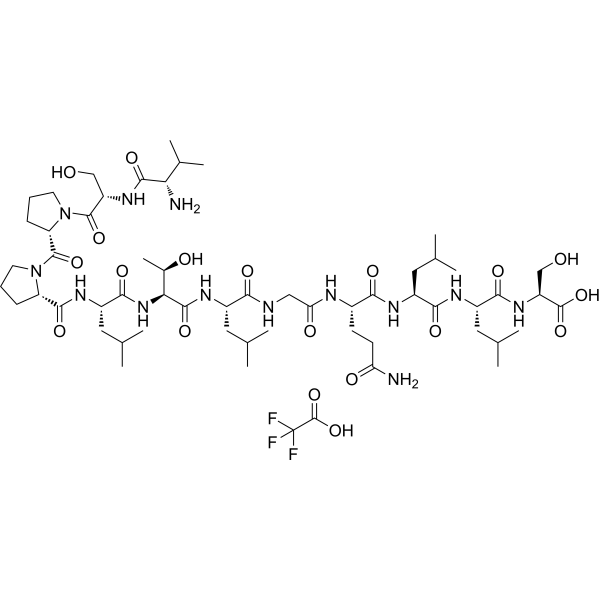
    VSPPLTLGQLLS TFA is a small peptide FGFR3 inhibitor, peptide P3, inhibits FGFR3 phosphorylation. VSPPLTLGQLLS TFA inhibits 9-cisRA-induced tracheal lymphangiogenesis and blocks lymphatic endothelial cell (LEC) proliferation, migration, and tubule formation .
    VSPPLTLGQLLS TFA
  • HY-145723A

    FLT3 FGFR Inflammation/Immunology Cancer
    MAX-40279 hydrochloride is a dual and orally active inhibitor of FLT3 kinase and FGFR kinase. MAX-40279 hydrochloride is also effective against the FLT3 mutants such as FLT3 D835Y, suggesting that it can overcome resistance to Quizartinib (HY-13001) and Sorafenib (HY-10201). MAX-40279 hydrochloride inhibits NDRG1 phosphorylation at Ser330 and suppresses endothelial-to-mesenchymal transition (EndMT). MAX-40279 hydrochloride can be used for the research of acute myelogenous leukemia (AML) .
    MAX-40279 hydrochloride
  • HY-145723B
    MAX-40279 hemifumarate
    1 Publications Verification

    FLT3 FGFR Inflammation/Immunology Cancer
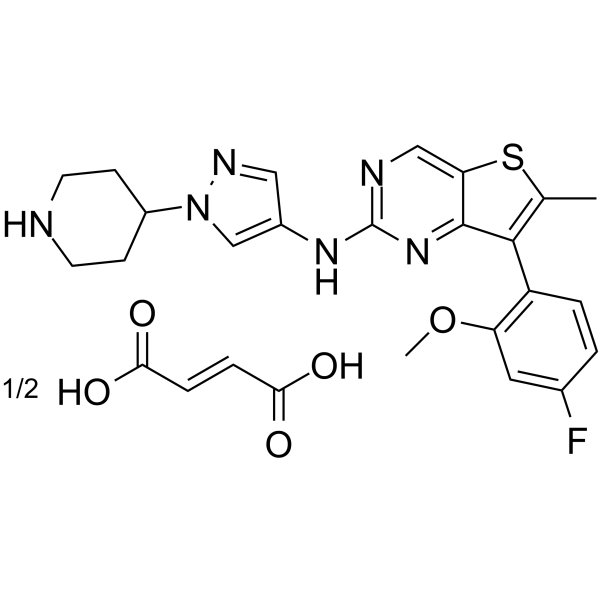
    MAX-40279 hemifumarate is a dual and orally active inhibitor of FLT3 kinase and FGFR kinase. MAX-40279 hemifumarate is also effective against the FLT3 mutants such as FLT3 D835Y, suggesting that it can overcome resistance to Quizartinib (HY-13001) and Sorafenib (HY-10201). MAX-40279 hemifumarate inhibits NDRG1 phosphorylation at Ser330 and suppresses endothelial-to-mesenchymal transition (EndMT). MAX-40279 hemifumarate can be used for the research of acute myelogenous leukemia (AML) .
    MAX-40279 hemifumarate
  • HY-182817

    EGFR ERK DNA/RNA Synthesis Apoptosis Cancer
    Len-604 is a FGFR inhibitor with IC50 values of 9.71 nM, 9.93 nM, 29.80 nM and 14.48 nM against FGFR4, FGFR1, FGFR2 and FGFR3, respectively. Len-604 reduces the phosphorylation levels of FGFR4 and ERK, and induces DNA damage and apoptosis in cancer cells. Len-604 is applicable to research related to liver cancer .
    Len-604
  • HY-183780

    FGFR Akt PERK Apoptosis Ferroptosis Reactive Oxygen Species (ROS) Cancer
    FGFR-IN-27 is an orally active, broad-spectrum FGFR inhibitor, with an IC50 of 0.24 nM against human FGFR1, 0.71 nM against FGFR2, 0.87 nM against FGFR3, and 6.50 nM against FGFR4. FGFR-IN-27 inhibits cancer cell proliferation and blocks tumor growth. FGFR-IN-27 reduces the phosphorylation levels of AKT and ERK, induces apoptosis and ferroptosis, increases ROS levels, and decreases GSH levels. FGFR-IN-27 can be used in the research of hepatocellular carcinoma .
    FGFR-IN-27
  • HY-181031

    FGFR Apoptosis Akt p38 MAPK Cancer
    FGFR-IN-24 (Compound 8r) is a FGFR inhibitor. FGFR-IN-24 potently inhibits FGFR1/2/3 with IC50 values of 10.0, 6.9, and 30.2 nM, respectively. FGFR-IN-24 exhibits superior inhibitory activity toward FGFR1 V561M, FGFR2 V564F, and FGFR2 N549K mutations with IC50 values of 6.8, 0.7, and 0.8 nM, respectively. FGFR-IN-24 induces Apoptosis. FGFR-IN-24 efficiently suppresses the phosphorylation of FGFR2 and its downstream signaling mediators (AKT and MAPK). FGFR-IN-24 demonstrates favorable antitumor efficacy in an RT112/84 bladder cancer xenograft model .
    FGFR-IN-24
  • HY-E70718

    FGFR Cancer
    FGFR3 activating mutations are drivers of malignancy in several human tissues, including bladder, lung, cervix, and blood. FGFR3 G697C is a mutant of FGFR3 that may be present in oral squamous cell carcinoma. FGFR3 G697C increases FGFR3 auto-phosphorylation. FGFR3 G697C Recombinant Human Active Protein Kinase is a recombinant FGFR3 G697C protein that can be used to study FGFR3 G697C-related functions .
    FGFR3 G697C Recombinant Human Active Protein Kinase
  • HY-180794

    FGFR Akt ERK Cancer
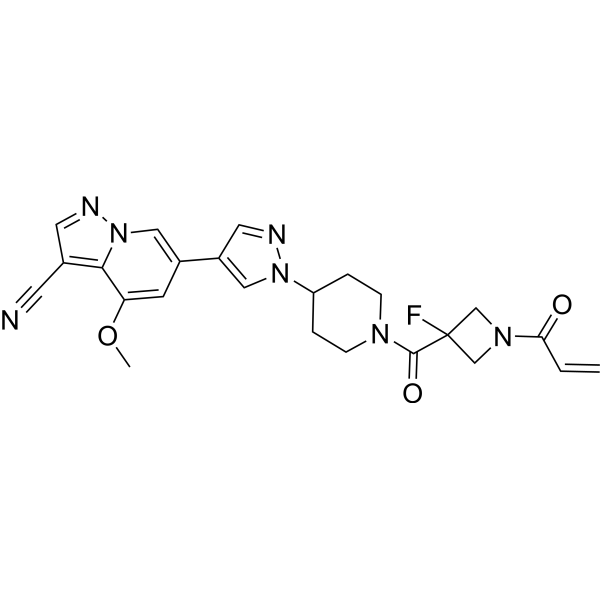
    LHQ766 is a highly selective, orally active, covalent FGFR2 inhibitor with an IC50 of 7.3 nM. LHQ766 significantly suppresses phosphorylation of FGFR2 and its downstream signaling molecules FRS2-a, Akt and ERK1/2. LHQ766 selectively suppresses the proliferation of FGFR2-driven cancer cells .
    LHQ766
  • HY-181005

    FGFR Akt PERK Reactive Oxygen Species (ROS) Caspase Pyroptosis PD-1/PD-L1 Neurological Disease Cancer
    FGFR-IN-25 (Compound 19E) is a FGFR inhibitor (IC50s: 1.30 nM and 0.85 nM for FGFR1 and FGFR2, respectively) and radiosensitizer. FGFR-IN-25 effectively reduces the phosphorylation of FGFR1 and its key downstream effectors, pAKT and pERK. FGFR-IN-25 exerts broad-spectrum antitumor activity against gastric cancer, colorectal carcinoma, hepatocellular carcinoma, breast cancer, triple-negative breast cancer, and glioblastoma. FGFR-IN-25, when combined with radiotherapy, synergistically activates the ROS-Caspase-3-GSDME axis, downregulates PD-L1 expression, and induces immunogenic cell death (ICD). FGFR-IN-25 combined with radiotherapy improves the antitumor efficacy .
    FGFR-IN-25
  • HY-P991999

    FGFR IFNAR Interleukin Related Cancer
    OM-RCA-01 is an anti-FGFR1 monoclonal antibody with a Kd of 1.59 nM for human FGFR1. OM-RCA-01 inhibits the phosphorylation of FGFR1, blocks FGF-mediated signaling pathways, and suppresses the proliferation of downstream tumor cells. OM-RCA-01 delays tumor growth in lung cancer and renal cancer xenograft models expressing FGFR1. When combined with Nivolumab, OM-RCA-01 enhances the release of IFN-γ and IL-2. OM-RCA-01 is applicable for the research of lung cancer and renal cell carcinoma .
    OM-RCA-01
  • HY-182354

    VEGFR FGFR FLT3 PDGFR RET Akt ERK c-Kit Cancer
    VEGFR2-IN-84 is an orally active, multi-targeted tyrosine kinase inhibitor based on a naphthalene ring scaffold. VEGFR2-IN-84 inhibits VEGFR2 with sub-nanomolar affinity and broadly targets kinases including Kit, FGFR, PDGFR, and Ret. By competitively binding to the ATP-binding pocket, VEGFR2-IN-84 blocks the phosphorylation of VEGFR2 and its downstream AKT/ERK signaling pathway, thereby significantly inhibiting endothelial cell proliferation, migration, and tumor angiogenesis. VEGFR2-IN-84 exhibits broad-spectrum antiproliferative activity against various solid tumors such as liver cancer, lung cancer, and renal cancer, shows weak toxicity to normal cells, and has superior potency to Lenvatinib (HY-10981). VEGFR2-IN-84 possesses favorable pharmacokinetic properties and high safety (LD50>2000 mg/kg), and can be used in related studies of various malignant tumors .
    VEGFR2-IN-84

Inquiry Online

Your information is safe with us. * Required Fields.

Salutation


Country or Region *

Applicant Name *


Organization Name *

Department *


Email Address *


Product Name *

Cat. No.


Requested quantity *

Phone Number *


Remarks

Inquiry Online

Inquiry Information

Product Name:
Cat. No.:
Quantity:
MCE Japan Authorized Agent:

