
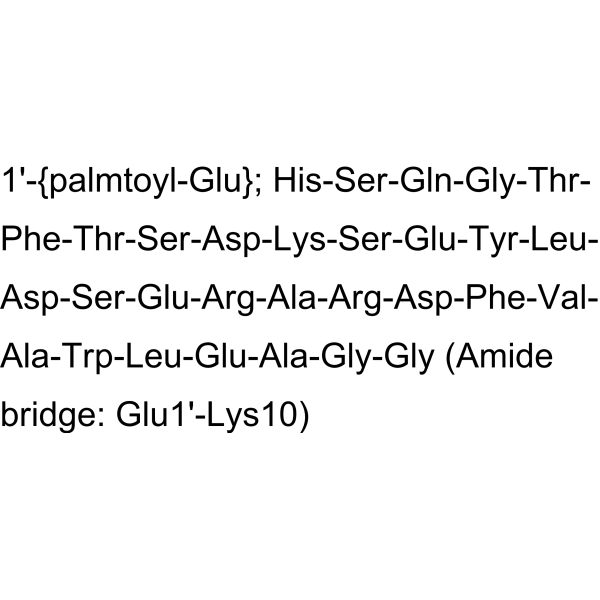
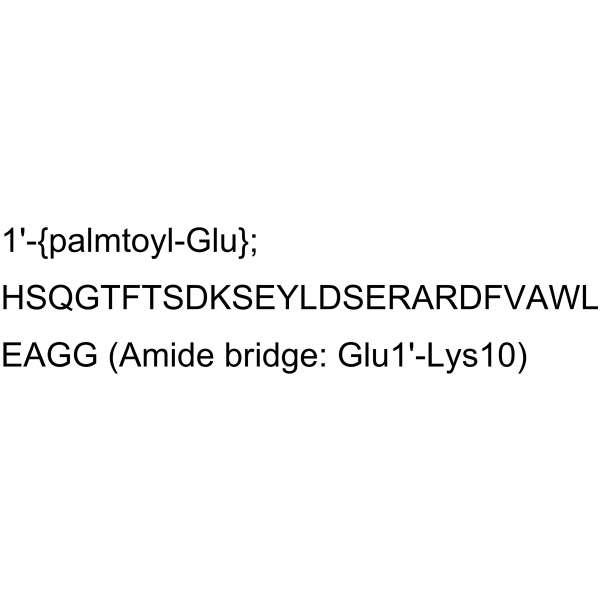




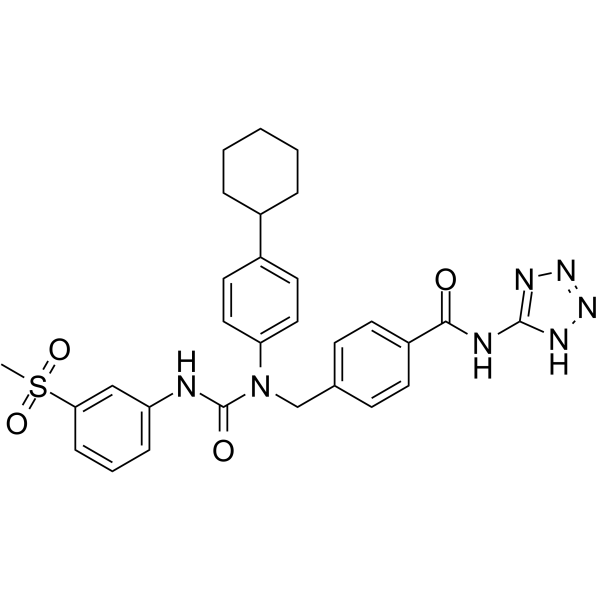
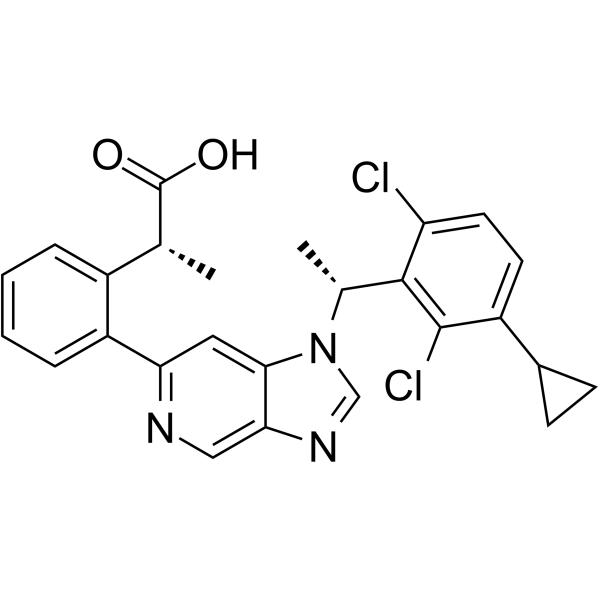
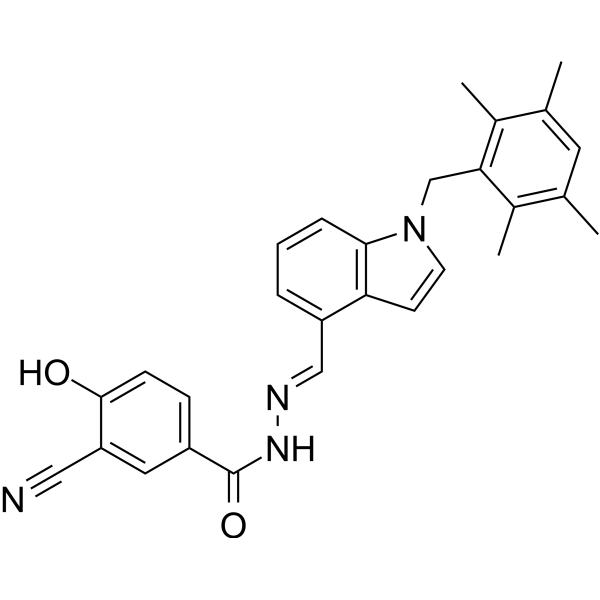
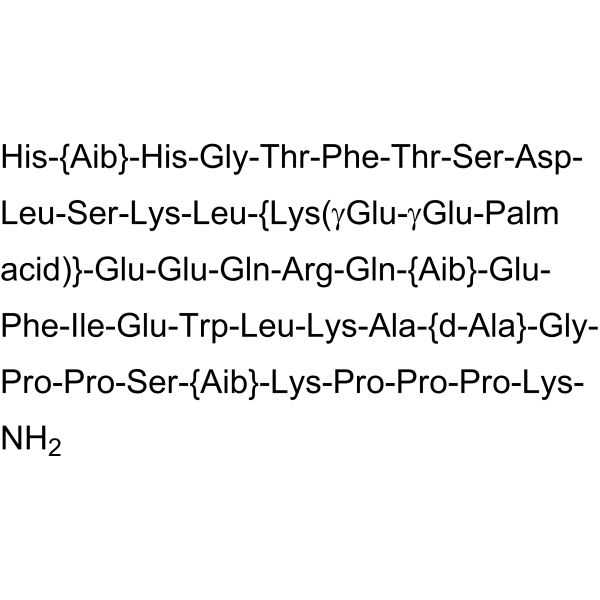

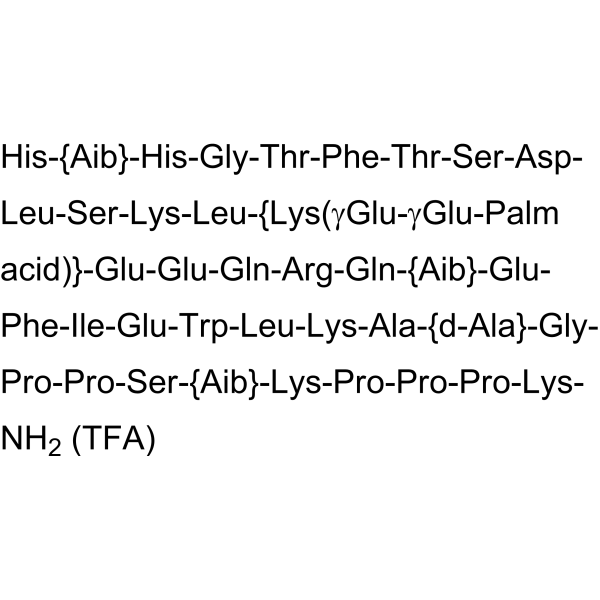

Retatrutide (LY3437943) is a triple agonist peptide of the glucagon receptor (GCGR), glucosedependent insulinotropic polypeptide receptor (GIPR), and glucagon-like peptide-1 receptor (GLP-1R). Retatrutide binds human GCGR, GIPR, and GLP-1R with EC50 values of 5.79, 0.0643 and 0.775 nM, respectively. Retatrutide can be used for the research of obesity .
Mazdutide (IBI-362; LY-3305677) is a long-acting synthetic oxyntomodulin analog. Mazdutide is also a co-agonist of glucagon-like peptide (GLP-1R) and glucagon receptor (GCGR). Mazdutide binds human and mouse GCGR (Ki: 17.7 nM and 15.9 nM, respectively) and GLP-1R (Ki: 28.6 nM and 25.1 nM, respectively) and stimulates insulin secretion from mouse islets (EC50: 5.2 nM). Mazdutide is used in studies of obesity and type 2 diabetes (T2D) .
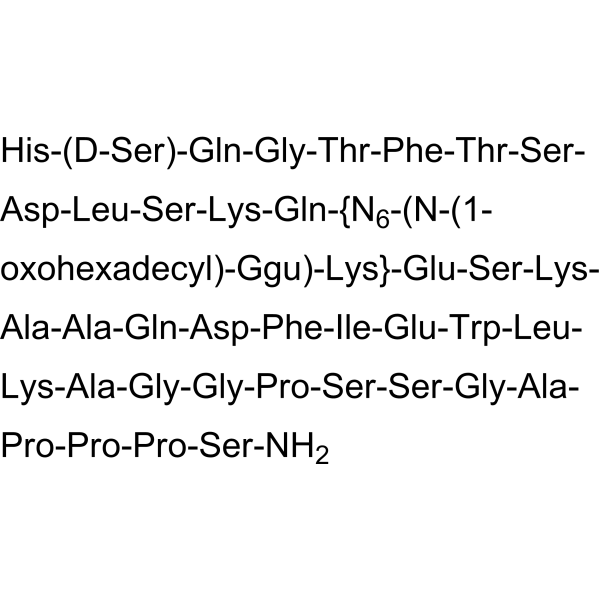
Survodutide (BI 456906) is a potent, selective glucagon receptor/GLP-1 receptor (GCGR/GLP-1R) dual agonist with EC50s of 0.52 nM and 0.33 nM in CHO-K1 cells, respectively. Survodutide, a 29-amino-acid peptide, is a potent acylated peptide containing a C18 fatty acid. Survodutide has robust anti-obesity efficacy achieved by increasing energy expenditure and decreasing food intake .
Retatrutide (LY3437943) TFA is a triple agonist peptide of the glucagon receptor (GCGR), glucosedependent insulinotropic polypeptide receptor (GIPR), and glucagon-like peptide-1 receptor (GLP-1R). Retatrutide TFA binds human GCGR, GIPR, and GLP-1R with EC50 values of 5.79, 0.0643 and 0.775 nM, respectively. Retatrutide TFA can be used for the research of obesity .
Pemvidutide (ALT-801) is a GLP-1R/GCGR dual agonist, shows striking reductions in body weight, liver fat and serum lipids. Pemvidutide can be used in non-alcoholic steatohepatitis (NASH) and obesity research .
Crotedumab (REGN1193) is a fully human IgG4 monoclonal antibody that binds and inhibits glucagon receptor (GCGR), with a KD of 0.1 nM. Crotedumab can be used for the research of diabetes .
Mazdutide (IBI-362; LY-3305677) TFA is a long-acting synthetic oxyntomodulin analog. Mazdutide is also a co-agonist of glucagon-like peptide (GLP-1R) and glucagon receptor (GCGR). Mazdutide TFA binds human and mouse GCGR (Ki: 17.7 nM and 15.9 nM, respectively) and GLP-1R (Ki: 28.6 nM and 25.1 nM, respectively) and stimulates insulin secretion from mouse islets (EC50: 5.2 nM). Mazdutide TFA is used in studies of obesity and type 2 diabetes (T2D) .
NNC-0640 is an effective negative allosteric modulator (NAM) of the human glucagon receptor (GCGR), with an IC50 value of 69.2 nM. NNC-0640 holds potential for research in the field of diabetes .
Cotadutide (MEDI0382) is a potent dual agonist of glucagon-like peptide-1 (GLP-1) and GCGR with EC50 values of 6.9 pM and 10.2 pM, respectively. Cotadutide exhibits ability to facilitate both weight loss and glycaemic control, and alleviate fibrosis. Cotadutide can be used in the research of obesity and type 2 diabetes (T2D) .
Cotadutide (MEDI0382) acetate is a potent dual agonist of glucagon-like peptide-1 (GLP-1) and GCGR with EC50 values of 6.9 pM and 10.2 pM, respectively. Cotadutide acetate exhibits ability to facilitate both weight loss and glycaemic control, and alleviate fibrosis. Cotadutide acetate can be used in the research of obesity and type 2 diabetes (T2D) .
LSN3318839 is an orally active positive modulator of the glucagon-like peptide-1 receptor (GLP-1R). LSN3318839 can increase the secretion of insulin and has the effect of lowering blood sugar .
GCGR antagonist 2, a Furan-2-carbohydrazide, is an orally active glucagon receptor antagonist. GCGR antagonist 2 binds to hGluR with an Kd value of 2.3 nM, and inhibits rat receptor with an IC50 value of 0.43 nM. GCGR antagonist 2 inhibits glucagon-stimulated glycogenolysis .
SAR441255 is a GLP-1R/GCGR/GIPR agonist, with human EC50 values of 1.03 pM, 1.01 pM, and 0.73 pM, respectively. SAR441255 stimulates receptor activity and drives cAMP accumulation. SAR441255 can be used for the research of type 2 diabetes, obesity .
Bamadutide (SAR425899) is a potent dual glucagon-like peptide-1 receptor/glucagon receptor (GLP-1R/GCGR) agonist. Bamadutide improves post-meal blood glucose control by significantly enhancing β-cell function and slowing down the rate of glucose absorption in the body. Bamadutide can be used for the research of metabolic diseases such as type 2 diabetes .
Pemvidutide (ALT-801) TFA is a GLP-1R/GCGR dual agonist, shows striking reductions in body weight, liver fat and serum lipids. Pemvidutide TFA can be used in non-alcoholic steatohepatitis (NASH) and obesity research .
Retatrutide (LY3437943) acetate is a triple agonist peptide of the glucagon receptor (GCGR), glucosedependent insulinotropic polypeptide receptor (GIPR), and glucagon-like peptide-1 receptor (GLP-1R). Retatrutide acetate inhibits human GCGR, GIPR, and GLP-1R with EC50 values of 5.79, 0.0643 and 0.775 nM, respectively. Retatrutide acetate can be used for the research of obesity .
SAR441255 TFA is a GLP-1R/GCGR/GIPR agonist, with human EC50 values of 1.03 pM, 1.01 pM, and 0.73 pM, respectively. SAR441255 TFA stimulates receptor activity and drives cAMP accumulation. SAR441255 TFA can be used for the research of type 2 diabetes, obesity .
Survodutide (BI 456906) TFA is a potent, selective glucagon receptor/GLP-1 receptor (GCGR/GLP-1R) dual agonist with EC50s of 0.52 nM and 0.33 nM in CHO-K1 cells, respectively. Survodutide TFA, a 29-amino-acid peptide, is a potent acylated peptide containing a C18 fatty acid. Survodutide TFA has robust anti-obesity efficacy achieved by increasing energy expenditure and decreasing food intake .
MK-3577 is an orally effective glucagon receptor (GCGR) antagonist that reduces hepatic glucose production and lowers blood glucose levels by blocking glucagon receptors on target organs, primarily the liver. Pharmacokinetic analysis in domestic cats indicates that MK-3577 reaches peak levels 3 to 4 hours after oral administration, with a half-life of approximately 15 hours. MK-3577 can be used in diabetes research .
Survodutide (BI 456906) sodium is a potent, selective glucagon receptor/GLP-1 receptor (GCGR/GLP-1R) dual agonist with EC50s of 0.52 nM and 0.33 nM in CHO-K1 cells, respectively. Survodutide sodium, a 29-amino-acid peptide, is a potent acylated peptide containing a C18 fatty acid. Survodutide sodium has robust anti-obesity efficacy achieved by increasing energy expenditure and decreasing food intake .
Gcgr Mouse Pre-designed siRNA Set A contains three designed siRNAs for Gcgr gene (Mouse), as well as a negative control, a positive control, and a FAM-labeled negative control.
Gcgr Rat Pre-designed siRNA Set A contains three designed siRNAs for Gcgr gene (Rat), as well as a negative control, a positive control, and a FAM-labeled negative control.
GCGR Human Pre-designed siRNA Set A contains three designed siRNAs for GCGR gene (Human), as well as a negative control, a positive control, and a FAM-labeled negative control.
ISIS 449884 is a 2'-O-methoxyethyl antisense oligonucleotide that targets GCGR. ISIS 449884 has an ability to reduce hepatic glucose output and lower the blood glucose level. ISIS 449884 can be used for the study of type 2 diabetes mellitus (T2DM) .
ISIS 449884 sodium is a 2'-O-methoxyethyl antisense oligonucleotide that targets GCGR. ISIS 449884 sodium has an ability to reduce hepatic glucose output and lower the blood glucose level. ISIS 449884 sodium can be used for the study of type 2 diabetes mellitus (T2DM) .
Glucagon receptor antagonist inactive control (Compound 2) is a compound structurally similar to the glucagon receptor (GCGR) antagonist Glucagon receptor antagonist (Compound 1) but lacks antagonistic activity against glucagon receptor (GCGR). Glucagon receptor antagonist inactive control can be used as a negative control to study mechanisms related to glucagon receptor-mediated signaling pathways .
TC2 is an efficient GIPR-preferring monomeric quadruple agonist that can respectively activate GIPR, GLP-1R, GcgR, and Y2R with IC50 values of 0.47, 2.1, 30, and 55 nM respectively. TC2 exhibits a significant GLP-1R preference, with a significant reduction in β-inhibitory protein 2 (βArr2) recruitment, while maintaining a strong cAMP signal. TC2 can be used for research on obesity and diabetes .
TC4 is a highly balanced single-molecule quadruple agonist that can respectively activate GIPR, GLP-1R, GcgR, and Y2R with IC50 values of 0.95, 31, 81, and 1100 nM respectively. TC4 exhibits extremely strong signal bias on GLP-1R and has very low recruitment efficacy for β-inhibitor protein 2 (βArr2) and this strong cAMP preference is believed to maximize metabolic benefits (such as weight loss and hypoglycemia) while possibly minimizing side effects mediated by β-inhibitor protein recruitment (such as receptor desensitization). TC4 can be used for research on obesity and diabetes .
LY3324954 is a long-acting, highly selective glucagon receptor (GCGR) agonist. LY3324954 stimulates cAMP production via the hepatic GCGR signaling pathway and induces acute blood glucose elevation, while promoting FGF21 expression in the liver and plasma. LY3324954 reduces body weight and abdominal fat mass, increases energy expenditure, and effectively improves lipid homeostasis, insulin sensitivity, and glucose intolerance. LY3324954 can be used in obesity-related research .
TPM003 (TG062) is a triple agonist of GLP-1R, GIPR and GCGR, with EC50 values of 33.9, 12.5 and 92.9 pM, respectively. TPM003 suppresses appetite, regulates blood glucose, enhances insulin sensitivity, reduces gastrointestinal intolerance, promotes hepatic lipid mobilization and increases energy expenditure. TPM003 induces weight loss, improves metabolic parameters, reverses hepatic steatosis and optimizes liver function markers. TPM003 is applicable for research on obesity and non-alcoholic steatohepatitis .
UTG-4 is a GLP-1R, GIPR, and GCGR agonist with EC50 values of 126.3 pM, 29.2 pM, and 250.2 pM, respectively. UTG-4 binds to HSA (Kd = 14.6 μM). UTG-4 effectively alleviates endothelial-mesenchymal transition. UTG-4 promotes weight loss, inhibits food intake, improves glucose tolerance, and has a significant anti-atherosclerotic effect .
Retatrutide (LY3437943) is a triple agonist peptide of the glucagon receptor (GCGR), glucosedependent insulinotropic polypeptide receptor (GIPR), and glucagon-like peptide-1 receptor (GLP-1R). Retatrutide binds human GCGR, GIPR, and GLP-1R with EC50 values of 5.79, 0.0643 and 0.775 nM, respectively. Retatrutide can be used for the research of obesity .
Mazdutide (IBI-362; LY-3305677) is a long-acting synthetic oxyntomodulin analog. Mazdutide is also a co-agonist of glucagon-like peptide (GLP-1R) and glucagon receptor (GCGR). Mazdutide binds human and mouse GCGR (Ki: 17.7 nM and 15.9 nM, respectively) and GLP-1R (Ki: 28.6 nM and 25.1 nM, respectively) and stimulates insulin secretion from mouse islets (EC50: 5.2 nM). Mazdutide is used in studies of obesity and type 2 diabetes (T2D) .
Survodutide (BI 456906) is a potent, selective glucagon receptor/GLP-1 receptor (GCGR/GLP-1R) dual agonist with EC50s of 0.52 nM and 0.33 nM in CHO-K1 cells, respectively. Survodutide, a 29-amino-acid peptide, is a potent acylated peptide containing a C18 fatty acid. Survodutide has robust anti-obesity efficacy achieved by increasing energy expenditure and decreasing food intake .
Retatrutide (LY3437943) TFA is a triple agonist peptide of the glucagon receptor (GCGR), glucosedependent insulinotropic polypeptide receptor (GIPR), and glucagon-like peptide-1 receptor (GLP-1R). Retatrutide TFA binds human GCGR, GIPR, and GLP-1R with EC50 values of 5.79, 0.0643 and 0.775 nM, respectively. Retatrutide TFA can be used for the research of obesity .
Pemvidutide (ALT-801) is a GLP-1R/GCGR dual agonist, shows striking reductions in body weight, liver fat and serum lipids. Pemvidutide can be used in non-alcoholic steatohepatitis (NASH) and obesity research .
Mazdutide (IBI-362; LY-3305677) TFA is a long-acting synthetic oxyntomodulin analog. Mazdutide is also a co-agonist of glucagon-like peptide (GLP-1R) and glucagon receptor (GCGR). Mazdutide TFA binds human and mouse GCGR (Ki: 17.7 nM and 15.9 nM, respectively) and GLP-1R (Ki: 28.6 nM and 25.1 nM, respectively) and stimulates insulin secretion from mouse islets (EC50: 5.2 nM). Mazdutide TFA is used in studies of obesity and type 2 diabetes (T2D) .
Cotadutide (MEDI0382) is a potent dual agonist of glucagon-like peptide-1 (GLP-1) and GCGR with EC50 values of 6.9 pM and 10.2 pM, respectively. Cotadutide exhibits ability to facilitate both weight loss and glycaemic control, and alleviate fibrosis. Cotadutide can be used in the research of obesity and type 2 diabetes (T2D) .
Cotadutide (MEDI0382) acetate is a potent dual agonist of glucagon-like peptide-1 (GLP-1) and GCGR with EC50 values of 6.9 pM and 10.2 pM, respectively. Cotadutide acetate exhibits ability to facilitate both weight loss and glycaemic control, and alleviate fibrosis. Cotadutide acetate can be used in the research of obesity and type 2 diabetes (T2D) .
SAR441255 is a GLP-1R/GCGR/GIPR agonist, with human EC50 values of 1.03 pM, 1.01 pM, and 0.73 pM, respectively. SAR441255 stimulates receptor activity and drives cAMP accumulation. SAR441255 can be used for the research of type 2 diabetes, obesity .
Bamadutide (SAR425899) is a potent dual glucagon-like peptide-1 receptor/glucagon receptor (GLP-1R/GCGR) agonist. Bamadutide improves post-meal blood glucose control by significantly enhancing β-cell function and slowing down the rate of glucose absorption in the body. Bamadutide can be used for the research of metabolic diseases such as type 2 diabetes .
Pemvidutide (ALT-801) TFA is a GLP-1R/GCGR dual agonist, shows striking reductions in body weight, liver fat and serum lipids. Pemvidutide TFA can be used in non-alcoholic steatohepatitis (NASH) and obesity research .
Retatrutide (LY3437943) acetate is a triple agonist peptide of the glucagon receptor (GCGR), glucosedependent insulinotropic polypeptide receptor (GIPR), and glucagon-like peptide-1 receptor (GLP-1R). Retatrutide acetate inhibits human GCGR, GIPR, and GLP-1R with EC50 values of 5.79, 0.0643 and 0.775 nM, respectively. Retatrutide acetate can be used for the research of obesity .
SAR441255 TFA is a GLP-1R/GCGR/GIPR agonist, with human EC50 values of 1.03 pM, 1.01 pM, and 0.73 pM, respectively. SAR441255 TFA stimulates receptor activity and drives cAMP accumulation. SAR441255 TFA can be used for the research of type 2 diabetes, obesity .
Survodutide (BI 456906) TFA is a potent, selective glucagon receptor/GLP-1 receptor (GCGR/GLP-1R) dual agonist with EC50s of 0.52 nM and 0.33 nM in CHO-K1 cells, respectively. Survodutide TFA, a 29-amino-acid peptide, is a potent acylated peptide containing a C18 fatty acid. Survodutide TFA has robust anti-obesity efficacy achieved by increasing energy expenditure and decreasing food intake .
Survodutide (BI 456906) sodium is a potent, selective glucagon receptor/GLP-1 receptor (GCGR/GLP-1R) dual agonist with EC50s of 0.52 nM and 0.33 nM in CHO-K1 cells, respectively. Survodutide sodium, a 29-amino-acid peptide, is a potent acylated peptide containing a C18 fatty acid. Survodutide sodium has robust anti-obesity efficacy achieved by increasing energy expenditure and decreasing food intake .
TC2 is an efficient GIPR-preferring monomeric quadruple agonist that can respectively activate GIPR, GLP-1R, GcgR, and Y2R with IC50 values of 0.47, 2.1, 30, and 55 nM respectively. TC2 exhibits a significant GLP-1R preference, with a significant reduction in β-inhibitory protein 2 (βArr2) recruitment, while maintaining a strong cAMP signal. TC2 can be used for research on obesity and diabetes .
TC4 is a highly balanced single-molecule quadruple agonist that can respectively activate GIPR, GLP-1R, GcgR, and Y2R with IC50 values of 0.95, 31, 81, and 1100 nM respectively. TC4 exhibits extremely strong signal bias on GLP-1R and has very low recruitment efficacy for β-inhibitor protein 2 (βArr2) and this strong cAMP preference is believed to maximize metabolic benefits (such as weight loss and hypoglycemia) while possibly minimizing side effects mediated by β-inhibitor protein recruitment (such as receptor desensitization). TC4 can be used for research on obesity and diabetes .
LY3324954 is a long-acting, highly selective glucagon receptor (GCGR) agonist. LY3324954 stimulates cAMP production via the hepatic GCGR signaling pathway and induces acute blood glucose elevation, while promoting FGF21 expression in the liver and plasma. LY3324954 reduces body weight and abdominal fat mass, increases energy expenditure, and effectively improves lipid homeostasis, insulin sensitivity, and glucose intolerance. LY3324954 can be used in obesity-related research .
UTG-4 is a GLP-1R, GIPR, and GCGR agonist with EC50 values of 126.3 pM, 29.2 pM, and 250.2 pM, respectively. UTG-4 binds to HSA (Kd = 14.6 μM). UTG-4 effectively alleviates endothelial-mesenchymal transition. UTG-4 promotes weight loss, inhibits food intake, improves glucose tolerance, and has a significant anti-atherosclerotic effect .
Crotedumab (REGN1193) is a fully human IgG4 monoclonal antibody that binds and inhibits glucagon receptor (GCGR), with a KD of 0.1 nM. Crotedumab can be used for the research of diabetes .
GCGR/glucagon receptor protein is a G protein-coupled receptor for glucagon that centrally regulates blood glucose levels. It plays a key role in the fasting response by actively regulating hepatic glucose production by promoting glycogen hydrolysis and gluconeogenesis. GCGR/Glucagon receptor Protein, Mouse (HEK293, Fc) is the recombinant mouse-derived GCGR/Glucagon receptor protein, expressed by HEK293 , with C-hFc labeled tag. The total length of GCGR/Glucagon receptor Protein, Mouse (HEK293, Fc) is 111 a.a., with molecular weight of 50-65 kDa.
The GCGR protein is a glucagon G protein-coupled receptor that is critical in blood glucose regulation and actively controls hepatic glucose production. It promotes glycogen hydrolysis and gluconeogenesis, which are critical for the fasting response. GCGR Protein, Human (HEK293, His, Avi) is the recombinant human-derived GCGR protein, expressed by HEK293, with C-Avi and C-His labeled tag.
The GCGR protein is a glucagon G protein-coupled receptor that is critical in blood glucose regulation and actively controls hepatic glucose production. It promotes glycogen hydrolysis and gluconeogenesis, which are critical for the fasting response. GCGR Protein, Human (HEK293, hFc) is the recombinant human-derived GCGR protein, expressed by HEK293, with C-hFc labeled tag.
The GCGR protein is a glucagon G protein-coupled receptor that is critical in blood glucose regulation and actively controls hepatic glucose production. It promotes glycogen hydrolysis and gluconeogenesis, which are critical for the fasting response. GCGR Protein, Human (HEK293, His) is the recombinant human-derived GCGR protein, expressed by HEK293, with C-His labeled tag.
GCGR Protein-VLP, Human (HEK293) is recommended for animal immunization, ELISA. It is not recommended for receptor-ligand interaction detection and SPR/BLI assay since there are other irrelevant membrane proteins of the host on the VLP envelope, and the receptor-ligand interaction will have strong background interference. High requirements for chips and experimental protocols are needed for SPR/BLI assays. If VLP control is required, it is recommended HY-P705433.
The GCGR protein is a glucagon G protein-coupled receptor that is critical in blood glucose regulation and actively controls hepatic glucose production. It promotes glycogen hydrolysis and gluconeogenesis, which are critical for the fasting response. GCGR Protein, Human (HEK293, N-His, C-Myc) is the recombinant human-derived GCGR protein, expressed by HEK293 , with C-Myc, N-10*His labeled tag.
Gcgr Mouse Pre-designed siRNA Set A contains three designed siRNAs for Gcgr gene (Mouse), as well as a negative control, a positive control, and a FAM-labeled negative control.
Gcgr Rat Pre-designed siRNA Set A contains three designed siRNAs for Gcgr gene (Rat), as well as a negative control, a positive control, and a FAM-labeled negative control.
GCGR Human Pre-designed siRNA Set A contains three designed siRNAs for GCGR gene (Human), as well as a negative control, a positive control, and a FAM-labeled negative control.
ISIS 449884 is a 2'-O-methoxyethyl antisense oligonucleotide that targets GCGR. ISIS 449884 has an ability to reduce hepatic glucose output and lower the blood glucose level. ISIS 449884 can be used for the study of type 2 diabetes mellitus (T2DM) .
ISIS 449884 sodium is a 2'-O-methoxyethyl antisense oligonucleotide that targets GCGR. ISIS 449884 sodium has an ability to reduce hepatic glucose output and lower the blood glucose level. ISIS 449884 sodium can be used for the study of type 2 diabetes mellitus (T2DM) .
Inquiry Online
Your information is safe with us. * Required Fields.
Western blot analysis of extracts from THP-1(lane 2(20μg), Jurkat (lane 3(20μg) and NIH3T3(lane 4(20μg) using FOXO1A (HY-P80132) Rabbit mAb. Proteins were transferred
to a PVDF membrane and blocked with 5% non-fat milk in TBST for 2 hour at room temperature. The primary antibody (1/1000) and Loading control antibody (Beta Actin, HY-P80438, 1/10000) was
used in 5% non-fat milk in TBST at 4°C overnight. Goat Anti-Mouse/Rabbit IgG-HRP Secondary Antibody (1/10000) was used for 1 hour at room temperature.
Western blot analysis of extracts from THP-1(lane 2(20μg), Jurkat (lane 3(20μg) and NIH3T3(lane 4(20μg) using FOXO1A (HY-P80132) Rabbit mAb. Proteins were transferred
to a PVDF membrane and blocked with 5% non-fat milk in TBST for 2 hour at room temperature. The primary antibody (1/1000) and Loading control antibody (Beta Actin, HY-P80438, 1/10000) was
used in 5% non-fat milk in TBST at 4°C overnight. Goat Anti-Mouse/Rabbit IgG-HRP Secondary Antibody (1/10000) was used for 1 hour at room temperature.
Western blot analysis of extracts from THP-1(lane 2(20μg), Jurkat (lane 3(20μg) and NIH3T3(lane 4(20μg) using FOXO1A (HY-P80132) Rabbit mAb. Proteins were transferred
to a PVDF membrane and blocked with 5% non-fat milk in TBST for 2 hour at room temperature. The primary antibody (1/1000) and Loading control antibody (Beta Actin, HY-P80438, 1/10000) was
used in 5% non-fat milk in TBST at 4°C overnight. Goat Anti-Mouse/Rabbit IgG-HRP Secondary Antibody (1/10000) was used for 1 hour at room temperature.
Western blot analysis of extracts from THP-1(lane 2(20μg), Jurkat (lane 3(20μg) and NIH3T3(lane 4(20μg) using FOXO1A (HY-P80132) Rabbit mAb. Proteins were transferred
to a PVDF membrane and blocked with 5% non-fat milk in TBST for 2 hour at room temperature. The primary antibody (1/1000) and Loading control antibody (Beta Actin, HY-P80438, 1/10000) was
MedchemExpress Validation 03
Western blot analysis of extracts from THP-1(lane 2(20μg), Jurkat (lane 3(20μg) and NIH3T3(lane 4(20μg) using FOXO1A (HY-P80132) Rabbit mAb. Proteins were transferred
MedchemExpress Validation 04
Western blot analysis of extracts from THP-1(lane 2(20μg), Jurkat (lane 3(20μg) and NIH3T3(lane 4(20μg) using FOXO1A (HY-P80132) Rabbit mAb. Proteins were transferred
to a PVDF membrane and blocked with 5% non-fat milk in TBST for 2 hour at room temperature. The primary antibody (1/1000) and Loading control antibody (Beta Actin, HY-P80438, 1/10000) was
used in 5% non-fat milk in TBST at 4°C overnight. Goat Anti-Mouse/Rabbit IgG-HRP Secondary Antibody (1/10000) was used for 1 hour at room temperature.
MedchemExpress Validation
Western blot analysis of extracts from THP-1(lane 2(20μg), Jurkat (lane 3(20μg) and NIH3T3(lane 4(20μg) using FOXO1A (HY-P80132) Rabbit mAb. Proteins were transferred
to a PVDF membrane and blocked with 5% non-fat milk in TBST for 2 hour at room temperature. The primary antibody (1/1000) and Loading control antibody (Beta Actin, HY-P80438, 1/10000) was
used in 5% non-fat milk in TBST at 4°C overnight. Goat Anti-Mouse/Rabbit IgG-HRP Secondary Antibody (1/10000) was used for 1 hour at room temperature.
Western blot analysis of extracts from THP-1(lane 2(20μg), Jurkat (lane 3(20μg) and NIH3T3(lane 4(20μg) using FOXO1A (HY-P80132) Rabbit mAb. Proteins were transferred
to a PVDF membrane and blocked with 5% non-fat milk in TBST for 2 hour at room temperature. The primary antibody (1/1000) and Loading control antibody (Beta Actin, HY-P80438, 1/10000) was
used in 5% non-fat milk in TBST at 4°C overnight. Goat Anti-Mouse/Rabbit IgG-HRP Secondary Antibody (1/10000) was used for 1 hour at room temperature.
MedchemExpress Validation
Western blot analysis of extracts from THP-1(lane 2(20μg), Jurkat (lane 3(20μg) and NIH3T3(lane 4(20μg) using FOXO1A (HY-P80132) Rabbit mAb. Proteins were transferred
to a PVDF membrane and blocked with 5% non-fat milk in TBST for 2 hour at room temperature. The primary antibody (1/1000) and Loading control antibody (Beta Actin, HY-P80438, 1/10000) was
used in 5% non-fat milk in TBST at 4°C overnight. Goat Anti-Mouse/Rabbit IgG-HRP Secondary Antibody (1/10000) was used for 1 hour at room temperature.
MedchemExpress Validation
Western blot analysis of extracts from THP-1(lane 2(20μg), Jurkat (lane 3(20μg) and NIH3T3(lane 4(20μg) using FOXO1A (HY-P80132) Rabbit mAb. Proteins were transferred
to a PVDF membrane and blocked with 5% non-fat milk in TBST for 2 hour at room temperature. The primary antibody (1/1000) and Loading control antibody (Beta Actin, HY-P80438, 1/10000) was
used in 5% non-fat milk in TBST at 4°C overnight. Goat Anti-Mouse/Rabbit IgG-HRP Secondary Antibody (1/10000) was used for 1 hour at room temperature.
MedchemExpress Validation
Western blot analysis of extracts from THP-1(lane 2(20μg), Jurkat (lane 3(20μg) and NIH3T3(lane 4(20μg) using FOXO1A (HY-P80132) Rabbit mAb. Proteins were transferred
to a PVDF membrane and blocked with 5% non-fat milk in TBST for 2 hour at room temperature. The primary antibody (1/1000) and Loading control antibody (Beta Actin, HY-P80438, 1/10000) was
used in 5% non-fat milk in TBST at 4°C overnight. Goat Anti-Mouse/Rabbit IgG-HRP Secondary Antibody (1/10000) was used for 1 hour at room temperature.
MedchemExpress Validation
Western blot analysis of extracts from THP-1(lane 2(20μg), Jurkat (lane 3(20μg) and NIH3T3(lane 4(20μg) using FOXO1A (HY-P80132) Rabbit mAb. Proteins were transferred
to a PVDF membrane and blocked with 5% non-fat milk in TBST for 2 hour at room temperature. The primary antibody (1/1000) and Loading control antibody (Beta Actin, HY-P80438, 1/10000) was
used in 5% non-fat milk in TBST at 4°C overnight. Goat Anti-Mouse/Rabbit IgG-HRP Secondary Antibody (1/10000) was used for 1 hour at room temperature.
MedchemExpress Validation
Western blot analysis of extracts from THP-1(lane 2(20μg), Jurkat (lane 3(20μg) and NIH3T3(lane 4(20μg) using FOXO1A (HY-P80132) Rabbit mAb. Proteins were transferred
to a PVDF membrane and blocked with 5% non-fat milk in TBST for 2 hour at room temperature. The primary antibody (1/1000) and Loading control antibody (Beta Actin, HY-P80438, 1/10000) was
used in 5% non-fat milk in TBST at 4°C overnight. Goat Anti-Mouse/Rabbit IgG-HRP Secondary Antibody (1/10000) was used for 1 hour at room temperature.
MedchemExpress Validation
Western blot analysis of extracts from THP-1(lane 2(20μg), Jurkat (lane 3(20μg) and NIH3T3(lane 4(20μg) using FOXO1A (HY-P80132) Rabbit mAb. Proteins were transferred
to a PVDF membrane and blocked with 5% non-fat milk in TBST for 2 hour at room temperature. The primary antibody (1/1000) and Loading control antibody (Beta Actin, HY-P80438, 1/10000) was
used in 5% non-fat milk in TBST at 4°C overnight. Goat Anti-Mouse/Rabbit IgG-HRP Secondary Antibody (1/10000) was used for 1 hour at room temperature.
MedChemExpress values your privacy and your trust is important to us. We use cookies to enhance your website experience. Some cookies are necessary to run the website.
Privacy and Cookie Policy

