7 Results for "

HMEC-1

" in MedChemExpress (MCE) Product Catalog:
Products (7)

7 Results for "HMEC-1" in MCE Product Catalog:

9
9 Publications Verification
Cat. No.: HY-104081
CAS No.: 11041-12-6
Synonyms: Cholestyramine resin; Colestyramine
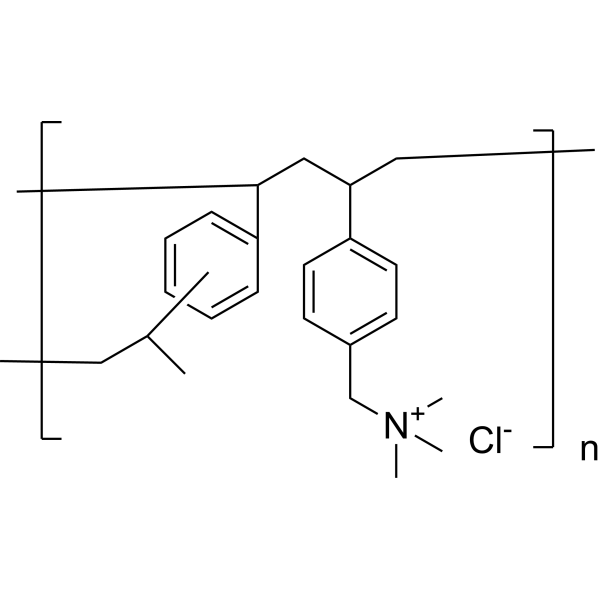
Cholestyramine (Cholestyramine resin) is an orally active bile acid sequestrant. Cholestyramine upregulates the expression of intestinal Apical sodium-dependent bile acid transporter and hepatic Cholesterol 7α-hydroxylase. Cholestyramine induces the expression of intestinal and hepatic cholesterol synthesis genes as well as hepatic lipogenesis genes, and promotes bile acid- and neutral sterol-mediated reverse cholesterol transport. Cholestyramine reduces intestinal cholesterol absorption and induces cholesterol efflux. Cholestyramine is applicable to research related to coronary artery disease, atherosclerotic cardiovascular disease and atherosclerosis [1] .
loading...
    loading...
7
7 Cited Publications
Cat. No.: HY-19749
CAS No.: 181765-30-0
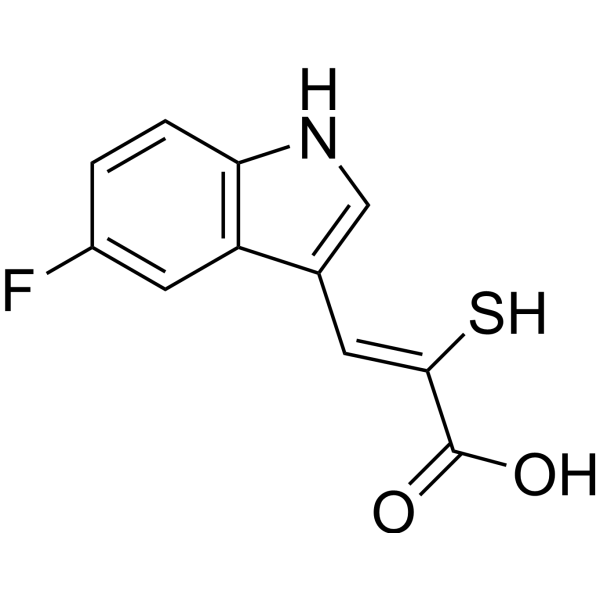
PD 151746 is a selective calpain-1 inhibitor with an IC50 of 260 nM. PD 151746 binds μ-calpain Ca 2+-binding sites, and shows selectivity over cathepsin B, papain, trypsin, thermolysin, and basal calcineurin. PD 151746 reduces Oxidized low-density lipoprotein (oxLDL)-induced cytotoxicity, apoptotic DNA fragmentation, and blocks IL-1α maturation. PD 151746 can be used for the research of atherosclerosis and psoriasis [1] .
loading...
    loading...
2
2 Cited Publications
Cat. No.: HY-N1419
CAS No.: 53452-16-7
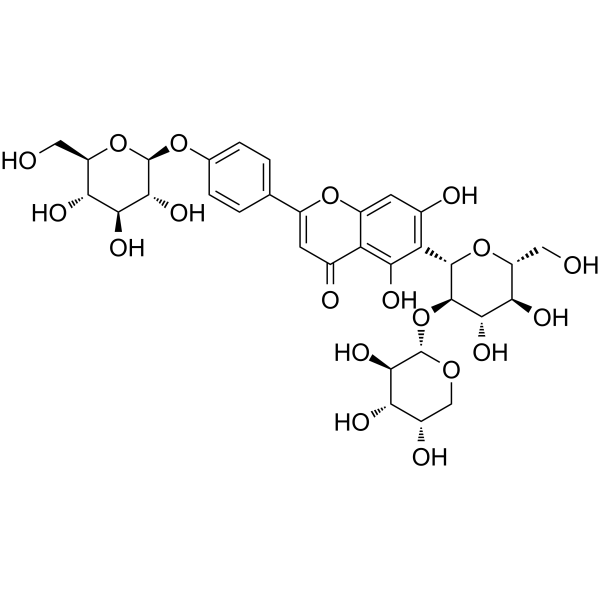
Vaccarin is an orally active flavonoid glycoside with multiple biological functions. Vaccarin promotes neovascularization by activating AKT and ERK. Vaccarin activates the AMPK signaling pathway to improve insulin resistance and steatosis. Vaccarin is a MAPK, NF-κB, and NFAT inhibitor, effectively blocking RANKL-induced osteoclastogenesis [1] .
loading...
    loading...
1
1 Cited Publications
Cat. No.: HY-12828
CAS No.: 1354037-26-5
Purity:  98.03%
Target:  

CDK

Research Areas:  

Infection Neurological Disease

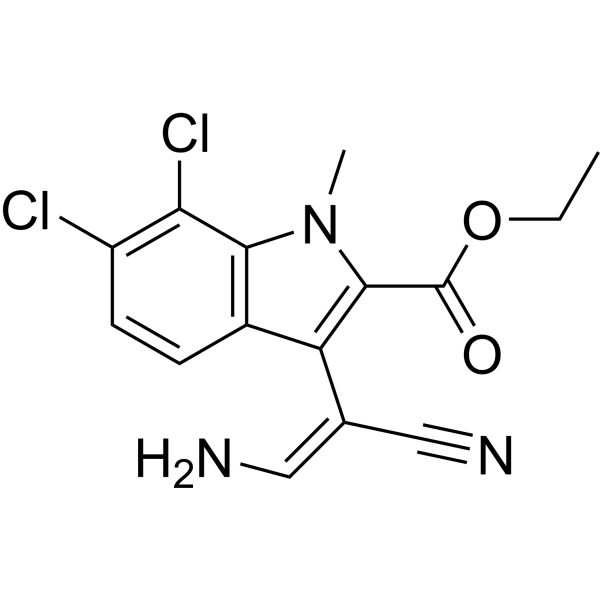
KH-CB19 is a potent CLK (cdc2-like kinase) inhibitor (CLK1 IC50=19.7 nM; CLK3 IC50=530 nM). KH-CB19 shows antiviral activity and inhibits influenza virus replication (IC50=13.6?μM) [1] .
loading...
    loading...
Cat. No.: HY-N9330
CAS No.: 162558-94-3
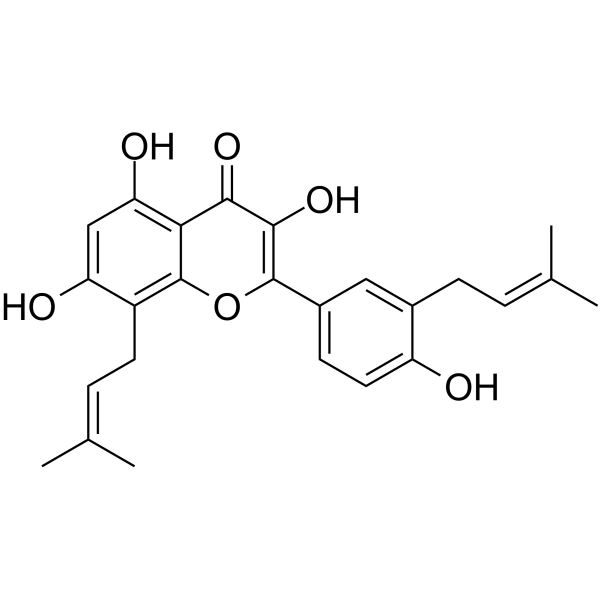
Broussoflavonol F is a potent dual inhibitor of the HER2-RAS-MEK-ERK signaling pathway and mushroom tyrosinase with an IC50 value of 82.3 μM. Broussoflavonol F downregulates the expression of RAS, HER2, phosphorylated BRAF, phosphorylated MEK and phosphorylated Erk proteins. Broussoflavonol F induces cell cycle arrest and apoptosis, and exhibits cytotoxicity in colon cancer cells. Broussoflavonol F inhibits endothelial proliferation, migration and tube formation, suppresses subintestinal vascular development, and reduces the mRNA levels of angiogenesis-associated genes.Broussoflavonol F can be used for colon cancer research [1] .
loading...
    loading...
Cat. No.: HY-N11722
CAS No.: 89837-52-5
Panduratin A is an orally active natural compound with multiple pharmacological activities. By specifically inhibiting the NF-κB signaling pathway, Panduratin A exerts potent anti-inflammatory and antioxidant effects in intestinal and vascular inflammation models. Panduratin A exerts a definite protective effect against Colistin (HY-113678)-induced nephrotoxicity by alleviating oxidative stress, improving mitochondrial dysfunction and inhibiting cell apoptosis. Panduratin A activates autophagy via an AMPK-dependent pathway and exhibits anti-tuberculosis activity. Panduratin A exerts antiviral effects by inhibiting the methyltransferase (DNA Methyltransferase) of SARS-CoV-2 [1] .
loading...
    loading...
Cat. No.: HY-145996
CAS No.: 401513-39-1
Target:  

Others

Research Areas:  

Cardiovascular Disease Infection

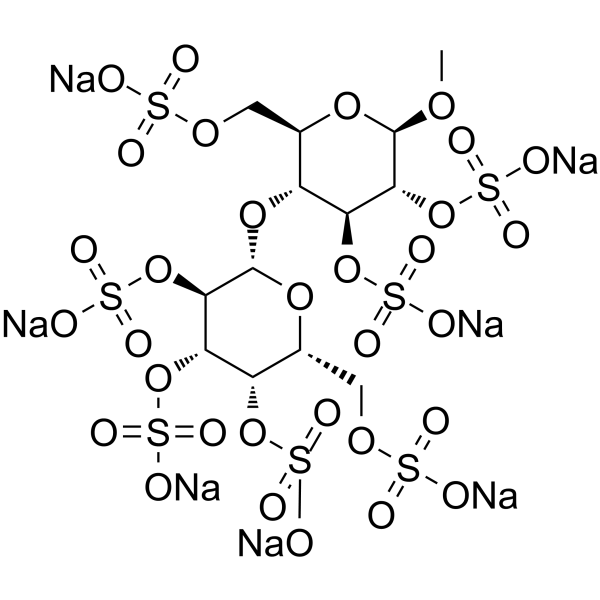
STC314 is a histone-neutralizing agent. STC314 inhibits histone-mediated cytotoxicity, blocks histone-induced erythrocyte aggregation, reduces fragility, restores deformability and inhibits histone-induced aggregation and degranulation in human erythrocytes. STC314 reduces histone-mediated tissue damage, thrombocytopenia, anemia, and cell death, and improves survival in preclinical models. STC314 can be used for the research of sepsis, ischemia-reperfusion injury, and deep-vein thrombosis [1].
loading...
    loading...

