1. Search Result
Search Result
Results for "

Imatinib

" in MedChemExpress (MCE) Product Catalog:

53

Inhibitors & Agonists

1

Fluorescent Dyes

7

Isotope-Labeled Compounds

1

Oligonucleotides

Cat. No. Nombre del producto Target Áreas de investigación Chemical Structure
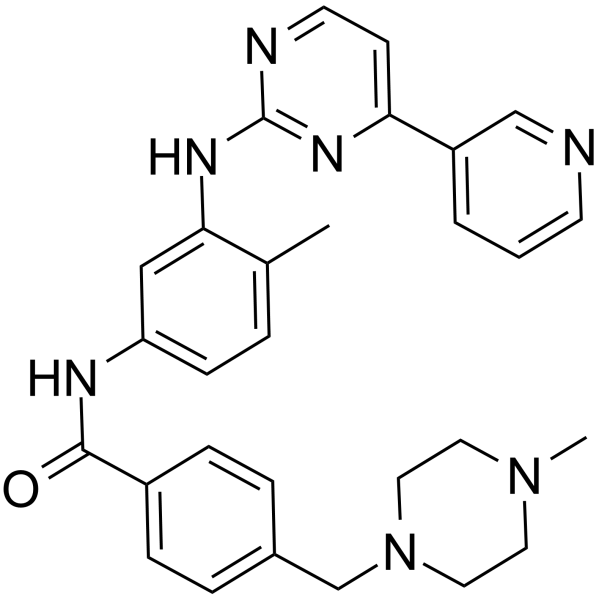
  • HY-15463
    Imatinib
    Maximum Cited Publications
    120 Publications Verification

    STI571; CGP-57148B

    Bcr-Abl PDGFR c-Kit SARS-CoV Autophagy Cancer
    Imatinib (STI571) is an orally bioavailable tyrosine kinases inhibitor that selectively inhibits BCR/ABL, v-Abl, PDGFR and c-kit kinase activity. Imatinib (STI571) works by binding close to the ATP binding site, locking it in a closed or self-inhibited conformation, therefore inhibiting the enzyme activity of the protein semicompetitively . Imatinib also is an inhibitor of SARS-CoV and MERS-CoV .
    Imatinib
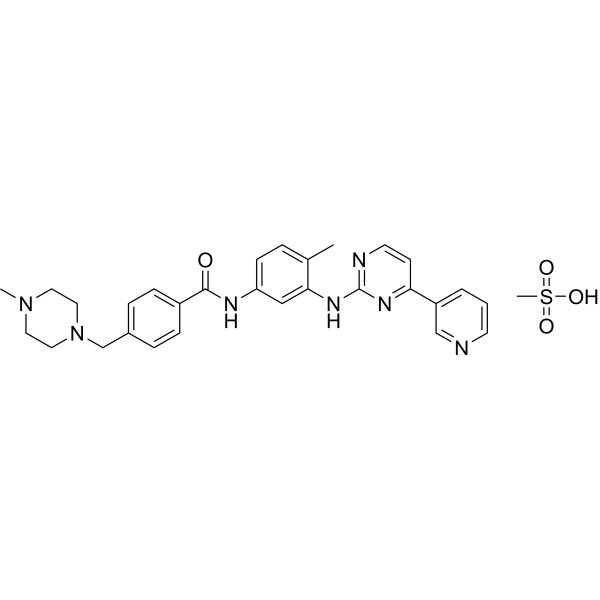
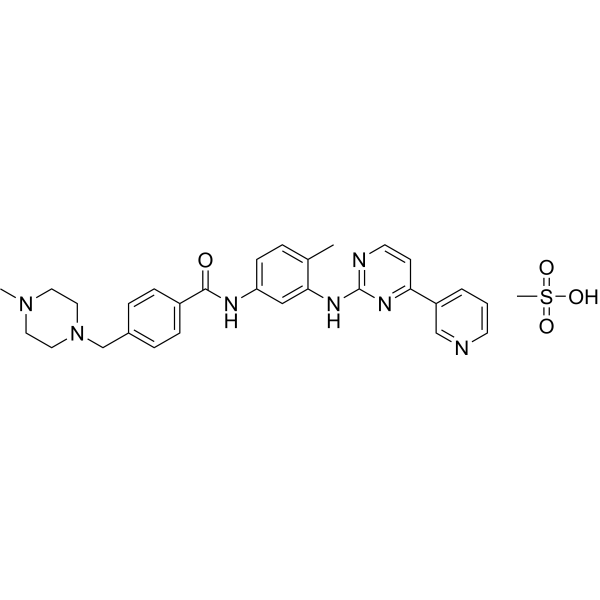
  • HY-50946
    Imatinib Mesylate
    Maximum Cited Publications
    120 Publications Verification

    STI571 Mesylate; CGP-57148B Mesylate

    c-Kit Bcr-Abl PDGFR Autophagy Infection Neurological Disease Inflammation/Immunology Cancer
    Imatinib Mesylate (STI571 Mesylate) is an orally active tyrosine kinases inhibitor that inhibits c-Kit, Bcr-Abl, and PDGFR (IC50=100 nM) tyrosine kinases.
    Imatinib Mesylate
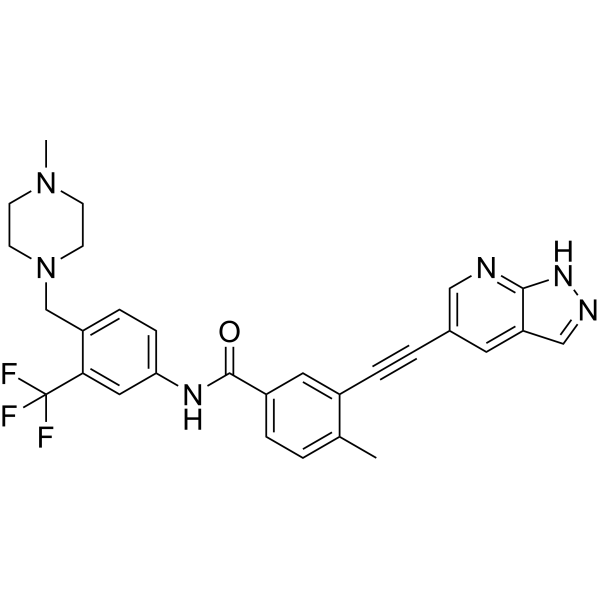
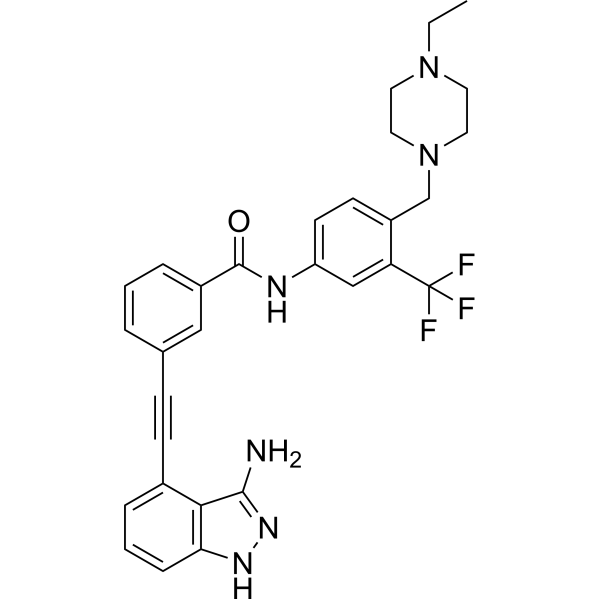
  • HY-15666
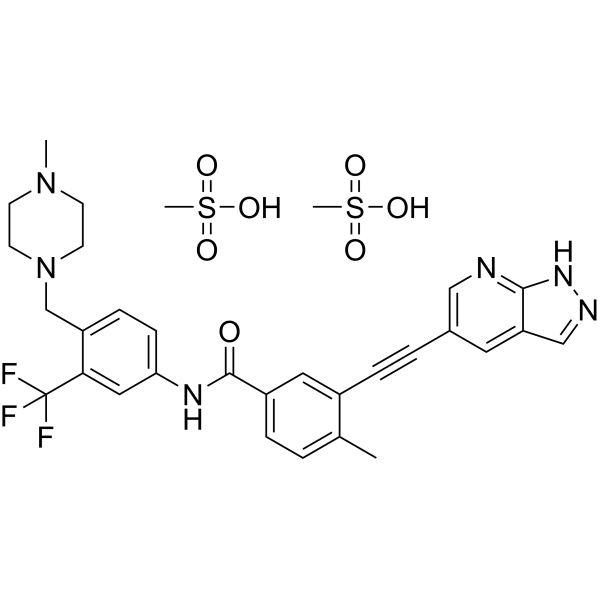
    Olverembatinib
    5+ Cited Publications

    GZD824; HQP1351

    Bcr-Abl Cancer
    Olverembatinib (GZD824) is a potent and orally active pan-Bcr-Abl inhibitor. Olverembatinib potently inhibits a broad spectrum of Bcr-Abl mutants. Olverembatinib strongly inhibits native Bcr-Abl and Bcr-Abl T315I with IC50s of 0.34 nM and 0.68 nM, respectively. Olverembatinib has antitumor activity . Olverembatinib is a click chemistry reagent, it contains an Alkyne group and can undergo copper-catalyzed azide-alkyne cycloaddition (CuAAc) with molecules containing Azide groups.
    Olverembatinib
  • HY-G0017
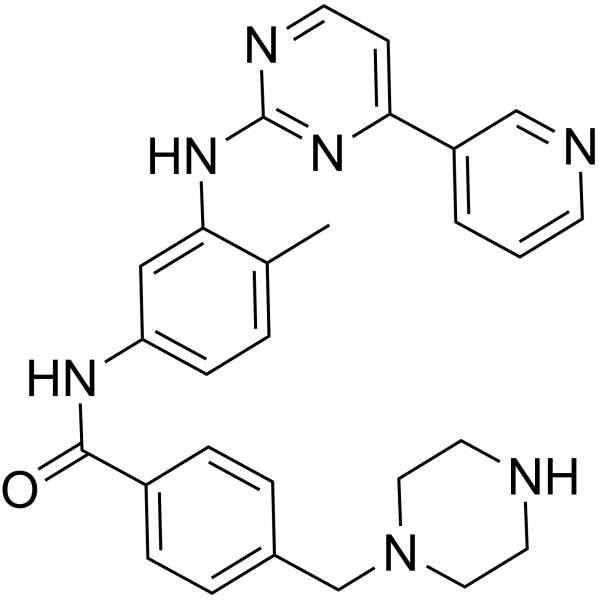
    N-Desmethyl imatinib
    1 Publications Verification

    NorImatinib; Imatinib metabolite N-Desmethyl Imatinib; CGP 74588

    Drug Metabolite P-glycoprotein Apoptosis Neurological Disease Cancer
    N‑Desmethyl imatinib (Norimatinib) is an active metabolite of Imatinib (HY-15463), a selective c‑Abl inhibitor, and a substrate of P‑glycoprotein. N-Desmethyl imatinib binds to the c-Abl catalytic domain to prevent substrate phosphorylation, inhibits c-Abl-mediated α-synuclein activation and downstream inflammatory signaling pathways. N-Desmethyl imatinib induces apoptosis in K562 human leukemia cells. N-Desmethyl imatinib shows significantly elevated plasma levels in gastrointestinal stromal tumor (GIST) models with mild SARS-CoV-2 infection. N-Desmethyl imatinib can be used for the research of Parkinson’s disease, gastrointestinal stromal tumor, and chronic myeloid leukemia .
    N-Desmethyl imatinib
  • HY-101985
    BV02
    3 Publications Verification

    Bacterial PARP Caspase Apoptosis Autophagy Akt Infection Neurological Disease Inflammation/Immunology
    BV02 is a 14-3-3 inhibitor and an antibacterial agent. BV02 enhances the cleavage of PARP and caspase-3. BV02 induces Apoptosis, Autophagy, and enhances Akt activation. BV02 has anti-B. melitensis infection and epilepsy-promoting effects. BV02 can also be used in colitis research.
    BV02
  • HY-15463S1

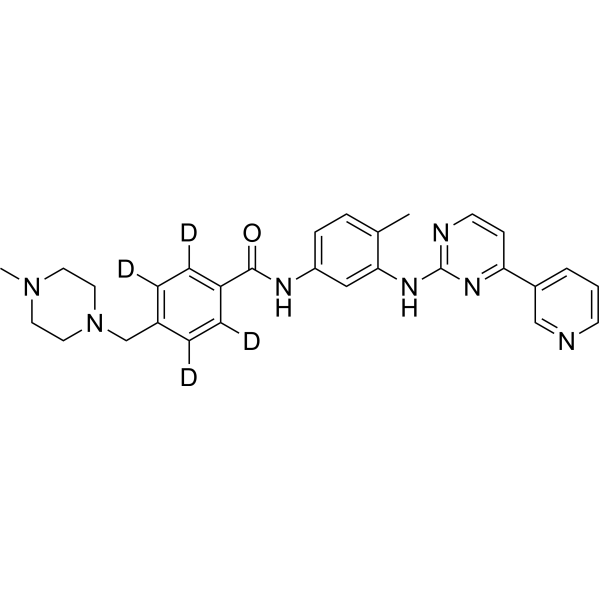
    STI571 d4; CGP-57148B d4

    Bcr-Abl PDGFR c-Kit SARS-CoV Autophagy Cancer
    Imatinib-d4 (STI571-d4) is a deuterium labeled Imatinib (STI571). Imatinib is an orally bioavailable tyrosine kinases inhibitor that selectively inhibits BCR/ABL, v-Abl, PDGFR and c-kit kinase activity .
    Imatinib-d4
  • HY-15666A
    Olverembatinib dimesylate
    5+ Cited Publications

    GZD824 dimesylate; HQP1351 dimesylate

    Bcr-Abl Cancer
    Olverembatinib (GZD824) dimesylate is a potent and orally active pan-Bcr-Abl inhibitor. Olverembatinib dimesylate potently inhibits a broad spectrum of Bcr-Abl mutants. Olverembatinib dimesylate strongly inhibits native Bcr-Abl and Bcr-Abl T315I with IC50s of 0.34 nM and 0.68 nM, respectively. Olverembatinib dimesylate has antitumor activity . Olverembatinib (dimesylate) is a click chemistry reagent, it contains an Alkyne group and can undergo copper-catalyzed azide-alkyne cycloaddition (CuAAc) with molecules containing Azide groups.
    Olverembatinib dimesylate
  • HY-W440982

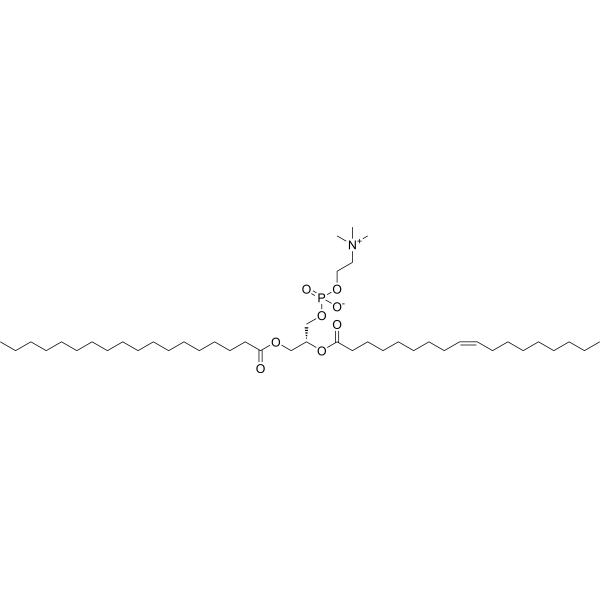
    PC(18:0/18:1); 2-Oleoyl-1-stearoyl-sn-glycero-3-phosphocholine

    Liposome Others
    SOPC (PC (18:0/18:1)) is a phosphatidylcholine lipid, which is an unsaturated phospholipid containing a cis double bond. When SOPC binds to Imatinib (HY-15463), Imatinib easily penetrates into its unsaturated liposome bilayer structure, and SOPC forms ordered, larger parallel stripe domains .
    SOPC
  • HY-15463S
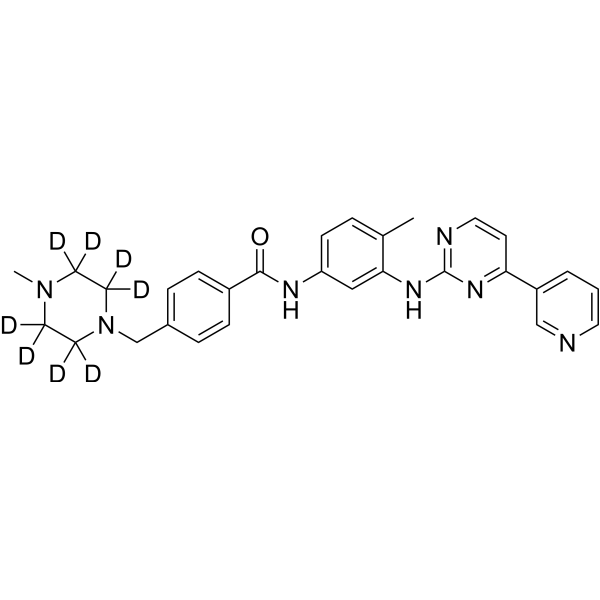
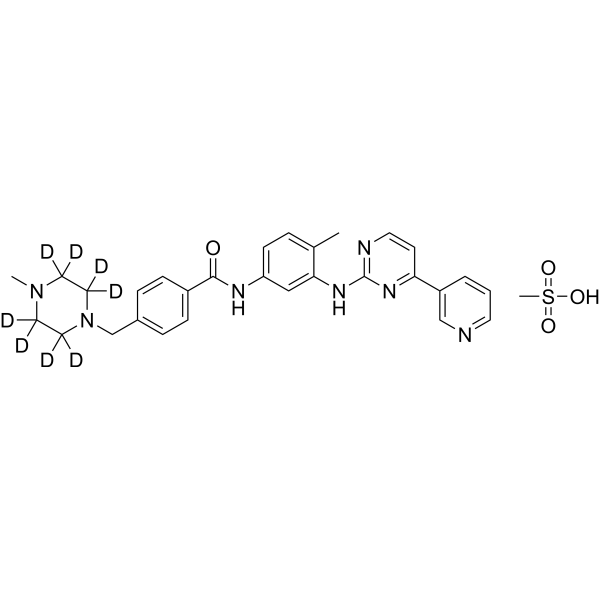
    Imatinib-d8
    1 Publications Verification

    STI571-d8; CGP-57148B-d8

    Bcr-Abl PDGFR c-Kit SARS-CoV Autophagy Cancer
    Imatinib-d8 is a deuterium labeled Imatinib (STI571). Imatinib is an orally bioavailable tyrosine kinases inhibitor that selectively inhibits BCR/ABL, v-Abl, PDGFR and c-kit kinase activity .
    Imatinib-d8
  • HY-W143698

    Bcr-Abl c-Kit PDGFR Cancer
    PDGFRα kinase inhibitor 2 (compound 1), an Imatinib (HY-15463) analogue, is a covalent and irreversible kinase inhibitor with IC50s of 6.95 μM, 2.45 μM, 1.39 μM for ABL1 wt, KIT wt, PDGFRR wt .
    PDGFRα kinase inhibitor 2
  • HY-164393

    JAK Bcr-Abl Apoptosis Cancer
    ON044580, an α-benzoyl styryl benzyl sulfide, is a potent and non-ATP-competitive JAK2 kinase inhibitor with IC50s of 1.23 μM, 1.09 μM for WT and V617F mutant JAK2, respectively. ON044580 inhibits the JAK2 kinase activity either by binding to the STAT-5 binding domain of JAK2 or by binding to an allosteric site. ON044580 exerts its antiproliferative effect in JAK2 V617F-positive leukemic cells. ON044580 effectively induces apoptosis of Imatinib (HY-15463)-resistant chronic myelogenous leukemia (CML) cells. ON044580 also inhibits both WT and T315I mutant forms of the BCR-ABL kinase. ON044580 has the potential for myeloproliferative disorders typified by aberrant JAK/STAT signaling .
    ON044580
  • HY-G0017S

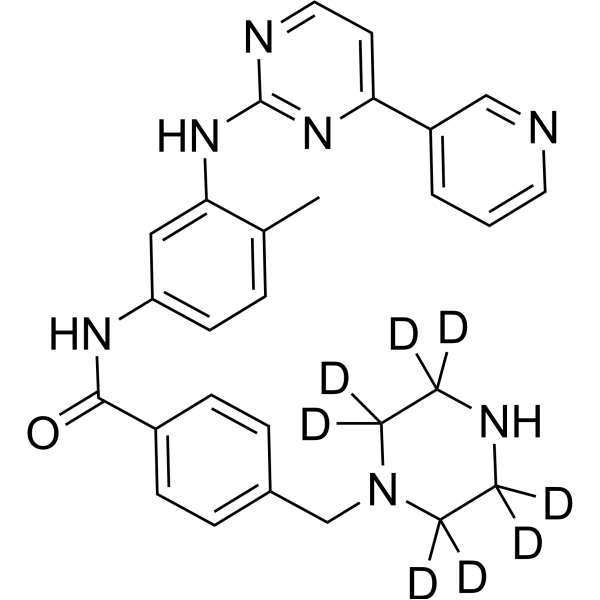
    NorImatinib-d8; Imatinib metabolite N-Desmethyl Imatinib-d8; CGP 74588-d8

    Isotope-Labeled Compounds Drug Metabolite P-glycoprotein Apoptosis Neurological Disease Cancer
    N-Desmethyl imatinib-d8 is a deuterium labeled Imatinib metabolite N-Desmethyl Imatinib (HY-G0017). N‑Desmethyl imatinib (Norimatinib) is an active metabolite of Imatinib (HY-15463), a selective c‑Abl inhibitor, and a substrate of P‑glycoprotein. N-Desmethyl imatinib binds to the c-Abl catalytic domain to prevent substrate phosphorylation, inhibits c-Abl-mediated α-synuclein activation and downstream inflammatory signaling pathways. N-Desmethyl imatinib induces apoptosis in K562 human leukemia cells. N-Desmethyl imatinib exhibits significantly elevated plasma levels in gastrointestinal stromal tumor (GIST) settings following mild SARS CoV 2 infection. N-Desmethyl imatinib can be used for the research of Parkinson’s disease, gastrointestinal stromal tumor, and chronic myeloid leukemia .
    N-Desmethyl imatinib-d8
  • HY-15463R

    STI571 (Standard); CGP-57148B (Standard)

    Reference Standards Bcr-Abl PDGFR c-Kit SARS-CoV Autophagy Cancer
    Imatinib (Standard) is the analytical standard of Imatinib. This product is intended for research and analytical applications. Imatinib (STI571) is an orally bioavailable tyrosine kinases inhibitor that selectively inhibits BCR/ABL, v-Abl, PDGFR and c-kit kinase activity. Imatinib (STI571) works by binding close to the ATP binding site, locking it in a closed or self-inhibited conformation, therefore inhibiting the enzyme activity of the protein semicompetitively . Imatinib also is an inhibitor of SARS-CoV and MERS-CoV .
    Imatinib (Standard)
  • HY-157327

    Bcr-Abl Cancer
    AKE-72 (compound 5) is a potent inhibitor of Pan-BCR-ABL. AKE-72 inhibits BCR-ABL WT, BCR-ABL T315, BCR-ABL E255K, BCR-ABL F3171, BCR-ABL H396P and BCR-ABL Q252H with IC50s of < 0.5, 9, 8.98, 3.12, < 1.0 and 3.88 nM, respectively. AKE-72 has anti-leukemic activity against K-562 cell line .
    AKE-72
  • HY-50946R

    STI571 Mesylate (Standard); CGP-57148B Mesylate (Standard)

    Reference Standards c-Kit Bcr-Abl PDGFR Autophagy Cancer
    Imatinib (Mesylate) (Standard) is the analytical standard of Imatinib (Mesylate). This product is intended for research and analytical applications. Imatinib Mesylate (STI571 Mesylate) is an orally active tyrosine kinases inhibitor that inhibits c-Kit, Bcr-Abl, and PDGFR (IC50=100 nM) tyrosine kinases.
    Imatinib Mesylate (Standard)
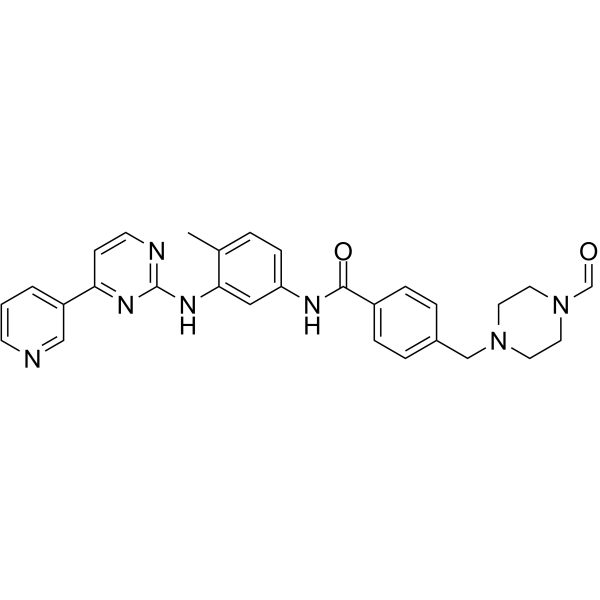
  • HY-111849

    CGP-57148B carbaldehyde; STI571 carbaldehyde; PROTAC ABL binding moiety 1

    Ligands for Target Protein for PROTAC Cancer
    Imatinib carbaldehyde (CGP-57148B carbaldehyde), the Imatinib (ABL inhibitor) based moiety, binds to IAP ligand via a linker to form SNIPER .
    Imatinib carbaldehyde
  • HY-15463S3

    STI571-13C,d3; CGP-57148B-13C,d3

    Isotope-Labeled Compounds Autophagy SARS-CoV Bcr-Abl PDGFR c-Kit Cancer
    Imatinib- 13C,d3 (STI571- 13C,d3) is 13C labeled Imatinib. Imatinib (STI571) is an orally bioavailable tyrosine kinases inhibitor that selectively inhibits BCR/ABL, v-Abl, PDGFR and c-kit kinase activity. Imatinib (STI571) works by binding close to the ATP binding site, locking it in a closed or self-inhibited conformation, therefore inhibiting the enzyme activity of the protein semicompetitively . Imatinib also is an inhibitor of SARS-CoV and MERS-CoV .
    Imatinib-13C,d3
  • HY-G0017A

    NorImatinib mesylate; Imatinib metabolite N-Desmethyl Imatinib mesylate; CGP 74588 mesylate

    Drug Metabolite P-glycoprotein Apoptosis Neurological Disease Cancer
    N-Desmethyl imatinib mesylate (Norimatinib mesylate) is an active metabolite of Imatinib (HY-15463), a selective c‑Abl inhibitor, and a substrate of P‑glycoprotein. N-Desmethyl imatinib mesylate binds to the c-Abl catalytic domain to prevent substrate phosphorylation, inhibits c-Abl-mediated α-synuclein activation and downstream inflammatory signaling pathways. N-Desmethyl imatinib mesylate induces apoptosis in K562 human leukemia cells. N-Desmethyl imatinib mesylate exhibits significantly elevated plasma levels in gastrointestinal stromal tumor (GIST) settings following mild SARS CoV 2 infection. N-Desmethyl imatinib mesylate can be used for the research of Parkinson’s disease, gastrointestinal stromal tumor, and chronic myeloid leukemia .
    N-Desmethyl imatinib mesylate
  • HY-G0017R

    NorImatinib (Standard); Imatinib metabolite N-Desmethyl Imatinib (Standard); CGP 74588 (Standard)

    Reference Standards Drug Metabolite P-glycoprotein Apoptosis Others
    N‑Desmethyl imatinib (Standard) is the analytical standard of N‑Desmethyl imatinib (Norimatinib) (HY-G0017R). This product is intended for research and analytical applications. N‑Desmethyl imatinib (Norimatinib) is an active metabolite of Imatinib (HY-15463), a selective c‑Abl inhibitor, and a substrate of P‑glycoprotein. N-Desmethyl imatinib binds to the c-Abl catalytic domain to prevent substrate phosphorylation, inhibits c-Abl-mediated α-synuclein activation and downstream inflammatory signaling pathways. N-Desmethyl imatinib induces apoptosis in K562 human leukemia cells. N-Desmethyl imatinib exhibits significantly elevated plasma levels in gastrointestinal stromal tumor (GIST) settings following mild SARS CoV 2 infection. N-Desmethyl imatinib can be used for the research of Parkinson’s disease, gastrointestinal stromal tumor, and chronic myeloid leukemia .
    N-Desmethyl imatinib (Standard)
  • HY-G0017S1

    NorImatinib-d4; Imatinib metabolite N-Desmethyl Imatinib-d4; CGP 74588-d4

    Isotope-Labeled Compounds Drug Metabolite P-glycoprotein Apoptosis Neurological Disease Cancer
    N-Desmethyl imatinib-d4 is the deuterium-labeled N-Desmethyl imatinib (HY-G0017). N‑Desmethyl imatinib (Norimatinib) is an active metabolite of Imatinib (HY-15463), a selective c‑Abl inhibitor, and a substrate of P‑glycoprotein. N-Desmethyl imatinib binds to the c-Abl catalytic domain to prevent substrate phosphorylation, inhibits c-Abl-mediated α-synuclein activation and downstream inflammatory signaling pathways. N-Desmethyl imatinib induces apoptosis in K562 human leukemia cells. N-Desmethyl imatinib exhibits significantly elevated plasma levels in gastrointestinal stromal tumor (GIST) settings following mild SARS CoV 2 infection. N-Desmethyl imatinib can be used for the research of Parkinson’s disease, gastrointestinal stromal tumor, and chronic myeloid leukemia .
    N-Desmethyl imatinib-d4
  • HY-E70634

    Bcr-Abl Cancer
    The emergence of mutations in the BCR::ABL1 kinase domain (KD) impairs Imatinib Mesylate (HY-50946) binding capacity, thus contributing to Imatinib Mesylate resistance. Identification of these mutations is important for treatment decisions and precision medicine in chronic myeloid leukaemia (CML). ABL1 E255K Recombinant Human Active Protein Kinase is a recombinant ABL1 E255K protein that can be used to study ABL1 E255K-related functions .
    ABL1 E255K Recombinant Human Active Protein Kinase
  • HY-135638

    Drug Intermediate Others
    Imatinib Acid is an analogue of Imatinib (HY-15463) .
    Imatinib Acid
  • HY-15666R

    GZD824 (Standard); HQP1351 (Standard)

    Reference Standards Bcr-Abl Cancer
    Olverembatinib (Standard) is the analytical standard of Olverembatinib. This product is intended for research and analytical applications. Olverembatinib (GZD824) is a potent and orally active pan-Bcr-Abl inhibitor. Olverembatinib potently inhibits a broad spectrum of Bcr-Abl mutants. Olverembatinib strongly inhibits native Bcr-Abl and Bcr-Abl T315I with IC50s of 0.34 nM and 0.68 nM, respectively. Olverembatinib has antitumor activity . Olverembatinib is a click chemistry reagent, it contains an Alkyne group and can undergo copper-catalyzed azide-alkyne cycloaddition (CuAAc) with molecules containing Azide groups.
    Olverembatinib (Standard)
  • HY-125090

    Aurora Kinase c-Myc Bcr-Abl Histone Methyltransferase Apoptosis Cancer
    PHA-680626 is an effective inhibitor of the interaction between Aurora-A and N-Myc. PHA-680626 inhibits kinase activity of AURKA and Bcr-Abl, and induces N-Myc degradation. PHA-680626 decreases phosphorylation of CrkL and histone H3. PHA-680626 shows anti-proliferative and pro-apoptotic activity on Imatinib (HY-15463)-resistant chronic myeloid leukemia cell lines and primary CD34+ cells .
    PHA-680626
  • HY-179247

    Bcr-Abl Cancer
    BCR-ABL1-IN-2 (compound 8) is a potent BCR-ABL1 tyrosine kinase inhibitor. BCR-ABL1-IN-2 exhibits activity in Imatinib (HY-15463) resistant K562/DOX cells with LC50 of 5.29 μM. BCR-ABL1-IN-2 shows no significant toxicity in nontumor cells. BCR-ABL1-IN-2 can be used for chronic myeloid leukemia research .
    BCR-ABL1-IN-2
  • HY-112417

    PDGFR FLT3 Apoptosis Akt PERK Bcl-2 Family Cardiovascular Disease Cancer
    Ki11502 is a multi-targeted receptor tyrosine kinase (RTK) inhibitor that selectively inhibits the activity of PDGF β/α receptors with IC50 values less than 10 nM. Ki11502 selectively inhibits PDGF β receptor phosphorylation, proliferation, and proteoglycan synthesis in human vascular smooth muscle cells. Ki11502 can induce Apoptosis) and exhibits profound antiproliferative effects on select subsets of leukemia, including those with Imatinib (HY-15463) resistant mutations. Ki11502 is highly suitable for studying the role of PDGF in vascular diseases, particularly the role of proteoglycans in atherosclerosis .
    Ki11502
  • HY-131275

    Drug Metabolite Others
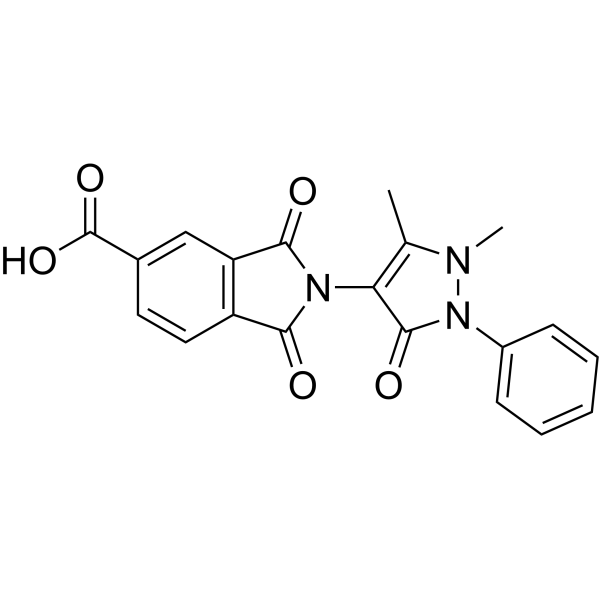
    Imatinib Impurity E is the impurity of Imatinib. Imatinib is an orally bioavailable tyrosine kinases inhibitor that selectively inhibits BCR/ABL, v-Abl, PDGFR and c-kit kinase activity. Imatinib (STI571) works by binding close to the ATP binding site, locking it in a closed or self-inhibited conformation, therefore inhibiting the enzyme activity of the protein semicompetitively . Imatinib also is an inhibitor of SARS-CoV and MERS-CoV .
    Imatinib Impurity E
  • HY-15463S2

    STI571-d3 hydrochloride; CGP-57148B-d3 hydrochloride

    Autophagy Bcr-Abl c-Kit SARS-CoV PDGFR Cancer
    Imatinib-d3 (hydrochloride) is the deuterium labeled Imatinib. Imatinib (STI571) is an orally bioavailable tyrosine kinases inhibitor that selectively inhibits BCR/ABL, v-Abl, PDGFR and c-kit kinase activity. Imatinib (STI571) works by binding close to the ATP binding site, locking it in a closed or self-inhibited conformation, therefore inhibiting the enzyme activity of the protein semicompetitively. Imatinib also is an inhibitor of SARS-CoV and MERS-CoV.
    Imatinib-d3 hydrochloride
  • HY-146438

    PPAR Cancer
    PPARγ agonist 3 (Compound 18a) is a potent and selective agonist of PPARγ. PPARγ agonist 3 is not cytotoxic neither on non-resistant nor on resistant cells. PPARγ agonist 3 exerts antitumor potency only in combination with Imatinib .
    PPARγ agonist 3
  • HY-146439

    PPAR Cancer
    PPARγ agonist 4 (Compound 18b) is a potent and selective agonist of PPARγ. PPARγ agonist 4 is not cytotoxic neither on non-resistant nor on resistant cells. PPARγ agonist 4 exerts antitumor potency only in combination with Imatinib .
    PPARγ agonist 4
  • HY-157389

    Bcr-Abl Cancer
    AK-HW-90 (compound 2B) is a potent panBcr-Abl inhibitor with significant inhibitory activity against Imatinib (HY-15463)-resistant mutants. AK-HW-90 inhibits the resistance mutant Bcr-Abl T315I with an IC50 of 0.65 nM. AK-HW-90 has potential anticancer activity and can be used in the study of chronic myelogenous leukemia (CML) .
    AK-HW-90
  • HY-150569

    Bcr-Abl Cancer
    BCR-ABL-IN-6 (9h) is a selective Bcr-Abl kinase inhibitor with IC50s of 4.6 and 227 nM for Bcr-Abl WT and Bcr-Abl T3151 respectively. BCR-ABL-IN-6 inhibits Bcr-Abl kinase with strong affinity inside the cells with an EC50 of 14.6 nM. BCR-ABL-IN-6 is an imatinib derivative which can be used for research of chronic myelogenous leukemia . BCR-ABL-IN-6 is a click chemistry reagent, it contains an Alkyne group and can undergo copper-catalyzed azide-alkyne cycloaddition (CuAAc) with molecules containing Azide groups.
    BCR-ABL-IN-6
  • HY-131275R

    Drug Metabolite Reference Standards Others
    Carglumic Acid (Standard) is the analytical standard of Carglumic Acid. This product is intended for research and analytical applications. Carglumic acid (N-Carbamyl-L-glutamic acid), a functional analogue of N-acetylglutamate (NAG) and a carbamoyl phosphate synthetase 1 (CPS1) activator, is used to treat acute and chronic hyperammonemia associated with NAG synthase (NAGS) deficiency.
    Imatinib Impurity E (Standard)
  • HY-111858

    SNIPERs Bcr-Abl Cancer
    SNIPER(ABL)-050, conjugating Imatinib (ABL inhibitor) to MV-1 (IAP ligand) with a linker, induces the reduction of BCR-ABL protein .
    SNIPER(ABL)-050
  • HY-111851

    SNIPERs Bcr-Abl Cancer
    SNIPER(ABL)-049, conjugating Imatinib (ABL inhibitor) to Bestatin (IAP ligand) with a linker, induces the reduction of BCR-ABL protein with a DC50 of 100 μM .
    SNIPER(ABL)-049
  • HY-E70639

    Bcr-Abl Cancer
    The emergence of mutations in the BCR::ABL1 kinase domain (KD) impairs Imatinib Mesylate (HY-50946) binding capacity, thus contributing to Imatinib Mesylate resistance. Identification of these mutations is important for treatment decisions and precision medicine in chronic myeloid leukaemia (CML). ABL1 Q252H Recombinant Human Active Protein Kinase is a recombinant ABL1 Q252H protein that can be used to study ABL1 Q252H-related functions .
    ABL1 Q252H Recombinant Human Active Protein Kinase
  • HY-E70640

    Bcr-Abl Cancer
    The emergence of mutations in the BCR::ABL1 kinase domain (KD) impairs Imatinib Mesylate (HY-50946) binding capacity, thus contributing to Imatinib Mesylate resistance. Identification of these mutations is important for treatment decisions and precision medicine in chronic myeloid leukaemia (CML). ABL1 T315I Recombinant Human Active Protein Kinase is a recombinant ABL1 T315I protein that can be used to study ABL1 T315I-related functions .
    ABL1 T315I Recombinant Human Active Protein Kinase
  • HY-E70638

    Bcr-Abl Cancer
    The emergence of mutations in the BCR::ABL1 kinase domain (KD) impairs Imatinib Mesylate (HY-50946) binding capacity, thus contributing to Imatinib Mesylate resistance. Identification of these mutations is important for treatment decisions and precision medicine in chronic myeloid leukaemia (CML). ABL1 M351T Recombinant Human Active Protein Kinase is a recombinant ABL1 M351T protein that can be used to study ABL1 M351T-related functions .
    ABL1 M351T Recombinant Human Active Protein Kinase
  • HY-E70635

    Bcr-Abl Cancer
    The emergence of mutations in the BCR::ABL1 kinase domain (KD) impairs Imatinib Mesylate (HY-50946) binding capacity, thus contributing to Imatinib Mesylate resistance. Identification of these mutations is important for treatment decisions and precision medicine in chronic myeloid leukaemia (CML). ABL1 F317I Recombinant Human Active Protein Kinase is a recombinant ABL1 F317I protein that can be used to study ABL1 F317I-related functions .
    ABL1 F317I Recombinant Human Active Protein Kinase
  • HY-E70641

    Bcr-Abl Cancer
    The emergence of mutations in the BCR::ABL1 kinase domain (KD) impairs Imatinib Mesylate (HY-50946) binding capacity, thus contributing to Imatinib Mesylate resistance. Identification of these mutations is important for treatment decisions and precision medicine in chronic myeloid leukaemia (CML). ABL1 Y253F Recombinant Human Active Protein Kinase is a recombinant ABL1 Y253F protein that can be used to study ABL1 Y253F-related functions .
    ABL1 Y253F Recombinant Human Active Protein Kinase
  • HY-E70636

    Bcr-Abl Cancer
    The emergence of mutations in the BCR::ABL1 kinase domain (KD) impairs Imatinib Mesylate (HY-50946) binding capacity, thus contributing to Imatinib Mesylate resistance. Identification of these mutations is important for treatment decisions and precision medicine in chronic myeloid leukaemia (CML). ABL1 G250E Recombinant Human Active Protein Kinase is a recombinant ABL1 G250E protein that can be used to study ABL1 G250E-related functions .
    ABL1 G250E Recombinant Human Active Protein Kinase
  • HY-E70637

    Bcr-Abl Cancer
    The emergence of mutations in the BCR::ABL1 kinase domain (KD) impairs Imatinib Mesylate (HY-50946) binding capacity, thus contributing to Imatinib Mesylate resistance. Identification of these mutations is important for treatment decisions and precision medicine in chronic myeloid leukaemia (CML). ABL1 H396P Recombinant Human Active Protein Kinase is a recombinant ABL1 H396P protein that can be used to study ABL1 H396P-related functions .
    ABL1 H396P Recombinant Human Active Protein Kinase
  • HY-111859

    SNIPERs Bcr-Abl Cancer
    SNIPER(ABL)-058, conjugating Imatinib (ABL inhibitor) to LCL161 derivative (IAP ligand) with a linker, induces the reduction of BCR-ABL protein with a DC50 of 10 μM .
    SNIPER(ABL)-058
  • HY-156092

    BCRP Apoptosis Cancer
    Antitumor photosensitizer-4 (compound 10b) is a potent tyrosine kinase inhibitor (TKI) targeting ABCG2. Antitumor photosensitizer-4 is a photosensitizer (PS) consisting of a conjugate of dasatinib (HY-10181) and imatinib (HY-15463). Antitumor photosensitizer-4 induces apoptosis and ROS production and exhibits strong phototoxicity to HepG2 and B16-F10 cells .
    Antitumor photosensitizer-4
  • HY-164469

    Bcr-Abl Apoptosis STAT Cancer
    CHMFL-48 is an orally active BCR-ABL kinase inhibitor targeting both wild-type (wt) and various imatinib-resistant mutants. The IC50 values for CHMFL-48 against ABL wild-type and ABL T315I mutant are 1 nM and 0.8 nM, respectively. CHMFL-48 exerts its effects by blocking the autophosphorylation of BCR-ABL wild-type and mutant forms, which impacts downstream signaling mediators such as STAT5 and CRKL, leading to cell cycle arrest and induction of apoptosis. CHMFL-48 holds potential for research into chronic myeloid leukemia (CML) .
    CHMFL-48
  • HY-Z3643

    Drug Intermediate Others
    Imatinib impurity 12 is an impurity of Imatinib (HY-15463).
    Imatinib impurity 12
  • HY-Z2065

    Drug Intermediate Others
    Imatinib impurity 21 is an impurity of Imatinib (HY-15463).
    Imatinib impurity 21
  • HY-Z4127

    Drug Intermediate Others
    Imatinib impurity 2 is an impurity of Imatinib (HY-15463).
    Imatinib impurity 2
  • HY-132386S
    Imatinib-d8 mesylate
    1 Publications Verification

    STI571-d8 mesylate; CGP-57148B-d8 mesylate

    Isotope-Labeled Compounds Others
    Imatinib-d8 (mesylate) is the deuterium labeled Imatinib mesylate .
    Imatinib-d8 mesylate
  • HY-168730

    STAT Cancer
    Anticancer agent 259 (Compound 3g) is a Telmisartan (HY-13955)-based cell death modulator, that interfers with the STAT5 signaling pathway, enhances the sensitivity of drug-resistant cells to Imatinib (HY-15463) with SC50 of 1.5 μM .
    Anticancer agent 259

Consulta en línea

Your information is safe with us. * Required Fields.

Saludo


Country or Region *

Nombre del solicitante *


Nombre de la Organizaciòn *

Department *


Direcciòn del E-mail *


Nombre del producto *

Cat. No.


Requested quantity *

Número de teléfono *


Observaciones

Consulta en línea

Inquiry Information

Nombre del producto:
Cat. No.:
Cantidad:
MCE Japan Authorized Agent:

