
53 Results for "

Japan

" in MedChemExpress (MCE) Product Catalog:
Products (53)

53 Results for "Japan" in MCE Product Catalog:

15
15 Publications Verification
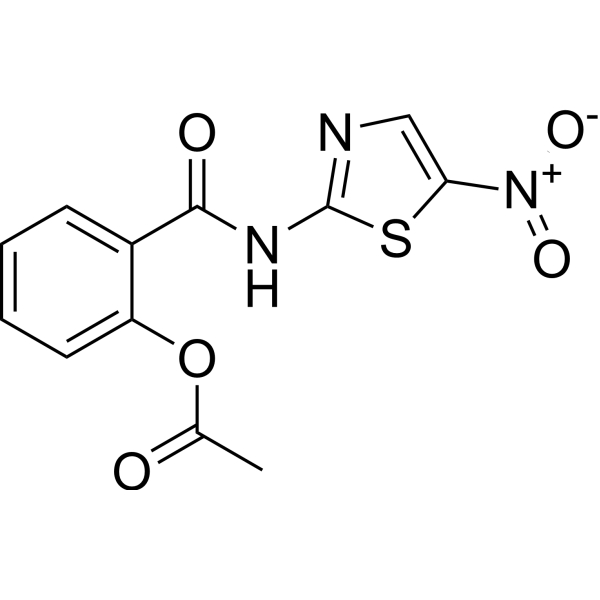
Cat. No.: HY-B0217
CAS No.: 55981-09-4
Synonyms: NTZ; NSC 697855
Research Areas:  

Infection Cancer

Nitazoxanide (NTZ), an anthelmintic agent, exhibits a broad spectrum of activities against a wide variety of helminths, protozoa, and enteric bacteria infecting animals and humans. Nitazoxanide inhibits Giardia lamblia trophozoite proliferation in axenic culture with an IC50 of 2.4 μM . Nitazoxanide can be used for the research of parasitic gastroenteritis. Nitazoxanide shows anti-Japanese encephalitis virus (JEV) activity in a mouse model .
6
6 Cited Publications
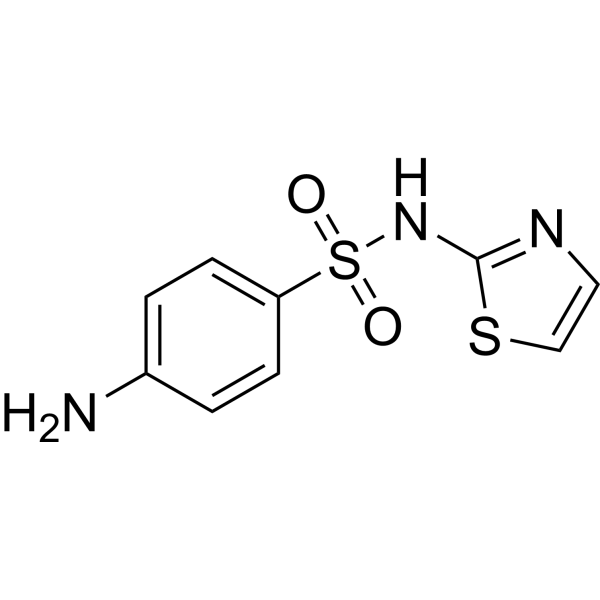
Cat. No.: HY-B0507
CAS No.: 72-14-0
Sulfathiazole is an orally active, endocrine disruptor targeting the steroidogenic pathway, specifically enhancing the activity of CYP19 in human adrenal cancer cells (H295R) and upregulating the mRN expression of CYP17, CYP19, and 3β-HSD. Sulfathiazole increases the production of 17-estradiol (E2) and has endocrine disrupting effects on aquatic organisms such as the Japanese medaka fish .
6
6 Cited Publications
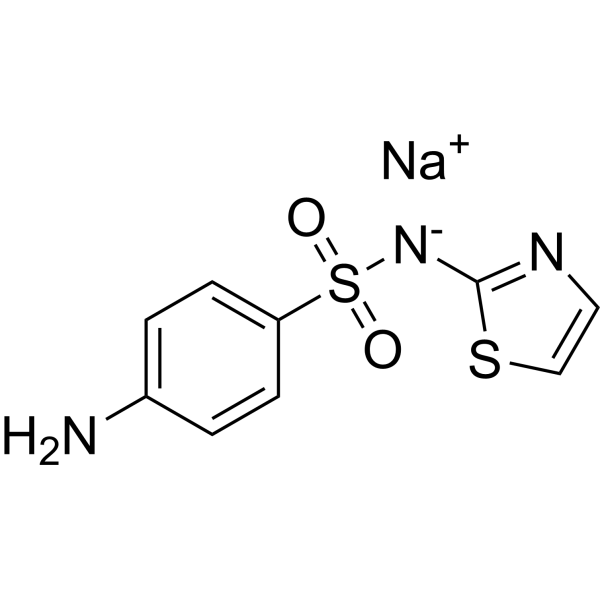
Cat. No.: HY-B0507A
CAS No.: 144-74-1
Target:  

Antibiotic Bacterial

Research Areas:  

Endocrinology Cancer

Sulfathiazole sodium is an orally active, endocrine disruptor targeting the steroidogenic pathway, specifically enhancing the activity of CYP19 in human adrenal cancer cells (H295R) and upregulating the mRN expression of CYP17, CYP19, and 3β-HSD. Sulfathiazole sodium increases the production of 17-estradiol (E2) and has endocrine disrupting effects on aquatic organisms such as the Japanese medaka fish. Sulfathiazole sodium is also a cathodic corrosion inhibitor. It inhibits the corrosion of copper by chloride ions through chemical and physical adsorption on the copper surface, reduces the corrosion current density and shifts the corrosion potential negatively .
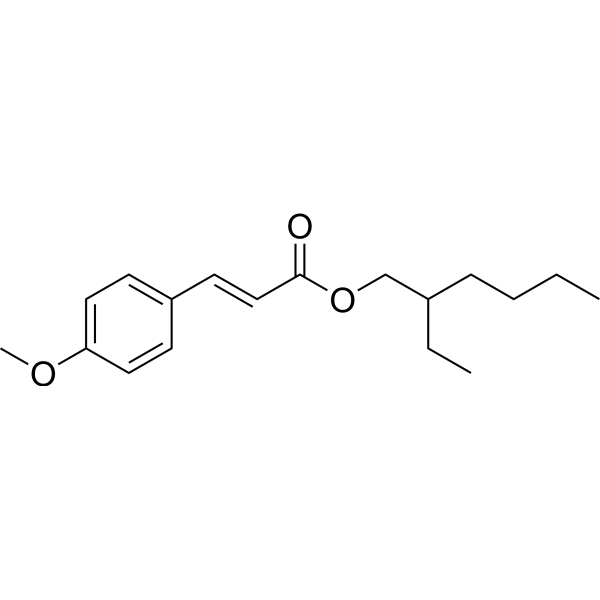
Cat. No.: HY-B1234
CAS No.: 5466-77-3
Synonyms: Octyl methoxycinnamate
Octinoxate (Octyl methoxycinnamate) is a thyroid hormone receptor agonist, reducing the levels of triiodothyronine (T3) and thyroxine (T4) and transcription levels of genes related to type II deiodinase (deio2) in Japanese Medaka. Octinoxate is commonly used as a safe ultraviolet (UV) filter used in the aquatic environment. Octinoxate inhibits CYP1A1 and CYP1B1 to regulate hyaluronan (HA) (HY-B0633A) metabolism in a PI3K pathway-dependent manner in human keratinocytes. Octinoxate also exhibits an anti-estrogenic and anti-androgenic effect in vitro and in vivo .
Cat. No.: HY-17516
CAS No.: 129558-76-5
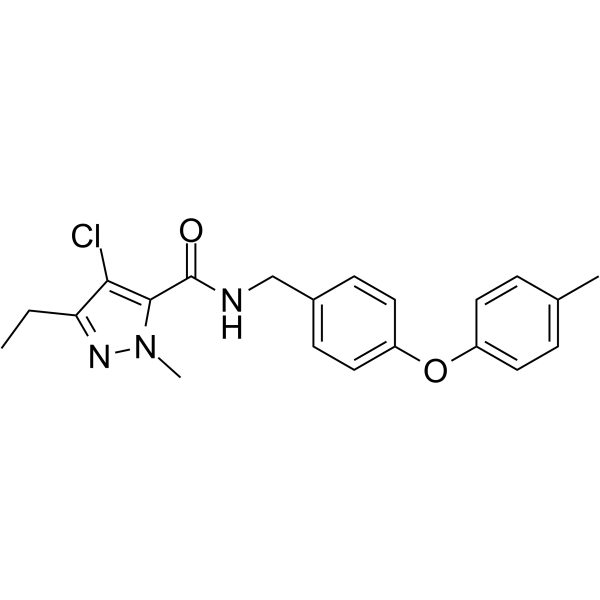
Tolfenpyrad is an insecticide approved for marketing in Japan in 2002.
Cat. No.: HY-101371
CAS No.: 4430-35-7
Purity:  99.20%
Target:  

Keap1-Nrf2

Research Areas:  

Cancer

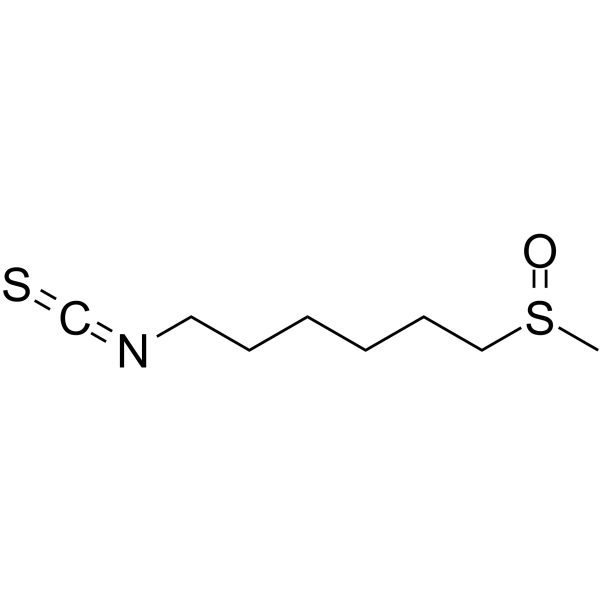
Hesperin is a bioactive ingredient present in Japanese horseradish (wasabi) and has been shown to be an Nrf2 activator.
Cat. No.: HY-W250120
CAS No.: 37220-17-0
Konjac glucomannan (Viscosity≥15000mPa.s) is an acetylated (1-4)-beta-D-glucomannan extracted from the tuber of konjac or konjac root. In Japan, it is a dietary supplement intended to reduce calorie intake because it swells in water.
Cat. No.: HY-P4086
CAS No.: 1678417-57-6
Target:  

RABV nAChR

Research Areas:  

Neurological Disease Cancer

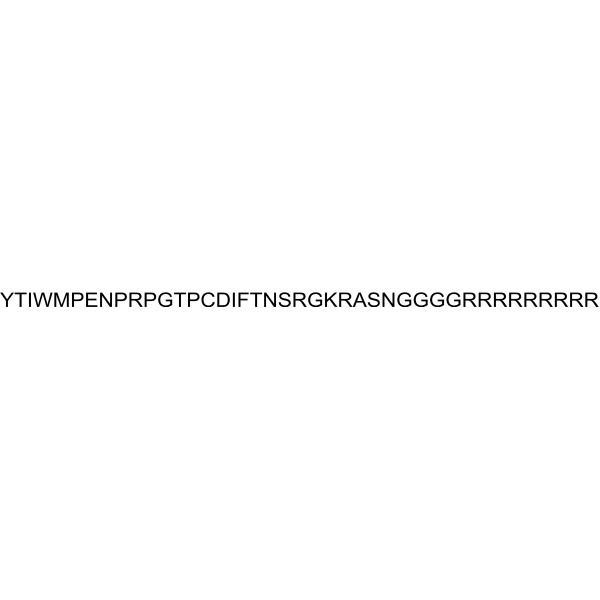
Chimeric Rabies Virus Glycoprotein Fragment (RVG-9R) is a cell-penetrating peptide that is synthesized by adding nona-arginine motif to the carboxy terminus of RVG (rabies virus glycoprotein). Chimeric Rabies Virus Glycoprotein Fragment (RVG-9R) binds to
nAChR
on neuronal cells to mediate receptor-mediated endocytosis and targeted siRNA delivery. Chimeric Rabies Virus Glycoprotein Fragment (RVG-9R) protects complexed siRNA from degradation, enhances transcellular siRNA delivery in neuronal cells, and promotes efficient, pecific gene silencing. Chimeric Rabies Virus Glycoprotein Fragment (RVG-9R) can be used for the researches of neurological disease and cancer .
Cat. No.: HY-136797
CAS No.: 1622060-51-8
Target:  

Dengue Virus

Research Areas:  

Infection

BP13944 is a potential small molecule inhibitor discovered by high-throughput screening. It can effectively inhibit the expression of dengue virus (DENV) replicons with an EC50 value of 1.03±0.09 μM. BP13944 can inhibit the replication or viral RNA synthesis of all four serotypes of DENV, but is ineffective against Japanese encephalitis virus. BP13944 may target the DENV NS3 protease, and the E66G amino acid substitution in the NS3 protease region will cause the virus to become resistant to BP13944. BP13944 has no obvious cytotoxicity. As there is currently no effective dengue vaccine and treatment, BP13944, as an effective small molecule inhibitor, may become a potential agent for the treatment of dengue in the future.
Cat. No.: HY-P10862
Target:  

Exosomes Virus Protease

Research Areas:  

Infection Cancer

AH-D peptide is a brain-penetrant antiviral agent disrupting highly curved lipid membranes. AH-D peptide exhibits broad-spectrum antiviral activity against ZIKV, Dengue virus, Chikungunya virus, yellow fever virus and Japanese encephalitis virus, with
IC50
values of 11.9, 12.5, 35.7, 206 and 136 nM, respectively. AH-D peptide reduces the viral load in the brain, suppresses inflammation, protects neurons, and does not damage the blood brain barrier. AH-D peptide restores antitumor immunity by decreasing circulating PD-L1 + exosomes, reducing intratumoral immunosuppressive cells (regulatory T cells, myeloid-derived suppressor cells), and enhancing T cell function. AH-D peptide inhibits membrane-enveloped viruses and cancer cell metastasis in vivo. AH-D peptide exhibits no immunogenicity and has negligible effects on normal tissues. AH-D peptide can be used for research in Zika virus and other mosquito-borne viruses, cancer immunotherapy and metastasis .
Cat. No.: HY-N9506
CAS No.: 5230-87-5
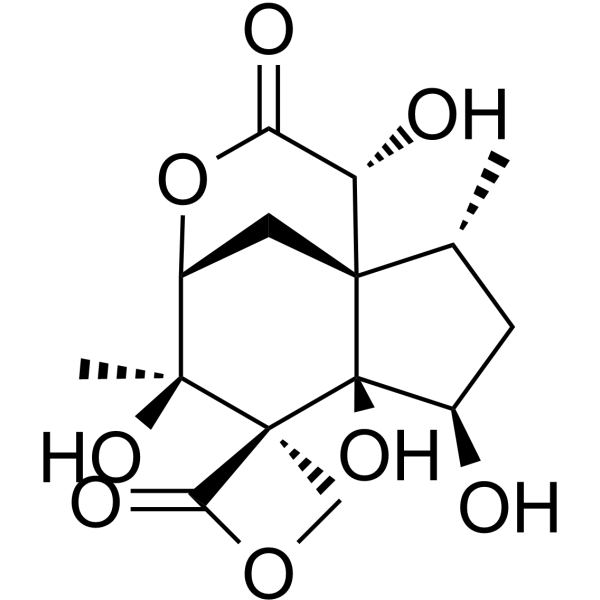
Anisatin, a pure toxic substance isolated from the seeds of a Japanese plant (Illicium anisatum) acts as a picrotoxin-like, non-competitive GABA antagonist. Anisatin suppresses GABA-induced currents in a concentration-dependent manner with an EC50 of ~1.10 μM .
Cat. No.: HY-B0507S
CAS No.: 1020719-89-4
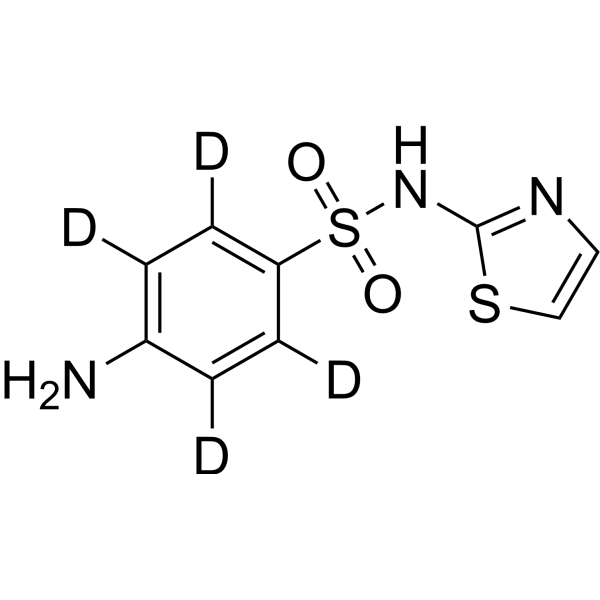
Sulfathiazole-d4 is a deuterium labeled Sulfathiazole. Sulfathiazole is an orally active, endocrine disruptor targeting the steroidogenic pathway, specifically enhancing the activity of CYP19 in human adrenal cancer cells (H295R) and upregulating the mRN expression of CYP17, CYP19, and 3β-HSD. Sulfathiazole increases the production of 17-estradiol (E2) and has endocrine disrupting effects on aquatic organisms such as the Japanese medaka fish .
Cat. No.: HY-121779
CAS No.: 3424-82-6
Synonyms: 2,4'-DDE; 2,4-Dichlorodiphenyldichloroethylene; 2,4'-DDE; o,p'-Dichlorodiphenyldichloroethylene
Target:  

Insecticide

Research Areas:  

Endocrinology

o,p'-DDE (2,4-Dichlorodiphenyldichloroethylene) is a metabolite and degradation product of the organochlorine pesticide DDT. It accumulates in smallmouth buffalo, channel catfish, and largemouth bass, and in sediments from DDT manufacturing plants around the Huntsville Spring Branch-Indian Creek tributary system, where it is considered a persistent organic pollutant (POP). o,p'-DDE inhibits estrogen binding to the rainbow trout estrogen receptor (rtER) with an IC50 value of 3.2 μM. It induces concentration-dependent estradiol secretion in co-cultures of granulosa and theca cells isolated from porcine follicles. In ovo exposure to o,p'-DDE increases follicular degeneration and reduces testis size in Japanese medaka (O. latipes).
Cat. No.: HY-B0507B
CAS No.: 72-14-0
Target:  

Antibiotic Bacterial

Research Areas:  

Endocrinology Cancer

Sulfathiazole (100 μg/mL in acetonitrile) is an orally active, endocrine disruptor targeting the steroidogenic pathway, specifically enhancing the activity of CYP19 in human adrenal cancer cells (H295R) and upregulating the mRN expression of CYP17, CYP19, and 3β-HSD. Sulfathiazole (100 μg/mL in acetonitrile) increases the production of 17-estradiol (E2) and has endocrine disrupting effects on aquatic organisms such as the Japanese medaka fish. Sulfathiazole (100 μg/mL in acetonitrile) is also a cathodic corrosion inhibitor. Sulfathiazole (100 μg/mL in acetonitrile) inhibits the corrosion of copper by chloride ions through chemical and physical adsorption on the copper surface, reduces the corrosion current density and shifts the corrosion potential negatively .
Cat. No.: HY-N7348
CAS No.: 205440-22-8
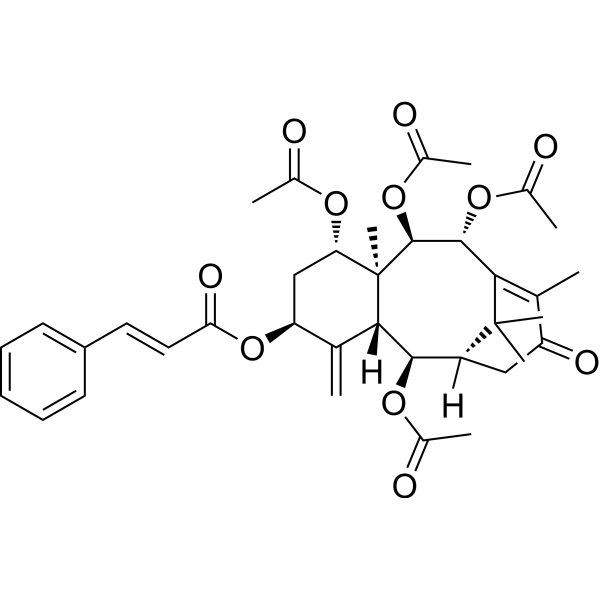
Taxezopidine G is a natural product, that can be isolated from the seeds and stems of Japanese Yew Taxus cuspidata .
Cat. No.: HY-122450
CAS No.: 21282-11-1
Synonyms: pGlu-Leu; pyroGlu-Leu
Target:  

Bacterial

Research Areas:  

Infection

Pyroglutamylleucine (pGlu-Leu) is an orally active peptide. Pyroglutamylleucine can be present in certain food protein hydrolysates and traditional Japanese fermented foods. Pyroglutamylleucine attenuates dysbiosis by increasing in the host antimicrobial peptide, Rattusin (HY-P11548) .
Cat. No.: HY-N1171
CAS No.: 18457-44-8
Synonyms: Taxinin B
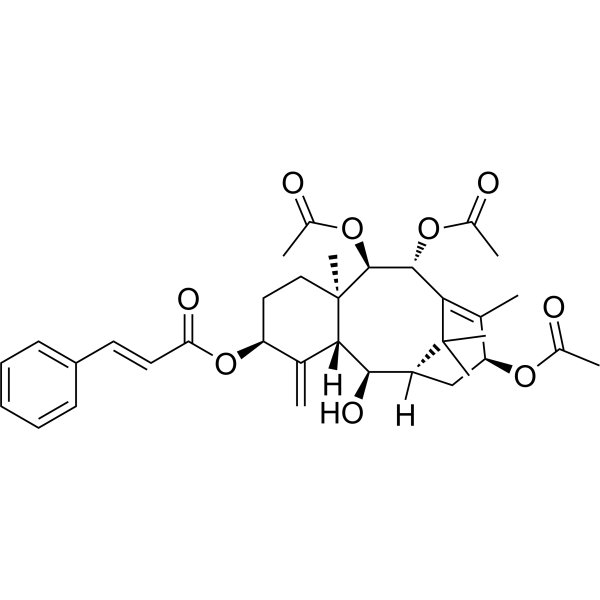
Taxinine B is a taxoid that can be isolated from Japanese Yew Taxus Cuspid. Taxinine B inhibits CaCl2-induced depolymerization of microtubule. Taxinine B is useful for overcoming multidrug resistance in tumor cells .
Cat. No.: HY-165386
CAS No.: 1310907-71-1
Research Areas:  

Cancer

TU-100 is a Japanese herbal medicine. TU-100 exhibits anti-cancer effects by regulating cancer-associated fibroblasts (CAFs) in the TME. TU-100 can antagonize the M2 polarization phenotype of macrophages in the tumor microenvironment by suppressing the TLR4/NF-κB/STAT3 axis. TU-100 can inhibit the high expression of MMP-2, COX-2, and VEGF in TAMs .
Cat. No.: HY-B0217R
CAS No.: 55981-09-4
Synonyms: NTZ (Standard); NSC 697855 (Standard)
Nitazoxanide (Standard) is the analytical standard of Nitazoxanide. This product is intended for research and analytical applications. Nitazoxanide (NTZ), an anthelmintic agent, exhibits a broad spectrum of activities against a wide variety of helminths, protozoa, and enteric bacteria infecting animals and humans. Nitazoxanide inhibits Giardia lamblia trophozoite proliferation in axenic culture with an IC50 of 2.4 μM . Nitazoxanide can be used for the research of parasitic gastroenteritis. Nitazoxanide shows anti-Japanese encephalitis virus (JEV) activity in a mouse model .
Cat. No.: HY-161804
Target:  

PROTACs Dengue Virus

Research Areas:  

Infection

GNF-2-deg is a PROTAC degrader for dengue virus envelope protein (DENV E protein) with DC50 of 0.83 μM. GNF-2-deg prevents viral entry by inhibiting E-mediated membrane fusion, prevents virion production by protein degradation, and thereby exhibits antiviral activity against DENV 2 with EC90 of 3.5 μM. GNF-2-deg exhibits antiviral activity against ZIKV, JEV, WNV and YFV with EC90 of 1.96-7.79 μM. (Pink: ligand for target protein (HY-161805); Black: linker (HY-42149); Blue: ligand for E3 ligase (HY-23095))

