Search Result
Results for "
K.pneumoniae
" in MedChemExpress (MCE) Product Catalog:
1
Isotope-Labeled Compounds
| Cat. No. |
Product Name |
Target |
Research Areas |
Chemical Structure |
-
- HY-B1422
-
|
Aminacrine
|
Bacterial
HIV
|
Infection
|
|
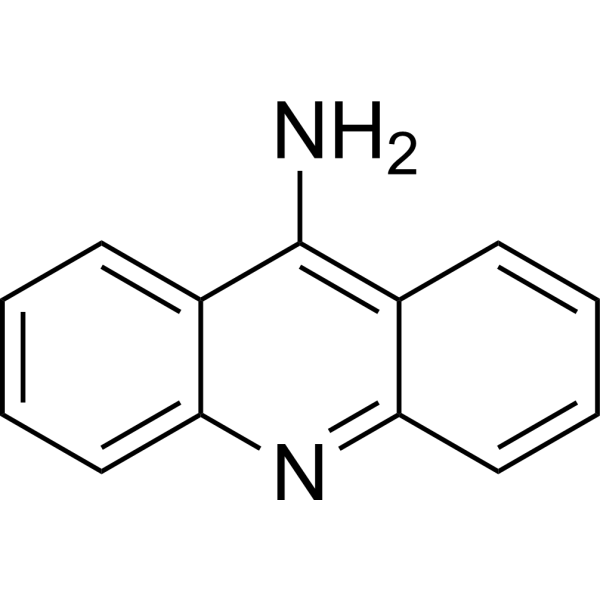
9-Aminoacridine, a fluorescent probe, acts as an indicator of pH for quantitative determination of transmembrane pH gradients (inside acidic). 9-Aminoacridine is an antimicrobial. 9-Aminoacridine exerts its antimicrobial activity by interacting with specific bacterial DNA and disrupting the proton motive force in K. pneumoniae. 9-Aminoacridine is a HIV-1 inhibitor and inhibits HIV LTR transcription highly dependent on the presence and location of the amino moiety. 9-Aminoacridine inhibits virus replication in HIV-1 infected cell lines. 9-Aminoacridine is used as a Rifampin (RIF; HY-B0272) adjuvant for the multidrug-resistant K. pneumoniae infections .
|
-
-
- HY-P1633
-
|
PG1
|
Bacterial
ERK
COX
NF-κB
Apoptosis
NO Synthase
Dengue Virus
|
Infection
Inflammation/Immunology
|
|
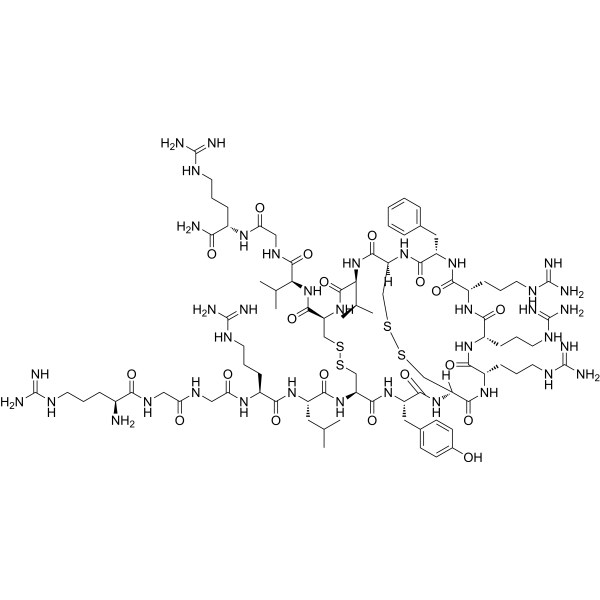
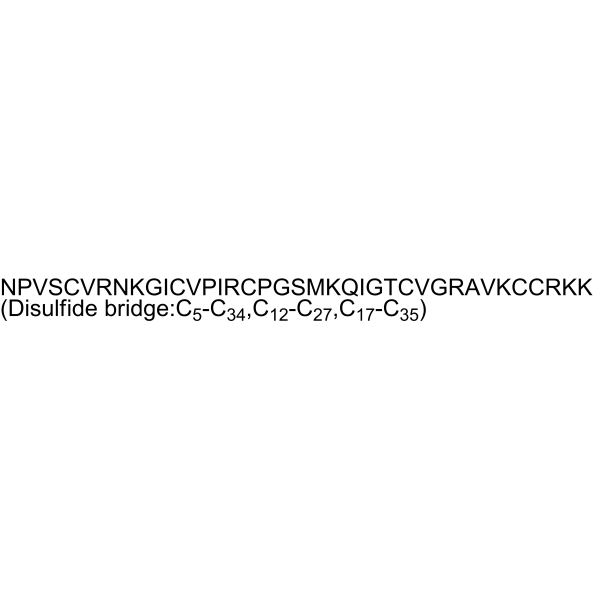
Protegrin-1 is an orally active antibacterial peptide. Protegrin-1 activates ERK, COX2, NFκB, inhibits Apoptosis, and NO production. Protegrin-1 has antibacterial activity against S. aureus, E. faecium, E. coli, P. aeruginosa and K. Pneumoniae, with MBC values between 10 and 20 µM. Protegrin-1 has antiviral activity against dengue NS2B-NS3. Protegrin-1 has anti-inflammatory activity. Protegrin-1 is used in the study of inflammatory diseases and infections .
|
-
-
- HY-157536
-
|
|
Bacterial
|
Infection
Inflammation/Immunology
|
|
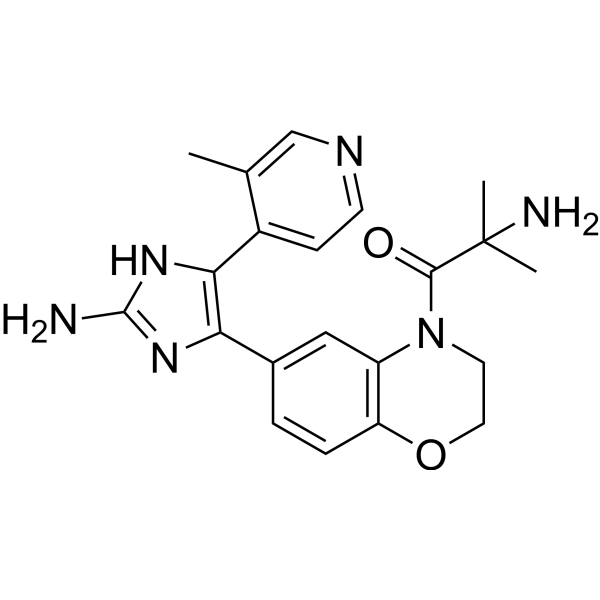
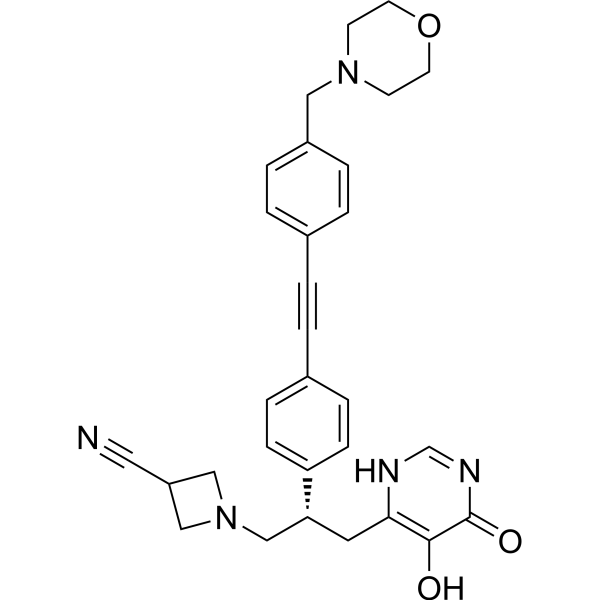
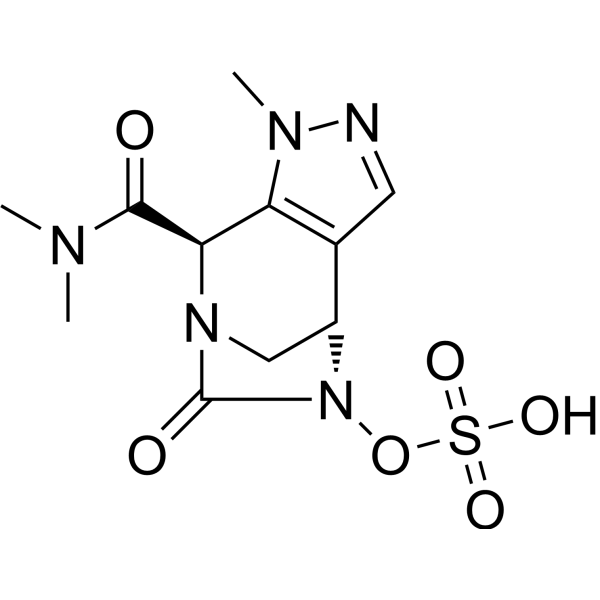
SMT-738 is a bacterial bactericide. SMT-738 targets the small molecules responsible for lipoprotein transport in Enterobacteriaceae, causing abnormal lipoprotein localization and bacterial cell death. SMT-738 inhibits the growth of E. coli and K. pneumoniae. SMT-738 reduces bacterial loads in mouse models of urinary tract infection, bloodstream infection, and pulmonary infection caused by Enterobacterales. SMT-738 can be used in the research of Enterobacteriaceae infections, urinary tract infections, bloodstream infections, and pneumonia .
|
-
-
- HY-131981
-
|
|
Bacterial
|
Infection
Cardiovascular Disease
|
|
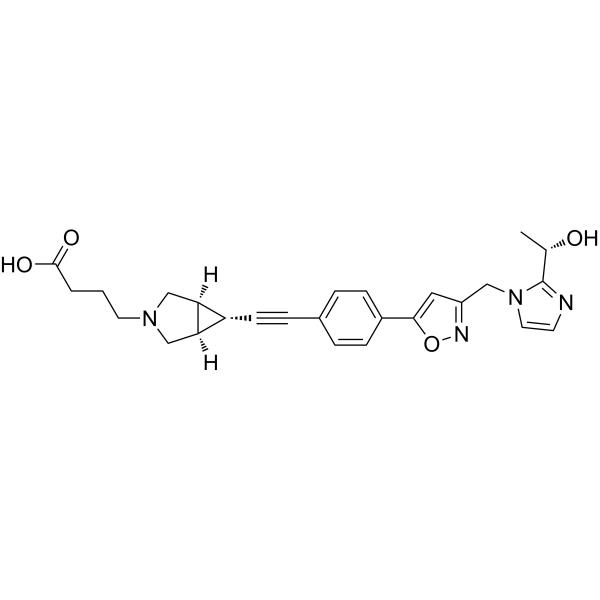
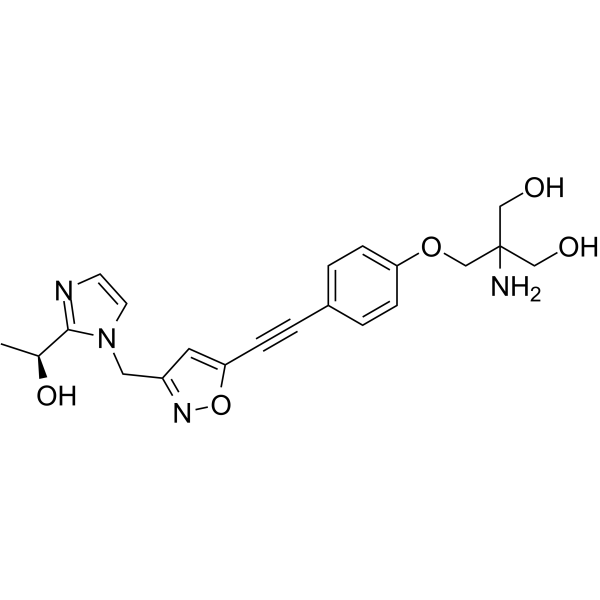
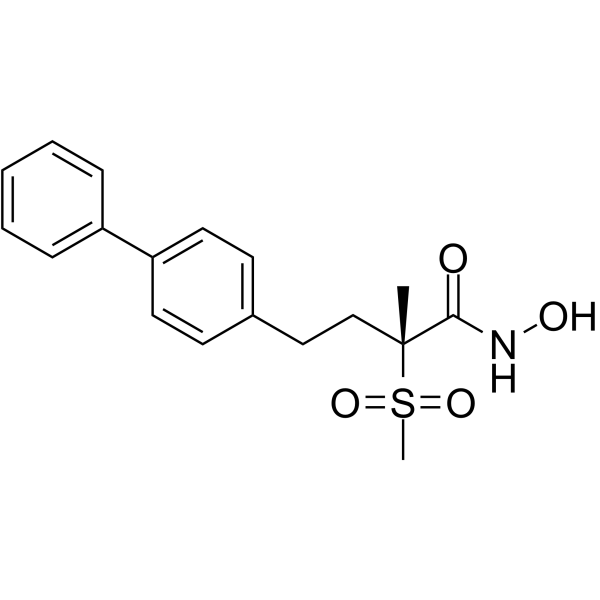
TP0586532 is a non-hydroxamate LpxC inhibitor (IC50=0.101 μM). TP0586532 as a compound with a low cardiovascular risk that is effective against K. pneumoniae, including resistant strains . TP0586532 is a click chemistry reagent, it contains an Alkyne group and can undergo copper-catalyzed azide-alkyne cycloaddition (CuAAc) with molecules containing Azide groups.
|
-
-
- HY-P11085
-
|
|
Bacterial
|
Infection
|
|
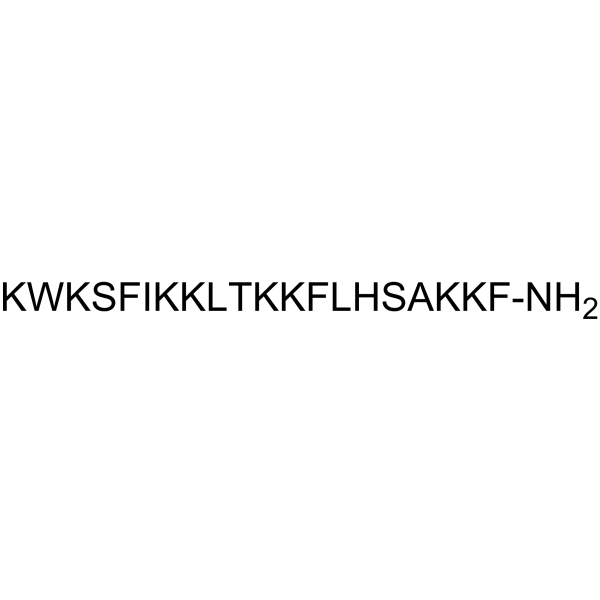
WLBU2 is a engineered cationic antimicrobial peptide (eCAP) that overcomes the environmental sensitivity of natural antimicrobial peptides (AMPs). WLBU2 exhibits rapid bactericidal effect, with the MIC values of ≤ 10 μM against both Gram-negative and Gram-positive bacteria including MRSA, vancomycin-resistant enterococci, K. pneumoniae, E.aerogenes, E. cloacae, Escherichia coli, et, al. WLBU2 prevents P. aeruginosa biofilm growth and retains its activity in an environment rich in mucus, low pH and high salt concentrations without negative effects on human airway epithelial cells. WLBU2 can be used for the studies of cystic fibrosis (CF) and Pseudomonas aeruginosa infections .
|
-
-
- HY-119749
-
|
|
Bacterial
|
Infection
|
|
Diazaborine is an inhibitor for enoyl-acyl carrier protein (enoyl ACP) in an NAD+-dependent manner. Diazaborine exhibits antibacterial activity, MIC for E. coli and K. pneumoniae is 25 and 3.12 μg/mL .
|
-
-
- HY-147237
-
|
|
Bacterial
|
Infection
|
|
LpxC-IN-10 (Compound A) is a high selectivity inhibitor of LpxC. LpxC-IN-10 exhibits MIC values of 0.5 μg/mL against E. coli and K. pneumoniae. LpxC-IN-10 (Compound A) can be used for the research of bacterial infection . LpxC-IN-10 is a click chemistry reagent, it contains an Alkyne group and can undergo copper-catalyzed azide-alkyne cycloaddition (CuAAc) with molecules containing Azide groups.
|
-
-
- HY-P5704
-
|
|
Bacterial
|
Infection
|
|
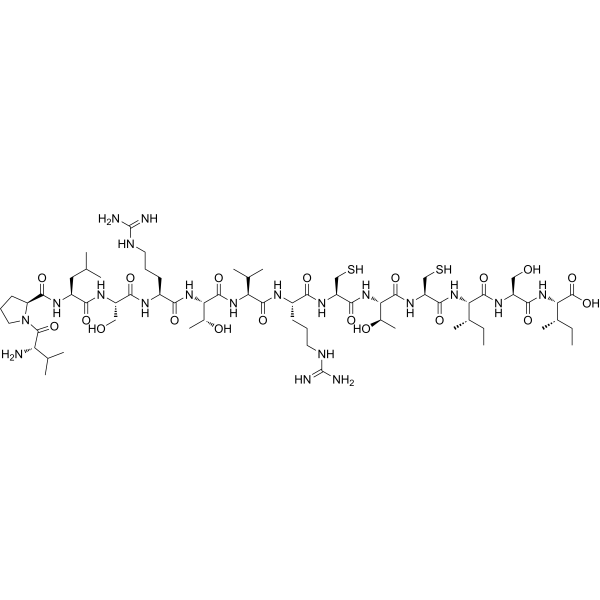
K11 is an antimicrobial peptide. K11 is active against MDR/XDR K. pneumoniae isolates (MIC: 8-512 μg/mL), and inhibits bacterial biofilm formation. K11 can act synergistically with antibiotics (Chloramphenicol (HY-B0239), Meropenem (HY-13678), Rifampicin (HY-B0272), etc.) against drug-resistant K. pneumoniae. K11 has high thermal and wide pH stability .
|
-
-
- HY-131907
-
|
|
Bacterial
|
Infection
|
|
LpxC-IN-5 is a potent non-hydroxamate LpxC (UDP-3-O-acyl-N-acetylglucosamine deacetylase) inhibitor with an IC50 of 20 nM. LpxC-IN-5 shows antibacterial activity against E. coli ATCC25922, P. aeruginosa ATCC27853, K. pneumoniae ATCC13883 and P. aeruginosa 5567 with MIC of 16, 4, 64, and 4 μg/mL, respectively .
|
-
-
- HY-125789
-
|
|
Bacterial
|
Infection
|
|
PF-04753299 is a potent and selective UDP-3-O-(R-3-hydroxymyristol)-N-acetylglucosamine deacetylase (LpxC) inhibitor. PF-04753299 is bactericidal for the gonococcal isolates. PF-04753299 inhibits E. coli, P. aeruginosa and K. pneumoniae strains with MIC90 values of 2 μg/ml, 4 μg/ml and 16 μg/ml, respectively. PF-04753299 is used for the study of gram-negative bacteria infection .
|
-
-
- HY-P5632
-
|
|
Bacterial
|
Infection
|
|
Bovine tracheal antimicrobial peptide is a kind of comes from the tracheal mucosa of antimicrobial peptides. Bovine tracheal antimicrobial peptide has activity against E.coli D31, K.pneumoniae 13883, S.aureus 25923, P.aeruginosa 27853 and C.albicans 14053, MIC value 12-25, 12-25, 25-50, 25-50, 6-12 μg/ml, respectively .
|
-
-
- HY-173077
-
|
|
PD-1/PD-L1
Bacterial
|
Infection
Inflammation/Immunology
|
|
PD-L1/LpxC-IN-1 (Conpound 12b) is the inhibitor for PD-L1 and LpxC with IC50 of 5.2 μM and 0.081 μM. PD-L1/LpxC-IN-1 inhibits the biosynthesis of bacterial lipopolysaccharide, causes the lysis and death of bacterial cells. PD-L1/LpxC-IN-1 inhibits Gram-negative bacteria, MIC for K. pneumoniae ATCC 13883, E. coli ATCC 8739, S. typhimurium ATCC 14028 and P. aeruginosa ATCC 9027 is 0.25-0.5 μg/mL. PD-L1/LpxC-IN-1 downregulates the expression of inflammatory factors IL-2 and IFN-γ, upregulates the expression of CD4+ and CD8+ cells, thereby activating the immune system and inhibiting excessive inflammatory responses. PD-L1/LpxC-IN-1 exhibits antibacterial activity in K. pneumoniae ATCC 13883 infected mouse models .
|
-
-
- HY-148831
-
|
|
Bacterial
|
Infection
|
|
Antibacterial agent 135 (example 7) is a potent antibacterial agent. Antibacterial agent 135 can inhibit P. aeruginosa, A. baumannii, E. coli, and K. pneumoniae, with MIC>64 μg/mL .
|
-
-
- HY-P5691
-
|
|
Bacterial
|
Infection
Cancer
|
|
P1 is a broad-spectrum antimicrobial peptide. P1 shows antibacterial activity against Gram-positive and Gram-negative bacteria,such as B. anthracis spores and Carbapenem-resistant A. baumannii and K. pneumoniae .
|
-
-
- HY-113687
-
|
|
Bacterial
|
Infection
|
|
T145 is an oxazolidinone with antibacterial activity that inhibits growth of gram negatives (K. pneumoniae, A. baumannii, P. aeruginosa and E. cloacae), gram positives (E. faecalis and S. aureus) and acid fast pathogens (Mab, Mav and Mtb) .
|
-
-
- HY-122174
-
|
CP-5609
|
Antibiotic
Bacterial
|
Infection
|
|
ME-1036 (CP-5609) is a carbapenem antibiotic. ME-1036 against resistant Gram-positive organisms, including Methicillin-resistant Staphylococcus aureus (MRSA), and vancomycin-resistant Enterococci (VRE), and ESBL-producing E. coli and K. pneumoniae but is not effective against P. aeruginosa .
|
-
-
- HY-138621
-
|
|
Bacterial
|
Infection
|
|
Antibacterial agent 19 (compound 8) is a potent antibacterial agent. Antibacterial agent 19 has antibacterial activity against K. pneumoniae, (M-R)S. aureus and (M-R,V-R)S. aureus with MIC values of 0.022, 0.022 and 0.045 mg/mL, respectively .
|
-
-
- HY-147835
-
|
|
Bacterial
|
Infection
|
|
Antibacterial agent 109 (Compound C-2) is a potent antibacterial agent against both gram-positive and gram negative bacteria, and non-mutagenic. Antibacterial agent 109 inhibits protein synthesis by blocking the extension of new peptide chains .
|
-
-
- HY-B1422R
-
|
Aminacrine (Standard)
|
Reference Standards
Bacterial
HIV
|
Infection
|
|
9-Aminoacridine (Standard) is the analytical standard of 9-Aminoacridine. This product is intended for research and analytical applications. 9-Aminoacridine, a fluorescent probe, acts as an indicator of pH for quantitative determination of transmembrane pH gradients (inside acidic). 9-Aminoacridine is an antimicrobial. 9-Aminoacridine exerts its antimicrobial activity by interacting with specific bacterial DNA and disrupting the proton motive force in K. pneumoniae. 9-Aminoacridine is a HIV-1 inhibitor and inhibits HIV LTR transcription highly dependent on the presence and location of the amino moiety. 9-Aminoacridine inhibits virus replication in HIV-1 infected cell lines. 9-Aminoacridine is used as a Rifampin (RIF; HY-B0272) adjuvant for the multidrug-resistant K. pneumoniae infections .
|
-
-
- HY-B1422S
-
|
Aminacrine-13C6
|
Bacterial
HIV
Isotope-Labeled Compounds
|
Infection
|
|
9-Aminoacridine-13C6 is the 13C-labeled 9-Aminoacridine(HY-B1422). 9-Aminoacridine, a fluorescent probe, acts as an indicator of pH for quantitative determination of transmembrane pH gradients (inside acidic). 9-Aminoacridine is an antimicrobial. 9-Aminoacridine exerts its antimicrobial activity by interacting with specific bacterial DNA and disrupting the proton motive force in K. pneumoniae. 9-Aminoacridine is a HIV-1 inhibitor and inhibits HIV LTR transcription highly dependent on the presence and location of the amino moiety. 9-Aminoacridine inhibits virus replication in HIV-1 infected cell lines. 9-Aminoacridine is used as a Rifampin (RIF; HY-B0272) adjuvant for the multidrug-resistant K. pneumoniae infections .
|
-
-
- HY-165154
-
|
Desdanine; Pyracrimycin A
|
Antibiotic
Bacterial
Fungal
Pyruvate Kinase
Oxidative Phosphorylation
|
Infection
Inflammation/Immunology
|
|
Cyclamidomycin (Desdanine) is an acrylamide antibiotic with antibacterial activity. Cyclamidomycin inhibits nucleoside diphosphate kinase and pyruvate kinase (in E. coli) and oxidative phosphorylation in rat liver mitochondria. Cyclamidomycin is active against S. aureus, M. flavus, S. lutea, B. subtilis, E. coli, S. flexneri, S. typhosa, P. vulgaris, and K. pneumoniae (MICs=3.12-25 mg/ml) .
|
-
-
- HY-162493
-
|
|
Bacterial
|
Infection
|
|
MBL-IN-3 (compound 72922413) is a New Delhi metallo-β-lactamase-1 (NDM-1) inhibitor(IC50=54±4 μM). MBL-IN-3 is identified and shown to lower minimum inhibitory concentrations (MICs) of Meropenem (HY-13678) for a panel of E. coli and K. pneumoniae clinical isolates expressing NDM-1. MBL-IN-3 can be used for antibiotic sensitizer research .
|
-
-
- HY-127020
-
|
|
Bacterial
|
Infection
|
|
Deoxyenterocin is a bacterial metabolite originally isolated from Streptomyces that has diverse biological activities, including antibiotic, antiviral, and antioxidant properties. It inhibits the growth of S. lutea, S. aureus, K. pneumoniae, and V. percolans in vitro when used at a concentration of 500 μg/mL. Deoxyenterocin (50 μg/mL) inhibits the cytopathic effect of influenza A H1N1 virus by 60.6% in vitro. It also prevents hydrogen peroxide-induced decreases in glutathione (GSH) levels and in the mitochondrial membrane potential in mouse primary cortical neuronal cultures when used at a concentration of 1 μM.
|
-
-
- HY-N8256
-
|
Mycousunin
|
Fungal
|
Infection
|
|
(–)-Mycousnine is a microbial metabolite and derivative of Usnic Acid (HY-N0656) originally isolated from M. nawae that has antibacterial and antifungal activities. It is active against the Gram-positive bacteria B. subtilis, K. rhizophila, and S. aureus (MICs=4, 8, and 4 g/ml, respectively) but not the Gram-negative bacteria E. coli, S. typhimurium, and K. pneumoniae (MICs=>128 g/ml for all).2 (–)-Mycousnine is also active against the fungi T. mentagrophytes, T. rubrum, and C. albicans (MICs=25, 25, and 100 μg/mL, respectively).
|
-
-
- HY-B1894
-
|
Ro 15-8075 free base
|
Antibiotic
Bacterial
|
Infection
|
|
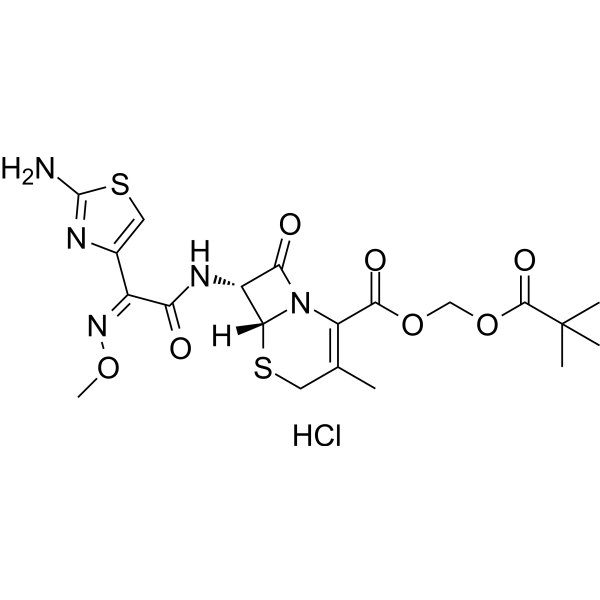
Cefetamet pivoxyl (Ro 15-8075 free base) is an orally active cephalosporin Antibiotic and a prodrug of Cefetamet (HY-A0111). After ingestion, Cefetamet pivoxyl is hydrolyzed by gastrointestinal esterases to form Cefetamet. Cefetamet pivoxyl is primarily active against aerobic Gram-negative bacteria (such as Enterobacteriaceae, *Neisseria*, *Haemophilus*) and some Gram-positive bacteria (such as non-enterococcal streptococci). Cefetamet pivoxyl exhibits potent in vivo antibacterial activity against strains of Gram-positive bacteria (S. pyogenes) and Gram-negative bacteria (E. coli, K. pneumoniae, S. marcescens, P. vulgaris, P. mirabilis, H. influenzae) .
|
-
-
- HY-W587414
-
|
|
Bacterial
Antibiotic
|
Infection
|
|
Neospiramycin I is a macrolide antibiotic and a derivative of Spiramycin I (HY-N7141). Neospiramycin I is effective against the macrolide-sensitive KB210 strain of S. aureus, but ineffective against the macrolide-resistant KB224 strain, with minimum inhibitory concentrations (MIC) of 3.12 and greater than 100 µg/mL, respectively; it is also effective against B. cereus, B. subtilis, M. luteus, E. coli, and K. pneumoniae, with respective MIC values of 1.56, 3.12, 3.12, 0.2, 50, and 12.5 µg/mL. Neospiramycin I binds to the ribosomes of E. coli, with an inhibitory concentration 50 (IC50) of 1.2 µM. It protects mice from death in a type III S. pneumoniae infection model, with an effective dose 50 (ED50) of 399.8 mg/kg .
|
-
-
- HY-180118
-
|
|
Bacterial
|
Infection
|
|
Moxifloxacin prodrug-1 TFA (Compound 1e) is a Moxifloxacin (HY-66011A) prodrug and antibacterial agent. Moxifloxacin prodrug-1 TFA exhibits comparable potent activity as Moxifloxacin against E. coli, S. aureus, K. pneumoniae, A. baumannii, and P. aeruginosa. Moxifloxacin prodrug-1 TFA inhibits Mtb .
|
-
-
- HY-P11085A
-
|
|
Bacterial
|
Infection
|
|
WLBU2 acetate is a engineered cationic antimicrobial peptide (eCAP) that overcomes the environmental sensitivity of natural antimicrobial peptides (AMPs). WLBU2 acetate exhibits rapid bactericidal effect, with the MIC values of ≤ 10 μM against both Gram-negative and Gram-positive bacteria including MRSA, vancomycin-resistant enterococci, K. pneumoniae, E.aerogenes, E. cloacae, Escherichia coli, et, al. WLBU2 acetate prevents P. aeruginosa biofilm growth and retains its activity in an environment rich in mucus, low pH and high salt concentrations without negative effects on human airway epithelial cells. WLBU2 acetate can be used for the studies of cystic fibrosis (CF) and Pseudomonas aeruginosa infections .
|
-
| Cat. No. |
Product Name |
Type |
-
- HY-B1422
-
|
Aminacrine
|
Fluorescent Dyes
|
|
9-Aminoacridine, a fluorescent probe, acts as an indicator of pH for quantitative determination of transmembrane pH gradients (inside acidic). 9-Aminoacridine is an antimicrobial. 9-Aminoacridine exerts its antimicrobial activity by interacting with specific bacterial DNA and disrupting the proton motive force in K. pneumoniae. 9-Aminoacridine is a HIV-1 inhibitor and inhibits HIV LTR transcription highly dependent on the presence and location of the amino moiety. 9-Aminoacridine inhibits virus replication in HIV-1 infected cell lines. 9-Aminoacridine is used as a Rifampin (RIF; HY-B0272) adjuvant for the multidrug-resistant K. pneumoniae infections .
|
-
- HY-B1422R
-
|
Aminacrine (Standard)
|
Fluorescent Dyes
|
|
9-Aminoacridine (Standard) is the analytical standard of 9-Aminoacridine. This product is intended for research and analytical applications. 9-Aminoacridine, a fluorescent probe, acts as an indicator of pH for quantitative determination of transmembrane pH gradients (inside acidic). 9-Aminoacridine is an antimicrobial. 9-Aminoacridine exerts its antimicrobial activity by interacting with specific bacterial DNA and disrupting the proton motive force in K. pneumoniae. 9-Aminoacridine is a HIV-1 inhibitor and inhibits HIV LTR transcription highly dependent on the presence and location of the amino moiety. 9-Aminoacridine inhibits virus replication in HIV-1 infected cell lines. 9-Aminoacridine is used as a Rifampin (RIF; HY-B0272) adjuvant for the multidrug-resistant K. pneumoniae infections .
|
| Cat. No. |
Product Name |
Target |
Research Area |
-
- HY-P1633
-
|
PG1
|
Bacterial
ERK
COX
NF-κB
Apoptosis
NO Synthase
Dengue Virus
|
Infection
Inflammation/Immunology
|
|
Protegrin-1 is an orally active antibacterial peptide. Protegrin-1 activates ERK, COX2, NFκB, inhibits Apoptosis, and NO production. Protegrin-1 has antibacterial activity against S. aureus, E. faecium, E. coli, P. aeruginosa and K. Pneumoniae, with MBC values between 10 and 20 µM. Protegrin-1 has antiviral activity against dengue NS2B-NS3. Protegrin-1 has anti-inflammatory activity. Protegrin-1 is used in the study of inflammatory diseases and infections .
|
-
- HY-P11085
-
|
|
Bacterial
|
Infection
|
|
WLBU2 is a engineered cationic antimicrobial peptide (eCAP) that overcomes the environmental sensitivity of natural antimicrobial peptides (AMPs). WLBU2 exhibits rapid bactericidal effect, with the MIC values of ≤ 10 μM against both Gram-negative and Gram-positive bacteria including MRSA, vancomycin-resistant enterococci, K. pneumoniae, E.aerogenes, E. cloacae, Escherichia coli, et, al. WLBU2 prevents P. aeruginosa biofilm growth and retains its activity in an environment rich in mucus, low pH and high salt concentrations without negative effects on human airway epithelial cells. WLBU2 can be used for the studies of cystic fibrosis (CF) and Pseudomonas aeruginosa infections .
|
-
- HY-P5704
-
|
|
Bacterial
|
Infection
|
|
K11 is an antimicrobial peptide. K11 is active against MDR/XDR K. pneumoniae isolates (MIC: 8-512 μg/mL), and inhibits bacterial biofilm formation. K11 can act synergistically with antibiotics (Chloramphenicol (HY-B0239), Meropenem (HY-13678), Rifampicin (HY-B0272), etc.) against drug-resistant K. pneumoniae. K11 has high thermal and wide pH stability .
|
-
- HY-P5632
-
|
|
Bacterial
|
Infection
|
|
Bovine tracheal antimicrobial peptide is a kind of comes from the tracheal mucosa of antimicrobial peptides. Bovine tracheal antimicrobial peptide has activity against E.coli D31, K.pneumoniae 13883, S.aureus 25923, P.aeruginosa 27853 and C.albicans 14053, MIC value 12-25, 12-25, 25-50, 25-50, 6-12 μg/ml, respectively .
|
-
- HY-P5691
-
|
|
Bacterial
|
Infection
Cancer
|
|
P1 is a broad-spectrum antimicrobial peptide. P1 shows antibacterial activity against Gram-positive and Gram-negative bacteria,such as B. anthracis spores and Carbapenem-resistant A. baumannii and K. pneumoniae .
|
-
- HY-P11085A
-
|
|
Bacterial
|
Infection
|
|
WLBU2 acetate is a engineered cationic antimicrobial peptide (eCAP) that overcomes the environmental sensitivity of natural antimicrobial peptides (AMPs). WLBU2 acetate exhibits rapid bactericidal effect, with the MIC values of ≤ 10 μM against both Gram-negative and Gram-positive bacteria including MRSA, vancomycin-resistant enterococci, K. pneumoniae, E.aerogenes, E. cloacae, Escherichia coli, et, al. WLBU2 acetate prevents P. aeruginosa biofilm growth and retains its activity in an environment rich in mucus, low pH and high salt concentrations without negative effects on human airway epithelial cells. WLBU2 acetate can be used for the studies of cystic fibrosis (CF) and Pseudomonas aeruginosa infections .
|
| Cat. No. |
Product Name |
Category |
Target |
Chemical Structure |
| Cat. No. |
Product Name |
Chemical Structure |
-
- HY-B1422S
-
|
|
|
9-Aminoacridine-13C6 is the 13C-labeled 9-Aminoacridine(HY-B1422). 9-Aminoacridine, a fluorescent probe, acts as an indicator of pH for quantitative determination of transmembrane pH gradients (inside acidic). 9-Aminoacridine is an antimicrobial. 9-Aminoacridine exerts its antimicrobial activity by interacting with specific bacterial DNA and disrupting the proton motive force in K. pneumoniae. 9-Aminoacridine is a HIV-1 inhibitor and inhibits HIV LTR transcription highly dependent on the presence and location of the amino moiety. 9-Aminoacridine inhibits virus replication in HIV-1 infected cell lines. 9-Aminoacridine is used as a Rifampin (RIF; HY-B0272) adjuvant for the multidrug-resistant K. pneumoniae infections .
|
-
Your information is safe with us. * Required Fields.
Inquiry Information
- Product Name:
- Cat. No.:
- Quantity:
- MCE Japan Authorized Agent:

