1. Search Result
Search Result
Results for "

MICAL2

" in MedChemExpress (MCE) Product Catalog:

32

Inhibitors & Agonists

2

Peptides

8

Natural
Products

1

Recombinant Proteins

11

Isotope-Labeled Compounds

3

Oligonucleotides

Cat. No. Product Name Target Research Areas Chemical Structure
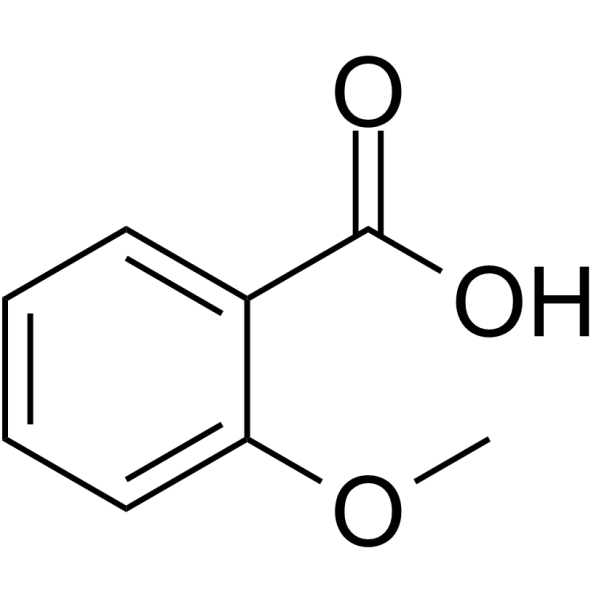
  • HY-N1393

    NSC 3778; O-Methylsalicylic acid; Salicylic acid methyl ether

    Carbonic Anhydrase Phospholipase Cardiovascular Disease
    2-Methoxybenzoic acid (NSC 3778; O-Methylsalicylic acid; Salicylic acid methyl ether) is a natural compound with potential salicylate-like effect. 2-Methoxybenzoic acid inhibits carbonic anhydrase activity, elevates intraplatelet cyclic guanosine monophosphate level, and suppresses cytosolic phospholipase A2 phosphorylation. 2-Methoxybenzoic acid suppresses platelet reactivity, including decreased spreading, retraction, and aggregation in platelets. 2-Methoxybenzoic acid ameliorates arterial thrombosis in a dose-dependent manner without affecting normal hemostasis in mice. 2-Methoxybenzoic acid can be used for the research of arterial thrombosis .
    2-Methoxybenzoic acid
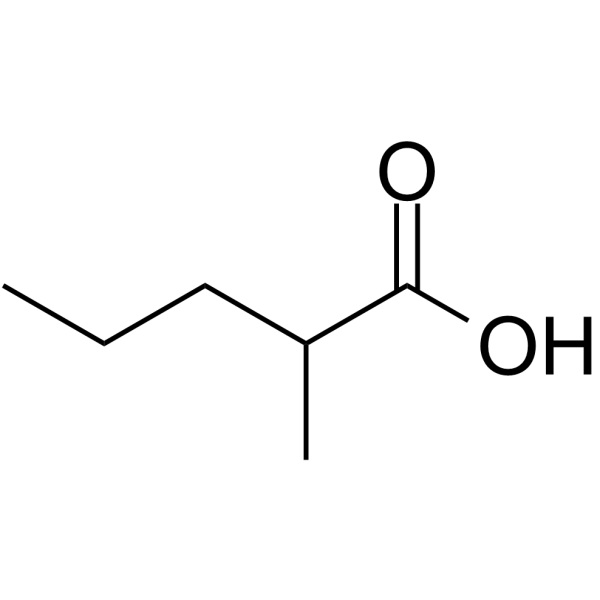
  • HY-W010516

    2-Methylpentanoic acid

    Endogenous Metabolite Metabolic Disease
    2-Methylvaleric acid is a branched short-chain fatty acid (SCFA) produced by the metabolism of branched-chain amino acids by gut microbes. 2-Methylvaleric acid can be used as a potential biomarker for metabolic diseases such as type 2 diabetes, and its content is significantly reduced in the feces of diabetic mice. 2-Methylvaleric acid may regulate host energy metabolism and inflammatory response through G protein-coupled receptors (GPCRs) or histone deacetylase (HDAC) inhibition. 2-Methylvaleric acid can be used to study gut microbe-host interactions and metabolic diseases as a fecal biomarker[1][2].
    2-Methylvaleric acid
  • HY-P0107A
    RC-3095 TFA
    1 Publications Verification

    Bombesin Receptor Inflammation/Immunology
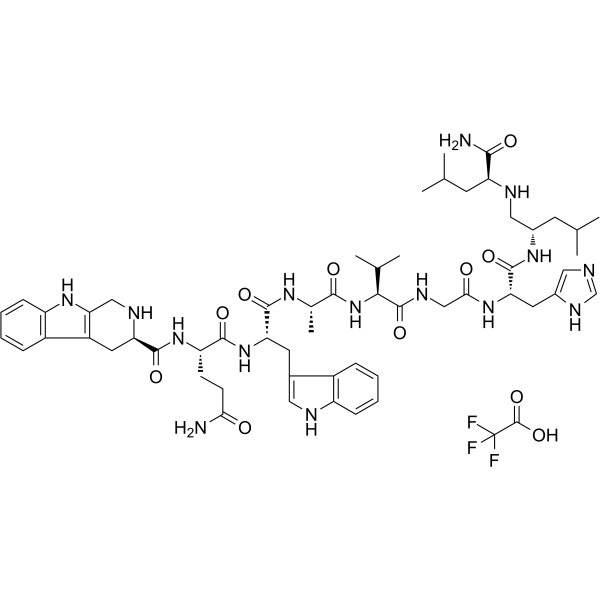
    RC-3095 TFA is a selective bombesin/gastrin releasing peptide receptor (GRPR) antagonist . RC-3095 TFA exerts protective effects by reducing gastric oxidative injury in the arthritic mice .
    RC-3095 TFA
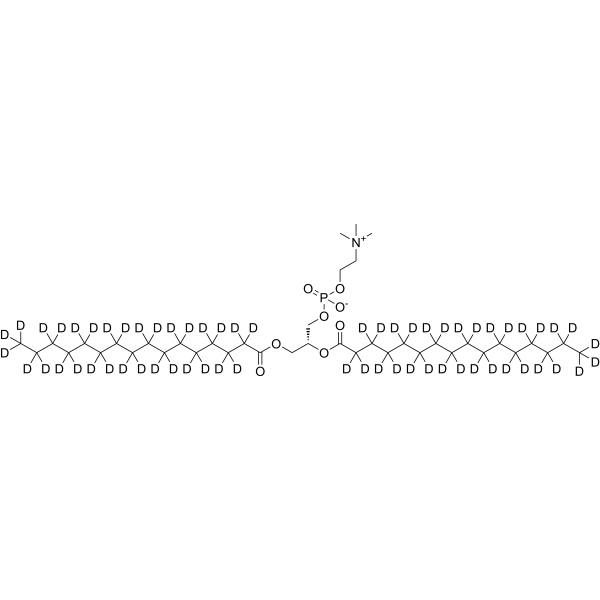
  • HY-109506S

    129Y83-d62

    Isotope-Labeled Compounds Endogenous Metabolite Others
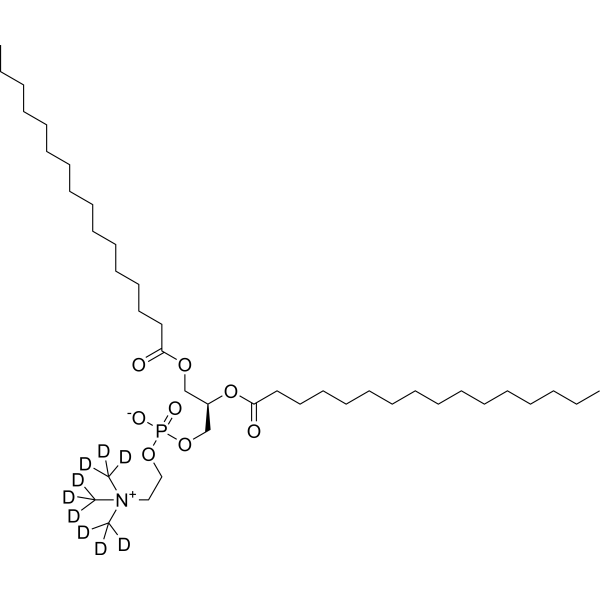
    DPPC-d62 is the deuterium labeled DPPC. DPPC (129Y83) is a zwitterionic phosphoglyceride that can be used for the preparation of liposomal monolayers . DPPC-liposome serves effectively as a delivery vehicle for inducing immune responses against GSL antigen in mice .
    DPPC-d62
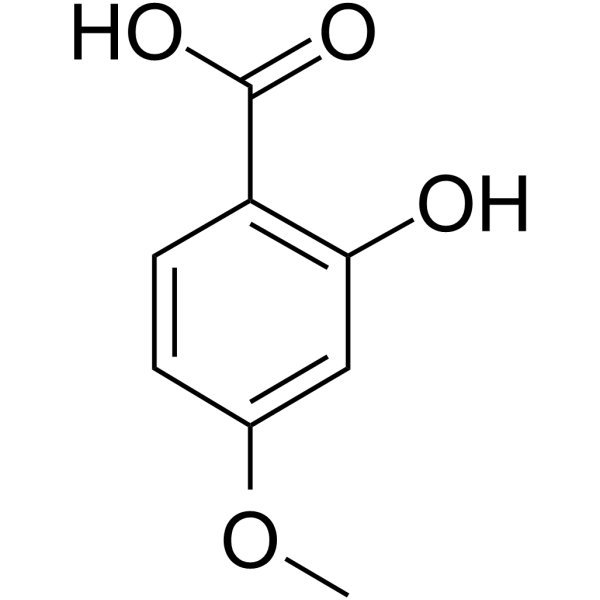
  • HY-75625

    4-Methoxysalicylic Acid

    Monocarboxylate Transporter Apoptosis Mitochondrial Metabolism Cardiovascular Disease Metabolic Disease Cancer
    2-Hydroxy-4-methoxybenzoic acid is an orally active inhibitor of MCT-1 and MCT-4, as well as a plant biomarker. 2-Hydroxy-4-methoxybenzoic acid can be isolated from roots. 2-Hydroxy-4-methoxybenzoic acid induces Apoptosis and loss of mitochondrial membrane potential. 2-Hydroxy-4-methoxybenzoic acid exhibits anticancer activity against breast cancer. 2-Hydroxy-4-methoxybenzoic acid normalizes lactic acid levels. 2-Hydroxy-4-methoxybenzoic acid neutralizes viper venom and attenuates its lethal, hemorrhagic, coagulant and anticoagulant activities in male albino mice. 2-Hydroxy-4-methoxybenzoic acid possesses antihyperlipidemic, antidiabetic and hepatoprotective activities [2].
    2-Hydroxy-4-methoxybenzoic acid
  • HY-103316A
    Ned 19
    3 Publications Verification

    Calcium Channel Cardiovascular Disease Cancer
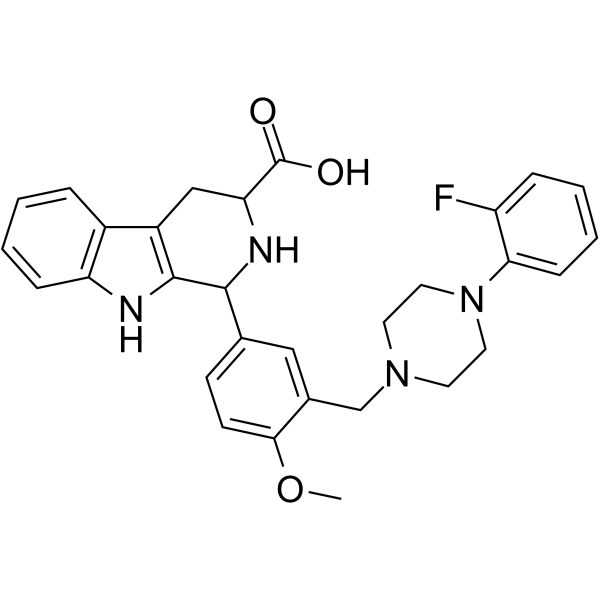
    Ned 19 is a selective membrane-permeant non competitive NAADP antagonist and inhibits NAADP-mediated Ca 2+ signaling, with an IC50 of 65 nM . Ned 19 strongly inhibits tumor growth and vascularization as well as lung metastases in mice .
    Ned 19
  • HY-12736A
    GSK143 dihydrochloride
    1 Publications Verification

    Syk ERK Inflammation/Immunology Cancer
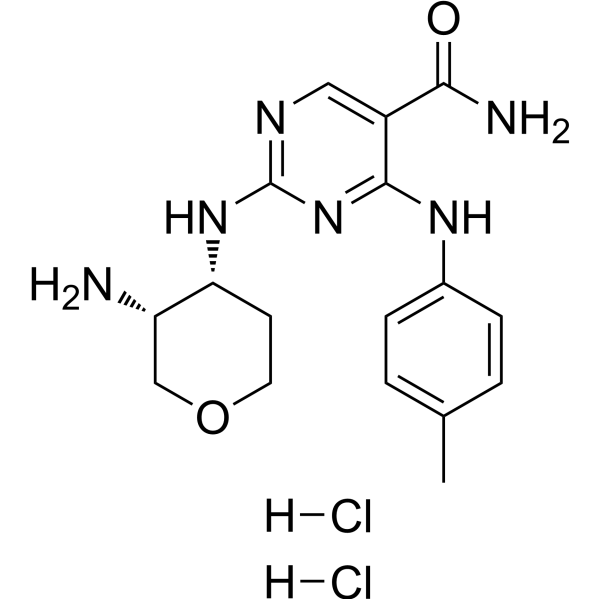
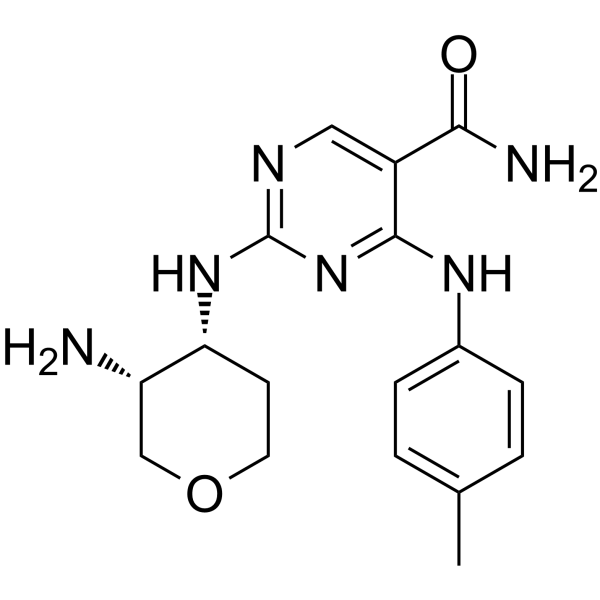
    GSK143 dihydrochloride is an orally active and highly selective spleen tyrosine kinase (SYK) inhibitor with a pIC50 of 7.5. GSK143 dihydrochloride inhibits phosphorylated Erk (pErk: pIC50=7.1) . GSK143 dihydrochloride reduces inflammation and prevents recruitment of immune cells in the intestinal muscularis in mice .
    GSK143 dihydrochloride
  • HY-N0092R

    Reference Standards Adenosine Receptor Endogenous Metabolite Neurological Disease Inflammation/Immunology
    Inosine (Standard) is the analytical standard of Inosine. This product is intended for research and analytical applications. Inosine is an endogenous purine nucleoside produced by catabolism of adenosine. Inosine has anti-inflammatory, antinociceptive, immunomodulatory and neuroprotective effects. Inosine is an agonist for adenosine A1 (A1R) and A2A (A2AR) receptors [2] . In Vitro:Inosine dose-dependently stimulates cAMP production mediated through the A2AR [2].
    Inosine dose-dependently induces hA2AR-mediated ERK1/2 phosphorylation [2].
    Inosine (100 μM; 24 hours) reduces oxidative stress in MES 23.5 cells cultured with astrocytes .
    In Vivo:Inosine (10-100 mg/kg; i.p.) exhibits antinociceptive effect in mice .
    Inosine (Standard)
  • HY-RS20179

    Small Interfering RNA (siRNA) Others

    Mical2 Mouse Pre-designed siRNA Set A contains three designed siRNAs for Mical2 gene (Mouse), as well as a negative control, a positive control, and a FAM-labeled negative control.

    Mical2 Mouse Pre-designed siRNA Set A
    Mical2 Mouse Pre-designed siRNA Set A
  • HY-RS08426

    Small Interfering RNA (siRNA) Others

    MICAL2 Human Pre-designed siRNA Set A contains three designed siRNAs for MICAL2 gene (Human), as well as a negative control, a positive control, and a FAM-labeled negative control.

    MICAL2 Human Pre-designed siRNA Set A
    MICAL2 Human Pre-designed siRNA Set A
  • HY-P0107
    RC-3095
    1 Publications Verification

    Bombesin Receptor Inflammation/Immunology
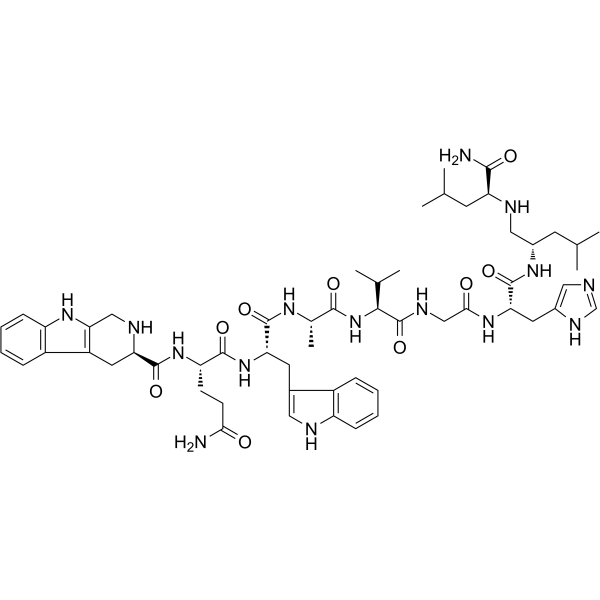
    RC-3095 is a bombesin/gastrin releasing peptide receptor (GRPR) antagonist . RC-3095 exerts protective effects by reducing gastric oxidative injury in the arthritic mice .
    RC-3095
  • HY-RS26683

    Small Interfering RNA (siRNA) Others

    Mical2 Rat Pre-designed siRNA Set A contains three designed siRNAs for Mical2 gene (Rat), as well as a negative control, a positive control, and a FAM-labeled negative control.

    Mical2 Rat Pre-designed siRNA Set A
    Mical2 Rat Pre-designed siRNA Set A
  • HY-131102

    Bacterial DNA/RNA Synthesis Infection
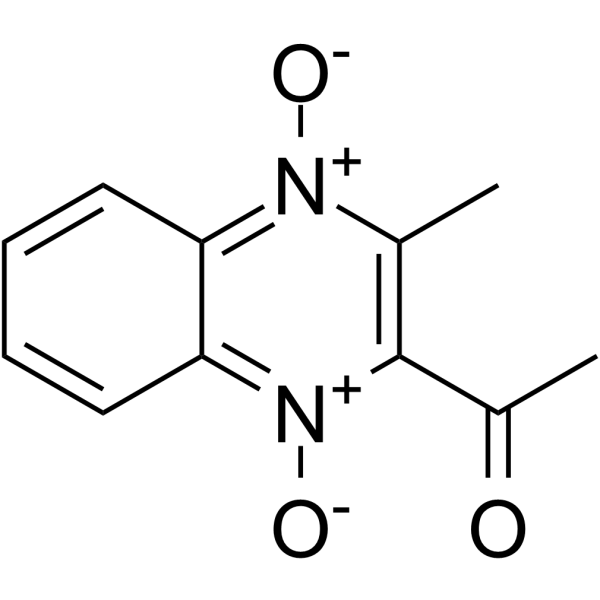
    Mequindox is an antimicrobial agent . Mequindox acts as an inhibitor of DNA synthesis. Mequindox induces genotoxicity and carcinogenicity in mice .
    Mequindox
  • HY-W654264

    Endogenous Metabolite Integrin Cardiovascular Disease
    2-Methylbutyrylcarnitine (chloride) is a gut microbial metabolite which binds to integrin α2β1 in platelets, potentiating cytosolic phospholipase A2 (cPLA2) activation and platelet hyperresponsiveness. 2-Methylbutyrylcarnitine (chloride) enhances platelet hyperreactivity and thrombus formation in mice. 2-Methylbutyrylcarnitine (chloride) is a branched-chain acylcarnitine .
    2-Methylbutyrylcarnitine chloride
  • HY-145119S

    VV116 free base; GS-621763-d1

    Isotope-Labeled Compounds Others
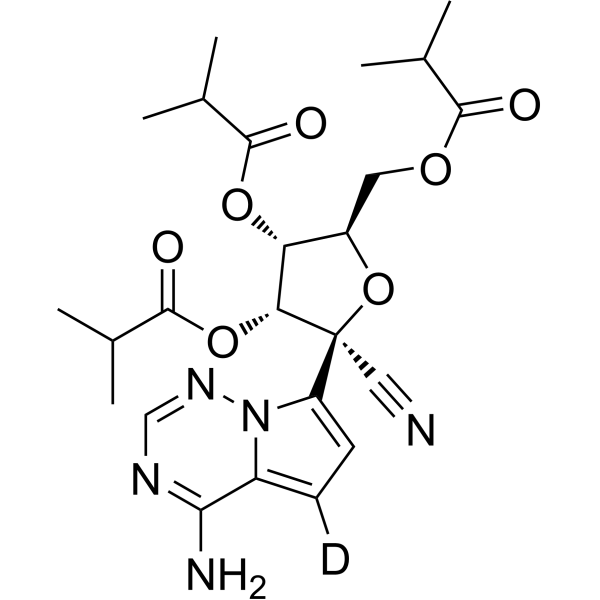
    GS-621763-d1 is the deuterium labeled GS-621763 (HY-145119) . GS-621763, an orally bioavailable proagent of GS-441524, shows antiviral activity against SARS-CoV-2 pathogenesis in mice .
    Mindeudesivir
  • HY-12736

    Syk ERK Inflammation/Immunology Cancer
    GSK143 is an orally active and highly selective spleen tyrosine kinase (SYK) inhibitor with a pIC50 of 7.5. GSK143 inhibits phosphorylated Erk (pErk: pIC50=7.1) . GSK143 reduces inflammation and prevents recruitment of immune cells in the intestinal muscularis in mice .
    GSK143
  • HY-113902

    CRM1 Cancer
    (2-(β-Piperidinoethyl)-9-hydroxyellipticinium chloride (compound 1AA) is a SETBP1 inhibitor that disrupts the interaction between SETBP1 and XPO1. (2-(β-Piperidinoethyl)-9-hydroxyellipticinium chloride inhibits colony formation, induces differentiation/cytotoxicity, and downregulates the transcription of Setbpl target genes. (2-(β-Piperidinoethyl)-9-hydroxyellipticinium chloride improves survival and reduces the spleen size of leukemic mice. (2-(β-Piperidinoethyl)-9-hydroxyellipticinium chloride can be used for myeloid neoplasms and solid tumors research .
    (2-(β-Piperidinoethyl)-9-hydroxyellipticinium chloride
  • HY-101139

    XAC

    Adenosine Receptor Neurological Disease
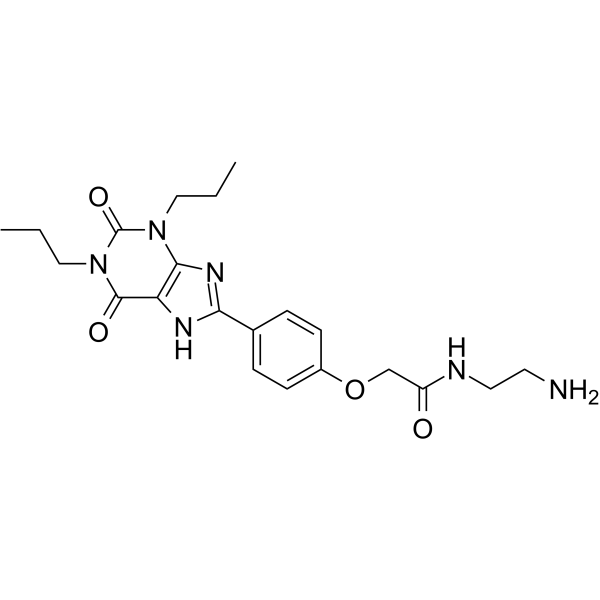
    Xanthine amine congener is a non-selective adenosine receptor antagonist . Xanthine amine congener induces convulsions in mice .
    Xanthine amine congener
  • HY-109506S3

    129Y83-d9-1

    Isotope-Labeled Compounds Endogenous Metabolite Others
    DPPC-d9-1 is the deuterium labeled DPPC. DPPC (129Y83) is a zwitterionic phosphoglyceride that can be used for the preparation of liposomal monolayers . DPPC-liposome serves effectively as a delivery vehicle for inducing immune responses against GSL antigen in mice .
    DPPC-d9-1
  • HY-109506S9
    DPPC-13C2
    1 Publications Verification

    129Y83-13C2

    Isotope-Labeled Compounds Endogenous Metabolite Liposome Others
    DPPC-13C2 is a deuterated labeled DPPC . DPPC (129Y83) is a phosphoglyceride that can be used to prepare lipid monolayers, bilayers, and liposomes. DPPC is the main lipid component of pulmonary surfactant. Dppc-liposome can be effectively used as a delivery vector to induce an immune response against GSL antigen in mice .
    DPPC-13C2
  • HY-131102R

    Reference Standards Bacterial DNA/RNA Synthesis Infection
    Mequindox (Standard) is the analytical standard of Mequindox. This product is intended for research and analytical applications. Mequindox is an antimicrobial agent . Mequindox acts as an inhibitor of DNA synthesis. Mequindox induces genotoxicity and carcinogenicity in mice .
    Mequindox (Standard)
  • HY-D0195S

    Isotope-Labeled Compounds Biochemical Assay Reagents Others
    Acesulfame-d4 potassium is the deuterium labeled Acesulfame (potassium) (HY-D0195) . Acesulfame potassium is an artificial sweetener. Acesulfame potassium (long-term) affects cognitive functions, potentially via altering neuro-metabolic functions in mice .
    Acesulfame-d4 potassium
  • HY-109506S1

    129Y83-d9

    Endogenous Metabolite Others
    DPPC-d9 is the deuterium labeled DPPC. DPPC (129Y83) is a zwitterionic phosphoglyceride that can be used for the preparation of liposomal monolayers . DPPC-liposome serves effectively as a delivery vehicle for inducing immune responses against GSL antigen in mice .
    DPPC-d9
  • HY-B0448S1

    Sodium Channel Virus Protease Neurological Disease
    Phenytoin- 15N2, 13C is the 13C and 15N labeled Phenytoin . Phenytoin (5,5-Diphenylhydantoin) is a potent Voltage-gated Na+ channels (VGSCs) blocker. Phenytoin has antiepileptic activity and reduces breast tumour growth and metastasis in mice .
    Phenytoin-15N2,13C
  • HY-109506S2

    (Rac)-129Y83-d6

    Isotope-Labeled Compounds Others
    (Rac)-DPPC-d6 is a deuterated labeled DPPC . DPPC (129Y83) is a phosphoglyceride that can be used to prepare lipid monolayers, bilayers, and liposomes. DPPC is the main lipid component of pulmonary surfactant. Dppc-liposome can be effectively used as a delivery vector to induce an immune response against GSL antigen in mice .
    (Rac)-DPPC-d6
  • HY-107818R

    NF-κB Reference Standards Cardiovascular Disease Inflammation/Immunology
    4-Hydroxychalcone (Standard) is the analytical standard of 4-Hydroxychalcone. This product is intended for research and analytical applications. 4-Hydroxychalcone is a chalcone metabolite with anti-angiogenic and anti-inflammatory activities. 4-Hydroxychalcone suppresses angiogenesis by suppression of growth factor pathway with no signs of cytotoxicity . 4-Hydroxychalcone inhibits TNF-α induced NF-κB pathway activation and activates BMP signaling, reduces resistant hypertension (RH) by attenuating hyperaldosteronism and renal injury in mice .
    4-Hydroxychalcone (Standard)
  • HY-B0281AS

    Isotope-Labeled Compounds Histamine Receptor Metabolic Disease Cancer
    Ranitidine-d6 hydrochloride is the deuterium labeled Ranitidine hydrochloride (HY-B0281A) . Ranitidine hydrochloride is a potent, selective and orally active histamine H2-receptor antagonist that inhibits gastric secretion. Ranitidine hydrochloride antagonizes Histamine (HY-B1204)-induced increases of the guinea-pig isolated rat atrium and Histamine-induced relaxations of the rat isolated uterine horn, with pA2 values of 7.2 and 6.95, respectively. Ranitidine hydrochloride inhibits breast tumor development and spread in mice .
    Ranitidine-d6 hydrochloride
  • HY-162720

    HIV Potassium Channel Reverse Transcriptase Infection
    NNRT-IN-4 (Compound 10p) is an inhibitor for non-nucleoside reverse transcriptase (NNRT) with an IC50 of 0.713 µM for HIV-1 RT. NNRT-IN-4 exhibits antiviral efficacy, inhibits HIV-1 wildtype and mutant strains with EC50 of 6-63 nM. NNRT-IN-4 exhibits a slight inhibitory activities against hERG (IC50=25.9 µM) and CYP enzymes (IC50>50 µM). NNRT-IN-4 exhibits good tolerability and safety in mice (2 g/kg) .
    NNRT-IN-4
  • HY-N1393R

    NSC 3778 (Standard); O-Methylsalicylic acid (Standard); Salicylic acid methyl ether (Standard)

    Reference Standards Carbonic Anhydrase Phospholipase Cardiovascular Disease
    2-Methoxybenzoic acid (NSC 3778; O-Methylsalicylic acid; Salicylic acid methyl ether) (Standard) is the analytical standard of 2-Methoxybenzoic acid (HY-N1393). 2-Methoxybenzoic acid is a natural compound with potential salicylate-like effect. 2-Methoxybenzoic acid inhibits carbonic anhydrase activity, elevates intraplatelet cyclic guanosine monophosphate level, and suppresses cytosolic phospholipase A2 phosphorylation. 2-Methoxybenzoic acid suppresses platelet reactivity, including decreased spreading, retraction, and aggregation in platelets. 2-Methoxybenzoic acid ameliorates arterial thrombosis in a dose-dependent manner without affecting normal hemostasis in mice. 2-Methoxybenzoic acid can be used for the research of arterial thrombosis .
    2-Methoxybenzoic acid (Standard)
  • HY-N1393S

    NSC 3778-13C6; O-Methylsalicylic acid-13C6; Salicylic acid methyl ether-13C6

    Isotope-Labeled Compounds Carbonic Anhydrase Phospholipase Cardiovascular Disease
    2-Methoxybenzoic acid (NSC 3778; O-Methylsalicylic acid; Salicylic acid methyl ether)- 13C6 is the 13C-labeled 2-Methoxybenzoic acid (HY-N1393). 2-Methoxybenzoic acid is a natural compound with potential salicylate-like effect. 2-Methoxybenzoic acid inhibits carbonic anhydrase activity, elevates intraplatelet cyclic guanosine monophosphate level, and suppresses cytosolic phospholipase A2 phosphorylation. 2-Methoxybenzoic acid suppresses platelet reactivity, including decreased spreading, retraction, and aggregation in platelets. 2-Methoxybenzoic acid ameliorates arterial thrombosis in a dose-dependent manner without affecting normal hemostasis in mice. 2-Methoxybenzoic acid can be used for the research of arterial thrombosis .
    2-Methoxybenzoic acid-13C6
  • HY-W010516R

    2-Methylpentanoic acid (Standard)

    Reference Standards Endogenous Metabolite Metabolic Disease
    2-Methylvaleric acid (Standard) is the analytical standard of 2-Methylvaleric acid. This product is intended for research and analytical applications. 2-Methylvaleric acid is a branched short-chain fatty acid (SCFA) produced by the metabolism of branched-chain amino acids by gut microbes. 2-Methylvaleric acid can be used as a potential biomarker for metabolic diseases such as type 2 diabetes, and its content is significantly reduced in the feces of diabetic mice. 2-Methylvaleric acid may regulate host energy metabolism and inflammatory response through G protein-coupled receptors (GPCRs) or histone deacetylase (HDAC) inhibition. 2-Methylvaleric acid can be used to study gut microbe-host interactions and metabolic diseases as a fecal biomarker[1][2].
    2-Methylvaleric acid (Standard)
  • HY-N1393S1

    NSC 3778-d3; O-Methylsalicylic acid-d3; Salicylic acid methyl ether-d3

    Isotope-Labeled Compounds Carbonic Anhydrase Phospholipase Cardiovascular Disease
    2-Methoxybenzoic acid (NSC 3778; O-Methylsalicylic acid; Salicylic acid methyl ether)-d3 is deuterium-labeled 2-Methoxybenzoic acid (HY-N1393). 2-Methoxybenzoic acid is a natural compound with potential salicylate-like effect. 2-Methoxybenzoic acid inhibits carbonic anhydrase activity, elevates intraplatelet cyclic guanosine monophosphate level, and suppresses cytosolic phospholipase A2 phosphorylation. 2-Methoxybenzoic acid suppresses platelet reactivity, including decreased spreading, retraction, and aggregation in platelets. 2-Methoxybenzoic acid ameliorates arterial thrombosis in a dose-dependent manner without affecting normal hemostasis in mice. 2-Methoxybenzoic acid can be used for the research of arterial thrombosis .
    2-Methoxybenzoic acid-d3

Inquiry Online

Your information is safe with us. * Required Fields.

Salutation


Country or Region *

Applicant Name *


Organization Name *

Department *


Email Address *


Product Name *

Cat. No.


Requested quantity *

Phone Number *


Remarks

Inquiry Online

Inquiry Information

Product Name:
Cat. No.:
Quantity:
MCE Japan Authorized Agent:

