165 Results for "

Paf

" in MedChemExpress (MCE) Product Catalog:
Products (165)

165 Results for "Paf" in MCE Product Catalog:

40
40 Publications Verification
Cat. No.: HY-108635
CAS No.: 74389-68-7
Purity:  99.85%
Synonyms: Paf (C16)
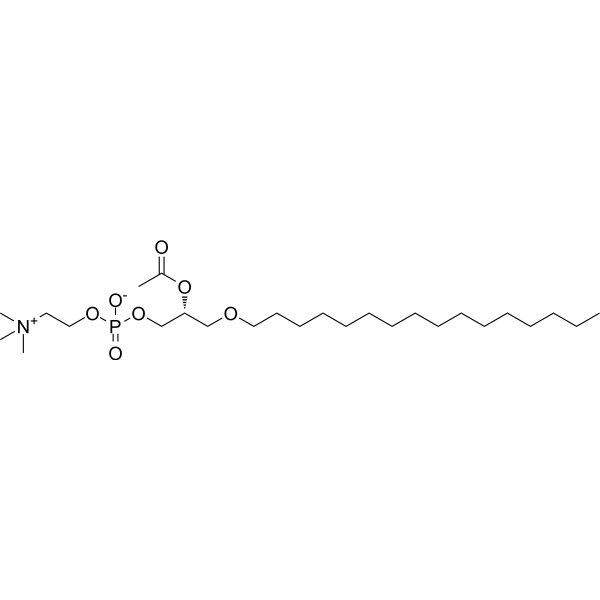
C16-PAF (PAF (C16)), a phospholipid mediator, is a platelet-activating factor and ligand for PAF G-protein-coupled receptor (PAFR). C16-PAF exhibits anti-apoptotic effect and inhibits caspase-dependent death by activating the PAFR. C16-PAF is a potent MAPK and MEK/ERK activator. C16-PAF induces increased vascular permeability .
3
3 Cited Publications
Cat. No.: HY-108634
CAS No.: 105219-56-5
Purity:  99.93%
Synonyms: WEB 2086
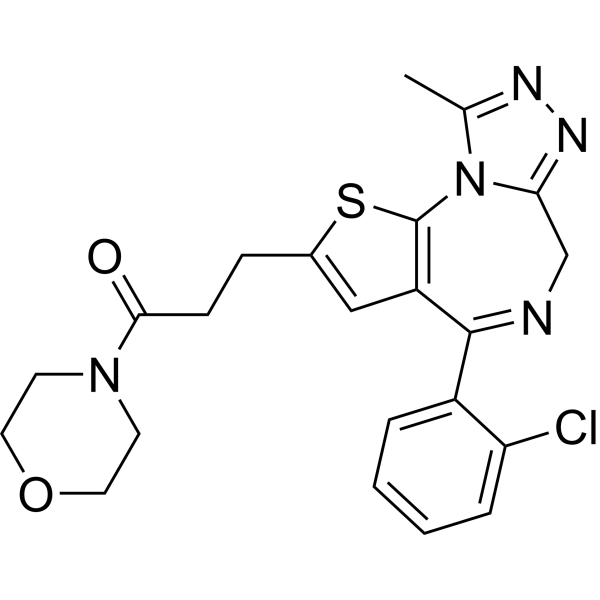
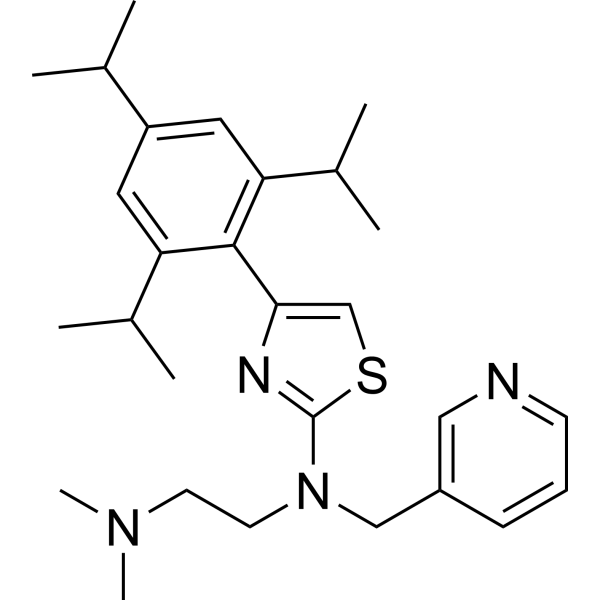
Apafant (WEB 2086), a chemical probe, is a potent platelet-activating factor (PAF) antagonist, inhibits PAF binding to human PAF receptors with a Ki of 9.9 nM. Apafant increases the gene expression of PAF-r, α-globin, β-globin, decreases the c-myb gene expression. Apafant shows a protective effect on alkyl-PAF-mediated lethalit .
2
2 Cited Publications
Cat. No.: HY-13511A
CAS No.: 182349-12-8
Purity:  98.77%
Synonyms: UR-12592 Fumarate
Research Areas:  

Inflammation/Immunology

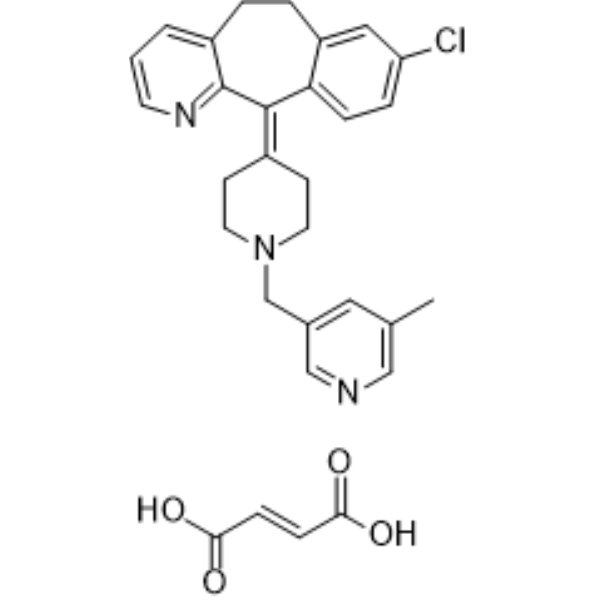
Rupatadine (UR-12592) Fumarate is a potent, orally active and long-lasting dual PAF/H1 antagonist, with Kis of 0.55 μM and 0.1 μM, respectively. Rupatadine Fumarate can be used for the research of allergic rhinitis and urticaria .
2
2 Cited Publications
Cat. No.: HY-13511
CAS No.: 158876-82-5
Purity:  99.70%
Synonyms: UR-12592
Research Areas:  

Inflammation/Immunology

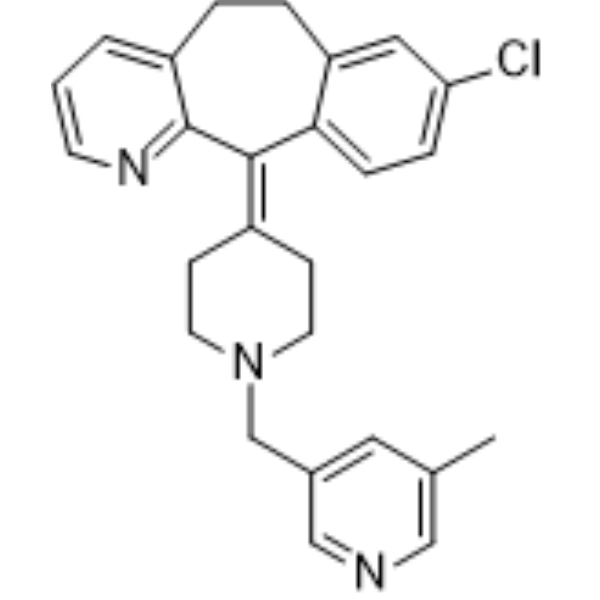
Rupatadine (UR-12592) is a potent, orally active and long-lasting dual PAF/H1 antagonist, with Kis of 0.55 μM and 0.1 μM, respectively. Rupatadine can be used for the research of allergic rhinitis and urticaria .
1
1 Cited Publications
Cat. No.: HY-19354
CAS No.: 143901-35-3
Synonyms: Aglafolin; Rocaglamide U; (-)-Methyl rocaglate
Target:  

Potassium Channel

Research Areas:  

Cardiovascular Disease

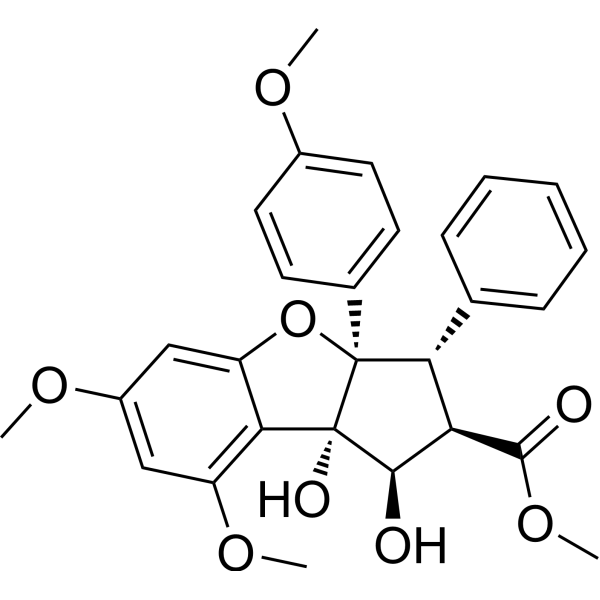
Aglafoline inhibits PAF-induced platelet aggregation, with an IC50 value of 50 μM.
Cat. No.: HY-141570
CAS No.: 52691-62-0
Purity:  ≥98.0%
Target:  

Phospholipase

Research Areas:  

Others

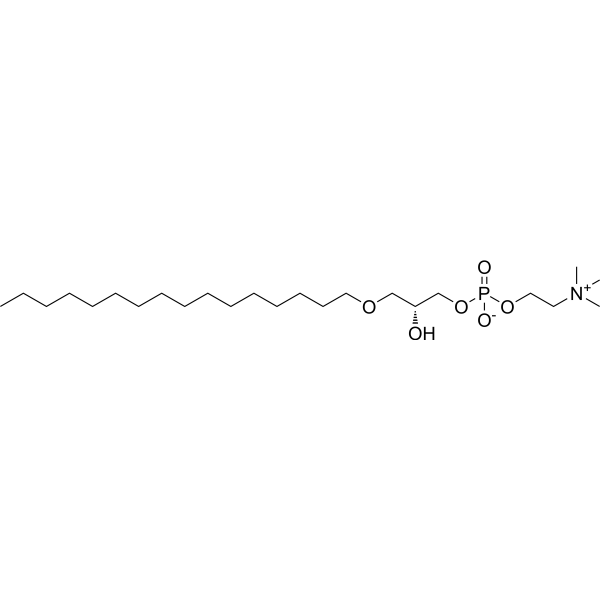
Lyso-PAF C-16 is a precursor and metabolite of 1-O-hexadecyl-2-acetyl-sn-glycero-3-phosphocholine (PAF C-16). Lyso-PAF C-16 is a substrate for either PAF C-16 formation by the remodeling pathway or selective acylation with arachidonic acid by a CoA-independent transacylase .
Cat. No.: HY-130345
CAS No.: 74389-69-8
Purity:  99.00%
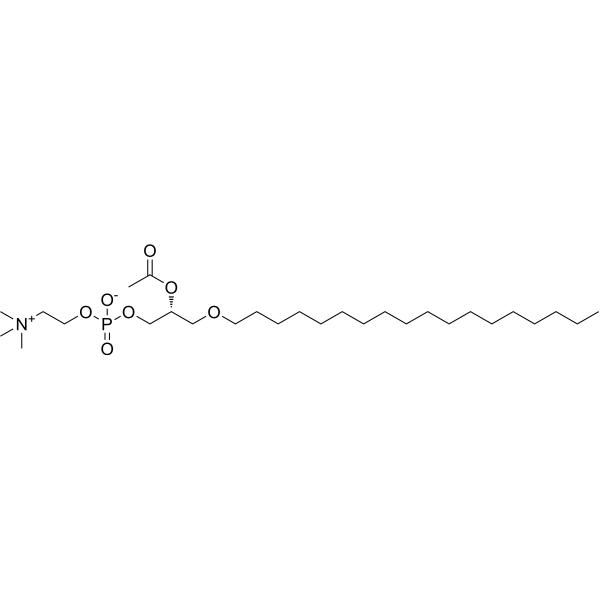
C18-PAF, octadecane PAF, is the ligand of platelet-activating factor and PAF G protein-coupled receptor (PAFR). C18-PAF has renovasodilator properties and antihypertensive lipid properties. C18-PAF increases renal blood flow and causes dose-dependent systemic hypotension .
Cat. No.: HY-109897
CAS No.: 100488-87-7
Purity:  ≥98.0%
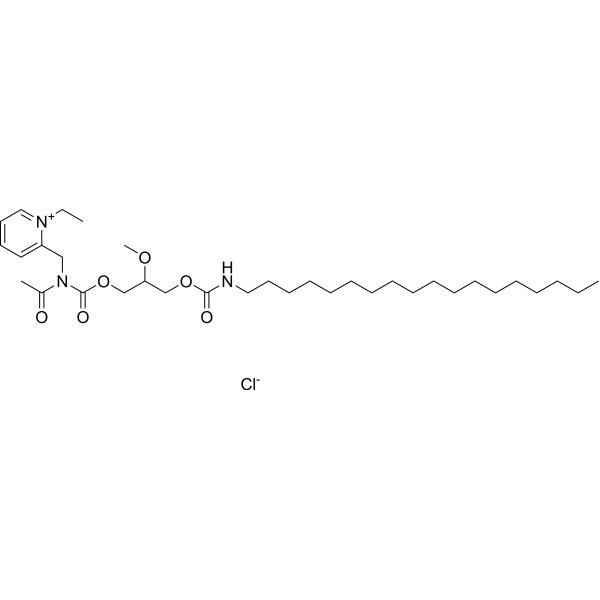
CV-6209 is a potent antagonist of platelet activating factor (PAF). CV-6209 inhibits the PAF-induced aggregation of rabbit and human platelets, with IC50s of 75 nM and 170 nM, respectively. CV-6209 can inhibit PAF-induced hypotension in rats .
Cat. No.: HY-137257
CAS No.: 91575-58-5
Purity:  ≥99.0%
Synonyms: C-Paf
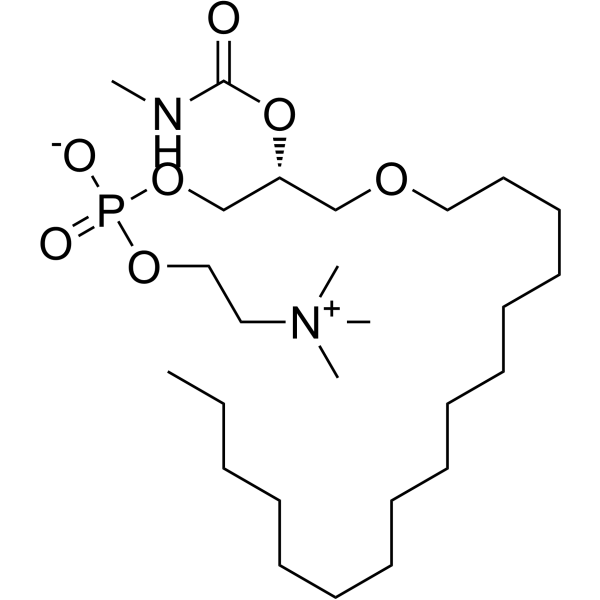
Carbamyl-PAF is an analog and agonist of platelet-activating factor (PAF). Carbamyl-PAF is not significantly metabolized by Raji lymphoblasts at 37°C, making it a useful tool for inflammation research. .
Cat. No.: HY-128694
CAS No.: 136468-36-5
Purity:  99.97%
Synonyms: SR27417
Foropafant (SR27417) highly potent, competitive, selective and orally active antagonist of platelet-activating factor (PAF) receptor, with a Ki value of 57 pM for [ 3H]PAF binding, at least 5-fold lower than that of unlabeled PAF itself. Foropafant potently inhibits PAF-induced aggregation of rabbit and human platelets .
Cat. No.: HY-W127460
CAS No.: 354583-69-0
Synonyms: 1-Hexadecyl-2-azelaoyl-sn-glycero-3-phosphocholine
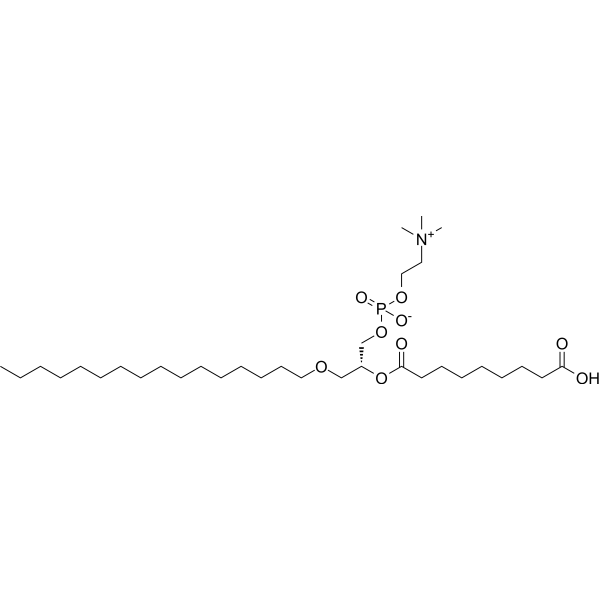
1-hexadecyl-2-azelaoyl-sn-glycero-3-phosphocholine is a biochemical reagent that can be used as a biological material or organic compound for life science related research.
Cat. No.: HY-141581
CAS No.: 74430-89-0
Purity:  ≥98.0%
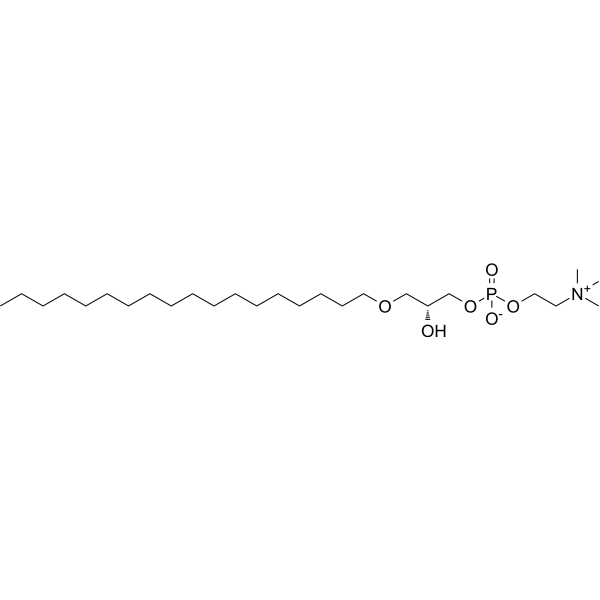
Lyso-PAF C-18 is a single-chain ether phospholipid with membrane regulatory activity, and Lyso-PAF is the deacetylated inactive precursor of PAF. Lyso-PAF C-18 regulates the activity of plasma membrane Ca 2+-ATPase, and its mechanism of action may involve altering the lipid microenvironment of this enzyme. Lyso-PAF C-18 activates the calcium ATPase in rat synaptosomal membranes and inhibits the calcium ATPase in rat leukocyte membranes. Lyso-PAF C-18 can be used in cell membrane-related research .
Cat. No.: HY-19121A
CAS No.: 121494-09-5
Research Areas:  

Cancer

TCV-309 chloride is a potent and specific platelet activating factor (PAF) antagonist. TCV-309 chloride specifically inhibits PAF-induced aggregation of rabbit and human platelets, and [3H]PAF binding to rabbit platelet microsomes with IC50 values of 33 nM, 58 nM and 27 nM, respectively. TCV-309 chloride has beneficial effects in anaphylactic shock .
Cat. No.: HY-N7343
CAS No.: 66280-26-0
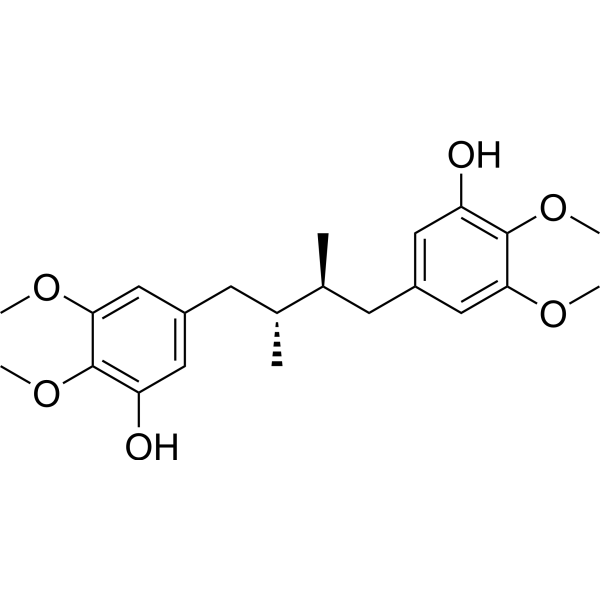
Pregomisin is a natural compound isolated from the fruits of Schizandra chinensis Baill. Pregomisin showed PAF antagonistic activity and the IC50 values were 48 μM .
Cat. No.: HY-160267
CAS No.: 950403-60-8
Target:  

HIV DNA/RNA Synthesis

Research Areas:  

Infection Neurological Disease Cancer

iPAF1C is a inhibitor of the polymerase-associated factor 1 complex (PAF1C) with specific targeting to the PAF1 binding groove of CTR9 (a key subunit of PAF1C). iPAF1C disrupts PAF1C assembly by interfering with the PAF1-CTR9 interaction. iPAF1C selectively impairs BRD4-mediated recruitment of PAF1 to chromatin at hypoxia-responsive genes and inhibits RNA polymerase II (RNAPII) pause release. iPAF1C increases the population of HIV-1 NL4.3 Nef-IRES-GFP infected primary human CD4 +T cells in a dose-dependent manner. PAF1C can be used for the study of infection and diseases associated with abnormal hypoxic adaptation (e.g., cancers, neurological disorders) .
Cat. No.: HY-W345359
CAS No.: 85966-90-1
Target:  

Endogenous Metabolite

Research Areas:  

Inflammation/Immunology

PAF C-18:1 is a naturally occurring phospholipid produced by cells upon inflammatory responses. PAF C-18:1 is a chemoattractant, and induces human neutrophil chemotaxis .
Cat. No.: HY-100164
CAS No.: 114606-56-3
Purity:  99.77%
Synonyms: MKS 492
Research Areas:  

Inflammation/Immunology

SDZ-MKS 492 (MKS 492) is a selective inhibitor of cyclic GMP-inhibited phosphodiesterase (type III PDE). SDZ-MKS 492 inhibits antigen- or platelet activating factor (PAF)-induced bronchoconstriction and allergic reactions in guinea pigs and rats .
Cat. No.: HY-101263
CAS No.: 96801-55-7
Purity:  ≥99.0%
Research Areas:  

Others

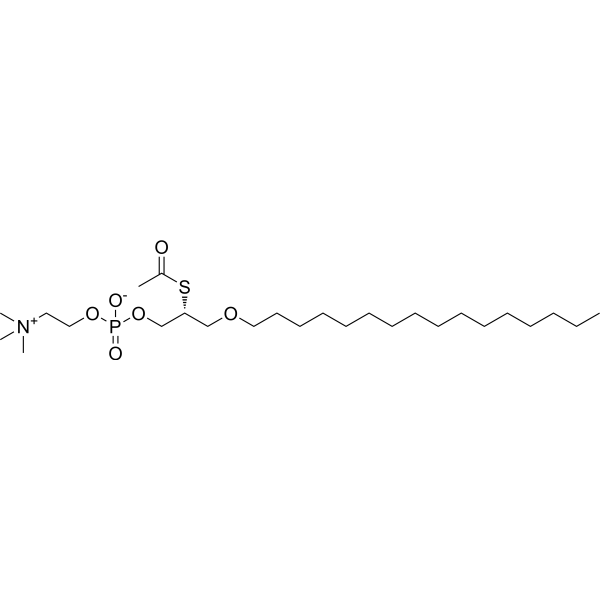
2-Thio-PAF, a synthetic analog of PAF, is used in a colorimetric assay for PAF acetylhydrolases .
Cat. No.: HY-147248
Synonyms: Paf-AS269
Target:  

EGFR

Research Areas:  

Cancer

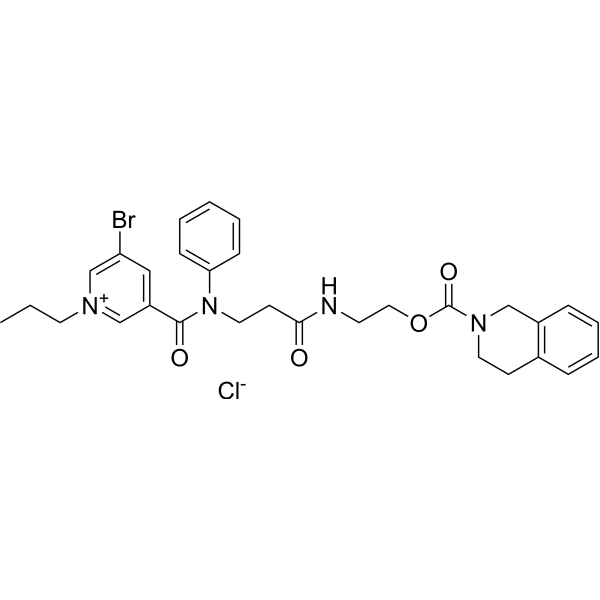
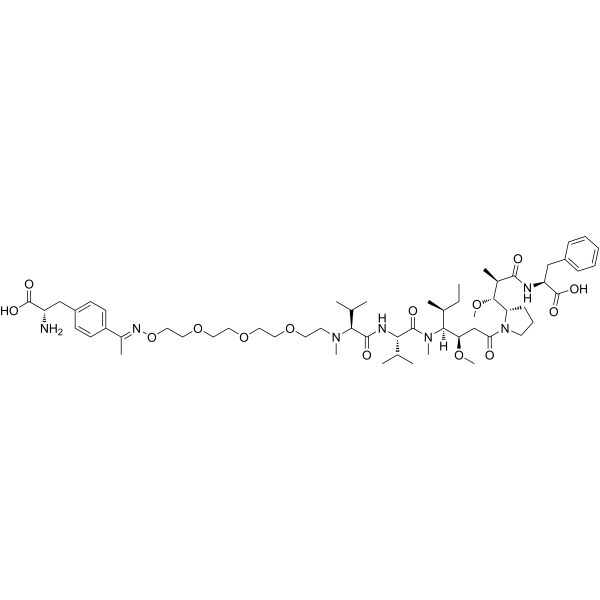
Opadotina is a small molecule of anvatabart opadotin. Opadotina shows antineoplastic activity .
Cat. No.: HY-N4267
CAS No.: 13060-14-5
Yangambin is a PAF receptor antagonist and UGT1A1/UGT1A3 inhibitor, with an IC50 of 29.7 μM and a Ki of 17.1 μM against human UGT1A1, and an IC50 of 56.5 μM and a Ki of 66.8 μM against human UGT1A3. Yangambin blocks PAF-mediated responses, inhibits LTB4-mediated neutrophil infiltration, and suppresses inflammatory events and anaphylactic contraction. Yangambin acts as a central nervous system inhibitor to reduce spontaneous activity, and also exhibits analgesic, anticonvulsant, antileishmanial, vasodilatory and hypotensive effects. Yangambin blocks voltage-gated Ca 2+ channels, reduces the production of NO, TNF-α, IL-6 and PGE2 in cells, increases the production of IL-10, and exerts a protective effect against cardiovascular injury. Yangambin can be used in research related to allergies, cutaneous leishmaniasis, central nervous system diseases and cardiovascular diseases .

