
From 11:00 pm to 12:00 pm EST ( 8:00 pm to 9:00 pm PST ) on January 6th, the website will be under maintenance. We are sorry for the inconvenience. Please arrange your schedule properly.
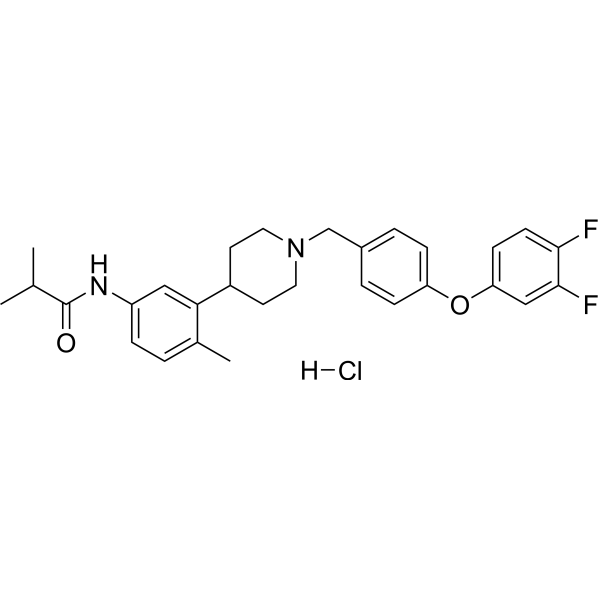
SNAP 94847 hydrochloride is a novel, high affinity selective melanin-concentrating hormonereceptor1 (MCHR1) antagonist with (Ki= 2.2 nM, Kd=530 pM), it displays >80-fold and >500-fold selectivity over MCHα1A and MCHD2 receptors respectively. SNAP 94847 hydrochloride binds with high affinity to the mouse and rat MCHR1 with minimal cross-reactivity to other GPCR, ion channels, enzymes, and transporters .
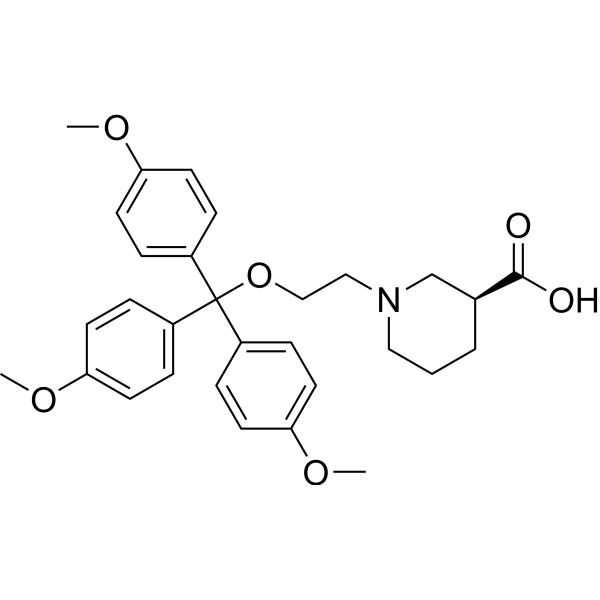
(S)-SNAP5114 is a non-covalent murine GABA transporter inhibitor with blood-brain barrier penetration ability, which exhibits significant subtype-selective inhibitory activity against mGAT4 (pIC50=5.71, pKi=4.56), much higher than its effects on mGAT1, mGAT2 and mGAT3. (S)-SNAP5114 elevates extracellular GABA concentrations by blocking the GABA reuptake mechanism, thereby enhancing thalamus-specific GABAergic signaling and exerting potential neuromodulatory effects. (S)-SNAP5114 is widely used in studies related to epilepsy, neuropathic pain, anxiety and depression, and various neurodegenerative diseases .
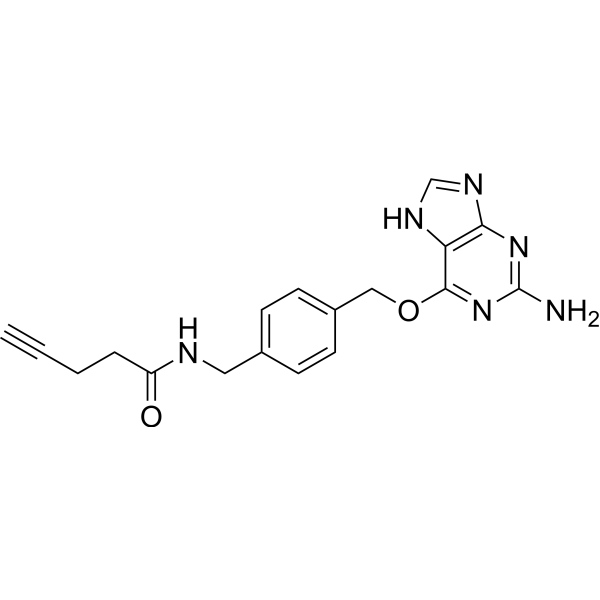
Alkyne-SNAP (compound 3) is an Alkyne-conjugated benzylguanine. The benzylguanine moiety reacts with the SNAP-tag, allowing irreversible and covalent labeling of SNAP fusion proteins with an additional alkyne functionality for further click chemistry conjugation .
T4 UvsX Recombinase helps initiate DNA replication on a double-stranded DNA template by catalyzing synapsis between the template and a homologous DNA single strand that serves as primer. T4 UvsX Recombinase greatly amplifies the snap-back (hairpin-primed) DNA synthesis that is catalyzed by the T4 DNA polymerase holoenzyme on linear, single-stranded DNA templates .
HaXS8 is a dimerizer that can promote a covalent and irreversible intracellular dimerization of HaloTag and SNAP-tagged proteins of interest. HaXS8 does not interfere with PI3K/mTOR signaling .
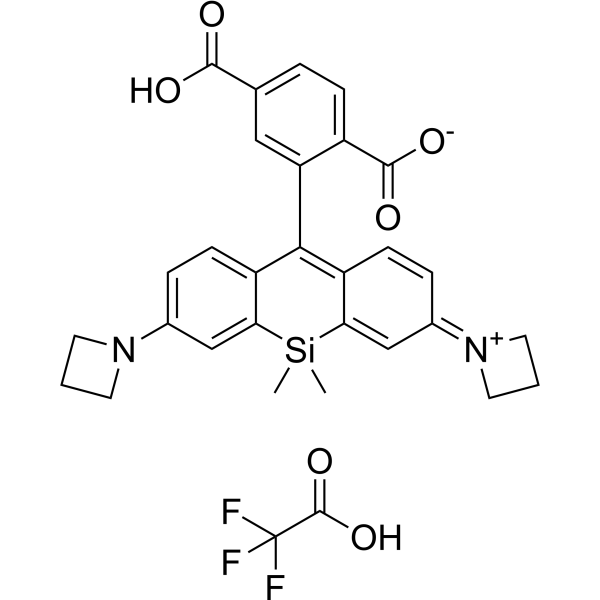
Janelia Fluor 646 TFA (JF646 TFA), a red fluorogenic fluorescent dye, can be used in the synthesis of Janelia Fluor 646 HaloTag and SNAP-Tag ligands. JF646 TFA is used in live cell imaging experiments . Janelia Fluor products are licensed under U.S. Pat. Nos. 9,933,417, 10,018,624 and 10,161,932 and other patents from Howard Hughes Medical Institute.
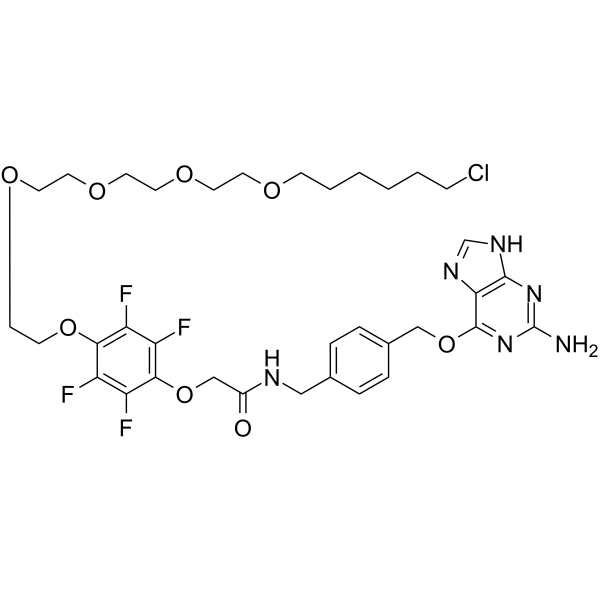
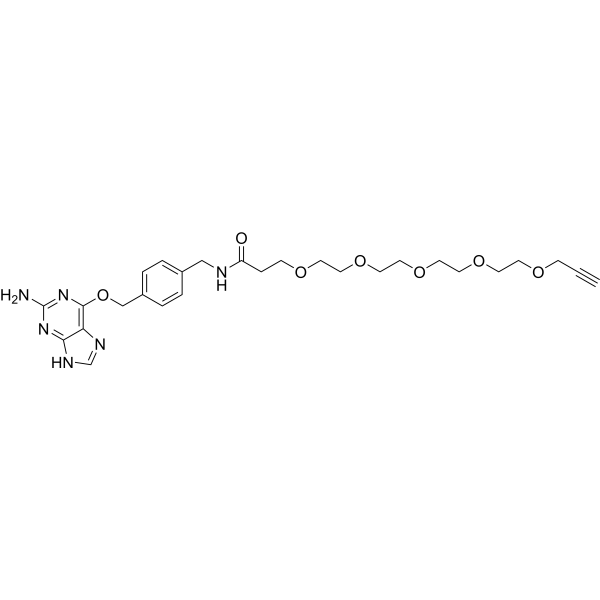
Alkyne-PEG5-SNAP is a click chemistry reagent containing an alkyne group. Alkyne-PEG5-SNAP can alkyne conjugated benzylguanine (BG), the BG moiety reacts specifically and rapidly with SNAP-tag, a polypeptide protein tag, allowing irreversible and covalent labeling of SNAP fusion proteins with an additional alkyne functionality suitable for further conjugation . Alkyne-PEG5-SNAP is a click chemistry reagent, it contains an Alkyne group and can undergo copper-catalyzed azide-alkyne cycloaddition (CuAAc) with molecules containing Azide groups.
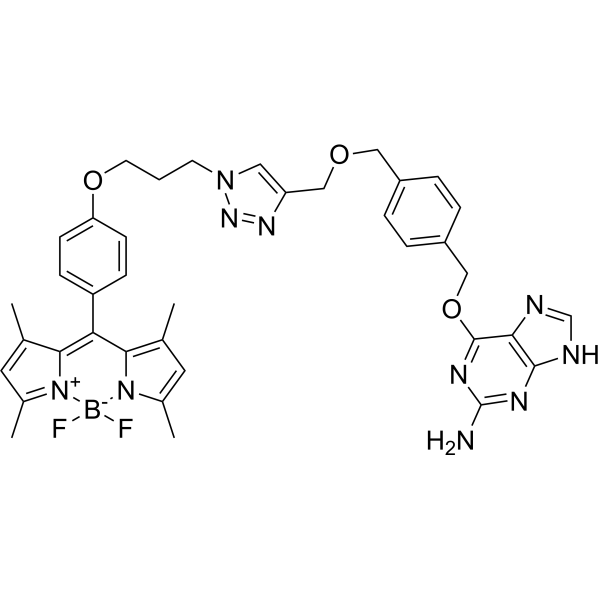
PYBG-BODIPY is a dye and has a role as a fluorochrome. PYBG-BODIPY specifically and efficiently labels the target genetically encoded SNAP-tags in live cells .
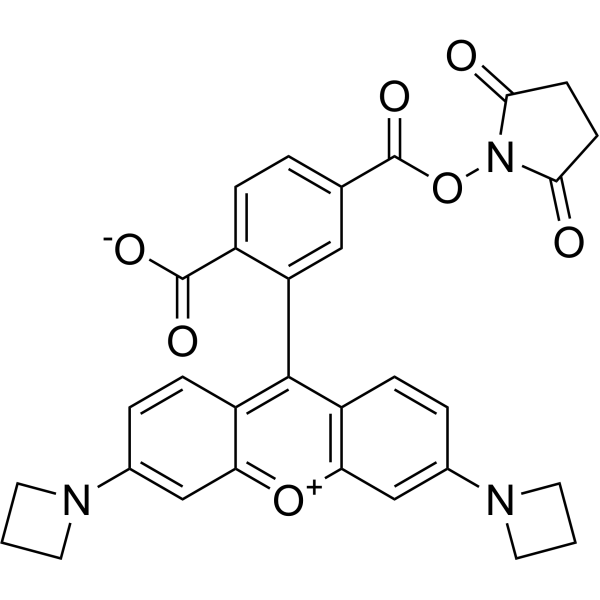
Janelia Fluor® 549, SE (JF549, SE) is a cell-permeable fluorescent dye with an NHS ester (succinimidyl ester (SE)) reactive group. NHS esters react with primary amines and are commonly used to conjugate dyes to proteins, antibodies, amine-modified oligonucleotides, and other molecules. Janelia Fluor® 549, SE also acts as a ligand for self-labeling tags such as HaloTag and SNAP-tag, and can be used in live-cell imaging studies (Ex/Em = 549 nm/571 nm) .\n
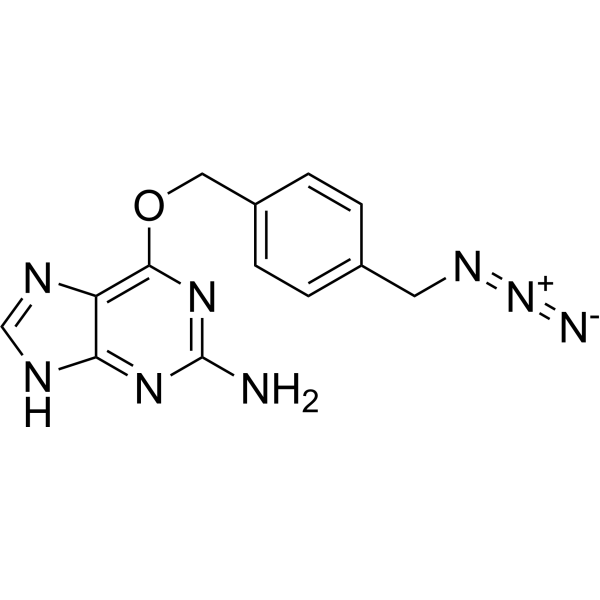
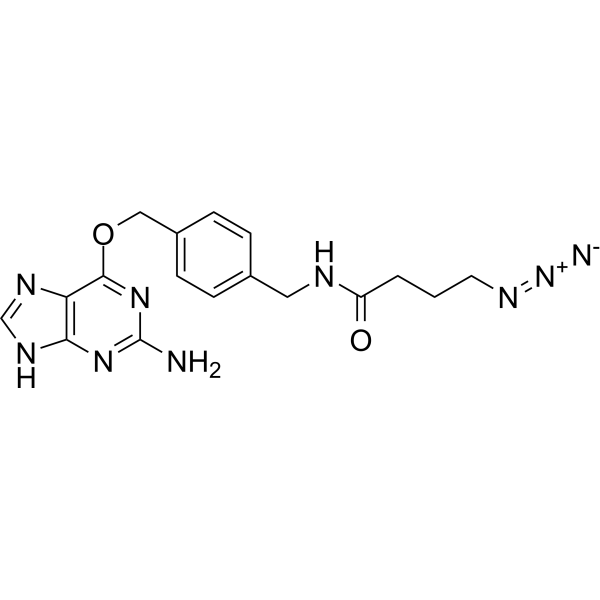
BGN3 is a good substrate for the SNAP-tag? and H 5 enzymes. The activities of SNAP-tag? and H 5 enzymes on BGN3 are reasonable (IC50= 15.6 and 23.5 μM, respectively) . BGN3 is a click chemistry reagent, it contains an Azide group and can undergo copper-catalyzed azide-alkyne cycloaddition reaction (CuAAc) with molecules containing Alkyne groups. It can also undergo strain-promoted alkyne-azide cycloaddition (SPAAC) reactions with molecules containing DBCO or BCN groups.
VHL-SNAP2-5C is a SNAP-fusion protein PROTAC degrader basing on a self-labeling protein SNAP tag. VHL-SNAP2-5C by endogenous tagging enables the visualization and the selective depletion of a SNAP-fusion protein, such as CLCa andEGFP . Pink: SNAP-fusion protein ligand (HY-W128709); Blue: VHL ligase ligand (HY-112078); Black: linker (HY-Y1139)
SNAP-Peroxy-Green-1 (SPG1) a SNAP tag fluorescent probe. SNAP-Peroxy-Green-1 can be used for detecting H2O2 in the extracellular space or on the surface of the cell membrane .
BGSN3 is a good substrate for the SNAP-tag? and H 5 enzymes. The activities of SNAP-tag? and H 5 enzymes on BGSN3 are reasonable (IC50=17.8 and 10 μM, respectively) . BGSN3 is a click chemistry reagent, it contains an Azide group and can undergo copper-catalyzed azide-alkyne cycloaddition reaction (CuAAc) with molecules containing Alkyne groups. It can also undergo strain-promoted alkyne-azide cycloaddition (SPAAC) reactions with molecules containing DBCO or BCN groups.
SNAP-505 is a green fluorescent O6 benzylguanine derivative. SNAP-505 labels SNAP-tagged proteins covalently.
SNAP-505 can be used to label cells (green) .
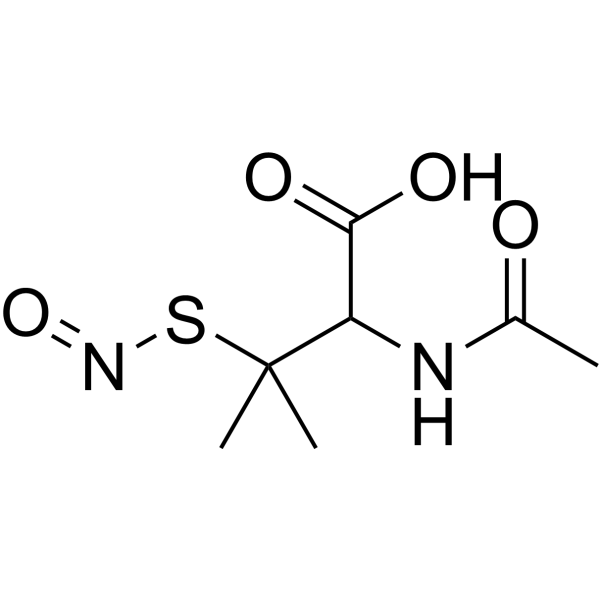
D-SNAP (S-Nitroso-N-acetylpenicillamine) can Generate nitric oxide and form superoxides spontaneously under physiological conditions and is often used to probe the cell stress response and stimulate calcium-independent synaptic vesicle release.
SPY555-BG (SNAP-MaP555) is the benzylguanine derivative of SPY555 fluorophore. SPY555-BG emits light in the orange part of the UV-ViS spectrum. SPY555-BG is fluorogenic, highly cell permeable and well suited for STED and SIM superresolution imaging. SPY555-BG can be imaged with a standard Cy3 filterset. SPY555-BG can be used for widefield, confocal, SIM or STED imaging in living or fixed cells and tissue .
PYBG-TMR is a dye and has a role as a fluorochrome. PYBG-TMR specifically and efficiently labels the target genetically encoded SNAP-tags in live cells . PYBG-TMR is a click chemistry reagent, it contains an Alkyne group and can undergo copper-catalyzed azide-alkyne cycloaddition (CuAAc) with molecules containing Azide groups.
SNAP-549 is a DY-549P1-labeled SNAP tag fluorescent probe, specifically designed for single-molecule imaging and dynamic tracking of proteins in living cells. SNAP-549 only labels SNAP-tag fusion proteins, with low background signals and forming irreversible connections, making it suitable for long-term observation .
SNAP-fusion protein ligand-1 (Compound 3) is a Ligand for Target Protein for PROTAC. SNAP-fusion protein ligand-1 can be used for synthesis of PROTAC VHL-SNAP2-5C (HY-175417) .
SNAP 94847 is a novel, high affinity selective melanin-concentrating hormonereceptor1 (MCHR1) antagonist with (Ki= 2.2 nM, Kd=530 pM), it displays >80-fold and >500-fold selectivity over MCHα1A and MCHD2 receptors respectively. SNAP 94847 binds with high affinity to the mouse and rat MCHR1 with minimal cross-reactivity to other GPCR, ion channels, enzymes, and transporters .
SiR-SNAP (SiR650-BG) is a SiR-labeled SNAP tag near-infrared fluorescent probe (Ex/Em: 645 nm/661 nm). SiR-SNAP combines excellent optical properties, good cell membrane permeability, and environmentally sensitive fluorescence characteristics, providing a powerful tool for the dynamic study of proteins in living cells .
SNAP8719 free base is a selective α1D-adrenoceptor antagonist (pKi = 8.89). SNAP8719 free base shows affinity for the dopamine D2-, 5-HT1A-, and the human clonal α2a-adrenoceptor, with pKi values of 5.98, 6.47, and <5.0, respectively. SNAP8719 free base causes a concentration-dependent increase in the twitch response .
BG-Tetrazine (BG-Tz; SNAP-Tetrazine) is a SNAP tag substrate that contains a methyl tetrazine group. BG-Tetrazine can specifically covalently label the target protein of the intracellular SNAP-tag fusion. The tetrazine group it carries can rapidly and efficiently undergo a bioorthogonal reaction with functional groups such as trans cyclooctene (TCO), thereby enabling multiple labeling, functionalization or enrichment of proteins. BG-Tetrazine can be applied in click chemistry .
BG-JF585 is Benzylguanine-conjugated JF585 (HY-131025). Benzylguanine is the substrate for SNAP tags. JF585 is a fluorophore (λabs: 593 nm; λem: 611 nm).
SNAP25 Human Pre-designed siRNA Set A contains three designed siRNAs for SNAP25 gene (Human), as well as a negative control, a positive control, and a FAM-labeled negative control.
BOCA-1-BG is a BODIPY-labeled SNAP tag fluorescence probe. BOCA-1-BG can be used to detect Ca 2+ concentration and serves as a highly sensitive Ca 2+ fluorescent indicator .
TMR-NO-BG is a hybrid probe (Ex/Em: 557 nm/571 nm). TMR-NO-BG covalently connects the tetramethylrhodamine (TMR) lactone NO sensing unit with the SNAP-tag reactive benzyl guanine (BG) for achieving subcellular-specific nitric oxide (NO) detection .
SNAP-430 is a (diethylamino) coumarin-labeled SNAP tag fluorescent probe. SNAP-430 can be used for making SNAP-tag fusion proteins inside living cells, on cell surfaces, or in vitro.
SNAP-7941 is a selective antagonist with anxiolytic, antidepressant and appetite suppressant activities. SNAP-7941 showed promising biological activity in initial animal studies. SNAP-7941 targets the melanin concentrating hormone receptor MCH1 and has significant inhibitory potential. SNAP-7941 was shown to inhibit the centrally induced MCH-induced drinking effect in in vivo studies .
SNAP-6201 is a selective α1a adrenoceptor antagonist with a Ki of 0.2 nM. SNAP-6201 exhibits >1400-fold selectivity over α1b and α1d adrenoceptors. SNAP-6201 exhibits excellent selectively to inhibit intraurethral pressure (IUP) in the anesthetized dog model. SNAP-6201 can be used for benign prostatic hyperplasia (BPH) research .
SNAP 398299 is a Gal3 receptor antagonist with potential anxiolytic and antidepressant effects. SNAP 398299 can partially reverse the neuropeptide Galanin-induced inhibition of dorsal raphe cell firing and the Galanin-induced hyperpolarizing current.
SNAP5089 (hydrochloride) is a selective α1A adrenergic receptor antagonist. SNAP5089 (hydrochloride) can be used in the research of hypertension and benign prostatic hyperplasia .
SNAP5089 is a selective α1A-adrenoceptor antagonist with over 1700-fold selectivity for the α1A subtype, which may have implications for the treatment of hypertension and benign prostatic hypertrophy. SNAP5089 demonstrates significant receptor affinity compared to other clinical drugs, emphasizing its potential therapeutic advantages. SNAP5089's high affinity aligns with its suitability for conditions where precise α1A modulation is desirable.
Snap25 Rat Pre-designed siRNA Set A contains three designed siRNAs for Snap25 gene (Rat), as well as a negative control, a positive control, and a FAM-labeled negative control.
SNAP91 Human Pre-designed siRNA Set A contains three designed siRNAs for SNAP91 gene (Human), as well as a negative control, a positive control, and a FAM-labeled negative control.
Snap29 Mouse Pre-designed siRNA Set A contains three designed siRNAs for Snap29 gene (Mouse), as well as a negative control, a positive control, and a FAM-labeled negative control.
Snap25 Mouse Pre-designed siRNA Set A contains three designed siRNAs for Snap25 gene (Mouse), as well as a negative control, a positive control, and a FAM-labeled negative control.
SNAP23 Human Pre-designed siRNA Set A contains three designed siRNAs for SNAP23 gene (Human), as well as a negative control, a positive control, and a FAM-labeled negative control.
Snap29 Rat Pre-designed siRNA Set A contains three designed siRNAs for Snap29 gene (Rat), as well as a negative control, a positive control, and a FAM-labeled negative control.
SNAP29 Human Pre-designed siRNA Set A contains three designed siRNAs for SNAP29 gene (Human), as well as a negative control, a positive control, and a FAM-labeled negative control.
SNAP47 Human Pre-designed siRNA Set A contains three designed siRNAs for SNAP47 gene (Human), as well as a negative control, a positive control, and a FAM-labeled negative control.
BG-SS-SulfoCy3 is a SulfoCy3-labeled SNAP tag fluorescent probe, which is linked by a disulfide bond to achieve selective labeling and controllable cleavage. BG-SS-SulfoCy3 can be used to study the endocytosis and trafficking of membrane proteins such as GPCRs .
BG-DBCO is a DBCO-conjugated Benzylguanine. BG-DBCO, SNAP-E3 fusion protein and Ligand-N3 form a protein complex. BG-DBCO is conjugated with JQ1-N3-C10 to obtain BG-JQ1. BG-JQ1, administered together with SIAH1-SN mRNA, effectively inhibits the growth of small cell carcinoma of the adrenocortical gland .
BG-PEG-NH2 is an amine terminated phenylguanine derivative with a polyethylene glycol (PEG) chain. BG-PEG-NH2 is an important building block for synthesizing SNAP tag labeled probes. BG-PEG-NH2 is suitable for coupling reactions in aqueous or buffer solutions, coupling of markers, and labeling of intracellular or cell surface proteins .
BG-Nor (NorBG) is a Benzylguanine analogue containing Norbornene (HY-W013021). BG-Nor can be converted by cell surface SNAP tags. NorBG can be used for tetrazine-linked labeling of cells via the iEDDA reaction .
NBzF-BG is a novel H2O2-specific fluorescent probe. NBzF-BG shows visible absorption centered at 505 nm and weak fluorescence with an emission maximum at 525 nm. NBzF-BG is covalently and selectively conjugated with the SNAP-tag protein, leading to formation of the fluorophore-protein conjugate (SNAP-NBzF). SNAP-NBzF rapidly reacts with H2O2 and thereby shows an enhancement in fluorescence .
DSPE-PEG45-BG is a SNAP-tag reactive phospholipid-anchored molecule that enables targeted localization and spatiotemporal controlled immobilization of proteins on phospholipid membranes. DSPE-PEG45-BG can be applied to any SNAP-tag fusion protein .
SNAP 94847 hydrochloride (Standard) is the analytical standard of SNAP 94847 (hydrochloride) (HY-107625A). This product is intended for research and analytical applications. SNAP 94847 hydrochloride is a novel, high affinity selective melanin-concentrating hormonereceptor1 (MCHR1) antagonist with (Ki= 2.2 nM, Kd=530 pM), it displays >80-fold and >500-fold selectivity over MCHα1A and MCHD2 receptors respectively. SNAP 94847 hydrochloride binds with high affinity to the mouse and rat MCHR1 with minimal cross-reactivity to other GPCR, ion channels, enzymes, and transporters .
(S)-SNAP5114 (Standard) is the analytical standard of (S)-SNAP5114 (HY-103504). This product is intended for research and analytical applications. (S)-SNAP5114 is a selective GABA transport inhibitor, with IC50 values of 5 μM and 21 μM for hGAT-3 and rGAT-2, respectively. (S)-SNAP5114 is an anticonvulsant agent .
BGAF (SNAP-AF) is a fluorescent diacetyl fluorescein-labeled SNAP tag fluorescent probe, specifically designed for the covalent labeling of SNAP-tag fusion proteins in living cells. BGAF utilizes the specific reaction of the human DNA repair protein hAGT to achieve specific fluorescent labeling of the target protein in the living cell environment .
dTCOBG (dTCO-SNAP) is a SNAP-tag reactive benzylguanine (BG) analogue specifically designed for the specific labeling of immune cells. dTCOBG forms a stable thioether bond through the cysteine at the active site of SNAP-tag and O6-benzylguanine, resulting in a covalent linkage. dTCOBG demonstrates unique advantages in the labeling of macrophages derived from ER-HoxB8: it only labels SNAP-tag + macrophages, with no background signal in the control group. dTCOBG can be used for click chemistry labeling .
BG-SS-SulfoCy5 (SNAP-SS-SulfoCy5) is a SulfoCy5-labeled SNAP tag fluorescent probe, linked by a disulfide bond. BG-SS-SulfoCy5 combines the specific recognition of SNAP-tag, the cleavability of disulfide bond, and the excellent optical properties of SulfoCy5. BG-SS-SulfoCy5 can be used for tracking the internalization of cell surface proteins and multiple labeling experiments .
HT-2157 (Standard) is the analytical standard of HT-2157 (HY-100717). This product is intended for research and analytical applications. HT-2157 (SNAP 37889) is a selective, high-affinity, competitive antagonists of galanin-3 receptor (Gal3).
BGQFL-9 is a quenched probe. BGQFL-9 can label SNAP tags with successfully labeling all three proteins (GG-SNAP, G132-SNAP, SNAP). BGQFL-9 shows almost no fluorescence .
BGSBD is a SNAP-tag-based fluorescent probe (Ex/Em: 435 nm/516 nm) based on the environmentally sensitive fluorescent group SBD, specifically designed for protein labeling of live cells without washing. BGSBD achieves a 280-fold fluorescence enhancement after labeling by ingeniously utilizing the hydrophobic binding pocket of the SNAP-tag protein, providing an ideal tool for real-time monitoring of protein dynamics within cells .
CoDi1 is an effective chemical crosslinking agent. CoDi1 can achieve covalent and irreversible dimerization of AGT/SNAP tag fusion proteins in living cells .
CBG-549-QSY7 is a Dylight 549-labeled SNAP tag fluorescent probe (Ex/Em: 546 nm/580 nm), specially designed for non-washable fluorescence imaging applications. CBG-549-QSY7 employs an intramolecular FRET quenching mechanism: intramolecular fluorescence quenching occurs before binding to the SNAP tag, and upon binding, the quenching group is cleaved, releasing fluorescence. The background fluorescence of CBG-549-QSY7 is extremely low, and clear cell membrane images can be obtained after 5 minutes of incubation .
BG-Kaede chromophore (Compound 4c) is a SNAP-tag-specific fluorescent probe, which is designed and synthesized using the chromophore of the red fluorescent protein Kaede as a template. BG-Kaede chromophore can be used as a tool for visualizing proteins in living cells .
ZP1BG is a SNAP tag fluorescent probe for detecting Zn 2+, which is formed by the covalent connection of the zinc sensor ZP1 from the Zinpyr family with the benzyl guanine group. ZP1BG can be used to detect the concentration of Zn 2+ in neuronal organelles such as the Golgi apparatus and mitochondria .
CoDi3 is a covalent dimerization inducer. CoDi3 can specifically, covalently and irreversibly induce the dimerization of two proteins that have been fused with O6-alkylguanine-DNA alkyltransferase (AGT, also known as SNAP-tag) in living cells. CoDi3 can act as a "sensor" for protein-protein interactions .
BDP-V BG-BODIPY is a SNAP tag fluorescent probe labeled with a BODIPY molecular motor. BDP-V BG-BODIPY contains a BODIPY molecular rotor that functions as a viscosity-sensitive fluorophore, which is highly responsive to local viscosity changes and enables the specific monitoring of the local microviscosity of proteins. BDP-V BG-BODIPY supports one-photon and two-photon imaging, with an excitation wavelength (Ex) of 488 nm (for one-photon excitation) and 850 nm (for two-photon excitation), and an emission wavelength (Em) of 500-600 nm .
DD04107 is a neuronal exocytosis inhibitor with a rat Syt1-C2B domain binding Ka of 2.4 μM. DD04107 interferes with synaptobrevin-syntaxin-SNAP-25 complex formation and Syt1-SNARE complex interaction to block α-calcitonin gene-related peptide (α-CGRP) exocytotic release from primary sensory neurons. DD04107 blocks inflammatory ion channel recruitment to nociceptor plasma membranes. DD04107 can be used for the research of chronic inflammatory pain, neuropathic pain, osteosarcoma pain, chemotherapy-induced peripheral neuropathy, diabetic neuropathy, inflammatory pain .
Janelia Fluor 646 TFA (JF646 TFA), a red fluorogenic fluorescent dye, can be used in the synthesis of Janelia Fluor 646 HaloTag and SNAP-Tag ligands. JF646 TFA is used in live cell imaging experiments . Janelia Fluor products are licensed under U.S. Pat. Nos. 9,933,417, 10,018,624 and 10,161,932 and other patents from Howard Hughes Medical Institute.
PYBG-BODIPY is a dye and has a role as a fluorochrome. PYBG-BODIPY specifically and efficiently labels the target genetically encoded SNAP-tags in live cells .
Janelia Fluor® 549, SE (JF549, SE) is a cell-permeable fluorescent dye with an NHS ester (succinimidyl ester (SE)) reactive group. NHS esters react with primary amines and are commonly used to conjugate dyes to proteins, antibodies, amine-modified oligonucleotides, and other molecules. Janelia Fluor® 549, SE also acts as a ligand for self-labeling tags such as HaloTag and SNAP-tag, and can be used in live-cell imaging studies (Ex/Em = 549 nm/571 nm) .\n
SNAP-Peroxy-Green-1 (SPG1) a SNAP tag fluorescent probe. SNAP-Peroxy-Green-1 can be used for detecting H2O2 in the extracellular space or on the surface of the cell membrane .
SNAP-505 is a green fluorescent O6 benzylguanine derivative. SNAP-505 labels SNAP-tagged proteins covalently.
SNAP-505 can be used to label cells (green) .
D-SNAP (S-Nitroso-N-acetylpenicillamine) can Generate nitric oxide and form superoxides spontaneously under physiological conditions and is often used to probe the cell stress response and stimulate calcium-independent synaptic vesicle release.
SPY555-BG (SNAP-MaP555) is the benzylguanine derivative of SPY555 fluorophore. SPY555-BG emits light in the orange part of the UV-ViS spectrum. SPY555-BG is fluorogenic, highly cell permeable and well suited for STED and SIM superresolution imaging. SPY555-BG can be imaged with a standard Cy3 filterset. SPY555-BG can be used for widefield, confocal, SIM or STED imaging in living or fixed cells and tissue .
PYBG-TMR is a dye and has a role as a fluorochrome. PYBG-TMR specifically and efficiently labels the target genetically encoded SNAP-tags in live cells . PYBG-TMR is a click chemistry reagent, it contains an Alkyne group and can undergo copper-catalyzed azide-alkyne cycloaddition (CuAAc) with molecules containing Azide groups.
SNAP-549 is a DY-549P1-labeled SNAP tag fluorescent probe, specifically designed for single-molecule imaging and dynamic tracking of proteins in living cells. SNAP-549 only labels SNAP-tag fusion proteins, with low background signals and forming irreversible connections, making it suitable for long-term observation .
SiR-SNAP (SiR650-BG) is a SiR-labeled SNAP tag near-infrared fluorescent probe (Ex/Em: 645 nm/661 nm). SiR-SNAP combines excellent optical properties, good cell membrane permeability, and environmentally sensitive fluorescence characteristics, providing a powerful tool for the dynamic study of proteins in living cells .
BG-Tetrazine (BG-Tz; SNAP-Tetrazine) is a SNAP tag substrate that contains a methyl tetrazine group. BG-Tetrazine can specifically covalently label the target protein of the intracellular SNAP-tag fusion. The tetrazine group it carries can rapidly and efficiently undergo a bioorthogonal reaction with functional groups such as trans cyclooctene (TCO), thereby enabling multiple labeling, functionalization or enrichment of proteins. BG-Tetrazine can be applied in click chemistry .
BG-JF585 is Benzylguanine-conjugated JF585 (HY-131025). Benzylguanine is the substrate for SNAP tags. JF585 is a fluorophore (λabs: 593 nm; λem: 611 nm).
BOCA-1-BG is a BODIPY-labeled SNAP tag fluorescence probe. BOCA-1-BG can be used to detect Ca 2+ concentration and serves as a highly sensitive Ca 2+ fluorescent indicator .
TMR-NO-BG is a hybrid probe (Ex/Em: 557 nm/571 nm). TMR-NO-BG covalently connects the tetramethylrhodamine (TMR) lactone NO sensing unit with the SNAP-tag reactive benzyl guanine (BG) for achieving subcellular-specific nitric oxide (NO) detection .
SNAP-430 is a (diethylamino) coumarin-labeled SNAP tag fluorescent probe. SNAP-430 can be used for making SNAP-tag fusion proteins inside living cells, on cell surfaces, or in vitro.
BG-SS-SulfoCy3 is a SulfoCy3-labeled SNAP tag fluorescent probe, which is linked by a disulfide bond to achieve selective labeling and controllable cleavage. BG-SS-SulfoCy3 can be used to study the endocytosis and trafficking of membrane proteins such as GPCRs .
BG-DBCO is a DBCO-conjugated Benzylguanine. BG-DBCO, SNAP-E3 fusion protein and Ligand-N3 form a protein complex. BG-DBCO is conjugated with JQ1-N3-C10 to obtain BG-JQ1. BG-JQ1, administered together with SIAH1-SN mRNA, effectively inhibits the growth of small cell carcinoma of the adrenocortical gland .
BG-PEG-NH2 is an amine terminated phenylguanine derivative with a polyethylene glycol (PEG) chain. BG-PEG-NH2 is an important building block for synthesizing SNAP tag labeled probes. BG-PEG-NH2 is suitable for coupling reactions in aqueous or buffer solutions, coupling of markers, and labeling of intracellular or cell surface proteins .
BG-Nor (NorBG) is a Benzylguanine analogue containing Norbornene (HY-W013021). BG-Nor can be converted by cell surface SNAP tags. NorBG can be used for tetrazine-linked labeling of cells via the iEDDA reaction .
NBzF-BG is a novel H2O2-specific fluorescent probe. NBzF-BG shows visible absorption centered at 505 nm and weak fluorescence with an emission maximum at 525 nm. NBzF-BG is covalently and selectively conjugated with the SNAP-tag protein, leading to formation of the fluorophore-protein conjugate (SNAP-NBzF). SNAP-NBzF rapidly reacts with H2O2 and thereby shows an enhancement in fluorescence .
DSPE-PEG45-BG is a SNAP-tag reactive phospholipid-anchored molecule that enables targeted localization and spatiotemporal controlled immobilization of proteins on phospholipid membranes. DSPE-PEG45-BG can be applied to any SNAP-tag fusion protein .
BGAF (SNAP-AF) is a fluorescent diacetyl fluorescein-labeled SNAP tag fluorescent probe, specifically designed for the covalent labeling of SNAP-tag fusion proteins in living cells. BGAF utilizes the specific reaction of the human DNA repair protein hAGT to achieve specific fluorescent labeling of the target protein in the living cell environment .
dTCOBG (dTCO-SNAP) is a SNAP-tag reactive benzylguanine (BG) analogue specifically designed for the specific labeling of immune cells. dTCOBG forms a stable thioether bond through the cysteine at the active site of SNAP-tag and O6-benzylguanine, resulting in a covalent linkage. dTCOBG demonstrates unique advantages in the labeling of macrophages derived from ER-HoxB8: it only labels SNAP-tag + macrophages, with no background signal in the control group. dTCOBG can be used for click chemistry labeling .
BG-SS-SulfoCy5 (SNAP-SS-SulfoCy5) is a SulfoCy5-labeled SNAP tag fluorescent probe, linked by a disulfide bond. BG-SS-SulfoCy5 combines the specific recognition of SNAP-tag, the cleavability of disulfide bond, and the excellent optical properties of SulfoCy5. BG-SS-SulfoCy5 can be used for tracking the internalization of cell surface proteins and multiple labeling experiments .
BGQFL-9 is a quenched probe. BGQFL-9 can label SNAP tags with successfully labeling all three proteins (GG-SNAP, G132-SNAP, SNAP). BGQFL-9 shows almost no fluorescence .
BGSBD is a SNAP-tag-based fluorescent probe (Ex/Em: 435 nm/516 nm) based on the environmentally sensitive fluorescent group SBD, specifically designed for protein labeling of live cells without washing. BGSBD achieves a 280-fold fluorescence enhancement after labeling by ingeniously utilizing the hydrophobic binding pocket of the SNAP-tag protein, providing an ideal tool for real-time monitoring of protein dynamics within cells .
CoDi1 is an effective chemical crosslinking agent. CoDi1 can achieve covalent and irreversible dimerization of AGT/SNAP tag fusion proteins in living cells .
CBG-549-QSY7 is a Dylight 549-labeled SNAP tag fluorescent probe (Ex/Em: 546 nm/580 nm), specially designed for non-washable fluorescence imaging applications. CBG-549-QSY7 employs an intramolecular FRET quenching mechanism: intramolecular fluorescence quenching occurs before binding to the SNAP tag, and upon binding, the quenching group is cleaved, releasing fluorescence. The background fluorescence of CBG-549-QSY7 is extremely low, and clear cell membrane images can be obtained after 5 minutes of incubation .
BG-Kaede chromophore (Compound 4c) is a SNAP-tag-specific fluorescent probe, which is designed and synthesized using the chromophore of the red fluorescent protein Kaede as a template. BG-Kaede chromophore can be used as a tool for visualizing proteins in living cells .
ZP1BG is a SNAP tag fluorescent probe for detecting Zn 2+, which is formed by the covalent connection of the zinc sensor ZP1 from the Zinpyr family with the benzyl guanine group. ZP1BG can be used to detect the concentration of Zn 2+ in neuronal organelles such as the Golgi apparatus and mitochondria .
CoDi3 is a covalent dimerization inducer. CoDi3 can specifically, covalently and irreversibly induce the dimerization of two proteins that have been fused with O6-alkylguanine-DNA alkyltransferase (AGT, also known as SNAP-tag) in living cells. CoDi3 can act as a "sensor" for protein-protein interactions .
BDP-V BG-BODIPY is a SNAP tag fluorescent probe labeled with a BODIPY molecular motor. BDP-V BG-BODIPY contains a BODIPY molecular rotor that functions as a viscosity-sensitive fluorophore, which is highly responsive to local viscosity changes and enables the specific monitoring of the local microviscosity of proteins. BDP-V BG-BODIPY supports one-photon and two-photon imaging, with an excitation wavelength (Ex) of 488 nm (for one-photon excitation) and 850 nm (for two-photon excitation), and an emission wavelength (Em) of 500-600 nm .
CES (CESPLLSEC) is a homing peptide targeting Synaptosomal associated protein 25 (SNAP25). CES specifically homes in intracranial U87MG and the WT-glioblastoma (GBM) model. CES can be used as a targeting peptide for drug delivery for cancers research .
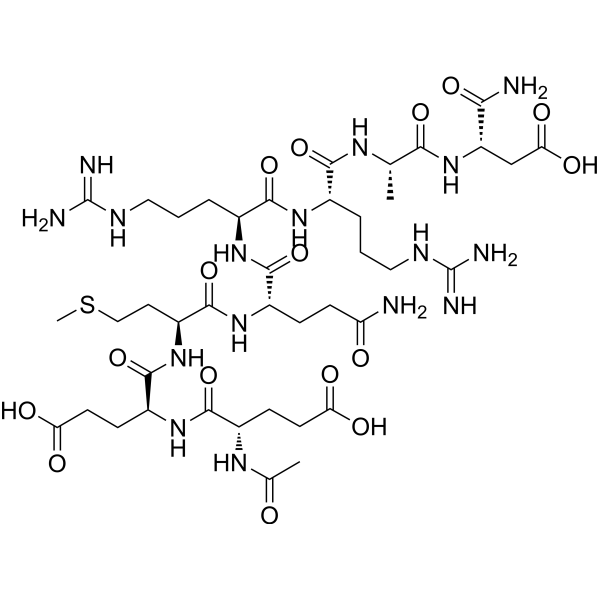
SNAP-25 (187-203), a peptide corresponding to residues 187–203 of SNAP-25, is a substrate for botulinum neurotoxin (BoNT)/A and can be used as a substrate for quantifying the activity of BoNT/C1(1-430) .
Ahx-CES is a CES peptide-linker conjugate targeting Synaptosomal associated protein 25 (SNAP25). Ahx-CES can be used for synthesis of peptide-drug conjugates with Verteporfin (HY-B0146) for cancers research .
DD04107 is a neuronal exocytosis inhibitor with a rat Syt1-C2B domain binding Ka of 2.4 μM. DD04107 interferes with synaptobrevin-syntaxin-SNAP-25 complex formation and Syt1-SNARE complex interaction to block α-calcitonin gene-related peptide (α-CGRP) exocytotic release from primary sensory neurons. DD04107 blocks inflammatory ion channel recruitment to nociceptor plasma membranes. DD04107 can be used for the research of chronic inflammatory pain, neuropathic pain, osteosarcoma pain, chemotherapy-induced peripheral neuropathy, diabetic neuropathy, inflammatory pain .
SNAP23 Protein is an essential part of the receptor for membrane fusion machinery, regulating vesicle docking and fusion. It forms homotetramers and heterotetramers with STX4 and VAMP3. It interacts with SNAPIN, SYN4, STX1A, and STX12, as well as multiple syntaxins and synaptobrevins/VAMPs. Additionally, it interacts with ZDHHC13 and ZDHHC17. SNAP23 Protein, Human is the recombinant human-derived SNAP23 protein, expressed by E. coli , with tag free.
SNAP25 is a key t-SNARE in neurotransmitter release, regulating synaptic function and plasma membrane recycling. It cooperates with CENPF to affect vesicle docking and membrane fusion. SNAP25 Protein, Human (His) is the recombinant human-derived SNAP25 protein, expressed by E. coli , with N-His labeled tag.
SNAP23 Protein is an essential part of the receptor for membrane fusion machinery, regulating vesicle docking and fusion. It forms homotetramers and heterotetramers with STX4 and VAMP3. It interacts with SNAPIN, SYN4, STX1A, and STX12, as well as multiple syntaxins and synaptobrevins/VAMPs. Additionally, it interacts with ZDHHC13 and ZDHHC17. SNAP23 Protein, Human (His, Strep) is the recombinant human-derived SNAP23 protein, expressed by E. coli , with N-Strep, N-6*His labeled tag.
SNAP-α proteins are critical in vesicle trafficking, mediating dynamic exchange between the endoplasmic reticulum and the Golgi apparatus. It cooperates with GNA12 to localize CDH5 to the plasma membrane. SNAP-alpha Protein, Human (His) is the recombinant human-derived SNAP-alpha protein, expressed by E. coli , with N-6*His labeled tag.
NAPG Protein is crucial for vesicular transport between the endoplasmic reticulum and Golgi apparatus. Its interactions with RAB11FIP5 and VTI1A indicate involvement in intricate protein networks and precise vesicle movement within the endomembrane system. NAPG's ability to engage with specific partners positions it as a central player in intracellular transport, emphasizing its importance in maintaining cellular organization and function. NAPG Protein, Human (His) is the recombinant human-derived NAPG protein, expressed by E. coli , with N-His labeled tag.
Alkyne-SNAP (compound 3) is an Alkyne-conjugated benzylguanine. The benzylguanine moiety reacts with the SNAP-tag, allowing irreversible and covalent labeling of SNAP fusion proteins with an additional alkyne functionality for further click chemistry conjugation .
Alkyne-PEG5-SNAP is a click chemistry reagent containing an alkyne group. Alkyne-PEG5-SNAP can alkyne conjugated benzylguanine (BG), the BG moiety reacts specifically and rapidly with SNAP-tag, a polypeptide protein tag, allowing irreversible and covalent labeling of SNAP fusion proteins with an additional alkyne functionality suitable for further conjugation . Alkyne-PEG5-SNAP is a click chemistry reagent, it contains an Alkyne group and can undergo copper-catalyzed azide-alkyne cycloaddition (CuAAc) with molecules containing Azide groups.
BGN3 is a good substrate for the SNAP-tag? and H 5 enzymes. The activities of SNAP-tag? and H 5 enzymes on BGN3 are reasonable (IC50= 15.6 and 23.5 μM, respectively) . BGN3 is a click chemistry reagent, it contains an Azide group and can undergo copper-catalyzed azide-alkyne cycloaddition reaction (CuAAc) with molecules containing Alkyne groups. It can also undergo strain-promoted alkyne-azide cycloaddition (SPAAC) reactions with molecules containing DBCO or BCN groups.
BGSN3 is a good substrate for the SNAP-tag? and H 5 enzymes. The activities of SNAP-tag? and H 5 enzymes on BGSN3 are reasonable (IC50=17.8 and 10 μM, respectively) . BGSN3 is a click chemistry reagent, it contains an Azide group and can undergo copper-catalyzed azide-alkyne cycloaddition reaction (CuAAc) with molecules containing Alkyne groups. It can also undergo strain-promoted alkyne-azide cycloaddition (SPAAC) reactions with molecules containing DBCO or BCN groups.
BG-Tetrazine (BG-Tz; SNAP-Tetrazine) is a SNAP tag substrate that contains a methyl tetrazine group. BG-Tetrazine can specifically covalently label the target protein of the intracellular SNAP-tag fusion. The tetrazine group it carries can rapidly and efficiently undergo a bioorthogonal reaction with functional groups such as trans cyclooctene (TCO), thereby enabling multiple labeling, functionalization or enrichment of proteins. BG-Tetrazine can be applied in click chemistry .
SNAP25 Human Pre-designed siRNA Set A contains three designed siRNAs for SNAP25 gene (Human), as well as a negative control, a positive control, and a FAM-labeled negative control.
Snap25 Rat Pre-designed siRNA Set A contains three designed siRNAs for Snap25 gene (Rat), as well as a negative control, a positive control, and a FAM-labeled negative control.
SNAP91 Human Pre-designed siRNA Set A contains three designed siRNAs for SNAP91 gene (Human), as well as a negative control, a positive control, and a FAM-labeled negative control.
Snap29 Mouse Pre-designed siRNA Set A contains three designed siRNAs for Snap29 gene (Mouse), as well as a negative control, a positive control, and a FAM-labeled negative control.
Snap25 Mouse Pre-designed siRNA Set A contains three designed siRNAs for Snap25 gene (Mouse), as well as a negative control, a positive control, and a FAM-labeled negative control.
SNAP23 Human Pre-designed siRNA Set A contains three designed siRNAs for SNAP23 gene (Human), as well as a negative control, a positive control, and a FAM-labeled negative control.
Snap29 Rat Pre-designed siRNA Set A contains three designed siRNAs for Snap29 gene (Rat), as well as a negative control, a positive control, and a FAM-labeled negative control.
SNAP29 Human Pre-designed siRNA Set A contains three designed siRNAs for SNAP29 gene (Human), as well as a negative control, a positive control, and a FAM-labeled negative control.
SNAP47 Human Pre-designed siRNA Set A contains three designed siRNAs for SNAP47 gene (Human), as well as a negative control, a positive control, and a FAM-labeled negative control.
Inquiry Online
Your information is safe with us. * Required Fields.
Western blot analysis of extracts from THP-1(lane 2(20μg), Jurkat (lane 3(20μg) and NIH3T3(lane 4(20μg) using FOXO1A (HY-P80132) Rabbit mAb. Proteins were transferred
to a PVDF membrane and blocked with 5% non-fat milk in TBST for 2 hour at room temperature. The primary antibody (1/1000) and Loading control antibody (Beta Actin, HY-P80438, 1/10000) was
used in 5% non-fat milk in TBST at 4°C overnight. Goat Anti-Mouse/Rabbit IgG-HRP Secondary Antibody (1/10000) was used for 1 hour at room temperature.
Western blot analysis of extracts from THP-1(lane 2(20μg), Jurkat (lane 3(20μg) and NIH3T3(lane 4(20μg) using FOXO1A (HY-P80132) Rabbit mAb. Proteins were transferred
to a PVDF membrane and blocked with 5% non-fat milk in TBST for 2 hour at room temperature. The primary antibody (1/1000) and Loading control antibody (Beta Actin, HY-P80438, 1/10000) was
used in 5% non-fat milk in TBST at 4°C overnight. Goat Anti-Mouse/Rabbit IgG-HRP Secondary Antibody (1/10000) was used for 1 hour at room temperature.
Western blot analysis of extracts from THP-1(lane 2(20μg), Jurkat (lane 3(20μg) and NIH3T3(lane 4(20μg) using FOXO1A (HY-P80132) Rabbit mAb. Proteins were transferred
to a PVDF membrane and blocked with 5% non-fat milk in TBST for 2 hour at room temperature. The primary antibody (1/1000) and Loading control antibody (Beta Actin, HY-P80438, 1/10000) was
used in 5% non-fat milk in TBST at 4°C overnight. Goat Anti-Mouse/Rabbit IgG-HRP Secondary Antibody (1/10000) was used for 1 hour at room temperature.
Western blot analysis of extracts from THP-1(lane 2(20μg), Jurkat (lane 3(20μg) and NIH3T3(lane 4(20μg) using FOXO1A (HY-P80132) Rabbit mAb. Proteins were transferred
to a PVDF membrane and blocked with 5% non-fat milk in TBST for 2 hour at room temperature. The primary antibody (1/1000) and Loading control antibody (Beta Actin, HY-P80438, 1/10000) was
MedchemExpress Validation 03
Western blot analysis of extracts from THP-1(lane 2(20μg), Jurkat (lane 3(20μg) and NIH3T3(lane 4(20μg) using FOXO1A (HY-P80132) Rabbit mAb. Proteins were transferred
MedchemExpress Validation 04
Western blot analysis of extracts from THP-1(lane 2(20μg), Jurkat (lane 3(20μg) and NIH3T3(lane 4(20μg) using FOXO1A (HY-P80132) Rabbit mAb. Proteins were transferred
to a PVDF membrane and blocked with 5% non-fat milk in TBST for 2 hour at room temperature. The primary antibody (1/1000) and Loading control antibody (Beta Actin, HY-P80438, 1/10000) was
used in 5% non-fat milk in TBST at 4°C overnight. Goat Anti-Mouse/Rabbit IgG-HRP Secondary Antibody (1/10000) was used for 1 hour at room temperature.
MedchemExpress Validation
Western blot analysis of extracts from THP-1(lane 2(20μg), Jurkat (lane 3(20μg) and NIH3T3(lane 4(20μg) using FOXO1A (HY-P80132) Rabbit mAb. Proteins were transferred
to a PVDF membrane and blocked with 5% non-fat milk in TBST for 2 hour at room temperature. The primary antibody (1/1000) and Loading control antibody (Beta Actin, HY-P80438, 1/10000) was
used in 5% non-fat milk in TBST at 4°C overnight. Goat Anti-Mouse/Rabbit IgG-HRP Secondary Antibody (1/10000) was used for 1 hour at room temperature.
Western blot analysis of extracts from THP-1(lane 2(20μg), Jurkat (lane 3(20μg) and NIH3T3(lane 4(20μg) using FOXO1A (HY-P80132) Rabbit mAb. Proteins were transferred
to a PVDF membrane and blocked with 5% non-fat milk in TBST for 2 hour at room temperature. The primary antibody (1/1000) and Loading control antibody (Beta Actin, HY-P80438, 1/10000) was
used in 5% non-fat milk in TBST at 4°C overnight. Goat Anti-Mouse/Rabbit IgG-HRP Secondary Antibody (1/10000) was used for 1 hour at room temperature.
MedchemExpress Validation
Western blot analysis of extracts from THP-1(lane 2(20μg), Jurkat (lane 3(20μg) and NIH3T3(lane 4(20μg) using FOXO1A (HY-P80132) Rabbit mAb. Proteins were transferred
to a PVDF membrane and blocked with 5% non-fat milk in TBST for 2 hour at room temperature. The primary antibody (1/1000) and Loading control antibody (Beta Actin, HY-P80438, 1/10000) was
used in 5% non-fat milk in TBST at 4°C overnight. Goat Anti-Mouse/Rabbit IgG-HRP Secondary Antibody (1/10000) was used for 1 hour at room temperature.
MedchemExpress Validation
Western blot analysis of extracts from THP-1(lane 2(20μg), Jurkat (lane 3(20μg) and NIH3T3(lane 4(20μg) using FOXO1A (HY-P80132) Rabbit mAb. Proteins were transferred
to a PVDF membrane and blocked with 5% non-fat milk in TBST for 2 hour at room temperature. The primary antibody (1/1000) and Loading control antibody (Beta Actin, HY-P80438, 1/10000) was
used in 5% non-fat milk in TBST at 4°C overnight. Goat Anti-Mouse/Rabbit IgG-HRP Secondary Antibody (1/10000) was used for 1 hour at room temperature.
MedchemExpress Validation
Western blot analysis of extracts from THP-1(lane 2(20μg), Jurkat (lane 3(20μg) and NIH3T3(lane 4(20μg) using FOXO1A (HY-P80132) Rabbit mAb. Proteins were transferred
to a PVDF membrane and blocked with 5% non-fat milk in TBST for 2 hour at room temperature. The primary antibody (1/1000) and Loading control antibody (Beta Actin, HY-P80438, 1/10000) was
used in 5% non-fat milk in TBST at 4°C overnight. Goat Anti-Mouse/Rabbit IgG-HRP Secondary Antibody (1/10000) was used for 1 hour at room temperature.
MedchemExpress Validation
Western blot analysis of extracts from THP-1(lane 2(20μg), Jurkat (lane 3(20μg) and NIH3T3(lane 4(20μg) using FOXO1A (HY-P80132) Rabbit mAb. Proteins were transferred
to a PVDF membrane and blocked with 5% non-fat milk in TBST for 2 hour at room temperature. The primary antibody (1/1000) and Loading control antibody (Beta Actin, HY-P80438, 1/10000) was
used in 5% non-fat milk in TBST at 4°C overnight. Goat Anti-Mouse/Rabbit IgG-HRP Secondary Antibody (1/10000) was used for 1 hour at room temperature.
MedchemExpress Validation
Western blot analysis of extracts from THP-1(lane 2(20μg), Jurkat (lane 3(20μg) and NIH3T3(lane 4(20μg) using FOXO1A (HY-P80132) Rabbit mAb. Proteins were transferred
to a PVDF membrane and blocked with 5% non-fat milk in TBST for 2 hour at room temperature. The primary antibody (1/1000) and Loading control antibody (Beta Actin, HY-P80438, 1/10000) was
used in 5% non-fat milk in TBST at 4°C overnight. Goat Anti-Mouse/Rabbit IgG-HRP Secondary Antibody (1/10000) was used for 1 hour at room temperature.
MedchemExpress Validation
Western blot analysis of extracts from THP-1(lane 2(20μg), Jurkat (lane 3(20μg) and NIH3T3(lane 4(20μg) using FOXO1A (HY-P80132) Rabbit mAb. Proteins were transferred
to a PVDF membrane and blocked with 5% non-fat milk in TBST for 2 hour at room temperature. The primary antibody (1/1000) and Loading control antibody (Beta Actin, HY-P80438, 1/10000) was
used in 5% non-fat milk in TBST at 4°C overnight. Goat Anti-Mouse/Rabbit IgG-HRP Secondary Antibody (1/10000) was used for 1 hour at room temperature.
MedChemExpress values your privacy and your trust is important to us. We use cookies to enhance your website experience. Some cookies are necessary to run the website.
Privacy and Cookie Policy

