1470 Results for "

Tumor Selectivity

" in MedChemExpress (MCE) Product Catalog:
Products (1470)

1470 Results for "Tumor Selectivity" in MCE Product Catalog:

307
307 Publications Verification
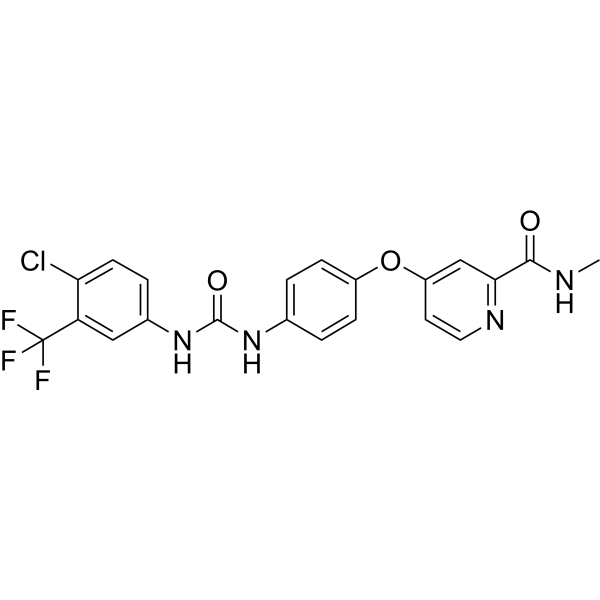
Cat. No.: HY-10201
CAS No.: 284461-73-0
Purity:  99.92%
Synonyms: Bay 43-9006
Sorafenib (Bay 43-9006) is a potent oral active multikinase inhibitor. Sorafenib blocks autophosphorylation and activity of receptor tyrosine kinases (VEGFR-2, VEGFR-3) and RAF family kinases, thereby suppressing the RAF/MEK/ERK and PI3K/Akt pathways, inhibiting STAT3 phosphorylation, and selectively inhibiting the MAPK pathway in cancer cells. Sorafenib induces cell cycle arrest, autophagy, apoptosis, and PARP cleavage, reduces Bcl-2, Bcl-XL, cyclin D1 levels, and activates Bak and Bax. Sorafenib inhibits tumor growth and metastasis in mouse and rat models. Sorafenib can be used for cancer research, such as colon, breast, non-small-cell lung cancer (NSCLC), ovarian, pancreatic, melanoma, colorectal and hepatocellular carcinoma .
loading...
    loading...
307
307 Publications Verification
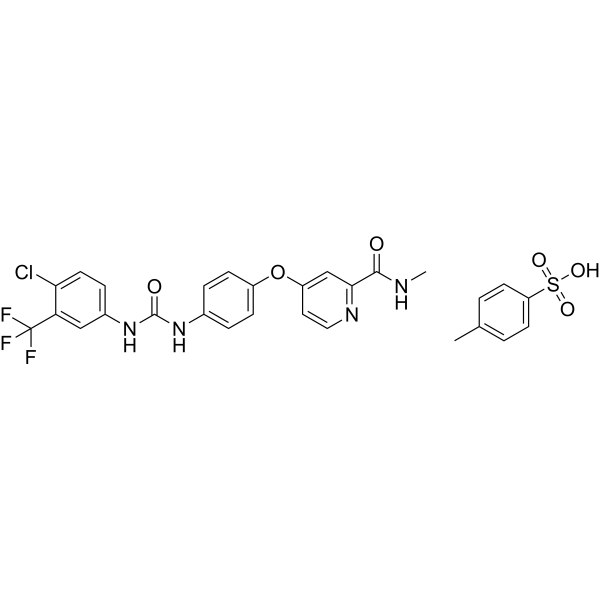
Cat. No.: HY-10201A
CAS No.: 475207-59-1
Purity:  99.75%
Synonyms: Bay 43-9006 tosylate
Sorafenib (Bay 43-9006) tosylate is a potent oral active multikinase inhibitor. Sorafenib blocks autophosphorylation and activity of receptor tyrosine kinases (VEGFR-2, VEGFR-3) and RAF family kinases, thereby suppressing the RAF/MEK/ERK and PI3K/Akt pathways, inhibiting STAT3 phosphorylation, and selectively inhibiting the MAPK pathway in cancer cells. Sorafenib tosylate induces cell cycle arrest, autophagy, apoptosis, and PARP cleavage, reduces Bcl-2, Bcl-XL, cyclin D1 levels, and activates Bak and Bax. Sorafenib tosylate inhibits tumor growth and metastasis in mouse and rat models. Sorafenib tosylate can be used for cancer research, such as colon, breast, non-small-cell lung cancer (NSCLC), ovarian, pancreatic, melanoma, colorectal and hepatocellular carcinoma .
loading...
    loading...
274
274 Cited Publications
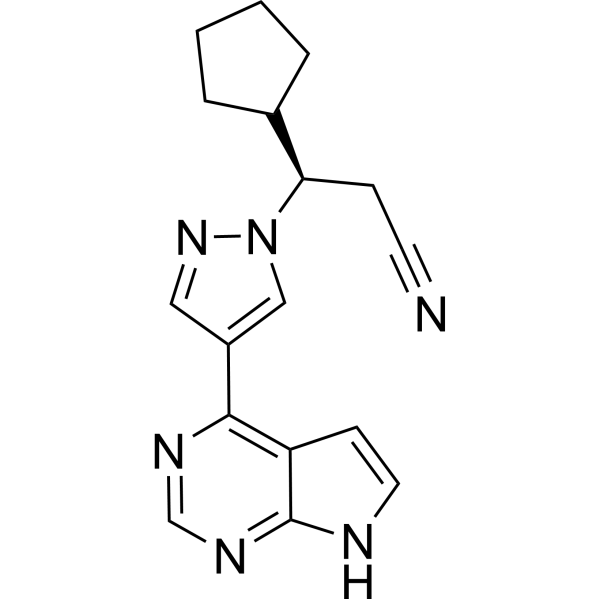
Cat. No.: HY-50856
CAS No.: 941678-49-5
Synonyms: INCB18424
Research Areas:  

Cancer

Ruxolitinib (INCB18424) is an orally active and selective JAK1/2 inhibitor with IC50s of 3.3 nM and 2.8 nM in cell-free assays, and has 130-fold selectivity for JAK1/2 over JAK3 . Ruxolitinib induces autophagy and kills tumor cells through toxic mitophagy .
loading...
    loading...
271
271 Cited Publications
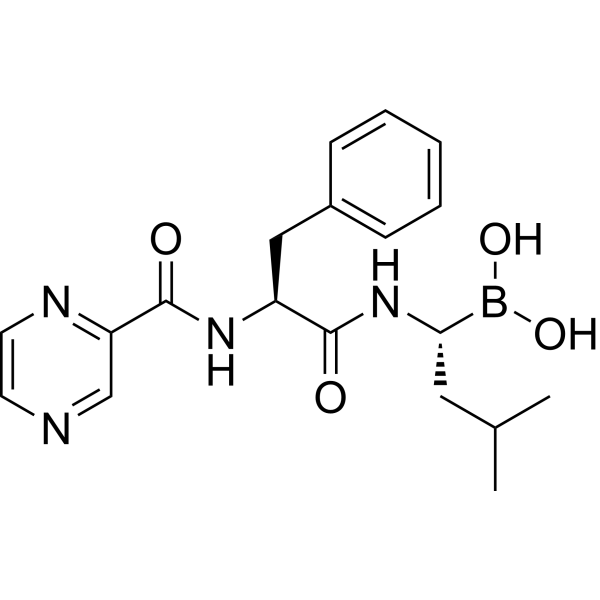
Cat. No.: HY-10227
CAS No.: 179324-69-7
Purity:  99.91%
Synonyms: PS-341; LDP-341; NSC 681239
Bortezomib (PS-341) is a reversible and selective proteasome inhibitor, and potently inhibits 20S proteasome (Ki=0.6 nM) by targeting a threonine residue. Bortezomib disrupts the cell cycle, induces apoptosis, and inhibits NF-κB. Bortezomib is the first proteasome inhibitor anticancer agent. Bortezomib can be used for the study of multiple myeloma (MM) . Bortezomib effectively inhibits TREM2 expression in tumor-associated macrophages (TAMs) .
loading...
    loading...
226
226 Cited Publications
Cat. No.: HY-10484
CAS No.: 1160295-21-5
Purity:  98.58%
Synonyms: MLN4924 hydrochloride
Research Areas:  

Cancer

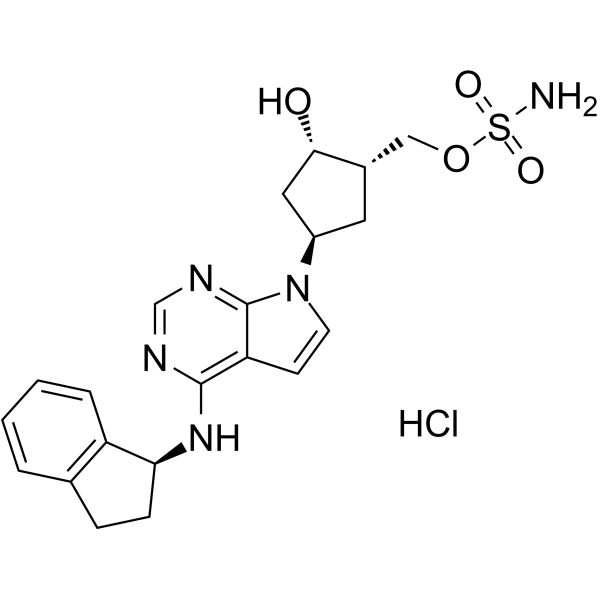
Pevonedistat (MLN4924) hydrochloride is a potent and selective NEDD8-activating enzyme (NAE) inhibitor, with an IC50 of 4.7 nM. Pevonedistat hydrochloride induces the deregulation of S-phase DNA synthesis, thereby disrupting protein turnover mediated by cullin-RING ligase, leading to apoptosis of human tumor cells. Pevonedistat hydrochloride suppresses the growth of human tumour xenografts in mice .
loading...
    loading...
226
226 Cited Publications
Cat. No.: HY-70062
CAS No.: 905579-51-3
Synonyms: MLN4924
Research Areas:  

Cancer

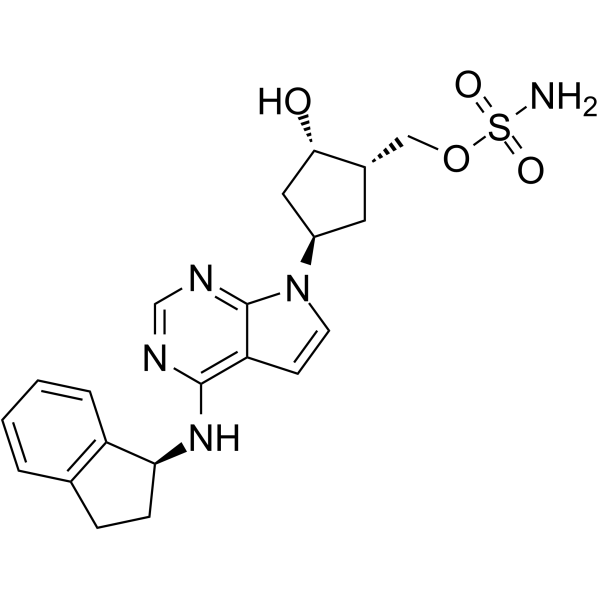
Pevonedistat (MLN4924) is a potent and selective NEDD8-activating enzyme (NAE) inhibitor with an IC50 of 4.7 nM. Pevonedistat induces the deregulation of S-phase DNA synthesis, thereby disrupting protein turnover mediated by cullin-RING ligase, leading to apoptosis of human tumor cells. Pevonedistat suppresses the growth of human tumour xenografts in mice .
loading...
    loading...
217
217 Cited Publications
Cat. No.: HY-50895
CAS No.: 184475-35-2
Synonyms: ZD1839
Target:  

EGFR Autophagy Apoptosis

Research Areas:  

Cancer

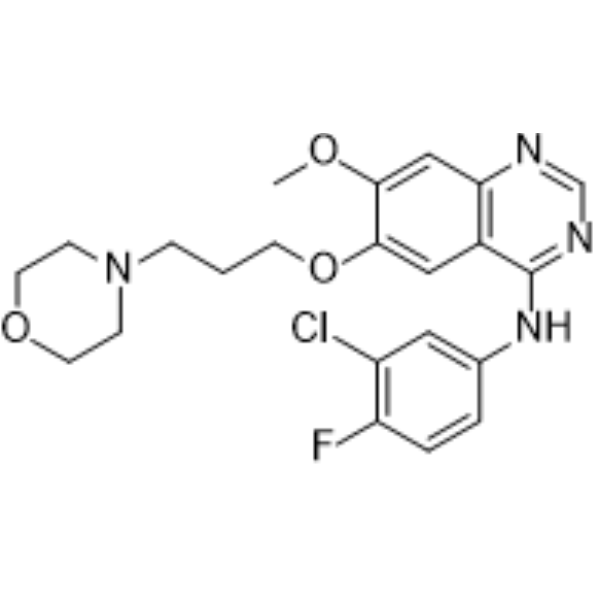
Gefitinib (ZD1839) is a potent, selective and orally active EGFR tyrosine kinase inhibitor with an IC50 of 33 nM. Gefitinib selectively inhibits EGF-stimulated tumor cell growth (IC50 of 54 nM) and that blocks EGF-stimulated EGFR autophosphorylation in tumor cells. Gefitinib also induces autophagy and cell apoptosis, which can be used for cancer related research, such as Lung cancer and breast cancer .
loading...
    loading...
217
217 Cited Publications
Cat. No.: HY-50895A
CAS No.: 184475-55-6
Synonyms: ZD-1839 hydrochloride
Target:  

EGFR

Research Areas:  

Cancer

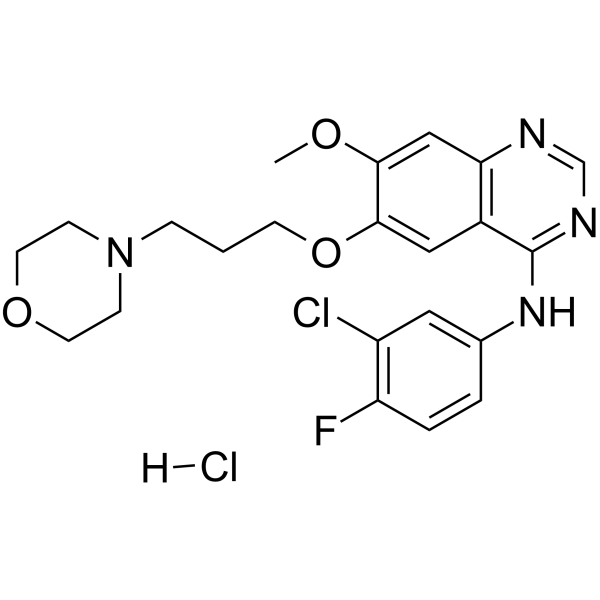
Gefitinib hydrochloride (ZD1839 hydrochloride) is a potent, selective and orally active EGFR tyrosine kinase inhibitor with an IC50 of 33 nM. Gefitinib hydrochloride selectively inhibits EGF-stimulated tumor cell growth (IC50 of 54 nM) and that blocks EGF-stimulated EGFR autophosphorylation in tumor cells. Gefitinib hydrochloride also induces autophagy. Gefitinib hydrochloride has antitumour activity .
loading...
    loading...
161
161 Cited Publications
Cat. No.: HY-16749
CAS No.: 1029044-16-3
Synonyms: PLX-3397
Target:  

c-Fms c-Kit Apoptosis

Research Areas:  

Cancer

Pexidartinib (PLX-3397) is a potent, orally active, selective, and ATP-competitive colony stimulating factor 1 receptor (CSF1R or M-CSFR) and c-Kit inhibitor, with IC50s of 20 and 10 nM, respectively. Pexidartinib (PLX-3397) exhibits 10- to 100-fold selectivity for c-Kit and CSF1R over other related kinases. Pexidartinib (PLX-3397) induces cell apoptosis and has anti-tumor activity. Pexidartinib has limited permeability to the blood-brain barrier, primarily through ABCB1 .
loading...
    loading...
159
159 Cited Publications
Cat. No.: HY-10254
CAS No.: 391210-10-9
Purity:  99.95%
Synonyms: PD0325901; PD325901
Target:  

MEK Autophagy Apoptosis

Research Areas:  

Cancer

Mirdametinib (PD0325901) is an orally active, selective and non-ATP-competitive MEK inhibitor with an IC50 of 0.33 nM. Mirdametinib exhibits a Ki app of 1 nM against activated MEK1 and MEK2. Mirdametinib suppresses the expression of p-ERK1/2 and induces apoptosis. Mirdametinib has anti-cancer activity for a broad spectrum of human tumor xenografts .
loading...
    loading...
132
132 Cited Publications
Cat. No.: HY-15244
CAS No.: 1217486-61-7
Purity:  99.88%
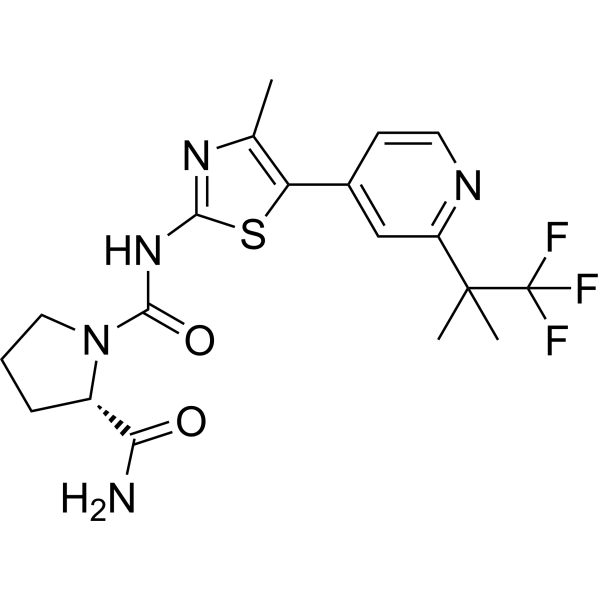
Synonyms: BYL-719
Alpelisib (BYL-719) is an orally active PI3Kα-selective inhibitor that blocks the conversion of PIP2 to PIP3, thereby inhibiting pathways including PI3K/AKT/mTOR, MAPK/ERK, Notch and JAK-STAT. Alpelisib also induces apoptosis, G0/G1 phase arrest and senescence; it significantly inhibits the proliferation, self-renewal, stemness and epithelial-mesenchymal transition (EMT) of tumor cells, reduces cancer stem cell populations and decreases the expression of stem cell markers. Alpelisib not only enhances the sensitivity to Eribulin (HY-13442) and exerts a synergistic effect with Paclitaxel (HY-B0015), but may also induce drug resistance by upregulating the SGK3/GSK3β/β-catenin signaling pathway. Alpelisib can be applied to research related to breast cancer, gastric cancer and lipomas associated with PTEN hamartoma tumor syndrome .
loading...
    loading...
132
132 Cited Publications
Cat. No.: HY-15244A
CAS No.: 1584128-91-5
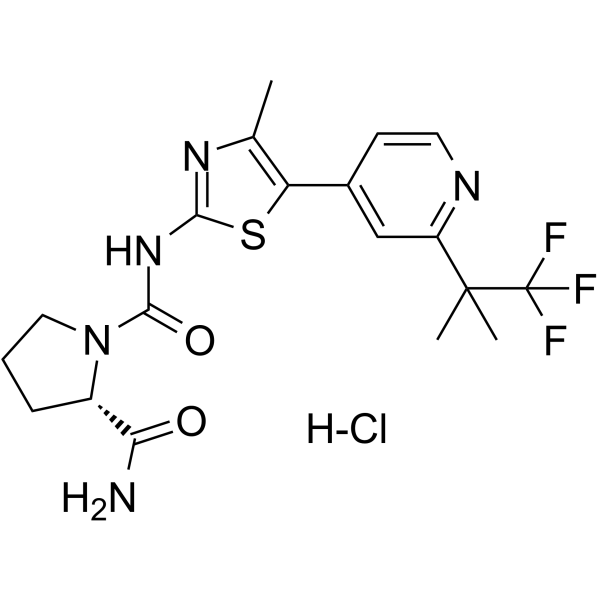
Synonyms: BYL-719 hydrochloride
Alpelisib (BYL-719) hydrochloride is an orally active PI3Kα-selective inhibitor that blocks the conversion of PIP2 to PIP3, thereby inhibiting pathways including PI3K/AKT/mTOR, MAPK/ERK, Notch and JAK-STAT. Alpelisib hydrochloride also induces apoptosis, G0/G1 phase arrest and senescence; it significantly inhibits the proliferation, self-renewal, stemness and epithelial-mesenchymal transition (EMT) of tumor cells, reduces cancer stem cell populations and decreases the expression of stem cell markers. Alpelisib hydrochloride not only enhances the sensitivity to Eribulin (HY-13442) and exerts a synergistic effect with Paclitaxel (HY-B0015), but may also induce drug resistance by upregulating the SGK3/GSK3β/β-catenin signaling pathway. Alpelisib hydrochloride can be applied to research related to breast cancer, gastric cancer and lipomas associated with PTEN hamartoma tumor syndrome .
loading...
    loading...
119
119 Cited Publications
Cat. No.: HY-10218
CAS No.: 159351-69-6
Purity:  99.85%
Synonyms: RAD001; SDZ-RAD
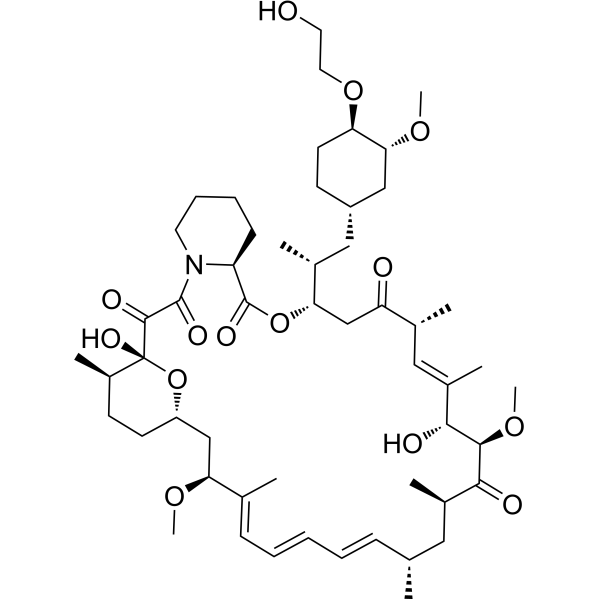
Everolimus (RAD001) is a Rapamycin (HY-10219) derivative and a potent, selective, orally active, blood-brain barrier-permeable mTOR1 inhibitor. Everolimus binds to FKBP-12 to generate an immunosuppressive complex. Everolimus inhibits tumor cells proliferation and induces cell apoptosis and autophagy. Everolimus has potent immunosuppressive and anticancer activities .
loading...
    loading...
89
89 Cited Publications
Cat. No.: HY-50878A
CAS No.: 1415560-69-8
Synonyms: PF-02341066 hydrochloride
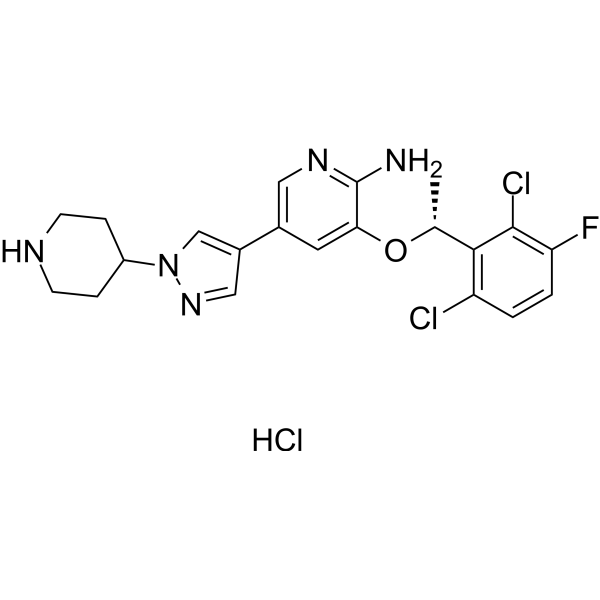
Crizotinib hydrochloride (PF-02341066 hydrochloride) is an orally bioavailable, selective, and ATP-competitive dual ALK and c-Met inhibitor with IC50s of 20 and 8 nM, respectively. Crizotinib hydrochloride (PF-02341066 hydrochloride) inhibits tyrosine phosphorylation of NPM-ALK and tyrosine phosphorylation of c-Met with IC50s of 24 and 11 nM in cell-based assays, respectively. It is also a ROS proto-oncogene 1 (ROS1) inhibitor. Crizotinib hydrochloride (PF-02341066 hydrochloride) has effective tumor growth inhibition .
loading...
    loading...
66
66 Cited Publications
Cat. No.: HY-15150
CAS No.: 1037624-75-1
Purity:  99.92%
Synonyms: R428; BGB324
Target:  

TAM Receptor

Research Areas:  

Cancer

Bemcentinib (R428) is a selective and orally active Axl inhibitor with an IC50 of 14 nM. Bemcentinib retards cancer cell migration and invasion. Bemcentinib exhibits >100-fold selectivity for Axl versus Abl and 50- and >100-fold selectivity over TAM family kinases Mer and Tyro3, respectively, in cells. Bemcentinib blocks tumor spread and prolongs survival in models of metastatic breast cancer .
loading...
    loading...
66
66 Cited Publications
Cat. No.: HY-15186
CAS No.: 1001264-89-6
Purity:  99.79%
Synonyms: GDC-0068; RG7440
Target:  

Organoid Akt Apoptosis

Research Areas:  

Cancer

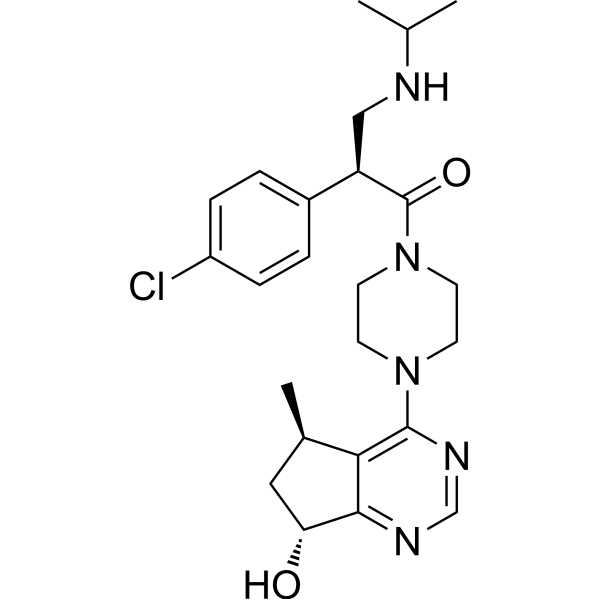
Ipatasertib (GDC-0068) is an orally active, highly selective and ATP-competitive pan-Akt inhibitor with IC50 values of 5, 18, 8 nM for Akt1/2/3, respectively. Ipatasertib synchronously activates FoxO3a and NF-κB through inhibition of Akt leading to p53-independent activation of PUMA. Ipatasertib also induces apoptosis in cancer cells and inhibits tumor growth in xenograft mouse models .
loading...
    loading...
64
64 Cited Publications
Cat. No.: HY-101120
CAS No.: 1433286-70-4
Purity:  99.74%
Research Areas:  

Cancer

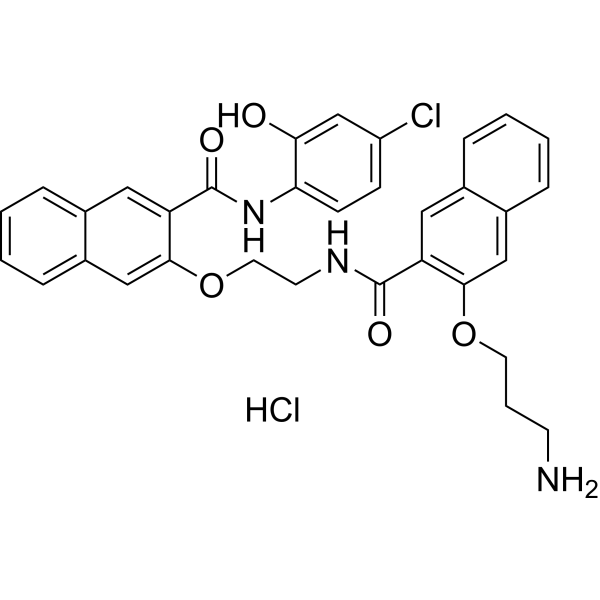
666-15 is a potent and selective CREB inhibitor with an IC50 of 81 nM. 666-15 suppresses tumor growth in a breast cancer xenograft model .
loading...
    loading...
58
58 Cited Publications
Cat. No.: HY-134813
CAS No.: 2621928-55-8
Purity:  99.97%
Target:  

Ras

Research Areas:  

Cancer

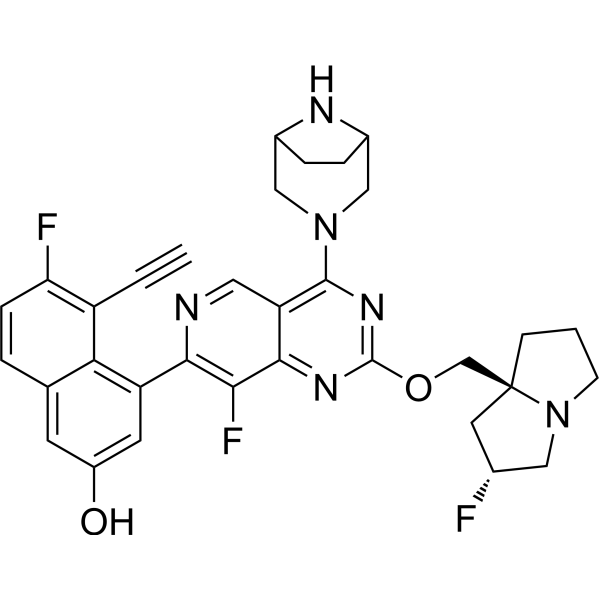
MRTX1133 is a noncovalent, potent, and selective alkyne-based KRAS G12D inhibitor. MRTX1133 optimally fills the switch II pocket and extends three substituents to favorably interact with the protein, resulting in an estimated KD against KRAS G12D of 0.2 pM. MRTX1133 prevents SOS1-catalyzed nucleotide exchange and/or formation of the KRAS G12D/GTP/RAF1 complex, thereby inhibiting mutant KRAS-dependent signal transduction. MRTX1133 selectively inhibits KRAS G12D mutant, but not KRAS wild-type, tumor cells. MRTX1133 has single digit nanomolar activity in cellular assays and marked in vivo efficacy in tumor models harboring KRAS G12D mutations .
loading...
    loading...
56
56 Cited Publications
Cat. No.: HY-120697
CAS No.: 173436-66-3
Purity:  99.77%
Target:  

Wnt β-catenin

Research Areas:  

Cancer

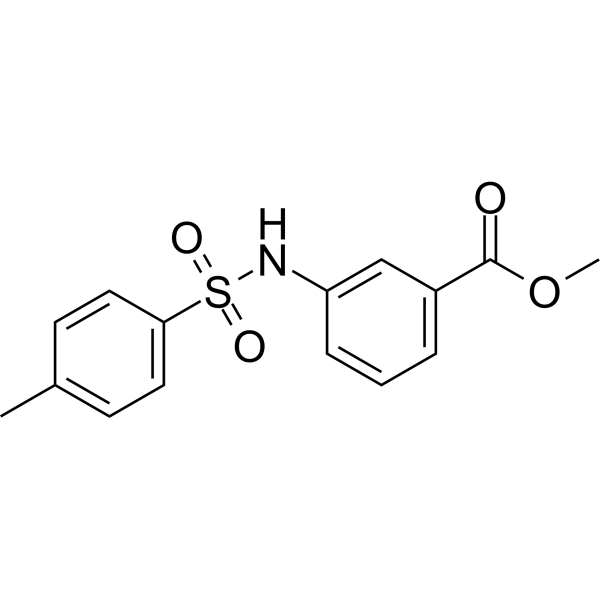
MSAB is a potent and selective inhibitor of Wnt/β-catenin signaling. MSAB binds to β-catenin and promotes its degradation, and specifically downregulates Wnt/β-catenin target genes. MSAB exhibits potent anti-tumor effects selectively on Wnt-dependent cancer cells .
loading...
    loading...
52
52 Cited Publications
Cat. No.: HY-114481
CAS No.: 1801530-11-9
Purity:  99.77%
Synonyms: IKE
Target:  

Ferroptosis

Research Areas:  

Cancer

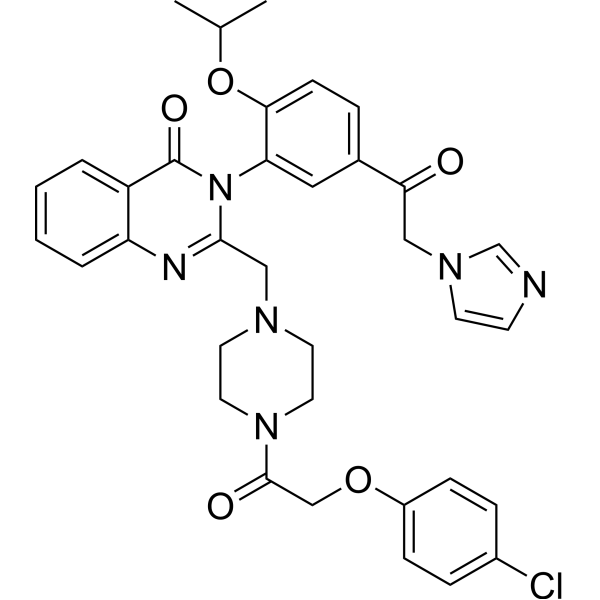
Imidazole ketone erastin is a potent, selective, and metabolically stable inhibitor of the cystine-glutamate antiporter, system xc - and an activator of ferroptosis. Imidazole ketone erastin has anti-tumor activity .
loading...
    loading...

