




From 11:00 pm to 12:00 pm EST ( 8:00 pm to 9:00 pm PST ) on January 6th, the website will be under maintenance. We are sorry for the inconvenience. Please arrange your schedule properly.
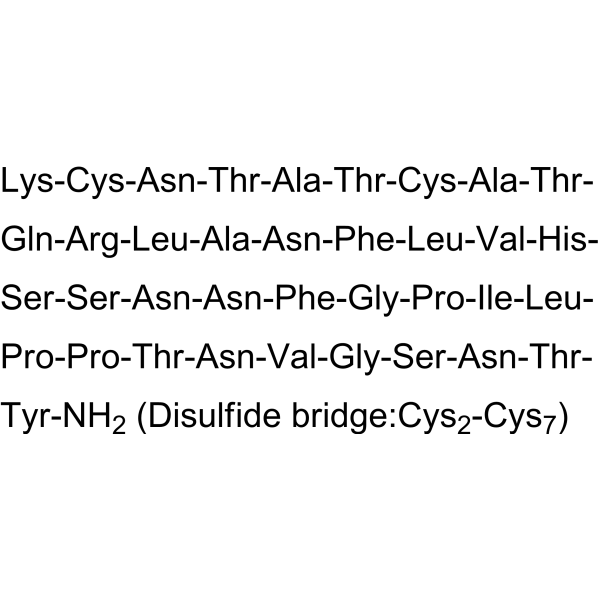
Eloralintide is an amylin receptor (AMYR) activator and long-acting peptide. Eloralintide selectively activates amylin receptors. Eloralintide is modified with a C20 fatty diacid moiety that binds to amylin receptors while retaining selectivity from calcitonin receptors. Eloralintide induces decreased appetite.Eloralintide reduces body weight. Eloralintide can be used for the research of obesity .
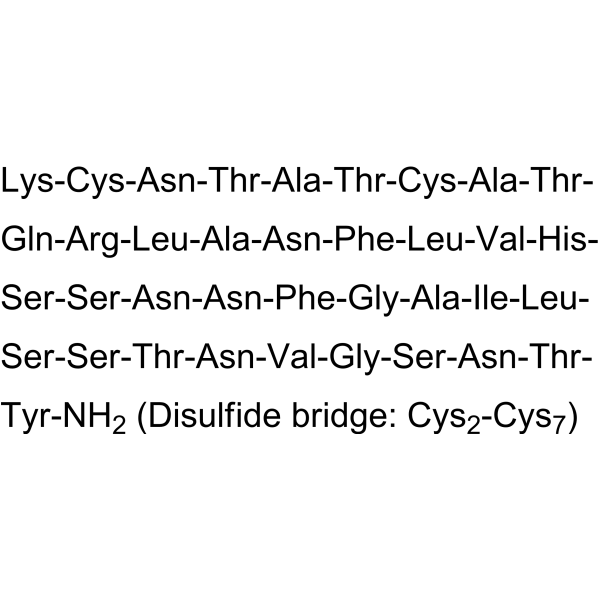
Cagrilintide is an investigational novel long-acting acylated amylin analogue, acts as nonselective amylin receptors (AMYR) and calcitonin G protein-coupled receptor (CTR) agonist. Cagrilintide induces significant weight loss and reduces food intake. Cagrilintide has the potential for the research of obesity .
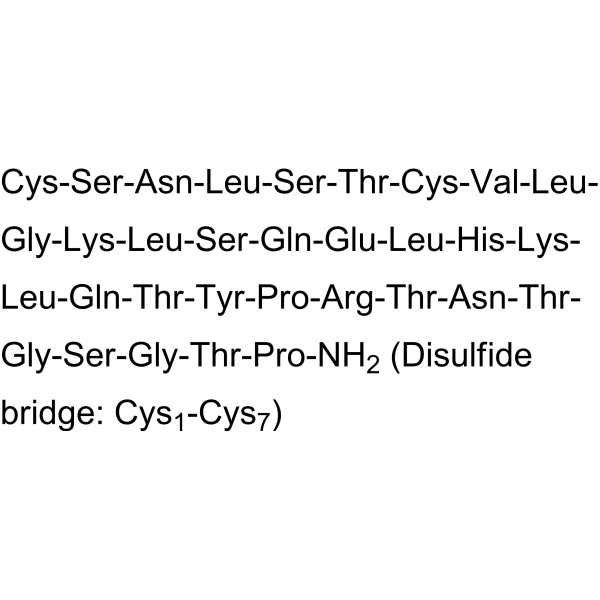
Calcitonin salmon, a calcium regulating hormone, is a dual-action amylin and calcitonin receptor agonist, could stimulate bone formation and inhibit bone resorption.
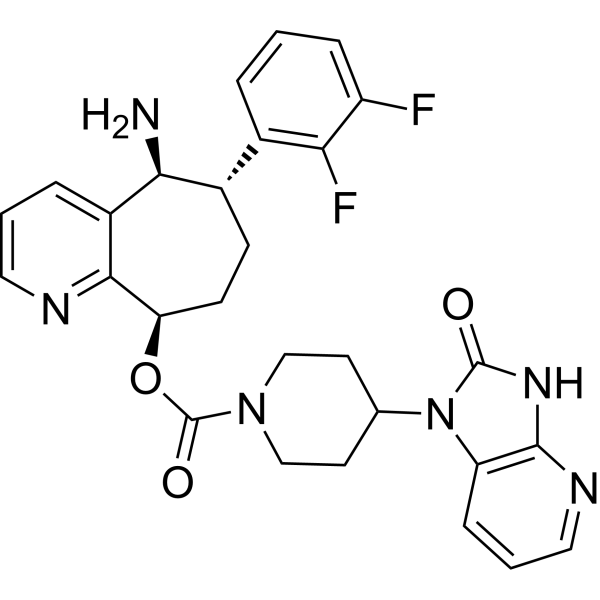
Rimegepant (BMS-927711) is an orally bioavailable and blood-brain barrier permeable antagonist of CGRP and AMY1 receptors, with a pIC50 of 8.01 and a Ki of 0.027 nM for human CGRP receptors. Rimegepant antagonizes cAMP production induced by αCGRP, βCGRP and amylin at CGRP and AMY1 receptors in humans, rats and mice, as well as at rat AMY3 receptors. Rimegepant can be used in research related to migraine .
Amylin, amide, rat is a potent and high affinity ligand of Amylin receptor AMY1 and AMY3 receptors and variably of AMY2 receptors; binding studies are generally used for the latter receptor.
AC 187 is a potent and orally active amylin receptor antagonist with an IC50 of 0.48 nM and a Ki of 0.275 nM. AC 187 shows more selective for amylin receptor than calcitonin and CGRP receptors. AC 187 has neuroprotective effects .
Petrelintide (ZP8396) is a dual amylin and calcitonin receptor agonist (DACRA) Petrelintide elicits a selective reduction in high-fat diet intake in diet-induced obese (DIO) rats, which is accompanied by a loss of fat mass and preservation of lean mass during weight reduction. Petrelintide can be utilized in diabetes research .
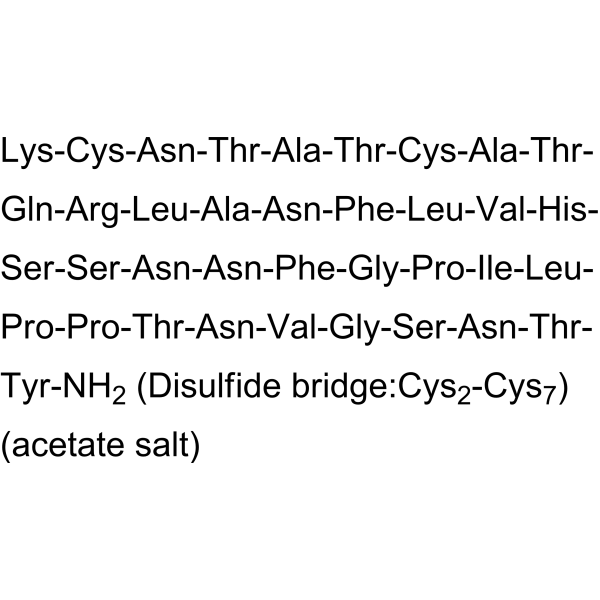
Eloralintide sodium is an Amylin Receptor agonist. Eloralintide sodium selectively activates AMY1R and AMY3R in cells expressing human or rat AMY1R, AMY3R or CTR. Eloralintide sodium activates AMYRs and CTR in rats, inducing a sustained decrease in plasma Ca 2+ levels. Eloralintide sodium reduces appetite and body weight in both lean and obese rats. Eloralintide sodium can be used for research related to obesity .
Zenagamtide (Amycretin; NN 9487) sodium is an orally active, blood-brain barrier permeable triple agonist that targets GLP-1, amylin(Amylin Receptor) and calcitonin receptor (Calcitonin Receptor). Zenagamtide sodium is a single peptide consisting of 68 amino acids that can target brain regions regulating food intake, significantly suppress appetite and reduce energy intake. Therefore, Zenagamtide sodium improves body weight, waist circumference, glycated hemoglobin and lipid profile, and also alleviates the histological features of metabolic dysfunction-associated steatotic liver disease (MASLD) and enhances insulin sensitivity. Zenagamtide sodium may cause transient increases in heart rate and fluctuations in serum calcium levels, but it is an important compound for the study of overweight, obesity, insulin resistance and related metabolic diseases .
Perelintide (ZP8396) acetate is a dual amylin and calcitonin receptor agonist (DACRA). Perelintide acetate elicits a selective reduction in high-fat diet intake in diet-induced obese (DIO) rats, which is accompanied by a loss of fat mass and preservation of lean mass during weight reduction. Perelintide acetate can be utilized in diabetes research .
NN1213 acetate, a long-acting human amylin peptide analog, is a selective Amylin receptor agonist with EC50 values of 0.177 and 0.262 nM for hAMY3R and rAMY3R, respectively. NN1213 acetate significantly reduces food intake and fat mass. NN1213 acetate can reduce body weightin diet-induced obese rats. NN1213 acetate can be used for the research of obesity .
Amylin, amide, human TFA, a 37-amino acid polypeptide, is a pancreatic hormone cosecreted with insulin that exerts unique roles in metabolism and glucose homeostasis. Amylin, amide, human TFA inhibits glucagon secretion, delays gastric emptying, and acts as a satiety agent .
Colulintide (LY3541105) is an amylin-calcitonin dual receptor agonist with Amylin as its scaffold. Colulintide is applicable to research related to type 2 diabetes and obesity .
Amylin, amide, human, a 37-amino acid polypeptide, is a pancreatic hormone cosecreted with insulin that exerts unique roles in metabolism and glucose homeostasis. Amylin, amide, human inhibits glucagon secretion, delays gastric emptying, and acts as a satiety agent .
Calcitonin (8-32), salmon is a highly selective Amylin receptor antagonist. Calcitonin (8-32), salmon reverses the Amylin-mediated inhibition of glucose-induced insulin release, but has no effect on either glucagon release or somatostatin release. Calcitonin (8-32), salmon can be used for studies related to β-cell amylin .
Zenagamtide (Amycretin; NN 9487) is an orally active, blood-brain barrier permeable triple agonist that targets GLP-1, amylin(Amylin Receptor) and calcitonin receptor (Calcitonin Receptor). Zenagamtide is a single peptide consisting of 68 amino acids that can target brain regions regulating food intake, significantly suppress appetite and reduce energy intake. Therefore, Zenagamtide improves body weight, waist circumference, glycated hemoglobin and lipid profile, and also alleviates the histological features of metabolic dysfunction-associated steatotic liver disease (MASLD) and enhances insulin sensitivity. Zenagamtide may cause transient increases in heart rate and fluctuations in serum calcium levels, but it is an important compound for the study of overweight, obesity, insulin resistance and related metabolic diseases .
Kp7-6 is a Fas mimetic peptide and also a Fas/FasL antagonist. Kp7-6 specifically binds to Fas and FasL, disrupts receptor complexes, and blocks downstream apoptosis signaling pathways. Kp7-6 inhibits the phosphorylation of ERK1-2, induces the phosphorylation of IκBα, and activates NF-κB. Kp7-6 inhibits the activation of caspase-8, caspase-3 and JNK, and suppresses human amylin-induced β-cell apoptosis. Kp7-6 inhibits FasL-induced lymphoid cytotoxicity and apoptosis. Kp7-6 reduces local tumor FasL expression, increases CD8 +Fas + T cell infiltration, and decreases tumor volume in pancreatic neuroendocrine tumor models. Kp7-6 prevents concanavalin A-induced liver injury in mice. Kp7-6 is applicable to research related to type 2 diabetes, concanavalin A-induced hepatitis and pancreatic neuroendocrine tumors .
NN1213, a long-acting human amylin peptide analog, is a selective Amylin receptor agonist with EC50 values of 0.177 and 0.262 nM for hAMY3R and rAMY3R, respectively. NN1213 significantly reduces food intake and fat mass. NN1213 can reduce body weightin diet-induced obese rats. NN1213 can be used for the research of obesity .
6bK TFA is a selective insulin-degrading enzyme (IDE) inhibitor with an IC50 of 50 nM. 6bK TFA binds to the distal pocket of IDE, thereby blocking substrate binding, peptide unfolding and cleavage processes, and reducing the degradation of insulin, glucagon and amylin. 6bK TFA improves oral glucose tolerance but impairs intraperitoneal glucose tolerance. 6bK TFA can be used in research related to type 2 diabetes .
Biotinyl-Amylin (mouse, rat) is a biotinylated Amylin (mouse, rat). Amylin (mouse, rat) is a 37-aminoacid pancreatic protein that exerts control over several metabolic events such as glycemia and lacticemia .
AC 187 TFA is a potent and orally active amylin receptor antagonist with an IC50 of 0.48 nM and a Ki of 0.275 nM. AC 187 TFA shows more selective for amylin receptor than calcitonin and CGRP receptors. AC 187 TFA has neuroprotective effects .
Amylin (8-37), rat is a truncated analog of native Amylin that selectively inhibits insulin-related glucose uptake and glycogen deposition in muscle tissue. Amylin (8-37), rat is a weak amylin receptor (AMY) antagonist.
Amylin (1-13) (human) is a fragment and a residues within amyloid cores of Amylin (human IAPP). Amylin is a glucose-regulating hormone, deposits as amyloid fibrils in condition of type II diabetes (T2D). Amylin (1-13) (human) has no effect on firbl formation, as it cannot form fibrils by itself .
Davalintide is an Amylin (HY-P1464)-mimetic peptide with greater potency and longer-lasting effects. Davalintide is a potent agonist of amylin receptor (IC50 = 0.04 nM), calcitonin receptor (IC50 = 0.06 nM) and calcitonin related peptide receptor (CGRP receptor) (IC50 = 3.1 nM). Davalintide shows stronger potency to Amylin to activate cyclic AMP production through the calcitonin receptor (EC50 = 1.4 nM). Davalintide regulates blood sugar and weight through various mechanisms such as delaying gastric emptying, inhibiting glucagon secretion, and reducing food intake. Davalintide can be used for the studies of anti-obesity and anti-diabetes .
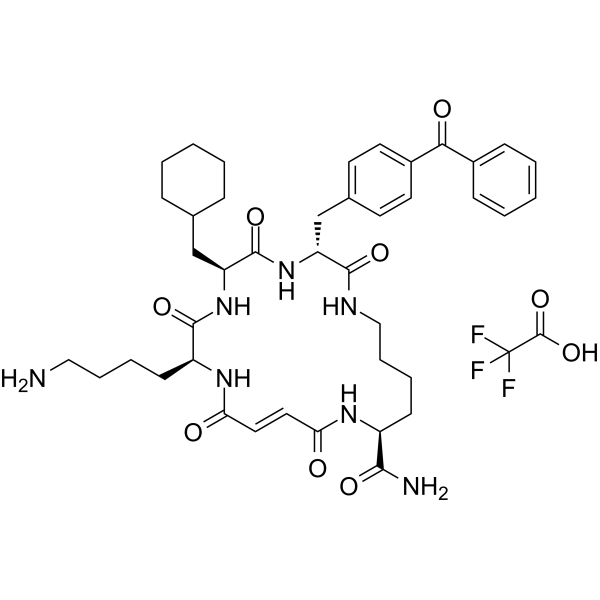
Cyclic AC253 is an antagonist for amylin receptor, with IC50 of 0.3 μM. Cyclic AC253 exhibits neuroprotective efficacy against Aβ toxicity and abrogates Aβ-induced impairment of hippocampal long-term potentiation. Cyclic AC253 penetrate blood-brain barrier (BBB) .
MK-8825 is an orally active, selective CGRP receptor antagonist with a Ki value of 47 pM for human CGRP receptors and 17 nM for rat CGRP receptors. MK-8825 blocks CGRP-stimulated cAMP responses and exhibits competitive-like antagonism. MK-8825 can be used in the research of migraine and temporomandibular joint disorders .
Amylin (8-37) (human) (hIAPP (8-37)) is a 8-37 fragment of human islet amyloid polypeptide (IAPP). The duplex folding structure in the Amylin (8-37) (human) assembly has a hairpin structure .
Amylin (8-37), human is a fragment of human Amylin. Amylin (8-37), human has direct vasodilator effects in the isolated mesenteric resistance artery of the rat. Human Amylin is a small hormone secreted by pancreatic β-cells that forms aggregates under insulin deficiency metabolic conditions, and it constitutes a pathological hallmark of type II diabetes mellitus .
Amylin (IAPP), feline TFA is a 37-amino acid polypeptide from feline. Amylin (IAPP), feline TFA is one of the major secretory products of β-cells of the pancreatic islets. Amylin (IAPP), feline TFA is a regulatory peptide, which inhibits insulin and glucagon secretion .
Biotinyl-Amylin (human) is a biotin-labeled derivative of Amylin, amide, human (HY-P1070). Biotinyl-Amylin (human) acts as a competitive agonist for the Calcitonin Receptor (CTR) and for the Amylin receptors (AMY1, AMY2, and AMY3) formed by the association of CTR with RAMP1/2/3. By mimicking endogenous human amylin, Biotinyl-Amylin (human) binds to and activates CTR and AMY receptors, thereby initiating downstream signaling pathways involving cAMP, CREB, and ERK1/2, while retaining high-affinity receptor binding and activation capabilities. Biotinyl-Amylin (human) is primarily utilized in studies investigating the metabolic regulatory mechanisms underlying obesity and diabetes; it is also applicable to pharmacological research, receptor localization studies, and ligand-binding assays related to Amylin receptors in the context of Alzheimer's disease .
Amylin (IAPP), feline is a 37-amino acid polypeptide from feline. Amylin (IAPP), feline is one of the major secretory products of β-cells of the pancreatic islets. Amylin (IAPP), feline is a regulatory peptide, which inhibits insulin and glucagon secretion .
Biotinyl-Amylin (mouse, rat) TFA is a biotinylated Amylin (mouse, rat). Amylin (mouse, rat) is a 37-aminoacid pancreatic protein that exerts control over several metabolic events such as glycemia and lacticemia .
Calcitonin (salmon) (acetate) is a dual-action amylin and calcitonin receptor agonist, can stimulate bone formation and inhibit bone resorption .The acetate form can affect the absorption and efficacy of hormones .
Amylin (20-29) (human) is the fragment of human islet amyloid polypeptide (hIAPP) or Amylin. Amylin is a 37-residue hormone. Amylin (20-29) (human) is responsible for the amyloidogenic propensities of the full length protein. Amylin (20-29) (human) can be transformed into its corresponding peptoid and retropeptoid sequences, to obtain beta-sheet breaker peptides as amyloid inhibitors .
Calcitonin- 13C6, 15N4 (salmon) (Salmon calcitonin- 13C6, 15N4) TFA is 13C and 15N-labeled Calcitonin (salmon) (HY-P0090). Calcitonin (salmon) , a calcium regulating hormone, is a dual-action amylin and calcitonin receptor agonist, could stimulate bone formation and inhibit bone resorption .
Pramlintide-(Ala- 13C3, 15N) is the 13C- and 15N-labeled Pramlintide. Pramlintide is a polypeptide analogue of human amylin. Pramlintide, an antidiabetic agent, is antineoplastic in colorectal cancer .
Amylin agonist 1 (Example 239a) is a receptor 3 for pancreatic amyloid peptide (bAMY3R) agonist, and its EC50 for stimulating cAMP production in cells is 6.17 nM. Amylin agonist 1 is also a receptor for calcitonin (bCTR) agonist, with its EC50 being 8.58 nM. Amylin agonist 1 can be used for research on type 2 diabetes and obesity .
cSPM (Cyclic spermine) is a Aβ42 inhibitor. cSPM could suppress the aggregation of three different peptides, Aβ42, amylin and insulin, and decreases cytotoxicity .
San45 is a nonselective dual amylin and calcitonin receptor agonist (DACRA) with nonselective potency relative to calcitonin receptor (CTR) and amylin 1 receptor (AMY₁R), and acts as a stabilizer of receptor-ligand complex and prolonged activator of cAMP signaling. San45 carries a conjugated lipid modification that can be used for the research of obesity .
BGM1812 is a dual agonist of amylin (hAMY3R) (EC50 = 0.627 nM) and CGRP Receptor (hCTR) (EC50 = 2.27 nM). BGM1812 achieves weight loss, increases the proportion of lean body mass, and reduces fat mass in diet-induced obese (DIO) rats. BGM1812 is applicable to research related to obesity .
UDA-6 is a potent calcitonin and amylin receptor agonist (DACRA). UDA-6 induces weight loss, improves metabolic and hepatic parameters, and stabilizes active receptor states in obesity rats. UDA-6 can be used for the research of obesity .
TPM004 is an ultralong-acting, nonaggregating dual amylin (AMY3R) and calcitonin receptor (CTR) agonist with EC50 values of 0.5 and 0.7 pM. TPM004 induces weight loss, attenuates adiposity rebound, lowers glucose, and improves glucose homeostasis. TPM004 can be used for the research of obesity, diabetes .
KBP-042 is an orally active amylin receptor activator, a calcitonin receptor activator. KBP-042 induces sustained weight loss, reduces adipose tissue mass, lowers hepatic lipid deposition, increases plasma adiponectin, decreases plasma leptin, and reduces plasma glucose-dependent insulinotropic peptide levels. KBP-042 can be used for the research of obesity and insulin resistance .
AMYR/CTR agonist 1 (Compound 195) is a pancreatic amylin receptor and calcitonin receptor (AMYR/CTR) agonist with EC50 values for pancreatic amylin receptor and calcitonin receptor cAMP of 99.5 and 6.16 pM respectively. AMYR/CTR agonist 1 can be used in the research of diseases such as type 2 diabetes and obesity .
KBP-066A is a long-acting dual amylin and calcitonin receptor agonist. KBP-066A can activate the CTR and AMY-R potently, with no off-target activity. KBP-066A reduces fasting blood glucose levels, fasting insulin levels, and body weight in diabetic rat models. KBP-066A can be used for the research of type 2 diabetes mellitus, obesity .
KBP-089 is a dual Amylin and Calcitonin Receptor agonist. KBP-089 reduces body weight, decreases adipose tissue mass and improves glucose tolerance in obese rats. KBP-089 also eliminates lipid accumulation in the liver and muscle, and ameliorates glycemic homeostasis and insulin sensitivity. KBP-089 is applicable to the research of diseases such as obesity and type 2 diabetes .
KBP-336 is a dual amylin and calcitonin receptor agonist (DACRA). KBP-336 exhibits antidiabetic and insulin-sensitizing properties, improves glucose levels, spatial learning, and memory in diabetic rats, and reduces blood glucose. KBP-336 also alleviates pain-like symptoms in osteoarthritis rats. KBP-336 also promotes weight and fat reduction. KBP-336 is useful for research on diabetes, obesity, and arthritis .
Eloralintide is an amylin receptor (AMYR) activator and long-acting peptide. Eloralintide selectively activates amylin receptors. Eloralintide is modified with a C20 fatty diacid moiety that binds to amylin receptors while retaining selectivity from calcitonin receptors. Eloralintide induces decreased appetite.Eloralintide reduces body weight. Eloralintide can be used for the research of obesity .
Cagrilintide is an investigational novel long-acting acylated amylin analogue, acts as nonselective amylin receptors (AMYR) and calcitonin G protein-coupled receptor (CTR) agonist. Cagrilintide induces significant weight loss and reduces food intake. Cagrilintide has the potential for the research of obesity .
Calcitonin salmon, a calcium regulating hormone, is a dual-action amylin and calcitonin receptor agonist, could stimulate bone formation and inhibit bone resorption.
Amylin, amide, rat is a potent and high affinity ligand of Amylin receptor AMY1 and AMY3 receptors and variably of AMY2 receptors; binding studies are generally used for the latter receptor.
AC 187 is a potent and orally active amylin receptor antagonist with an IC50 of 0.48 nM and a Ki of 0.275 nM. AC 187 shows more selective for amylin receptor than calcitonin and CGRP receptors. AC 187 has neuroprotective effects .
Petrelintide (ZP8396) is a dual amylin and calcitonin receptor agonist (DACRA) Petrelintide elicits a selective reduction in high-fat diet intake in diet-induced obese (DIO) rats, which is accompanied by a loss of fat mass and preservation of lean mass during weight reduction. Petrelintide can be utilized in diabetes research .
Eloralintide sodium is an Amylin Receptor agonist. Eloralintide sodium selectively activates AMY1R and AMY3R in cells expressing human or rat AMY1R, AMY3R or CTR. Eloralintide sodium activates AMYRs and CTR in rats, inducing a sustained decrease in plasma Ca 2+ levels. Eloralintide sodium reduces appetite and body weight in both lean and obese rats. Eloralintide sodium can be used for research related to obesity .
Zenagamtide (Amycretin; NN 9487) sodium is an orally active, blood-brain barrier permeable triple agonist that targets GLP-1, amylin(Amylin Receptor) and calcitonin receptor (Calcitonin Receptor). Zenagamtide sodium is a single peptide consisting of 68 amino acids that can target brain regions regulating food intake, significantly suppress appetite and reduce energy intake. Therefore, Zenagamtide sodium improves body weight, waist circumference, glycated hemoglobin and lipid profile, and also alleviates the histological features of metabolic dysfunction-associated steatotic liver disease (MASLD) and enhances insulin sensitivity. Zenagamtide sodium may cause transient increases in heart rate and fluctuations in serum calcium levels, but it is an important compound for the study of overweight, obesity, insulin resistance and related metabolic diseases .
Perelintide (ZP8396) acetate is a dual amylin and calcitonin receptor agonist (DACRA). Perelintide acetate elicits a selective reduction in high-fat diet intake in diet-induced obese (DIO) rats, which is accompanied by a loss of fat mass and preservation of lean mass during weight reduction. Perelintide acetate can be utilized in diabetes research .
NN1213 acetate, a long-acting human amylin peptide analog, is a selective Amylin receptor agonist with EC50 values of 0.177 and 0.262 nM for hAMY3R and rAMY3R, respectively. NN1213 acetate significantly reduces food intake and fat mass. NN1213 acetate can reduce body weightin diet-induced obese rats. NN1213 acetate can be used for the research of obesity .
Amylin, amide, human TFA, a 37-amino acid polypeptide, is a pancreatic hormone cosecreted with insulin that exerts unique roles in metabolism and glucose homeostasis. Amylin, amide, human TFA inhibits glucagon secretion, delays gastric emptying, and acts as a satiety agent .
Colulintide (LY3541105) is an amylin-calcitonin dual receptor agonist with Amylin as its scaffold. Colulintide is applicable to research related to type 2 diabetes and obesity .
Amylin, amide, human, a 37-amino acid polypeptide, is a pancreatic hormone cosecreted with insulin that exerts unique roles in metabolism and glucose homeostasis. Amylin, amide, human inhibits glucagon secretion, delays gastric emptying, and acts as a satiety agent .
Calcitonin (8-32), salmon is a highly selective Amylin receptor antagonist. Calcitonin (8-32), salmon reverses the Amylin-mediated inhibition of glucose-induced insulin release, but has no effect on either glucagon release or somatostatin release. Calcitonin (8-32), salmon can be used for studies related to β-cell amylin .
Zenagamtide (Amycretin; NN 9487) is an orally active, blood-brain barrier permeable triple agonist that targets GLP-1, amylin(Amylin Receptor) and calcitonin receptor (Calcitonin Receptor). Zenagamtide is a single peptide consisting of 68 amino acids that can target brain regions regulating food intake, significantly suppress appetite and reduce energy intake. Therefore, Zenagamtide improves body weight, waist circumference, glycated hemoglobin and lipid profile, and also alleviates the histological features of metabolic dysfunction-associated steatotic liver disease (MASLD) and enhances insulin sensitivity. Zenagamtide may cause transient increases in heart rate and fluctuations in serum calcium levels, but it is an important compound for the study of overweight, obesity, insulin resistance and related metabolic diseases .
Kp7-6 is a Fas mimetic peptide and also a Fas/FasL antagonist. Kp7-6 specifically binds to Fas and FasL, disrupts receptor complexes, and blocks downstream apoptosis signaling pathways. Kp7-6 inhibits the phosphorylation of ERK1-2, induces the phosphorylation of IκBα, and activates NF-κB. Kp7-6 inhibits the activation of caspase-8, caspase-3 and JNK, and suppresses human amylin-induced β-cell apoptosis. Kp7-6 inhibits FasL-induced lymphoid cytotoxicity and apoptosis. Kp7-6 reduces local tumor FasL expression, increases CD8 +Fas + T cell infiltration, and decreases tumor volume in pancreatic neuroendocrine tumor models. Kp7-6 prevents concanavalin A-induced liver injury in mice. Kp7-6 is applicable to research related to type 2 diabetes, concanavalin A-induced hepatitis and pancreatic neuroendocrine tumors .
NN1213, a long-acting human amylin peptide analog, is a selective Amylin receptor agonist with EC50 values of 0.177 and 0.262 nM for hAMY3R and rAMY3R, respectively. NN1213 significantly reduces food intake and fat mass. NN1213 can reduce body weightin diet-induced obese rats. NN1213 can be used for the research of obesity .
Biotinyl-Amylin (mouse, rat) is a biotinylated Amylin (mouse, rat). Amylin (mouse, rat) is a 37-aminoacid pancreatic protein that exerts control over several metabolic events such as glycemia and lacticemia .
AC 187 TFA is a potent and orally active amylin receptor antagonist with an IC50 of 0.48 nM and a Ki of 0.275 nM. AC 187 TFA shows more selective for amylin receptor than calcitonin and CGRP receptors. AC 187 TFA has neuroprotective effects .
Amylin (8-37), rat is a truncated analog of native Amylin that selectively inhibits insulin-related glucose uptake and glycogen deposition in muscle tissue. Amylin (8-37), rat is a weak amylin receptor (AMY) antagonist.
Amylin (1-13) (human) is a fragment and a residues within amyloid cores of Amylin (human IAPP). Amylin is a glucose-regulating hormone, deposits as amyloid fibrils in condition of type II diabetes (T2D). Amylin (1-13) (human) has no effect on firbl formation, as it cannot form fibrils by itself .
5-FAM-Amylin (human) is a polypeptide that can be found by peptide screening. Peptide screening is a research tool that pools active peptides primarily by immunoassay. Peptide screening can be used for protein interaction, functional analysis, epitope screening, especially in the field of agent research and development .
Davalintide is an Amylin (HY-P1464)-mimetic peptide with greater potency and longer-lasting effects. Davalintide is a potent agonist of amylin receptor (IC50 = 0.04 nM), calcitonin receptor (IC50 = 0.06 nM) and calcitonin related peptide receptor (CGRP receptor) (IC50 = 3.1 nM). Davalintide shows stronger potency to Amylin to activate cyclic AMP production through the calcitonin receptor (EC50 = 1.4 nM). Davalintide regulates blood sugar and weight through various mechanisms such as delaying gastric emptying, inhibiting glucagon secretion, and reducing food intake. Davalintide can be used for the studies of anti-obesity and anti-diabetes .
Cyclic AC253 is an antagonist for amylin receptor, with IC50 of 0.3 μM. Cyclic AC253 exhibits neuroprotective efficacy against Aβ toxicity and abrogates Aβ-induced impairment of hippocampal long-term potentiation. Cyclic AC253 penetrate blood-brain barrier (BBB) .
Amylin (8-37) (human) (hIAPP (8-37)) is a 8-37 fragment of human islet amyloid polypeptide (IAPP). The duplex folding structure in the Amylin (8-37) (human) assembly has a hairpin structure .
Amylin (8-37), human is a fragment of human Amylin. Amylin (8-37), human has direct vasodilator effects in the isolated mesenteric resistance artery of the rat. Human Amylin is a small hormone secreted by pancreatic β-cells that forms aggregates under insulin deficiency metabolic conditions, and it constitutes a pathological hallmark of type II diabetes mellitus .
Amylin (IAPP), feline TFA is a 37-amino acid polypeptide from feline. Amylin (IAPP), feline TFA is one of the major secretory products of β-cells of the pancreatic islets. Amylin (IAPP), feline TFA is a regulatory peptide, which inhibits insulin and glucagon secretion .
Biotinyl-Amylin (human) is a biotin-labeled derivative of Amylin, amide, human (HY-P1070). Biotinyl-Amylin (human) acts as a competitive agonist for the Calcitonin Receptor (CTR) and for the Amylin receptors (AMY1, AMY2, and AMY3) formed by the association of CTR with RAMP1/2/3. By mimicking endogenous human amylin, Biotinyl-Amylin (human) binds to and activates CTR and AMY receptors, thereby initiating downstream signaling pathways involving cAMP, CREB, and ERK1/2, while retaining high-affinity receptor binding and activation capabilities. Biotinyl-Amylin (human) is primarily utilized in studies investigating the metabolic regulatory mechanisms underlying obesity and diabetes; it is also applicable to pharmacological research, receptor localization studies, and ligand-binding assays related to Amylin receptors in the context of Alzheimer's disease .
Amylin (IAPP), feline is a 37-amino acid polypeptide from feline. Amylin (IAPP), feline is one of the major secretory products of β-cells of the pancreatic islets. Amylin (IAPP), feline is a regulatory peptide, which inhibits insulin and glucagon secretion .
Biotinyl-Amylin (mouse, rat) TFA is a biotinylated Amylin (mouse, rat). Amylin (mouse, rat) is a 37-aminoacid pancreatic protein that exerts control over several metabolic events such as glycemia and lacticemia .
Calcitonin (salmon) (acetate) is a dual-action amylin and calcitonin receptor agonist, can stimulate bone formation and inhibit bone resorption .The acetate form can affect the absorption and efficacy of hormones .
Amylin (20-29) (human) is the fragment of human islet amyloid polypeptide (hIAPP) or Amylin. Amylin is a 37-residue hormone. Amylin (20-29) (human) is responsible for the amyloidogenic propensities of the full length protein. Amylin (20-29) (human) can be transformed into its corresponding peptoid and retropeptoid sequences, to obtain beta-sheet breaker peptides as amyloid inhibitors .
Calcitonin- 13C6, 15N4 (salmon) (Salmon calcitonin- 13C6, 15N4) TFA is 13C and 15N-labeled Calcitonin (salmon) (HY-P0090). Calcitonin (salmon) , a calcium regulating hormone, is a dual-action amylin and calcitonin receptor agonist, could stimulate bone formation and inhibit bone resorption .
Pramlintide-(Ala- 13C3, 15N) is the 13C- and 15N-labeled Pramlintide. Pramlintide is a polypeptide analogue of human amylin. Pramlintide, an antidiabetic agent, is antineoplastic in colorectal cancer .
NF(N-Me)GA(N-Me)IL is a biological active peptide. (This amino acids 22 to 27 fragment is a modification of the human islet amyloid polypeptide hIAPP (NFGAIL) with N-methylation of the amide bonds at G24 and I26. The introduction of two N-methyl rests in the amyloid-core-containing sequence NFGAIL converts this amyloidogenic and cytotoxic sequence into non-amyloidogenic and non-cytotoxic peptide. The peptide is able to bind with high-affinity full-length hIAPP and to inhibit its fibrillogenesis.)
San45 is a nonselective dual amylin and calcitonin receptor agonist (DACRA) with nonselective potency relative to calcitonin receptor (CTR) and amylin 1 receptor (AMY₁R), and acts as a stabilizer of receptor-ligand complex and prolonged activator of cAMP signaling. San45 carries a conjugated lipid modification that can be used for the research of obesity .
BGM1812 is a dual agonist of amylin (hAMY3R) (EC50 = 0.627 nM) and CGRP Receptor (hCTR) (EC50 = 2.27 nM). BGM1812 achieves weight loss, increases the proportion of lean body mass, and reduces fat mass in diet-induced obese (DIO) rats. BGM1812 is applicable to research related to obesity .
UDA-6 is a potent calcitonin and amylin receptor agonist (DACRA). UDA-6 induces weight loss, improves metabolic and hepatic parameters, and stabilizes active receptor states in obesity rats. UDA-6 can be used for the research of obesity .
TPM004 is an ultralong-acting, nonaggregating dual amylin (AMY3R) and calcitonin receptor (CTR) agonist with EC50 values of 0.5 and 0.7 pM. TPM004 induces weight loss, attenuates adiposity rebound, lowers glucose, and improves glucose homeostasis. TPM004 can be used for the research of obesity, diabetes .
KBP-042 is an orally active amylin receptor activator, a calcitonin receptor activator. KBP-042 induces sustained weight loss, reduces adipose tissue mass, lowers hepatic lipid deposition, increases plasma adiponectin, decreases plasma leptin, and reduces plasma glucose-dependent insulinotropic peptide levels. KBP-042 can be used for the research of obesity and insulin resistance .
KBP-066A is a long-acting dual amylin and calcitonin receptor agonist. KBP-066A can activate the CTR and AMY-R potently, with no off-target activity. KBP-066A reduces fasting blood glucose levels, fasting insulin levels, and body weight in diabetic rat models. KBP-066A can be used for the research of type 2 diabetes mellitus, obesity .
KBP-089 is a dual Amylin and Calcitonin Receptor agonist. KBP-089 reduces body weight, decreases adipose tissue mass and improves glucose tolerance in obese rats. KBP-089 also eliminates lipid accumulation in the liver and muscle, and ameliorates glycemic homeostasis and insulin sensitivity. KBP-089 is applicable to the research of diseases such as obesity and type 2 diabetes .
KBP-336 is a dual amylin and calcitonin receptor agonist (DACRA). KBP-336 exhibits antidiabetic and insulin-sensitizing properties, improves glucose levels, spatial learning, and memory in diabetic rats, and reduces blood glucose. KBP-336 also alleviates pain-like symptoms in osteoarthritis rats. KBP-336 also promotes weight and fat reduction. KBP-336 is useful for research on diabetes, obesity, and arthritis .
The IAPP protein selectively inhibits insulin-stimulated glucose utilization and glycogen deposition in muscle, affecting glucose metabolism without affecting adipocytes. IAPP interacts with IDE (insulin-degrading enzyme) and insulin (INS) to form homodimers, affecting their fibril formation. IAPP Protein, Human (GST) is the recombinant human-derived IAPP protein, expressed by E. coli , with N-GST labeled tag.
The IAPP protein selectively inhibits insulin-stimulated glucose utilization and glycogen deposition in muscle, affecting glucose metabolism without affecting adipocytes. IAPP interacts with IDE (insulin-degrading enzyme) and insulin (INS) to form homodimers, affecting their fibril formation. IAPP Protein, Human (P. pastoris, His) is the recombinant human-derived IAPP protein, expressed by P. pastoris, with N-6*His labeled tag.
Calcitonin- 13C6, 15N4 (salmon) (Salmon calcitonin- 13C6, 15N4) TFA is 13C and 15N-labeled Calcitonin (salmon) (HY-P0090). Calcitonin (salmon) , a calcium regulating hormone, is a dual-action amylin and calcitonin receptor agonist, could stimulate bone formation and inhibit bone resorption .
Pramlintide-(Ala- 13C3, 15N) is the 13C- and 15N-labeled Pramlintide. Pramlintide is a polypeptide analogue of human amylin. Pramlintide, an antidiabetic agent, is antineoplastic in colorectal cancer .
Inquiry Online
Your information is safe with us. * Required Fields.
Western blot analysis of extracts from THP-1(lane 2(20μg), Jurkat (lane 3(20μg) and NIH3T3(lane 4(20μg) using FOXO1A (HY-P80132) Rabbit mAb. Proteins were transferred
to a PVDF membrane and blocked with 5% non-fat milk in TBST for 2 hour at room temperature. The primary antibody (1/1000) and Loading control antibody (Beta Actin, HY-P80438, 1/10000) was
used in 5% non-fat milk in TBST at 4°C overnight. Goat Anti-Mouse/Rabbit IgG-HRP Secondary Antibody (1/10000) was used for 1 hour at room temperature.
Western blot analysis of extracts from THP-1(lane 2(20μg), Jurkat (lane 3(20μg) and NIH3T3(lane 4(20μg) using FOXO1A (HY-P80132) Rabbit mAb. Proteins were transferred
to a PVDF membrane and blocked with 5% non-fat milk in TBST for 2 hour at room temperature. The primary antibody (1/1000) and Loading control antibody (Beta Actin, HY-P80438, 1/10000) was
used in 5% non-fat milk in TBST at 4°C overnight. Goat Anti-Mouse/Rabbit IgG-HRP Secondary Antibody (1/10000) was used for 1 hour at room temperature.
Western blot analysis of extracts from THP-1(lane 2(20μg), Jurkat (lane 3(20μg) and NIH3T3(lane 4(20μg) using FOXO1A (HY-P80132) Rabbit mAb. Proteins were transferred
to a PVDF membrane and blocked with 5% non-fat milk in TBST for 2 hour at room temperature. The primary antibody (1/1000) and Loading control antibody (Beta Actin, HY-P80438, 1/10000) was
used in 5% non-fat milk in TBST at 4°C overnight. Goat Anti-Mouse/Rabbit IgG-HRP Secondary Antibody (1/10000) was used for 1 hour at room temperature.
Western blot analysis of extracts from THP-1(lane 2(20μg), Jurkat (lane 3(20μg) and NIH3T3(lane 4(20μg) using FOXO1A (HY-P80132) Rabbit mAb. Proteins were transferred
to a PVDF membrane and blocked with 5% non-fat milk in TBST for 2 hour at room temperature. The primary antibody (1/1000) and Loading control antibody (Beta Actin, HY-P80438, 1/10000) was
MedchemExpress Validation 03
Western blot analysis of extracts from THP-1(lane 2(20μg), Jurkat (lane 3(20μg) and NIH3T3(lane 4(20μg) using FOXO1A (HY-P80132) Rabbit mAb. Proteins were transferred
MedchemExpress Validation 04
Western blot analysis of extracts from THP-1(lane 2(20μg), Jurkat (lane 3(20μg) and NIH3T3(lane 4(20μg) using FOXO1A (HY-P80132) Rabbit mAb. Proteins were transferred
to a PVDF membrane and blocked with 5% non-fat milk in TBST for 2 hour at room temperature. The primary antibody (1/1000) and Loading control antibody (Beta Actin, HY-P80438, 1/10000) was
used in 5% non-fat milk in TBST at 4°C overnight. Goat Anti-Mouse/Rabbit IgG-HRP Secondary Antibody (1/10000) was used for 1 hour at room temperature.
MedchemExpress Validation
Western blot analysis of extracts from THP-1(lane 2(20μg), Jurkat (lane 3(20μg) and NIH3T3(lane 4(20μg) using FOXO1A (HY-P80132) Rabbit mAb. Proteins were transferred
to a PVDF membrane and blocked with 5% non-fat milk in TBST for 2 hour at room temperature. The primary antibody (1/1000) and Loading control antibody (Beta Actin, HY-P80438, 1/10000) was
used in 5% non-fat milk in TBST at 4°C overnight. Goat Anti-Mouse/Rabbit IgG-HRP Secondary Antibody (1/10000) was used for 1 hour at room temperature.
Western blot analysis of extracts from THP-1(lane 2(20μg), Jurkat (lane 3(20μg) and NIH3T3(lane 4(20μg) using FOXO1A (HY-P80132) Rabbit mAb. Proteins were transferred
to a PVDF membrane and blocked with 5% non-fat milk in TBST for 2 hour at room temperature. The primary antibody (1/1000) and Loading control antibody (Beta Actin, HY-P80438, 1/10000) was
used in 5% non-fat milk in TBST at 4°C overnight. Goat Anti-Mouse/Rabbit IgG-HRP Secondary Antibody (1/10000) was used for 1 hour at room temperature.
MedchemExpress Validation
Western blot analysis of extracts from THP-1(lane 2(20μg), Jurkat (lane 3(20μg) and NIH3T3(lane 4(20μg) using FOXO1A (HY-P80132) Rabbit mAb. Proteins were transferred
to a PVDF membrane and blocked with 5% non-fat milk in TBST for 2 hour at room temperature. The primary antibody (1/1000) and Loading control antibody (Beta Actin, HY-P80438, 1/10000) was
used in 5% non-fat milk in TBST at 4°C overnight. Goat Anti-Mouse/Rabbit IgG-HRP Secondary Antibody (1/10000) was used for 1 hour at room temperature.
MedchemExpress Validation
Western blot analysis of extracts from THP-1(lane 2(20μg), Jurkat (lane 3(20μg) and NIH3T3(lane 4(20μg) using FOXO1A (HY-P80132) Rabbit mAb. Proteins were transferred
to a PVDF membrane and blocked with 5% non-fat milk in TBST for 2 hour at room temperature. The primary antibody (1/1000) and Loading control antibody (Beta Actin, HY-P80438, 1/10000) was
used in 5% non-fat milk in TBST at 4°C overnight. Goat Anti-Mouse/Rabbit IgG-HRP Secondary Antibody (1/10000) was used for 1 hour at room temperature.
MedchemExpress Validation
Western blot analysis of extracts from THP-1(lane 2(20μg), Jurkat (lane 3(20μg) and NIH3T3(lane 4(20μg) using FOXO1A (HY-P80132) Rabbit mAb. Proteins were transferred
to a PVDF membrane and blocked with 5% non-fat milk in TBST for 2 hour at room temperature. The primary antibody (1/1000) and Loading control antibody (Beta Actin, HY-P80438, 1/10000) was
used in 5% non-fat milk in TBST at 4°C overnight. Goat Anti-Mouse/Rabbit IgG-HRP Secondary Antibody (1/10000) was used for 1 hour at room temperature.
MedchemExpress Validation
Western blot analysis of extracts from THP-1(lane 2(20μg), Jurkat (lane 3(20μg) and NIH3T3(lane 4(20μg) using FOXO1A (HY-P80132) Rabbit mAb. Proteins were transferred
to a PVDF membrane and blocked with 5% non-fat milk in TBST for 2 hour at room temperature. The primary antibody (1/1000) and Loading control antibody (Beta Actin, HY-P80438, 1/10000) was
used in 5% non-fat milk in TBST at 4°C overnight. Goat Anti-Mouse/Rabbit IgG-HRP Secondary Antibody (1/10000) was used for 1 hour at room temperature.
MedchemExpress Validation
Western blot analysis of extracts from THP-1(lane 2(20μg), Jurkat (lane 3(20μg) and NIH3T3(lane 4(20μg) using FOXO1A (HY-P80132) Rabbit mAb. Proteins were transferred
to a PVDF membrane and blocked with 5% non-fat milk in TBST for 2 hour at room temperature. The primary antibody (1/1000) and Loading control antibody (Beta Actin, HY-P80438, 1/10000) was
used in 5% non-fat milk in TBST at 4°C overnight. Goat Anti-Mouse/Rabbit IgG-HRP Secondary Antibody (1/10000) was used for 1 hour at room temperature.
MedchemExpress Validation
Western blot analysis of extracts from THP-1(lane 2(20μg), Jurkat (lane 3(20μg) and NIH3T3(lane 4(20μg) using FOXO1A (HY-P80132) Rabbit mAb. Proteins were transferred
to a PVDF membrane and blocked with 5% non-fat milk in TBST for 2 hour at room temperature. The primary antibody (1/1000) and Loading control antibody (Beta Actin, HY-P80438, 1/10000) was
used in 5% non-fat milk in TBST at 4°C overnight. Goat Anti-Mouse/Rabbit IgG-HRP Secondary Antibody (1/10000) was used for 1 hour at room temperature.
MedChemExpress values your privacy and your trust is important to us. We use cookies to enhance your website experience. Some cookies are necessary to run the website.
Privacy and Cookie Policy

