1. Search Result
Search Result
Results for "

biotin biosynthesis

" in MedChemExpress (MCE) Product Catalog:

13

Inhibitors & Agonists

3

Natural
Products

Cat. No. Product Name Target Research Areas Chemical Structure
  • HY-B0921
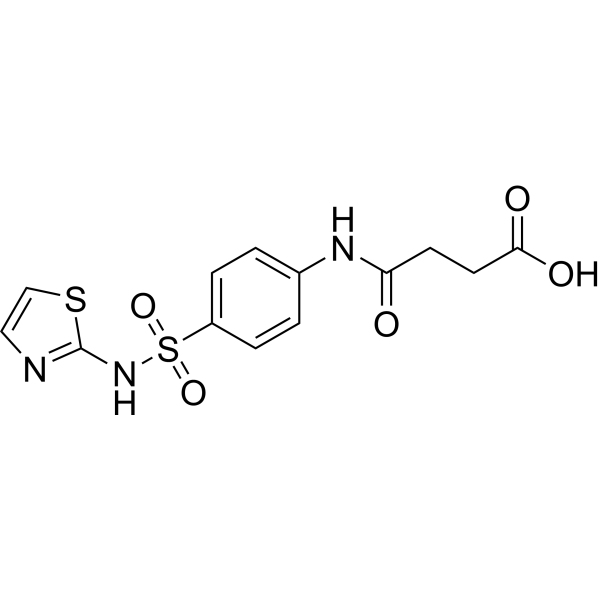
    Succinylsulfathiazole
    1 Publications Verification

    Succinylsulphathiazole

    Antibiotic Bacterial Dihydrofolate reductase (DHFR) mTOR Infection
    Succinylsulfathiazole (Succinylsulphathiazole) is a long-acting sulfonamide antibiotic with localized gut-specific antibacterial activity and is orally active. Succinylsulfathiazole inhibits bacterial folate synthesis, reduces coliform counts, suppresses intestinal bacterial growth and vitamin biosynthesis, and depletes gut folate-producing bacteria. Succinylsulfathiazole modulates hepatic mTOR signaling, diminishes cecal fermentation, decreases hepatic folate levels and total folate excretion, elevates nitrogen excretion and reduces the fermentability of certain dietary fibers. Succinylsulfathiazole induces folate deficiency and triggers biotin- and folate-related nutritional deficiency symptoms in rats and C57BL/6 mice .
    Succinylsulfathiazole
  • HY-Y1139
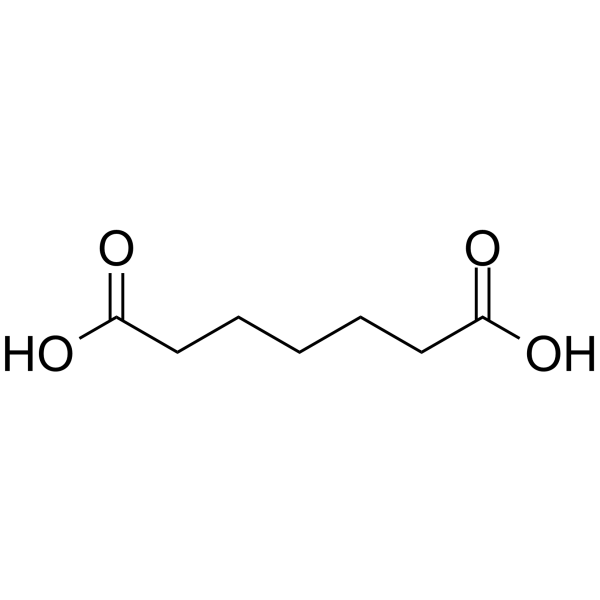
    Pimelic acid
    2 Publications Verification

    Heptanedioic acid; 1,5-Pentanedicarboxylic acid; 1,7-Heptanedioic acid

    Endogenous Metabolite PROTAC Linkers Metabolic Disease
    Pimelic acid (Heptanedioic acid; 1,5-Pentanedicarboxylic acid) is a seven-carbon α,ω-dicarboxylic acid and a downstream product of fatty acid synthesis. Pimelic acid is a key precursor in biotin biosynthesis. Pimelic acid can be converted to pimelic acid-CoA by the BioW enzyme, thereby bypassing exogenous biotin requirements to support growth in various biotinytrophic bacteria and fungi, and reversing antibiotic-induced inhibition of biotin synthesis. Furthermore, Pimelic acid has been proposed as a highly specific biomarker for oxygen-induced retinopathy in mice. Pimelic acid can be used to study retinopathy of preterm infants, oxygen-induced retinopathy, and microbial biotin metabolism .
    Pimelic acid
  • HY-116872
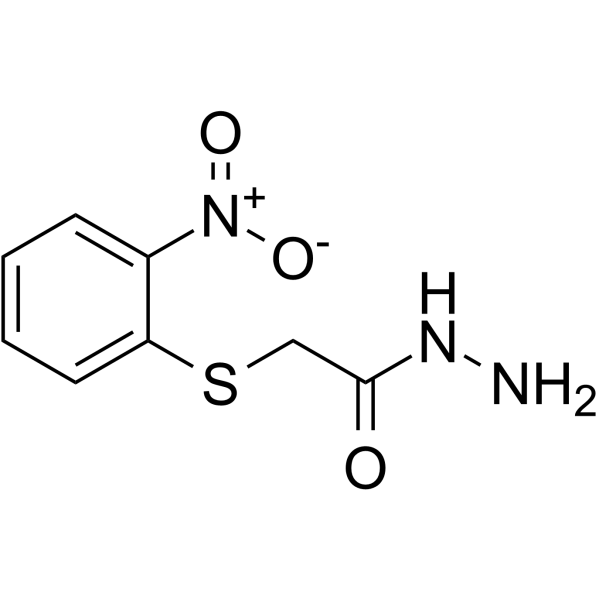
    MAC13772
    1 Publications Verification

    Bacterial Infection
    MAC13772 is a BioA inhibitor with an IC50 of 0.28 μM against E. coli and an IC50 of 0.269 μM against A. baumannii. MAC13772 inhibits bacterial growth by targeting the biotin biosynthesis pathway. MAC13772 can be used in studies related to bacterial infections .
    MAC13772
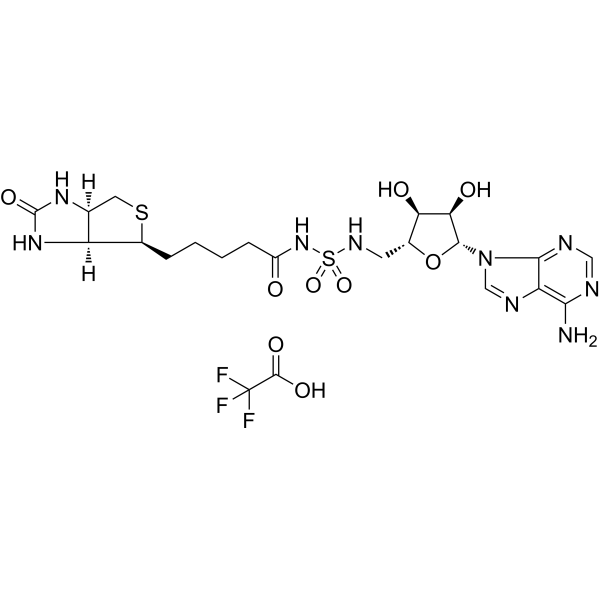
  • HY-115448

    Bacterial Infection
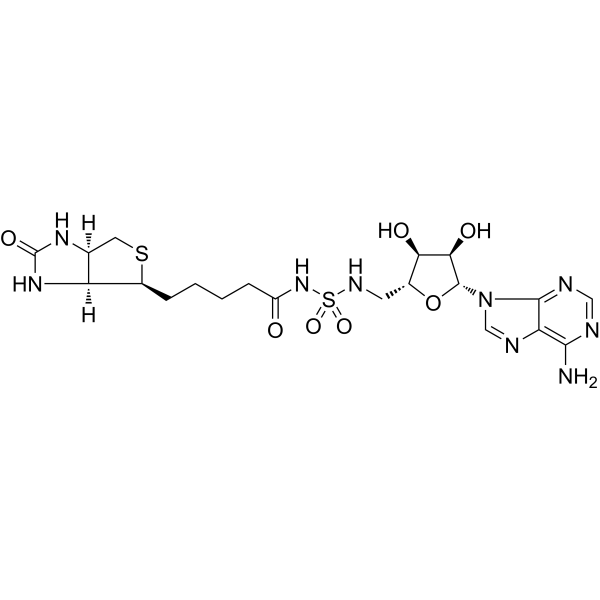
    Bio-AMS is a potent bacterial biotin protein ligase inhibitor. Bio-AMS possesses selective activity against Mycobacterium tuberculosis (Mtb) and arrests fatty acid and lipid biosynthesis .
    Bio-AMS
  • HY-142080

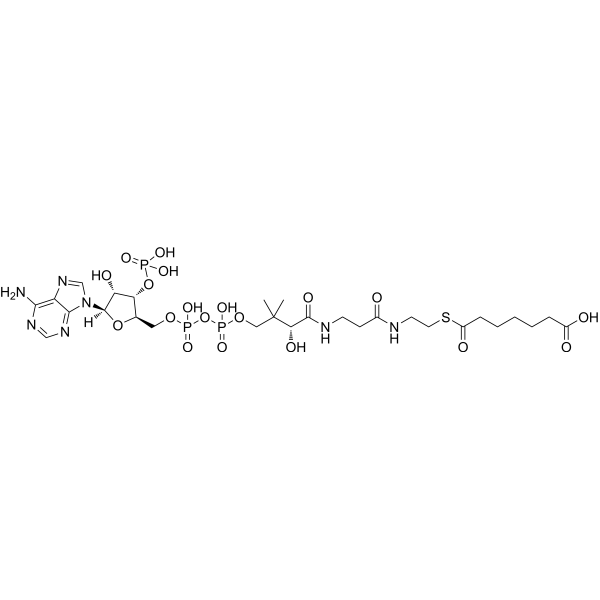
    Pimeloyl-coenzyme A

    Endogenous Metabolite Metabolic Disease
    Pimeloyl-CoA is a key precursor compound in the biotin synthesis pathway, which can promote the de novo synthesis of biotin. Pimeloyl-CoA is mainly used in the study of microbial metabolic mechanisms, especially the analysis of biotin synthesis pathways and basic research on the biosynthesis of related antibiotics or vitamins .
    Pimeloyl-CoA
  • HY-115448A

    Bacterial Infection
    Bio-AMS (TFA) is a potent bacterial biotin protein ligase inhibitor. Bio-AMS (TFA) possesses selective activity against Mycobacterium tuberculosis (Mtb) and arrests fatty acid and lipid biosynthesis .
    Bio-AMS TFA
  • HY-124781

    Bacterial Antibiotic Infection
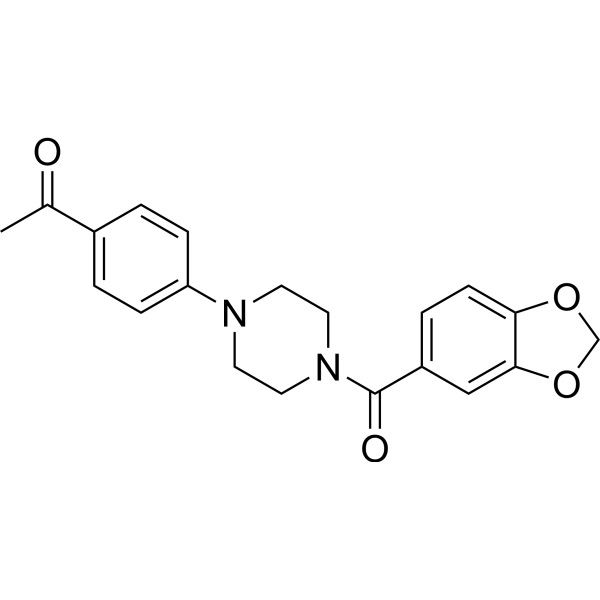
    ML406 is a small molecule probe that shows anti-tubercular activity via M.tuberculosis BioA (DAPA synthase) enzyme inhibition with an IC50 of 30 nM. M.tuberculosis BioA is an enzyme involved in biotin biosynthesis in M.tuberculosis .
    ML406
  • HY-125965

    Bacterial Infection
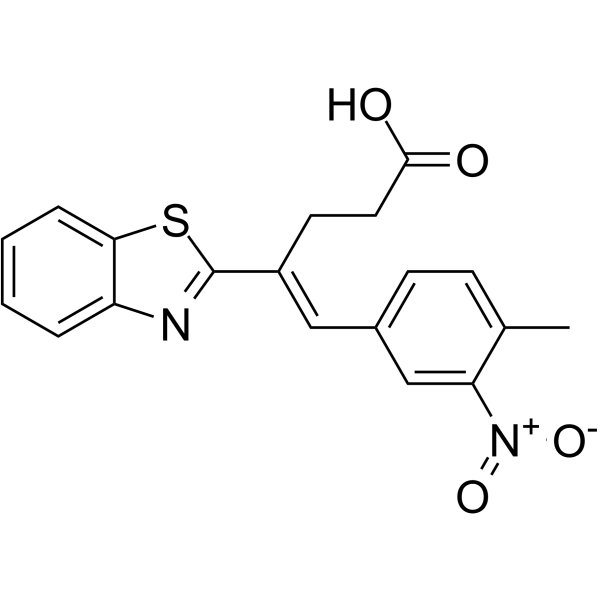
    BioA-IN-13 is a potent, cell permeable and whole-cell active inhibitor of Mycobacterium tuberculosis BioA enzyme .
    BioA-IN-13
  • HY-142080A

    Endogenous Metabolite Metabolic Disease
    Pimeloyl-CoA lithium is a biotin precursor of Escherichia coli. Pimeloyl-CoA lithium can be used for the research of the pathway of de novo biotin biosynthesis in Escherichia coli .
    Pimeloyl-CoA lithium
  • HY-124781R

    Reference Standards Bacterial Antibiotic Infection
    ML406 (Standard) is the analytical standard of ML406. This product is intended for research and analytical applications. ML406 is a small molecule probe that shows anti-tubercular activity via M.tuberculosis BioA (DAPA synthase) enzyme inhibition with an IC50 of 30 nM. M.tuberculosis BioA is an enzyme involved in biotin biosynthesis in M.tuberculosis[1].
    ML406 (Standard)
  • HY-B0921R

    Succinylsulphathiazole (Standard)

    Reference Standards Bacterial Antibiotic Dihydrofolate reductase (DHFR) mTOR Infection
    Succinylsulfathiazole (Standard) (Succinylsulphathiazole) is the analytical standard of Succinylsulfathiazole (HY-B0921). This product is intended for research and analytical applications. Succinylsulfathiazole is a long-acting sulfonamide antibiotic with localized gut-specific antibacterial activity and is orally active. Succinylsulfathiazole inhibits bacterial folate synthesis, reduces coliform counts, suppresses intestinal bacterial growth and vitamin biosynthesis, and depletes gut folate-producing bacteria. Succinylsulfathiazole modulates hepatic mTOR signaling, diminishes cecal fermentation, decreases hepatic folate levels and total folate excretion, elevates nitrogen excretion and reduces the fermentability of certain dietary fibers. Succinylsulfathiazole induces folate deficiency and triggers biotin- and folate-related nutritional deficiency symptoms in rats and C57BL/6 mice .
    Succinylsulfathiazole (Standard)
  • HY-183606

    Bacterial Infection
    Mycobacterium tuberculosis-IN-9 is an orally active Mycobacterium tuberculosis BioA inhibitor with a Ki value of 0.2 nM. Mycobacterium tuberculosis-IN-9 targets the biotin biosynthesis pathway. Mycobacterium tuberculosis-IN-9 inhibits the growth of Mycobacterium tuberculosis in mouse models and is effective against both drug-sensitive and drug-resistant strains. Mycobacterium tuberculosis-IN-9 can be used for the research of tuberculosis .
    Mycobacterium tuberculosis-IN-9
  • HY-125723B

    SL 7810 (purity>65%); A-30912 A (purity>65%)

    Antibiotic Fungal Endogenous Metabolite Infection
    Echinocandin B (purity>65%) (SL 7810 (purity>65%)) is a lipopeptide antifungal antibiotic. Echinocandin B (purity>65%) is produced by Aspergillus nidulans. Echinocandin B (purity>65%) inhibits β-1,3-glucan activity, thereby blocking the biosynthesis of fungal cell walls. Echinocandin B (purity>65%) exhibits activity against a variety of Aspergillus species .
    Echinocandin B (purity>65%)

Inquiry Online

Your information is safe with us. * Required Fields.

Salutation


Country or Region *

Applicant Name *


Organization Name *

Department *


Email Address *


Product Name *

Cat. No.


Requested quantity *

Phone Number *


Remarks

Inquiry Online

Inquiry Information

Product Name:
Cat. No.:
Quantity:
MCE Japan Authorized Agent:

