1. Search Result
Search Result
Results for "

carnosine

" in MedChemExpress (MCE) Product Catalog:

20

Inhibitors & Agonists

5

Peptides

8

Natural
Products

1

Recombinant Proteins

7

Isotope-Labeled Compounds

Targets Recommended:
Cat. No. Product Name Target Research Areas Chemical Structure
  • HY-N0230
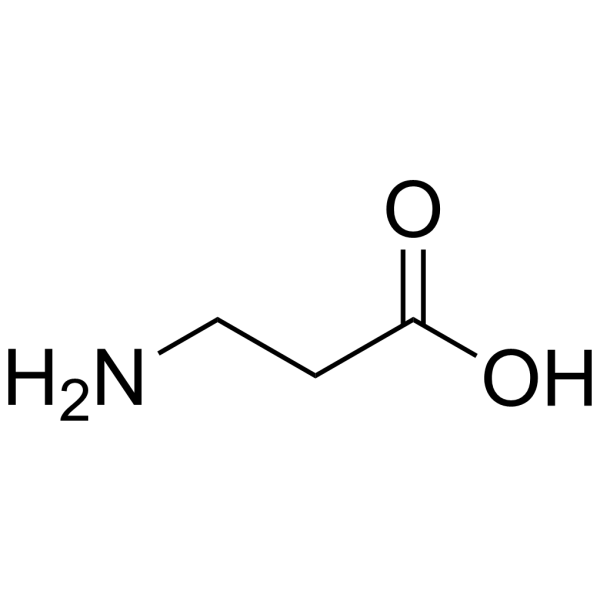
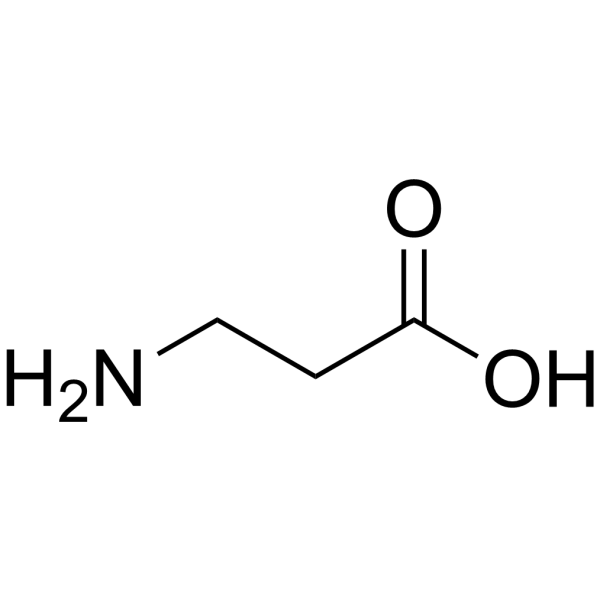
    β-Alanine
    3 Publications Verification

    2-Carboxyethylamine; 3-Aminopropanoic acid

    Endogenous Metabolite Metabolic Disease
    β-Alanine is a non-essential amino acid that is shown to be metabolized into carnosine, which functions as an intracellular buffer.
    β-Alanine
  • HY-W013494
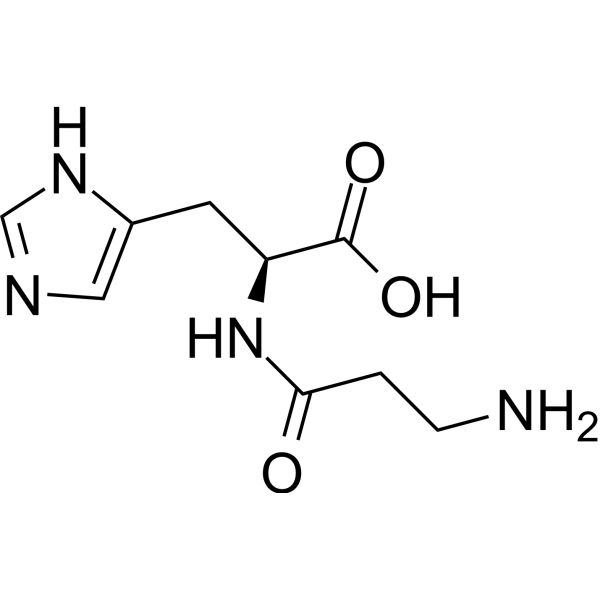
    L-Carnosine
    2 Publications Verification

    Endogenous Metabolite Metabolic Disease Inflammation/Immunology
    L-Carnosine is a dipeptide composed of beta-alanine and histidine. L-Carnosine is an endogenous metabolite found in human brain, muscle and gastrointestinal tissues and is present in all vertebrates. L-Carnosine is a non-enzymatic free radical scavenger and natural antioxidant with anti-inflammatory and neuroprotective properties that can inhibit biochemical changes associated with aging .
    L-Carnosine
  • HY-113354
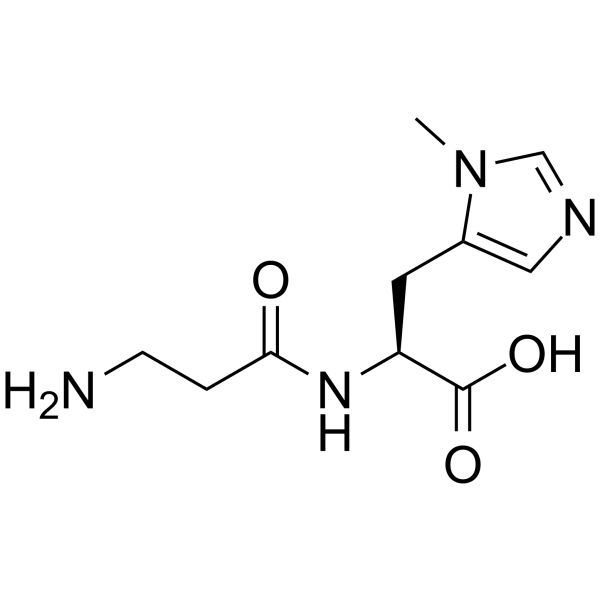
    Anserine
    5 Publications Verification

    Endogenous Metabolite Neurological Disease
    Anserine, a methylated form of Carnosine, is an orally active, natural Histidine-containing dipeptide found in skeletal muscle of vertebrates. Anserine is not cleaved by serum carnosinase and act as biochemical buffers, chelators, antioxidants, and anti-glycation agents. Anserine has blood-brain barrier permeability, and improves memory functions in Alzheimer's disease (AD)-model mice .
    Anserine
  • HY-B0729
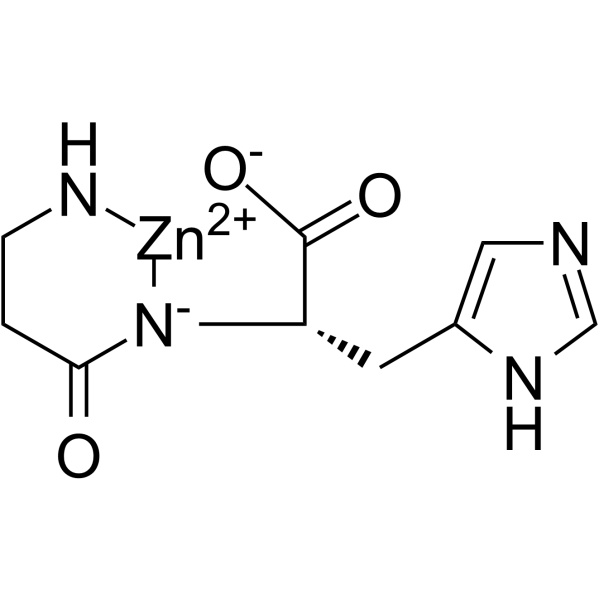
    Polaprezinc
    1 Publications Verification

    Zinc L-carnosine

    Biochemical Assay Reagents Inflammation/Immunology Cancer
    Polaprezinc is an orally bioavailable chelate composed of zinc and L-carnosine, with potential gastroprotective, anti-oxidant, anti-ulcer and anti-inflammatory activities.
    Polaprezinc
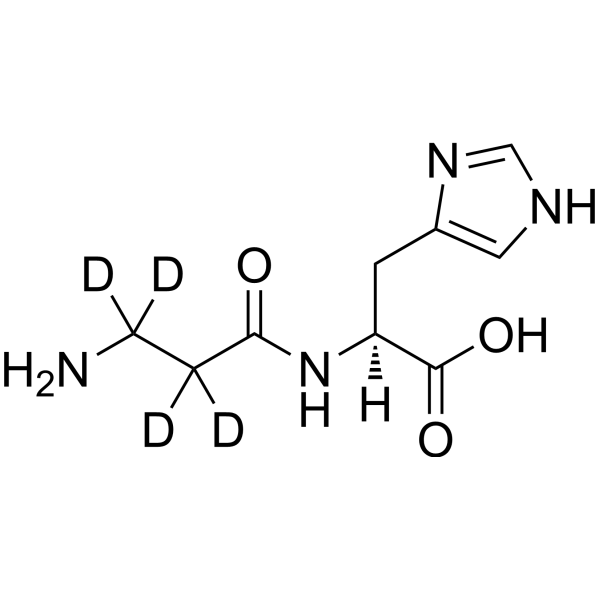
  • HY-W013494S

    Isotope-Labeled Compounds Endogenous Metabolite Metabolic Disease
    L-Carnosine-d4 is the deuterium labeled L-Carnosine. L-Carnosine is a dipeptide of the amino acids beta-alanine and histidine and has the potential to suppress many of the biochemical changes that accompany aging.
    L-Carnosine-d4
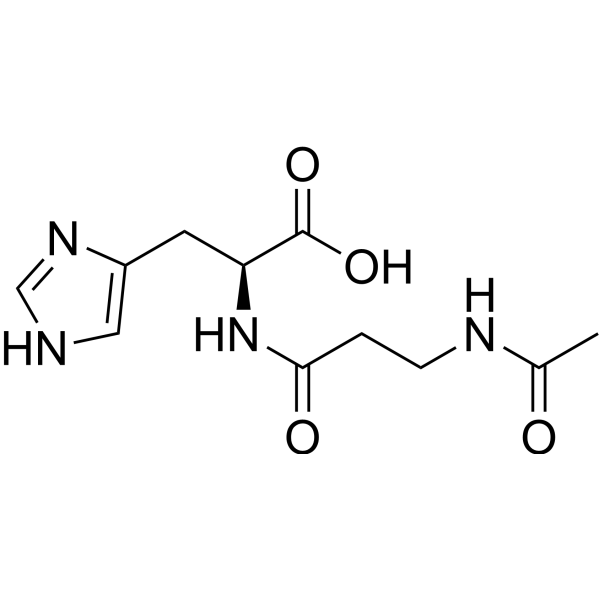
  • HY-133026

    N-Acetyl-L-carnosine

    Drug Intermediate Endogenous Metabolite Inflammation/Immunology
    N-Acetylcarnosine, a natural histidine-containing dipeptide, is a source of pharmacological principal L-carnosine. N-Acetylcarnosine is a potent ophthalmic agent in human cataracts .
    N-Acetylcarnosine
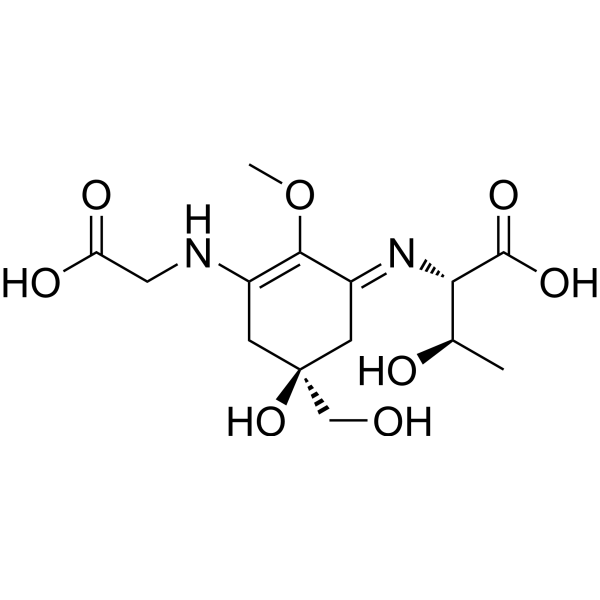
  • HY-126956

    Reactive Oxygen Species (ROS) MMP Collagen PPAR DNA/RNA Synthesis Apoptosis Caspase Metabolic Disease Inflammation/Immunology
    Porphyra 334 is a carnosine-like amino acid and a natural photoprotective agent and antioxidant. Porphyra-334 exerts its photoprotective effects by scavenging ROS, inhibiting the expression and activity of MMP-1/8, and promoting the synthesis of collagen and elastin. Porphyra 334 effectively inhibits linoleic acid oxidation induced by alkyl radicals (AAPH) and singlet oxygen. Porphyra 334 has anti-obesity potential by inhibiting the expression of PPARγ2 and C/EBPα. Porphyra 334 protects cells against UV-induced DNA damage and apoptosis by inhibiting the activation of caspase-3 .
    Porphyra 334
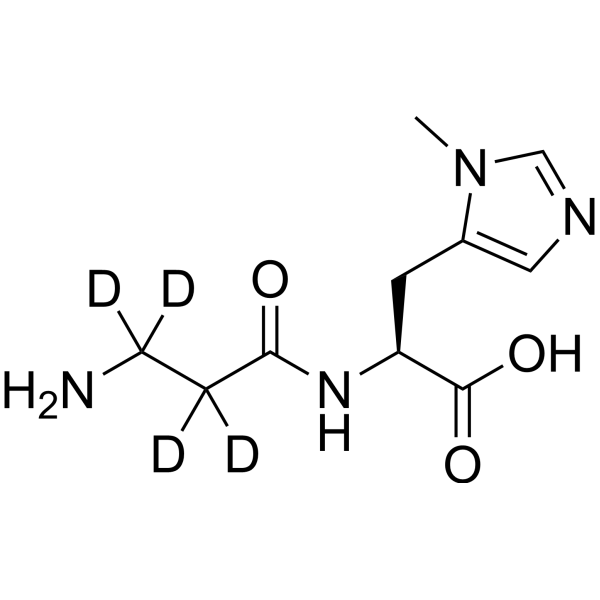
  • HY-113354S

    Endogenous Metabolite Neurological Disease
    Anserine-d4 is the deuterium labeled Anserine. Anserine, a methylated form of Carnosine, is an orally active, natural Histidine-containing dipeptide found in skeletal muscle of vertebrates. Anserine is not cleaved by serum carnosinase and act as biochemical buffers, chelators, antioxidants, and anti-glycation agents. Anserine improves memory functions in Alzheimer's disease (AD)-model mice .
    Anserine-d4
  • HY-W013494R

    Reference Standards Endogenous Metabolite Metabolic Disease Cancer
    L-Carnosine (Standard) is the analytical standard of L-Carnosine. This product is intended for research and analytical applications. L-Carnosine is a dipeptide of the amino acids beta-alanine and histidine and has the potential to suppress many of the biochemical changes that accompany aging. In Vitro: L-Carnosine is a dipeptide of the amino acids beta-alanine and histidine and has the potential to suppress many of the biochemical changes that accompany aging .
    L-Carnosine also exhibits some antioxidant effects. The antioxidant mechanism of L-Carnosine is attributed to its chelating effect against metal ions, superoxide dismutase (SOD)-like activity, and ROS and free radicals scavenging ability .
    L-Carnosine (Standard)
  • HY-N0230S

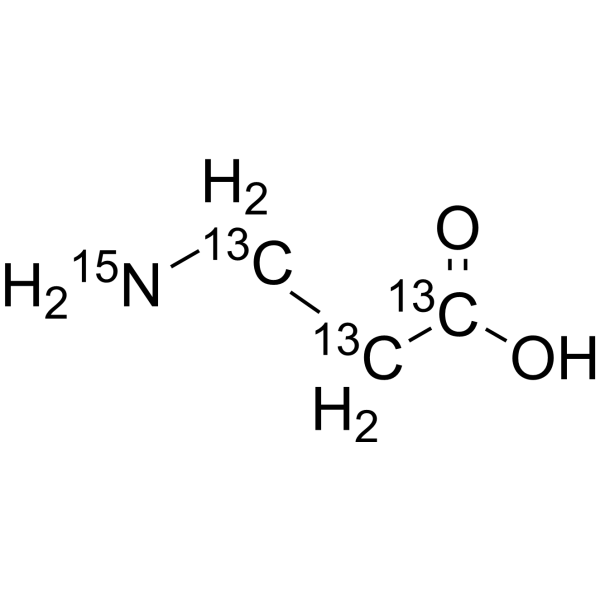
    2-Carboxyethylamine-13C3,15N; 3-Aminopropanoic acid-13C3,15N

    Isotope-Labeled Compounds Endogenous Metabolite Metabolic Disease
    β-Alanine- 13C3, 15N is the 13C- and 15N-labeled β-Alanine. β-Alanine is a non-essential amino acid that is shown to be metabolized into carnosine, which functions as an intracellular buffer.
    β-Alanine-13C3,15N
  • HY-114883

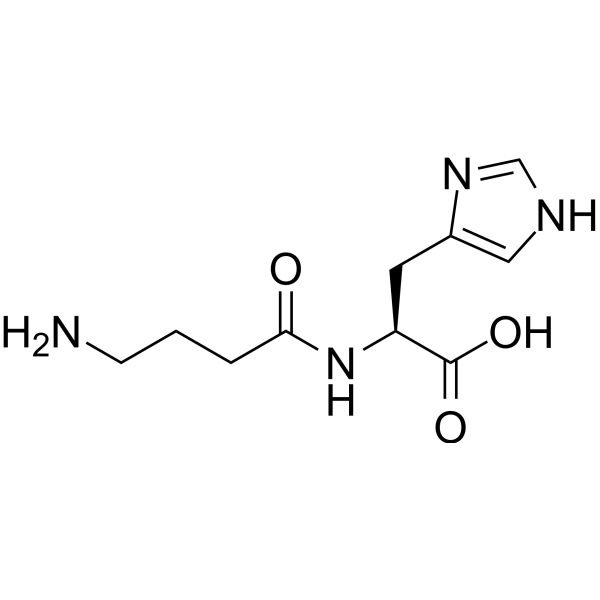
    L-Homocarnosine

    GABA Receptor Endogenous Metabolite Neurological Disease Inflammation/Immunology
    Homocarnosine is a dipeptide of γ-aminobutyric acid (GABA) and histidine unique to brain. Homocarnosine is an inhibitory neuromodulator synthesized in the neuron from GABA and exhibiting anticonvulsant effects .Homocarnosine has antioxidant and anti-inflammatory actions, prevention of DNA damage, and inhibition of advanced glycation end-product formation .
    Homocarnosine
  • HY-148495

    Amyloid-β Neurological Disease
    Carnosine conjugated hyalyronate is a hyaluronic acid derivative functionalized with the dipeptide carnosine (Carnosine, Car) and has the ability to resist amyloid aggregation. Carnosine conjugated hyalyronate dissolves amyloid fibrils and reduces Aβ-induced toxicity in vitro. The effectiveness of Carnosine conjugated hyalyronate against amyloid aggregation is directly proportional to the Carnosine loading .
    Carnosine conjugated hyalyronate
  • HY-N0230S2

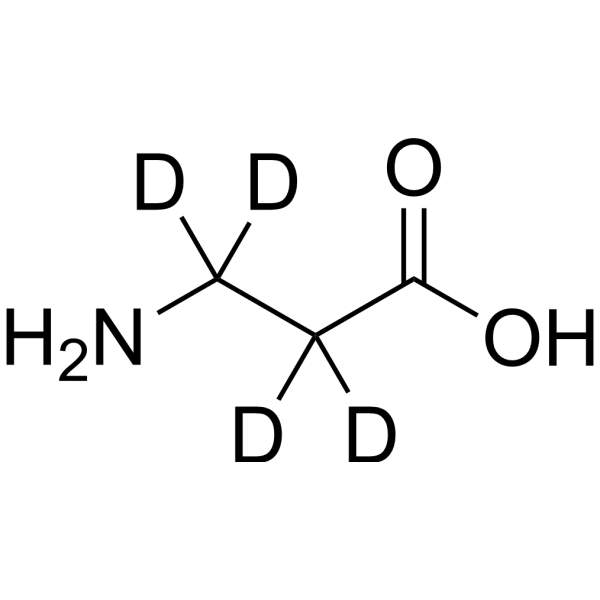
    2-Carboxyethylamine-d4; 3-Aminopropanoic acid-d4

    Isotope-Labeled Compounds Endogenous Metabolite Metabolic Disease
    β-Alanine-d4 is the deuterium labeled β-Alanine. β-Alanine is a non-essential amino acid that is shown to be metabolized into carnosine, which functions as an intracellular buffer.
    β-Alanine-d4
  • HY-N0230S1

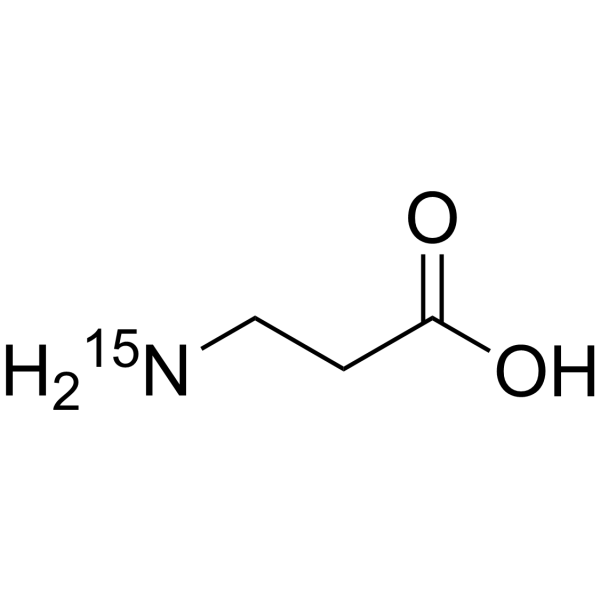
    2-Carboxyethylamine-15N; 3-Aminopropanoic acid-15N

    Endogenous Metabolite Metabolic Disease
    β-Alanine- 15N is the 15N-labeled β-Alanine. β-Alanine is a non-essential amino acid that is shown to be metabolized into carnosine, which functions as an intracellular buffer.
    β-Alanine-15N
  • HY-133026R

    N-Acetyl-L-carnosine (Standard)

    Drug Intermediate Endogenous Metabolite Reference Standards Inflammation/Immunology
    N-Acetylcarnosine (Standard) is the analytical standard of N-Acetylcarnosine. This product is intended for research and analytical applications. N-Acetylcarnosine, a natural histidine-containing dipeptide, is a source of pharmacological principal L-carnosine. N-Acetylcarnosine is a potent ophthalmic agent in human cataracts .
    N-Acetylcarnosine (Standard)
  • HY-N0230R
    β-Alanine (Standard)
    3 Publications Verification

    2-Carboxyethylamine (Standard); 3-Aminopropanoic acid (Standard)

    Endogenous Metabolite Reference Standards Metabolic Disease
    β-Alanine (Standard) is the analytical standard of β-Alanine. This product is intended for research and analytical applications. β-Alanine is a non-essential amino acid that is shown to be metabolized into carnosine, which functions as an intracellular buffer.
    β-Alanine (Standard)
  • HY-N0230S5

    2-Carboxyethylamine-13C; 3-Aminopropanoic acid-13C

    Isotope-Labeled Compounds Endogenous Metabolite Metabolic Disease
    β-Alanine- 13C (2-Carboxyethylamine- 13C) is 13C labeled β-Alanine. β-Alanine is a non-essential amino acid that is shown to be metabolized into carnosine, which functions as an intracellular buffer.
    β-Alanine-13C
  • HY-113354S1

    Isotope-Labeled Compounds Neurological Disease
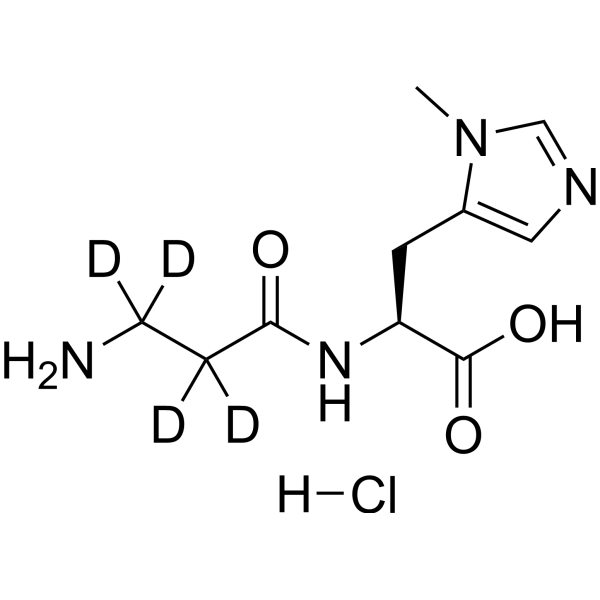
    Anserine-d4 hydrochloride is the deuterium labeled Anserine (HY-113354). Anserine, a methylated form of Carnosine, is an orally active, natural Histidine-containing dipeptide found in skeletal muscle of vertebrates. Anserine is not cleaved by serum carnosinase and act as biochemical buffers, chelators, antioxidants, and anti-glycation agents. Anserine improves memory functions in Alzheimer's disease (AD)-model mice .
    Anserine-d4 hydrochloride
  • HY-113354R

    Reference Standards Endogenous Metabolite Neurological Disease
    Anserine (Standard) is the analytical standard of Anserine. This product is intended for research and analytical applications. Anserine, a methylated form of Carnosine, is an orally active, natural Histidine-containing dipeptide found in skeletal muscle of vertebrates. Anserine is not cleaved by serum carnosinase and act as biochemical buffers, chelators, antioxidants, and anti-glycation agents. Anserine improves memory functions in Alzheimer's disease (AD)-model mice[1][2].
    Anserine (Standard)
  • HY-W1056635

    Carnosine-cleaving Enzyme Others
    H-β-Ala-Ala-OH is a dipeptide and also a substrate of human carnosinase .
    H-β-Ala-Ala-OH

Inquiry Online

Your information is safe with us. * Required Fields.

Salutation


Country or Region *

Applicant Name *


Organization Name *

Department *


Email Address *


Product Name *

Cat. No.


Requested quantity *

Phone Number *


Remarks

Inquiry Online

Inquiry Information

Product Name:
Cat. No.:
Quantity:
MCE Japan Authorized Agent:

