
1. Search Result
Search Result
Results for "

cereals

" in MedChemExpress (MCE) Product Catalog:

74

Inhibitors & Agonists

2

Fluorescent Dye

2

Biochemical Assay Reagents

13

Natural
Products

11

Isotope-Labeled Compounds

2

Click Chemistry

Cat. No. Product Name Target Research Areas Chemical Structure
  • HY-E70013

    endo-1,3:1,4-β-D-Glucanase

    Endogenous Metabolite Metabolic Disease
    Lichenase, Microorganism (endo-1,3:1,4-β-D-Glucanase) is a specific, endo-(1-3),(1-4)-β-D-glucan 4-glucanohydrolase. Lichenase, Microorganism solubilizes β-glucans from cereal grains and gives gluco-oligosaccharides (GOS). Lichenase, Microorganism can be used in the degradation of polysaccharides in the cell walls .
    Lichenase, Microorganism
  • HY-B0838
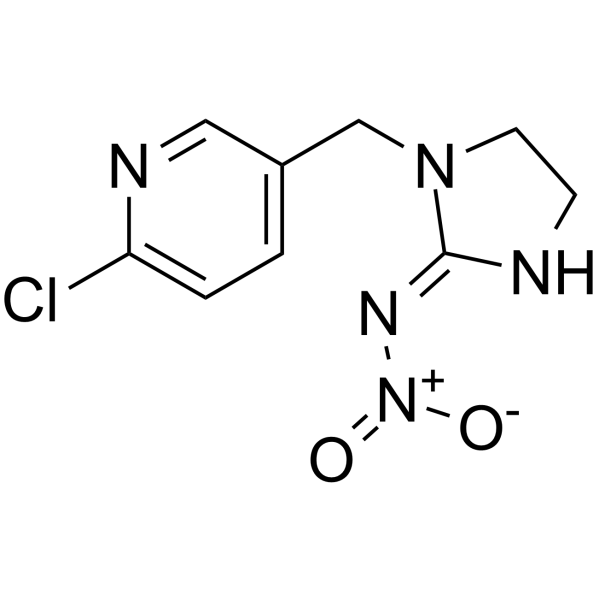
    Imidacloprid
    Maximum Cited Publications
    9 Publications Verification

    Environmental Pollutants Insecticide Neurological Disease Metabolic Disease
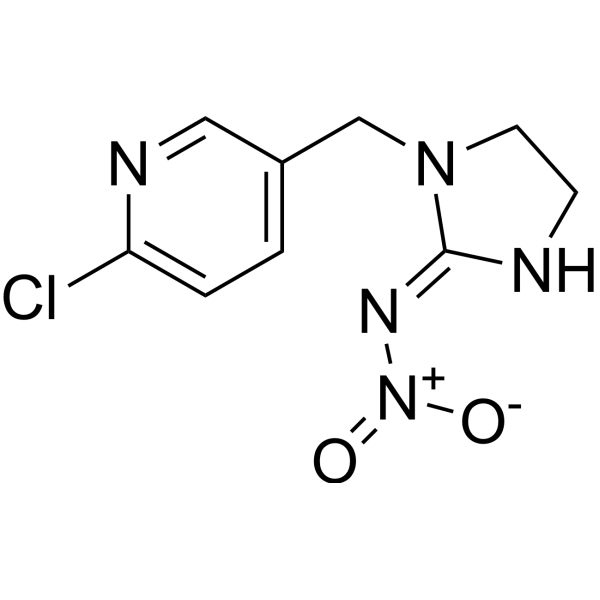
    Imidacloprid is an effective and widely used neonicotinoid pesticide to control pests of cereals, vegetables, tea and cotton.
    Imidacloprid
  • HY-123630

    FD&C RED NO. 40; CI 16035

    Environmental Pollutants Fluorescent Dye 5-HT Receptor Interleukin Related Reactive Oxygen Species (ROS) IFNAR Inflammation/Immunology
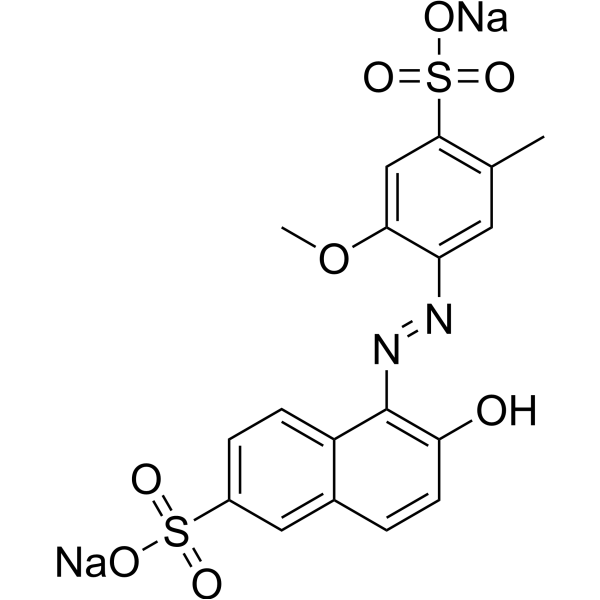
    Allura Red AC is a food colorant, appearing as a deep red water-soluble powder or granules, used in various applications such as beverages, syrups, candies, and cereals. Allura Red AC can statically quench the intrinsic fluorescence of HSA. Additionally, Allura Red AC is a 5-hydroxytryptamine (5-HT) pathway-associated pro-inflammatory agent, capable of exacerbating experimental colitis. Allura Red AC holds potential for research in inflammatory bowel disease (IBD), intestinal barrier function, and food additive safety .
    Allura Red AC
  • HY-N2582
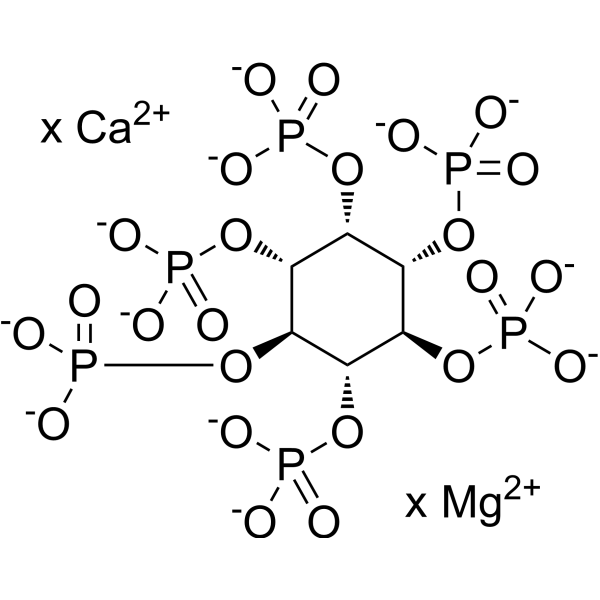
    Calcium Phytate
    1 Publications Verification

    Phytin

    Endogenous Metabolite Metabolic Disease
    Calcium phytate (Phytin) is an insoluble phosphorus-containing compound widely present in plant-based foods such as cereals and legumes. Calcium phytate can be found in feces and can alleviate lead poisoning .
    Calcium Phytate
  • HY-121267

    Environmental Pollutants DNA/RNA Synthesis Herbicide Others
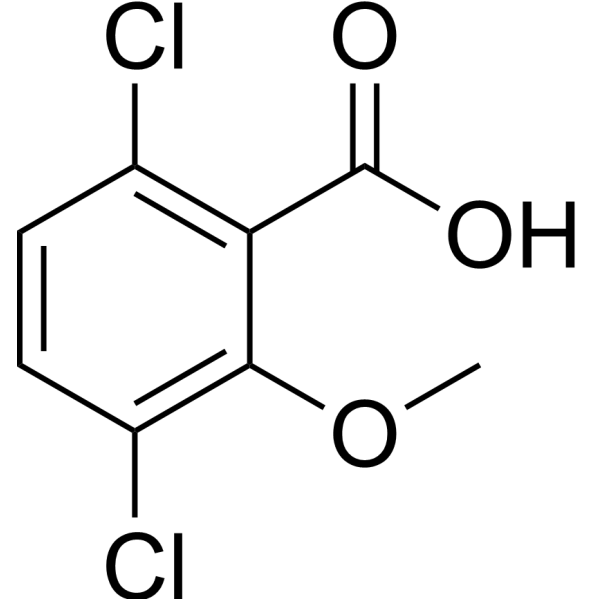
    Dicamba is a herbicide. Dicamba is currently used in agriculture and gardening to control the growth of different unwanted vegetable species, mainly in cereal grain crops, but also on sugar cane and soybeans, among others. Dicambais induces significant DNA damage. Dicambais induces genotoxicity and cytotoxicity.
    Dicamba
  • HY-B0838R

    Insecticide Reference Standards Neurological Disease Metabolic Disease
    Imidacloprid (Standard) is the analytical standard of Imidacloprid. This product is intended for research and analytical applications. Imidacloprid is an effective and widely used neonicotinoid pesticide to control pests of cereals, vegetables, tea and cotton.
    Imidacloprid (Standard)
  • HY-160758

    Insecticide Others
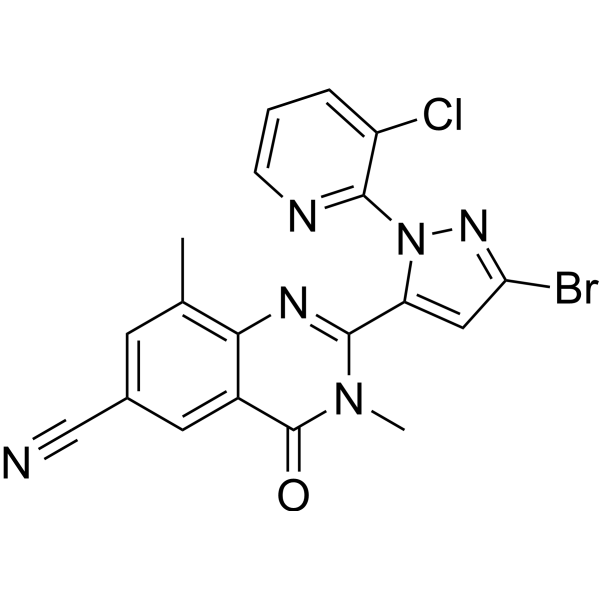
    J9Z38 is a metabolite of Cyantraniliprole (HY-12779), a broad-spectrum agrochemical insecticide belonging to the anthranilic diamide insecticide class. Cyantraniliprole effectively controls the growth of various pests on fruits, vegetables, cereals and other crops. Thus, J9Z38 is a key indicator for indirect detection and evaluation of Cyantraniliprole residue levels .
    J9Z38
  • HY-N0814A
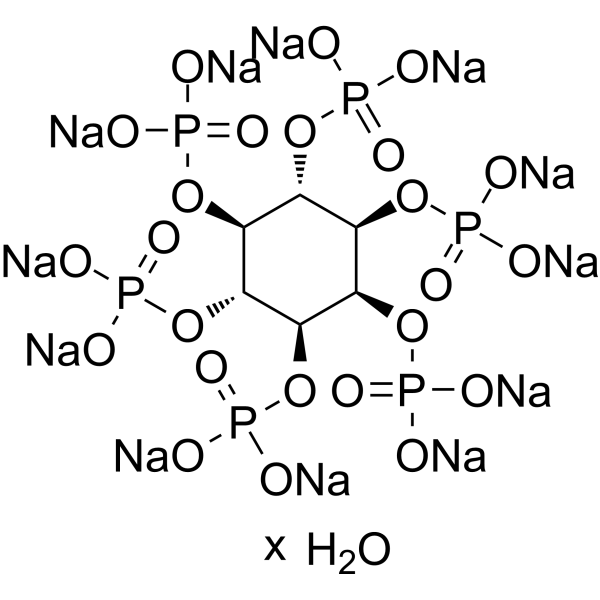
    Phytic acid dodecasodium hydrate
    1 Publications Verification

    Inositol hexaphosphate dodecasodium hydrate; SNF472 dodecasodium hydrate

    Xanthine Oxidase Endogenous Metabolite Neurological Disease Inflammation/Immunology
    Phytic acid (Inositol hexaphosphate) dodecasodium hydrate is a phosphorus storage compound of seeds and cereal grains. Phytic acid dodecasodium hydrate is known as a food inhibitor, which has a strong ability to chelate multivalent metal ions, specially zinc, calcium, iron and as with protein residue. Phytic acid dodecasodium hydrate inhibits the enzymatic superoxide source xanthine oxidase (XO), and has antioxidative, neuroprotective, anti-inflammatory effects .
    Phytic acid dodecasodium hydrate
  • HY-B0854

    Environmental Pollutants Lactate Dehydrogenase Apoptosis Fungal Cytochrome P450 Keap1-Nrf2 Infection Metabolic Disease Cancer
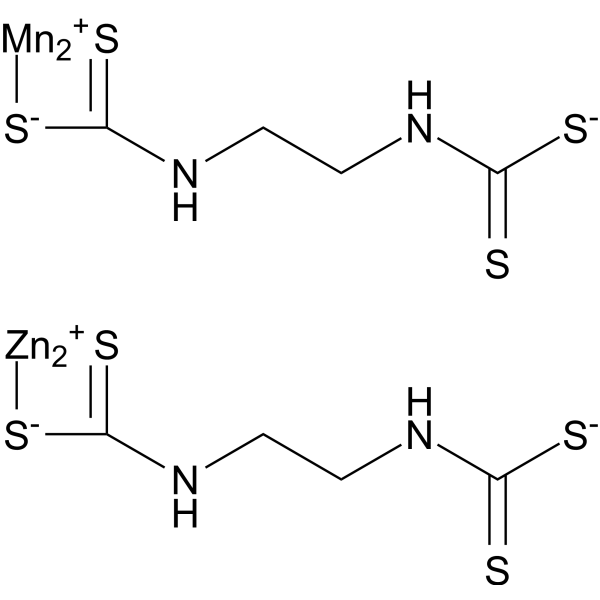
    Mancozeb is a widely used fungicide that is effective against fungal diseases in most cereals, vegetables, fruits and ornamental plants. In addition, Mancozeb can cause liver damage in mice by activating the Keap1/Nrf2 signaling pathway. Mancozeb upregulates lactate dehydrogenase and cytochrome c to alter cell metabolism and induce cell death. Mancozeb has reproductive toxicity and can induce apoptosis in ovarian cells .
    Mancozeb
  • HY-113430

    5-Heneicosylresorcinol

    Fungal Infection
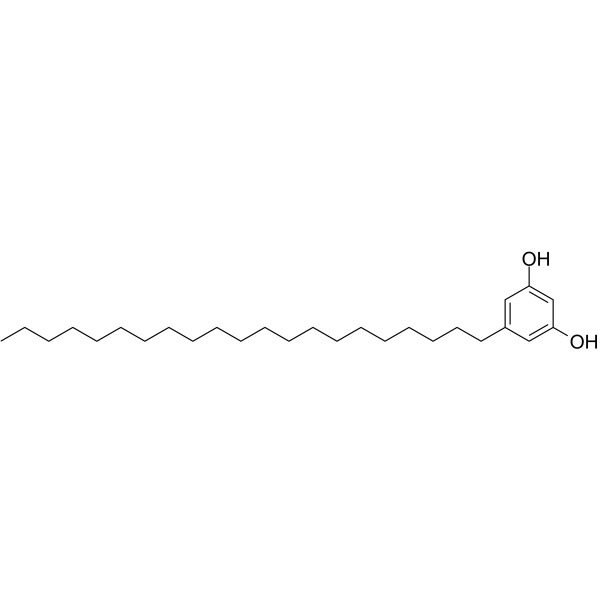
    5-n-Heneicosylresorcinol (5-Heneicosylresorcinol) is an active n-alkyl(enyl)resorcinols (AR) occurring in cereal products from Colombia. Antifungal activity .
    5-n-Heneicosylresorcinol
  • HY-B2023
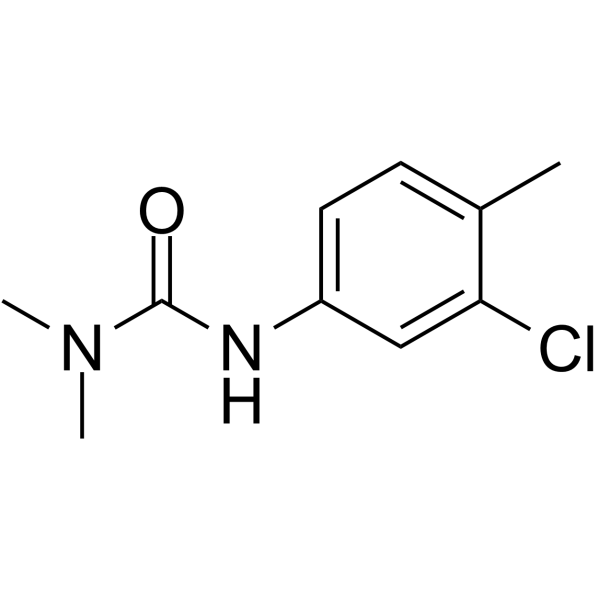
    Chlorotoluron
    1 Publications Verification

    Chlortoluron

    Environmental Pollutants Herbicide Others
    Chlorotoluron (Chlortoluron) is a urea herbicide. Chlorotoluron serves as a degradation substrate that undergoes dissipation in soil and produces demethylated chlorotoluron metabolites via N-dealkylation. Chlorotoluron is used for pre-emergence and post-emergence weed control in cereals and various other crops .
    Chlorotoluron
  • HY-136376

    Environmental Pollutants Herbicide Others
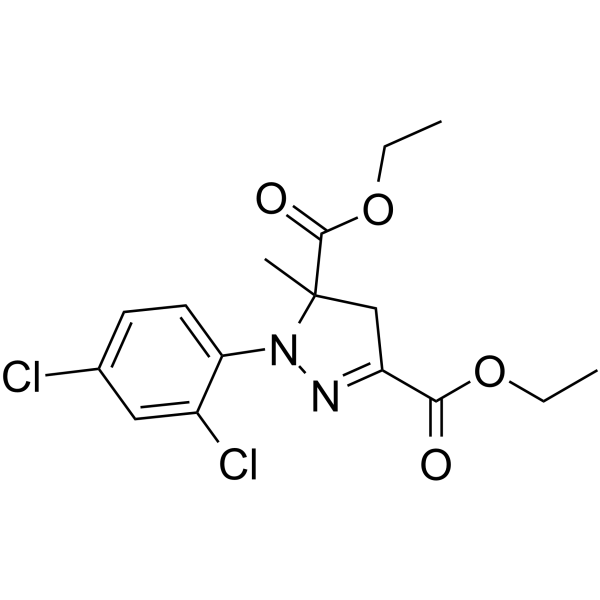
    Mefenpyr-diethyl is a pyrazoline-type herbicide safener that functions to enhance lipid biosynthesis. Mefenpyr-diethyl effectively prevents herbicide-induced phytotoxic damage caused by herbicides such as fenoxaprop-p-ethyl (HY-B2013) and mesosulfuron-methyl (HY-126987) by protecting cereal crops including wheat. Mefenpyr-diethyl significantly increases lipid content in wheat either when applied alone or in combination with the herbicide fenoxaprop-p-ethyl. The mechanism of action of Mefenpyr-diethyl does not involve the induction of glutathione S-transferase (GST) activity in wheat .
    Mefenpyr-diethyl
  • HY-N6683

    Drug Metabolite Cancer
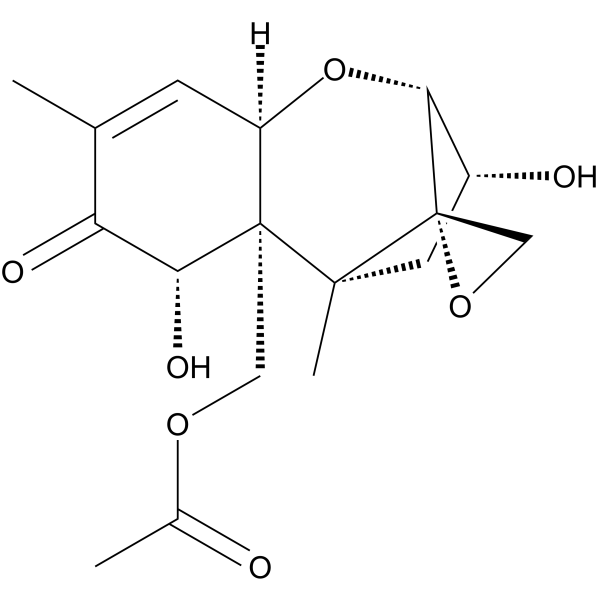
    15-Acetyl-deoxynivalenol is a highly toxic trichothecene found in cereals, and a metabolite of deoxynivalenol, exhibits toxicity to HepG2 cells .
    15-Acetyl-deoxynivalenol
  • HY-108695

    Apoptosis Endogenous Metabolite Cancer
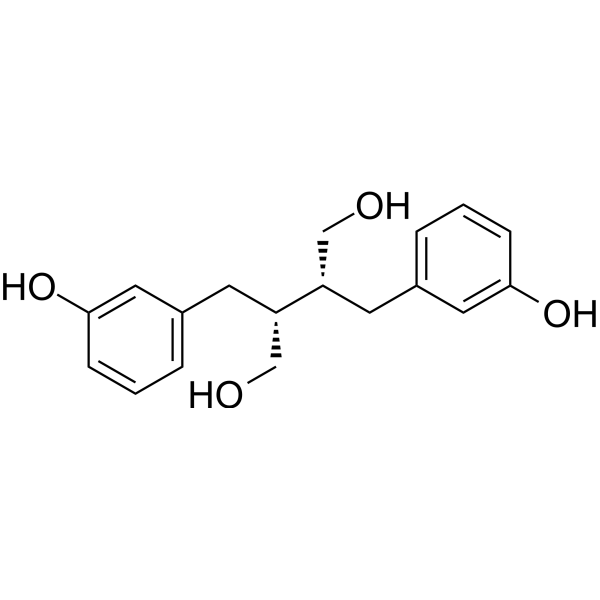
    Enterodiol is transformed by human intestinal bacteria from lignans contained in various whole-grain cereals, nuts, legumes, flaxseed, and vegetables. Enterodiol has an apoptotic effect in colorectal cancer (CRC) cells. Anti-cancer activities .
    Enterodiol
  • HY-126200

    Environmental Pollutants Fungal Infection
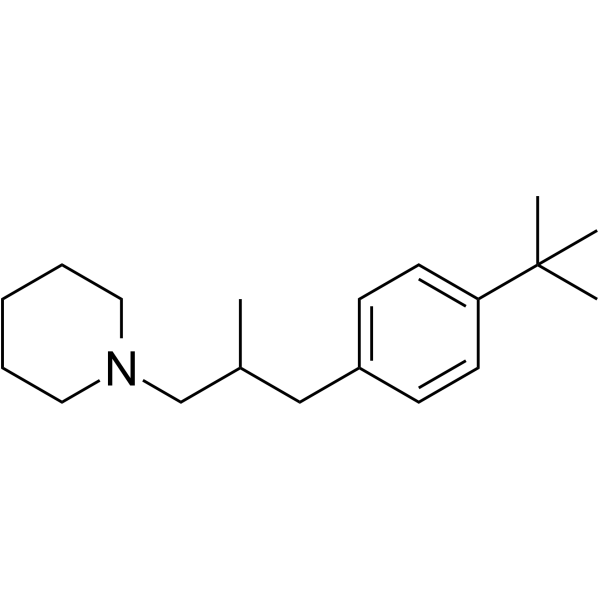
    Fenpropidin, a piperidine, is a fungicide used to control a range of diseases in cereals. Fenpropidin shows antifungal activity against different human pathogenic yeasts and filamentous fungi .
    Fenpropidin
  • HY-W018582

    Fungal Infection
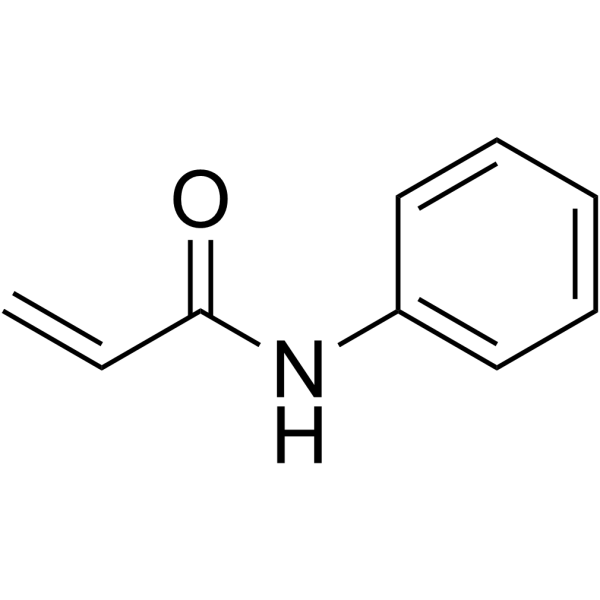
    N-Phenylacrylamide is a special polymer showing high affinity with Ochratoxin A, a colorless and crystalline mycotoxin compound. N-Phenylacrylamide can be applied in the field of mycotoxin extraction, and be used for the security research of agricultural commodities and foods made from cereals and grapes .
    N-Phenylacrylamide
  • HY-133726

    Bacterial Infection
    Bixafen, a member of the pyrazole class of fungicides, serves as a broad-spectrum agent for controlling pathogens in cereal crops by functioning as a succinate dehydrogenase inhibitor.
    Bixafen
  • HY-B0838S

    Isotope-Labeled Compounds Metabolic Disease
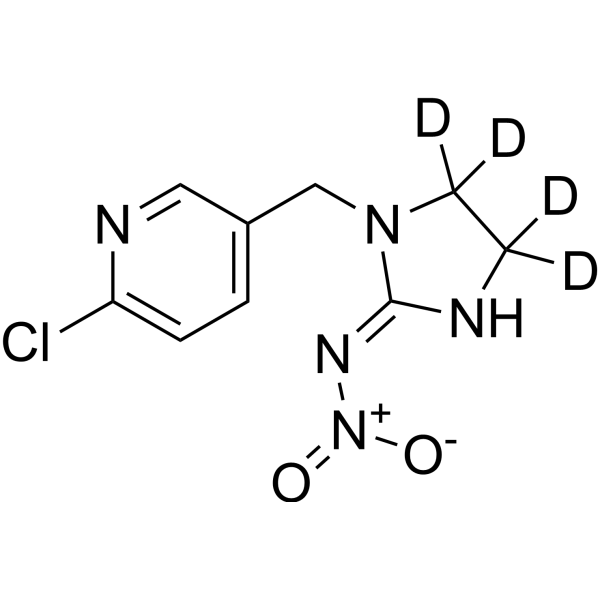
    Imidacloprid-d4 is the deuterium labeled Imidacloprid . Imidacloprid is an effective and widely used neonicotinoid pesticide to control pests of cereals, vegetables, tea and cotton .
    Imidacloprid-d4
  • HY-B0865
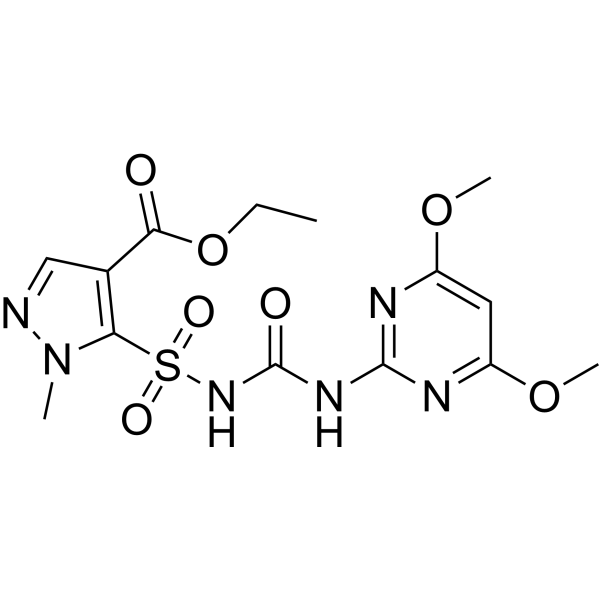
    Pyrazosulfuron-ethyl
    1 Publications Verification

    Acetolactate Synthase (ALS) Others
    Pyrazosulfuron-ethyl, one of the acetolactate synthase inhibiting herbicides in the sulphonylurea family, has been widely used to control weed growth in commercial cereal, soybean, and vegetable fields .
    Pyrazosulfuron-ethyl
  • HY-E70013A

    EC 3.2.1.73

    Glycosidase Others
    Licheninase (EC 3.2.1.73) is a glycoside hydrolase is active on the β-glucan cell wall of cereals, fungi, and seaweed. Licheninase specifically hydrolyzes β(1→4) linkages in mixed linkage β(1→3)/β(1→4)-glucans. Licheninase improves cellulose degradation .
    Licheninase
  • HY-33893R

    Endogenous Metabolite Reference Standards Metabolic Disease
    Indole-3-methanamine (Standard) is the analytical standard of Indole-3-methanamine. This product is intended for research and analytical applications. Indole-3-methanamine is a potential biomarker for the consumption of these foods such as barley, cereals, and cereal product .
    Indole-3-methanamine (Standard)
  • HY-119419

    Environmental Pollutants Cholinesterase (ChE) Parasite Neurological Disease
    Pirimicarb is a fast-acting selective carbamate insecticide on a wide range of crops including cereals, sugar beet, potatoes, fruits and vegetables. Pirimicarb is an AChE inhibitor and an acaricide .
    Pirimicarb
  • HY-108695B

    Apoptosis Endogenous Metabolite Cancer
    (±)-Enterodiol is the racemate of Enterodiol (HY-108695). Enterodiol is transformed by human intestinal bacteria from lignans contained in various whole-grain cereals, nuts, legumes, flaxseed, and vegetables. Enterodiol has an apoptotic effect in colorectal cancer (CRC) cells. Enterodiol has anti-cancer activities .
    (±)-Enterodiol
  • HY-131964

    Drug Metabolite Others
    Imidacloprid-urea is a metabolite of Imidacloprid (HY-B0838). Imidacloprid is an effective and widely used neonicotinoid pesticide to control pests of cereals, vegetables, tea and cotton. Imidacloprid-urea can occupy or block adsorption sites of imidacloprid on soil, potentially affecting the fate, transport, and bioavailability of imidacloprid in the environment .
    Imidacloprid-urea
  • HY-136380

    Herbicide Others
    Clodinafop-propargyl, a main member of aryloxyphenoxy-propionate herbicides, is used for postemergence control of annual grasses in cereals, including Avena, Lolium, Setaria, Phalaris and Alopecurus spp . Clodinafop-propargyl is a click chemistry reagent, it contains an Alkyne group and can undergo copper-catalyzed azide-alkyne cycloaddition (CuAAc) with molecules containing Azide groups. Clodinafop-propargyl has developmental toxicity to zebrafish embryos .
    Clodinafop-propargyl
  • HY-128701

    (9E,12Z)-9,12-Tetradecadien-1-ol acetate

    Endogenous Metabolite Biochemical Assay Reagents Others
    (9E,12Z)-Tetradecadien-1-yl acetate is the main component of pheromone of insects Ephestia Kuehniella and Plodia Interpunctella, and cereal pests .
    cis-9,trans-12-Tetradecadienyl acetate
  • HY-W052234

    Insecticide Others
    4-Fluorophenoxyacetic acid is a herbicide and plant defense inducer. 4-Fluorophenoxyacetic can inhibit the heading of monocotyledonous weeds and induce their sterility. Additionally, 4-Fluorophenoxyacetic acid can induce the defense mechanism of cereals to suppress pest populations and increase the yield of field crops .
    4-Fluorophenoxyacetic acid
  • HY-W742324

    IKF-309

    Fungal Others
    Pyriofenone (IKF-309) is an arylphenyl ketone fungicide used primarily to control powdery mildew on crops such as cereals, rice, fruit trees, and vegetables. Pyriofenone has moderate efficacy against rice blast. Pyriofenone acts through preventive, residual, curative, rainfast, cross-stratum, and fumigant activities .
    Pyriofenone
  • HY-N0814B

    Inositol hexaphosphate hexasodium; SNF472

    Xanthine Oxidase Endogenous Metabolite Neurological Disease Inflammation/Immunology
    Phytic acid (Inositol hexaphosphate) hexasodium is a phosphorus storage compound of seeds and cereal grains. Phytic acid hexasodium has a strong ability to chelate multivalent metal ions, specially zinc, calcium, iron and as with protein residue. Phytic acid hexasodium inhibits the enzymatic superoxide source xanthine oxidase (XO), and has antioxidative, neuroprotective, anti-inflammatory effects.
    Phytic acid hexasodium
  • HY-P2742A

    Endogenous Metabolite Metabolic Disease
    L-Ascorbate oxidase, Cucumber belongs to the family of oxidoreductases acting on diphenols and related substances as donor with oxygen as acceptor. L-Ascorbate oxidase, Cucumber catalyses the oxidation of L‐Ascorbate (HY-B0166) with oxygen to dehydroascorbate with the generation of water. L-Ascorbate oxidase, Cucumber can be used in baking processes and cereal‐based processes .
    L-Ascorbate oxidase, Cucumber
  • HY-W705820

    Isotope-Labeled Compounds Apoptosis Endogenous Metabolite Cancer
    (±)-Enterodiol-d6 is the deuterium labeled (±)-Enterodiol (HY-108695B). (±)-Enterodiol is the racemate of Enterodiol (HY-108695). Enterodiol is transformed by human intestinal bacteria from lignans contained in various whole-grain cereals, nuts, legumes, flaxseed, and vegetables. Enterodiol has an apoptotic effect in colorectal cancer (CRC) cells. Enterodiol has anti-cancer activities .
    (±)-Enterodiol-d6
  • HY-123630R

    FD&C RED NO. 40 (Standard); CI 16035 (Standard)

    Fluorescent Dye Interleukin Related 5-HT Receptor IFNAR Reactive Oxygen Species (ROS) Reference Standards Inflammation/Immunology
    Allura Red AC (Standard) is an analytical standard of Allura Red AC. This product is intended for research and analytical applications. Allura Red AC is a food colorant, appearing as a deep red water-soluble powder or granules, used in various applications such as beverages, syrups, candies, and cereals. Allura Red AC can statically quench the intrinsic fluorescence of HSA. Additionally, Allura Red AC is a 5-hydroxytryptamine (5-HT) pathway-associated pro-inflammatory agent, capable of exacerbating experimental colitis. Allura Red AC holds potential for research in inflammatory bowel disease (IBD), intestinal barrier function, and food additive safety .
    Allura Red AC (Standard)
  • HY-114769

    UBH 820

    Herbicide Others
    Beflubutamid is a chiral soil herbicide against dicotyledonous weeds in cereals .
    Beflubutamid
  • HY-114769R

    UBH 820 (Standard)

    Herbicide Reference Standards Others
    Beflubutamid (Standard) is the analytical standard of Beflubutamid. This product is intended for research and analytical applications. Beflubutamid is a chiral soil herbicide against dicotyledonous weeds in cereals .
    Beflubutamid (Standard)
  • HY-W167708

    Drug Derivative Others
    2-Ethyl-5-methylphenol is an aromatic compound that can be detected in breakfast cereals, cereals and grain products .
    2-Ethyl-5-methylphenol
  • HY-122217

    CL 11344

    Herbicide Others
    Pyridate (CL 11344) is a herbicide, which is used in the agricultural management of cereals, maize and rape .
    Pyridate
  • HY-W414724

    Herbicide Others
    Methabenzthiazuron is a herbicide, which inhibits the plants' growth through inhibition of photosynthesis. Methabenzthiazuron can be used for weed control in cereal crops .
    Methabenzthiazuron
  • HY-122389

    Herbicide Others
    Difenzoquat methyl sulfate is a herbicide, which is used for post-emergence control of wild oats in cereal crops. Difenzoquat methyl sulfate is toxic to health and environment .
    Difenzoquat methyl sulfate
  • HY-122217R

    CL 11344 (Standard)

    Herbicide Reference Standards Others
    Pyridate (Standard) is the analytical standard of Pyridate. This product is intended for research and analytical applications. Pyridate (CL 11344) is a herbicide, which is used in the agricultural management of cereals, maize and rape .
    Pyridate (Standard)
  • HY-B2023S

    Isotope-Labeled Compounds Environmental Pollutants Others
    Chlorotoluron-d6 is the deuterium labeled Chlorotoluron . Chlorotoluron (Chlortoluron) is a substituted phenylurea herbicide, is widely used for selective weed control in cereals crops and is an environmental pollutant .
    Chlorotoluron-d6
  • HY-B2023R

    Chlortoluron (Standard)

    Herbicide Reference Standards Environmental Pollutants Others
    Chlorotoluron (Standard) is the analytical standard of Chlorotoluron. This product is intended for research and analytical applications. Chlorotoluron (Chlortoluron) is a substituted phenylurea herbicide, is widely used for selective weed control in cereals crops and is an environmental pollutant .
    Chlorotoluron (Standard)
  • HY-120729

    Curamil

    Fungal Infection
    Pyrazophos (Curamil) is a slightly systemic fungicide against the powdery mildew on crops and cereals. Pyrazophos is widely used in Greece to control diseases caused by Erysiphe spp., Sphaerotheca spp., Leveillula spp. and Oidium spp. .
    Pyrazophos
  • HY-W414724R

    Herbicide Reference Standards Others
    Methabenzthiazuron (Standard) is the analytical standard of Methabenzthiazuron. This product is intended for research and analytical applications. Methabenzthiazuron is a herbicide, which inhibits the plants' growth through inhibition of photosynthesis. Methabenzthiazuron can be used for weed control in cereal crops .
    Methabenzthiazuron (Standard)
  • HY-133726R

    Bacterial Reference Standards Infection
    Bixafen (Standard) is the analytical standard of Bixafen. This product is intended for research and analytical applications. Bixafen, a member of the pyrazole class of fungicides, serves as a broad-spectrum agent for controlling pathogens in cereal crops by functioning as a succinate dehydrogenase inhibitor.
    Bixafen (Standard)
  • HY-119419S

    Cholinesterase (ChE) Parasite Isotope-Labeled Compounds Others
    Pirimicarb-d6 is the deuterium labeled Pirimicarb (HY-119419). Pirimicarb is a fast-acting selective carbamate insecticide on a wide range of crops including cereals, sugar beet, potatoes, fruits and vegetables. Pirimicarb is an AChE inhibitor and an acaricide .
    Pirimicarb-d6
  • HY-W708510

    Isotope-Labeled Compounds Fungal Infection
    Fenpropidin-d10 is the deuterium labeled Fenpropidin (HY-126200). Fenpropidin, a piperidine, is a fungicide used to control a range of diseases in cereals. Fenpropidin shows antifungal activity against different human pathogenic yeasts and filamentous fungi .
    Fenpropidin-d10
  • HY-119419R

    Reference Standards Cholinesterase (ChE) Parasite Neurological Disease
    Pirimicarb (Standard) is the analytical standard of Pirimicarb. This product is intended for research and analytical applications. Pirimicarb is a fast-acting selective carbamate insecticide on a wide range of crops including cereals, sugar beet, potatoes, fruits and vegetables. Pirimicarb is an AChE inhibitor and an acaricide .
    Pirimicarb (Standard)
  • HY-157160

    Herbicide Others
    PPO-IN-5 (compound 9) is a herbicide based on PPO inhibitors. PPO, protoporphyrinogen oxidase, participates in the biosynthetic pathway of heme and chlorophyll synthesis. PPO-IN-5 is tolerant in cereal crops such as wheat, corn, and rice, and is a potential herbicide in wheat fields .
    PPO-IN-5
  • HY-N6683R

    Reference Standards Drug Metabolite Cancer
    15-Acetyl-deoxynivalenol (Standard) is the analytical standard of 15-Acetyl-deoxynivalenol. This product is intended for research and analytical applications. 15-Acetyl-deoxynivalenol is a highly toxic trichothecene found in cereals, and a metabolite of deoxynivalenol, exhibits toxicity to HepG2 cells .
    15-Acetyl-deoxynivalenol (Standard)
  • HY-126200R

    Reference Standards Fungal Infection
    Fenpropidin (Standard) is the analytical standard of Fenpropidin (HY-126200). This product is intended for research and analytical applications. Fenpropidin, a piperidine, is a fungicide used to control a range of diseases in cereals. Fenpropidin shows antifungal activity against different human pathogenic yeasts and filamentous fungi .
    Fenpropidin (Standard)

Inquiry Online

Your information is safe with us. * Required Fields.

Salutation


Country or Region *

Applicant Name *


Organization Name *

Department *


Email Address *


Product Name *

Cat. No.


Requested quantity *

Phone Number *


Remarks

Inquiry Online

Inquiry Information

Product Name:
Cat. No.:
Quantity:
MCE Japan Authorized Agent:

