Search Result
Results for "
dual modulator
" in MedChemExpress (MCE) Product Catalog:
1
Isotope-Labeled Compounds
| Cat. No. |
Product Name |
Target |
Research Areas |
Chemical Structure |
-
- HY-175742
-
-
-
- HY-109168
-
|
JNJ-6379; JNJ-56136379
|
HBV
DNA/RNA Synthesis
|
Infection
|
|
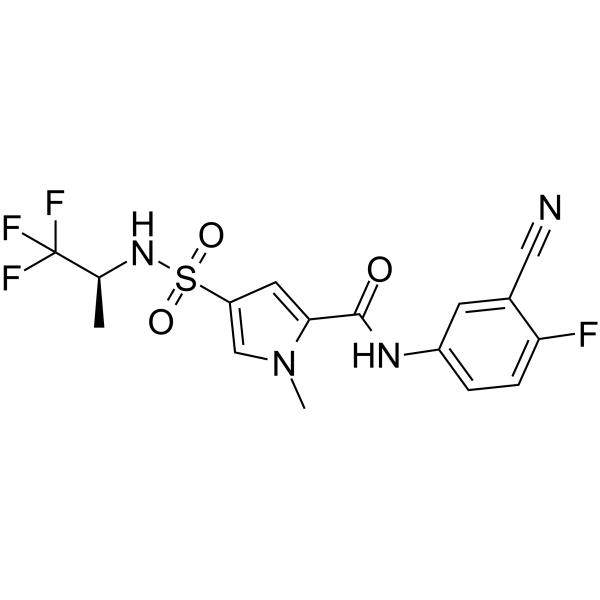
Bersacapavir (JNJ-6379) is an HBV capsid assembly modulator. Bersacapavir exerts a dual mechanism of action against both early and late stages of HBV infection by forming complete genome-free empty capsids and inhibiting de novo synthesis of cccDNA. Bersacapavir inhibits HBV replication. Bersacapavir can be used in the research of hepatitis B .
|
-
-
- HY-143712
-
|
|
Drug Metabolite
G protein-coupled Bile Acid Receptor 1
ROR
|
Metabolic Disease
Inflammation/Immunology
Cancer
|
|
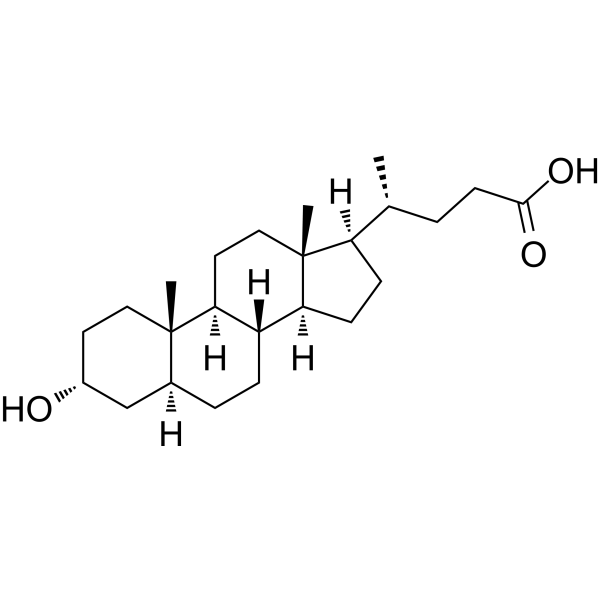
Allolithocholic acid is an orally active metabolite of Lithocholic acid (HY-B0172). Allolithocholic acid is a dual GPBAR1 agonist (EC50 = 2.7 μM) and RORγt inverse agonist (IC50 = 3.4 μM). Allolithocholic acid modulates immune and metabolic pathways, regulates immune cell polarization, prevents M1 macrophage and Th17 CD4 cell polarization. Allolithocholic acid improves insulin sensitivity, reduces liver lipid accumulation, reverses liver immunological, inflammatory and metabolic signaling dysregulation, restores bile acid homeostasis, adipose tissue histopathology/function, and intestinal microbiota composition, modulates intestinal immunity. Allolithocholic acid can be used for the researches of cancer, inflammayion, immunology and metabolic disease .
|
-
-
- HY-12502A
-
|
NZ-105 hydrochloride monoethanolate; (±)-Efonidipine hydrochloride monoethanolate
|
Calcium Channel
SARS-CoV
|
Cardiovascular Disease
Neurological Disease
Cancer
|
|
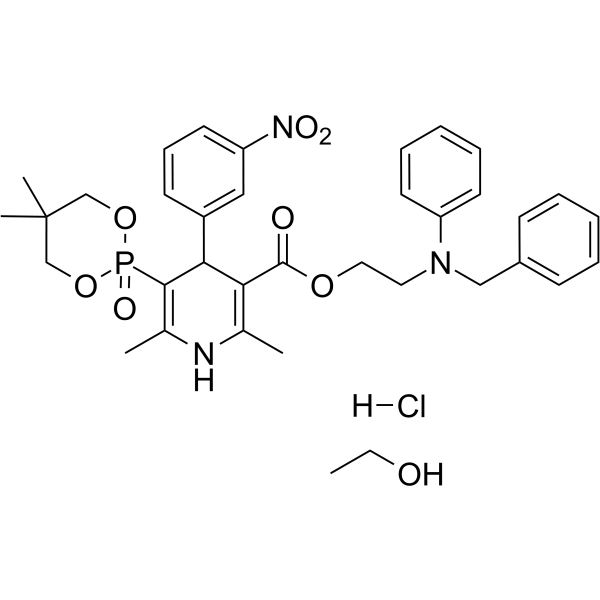
Efonidipine (NZ-105) hydrochloride monoethanolate is an orally active dual L-type and T-type calcium channel blocker (CCB) with IC50 values of 1.8 and 350 nM, respectively. Efonidipine hydrochloride monoethanolate inhibits SARS-CoV-2 main protease. Efonidipine hydrochloride monoethanolate modulates adrenal steroidogenesis by increasing the expression of steroidogenic acute regulatory protein (StAR), dbcAMP-or angiotensin II-induced StAR mRNA expression and DHEA-S production, while suppressing the biosynthesis of aldosterone and cortisol. Efonidipine hydrochloride monoethanolate reduces plasma aldosterone levels in vivo. Efonidipine hydrochloride monoethanolate improves cardiac function in heart failure models by inhibiting T-type calcium channels (via both tonic and use-dependent blockade), independently of blood pressure reduction. Efonidipine hydrochloride monoethanolate can be used for research in hypertension, heart failure, and disorders involving dysregulated steroid hormone synthesis .
|
-
-
- HY-163944
-
|
|
DNA/RNA Synthesis
Molecular Glues
CDK
Apoptosis
RAD51
ATM/ATR
PARP
|
Cancer
|
LL-K12-18 is a CDK12 kinase inhibitor and a dual-site molecular glue. LL-K12-18 inhibits human CDK12 with an IC50 value of 283.9 nM, and selectively degrades cyclin K via the ubiquitin-proteasome system by stabilizing the CDK12-DDB1 complex. LL-K12-18 downregulates DNA damage response genes, reduces the phosphorylation level of CTD Ser2 in RNA polymerase II, and modulates biomarkers such as ATM, RAD51, γ-H2AX and cleaved PARP, thereby effectively inducing apoptosis and inhibiting proliferation of breast cancer cells. LL-K12-18 exhibits high target selectivity and serves as a research tool for studies on triple-negative breast cancer .
|
-
-
- HY-12502
-
|
NZ-105; (±)-Efonidipine
|
Calcium Channel
SARS-CoV
|
Cardiovascular Disease
Neurological Disease
Cancer
|
|
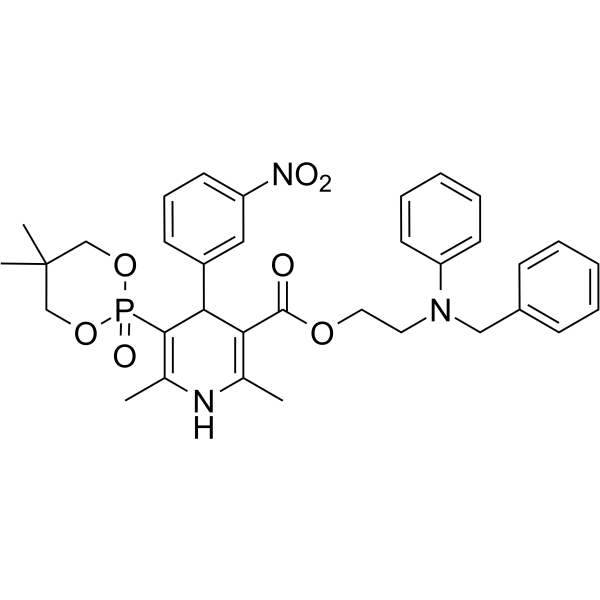
Efonidipine (NZ-105) is an orally active dual L-type and T-type calcium channel blocker (CCB) with IC50 values of 1.8 and 350 nM, respectively. Efonidipine inhibits SARS-CoV-2 main protease. Efonidipine modulates adrenal steroidogenesis by increasing the expression of steroidogenic acute regulatory protein (StAR), dbcAMP-or angiotensin II-induced StAR mRNA expression and DHEA-S production, while suppressing the biosynthesis of aldosterone and cortisol. Efonidipine reduces plasma aldosterone levels in vivo. Efonidipine improves cardiac function in heart failure models by inhibiting T-type calcium channels (via both tonic and use-dependent blockade), independently of blood pressure reduction. Efonidipine can be used for research in hypertension, heart failure, and disorders involving dysregulated steroid hormone synthesis .
|
-
-
- HY-116273
-
|
|
Phospholipase
|
Cancer
|
|
ML299 is a selective allosteric modulator and a dual inhibitor of phospholipases D1 and D2 (IC50 values are 6 and 12 nM, respectively). ML299 decreases invasive migration in U87-MG glioblastoma cells .
|
-
-
- HY-178281
-
|
|
Potassium Channel
Sodium Channel
|
Neurological Disease
|
|
E0199 is a novel potent dual-target KV7/NaV modulator that activates the KV7 channel (KV7.2/7.3 (EC50 = 12.78 nM), KV7.2 (EC50 = 0.50 μM), and KV7.5 (EC50 = 27.14 nM) channels) while simultaneously blocks the NaV1.7 (IC50 = 0.52 μM), NaV1.8 (IC50 = 0.24 μM), and NaV1.9 (IC50 = 0.16 μM) channels. E0199 shows a potent analgesic effect without affecting heart and skeletal muscle ion channels critically in a chronic constriction injury (CCI) mouse model. E0199 can be used for Neuropathic pain (NP) research .
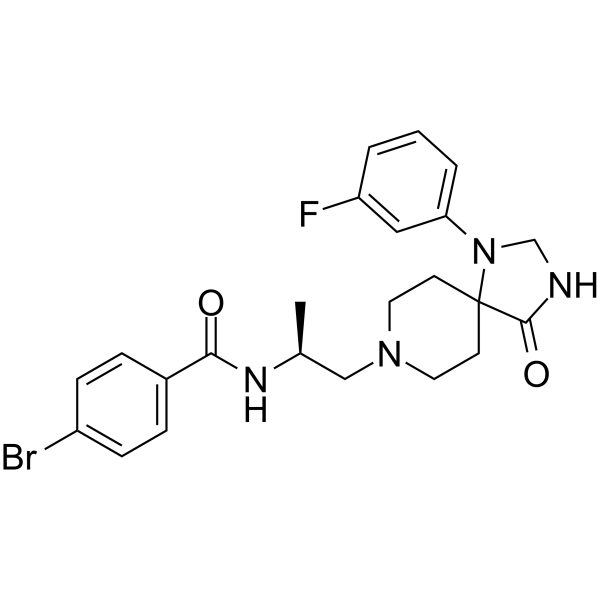
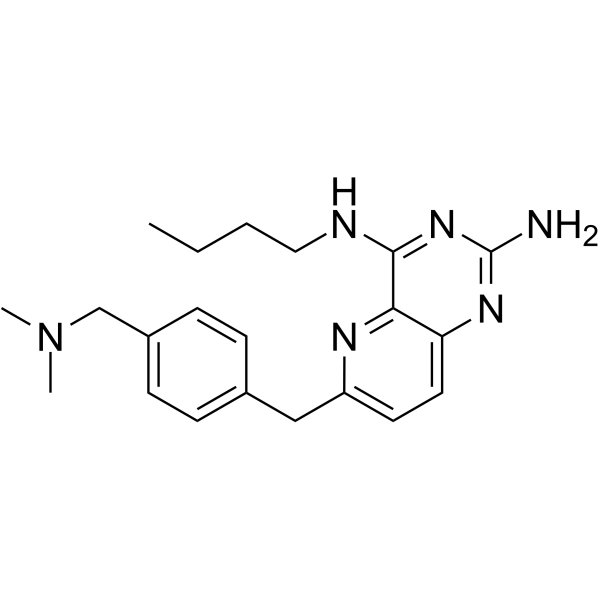
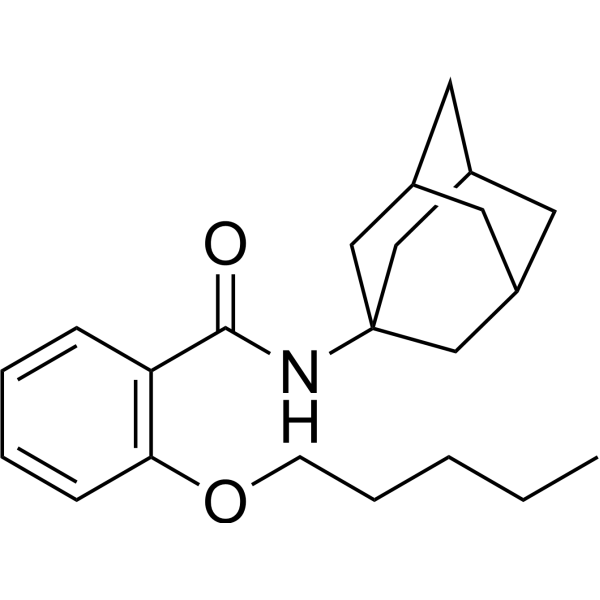
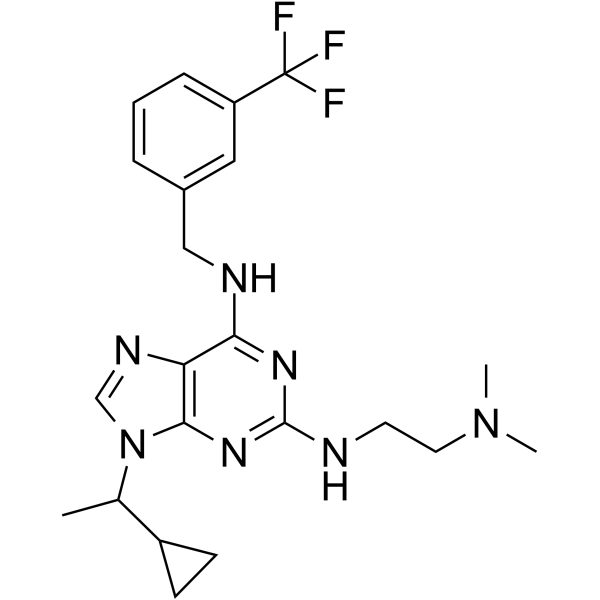
|
-
-
- HY-170944
-
|
|
HSP
Apoptosis
Caspase
|
Cancer
|
|
BAG3/HSP70-IN-1 (compound 16) is the first-in-class BAG3 and HSP70 dual inhibitor. BAG3/HSP70-IN-1 binds to BAG3 full-length, BAG3-BD, and HSP70 proteins with Kds of 33.10 μM, 27.90 μM, and 33.80 μM, respectively. BAG3/HSP70-IN-1 inhibits HeLa cells with an IC50 of 49.46 μM. BAG3/HSP70-IN-1 induces apoptosis by activating caspase 3 and caspase 9 levels in HeLa cells. BAG3/HSP70-IN-1 elevates p21 levels while reduces FOXM1 expression in HeLa cells. BAG3/HSP70-IN-1 decreases ATPase activity .
|
-
-
- HY-124478
-
|
Ethyl 2,5-dihydroxybenzoate
|
Phosphatase
|
Metabolic Disease
|
|
Ethyl gentisate (Ethyl 2,5-dihydroxybenzoate) is a dual modulator for cell differentiation, that enhances the osteogenic differentiation of human mesenchymal stem cells (hMSCs) and alkaline phosphatase activity, inhibits RANKL-activated osteoclastogenesis in RAW264.7 cells, and balances the bone remodeling process .
|
-
-
- HY-144501
-
|
|
Toll-like Receptor (TLR)
PD-1/PD-L1
|
Inflammation/Immunology
Cancer
|
|
D18 is an immune modulator. D18 acts as a TLR7/8 dual agonist (EC50 = 24 nM for hTLR7 and 10 nM for hTLR8, respectively). D18 increases PD-L1 expression through epigenetic regulation, thus sensitizing tumors to PD-1/PD-L1 blockade. D18 is a ADC cytotoxin uesd for the systhesis of ADC HE-S2 (HY-144497). D18 has strong immune activation and anti-tumor activity. D18 commonly used in cancer research, such as colon cancer .
|
-
-
- HY-148629
-
|
|
JNK
|
Neurological Disease
|
|
GDC-0134 (RG6000) is a modulator targeting dual leucine zipper kinase (DLK) that can cross the blood-brain barrier. By inhibiting the kinase activity of DLK, GDC-0134 blocks the activation of the downstream JNK signaling pathway, suppresses DLK-dependent retrograde signal transduction of axon-to-soma degeneration, and exerts neuroprotective activity. GDC-0134 reduces TDP-43 protein aggregation and decreases the degree of neuromuscular junction denervation in motor neurons. GDC-0134 can be used in the research of amyotrophic lateral sclerosis (ALS), Alzheimer's disease and other DLK-related neurodegenerative diseases .
|
-
-
- HY-152254
-
|
|
FAAH
Cannabinoid Receptor
|
Infection
Neurological Disease
Inflammation/Immunology
Cancer
|
|
CB2R/FAAH modulator-3 (compound 27) is a dual targeting modulator that acts as a CB2R agonist and FAAH inhibitor. The Ki values for CB2R/FAAH modulator-3 are 20.1 and 67.6 nM for CB2R and CB1R, respectively, and the IC50 value for FAAH is 3.4 μM. CB2R/FAAH modulator-3 can be used in studies related to cancer, deleterious inflammatory cascades occurring in neurodegenerative diseases, and COVID-19 infection .
|
-
-
- HY-128677
-
|
|
Casein Kinase
|
Neurological Disease
|
|
NCC007 is a dual casein kinase Iα (CKIα) and δ (CKIδ) inhibitor with IC50s of 1.8 and 3.6 μM, respectively. NCC007 can be used in research of modulating mammalian circadian rhythms .
|
-
-
- HY-177515
-
|
|
IRAK
STAT
JAK
NF-κB
|
Inflammation/Immunology
|
|
IRAK4 modulator-2 (Compound 5) is a selective dual Interleukin-1 Receptor Associated Kinase 4 (IRAK4) and IRAK1 inhibitor with IC50 values of 0.005 μM and 0.97 μM, erespectively. IRAK4 modulator-2 blocks IRAK-mediated signaling pathways (e.g., JAK-STAT, NF-κB pathways), reduces the production of pro-inflammatory cytokines (e.g., IL-1, TNF), and exerts anti-inflammatory activity. IRAK4 modulator-2 is promising for research of autoimmune diseases and inflammatory diseases, such as rheumatoid arthritis, psoriasis, inflammatory bowel disease .
|
-
-
- HY-149831
-
|
|
FXR
|
Metabolic Disease
|
ZLY28 is the first-in-class intestinal restricted and orally active FXR and FABP1 dual modulator. ZLY28 also is a novel anti-NASH agent. ZLY28 can be used for the research of nonalcoholic steatohepatitis (NASH) .
|
-
-
- HY-155672
-
|
|
5-HT Receptor
|
Neurological Disease
|
|
JPC0323 is a dual 5-HT2C/5-HT2A receptor positive allosteric modulator. JPC0323 has on-target properties, acceptable plasma exposure and brain penetration. JPC0323 can be used for the research of neurological disease .
|
-
-
- HY-176287
-
|
|
Dopamine Receptor
GSK-3
PKA
P-glycoprotein
|
Neurological Disease
|
|
ARN25657 is a dual-acting D3R/GSK-3β modulator. ARN25657 has both partial D3R agonist activity (EC50 = 15.2 nM, Ki =1.5 nM) and potent GSK-3β inhibitor activity (IC50 = 19.3 nM). ARN25657 exhibits excellent GSK-3β selectivity over FYN, PKA, and CDK5/p35. ARN25657 inhibits P-glycoprotein (P-gP)-mediated acetoxymethyl calcein efflux and improves in vitro ADME properties while maintaining a balanced dual-target profile. ARN25657 is useful for studying bipolar disorder and related neuropsychiatric disorders .
|
-
-
- HY-176561
-
|
|
Casein Kinase
HDAC
|
Cancer
|
|
IOR-160 is a dual inhibitor of casein kinase 2 (CK2) and HDACs. IOR-160 exhibits high selectivity for CK2 (IC50 = 1.7 nM) and broad inhibitory activity against HDAC (HDAC 1, 2, 3, and 6 with IC50s of 3.3 nM, 24.0 nM, 3.9 nM, and 13.0 nM, respectively, with low activity for HDAC8). IOR-160 modulates key cellular signaling pathways by inhibiting AKT phosphorylation and increasing acetylated α-tubulin. IOR-160 inhibits tumor growth and reduces tumor burden through dual CK2/HDAC inhibition. IOR-160 is indicated for use in triple-negative breast cancer research .
|
-
-
- HY-178716
-
|
|
Phosphatase
IFNAR
STAT
JAK
|
Cancer
|
|
PTPN2/1-IN-4 (Compound WS35) is an orally active, dual-functional inhibitor of PTPN1 and PTPN2 with IC50s of 12.8 and 5.8 nM for PTPN1 and PTPN2, respectively. PTPN2/1-IN-4 modulates the IFNγ-JAK-STAT signaling pathway and significantly augments CD8+ T-cell tumor infiltration. PTPN2/1-IN-4 has potent anticancer activity, robustly inhibiting tumor growth both as a monotherapy and in combination with an anti-PD-1 antibody in B16-OVA syngeneic mouse models .
|
-
-
- HY-114863
-
|
THCCC
|
mGluR
|
Neurological Disease
|
|
PHCCC(4Me) (THCCC), a PHCCC analog, is a dual mGluR2 (IC50 of 1.5 μM) negative allosteric modulator and mGluR3 (EC50 of 8.9 μM) positive allosteric modulator .
|
-
-
- HY-147361
-
|
|
Apoptosis
Lactate Dehydrogenase
|
Cancer
|
|
LDCA is a dual-hit metabolic modulator and inhibits LDH-A enzyme activity to stimulate apoptosis in the malignant population. LDCA can be used for the research of oncogenic progression .
|
-
-
- HY-152253
-
|
|
FAAH
Cannabinoid Receptor
|
Infection
Neurological Disease
Inflammation/Immunology
Cancer
|
|
CB2R/FAAH modulator-2 (compound 26) is a dual targeting modulator that acts as a CB2R agonist and FAAH inhibitor. The Ki values for CB2R/FAAH modulator-2 are 10.8 and 152.9 nM for CB2R and CB1R, respectively, and the IC50 value for FAAH is 6.2 μM. CB2R/FAAH modulator-2 can be used in studies related to cancer, deleterious inflammatory cascades occurring in neurodegenerative diseases, and COVID-19 infection .
|
-
-
- HY-117965
-
-
-
- HY-176731
-
|
|
P2X Receptor
|
Neurological Disease
|
|
MSK-9 is a positive allosteric modulator of the P2X4 receptor with dual activities of enhancing ion conductance and delaying receptor inactivation. MSK-9 stabilizes the open state of the P2X4 receptor through rigid 3-piperidinyl and hydrophobic menthyl substituents. MSK-9 can be used in the study of multiple sclerosis (MS) .
|
-
-
- HY-178470
-
|
|
Indoleamine 2,3-Dioxygenase (IDO)
|
Inflammation/Immunology
Cancer
|
|
IDO1/TDO-IN-10 (Compound G-14) is a dual IDO1 (EC50=3.07 μM) and TDO (EC50=9.7 μM) inhibitor. IDO1/TDO-IN-10 inhibits the conversion of tryptophan to kynurenine and modulates immune responses while reducing inflammatory reactions. IDO1/TDO-IN-10 is promising for research of cancers and inflammatory diseases .
|
-
-
- HY-143712S1
-
|
3α-hydoxy-5α-Cholaoic Acid-d4, allo-LCA-d4
|
Isotope-Labeled Compounds
Drug Metabolite
G protein-coupled Bile Acid Receptor 1
ROR
|
Metabolic Disease
Inflammation/Immunology
Cancer
|
|
Allolithocholic Acid-d4 (3α-hydoxy-5α-Cholaoic Acid-d4, allo-LCA-d4) is deuterium labeled Allolithocholic acid (HY-143712). Allolithocholic acid is an orally active metabolite of Lithocholic acid (HY-B0172). Allolithocholic acid is a dual GPBAR1 agonist (EC50 = 2.7 μM) and RORγt inverse agonist (IC50 = 3.4 μM). Allolithocholic acid modulates immune and metabolic pathways, regulates immune cell polarization, prevents M1 macrophage and Th17 CD4 cell polarization. Allolithocholic acid improves insulin sensitivity, reduces liver lipid accumulation, reverses liver immunological, inflammatory and metabolic signaling dysregulation, restores bile acid homeostasis, adipose tissue histopathology/function, and intestinal microbiota composition, modulates intestinal immunity. Allolithocholic acid can be used for the researches of cancer, inflammayion, immunology and metabolic disease .
|
-
-
- HY-12502B
-
|
NZ-105 hydrochloride; (±)-Efonidipine hydrochloride
|
Calcium Channel
SARS-CoV
|
Cardiovascular Disease
Cancer
|
|
Efonidipine (NZ-105) hydrochloride is an orally active dual L-type and T-type calcium channel blocker (CCB) with IC50 values of 1.8 and 350 nM, respectively. Efonidipine hydrochloride inhibits SARS-CoV-2 main protease. Efonidipine hydrochloride modulates adrenal steroidogenesis by increasing the expression of steroidogenic acute regulatory protein (StAR), dbcAMP-or angiotensin II-induced StAR mRNA expression and DHEA-S production, while suppressing the biosynthesis of aldosterone and cortisol. Efonidipine hydrochloride reduces plasma aldosterone levels in vivo. Efonidipine hydrochloride improves cardiac function in heart failure models by inhibiting T-type calcium channels (via both tonic and use-dependent blockade), independently of blood pressure reduction. Efonidipine hydrochloride can be used for research in hypertension, heart failure, and disorders involving dysregulated steroid hormone synthesis .
|
-
-
- HY-165587
-
|
|
Prostaglandin Receptor
|
Cardiovascular Disease
|
|
BM-573 is an orally active dual thromboxane A₂ (TXA₂) modulator with an IC50 of 1.3 nM. BM-573 possesses both thromboxane synthase (TxAS) inhibition and thromboxane receptor (TP) antagonistic effects. BM-573 can completely inhibit platelet aggregation induced by Arachidonic acid (HY-109590) or U-46619 (TXA₂ analogues). BM-573 completely blocks the generation of TXB₂ (the stable metabolite of TXA₂) in human platelets and does not inhibit cyclooxygenase (COX-1/COX-2), thus avoiding interference with other prostaglandin synthesis. BM-573 has an inhibitory effect on U-46619-induced contractions in rat gastric fundus smooth muscle (ED₅₀ = 4.2 μM), but has no effect on contractions caused by PGE₂, PGF₂α, or PGI₂. BM-573 can be used in the study of atherosclerosis, myocardial infarction, pulmonary hypertension and shock .
|
-
-
- HY-178332
-
-
-
- HY-169964
-
|
|
Carbonic Anhydrase
|
Neurological Disease
|
|
TSPO/Carbonic Anhydrase Modulator 1 (Compound 3) is a dual modulator for mitochondrial translocator protein and Carbonic Anhydrase with a Ki of 1.340 μM for TSPO and a KA of 10.7 μM for CA VII. TSPO/Carbonic Anhydrase Modulator 1 promotes the production of neurosteroid, increases BDNF gene expression, exhibits neuroprotective efficacy .
|
-
-
- HY-118397
-
|
|
PPAR
|
Others
|
|
RB394 is a potent dual sEH/PPARγ modulator isoform that promotes adipocyte browning and exhibits cardioprotective activity, and can be used to suppress metabolic syndrome.
|
-
-
- HY-151963
-
|
|
PPAR
Glucocorticoid Receptor
|
Metabolic Disease
|
|
PPARγ/GR modulator 1 is an orally active dual agonist of PPARγ and glucocorticoid receptor (GR), with Kis of 3.3 and 33.6 μM, respectively. PPARγ/GR modulator 1 can be used for the research of metabolic diseases, such as diabetes .
|
-
-
- HY-172231
-
|
|
Estrogen Receptor/ERR
|
Cardiovascular Disease
Cancer
|
|
Hexolame is an estrogen receptors agonist with dual anticoagulant and estrogenic properties. Hexolame binds to estrogen receptors to induce anticoagulant effects by modulating clotting factors or platelet activity. Hexolame is promising for research of prostatic cancer and prevention of thrombosis .
|
-
-
- HY-159484
-
|
|
HSP
Guanylate Cyclase
|
Cardiovascular Disease
|
|
Hsp110/sGC-modulator-1 (compound 17i), an orally active Hsp110/sGC dual-target regulator, exhibits optimal Hsp110 and sGC molecular activities as well as remarkable cell malignant phenotypes inhibitory and vasodilatory effects. Hsp110/sGC-modulator-1 (compound 17i) attenuates pulmonary vascular remodeling and right ventricular hypertrophy via Hsp110 suppression .
|
-
-
- HY-121736
-
|
AGI-026
|
Isocitrate Dehydrogenase (IDH)
|
Neurological Disease
|
|
AGI-12026 is brain-penetrant dual inhibitor of mutant IDH1 and 2. AGI-12026 shows partial inhibition of the IDH1-R132H homodimer as allosteric modulators. AGI-12026 has the potential for research of glioma .
|
-
-
- HY-163065
-
|
|
Opioid Receptor
Sigma Receptor
|
Neurological Disease
|
|
σ1 Receptor/μ Opioid receptor modulator 2 (compound 4x) is a dual μOR agonist/σ1R antagonist, and displays picomolar μOR agonism activity (EC50: 0.6 ± 0.2 nM) and good σ1R inhibitory activity (Ki: 363.7 ± 5.6 nM). σ1 Receptor/μ Opioid receptor modulator 2 exhibits robust analgesic effects in various pain models .
|
-
-
- HY-123773
-
|
NSC 732011; HLX-801
|
Steroid Sulfatase
Estrogen Receptor/ERR
|
Cancer
|
|
SR-16157 (NSC 732011; HLX-801) is a dual-action steroid sulfatase (STS) inhibitor (IC50 = 0.1 uM) and selective ERα modulator. SR-16157 exhibits STS inhibitory and anti-estrogenic effects in breast cancer cells. SR-16157 may be used in breast cancer research .
|
-
-
- HY-158627
-
|
|
5-HT Receptor
|
Others
|
|
JPC0323 Oleate is a derivative of JPC0323 (HY-155672). JPC0323 is a dual 5-HT2C/5-HT2A receptor positive allosteric modulator. JPC0323 has on-target properties, acceptable plasma exposure and brain penetration. JPC0323 can be used for the research of neurological disease .
|
-
-
- HY-117459
-
|
|
PPAR
|
Metabolic Disease
|
|
E-3030 free acid is a potent dual activator of peroxisome proliferator-activated receptor (PPAR) alpha and PPARgamma, exhibiting significant antidiabetic and lipid-modulating effects. E-3030 decreases blood glucose, triglyceride, non-esterified fatty acids, and insulin levels, while increasing blood adiponectin levels. E-3030 improves glucose tolerance and shows remarkable triglyceride- and non-high-density lipoprotein cholesterol-lowering effects in animal models.
|
-
-
- HY-P11259
-
|
|
Urotensin Receptor
|
Cardiovascular Disease
Metabolic Disease
Inflammation/Immunology
Cancer
|
UPG-111 is a peptide compound that acts as a negative allosteric modulator of the Urotensin II receptor (UTR). UPG-111 exhibits a dual inhibitory effect on the vasoconstriction induced by UTR agonists - it reduces both the maximum response intensity and the sensitivity of the agonist. UPG-111 does not induce calcium release or cause contraction of the endothelium-deprived rat aortic rings. UPG-111 can be used for the study of various diseases related to the angiotensinergic system .
|
-
-
- HY-143712R
-
|
|
Reference Standards
Drug Metabolite
G protein-coupled Bile Acid Receptor 1
ROR
|
Metabolic Disease
Inflammation/Immunology
Cancer
|
|
Allolithocholic acid (Standard) is the analytical standard of Allolithocholic acid (HY-143712). This product is intended for research and analytical applications. Allolithocholic acid is an orally active metabolite of Lithocholic acid (HY-B0172). Allolithocholic acid is a dual GPBAR1 agonist (EC50 = 2.7 μM) and RORγt inverse agonist (IC50 = 3.4 μM). Allolithocholic acid modulates immune and metabolic pathways, regulates immune cell polarization, prevents M1 macrophage and Th17 CD4 cell polarization. Allolithocholic acid improves insulin sensitivity, reduces liver lipid accumulation, reverses liver immunological, inflammatory and metabolic signaling dysregulation, restores bile acid homeostasis, adipose tissue histopathology/function, and intestinal microbiota composition, modulates intestinal immunity. Allolithocholic acid can be used for the researches of cancer, inflammayion, immunology and metabolic disease .
|
-
-
- HY-12502AR
-
|
NZ-105 hydrochloride monoethanolate (Standard); (±)-Efonidipine hydrochloride monoethanolate (Standard)
|
Reference Standards
Calcium Channel
SARS-CoV
|
Cardiovascular Disease
|
|
Efonidipine (NZ-105) hydrochloride monoethanolate (Standard) is the analytical standard of Efonidipine hydrochloride monoethanolate (HY-12502AR). This product is intended for research and analytical applications. Efonidipine (NZ-105) hydrochloride monoethanolate is an orally active dual L-type and T-type calcium channel blocker (CCB) with IC50 values of 1.8 and 350 nM, respectively. Efonidipine hydrochloride monoethanolate inhibits SARS-CoV-2 main protease. Efonidipine hydrochloride monoethanolate modulates adrenal steroidogenesis by increasing the expression of steroidogenic acute regulatory protein (StAR), dbcAMP-or angiotensin II-induced StAR mRNA expression and DHEA-S production, while suppressing the biosynthesis of aldosterone and cortisol. Efonidipine hydrochloride monoethanolate reduces plasma aldosterone levels in vivo. Efonidipine hydrochloride monoethanolate improves cardiac function in heart failure models by inhibiting T-type calcium channels (via both tonic and use-dependent blockade), independently of blood pressure reduction. Efonidipine hydrochloride monoethanolate can be used for research in hypertension, heart failure, and disorders involving dysregulated steroid hormone synthesis .
|
-
-
- HY-134483
-
|
|
5-HT Receptor
|
Neurological Disease
|
|
5-HT7/5-HT2A receptor antagonist 1 is a high-affinity, orally active, brain-penetrant 5-HT7 and 5-HT2A receptor ligand having a pKi = 8.1 at both receptors. 5-HT7/5-HT2A receptor antagonist 1 behaves as an antagonist in an in vitro functional assay for 5-HT2A and as an inverse agonist in an in vitro functional assay for 5-HT7. 5-HT7/5-HT2A receptor antagonist 1 blockade of 5-Carboxamidotryptamine (5-CT) (HY-135555) induced hypothermia in rats, and blockade of 2,5-dimethoxy-4-iodoamphetamine (DOI) induced head-twitches in mice. 5-HT7/5-HT2A receptor antagonist 1 occupied 5-HT2A receptor binding sites in the frontal cortex of the rat brain. 5-HT7/5-HT2A receptor antagonist 1 can be used for the study of Neurological diseases .
|
-
-
- HY-181616
-
-
-
- HY-183309
-
|
|
FXR
17β-HSD
|
Inflammation/Immunology
|
|
FXR/HSD17B13-modulator-2 is a dual FXR activator and HSD17B13 inhibitor with human FXR EC50 of 128 nM, human HSD17B13 IC50 of 0.18 μM, high selectivity over related nuclear receptors and HSD17B isoforms, and oral effectiveness.FXR/HSD17B13-modulator-2 alleviates fatty liver, regulates lipid metabolism, reduces inflammation, and attenuates hepatic fibrosis.FXR/HSD17B13-modulator-2 is the first non-carboxylic acid dual FXR/HSD17B13 modulator.FXR/HSD17B13-modulator-2 can be used for the research of metabolic dysfunction-associated steatohepatitis .
|
-
-
- HY-180585
-
|
|
Monoamine Oxidase
Guanylate Cyclase
PKG
Collagen
|
Cardiovascular Disease
|
|
LOXL2/sGC modulator-2 (Compound 9k) is a selective and orally active lysyl oxidase-like 2 (LOXL2) and soluble guanylate cyclase (sGC) dual-target regulator. LOXL2/sGC modulator-2 shows inhibitory activity for LOXL2 with an IC50 of 0.1 μM and can activate sGC. LOXL2/sGC modulator-2 can ameliorate vascular remodeling and reduce pulmonary artery pressure. LOXL2/sGC modulator-2 can downregulate PKG1, PCNA, α-SMA, collagen I and fibronectin levels. LOXL2/sGC modulator-2 can be used for the research of pulmonary arterial hypertension .
|
-
-
- HY-182905
-
|
|
Somatostatin Receptor
G protein-coupled Bile Acid Receptor 1
|
Metabolic Disease
|
|
SSTR5/TGR5-modulator-1 is an orally active and dual-target small molecule, balanced in vitro activity at human TGR5 and human SSTR5. SSTR5/TGR5-modulator-1 activates human TGR5 to promote cAMP accumulation. SSTR5/TGR5-modulator-1 blocks human SSTR5 to inhibit agonist-induced calcium mobilization. SSTR5/TGR5-modulator-1 improves glucose tolerance in mice. SSTR5/TGR5-modulator-1 alleviates gallbladder filling in mice at pharmacologically relevant doses. SSTR5/TGR5-modulator-1 has suboptimal physicochemical and metabolic properties.SSTR5/TGR5-modulator-1 can be used for the research of type 2 diabetes mellitus .
|
-
-
- HY-175742A
-
|
|
Drug Isomer
|
Cardiovascular Disease
|
|
(R)-BMS-986470 is the enantiomer of BMS-986470 (HY-175742). BMS-986470, a HbF-activating CRBN E3 ligase modulator (CELMoD), is an orally active dual molecular glue degrader targeting ZBTB7A and WIZ .
|
-
-
- HY-122686
-
|
|
Deubiquitinase
Apoptosis
c-Myc
|
Cancer
|
|
USP25/28-IN-2 is a selectivity dual USP25/28 inhibitor with IC50 values of 0.88 and 1.1 μM, respectively. USP25/28-IN-2 modulates USP25 and USP28 activity to affect downstream pathways, modulates c-Myc oncoprotein total levels and half-life, induces apoptosis, reduces cell viability. USP25/28-IN-2 can be used for the research of colorectal carcinoma, colorectal adenocarcinoma .
|
-
- HY-183805
-
|
|
5-HT Receptor
FAAH
|
Neurological Disease
|
|
5-HT6R/FAAH modulator 2 is a dual 5-HT6R antagonist and FAAH inhibitor with human 5-HT6R pKi 7.24, human FAAH pIC50 5.47, and blood-brain barrier penetration.5-HT6R/FAAH modulator 2 modulates serotonergic signaling, blocks 5-HT6R function, inhibits endocannabinoid degradation via FAAH catalytic activity suppression.5-HT6R/FAAH modulator 2 exhibits neuroprotective effects against mitochondrial dysfunction, amyloid-β, and glutamate-induced toxicity, reverses memory deficits.5-HT6R/FAAH modulator 2 shows reduced cytotoxicity relative to oxygen-containing lead compounds.5-HT6R/FAAH modulator 2 can be used for the research of Alzheimer's disease .
|
-
- HY-131196
-
|
|
mAChR
|
Neurological Disease
|
|
M3 mAChR agonist 1 is an M3-preferring M3/M5 mAChR dual positive allosteric modulators (PAM). M3 mAChR agonist 1 shows excellent subtype selectivity over other subtypes of mAChRs including M1, M2, and M4 mAChRs. M3 mAChR agonist 1 increases the contraction of isolated rat bladder strips by modulating the M3 muscarinic acetylcholine receptor, leading to enhanced signaling pathways. M3 mAChR agonist 1 can be used for the research of endocrinology .
|
-
- HY-180549
-
|
|
11β-HSD
AMPK
|
Metabolic Disease
|
|
11β-HSD1-IN-25 is a selective and orally active 11β-HSD1 inhibitor. 11β-HSD1-IN-25 effectively reduces glucocorticoid levels in vitro and serum, and diminishes lipid accumulation in both vitro and vivo. 11β-HSD1-IN-25 modulates lipid metabolism through dual mechanisms: inhibition of 11β-HSD1 and activation of the AMP-activated protein kinase (AMPK) signaling pathway. 11β-HSD1-IN-25 can be used for obesity and related metabolic disorders research .
|
-
- HY-182743
-
|
|
AMPK
MARK
YAP
|
Cancer
|
|
OICR19451 is an orally active dual NUAK1/NUAK2 and MARK2/MARK3 kinase inhibitor, with IC50 values of 12 nM and 10 nM against NUAK1 and NUAK2, and 101 nM and 124 nM against MARK2 and MARK3, respectively. OICR19451 modulates the Hippo signaling pathway, increases the phosphorylation level of YAP, enhances the cytoplasmic localization of YAP/TAZ, and inhibits the expression of oncogenes. OICR19451 inhibits cancer cell growth, reduces metastasis, promotes tumor capsule formation, and improves mouse survival in an orthotopic breast cancer model. OICR19451 can be used for research related to triple-negative breast cancer .
|
-
- HY-181710
-
|
|
mTOR
PI3K
|
Cancer
|
|
LASSBio-2337 is a dual pan-PI3K/mTOR inhibitor with an mTOR IC50 of 5.8 μM.LASSBio-2337 functionally modulates mTOR and all PI3K isoforms.LASSBio-2337 acts as a cytotoxic agent in leukemia cells, including multidrug-resistant populations.LASSBio-2337 spares nontumor human peripheral blood mononuclear cells.LASSBio-2337 displays moderate PAMPA-GIT permeability.LASSBio-2337 shows low metabolic stability in rat liver microsomes.LASSBio-2337 is aqueous insoluble.LASSBio-2337 can be used for the research of acute lymphoblastic leukemia, chronic myelogenous leukemia, breast cancer .
|
-
- HY-181606
-
|
|
MDM-2/p53
Integrin
Apoptosis
|
Neurological Disease
Cancer
|
|
Cyclo (phg-isoDGR-k)-PEG4-non-cleavable-SAR405838 is a dual MDM2 and α5β1 integrin modulator. Cyclo (phg-isoDGR-k)-PEG4-non-cleavable-SAR405838 acts as an antiproliferative agent, apoptosis inducer and cell cycle regulator, induces reactivation of p53 and upregulation of p21, redistributes glioblastoma cells from the G0/G1 phase to the G2/M phase, and enhances apoptosis. Cyclo (phg-isoDGR-k)-PEG4-non-cleavable-SAR405838 is applicable to the research of glioblastoma .
|
-
- HY-182763
-
|
|
EGFR
Raf
Caspase
Apoptosis
Bcl-2 Family
|
Cancer
|
|
EGFR/BRAFV600E-IN-7 is a dual EGFR and BRAF V600E kinase inhibitor with human IC50 values of 0.12 μM, 0.80 μM, 1.20 μM for EGFR and 0.05 μM, 0.22 μM, 0.78 μM for BRAF V600E.EGFR/BRAFV600E-IN-7 interacts with key ATP-binding site residues of EGFR and BRAF V600E, including hydrogen bonding with EGFR Met769 and BRAF V600E Cys532.EGFR/BRAFV600E-IN-7 induces apoptosis via caspase-3/8/9 activation, modulates Bax and Bcl-2 expression, scavenges free radicals, and exhibits antiproliferative activity against human cancer cell lines.EGFR/BRAFV600E-IN-7 displays drug-likeness with no PAINS/Brenk structural alerts per in silico predictions.EGFR/BRAFV600E-IN-7 can be used for the research of colon cancer, pancreatic cancer, lung cancer, breast cancer .
|
-
| Cat. No. |
Product Name |
Target |
Research Area |
-
- HY-P11259
-
|
|
Urotensin Receptor
|
Cardiovascular Disease
Metabolic Disease
Inflammation/Immunology
Cancer
|
UPG-111 is a peptide compound that acts as a negative allosteric modulator of the Urotensin II receptor (UTR). UPG-111 exhibits a dual inhibitory effect on the vasoconstriction induced by UTR agonists - it reduces both the maximum response intensity and the sensitivity of the agonist. UPG-111 does not induce calcium release or cause contraction of the endothelium-deprived rat aortic rings. UPG-111 can be used for the study of various diseases related to the angiotensinergic system .
|
| Cat. No. |
Product Name |
Category |
Target |
Chemical Structure |
-
- HY-143712
-
|
|
Structural Classification
Classification of Application Fields
Metabolic Disease
Endogenous metabolite
Disease Research Fields
Steroids
Source Classification
|
Drug Metabolite
G protein-coupled Bile Acid Receptor 1
ROR
|
|
Allolithocholic acid is an orally active metabolite of Lithocholic acid (HY-B0172). Allolithocholic acid is a dual GPBAR1 agonist (EC50 = 2.7 μM) and RORγt inverse agonist (IC50 = 3.4 μM). Allolithocholic acid modulates immune and metabolic pathways, regulates immune cell polarization, prevents M1 macrophage and Th17 CD4 cell polarization. Allolithocholic acid improves insulin sensitivity, reduces liver lipid accumulation, reverses liver immunological, inflammatory and metabolic signaling dysregulation, restores bile acid homeostasis, adipose tissue histopathology/function, and intestinal microbiota composition, modulates intestinal immunity. Allolithocholic acid can be used for the researches of cancer, inflammayion, immunology and metabolic disease .
|
-
-
- HY-143712R
-
|
|
Structural Classification
Endogenous metabolite
Steroids
Source Classification
|
Reference Standards
Drug Metabolite
G protein-coupled Bile Acid Receptor 1
ROR
|
|
Allolithocholic acid (Standard) is the analytical standard of Allolithocholic acid (HY-143712). This product is intended for research and analytical applications. Allolithocholic acid is an orally active metabolite of Lithocholic acid (HY-B0172). Allolithocholic acid is a dual GPBAR1 agonist (EC50 = 2.7 μM) and RORγt inverse agonist (IC50 = 3.4 μM). Allolithocholic acid modulates immune and metabolic pathways, regulates immune cell polarization, prevents M1 macrophage and Th17 CD4 cell polarization. Allolithocholic acid improves insulin sensitivity, reduces liver lipid accumulation, reverses liver immunological, inflammatory and metabolic signaling dysregulation, restores bile acid homeostasis, adipose tissue histopathology/function, and intestinal microbiota composition, modulates intestinal immunity. Allolithocholic acid can be used for the researches of cancer, inflammayion, immunology and metabolic disease .
|
-
| Cat. No. |
Product Name |
Chemical Structure |
-
- HY-143712S1
-
|
|
|
Allolithocholic Acid-d4 (3α-hydoxy-5α-Cholaoic Acid-d4, allo-LCA-d4) is deuterium labeled Allolithocholic acid (HY-143712). Allolithocholic acid is an orally active metabolite of Lithocholic acid (HY-B0172). Allolithocholic acid is a dual GPBAR1 agonist (EC50 = 2.7 μM) and RORγt inverse agonist (IC50 = 3.4 μM). Allolithocholic acid modulates immune and metabolic pathways, regulates immune cell polarization, prevents M1 macrophage and Th17 CD4 cell polarization. Allolithocholic acid improves insulin sensitivity, reduces liver lipid accumulation, reverses liver immunological, inflammatory and metabolic signaling dysregulation, restores bile acid homeostasis, adipose tissue histopathology/function, and intestinal microbiota composition, modulates intestinal immunity. Allolithocholic acid can be used for the researches of cancer, inflammayion, immunology and metabolic disease .
|
-
Your information is safe with us. * Required Fields.
Inquiry Information
- Product Name:
- Cat. No.:
- Quantity:
- MCE Japan Authorized Agent:

