20 Results for "

electrophile

" in MedChemExpress (MCE) Product Catalog:
Products (20)

20 Results for "electrophile" in MCE Product Catalog:

Cat. No.: HY-128915
CAS No.: 1116745-06-2
Purity:  99.69%
Research Areas:  

Cancer

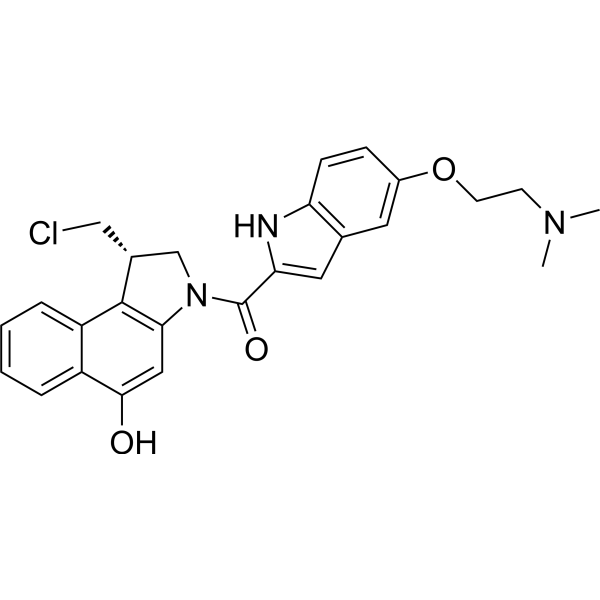
Duocarmycin DM free base, a DNA minor-groove alkylator, is an antibody agent conjugates (ADCs) toxin. Duocarmycin DM free base is based on its characteristic curved indole structure and a spirocyclopropylcyclohexadienone electrophile to act anticancer activity .
loading...
    loading...
Cat. No.: HY-135304
CAS No.: 2304852-21-7
Purity:  99.29%
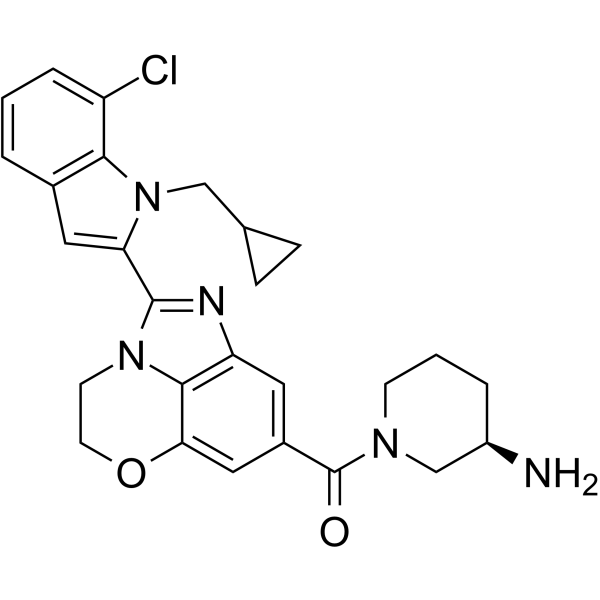
PAD-IN-2 is a potent pad4 inhibitor (IC50: <1 μM). PAD-IN-2 can be used in the research of auto-immune diseases and cancers, such as rheumatoid arthritis, vasculitis, systemic lupus erythematosis, cutaneous lupus erythematosis, ulcerative colitis, cystic fibrosis, asthma, multiple sclerosis and psoriasis .
loading...
    loading...
Cat. No.: HY-D1336
CAS No.: 2183440-42-6
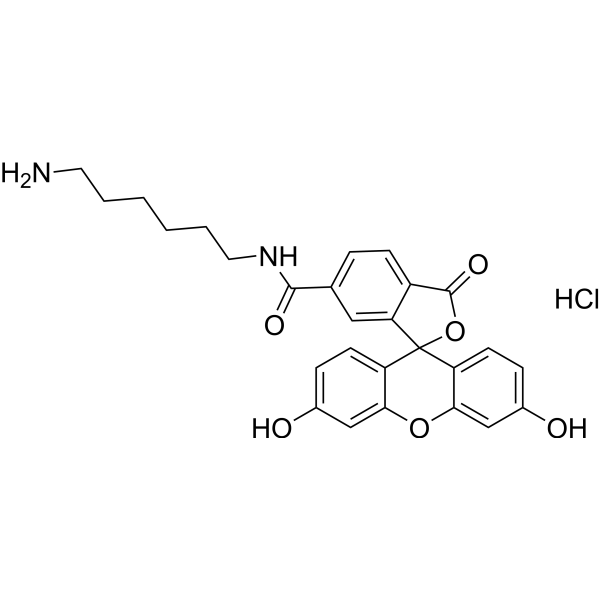
FAM amine, 6-isomer is a fluorescein derivative with an amine group and contains an isomer of the fluorophore. Can be used to modify biomolecules through enzymatic transamination. Its fatty amine groups can also react with electrophiles such as activated esters. The amine can also be conjugated to carbonyl compounds (aldehydes and ketones) by reductive amination.
loading...
    loading...
Cat. No.: HY-138065
CAS No.: 93285-75-7
Purity:  99.15%
Target:  

Apoptosis

Research Areas:  

Others

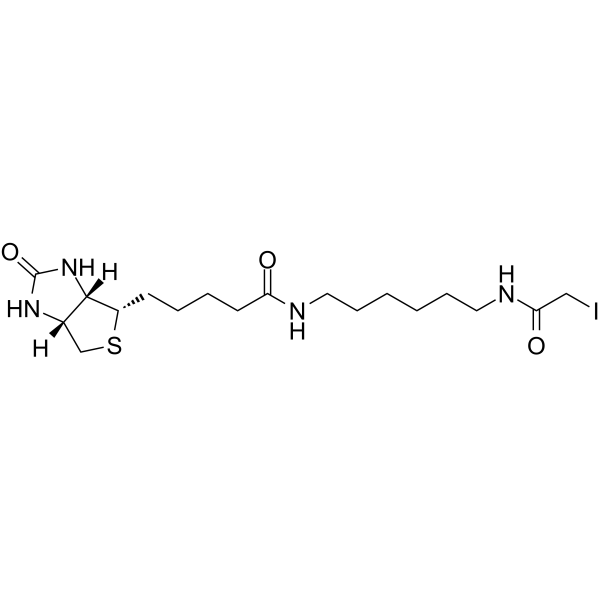
Iodoacetyl-LC-biotin is a biotinylated electrophile probe that can be used to investigate the scope and characteristics of protein covalent binding to subcellular proteomes .
loading...
    loading...
Cat. No.: HY-W011134
CAS No.: 14464-31-4
Research Areas:  

Others

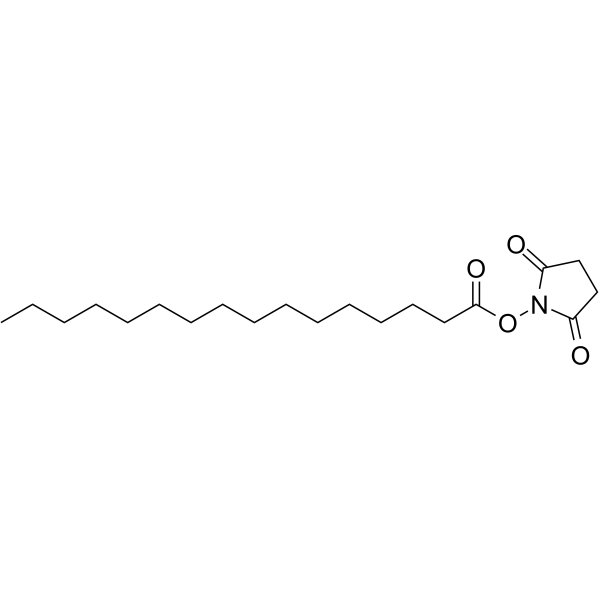
Palmitic acid N-hydroxysuccinimide is used to conjugate proteins to prepare targeted delivery vectors. Palmitic acid N-hydroxysuccinimide can be used as lipophilic electrophile. Palmitic acid N-hydroxysuccinimide can be used for the covalent connection between palmitic acid and ovalbumin. Palmitic acid N-hydroxysuccinimide can be used to synthesize cetacyl derivatives of amino acids, aminoacyl-trNA, coenzyme A, mercaptoacetic acid and other amino and thiogenic compounds .
loading...
    loading...
Cat. No.: HY-130978
Research Areas:  

Cancer

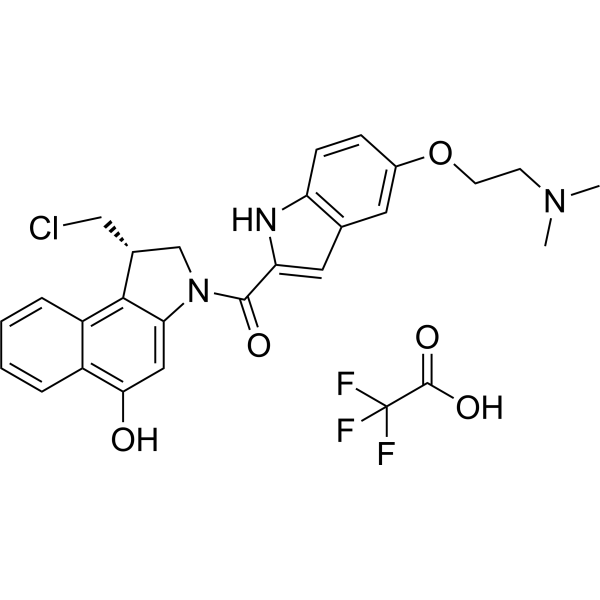
Duocarmycin DM, a DNA minor-groove alkylator, is an antibody agent conjugates (ADCs) toxin. Duocarmycin DM is based on its characteristic curved indole structure and a spirocyclopropylcyclohexadienone electrophile to act anticancer activity .
loading...
    loading...
Cat. No.: HY-19985A
CAS No.: 1858291-14-1
Target:  

EGFR

Research Areas:  

Cancer

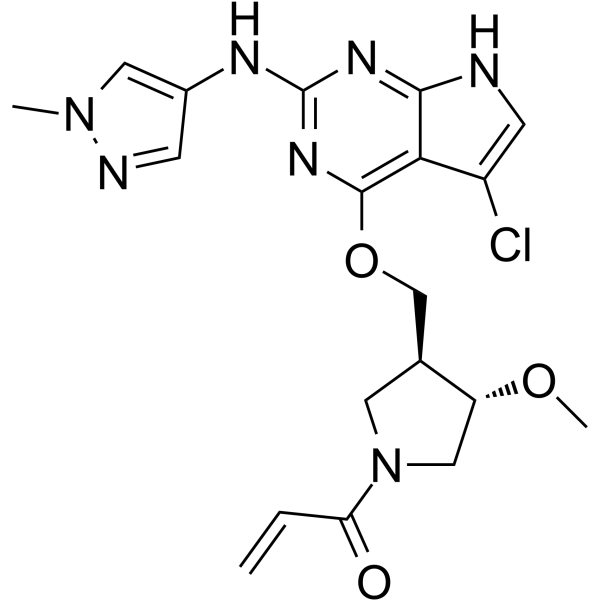
(3S, 4S)-PF-06459988 is the S enantiomer of PF-06459988 with less active. PF-06459988 is a potent irreversible inhibitor of T790M mutant epidermal growth factor receptor (EGFR). PF-06459988 has excellent selectivity against EGFR wild-type while possessing a minimally reactive electrophile that reduces the propensity of off-target labeling .
loading...
    loading...
Cat. No.: HY-151212
CAS No.: 2786829-70-5
Purity:  ≥99.0%
Research Areas:  

Cancer

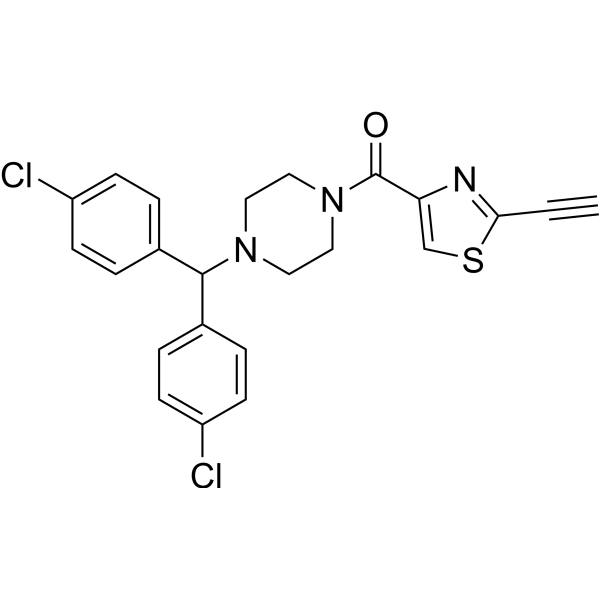
BCP-T.A, a tunable heterocyclic electrophile, is a potent ferroptosis inducer by binding to GPX4 . BCP-T.A is a click chemistry reagent, it contains an Alkyne group and can undergo copper-catalyzed azide-alkyne cycloaddition (CuAAc) with molecules containing Azide groups.
loading...
    loading...
Cat. No.: HY-W591393
CAS No.: 2669097-31-6
Biotin Azide Plus is an oxazolidine reagent that integrates azide-biotin click chemistry and a photocleavable linker arm. Biotin Azide Plus not only reacts with biotin thioether to form stable sulfinimide products, but also enables bioconjugation of proteins and DNA through biotin redox-activated chemical labeling technology. Taking advantage of the streptavidin capture and photo-release properties, Biotin Azide Plus effectively facilitates the isolation of lipid-derived electrophile-protein adducts, thus finding wide application in scientific research related to fields such as SKBR3 cancer .
loading...
    loading...
Cat. No.: HY-159591
CAS No.: 3060515-08-1
Target:  

Ras Akt ERK

Research Areas:  

Cancer

YK-8S is a dual-targeted K-Ras (G12D/G12C) covalent inhibitor. YK-8S shows no significant binding to wild-type K-Ras and other mutants (G12R, G13D, Q61R/K). YK-8S exhibits anti-proliferative activity against H358 (G12C) and AGS (G12D) cells. YK-8S inhibits the phosphorylation of p-AKT/p-ERK in BaF3/G12D and G12C cells. YK-8S can be used for pancreatic cancer, colorectal cancer and other tumors with high incidence of G12D .
loading...
    loading...
Cat. No.: HY-D1376
CAS No.: 2183440-46-0
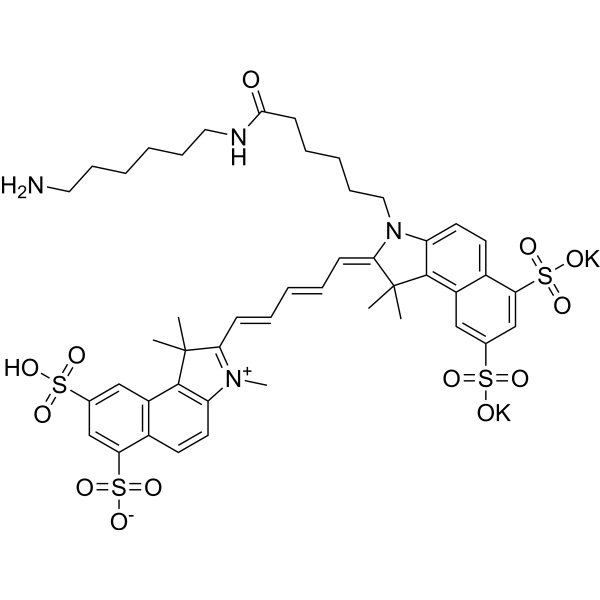
Sulfo-Cyanine5.5 amine potassium is a water-soluble cyanine dye suitable for far-red/near-infrared applications such as in vivo imaging. The dye has four sulfonate groups, making it highly hydrophilic and water-soluble. Like other cyanines, sulfo-Cyanine5.5 has an excellent extinction coefficient, making it a bright fluorescent marker in the far-red region. This is an amine-containing fluorescent dye. The amine group is separated from the fluorophore by a relatively long linker that facilitates conjugation. Aliphatic primary amine groups can be coupled with various electrophiles (activated esters, epoxides, etc.) and can also be used for enzymatic transamination labeling.
loading...
    loading...
Cat. No.: HY-79572
CAS No.: 2042-14-0
Target:  

Parasite

Research Areas:  

Infection

4-Methyl-3-nitrophenol is a phenolic compound classified as a soft electrophile. 4-Methyl-3-nitrophenol is toxic to ciliates, with a log IC50 value of -3.740 against T. pyriformis .
loading...
    loading...
Cat. No.: HY-Y0188
CAS No.: 585-76-2
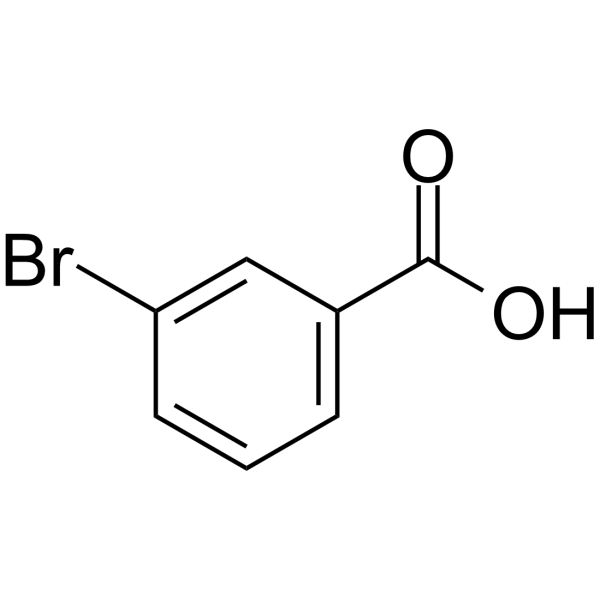
3-Bromobenzoic acid is an important intermediate that can be used in the synthesis of other active compounds. 3-Bromobenzoic acid can react with a variety of electrophiles to generate a variety of 2-substituted-3-bromobenzoic acid derivatives. 3-Bromobenzoic acid is also an effective corrosion inhibitor for aluminum in alkalized Persian Gulf seawater and NaOH solution .
loading...
    loading...
Cat. No.: HY-D1376A
CAS No.: 2183440-45-9
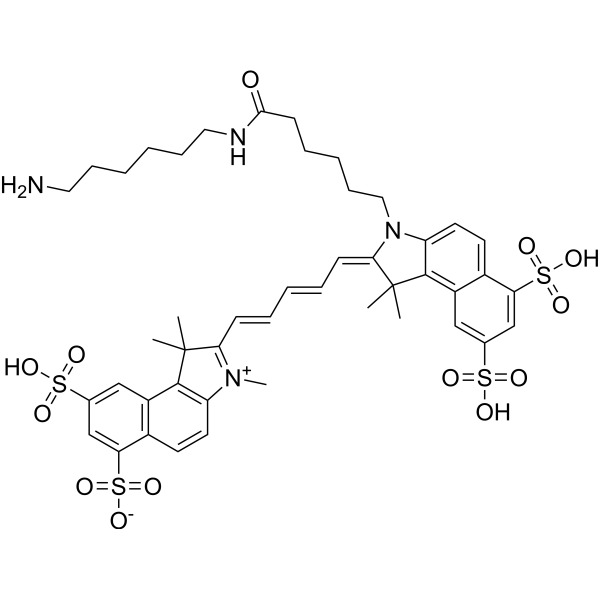
Sulfo-Cyanine5.5 amine consists of four sulfonate groups and has highly hydrophilic. Sulfo-Cyanine5.5 amine is an amine-containing fluorescent dye, the aliphatic primary amine group can be coupled with various electrophiles (activated esters, epoxides, etc). Sulfo-Cyanine5.5 amine can be used for the research of far red/NIR applications (such as in vivo imaging) and also can be used for enzymatic transamination labeling .
loading...
    loading...
Cat. No.: HY-116879
CAS No.: 1680193-58-1
Synonyms: (2E)-4-Oxo-2-nonen-8-ynal; alkynyl-4-ONE
Target:  

Exosomes Others

Research Areas:  

Cancer

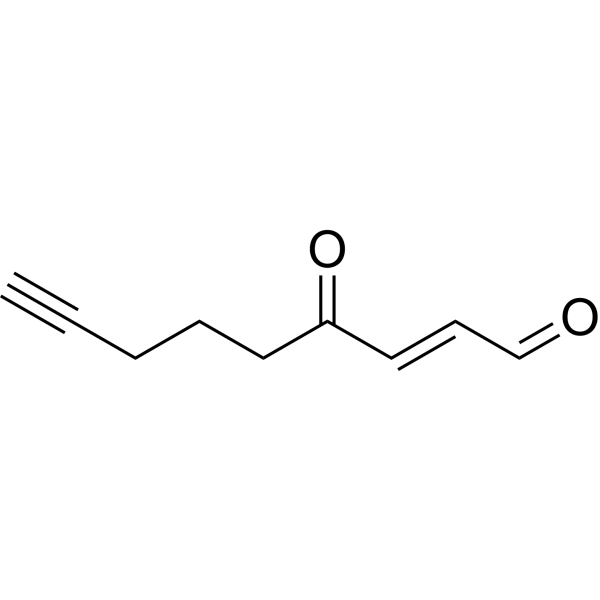
4-Oxo-2-Nonenal Alkyne ((2E)-4-Oxo-2-nonen-8-ynal; alkynyl-4-ONE) is a functionalized lipid electrophile that conjugated to the exosomes via the reaction of amino and aldehyde groups. 4-Oxo-2-Nonenal Alkyne can be used in tumor exosomes determination .
loading...
    loading...
Cat. No.: HY-18408
CAS No.: 1415238-77-5
Synonyms: FAI
Research Areas:  

Others

5S rRNA modificator is a suitable electrophile for 2’-hydroxyl acylation on structured RNA molecules, yielding accurate structural information comparable to that obtained with existing probes; 5S rRNA RNA modification.
loading...
    loading...
Cat. No.: HY-157919
CAS No.: 2377497-15-7
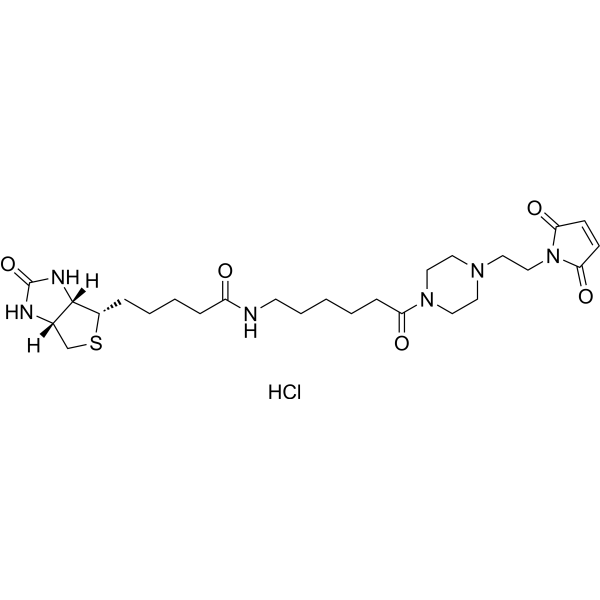
Synonyms: N-6-(Biotinylamino)hexanoyl-N'-[2-(N-maleimido)ethyl]piperazine, hydrochloride
Biotin-PEAC5-maleimide hydrochloride is a biochemical assay reagent, and can be used in biotin-PEAC5-maleimide (BPM)-labeling assay to assess modification of protein thiols by electrophiles .
loading...
    loading...
Cat. No.: HY-163332
MPO-IN-6 (compound ADC) is an electrophile with good antioxidant and anti-inflammatory properties. MPO-IN-6 is a myeloperoxidase (MPO), dipeptidyl peptidase-4 (DPP-4), and α-glucosidase (α-GD) inhibitor with IC50s of 10 μM, 31.02 μM, and 46.05 μM, respectively. MPO-IN-6 is a potential cardiovascular preventive agent .
loading...
    loading...
Cat. No.: HY-L947
1,859 compounds

Built on druggable heterocyclic backbones with tunable electrophilic warheads (halogens, cyano groups), our electrophilic heterocyclic fragment library targets non-conserved cysteine/lysine residues and screens covalent ligands through an electrophile-first workflow. It generates high-quality dual-functional fragments for KRAS, BTK and other popular targets, supporting MS and DEL high-throughput screening to accelerate covalent drug lead discovery.

MCE Electrophilic Heterocyclic Fragment Library Built on druggable heterocyclic backbones with tunable electrophilic warheads (halogens, cyano groups), our electrophilic heterocyclic fragment library targets non-conserved cysteine/lysine residues and screens covalent ligands through an electrophile-first workflow. It generates high-quality dual-functional fragments for KRAS, BTK and other popular targets, supporting MS and DEL high-throughput screening to accelerate covalent drug lead discovery.

Cat. No.: HY-L913
105 compounds

Recently, significant advancements in tyrosine-targeting electrophiles have primarily occurred in the field of protein-protein interactions (PPIs), where cysteine residues are often underrepresented and novel chemistries are needed to address these interfaces. In this context, tyrosines are frequently more accessible compared to more buried binding sites. Moreover, they are commonly found at "hot spots," which are functional epitopes of PPIs, with 12.3% of the residues consisting of tyrosines. This prevalence is likely due to the hydrophobic nature of tyrosine, its ability to participate in aromatic π-interactions, and its capacity for hydrogen bonding. Beyond PPIs, some progress has also been made in covalent tyrosine targeting in other areas where more commonly addressed side chains are lacking. Even though tyrosine has a slightly lower pKa value compared to the protonated lysine side chain (approximately 10 vs. 10.5 for the unprotected amino acid side chains), significantly less progress has been made in the development of tyrosine-targeted covalent ligands compared to lysine. This is likely due to the reduced flexibility of the tyrosine side chain and the greater steric hindrance of its hydroxy group, which makes it more challenging to adopt suitable reaction geometries.

Through careful selection, we constructed a structural filter containing over 110 electrophilic groups. By analyzing the electrophilic fragments selected by the structural filter, we removed any molecules with trivial or undesirable structural features. Ultimately, we obtained 124 fragment molecules which can target tyrosine residue and can be used for fragment-based covalent drug discovery.

  • 1

