
37 Results for "

lead toxicity

" in MedChemExpress (MCE) Product Catalog:
Products (37)

37 Results for "lead toxicity" in MCE Product Catalog:

1
1 Cited Publications
Cat. No.: HY-B1285
CAS No.: 59-52-9
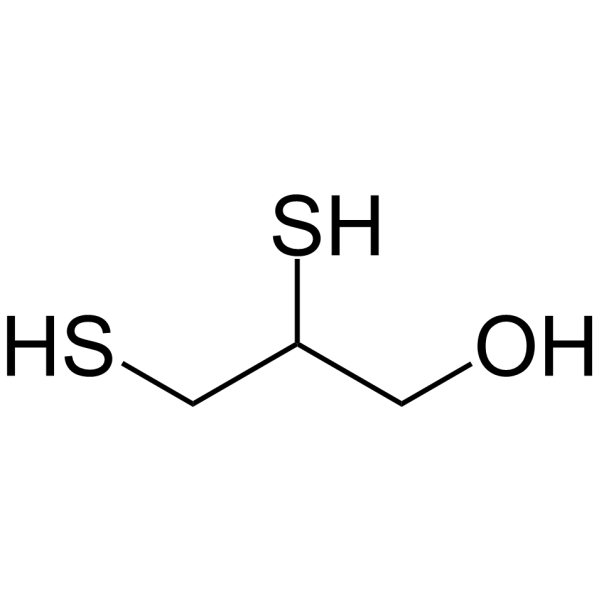
Synonyms: 2,3-Dimercapto-1-propanol; Dithioglycerol
Target:  

HIV

Research Areas:  

Infection

Dimercaprol (2,3-Dimercapto-1-propanol) is an anti-heavy metal-poisoning agent, which exhibits anti-HIV activity. Dimercaprol can be used for the study for arsenic, mercury, gold, lead, antimony, and other toxic metal poisoning .
loading...
    loading...
Cat. No.: HY-B0978
CAS No.: 134-62-3
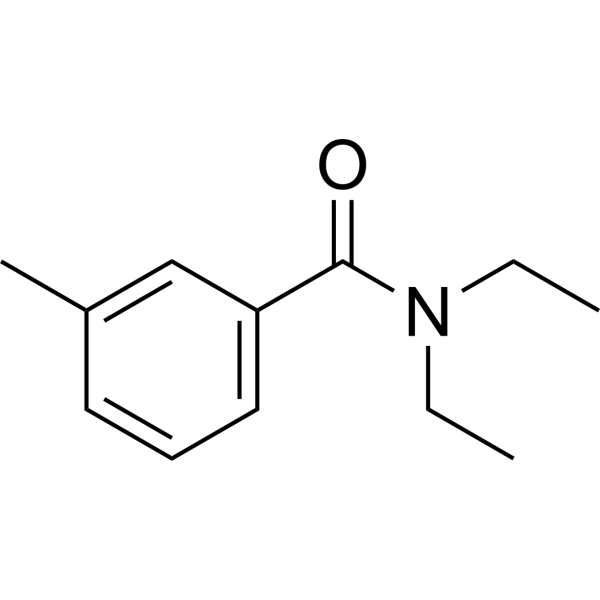
Synonyms: DEET; N,N-Diethyl-m-toluamide
Diethyltoluamide (DEET) is the most common active ingredient in insect repellents. It is intended to provide protection against mosquitoes, ticks, fleas, chiggers, leeches, and many other biting insects. Diethyltoluamide is toxic to hepatocytes and can lead to many physiological, pharmacological, and behavioral abnormalities, particularly motor deficits and learning and memory dysfunction .
loading...
    loading...
Cat. No.: HY-P99488
CAS No.: 2574591-89-0
Synonyms: JSP-191; AMG-191

Target:  

c-Kit

Research Areas:  

Inflammation/Immunology Cancer

Briquilimab (JSP-191 or AMG-191) is a humanized IgG1 monoclonal antibody that binds human CD117 (c-Kit). Briquilimab blocks the interaction between CD117 receptor and stem cell factor on various CD117 expressing tissues. Briquilimab can lead to inhibition of SCF/c-Kit signaling and MC apoptosis. Briquilimab is a non-toxic approach to target and deplete HSC, enabling blood and immune reconstitution with minimal toxicity with the other agents being used for transient immune suppression to prevent immunologic rejection. Briquilimab can be used in various disease research such as severe combined immunodeficiency (SCID), myelodyplastic syndromes (MDS), acute myeloid leukemia (AML), chronic spontaneous urticarial (CSU), chronic inducible urticarial (CIndU) and asthema .
loading...
    loading...
Cat. No.: HY-N6746
CAS No.: 518-75-2
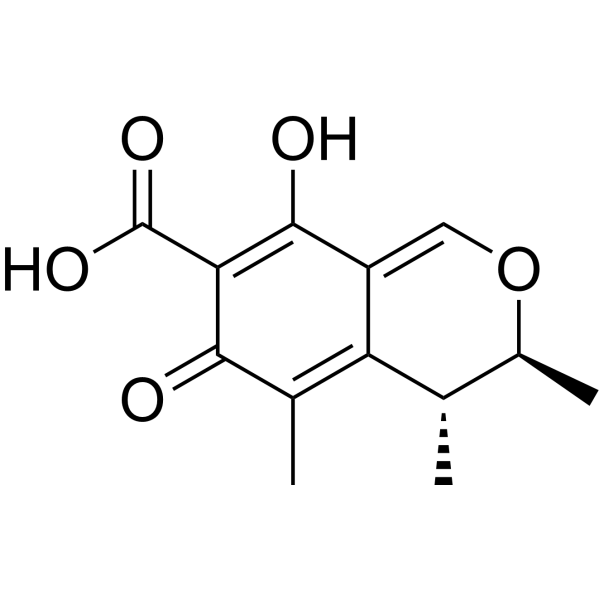
Synonyms: NSC 186
Citrinin (NSC 186) is a mycotoxin that causes food contamination and has different toxic effects. Citrinin is an effective oral anticancer agent. Citrinin has various regulatory effects on mouse immune system, including regulating the number of immune cells, inducing apoptosis and autophagy of immune cells, altering toll-like receptor expression and cytokine production. Citrinin can induce oxidative stress and lead to early apoptosis of oocytes. Low doses of Citrinin have neuroprotective effects against glutamate-induced excitotoxicity in rat cortical neurons. In addition, Citrinin also has antibacterial activity .
loading...
    loading...
Cat. No.: HY-119176
CAS No.: 42874-03-3
Purity:  99.69%
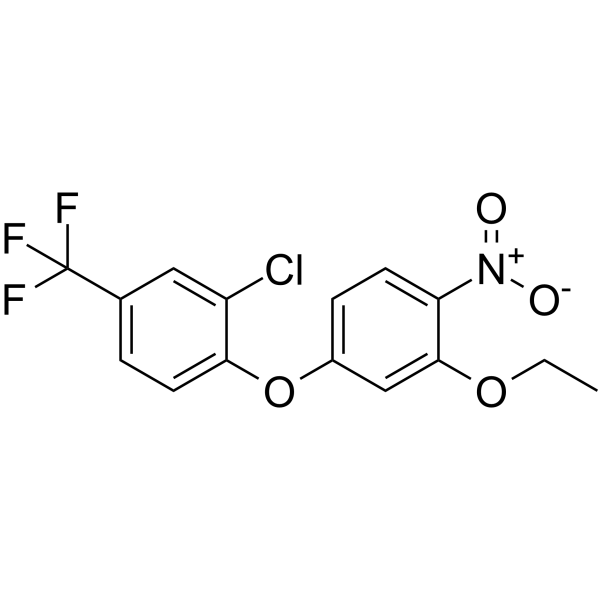
Oxyfluorfen is a pre- and post-emergence diphenyl ether herbicide to control annual broad-leaved and grass weeds. Oxyfluorfen is a protoporphyrinogen oxidase inhibitor and inhibits photosynthesis by blocking chlorophyll synthesis. Oxyfluorfen can inhibit cell growth. Oxyfluorfen induces DNA damage and exhibits toxicity toward aquatic organisms such as Paramisgurnus dabryanus. Oxyfluorfen has genome-level deleterious effects on fish that can lead to stunted skeletal growth. Oxyfluorfen induces transverse limb deficiency or craniosynostosis .
loading...
    loading...
Cat. No.: HY-W110793
CAS No.: 60-10-6
Synonyms: Diphenylthiocarbazone
Research Areas:  

Metabolic Disease

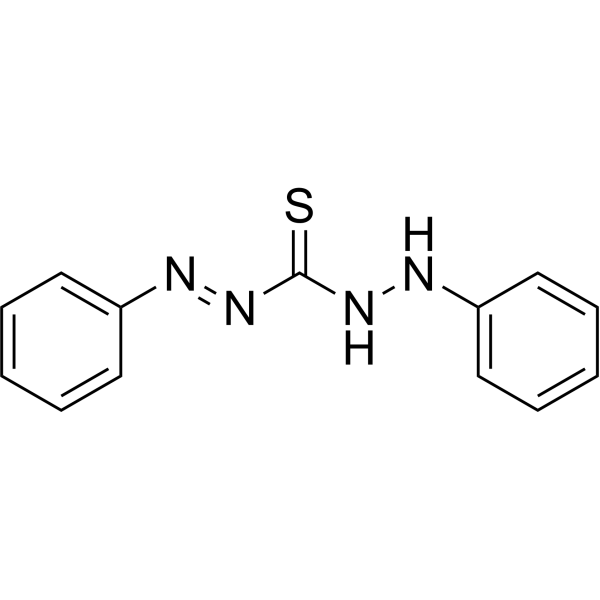
Dithizone can be toxic to pancreatic islet cells and cause experimental diabetes. Dithizone can be used for in vitro in vivo staining of transplanted islets and cytoplasmic granules of bone marrow cells. Dithizone can be used as a chelating agent and colorimetric indicator for the detection and extraction of various heavy metals, including lead and mercury, in analytical and biochemical applications. Dithizone forms stable colored complexes with metal ions and can be quantitatively analyzed by methods such as spectrophotometry .
loading...
    loading...
Cat. No.: HY-12115
CAS No.: 2149-70-4
Purity:  99.78%
Synonyms: Nω-nitro-L-arginine; L-NOARG; L-NG-Nitroarginine
Target:  

NO Synthase

Research Areas:  

Cardiovascular Disease

NG-nitro-L-arginine (Nω-nitro-L-arginine; L-NOARG; L-NG-Nitroarginine) is a nitric oxide synthase (NO Synthase) inhibitor, with a Kd of 15 nM for constitutive NOS from bovine brain and a Ki of 4.4 μM for inducible NOS from mouse macrophages. NG-nitro-L-arginine competitively blocks the synthesis of NO from L-arginine; in addition, it inhibits endothelium-dependent vasodilation, and exhibits effects such as blood pressure elevation, heart rate reduction and vasoconstriction. NG-nitro-L-arginine regulates mitochondrial respiratory efficiency, antioxidant enzyme activity, lipid peroxidation level and tissue lead content in rats. NG-nitro-L-arginine can be used in studies related to cardiovascular diseases .
loading...
    loading...
Cat. No.: HY-B0978R
CAS No.: 134-62-3
Synonyms: DEET (Standard); N,N-Diethyl-m-toluamide (Standard)
Diethyltoluamide (Standard) is the analytical standard of Diethyltoluamide. This product is intended for research and analytical applications. Diethyltoluamide (DEET) is the most common active ingredient in insect repellents. It is intended to provide protection against mosquitoes, ticks, fleas, chiggers, leeches, and many other biting insects. Diethyltoluamide is toxic to hepatocytes and can lead to many physiological, pharmacological, and behavioral abnormal ities, particularly motor deficits and learning and memory dysfunction .
loading...
    loading...
Cat. No.: HY-133084A
CAS No.: 2743576-55-6
Target:  

ERK

Research Areas:  

Cancer

ERK-IN-2 free base is a ERK2 inhibitor with an IC50 value of 1.8 nM. ERK-IN-2 free base might lead to off-target toxicity and/or off-target activity at dose >10 μM .
loading...
    loading...
Cat. No.: HY-133084
CAS No.: 2743576-56-7
Target:  

ERK

Research Areas:  

Cancer

ERK-IN-2 is a ERK2 inhibitor with an IC50 value of 1.8 nM. ERK-IN-2 might lead to off-target toxicity and/or off-target activity at dose >10 μM .
loading...
    loading...
Cat. No.: HY-139424
CAS No.: 627052-25-9
Purity:  ≥97.0%
Target:  

Bacterial

Research Areas:  

Cancer

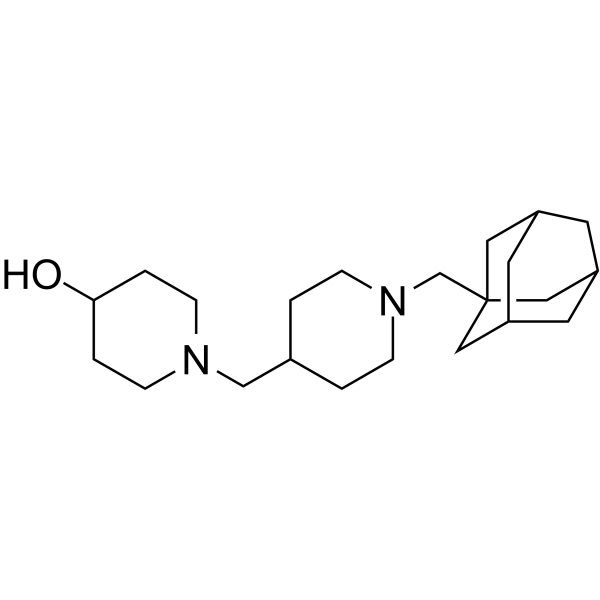
SQ609 is a lead compound from a library of dipiperidines. SQ609 inhibits more than 90% of intracellular bacterial growth at 4μg/ml and is toxic to these cells. SQ609 displays a potent antitubercular activity .
loading...
    loading...
Cat. No.: HY-B1285R
CAS No.: 59-52-9
Synonyms: 2,3-Dimercapto-1-propanol (Standard); Dithioglycerol (Standard)
Target:  

Reference Standards HIV

Research Areas:  

Infection

Dimercaprol (Standard) is the analytical standard of Dimercaprol. This product is intended for research and analytical applications. Dimercaprol (2,3-Dimercapto-1-propanol) is an anti-heavy metal-poisoning agent, which exhibits anti-HIV activity. Dimercaprol can be used for the study for arsenic, mercury, gold, lead, antimony, and other toxic metal poisoning .
loading...
    loading...
Cat. No.: HY-146460
CAS No.: 2412592-33-5
Purity:  99.38%
Research Areas:  

Infection

Antimicrobial agent-2 (compound V-a) is a broad-spectrum antimicrobial agent, possessing inhibitory activity against various Gram-positive and -negative bacteria. Antimicrobial agent-2 has excellent inhibitory effect on Methicillin-resistant Staphylococcus aureus (MRSA) with a MIC of 1 μg/mL. Antimicrobial agent-2 can effectively damage the membrane and lead to the leakage of protein, also can induce the generation of ROS. Antimicrobial agent-2 exhibits low toxicity, no obvious resistance and good bioavailability .
loading...
    loading...
Cat. No.: HY-144050
CAS No.: 2711105-59-6
Target:  

EGFR

Research Areas:  

Cancer

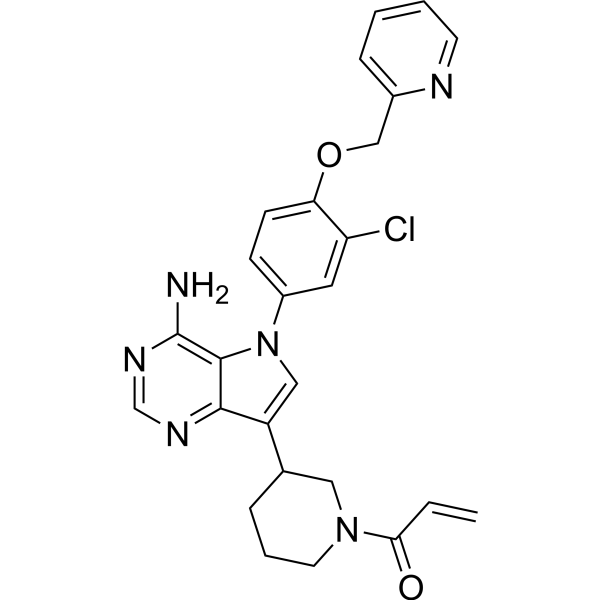
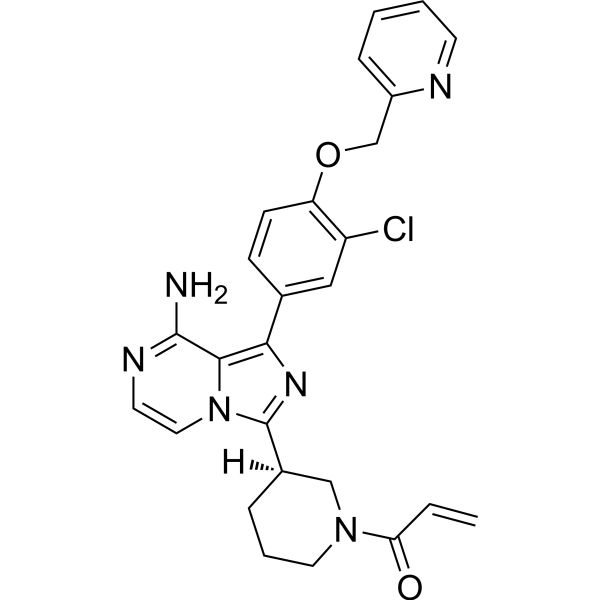
EGFR-IN-33 is a potent inhibitor of EGFR. EGFR-IN-33 is an anti-tumor agent with low toxic side effects. EGFR-IN-33 is an acrylamide derivative compound. Overexpression and mutation of the epidermal growth factor receptor (EGFR) has been clearly demonstrated to lead to uncontrollable cell growth and is associated with the progression of most cancer diseases, especially NSCLC. EGFR-IN-33 has the potential for the research of diseases associated with EGFR mutations (extracted from patent WO2021185348A1, compound 13) .
loading...
    loading...
Cat. No.: HY-144051
Target:  

EGFR

Research Areas:  

Cancer

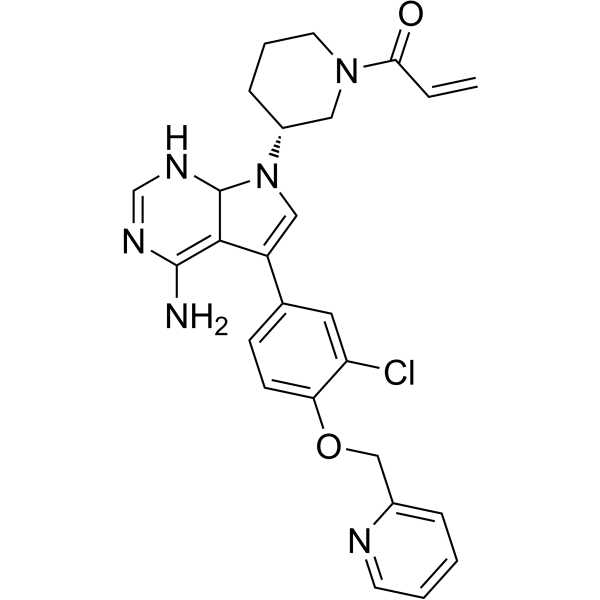
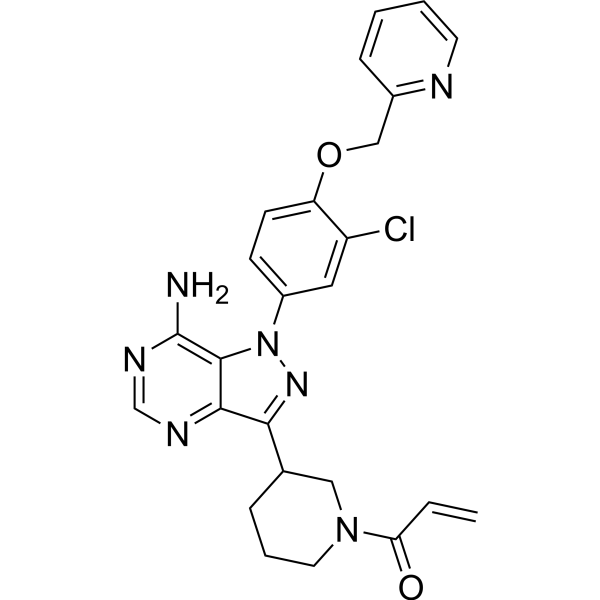
EGFR-IN-34 is a potent inhibitor of EGFR. EGFR-IN-34 is an anti-tumor agent with low toxic side effects. EGFR-IN-35 is an acrylamide derivative compound. Overexpression and mutation of the epidermal growth factor receptor (EGFR) has been clearly demonstrated to lead to uncontrollable cell growth and is associated with the progression of most cancer diseases, especially NSCLC. EGFR-IN-34 has the potential for the research of diseases associated with EGFR mutations (extracted from patent WO2021185348A1, compound 12) .
loading...
    loading...
Cat. No.: HY-144052
CAS No.: 2711105-57-4
Target:  

EGFR

Research Areas:  

Cancer

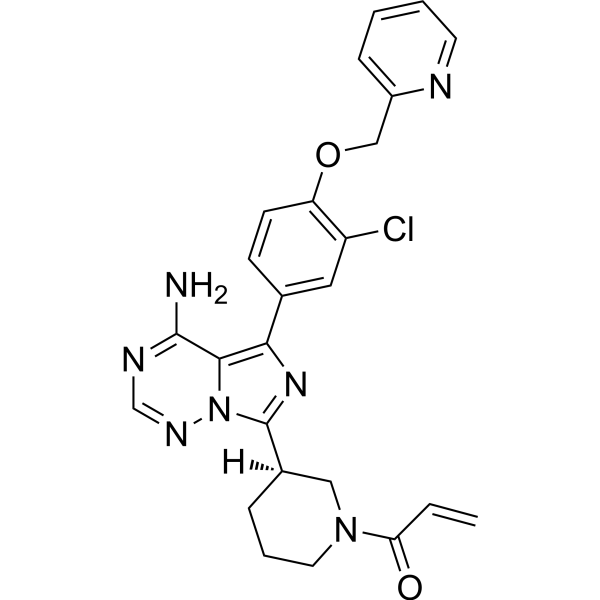
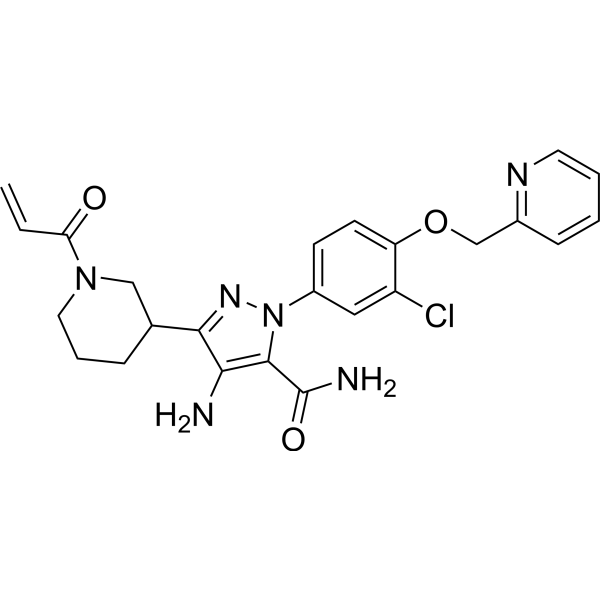
EGFR-IN-35 is a potent inhibitor of EGFR. EGFR-IN-35 is an anti-tumor agent with low toxic side effects. EGFR-IN-35 is an acrylamide derivative compound. Overexpression and mutation of the epidermal growth factor receptor (EGFR) has been clearly demonstrated to lead to uncontrollable cell growth and is associated with the progression of most cancer diseases, especially NSCLC. EGFR-IN-35 has the potential for the research of diseases associated with EGFR mutations (extracted from patent WO2021185348A1, compound 11) .
loading...
    loading...
Cat. No.: HY-144054
CAS No.: 2711105-53-0
Target:  

EGFR

Research Areas:  

Cancer

EGFR-IN-37 is a potent inhibitor of EGFR. EGFR-IN-37 is an anti-tumor agent with low toxic side effects. EGFR-IN-39 is an acrylamide derivative compound. Overexpression and mutation of the epidermal growth factor receptor (EGFR) has been clearly demonstrated to lead to uncontrollable cell growth and is associated with the progression of most cancer diseases, especially NSCLC. EGFR-IN-37 has the potential for the research of diseases associated with EGFR mutations (extracted from patent WO2021185348A1, compound 7) .
loading...
    loading...
Cat. No.: HY-144055
CAS No.: 2711105-50-7
Target:  

EGFR

Research Areas:  

Cancer

EGFR-IN-38 is a potent inhibitor of EGFR. EGFR-IN-38 is an anti-tumor agent with low toxic side effects. EGFR-IN-33 is an acrylamide derivative compound. Overexpression and mutation of the epidermal growth factor receptor (EGFR) has been clearly demonstrated to lead to uncontrollable cell growth and is associated with the progression of most cancer diseases, especially NSCLC. EGFR-IN-38 has the potential for the research of diseases associated with EGFR mutations (extracted from patent WO2021185348A1, compound 4) .
loading...
    loading...
Cat. No.: HY-144056
CAS No.: 2711105-48-3
Target:  

EGFR

Research Areas:  

Cancer

EGFR-IN-39 is a potent inhibitor of EGFR. EGFR-IN-39 is an anti-tumor agent with low toxic side effects. EGFR-IN-39 is an acrylamide derivative compound. Overexpression and mutation of the epidermal growth factor receptor (EGFR) has been clearly demonstrated to lead to uncontrollable cell growth and is associated with the progression of most cancer diseases, especially NSCLC. EGFR-IN-39 has the potential for the research of diseases associated with EGFR mutations (extracted from patent WO2021185348A1, compound 2) .
loading...
    loading...
Cat. No.: HY-W747751
Sorbic acid- 13C2 is the 13C-labeled Sorbic acid (HY-N0626). Sorbic acid is an effective, safe, and non-toxic food preservative. It can effectively inhibit most molds, yeasts, and certain bacteria. Sorbic acid is orally active and can enhance the growth performance of economically important animals (Duroc × Landrace × Yorkshire piglets) by activating the insulin-like growth factor system (IGF), and it can also lead to lipid accumulation by disrupting lipid clearance pathways .
loading...
    loading...

