1. Search Result
Search Result
Results for "

myelination

" in MedChemExpress (MCE) Product Catalog:

17

Inhibitors & Agonists

4

Peptides

3

Natural
Products

2

Isotope-Labeled Compounds

1

Click Chemistry

Cat. No. Product Name Target Research Areas Chemical Structure
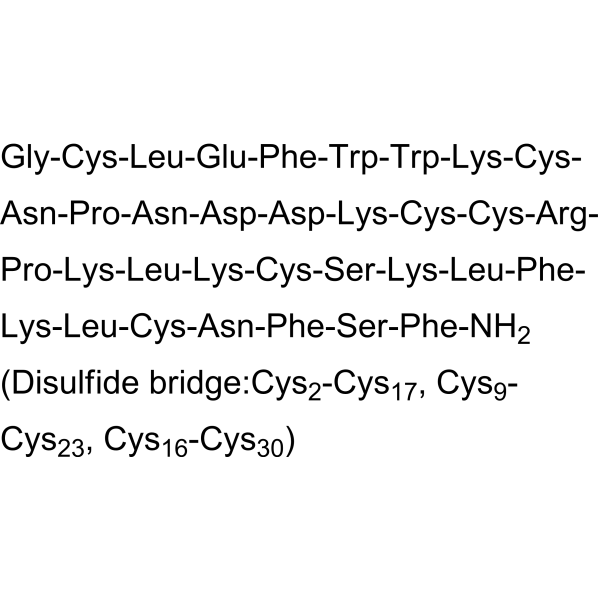
  • HY-P1410
    GsMTx4
    110+ Cited Publications

    TRP Channel Piezo Channel Cardiovascular Disease Neurological Disease Inflammation/Immunology
    GsMTx4 is a spider venom peptide that selectively inhibits cationic-permeable mechanosensitive channels (MSCs) belonging to the Piezo and TRP channel families. GsMTx4 also blocks cation-selective stretch-activated channels (SACs) , attenuates lysophosphatidylcholine (LPC)-induced astrocyte toxicity and microglial reactivity. GsMTx4 is an important pharmacological tool for identifying the role of these excitatory MSCs in normal physiology and pathology .
    GsMTx4
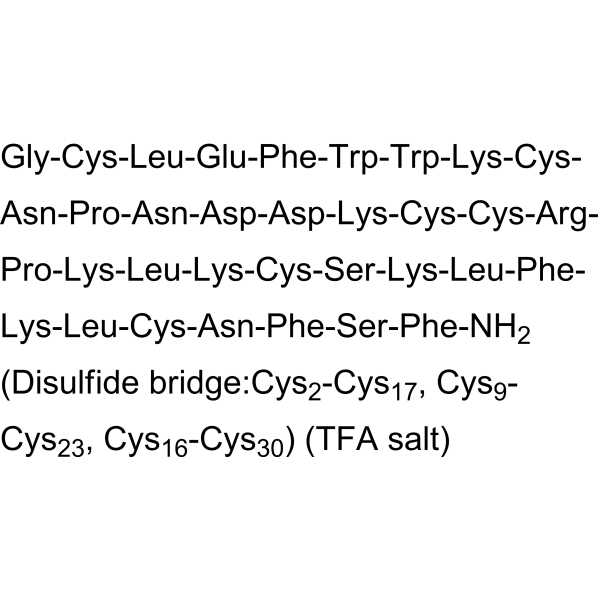
  • HY-P1410A
    GsMTx4 TFA
    110+ Cited Publications

    TRP Channel Piezo Channel Cardiovascular Disease Neurological Disease Inflammation/Immunology
    GsMTx4 TFA is a spider venom peptide that selectively inhibits cationic-permeable mechanosensitive channels (MSCs) belonging to the Piezo and TRP channel families. GsMTx4 TFA also blocks cation-selective stretch-activated channels (SACs) , attenuates lysophosphatidylcholine (LPC)-induced astrocyte toxicity and microglial reactivity. GsMTx4 TFA is an important pharmacological tool for identifying the role of these excitatory MSCs in normal physiology and pathology .
    GsMTx4 TFA
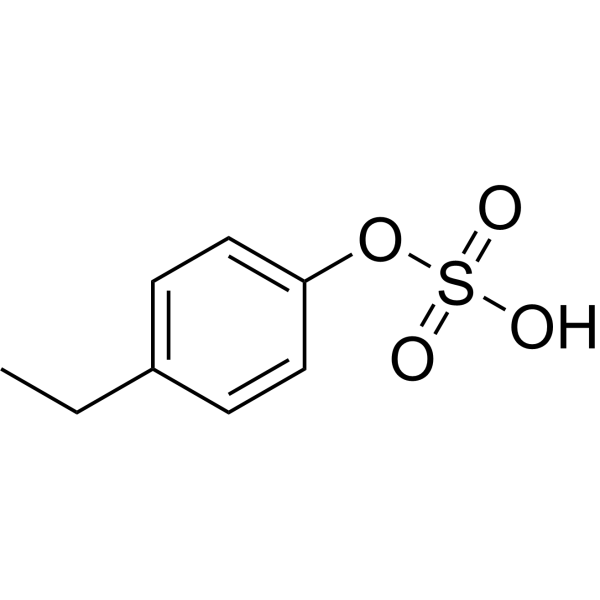
  • HY-W674241

    Endogenous Metabolite Apoptosis Bcl-2 Family Reactive Oxygen Species (ROS) Neurological Disease Cancer
    4-Ethylphenyl sulfate is an orally active and brain-penetrant gut microbial metabolite. 4-Ethylphenyl sulfate downregulates Bcl2 expression, upregulates Bax expression, and induces cancer cell apoptosis via the endogenous apoptotic pathway. 4-Ethylphenyl sulfate induces G2/M cell cycle arrest and reactive oxygen species (ROS) production. 4-Ethylphenyl sulfate impairs oligodendrocyte maturation, reduces oligodendrocyte-neuron interactions, decreases axonal myelination levels, and shifts the oligodendrocyte population toward immature precursor cells. 4-Ethylphenyl sulfate alters brain region-specific neural activity and functional connectivity in mice, and correlates with anxiety-like behaviors in mice .
    4-Ethylphenyl sulfate
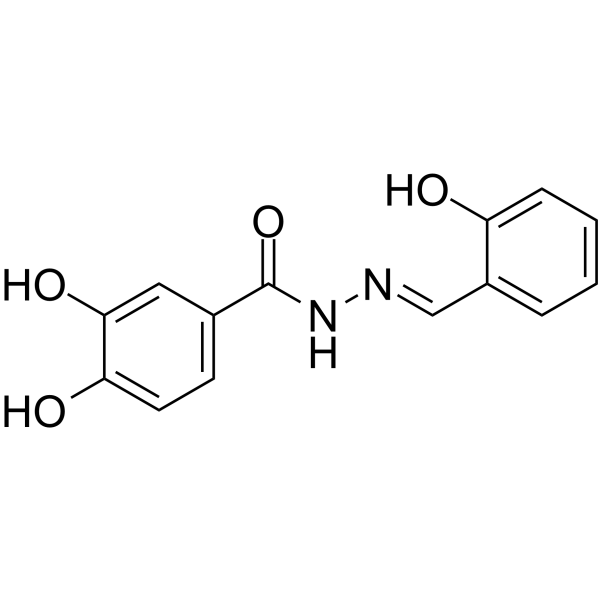
  • HY-135749

    IGF-1R Neurological Disease Inflammation/Immunology
    BN201 promotes neuronal differentiation, the differentiation of precursor cells to mature oligodendrocytes (EC50 of 6.3 μM) in vitro, and the myelination of new axons (EC50 of 16.6 μM). BN201 is able to cross the blood-brain barrier by active transport and activate pathways (IGF-1 pathway) associated with the response to stress and neuron survival. BN201 has potently neuroprotective effects .
    BN201
  • HY-W009081

    Free Fatty Acid Receptor Neurological Disease
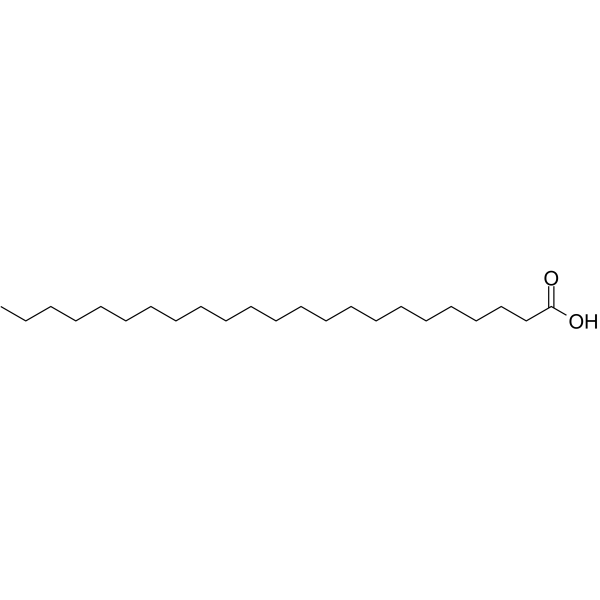
    Tricosanoic acid is an endogenous agonist of long-chain saturated fatty acids and free fatty acid receptor FFAR1, which can activate hair growth. Tricosanoic acid (C23:0) has the activity of improving cognitive function by regulating neuronal membrane fluidity, inhibiting neuroinflammatory response, participating in myelination and neuronal energy metabolism. Tricosanoic acid expression levels are low in the prefrontal cortex of Alzheimer's disease (AD) models; while better cognitive performance corresponds to higher serum concentration levels. Tricosanoic acid can be used as a biomarker for diseases related to cognitive decline .
    Tricosanoic acid
  • HY-108667

    P2X Receptor Interleukin Related Fluorescent Dye Neurological Disease
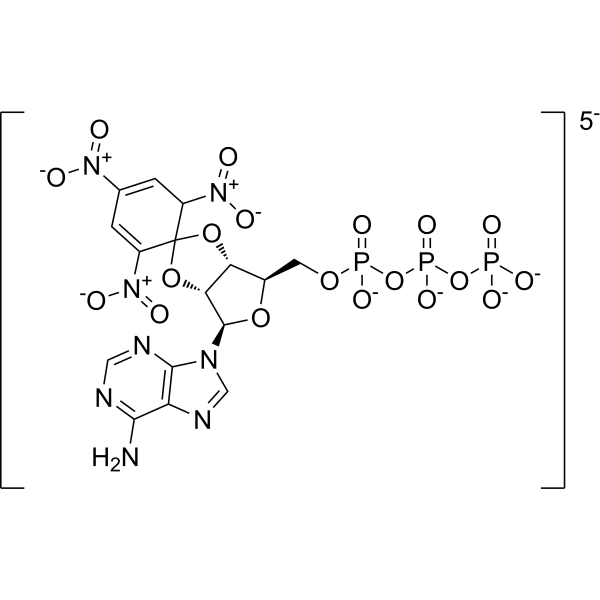
    TNP-ATP triethylammonium is a P2X receptor antagonist with an IC50 of 0.010 μM for P2X3 and an IC50 of 0.062 μM for P2X2/3. TNP-ATP triethylammonium acts as an inhibitor of CheA autophosphorylation, with a Ki of 0.7 µM. TNP-ATP triethylammonium blocks the functional activation of P2X1-7 receptors. TNP-ATP triethylammonium attenuates hypoxia-induced IL-1β expression and release. TNP-ATP triethylammonium alleviates visceral pain, and improves hypoxia-induced cognitive impairment, insufficient myelination and neuroinflammation. Binding of TNP-ATP triethylammonium to CheA enhances the fluorescence of the TNP group. TNP-ATP triethylammonium can be used in studies related to visceral pain. NP-ATP triethylammonium can be used in studies related to hypoxia-induced insufficient myelination and cognitive decline .
    TNP-ATP triethylammonium
  • HY-43515

    Endogenous Metabolite Metabolic Disease
    ESI1 is a small molecule epigenetic silencing inhibitor. ESI1 can trigger the formation of nuclear condensates of key lipid metabolism regulators SREBP1/2, concentrating transcriptional co-activators to drive lipid/cholesterol biosynthesis. ESI1 can promote myelin regeneration in demyelinated animal models and facilitate de novo myelination on regenerating CNS axons, reversing age-related declines in cognitive abilities .
    ESI1
  • HY-135474
    KM91104
    2 Publications Verification

    ATP Synthase Toll-like Receptor (TLR) Others
    KM91104 is a cell-permeable V-ATPase a3-b2 inhibitor (IC50 = 2.3 µM). KM91104 reduces the metabolic activity, cell proliferation capacity and V-ATPase subunit protein expression levels of primary human hepatic stellate cells, increases intracellular ATP levels and decreases cytoplasmic pH. KM91104 reduces TLR4 expression on the surface of oligodendrocyte precursor cells, blocks the ENV-TLR4 interaction, and reverses oligodendrocyte myelination defects induced by ENV protein .
    KM91104
  • HY-111573

    C286

    RAR/RXR Others Neurological Disease Inflammation/Immunology
    KCL-286 (C286) is an orally active and brain-penetrant retinoic acid receptor (RAR) β2 agonist (EC50 = 1.9 nM). KCL-286 targets RARβ2 with good selectivity over RAR α (EC50 = 26 nM) and RAR γ (EC50 = 11 nM). KCL-286 activates RARβ2 in the injured neurons. KCL-286 induces axonal regeneration of both spinal and sensory nerves through the inhibitory environment of the CNS, modulates neuroinflammation and extracellular matrix molecules. KCL-286 can modulate the expression of CSPGs by neuronal secretion of decorin which promotes myelination and aids axonal growth. KCL-286 can be studied in research for area such as spinal cord injury and traumatic nerve injury .
    KCL-286
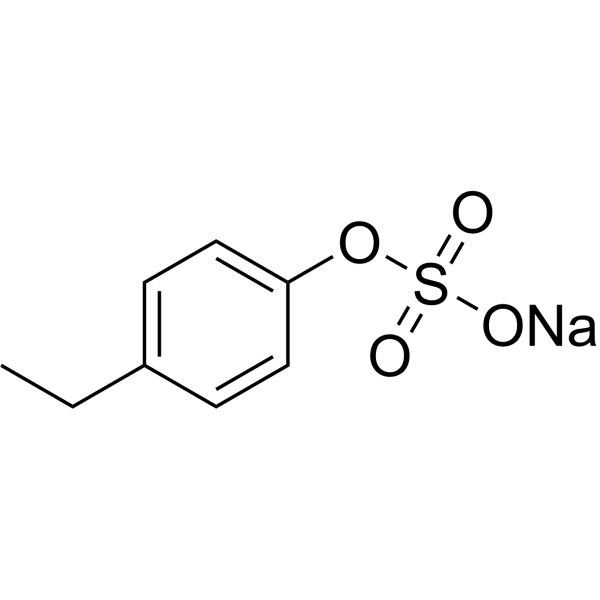
  • HY-W674241A

    Endogenous Metabolite Apoptosis Bcl-2 Family Reactive Oxygen Species (ROS) Neurological Disease Cancer
    4-Ethylphenyl sulfate sodium is an orally active and brain-penetrant gut microbial metabolite. 4-Ethylphenyl sulfate sodium downregulates Bcl2 expression, upregulates Bax expression, and induces cancer cell apoptosis via the endogenous apoptotic pathway. 4-Ethylphenyl sulfate sodium induces G2/M cell cycle arrest and reactive oxygen species (ROS) production. 4-Ethylphenyl sulfate sodium impairs oligodendrocyte maturation, reduces oligodendrocyte-neuron interactions, decreases axonal myelination levels, and shifts the oligodendrocyte population toward immature precursor cells. 4-Ethylphenyl sulfate sodium alters brain region-specific neural activity and functional connectivity in mice, and correlates with anxiety-like behaviors in mice .
    4-Ethylphenyl sulfate sodium
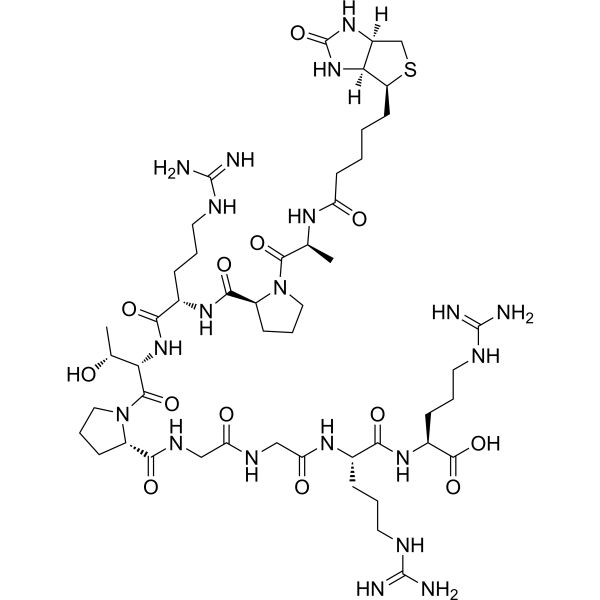
  • HY-P3828

    Fluorescent Dye Neurological Disease
    Biotin-myelin basic protein (94-102) is a peptide fragemt. Myelin basic protein is responsible for adhesion of the cytosolic surfaces of multilayered compact myelin, it plays an important role in the process of myelination of nerves in the nervous system. Myelin basic protein also acts as a membrane actin-binding protein, which might allow it to participate in transmission of extracellular signals to the cytoskeleton in oligodendrocytes and tight junctions in myelin .
    Biotin-myelin basic protein (94-102)
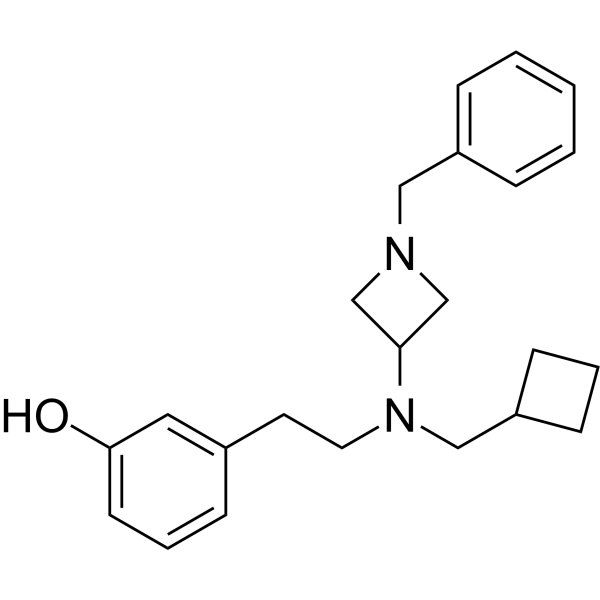
  • HY-163277

    Opioid Receptor Inflammation/Immunology
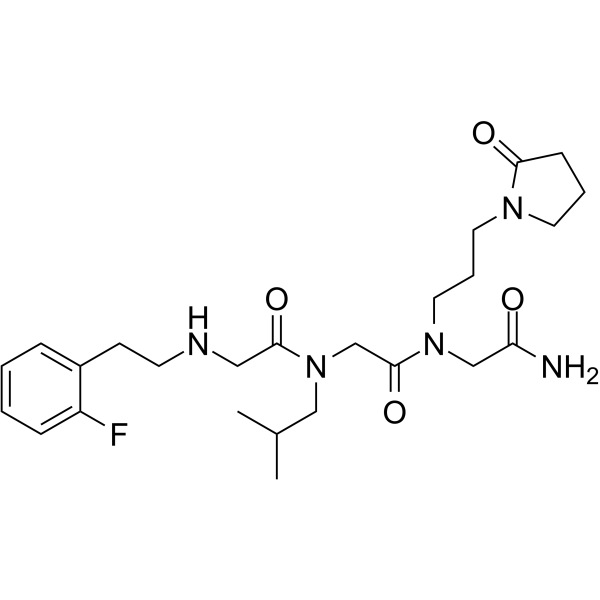
    PIPE-3297 (compound 25) is a selective kappa opioid receptor (KOR) agonist, which activates the G-protein signaling with EC50 of 1.1 nM and exhibits low β-arrestin-2 recruitment activity (10%). PIPE-3297 induces myelination and reveals an anti-inflammatory activity .
    PIPE-3297
  • HY-P10680

    Liposome Others
    TFE-IDAtp1-LinA is a highly potent amphiphilic carrier, containing a trifluoroethyl-iminodiacetic acid analog of Stp. TFE-IDAtp1-LinA, formed nanoparticles with Cas9 RNP/ssDNA, achieved enhanced green fluorescent protein knockouts with an ED50 of 0.38 nM Cas9/sgRNA ribonucleoproteins (RNP) .
    TFE-IDAtp1-LinA
  • HY-N8693

    COX Amyloid-β Sirtuin Reactive Oxygen Species (ROS) Apoptosis SARS-CoV Infection Neurological Disease
    Withanoside IV is an orally active, blood-brain barrier-permeable withanolide derivative. Withanoside IV specifically binds to the Sudlow I site of HSA, induces secondary structural changes in HSA, and forms stable HSA complexes. Withanoside IV inhibits the enzymatic activity of COX-2. Withanoside IV induces axonal regeneration, peripheral nervous system myelination and increased axonal density in spinal cord tissue, reduces reactive gliosis-related changes, and improves hindlimb motor function. Withanoside IV binds to amyloid-β 1-42 to inhibit its aggregation, induces neurite outgrowth and synapse reconstruction, repairs damaged axons and dendrites, enhances mitochondrial biogenesis, exerts neuroprotective effects via the BDNF and SIRT1 signaling pathways, reduces ROS production and neuronal apoptosis, and ameliorates memory deficits. Withanoside IV inhibits the activity of the SARS-CoV-2 main protease. Withanoside IV can be used in research related to spinal cord injury, Alzheimer's disease, and coronavirus disease 2019 (COVID-19) .
    Withanoside IV
  • HY-179606

    Transmembrane Glycoprotein Arrestin ERK Epigenetic Reader Domain Neurological Disease
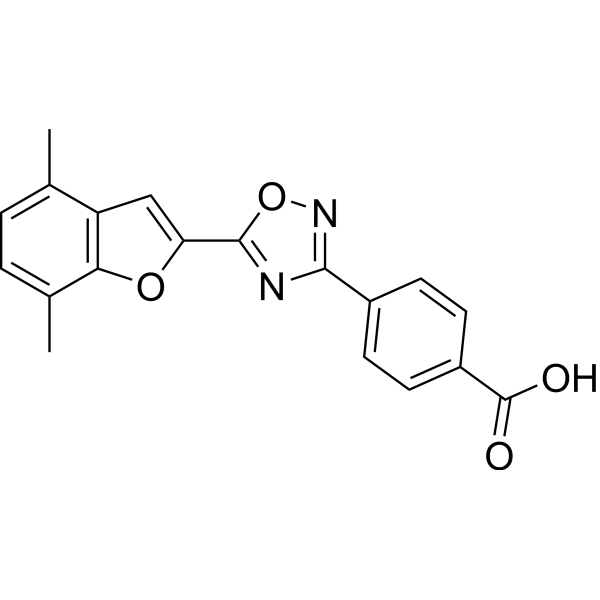
    RWT9996 is a balanced GPR17 antagonist. RWT9996 has an inhibitory effect on G protein activation and β-arrestin-2 recruitment induced by MDL-29951. RWT9996 inhibits the phosphorylation of ERK/CREB and the accumulation of inositol phosphate (b IP1) induced by MDL-29951. RWT9996 can be used for the study of neurological diseases .
    RWT9996
  • HY-178395S

    Isotope-Labeled Compounds Free Fatty Acid Receptor Neurological Disease
    Tricosanoic acid-d45 is the deuterium labeled Tricosanoic acid (HY-W009081). Tricosanoic acid is an endogenous agonist of long-chain saturated fatty acids and free fatty acid receptor FFAR1, which can activate hair growth. Tricosanoic acid (C23:0) has the activity of improving cognitive function by regulating neuronal membrane fluidity, inhibiting neuroinflammatory response, participating in myelination and neuronal energy metabolism. Tricosanoic acid expression levels are low in the prefrontal cortex of Alzheimer's disease (AD) models; while better cognitive performance corresponds to higher serum concentration levels. Tricosanoic acid can be used as a biomarker for diseases related to cognitive decline .
    Tricosanoic acid-d45
  • HY-W746542

    Isotope-Labeled Compounds Free Fatty Acid Receptor Neurological Disease
    Tricosanoic acid-d3 is the deuterium labeled Tricosanoic acid (HY-W009081). Tricosanoic acid is an endogenous agonist of long-chain saturated fatty acids and free fatty acid receptor FFAR1, which can activate hair growth. Tricosanoic acid (C23:0) has the activity of improving cognitive function by regulating neuronal membrane fluidity, inhibiting neuroinflammatory response, participating in myelination and neuronal energy metabolism. Tricosanoic acid expression levels are low in the prefrontal cortex of Alzheimer's disease (AD) models; while better cognitive performance corresponds to higher serum concentration levels. Tricosanoic acid can be used as a biomarker for diseases related to cognitive decline .
    Tricosanoic acid-d3

Inquiry Online

Your information is safe with us. * Required Fields.

Salutation


Country or Region *

Applicant Name *


Organization Name *

Department *


Email Address *


Product Name *

Cat. No.


Requested quantity *

Phone Number *


Remarks

Inquiry Online

Inquiry Information

Product Name:
Cat. No.:
Quantity:
MCE Japan Authorized Agent:

