1. Search Result
Search Result
Results for "

protein cellular localization

" in MedChemExpress (MCE) Product Catalog:

14

Inhibitors & Agonists

2

Screening Libraries

1

Peptides

1

Inhibitory Antibodies

1

Natural
Products

1

Recombinant Proteins

5

Isotope-Labeled Compounds

1

Oligonucleotides

Cat. No. Product Name Target Research Areas Chemical Structure
  • HY-P4121

    Potassium Channel Inflammation/Immunology Cancer
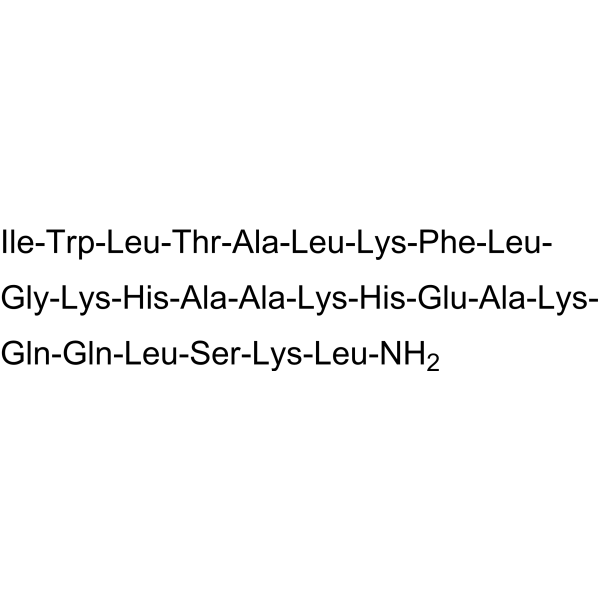
    L17E is an attenuated cationic amphiphilic lytic (ACAL) peptide that can be used to deliver a variety of macromolecules, including proteins, antibodies, and DNA nanostructures. L17E inserts and cleaves the membrane structure through electrostatic interaction, enabling intracellular escape. The efficiency of L17E-mediated delivery is strongly correlated with the expression level of KCNN4 (the gene encoding the calcium-activated potassium channel KCa3.1). L17E also promotes the cellular uptake of macromolecules by inducing micropinocytosis. L17E can be further optimized and improved through dimerization strategies and in combination with other delivery systems, such as nuclear localization signal peptides and cell membrane-coated nanoparticles .
    L17E
  • HY-156214

    AP1867-PEG2-JQ1; AP-PEG2-JQ1

    Epigenetic Reader Domain Others
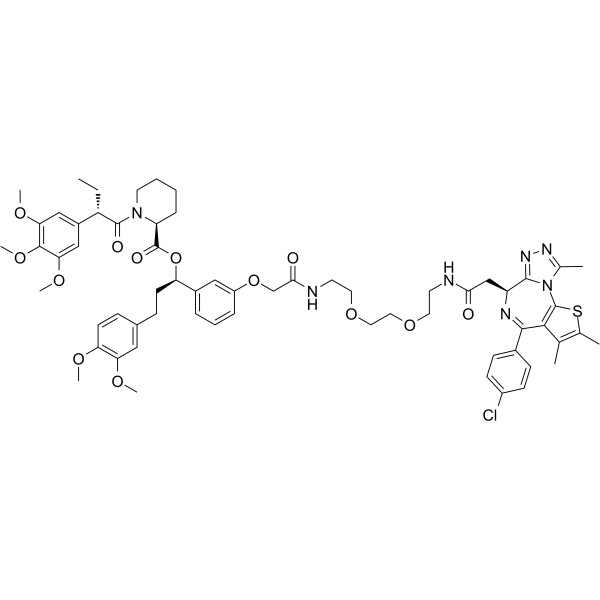
    NICE-01 (AP1867-PEG2-JQ1; AP-PEG2-JQ1) is a bifunctional compound that bind to proteins in separate cellular compartments that can induce nuclear import of cytosolic cargoes, using nuclear-localized bromodomain-containing protein 4 (BRD4) as a “carrier” for co-import and nuclear trapping of cytosolic proteins .
    NICE-01
  • HY-113225

    GTP

    Endogenous Metabolite DNA/RNA Synthesis Apoptosis Mitosis Cancer
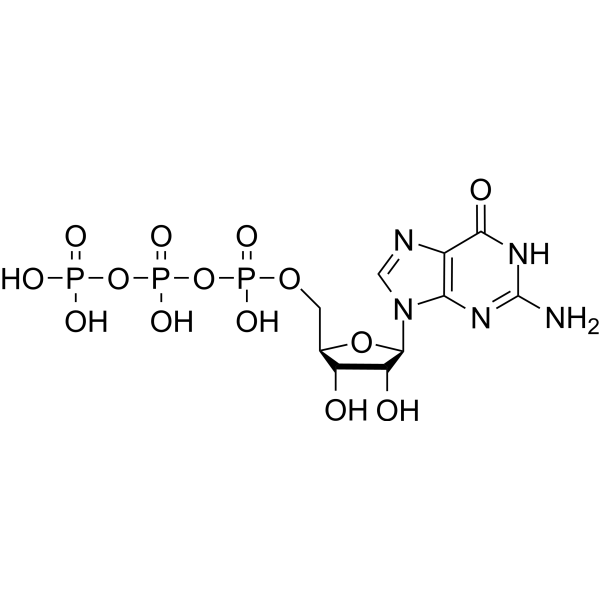
    Guanosine triphosphate (GTP) is a critical nucleotide and regulator of cellular metabolism. Guanosine triphosphate promotes ribosomal DNA localization, pre-rRNA transcription and ribosome biogenesis by binding to RNA polymerase I and GPN proteins (GPN1/3). Guanosine triphosphate links MYC-dependent ribosome biogenesis to nucleotide sufficiency, acts as a metabolic gatekeeper supporting protein synthesis, DNA/RNA synthesis and cellular signal transduction, while also participating in the physiological activities of pancreatic β-cells and serving as an oxidative substrate for reactive oxygen species. In small cell lung cancer with high MYC expression, Guanosine triphosphate accumulates through the IMPDH-driven synthetic pathway, thereby affecting apoptosis and mitotic processes. Guanosine triphosphate is used in the research of small cell lung cancer, hepatoblastoma and cellular metabolism .
    Guanosine triphosphate
  • HY-122066

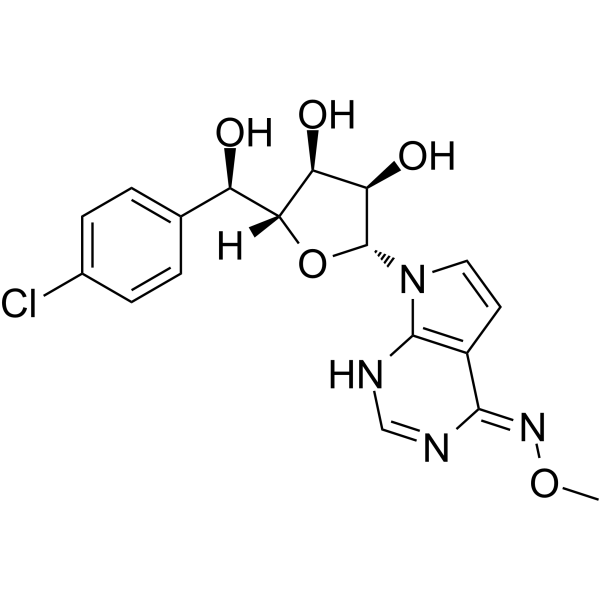
    Others Infection
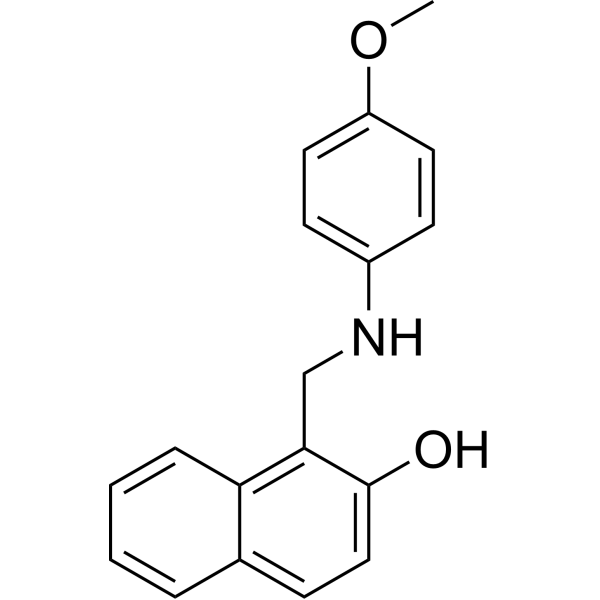
    NSC47924 is a laminin receptor (LR) inhibitor. NSC47924 affects 37/67 kDa LR cell surface localization and interaction with the cellular prion protein. NSC47924 can be used for testing prion diseases .
    NSC47924
  • HY-113225S2

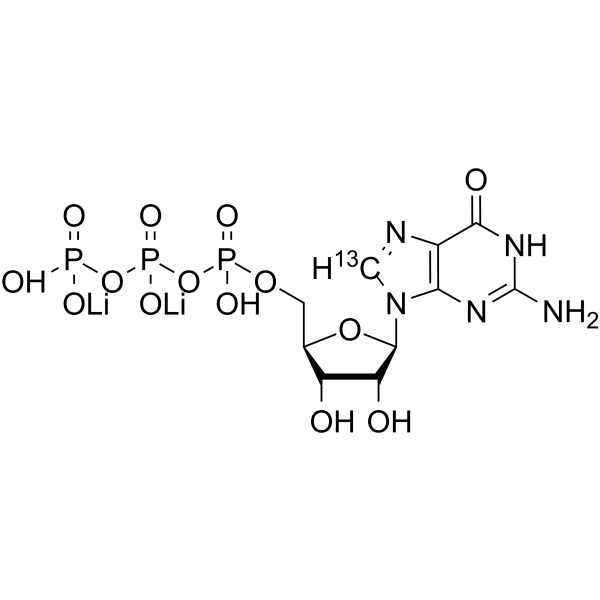
    GTP-13C dilithium

    Isotope-Labeled Compounds Endogenous Metabolite Mitosis Apoptosis DNA/RNA Synthesis Infection Cancer
    Guanosine triphosphate- 13C (GTP- 13C) dilithium is 13C-labeled Guanosine triphosphate (HY-113225). Guanosine triphosphate (GTP) is a critical nucleotide and regulator of cellular metabolism. Guanosine triphosphate promotes ribosomal DNA localization, pre-rRNA transcription and ribosome biogenesis by binding to RNA polymerase I and GPN proteins (GPN1/3). Guanosine triphosphate links MYC-dependent ribosome biogenesis to nucleotide sufficiency, acts as a metabolic gatekeeper supporting protein synthesis, DNA/RNA synthesis and cellular signal transduction, while also participating in the physiological activities of pancreatic β-cells and serving as an oxidative substrate for reactive oxygen species. In small cell lung cancer with high MYC expression, Guanosine triphosphate accumulates through the IMPDH-driven synthetic pathway, thereby affecting apoptosis and mitotic processes. Guanosine triphosphate is used in the research of small cell lung cancer, hepatoblastoma and cellular metabolism .
    Guanosine triphosphate-13C dilithium
  • HY-113225S3

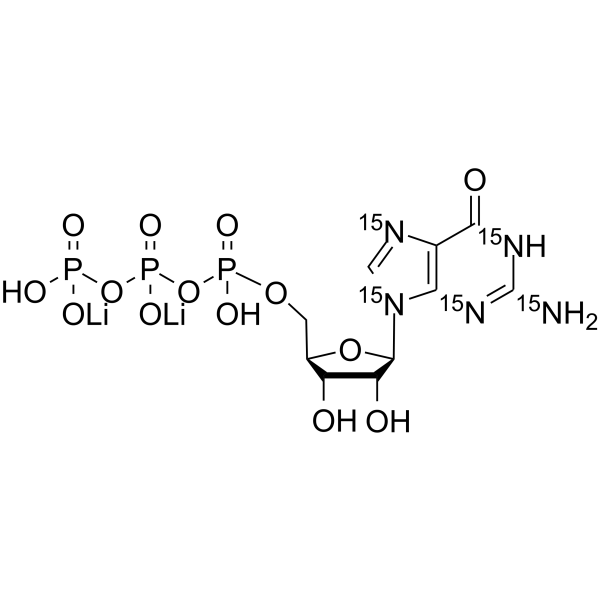
    GTP-15N5 dilithium

    Isotope-Labeled Compounds Endogenous Metabolite Mitosis Apoptosis DNA/RNA Synthesis Infection Cancer
    Guanosine triphosphate- 15N5 (GTP- 15N5) dilithium is 15N labeled Guanosine triphosphate (HY-113225). Guanosine triphosphate dilithium (GTP) is a critical nucleotide and regulator of cellular metabolism. Guanosine triphosphate dilithium promotes ribosomal DNA localization, pre-rRNA transcription and ribosome biogenesis by binding to RNA polymerase I and GPN proteins (GPN1/3). Guanosine triphosphate dilithium links MYC-dependent ribosome biogenesis to nucleotide sufficiency, acts as a metabolic gatekeeper supporting protein synthesis, DNA/RNA synthesis and cellular signal transduction, while also participating in the physiological activities of pancreatic β-cells and serving as an oxidative substrate for reactive oxygen species. In small cell lung cancer with high MYC expression, Guanosine triphosphate dilithium accumulates through the IMPDH-driven synthetic pathway, thereby affecting apoptosis and mitotic processes. Guanosine triphosphate dilithium is used in the research of small cell lung cancer, hepatoblastoma and cellular metabolism .
    Guanosine triphosphate-15N5 dilithium
  • HY-113225S5

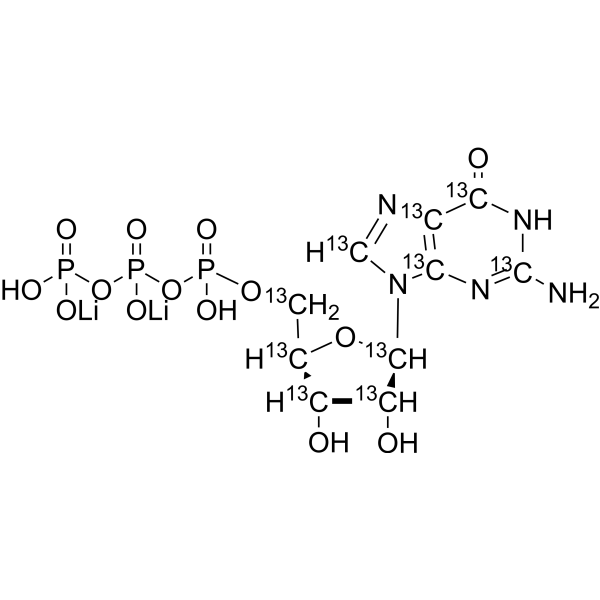
    GTP-13C10 dilithium

    Isotope-Labeled Compounds Endogenous Metabolite Mitosis Apoptosis DNA/RNA Synthesis Infection Cancer
    Guanosine triphosphate- 13C10 (GTP- 13C10) dilithium is 13C-labeled Guanosine triphosphate (HY-113225). Guanosine triphosphate dilithium (GTP) is a critical nucleotide and regulator of cellular metabolism. Guanosine triphosphate dilithium promotes ribosomal DNA localization, pre-rRNA transcription and ribosome biogenesis by binding to RNA polymerase I and GPN proteins (GPN1/3). Guanosine triphosphate dilithium links MYC-dependent ribosome biogenesis to nucleotide sufficiency, acts as a metabolic gatekeeper supporting protein synthesis, DNA/RNA synthesis and cellular signal transduction, while also participating in the physiological activities of pancreatic β-cells and serving as an oxidative substrate for reactive oxygen species. In small cell lung cancer with high MYC expression, Guanosine triphosphate dilithium accumulates through the IMPDH-driven synthetic pathway, thereby affecting apoptosis and mitotic processes. Guanosine triphosphate dilithium is used in the research of small cell lung cancer, hepatoblastoma and cellular metabolism .
    Guanosine triphosphate-13C10 dilithium
  • HY-153890

    Biochemical Assay Reagents Others
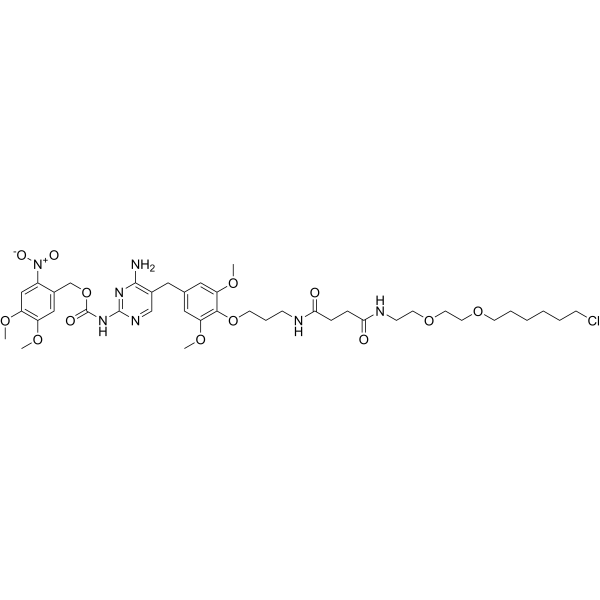
    NVOC cage-TMP-Halo is a cell-permeable and photoactivatable protein dimerization inducer. NVOC cage-TMP-Halo can rapidly and reversibly control protein localization in living cells. NVOC cage-TMP-Halo can be used for dynamic cellular processes research .
    NVOC cage-TMP-Halo
  • HY-175496

    Ceramidase Inflammation/Immunology
    Acid Ceramidase-IN-3 is a acid ceramidase (aCDase) inhibitor. Acid Ceramidase-IN-3 inhibits the enzymatic activity of aCDase with a pIC 50 of 8.5 in enzymatic assays and 6.8 in A375 melanoma cellular assays. Acid Ceramidase-IN-3 promotes HSC inactivation, as measured by a dose-dependent reduction in COL1A1 and ACTA2. Acid Ceramidase-IN-3 inhibits aCDase activity in HSCs, promotes HSC inactivation and suppresses YAP/TAZ nuclear localization. Acid Ceramidase-IN-3 increases Dynein/Kinesin (NDE1, NDEL1. KIF3B, KIF15) while decreases several proteins involved with signaling pathway (SARM1, RGAP1, PDGF-D,PDGFR-B). Acid Ceramidase-IN-3 can be used for the study of fibrotic diseases .
    Acid Ceramidase-IN-3
  • HY-113225S1

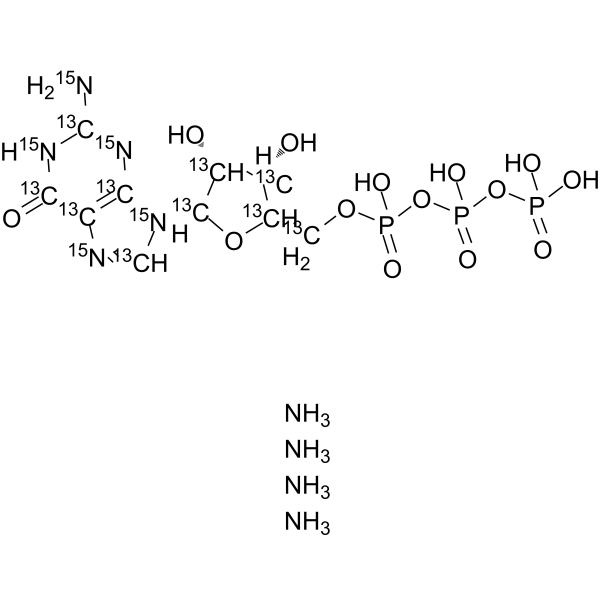
    GTP-13C10,15N5 tetraammonium

    Endogenous Metabolite Mitosis Apoptosis DNA/RNA Synthesis Cancer
    Guanosine triphosphate- 13C10, 15N5 tetraammonium is the 13C and 15N labeled Guanosine triphosphate tetraammonium. Guanosine triphosphate tetraammonium (GTP) is a critical nucleotide and regulator of cellular metabolism. Guanosine triphosphate tetraammonium promotes ribosomal DNA localization, pre-rRNA transcription and ribosome biogenesis by binding to RNA polymerase I and GPN proteins (GPN1/3). Guanosine triphosphate tetraammonium links MYC-dependent ribosome biogenesis to nucleotide sufficiency, acts as a metabolic gatekeeper supporting protein synthesis, DNA/RNA synthesis and cellular signal transduction, while also participating in the physiological activities of pancreatic β-cells and serving as an oxidative substrate for reactive oxygen species. In small cell lung cancer with high MYC expression, Guanosine triphosphate tetraammonium accumulates through the IMPDH-driven synthetic pathway, thereby affecting apoptosis and mitotic processes. Guanosine triphosphate tetraammonium is used in the research of small cell lung cancer, hepatoblastoma and cellular metabolism .
    Guanosine triphosphate-13C10,15N5 tetraammonium solution (100 mM)
  • HY-113225S4

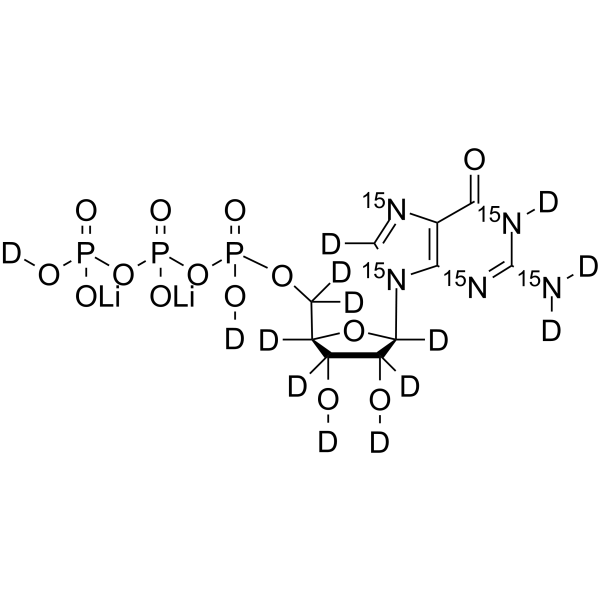
    GTP-15N5,d14 dilithium

    Isotope-Labeled Compounds Endogenous Metabolite Mitosis Apoptosis DNA/RNA Synthesis Infection Cancer
    Guanosine triphosphate- 15N5,d14 (GTP- 15N5,d14) dilithium is deuterium and 15N labeled Guanosine triphosphate (HY-113225). Guanosine triphosphate dilithium (GTP) is a critical nucleotide and regulator of cellular metabolism. Guanosine triphosphate dilithium promotes ribosomal DNA localization, pre-rRNA transcription and ribosome biogenesis by binding to RNA polymerase I and GPN proteins (GPN1/3). Guanosine triphosphate dilithium links MYC-dependent ribosome biogenesis to nucleotide sufficiency, acts as a metabolic gatekeeper supporting protein synthesis, DNA/RNA synthesis and cellular signal transduction, while also participating in the physiological activities of pancreatic β-cells and serving as an oxidative substrate for reactive oxygen species. In small cell lung cancer with high MYC expression, Guanosine triphosphate dilithium accumulates through the IMPDH-driven synthetic pathway, thereby affecting apoptosis and mitotic processes. Guanosine triphosphate dilithium is used in the research of small cell lung cancer, hepatoblastoma and cellular metabolism .
    Guanosine triphosphate-15N5,d14 dilithium
  • HY-153421

    Histone Methyltransferase Cancer
    PRMT5-IN-28 (compound 36) is an inhibitor of protein arginine methyltransferase 5 (PRMT5) enzyme. Protein arginine methylation is a common post-translational modification involved in gene transcription, mRNA splicing, DNA repair, protein cellular localization, cell fate determination and signal transduction, etc. Abnormal PRMT5 can promote cancer cell proliferation, resist apoptosis, enhance invasion and metastasis, and affect immune escape .
    PRMT5-IN-28
  • HY-124317

    Fluorescent Dye Others
    PF-06649283 is a drug with potential intracellular activity. The effects of PF-06649283 may be affected by factors such as cellular metabolism, protein-protein interactions, post-translational modifications, and asymmetric intracellular localization. The potency of PF-06649283 at the cellular level may show different activity compared to the recombinant enzyme, and this difference needs to be considered in the drug discovery process. Increased intracellular potency of PF-06649283 may be critical for the development of this drug as a probe or drug .
    PF-06649283
  • HY-P992056

    Autophagy Cancer
    Anti-Human/Mouse LY6E Antibody (9B12) is a high-affinity, multi-target antibody that binds specifically to LY6E. Anti-Human/Mouse LY6E Antibody (9B12) binds specifically to cell-surface LY6E and enters lysosomes via lipid raft-dependent endocytosis, thereby effectively inhibiting the growth of various LY6E-expressing solid tumors (such as breast cancer and lung cancer) in both in vitro and in vivo models. Anti-Human/Mouse LY6E Antibody (9B12) exerts a dual mechanism of action: on one hand, it blocks the interaction between PILRα and CD8α, specifically reduces the survival rate of peripheral CD8 + T cells and induces their activation, breaking the state of cellular quiescence; on the other hand, it recognizes and immunoprecipitates IDE under both non-denaturing and denaturing conditions, which is applicable to studies on the subcellular localization and protein interactions of IDE. The regulatory effect of Anti-Human/Mouse LY6E Antibody (9B12) on CD8 + T cells strictly depends on the presence of PILRα, and it does not affect CD4 + T cells or T cell development in the thymus, exhibiting high specificity .
    Anti-Human/Mouse LY6E Antibody (9B12)

Inquiry Online

Your information is safe with us. * Required Fields.

Salutation


Country or Region *

Applicant Name *


Organization Name *

Department *


Email Address *


Product Name *

Cat. No.


Requested quantity *

Phone Number *


Remarks

Inquiry Online

Inquiry Information

Product Name:
Cat. No.:
Quantity:
MCE Japan Authorized Agent:

