

1. Search Result
Search Result
Results for "

respiratory function

" in MedChemExpress (MCE) Product Catalog:

44

Inhibitors & Agonists

5

Peptides

8

Natural
Products

4

Isotope-Labeled Compounds

1

Oligonucleotides

Targets Recommended:
Cat. No. Product Name Target Research Areas Chemical Structure
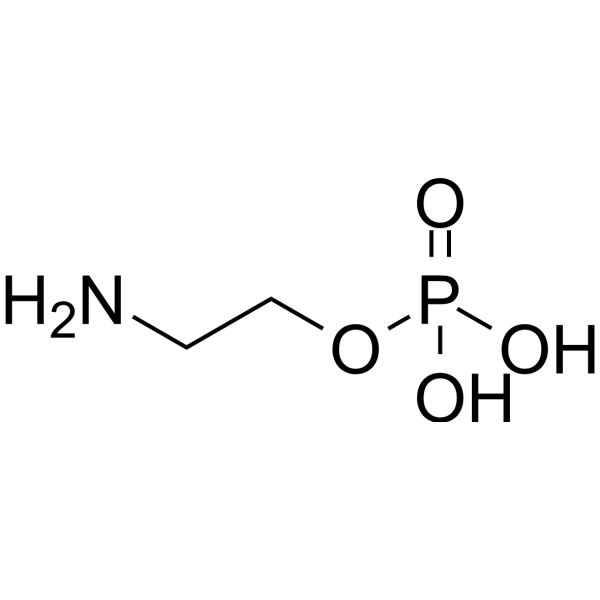
  • HY-N5034
    Phosphorylethanolamine
    4 Publications Verification

    Monoaminoethyl phosphate; NSC 254167; O-Phosphoethanolamine

    Endogenous Metabolite Neurological Disease Metabolic Disease Cancer
    Phosphorylethanolamine (Monoaminoethyl phosphate) is a membrane phospholipid and an important precursor of Phosphatidylcholine (HY-B2233B). It is found in most animal tissues and various human extracranial tumors, playing a critical role in membrane integrity, cell division, mitochondrial respiratory function, and more. Studies have shown that changes in the abundance of Phosphorylethanolamine are associated with Alzheimer's disease and Parkinson's disease. Lowering the ratio of Phosphorylethanolamine to Phosphatidylcholine in the liver can improve insulin signaling. Phosphorylethanolamine holds promise for research in the fields of cancer, neurodegenerative disorders, and metabolic diseases .
    Phosphorylethanolamine
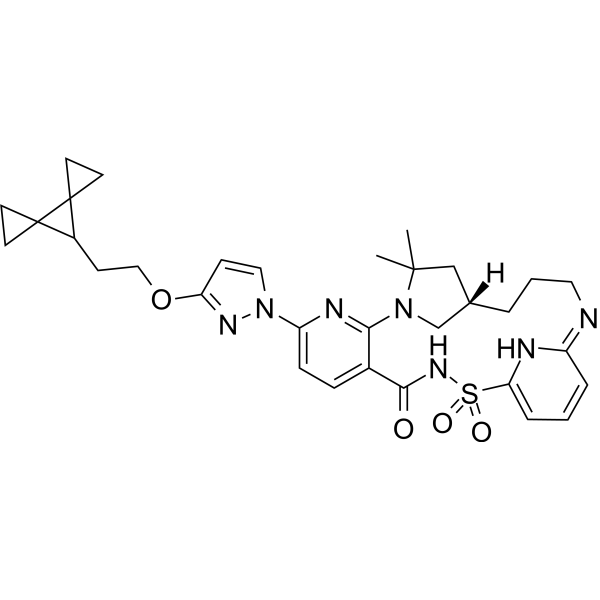
  • HY-145603
    Vanzacaftor
    4 Publications Verification

    VX-121

    CFTR Chloride Channel Neurological Disease
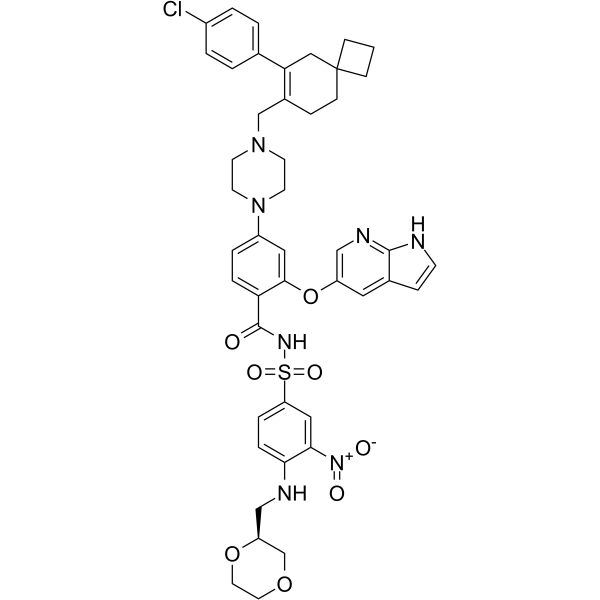
    Vanzacaftor (VX-121) is an orally active noval corrector of Cystic fibrosis transmembrane conductance regulator (CFTR). Vanzacaftor improves processing and trafficking of CFTR protein as well as increases chloride transport in triple combined with Tezacaftor (HY-15448) and Deutivacaftor. Vanzacaftor-Tezacaftor-Deutivacaftor is safe and well tolerated, improving lung function, respiratory symptoms, and CFTR function with cystic fibrosis, which is promising for research in the field of cystic fibrosis diseases .
    Vanzacaftor
  • HY-B0551

    Potassium Channel Neurological Disease
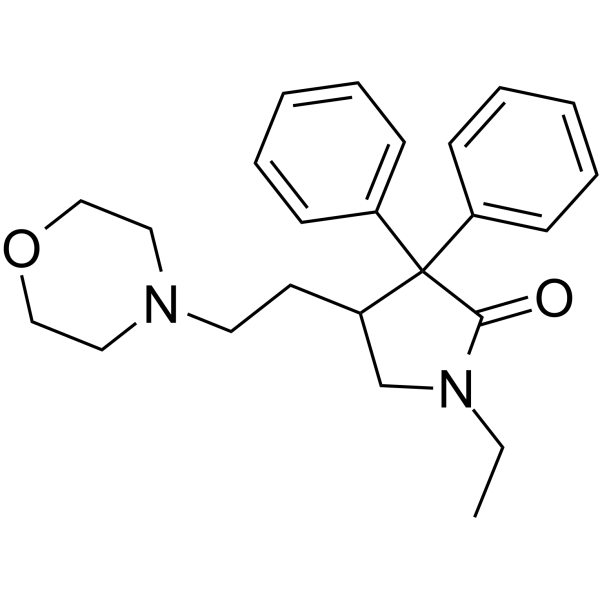
    Doxapram is a respiratory stimulant. Doxapram increases breathing rate and depth by acting on the brain's respiratory centers and peripheral chemoreceptors. Doxapram inhibits TASK-1, TASK-3, TASK-1/TASK-3 heterodimeric channel function with EC50s of 410 nM, 37 μM, 9 μM, respectively. Doxapram inhibits the Ca²⁺-activated potassium current (IC50 ≈ 13 μM) and Ca²⁺-independent potassium current (IC50 ≈ 20 μM) in type I cells of the carotid body. Doxapram significantly prolongs the effective refractory period of the atrium and has an anti-arrhythmic effect. Doxapram can be used for the study of respiratory depression such as post-anesthesia respiratory depression, chronic obstructive pulmonary disease and apnea of prematurity .
    Doxapram
  • HY-B0551A

    Potassium Channel Neurological Disease
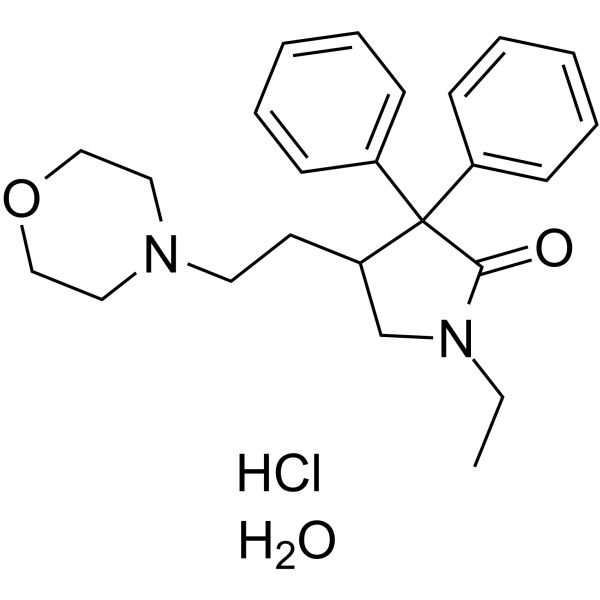
    Doxapram hydrochloride hydrate is a respiratory stimulant. Doxapram hydrochloride hydrate increases breathing rate and depth by acting on the brain's respiratory centers and peripheral chemoreceptors. Doxapram hydrochloride hydrate inhibits TASK-1, TASK-3, TASK-1/TASK-3 heterodimeric channel function with EC50s of 410 nM, 37 μM, 9 μM, respectively. Doxapram hydrochloride hydrate inhibits the Ca²⁺-activated potassium current (IC50 ≈ 13 μM) and Ca²⁺-independent potassium current (IC50 ≈ 20 μM) in type I cells of the carotid body. Doxapram hydrochloride hydrate significantly prolongs the effective refractory period of the atrium and has an anti-arrhythmic effect. Doxapram hydrochloride hydrate can be used for the study of respiratory depression such as post-anesthesia respiratory depression, chronic obstructive pulmonary disease and apnea of prematurity .
    Doxapram hydrochloride hydrate
  • HY-108858
    Dornase alfa
    1 Publications Verification

    rhDNase

    DNA/RNA Synthesis Endonuclease Inflammation/Immunology
    Dornase alfa (rhDNase) is a recombinant human deoxyribonuclease I (rhDNase) that can specifically degrade extracellular DNA. Dornase alfa catalyzes the cleavage of DNA released by neutrophils in respiratory mucus, reduces sputum viscosity, thereby improving mucus clearance efficiency, reducing airway obstruction and alleviating inflammatory responses. Dornase alfa can be used to improve lung function (such as FEV_1) in cystic fibrosis (CF), reduce the risk of acute pulmonary exacerbations, and has good in vivo tolerability. Dornase alfa acts locally on the respiratory tract through aerosol inhalation, specifically improving the high viscosity of mucus caused by DNA accumulation and related respiratory symptoms .
    Dornase alfa
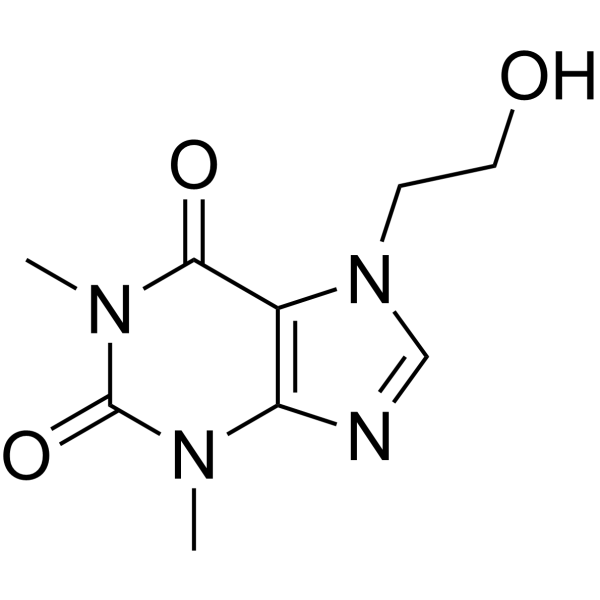
  • HY-B1209

    7-(β-Hydroxyethyl)theophylline

    Phosphodiesterase (PDE) Cardiovascular Disease Inflammation/Immunology
    Etofylline (7-(β-Hydroxyethyl) theophylline) is an oral bronchodilator with anti-inflammatory effects. Etofylline inhibits phosphodiesterase and prevents the degradation of cAMP (cyclic adenosine monophosphate), leading to smooth muscle relaxation, reducing inflammatory responses and improving respiratory function. Etofylline affects the development of zebrafish embryos .
    Etofylline
  • HY-15970
    Verdinexor
    2 Publications Verification

    KPT-335

    CRM1 Apoptosis RSV Infection Inflammation/Immunology Cancer
    Verdinexor (KPT-335) is an orally active inhibitor for selective inhibitor of nuclear export (SINE). Verdinexor inhibits the respiratory syncytial virus A2 (RSV A2) replication with an IC50 of 0.96 µM. Verdinexor inhibits the function of nuclear export protein Exportin 1 (XPO1/CRM1), inhibiting pro-inflammatory responses. Verdinexor exhibits antitumor effciency .
    Verdinexor
  • HY-171844

    iGluR Neurological Disease Inflammation/Immunology
    CX1739 is an orally active, blood-brain barrier permeable, low-efficacy AMPA-glutamate receptor (AMPAR) potentiator. CX1739 enhances excitatory neurotransmission by potentiating glutamate-induced excitatory currents and promoting in vivo long-term potentiation. CX1739 eliminates amphetamine-induced locomotor activity, reverses opioid-, pentobarbital- and ethanol-induced respiratory depression, and exerts pro-cognitive effects in animals. CX1739 impairs motor function recovery and increases the risk of post-injury complications. CX1739 can be used in research related to attention-deficit/hyperactivity disorder, dementia, respiratory depression and spinal cord injury .
    CX1739
  • HY-P2733
    Glycerol-3-phosphate oxidase, E. coli
    2 Publications Verification

    GPO

    Endogenous Metabolite Bacterial Infection Metabolic Disease
    Glycerol-3-phosphate oxidase, E. coli (GPO) is a key intermediate in glycerol metabolism. Glycerol-3-phosphate oxidase, E. coli is the skeleton of phospholipids in membrane lipids, and also a substrate in the respiratory chain. Glycerol-3-phosphate oxidase, E. coli produces electrons through oxidation. Glycerol-3-phosphate oxidase, E. coli is an enzyme with important functions in the field of biochemistry, and is widely used in medical testing and scientific research .
    Glycerol-3-phosphate oxidase, E. coli
  • HY-P1723
    Spexin
    2 Publications Verification

    Neuropeptide Q

    Neuropeptide Y Receptor Apoptosis Ferroptosis Autophagy Cardiovascular Disease Neurological Disease
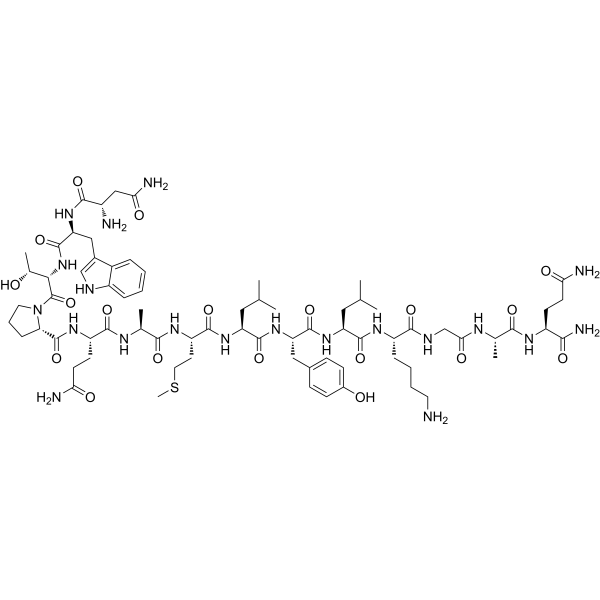
    Spexin (Neuropeptide Q) is a selective agonist of galanin receptors GAL2 and GAL3, and is a conserved peptide that functions as a neurotransmitter/neuromodulator and endocrine factor. Spexin can function through both central and peripheral actions. Spexin upregulates Beclin 1 to inhibit ferroptosis induced by excessive autophagy, reduces the uptake of long-chain fatty acids by adipocytes, and regulates energy metabolism by increasing lipid oxidation (e.g., reducing the respiratory exchange ratio in rodents). Spexin improves cardiac function in the Doxorubicin hydrochloride (HY-15142)-induced cardiotoxicity model, protects mitochondrial membrane potential, and reduces iron accumulation and lipid peroxidation. Spexin can be used to study obesity and its related metabolic disorders, cardiovascular diseases (e.g., cardioprotection), and side effects of tumor chemotherapy .
    Spexin
  • HY-W002199

    6:2 FTOH; 1H,1H,2H,2H-Perfluoro-1-octanol; 2-(Perfluorohexyl)ethanol

    Bacterial Apoptosis ERK TNF Receptor Infection Neurological Disease
    6:2 Fluorotelomer alcohol (6:2 FTOH) is an orally active, blood-brain barrier-permeable modulator of cyclin D1 and ETS1. 6:2 Fluorotelomer alcohol downregulates cyclin D1 expression, upregulates ETS1 via the TNF-α/ERK 1/2 pathway, impairs mitochondrial membrane potential and respiratory function, increases reactive oxygen species levels, disrupts calcium homeostasis and activates endoplasmic reticulum stress markers, and induces cell proliferation inhibition and endothelial-mesenchymal transition. Furthermore, 6:2 Fluorotelomer alcohol induces morphological abnormalities in zebrafish embryos and liver developmental damage, while disrupting the brain immune microenvironment in mice, causing systemic toxicity and delayed pup maturation in CD-1 mice. 6:2 Fluorotelomer alcohol also induces cortical neuron apoptosis, glial cell activation, synaptic abnormalities, colonic barrier damage, intestinal dysbiosis and autism spectrum disorder-like symptoms in mice. 6:2 Fluorotelomer alcohol shows no mutagenic, clastogenic, primary skin/eye irritation or skin sensitizing effects, exhibits no selective reproductive toxicity in CD-1 mice, and is classified as GHS Category 4 for acute oral toxicity. 6:2 Fluorotelomer alcohol can be used in studies of neurodevelopmental disorders and autism spectrum disorders .
    6:2 Fluorotelomer alcohol
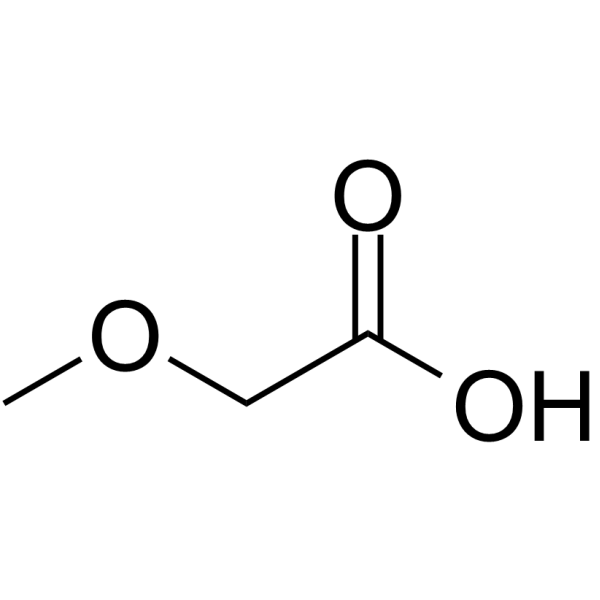
  • HY-Y1009

    Endogenous Metabolite Metabolic Disease
    Methoxyacetic acid is a metabolite of ethylene glycol monomethyl ether. When the concentration of methoxyacetic acid reaches a certain level, it can inhibit the respiratory function of hepatic mitochondria and testicular mitochondria. Methoxyacetic acid is somewhat toxic .
    Methoxyacetic acid
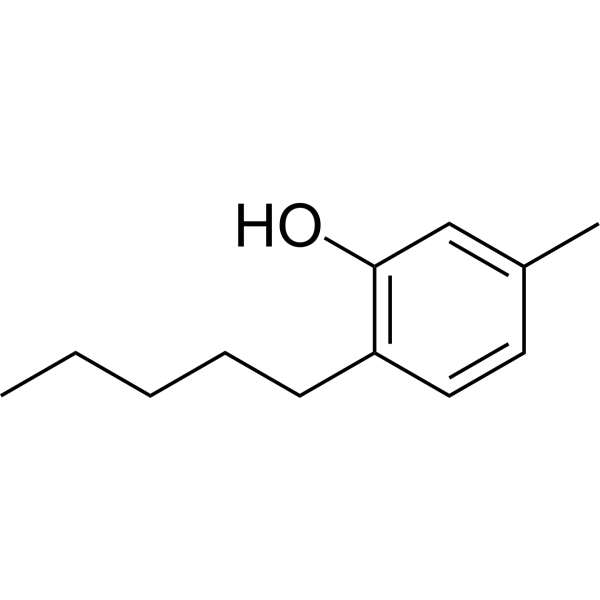
  • HY-121527

    Enterovirus Influenza Virus Bacterial Infection Neurological Disease
    Amylmetacresol is a phenolic compound with topical antibacterial and antiviral activity. Amylmetacresol works by destroying the protein structure of the virus surface or interfering with the function of the virus lipid membrane. Amylmetacresol inhibits the attachment and replication of respiratory viruses such as human Rhinovirus 1a and influenza virus A, without significant effect on viruses such as HRV8. Amylmetacresol is mainly applied topically to the throat to relieve viral sore throats. Amylmetacresol is more active against enveloped viruses than non-enveloped viruses .
    Amylmetacresol
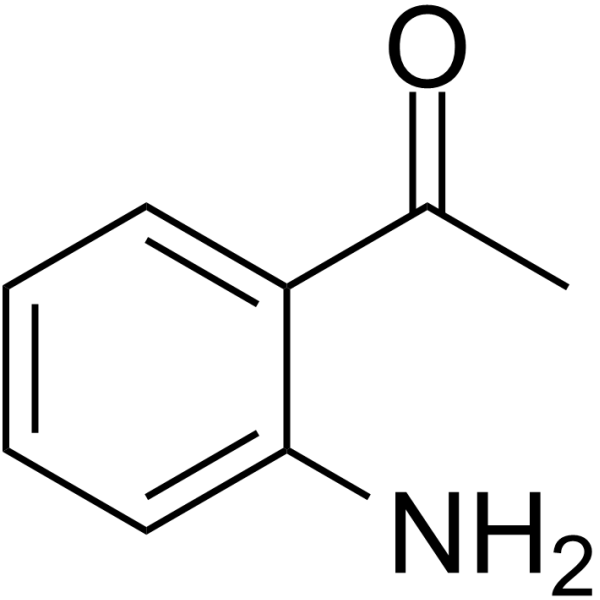
  • HY-I0501

    o-aminoacetophenone

    Bacterial Apoptosis Atg8/LC3 p62 Autophagy Infection Inflammation/Immunology
    2'-Aminoacetophenone is an orally active inducer of apoptosis and respiratory biomarker. 2'-Aminoacetophenone can be used to detect Pseudomonas aeruginosa infections in the lungs of cystic fibrosis patients. 2'-Aminoacetophenone can inhibit the protein levels of LC3BII and p62 in macrophages infected with pqsA or mvfR and regulate autophagy. 2'-Aminoacetophenone can disrupt mitochondrial function by inducing oxidative stress and apoptosis signaling, leading to dysfunction in mouse skeletal muscle .
    2'-Aminoacetophenone
  • HY-137452

    Orexin Receptor (OX Receptor) Neurological Disease
    Suntinorexton is an OX2R agonist. Suntinorexton is used to study respiratory function during sleep .
    Suntinorexton
  • HY-U00382

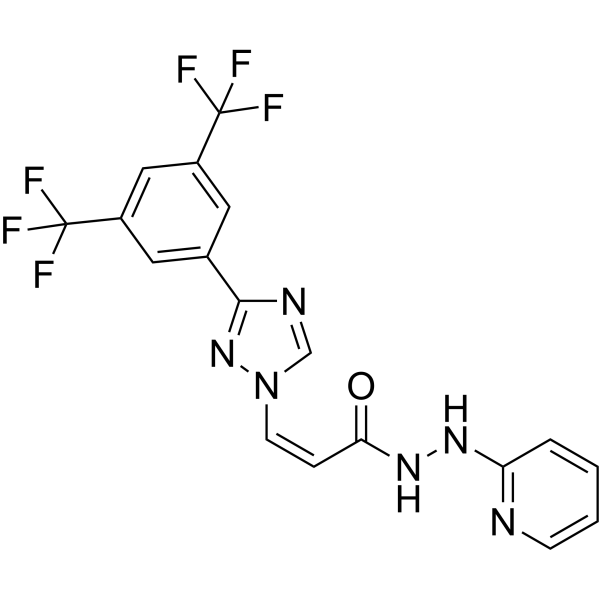
    Neurokinin Receptor Neurological Disease Inflammation/Immunology
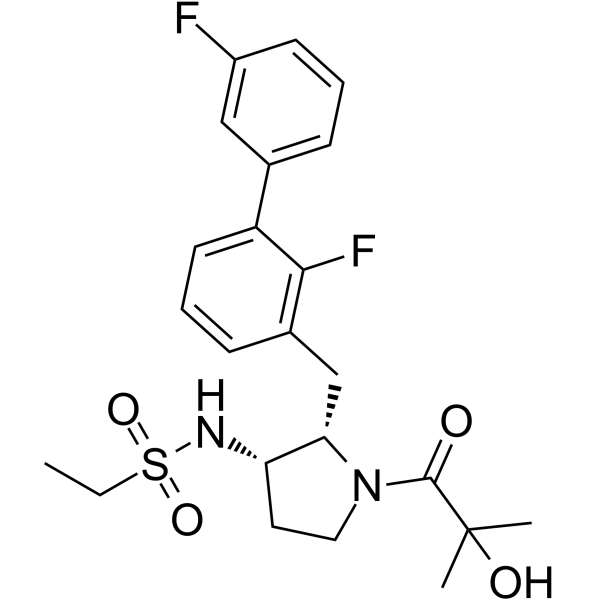
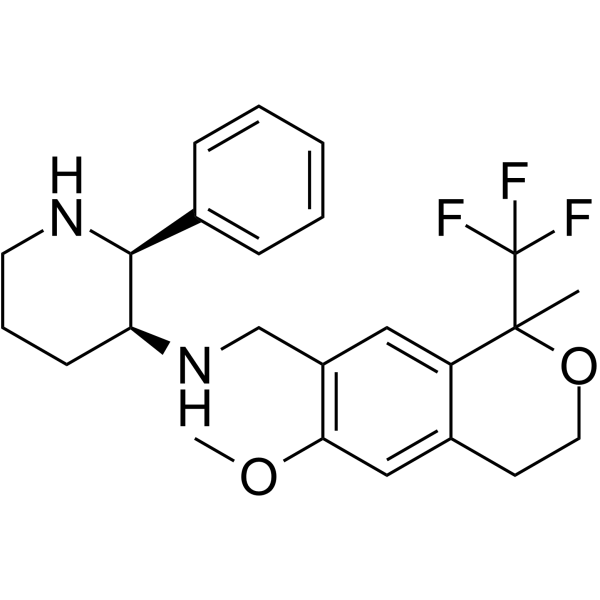
    Substance P Receptor Antagonist 1 has the potential function in central nervous system disorders, respiratory, inflammatory diseases and gastrointestinal disorders.
    Substance P Receptor Antagonist 1
  • HY-P1208

    Melanocortin Receptor Inflammation/Immunology
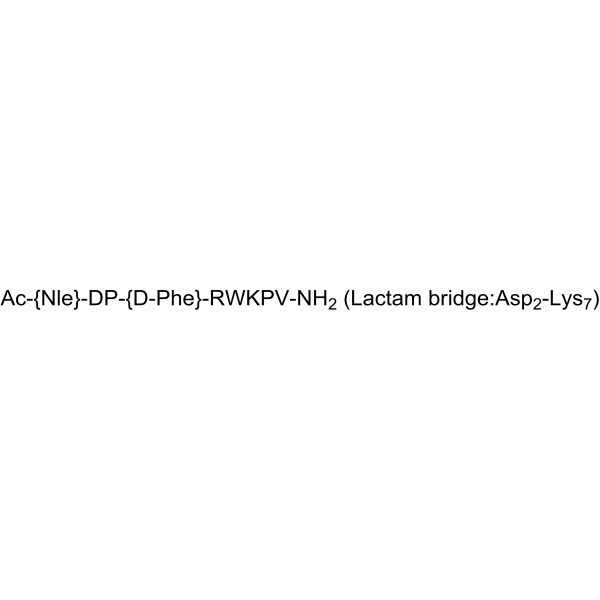
    PG-931, an analog of SHU 9119 (HY-P0227), is a potent melanocortin 4 (MC4) receptor (IC50=0.58 nM) agonist and is more selective than for the hMC3R (IC50=55 nM) or the hMC5R (IC50=2.4 nM). PG-931 can reverse haemorrhagic shock and prevent multiple organ damage in vivo .
    PG-931
  • HY-N9610

    Ubiquinone 30

    Endogenous Metabolite Inflammation/Immunology
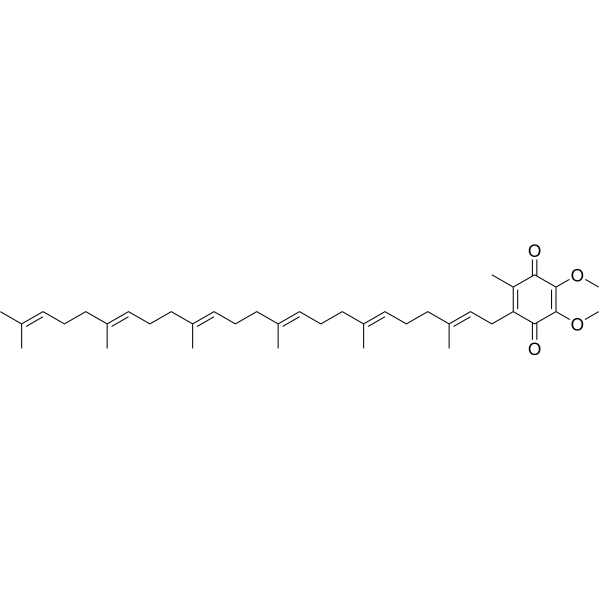
    Coenzyme Q6 (Ubiquinone 30) is an isoprenylated benzoquinone lipid. Coenzyme Q6 exhibits functions in respiratory electron transport and as a lipid antioxidant. Coenzyme Q6 also has antioxidant effects, which can prevent the production of free radicals and oxidative damage .
    Coenzyme Q6
  • HY-145603S

    VX-121-d4

    Isotope-Labeled Compounds CFTR Chloride Channel Neurological Disease
    Vanzacaftor-d4 (VX-121-d4) is the deuterium labeled Vanzacaftor (HY-145603). Vanzacaftor is an orally active noval corrector of Cystic fibrosis transmembrane conductance regulator (CFTR). Vanzacaftor improves processing and trafficking of CFTR protein as well as increases chloride transport in triple combined with Tezacaftor (HY-15448) and Deutivacaftor. Vanzacaftor-Tezacaftor-Deutivacaftor is safe and well tolerated, improving lung function, respiratory symptoms, and CFTR function with cystic fibrosis, which is promising for research in the field of cystic fibrosis diseases .
    Vanzacaftor-d4
  • HY-I0501R

    o-aminoacetophenone (Standard)

    Reference Standards Bacterial Apoptosis Atg8/LC3 p62 Autophagy Infection Inflammation/Immunology
    2'-Aminoacetophenone (Standard) is the analytical standard of 2'-Aminoacetophenone. This product is intended for research and analytical applications. 2'-Aminoacetophenone is an orally active inducer of apoptosis and respiratory biomarker. 2'-Aminoacetophenone can be used to detect Pseudomonas aeruginosa infections in the lungs of cystic fibrosis patients. 2'-Aminoacetophenone can inhibit the protein levels of LC3BII and p62 in macrophages infected with pqsA or mvfR and regulate autophagy. 2'-Aminoacetophenone can disrupt mitochondrial function by inducing oxidative stress and apoptosis signaling, leading to dysfunction in mouse skeletal muscle .
    2'-Aminoacetophenone (Standard)
  • HY-106377

    MARCKS Inflammation/Immunology
    BIO-11006 is a peptide that inhibits the function of the MARCKS protein. BIO-11006 attenuates LPS-induced neutrophil influx into the lungs, NF-κB activation, and expression of the proinflammatory cytokines KC and TNF-α. BIO-11006 also reverses disease progression in an LPS-induced mouse lung injury model. BIO-11006 is indicated for research on acute lung injury/acute respiratory distress syndrome (ALI/ARDS) .
    BIO-11006
  • HY-174306

    5-HT Receptor PGC-1α Akt PI3K Ras MEK ERK Metabolic Disease
    MARY1 is a selective 5-HT2BR antagonist with an IC50 of 380 nM and a Ki of 764 nM (human 5-HT2BR). MARY1 induces renal mitochondrial biogenesis (MB) and enhances renal mitochondrial function by increasing mitochondrial respiratory capacity, mitochondrial protein levels, and mitochondrial number in renal proximal tubular cells (RPTCs). MARY1 induces MB through 5-HT2BR and dual PI3K/AKT and RAS/MEK/ERK cell signaling pathways in RPTCs. MARY1 can be used to study renal diseases associated with metabolic and mitochondrial dysfunction .
    MARY1
  • HY-N9680

    Ubiquinone 8

    Endogenous Metabolite Bacterial Infection Inflammation/Immunology
    Coenzyme Q8 (Ubiquinone 8) is an isoprenoid quinone that mediates electron transfer within the aerobic respiratory chain and reduces oxidative stress. Coenzyme Q8 maintains bacterial respiratory function and enhances host resistance to bacterial infection. Coenzyme Q8 stimulates macrophage phagocytosis and increases antibody-producing cells. Coenzyme Q8 can be used in infectious disease research .
    Coenzyme Q8
  • HY-P1723A

    Neuropeptide Q TFA

    Neuropeptide Y Receptor Apoptosis Ferroptosis Autophagy Cardiovascular Disease Metabolic Disease
    Spexin (Neuropeptide Q) TFA is a selective agonist of galanin receptors GAL2 and GAL3, and is a conserved peptide that functions as a neurotransmitter/neuromodulator and endocrine factor. Spexin TFA can function through both central and peripheral actions. Spexin TFA upregulates Beclin 1 to inhibit ferroptosis induced by excessive autophagy, reduces the uptake of long-chain fatty acids by adipocytes, and regulates energy metabolism by increasing lipid oxidation (e.g., reducing the respiratory exchange ratio in rodents). Spexin TFA improves cardiac function in the Doxorubicin hydrochloride (HY-15142)-induced cardiotoxicity model, protects mitochondrial membrane potential, and reduces iron accumulation and lipid peroxidation. Spexin TFA can be used to study obesity and its related metabolic disorders, cardiovascular diseases (e.g., cardioprotection), and side effects of tumor chemotherapy .
    Spexin TFA
  • HY-P1208A

    Melanocortin Receptor Inflammation/Immunology
    PG-931 TFA, an analog of SHU 9119 (HY-P0227), is a potent melanocortin 4 (MC4) receptor (IC50=0.58 nM) agonist and is more selective than for the hMC3R (IC50=55 nM) or the hMC5R(IC50=2.4 nM). PG-931 TFA can reverse haemorrhagic shock and prevent multiple organ damage in vivo .
    PG-931 TFA
  • HY-Y1009R

    Reference Standards Endogenous Metabolite Metabolic Disease
    Methoxyacetic acid is a metabolite of ethylene glycol monomethyl ether. When the concentration of methoxyacetic acid reaches a certain level, it can inhibit the respiratory function of hepatic mitochondria and testicular mitochondria. Methoxyacetic acid is somewhat toxic .
    Methoxyacetic acid (Standard)
  • HY-129146S

    Isotope-Labeled Compounds Potassium Channel Others
    Doxapram-d5 hydrochloride is deuterium labeled Doxapram hydrochloride. Doxapram hydrochloride is a respiratory stimulant. Doxapram hydrochloride increases breathing rate and depth by acting on the brain's respiratory centers and peripheral chemoreceptors. Doxapram hydrochloride inhibits TASK-1, TASK-3, TASK-1/TASK-3 heterodimeric channel function with EC50s of 410 nM, 37 μM, 9 μM, respectively. Doxapram hydrochloride inhibits the Ca²⁺-activated potassium current (IC50 ≈ 13 μM) and Ca²⁺-independent potassium current (IC50 ≈ 20 μM) in type I cells of the carotid body. Doxapram hydrochloride significantly prolongs the effective refractory period of the atrium and has an anti-arrhythmic effect. Doxapram hydrochloride can be used for the study of respiratory depression such as post-anesthesia respiratory depression, chronic obstructive pulmonary disease and apnea of prematurity.
    Doxapram-d5 hydrochloride
  • HY-B0551S

    Isotope-Labeled Compounds Potassium Channel Neurological Disease
    Doxapram-d8 is deuterated labeled Doxapram (HY-B0551). Doxapram is a respiratory stimulant. Doxapram increases breathing rate and depth by acting on the brain's respiratory centers and peripheral chemoreceptors. Doxapram inhibits TASK-1, TASK-3, TASK-1/TASK-3 heterodimeric channel function with EC50s of 410 nM, 37 μM, 9 μM, respectively. Doxapram inhibits the Ca²⁺-activated potassium current (IC50 ≈ 13 μM) and Ca²⁺-independent potassium current (IC50 ≈ 20 μM) in type I cells of the carotid body. Doxapram significantly prolongs the effective refractory period of the atrium and has an anti-arrhythmic effect. Doxapram can be used for the study of respiratory depression such as post-anesthesia respiratory depression, chronic obstructive pulmonary disease and apnea of prematurity.
    Doxapram-d8
  • HY-B0551AR

    Reference Standards Potassium Channel Neurological Disease
    Doxapram hydrochloride hydrate (Standard) is the analytical standard of Doxapram hydrochloride hydrate (HY-B0551A). This product is intended for research and analytical applications. Doxapram hydrochloride hydrate is a respiratory stimulant. Doxapram hydrochloride hydrate increases breathing rate and depth by acting on the brain's respiratory centers and peripheral chemoreceptors. Doxapram hydrochloride hydrate inhibits TASK-1, TASK-3, TASK-1/TASK-3 heterodimeric channel function with EC50s of 410 nM, 37 μM, 9 μM, respectively. Doxapram hydrochloride hydrate inhibits the Ca²⁺-activated potassium current (IC50 ≈ 13 μM) and Ca²⁺-independent potassium current (IC50 ≈ 20 μM) in type I cells of the carotid body. Doxapram hydrochloride hydrate significantly prolongs the effective refractory period of the atrium and has an anti-arrhythmic effect. Doxapram hydrochloride hydrate can be used for the study of respiratory depression such as post-anesthesia respiratory depression, chronic obstructive pulmonary disease and apnea of prematurity.
    Doxapram hydrochloride hydrate (Standard)
  • HY-W339757

    mTOR Endogenous Metabolite Cancer
    Dioctanoylphosphatidic acid sodium functions as a modulator of phagocyte respiratory burst, acts as a precursor to diacylglycerol and lysophosphatidic acid, and influences the phosphorylation of the mammalian target of rapamycin (mTOR) while enhancing the viability of gallbladder carcinoma cells treated with histone deacetylase inhibitors (HDACIs); it is derived from glycerophospholipid through the action of phospholipase D.
    Dioctanoylphosphatidic acid sodium
  • HY-113749

    Adrenergic Receptor Inflammation/Immunology
    L-Mabuterol hydrochloride is a selective β2-adrenergic receptor agonist with bronchodilator activity. L-Mabuterol hydrochloride can improve respiratory function and relieve asthma symptoms. L-Mabuterol hydrochloride also shows potential efficacy in the management of chronic obstructive pulmonary disease (COPD) .
    L-Mabuterol hydrochloride
  • HY-Y1009S

    Isotope-Labeled Compounds Endogenous Metabolite Metabolic Disease
    Methoxyacetic acid-d3 is the deuterium labeled Methoxyacetic acid (HY-Y1009). Methoxyacetic acid is a metabolite of ethylene glycol monomethyl ether. When the concentration of methoxyacetic acid reaches a certain level, it can inhibit the respiratory function of hepatic mitochondria and testicular mitochondria. Methoxyacetic acid is somewhat toxic .
    Methoxyacetic acid-d3
  • HY-121571

    Insecticide Infection Cancer
    Prallethrin, a spatial mosquito repellent, is a non-fluorinated pyrethroid targeting lung surfactant proteins (SPs). prallethrin has vapor toxicity and can bind with the lung SPs by hydrogen and hydrophobic interactions, impairing functions of SPs. Prallethrin can be used for respiratory illness, pathogenic infections and malignancy research .
    Prallethrin
  • HY-174540

    mRNA Cancer
    Human SERPINA1 mRNA encodes the human serpin family A member 1 (SERPINA1) protein, a serine protease inhibitor belonging to the serpin superfamily. SERPINA1’s major physiological function is the protection of the lower respiratory tract against proteolytic destruction by human leukocyte elastase (HLE).
    Human SERPINA1 mRNA
  • HY-14915A

    MN-221; KUR-1246

    Adrenergic Receptor Inflammation/Immunology
    Bedoradrine (MN-221) sulfate is a highly selective β2-adrenergic receptor agonist. Bedoradrine sulfate can effectively relieve airway spasm, dilate airway smooth muscle cells, reduce airway inflammation, and thus improve respiratory function. Bedoradrine sulfate can be used in research on asthma .
    Bedoradrine sulfate
  • HY-12980A

    GSK961081 Succinate; TD-5959 Succinate

    Adrenergic Receptor mAChR Neurological Disease
    Batefenterol Succinate (GSK961081 Succinate) is a first-of-its-kind inhaled bifunctional bronchodilator with smooth muscle relaxant properties. The activities of Batefenterol Succinate include acting as a smooth muscle parasympathetic antagonist and a beta2-adrenoceptor agonist. Batefenterol Succinate is used to improve respiratory function, especially in patients with chronic obstructive pulmonary disease (COPD) .
    Batefenterol Succinate
  • HY-123008

    Adrenergic Receptor Phosphodiesterase (PDE) Others
    Reproterol hydrochloride is a dual-acting beta2-adrenoceptor agonist and phosphodiesterase inhibitor. Reproterol hydrochloride is more potent than albuterol and feterol in stimulating cAMP production in human monocytes, demonstrating its potential in enhancing airway function. Furthermore, Reproterol significantly inhibited the production of LTB4, indicating its anti-inflammatory properties. Reproterol hydrochloride may have inhibitory effects in respiratory diseases such as asthma and COPD .
    Reproterol hydrochloride
  • HY-N8268R

    3α,12α-Dihydroxynorcholanic acid (Standard)

    Drug Metabolite Reference Standards Metabolic Disease
    Reproterol (hydrochloride) (Standard) is the analytical standard of Reproterol (hydrochloride). This product is intended for research and analytical applications. Reproterol hydrochloride is a dual-acting beta2-adrenoceptor agonist and phosphodiesterase inhibitor. Reproterol hydrochloride is more potent than albuterol and feterol in stimulating cAMP production in human monocytes, demonstrating its potential in enhancing airway function. Furthermore, Reproterol significantly inhibited the production of LTB4, indicating its anti-inflammatory properties. Reproterol hydrochloride may have inhibitory effects in respiratory diseases such as asthma and COPD .
    Nordeoxycholic acid (Standard)
  • HY-123008R

    Phosphodiesterase (PDE) Adrenergic Receptor Reference Standards Others
    Reproterol (hydrochloride) (Standard) is the analytical standard of Reproterol (hydrochloride). This product is intended for research and analytical applications. Reproterol hydrochloride is a dual-acting beta2-adrenoceptor agonist and phosphodiesterase inhibitor. Reproterol hydrochloride is more potent than albuterol and feterol in stimulating cAMP production in human monocytes, demonstrating its potential in enhancing airway function. Furthermore, Reproterol significantly inhibited the production of LTB4, indicating its anti-inflammatory properties. Reproterol hydrochloride may have inhibitory effects in respiratory diseases such as asthma and COPD .
    Reproterol hydrochloride (Standard)
  • HY-165508

    CO-1177 free acid

    Others Infection
    Nesosteine (CO-1177) free acid is a regulator of airway secretions that can improve the transport of respiratory mucus. Nesosteine free acid has the function of promoting mucociliary clearance and enhancing the efficiency of mucociliary clearance. Nesosteine free acid also increases the speed of mucus transport, which helps to accelerate the discharge of mucus in the respiratory tract, relieve airway obstruction, and improve respiratory function. Nesosteine free acid can be used to study respiratory diseases such as chronic bronchitis accompanied by abnormal mucus secretion .
    Nesosteine free acid
  • HY-P11812

    Mitochondrial Metabolism Cytochrome P450 Metabolic Disease
    MLS peptide is a Mitochondria-targeting peptide. MLS peptide participates in respiratory chain function via encoding Cytochrome C oxidase .
    MLS peptide
  • HY-156600A

    SBT-272 trihydrochloride

    Mitochondrial Metabolism Neurological Disease
    Bevemipretide trihydrochloride (SBT-272 trihydrochloride) is a blood-brain barrier-permeable mitochondrial function repair agent. Bevemipretide trihydrochloride stabilizes cardiolipin in the inner mitochondrial membrane, restores mitochondrial structure, respiratory function, motor capacity and upper motor neuron health. Bevemipretide trihydrochloride reduces astrogliosis and microgliosis in mice with amyotrophic lateral sclerosis. Bevemipretide trihydrochloride prevents stroke-induced mitochondrial dysfunction . Bevemipretide trihydrochloride is applicable to research related to amyotrophic lateral sclerosis, Parkinson's disease, dementia with Lewy bodies and Huntington's disease .
    Bevemipretide trihydrochloride
  • HY-19080

    Lipoxygenase Inflammation/Immunology
    SC-45662 is a 5-lipoxygenase inhibitor. SC-45662 inhibits the response of monocytes to phytohemagglutinin (PHA). SC-45662 inhibits superoxide production in neutrophils. SC-45662 slows early changes in lung mechanics and pulmonary hypertension in a sheep model of impaired lung function. SC-45662 can be used in research on diseases of the immune system, respiratory system, etc .
    SC-45662
  • HY-179580

    PPAR Phosphodiesterase (PDE) Inflammation/Immunology
    EL244 is a dua Autotaxin (ATX) (IC50 = 50 nM) inhibitor and PPARγ (IC50 = 1.3 μM; Kd = 1.3 μM) agonist. EL244 demonstrates low cytotoxicity in human HepG2 cells (EC50 = 81.2 μM) with minimal inhibition of the cardiac hERG potassium channel (12% at 25 μM). EL244 significantly reduces pulmonary Lysophosphatidic Acid (LPA) levels, attenuates fibrosis, and restores respiratory function with limited systemic absorption in vivo. EL244 can be used for idiopathic pulmonary fibrosis and interstitial lung disease (ILD) research .
    EL244

Inquiry Online

Your information is safe with us. * Required Fields.

Salutation


Country or Region *

Applicant Name *


Organization Name *

Department *


Email Address *


Product Name *

Cat. No.


Requested quantity *

Phone Number *


Remarks

Inquiry Online

Inquiry Information

Product Name:
Cat. No.:
Quantity:
MCE Japan Authorized Agent:

