1. Search Result
Search Result
Results for "

selectivity index

" in MedChemExpress (MCE) Product Catalog:

51

Inhibitors & Agonists

1

Isotope-Labeled Compounds

Cat. No. Product Name Target Research Areas Chemical Structure
  • HY-B1398
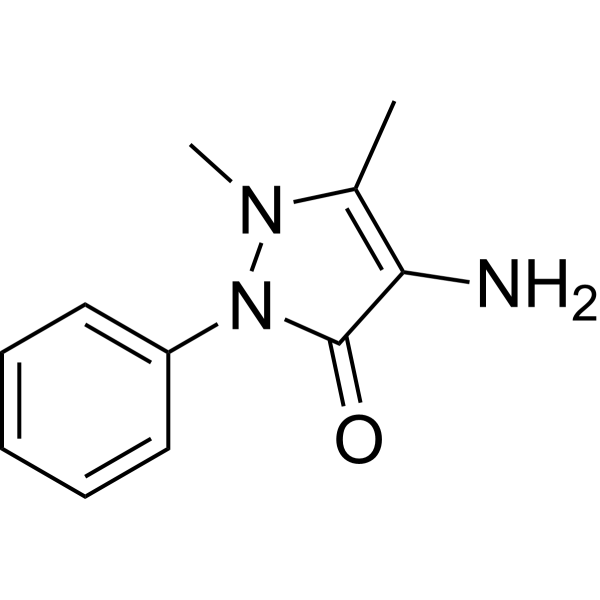
    Ampyrone
    1 Publications Verification

    4-Aminophenazone

    COX Drug Metabolite Neurological Disease Inflammation/Immunology Cancer
    Ampyrone (4-Aminophenazone; 4-Aminoantipyrine) is a reversible and low-damage optical clearing agent and non-selective COX inhibitor based on UV absorption properties. Ampyrone can improve the optical transmittance of mouse skin and other tissues. Ampyrone can induce tissue refractive index matching by enhancing UV absorption, reduce light scattering, and achieve tissue transparency in vivo. Ampyrone reduces the synthesis of prostaglandin PGE2, thereby exerting anti-inflammatory, analgesic and antipyretic effects. Ampyrone inhibits DNA damage, cell apoptosis and immune cell phagocytosis induced by Doxorubicin (HY-15142A) and Cisplatin (HY-17394), etc., and participates in the regulation of toxicity in tumor chemotherapy .
    Ampyrone
  • HY-120028

    Epigenetic Reader Domain Histone Acetyltransferase Cancer
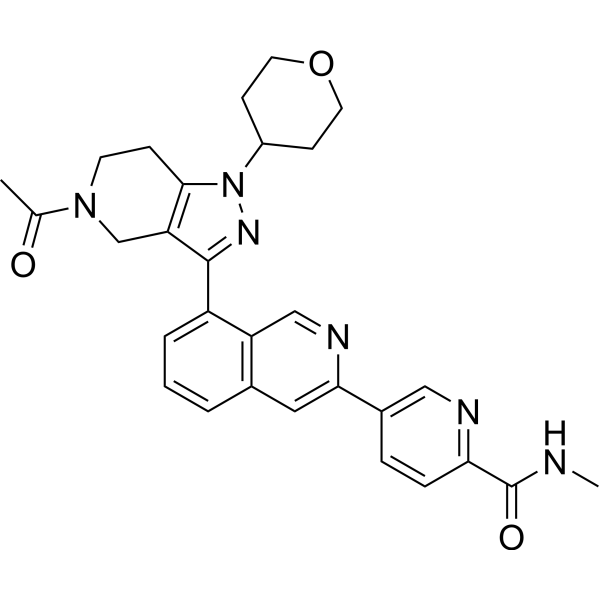
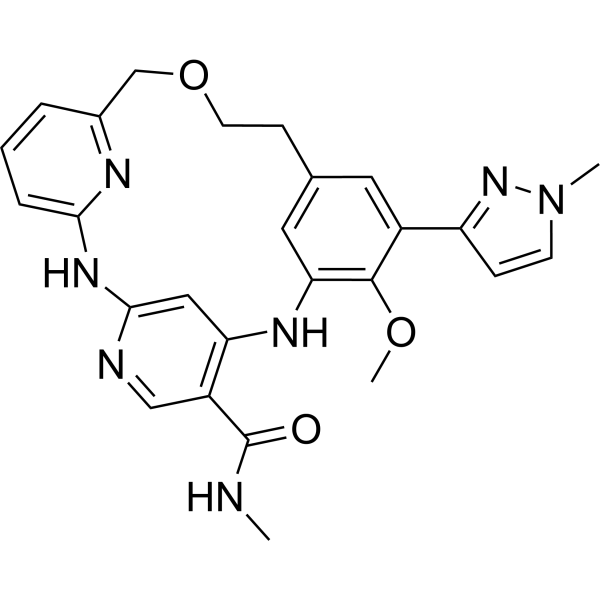
    GNE-207 is a potent, selective and orally bioavailable inhibitor of the bromodomain of CBP, with an IC50 of 1 nM, exhibits a selectively index of >2500-fold against BRD4 (1). GNE-207 shows excellent CBP potency, with an EC50 of 18 nM for MYC expression in MV-4-11 cells .
    GNE-207
  • HY-149760

    PROTACs Phosphatase IFNAR STAT Cancer
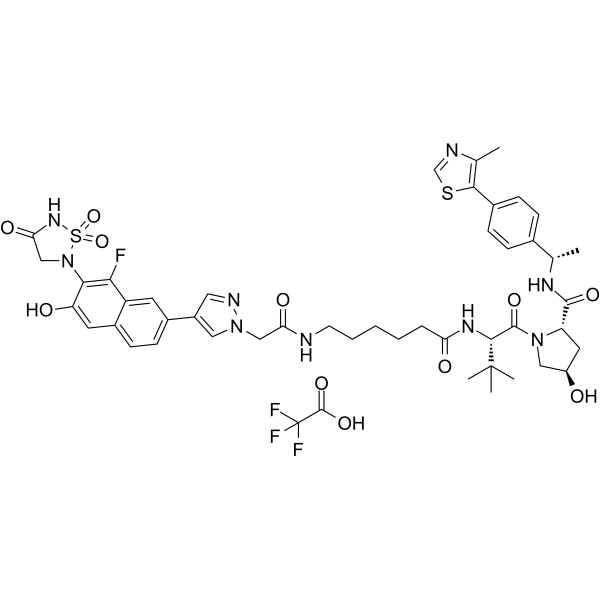
    PVD-06 is a selective PROTAC PTPN2 degrader with a DC50 of 217 nM (selectivity index >60-fold over PTP1B). PVD-06 induces PTPN2 degradation via a VHL-, ubiquitin, and proteasome-dependent pathway. PVD-06 can promote T cell activation and amplify IFN-γ-mediated anticancer activity. PVD-06 can be used to further investigate PTPN2 in diseases such as leukemia and melanoma . (Pink: PTPN2 ligand (HY-168691), Black: linker (HY-B0236), Blue: VHL ligand (HY-112078)).
    PVD-06
  • HY-121537

    COX Akt Apoptosis Neurological Disease Inflammation/Immunology Cancer
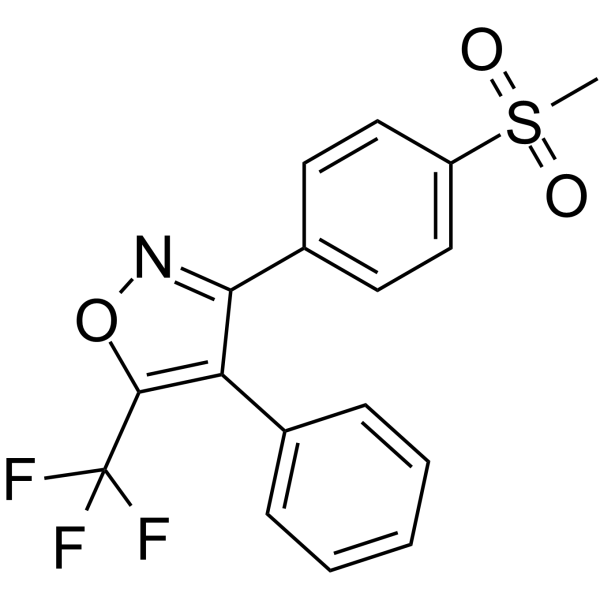
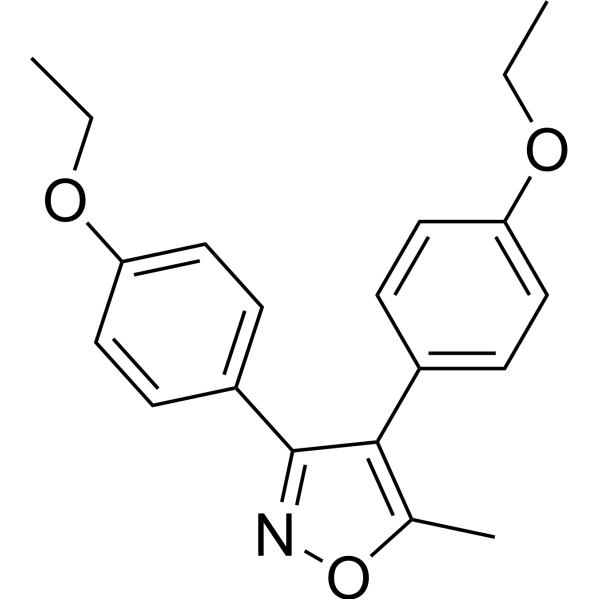
    CAY10404 is a potent and selective cyclooxygenase-2 (COX-2) inhibitor with an IC50 of 1 nM and a selectivity index (SI; COX-1 IC50/COX-2 IC50) of >500000. CAY10404 is a potent PKB/Akt and MAPK signaling pathways inhibitor and induces apoptosis in non-small cell lung cancer (NSCLC) cells. CAY10404, a diarylisoxazole, has good analgesic, anti-inflammatory, and anti-cancer activities .
    CAY10404
  • HY-156466

    STAT Interleukin Related IFNAR Inflammation/Immunology
    QL-1200186 is a selective, orally active, allosteric inhibitor targeting the tyrosine kinase TYK2 pseudokinase domain JH2 (IC50=0.06 nM, TYK2 JH2), with 164-fold selectivity over TYK1 JH2 (IC50=9.85 nM,TYK1 JH2). QL-1200186 first stabilizes the TYK2 JH2 conformation, inhibits the activity of the JH1 catalytic domain, and blocks the IFNα, IL-12/IL-23-mediated JAK-STAT signaling pathway. QL-1200186 can inhibit the production of Th1/Th17 cell-related cytokines (such as IFNγ, IL-23), reduce immune cell activation, and has no significant effect on JAK1/2/3 kinase activity. QL-1200186 can significantly improve skin inflammation in the Imiquimod (HY-B0180)-induced psoriasis mouse model and reduce the Psoriasis Area and Severity Index (PASI) score. QL-1200186 can be used in the study of autoimmune diseases such as psoriasis and systemic lupus erythematosus (SLE) .
    QL-1200186
  • HY-176268

    RA-0188293; RA-NSP2-1

    DNA/RNA Synthesis Virus Protease Flavivirus Infection
    SGC-NSP2hel-1 (RA-0188293), a chemical probe, is a potent, specific and orally active nsP2 inhibitor. SGC-NSP2hel-1 has broad spectrum activity against multiple alphaviruses of the nsP2 helicase with a CC50 > 250 μM. SGC-NSP2hel-1 (RA-0188293) shows selectivity index > 4000 against human RNA helicases. SGC-NSP2hel-1 reduces virus replication and limited virus-induced pathology by forming a stable complex with nsP2 and ATP in a preclinical small animal model of CHIKV disease.
    SGC-NSP2hel-1
  • HY-175873

    mAChR Adrenergic Receptor Inflammation/Immunology
    AD109 is a combination of the selective norepinephrine reuptake inhibitor Atomoxetine (HY-107370) and the antimuscarinic agent Aroxybutynin (HY-B0267C). AD109 shows orally active significantly and reduces the apnea-hypopnea index .
    AD109
  • HY-W391625

    (Rac)-Epiligulyl oxide

    Fungal Cancer
    (Rac)-Dehydrocostus Lactone ((Rac)-Epiligulyl oxide) is a natural product with antiparasitic activity. (Rac)-Dehydrocostus Lactone can significantly inhibit the growth of Trypanosoma brucei rhodesiense. (Rac)-Dehydrocostus Lactone exhibits a broad spectrum of biological effects, including anti-inflammatory, anticancer, antiviral and antimicrobial activities. (Rac)-Dehydrocostus Lactone also has antifungal, antioxidant, antidiabetic, antiulcer and antihelminthic effects. (Rac)-Dehydrocostus Lactone exhibits different IC(50) values in cytotoxicity tests and has a high selectivity index .
    (Rac)-Dehydrocostus Lactone
  • HY-133135

    CHIKV Nucleoside Antimetabolite/Analog Infection
    CHIKV-IN-1 (Compound 3a) is a compound that inhibits the Chikungunya virus (CHIKV) with an EC50 of 0.12 μM. CHIKV-IN-1 is a potent inhibitor of the S-adenosyl-L-homocysteine hydrolase (SAH hydrolase), with an IC50 of 0.36 μM. CHIKV-IN-1 is only effective against CHIKV and some other alphaviruses, but has no activity against other RNA viruses such as SARS-CoV, MERS-CoV, and ZIKV. CHIKV-IN-1 has extremely low cytotoxicity (CC₅₀ > 250 μM), and it has an extremely high selectivity index (SI > 2083). CHIKV-IN-1 can be used in research on anti-Chikungunya virus .
    CHIKV-IN-1
  • HY-B1398R
    Ampyrone (Standard)
    1 Publications Verification

    4-Aminophenazone (Standard)

    Reference Standards COX Drug Metabolite Neurological Disease Inflammation/Immunology Cancer
    Ampyrone (4-Aminophenazone) (Standard) is the analytical standard of Ampyrone (HY-B1398). This product is intended for research and analytical applications. Ampyrone (4-Aminophenazone; 4-Aminoantipyrine) is a reversible and low-damage optical clearing agent and non-selective COX inhibitor based on UV absorption properties. Ampyrone can improve the optical transmittance of mouse skin and other tissues. Ampyrone can induce tissue refractive index matching by enhancing UV absorption, reduce light scattering, and achieve tissue transparency in vivo. Ampyrone reduces the synthesis of prostaglandin PGE2, thereby exerting anti-inflammatory, analgesic and antipyretic effects. Ampyrone inhibits DNA damage, cell apoptosis and immune cell phagocytosis induced by Doxorubicin (HY-15142A) and Cisplatin (HY-17394), etc., and participates in the regulation of toxicity in tumor chemotherapy .
    Ampyrone (Standard)
  • HY-143409

    Parasite Infection
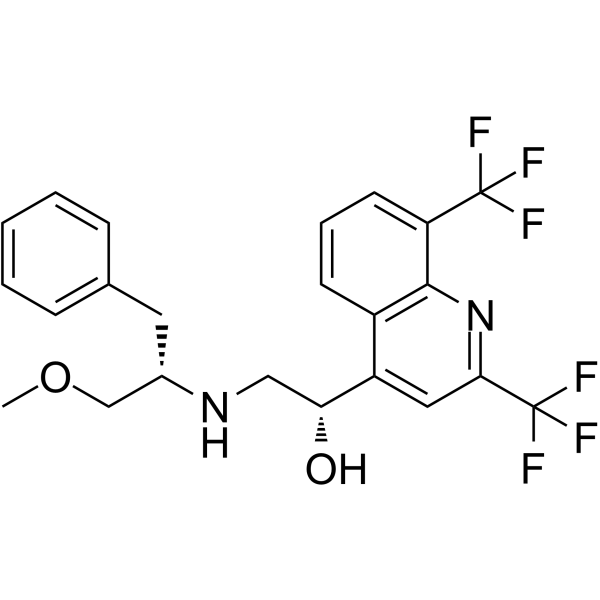
    Antimalarial agent 10 (Compound 17b) is an aminoalcohol quinoline compound. Antimalarial agent 10 is an antimalarial agent with IC50 values of 14.9 nM and 11.0 nM against respectively Pf3D7 and PfW2 and a selectivity index higher than 770 whatever the cell line is .
    Antimalarial agent 10
  • HY-162167

    COX Cardiovascular Disease Neurological Disease
    COX-1-IN-1 (compound 15a) is a selective inhibitor for cyclooxygenase (COX), with IC50s of 0.23 μM (COX-1) and >50 μM (COX-2), selective index (COX-2 IC50/COX-1 IC50) is 217. COX-1-IN-1 inhibits platelet aggregation .
    COX-1-IN-1
  • HY-178994

    Flavivirus Dengue Virus Infection
    DENV-IN-14 (Compound 3c) is a thiazole hydrazone derivative with anti-dengue virus (DENV) activity with an EC50 of 0.01 μM and the selectivity index (SI) of 200. DENV-IN-14 exhibits rapid plasma clearance and its metabolic stability is limited. DENV-IN-14 can be used for research on dengue fever .
    DENV-IN-14
  • HY-179251

    CHIKV Infection
    BDGR-651 is an efficient and selective inhibitor of the Chikungunya virus (CHIKV) with an EC50 in NHDF cells of 0.86 μM, and the therapeutic index (SI) of 22.1. BDGR-651 exhibits dose-dependent protective effects when infecting Vero E6 cells, with its EC50 being 6 μM. BDGR-651 can be used for research on CHIKV infection .
    BDGR-651
  • HY-177493A

    Somatostatin Receptor Metabolic Disease Endocrinology
    SSTR3 agonist-1 TFA is a potent, orally active, and selective SSTR3 agnoist (EC50 =0.14 nM). SSTR3 agonist-1 TFA binds to SSTR3 receptor to inhibit cAMP activity. SSTR3 agonist-1 TFA decreases kidney weight and kidney cystic index (KCI) in a mouse model of autosomal dominant polycystic kidney disease (ADPKD). SSTR3 agonist-1 TFA can be used for ADPKD research .
    SSTR3 agonist-1 TFA
  • HY-132906

    Parasite Infection
    Antimalarial agent 3 shows nanomolar antiplasmodial activity (IC50 = 0.035 μM) and has a very high selectivity index with respect to mammalian cells.
    Antimalarial agent 3
  • HY-132905

    Parasite Infection
    Antileishmanial agent-2 shows submicromolar antileishmanial activity (IC50 = 0.29 μM) and a very high selectivity index with respect to mammalian cells.
    Antileishmanial agent-2
  • HY-120152

    SphK Interleukin Related TNF Receptor Cardiovascular Disease Inflammation/Immunology
    SLP7111228 is a selective sphingosine kinase 1 (SphK1) inhibitor and anti-inflammatory agent. SLP7111228 selectively inhibits SphK1 and reduces the production of sphingosine-1-phosphate. SLP7111228 decreases lipopolysaccharide-induced TNFα and IL-1β levels. SLP7111228 alleviates obliterative pulmonary arteriopathy, increases cardiac index and decreases total pulmonary vascular resistance index. SLP7111228 can be used in research related to neuroinflammatory diseases and pulmonary hypertension .
    SLP7111228
  • HY-139845

    HIV Infection
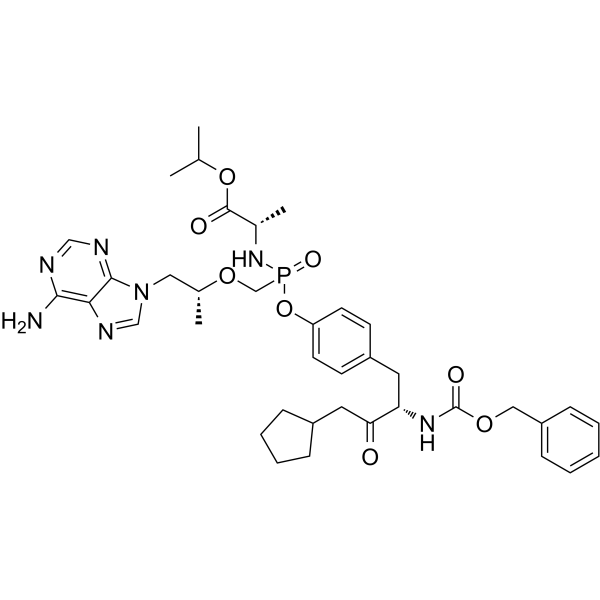
    Antiviral agent 9 reaches a single-digit picomolar EC50 value (0.006 nM) against HIV-1 and nearly 300-fold higher selectivity index (SI) compared to tenofovir alafenamide fumarate (TAF).
    Antiviral agent 9
  • HY-W026467

    Parasite Infection
    MMV665916, a quinazolinedione derivative, is an antimalarial agent. MMV665916 displays antiplasmodial activity against P. falciparum FcB1 strain with EC50 value of 0.4 μM and presents the high selectivity index (SI>250) .
    MMV665916
  • HY-W184837

    KR-1008

    Calcium Channel Cardiovascular Disease
    m-Nisoldipine (KR-1008) is a dihydropyridine calcium antagonist that can significantly increase cardiac output and heart index, significantly reduce the negative inotropic effect on the myocardium, and has a relatively high selectivity for the thoracic aorta. m-Nisoldipine can be used in the research of cardiovascular diseases .
    m-Nisoldipine
  • HY-151149

    Parasite Infection
    Trypanothione synthetase-IN-4 is a L. infantum trypanothione synthetase (TryS) inhibitor, and the activity is dependent on the concentration of the polyamine substrate. Trypanothione synthetase-IN-4 has potent antileishmanicidal activity with an EC50 value of 0.6 μM and a selectivity index of 35. Trypanothione synthetase-IN-4 can be used for the research of leishmaniasis .
    Trypanothione synthetase-IN-4
  • HY-162073

    Influenza Virus Infection
    ZIKV-IN-8 (Compound 9b) is a noncompetitive Zika virus (ZIKV) inhibitor. ZIKV-IN-8 shows the best anti-ZIKV activity with a selectivity index of 22.4. ZIKV-IN-8 has significant inhibition of ZIKV with an IC50 value of 25.6 μM. ZIKV-IN-8 can be used for the research of ZIKV infection .
    ZIKV-IN-8
  • HY-149376

    Microtubule/Tubulin Cancer
    Tubulin inhibitor 38 (compound 14) is a tetrazole-based Tubulin inhibitor with antiproliferative potencies. Tubulin inhibitor 38 (100 nM,24 h) mediates mitotic arrest,blocks cell cycle at G2/M phase and induces apoptosis. Tubulin inhibitor 38 exhibits high cytotoxicity with high selectivity index among HeLa,MCF7,and U87 MG cells .
    Tubulin inhibitor 38
  • HY-151612

    Parasite Infection
    Anti-infective agent 6 (compound 28) is a potent anti-infectious agent. Anti-infective agent 6 shows a good activity against P. falciparum F32-ART (IC50=1.4 μM) with a good selectivity index (SI>36). Anti-infective agent 6 also shows a potency against L. donovani (IC50=3.5 μM) .
    Anti-infective agent 6
  • HY-146226

    Enterovirus Infection
    Viral 2C protein inhibitor 1 (compound 6aw) is a potent and broad-spectrum enterovirus antiviral agent, inhibiting viral 2C protein. Viral 2C protein inhibitor 1 inhibits multiple strains of EV-D68, EV-A71 and CVB3 with EC50s of 0.1~3.6 µM, and exhibits high selectivity index and relatively low cytotoxicity .
    Viral 2C protein inhibitor 1
  • HY-143236

    Bacterial Fungal Infection
    DHFR-IN-1 (compound 12) is a potent and selective DHFR (dihydrofolate reductase)inhibitor, with an IC50 of 40.71 nM. DHFR-IN-1 exhibits promising antibacterial activity against gram-positive and gram-negative bacteria. DHFR-IN-1 exhibits moderate antifungal activities. DHFR-IN-1 exhibits a high synergistic effect with Levofloxacin (HY-B0330), where the FIC (fractional inhibitory concentration index) value is 0.249 .
    DHFR-IN-1
  • HY-121537R

    COX Akt Apoptosis Neurological Disease Inflammation/Immunology Cancer
    CAY10404 (Standard) is the analytical standard of CAY10404. This product is intended for research and analytical applications. CAY10404 is a potent and selective cyclooxygenase-2 (COX-2) inhibitor with an IC50 of 1 nM and a selectivity index (SI; COX-1 IC50/COX-2 IC50) of >500000. CAY10404 is a potent PKB/Akt and MAPK signaling pathways inhibitor and induces apoptosis in non-small cell lung cancer (NSCLC) cells. CAY10404, a diarylisoxazole, has good analgesic, anti-inflammatory, and anti-cancer activities .
    CAY10404 (Standard)
  • HY-170922

    SARS-CoV Infection
    SARS-CoV-2-IN-110 (compound Bb1) is a SARS-CoV-2 inhibitor. SARS-CoV-2-IN-110 exhibits antiviral efficacy against SARS-CoV-2 with an EC50 of 1.10 μM and significantly lower toxicity compared to Lapatinib (HY-50898). SARS-CoV-2-IN-110 inhibits SARS-CoV-2 with a CC50 of > 100 μM, with a selectivity index (SI) of >91 .
    SARS-CoV-2-IN-110
  • HY-144749

    Aldose Reductase Cancer
    AKR1C3-IN-5 (Compound 6e) is a potent inhibitor of AKR1C3. AKR1C3 enzyme is overexpressed in hormone-dependent prostate and breast tumors. AKR1C3-IN-5 derived from drupanin, which exhibits half-maximal inhibitory concentration (IC50) of 9.6 ± 3 μM and selectivity index (SI) of 5.5 against MCF-7 cells .
    AKR1C3-IN-5
  • HY-168301

    Cholinesterase (ChE) Amyloid-β Neurological Disease
    CL-13 is a butyrylcholinesterase (BChE) inhibitor, with an IC50 of 1.15 μM, and a selectivity index (SI) of 9.2 for acetylcholinesterase. CL-13 shows antioxidant activity in SH-SY5Y cells (DPPH EC50 = 47.01 μM) and has the ability to chelate metals involved in aggregation and/or oxidative stress, showing no neurotoxicity at 50 μM. CL-13 can reverse cognitive impairment caused by scopolamine (HY-N0296) without affecting the mice's motor skills .
    CL-13
  • HY-145432

    PI3K Cancer
    PI3K-IN-28 (Compound 6c) is a potent inhibitor of PI3K. PI3K-IN-28 displays the most potent activity with lower toxic effects on MCF-10a. PI3K-IN-28 displays half-maximal inhibitory concentration (IC50, μM) values of 5.8, 2.3, and 7.9. PI3K-IN-28 is the most potent one with a selectivity index (SI) of 39 and is considered as a latent lead for further optimization of anticancer agents .
    PI3K-IN-28
  • HY-169920

    HIV Reverse Transcriptase Infection
    HIV-1 inhibitor-79 (Compound 3k) is an HIV inhibitor that exhibits significant inhibitory activity against HIV-1 and its common mutant strains (with IC50 values of 1.9, 1.9, 8.7, and 11 nM against HIV-1, K103, L100I, and E138K, respectively), and has low cytotoxicity and a high selectivity index (CC50 = 21.95 μM, SI = 11478). Additionally, HIV-1 inhibitor-79 also shows antiviral activity against HIV-2, with an EC50 value of 6.14 μM, and significantly inhibits the activity of HIV-1 reverse transcriptase (IC50 = 25 nM) .
    HIV-1 inhibitor-79
  • HY-B1398S

    4-Aminoantipyrine-d3

    Isotope-Labeled Compounds COX Drug Metabolite Neurological Disease Inflammation/Immunology Cancer
    Ampyrone-d3 is the deuterium labeled Ampyrone (HY-B1398). Ampyrone (4-Aminophenazone; 4-Aminoantipyrine) is a reversible and low-damage optical clearing agent and non-selective COX inhibitor based on UV absorption properties. Ampyrone can improve the optical transmittance of mouse skin and other tissues. Ampyrone can induce tissue refractive index matching by enhancing UV absorption, reduce light scattering, and achieve tissue transparency in vivo. Ampyrone reduces the synthesis of prostaglandin PGE2, thereby exerting anti-inflammatory, analgesic and antipyretic effects. Ampyrone inhibits DNA damage, cell apoptosis and immune cell phagocytosis induced by Doxorubicin (HY-15142A) and Cisplatin (HY-17394), etc., and participates in the regulation of toxicity in tumor chemotherapy .
    Ampyrone-d3
  • HY-178029

    Ribosomal S6 Kinase (RSK) Topoisomerase Apoptosis Autophagy Reactive Oxygen Species (ROS) Cancer
    RSK2/TOP2-IN-1 is a RSK2/TOP2 dual inhibitor. RSK2/TOP2-IN-1 targets key tumor progression enzymes including ribosomal S6 kinase 2 and topoisomerases IIα/IIβ. RSK2/TOP2-IN-1 shows selectivity index > 2 against all squamous cell carcinoma (SCC) cell lines. RSK2/TOP2-IN-1 can induce cell apoptosis, autophagy and ROS production. RSK2/TOP2-IN-1 can be used for the research of cancer, such as squamous cell carcinoma .
    RSK2/TOP2-IN-1
  • HY-14988

    Bacterial Infection
    I-A09 and its derivatives, specifically 1,2,3-triazole-adamantylacetamide hybrids (5a–u), exhibit significant antitubercular activity. These hybrids were synthesized using copper-catalyzed click chemistry, combining bioactive fragments from antitubercular I-A09 and substituted adamantyl urea. The compound N-(1-adamantyl)-2-azido acetamide was reacted with various alkyl/aryl acetylenes to produce new analogues. Among them, N-(1-adamantan-1-yl)-2-(4-(phenanthren-2-yl)-1H-1,2,3-triazol-1-yl)acetamide (5t) showed the most promise with a minimum inhibitory concentration (MIC) of 3.12 μg/mL against Mycobacterium tuberculosis H37Rv, and a selectivity index greater than 15 .
    I-A09
  • HY-179710

    Parasite Reactive Oxygen Species (ROS) DNA/RNA Synthesis Apoptosis Infection
    SET-12 is an antiparasitic agent with high activity and selectivity against the Leishmania amazonensis. SET-12 exhibits excellent activity against the pre-flagellated form of the Leishmania amazonensis, with an IC₅₀ of 10.89 μM and a selectivity index (SI) of up to 12.1. SET-12 is also effective against the non-flagellated form within cells, with an IC₅₀ of 3.81 μM and a further increased selectivity index (SI) to 34.5. SET-12 causes signs of parasite cell apoptosis, including mitochondrial damage and accumulation of ROS .
    SET-12
  • HY-120152A

    SphK Interleukin Related TNF Receptor Cardiovascular Disease Inflammation/Immunology
    SLP7111228 hydrochloride is a selective sphingosine kinase 1 (SphK1) inhibitor and anti-inflammatory agent. SLP7111228 hydrochloride selectively inhibits SphK1 and reduces the production of sphingosine-1-phosphate. SLP7111228 hydrochloride decreases lipopolysaccharide-induced TNFα and IL-1β levels. SLP7111228 hydrochloride alleviates obliterative pulmonary arteriopathy, increases cardiac index and decreases total pulmonary vascular resistance index. SLP7111228 hydrochloride can be used in research related to neuroinflammatory diseases and pulmonary hypertension .
    SLP7111228 hydrochloride
  • HY-114216

    Endogenous Metabolite Infection
    DBPR110 is a nonstructural protein 5A (NS5A) inhibitor with inhibitory activity against hepatitis C virus (HCV). DBPR110 exhibited a 50% effective concentration (EC50) of 3.9 ± 0.9 pM and a selectivity index value of over 12,800,000 by reducing HCV1b replicon reporter expression. DBPR110 also effectively reduced the activity of HCV2a replicon with an EC50 of 228.8 pM and a selectivity index value of over 173,130. DBPR110 showed synergy with interferon alpha (IFN-α), NS3 protease inhibitors, and NS5B polymerase inhibitors. The results of DBPR110 suggest that it may be an effective small molecule inhibitor against HCV NS5A .
    DBPR110
  • HY-181866

    Bacterial Infection
    Antibacterial agent 328 is a enoyl-ACP reductase (InhA) inhibitor and antimycobacterial agent. Antibacterial agent 328 blocks mycolic acid biosynthesis in Mycobacterium tuberculosis. Antibacterial agent 328 acts on both drug-resistant and drug-susceptible Mycobacterium tuberculosis strains. Antibacterial agent 328 exhibits favorable pharmacokinetic properties, drug-likeness, and a safety-related selectivity index. Antibacterial agent 328 can be used for research on tuberculosis .
    Antibacterial agent 328
  • HY-112453

    Parasite Infection
    IMDNQ1 is a Trypanosoma cruzi inhibitor derived from 1,4-naphthoquinone substituted with cyclic imide. IMDNQ1 effectively inhibits the proliferation of Trypanosoma cruzi epimastigotes, while also reducing the viability of mouse fibroblasts. The selectivity index between the antiproliferative activity and cytotoxicity of IMDNQ1 is 60.25, indicating a certain level of safety. IMDNQ1 can be widely used in studies related to Chagas disease .
    IMDNQ1
  • HY-182347

    Parasite Infection
    LSPN954 (compound 4i) is an indole-based peptidomimetic antiplasmodial agent that exhibits submicromolar activity against both sensitive and multidrug-resistant *Plasmodium falciparum* strains, with low cytotoxicity to human cells and a high selectivity index. LSPN954 shows slow-acting inhibitory activity, allowing the initial development of *Plasmodium* followed by morphological changes, and its activity is independent of the inhibition of plastid-dependent isoprenoid biosynthesis. LSPN954 can be used in malaria research .
    LSPN954
  • HY-173368

    PI3K Cancer
    Antiproliferative agent-67 (Compound 5g) is a PI3K inhibitor with a selectivity index SI of 7.72 for breast cancer cells (MCF-7). Antiproliferative agent-67 inhibits the activity of PI3K protein by forming hydrogen bonds and intermolecular hydrophobic forces with it, exerting anti - proliferative activity against breast cancer cells (MCF-7), and can be used in the research of breast cancer .
    Antiproliferative agent-67
  • HY-180673

    SARS-CoV Virus Protease Infection
    Mpro/RdRp-IN-1 (Compound 1) is a dual-target inhibitor against SARS-CoV-2, targeting RdRp (EC50 = 25.45) and Mpro (IC50 = 125.4 μM). Mpro/RdRp-IN-1 exhibits EC₅₀ for HCoV-OC43 of 4.79 μM, and the selectivity index (SI) is 10.89. Mpro/RdRp-IN-1 can be used for studying SARS-CoV-2 and HCoV-OC43 infections .
    Mpro/RdRp-IN-1
  • HY-183009

    Proteasome Parasite Infection
    Pf20S-IN-1 is a selective inhibitor of the 20S proteasome β5 subunit of Plasmodium falciparum. Pf20S-IN-1 exhibits antiparasitic activity against Plasmodium falciparum, with an EC50 of 20.1 nM against the Plasmodium falciparum W2 strain. Pf20S-IN-1 shows weak inhibitory effect on human 20S proteasome, has no obvious toxicity to human foreskin fibroblasts (HFF), and has a selectivity index > 25000. Pf20S-IN-1 can be used in malaria research .
    Pf20S-IN-1
  • HY-119396

    Endogenous Metabolite Cancer
    DY3002 is a selective and highly potent EGFR inhibitor with activity in overcoming T790M-mediated drug resistance in non-small cell lung cancer. DY3002 exhibited superior inhibitory effects against EGFR T790M mutants in kinase assays (IC50 = 0.71 nM), compared to weaker inhibitory effects against wild-type EGFR (IC50 = 448.7 nM). DY3002 was significantly superior to rociletinib and osimertinib in selectivity, showing an extremely high selectivity index (SI = 632.0). In cell experiments, DY3002 had an IC50 value of 0.037 μM against H1975 cells, showing enhanced inhibitory potency. In addition, DY3002 was superior to other alternative compounds in terms of biological properties and did not cause hyperglycemia .
    DY3002
  • HY-180452

    Paraptosis Infection
    HAT-IN-10 (Compound 12a) is an anti-human African trypanosomiasis (HAT) agent, with an EC50 value of 0.23 μM for T. brucei. HAT-IN-10 can be used for research on HAT .
    HAT-IN-10
  • HY-181419

    Bacterial Infection
    Antimycobacterial agent-16 is a pyrazinamide derivative and antimycobacterial agent with a selectivity index >25 against HepG2 cells.Antimycobacterial agent-16 does not undergo hydrolysis by mycobacterial pyrazinamidase.Antimycobacterial agent-16 exerts activity against Mycobacterium tuberculosis H37Rv, multidrug-resistant Mycobacterium tuberculosis strains, and Mycobacterium kansasii.Antimycobacterial agent-16 shows no inhibitory activity against mycobacterial enoyl-ACP reductase (InhA).Antimycobacterial agent-16 has low cytotoxicity against HepG2 cells.Antimycobacterial agent-16 can be used for the research of tuberculosis .
    Antimycobacterial agent-16
  • HY-180142

    Vasopressin Receptor Endocrinology
    XYDC2050 (Compound 29) is a selective vasopressin V2 receptor (V2R) antagonist with an IC50 of 27 nM and a Ki of 2.8 nM. XYDC2050 shows a Ki of 420.7 nM (SI = 162 fold) for V1R. XYDC2050 can inhibit Vasopressin (HY-B1811)-induced intracellular cyclic adenosine monophosphate (cAMP) accumulation with an IC50 of 12 nM. XYDC2050 can inhibit the growth of renal cysts, reduce the ratio of kidney weight to body weight and decrease the area of cysts and the cystic index. XYDC2050 can be used for the research of autosomal dominant polycystic kidney disease (ADPKD) .
    XYDC2050
  • HY-181154

    PROTACs SARS-CoV Virus Protease Infection
    PROTAC SARS-CoV-2 Mpro degrader-5 is a SARS-CoV-2 main protease (Mpro) PROTAC. PROTAC SARS-CoV-2 Mpro degrader-5 engages CRBN E3 ubiquitin ligase to form a ternary complex with SARS-CoV-2 Mpro, induces K48-linked polyubiquitination of SARS-CoV-2 Mpro, and drives proteasome-dependent turnover of SARS-CoV-2 Mpro with a high selectivity index (CC50/DC50 > 10) in human embryonic kidney cells.PROTAC SARS-CoV-2 Mpro degrader-5 can be used for the research of COVID-19 .
    PROTAC SARS-CoV-2 Mpro degrader-5

Inquiry Online

Your information is safe with us. * Required Fields.

Salutation


Country or Region *

Applicant Name *


Organization Name *

Department *


Email Address *


Product Name *

Cat. No.


Requested quantity *

Phone Number *


Remarks

Inquiry Online

Inquiry Information

Product Name:
Cat. No.:
Quantity:
MCE Japan Authorized Agent:

