23 Results for "

small-molecule PROTACs

" in MedChemExpress (MCE) Product Catalog:
Products (23)

23 Results for "small-molecule PROTACs" in MCE Product Catalog:

8
8 Cited Publications
Cat. No.: HY-114312
CAS No.: 2136247-12-4
Purity:  99.60%
Research Areas:  

Cancer

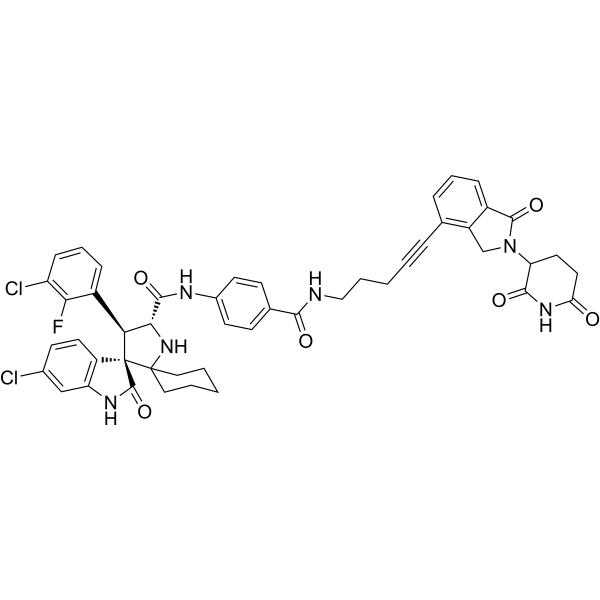
MD-224 is a first-in-class and highly potent small-molecule human murine double minute 2 (MDM2) degrader based on the proteolysistargeting chimera (PROTAC) concept. MD-224 consists of ligands for Cereblon and MDM2. MD-224 induces rapid degradation of MDM2 at concentrations <1 nM in human leukemia cells, and achieves an IC50 value of 1.5 nM in inhibition of growth of RS4;11 cells. MD-224 has the potential to be a new class of anticancer agent . MD-224 is a click chemistry reagent, it contains an Alkyne group and can undergo copper-catalyzed azide-alkyne cycloaddition (CuAAc) with molecules containing Azide groups.
loading...
    loading...
5
5 Cited Publications
Cat. No.: HY-111556
CAS No.: 2361493-16-3
Purity:  ≥98.0%
Target:  

PROTACs CDK

Research Areas:  

Cancer

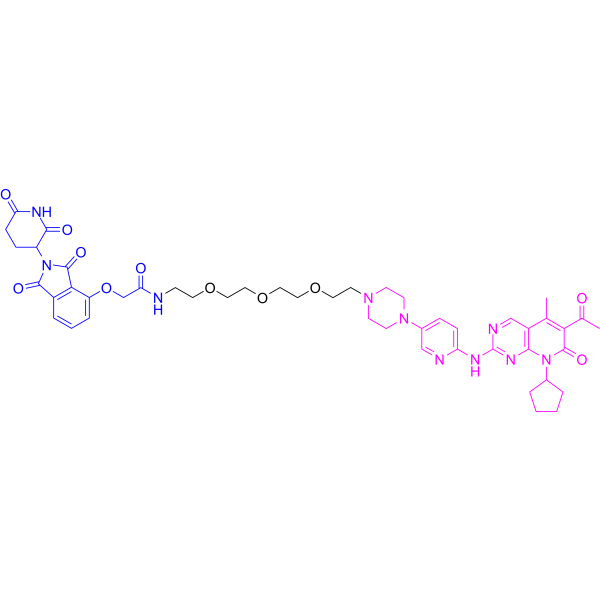
BSJ-03-123 is a PROTAC connected by ligands for Cereblon and CDK as a potent and novel CDK6-selective small-molecule degrader.
loading...
    loading...
Cat. No.: HY-151719
CAS No.: 18523-48-3
Purity:  99.09%
Synonyms: 2-Azidoacetic acid
Target:  

ADC Linkers

Research Areas:  

Others

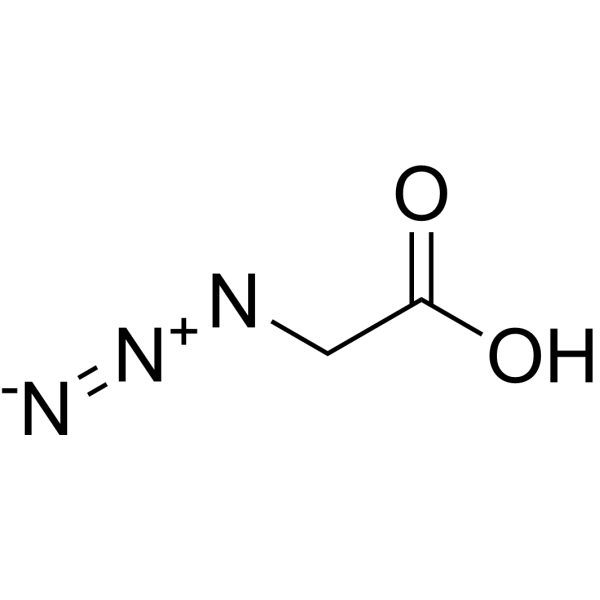
Azidoacetic Acid (2-Azidoacetic acid) (compound 92-1) is a click chemistry reagent containing an azide group. Azidoacetic Acid can be used as a small molecule tool for the synthesis of PROTAC . It contains an azide group and can undergo copper-catalyzed azide-alkyne cycloaddition (CuAAc) with molecules containing alkyne groups. It can also undergo ring strain-promoted alkyne-azide cycloaddition (SPAAC) with molecules containing DBCO or BCN groups.
loading...
    loading...
Cat. No.: HY-138669
CAS No.: 2417159-57-8
Purity:  99.37%
Target:  

PROTACs Tau Protein

Research Areas:  

Neurological Disease

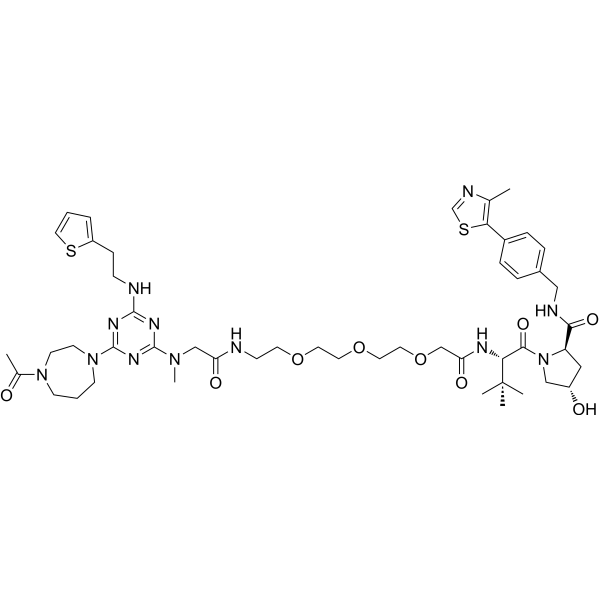
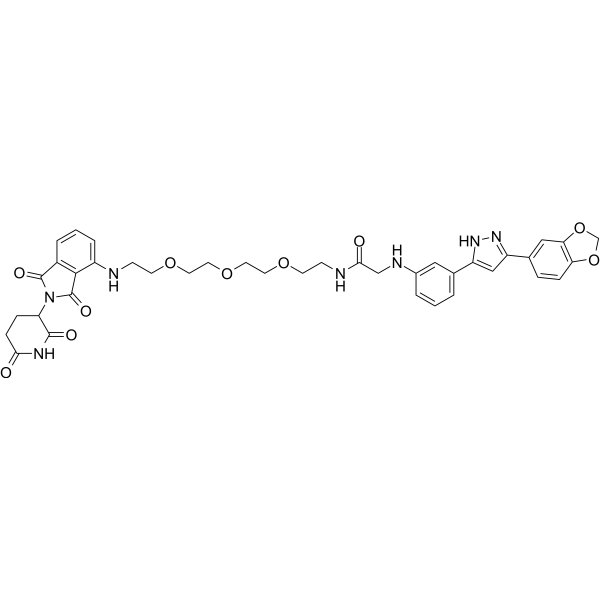
C004019 is a BBB-penetrable and small-molecule PROTAC that targets tau. C004019 can simultaneously recruit tau and E3 ligase, and effectively clear tau proteins by promoting the ubiquitination and proteasome-dependent degradation of tau, thereby improving synaptic and cognitive functions in Alzheimer's disease (AD) mice. C004019 can be used in the research of AD and tau protein-related diseases .
loading...
    loading...
Cat. No.: HY-155021
CAS No.: 2781922-42-5
Purity:  99.95%
Target:  

PROTACs α-synuclein

Research Areas:  

Neurological Disease

PROTAC α-synuclein degrader 5 is a highly selective small-molecule degrader (PROTAC) of α-synuclein aggregates, with a DC50 of 7.51 μM and the highest degradation rate Dmax of 89%. PROTAC α-synuclein degrader 5 contains probe molecule sery308 and E3 ligase ligands. PROTAC α-synuclein degrader 5 can be used for neurological disease research .
loading...
    loading...
Cat. No.: HY-130841
CAS No.: 1683617-62-0
Purity:  ≥98.0%
Research Areas:  

Cancer

Apcin-A is a small molecule inhibitor that selectively targets the cell division cycle protein Cdc20 and is a derivative of Apcin (HY-110287). Apcin-A competitively binds to the D-box binding pocket of Cdc20 and inhibits substrate ubiquitination mediated by the anaphase promoting complex APC/C-Cdc20. Apcin-A also blocks the binding of Cdc20 to substrates (such as securin and cyclin B1), inhibiting anaphase initiation and cell cycle exit. Apcin-A can promote or prolong mitotic slippage in coordination with p31 comet under conditions of high spindle assembly checkpoint (SAC) activity. Apcin-A can be used to develop anti-mitotic drugs and overcome tumor chemotherapy resistance. Apcin-A can be used to synthesize PROTAC CP5V (HY-130257)[1][2][3].
loading...
    loading...
Cat. No.: HY-146324
CAS No.: 2458170-54-0
Purity:  98.64%
Target:  

PROTACs Apoptosis CaMK

Research Areas:  

Cancer

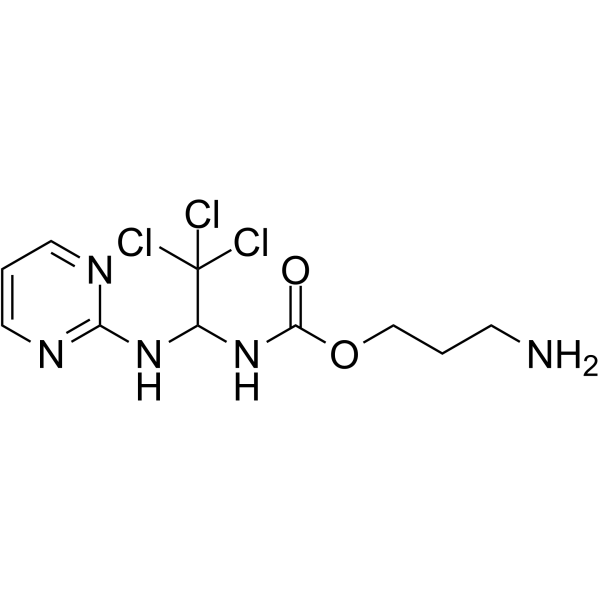
PROTAC eEF2K degrader-1 (Compound 11l) is an eEF2K-Targeting PROTAC small molecule that induces apoptosis in MDA-MB-231 cells. PROTAC eEF2K degrader-1 mediates eEF2K degradation .
loading...
    loading...
Cat. No.: HY-122702
CAS No.: 77855-76-6
Purity:  ≥95.0%
Target:  

PROTAC Linkers

Research Areas:  

Others

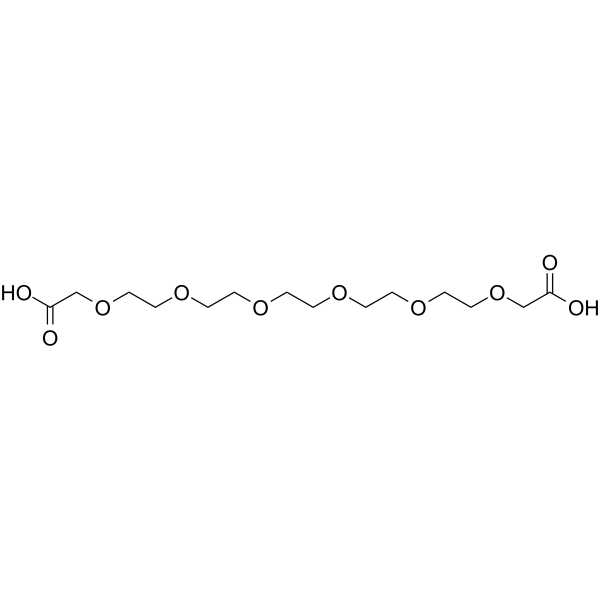
PEG6-(CH2CO2H)2 is a symmetric PEG PROTAC linker, for the synthesis of Homo-PROTACs which is bivalent small-molecule dimerizers of the VHL E3 ubiquitin ligase to induce self-degradation .
loading...
    loading...
Cat. No.: HY-147100
CAS No.: 2863635-02-1
Purity:  99.60%
Research Areas:  

Cancer

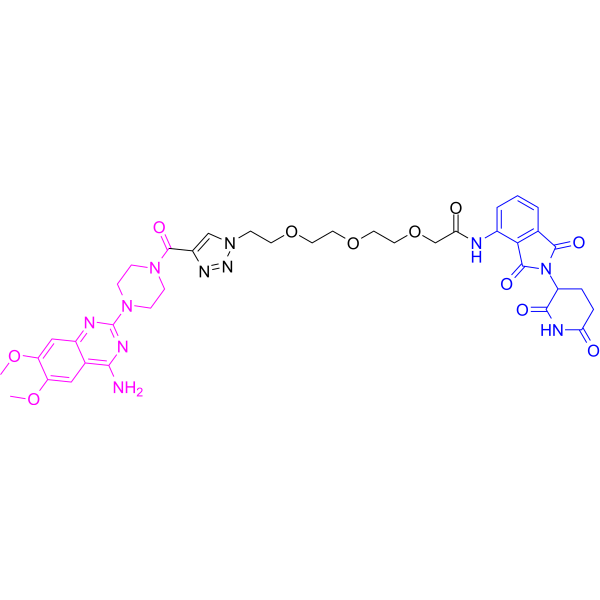
α1A-AR Degrader 9c (compound 9c) is a potent, selective and reversible α1A-AR (Adrenergic receptor) PROTAC degrader, with a DC50 of 2.86 μM. α1A-AR Degrader 9c induces α1A-AR degradation can be attributed to proteasomal degradation. α1A-AR Degrader 9c inhibits the proliferation of PC-3 cells, with an IC50 of 6.12 μM. α1A-AR Degrader 9c shows antitumor activity, and can be used for prostate cancer research .
loading...
    loading...
Cat. No.: HY-131203
CAS No.: 2410947-56-5
Research Areas:  

Cancer

PROTAC BRD4 Degrader-6 (compound 32a) is a potent small-molecule BRD4PROTAC degrader with IC50 value of 2.7 nM for BRD4 BD1. PROTAC BRD4 Degrader-6 potently degrades BRD4 protein and inhibits the expression of c-Myc. PROTAC BRD4 Degrader-6 inhibits the proliferation of pancreatic cancer cell line BxPC3 and induces apoptosis. PROTAC BRD4 Degrader-6 can be used for human pancreatic cancer research .
loading...
    loading...
Cat. No.: HY-157558
Synonyms: 8SGE
Target:  

Ligands for E3 Ligase

Research Areas:  

Others

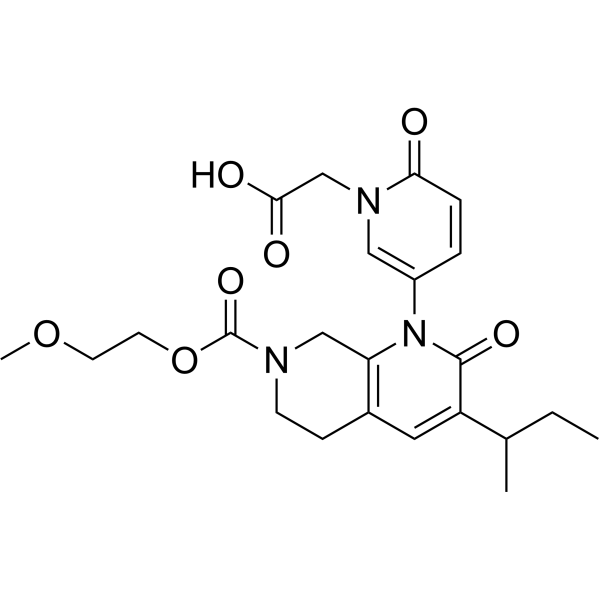
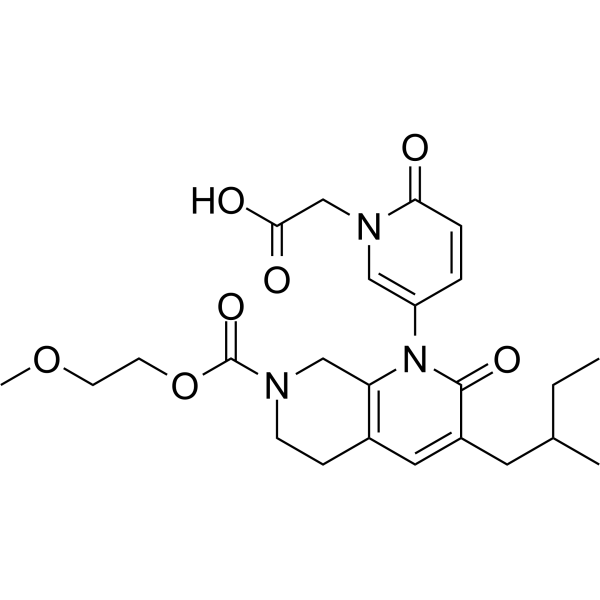
KDRLKZ-1 (8SGE) is a small-molecule ligand of KLHDC2 E3 ligase (Kd = 0.36 μM), with an IC50 of 0.21 μM and 0.31 μM in alphaLISA and TR-FRET assays, respectively. KDRLKZ-1 binds to the substrate-binding pocket of the KLHDC2 kelch domain, mimics the interaction of natural substrates and displaces them. KDRLKZ-1 acts as an oligomer disruptor, regulates the oligomerization of the KLHDC2-EloB-EloC complex, and induces the dissociation of tetramers into smaller components. KDRLKZ-1 can be used in scaffold ligand research for PROTAC degraders targeting KLHDC2 .
loading...
    loading...
Cat. No.: HY-W877989
CAS No.: 2241315-66-0
Target:  

Ligands for E3 Ligase

Research Areas:  

Cancer

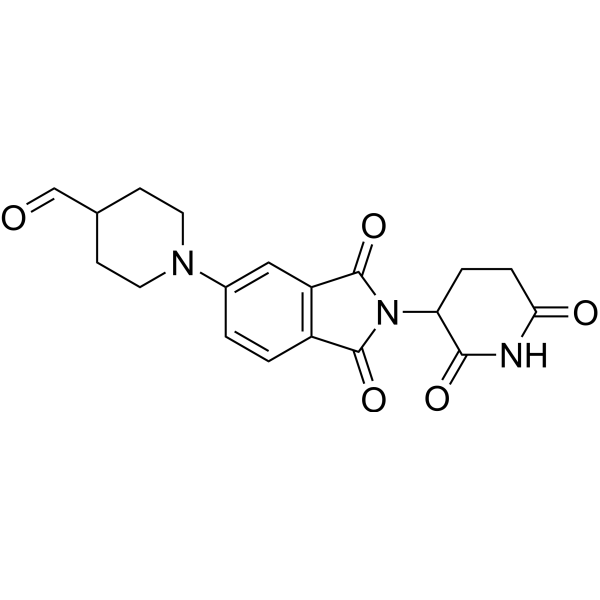
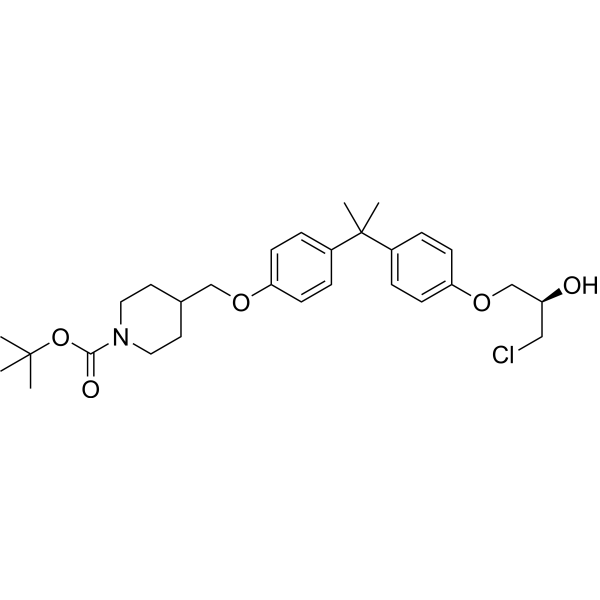
BWA-522 intermediate-1 is an intermediate in the synthesis of PROTAC BWA-522 (HY-149433) and serves as a ligand molecule for cereblon E3 ubiquitin ligase. BWA-522 is an orally active small molecule protein-targeting chimera (PROTAC) that has significant degradation effects on AR-FL and AR-V7 .
loading...
    loading...
Cat. No.: HY-157559
Target:  

Ligands for E3 Ligase

Research Areas:  

Others

KDRLKZ-2 is a small-molecule ligand of KLHDC2 E3 ligase (Kd = 95 nM), with an IC50 of 68 nM and 0.1 μM in alphaLISA and TR-FRET assays, respectively. KDRLKZ-2 binds to the substrate-binding pocket of the kelch domain of KLHDC2, mimics the interaction of natural substrates and displaces them. KDRLKZ-2 acts as an oligomer disruptor, regulates the oligomerization of the KLHDC2-EloB-EloC complex, and induces the dissociation of tetramers into smaller components. KDRLKZ-2 can be used in scaffold ligand studies of PROTAC degraders targeting KLHDC2 .
loading...
    loading...
Cat. No.: HY-400766
Target:  

Drug Intermediate

Research Areas:  

Cancer

BWA-522 intermediate-2 is a BWA-522 intermediate. BWA-522 is an orally available small molecule protein-targeting chimera (PROTACs) with significant degradation effect on AR-FL and AR-V7 .
loading...
    loading...
Cat. No.: HY-138678
CAS No.: 2230826-33-0
Purity:  ≥95.0%
Target:  

Ligands for E3 Ligase

Research Areas:  

Cancer

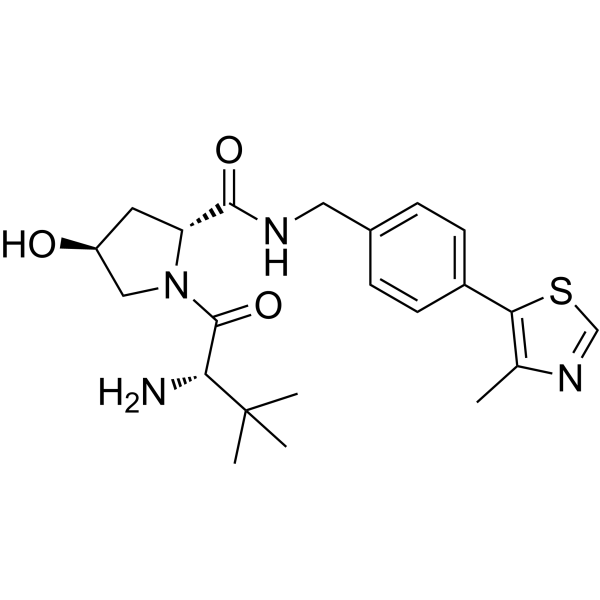
(R,S,S)-VH032 is Ligand for E3 Ligase used in the synthesis of PROTACs. VH032 is a VHL ligand and VHL/HIF-1α interaction inhibitor that recruits von Hippel-Lindau (VHL) proteins. (R,S,S)-VH032 synthesizes the tau-targeting small molecule PROTAC C004019 (HY-138669) .
loading...
    loading...
Cat. No.: HY-149434
CAS No.: 3032601-92-3
Research Areas:  

Cancer

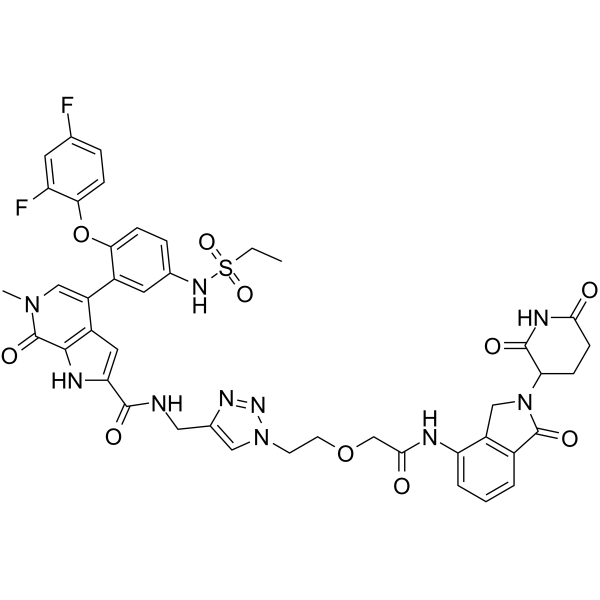
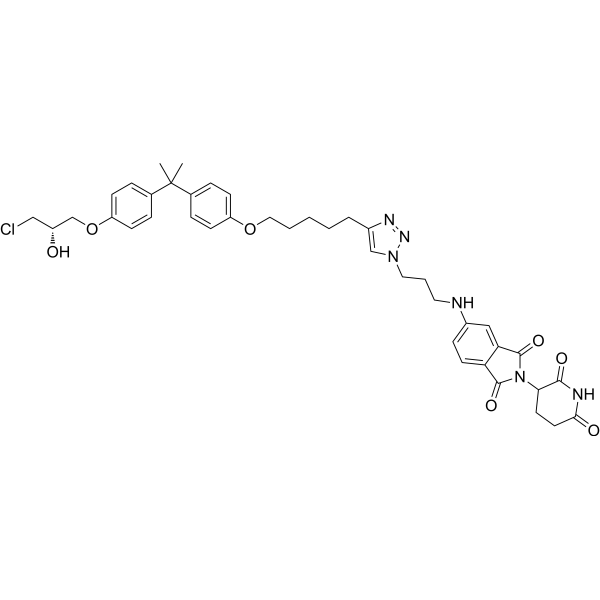
PROTAC AR-NTD antagonist 1 (compound 18) is a small molecule protein-targeting chimera (PROTACs) targeting the Androgen Receptor AR-V7. PROTAC AR-NTD antagonist 1 antagonizes the N-terminal domain of AR (AR-NTD), degrades AR-V7 protein, and induces apoptosis in prostate cancer (PC) cells. The efficiencies of PROTAC AR-NTD antagonist 1 in degrading AR-V7 in VCaP cells were 62.2% (1 μM) and 71.1% (5 μM), respectively .
loading...
    loading...
Cat. No.: HY-401056
CAS No.: 3032602-27-7
Target:  

Drug Intermediate

Research Areas:  

Cancer

BWA-522 intermediate-3 is a BWA-522 intermediate. BWA-522 is an orally available small molecule protein-targeting chimera (PROTACs) with significant degradation effect on AR-FL and AR-V7 .
loading...
    loading...
Cat. No.: HY-L934
122 compounds

CRBN, namely cereblon, is the substrate recognition subunit of the E3 ubiquitin ligase complex in the ubiquitin-proteasome system. A CRBN ligand library refers to a collection of numerous fragments that can specifically bind to the CRBN protein.

These ligands are mostly designed based on validated CRBN-binding warheads and modified through AI-driven molecular generation optimization systems. They not only include classic lenalidomide-derived structures but also cover novel non-lenalidomide scaffolds. After drug-likeness filtering, these ligands exhibit structural diversity and favorable druggable properties. They can be further optimized and modified to facilitate the development of novel molecular glue degraders, accelerate the discovery of molecular glues that induce interactions between CRBN and new substrate proteins, and enable the exploration of novel CRBN substrates for identifying previously unknown CRBN-binding proteins.

MCE compiles 122 fragments that can specifically bind to the CRBN protein, with molecular weights ranging from 200 to 500. Compounds developed based on the library ligands target multiple disease targets such as cancer and autoimmune diseases, further advancing the development of Molecular Glues and PROTACs therapeutic agents.

Cat. No.: HY-L128
185 compounds

Proteolysis-targeting chimera (PROTAC) has been developed to be a useful technology for targeted protein degradation. PROTACs consist of a ligand for E3 ligase (E3 ligase binder), a linker and a ligand (mostly small-molecule inhibitor) for protein of interest(target binder). Upon binding to the target protein, the PROTACs can recruit E3 for target protein ubiquitination, which is subjected to proteasome-mediated degradation.

Although there are more than 600 E3 ubiquitin ligases, only several with small molecule ligands have been used for designing PROTACs, including Skp1-Cullin-F box complex containing Hrt1 (SCF), Von Hippel-Lindau tumor suppressor (VHL), Cereblon (CRBN), inhibitor of apoptosis proteins (IAPs), and mouse double minute 2 homolog (MDM2).

MCE carefully prepared a unique collection of 185 ligands for E3 ligase, which have been reported to be used in PROTAC design. MCE E3 ligase ligand library is a useful tool for PROTAC development.

Cat. No.: HY-184991
CAS No.: 2982853-56-3
Research Areas:  

Cancer

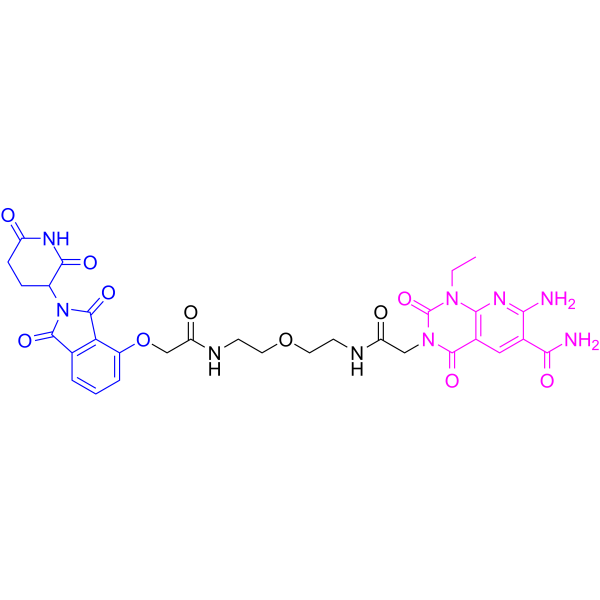
AK305 is a small-molecule ligand for the SH2 domains of STAT5A, STAT5B and STAT6, with a Ki of 0.4 μM for STAT6 and a Ki of 1.0 μM for both STAT5A and STAT5B. AK305 exhibits only very low or no cell growth inhibitory activity in leukemia cells and does not alter STAT protein levels. AK305 serves as the STAT5 ligand for AK-2292 (HY-148813), a STAT5 PROTAC degrader. AK305 can be used in the research of acute myeloid leukemia .
loading...
    loading...

