



Insecticide
Insecticide
Insecticides refer to any toxic substances used to kill insects, which exert toxic effects on pests through different mechanisms, thereby achieving the purpose of controlling pest populations and protecting crops and human health. Insecticides have both chemical and biological origins and can be classified into organochlorine insecticides, organophosphorus insecticides, carbamate insecticides, and mineral insecticides based on their chemical properties. Insecticides interact with different target and non-target sites, including receptors, enzymes, and many other known and unknown molecules. Most insecticides are neurotoxicants that target the nervous system, but they can also affect other organs and body systems. Insecticides are metabolized through different metabolic pathways and often serve as biomarkers of exposure in the form of their parent compounds or metabolites. The toxicity of insecticides can be acute, subacute, or chronic, depending on the duration of exposure and the dose involved. Therefore, selecting sensitive, accurate, and validated biomarkers of exposure, effects, and susceptibility appears to be a challenging task.
Insecticides are widely used in agriculture, horticulture, forestry, gardening, homes, offices, and other fields[1][2].
All Product Categories
-
Insecticide Related Products (521)
Related Products (521)

-
(-)-cis-Permethrin
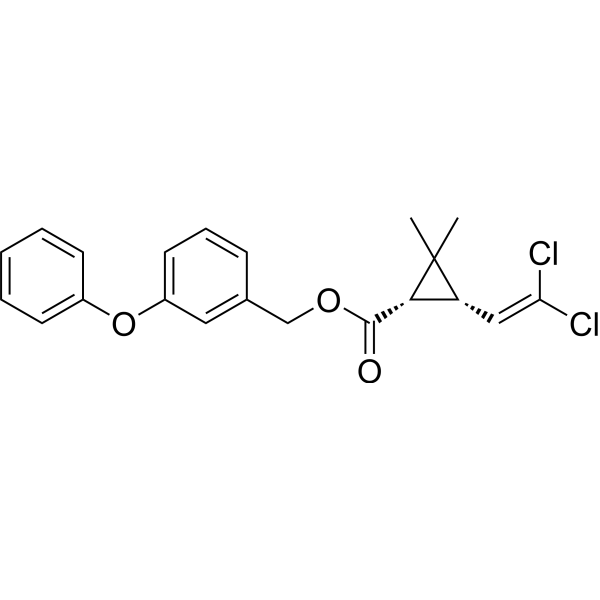 0 ImagesSynonyms: (-)-cis-NRDC-143(-)-cis-Permethrin is a pyrethroid insecticide widely used to control many common pests.
-
Chalepensin
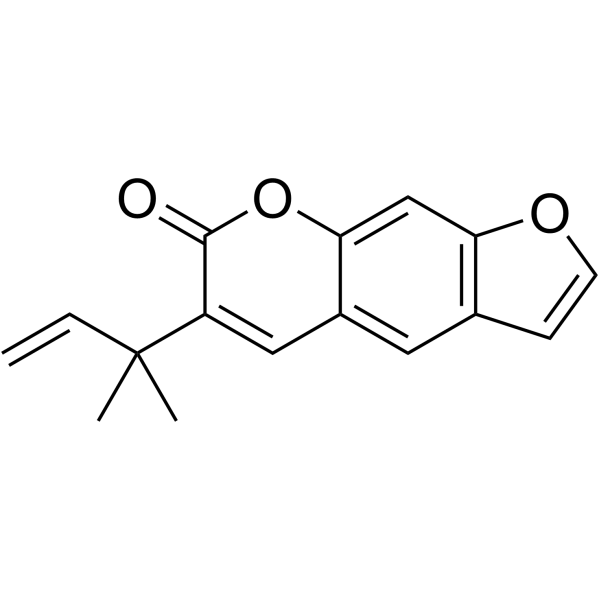 0 ImagesChalepensin is a nematicide and CYP inhibitor. Chalepensin inhibits CYP2A6, CYP1A1, CYP1A2, CYP2A13, CYP2C9, CYP2D6, CYP2E1, and CYP3A4 to varying degrees, with IC50 values of 82.3 μM, 2.86 μM, 3.01 μM, 0.21 μM, 6.58 μM, 1.67 μM, 61.1 μM, and 61.7 μM, respectively. Chalepensin potently and selectively kills third-stage infective larvae of Strongyloides venezuelensis.
-
(-)-trans-Permethrin
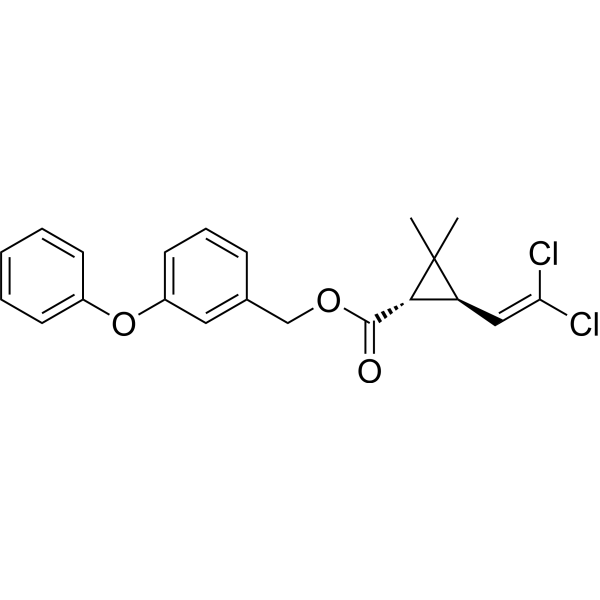 0 ImagesSynonyms: (-)-trans-NRDC-143; (1S)-trans-Permethrin(-)-trans-Permethrin ((-)-trans-NRDC-143) is a pyrethroid that can provide a satisfactory level of protection from black flies for cattle.
-
Bistrifluron
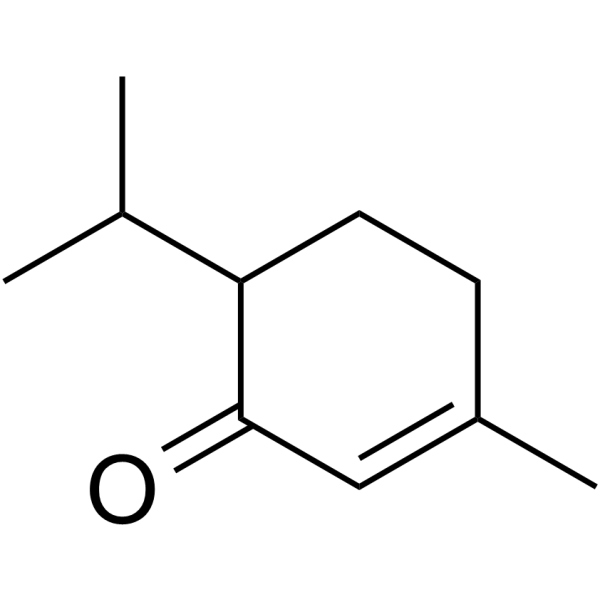
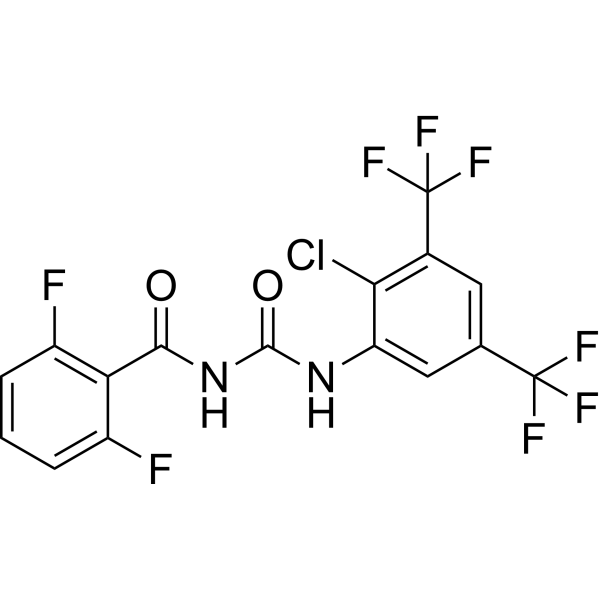 0 ImagesBistrifluron is a benzoylphenylurea compound and orally active insecticide with activity against termites. At a concentration of 5,000 ppm, Bistrifluron acts as a bait toxicant against workers of the Formosan subterranean termite (Coptotermes formosanus), and also inhibits the grooming behavior of termites and impairs their motor ability prematurely.
-
Chitinase-IN-1
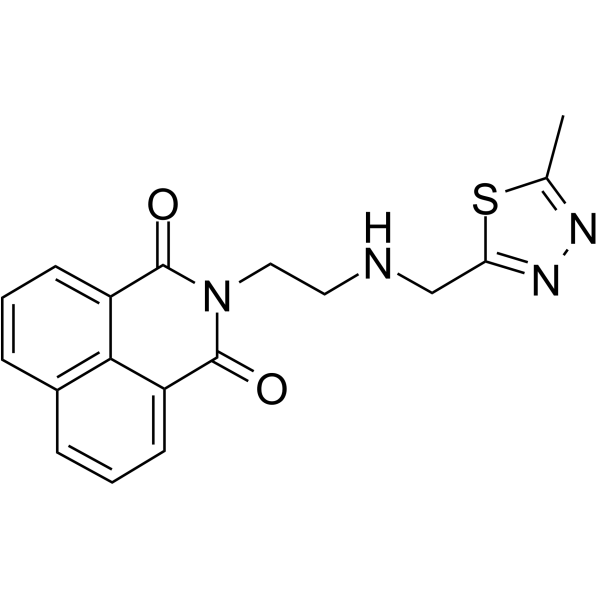 0 ImagesChitinase-IN-1 is an insecticide that can inhibit the activity of chitinase and N-acetylglucosaminidase. The inhibition percentages for glycosidase and N-acetylglucosaminidase at concentrations of 50 uM and 20 uM are 75% and 67%, respectively.
-
Denatonium benzoate (Standard)
 0 ImagesDenatonium (benzoate) (Standard) is the analytical standard of Denatonium (benzoate). This product is intended for research and analytical applications. Denatonium benzoate (THS-839) is the most bitter compound known, commonly used as an aversion agent (bitter agent) to prevent inappropriate ingestion, used in denatured alcohol, antifreeze, nail biting prevention, respirator mask fit testing , animal repellents, liquid soaps and shampoos.
-
Phosalone
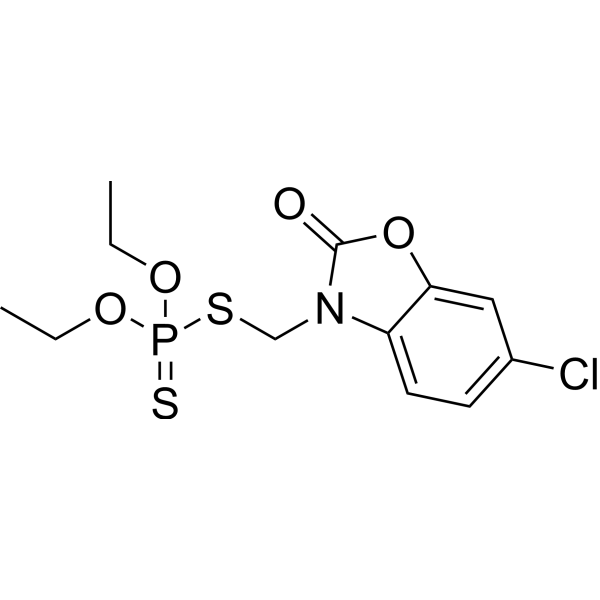 0 ImagesPhosalone is an orally active, blood-brain barrier penetrant Insecticide and acaricide. Phosalone inhibits the activity of Acetylcholinesterase. Phosalone acts as a substrate for detoxifying esterases. Phosalone induces symptoms of cholinergic hyperactivity, toxic reactions, mortality, oxidative stress, and changes in pro-inflammatory protein levels, and exerts toxic effects on colonic tissues and cells. Phosalone controls pistachio psyllids. Phosalone can be used in studies related to colitis.
-
Thiotraniliprole
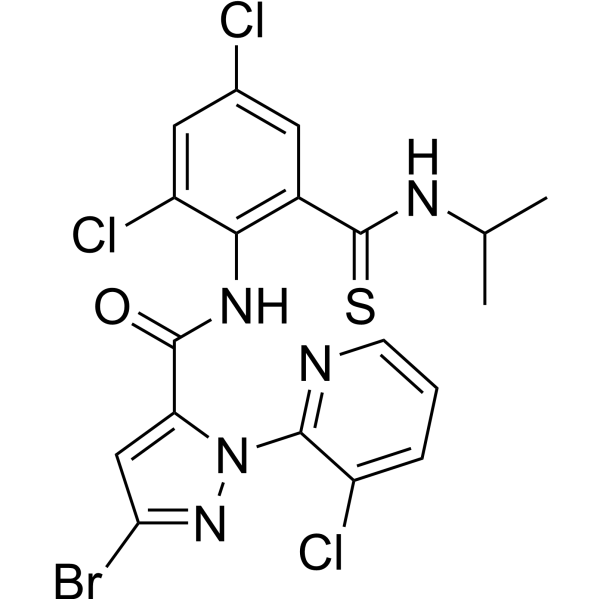 0 ImagesCat. No.: HY-148964CAS No.: 1442448-92-1Synonyms: HY366Thiotraniliprole (HY366) is an ortho formamidobenzamide insecticide that can be used for the synthesis of insecticidal combinations. Thiotraniliprole has potential applications in the prevention of lepidoptera pests, coleoptera pests, ants, and termites.
-
o,p'-DDT-d8
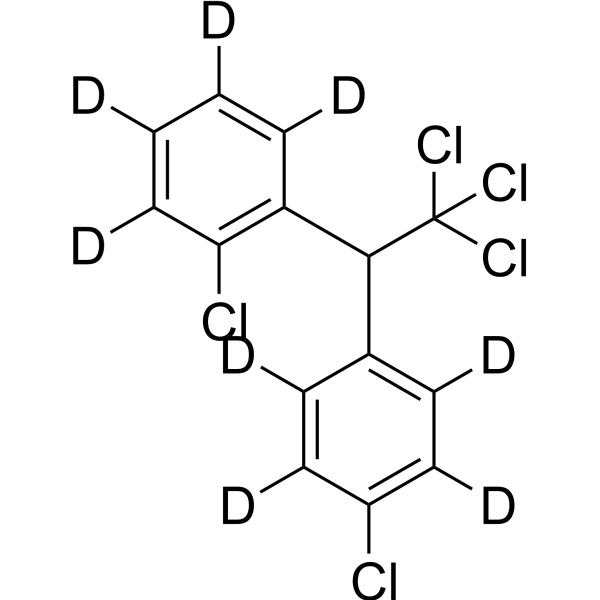 0 ImagesCat. No.: HY-B1970SCAS No.: 221899-88-3Synonyms: 2,4'-DDT-d8o,p'-DDT-d8 is the deuterium labeled o,p'-DDT.
-
p-Menthane-3,8-diol
 0 ImagesCat. No.: HY-W100043CAS No.: 42822-86-6p-Menthane-3,8-diol is a mosquito repellent derived from hydrated cyclized lemon eucalyptus oil. p-Menthane-3,8-diol exerts repellent effects by preventing laboratory-reared Aedes aegypti from landing/probing and biting on exposed skin. p-Menthane-3,8-diol can be used to repel Aedes aegypti.
-
τ-Fluvalinate
 0 Imagesτ-Fluvalinate is an insecticide and in-hive miticide, with its mechanism involving interfering with nervous systems. τ-Fluvalinate binds to the open state of Varroa destructor (VdNaV1) and Apis mellifera (AmNaV1) voltage-dependent sodium channels, with EC50 values of 160 nM and 60 nM respectively. τ-Fluvalinate has higher affinity for AmNaV1, which causes sublethal toxicity to honeybees. τ-Fluvalinate can be applied for research on Varroa destructor infestation in honeybee colonies.
-
Chlorfluazuron
 0 ImagesSynonyms: IKI-7899Chlorfluazuron (IKI-7899) is a benzoylurea insecticide. Chlorfluazuron inhibts insect chitin and disrupts normal exuviation by inducing malformations, thereby preventing and controlling lepidopteran pests.
-
Propoxur
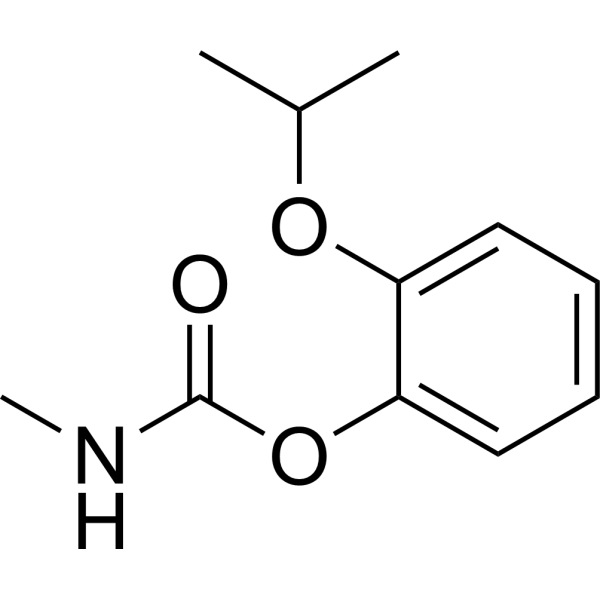 0 ImagesPropoxur is a reversible, competitive, orally active AChE inhibitor that can cross the blood-brain barrier. Propoxur inhibits AChE activity to induce neurotoxicity, while promoting MMP-2 expression and enhancing tumor cell migration and invasion by inducing intracellular ROS generation and activating the ERK/Nrf2 signaling pathway. On the one hand, Propoxur inhibits AChE, leading to acetylcholine accumulation and causing neurological dysfunction; on the other hand, it promotes Nrf2 nuclear translocation through ROS-dependent ERK1/2 phosphorylation, and upregulates MMP-2 and other invasion-related proteins. Propoxur is also a carbamate insecticide used to combat turf, forestry, and household pests.
-
Tetradifon
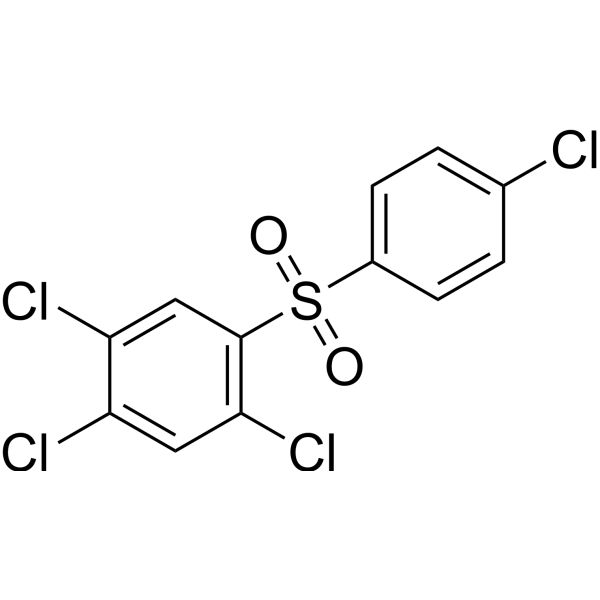 0 ImagesTetradifon is a broad-spectrum organochlorine insecticide and an inhibitor of the mitochondrial oligomycin sensitivity conferring protein (OSCP), which can be used to control a variety of mites. Tetradifon inhibits energy-related activities such as ADP-stimulated respiration, DNP and Mg2+-stimulated ATPase, with an IC50 of 4.5-27 nmoL/mg mitochondrial protein. Tetradifon exerts oligomycin-like activity by inhibiting the oxidative phosphorylation process, inducing oxidative stress and interfering with bone metabolism. Tetradifon is currently mainly used in the research of mitochondrial function regulation, bone remodeling mechanism and nephrotoxicity of environmental pollutants.
-
Carbaryl (Standard)
 0 ImagesCarbaryl (Standard) is the analytical standard of Carbaryl (HY-B1315). This product is intended for research and analytical applications. Carbaryl is the inhibitor for acetylcholinesterase that inhibits the degradation of acetylcholine in the synaptic cleft, leads to the accumulation of acetylcholine and causes neurotoxicity. Carbaryl can be used as an insecticide.
-
Temephos
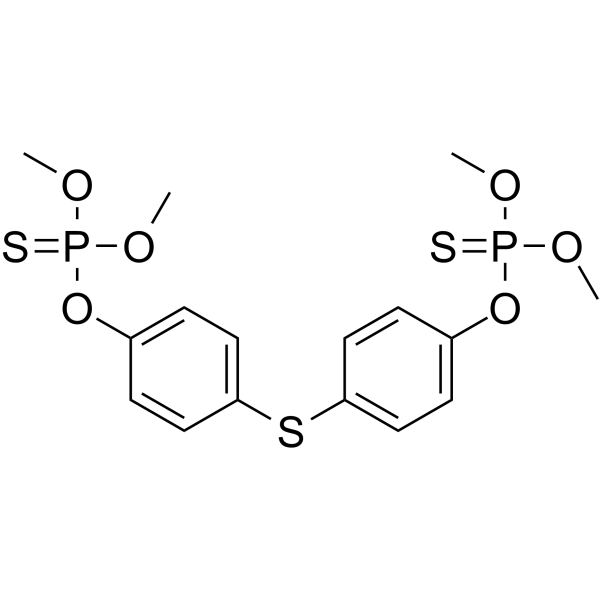 0 ImagesTemephos (Temefos) is an orally active, blood-brain barrier-permeable organophosphate insecticide and AChE inhibitor. By irreversibly inhibiting AChE to induce cholinergic overactivation, Temephos effectively blocks larval development of Aedes aegypti (yellow fever mosquito) and Aedes albopictus (Asian tiger mosquito), and is commonly used in studies related to Dengue Virus, Zika Virus and other relevant pathogens. Temephos exhibits genotoxicity and neurodevelopmental toxicity, and may also cause liver injury, reproductive system abnormalities and cholinergic poisoning symptoms in mammals. Temephos tends to accumulate in adipose tissues and aquatic organisms, and is excreted via feces after metabolism through oxidation and hydrolysis. Note that CYP-mediated metabolic detoxification may reduce the actual larvicidal efficacy of Temephos against some mosquito species. Temephos can be used in research related to dengue fever, Zika virus disease, chikungunya and dracunculiasis.
-
Benzalphthalide
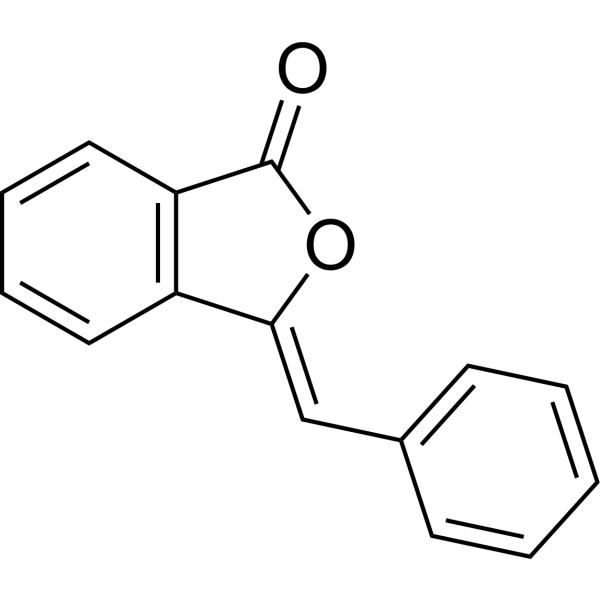 0 ImagesBenzalphthalide (3-Benzylidenephthalide), a phthalate compound, is an insecticide.
-
(E)-Cinnamamide
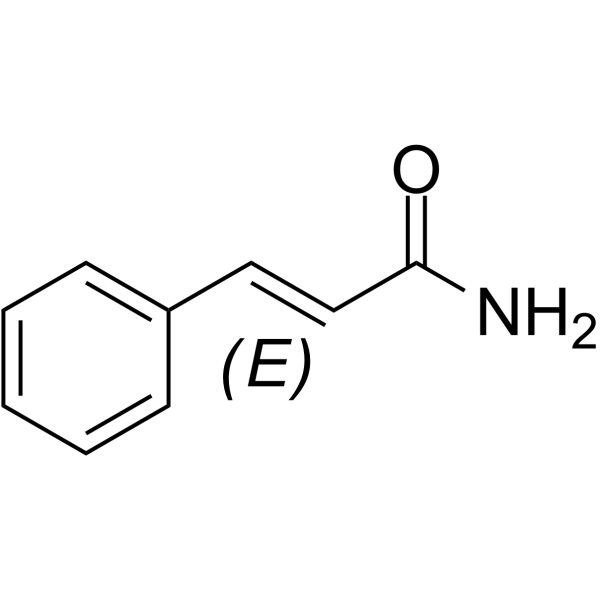 0 ImagesCat. No.: HY-W067479CAS No.: 22031-64-7(E)-Cinnamamide, the less active isomer of Cinnamamide. Cinnamamide, a derivative of the plant secondary compound Cinnamic acid. Cinnamamide is effective as a non-lethal chemical repellent suitable for reducing avian pest damage.
-
Tetramethrin
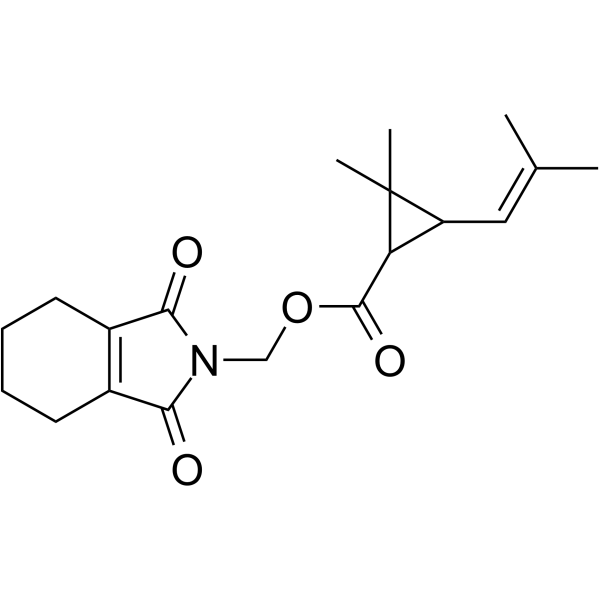 0 ImagesTetramethrin is a synthetic pyrethroid insecticide for use on a broad spectrum of insect pests.



