



Liposome
Liposomes (NPs typically 100–500 nm in diameter) are fabricated from the self-assembly of phospholipids, which consist of a polar phosphate head group and hydrophobic lipid tails. In aqueous environments, the hydrophobic tails self-orient, resulting in a spherical structure comprised of an aqueous core surrounded by a lipophilic bilayer membrane. Liposomes are both biocompatible and biodegradable (e.g., at certain pH and temperature), which can be controlled by modifying the lipid composition. Furthermore, liposomes are amenable to various modifications that improve their efficacy as drug delivery carriers.
All Product Categories
-
Productos relacionados con Liposome (1160)
Productos relacionados con (1160)

-
1-Palmitoyl-2-oleoyl-sn-glycero-3-PS sodium
 0 ImagesSynonyms: 16:0-18:1 PS (POPS)1-Palmitoyl-2-oleoyl-sn-glycero-3-PS sodium (16:0-18:1 PS (POPS)) is an anionic phosphatidylserine phospholipid with 16:0 (palmitoyl) and 18:1 (oleoyl) acyl chains. It serves as a component of biomimetic inner plasma membrane models and membrane vesicles for hemostatic response studies. 1-Palmitoyl-2-oleoyl-sn-glycero-3-PS sodium regulates membrane electrical properties by forming tethered bilayer lipid membranes. It enhances the stability of sHDL particles without altering the cholesterol efflux capacity of sHDL. 1-Palmitoyl-2-oleoyl-sn-glycero-3-PS sodium acts synergistically with phosphatidylcholine to support prothrombin activation. It serves as a component of the 4:1 POPC/POPS binary lipid bilayer model. 1-Palmitoyl-2-oleoyl-sn-glycero-3-PS sodium is applicable to research related to atherosclerosis.
-
Lipid 15
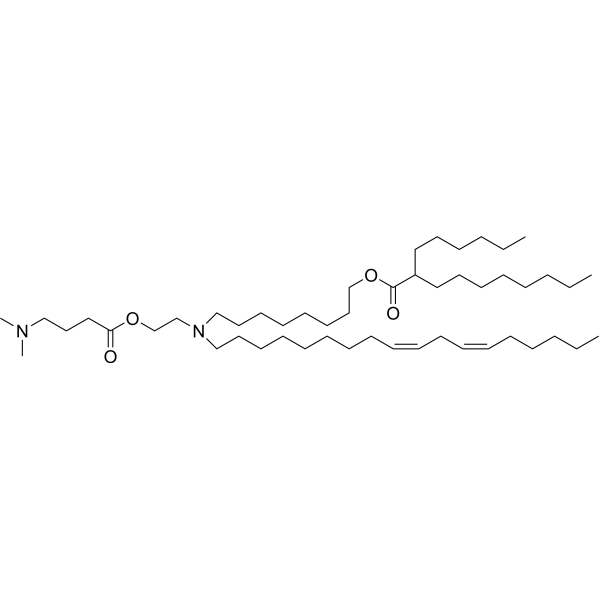 0 ImagesLipid 15 is an ionizable lipid with an ethanolamine linker and acid-sensitive hydrophobic tail. Lipid 15 can be used for the generation of Lipid nanoparticles (LNPs) and drug delivery research.
-
DSPE-PEG2000-NHCO-COOH
 0 ImagesDSPE-PEG2000-NHCO-COOH is a pegylated derivative of 1,2-Distearoyl-sn-glycero-3-phosphorylethanolamine (HY-112530). DSPE-PEG2000-NHCO-COOH can form micelles for targeted drug delivery.
-
DMPG sodium
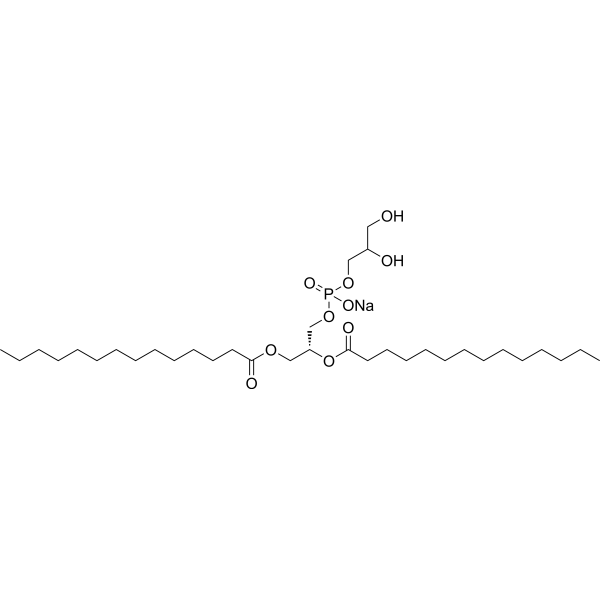 0 ImagesDMPG sodium is a biochemical reagent. DMPG sodium is used as a liposome carrier to load 6-shogaol (HY-14616) with anticancer activity.
-
Glyceryl monostearate
 0 ImagesSynonyms: GMSGlyceryl monostearate (GMS) is a type of monoglyceride. Glyceryl monostearateGlyceryl monostearate can serve as a core lipid material for constructing solid lipid nanoparticles in the field of drug delivery. Glyceryl monostearate can be used as a gelling agent to structure liquid vegetable oils into semi-solid oleogels, so as to replace animal fat in meat products.
-
306-N16B
 0 Images306-N16B is a selective lung-targeted lipid nanoparticle that reversibly targets lung endothelial cells and specific immune cells through selective adsorption of a protein corona mediated by differences in tail structure (such as fibrinogen β/γ chain). 306-N16B binds to specific plasma proteins in the blood to form a protein corona, which guides the particles to be enriched in the lungs, releases mRNA and promotes target cell gene expression, exerts efficient lung cell transfection activity, and can precisely regulate gene delivery of different cell types in the lungs (such as endothelial cells and macrophages). 306-N16B can be used in gene therapy technologies for hereditary lung diseases including pulmonary lymphangioleiomyomatosis (LAM), restoring tumor suppressor function by delivering Tsc2 mRNA, and can also be used for lung-specific mRNA vaccines and gene editing therapies.
-
Alkyne Cholesterol
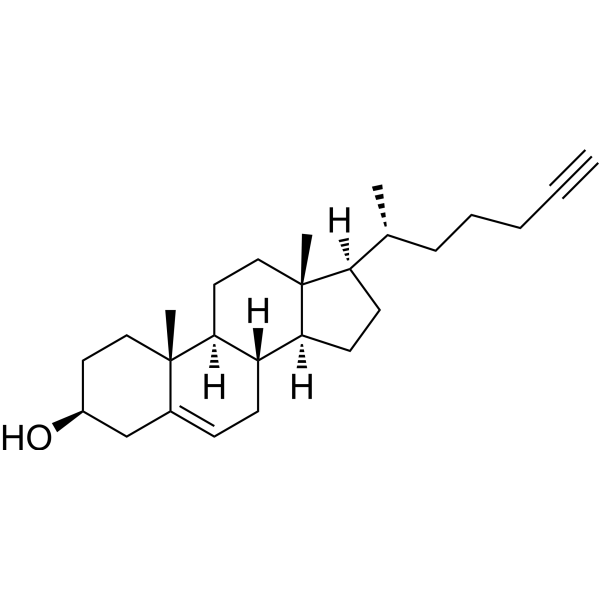 0 ImagesAlkyne Cholesterol, a modified lipid, is a click chemistry reagent containing an alkyne group. The terminal alkyne group can be used in a highly specific linking reaction with azide-containing reagents in the presence of a copper (Cu)-containing catalyst. Alkyne Cholesterol can be used for tracking cellular cholesterol metabolism and localization.
-
DSPE-PEG2000 Carboxylic acid sodium
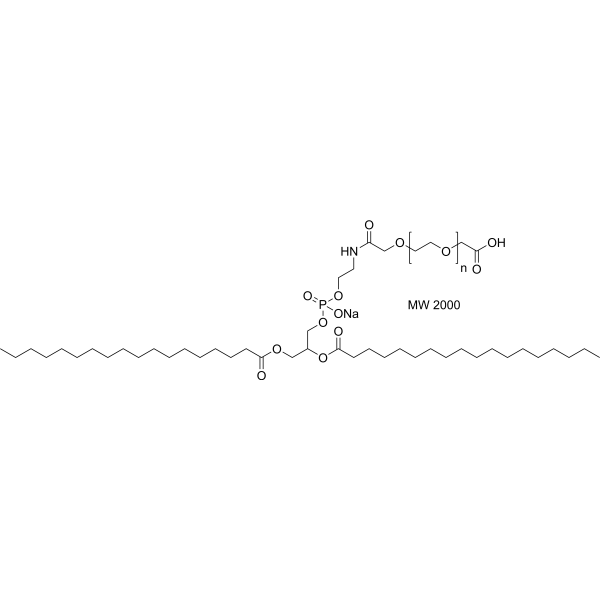 0 ImagesDSPE-PEG2000 Carboxylic acid sodium is a PEG-lipid that can be used in the preparation of drug delivery nanoparticles.
-
Stearamide
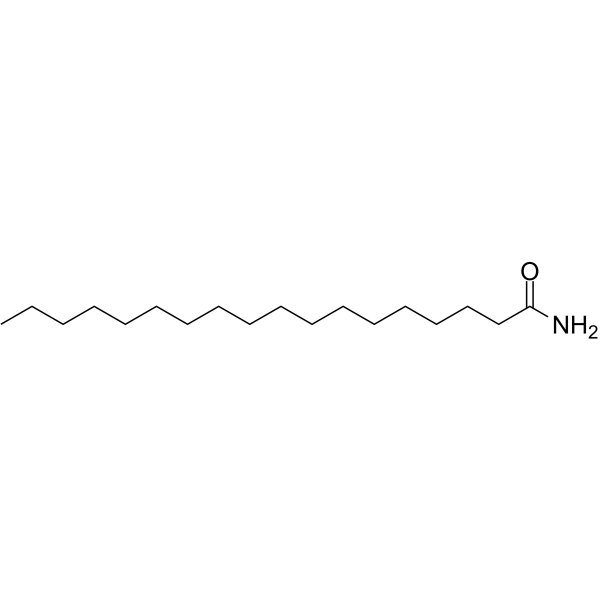 0 ImagesReferencia número: HY-W130610No. CAS: 124-26-5Stearamide is a primary fatty acid amide. Stearamide displays cytotoxic and ichthytoxic activity.
-
OF-02
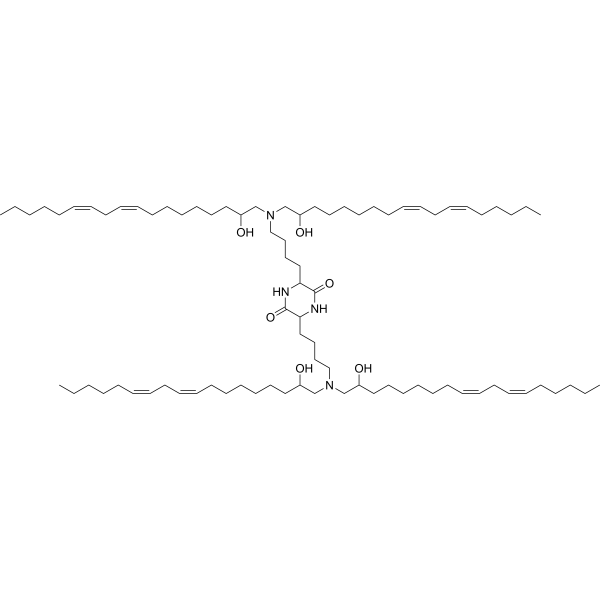 0 ImagesOF-02 is an ionizable lipid for mRNA delivery and a key component of lipid nanoparticles (LNPs). OF-02 is protonated in the acidic endosomal environment to promote endosomal escape of mRNA and efficiently induce protein expression in target cells. OF-02 relies on the pH-responsive membrane fusion properties to form a complex with mRNA and destroy the endosomal membrane structure to achieve mRNA release in the cytoplasm. OF-02 is mainly used in the development of mRNA vaccines, gene editing, and protein replacement therapy[1][2][3].
-
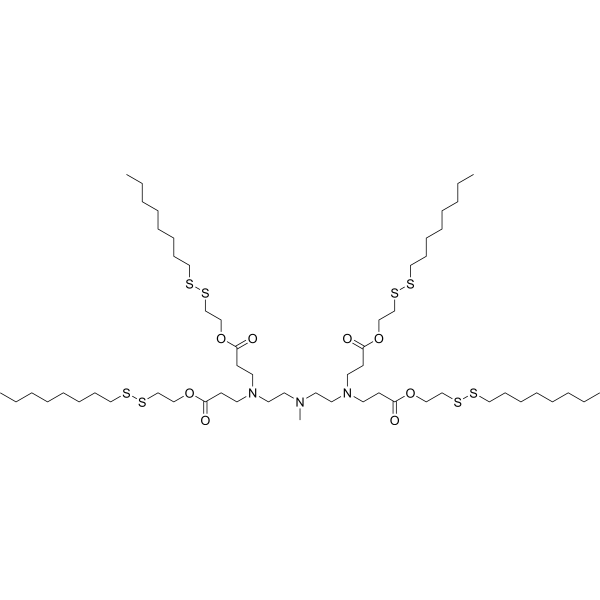
LysoPC(18:3)
 0 ImagesLysoPC (18:3) is a type of lysophospholipid metabolite with biomarker properties. LysoPC (18:3) stably exists in human follicular fluid, and its abundance dynamically changes with age, synchronously regulating the body's lipid metabolism process, follicular development process and oocyte maturation process. The down-regulation of LysoPC (18:3) content is associated with breast cancer lesions and follicular aging changes accompanied by in vitro fertilization in elderly women. LysoPC (18:3) can be used in studies related to breast cancer and infertility in elderly women.
-
Cholesterol-PEG2000-MAL
 0 ImagesReferencia número: HY-W440719Cholesterol-PEG2000-MAL is a PEG derivative and can be used to prepare liposome or nanoparticle due to its ability to self-assemble in water. The maleimide moiety is reactive with thiol molecule to form a covalent thioether bond.
-
Lipid 29
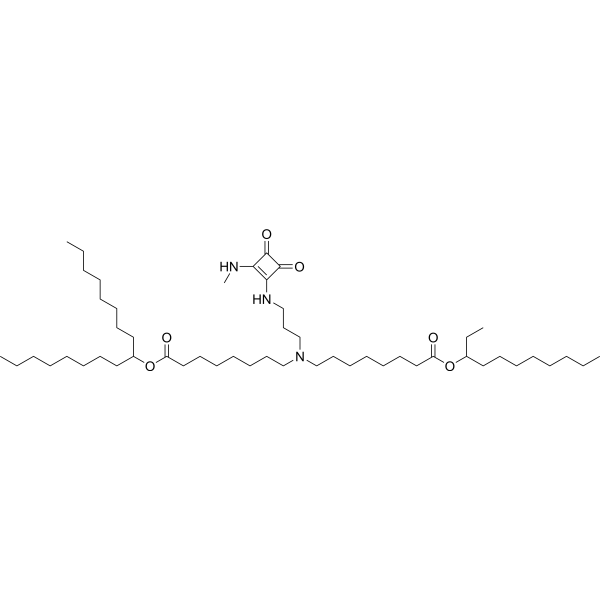 0 ImagesLipid 29 is an ionizable amino lipid. Lipid 29 can be used to form lipid nanoparticles.
-
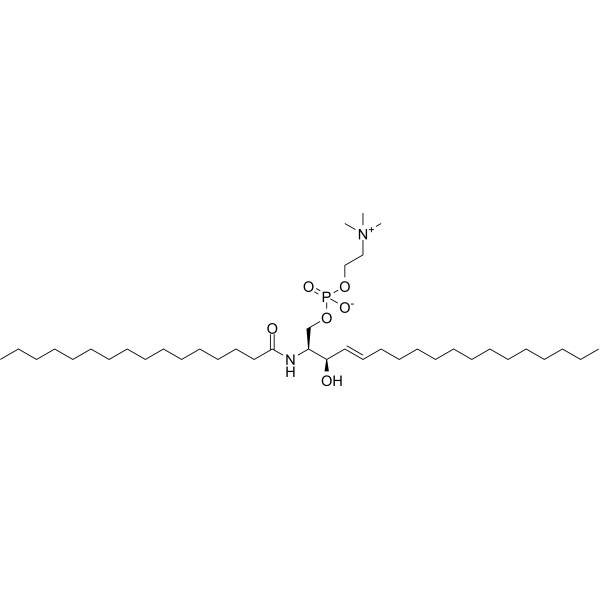
C16 PEG2000 Ceramide
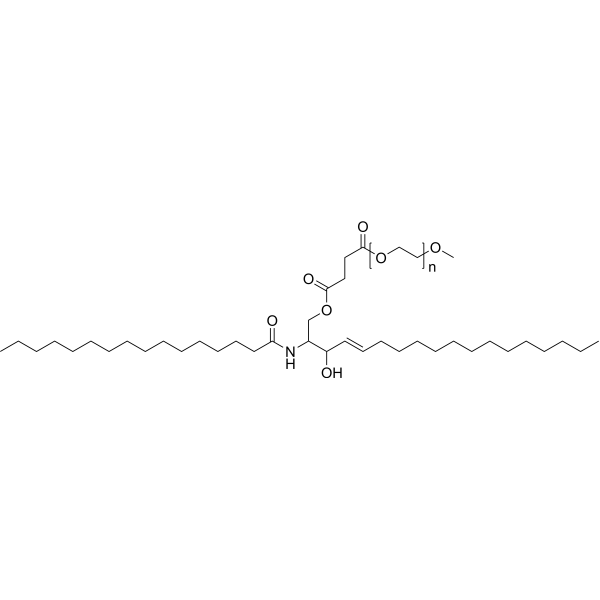 0 ImagesSynonyms: C16 PEG Ceramide (MW 2000)
-
1,2-Distearoyl-sn-Glycero-3-Phosphatidylglycerol sodium
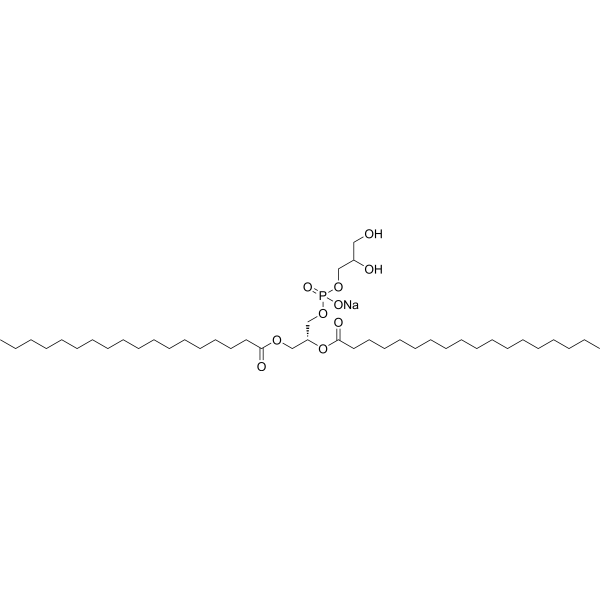 0 ImagesSynonyms: DSPG sodium1,2-Distearoyl-sn-Glycero-3-Phosphatidylglycerol (sodium) is the component of liposomes for drug delivery.
-
Fluorescent DOTAP
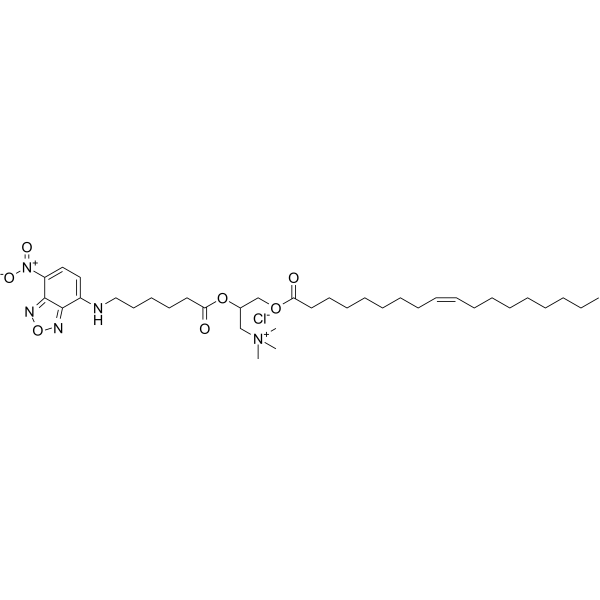 0 ImagesReferencia número: HY-143702No. CAS: 1010076-97-7Synonyms: NBD-DOTAPFluorescent DOTAP (NBD-DOTAP) is a cationic lipid which can be used for nucleic acid and protein delivery. Fluorescent DOTAP is labeled with a fluorophore NBD (maximum excitation/emission wavelength ∼463/536 nm). Fluorescent DOTAP can be used for gene delivery systems, drug delivery, as well as cell imaging and nanocarrier tracking. Fluorescent DOTAP is an ideal candidate for both biological and pharmaceutical formulation (e.g. co-delivery of vaccines) research.
-
CL4H6
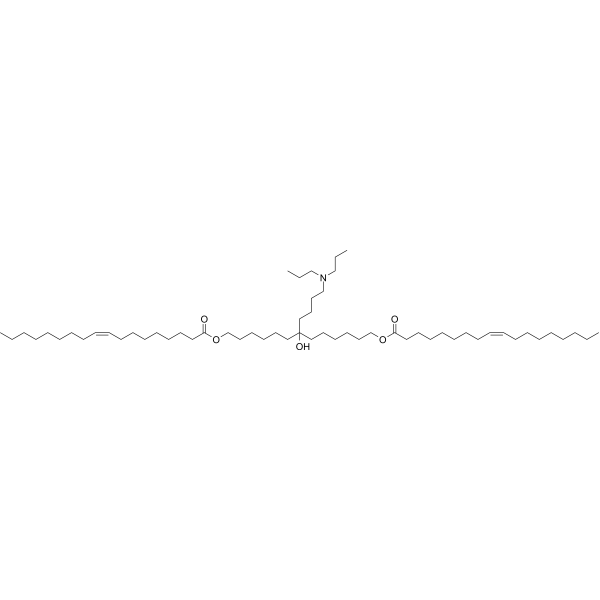 0 ImagesCL4H6 is a pH-sensitive cationic lipid. CL4H6 is the main component of lipid nanoparticles (LNPs), which can be used to target and deliver siRNA, and induces a potent gene-silencing response.
-
1,2-Distearoyl-sn-glycero-3-phosphate sodium
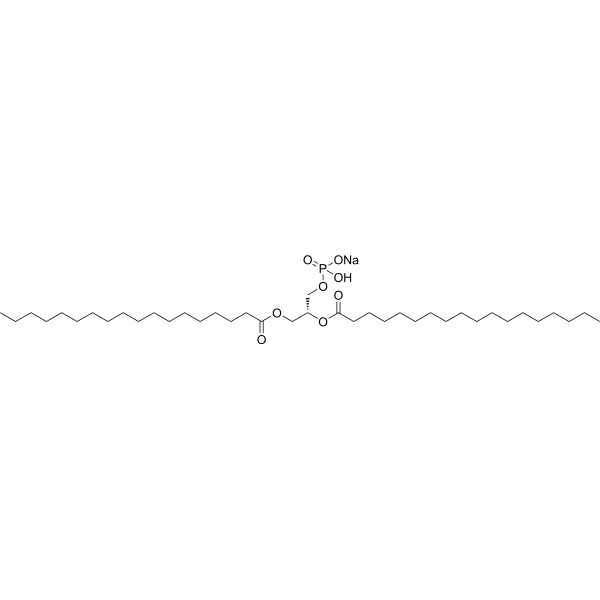 0 Images1,2-Distearoyl-sn-glycero-3-phosphate, sodium salt is a phospholipid commonly used as a component of liposome formulations and drug delivery systems. 1,2-Distearoyl-sn-glycero-3-phosphate, sodium salt has unique chemical properties that make it an effective tool for encapsulating drugs and delivering them to specific targets in the body. It acts as a stabilizer and emulsifier, which can improve the solubility and bioavailability of drugs.



