Liposome
Liposomes (NPs typically 100–500 nm in diameter) are fabricated from the self-assembly of phospholipids, which consist of a polar phosphate head group and hydrophobic lipid tails. In aqueous environments, the hydrophobic tails self-orient, resulting in a spherical structure comprised of an aqueous core surrounded by a lipophilic bilayer membrane. Liposomes are both biocompatible and biodegradable (e.g., at certain pH and temperature), which can be controlled by modifying the lipid composition. Furthermore, liposomes are amenable to various modifications that improve their efficacy as drug delivery carriers.
All Product Categories
-
Liposome Related Products (1265)
Related Products (1265)

-
18:0 LYSO-PE
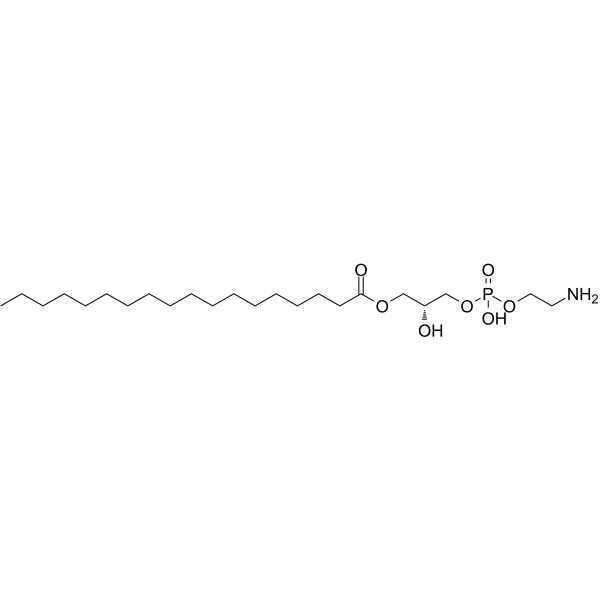 0 Images18:0 LYSO-PE is a lysophospholipid that can induce [Ca2+]i increase.
-
DSPE-Mal
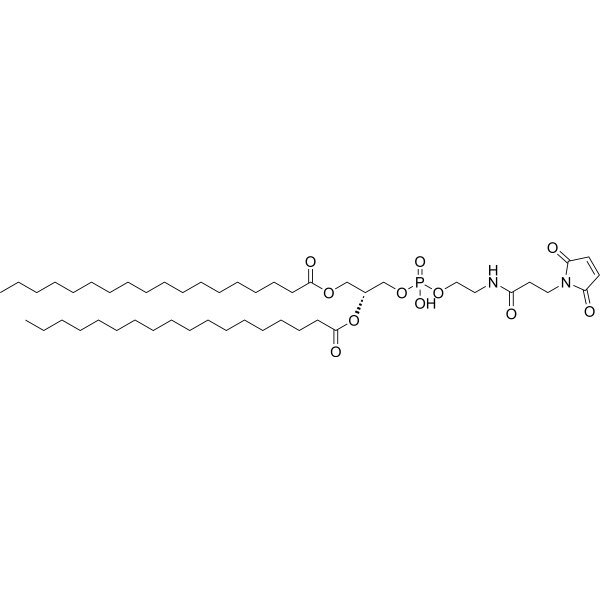 0 ImagesCat. No.: HY-W441007CAS No.: 1360858-99-6DSPE-MAL is a phospholipid compound with a maleimide reactive group. DSPE-MAL contains two saturated fatty acids and can self-assemble in water to form a lipid bilayer. DSPE-MAL can be used to prepare liposomes as nanocarriers for active molecules.
-
L-α-Lecithin (egg yolk, Type XVI-E), 99%
 0 ImagesSynonyms: L-α-Phosphatidylcholine (egg yolk, Type XVI-E), 99%, lyophilized powder; 1,2-Diacyl-sn-glycero-3-phosphocholine (egg yolk, Type XVI-E), 99%; egg yolk Lecithins, Type XVI-E, 99%L-α-Lecithin (egg yolk, Type XVI-E), 99% (L-α-Phosphatidylcholine (egg yolk, Type XVI-E), 99%) is an active biomaterial. L-α-Lecithin (egg yolk, Type XVI-E), 99% forms liposomes with compounds (PF or BA). L-α-Lecithin (egg yolk, Type XVI-E), 99% increases membrane fluidity and affects microemulsion stability and fluorescence intensity stained with Nile red (HY-D0718). L-α-Lecithin (egg yolk, Type XVI-E), 99% It can be used for cell membrane structure research, biological membrane potential research, and liposome research.
-
DMPE-PEG2000 ammonium
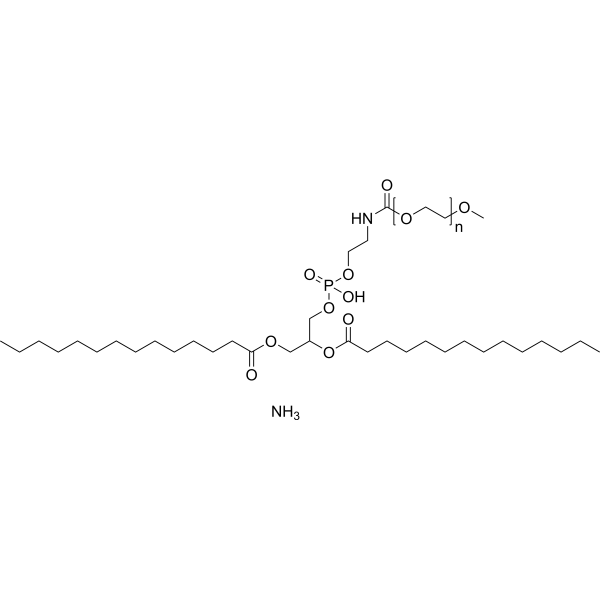 0 ImagesSynonyms: 14:0 PEG2000 PE ammonium; 1,2-Dimyristoyl-sn-glycero-3-phosphoethanolamine-N-[methoxy(polyethylene glycol)-2000] ammoniumDMPE-PEG2000 ammonium (14:0 PEG2000 PE ammonium) is a PEG-phospholipid conjugate to prepare nanostructured lipid carrier.
-
Cholesteryl oleate
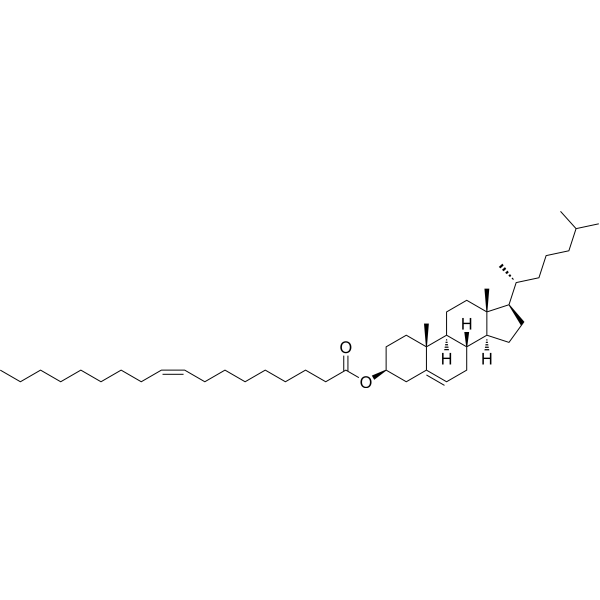 0 ImagesCholesteryl oleate is an ester compound formed from Cholesterol (HY-N0322) and Oleic acid (HY-N1446), which is involved in lipid transport, storage and cell membrane formation in living organisms. Cholesteryl oleate may serve as a potential biomarker for prostate cancer. Cholesteryl oleate can also prepare cationic solid lipid nanoparticles (SLNs) for efficient gene silencing.
-
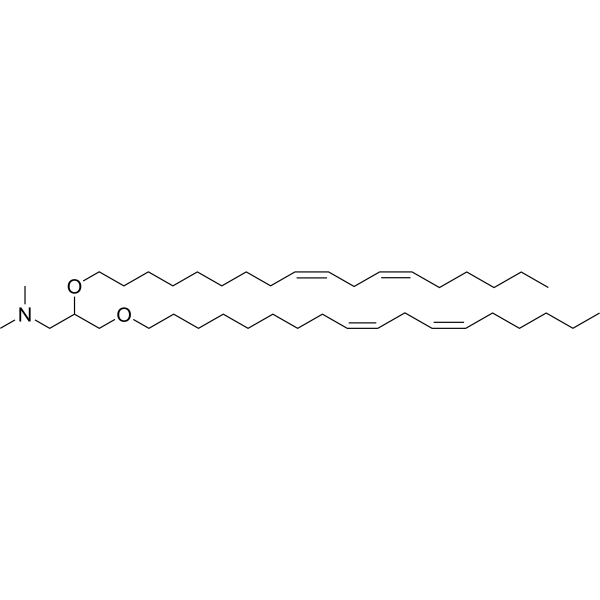
306-O12B
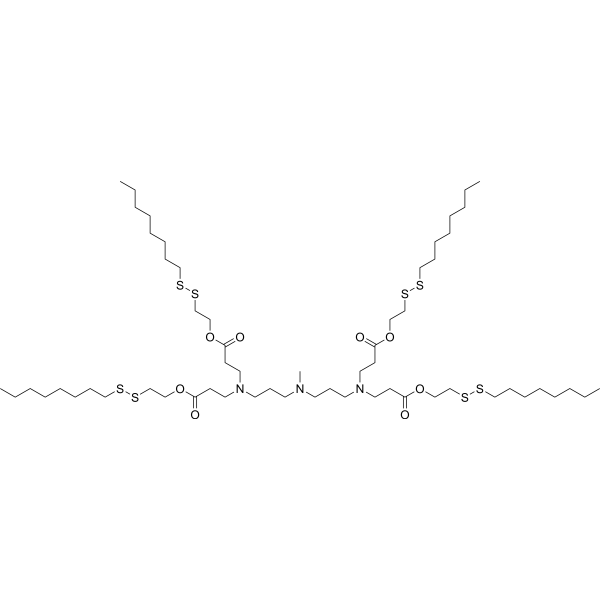 0 Images306-O12B is an ionizable cationic lipid used to prepare lipid nanoparticles (LNPs) for the delivery of mRNA.
-
DC-Chol hydrochloride
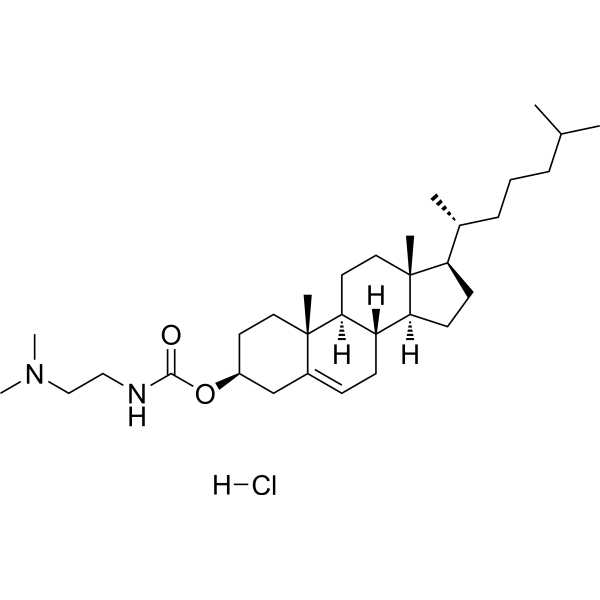 0 ImagesSynonyms: DC-Cholesterol hydrochlorideDC-Chol hydrochloride is a cationic lipid. DC-Chol hydrochloride could inhibit Aβ40 fibril formation under appropriate experimental conditions. DC-Chol hydrochloride strongly inhibits amyloidogenesis of oxidized hCT in a dose-dependent manner. DC-Chol hydrochloride induces the production of Th1 (IL-2 and IFN-γ) and Th2 (IL-5) cytokines. DC-Chol hydrochloride can enhance the body's immune response to antigens. DC-Chol hydrochloride is used as a gene delivery vector. DC-Chol hydrochloride can be used in research in areas such as hepatitis B vaccines to improve vaccine immunity.
-
DSPE-PEG-Folate, MW 3350
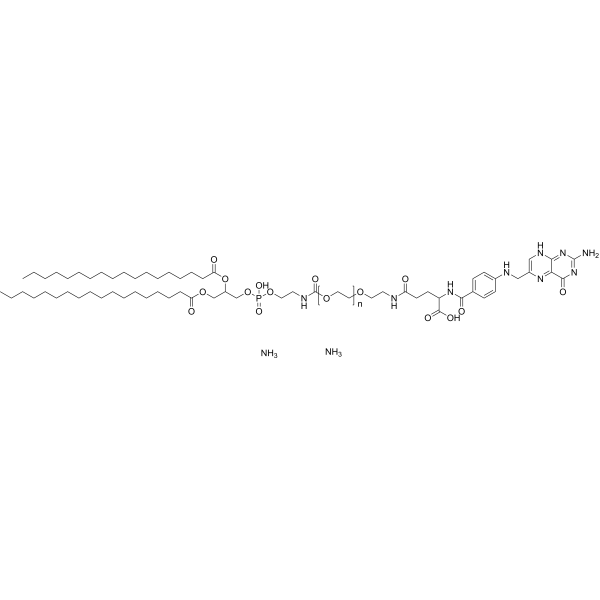 0 ImagesDSPE-PEG-Folate, MW 3350 is a PEG derivative containing folic acid. DSPE-PEG-Folate has a targeting effect and bind to folate receptors in cancer cells. DSPE-PEG-Folate form micelles/lipid bilayer and can be used to targeted drug delivery system research.
-
DPhPC
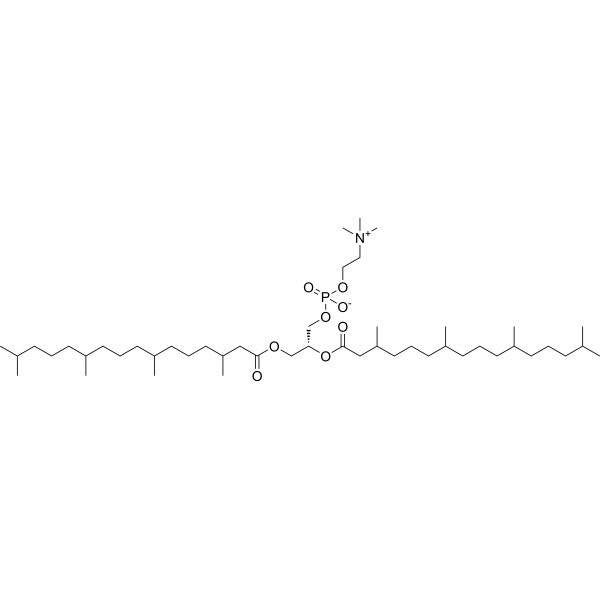 0 ImagesDPhPC is a phospholipid compound characterized by high mechanical and chemical stability, broad temperature phase stability, and high electrical resistance. DPhPC readily forms unilamellar vesicles and solid-supported bilayers. DPhPC is commonly used as a component of nanoliposomal drug carriers or as a model membrane material for studies on membrane proteins/ion channels.
-
GALA
 0 ImagesGALA is a pH-responsive amphipathic peptide consisting of 30 amino acids, which acts as a lung endothelium-targeting ligand. GALA undergoes a conformational transition from random coil to α-helix in an acidic environment at pH 5.0, thereby inducing endosomal membrane destabilization and fusion. GALA-modified liposomes traverse lung endothelial cells via clathrin-dependent endocytosis and transcytosis, and specifically accumulate in the lungs after intravenous injection. GALA significantly promotes the cytosolic release of cargos carried by exosomes, plasmids and liposomes, effectively enhances gene transfection efficiency, and drives gene knockdown of functional macromolecules (such as siRNA) in alveolar epithelial cells (with no significant cytotoxicity at effective concentrations). GALA serves as a critical tool for studies on lung cancer metastasis (e.g., melanoma lung metastasis) and lung-targeted drug delivery systems.
-
PEG2000-DMPE
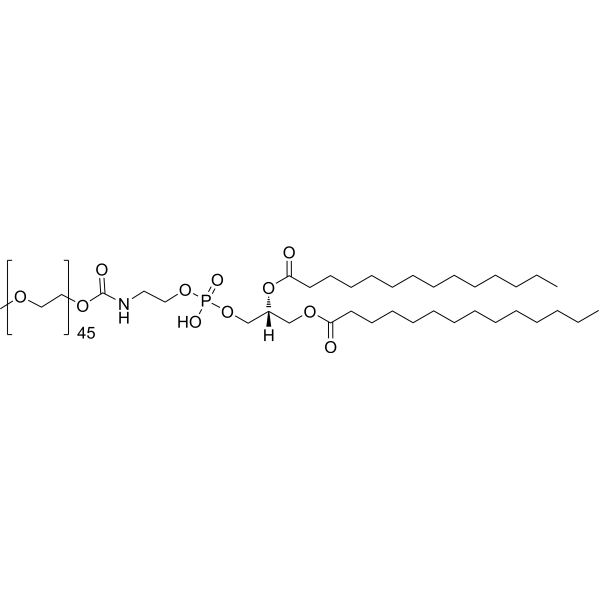 0 ImagesCat. No.: HY-112768Purity: 99.70%PEG2000-DMPE is a polyethylene glycol-lipid conjugate combined with phosphatidylethanolamine. PEG2000-DMPE undergoes a conformational transition from mushroom-like to brush-like at a concentration of 7 mol%, thereby exerting multiple functions such as inhibitor, stabilizer and surface defect modifier. PEG2000-DMPE can form a steric hindrance barrier on the vesicle surface to block calcium ion-induced liposome fusion, and dynamically regulate the fusion process through spontaneous transfer rate. PEG2000-DMPE can delay the thinning of foam thin liquid films and smoothly seal surface defects of solid support layers. PEG2000-DMPE can be used in the design and related research of stealth liposomes and micelles.
-
Genevant CL1
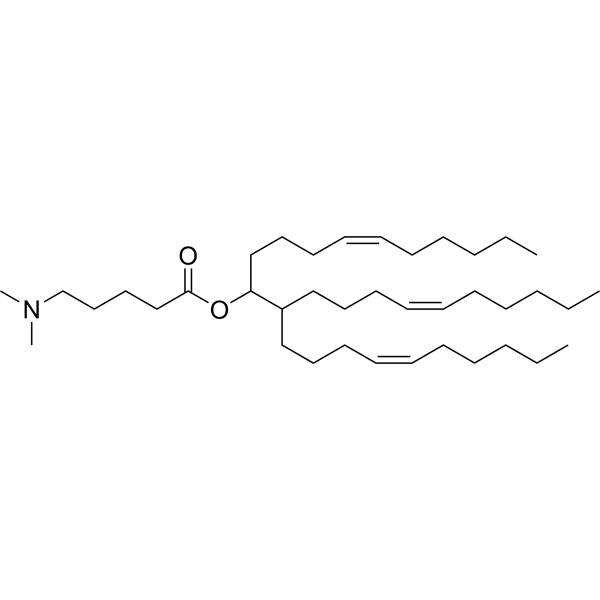 0 ImagesGenevant CL1 is an ionizable lipid (pKa = 6.3) suitable for the preparation of lipid nanoparticles (LNPs) for delivering nucleic acid payloads and intramuscular vaccines. Genevant CL1 is a component of lipid nanoparticle delivery systems for mRNA vaccines.
-
DSPE-PEG5000-Mal ammonium
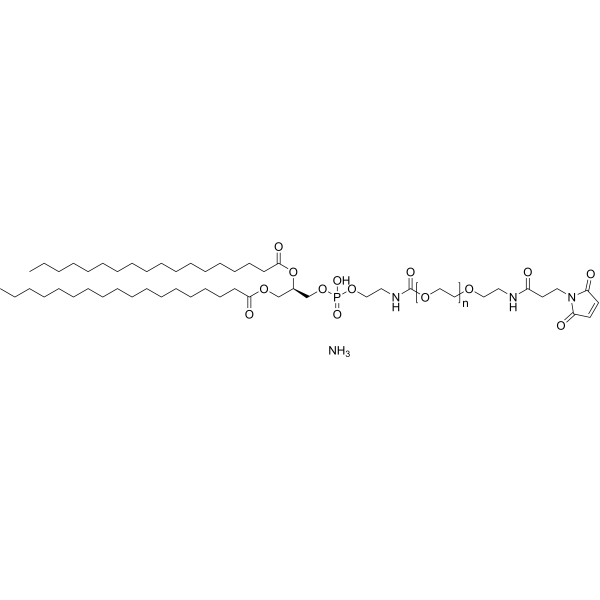 0 ImagesSynonyms: DSPE-PEG5000 Maleimide ammonium; 1,2-Distearoyl-sn-glycero-3-phosphoethanolamine-N-[maleimide(polyethylene glycol)-5000] ammoniumDSPE-PEG-Maleimide has DSPE phospholipid and maleimide to prepare nanostructured lipid carrier. DSPE-PEG-Maleimide extends blood circulation time and higher stability for encapsulated agents. DSPE-PEG5000-Mal ammonium contains PEG5000.
-
L319
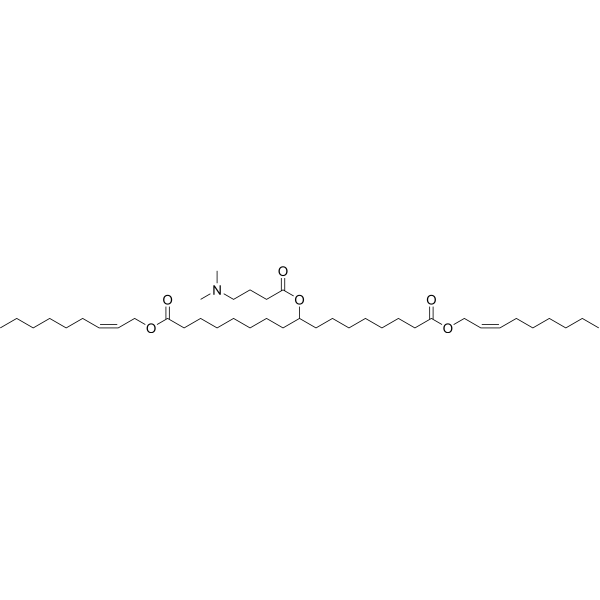 0 ImagesSynonyms: Di((Z)-Non-2-en-1-yl) 9-((4-(dimethylamino)butanoyl)oxy)heptadecanedioateL319 is an ionizable cationic lipidoid and can be used for synthetic liposomes, from the patent WO-2011153493-A2, compound 1.
-
MK16
 0 ImagesCat. No.: HY-171306Purity: 99.86%MK16 is a lipid material that can be used to construct blood-brain barrier penetrable lipid nanoparticles for mRNA delivery. MK16 facilitates blood-brain barrier crossing via γ-secretase-mediated and caveolae-mediated transcytosis. MK16 can be used for drug delivery research.
-
NT1-O14B
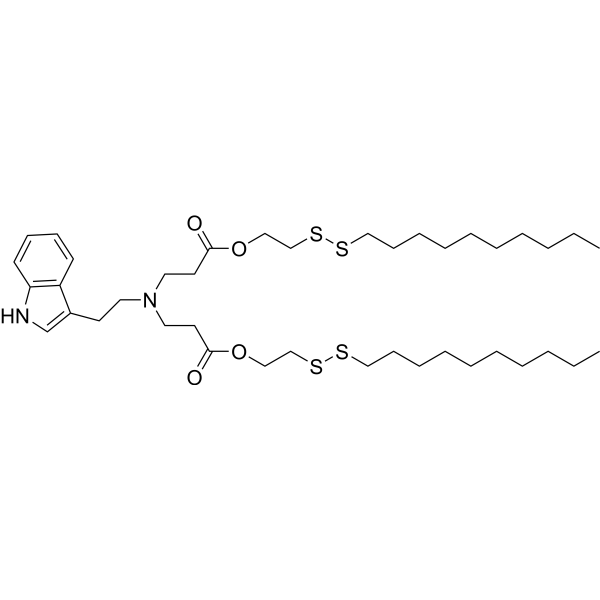 0 ImagesNT1-O14B is a tryptamine-derived lipidoid. NT1-O14B incorporates NT-lipidoid into BBB-impermeable lipid nanoparticles (LNPs), enabling the LNPs to cross the BBB. NT1-O14B enhances brain delivery via intravenous injection. NT1-O14B can be used in ischemic stroke research.
-
18:0-18:2 PE
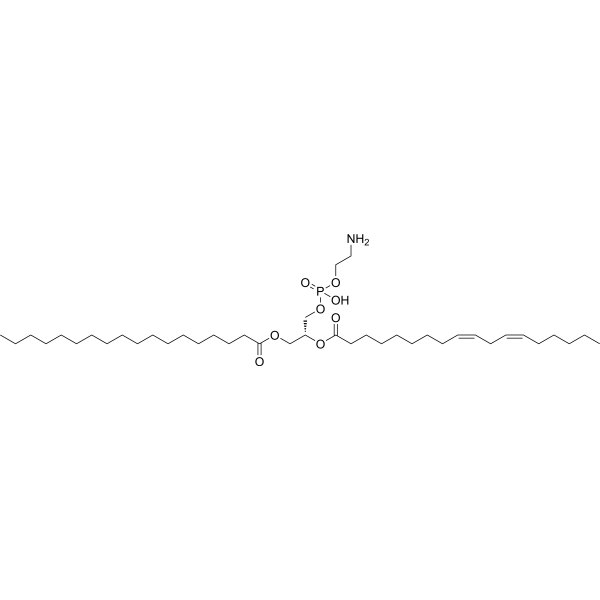 0 ImagesSynonyms: 1-Stearoyl-2-linoleoyl-sn-glycero-3-phosphoethanolamine18:0-18:2 PE (1-Stearoyl-2-linoleoyl-sn-glycero-3-phosphoethanolamine) is a glycerophospholipid compound and an essential component of biological cell membranes. 18:0-18:2 PE possesses biological activities including regulation of phospholipid metabolism, antioxidant activity, maintenance of cell membrane fluidity, immune protection, and regulation of signaling pathways. 18:0-18:2 PE in the hot processing process, its unsaturated fatty acids will degrade to form a variety of odor active compounds. 18:0-18:2 PE can be applied in food processing and research on phospholipid metabolism-related diseases.
-
DSPE-PEG2000-Folate
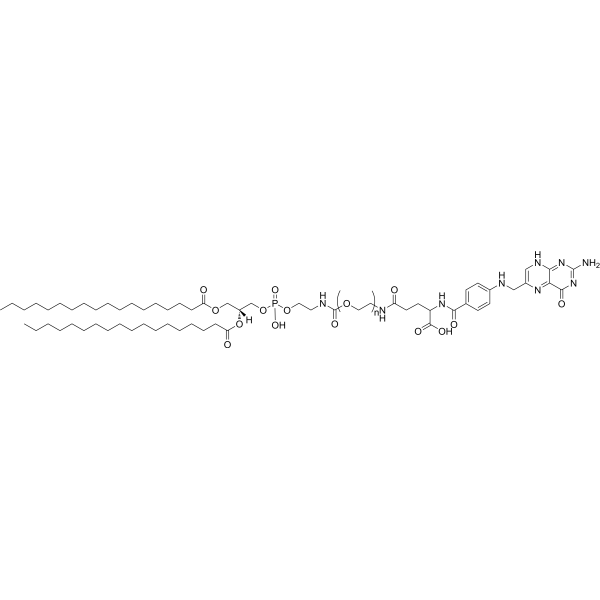 0 ImagesCat. No.: HY-W440888DSPE-PEG2000-Folate (DSPE-PEG2000 Folate) is a folate-containing PEG derivative. DSPE-PEG2000-Folate possesses targeting activity and binds to folate receptors in cancer cells. DSPE-PEG2000-Folate can be post-inserted into preformed liposomal bilayers to prepare folate-targeted liposomal formulations. DSPE-PEG2000-Folate forms micelles/lipid bilayers and can be used in studies of targeted drug delivery systems[2].