



Liposome
Liposomes (NPs typically 100–500 nm in diameter) are fabricated from the self-assembly of phospholipids, which consist of a polar phosphate head group and hydrophobic lipid tails. In aqueous environments, the hydrophobic tails self-orient, resulting in a spherical structure comprised of an aqueous core surrounded by a lipophilic bilayer membrane. Liposomes are both biocompatible and biodegradable (e.g., at certain pH and temperature), which can be controlled by modifying the lipid composition. Furthermore, liposomes are amenable to various modifications that improve their efficacy as drug delivery carriers.
All Product Categories
-
Liposome Related Products (1076)
Related Products (1076)

-
5A2-SC8
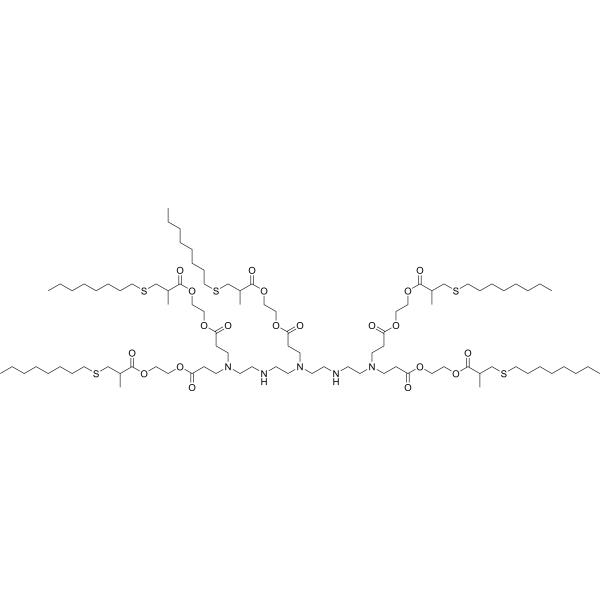 0 Images5A2-SC8 is an ionizable amino lipid in lipid nanoparticles (LNPs) that shows high delivery potential and low in vivo toxicity, enabling efficient delivery of small RNAs such as siRNA and miRNA into tumor cells. 5A2-SC8 LNPs can confer a unique delivery fate of RNA within the liver, thereby changing the therapeutic outcomes in cancer models.
-
Cephalin form bovine brain
 0 ImagesCephalin form bovine brain is an orally active phospholipid widely present in organisms.Cephalin form bovine brain participates in the formation of autophagosome membrane as a lipid anchor of autophagy-related protein Atg8/LC3. Cephalin form bovine brain enhances Autophagic flux, promotes cell differentiation, regulates lipid droplet fusion, delays aging, and also affects lipid metabolism and membrane integrity.
-
PEG2000-C-DMG
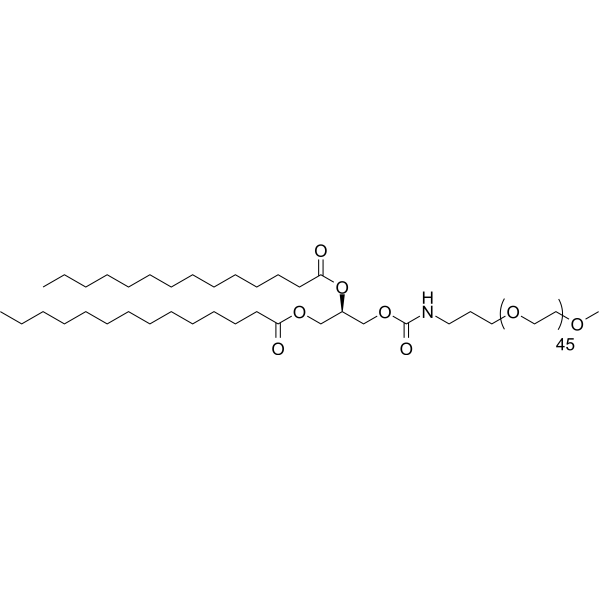 0 ImagesPEG2000-C-DMG, a pegylated lipid, can be used for the preparation of Onpattro. Onpattro, a hepatically directed investigational RNAi therapeutic agent, harnesses this process to reduce the production of mutant and wild-type transthyretin by targeting the 3′ untranslated region of transthyretin mRNA.
-
Cholesterol (Standard)
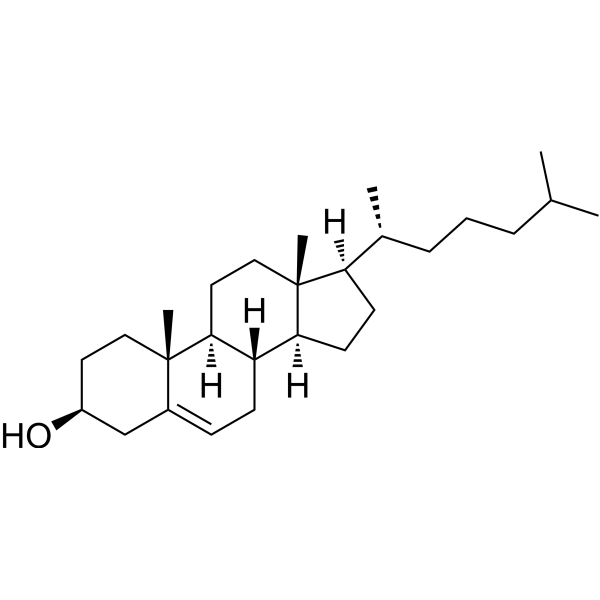 0 ImagesCholesterol (Standard) is the analytical standard of Cholesterol. This product is intended for research and analytical applications. Cholesterol is the major sterol in mammals. It is making up 20-25% of structural component of the plasma membrane. Plasma membranes are highly permeable to water but relatively impermeable to ions and protons. Cholesterol plays an important role in determining the fluidity and permeability characteristics of the membrane as well as the function of both the transporters and signaling proteins. Cholesterol is also an endogenous estrogen-related receptor α (ERRα) agonist.
-
1-Palmitoyl-2-oleoyl-sn-glycero-3-PE
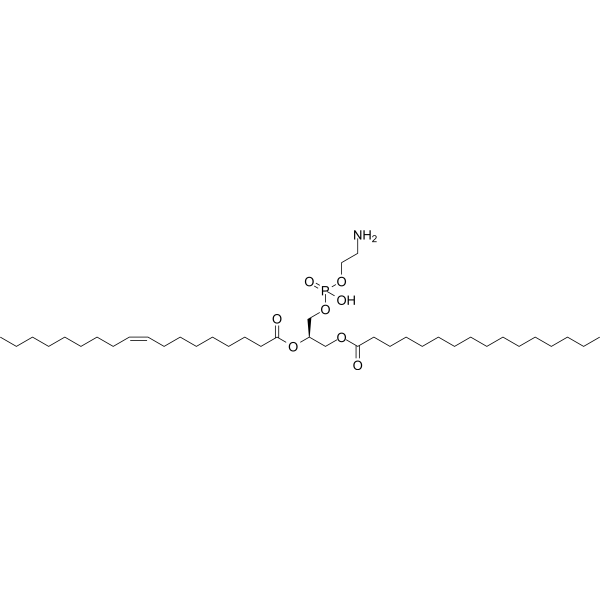 0 ImagesSynonyms: 1,2-POPE; 16:0-18:1 PE1-Palmitoyl-2-oleoyl-sn-glycero-3-PE (1,2-POPE; 16:0-18:1 PE) is a phosphatidylethanolamine (PE) lipid. 1-Palmitoyl-2-oleoyl-sn-glycero-3-PE can induce lipid bilayer to form a hexagonal phase (HII) structure in an acidic environment and promote membrane fusion. 1-Palmitoyl-2-oleoyl-sn-glycero-3-PE can enhance the endosomal escape ability of lipid nanoparticles (LNPs) and improve the cellular delivery efficiency of nucleic acid drugs such as mRNA. 1-Palmitoyl-2-oleoyl-sn-glycero-3-PE can be used for LNP carrier targeting of gene therapy and mRNA vaccines.
-
POPG sodium
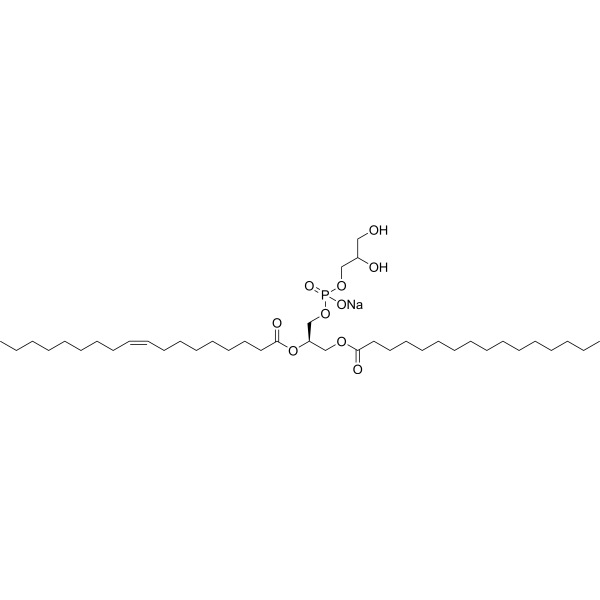 0 ImagesSynonyms: PG(16:0/18:1) sodium; 1-Palmitoyl-2-oleoyl-sn-glycero-3-phospho-(1'-rac-glycerol) sodiumPOPG (sodium) is a negatively charged phospholipid. POPG (sodium) affects the interactions of membrane proteins with other molecules by changing the charge characteristics of the lipid environment. POPG (sodium) increases the apparent affinity of Gαq and Gβ1γ1 for activated NTS1. POPG (sodium) can interact with the positive charge of peptides. POPG sodium salt can be used in Parkinson's disease research.
-
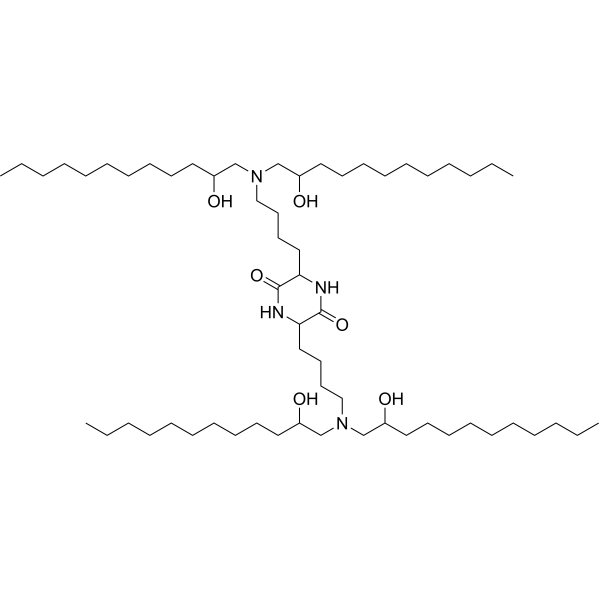
G0-C14
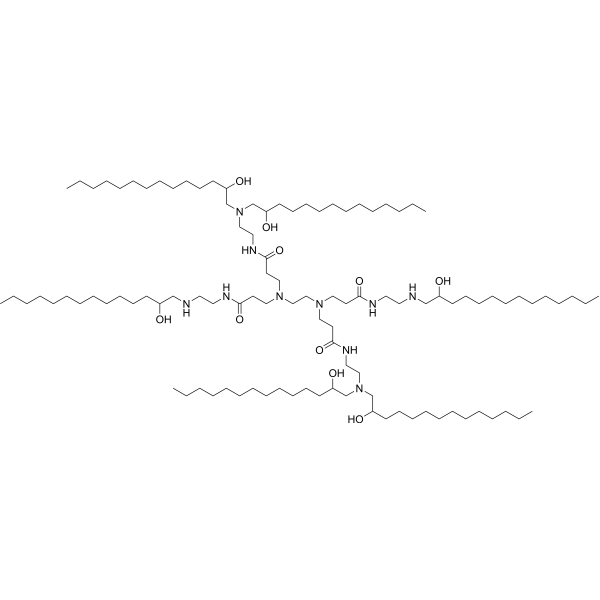 0 ImagesG0-C14 is a cationic lipid-like compound alkyl-modified polyamidoamine (PAMAM) dendrimer. G0-C14 involves in the preparation of a series of macrophage-targeted nanoparticles (NPs). NPs can be used for agent and vaccine delivery.
-
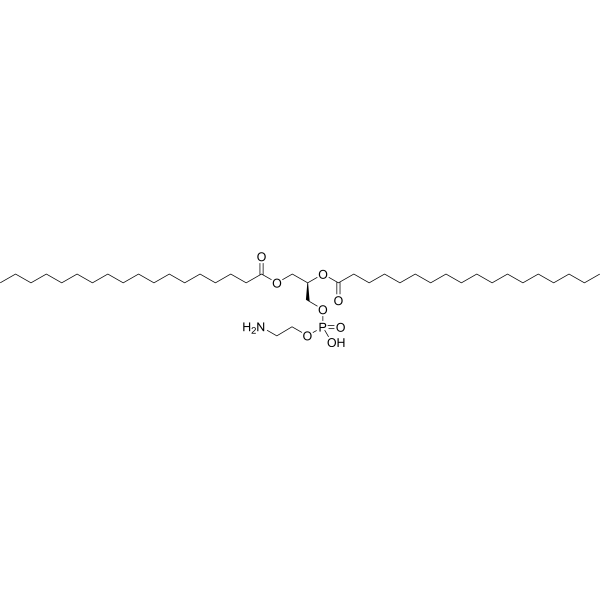
Lipid A-11
 0 ImagesSynonyms: CICL1Lipid A-11 (Compound A-11) (CICL1) is an ionizable cationic lipid. Lipid A-11 can be used to prepare lipid nanoparticles. Lipid A-11 can be used in research involving T cell-targeted transfection.
-
DPPG
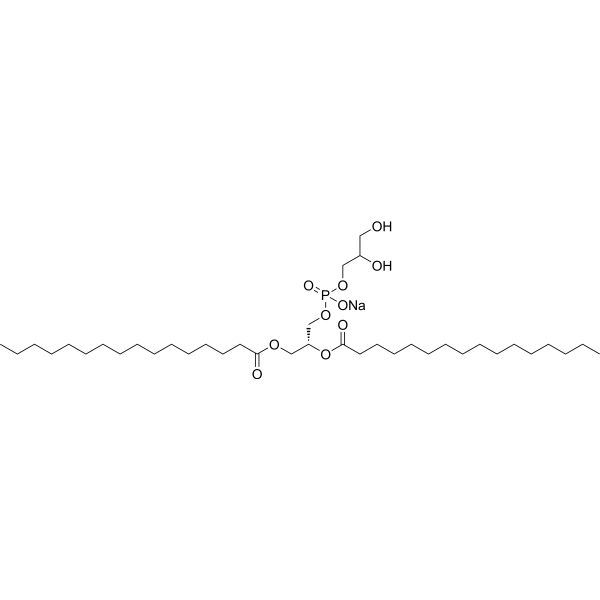 0 ImagesSynonyms: 1,2-Dipalmitoyl-sn-glycero-3-phosphoglycerol sodiumDPPG (UV radiation exposure) suffers cleavage of C―O, C=O and -PO2- bonds and loses monolayer stability; when DNA exists in the subphase, ionic degradation products from DPPG and DNA stabilize intact DPPG molecules and mitigate UV irradiation damage.
-
Hydrogenated soya phosphatidylcholine
 0 ImagesSynonyms: HSPC; Hydrogenated soybean phosphatidylcholineHydrogenated soya phosphatidylcholine (hydrogenated soybean phosphatidylcholine) is a natural product. Hydrogenated soya phosphatidylcholine can extend drug release in regard to drug loading and solubility for oral drug delivery of watersoluble drugs.
-
DSPE-PEG2000-azide
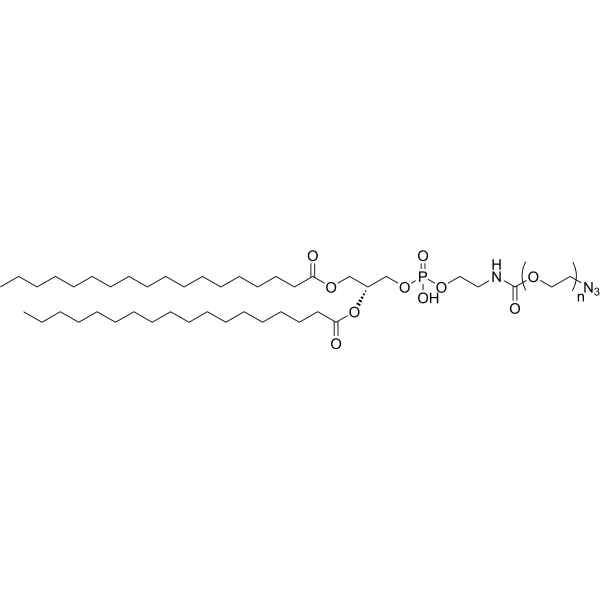 0 ImagesCat. No.: HY-W440832Purity: 99.74%DSPE-PEG2000-azide is an azide containing lipid that can be used to form micelles as nanoparticles for drug delivery. DSPE-PEG2000-azide is a click chemistry reagent, it contains an Azide group and can undergo copper-catalyzed azide-alkyne cycloaddition reaction (CuAAc) with molecules containing Alkyne groups. It can also undergo strain-promoted alkyne-azide cycloaddition (SPAAC) reactions with molecules containing DBCO or BCN groups.
-
1,2-DLPC
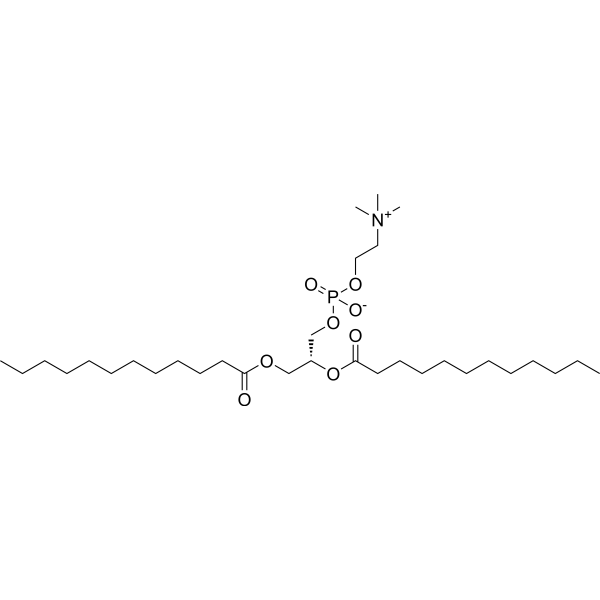 0 ImagesSynonyms: 1,2-Dilauroyl-sn-glycero-3-phosphocholine1,2-DLPC (1,2-Dilauroyl-sn-glycero-3-phosphocholine) is a ligand for LRH-1 agonists. 1,2-DLPC is a phospholipid used in the synthesis of liposomes. 1,2-DLPC enhances fat breakdown and apoptosis in fat cells through a TNFα-dependent pathway, while also inhibiting palmitate-induced insulin resistance through PPARα-mediated inflammation in muscle cells.
-
DSPE-PEG2000-Biotin
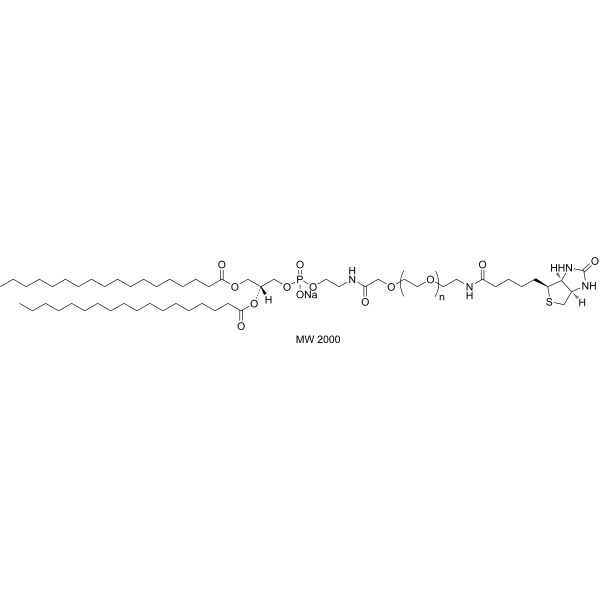 0 ImagesDSPE-PEG2000-Biotin is a biotin-labeled PEG derivative composed of phospholipid (DSPE), a hydrophilic polyethylene glycol chain (PEG2000) and a biotin tag. DSPE-PEG2000-Biotin is widely used in scientific research for constructing targeted liposomes, micelles and lipid nanoparticles for drug delivery and cell binding experiments.
-
TCL053
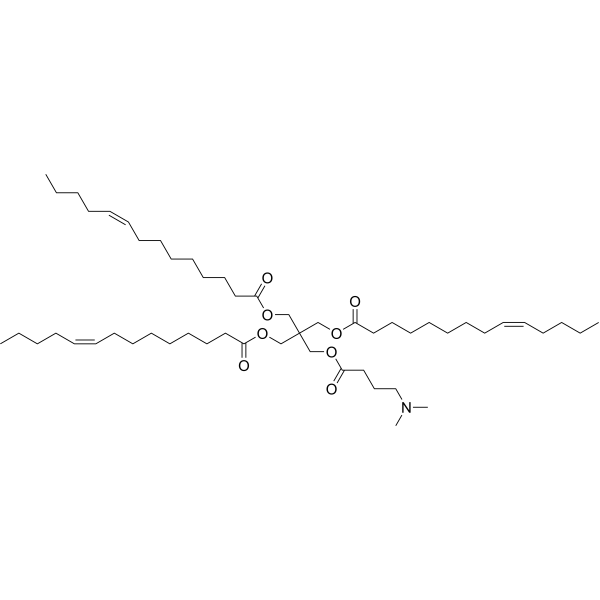 0 ImagesTCL053 is an ionizable lipid carrier and used to introduce active components, in particular nucleic acids, into cells with excellent efriciency. TCL053, together with DPPC (Dipalmitoylphosphatidylcholine), PEG-DMG (Polyethylene glycoldimyristoyl glycerol), and cholesterol, forms lipid nanoparticle (LNP) which is able to deliver Cas9 mRNA and sgRNA into skeletal muscle.
-
DSPE-PEG2000-SH
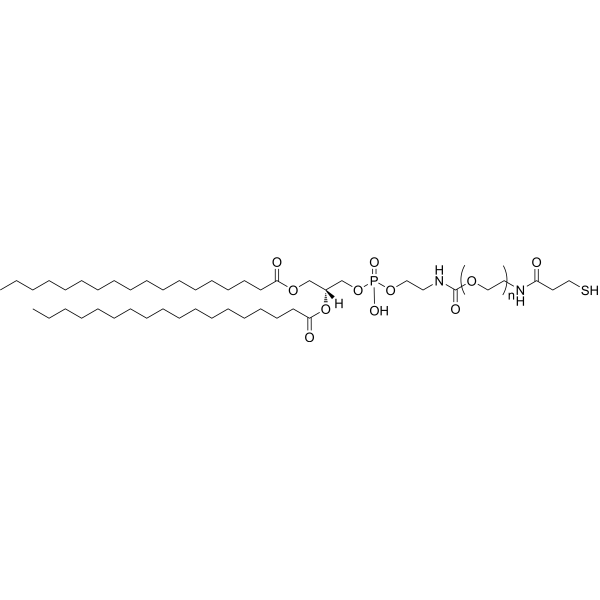 0 ImagesCat. No.: HY-W440896Purity: 99.82%DSPE-PEG2000-SH is an amphiphilic thiol-functionalized DSPE-PEG molecule. DSPE-PEG2000-SH inserts into extracellular vesicle (EV) bilayer membranes via hydrophobic interactions, displaying surface thiol groups to form EV-SH crosslinkers.DSPE-PEG2000-SH enables crosslinking of EV-SH with 8-arm PEG-norbornene via thiol-ene photochemistry to construct hydrogels, with hydrogel mechanical properties tunable via PEG segment molecular weight variation.DSPE-PEG2000-SH can be used to encapsulate agents for drug delivery system, such as mRNA vaccine.
-
Dimethyldioctadecylammonium bromide
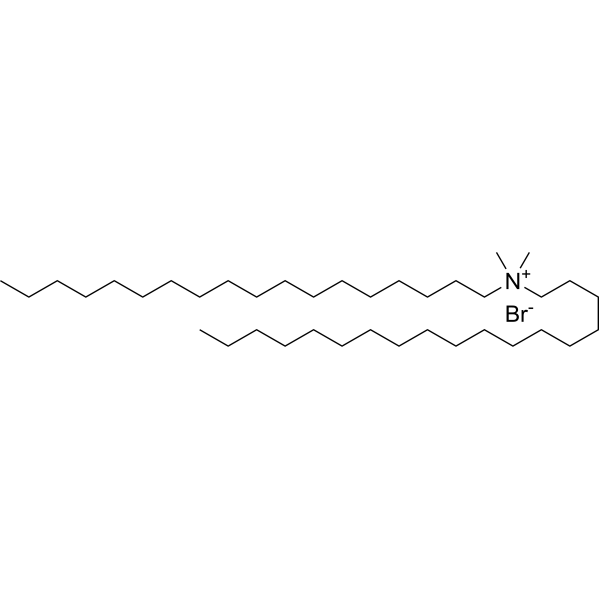 0 ImagesSynonyms: Dioctadecyldimethylammonium bromide; DODABDimethyldioctadecylammonium bromide is a synthetic cationic lipid commonly used in gene delivery and vaccine development. Also known as DODAB or DDAB, it consists of a positively charged ammonium head group and two long hydrophobic tails. These properties make it useful for forming liposomes and other lipid-based nanoparticles that can efficiently deliver genetic material into cells. In addition to its applications in biotechnology, DDAB is also used in surfactants, emulsifiers and fabric softeners. However, due to its potential toxicity and irritation, extreme care should be taken when handling DDAB.
-
18:0 mPEG2000 PE sodium
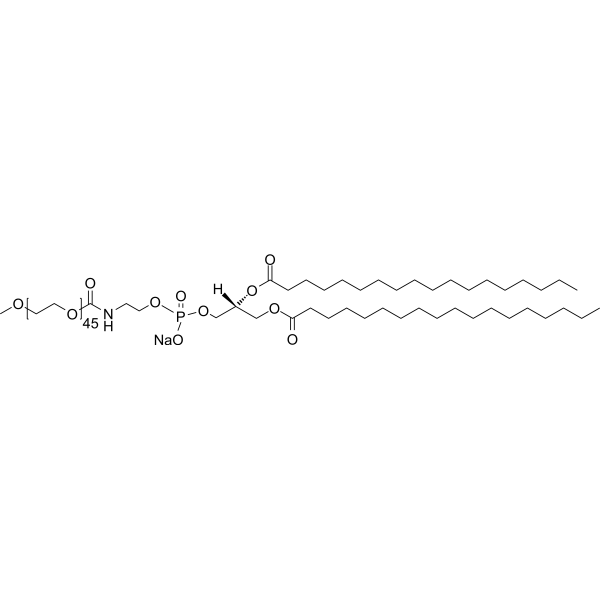 0 ImagesSynonyms: DSPE-mPEG2000 sodium; 1,2-Distearoyl-sn-glycero-3-phosphoethanolamine-N-[methoxy(polyethylene glycol)-2000] sodium18:0 mPEG2000 PE (DSPE-mPEG2000) sodium is a conjugate of phospholipid and polyethylene glycol, and it can serve as an important PEG lipid component in lipid nanoparticles (LNPs). 18:0 mPEG2000 PE sodium can be used in the research of gene transfection, drug carriers and drug delivery.



