



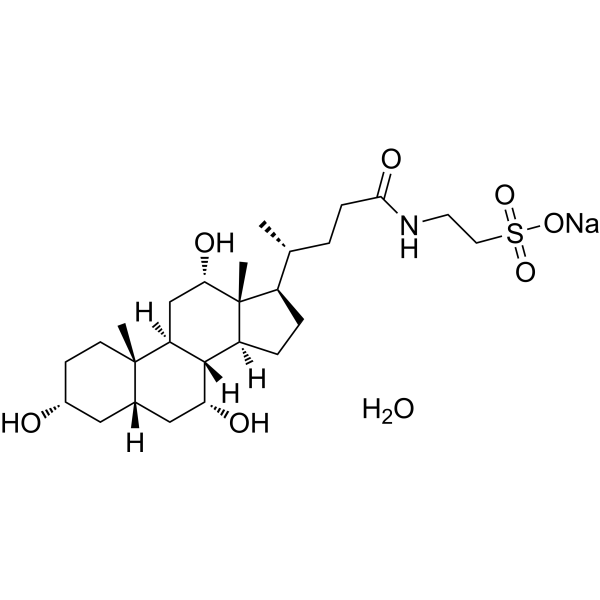
Taurocholic acid sodium salt hydrate
Based on 35 publication(s) in Google Scholar
Taurocholic acid (N-Choloyltaurine) sodium salt hydrate has marked bioactive effects such as an inhibitory potential against hepatic artery ligation induced biliary damage by upregulation of VEGF-A expression. Taurocholic acid sodium salt hydrate has immunoregulation effect.
For research use only. We do not sell to patients.
- Purity : 98.40%
- CAS No.: 345909-26-4
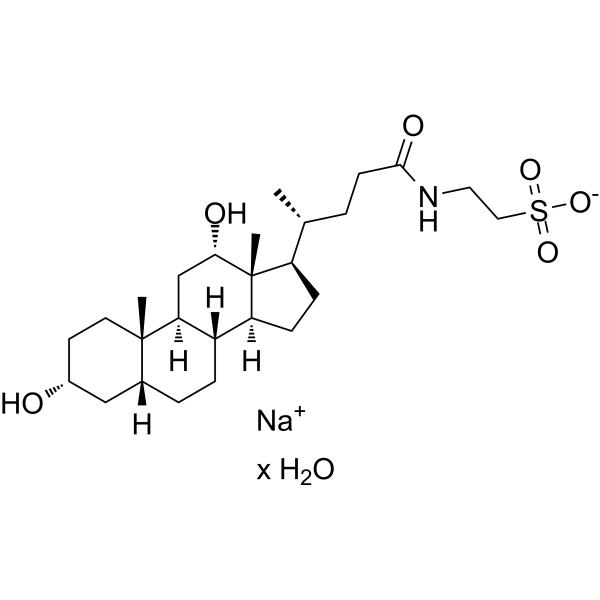
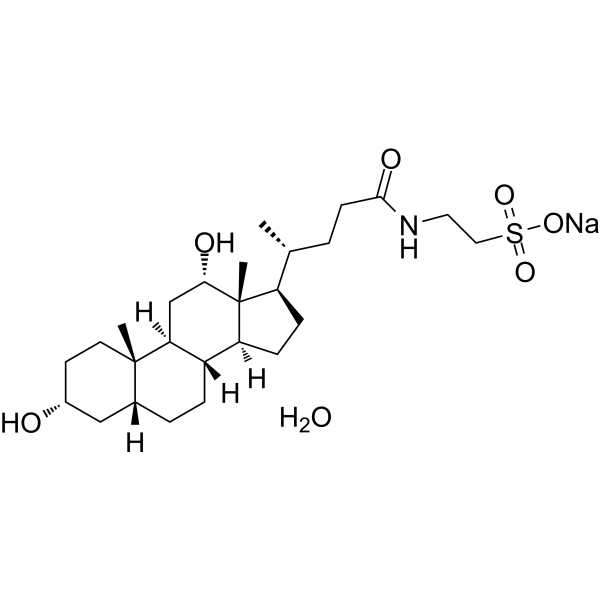
- Formula: C26H46NNaO8S
- Molecular Weight:555.70
-
Storage:
4°C, sealed storage, away from moisture
* In solvent : -80°C, 6 months; -20°C, 1 month (sealed storage, away from moisture)

To place orders, for customer services and technical support, please contact: MedChemExpress USA
Tel: 609-228-6898 E-mail: [email protected] [email protected]


-
 Biological Activity
-
Chemical Information
-
Solvent & Solubility
- Purity & Documentation
- References
-
 Help & FAQs


-
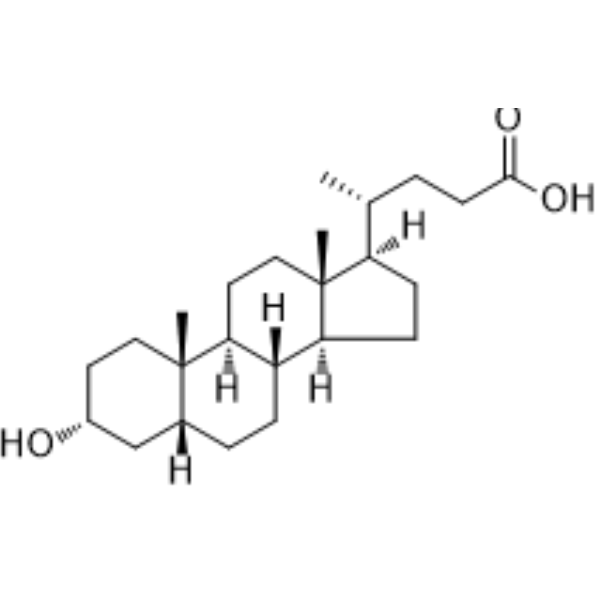
HY-B0172
Lithocholic acid -
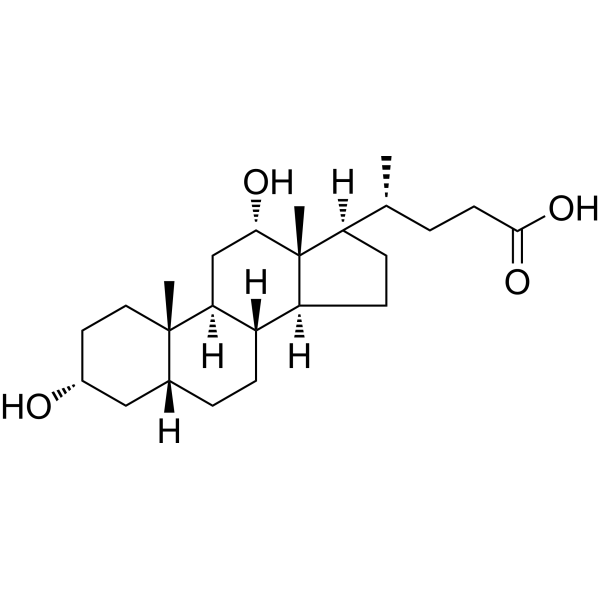
HY-N0593
Deoxycholic acid -
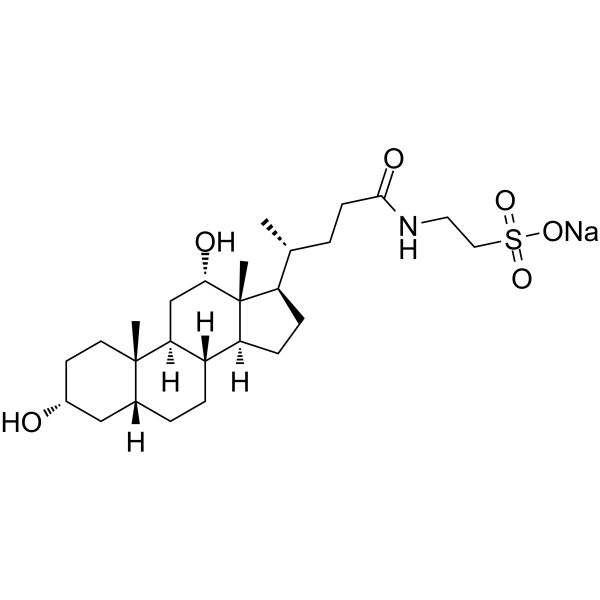
HY-128853
Taurodeoxycholate sodium -
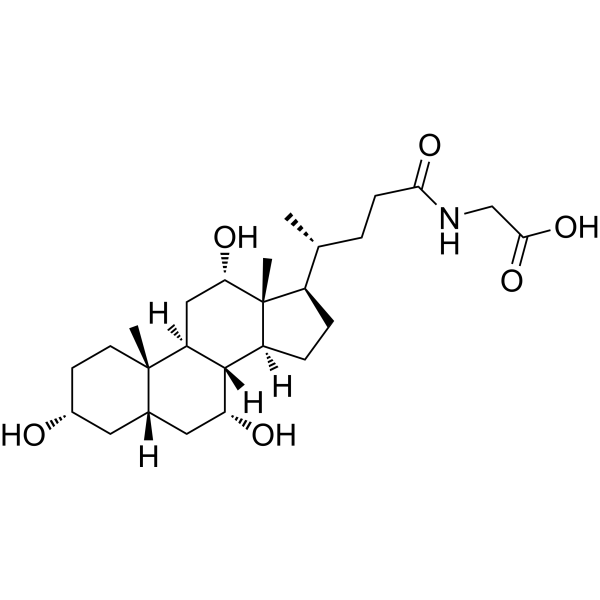
HY-N1423
Glycocholic acid -
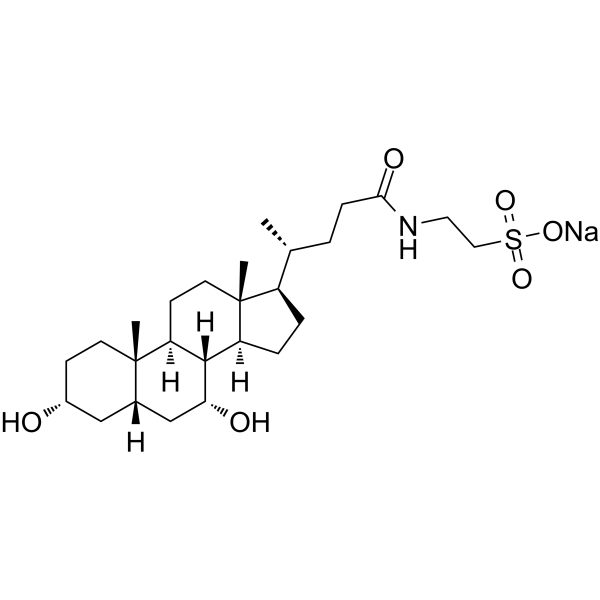
HY-N1429
Taurochenodeoxycholic acid sodium -
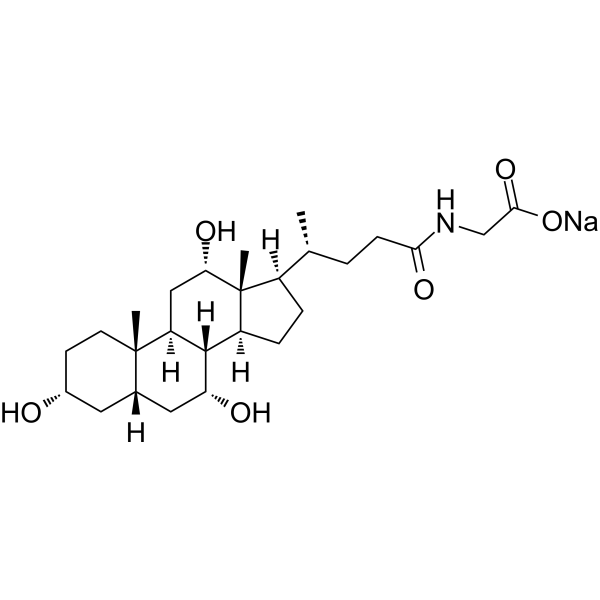
HY-N1423A
Glycocholic acid sodium -

HY-W013105
Sodium glycocholate hydrate, 98% -
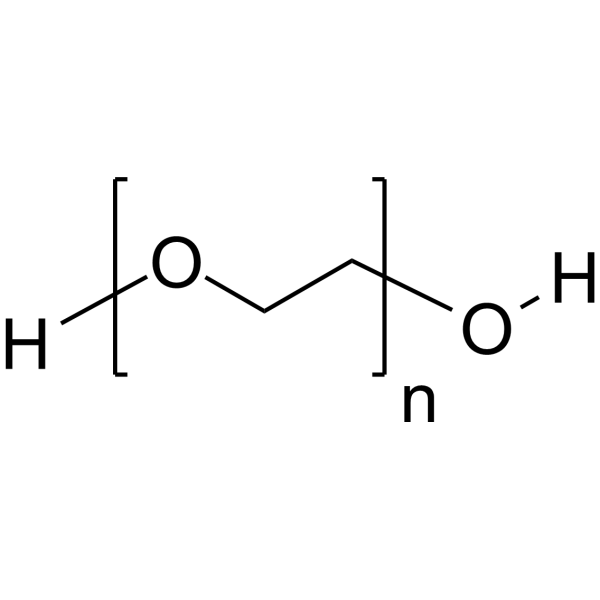
HY-Y0873
PEG300 -
HY-W089835
Sodium taurodeoxycholate hydrate -
HY-B1899A
Taurodeoxycholic acid sodium hydrate -

HY-B1131R
Taurocholic acid sodium salt hydrate (Standard) -

HY-W089835R
Sodium taurodeoxycholate hydrate (Standard)
Publications Citing Use of MedChemExpress (MCE) Taurocholic acid sodium salt hydrate
More- Nature. 2026 Mar;651(8104):251-259. [Abstract]
- Nature. 2025 Jul;643(8070):192-200. [Abstract]
- Science. 2024 Mar 22;383(6689):eadj4591. [Abstract]
- Nat Commun. 2025 Aug 30;16(1):8124. [Abstract]
- Microbiome. 2025 Jun 18;13(1):145. [Abstract]
- Adv Sci (Weinh). 2026 Jul 11:e76416.
- Adv Sci (Weinh). 2025 Mar;12(12):e2411719. [Abstract]
- Plant Commun. 2025 Jan 13;6(1):101181. [Abstract]
- Research (Wash D C). 2022 Nov 2:2022:9784081. [Abstract]
- Cancer Lett. 2026 Aug 28:654:218589. [Abstract]
- Adv Healthc Mater. 2025 Apr;14(9):e2402773. [Abstract]
- Cell Death Discov. 2025 Jul 23;11(1):338. [Abstract]
- J Transl Med. 2024 Dec 20;22(1):1124. [Abstract]
- Proc Natl Acad Sci U S A. 2025 Dec 2;122(48):e2524436122. [Abstract]
- Aging Cell. 2026 Jan;25(1):e70295. [Abstract]
- Food Funct. 2024 Sep 30;15(19):9916-9927. [Abstract]
- Food Funct. 2024 May 7;15(9):5088-5102. [Abstract]
- RSC Adv. 2018 Feb 23;8(16):8469-8483. [Abstract]
- Int J Mol Sci. 2025 Feb 22;26(5):1899. [Abstract]
- Int Immunopharmacol. 2025 Jan 3:145:113739. [Abstract]
- Biomolecules. 2022 Jul 31;12(8):1063. [Abstract]
- J Enzyme Inhib Med Chem. 2025 Dec;40(1):2501743. [Abstract]
- Sci Rep. 2024 Oct 31;14(1):26216. [Abstract]
- Mol Cell Biochem. 2026 Jun 29. [Abstract]
- Poult Sci. 2025 Jun 25;104(9):105489. [Abstract]
- Biomedicines. 2025 Apr 4;13(4):874. [Abstract]
- FASEB J. 2022 May;36(5):e22305. [Abstract]
- Antiviral Res. 2019 Sep:169:104544. [Abstract]
- Biochim Biophys Acta Mol Cell Biol Lipids. 2025 Oct 3;1871(1):159692. [Abstract]
- J Pharm Biomed Anal. 2025 Jul 15:259:116760. [Abstract]
- Placenta. 2024 Mar 25:148:20-30. [Abstract]
- Mol Reprod Dev. 2026 Apr;93(4):e70105. [Abstract]
- Research Square Preprint. 2024 Feb 13.
- Research Square Print. 2022 Aug.
- SSRN. 2022 Jan 26.
 Customer Validation & Images

-
WB
-
RT-PCR
-
In Vivo Efficacy Study
-
ELISA
-
Histological Imaging/Staining
All Endogenous Metabolite Isoforms
More

Biological Activity
Description
IC50 & Target
|
Human Endogenous Metabolite |
Microbial Metabolite |
In Vivo
Taurocholic acid (1% in diet, 1 week) sodium prevents hepatic artery ligation (HAL)-induced cholangiocyte damage in rats by upregulation of VEGF-A expression[3].
MedChemExpress (MCE) has not independently confirmed the accuracy of these methods. They are for reference only.
Induced Disease Models
Note:
Please do not refer to only one article to determine the experimental conditions. It is recommended to determine the optimal experimental conditions (animal strain, age, dosage, frequency and cycle, detection time and indicators, etc.) through preliminary experiments before the formal experiment.
Taurocholic acid can be used in animal modeling to create stress-induced gastric injury models and pancreatitis models[3][4][5].
Administration: 30-300 mg/kg • p.o • single dose.
The pylorus-ligated rats are then placed in cages with restricted movement.
Subsequently, the cages are immersed in a water bath maintained at 23°C until the water level reaches the xiphoid process of the rats, lasting for 7 hours.
Seven hours later, the animals are sacrificed under ether anesthesia, and the stomach of each animal is removed. The gastric contents are collected through the esophagus and analyzed for volume and acidity.
Administration: 1 mL/kg• retrograde infusion into the common pancreaticobiliary duct• at a speed of 0.25 mL/min[4]
Mice: Balb/c and Wistar• male • weighing 25-30 g and 250-300 g[5]
Administration: 1 mL/kg• retrograde infusion• perfusion for 8 h[5]
(2) Pancreatic acinar cells were isolated freshly from Balb/c or C57/BL6J mice using a collagenase IV. Cells were treated under room temperature, and used within 4 hours after isolation[2].
Biochemical Analysis: Taurocholic acid administration increased serum amylase and lipase activities[1].
MedChemExpress (MCE) has not independently confirmed the accuracy of these methods. They are for reference only.


Chemical Information
-
CAS No. 345909-26-4
-
Appearance Solid
-
Molecular Weight 555.70
-
Formula C26H46NNaO8S
-
Color White to yellow
-
SMILES
C[C@H](CCC(NCCS(=O)(O[Na])=O)=O)[C@H]1CC[C@@]2([H])[C@]3([H])[C@H](O)C[C@]4([H])C[C@H](O)CC[C@]4(C)[C@@]3([H])C[C@H](O)[C@]12C.O
-
Synonyms
Sodium taurocholate hydrate; N-Choloyltaurine sodium salt hydrate
-
Structure Classification
-
Initial Source
-
Shipping
Room temperature in continental US; may vary elsewhere.
-
Storage
4°C, sealed storage, away from moisture
* In solvent : -80°C, 6 months; -20°C, 1 month (sealed storage, away from moisture)


Publications (35)
-
Journal Impact Factor
-
Most Recent
-
Nature
2026 Mar;651(8104):251-259. PMID: 41606314 -
Nature
2025 Jul;643(8070):192-200. PMID: 39695227
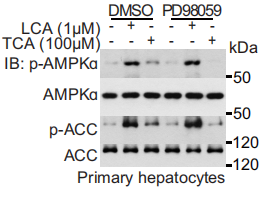
Taurocholic acid sodium salt hydrate purchased from MedChemExpress. Usage Cited in: Nature. 2025 Jul;643(8070):192-200. [Abstract]
Taurocholic acid (TCA, 100 μM, 4 h) activated AMPK depending on the cAMP–Epac–MEK pathway in primary hepatocytes.
-
Science
Structure and function of the Arabidopsis ABC transporter ABCB19 in brassinosteroid export. [Abstract]2024 Mar 22;383(6689):eadj4591. PMID: 38513023 -
Nat Commun
2025 Aug 30;16(1):8124. PMID: 40885756 -
Microbiome
Maternal intestinal L. vaginalis facilitates embryo implantation and survival through enhancing uterine receptivity in sows. [Abstract]2025 Jun 18;13(1):145. PMID: 40533850 -
-
Adv Sci (Weinh)
Targeting FDFT1 Reduces Cholesterol and Bile Acid Production and Delays Hepatocellular Carcinoma Progression Through the HNF4A/ALDOB/AKT1 Axis. [Abstract]2025 Mar;12(12):e2411719. PMID: 39899681
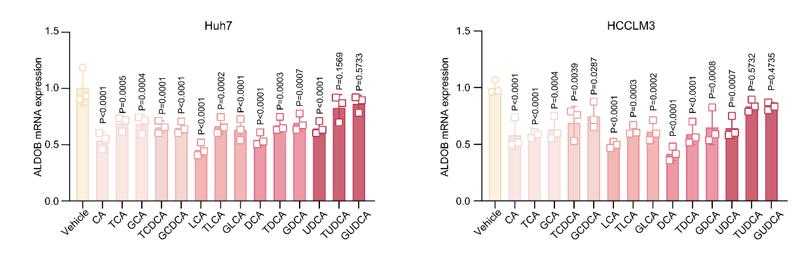
Taurocholic acid sodium salt hydrate purchased from MedChemExpress. Usage Cited in: Adv Sci (Weinh). 2025 Mar;12(12):e2411719. [Abstract]
The mRNA levels of ALDOB in Huh7 or HCCLM3 cells treated with various bile acids (100 μM, 24 h). All data are presented as mean ± SD. Data were analyzed by one-way ANOVA with Bonferroni multiple-comparison correction. CA, cholic acid; TCA, taurocholic acid; GCA, glycocholic acid; TCDCA, taurochenodeoxycholic acid; GCDCA, glycochenodeoxycholic acid; LCA, lithocholic acid; TLCA, taurolithocholic acid; GLCA, glycolithocholic acid; DCA, deoxycholic acid; TDCA, taurodeoxycholic acid; GDCA, glycodeoxycholic acid; UDCA, ursodeoxycholic acid; TUDCA, tauroursodeoxycholic acid; GUDCA, glycoursodeoxycholic acid.
-
Plant Commun
Structural insights into brassinosteroid export mediated by the Arabidopsis ABC transporter ABCB1. [Abstract]2025 Jan 13;6(1):101181. PMID: 39497419 -
Research (Wash D C)
Activation of Pancreatic Acinar FXR Protects against Pancreatitis via Osgin1-Mediated Restoration of Efficient Autophagy. [Abstract]2022 Nov 2:2022:9784081. PMID: 36405253 -
Cancer Lett
Bile acid retention impairs tumoral antigen presentation and intrinsic tumor suppression in MASH-HCC. [Abstract]2026 Aug 28:654:218589. PMID: 42173274 -
Adv Healthc Mater
Sodium Butyrate-Loaded Microspheres With Enhanced Bioavailability for Targeted Treatment of Intestinal Barrier Injury. [Abstract]2025 Apr;14(9):e2402773. PMID: 39629540 -
Cell Death Discov
RBM17 promotes hepatocellular carcinoma progression by regulating lipid metabolism and immune microenvironment: implications for therapeutic targeting. [Abstract]2025 Jul 23;11(1):338. PMID: 40702000 -
J Transl Med
Conjugated bile acids alleviate acute pancreatitis through inhibition of TGR5 and NLRP3 mediated inflammation. [Abstract]2024 Dec 20;22(1):1124. PMID: 39707318 -
Proc Natl Acad Sci U S A
Antibiotics accumulate in Klebsiella pneumoniae liver abscesses but fail to eliminate antibiotic-tolerant populations. [Abstract]2025 Dec 2;122(48):e2524436122. PMID: 41296732 -
Aging Cell
Human Umbilical Cord Plasma Metabolomics Uncover Potential Metabolites for Combating Aging. [Abstract]2026 Jan;25(1):e70295. PMID: 41299210 -
Food Funct
Arachidonic acid enhances hepatocyte bile acid uptake and alleviates cholestatic liver disease by upregulating OATP1 expression. [Abstract]2024 Sep 30;15(19):9916-9927. PMID: 39258405 -
Food Funct
Taurocholic acid ameliorates hypertension through the activation of TGR5 in the hypothalamic paraventricular nucleus. [Abstract]2024 May 7;15(9):5088-5102. PMID: 38666497
Taurocholic acid sodium salt hydrate purchased from MedChemExpress. Usage Cited in: Food Funct. 2024 May 7;15(9):5088-5102. [Abstract]
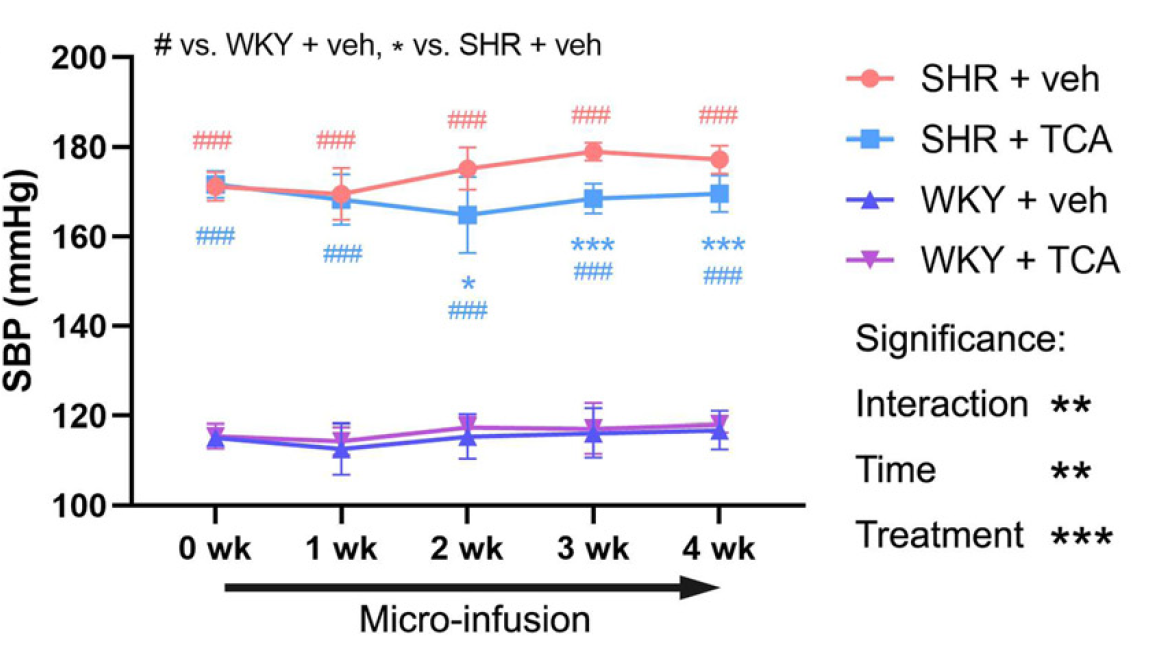
Taurocholic acid (TCA, infused into the PVN at 10 μg per day for 28 days) reduced systolic blood pressure in spontaneously hypertensive rats.
Taurocholic acid sodium salt hydrate purchased from MedChemExpress. Usage Cited in: Food Funct. 2024 May 7;15(9):5088-5102. [Abstract]
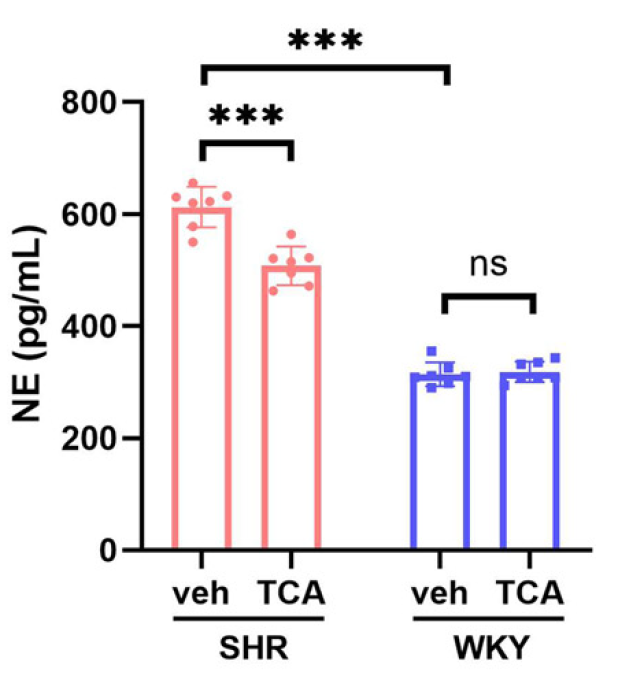
Taurocholic acid (TCA, infused into the PVN at 10 μg per day for 28 days) reduced plasma levels of norepinephrine in spontaneously hypertensive rats.
Taurocholic acid sodium salt hydrate purchased from MedChemExpress. Usage Cited in: Food Funct. 2024 May 7;15(9):5088-5102. [Abstract]
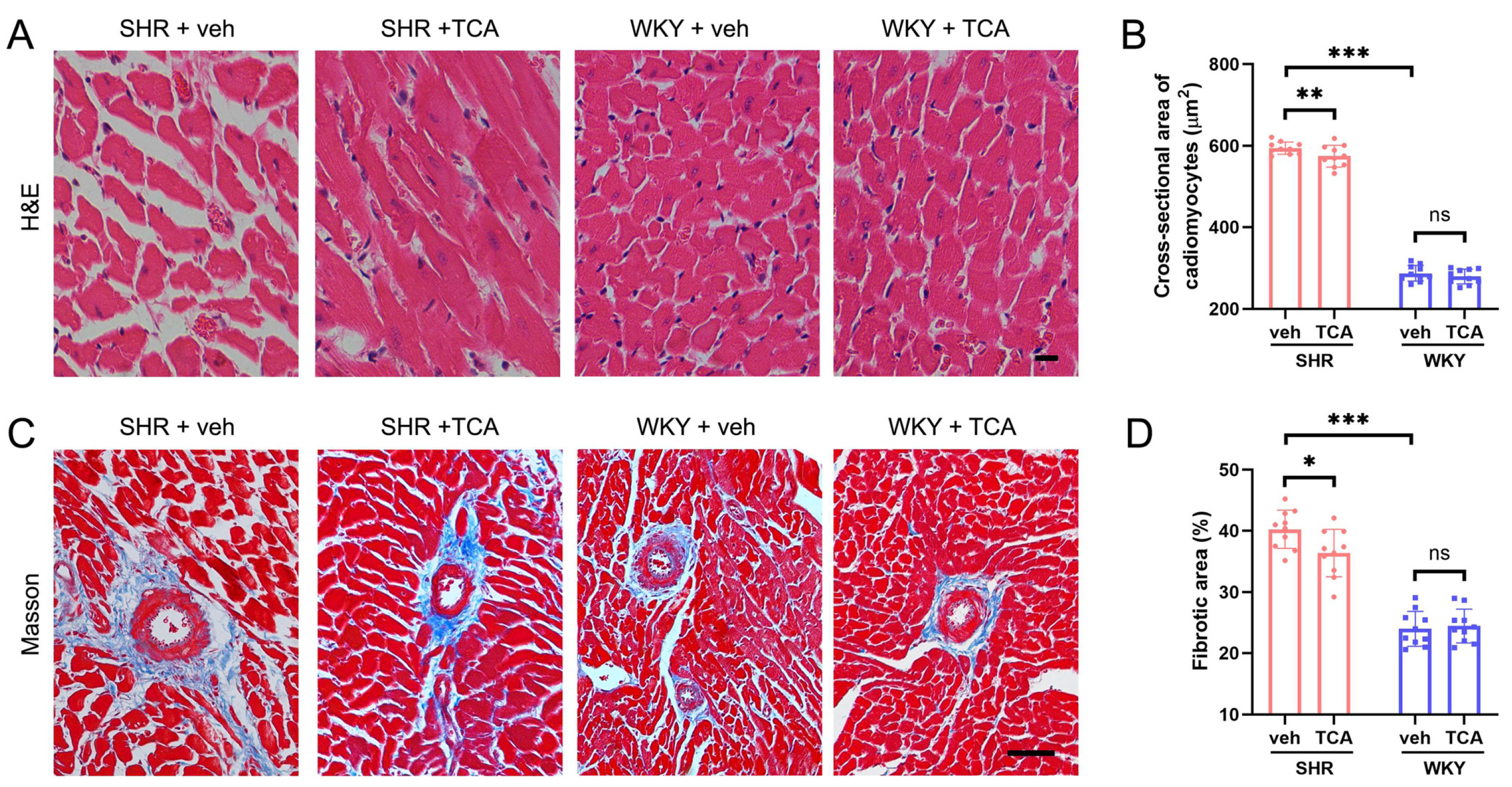
Taurocholic acid (TCA, infused into the PVN at 10 μg per day for 28 days) reduced cardiomyocyte dilation (A-B) and fibrosis (C-D) in spontaneously hypertensive rats.
Taurocholic acid sodium salt hydrate purchased from MedChemExpress. Usage Cited in: Food Funct. 2024 May 7;15(9):5088-5102. [Abstract]
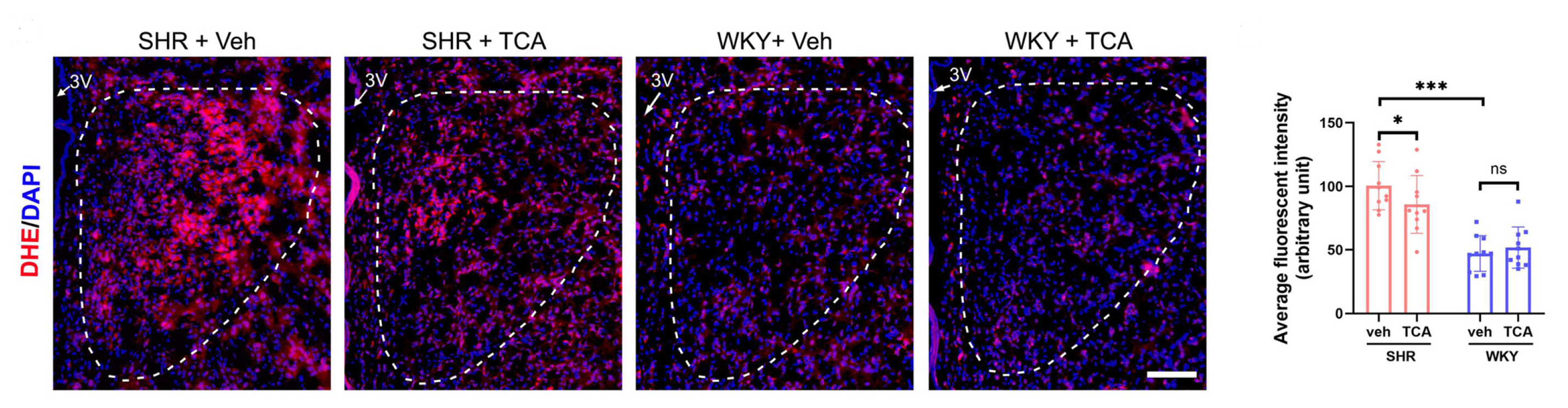
Taurocholic acid (TCA, infused into the PVN at 10 μg per day for 28 days) reduced the average fluorescence intensity of DHE in cardiomyocytes of spontaneously hypertensive rats.
-
RSC Adv
Cytosolic β-glucosidase inhibition and renal blood flow suppression are leading causes for the enhanced systemic exposure of salidroside in hypoxic rats. [Abstract]2018 Feb 23;8(16):8469-8483. PMID: 35539855 -
Int J Mol Sci
MGST1 Protects Pancreatic Ductal Cells from Inflammatory Damage in Acute Pancreatitis by Inhibiting Ferroptosis: Bioinformatics Analysis with Experimental Validation. [Abstract]2025 Feb 22;26(5):1899. PMID: 40076525 -
Int Immunopharmacol
Detection of serum lactate dehydrogenase A and its metabolites on placental function in patients with intrahepatic cholestasis of pregnancy. [Abstract]2025 Jan 3:145:113739. PMID: 39662271 -
Biomolecules
The Rabep1-Mediated Endocytosis and Activation of Trypsinogen to Promote Pancreatic Stellate Cell Activation. [Abstract]2022 Jul 31;12(8):1063. PMID: 36008957 -
J Enzyme Inhib Med Chem
Natural product sennoside B disrupts liquid-liquid phase separation of SARS-CoV-2 nucleocapsid protein by inhibiting its RNA-binding activity. [Abstract]2025 Dec;40(1):2501743. PMID: 40371698 -
Sci Rep
Resveratrol improved mitochondrial biogenesis by activating SIRT1/PGC-1α signal pathway in SAP. [Abstract]2024 Oct 31;14(1):26216. PMID: 39482340 -
Mol Cell Biochem
Bile acid-induced TBG depletion promotes trophoblast apoptosis via local thyroxine insufficiency in intrahepatic cholestasis of pregnancy. [Abstract]2026 Jun 29. PMID: 42371391 -
Poult Sci
Molecular mechanisms of photoperiod regulation of bile acid metabolism in Taihe silky fowls based on the gut-liver axis. [Abstract]2025 Jun 25;104(9):105489. PMID: 40592289 -
Biomedicines
2025 Apr 4;13(4):874. PMID: 40299495 -
FASEB J
The metabolomic profiling identifies N, N-dimethylglycine as a facilitator of dorsal root ganglia neuron axon regeneration after injury. [Abstract]2022 May;36(5):e22305. PMID: 35394692 -
Antiviral Res
A HTRF based competitive binding assay for screening specific inhibitors of HIV-1 capsid assembly targeting the C-Terminal domain of capsid. [Abstract]2019 Sep:169:104544. PMID: 31254557 -
Biochim Biophys Acta Mol Cell Biol Lipids
Integrated proteomic and metabolomic analysis reveals lipid metabolic dysregulation and ferroptosis as potential drivers of placental dysfunction in intrahepatic cholestasis of pregnancy. [Abstract]2025 Oct 3;1871(1):159692. PMID: 41047095 -
J Pharm Biomed Anal
Integrating 16S rDNA sequencing analysis and targeted metabolomics to explore the mechanism of Xiexin Tang in treating atherosclerosis mice induced by high-fat diet. [Abstract]2025 Jul 15:259:116760. PMID: 40014894 -
Placenta
The role of ERp29/FOS/EMT pathway in excessive apoptosis of placental trophoblast cells in intrahepatic cholestasis of pregnancy. [Abstract]2024 Mar 25:148:20-30. PMID: 38346375 -
Mol Reprod Dev
PIP2 Accumulation in the Spongiotrophoblast Drives Trophoblast Apoptosis in Intrahepatic Cholestasis of Pregnancy. [Abstract]2026 Apr;93(4):e70105. PMID: 42017405 -
-
-


Solvent & Solubility
In Vitro:
DMSO : 125 mg/mL (224.94 mM; ultrasonic and warming and heat to 60°C; Hygroscopic DMSO has a significant impact on the solubility of product, please use newly opened DMSO)
H2O : ≥ 100 mg/mL (179.95 mM)
* "≥" means soluble, but saturation unknown.
Please refer to the solubility information to select the appropriate solvent. Once prepared, please aliquot and store the solution to prevent product inactivation from repeated freeze-thaw cycles.
Storage method and period of stock solution: -80°C, 6 months; -20°C, 1 month (sealed storage, away from moisture). When stored at -80°C, please use it within 6 months. When stored at -20°C, please use it within 1 month.
* Note: If you choose water as the stock solution, please dilute it to the working solution, then filter and sterilize it with a 0.22 μm filter before use.
Please refer to the solubility information to select the appropriate solvent. Once prepared, please aliquot and store the solution to prevent product inactivation from repeated freeze-thaw cycles.
Storage method and period of stock solution: -80°C, 6 months; -20°C, 1 month (sealed storage, away from moisture). When stored at -80°C, please use it within 6 months. When stored at -20°C, please use it within 1 month.
* Note: If you choose water as the stock solution, please dilute it to the working solution, then filter and sterilize it with a 0.22 μm filter before use.
Concentration (start) × Volume (start) = Concentration (final) × Volume (final)
In Vivo:
Select the appropriate dissolution method based on your experimental animal and administration route.
- For the following dissolution methods, please ensure to first prepare a clear stock solution using an In Vitro approach and then sequentially add co-solvents:
- To ensure reliable experimental results, the clarified stock solution can be appropriately stored based on storage conditions. As for the working solution for In Vivo experiments, it is recommended to prepare freshly and use it on the same day.
- The percentages shown for the solvents indicate their volumetric ratio in the final prepared solution. If precipitation or phase separation occurs during preparation, heat and/or sonication can be used to aid dissolution.
Add each solvent one by one: 10% DMSO 40% PEG300 5% Tween-80 45% Saline
Solubility: ≥ 2.5 mg/mL (4.50 mM); Clear solution
This protocol yields a clear solution of ≥ 2.5 mg/mL (saturation unknown).
Taking 1 mL working solution as an example, add 100 μL DMSO stock solution (25.0 mg/mL) to 400 μL PEG300, and mix evenly; then add 50 μL Tween-80 and mix evenly; then add 450 μL Saline to adjust the volume to 1 mL.
Preparation of Saline: Dissolve 0.9 g sodium chloride in ddH₂O and dilute to 100 mL to obtain a clear Saline solution.
Add each solvent one by one: 10% DMSO 90% (20% SBE-β-CD in Saline)
Solubility: ≥ 2.5 mg/mL (4.50 mM); Clear solution
This protocol yields a clear solution of ≥ 2.5 mg/mL (saturation unknown).
Taking 1 mL working solution as an example, add 100 μL DMSO stock solution (25.0 mg/mL) to 900 μL 20% SBE-β-CD in Saline, and mix evenly.
Preparation of 20% SBE-β-CD in Saline (4°C, storage for one week): 2 g SBE-β-CD powder is dissolved in 10 mL Saline, completely dissolve until clear.
For the following dissolution methods, please prepare the working solution directly:
It is recommended to prepare fresh solutions and use them promptly within a short period of time.
The percentages shown for the solvents indicate their volumetric ratio in the final prepared solution. If precipitation or phase separation occurs during preparation, heat and/or sonication can be used to aid dissolution.
Add each solvent one by one: PBS
Solubility: 100 mg/mL (179.95 mM); Clear solution; Need ultrasonic
In Vivo Dissolution Calculator
Please enter the basic information of animal experiments:
-
-
-
-
Recommended: Prepare an additional quantity of animals to account for potential losses during experiments.
Working solution concentration: 0.22 mg/mL
This product has good water solubility, please refer to the measured solubility data in water/PBS/Saline for details.


Purity & Documentation
-
Data Sheet (287 KB)
-
SDS (394 KB)
- English - EN (394 KB)
- Français - FR (394 KB)
- Deutsch - DE (394 KB)
- Norwegian - NO (394 KB)
- Español - ES (394 KB)
- Swedish - SV (394 KB)
- Italian - IT (394 KB)
- Korean - KR (394 KB)
- Portuguese - PT (394 KB)
-
Handling Instructions (2659 KB)
References
[1]. Mooranian A, et al. The effect of a tertiary bile acid, taurocholic acid, on the morphology and physical characteristics of microencapsulated probucol: potential applications in diabetes: a characterization study. Drug Deliv Transl Res. 2015 Oct;5(5):511-22. [Content Brief]
[2]. Xun Z,et al. Taurocholic acid inhibits the response to interferon-α therapy in patients with HBeAg-positive chronic hepatitis B by impairing CD8+ T and NK cell function. Cell Mol Immunol. 2021 Feb;18(2):461-471. [Content Brief]
[3]. Glaser S, et al. Taurocholic acid prevents biliary damage induced by hepatic artery ligation in cholestatic rats. Dig Liver Dis. 2010 Oct;42(10):709-17. [Content Brief]
[4]. Mo J, Yang A, et al. Neuronostatin ameliorates sodium taurocholate-induced acute pancreatitis in rats. Dig Dis Sci. 2013 Oct;58(10):2903-7. [Content Brief]
[5]. Du D, Yao L, et al. Protective effects of flavonoids from Coreopsis tinctoria Nutt. on experimental acute pancreatitis via Nrf-2/ARE-mediated antioxidant pathways. J Ethnopharmacol. 2018 Oct 5;224:261-272. [Content Brief]


Complete Stock Solution Preparation Table
Please refer to the solubility information to select the appropriate solvent. Once prepared, please aliquot and store the solution to prevent product inactivation from repeated freeze-thaw cycles.
Storage method and period of stock solution: -80°C, 6 months; -20°C, 1 month (sealed storage, away from moisture). When stored at -80°C, please use it within 6 months. When stored at -20°C, please use it within 1 month.
| Optional Solvent | Concentration Solvent Mass | 1 mg | 5 mg | 10 mg | 25 mg |
|---|---|---|---|---|---|
| H2O / DMSO | 1 mM | 1.7995 mL | 8.9977 mL | 17.9953 mL | 44.9883 mL |
| 5 mM | 0.3599 mL | 1.7995 mL | 3.5991 mL | 8.9977 mL | |
| 10 mM | 0.1800 mL | 0.8998 mL | 1.7995 mL | 4.4988 mL | |
| 15 mM | 0.1200 mL | 0.5998 mL | 1.1997 mL | 2.9992 mL | |
| 20 mM | 0.0900 mL | 0.4499 mL | 0.8998 mL | 2.2494 mL | |
| 25 mM | 0.0720 mL | 0.3599 mL | 0.7198 mL | 1.7995 mL | |
| 30 mM | 0.0600 mL | 0.2999 mL | 0.5998 mL | 1.4996 mL | |
| 40 mM | 0.0450 mL | 0.2249 mL | 0.4499 mL | 1.1247 mL | |
| 50 mM | 0.0360 mL | 0.1800 mL | 0.3599 mL | 0.8998 mL | |
| 60 mM | 0.0300 mL | 0.1500 mL | 0.2999 mL | 0.7498 mL | |
| 80 mM | 0.0225 mL | 0.1125 mL | 0.2249 mL | 0.5624 mL | |
| 100 mM | 0.0180 mL | 0.0900 mL | 0.1800 mL | 0.4499 mL |
* Note: If you choose water as the stock solution, please dilute it to the working solution, then filter and sterilize it with a 0.22 μm filter before use.


Taurocholic acid sodium salt hydrate Related Classifications
HY-B1131 Related Classifications
 Powered by Bioz