



Madrasin
Based on 7 publication(s) in Google Scholar
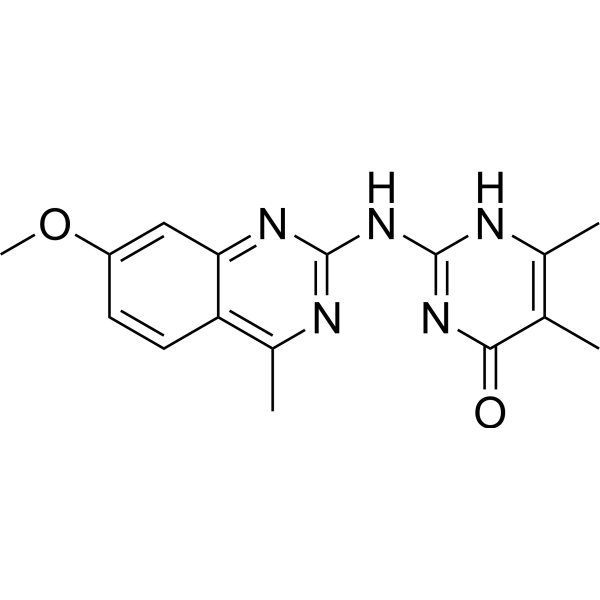
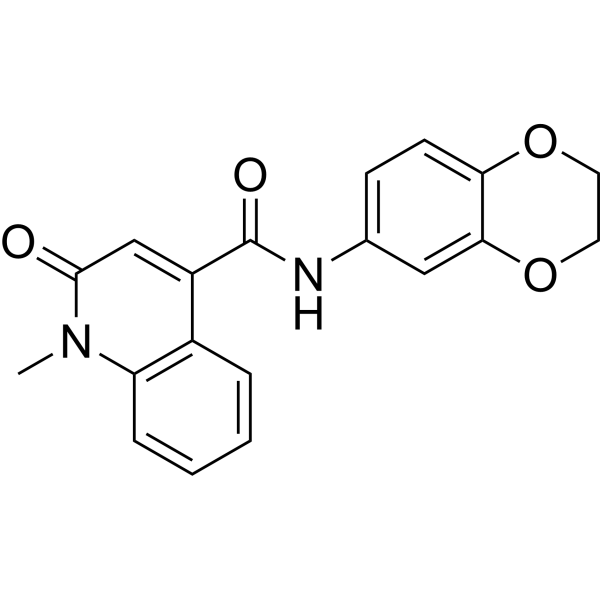
Madrasin (DDD00107587) is a splicing inhibitor that prevents formation of both splicing intermediates and products in vitro and interferes with one or more early steps in the pathway of spliceosome assembly. Madrasin also can inhibit pre-mRNA splicing in vitro and modify splicing of endogenous pre-mRNA in cells.
Nos produits utilisent uniquement pour la recherche. Nous ne vendons pas aux patients.
- Pureté : 99.75%
- CAS No.: 374913-63-0
- Formule: C16H17N5O2
- Masse moléculaire:311.34
-
Stockage:Powder -20°C, 3 years , 4°C, 2 years ; In solvent -80°C, 2 years , -20°C, 1 year

To place orders, for customer services and technical support, please contact: MedChemExpress USA
Tel: 609-228-6898 E-mail: [email protected] [email protected]


-
 Activité biologique
-
Chemical Information
-
Solvant et solubilité
- Protocole
- Pureté et documentation
- Références
-
 Help & FAQs


-
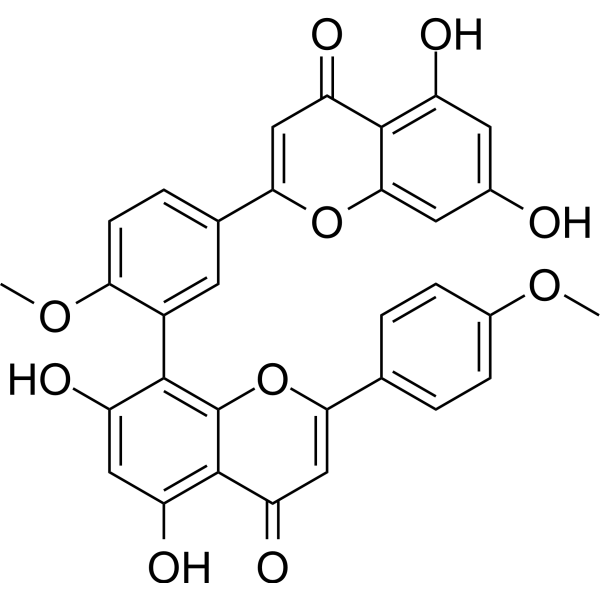
HY-N2117
Isoginkgetinpre-mRNA Splicing Inhibitor -
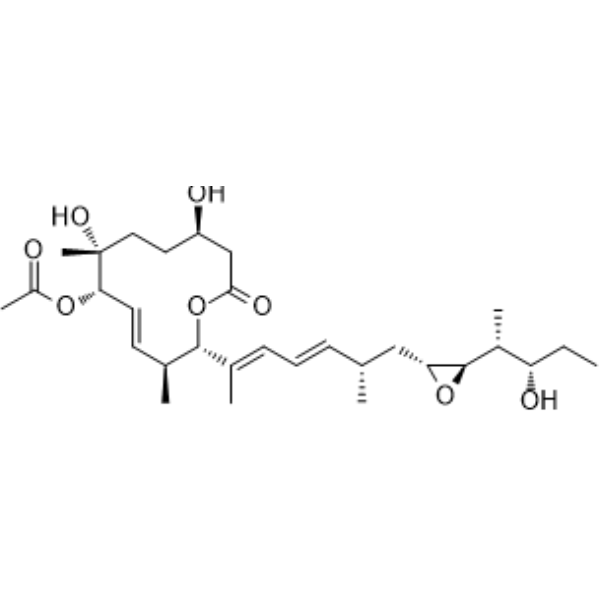
HY-16399
Pladienolide BSplicing Inhibitor -
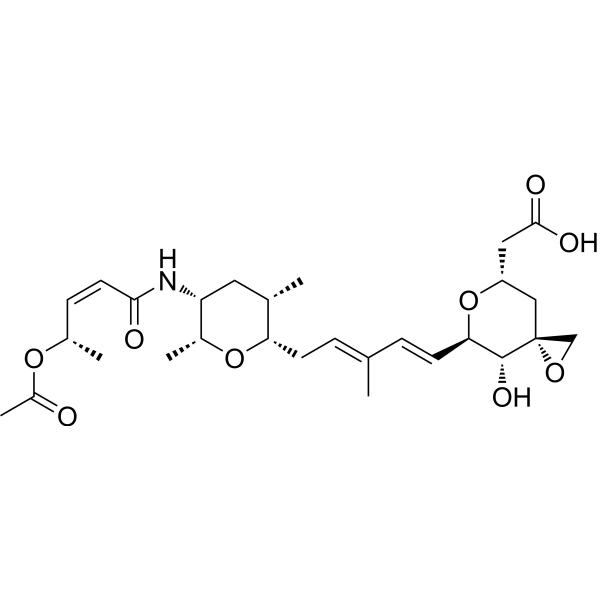
HY-129589
Thailanstatin ARNA Splicing Inhibitor -
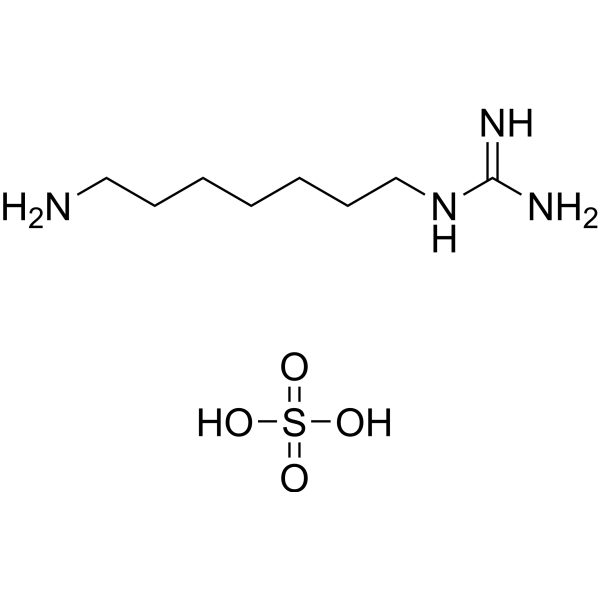
HY-108314A
GC7 SulfateDHPS Inhibitor -
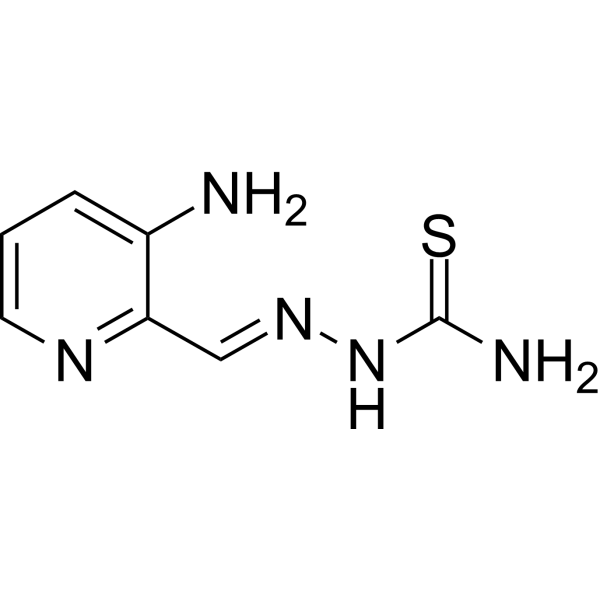
HY-10082
TriapineRibonucleotide Reductase Inhibitor -
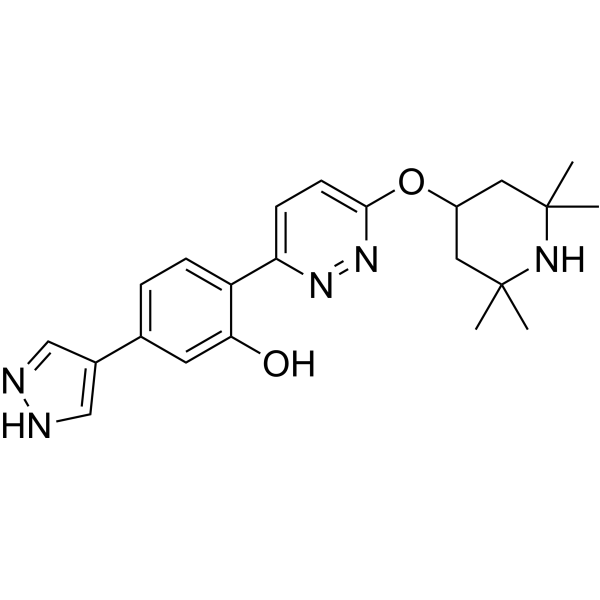
HY-19620
BranaplamSMN2 Splicing Modulator -
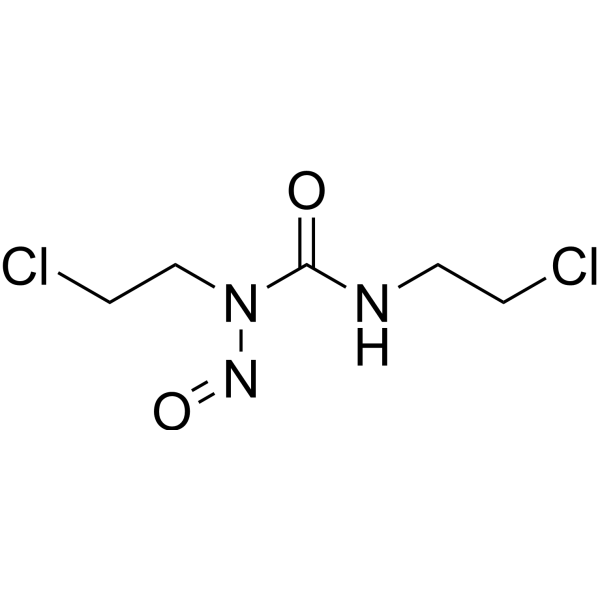
HY-13585
CarmustineDNA/RNA Alkylator -
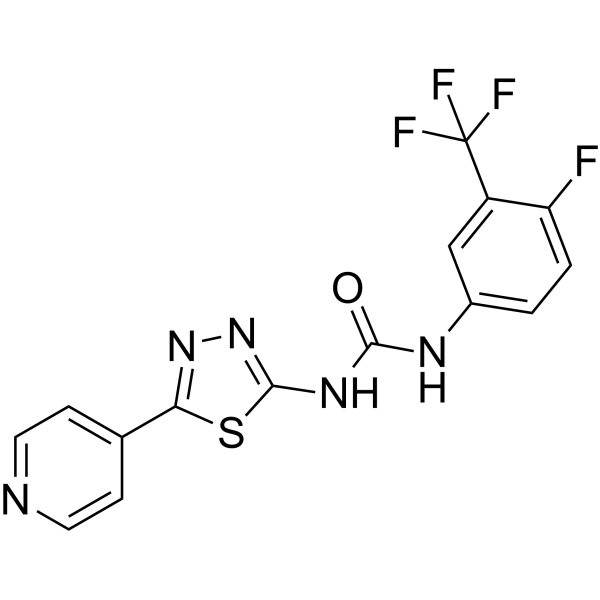
HY-12342
ML216BLM Helicase Inhibitor -
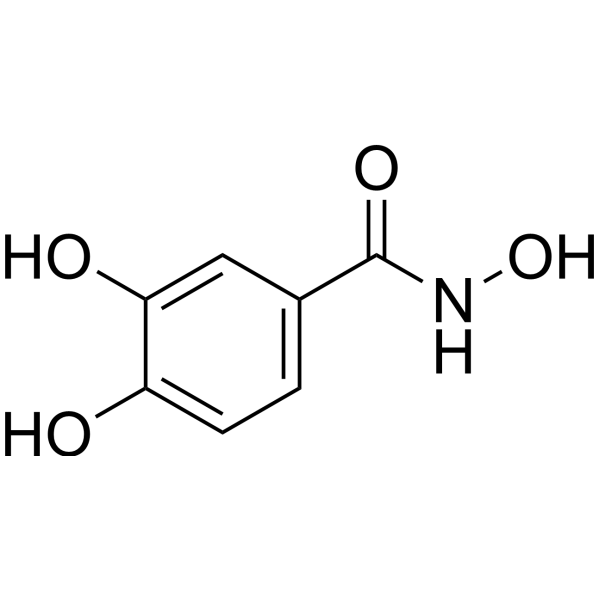
HY-19387
DidoxDNA/RNA Synthesis Inhibitor -
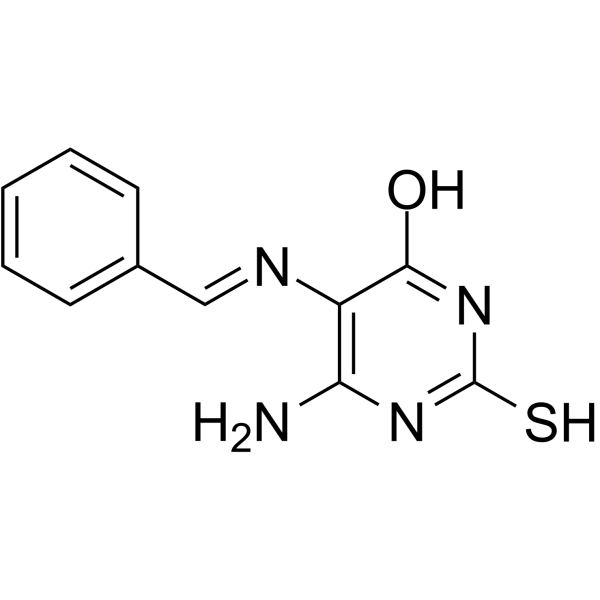
HY-15588
L189DNA Ligase Inhibitor -
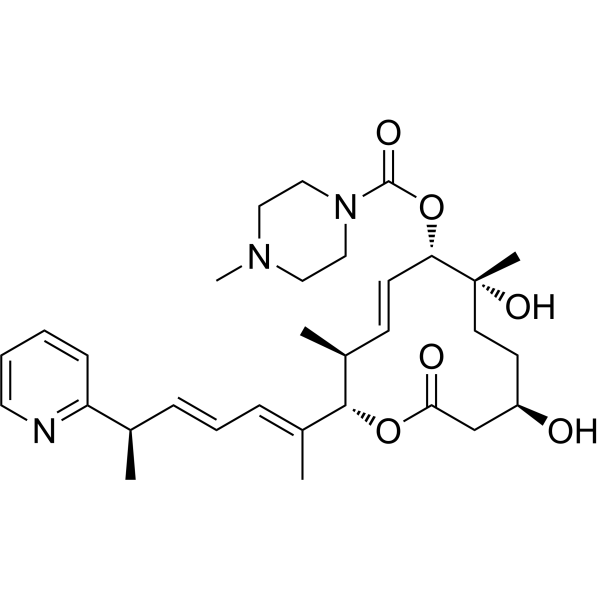
HY-111517
H3B-8800SF3B Aplicing Modulator -
HY-101088
CeMMEC13TAF1 Inhibitor
Publications Citing Use of MedChemExpress (MCE) Madrasin
More- Mol Cell. 2025 Apr 17:S1097-2765(25)00307-7. [Abstract]
- Nucleic Acids Res. 2023 Aug 25;51(15):7951-7971. [Abstract]
- Nucleic Acids Res. 2019 Sep 5;47(15):8239-8254. [Abstract]
- Theranostics. 2022 Jul 11;12(12):5451-5469. [Abstract]
- Cell Rep. 2025 Dec 5;44(12):116659. [Abstract]
- J Mol Med (Berl). 2019 Aug;97(8):1183-1193. [Abstract]
- Biol Reprod. 2025 Jun 15;112(6):1086-1099. [Abstract]
 Customer Validation & Images

-
WB
-
WB
-
IF
Voir tous les produits spécifiques à Isoform DNA/RNA Synthesis
More

Activité biologique
Description
IC50 & Target
pre-mRNA splicing[1]
Cellular Effect
|
Cell Line

|
Type | Value | Description | References |
|---|---|---|---|---|
| HeLa | EC50 |
20 μM
Compound: Madrasin
|
Inhibition of CLK mediated SF3B1 activation in human HeLa cells assessed as MDM2-pre mRNA exon skipping by luciferase reporter gene assay
Inhibition of CLK mediated SF3B1 activation in human HeLa cells assessed as MDM2-pre mRNA exon skipping by luciferase reporter gene assay
|
[PMID: 28049589] |
In Vitro
Madrasin (10-30 μM; 4-24 hours; HeLa cells) treatment inhibits the splicing of each of the RIOK3, BRD2, and Hsp40, MCL1, CCNA2, AURKA and p27 pre-mRNAs in both HeLa and HEK293 cells[1].
Madrasin (10-30 μM; 4-24 hours; HeLa and HEK293 cells) treatment shows a dose- and time-dependent inhibitory effect on cell cycle progression[1].
MedChemExpress (MCE) has not independently confirmed the accuracy of these methods. They are for reference only.
-
Cell Line:HeLa cells
-
Concentration:10 μM, 20 μM, or 30 μM
-
Incubation Time:4 hours, 8 hours, or 24 hours
-
Result:Increased in inhibition of pre-mRNA splicing.
-
Cell Line:HeLa and HEK293 cells
-
Concentration:10 μM, 20 μM, or 30 μM
-
Incubation Time:4 hours, 8 hours, or 24 hours
-
Result:In the presence of 10 μM 8 hours after treatment, the proportion of cells in G2, M, and S phases increased, with a concomitant decrease in the number of G1 phase cells. This effect increased over time, with >40% of cells in G2 and M phase and >50% in S phase 24 hours.


Chemical Information
-
CAS No. 374913-63-0
-
Appearance Solid
-
Masse moléculaire 311.34
-
Formule C16H17N5O2
-
Color White to light yellow
-
SMILES
O=C1N=C(NC2=NC(C)=C3C=CC(OC)=CC3=N2)NC(C)=C1C
-
Synonyms
DDD00107587
-
Livraison
Room temperature in continental US; may vary elsewhere.
-
Stockage
Powder -20°C 3 years 4°C 2 years In solvent -80°C 2 years -20°C 1 year


Publications (7)
-
Journal Impact Factor
-
Most Recent
-
Mol Cell
2025 Apr 17:S1097-2765(25)00307-7. PMID: 40267921 -
Nucleic Acids Res
MEN1 is a regulator of alternative splicing and prevents R-loop-induced genome instability through suppression of RNA polymerase II elongation. [Abstract]2023 Aug 25;51(15):7951-7971. PMID: 37395406 -
Nucleic Acids Res
XAB2 depletion induces intron retention in POLR2A to impair global transcription and promote cellular senescence. [Abstract]2019 Sep 5;47(15):8239-8254. PMID: 31216022
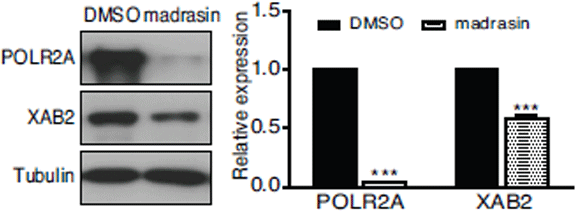
Madrasin purchased from MedChemExpress. Usage Cited in: Nucleic Acids Res. 2019 Sep 5;47(15):8239-8254. [Abstract]
Western blot shows loss of POLR2A protein in Madrasin-treated cells. Cells are harvested after Madrasin treatment (30 μM) for 24 h.
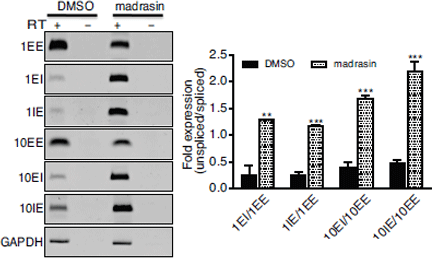
Madrasin purchased from MedChemExpress. Usage Cited in: Nucleic Acids Res. 2019 Sep 5;47(15):8239-8254. [Abstract]
Madrasin treatment leads to decrease of spliced POLR2A transcripts and accumulation of unspliced transcripts.
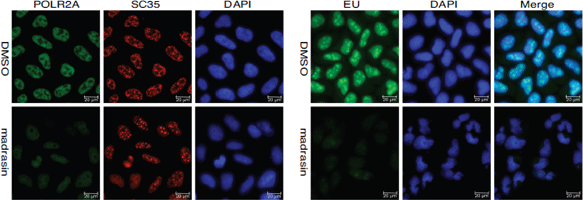
Madrasin purchased from MedChemExpress. Usage Cited in: Nucleic Acids Res. 2019 Sep 5;47(15):8239-8254. [Abstract]
IF staining shows the loss of POLR2A protein after madrasin treatment. IF staining of POLR2A is performed after 24 h of Madrasin treatment at 30 uM. EU incorporation assay shows substantial reduction of newly transcribed RNA after Madrasin treatment. Assay is performed after 24 h of Madrasin treatment (30 μM).
-
Theranostics
Targeting the splicing factor NONO inhibits GBM progression through GPX1 intron retention. [Abstract]2022 Jul 11;12(12):5451-5469. PMID: 35910786 -
Cell Rep
circATF6 triggers calcium overload to synergize with EGFR-TKI in non-small cell lung cancer via modulation of proteostasis. [Abstract]2025 Dec 5;44(12):116659. PMID: 41351835 -
J Mol Med (Berl)
2019 Aug;97(8):1183-1193. PMID: 31201471 -
Biol Reprod
RNA splicing and alternative polyadenylation profile during sheep zygotic genome activation†. [Abstract]2025 Jun 15;112(6):1086-1099. PMID: 40156116


Solvant et solubilité
In Vitro:
Ethanol : 2 mg/mL (6.42 mM; ultrasonic and warming and heat to 60°C)
DMSO : 2 mg/mL (6.42 mM; ultrasonic and warming and heat to 60°C; Hygroscopic DMSO has a significant impact on the solubility of product, please use newly opened DMSO)
Please refer to the solubility information to select the appropriate solvent. Once prepared, please aliquot and store the solution to prevent product inactivation from repeated freeze-thaw cycles.
Storage method and period of stock solution: -80°C, 2 years; -20°C, 1 year. When stored at -80°C, please use it within 2 years. When stored at -20°C, please use it within 1 year.
Please refer to the solubility information to select the appropriate solvent. Once prepared, please aliquot and store the solution to prevent product inactivation from repeated freeze-thaw cycles.
Storage method and period of stock solution: -80°C, 2 years; -20°C, 1 year. When stored at -80°C, please use it within 2 years. When stored at -20°C, please use it within 1 year.
Concentration (start) × Volume (start) = Concentration (final) × Volume (final)
In Vivo:
Select the appropriate dissolution method based on your experimental animal and administration route.
- For the following dissolution methods, please ensure to first prepare a clear stock solution using an In Vitro approach and then sequentially add co-solvents:
- To ensure reliable experimental results, the clarified stock solution can be appropriately stored based on storage conditions. As for the working solution for In Vivo experiments, it is recommended to prepare freshly and use it on the same day.
- The percentages shown for the solvents indicate their volumetric ratio in the final prepared solution. If precipitation or phase separation occurs during preparation, heat and/or sonication can be used to aid dissolution.
Add each solvent one by one: 10% EtOH 40% PEG300 5% Tween-80 45% Saline
Solubility: ≥ 0.5 mg/mL (1.61 mM); Clear solution
This protocol yields a clear solution of ≥ 0.5 mg/mL (saturation unknown).
Taking 1 mL working solution as an example, add 100 μL EtOH stock solution (5.0 mg/mL) to 400 μL PEG300, and mix evenly; then add 50 μL Tween-80 and mix evenly; then add 450 μL Saline to adjust the volume to 1 mL.
Preparation of Saline: Dissolve 0.9 g sodium chloride in ddH₂O and dilute to 100 mL to obtain a clear Saline solution.
Add each solvent one by one: 10% EtOH 90% Corn Oil
Solubility: ≥ 0.5 mg/mL (1.61 mM); Clear solution
This protocol yields a clear solution of ≥ 0.5 mg/mL (saturation unknown). If the continuous dosing period exceeds half a month, please choose this protocol carefully.
Taking 1 mL working solution as an example, add 100 μL EtOH stock solution (5.0 mg/mL) to 900 μL Corn oil, and mix evenly.
For the following dissolution methods, please prepare the working solution directly:
It is recommended to prepare fresh solutions and use them promptly within a short period of time.
The percentages shown for the solvents indicate their volumetric ratio in the final prepared solution. If precipitation or phase separation occurs during preparation, heat and/or sonication can be used to aid dissolution.
Add each solvent one by one: 0.5% CMC-Na/saline water
Solubility: 12.5 mg/mL (40.15 mM); Suspended solution; Need ultrasonic
In Vivo Dissolution Calculator
Please enter the basic information of animal experiments:
-
-
-
-
Recommended: Prepare an additional quantity of animals to account for potential losses during experiments.
Please enter your animal formula composition:
-
%DMSO +
Recommended: Keep the proportion of DMSO in working solution below 2% if your animal is weak.
-
%+
-
+%Tween-80 + +
-
%Saline +
The co-solvents required include: DMSO, . All of co-solvents are available by MedChemExpress (MCE). , Tween 80. All of co-solvents are available by MedChemExpress (MCE).
Working solution concentration: 0.22 mg/mL
Method for preparing stock solution: mg drug dissolved in μL DMSO. Stock solution concentration: mg/mL.
1. Take μL DMSO stock solution;
2. Add μL .
μL , mix evenly;
3. Then add μL Tween 80, mix evenly;
4. Then add μL
Please ensure that the stock solution in the first step is dissolved to a clear state, and add co-solvents in sequence. You can use ultrasonic heating (ultrasonic cleaner, recommended frequency 20-40 kHz), vortexing, etc. to assist dissolution.


Pureté et documentation
-
Fiche technique (274 KB)
-
SDS (392 KB)
- English - EN (392 KB)
- Français - FR (392 KB)
- Deutsch - DE (392 KB)
- Norwegian - NO (392 KB)
- Español - ES (392 KB)
- Swedish - SV (392 KB)
- Italian - IT (392 KB)
- Korean - KR (392 KB)
- Portuguese - PT (392 KB)
-
Instruction de manipulation (2659 KB)
Références


Complete Stock Solution Preparation Table
Please refer to the solubility information to select the appropriate solvent. Once prepared, please aliquot and store the solution to prevent product inactivation from repeated freeze-thaw cycles.
Storage method and period of stock solution: -80°C, 2 years; -20°C, 1 year. When stored at -80°C, please use it within 2 years. When stored at -20°C, please use it within 1 year.
| Optional Solvent | Concentration Solvent Mass | 1 mg | 5 mg | 10 mg | 25 mg |
|---|---|---|---|---|---|
| Ethanol / DMSO | 1 mM | 3.2119 mL | 16.0596 mL | 32.1192 mL | 80.2981 mL |
| 5 mM | 0.6424 mL | 3.2119 mL | 6.4238 mL | 16.0596 mL |


Madrasin Related Classifications
HY-100236 Related Classifications
 Powered by Bioz