173 Results for "

DNA complex

" in MedChemExpress (MCE) Product Catalog:
Products (173)

173 Results for "DNA complex" in MCE Product Catalog:

188
188 Publications Verification
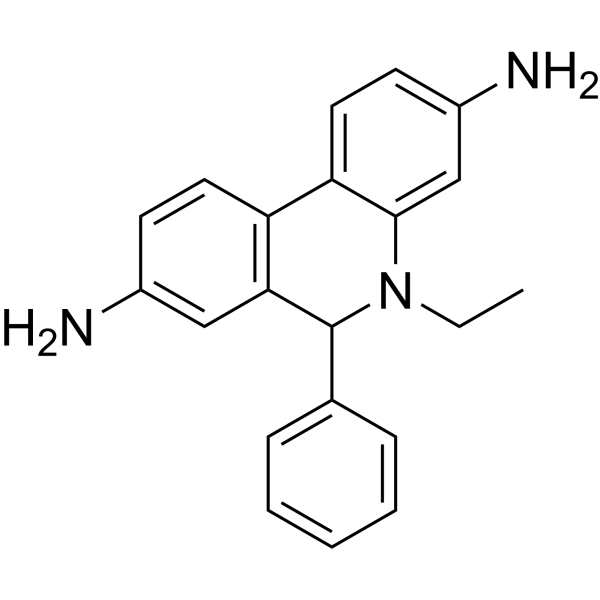
Art. -Nr.: HY-D0079
CAS. Nr.: 104821-25-2
Synonyms: Hydroethidine; PD-MY 003
Dihydroethidium, also known as DHE, is a peroxide indicator. Dihydroethidium penetrates cell membranes to form a fluorescent protein complex with blue fluoresces. After entering the cells, Dihydroethidium is mainly localized in the cell membrane, cytoplasm and nucleus, and the staining effect is the strongest in the nucleus. Dihydroethidium produces inherent blue fluorescence with a maximum excitation wavelength of 370 nm and a maximum emission wavelength of 420 nm; after dehydrogenation, Dihydroethidium combines with RNA or DNA to produce red fluorescence with a maximum excitation wavelength of 300 nm and a maximum emission wavelength of 610 nm. 535 nm can also be used as the excitation wavelength for actual observation .
loading...
    loading...
81
81 Cited Publications
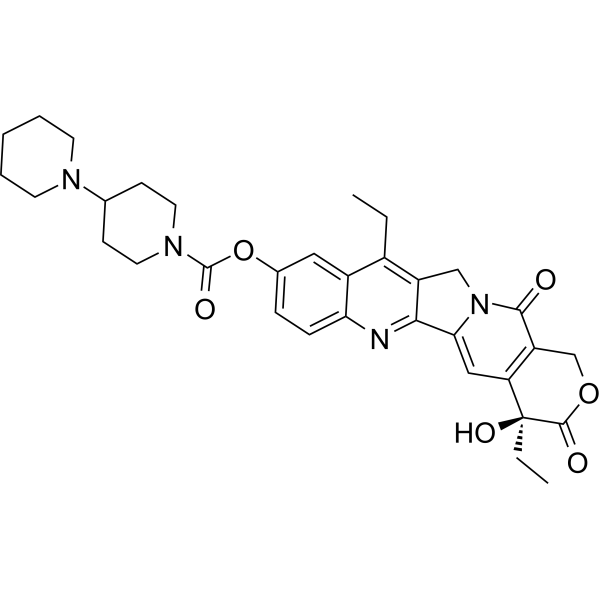
Art. -Nr.: HY-16562
CAS. Nr.: 97682-44-5
Synonyms: (+)-Irinotecan; CPT-11; VAL-413free base
Target:  

Topoisomerase Autophagy

Forschungsgebiete:  

Neurological Disease Cancer

Irinotecan ((+)-Irinotecan) is a topoisomerase I inhibitor, preventing religation of the DNA strand by binding to topoisomerase I-DNA complex .
loading...
    loading...
20
20 Cited Publications
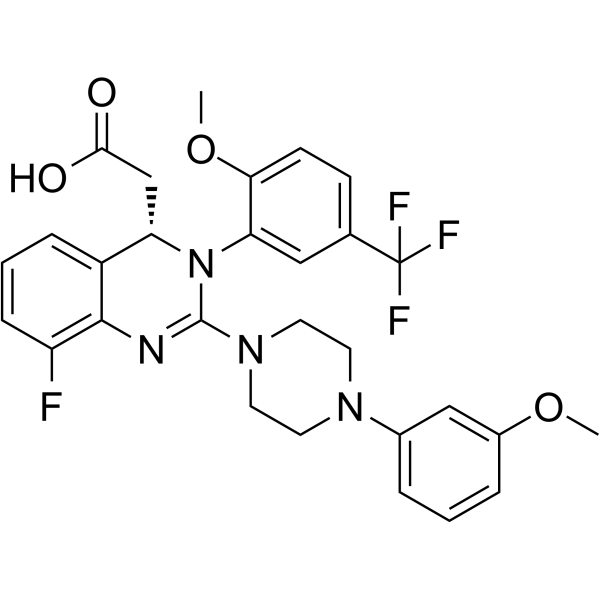
Art. -Nr.: HY-15233
CAS. Nr.: 917389-32-3
Reinheit:  99.96%
Synonyms: AIC246; MK-8228
Target:  

CMV

Forschungsgebiete:  

Infection Cancer

Letermovir (AIC246) is a potent inhibitor of CMV, which targets the viral terminase complex and remains active against virus resistant to DNA polymerase inhibitors.
loading...
    loading...
19
19 Cited Publications
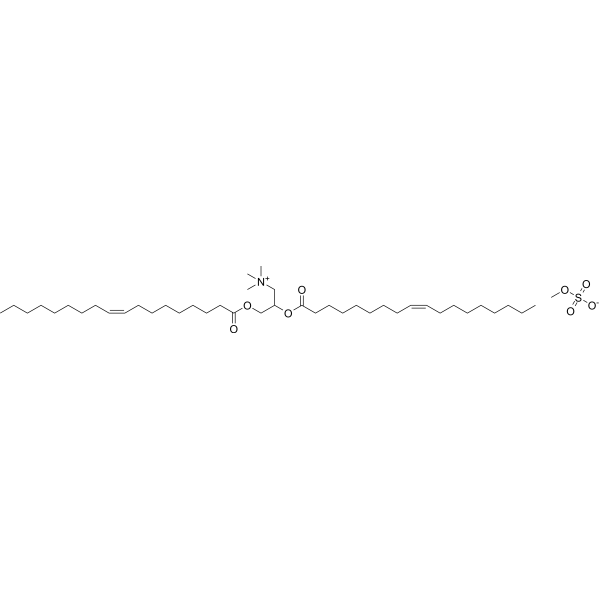
Art. -Nr.: HY-W127378
CAS. Nr.: 144189-73-1
Synonyms: 1,2-Dioleoyl-3-trimethylammonium-propane methylsulfate
DOTAP methylsulfat is a cationic lipid reagent, a cationic derivative of trimethylammonium, linked to two 18-carbon fatty acid tails, each with a single olefin group. DOTAP methylsulfat can self-assemble with negatively charged ions (such as DNA) to form complexes, which can be adsorbed to the cell membrane surface and enter the cell by electrostatic interaction and endocytosis, respectively. DOTAP methylsulfat promotes endosomal membrane fusion with its own hydrophobic domain, releases DNA into the cytoplasm, and exerts gene delivery function. DOTAP methylsulfat can be widely used in research fields such as gene therapy, cell transfection, and non-viral vector design .
loading...
    loading...
11
11 Cited Publications
Art. -Nr.: HY-103713
CAS. Nr.: 1423715-37-0
Reinheit:  99.77%
Synonyms: SP-2577
Target:  

Histone Demethylase

Forschungsgebiete:  

Cancer

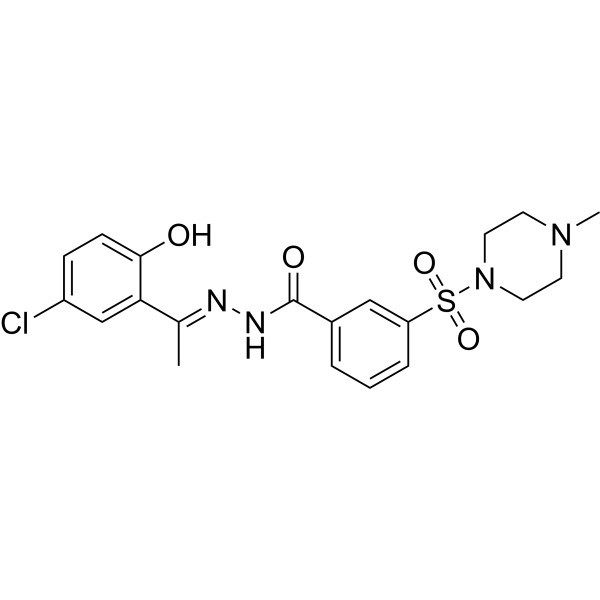
Seclidemstat is a potent noncompetitive and reversible KDM1A (LSD1) inhibitor (Ki=31 nM, IC50=13 nM). Seclidemstat promotes antitumor immunity in switch/sucrose nonfermentable (SWI/SNF) complex mutated ovarian cancer, as well as inhibit virus production, viral DNA replication, and late gene expression. Seclidemstat can be used for the research of Ewing Sarcoma .
loading...
    loading...
11
11 Cited Publications
Art. -Nr.: HY-103713A
CAS. Nr.: 2044953-70-8
Reinheit:  99.80%
Synonyms: SP-2577 mesylate
Target:  

Histone Demethylase

Forschungsgebiete:  

Cancer

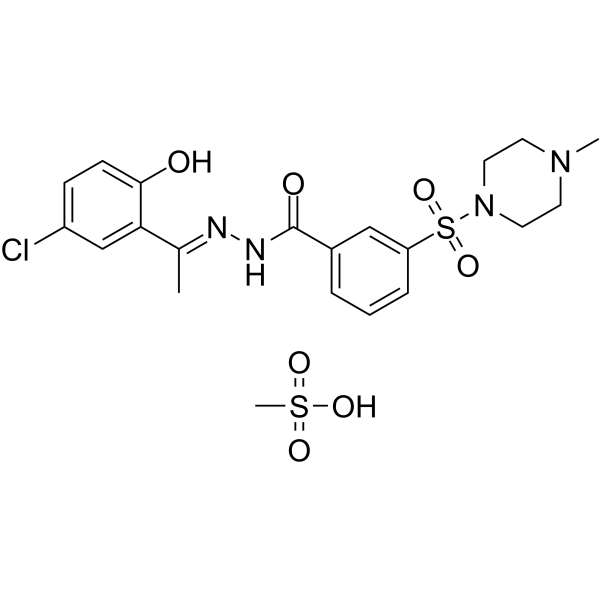
Seclidemstat (SP-2577) mesylate is a potent noncompetitive and reversible KDM1A (LSD1) inhibitor (Ki=31 nM, IC50=13 nM). Seclidemstat mesylate promotes antitumor immunity in switch/sucrose nonfermentable (SWI/SNF) complex mutated ovarian cancer, as well as inhibit virus production, viral DNA replication, and late gene expression. Seclidemstat mesylate can be used for the research of Ewing Sarcoma .
loading...
    loading...
10
10 Cited Publications
Art. -Nr.: HY-19959
CAS. Nr.: 1198097-97-0
Target:  

ATM/ATR Apoptosis

Forschungsgebiete:  

Cancer

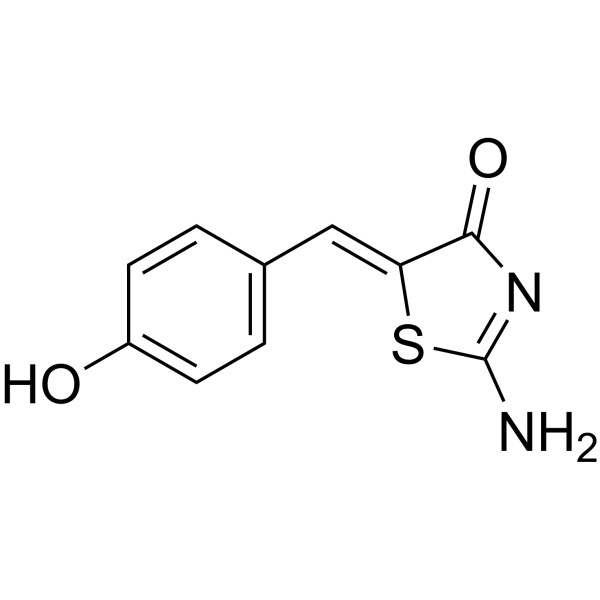
Mirin is a potent Mre11-Rad50-Nbs1 (MRN) complex inhibitor. Mirin prevents MRN-dependent activation of ATM (IC50=12 μM) without affecting ATM protein kinase activity, and it inhibits Mre11-associated exonuclease activity. Mirin abolishes the G2/M checkpoint and homology-dependent repair in mammalian cells. Mirin prevents ATM activation in response to DNA double-strand breaks (DSBs) and blocks homology-directed repair (HDR) in mammalian cells .
loading...
    loading...
8
8 Cited Publications
Art. -Nr.: HY-135797A
CAS. Nr.: 2369663-93-2
Reinheit:  ≥98.0%
Target:  

Apoptosis

Forschungsgebiete:  

Cancer

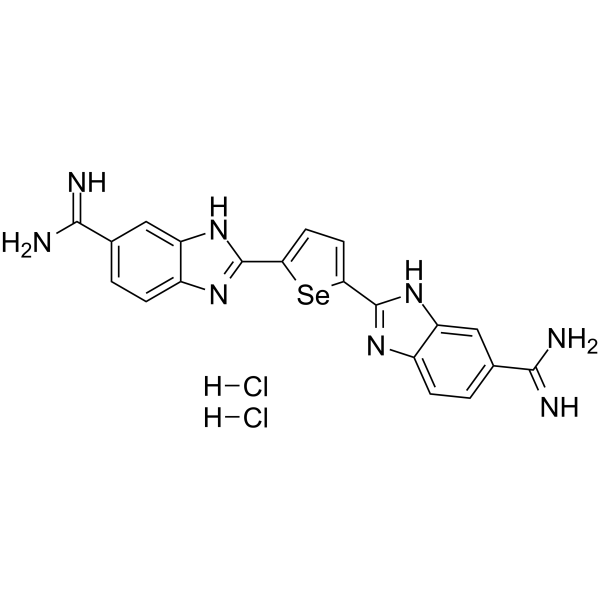
DB1976 dihydrochloride is a selenophene analog of DB270 and a potent and cell-permeable fully efficacious transcription factor PU.1 inhibitor. DB1976 dihydrochloride potently inhibits PU.1 binding (IC50 of 10 nM) and strongly inhibits the PU.1/DNA complex (with high DB1976-λB affinity, KD of 12 nM) in vitro. DB1976 dihydrochloride has apoptosis-inducing effect .
loading...
    loading...
7
7 Cited Publications
Art. -Nr.: HY-156376
CAS. Nr.: 1224195-72-5
Reinheit:  99.99%
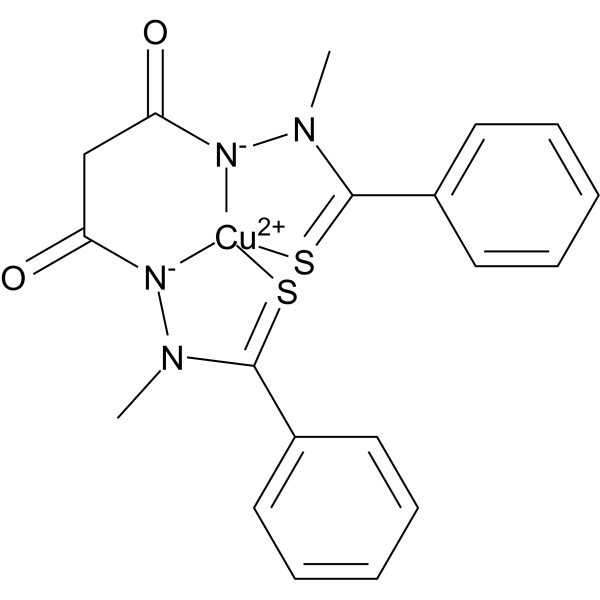
Cu(II)-Elesclomol is a complex formed by Elesclomol (HY-12040) and Cu 2+ (copper ions). Cu(II)-Elesclomol is also a weak inhibitor of DNA topoisomerase I. Cu(II)-Elesclomol exerts anticancer effects by inducing oxidative stress and DNA damage through copper chelation. Cu(II)-Elesclomol can inhibit tumor cell proliferation and induce cell cycle arrest and apoptosis. Cu(II)-Elesclomol can be used in the study of cancer .
loading...
    loading...
4
4 Cited Publications
Art. -Nr.: HY-D0971
CAS. Nr.: 92-32-0
Synonyms: Pyronine G; C.I. 45005
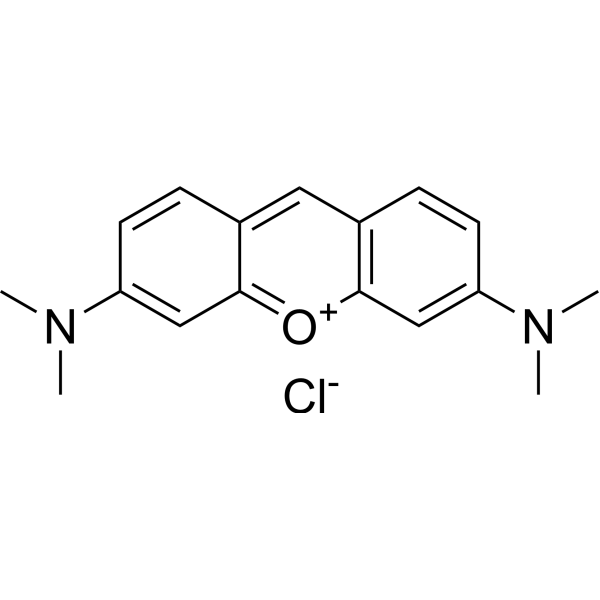
Pyronin Y (Pyronine G) is a cationic dye that intercalates RNA and has been used to target cell structures including RNA, DNA and organelles. Pyronin Y forms fluorescent complexes with double-stranded nucleic acids (especially RNA) enabling semi-quantitative analysis of cellular RNA. Pyronin Y can be used to identify specific RNA subspecies of ribonuclear proteins complexes in live cells .
loading...
    loading...
3
3 Cited Publications
Art. -Nr.: HY-163731
CAS. Nr.: 3077196-25-6
EGR-1-IN-1 is a EGR-1 inhibitor with an IC50 of 1.86 μM. EGR-1-IN-1 binds to the zinc finger DNA-binding domain of EGR-1 and promotes the dissociation of the EGR-1-DNA complex. EGR-1-IN-1 reduces the mRNA expression levels of EGR-1-regulated inflammatory genes induced by TNFα. EGR-1-IN-1 alleviates atopic dermatitis-like lesions in the ear skin of mice. EGR-1-IN-1 serves as a lead compound for the development of targeted compounds for inflammatory skin diseases. EGR-1-IN-1 can be used in studies related to atopic dermatitis .
loading...
    loading...
3
3 Cited Publications
Art. -Nr.: HY-128933
CAS. Nr.: 72957-42-7
Reinheit:  ≥97.0%
Synonyms: Adenylyl-imidodiphosphate tetralithium
Target:  

Potassium Channel

Forschungsgebiete:  

Metabolic Disease

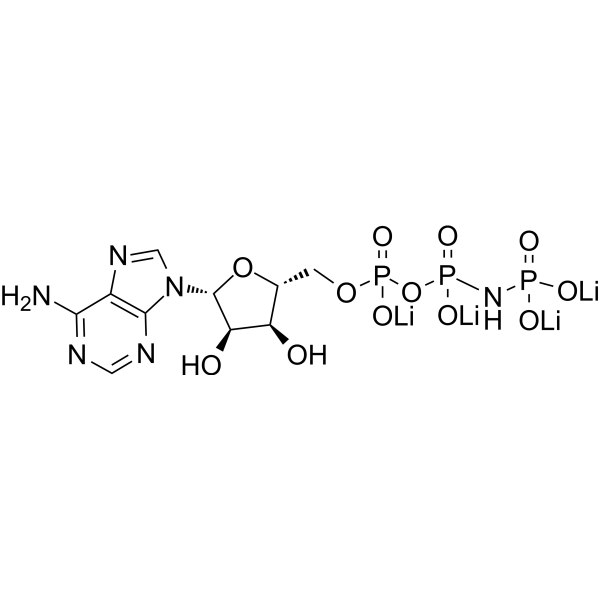
AMP-PNP (Adenylyl-imidodiphosphate) tetralithium is a non-hydrolyzable ATP analog. AMP-PNP tetralithium binds to ATP binding sites competely but is not hydrolyzed by enzymes, providing stable experimental conditions for studying ATP-dependent processes. AMP-PNP tetralithium can also be used to study enzyme activity, kinase regulation, DNA/RNA metabolism, ion channel function, and protein complex assembly .
loading...
    loading...
3
3 Cited Publications
Art. -Nr.: HY-130777A
Reinheit:  ≥94.0%
Synonyms: Adenylyl imidodiphosphate lithium hydrate
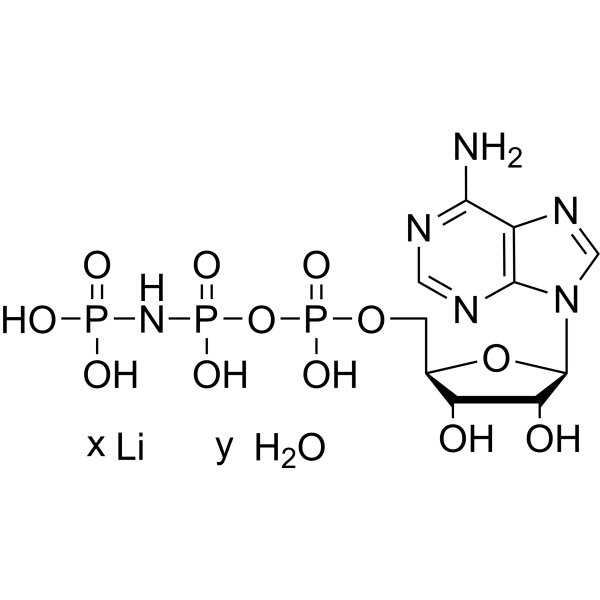
AMP-PNP (Adenylyl imidodiphosphate) lithium hydrate is a non-hydrolyzable ATP analog. AMP-PNP lithium hydrate binds to ATP binding sites competely but is not hydrolyzed by enzymes, providing stable experimental conditions for studying ATP-dependent processes. AMP-PNP lithium hydrate can also be used to study enzyme activity, kinase regulation, DNA/RNA metabolism, ion channel function, and protein complex assembly .
loading...
    loading...
3
3 Cited Publications
Art. -Nr.: HY-13721
CAS. Nr.: 81267-65-4
Reinheit:  99.89%
Synonyms: Idronoxil; Dehydroequol; Haginin E
Forschungsgebiete:  

Cancer

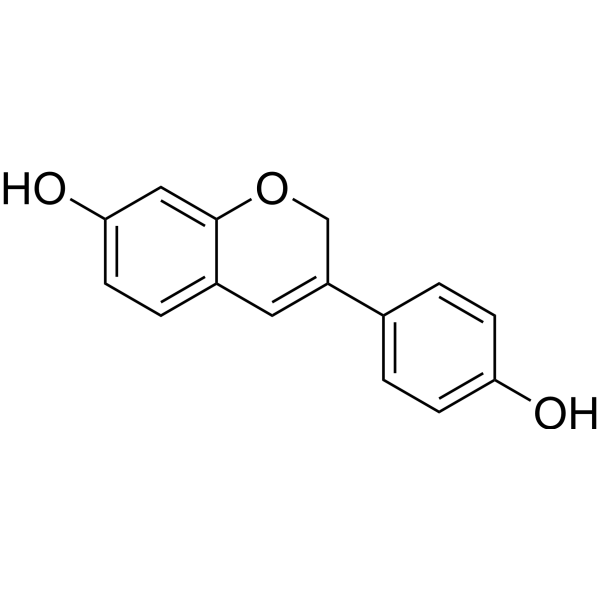
Phenoxodiol (Idronoxil), a synthetic analog of Genestein, activates the mitochondrial caspase system, inhibits XIAP (an apoptosis inhibitor), and sensitizes the cancer cells to Fas-mediated apoptosis. Phenoxodiol also inhibits DNA topoisomerase II by stabilizing the cleavable complex. Phenoxodiol induces cell cycle arrest in the G1/S phase of the cell cycle and upregulates p21 WAF1 via a p53 independent manner .
loading...
    loading...
1
1 Cited Publications
Art. -Nr.: HY-B0278
CAS. Nr.: 1405-89-6
Synonyms: Zinc bacitracin
Forschungsgebiete:  

Infection

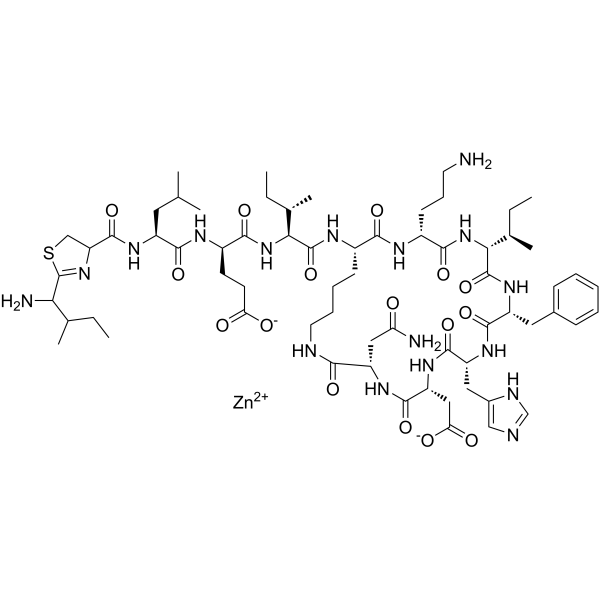
Bacitracin Zinc is a complex formed by the binding of Bacitracin (HY-107193) with zinc ions. Bacitracin Zinc is an orally active polypeptide antibiotic with bactericidal properties. Bacitracin Zinc can cause DNA and deoxyribose damage, as well as improve the gut microbiota of broiler and beef cattle .
loading...
    loading...
1
1 Cited Publications
Art. -Nr.: HY-W009216
CAS. Nr.: 1032-65-1
Synonyms: 5'-dCMP; Deoxy-CMP; 2'-Deoxycytidine-5'-monophosphoric acid
Target:  

DNA/RNA Synthesis

Forschungsgebiete:  

Infection

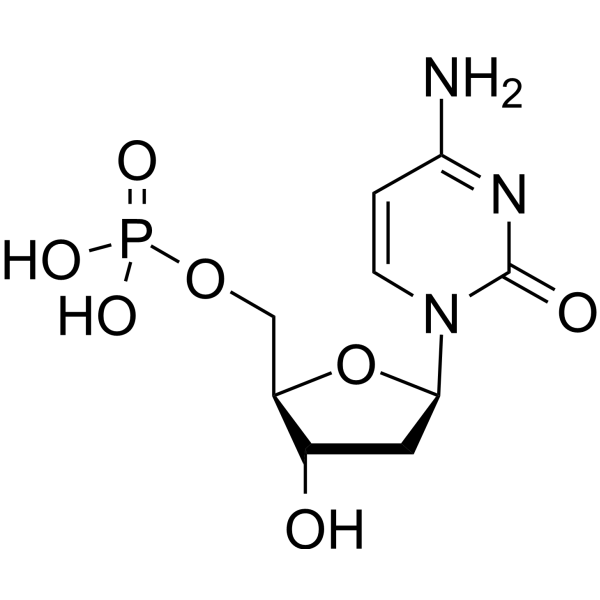
2'-Deoxycytidine-5'-monophosphate (5'-dCMP) is a compound that binds to the adenovirus terminal protein with a molecular weight of 80000 daltons. 2'-Deoxycytidine-5'-monophosphate forms a covalent complex with this protein and is associated with adenovirus DNA replication .
loading...
    loading...
1
1 Cited Publications
Art. -Nr.: HY-N10470
CAS. Nr.: 11116-32-8
Synonyms: Pingyangmycin
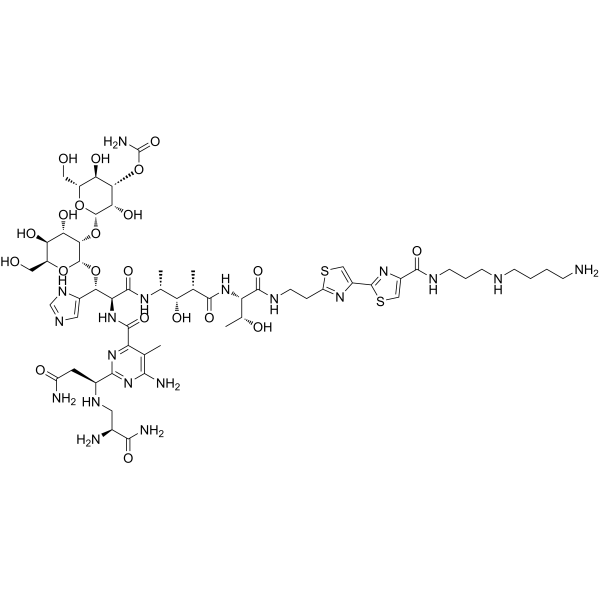
Bleomycin A5 (Pingyangmycin) is a glycopeptide antibiotic with multiple biological activities, which can be isolated from Streptomyces. Bleomycin A5 exerts cytotoxic effects by binding to Fe 2+ to form a complex, inducing single-strand and double-strand DNA breaks, and inhibiting DNA replication. Bleomycin A5 inhibits Drp1-mediated mitochondrial fission and suppresses PINK1/Parkin pathway-mediated mitophagy, ultimately triggering mitochondria-mediated cellular apoptosis. Bleomycin A5 can be used in cancer research .
loading...
    loading...
1
1 Cited Publications
Art. -Nr.: HY-W014837
CAS. Nr.: 15471-17-7
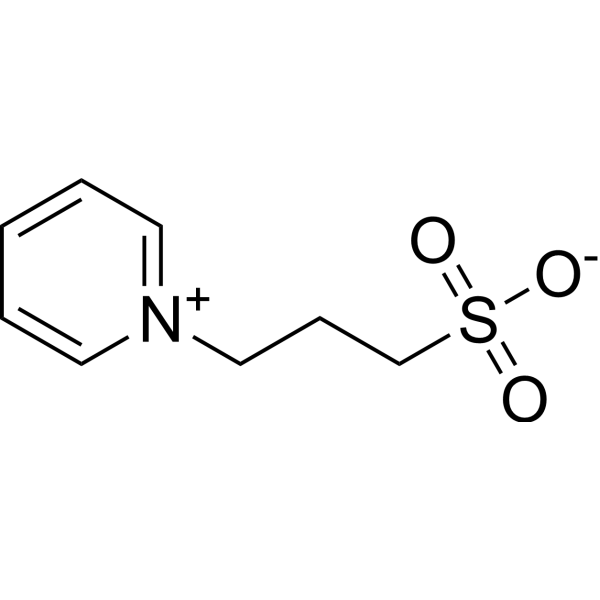
Synonyms: 3-(1-Pyridinio)-1-propanesulfonate
NDSB-201 consists of a pyridine group attached to a propane chain, which in turn is attached to a sulfonate group. This compound is commonly used as a buffer in biochemical and biological research, especially in electrophoretic applications. It maintains a stable pH in aqueous solutions and has low UV absorption, making it suitable for use in the UV spectrum. Furthermore, due to its ability to form stable complexes with DNA and other biomolecules, 3-(pyridin-1-ium-1-yl)propane-1-sulfonate has been investigated for its potential in drug delivery and genetic research.
loading...
    loading...
Art. -Nr.: HY-157941
CAS. Nr.: 2267316-76-5
Reinheit:  99.89%
Forschungsgebiete:  

Cancer

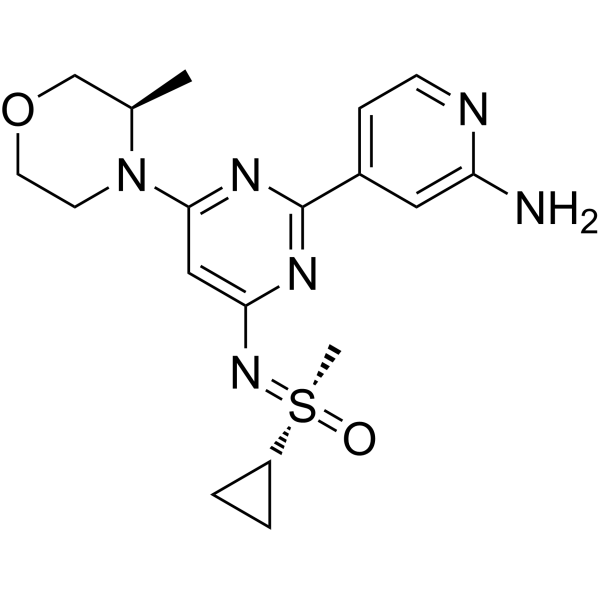
ART0380 is a potent, selective and orally active ATR kinase inhibitor. ART0380 potently inhibits human ATR-ATRIP complex with an IC50 of 51.7 nM. ART0380 binds the ATP pocket of the ATR-ATRIP complex, blocks ATR-dependent Chk1 serine 345 phosphorylation, and induces cell cycle disorder and DNA damage. ART0380 demonstrates potent and selective antitumor activity in preclinical models with varying types of ataxia-telangiectasia mutated (ATM) gene aberrancy. ART0380 can be used for the research of cancer, such as colorectal cancer and prostate cancer .
loading...
    loading...
Art. -Nr.: HY-A0299
CAS. Nr.: 2239-67-0
Synonyms: Tripeptide 29
Target:  

MMP

Forschungsgebiete:  

Inflammation/Immunology

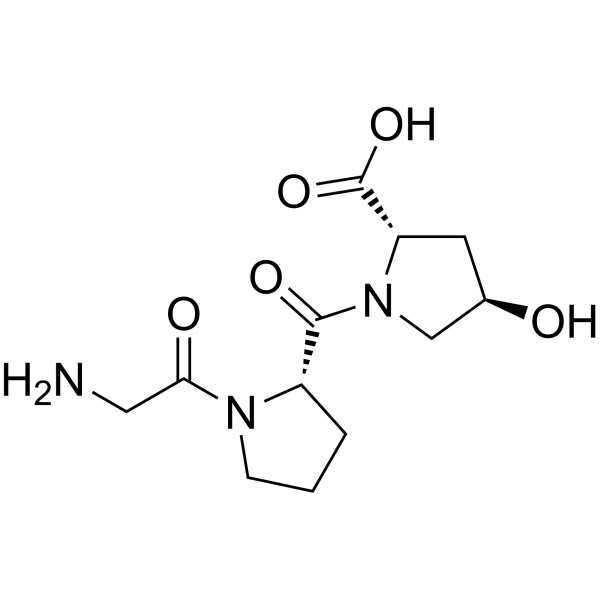
H-Gly-Pro-Hyp-OH is a collagen-derived peptide and also a dipeptidyl peptidase-4 inhibitor.\nH-Gly-Pro-Hyp-OH inhibits the activity of dipeptidyl peptidase-4 in vitro. H-Gly-Pro-Hyp-OH binds to the DNA-binding site of the JUN/FOS complex, blocks the formation of the DNA-JUN/FOS complex, and inhibits transcriptional activity. H-Gly-Pro-Hyp-OH is applicable to research related to skin photoaging, UVB-induced skin aging/photoaging, and thrombosis .
loading...
    loading...

