
362 Results for "

Oxidizing

" in MedChemExpress (MCE) Product Catalog:
Products (362)

362 Results for "Oxidizing" in MCE Product Catalog:

312
312 Publications Verification
Referencia número: HY-D1055
No. CAS: 1003197-00-9
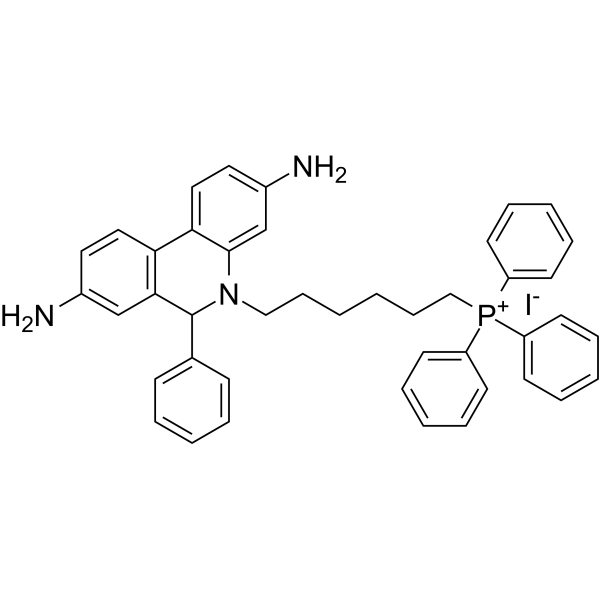
MitoSOX Red is a live cell fluorescent probe that specifically targets mitochondria and is cell membrane permeable. MitoSOX Red enters mitochondria and is oxidized by superoxide but not by other ROS or RNS generating systems. The oxidized MitoSOX Red then binds to nucleic acids in mitochondria/nucleus, producing strong red fluorescence. MitoSOX Red can be used as a fluorescent indicator to specifically detect superoxide. In addition, superoxide dismutase (SOD) can prevent the oxidation of MitoSOX Red.
Excitation/emission wavelength: 510/580 nm.
loading...
    loading...
155
155 Cited Publications
Referencia número: HY-D1301
No. CAS: 217075-36-0
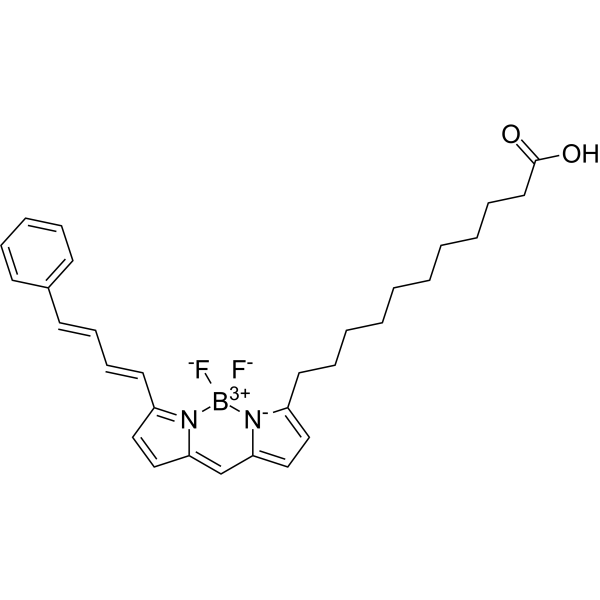
BODIPY 581/591 C11 is a BODIPY borofluoroprene derivative with good light stability and low fluorescence artifacts. BODIPY 581/591 C11 can be used for study lipid peroxidation and antioxidant properties in living cells, or detect ferroptosis by reaction with hydroxyl radicals. BODIPY 581/591 C11 is emitted at 591 nm (reduced prototype), or redshifted to 510 nm (oxidized type). The excitation wavelengths were 581 nm (reduced prototype) and 500 nm (oxidized type) .
loading...
    loading...
51
51 Cited Publications
Referencia número: HY-B0445A
No. CAS: 20111-18-6
Synonyms: β-DPN sodium; β-NAD sodium; β-Nicotinamide Adenine Dinucleotide sodium
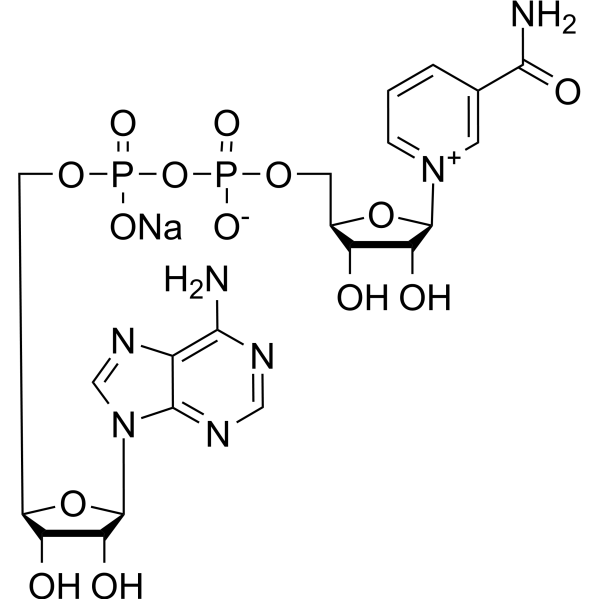
NAD sodium is an orally effective cofactor and homeostatic regulator. NAD sodium can be reduced to β-nicotinamide adenine dinucleotide (NADH) during coupling with reactions that oxidize organic substrates. NAD sodium can be converted to β-nicotinamide adenine dinucleotide (NADH) and passes to the inside of mitochondria, which indirectly generates ATP. NAD sodium can be used for the research of non-alcoholic fatty liver disease, obesity, and glucose intolerance .
loading...
    loading...
45
45 Cited Publications
Referencia número: HY-15917
No. CAS: 3483-12-3
Synonyms: DTT; rel-(2R,3R)-1,4-Dimercapto-2,3-butanediol
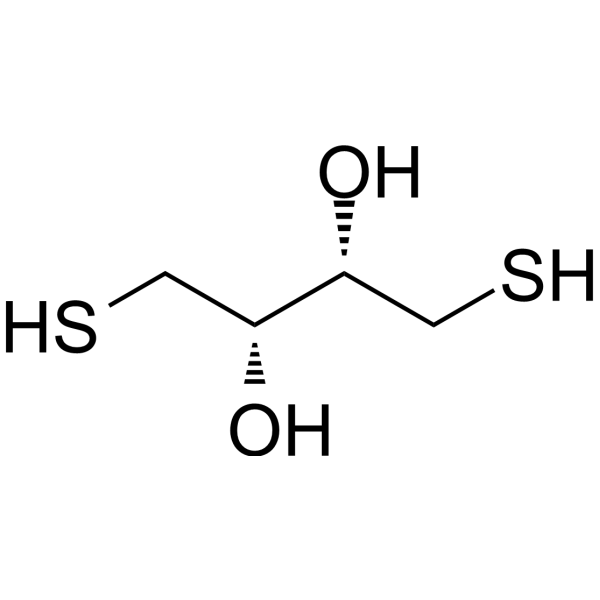
DL-Dithiothreitol (DTT) is a strong reductant with anti-disulfidptosis activity. When DL-Dithiothreitol is oxidized, it forms a stable six-membered ring with an internal disulfide bond .
loading...
    loading...
31
31 Cited Publications
Referencia número: HY-K2005

High Sensitivity ECL Kit enables low picogram detection of antigen by oxidizing luminol in the presence of HRP and peroxide. This reaction produces a prolonged chemiluminescence which can be visualized on X-ray film or digital imaging systems. The 100 mL is defined as the base specification. All larger sizes correspond to incremental volumes of this base.

loading...
    loading...
25
25 Cited Publications
Referencia número: HY-13817
No. CAS: 314245-33-5
Pureza:  99.30%
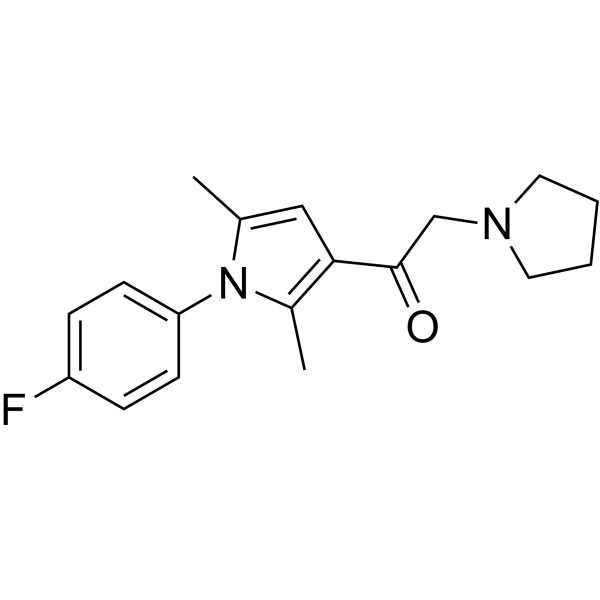
IU1 is a selective, reversible USP14 inhibitor with an IC50 of 4-5 μM. IU1 binds USP14’s catalytic cleft to block deubiquitinase activity. IU1 induces calpain-dependent Tau cleavage, causes ATP deficits, reduces E1~Ub thioester levels and 26S proteasome assembly. IU1 enhances 26S proteasome chymotrypsin-like activity, modulates LC3B-dependent autophagy flux, reduces cancer cell proliferation and migration, and blocks G0/G1 to S phase cell cycle transition in follicular thyroid cancer cells. IU1 activates autophagy-lysosomal and ubiquitin-proteasome pathways, triggers apoptosis, and reduces cervical cancer cell growth. IU1 enhances degradation of proteasome substrates linked to neurodegenerative disease, accelerates oxidized protein degradation, and increases oxidative stress resistance. IU1 can be used for the research of Alzheimer’s disease, follicular thyroid cancer, ischemic stroke, cervical cancer, and neurodegenerative disease .
loading...
    loading...
23
23 Cited Publications
Referencia número: HY-101894
No. CAS: 109244-58-8
Pureza:  99.83%
Synonyms: DHR 123
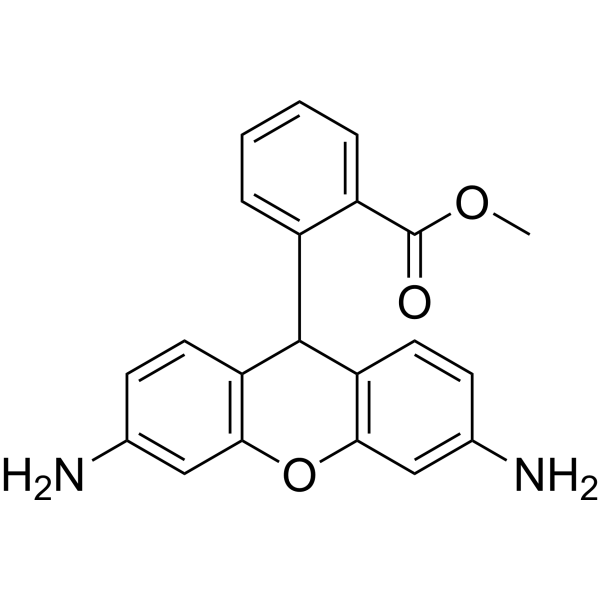
Dihydrorhodamine 123 (DHR 123) is a non-fluorescent reactive oxygen species (ROS) indicator. Dihydrorhodamine 123 is oxidized to fluorescent Rhodamine 123 (HY-D0816) within cells in the presence of reactive oxygen species and it localizes in mitochondria (Ex/Em = 515/536 nm).
loading...
    loading...
16
16 Cited Publications
Referencia número: HY-W001187
No. CAS: 2564-83-2
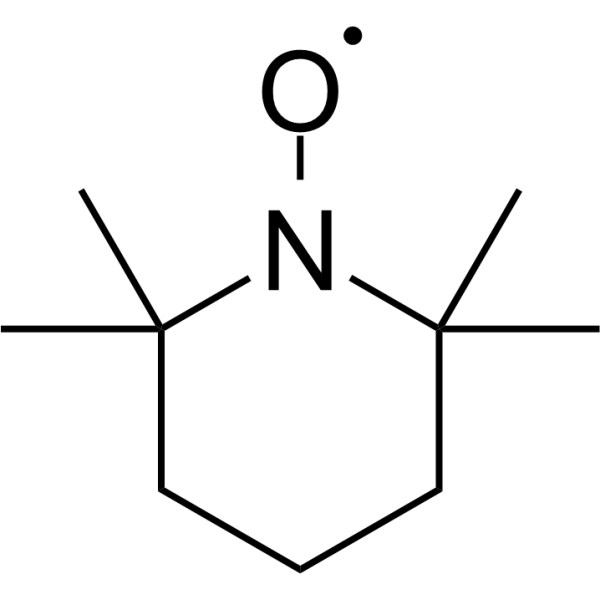
Tempo is a nitric oxide radical and a selective scavenger of ROS in mitochondria. Tempo is also an organocatalyst that disproportionates superoxide and oxidizes primary alcohols to aldehydes in a catalytic cycle. Tempo has mutagenic and antioxidant effects and can induceDNA strand breaks. Tempo also exerts cytotoxic and mutagenic properties in mouse lymphoma cells .
loading...
    loading...
14
14 Cited Publications
Referencia número: HY-129457
No. CAS: 869298-31-7
Pureza:  ≥98.0%
Target:  

Ferroptosis

Áreas de investigación:  

Cancer

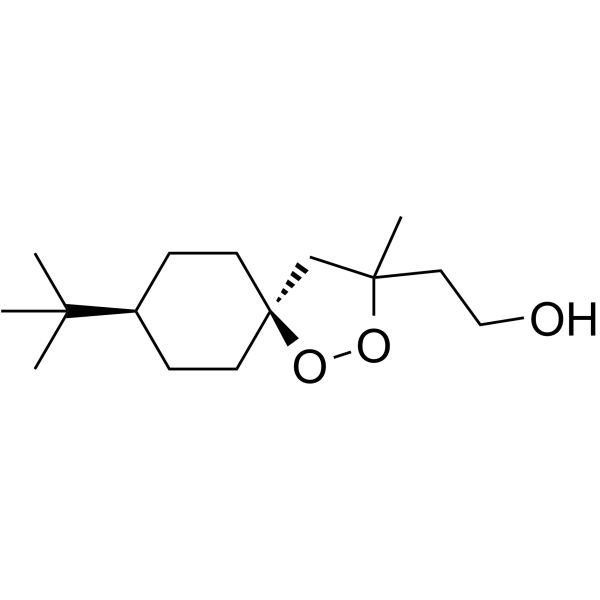
FINO2 is a potent ferroptosis inducer. FINO2 inhibits GPX4 activity. FINO2 is a stable oxidant that oxidizes ferrous iron and stable at varying pH levels. FINO2 causes widespread lipid peroxidation .
loading...
    loading...
14
14 Cited Publications
Referencia número: HY-K0311

MCE GSH/GSSG Assay Kit is suitable for the quantitative determination of reduced and oxidized glutathione (GSH/GSSG) in whole blood, plasma, serum, urine, and tissue and cell extracts.

loading...
    loading...
13
13 Cited Publications
Referencia número: HY-N0416
No. CAS: 6199-67-3
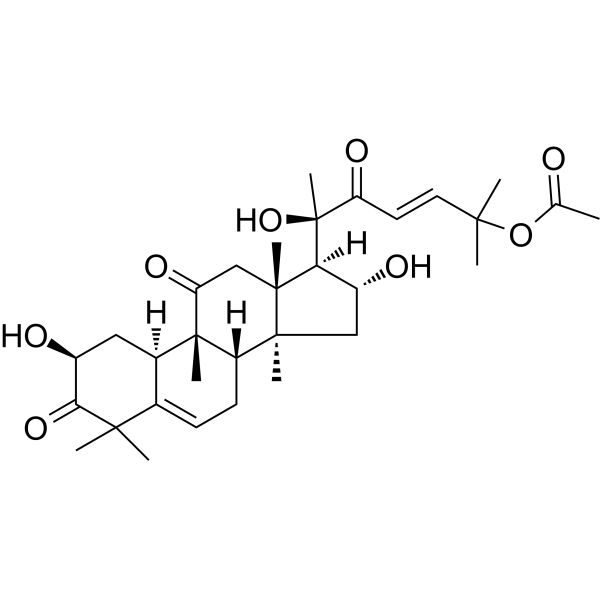
Cucurbitacin B belongs to a class of highly oxidized tetracyclic triterpenoids and is oral active. Cucurbitacin B inhibits tumor cell growth, migration and invasion and cycle arrest, but induces cell apoptosis. Cucurbitacin B has potent anti-inflammatory, antioxidant, antiviral, hypoglycemic, hepatoprotective, neuroprotective activity .
loading...
    loading...
9
9 Cited Publications
Referencia número: HY-D0844
No. CAS: 27025-41-8
Synonyms: L-Glutathione oxidized; GSSG; Oxiglutatione
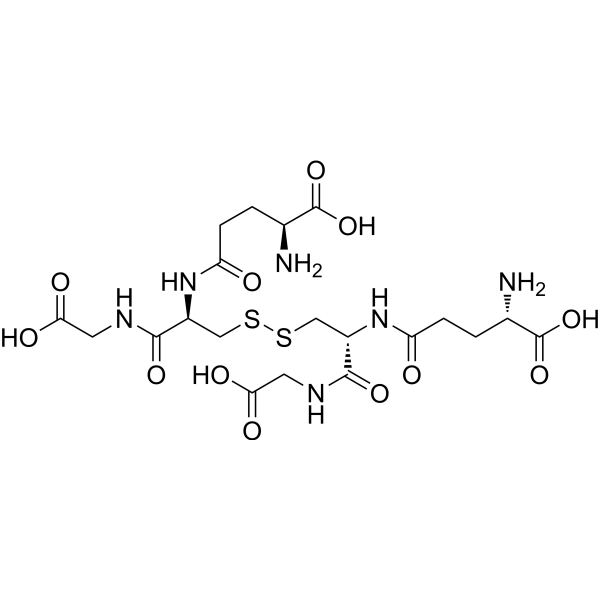
Glutathione oxidized (L-Glutathione oxidized) is produced by the oxidation of glutathione. Detoxification of reactive oxygen species is accompanied by production of glutathione oxidized. Glutathione oxidized can be used for the research of sickle cells and erythrocytes .
loading...
    loading...
8
8 Cited Publications
Referencia número: HY-K2006

Sensitive ECL Kit enables low picogram detection of antigen by oxidizing luminol in the presence of HRP and peroxide. This reaction produces a prolonged chemiluminescence which can be visualized on X-ray film or digital imaging systems. The 100 mL is defined as the base specification. All larger sizes correspond to incremental volumes of this base.

loading...
    loading...
7
7 Cited Publications
Referencia número: HY-N1346
No. CAS: 301-19-9
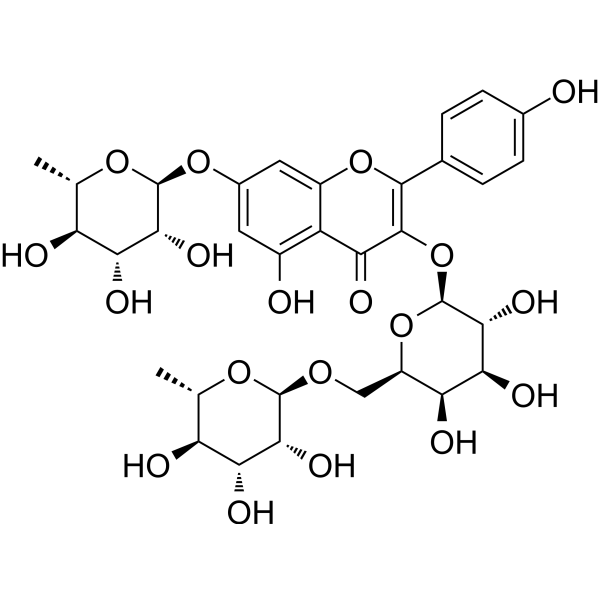
Robinin is a flavonoid that can be extracted from the leaves of purple cowpea, inhibiting TGF-β, TLR4/NF-κB and TLR2-PI3k-AKT signaling pathways. Robinin exerts anti-inflammatory and anti-tumor effects. The combination of Robinin and Methotrexate (HY-14519) reduces inflammation in experimental arthritis, Robinin can decrease the Doxorubicin (HY-15142A) induced cardiac toxicity effect .
loading...
    loading...
7
7 Cited Publications
Referencia número: HY-139414
No. CAS: 9008-30-4
Pureza:  ≥99.0%
Lysophosphatidylcholines is an orally active lysolipid and a component of oxidized low density lipoprotein (LDL). Lysophosphatidylcholines induces cell injury, the production of IL-1β and apoptosis. Lysophosphatidylcholines has a proactive effect on sepsis .
loading...
    loading...
7
7 Cited Publications
Referencia número: HY-113325
No. CAS: 53-59-8
Pureza:  99.70%
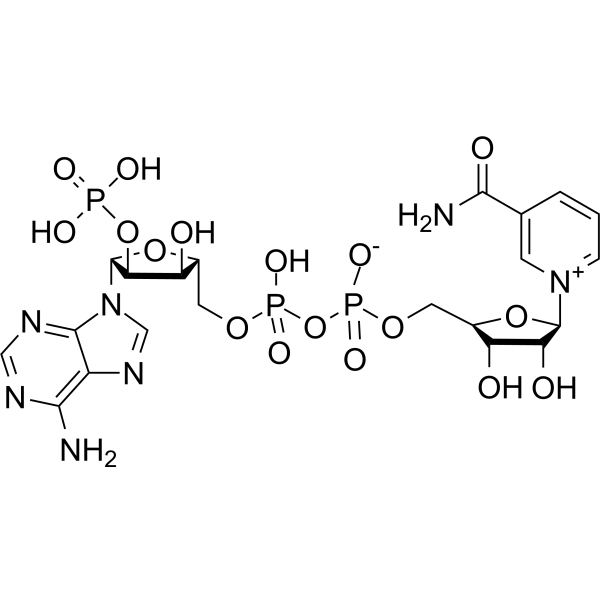
NADP is a coenzyme involved in cellular electron transfer reactions in biological metabolism, which is alternately oxidized (NADP+) and reduced (NADPH), and can maintain cellular redox homeostasis and regulate many biological events, including cellular metabolism. NADPH is a universal electron donor that provides reducing ability for synthetic metabolic reactions and redox balance. NADPH plays a multifunctional role in regulating inflammation, redox homeostasis, and synthetic metabolism processes .
loading...
    loading...
7
7 Cited Publications
Referencia número: HY-113325A
No. CAS: 698999-85-8
Pureza:  99.03%
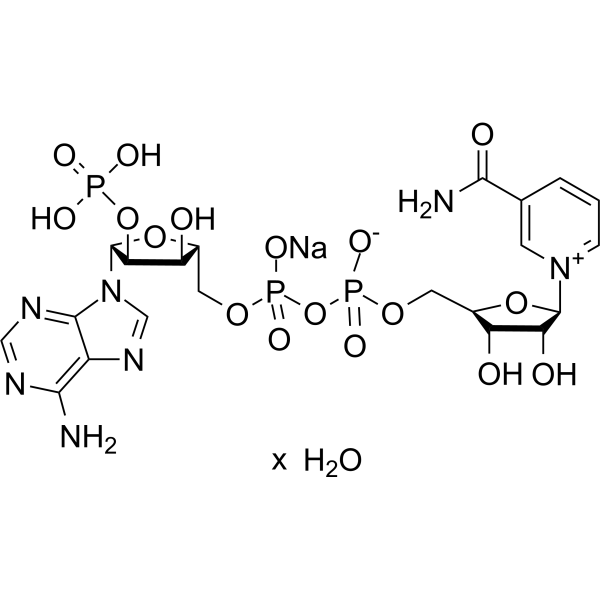
NADP sodium hydrate is the sodium salt hydrate form of NADP (HY-113325). NADP is a coenzyme involved in cellular electron transfer reactions in biological metabolism, which is alternately oxidized (NADP+) and reduced (NADPH), and can maintain cellular redox homeostasis and regulate many biological events, including cellular metabolism. NADPH is a universal electron donor that provides reducing ability for synthetic metabolic reactions and redox balance. NADPH plays a multifunctional role in regulating inflammation, redox homeostasis, and synthetic metabolism processes .
loading...
    loading...
7
7 Cited Publications
Referencia número: HY-F0002
No. CAS: 1184-16-3
Synonyms: Sodium NADP
Target:  

Endogenous Metabolite

Áreas de investigación:  

Metabolic Disease Inflammation/Immunology Cancer

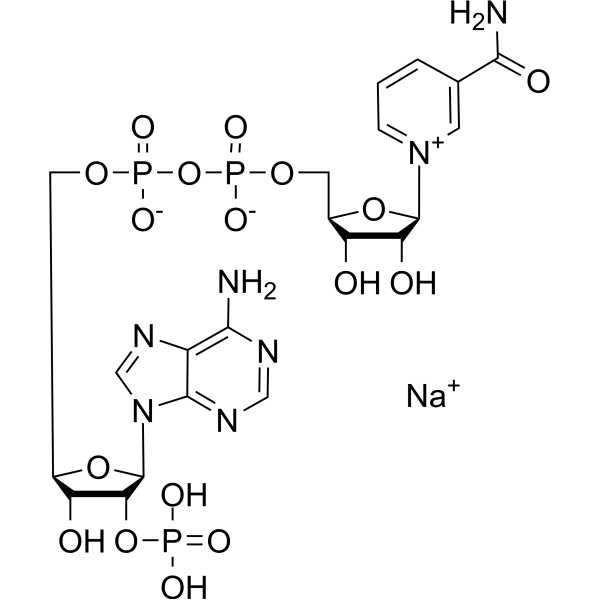
NADP sodium salt is the sodium salt form of NADP (HY-113325). NADP is a coenzyme involved in cellular electron transfer reactions in biological metabolism, which is alternately oxidized (NADP+) and reduced (NADPH), and can maintain cellular redox homeostasis and regulate many biological events, including cellular metabolism. NADPH is a universal electron donor that provides reducing ability for synthetic metabolic reactions and redox balance. NADPH plays a multifunctional role in regulating inflammation, redox homeostasis, and synthetic metabolism processes .
loading...
    loading...
7
7 Cited Publications
Referencia número: HY-F0002A
No. CAS: 24292-60-2
Synonyms: Disodium NADP
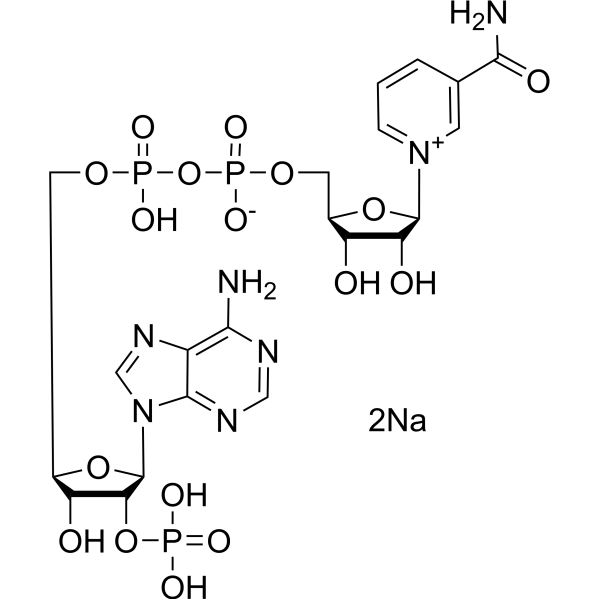
NADP disodium salt is the disodium salt form of NADP (HY-113325). NADP is a coenzyme involved in cellular electron transfer reactions in biological metabolism, which is alternately oxidized (NADP+) and reduced (NADPH), and can maintain cellular redox homeostasis and regulate many biological events, including cellular metabolism. NADPH is a universal electron donor that provides reducing ability for synthetic metabolic reactions and redox balance. NADPH plays a multifunctional role in regulating inflammation, redox homeostasis, and synthetic metabolism processes .
loading...
    loading...
7
7 Cited Publications
Referencia número: HY-19749
No. CAS: 181765-30-0
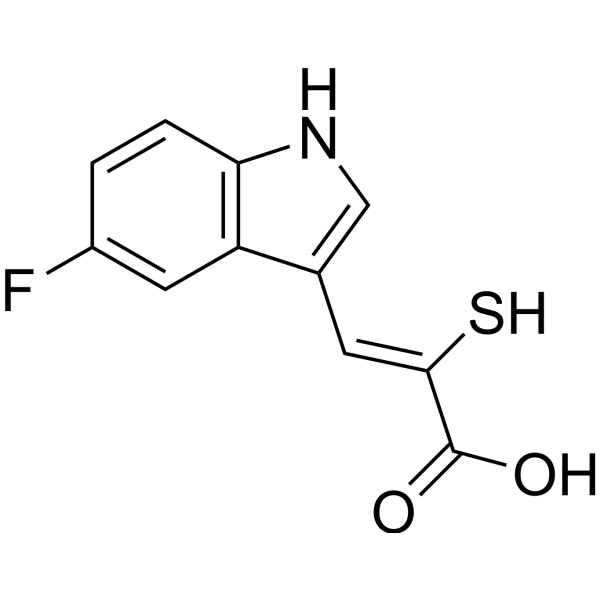
PD 151746 is a selective calpain-1 inhibitor with an IC50 of 260 nM. PD 151746 binds μ-calpain Ca 2+-binding sites, and shows selectivity over cathepsin B, papain, trypsin, thermolysin, and basal calcineurin. PD 151746 reduces Oxidized low-density lipoprotein (oxLDL)-induced cytotoxicity, apoptotic DNA fragmentation, and blocks IL-1α maturation. PD 151746 can be used for the research of atherosclerosis and psoriasis .
loading...
    loading...

