



GNE-3511
Based on 12 publication(s) in Google Scholar
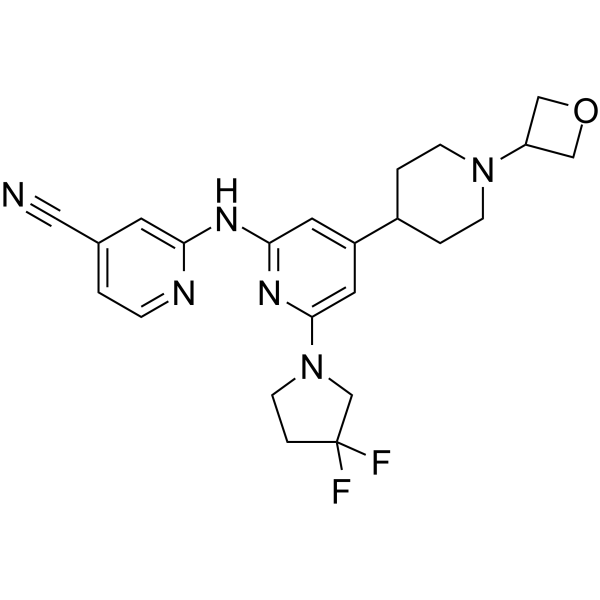
GNE-3511 is an orally active bioavailable and brain-penetrant dual leucine zipper kinase (DLK) inhibitor with a Ki of 0.5 nM. GNE-3511 can cross the blood-brain-barrier and can be used for the research of neurodegenerative diseases.
For research use only. We do not sell to patients.
- Purity : 99.54%
- CAS No.: 1496581-76-0
- Formula: C23H26F2N6O
- Molecular Weight:440.49
-
Storage:Powder -20°C, 3 years , 4°C, 2 years ; In solvent -80°C, 1 year , -20°C, 6 months

To place orders, for customer services and technical support, please contact: MedChemExpress USA
Tel: 609-228-6898 E-mail: [email protected] [email protected]


-
 Biological Activity
-
Chemical Information
-
Solvent & Solubility
- Purity & Documentation
- References
-
 Help & FAQs


-
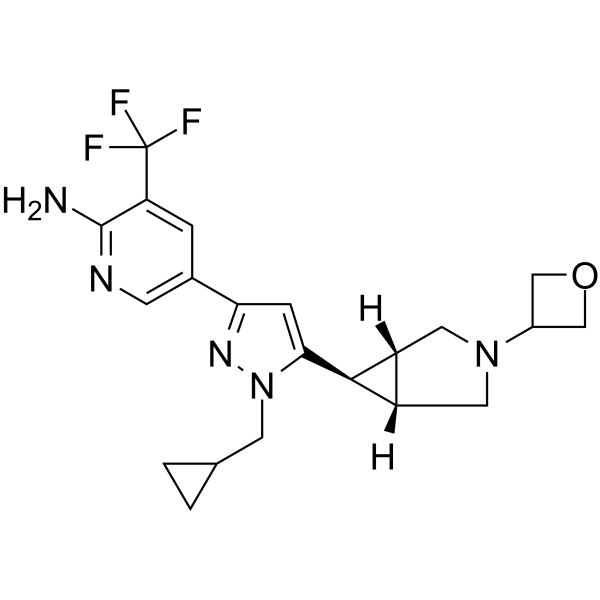
HY-114332
GNE-8505DLK Inhibitor -
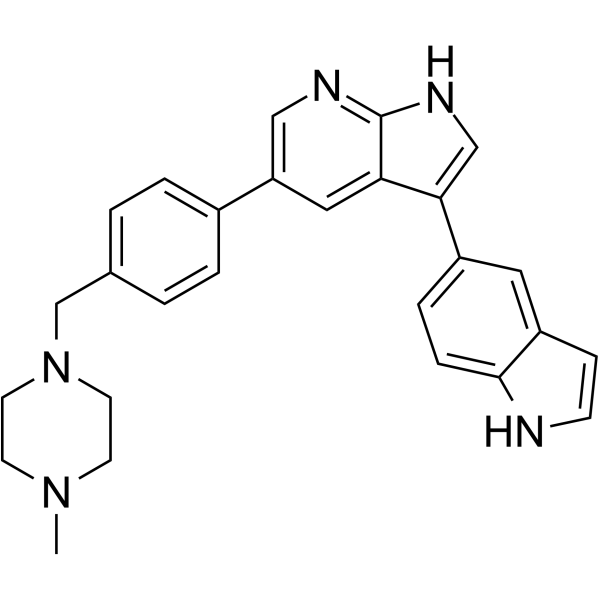
HY-12599
URMC-099MLK3 Inhibitor -
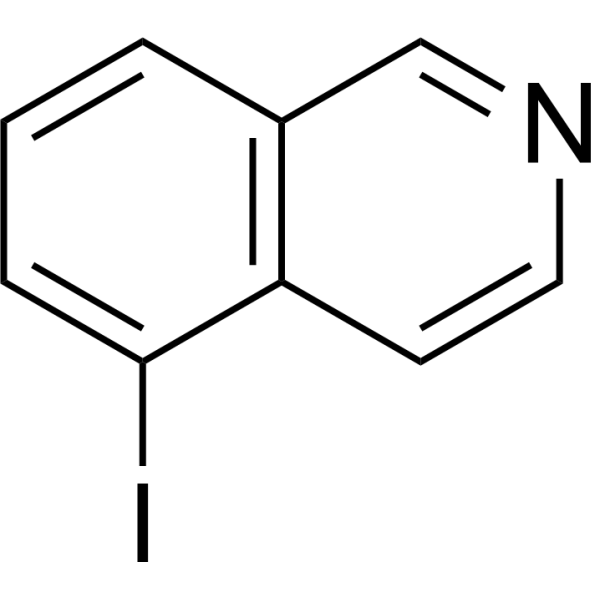
HY-W021879
DSRM-3716SARM1 Inhibitor -
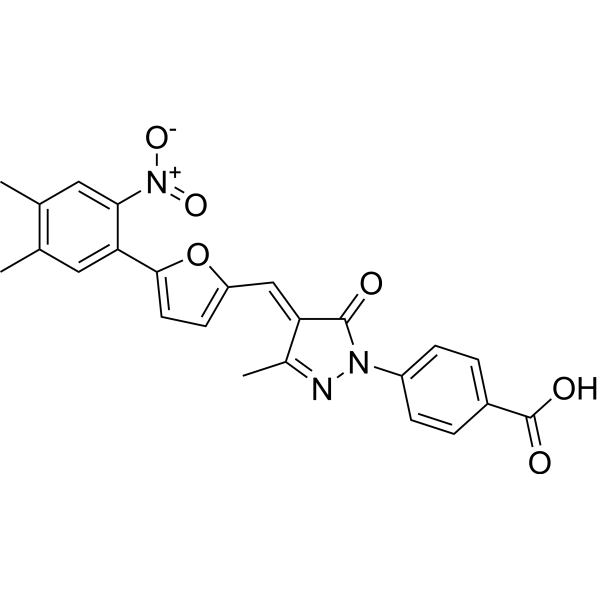
HY-13823
C646p300/CBP HAT Inhibitor -
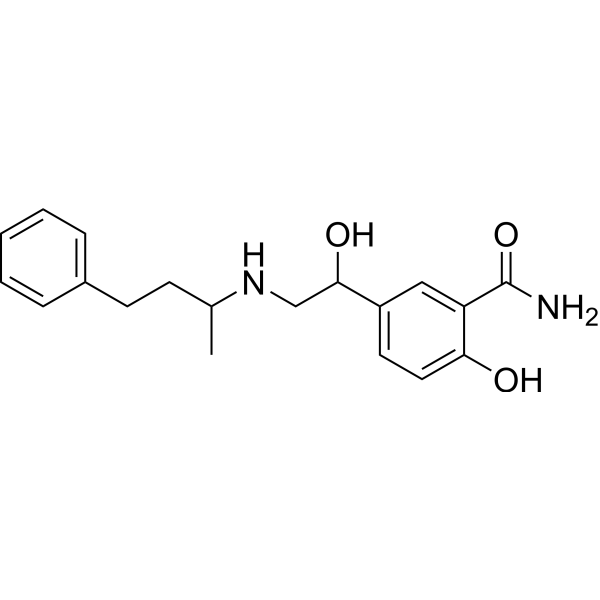
HY-121383
Labetalolα1/β-adrenergic Receptors Antagonist -
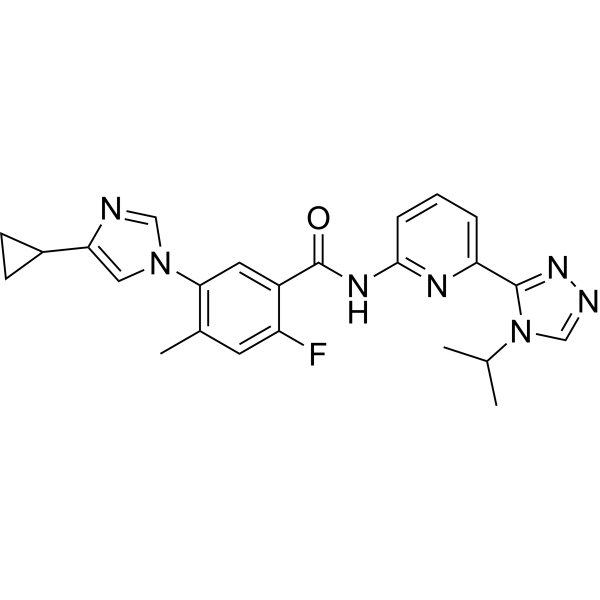
HY-18938
SelonsertibASK1 Inhibitor -
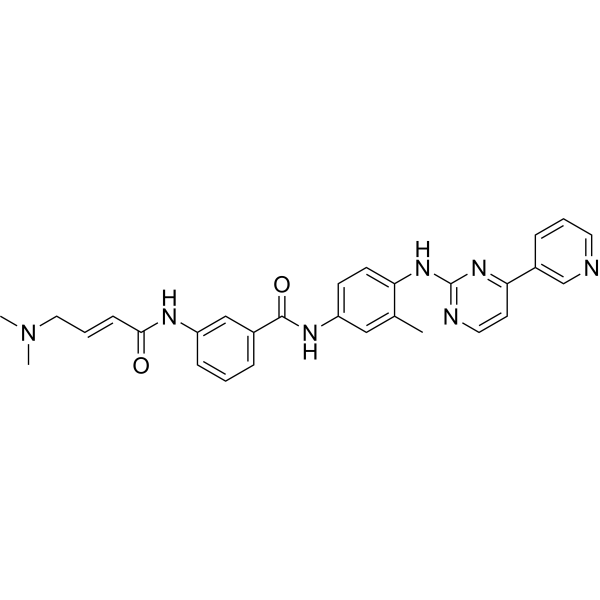
HY-13319
JNK-IN-8JNK Inhibitor -
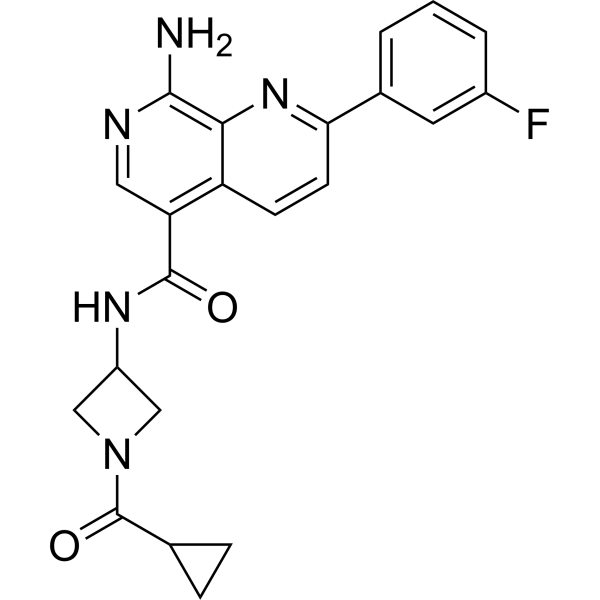
HY-100343
GNE-495MAP4K4 Inhibitor -
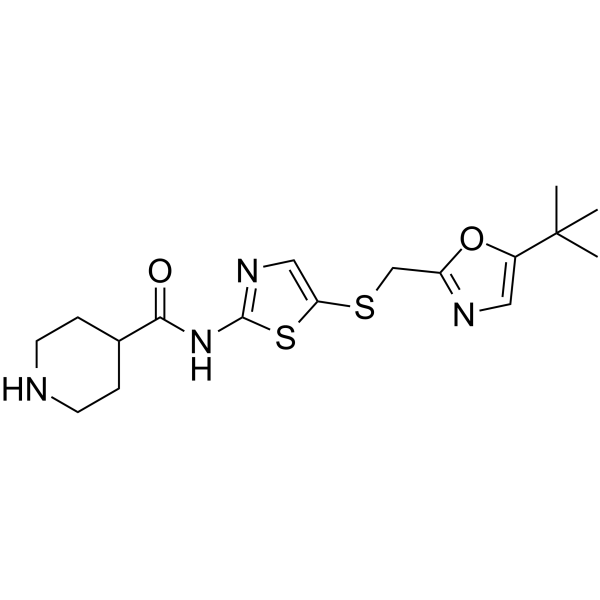
HY-10008
SNS-032CDK Inhibitor -
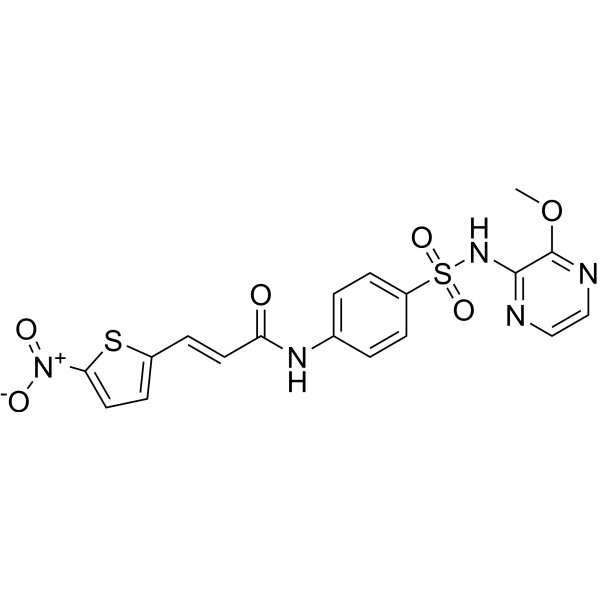
HY-100573
NecrosulfonamideMLKL/GSDMD Inhibitor -
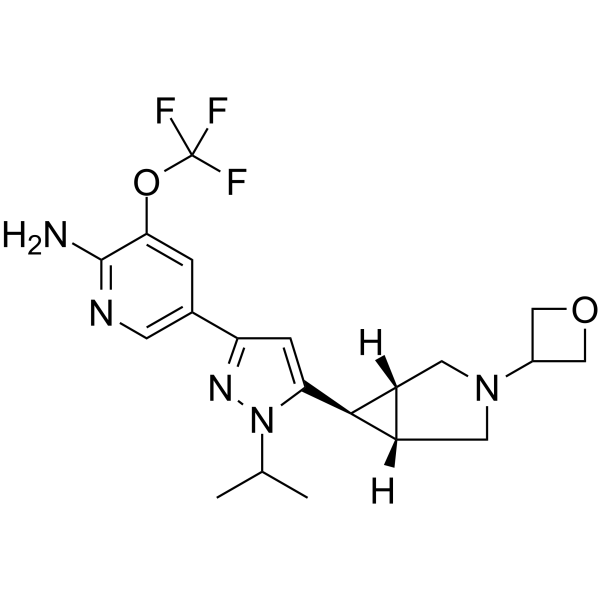
HY-114331
DLK-IN-1DLK/MAP3K12 Inhibitor -
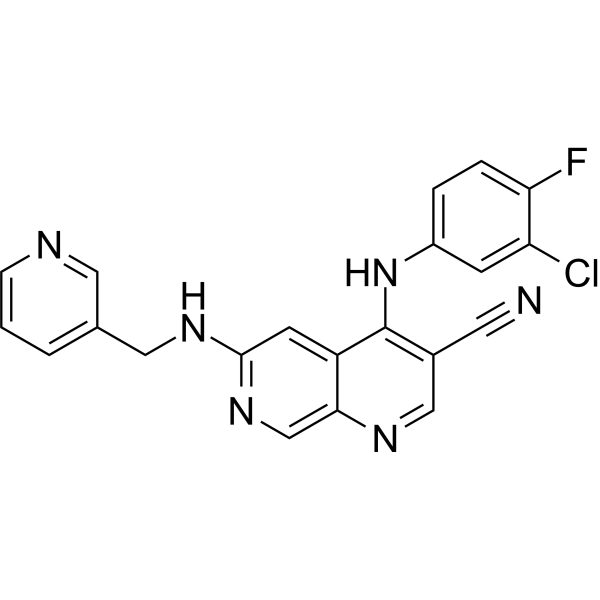
HY-12358
Tpl2 Kinase Inhibitor 1Tpl2/COT/MAP3K8 Inhibitor
Publications Citing Use of MedChemExpress (MCE) GNE-3511
More- Nat Commun. 2026 Feb 12;17(1):1214. [Abstract]
- Proc Natl Acad Sci U S A. 2018 Oct 16;115(42):E9899-E9908. [Abstract]
- Cell Rep. 2019 Sep 3;28(10):2581-2593.e5. [Abstract]
- Mol Cancer Ther. 2026 Jun 2. [Abstract]
- Neurobiol Dis. 2022 Feb:163:105586. [Abstract]
- Mol Neurobiol. 2024 May;61(5):2978-2995. [Abstract]
- J Innate Immun. 2021;13(5):259-268. [Abstract]
- ACS Chem Neurosci. 2026 Jun 3;17(11):2132-2151. [Abstract]
- Naunyn Schmiedebergs Arch Pharmacol. 2026 Aug 21.
- bioRxiv. 2025 Feb 24:2025.02.23.639536. [Abstract]
- Patent. US20230014181.
- Washington State University. 2021 Oct.
 Customer Validation & Images

-
Histological Imaging/Staining
-
Histological Imaging/Staining
-
Cell Imaging/Staining
-
IF
-
RT-PCR
All MAP3K Isoforms
More

Biological Activity
Description
IC50 & Target
Ki: 0.5 nM (DLK); IC50: 30 nM (p-JNK), 107 nM (DRG); >5000 nM (MKK4), >5000 nM (MKK7), 129 nM (JNK1),514 nM (JNK2), 364 nM (JNK3), 67.8 nM (MLK1), 767 nM (MLK2) and 602 nM (MLK3)[1]
Cellular Effect
|
Cell Line

|
Type | Value | Description | References |
|---|---|---|---|---|
| HEK293 | IC50 |
30 nM
Compound: 26, GNE-3511
|
Inhibition of human DLK transfected in HEK293 cells assessed as JNK phosphorylation after 5.5 hrs by Hoechst-33342 staining-based assay
Inhibition of human DLK transfected in HEK293 cells assessed as JNK phosphorylation after 5.5 hrs by Hoechst-33342 staining-based assay
|
[PMID: 25341110] |
In Vitro
GNE-3511 has inhibitory activity for p-JNK and DRG with IC50 values of 30 nM and 107 nM, respectively[1].
GNE-3511 has kinase selectivity for MKK4, MKK7, JNK1, JNK2, JNK3, MLK1, MLK2 and MLK3 with IC50 values of >5000 nM, >5000 nM, 129 nM, 514 nM, 364 nM, 67.8 nM, 767 nM and 602 nM, respectively[1].
GNE-3511 displays concentration-dependent protection of neurons from degeneration in vitro[1].
MedChemExpress (MCE) has not independently confirmed the accuracy of these methods. They are for reference only.
In Vivo
GNE-3511 (oral gavage; 75 mg/kg; single) suppresses CYP-induced edema and hemorrhage in mouse bladder[2].
GNE-3511 (iv.; 1 mg/kg or po.; 5 mg/kg) exhibits moderate in vivo plasma clearances, moderate volumes of distribution, short half-lives, and brain penetration[2].
Pharmacokinetic Parameters of GNE-3511 (iv.; 1 mg/kg or po.; 5 mg/kg)[2].
| species | CLp (mL/min/kg | Vdss (L/kg | t1/2 (h) | F (%) | Bu/Pu | CSF/Pu |
| mouse | 56 | 2.5 | 0.6 | 45 | 0.24 at 6 h | |
| rat | 30 | 3.7 | 1.8 | 63 | 0.7 | 0.4 |
| dog | 41 | 6.5 | 4 | 32 | 0.4 | |
| cynomolgous | 16 | 3.1 | 2.4 | 19 | 0.6 | |
MedChemExpress (MCE) has not independently confirmed the accuracy of these methods. They are for reference only.
-
Animal Model:Cystitis mouse model[1]
-
Dosage:75 mg/kg
-
Administration:oral gavage;75 mg/kg; single
-
Result:Significantly reduced the number of nociceptive behavior as well as nociceptive score.
Had no impact on bladder weight, did not induce bladder edema or hemorrhage and significantly suppressed CYP-induced increase in bladder weight, bladder edema, and hemorrhage.
-
Animal Model:mouse, rat, cynomolgus and dog[2]
-
Dosage:1 mg/k, 5 mg/kg
-
Administration:iv.; 1 mg/kg or po.; 5 mg/kg
-
Result:Exhibited moderate in vivo plasma clearances, moderate volumes of distribution, short half-lives and brain penetration.


Chemical Information
-
CAS No. 1496581-76-0
-
Appearance Solid
-
Molecular Weight 440.49
-
Formula C23H26F2N6O
-
Color Light yellow to yellow
-
SMILES
N#CC1=CC=NC(NC2=NC(N3CC(F)(F)CC3)=CC(C4CCN(C5COC5)CC4)=C2)=C1
-
Shipping
Room temperature in continental US; may vary elsewhere.
-
Storage
Powder -20°C 3 years 4°C 2 years In solvent -80°C 1 year -20°C 6 months


Publications (12)
-
Journal Impact Factor
-
Most Recent
-
Nat Commun
Human iPSC-based Modeling of Pulmonary Fibrosis Reveals p300/CBP Inhibition Suppresses Alveolar Transitional Cell State. [Abstract]2026 Feb 12;17(1):1214. PMID: 41680175 -
Proc Natl Acad Sci U S A
2018 Oct 16;115(42):E9899-E9908. PMID: 30275300
GNE-3511 purchased from MedChemExpress. Usage Cited in: Proc Natl Acad Sci U S A. 2018 Oct 16;115(42):E9899-E9908. [Abstract]
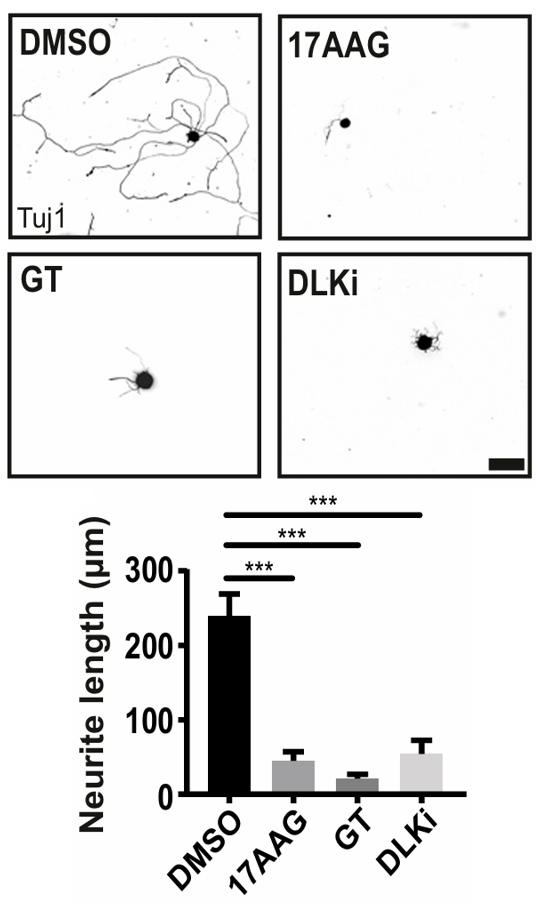
Low-throughput manual replating assay with the top screen hit 17AAG (1 µM), a structurally different HSP90 inhibitor (15 nM GT), and 500 nM DLK inhibitor GNE-3511 (DLKi) (24 h).
GNE-3511 purchased from MedChemExpress. Usage Cited in: Proc Natl Acad Sci U S A. 2018 Oct 16;115(42):E9899-E9908. [Abstract]
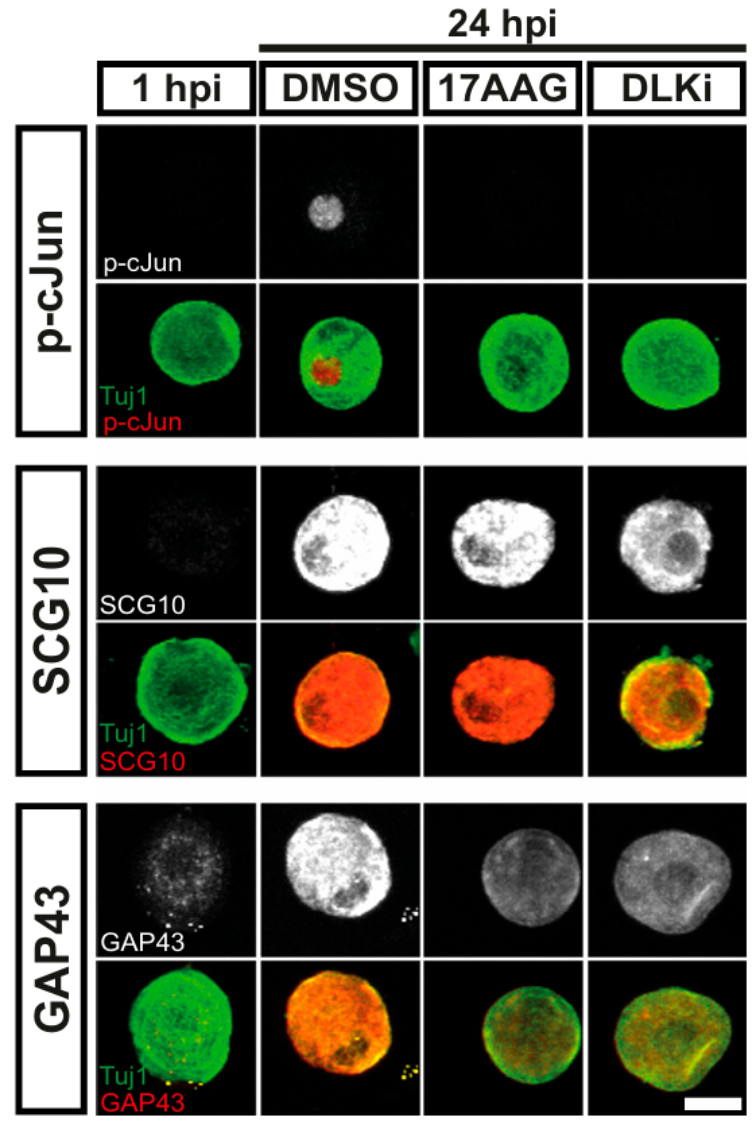
Adult DRG neurons plated and treated with DMSO, 1 µM 17AAG, and 500 nM DLKi (GNE-3511). At 24 h postinjury (hpi), adult DRG neurons were fixed and immunostained for proregenerative markers (gray in Top and red in merged) and neuronal Tuj1 (green).
GNE-3511 purchased from MedChemExpress. Usage Cited in: Proc Natl Acad Sci U S A. 2018 Oct 16;115(42):E9899-E9908. [Abstract]
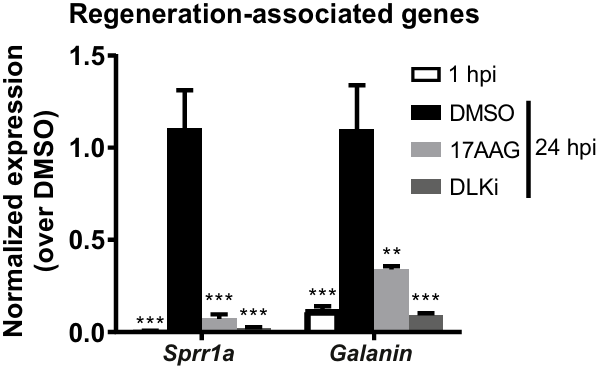
Adult DRG neurons were dissociated, plated, and treated with 1 µM 17AAG, 500 nM DLKi (GNE-3511) (24 h), or DMSO. At 24 hpi, RNA was collected, and RAGs were analyzed via qRT-PCR.
-
Cell Rep
Wnd/DLK Is a Critical Target of FMRP Responsible for Neurodevelopmental and Behavior Defects in the Drosophila Model of Fragile X Syndrome. [Abstract]2019 Sep 3;28(10):2581-2593.e5. PMID: 31484070
GNE-3511 purchased from MedChemExpress. Usage Cited in: Cell Rep. 2019 Sep 3;28(10):2581-2593.e5. [Abstract]
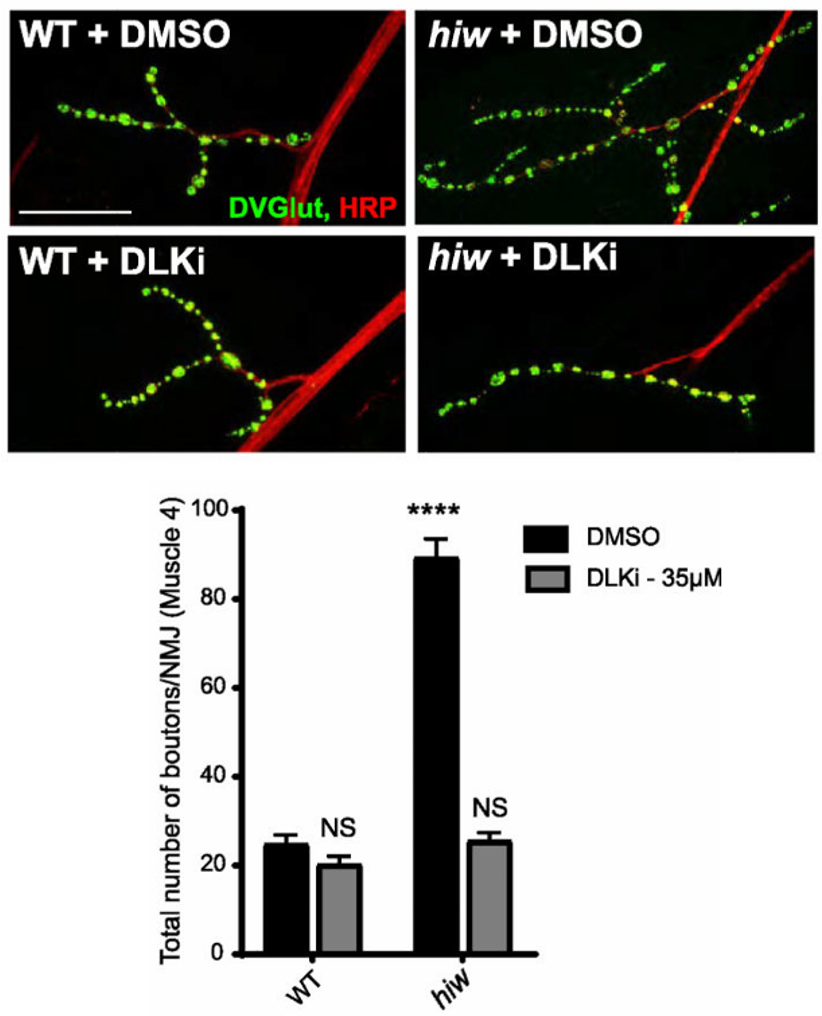
Representative images of the NMJ synaptic terminal at muscle 4 in third-instar wild-type and hiw mutant larvae raised on food treated with either DMSO (vehicle control) or DLK inhibitor (DLKi) (GNE-3511) (35 µM). NMJs were stained for the presynaptic bouton marker DVGLUT (green) and nerve membrane marker HRP (red). Scale bar: 50 μm.
GNE-3511 purchased from MedChemExpress. Usage Cited in: Cell Rep. 2019 Sep 3;28(10):2581-2593.e5. [Abstract]
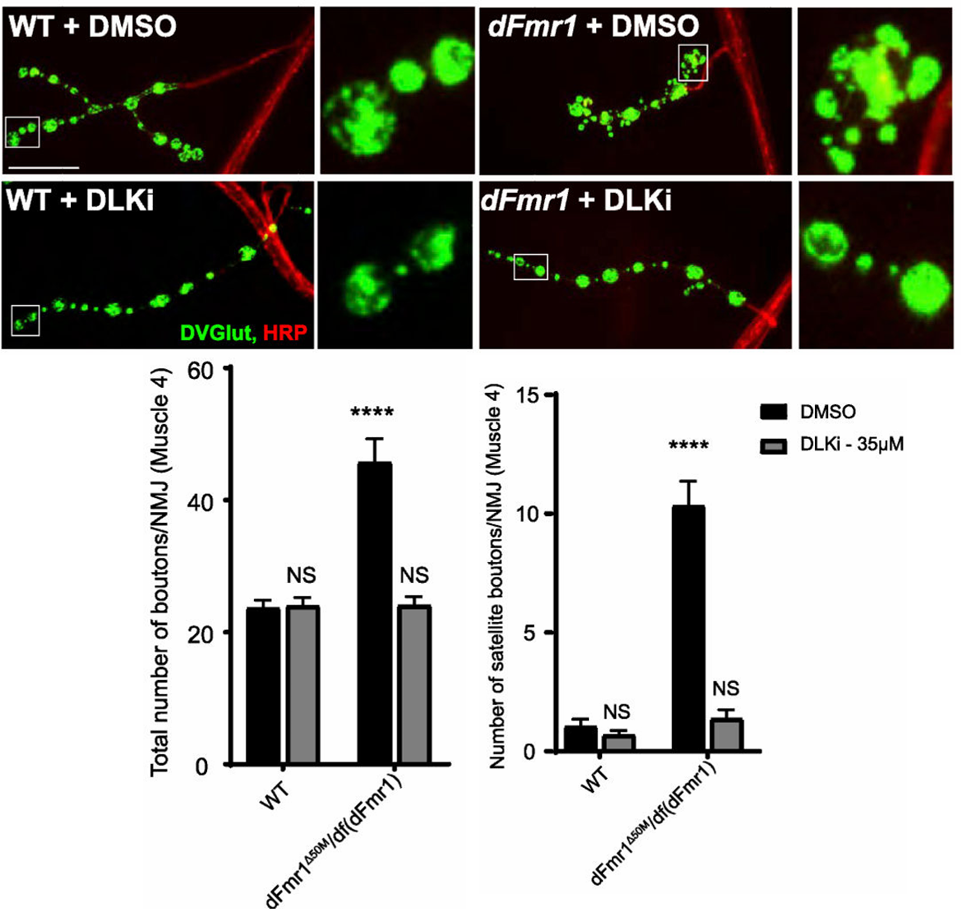
Representative images of the NMJ synaptic terminal at muscle 4 in third-instar wild-type and dFmr1 mutant larvae raised on food treated with either DMSO (vehicle control) or DLK inhibitor (GNE-3511) (35 μM). Representative bouton images are shown in the inset panels to the right of the respective genotype. Scale bar: 25 μm.
-
Mol Cancer Ther
Suppression of AKT Activation Through LZK Inhibition Limits Tumor Growth in Esophageal and Head and Neck Cancers. [Abstract]2026 Jun 2. PMID: 42227584 -
Neurobiol Dis
Protein phosphatase 2A restrains DLK signaling to promote proper Drosophila synaptic development and mammalian cortical neuron survival. [Abstract]2022 Feb:163:105586. PMID: 34923110 -
Mol Neurobiol
DLK-MAPK Signaling Coupled with DNA Damage Promotes Intrinsic Neurotoxicity Associated with Non-Mutated Tau. [Abstract]2024 May;61(5):2978-2995. PMID: 37955806 -
J Innate Immun
Neuronal Dual Leucine Zipper Kinase Mediates Inflammatory and Nociceptive Responses in Cyclophosphamide-Induced Cystitis. [Abstract]2021;13(5):259-268. PMID: 34175846 -
ACS Chem Neurosci
Structure-Guided Discovery of a Bis-Pyridyl Diamine-Based Dual CDK7/9 Inhibitor with In Vitro and In Vivo Antitumor Efficacy in Glioblastoma Multiforme. [Abstract]2026 Jun 3;17(11):2132-2151. PMID: 42133861 -
-
bioRxiv
The neuron-intrinsic membrane skeleton is required for motor neuron integrity throughout lifespan. [Abstract]2025 Feb 24:2025.02.23.639536. PMID: 40060495 -
-


Solvent & Solubility
In Vitro:
DMSO : 31.25 mg/mL (70.94 mM; Need ultrasonic; Hygroscopic DMSO has a significant impact on the solubility of product, please use newly opened DMSO)
Please refer to the solubility information to select the appropriate solvent. Once prepared, please aliquot and store the solution to prevent product inactivation from repeated freeze-thaw cycles.
Storage method and period of stock solution: -80°C, 1 year; -20°C, 6 months. When stored at -80°C, please use it within 1 year. When stored at -20°C, please use it within 6 months.
Please refer to the solubility information to select the appropriate solvent. Once prepared, please aliquot and store the solution to prevent product inactivation from repeated freeze-thaw cycles.
Storage method and period of stock solution: -80°C, 1 year; -20°C, 6 months. When stored at -80°C, please use it within 1 year. When stored at -20°C, please use it within 6 months.
Concentration (start) × Volume (start) = Concentration (final) × Volume (final)
In Vivo:
Select the appropriate dissolution method based on your experimental animal and administration route.
- For the following dissolution methods, please ensure to first prepare a clear stock solution using an In Vitro approach and then sequentially add co-solvents:
- To ensure reliable experimental results, the clarified stock solution can be appropriately stored based on storage conditions. As for the working solution for In Vivo experiments, it is recommended to prepare freshly and use it on the same day.
- The percentages shown for the solvents indicate their volumetric ratio in the final prepared solution. If precipitation or phase separation occurs during preparation, heat and/or sonication can be used to aid dissolution.
Add each solvent one by one: 10% DMSO 40% PEG300 5% Tween-80 45% Saline
Solubility: ≥ 2.08 mg/mL (4.72 mM); Clear solution
This protocol yields a clear solution of ≥ 2.08 mg/mL (saturation unknown).
Taking 1 mL working solution as an example, add 100 μL DMSO stock solution (20.8 mg/mL) to 400 μL PEG300, and mix evenly; then add 50 μL Tween-80 and mix evenly; then add 450 μL Saline to adjust the volume to 1 mL.
Preparation of Saline: Dissolve 0.9 g sodium chloride in ddH₂O and dilute to 100 mL to obtain a clear Saline solution.
In Vivo Dissolution Calculator
Please enter the basic information of animal experiments:
-
-
-
-
Recommended: Prepare an additional quantity of animals to account for potential losses during experiments.
Please enter your animal formula composition:
-
%DMSO +
Recommended: Keep the proportion of DMSO in working solution below 2% if your animal is weak.
-
%+
-
+%Tween-80 + +
-
%Saline +
The co-solvents required include: DMSO, . All of co-solvents are available by MedChemExpress (MCE). , Tween 80. All of co-solvents are available by MedChemExpress (MCE).
Working solution concentration: 0.22 mg/mL
Method for preparing stock solution: mg drug dissolved in μL DMSO. Stock solution concentration: mg/mL.
1. Take μL DMSO stock solution;
2. Add μL .
μL , mix evenly;
3. Then add μL Tween 80, mix evenly;
4. Then add μL
Please ensure that the stock solution in the first step is dissolved to a clear state, and add co-solvents in sequence. You can use ultrasonic heating (ultrasonic cleaner, recommended frequency 20-40 kHz), vortexing, etc. to assist dissolution.


Purity & Documentation
-
Data Sheet (277 KB)
-
SDS (393 KB)
- English - EN (393 KB)
- Français - FR (393 KB)
- Deutsch - DE (393 KB)
- Norwegian - NO (393 KB)
- Español - ES (393 KB)
- Swedish - SV (393 KB)
- Italian - IT (393 KB)
- Korean - KR (393 KB)
- Portuguese - PT (393 KB)
-
Handling Instructions (2659 KB)
References
[1]. Patel S et al. Discovery of dual leucine zipper kinase (DLK, MAP3K12) inhibitors with activity in neurodegeneration models. J Med Chem. 2015 Jan 8;58(1):401-18. [Content Brief]
[2]. Chen Jiang, et al. Neuronal Dual Leucine Zipper Kinase Mediates Inflammatory and Nociceptive Responses in Cyclophosphamide-Induced Cystitis. J Innate Immun [Content Brief]


Complete Stock Solution Preparation Table
Please refer to the solubility information to select the appropriate solvent. Once prepared, please aliquot and store the solution to prevent product inactivation from repeated freeze-thaw cycles.
Storage method and period of stock solution: -80°C, 1 year; -20°C, 6 months. When stored at -80°C, please use it within 1 year. When stored at -20°C, please use it within 6 months.
| Optional Solvent | Concentration Solvent Mass | 1 mg | 5 mg | 10 mg | 25 mg |
|---|---|---|---|---|---|
| DMSO | 1 mM | 2.2702 mL | 11.3510 mL | 22.7020 mL | 56.7550 mL |
| 5 mM | 0.4540 mL | 2.2702 mL | 4.5404 mL | 11.3510 mL | |
| 10 mM | 0.2270 mL | 1.1351 mL | 2.2702 mL | 5.6755 mL | |
| 15 mM | 0.1513 mL | 0.7567 mL | 1.5135 mL | 3.7837 mL | |
| 20 mM | 0.1135 mL | 0.5675 mL | 1.1351 mL | 2.8377 mL | |
| 25 mM | 0.0908 mL | 0.4540 mL | 0.9081 mL | 2.2702 mL | |
| 30 mM | 0.0757 mL | 0.3784 mL | 0.7567 mL | 1.8918 mL | |
| 40 mM | 0.0568 mL | 0.2838 mL | 0.5675 mL | 1.4189 mL | |
| 50 mM | 0.0454 mL | 0.2270 mL | 0.4540 mL | 1.1351 mL | |
| 60 mM | 0.0378 mL | 0.1892 mL | 0.3784 mL | 0.9459 mL |


GNE-3511 Related Classifications
HY-12947 Related Classifications
 Powered by Bioz