
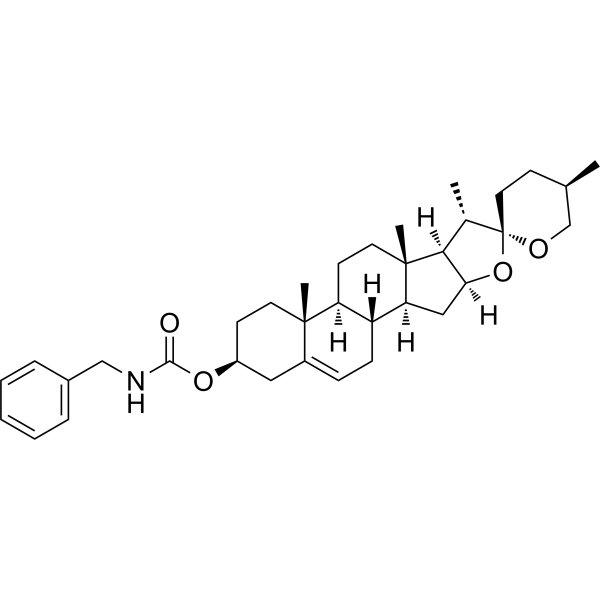
458 Results for "

O2

" in MedChemExpress (MCE) Product Catalog:
Products (458)

458 Results for "O2" in MCE Product Catalog:

Cat. No.: HY-162860
CAS No.: 1030759-58-0
Target:  

mGluR CaMK Tau Protein

연구분야:  

Neurological Disease

FO-4-15 is an mGluR1/CaMKIIα activator. FO-4-15 has a protective effect against H2O2 in human neuroblastoma (SH-SY5Y) cells. FO-4-15 can improve cognitive impairment in Alzheimer’s disease mice by activating the mGluR1/CaMKIIα pathway, and can reduce accumulation, hyperphosphorylated Tau, and synaptic damage .
loading...
    loading...
Cat. No.: HY-P1435
CAS No.: 1435893-78-9
Target:  

NADPH Oxidase

연구분야:  

Cardiovascular Disease Cancer

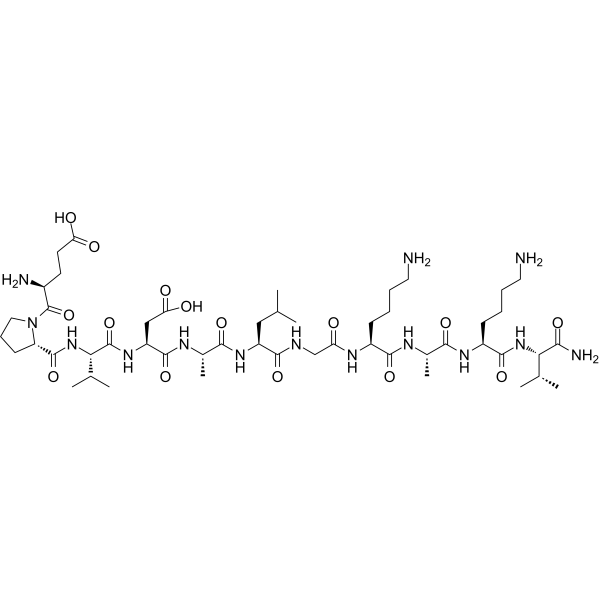
NoxA1ds is a potent and highly selective NADPH oxidase 1 (NOX1) inhibitor (IC50=20 nM). NoxA1ds inhibits NOX1-derived O 2- production in HT-29 human colon cancer cells. NoxA1ds attenuates VEGF-induced human pulmonary artery endothelial cell migration under hypoxic conditions in vitro. NoxA1ds can be used in the study of hypertension, atherosclerosis and tumors .
loading...
    loading...
Cat. No.: HY-P5247
Synonyms: PTP20
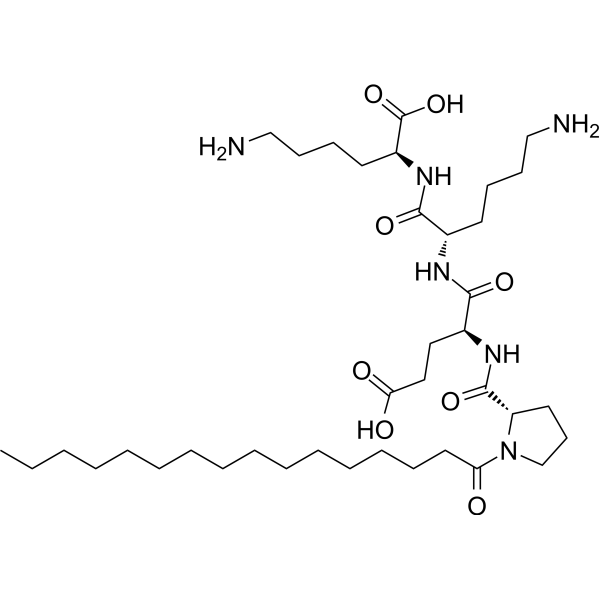
Palmitoyl tetrapeptide-20 (PTP20) is a biomimetic peptide agonist of α-MSH. Palmitoyl tetrapeptide-20 promotes hair pigmentation and delays hair graying by activating the MC1-R pathway (AC50: 0.16 nM), enhancing catalase activity to reduce H2O2 accumulation, and upregulating SIRT1 activity. Palmitoyl tetrapeptide-20 can be used in research on preventing hair loss and improving hair graying .
loading...
    loading...
Cat. No.: HY-P5247A
Synonyms: PTP20 TFA
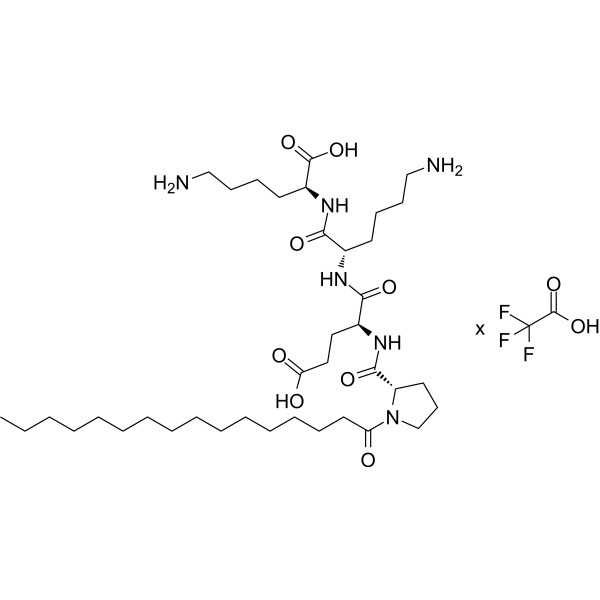
Palmitoyl tetrapeptide-20 (PTP20) TFA is a biomimetic peptide agonist of α-MSH. Palmitoyl tetrapeptide-20 TFA promotes hair pigmentation and delays hair graying by activating the MC1-R pathway (AC50: 0.16 nM), enhancing catalase activity to reduce H2O2 accumulation, and upregulating SIRT1 activity. Palmitoyl tetrapeptide-20 TFA can be used in research on preventing hair loss and improving hair graying .
loading...
    loading...
Cat. No.: HY-N0515R
CAS No.: 945619-74-9
Ophiopogonin D (Standard) is the analytical standard of Ophiopogonin D. This product is intended for research and analytical applications. Ophiopogonin D can be isolated from the tubers of Ophiopogon japonicus, is a rare naturally occurring C29 steroidal glycoside. Ophiopogonin D is a CYP2J3 inducer that significantly inhibits Ang II induced NF-κB nuclear translocation, IκBα down-regulation, intracellular Ca2+ overload and activation of pro-inflammatory cytokines by increasing the expression of CYP2J2/EETs and PPARα in human umbilical vein endothelial cells (HUVECs). Ophiopogonin D can inhibit isteoclastic differentiation in RAW264.7 cells. Ophiopogonin D has protective effect as an antioxidant in H2O2-induced endothelial injury. Ophiopogonin D blocks ERK signaling cascades. Ophiopogonin D alleviates high-fat diet-induced metabolic syndrome and changes the structure of gut microbiota in mice. Ophiopogonin D has been used against inflammatory, metabolic and cardiovascular diseases [2] .
loading...
    loading...
Cat. No.: HY-B1608
CAS No.: 10025-73-7
Chromium chloride is a trivalent chromium compound and an essential trace mineral. Chromium chloride enhances insulin-stimulated GLUT4 translocation and glucose uptake in skeletal muscle. Chromium chloride regulates glucose and lipid metabolism, inhibits TNF-α secretion and oxidative stress in monocytes treated with high glucose or H2O2, and reverses hydrogen peroxide-induced cell growth inhibition. Chromium chloride reduces coronary and aortic lipid deposition and serum cholesterol levels in hypercholesterolemic rabbits. Chromium chloride can be used in research related to diabetes and cardiac atherosclerosis [2] .
loading...
    loading...
Cat. No.: HY-N15536
CAS No.: 1251952-80-3
N-trans-Feruloyltyramine 4′-O-β-D-glucopyranoside is a phenolic amide glycoside compound found in Suaeda japonica. N-trans-Feruloyltyramine 4′-O-β-D-glucopyranoside exhibits antioxidant activity, capable of effectively scavenging DPPH free radicals and reducing the production of ROS induced by H2O2 in cells, thus protecting cells from oxidative stress damage. N-trans-Feruloyltyramine 4′-O-β-D-glucopyranoside is promising for research of cardiovascular diseases and neurodegenerative diseases .
loading...
    loading...
Cat. No.: HY-N3558
CAS No.: 21302-79-4
Synonyms: Emmolic acid
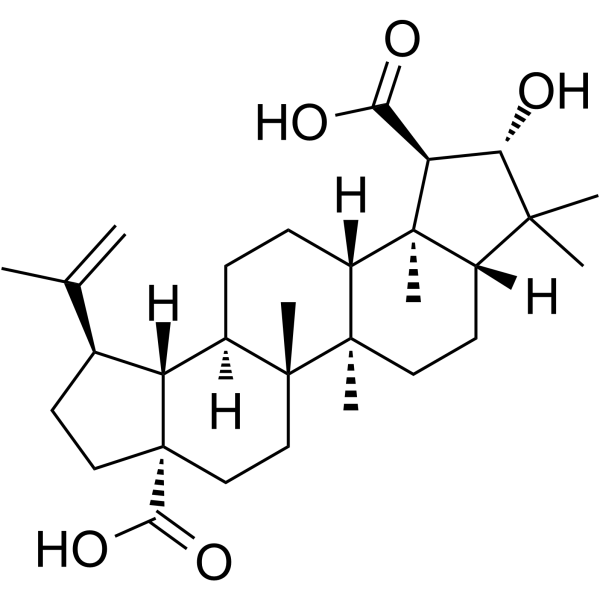
Ceanothic acid (Emmolic acid) is an orally active pentacyclic triterpenoid. Ceanothic acid inhibits the growth of various oral bacteria, including Streptococcus mutans, Actinomyces viscosus, Porphyromonas gingivalis, and Prevotella intermedia. Ceanothic acid scavenges DPPH and H2O2 free radicals. Ceanothic acid inhibits acetic acid (HY-Y0319)-induced writhing response, xylene-induced ear swelling, and carrageenan-induced paw swelling in mice. Ceanothic acid can be used in research related to oral bacterial infections, ovarian cancer, liver cancer, and liver injury [2].
loading...
    loading...
Cat. No.: HY-170867
Nrf2/HO-1 activator 3 (Compound C3a) is the activator for Nrf2 signaling pathway that promotes the Nrf2 translocation into nuclei and upregulates the expression of heme oxygenase-1 HO-1. Nrf2/HO-1 activator 3 inhibits the overespression of ROS and MDA in H2O2- or glucose-stimulated H9c2 cardiomyocytes, inhibits the cell viability and colony formation, thereby exhibiting antioxidant efficacy .
loading...
    loading...
Cat. No.: HY-P10400
CAS No.: 902781-11-7
Target:  

Phytohormone

연구분야:  

Infection

AtPep1 is an endogenous inducer of innate immune responses. AtPep1 can be isolated from Arabidopsis thaliana leaves. AtPep1 activates the transcription of defensin (PDF1.2), the expression of PROPEP1, the synthesis of hydrogen peroxide (H2O2) near leaf veins, and the alkalization of Arabidopsis suspension cell culture medium. AtPep1 induces the expression of genes encoding defensins and PR-1. AtPep1 is applicable to studies related to Pythium irregulare infection and pathogen infection [2].
loading...
    loading...
Cat. No.: HY-P1435A
Target:  

NADPH Oxidase

연구분야:  

Cardiovascular Disease Cancer

NoxA1ds TFA is a potent and highly selective NADPH oxidase 1 (NOX1) inhibitor (IC50=20 nM). NoxA1ds TFA inhibits NOX1-derived O 2- production in HT-29 human colon cancer cells. NoxA1ds TFA attenuates VEGF-induced human pulmonary artery endothelial cell migration under hypoxic conditions in vitro. NoxA1ds TFA can be used in the study of hypertension, atherosclerosis and tumors .
loading...
    loading...
Cat. No.: HY-101193R
CAS No.: 15442-64-5
Synonyms: Zn(II)-protoporphyrin IX (Standard); ZnPP (Standard); Zinc Protoporphyrin-9 (Standard)
Zinc Protoporphyrin (Standard) is the analytical standard of Zinc Protoporphyrin. This product is intended for research and analytical applications. Zinc Protoporphyrin (Zn(II)-protoporphyrin IX) is an orally active and competitive heme oxygenase-1 (HO-1) inhibitor and markedly attenuates the protective effects of Phloroglucinol (PG) against H2O2 . Zinc Protoporphyrin is used as a screening marker of iron deficiency in individual pregnant women and children, but also to assess population iron status in combination with haemoglobin concentration [2]. Zinc Protoporphyrin has anti-cancer activity .
loading...
    loading...
Cat. No.: HY-158696
BChE/MAO-B-IN-1 (compound 7) is a dual BChE/MAO-B inhibitor with IC50 values ​​of 375 nM and 20 nM, respectively. BChE/MAO-B-IN-1 protects against oxidative damage induced by H2O2 and 6-OHDA in SH-SY5Y cells. BChE/MAO-B-IN-1 can penetrate the central nervous system in a cell model that mimics the blood-brain barrier. BChE/MAO-B-IN-1 can be used in the study of neurological diseases such as Alzheimer's disease (AD) .
loading...
    loading...
Cat. No.: HY-P10400A
Target:  

Phytohormone

연구분야:  

Infection

AtPep1 TFA is an endogenous inducer of innate immune responses. AtPep1 TFA can be isolated from Arabidopsis thaliana leaves. AtPep1 TFA activates the transcription of defensin (PDF1.2), the expression of PROPEP1, the synthesis of hydrogen peroxide (H2O2) near leaf veins, and the alkalization of Arabidopsis suspension cell culture medium. AtPep1 TFA induces the expression of genes encoding defensins and PR-1. AtPep1 TFA is applicable to studies related to Pythium irregulare infection and pathogen infection [2].
loading...
    loading...
Cat. No.: HY-W767399
8-Bromo-2'-deoxyguanosine- 13C, 15N2 is the 13C- and 15N-labeled 8-Bromo-2'-deoxyguanosine (HY-W011168). 8-Bromo-2'-deoxyguanosine is an inflammation-related DNA halogenated adduct and an early biomarker of inflammation-induced oxidative tissue damage. The formation of 8-Bromo-2'-deoxyguanosine precedes that of oxidative and nitrative products, and it can be generated via the MPO-H2O2-Cl --Br - system. 8-Bromo-2'-deoxyguanosine serves as the immunogen for preparing the monoclonal antibody mAb8B3, which can be used to detect early DNA modifications in preclinical models; its urinary level also increases significantly in inflammatory disease models. 8-Bromo-2'-deoxyguanosine can also be produced in the dermis of UV-B irradiated mice, and the extract of Coprinus comatus significantly reduces its level. 8-Bromo-2'-deoxyguanosine finds applications in studies related to inflammatory diseases, diabetes, hepatocellular carcinoma, and UV-B induced skin inflammation [2] .
loading...
    loading...
Cat. No.: HY-146483
CAS No.: 2313346-53-9
Anti-Aβ agent 1A (compound M15) has potent activity against amyloid-β. Anti-Aβ agent 1A possesses can significantly inhibit LPS-induced levels of IL-1β, IL-6 and TNF-α, and reduces the apoptosis of SH-SY5Y induced by H2O2 through mitochondria pathway. Anti-Aβ agent 1A possesses antioxidant, anti-inflammatory, anti-Aβ toxicity and neuroprotective activities. Anti-Aβ agent 1A can be used for researching Alzheimer’s disease (AD) .
loading...
    loading...
Cat. No.: HY-158695
Dual AChE-MAO B-IN-4 (compound 7) is a dual AChE/MAO-B inhibitor, with IC50 values ​​of 261 nM and 15 nM, respectively. Dual AChE-MAO B-IN-4 protects against oxidative damage induced by H2O2 and 6-OHDA in SH-SY5Y cells. Dual AChE-MAO B-IN-4 can penetrate the central nervous system in a cell model that mimics the blood-brain barrier. Dual AChE-MAO B-IN-4 can be used in the study of neurological diseases such as Alzheimer's disease (AD) .
loading...
    loading...
Cat. No.: HY-182328
CAS No.: 921193-29-5
Target:  

Amyloid-β

연구분야:  

Neurological Disease

BTA-EG6 is a brain-penetrant aggregated amyloid-β () peptide binder with a Kd of 290 nM for Aβ1-42. BTA-EG6 binds to aggregated Aβ and forms protein-resistive coatings that block interactions between Aβ and catalase. BTA-EG6 protects neuroblastoma cells from Aβ-induced toxicity and oxidative stress, and inhibits Aβ-induced increases in cellular hydrogen peroxide (H2O2) levels. BTA-EG6 can be used for the research of alzheimer’s disease (AD) .
loading...
    loading...
Cat. No.: HY-126061
CAS No.: 33868-03-0
Purity:  99.82%
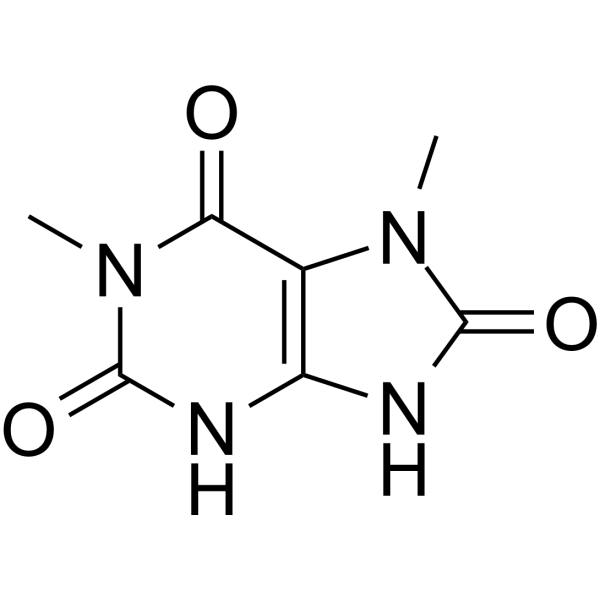
1,7-Dimethyluric acid is an N-methylated uric acid and purine derivative, as well as a caffeine metabolite. When 1,7-Dimethyluric acid is acted upon by peroxidase in the presence of H2O2, it follows the same oxidation pathway to generate a UV-absorbing intermediate, which decays via first-order kinetics. 1,7-Dimethyluric acid can adsorb onto pyrolytic graphite electrodes, but not onto glassy carbon electrodes or platinum electrodes. The N-methylation modification of its pyrimidine ring prevents ring contraction of the diol intermediate, and no NMR evidence of O-alkylation is observed during propylation under the test conditions [2] .
loading...
    loading...
Cat. No.: HY-145538
CAS No.: 146877-98-7
Synonyms: 5'-Deoxyguanylic acid disodium hydrate
Target:  

DNA/RNA Synthesis

연구분야:  

Others

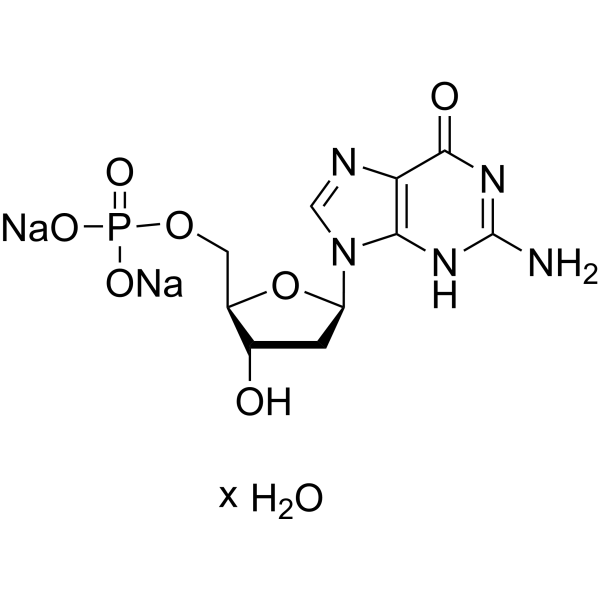
2'-Deoxyguanosine 5'-monophosphate (5'-Deoxyguanylic acid; dGMP) disodium hydrate is an oxidizable target of the photosensitizer pterin (PT) and can be used to evaluate the photosensitizing properties of biopterins (such as Bip, Fop and Cap) . Pterin causes a photosensitive reaction of dGMP under UV-A radiation, causing damage to DNA molecules. There are two main mechanisms for the photosensitive oxidation of purine nucleotides by pterin in vitro: one is the hydrogen abstraction reaction of electron transfer from dGMP to the triplet excited state of pterin (type I mechanism), and the other is the interaction between dGMP and pterin. The reaction produces singlet molecular oxygen (1O2) (Type II mechanism) [2].
loading...
    loading...

