87 Results for "

A431 cells

" in MedChemExpress (MCE) Product Catalog:
Products (87)

87 Results for "A431 cells" in MCE Product Catalog:

113
113 Publications Verification
Cat. No.: HY-18723
CAS No.: 448947-81-7
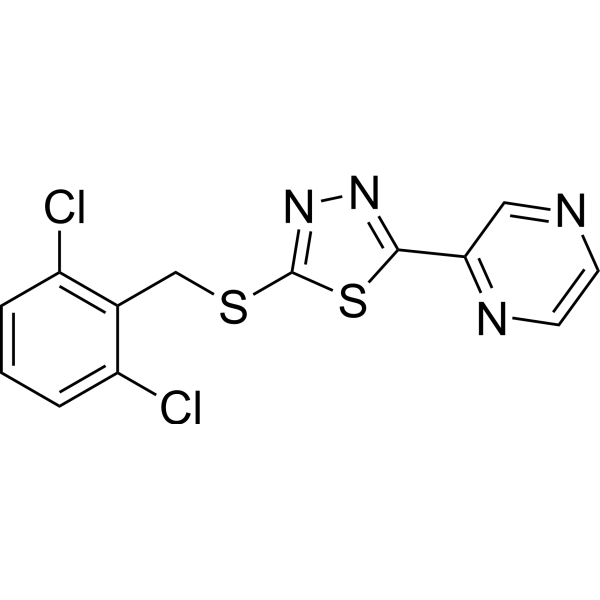
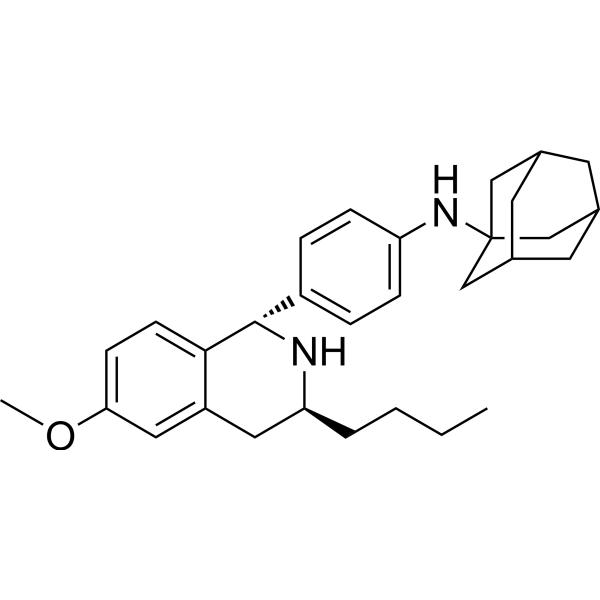
Yoda 1 is a potent and selective Piezo1 agonist. Yoda 1 activates purified Piezo1 channels. Yoda 1 potently inhibits macropinocytosis induced by epidermal growth factor (EGF). Yoda 1 enhances Ca 2+ influx followed by activation of the calcium-activated potassium channel KCa3.1 and inhibition of Rac1 activation .
loading...
    loading...
111
111 Cited Publications
Cat. No.: HY-10261
CAS No.: 850140-72-6
Purity:  99.92%
Synonyms: BIBW 2992
Research Areas:  

Cancer

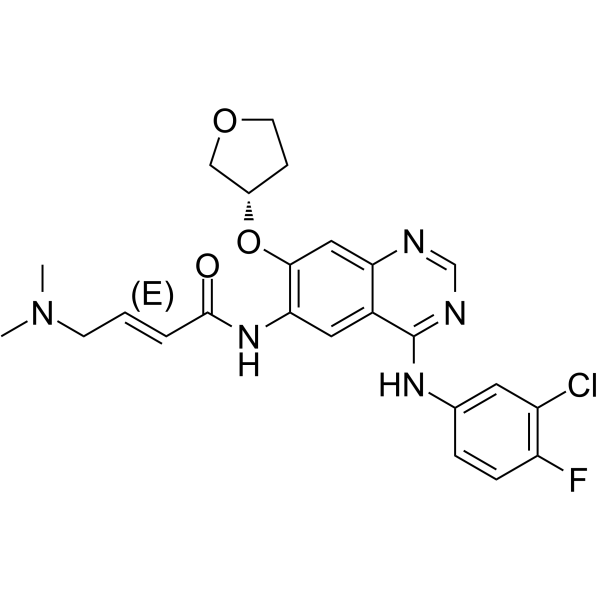
Afatinib (BIBW 2992) is an orally active, potent and irreversible dual specificity inhibitor of ErbB family (EGFR and HER2), with IC50 values of 0.5 nM, 0.4 nM, 10 nM and 14 nM for EGFR wt, EGFR L858R, EGFR L858R/T790M and HER2, respectively. Afatinib can be used for the research of esophageal squamous cell carcinoma (ESCC), non-small cell lung cancer (NSCLC) and gastric cancer .
loading...
    loading...
111
111 Cited Publications
Cat. No.: HY-10261A
CAS No.: 850140-73-7
Purity:  99.74%
Synonyms: BIBW 2992MA2
Research Areas:  

Cancer

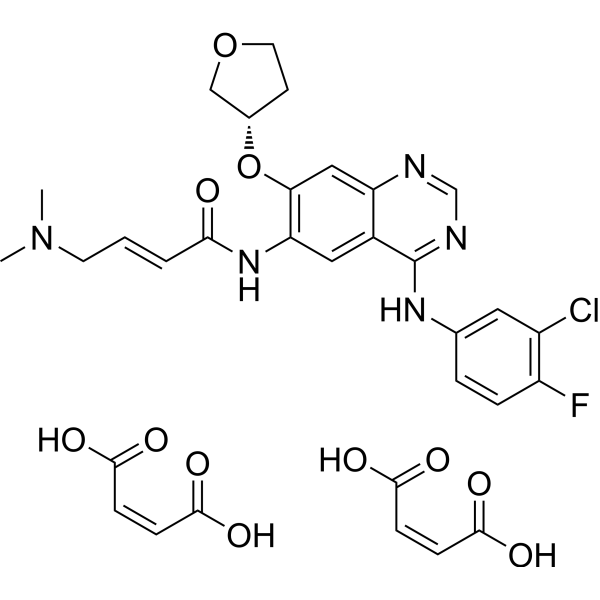
Afatinib (BIBW 2992) dimaleate is an orally active, potent and irreversible dual specificity inhibitor of ErbB family (EGFR and HER2), with IC50 values of 0.5 nM, 0.4 nM, 10 nM and 14 nM for EGFR wt, EGFR L858R, EGFR L858R/T790M and HER2, respectively. Afatinib dimaleate can be used for the research of esophageal squamous cell carcinoma (ESCC), non-small cell lung cancer (NSCLC) and gastric cancer .
loading...
    loading...
58
58 Cited Publications
Cat. No.: HY-13016
CAS No.: 849217-68-1
Purity:  99.96%
Synonyms: XL184; BMS-907351
Research Areas:  

Cancer

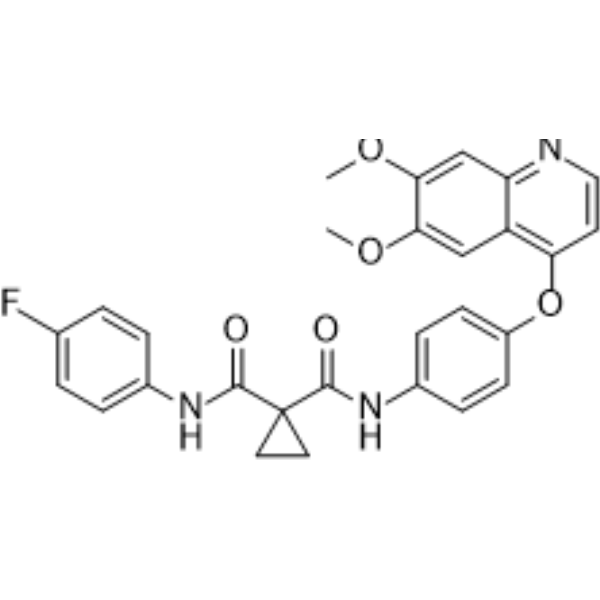
Cabozantinib is a potent and orally active inhibitor of VEGFR2 and MET, with IC50 values of 0.035, and 1.3 nM, respectively. Cabozantinib displays strong inhibition of KIT, RET, AXL, TIE2, and FLT3 (IC50=4.6, 5.2, 7, 14.3, and 11.3 nM, respectively). Cabozantinib shows antiangiogenic activity. Cabozantinib disrupts tumor vasculature and promotes tumor and endothelial cell apoptosis .
loading...
    loading...
32
32 Cited Publications
Cat. No.: HY-10459
CAS No.: 717907-75-0
Purity:  99.68%
Synonyms: VS-6062
Target:  

FAK Pyk2

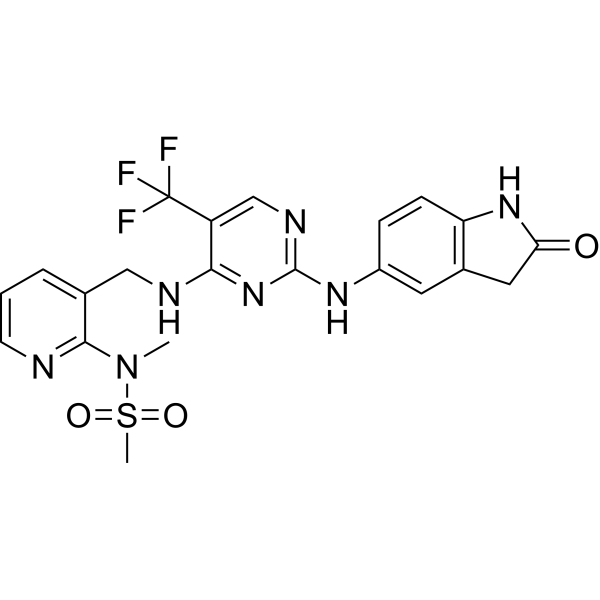
PF-562271 (VS-6062) is an orally active, ATP-competitive, reversible FAK/Pyk2 inhibitor, with an IC50 of 1.5 nM for FAK and 13 nM for Pyk2. PF-562271 induces tumor regression, and inhibits tumor growth, invasion and metastasis. PF-562271 exerts no effect on tumor necrosis, angiogenesis or apoptosis in an orthotopic mouse model of pancreatic ductal adenocarcinoma. When combined with Sunitinib (HY-10255A), PF-562271 reduces tumor vascularization, decreases serum alpha-fetoprotein levels and improves cachexia. PF-562271 can be used in research related to prostate cancer, breast cancer, pancreatic cancer, colon cancer, glioblastoma, lung cancer, pancreatic ductal adenocarcinoma and hepatocellular carcinoma .
loading...
    loading...
32
32 Cited Publications
Cat. No.: HY-10458
CAS No.: 939791-38-5
Purity:  99.17%
Synonyms: VS-6062 (besylate)
Target:  

FAK Pyk2

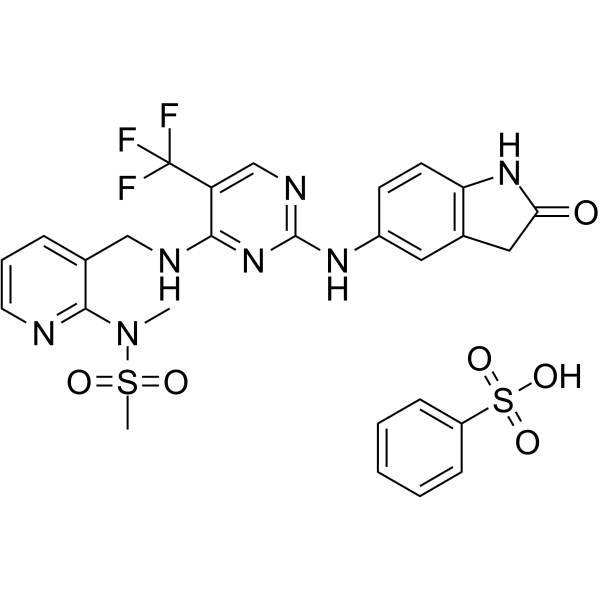
PF-562271 besylate (VS-6062 besylate) is an orally active, ATP-competitive, reversible FAK/Pyk2 inhibitor, with an IC50 of 1.5 nM for FAK and 13 nM for Pyk2. PF-562271 besylate induces tumor regression, and inhibits tumor growth, invasion and metastasis. PF-562271 besylate exerts no effect on tumor necrosis, angiogenesis or apoptosis in an orthotopic mouse model of pancreatic ductal adenocarcinoma. When combined with Sunitinib (HY-10255A), PF-562271 besylate reduces tumor vascularization, decreases serum alpha-fetoprotein levels and improves cachexia. PF-562271 besylate can be used in research related to prostate cancer, breast cancer, pancreatic cancer, colon cancer, glioblastoma, lung cancer, pancreatic ductal adenocarcinoma and hepatocellular carcinoma .
loading...
    loading...
30
30 Cited Publications
Cat. No.: HY-20403
CAS No.: 939791-41-0
Synonyms: VS-6062hydrochloride
Target:  

FAK Pyk2

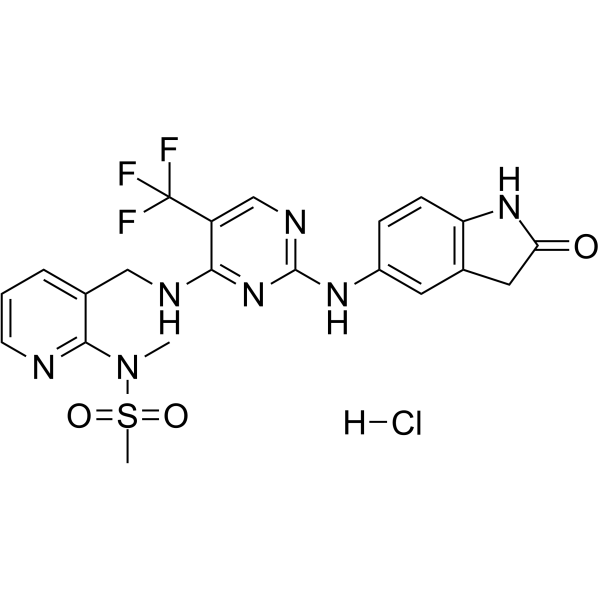
PF-562271 hydrochloride (VS-6062 hydrochloride) is an orally active, ATP-competitive, reversible FAK/Pyk2 inhibitor, with an IC50 of 1.5 nM for FAK and 13 nM for Pyk2. PF-562271 hydrochloride induces tumor regression, and inhibits tumor growth, invasion and metastasis. PF-562271 hydrochloride exerts no effect on tumor necrosis, angiogenesis or apoptosis in an orthotopic mouse model of pancreatic ductal adenocarcinoma. When combined with Sunitinib (HY-10255A), PF-562271 hydrochloride reduces tumor vascularization, decreases serum alpha-fetoprotein levels and improves cachexia. PF-562271 hydrochloride can be used in research related to prostate cancer, breast cancer, pancreatic cancer, colon cancer, glioblastoma, lung cancer, pancreatic ductal adenocarcinoma and hepatocellular carcinoma .
loading...
    loading...
4
4 Cited Publications
Cat. No.: HY-14933
CAS No.: 524684-52-4
Purity:  98.05%
Synonyms: ERB-041
Research Areas:  

Cancer

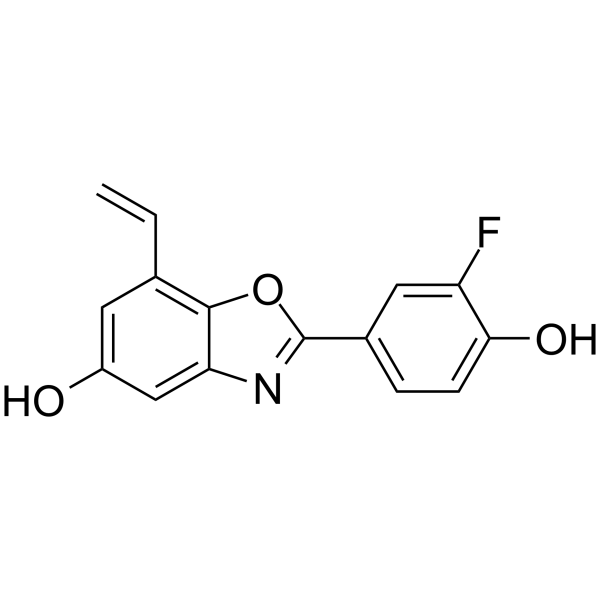
Prinaberel (ERB-041) is a potent and selective estrogen receptor (ER) β agonist with IC50s of 5.4, 3.1 and 3.7 nM for human, rat and mouse ERβ, respectively. Prinaberel displays >200-fold selectivity for ERβ over ERα. Prinaberel is a potent skin cancer chemopreventive agent that acts by dampening the WNT/β-catenin signaling pathway. Prinaberel induces ovarian cancer apoptosis .
loading...
    loading...
2
2 Cited Publications
Cat. No.: HY-10325
CAS No.: 194423-06-8
Purity:  98.05%
Synonyms: EKI-785; WAY-EKI 785
Target:  

EGFR Apoptosis

Research Areas:  

Endocrinology Cancer

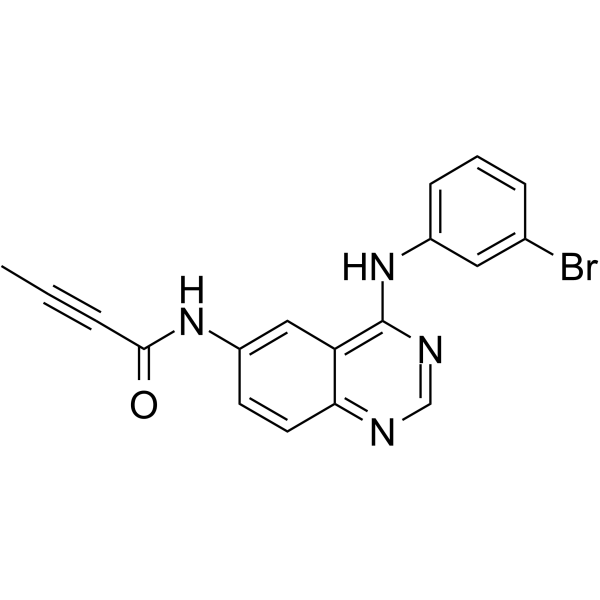
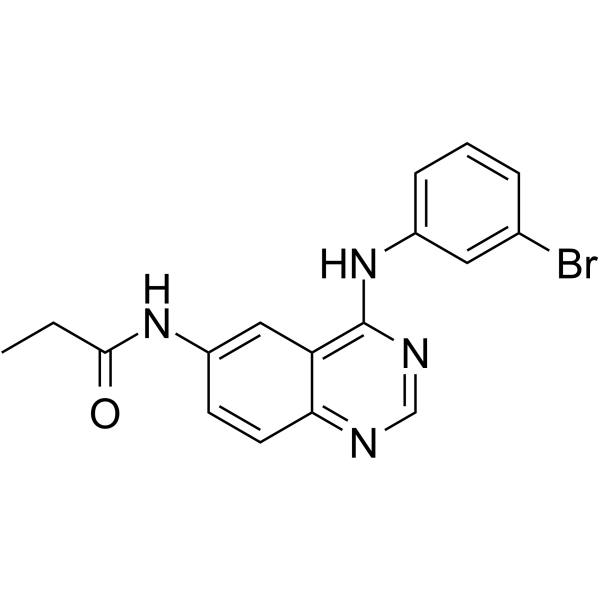
CL-387785 (EKI-785; WAY-EKI 785) is an orally active EGFR inhibitor with an IC50 of 370 pM. CL-387785 inhibits EGF-stimulated EGFR autophosphorylation with an IC50 of approximately 5 nM. CL-387,785 exerts selective inhibition on cell lines overexpressing EGFR or c-erbB-2, whereas it shows weak inhibitory effects on cell lines with low expression of these two receptors. CL-387785 effectively induces cell cycle arrest and apoptosis. CL-387785 can be used for the research of non-small cell lung cancer and autosomal recessive polycystic kidney disease .
loading...
    loading...
1
1 Cited Publications
Cat. No.: HY-116424
CAS No.: 1354630-46-8
Purity:  ≥99.0%
Synonyms: Anti-dynamin II
Research Areas:  

Cancer

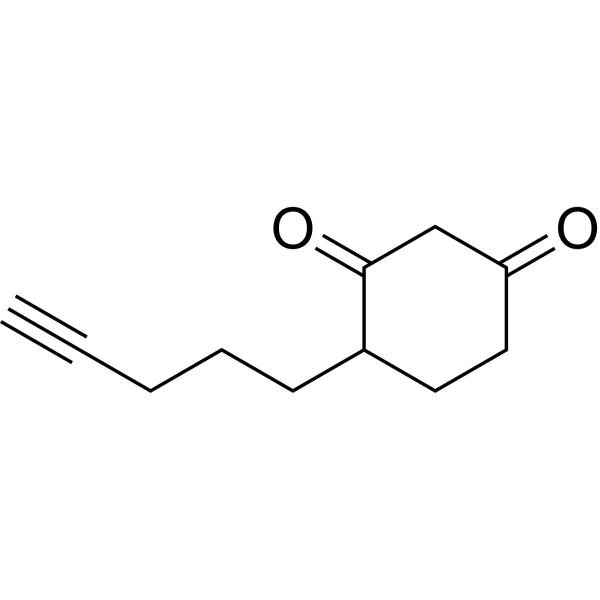
DYn-2 (Anti-dynamin II) is a chemoselective sulfenylated protein probe. DYn-2 binds to sulfenylated proteins with chemoselectivity, enabling the detection of such proteins. DYn-2 can detect differences in intracellular sulfenylation rates. DYn-2 can be used in human cancer research, including studies on breast cancer and lung cancer .
loading...
    loading...
1
1 Cited Publications
Cat. No.: HY-108491
CAS No.: 119567-63-4
Purity:  99.4%
Target:  

SphK Apoptosis

Research Areas:  

Cancer

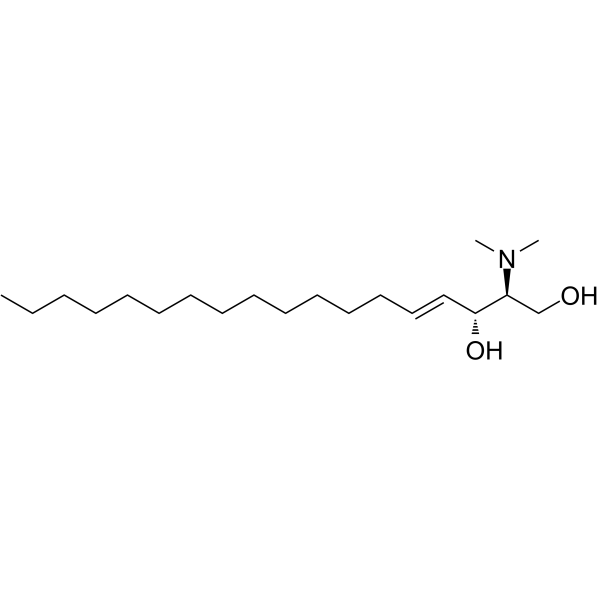
N,N-Dimethylsphingosine is a sphingosine kinase inhibitor. N,N-Dimethylsphingosine binds competitively to sphingosine kinase and blocks the conversion of sphingosine to sphingosine-1-phosphate. N,N-Dimethylsphingosine inhibits sphingosine-1-phosphate release and aggregation of platelets, and also exerts pro-apoptotic effects by resetting ceramide/sphingosine-1-phosphate homeostasis. N,N-Dimethylsphingosine can be used in cancer-related research .
loading...
    loading...
1
1 Cited Publications
Cat. No.: HY-P3722
CAS No.: 192723-42-5
Target:  

Fluorescent Dye MMP

Research Areas:  

Others

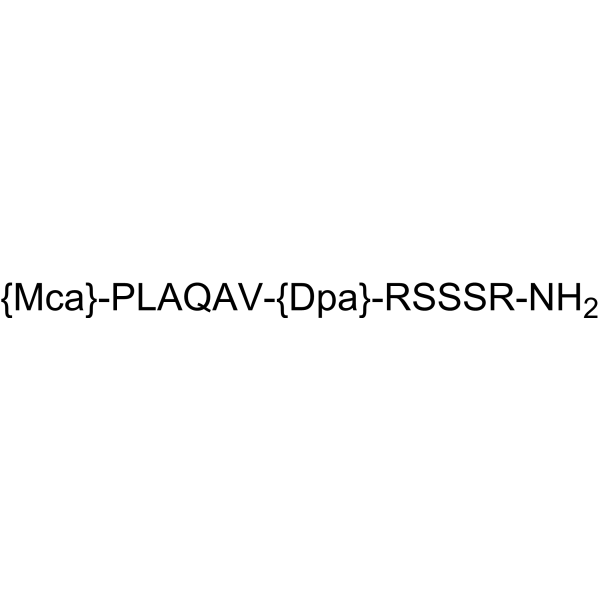
Mca-PLAQAV-Dpa-RSSSR-NH2 is a fluorescent substrate peptide that can be used to detect ADAM9, ADAM10, and tumor necrosis factor-α converting enzyme (TACE/ADAM17). Mca-PLAQAV-Dpa-RSSSR-NH2 is a fluorescence resonance energy transfer-based substrate, and its activity can be determined by changes in fluorescence intensity upon cleavage (Ex = 320 nm ; Em = 405 nm) .
loading...
    loading...
Cat. No.: HY-P10408
CAS No.: 1906866-53-2
Candidalysin is a cytolytic peptide toxin secreted by the fungus Candida albicans. Candidalysin drives epithelial immune responses by activating the EGFR-MAPK signaling pathway, inducing MMP expression and calcium influx, and regulating the c-Fos transcription factor and MKP1 via p38 MAPK and ERK1/2 respectively. Candidalysin is essential for mucosal and systemic infections, activating NLRP3 to promote inflammatory responses, neutrophil recruitment, and Th17 immunity. Candidalysin activates LDH causing membrane damage and exhibiting cytotoxicity
loading...
    loading...
Cat. No.: HY-138556
CAS No.: 2485005-22-7
Purity:  98.66%
Research Areas:  

Cancer

GPX4-IN-2 is an intermediate of GPX4-IN-1 (HY-138544). GPX4-IN-1 has shown antiproliferative activity and can be used for cancer research .
loading...
    loading...
Cat. No.: HY-D1872
CAS No.: 956579-01-4
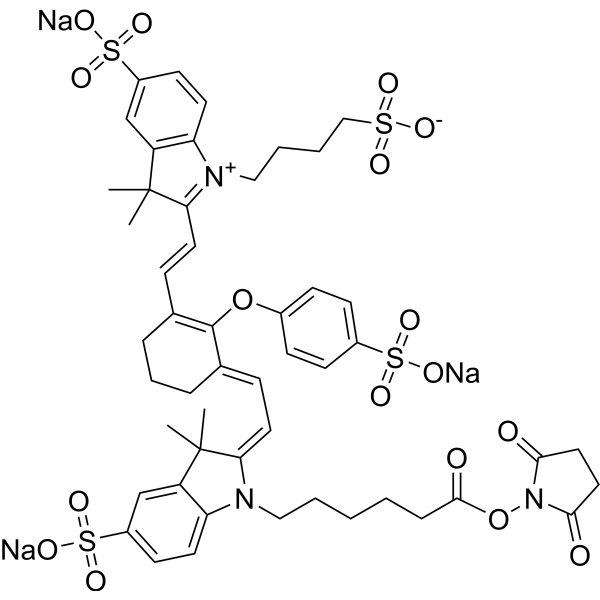
800CW NHS ester is a near-infrared fluorescent dye active ester that can conjugate with amine-containing small molecules, antibodies, peptides, and other substances to form fluorescent conjugates. 800CW NHS ester exhibits high fluorescence quantum yield and low non-specific binding properties. 800CW NHS ester can be used in biomedical research such as microbial infection imaging, tumor imaging, and biochemical detection .
loading...
    loading...
Cat. No.: HY-146349
CAS No.: 2882845-50-1
Purity:  99.70%
Target:  

PROTACs EGFR Autophagy

Research Areas:  

Cancer

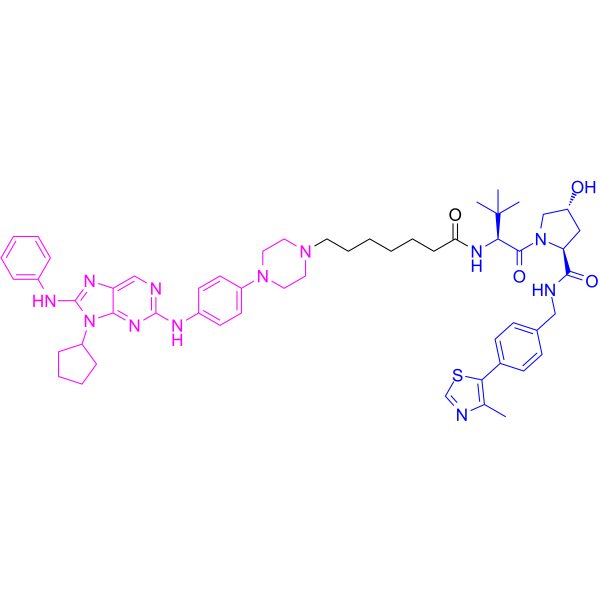
PROTAC EGFR degrader 4 is an EGFR del19 and EGFR L858R/T790M degrader with anti-proliferative activity. PROTAC EGFR degrader 4 induces degradation of mutant EGFR variants via ubiquitination and autophagy. PROTAC EGFR degrader 4 suppresses EGFR pathway signal transduction. PROTAC EGFR degrader 4 induces apoptosis, arrests cell cycle, and suppresses cell colony formation in cancer cells. PROTAC EGFR degrader 4 can be used for the research of non-small cell lung cancer .
loading...
    loading...
Cat. No.: HY-112411
CAS No.: 216163-53-0
Purity:  98.35%
PD 174265 is a highly selective, reversible EGFR/ErbB2 tyrosine kinase inhibitor (IC50=0.45 nM) and cell differentiation inducer. By blocking receptor autophosphorylation and the downstream ERK signaling pathway (with an IC50 of 0.45 μM for full-length ERK), PD 174265 effectively inhibits tumor growth and exhibits antitumor activity without obvious toxicity in in vivo models. PD 174265 drives oligodendrocyte precursor cells to switch from a proliferative state to a differentiated state, significantly upregulates the expression of myelin proteins such as CNP, PLP and MBP, and induces neurite branching. PD 174265 shows no inhibitory effect on other kinases including insulin, PDGF and basic FGF receptors, and serves as a crucial tool molecule for investigating the treatment of human epidermoid carcinoma and the mechanism of myelin repair in multiple sclerosis .
loading...
    loading...
Cat. No.: HY-42933
CAS No.: 190728-25-7
Target:  

PDGFR

Research Areas:  

Cardiovascular Disease

PDGFR-IN-2 (Compound 16C) is a 4-phenoxyquinoline derivative. PDGFR-IN-2 is a platelet-derived growth factor receptor (PDGFr) inhibitor (IC50: 0.20 μM). PDGFR-IN-2 inhibits the activity of PDGFr tyrosine kinase .
loading...
    loading...
Cat. No.: HY-177008
CAS No.: 2897640-93-4
Target:  

PROTACs EGFR Apoptosis Akt ERK

Research Areas:  

Cancer

PROTAC HER2 degrader-1 is a highly selective HER2 PROTAC degrader, with a DC50 of 69 nM and a Dmax of 96%. PROTAC HER2 degrader-1 inhibits HER2-positive cell proliferation and tumor growth through persistent HER2 degradation and potent inhibition of downstream pathways (AKT and ERK). PROTAC HER2 degrader-1 induces apoptosis in BT-474 cells. PROTAC HER2 degrader-1 can be used for research of HER2-positive cancers .
loading...
    loading...
Cat. No.: HY-108636
CAS No.: 1036069-26-7
Purity:  99.42%
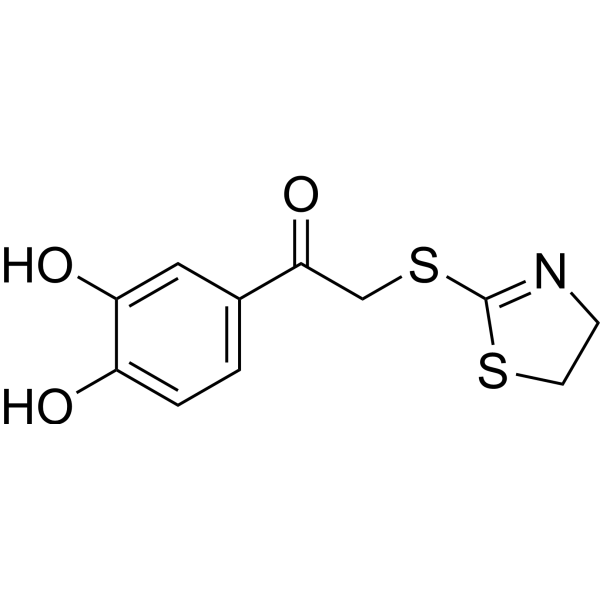
RETRA is a RIPK1/RIPK3/MLKL and p73 activator. RETRA mediates plasma membrane disruption, induces ROS accumulation, triggers early mitochondrial hyperpolarization, and synergistically drives necroptosis. RETRA inhibits cancer cells carrying mutant p53 via a p73-dependent salvage pathway. RETRA can be used in research related to cervical cancer and cancers with mutant p53 .
loading...
    loading...

