Search Result
Results for "
Anti-Tuberculosis agent
" in MedChemExpress (MCE) Product Catalog:
3
Isotope-Labeled Compounds
| Cat. No. |
Product Name |
Target |
Research Areas |
Chemical Structure |
-
- HY-W010589
-
|
H-Abu-OH
|
Endogenous Metabolite
Drug Intermediate
|
Metabolic Disease
|
|
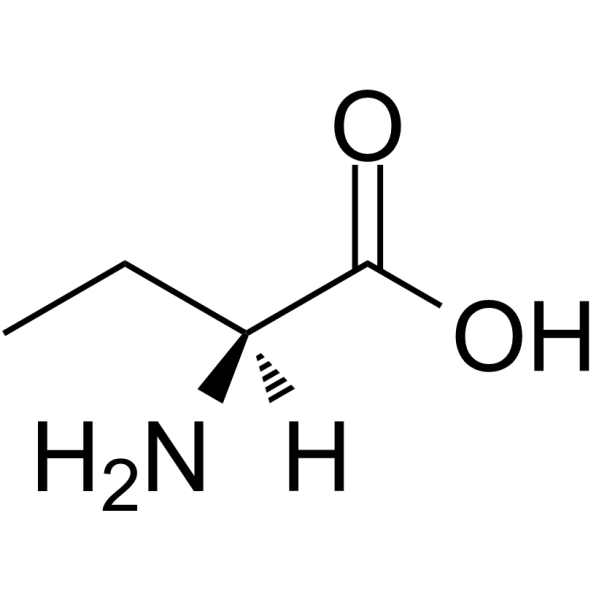
L-2-Aminobutyric acid (H-Abu-OH) is a non-proteinogenic amino acid that exists in human tissues and body fluids. L-2-Aminobutyric acid is formed by the transamination of oxobutyric acid. L-2-Aminobutyric acid can serve as a precursor for anticonvulsant and anti-tuberculosis agents and is a key intermediate in the chemical and pharmaceutical industries.
|
-
-
- HY-111747
-
|
|
Bacterial
|
Infection
Cardiovascular Disease
|
|
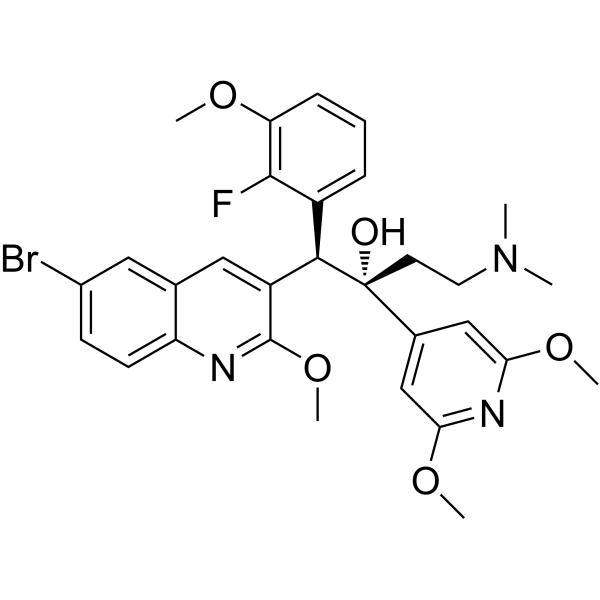
TBAJ-587, a potent anti-tuberculosis agent, inhibits M.tb strain H37Rv growth with MIC90s of 0.006 and <0.02 μg/mL in MABA and LORA assay, respectively. TBAJ-587 inhibits hERG channel minimally, attenuates inhibition of the cardiac potassium channel protein coded by the hERG, which is important for cardiac repolarization .
|
-
-
- HY-145286
-
|
|
Bacterial
|
Infection
Cancer
|
|
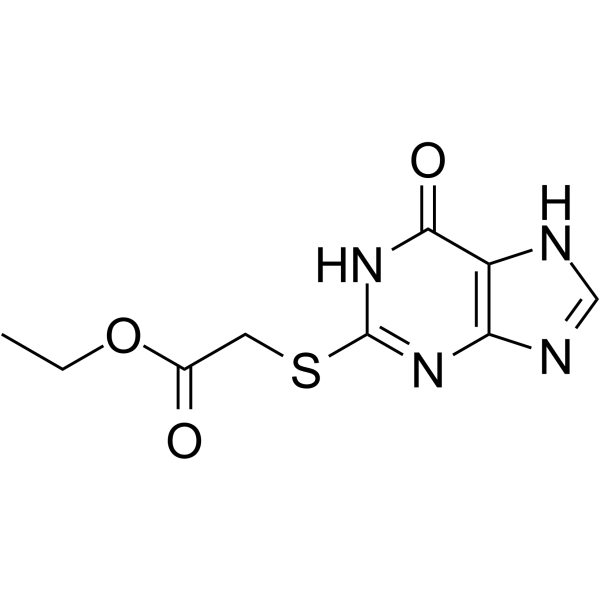
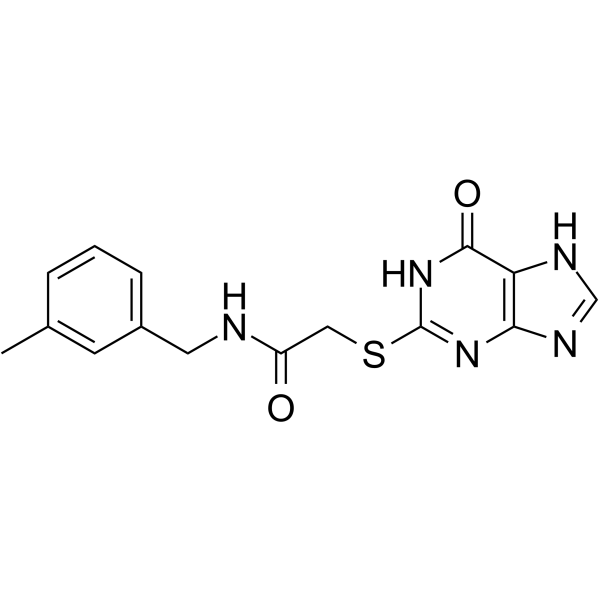
IMPDH2-IN-2 is a potent inhibitor of inosine 5’-monophosphate dehydrogenase (IMPDH) with a Ki,app value of 14 μM, respectively. IMPDH2-IN-2 displays moderate antibacterial activity (MIC = 6.3 and 11 μM in minimal GAST/Fe and rich 7H9/ADC/Tween media, respectively). IMPDH2-IN-2 is a potential anti-tuberculosis agent .
|
-
-
- HY-148564
-
|
|
Bacterial
|
Infection
|
|
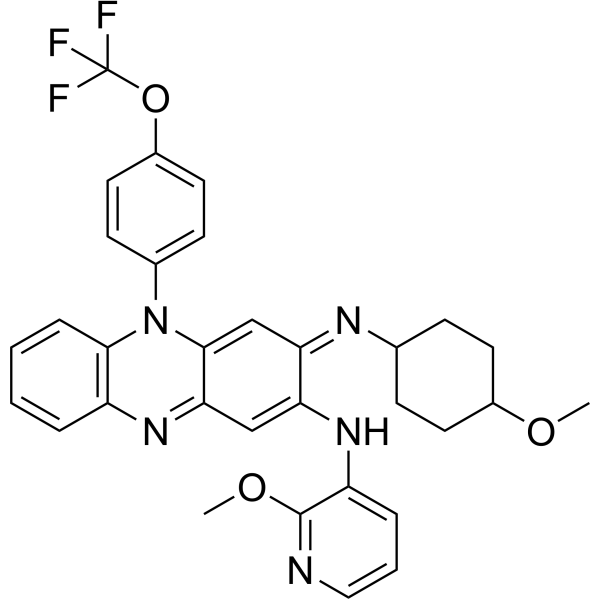
TBI-166, a riminophenazine analogue, is an orally active anti-tuberculosis agent with fewer adverse reactions than the lead riminophenazine compound, Clofazimine (HY-B1046) .
|
-
-
- HY-W028047
-
|
|
Bacterial
|
Infection
Inflammation/Immunology
|
|
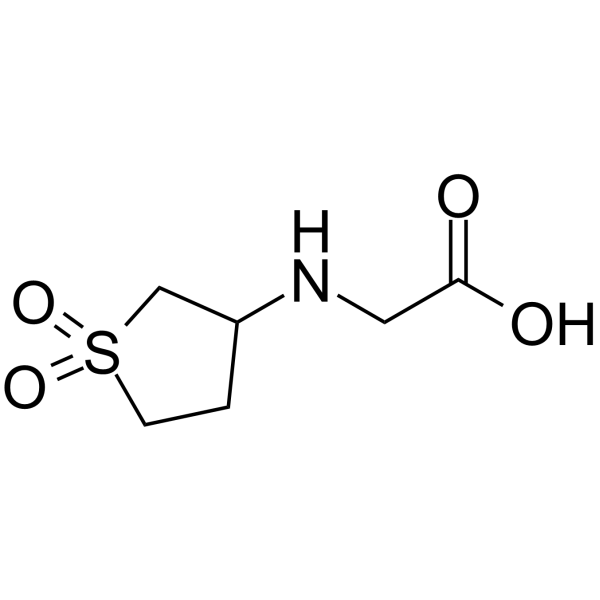
JFD01307SC is a glutamine synthetase inhibitor and anti-tuberculosis agent. JFD01307SC acts as a mimic of L-Glutamate and thus target enzymes involved in glutamine biosynthesis .
|
-
-
- HY-146446
-
|
|
Bacterial
Antibiotic
|
Infection
|
|
PXYC1 is a ribosomal protein S1 (RpsA) antagonist with Kds of 0.81 and 0.31 μM for RpsA-CTD and RpsA-CTD Δ438A, respectively. RpsA plays an important role in the trans-translation process of Mycobacterium Tuberculosis (Mtb) .
|
-
-
- HY-14990
-
|
LL 3858
|
Bacterial
|
Infection
|
|
Sudoterb (LL 3858) is an orally active anti-Tuberculosis agent .
|
-
-
- HY-112091
-
|
|
Bacterial
|
Infection
|
|
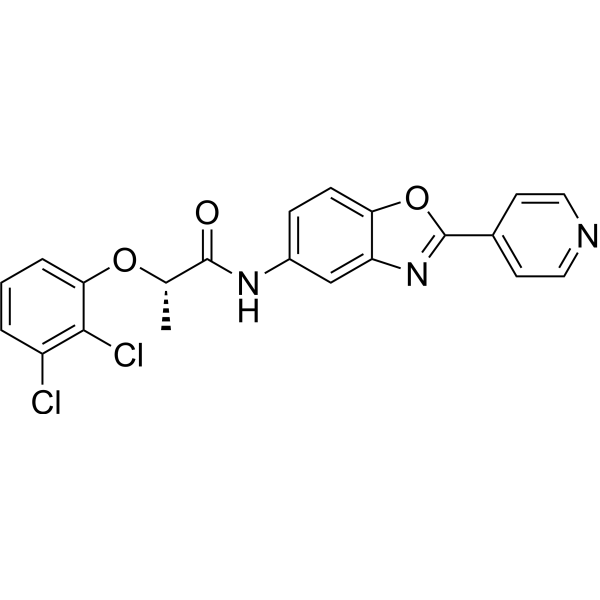
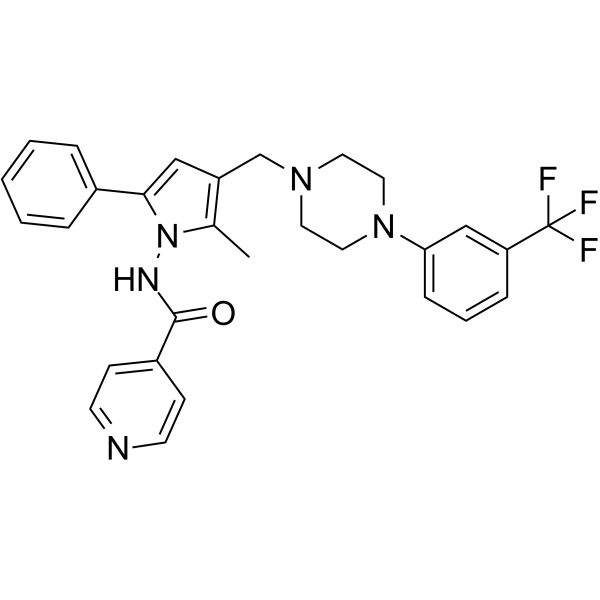
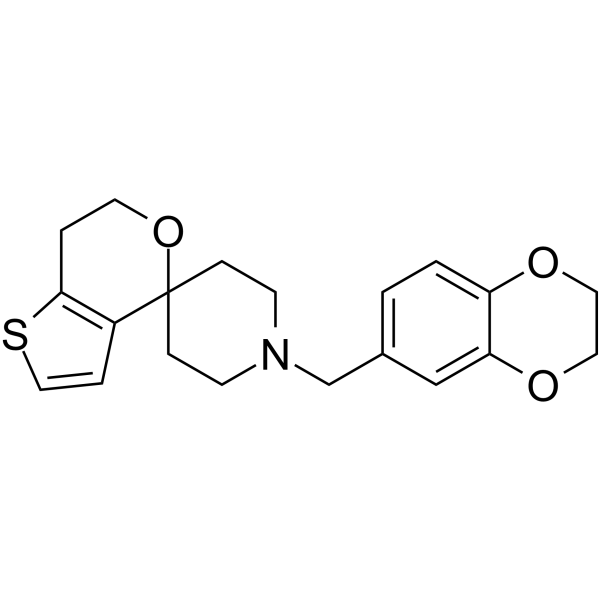
GSK2200150A, identified by high-throughput screening (HTS) campaign, is an anti-tuberculosis (TB) agent.
|
-
-
- HY-128866A
-
|
|
Bacterial
|
Infection
|
|
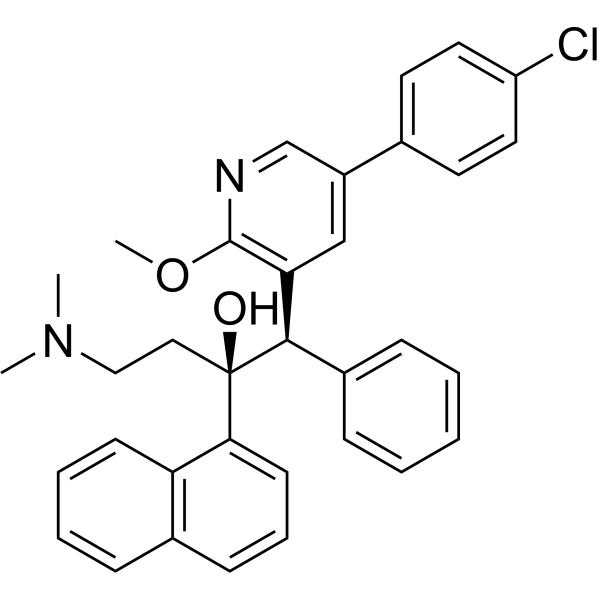
(Rac)-TBAJ-876 is a racemate of TBAJ-876. TBAJ-876 is the inhibitor of mycobacterium tuberculosis. TBAJ-876 is the analogue of the anti-tuberculosis agent Bedaquiline (HY-14881). TBAJ-876 has the potential for the research of tuberculosis .
|
-
-
- HY-146158
-
|
WX-081
|
Bacterial
Potassium Channel
Antibiotic
|
Infection
|
|
Fudapirine, an anti-tuberculosis agent, displays excellent anti-mycobacterial activity against M. tuberculosis H37Rv and low cytotoxicity. Fudapirine exhibits potent activity with MIC50s of 0.083 and 0.11 μg/mL for agent susceptible tuberculosis (DS-TB) and multidrug resistant tuberculosis (MDR-TB) strains. Fudapirine also inhibits hERG channel with the IC50 of 1.89 μM.
|
-
-
- HY-178436
-
|
|
Bacterial
|
Infection
|
|
Antituberculosis agent-16 is an orally active antituberculosis agent. Antituberculosis agent-16 exhibits stable antituberculosis activity with a MIC of 0.48 μg/mL against Mycobacterium tuberculosis H37Rv sensitive strain and 0.49 μg/mL against multidrug-resistant strain 14862. Antituberculosis agent-16 shows high Caco-2 permeability. Antituberculosis agent-16 can be used for the research of infection .
|
-
-
- HY-B1040
-
-
-
- HY-W064918
-
|
|
Bacterial
|
Infection
|
|
NITD-304 is an orally active anti-tuberculosis agent. NITD-304 exerts inhibitory and bactericidal activities gainst Mycobacterium tuberculosis and multidrug-resistant Mycobacterium tuberculosis. NITD-304 inhibits mycobacterial cell wall biosynthesis and demonstrates synergistic or additive growth inhibitory activity with select antibacterial agents. NITD-304 shows low risk of cardiotoxicity and drug-drug interactions, with no inhibition of major cytochrome P-450 enzymes or hERG channel. NITD-304 can be used for the research of tuberculosis and multidrug-resistant tuberculosis .
|
-
-
- HY-151514
-
|
|
Bacterial
|
Infection
|
|
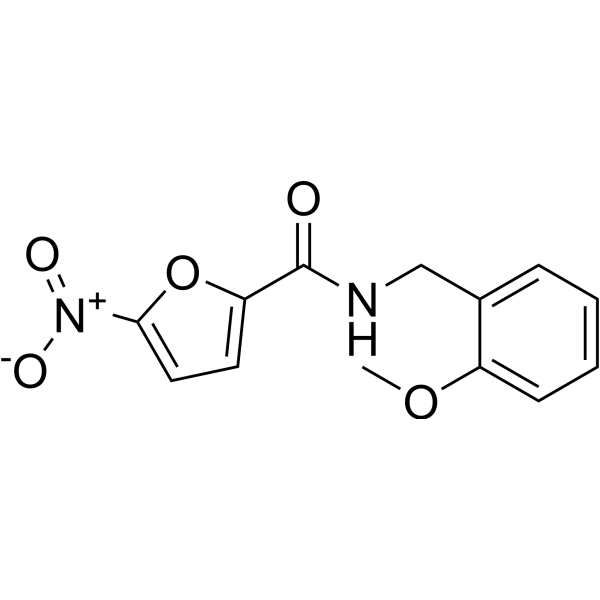
Antituberculosis agent-5 (compound 52) is a nitrofuranylamide derivative, inhibits M. tuberculosis UDP-Gal mutase. Antituberculosis agent-5 inhibits Glf activity with an IC50 value of 99 μM/mL and resists tuberculosis (TB) with a MIC value of 1.6 μg/mL .
|
-
-
- HY-152138
-
|
|
Bacterial
Fungal
|
Infection
|
|
Antituberculosis agent-8 (Compound 9i) is an antitubercular agent with an MIC of 3.53 μM (1.6 μg/mL) against M. tuberculosis H37Rv. Antituberculosis agent-8 also shows good antifungal activity against A. niger with an MIC of 62.50 μM .
|
-
-
- HY-146451
-
|
|
Bacterial
Antibiotic
|
Infection
|
|
PXYC12 is a ribosomal protein S1 (RpsA) antagonist with Kds of 2.67 and 4.67 μM for RpsA-CTD and RpsA-CTD Δ438A, respectively. RpsA plays an important role in the trans-translation process of Mycobacterium Tuberculosis (Mtb) .
|
-
-
- HY-142031
-
|
|
Bacterial
|
Infection
|
|
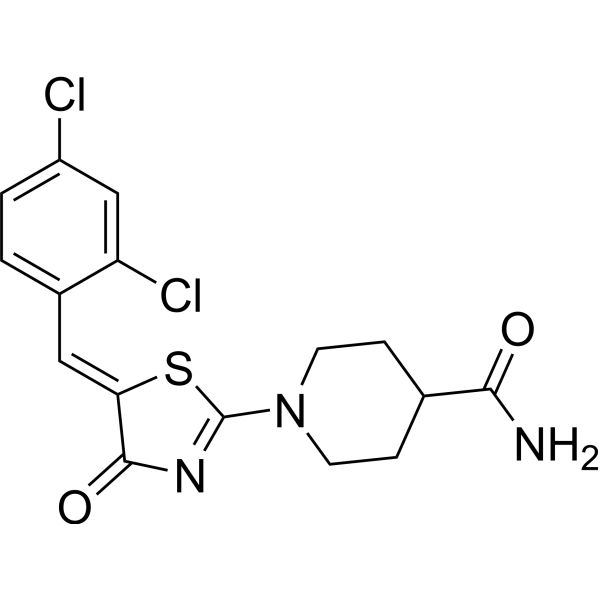
4-Piperidinecarboxamide is a mycobacterial aspartyl-tRNA synthetase (AspS) inhibitor. 4-Piperidinecarboxamide is a promising anti-tuberculosis (TB) agent .
|
-
-
- HY-146057
-
|
|
Bacterial
|
Infection
|
|
Antituberculosis agent-2 (Compound 8d) is an antituberculosis agent against agent-sensitive and multidrug-resistant tuberculosis. Antituberculosis agent-2 shows anti-tuberculosis activity with MIC values of 0.454, 1.757 and 1.644 μg/mL against M. tuberculosis H37Rv, 13946 and 14862, respectively. Antituberculosis agent-2 displays favorable mouse and human microsomal stability, low cytotoxicity, and acceptable oral bioavailability .
|
-
-
- HY-W738288
-
-
-
- HY-N11259
-
|
|
Bacterial
|
Infection
|
|
Sophoradiol is a triterpenoid compound that can be extracted from Abrus Precatorius. Sophoradiol is an orally effective anti-tuberculosis agent. Sophoradiol has inhibitory activity against various strains of Mycobacterium tuberculosis. Sophoradiol has good biocompatibility. Sophoradiol can be used in the research of tuberculosis .
|
-
-
- HY-152136
-
|
|
Bacterial
Fungal
|
Infection
|
|
Antituberculosis agent-6 (compound 9g) is a potent antimycobacterial agent. Antituberculosis agent-6 shows significant activity against M. tuberculosis, with a MIC of 3.49 μM. Antituberculosis agent-6 also shows good antifungal activity against A. niger, with a MIC of 62.50 μM. Antituberculosis agent-6 shows high GI absorption .
|
-
-
- HY-151205
-
|
|
Bacterial
|
Infection
Inflammation/Immunology
|
|
Antituberculosis agent-3 (Compound 2) is an antituberculosis agent. Antituberculosis agent-3 shows anti-mycobacterial activity, and can inhibit M. tuberculosis H37Rv strain growth (MIC=12.5 μg/mL) .
|
-
-
- HY-146055
-
|
|
Bacterial
|
Infection
|
|
Antituberculosis agent-1 (Compound 8a) is an antituberculosis agent with an MIC of 3.84 μg/mL against M. tuberculosis H37Rv .
|
-
-
- HY-163486
-
|
|
Bacterial
|
Infection
|
|
Antituberculosis agent-10 (Compound 9) has excellent antibacterial activity against Mycobacterium tuberculosis (MIC = 0.3 μM). Antituberculosis agent-10 inhibits protein synthesis by targeting the 50S ribosomal subunit of the bacterium, thus exerting its antibacterial effect. Antituberculosis agent-10 is orally active .
|
-
-
- HY-152137
-
|
|
Bacterial
Fungal
Antibiotic
|
Infection
Inflammation/Immunology
|
|
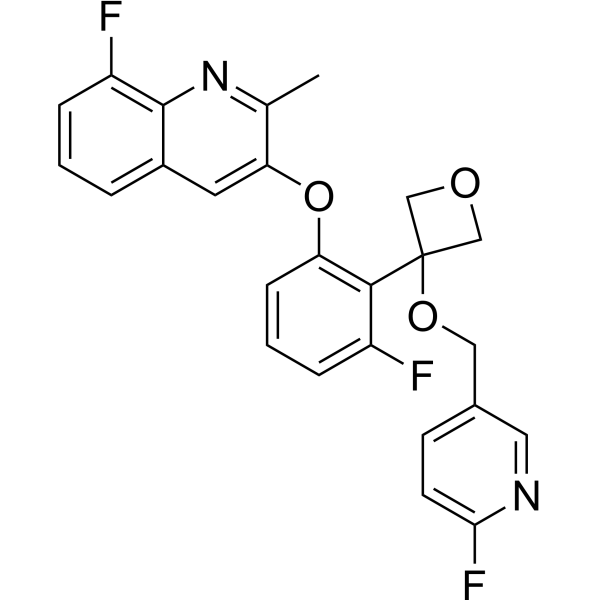
Antituberculosis agent-7, an oxetanyl-quinoline derivative, has shown good antibacterial activity against P. mirabilis with a MIC of 31.25 μM. Antituberculosis agent-7 shows good antifungal activity against A. niger with a MIC of 62.5 μM. Antituberculosis agent-7 shows excellent antimycobacterial activity with MIC 3.41 μM for M. tuberculosis H37Rv .
|
-
-
- HY-175183
-
|
|
Bacterial
|
Infection
|
|
Antituberculosis agent-15 (Compound 18c) is a selective antimycobacterial agent with MICs of 0.45 and 0.28 μM for M. tuberculosis H37Rv (ATCC 27294) and its wild-type H37Rv-LP (ATCC 25618), respectively. Antituberculosis agent-15 has potent intracellular inhibitory activities in macrophage infection models with IC50s of 0.16 μM. Antituberculosis agent-15 can be used for tuberculosis research .
|
-
-
- HY-168860
-
|
|
Bacterial
|
Infection
Cancer
|
|
Antituberculosis agent-13 (Compound 11) inhibits Mycobacterium tuberculosis, that inhibits Mtb wildtype and mutated strains with IC50 of 4-62.5 nM. Antituberculosis agent-13 exhibits anti-leukemia activity that inhibits MOLM-13 with IC50 of 3.8 μM .
|
-
-
- HY-W129661
-
|
|
Bacterial
|
Infection
|
|
Pyrazine-2-carbothioamide is an effective antituberculosis agent with inhibitory activity against mycobacterium in vitro .
|
-
-
- HY-149064
-
|
|
Bacterial
|
Infection
|
|
Antituberculosis agent-9 (Compound 5a) is an orally active antitubercular agent with an MIC of 0.5 μg/mL against H37Ra .
|
-
-
- HY-14990A
-
|
LL 3858 hydrochloride
|
Bacterial
|
Infection
|
|
Sudoterb (LL 3858) hydrochloride is an orally active anti-Tuberculosis agent .
|
-
-
- HY-153009
-
|
|
Bacterial
|
Infection
|
|
MMV676584 has anti-tuberculosis avtivity. MMV676584 is a novel agent candidate for eumycetoma .
|
-
-
- HY-179444
-
|
|
Bacterial
|
Inflammation/Immunology
|
|
Antituberculosis agent-17 (compound 21) is a potent and selective antituberculosis agent. Antituberculosis agent-17 displays excellent anti-Tuberculosis (TB) activity against H37Rv, MDR and XDR strains of TB (MIC = 0.2-0.78 μM). Antituberculosis agent-17 exhibits selectivity for Mycobacterium tuberculosis over selected non-TB forming mycobacteria and bacteria. Antituberculosis agent-17 can be used for TB research .
|
-
-
- HY-126131
-
|
|
Bacterial
|
Infection
|
|
anti-TB agent 1 is a potent and orally active anti-tuberculosis agent, with MICs of < 2 nM against the Mtb strains H37Rv, rRMP and rINH .
|
-
-
- HY-146348
-
|
|
Bacterial
|
Infection
|
|
Tuberculosis inhibitor 5 (Compound 11i) is a potent antimycobacterial biphenyl analogue without noticeable cytotoxicity. Tuberculosis inhibitor 5 is an anti-tuberculosis agent .
|
-
-
- HY-W018677S
-
|
|
Antibiotic
|
Infection
|
|
Quinoxaline-d4 is the deuterium labeled Quinoxaline . Quinoxaline is a chemical compound that acts as an intermediate for anti-tuberculosis agent Pyrazinamide. Quinoxaline presents a structure that is similar to quinolone antibiotics .
|
-
-
- HY-N8388
-
|
|
Bacterial
|
Infection
|
|
Collinin is a anti-tubercular agent, it can be isolated from leaves of Z. schinifolium. Collinin has an excellent anti-tuberculosis effect against multidrug-resistant (MDR), extensively drug-resistant (XDR) strains .
|
-
-
- HY-162527
-
|
|
Bacterial
|
Infection
|
|
Antibacterial agent 216 (Compound 2a) is an antibacterial agent that exhibits significant bactericidal effects when combined with INH and RIF. Antibacterial agent 216 has demonstrated remarkable in vitro anti-tuberculosis activity against Mtb H37Rv and MDR clinical isolates and can be used for tuberculosis research .
|
-
-
- HY-W026339
-
|
|
Bacterial
|
Infection
|
|
IMB-XMA0038 is a MtASADH inhibitor with an IC50 value of 0.59 μg/mL. IMB-XMA0038 inhibits various agent-resistant Mycobacteria tuberculosis potently with MICs of 0.25-0.5 μg/mL. IMB-XMA0038 shows anti-tuberculosis activity .
|
-
-
- HY-162521
-
|
|
Bacterial
Fungal
|
Infection
|
|
Antibacterial agent 215 (Compound 3b) is an inhibitor for carbonic anhydrase (CA), with Ki of 17.61, 5.14 and 43.74 nM, for hCA I, hCA II and AChE, respectively. Antibacterial agent 215 exhibits anti-tuberculosis, with MIC of 62.5 µg/ml against M. tuberculosis. Antibacterial agent 215 exhibits antifungal activities against Candida spp. strains ATCC 14053, ATCC 1369, and ATCC 15126, with MICs of 125 µg/ml .
|
-
-
- HY-40156A
-
|
|
Bacterial
|
Infection
|
|
Mycobacterium Tuberculosis-IN-5 (Compound 11) is the HCl salt form of 5-Fluoroindole (HY-40156). Mycobacterium Tuberculosis-IN-5 is an antibacterial agent, that inhibits Mycobacterium tuberculosis with a MIC of 29.1 μM. Mycobacterium Tuberculosis-IN-5 exhibits metabolic stability in rat liver microsomes. Mycobacterium Tuberculosis-IN-5 exhibits anti-tuberculosis efficacy in mice .
|
-
-
- HY-138958
-
|
|
Bacterial
Virus Protease
|
Infection
|
|
HT1171 is a potent and selective inhibitor of mycobacterium tuberculosis proteasome. HT1171 shows strong anti-tuberculosis activity against Mycobacterium tuberculosis H37Rv with an MIC90 of 2 μg/mL and an MIC of 4 μg/mL. When HT1171 concentration is 100 μM, the inhibition rate of human normal hepatocytes L02 is 53.8%. HT1171 can be used in the research of antitubercular agent .
|
-
-
- HY-W010589S2
-
|
H-Abu-OH-d6
|
Isotope-Labeled Compounds
Endogenous Metabolite
Drug Intermediate
|
Metabolic Disease
|
|
L-2-Aminobutyric acid-d6 is the deuterium labeled L-2-Aminobutyric acid. L-2-Aminobutyric acid is a non-proteinogenic amino acid that exists in human tissues and body fluids. L-2-Aminobutyric acid is formed by the transamination of oxobutyric acid. L-2-Aminobutyric acid can serve as a precursor for anticonvulsant and anti-tuberculosis agents and is a key intermediate in the chemical and pharmaceutical industries.
|
-
-
- HY-W010589S
-
|
H-Abu-OH-d3
|
Isotope-Labeled Compounds
Endogenous Metabolite
Drug Intermediate
|
Metabolic Disease
|
|
L-2-Aminobutyric acid-d3 is the deuterium labeled L-2-Aminobutyric acid. L-2-Aminobutyric acid is a non-proteinogenic amino acid that exists in human tissues and body fluids. L-2-Aminobutyric acid is formed by the transamination of oxobutyric acid. L-2-Aminobutyric acid can serve as a precursor for anticonvulsant and anti-tuberculosis agents and is a key intermediate in the chemical and pharmaceutical industries.
|
-
-
- HY-W010589R
-
|
H-Abu-OH (Standard)
|
Reference Standards
Endogenous Metabolite
Drug Intermediate
|
Metabolic Disease
|
|
L-2-Aminobutyric acid (Standard) is the analytical standard of L-2-Aminobutyric acid. This product is intended for research and analytical applications. L-2-Aminobutyric acid is a non-proteinogenic amino acid that exists in human tissues and body fluids. L-2-Aminobutyric acid is formed by the transamination of oxobutyric acid. L-2-Aminobutyric acid can serve as a precursor for anticonvulsant and anti-tuberculosis agents and is a key intermediate in the chemical and pharmaceutical industries.
|
-
-
- HY-162926
-
|
|
Bacterial
|
Infection
|
|
Antituberculosis agent-12 (compound 3408) is a narrow-spectrum antituberculosis prodrug phosphate that has the ability to inhibit drug-resistant tuberculosis infection .
|
-
-
- HY-151599
-
|
|
Bacterial
|
Infection
|
|
Pks13-TE inhibitor 3 (compound 23) is a 13-Thioesterase (Pks13-TE) inhibitor (IC50=1.55 μM). Pks13-TE inhibitor 3 shows good anti-tuberculosis activity against both agent-sensitive and drug-resistant Mtb strains (MIC=0.0625-0.25 μg/mL). Pks13-TE inhibitor 3 can be used in studies of multidrug-resistant TB and extensively drug-resistant TB .
|
-
-
- HY-151598
-
|
|
Bacterial
|
Infection
|
|
Pks13-TE inhibitor 2 (compound 32) is a 13-Thioesterase (Pks13-TE) inhibitor (IC50=1.30 μM). Pks13-TE inhibitor 2 shows good anti-tuberculosis activity against both agent-sensitive and drug-resistant Mtb strains (MIC=0.0039-0.0078 μg/mL). Pks13-TE inhibitor 2 can be used in studies of multidrug-resistant TB and extensively drug-resistant TB .
|
-
-
- HY-155067
-
|
|
Bacterial
|
Infection
|
|
Antitubercular agent-38 is an orally active Benzothiazinones (BTZs) derivate, with potent antituberculosis activity. Antitubercular agent-38 exhibits low cardiac toxicity, low cell cytotoxicity .
|
-
-
- HY-139863
-
|
|
Bacterial
|
Infection
|
|
Antibacterial agent 62 is a novel redox cycling antituberculosis chemotype with potent bactericidal activity against growing and nutrient-starved phenotypically drug-resistant nongrowing bacteria.
|
-
-
- HY-173355
-
|
|
Bacterial
|
Infection
|
|
RCB18350 is an antituberculosis agent that belongs to the class of isoxazole derivatives. RCB18350 has bacteriostatic activity and inhibits the growth of Mycobacterium tuberculosis with an MIC of 1.25 μg/mL. RCB18350 is effective against multidrug-resistant Mycobacterium tuberculosis (MDR-TB) clinical isolates, slow-growing mycobacteria such as Mycobacterium bovis BCG and Mycobacterium avium .
|
-
- HY-137604A
-
|
|
Biochemical Assay Reagents
|
Infection
|
|
(γ-AmNS)UTP (trisodium) is a fluorescent derivative of UTP and enables the detection of RNA polymerase activity. Incorporation of UMP in RNA results in the release of γ-AmNS-PPi, which has higher intrinsic fluorescence than (γ-AmNS) UTP. (γ-AmNS)UTP (trisodium) can be used for antibacterial and antituberculosis agents study .
|
-
- HY-181771
-
|
|
Bacterial
|
Infection
|
|
IDD-AN-A1 is a potent Mycobacterium tuberculosis (Mtb) isocitrate lyase (ICL) inhibitor with an IC50 of 7 μg/mL. IDD-AN-A1 shows additive and synergistic activity with anti-tuberculosis agents. , respectively.IDD-AN-A1 exhibits potent anti-tuberculosis activity. IDD-AN-A1 can be used for the research of tuberculosis .
|
-
- HY-146450
-
|
|
Bacterial
Antibiotic
|
Infection
|
|
PXYC2 is a ribosomal protein S1 (RpsA) antagonist with Kds of 6.35 and 5.11 μM for RpsA-CTD and RpsA-CTD Δ438A, respectively. RpsA plays an important role in the trans-translation process of Mycobacterium Tuberculosis (Mtb) .
|
-
- HY-146447
-
|
|
Bacterial
Antibiotic
|
Infection
|
|
PXYC13 is a ribosomal protein S1 (RpsA) antagonist with Kds of 7.61 and 8.50 μM for RpsA-CTD and RpsA-CTD Δ438A, respectively. RpsA plays an important role in the trans-translation process of Mycobacterium Tuberculosis (Mtb) .
|
-
- HY-146449
-
|
|
Bacterial
Antibiotic
|
Infection
|
|
PXYD4 is a ribosomal protein S1 (RpsA) antagonist with Kds of 3.24 and 1.64 μM for RpsA-CTD and RpsA-CTD Δ438A, respectively. RpsA plays an important role in the trans-translation process of Mycobacterium Tuberculosis (Mtb) .
|
-
- HY-146446R
-
|
|
Reference Standards
Bacterial
Antibiotic
|
Infection
|
|
Maltopentaose (Standard) is the analytical standard of Maltopentaose. This product is intended for research and analytical applications. Maltopentaose is the shortest chain oligosaccharide that can be classified as maltodextrin and is also used in a study to investigate glycation and phosphorylation of α-lactalbumin.
|
-
- HY-163107
-
|
|
Bacterial
|
Infection
|
|
Antimycobacterial agent-7 (compound 4) is a 1,2,4-triazole anti-tuberculosis agent (MIC: 2 μg/mL). Antimycobacterial agent-7 inhibits Mtb KatG and causes the accumulation of ROS in Mtb cells. ROS produces oxidative damage, leading to the death of Mtb .
|
-
- HY-173205
-
|
|
Bacterial
|
Infection
|
|
Antimycobacterial agent - 11 (Compound QM7) is a bacteriostatic agent with anti-tuberculosis activity. Its minimum inhibitory concentration (MIC) against Mycobacterium tuberculosis (Mtb) is 5.58 μg/mL. Antimycobacterial agent - 11 can be used in the research of the anti - infection field, especially in the field of tuberculosis .
|
-
- HY-118647
-
|
Etisul
|
Bacterial
|
Infection
|
|
Ditophal is an orally active thiol ester anti-tuberculosis and anti-leprosy agent. Ditophal combats Mycobacterium tuberculosis infections in subcutaneous and intracerebral sites in guinea pigs, including isoniazid (HY-B0329)-resistant strains. Ditophal alters the staining characteristics of Mycobacterium leprae and reduces the bacterial index of leprosy. Ditophal causes ulcers at the injection site when administered subcutaneously to guinea pigs at high doses. Ditophal can be used in the research of tuberculosis and leprosy .
|
-
- HY-178971
-
|
|
Bacterial
|
Infection
|
|
Antimycobacterial agent-13 (Compound 3) is an anti tuberculosis agent. Antimycobacterial agent-13 has good antibacterial activity against Mycobacterium tuberculosis (MIC = 3.125 µg/mL) in vitro. Antimycobacterial agent-13 can be used in the research of tuberculosis .
|
-
| Cat. No. |
Product Name |
Category |
Target |
Chemical Structure |
| Cat. No. |
Product Name |
Chemical Structure |
-
- HY-W018677S
-
|
|
|
Quinoxaline-d4 is the deuterium labeled Quinoxaline . Quinoxaline is a chemical compound that acts as an intermediate for anti-tuberculosis agent Pyrazinamide. Quinoxaline presents a structure that is similar to quinolone antibiotics .
|
-
-
- HY-W010589S2
-
|
|
|
L-2-Aminobutyric acid-d6 is the deuterium labeled L-2-Aminobutyric acid. L-2-Aminobutyric acid is a non-proteinogenic amino acid that exists in human tissues and body fluids. L-2-Aminobutyric acid is formed by the transamination of oxobutyric acid. L-2-Aminobutyric acid can serve as a precursor for anticonvulsant and anti-tuberculosis agents and is a key intermediate in the chemical and pharmaceutical industries.
|
-
-
- HY-W010589S
-
|
|
|
L-2-Aminobutyric acid-d3 is the deuterium labeled L-2-Aminobutyric acid. L-2-Aminobutyric acid is a non-proteinogenic amino acid that exists in human tissues and body fluids. L-2-Aminobutyric acid is formed by the transamination of oxobutyric acid. L-2-Aminobutyric acid can serve as a precursor for anticonvulsant and anti-tuberculosis agents and is a key intermediate in the chemical and pharmaceutical industries.
|
-
Your information is safe with us. * Required Fields.
Inquiry Information
- Product Name:
- Cat. No.:
- Quantity:
- MCE Japan Authorized Agent:

