1. Search Result
Search Result
Results for "

Arteriosclerosis

" in MedChemExpress (MCE) Product Catalog:

13

Inhibitors & Agonists

4

Natural
Products

4

Isotope-Labeled Compounds

Cat. No. Product Name Target Research Areas Chemical Structure
  • HY-107542
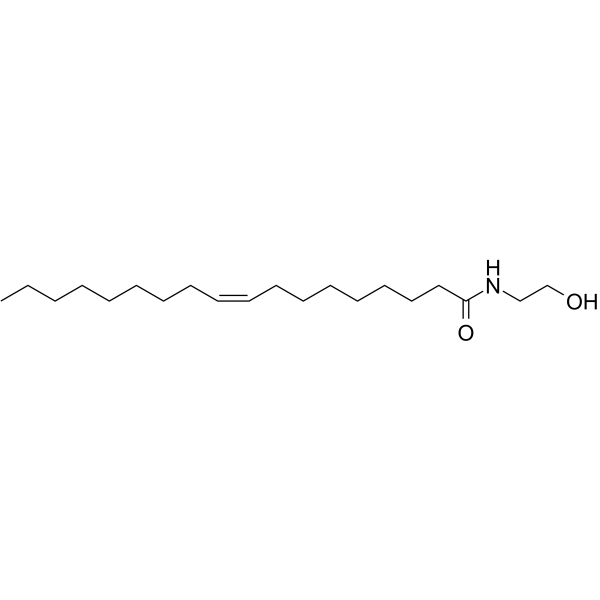
    Oleoylethanolamide
    3 Publications Verification

    N-Oleoylethanolamide; Oleamide MEA; Oleic acid monoethanolamide

    Endogenous Metabolite PPAR Cardiovascular Disease Metabolic Disease
    Oleoylethanolamide is a high affinity endogenous PPAR-α agonist, which plays an important role in the treatment of obesity and arteriosclerosis.
    Oleoylethanolamide
  • HY-B0199A

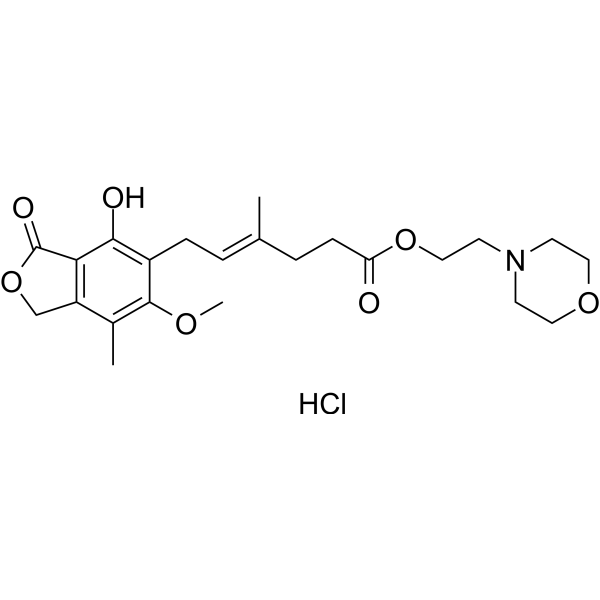
    RS 61443 hydrochloride; TM-MMF hydrochloride

    Interleukin Related Inflammation/Immunology
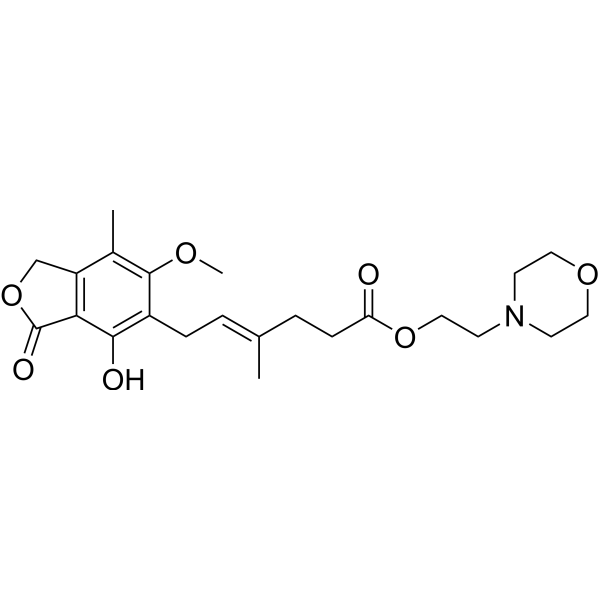
    Mycophenolate mofetil (RS 61443; TM-MMF) hydrochloride is an orally active antimetabolic immunosuppressant with antiproliferative and anti-inflammatory properties. Mycophenolate mofetil hydrochloride significantly inhibits the production of B, T lymphocytes and the proliferation of smooth muscle cells by selectively blocking the de novo purine synthesis pathway. Mycophenolate mofetil hydrochloride effectively reduces adventitial inflammation, medial necrosis and intimal thickening in rat aortic allografts, and decreases the number of lymphocytes expressing the IL-2 receptor, thereby delaying xenograft rejection. Mycophenolate mofetil hydrochloride shows certain toxicity in a hamster-to-rat limb xenotransplantation model when used in combination with FK506 (HY-13756). Mycophenolate mofetil hydrochloride is widely used in studies related to allograft arteriosclerosis (chronic rejection) .
    Mycophenolate mofetil hydrochloride
  • HY-101448
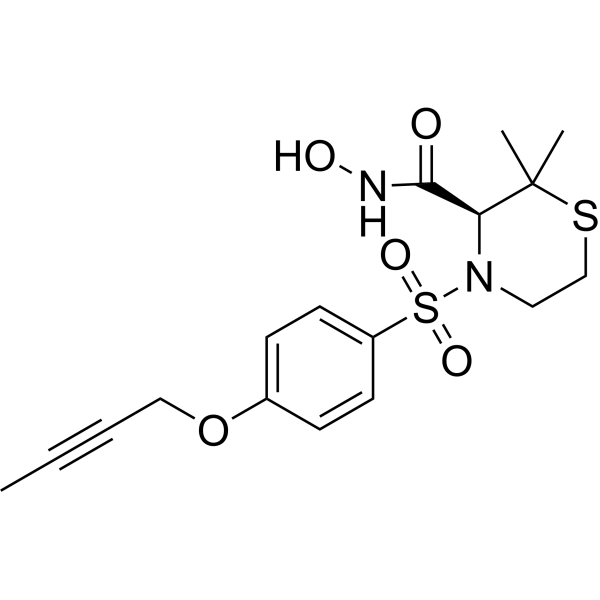
    TMI-1
    1 Publications Verification

    WAY-171318

    MMP Apoptosis Interleukin Related TNF Receptor Caspase Infection Neurological Disease Inflammation/Immunology Cancer
    TMI-1 (WAY-171318) inhibits TNF converting enzyme (TACE) (IC50 of 8.4 nM), ADAM-TS-4, ADAM-17 and various MMPs with oral activity. TMI-1 significantly suppresses the secretion of TNF-α , alleviating collagen-induced arthritis in mice. TMI-1 inhibits cancer cell proliferation, induces apoptosis through a caspase-dependent pathway. TMI-1 also reverses TRPV1 upregulation and lowers the levels of inflammatory factors (TNF-αIL-1βIL-6) in nerve cells, protecting against paclitaxel-induced neurotoxicity. TMI-1 leads to changes in pro-atherogenic lipoprotein profiles, but does not affect the progression of early lesions .
    TMI-1
  • HY-B1170

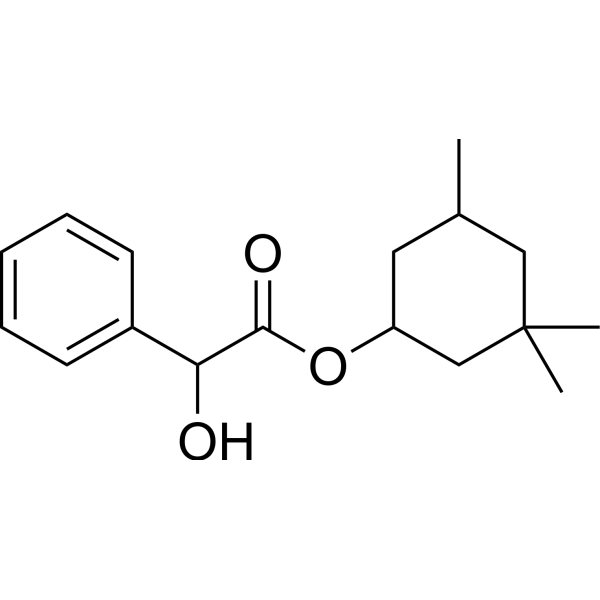
    3,5,5-Trimethylcyclohexyl mandelate

    Calcium Channel Cardiovascular Disease
    Cyclandelate is a vasodilator that can be used in the study of claudication, arteriosclerosis, Raynaud's disease, nocturnal leg cramps, and migraines.
    Cyclandelate
  • HY-B0199S

    Isotope-Labeled Compounds Interleukin Related Cancer
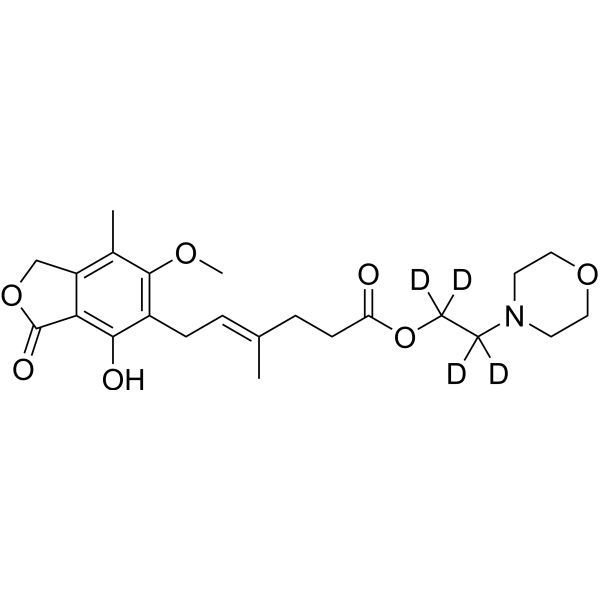
    Mycophenolate Mofetil-d4 is the deuterium labeled Mycophenolate Mofetil. Mycophenolate mofetil (RS 61443; TM-MMF) hydrochloride is an orally active antimetabolic immunosuppressant with antiproliferative and anti-inflammatory properties. Mycophenolate mofetil hydrochloride significantly inhibits the production of B, T lymphocytes and the proliferation of smooth muscle cells by selectively blocking the de novo purine synthesis pathway. Mycophenolate mofetil hydrochloride effectively reduces adventitial inflammation, medial necrosis and intimal thickening in rat aortic allografts, and decreases the number of lymphocytes expressing the IL-2 receptor, thereby delaying xenograft rejection. Mycophenolate mofetil hydrochloride shows certain toxicity in a hamster-to-rat limb xenotransplantation model when used in combination with FK506 (HY-13756). Mycophenolate mofetil hydrochloride is widely used in studies related to allograft arteriosclerosis (chronic rejection) .
    Mycophenolate Mofetil-d4
  • HY-107542S

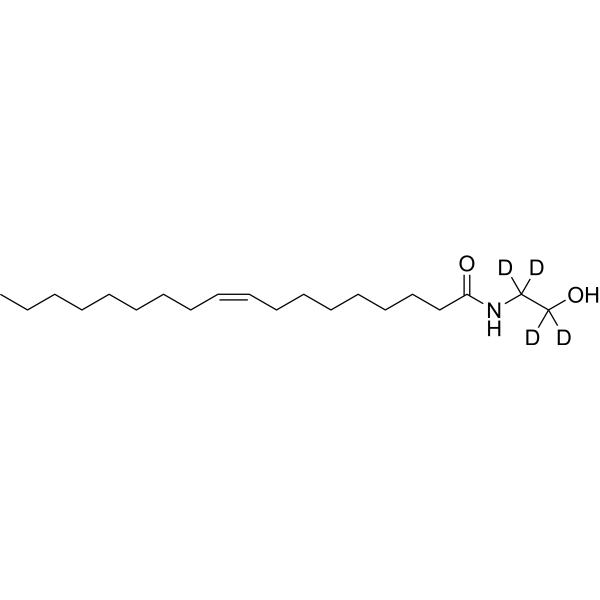
    N-Oleoylethanolamide-d4; Oleamide MEA-d4; Oleic acid monoethanolamide-d4

    Isotope-Labeled Compounds Endogenous Metabolite PPAR Cardiovascular Disease Metabolic Disease
    Oleoylethanolamide-d4 is the deuterium labeled Oleoylethanolamide. Oleoylethanolamide is a high affinity endogenous PPAR-α agonist, which plays an important role in the treatment of obesity and arteriosclerosis.
    Oleoylethanolamide-d4
  • HY-107542S2

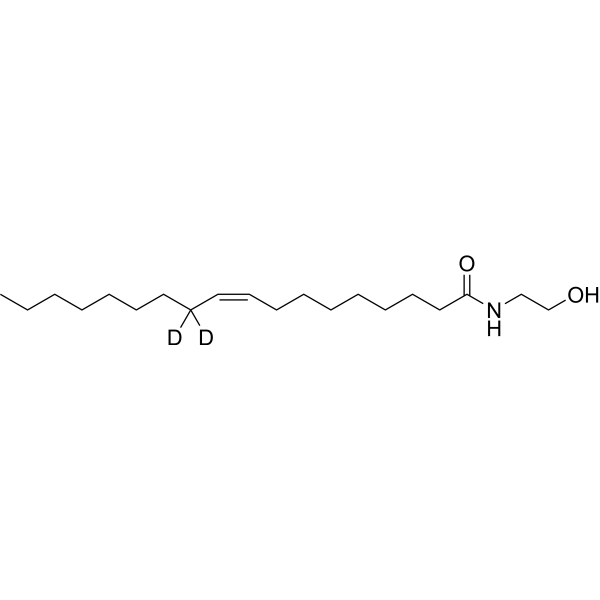
    N-Oleoylethanolamide-d2; Oleamide MEA-d2; Oleic acid monoethanolamide-d2

    Isotope-Labeled Compounds Endogenous Metabolite PPAR Cardiovascular Disease Metabolic Disease
    Oleoylethanolamide-d2 is the deuterium labeled Oleoylethanolamide. Oleoylethanolamide is a high affinity endogenous PPAR-α agonist, which plays an important role in the treatment of obesity and arteriosclerosis.
    Oleoylethanolamide-d2
  • HY-107542R

    N-Oleoylethanolamide (Standard); Oleamide MEA (Standard); Oleic acid monoethanolamide (Standard)

    Reference Standards Endogenous Metabolite PPAR Cardiovascular Disease Metabolic Disease
    Oleoylethanolamide (Standard) is the analytical standard of Oleoylethanolamide. This product is intended for research and analytical applications. Oleoylethanolamide is a high affinity endogenous PPAR-α agonist, which plays an important role in the treatment of obesity and arteriosclerosis.
    Oleoylethanolamide (Standard)
  • HY-B0199R

    RS 61443 (Standard); TM-MMF (Standard)

    Reference Standards Interleukin Related Cancer
    Mycophenolate Mofetil (Standard) is the analytical standard of Mycophenolate Mofetil. This product is intended for research and analytical applications. Mycophenolate mofetil (RS 61443; TM-MMF) hydrochloride is an orally active antimetabolic immunosuppressant with antiproliferative and anti-inflammatory properties. Mycophenolate mofetil hydrochloride significantly inhibits the production of B, T lymphocytes and the proliferation of smooth muscle cells by selectively blocking the de novo purine synthesis pathway. Mycophenolate mofetil hydrochloride effectively reduces adventitial inflammation, medial necrosis and intimal thickening in rat aortic allografts, and decreases the number of lymphocytes expressing the IL-2 receptor, thereby delaying xenograft rejection. Mycophenolate mofetil hydrochloride shows certain toxicity in a hamster-to-rat limb xenotransplantation model when used in combination with FK506 (HY-13756). Mycophenolate mofetil hydrochloride is widely used in studies related to allograft arteriosclerosis (chronic rejection) .
    Mycophenolate Mofetil (Standard)
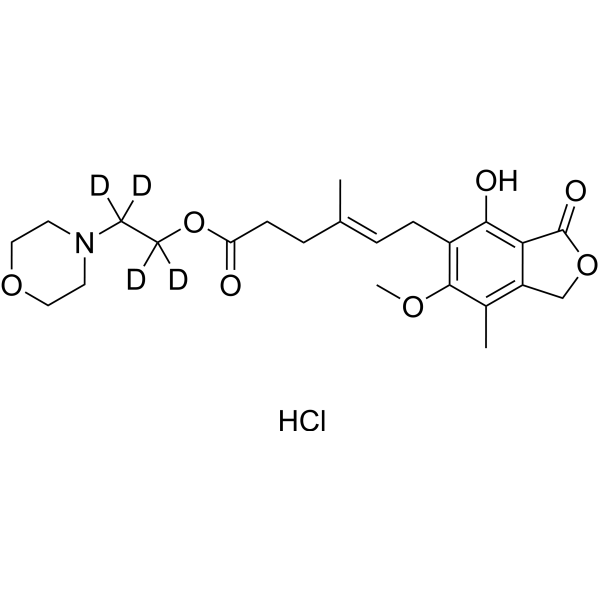
  • HY-B0199AS

    RS 61443-d4 hydrochloride; TM-MMF-d4 hydrochloride

    Isotope-Labeled Compounds Interleukin Related Cancer
    Mycophenolate Mofetil-d4 hydrochloride is deuterated labeled Mycophenolate mofetil hydrochloride (HY-B0199A). Mycophenolate mofetil (RS 61443; TM-MMF) hydrochloride is an orally active antimetabolic immunosuppressant with antiproliferative and anti-inflammatory properties. Mycophenolate mofetil hydrochloride significantly inhibits the production of B, T lymphocytes and the proliferation of smooth muscle cells by selectively blocking the de novo purine synthesis pathway. Mycophenolate mofetil hydrochloride effectively reduces adventitial inflammation, medial necrosis and intimal thickening in rat aortic allografts, and decreases the number of lymphocytes expressing the IL-2 receptor, thereby delaying xenograft rejection. Mycophenolate mofetil hydrochloride shows certain toxicity in a hamster-to-rat limb xenotransplantation model when used in combination with FK506 (HY-13756). Mycophenolate mofetil hydrochloride is widely used in studies related to allograft arteriosclerosis (chronic rejection) .
    Mycophenolate Mofetil-d4 hydrochloride
  • HY-114602

    Monocarboxylate Transporter Inflammation/Immunology
    AR-C117977 is a potent monocarboxylate transporter (MCT1) inhibitor. AR-C117977 prolongs the survival of skin and heart sllograft. AR-C117977 inhibits the development of transplant arteriosclerosis in aortic allografts partially, but was unable to inhibit alloantibody production after transplantation. AR-C117977 shows potent immunosuppressive properties in vivo effectively preventing acute but not chronic allograft rejection in the mouse .
    AR-C117977
  • HY-W353470

    2,3-Dinor-8-isoPGF2α

    Drug Metabolite Metabolic Disease
    2,3-Dinor-8-iso prostaglandin F₂α (2,3-Dinor-8-isoPGF2α) is the major β-oxidation metabolite of 8-iso-prostaglandin F₂α. 2,3-Dinor-8-iso prostaglandin F₂α serves as a biomarker to evaluate the in vivo production of 8-iso-prostaglandin F₂α and the level of lipid peroxidation. 2,3-Dinor-8-iso prostaglandin F₂α is promising for research of oxidative stress-related diseases such as arteriosclerosis and diabetes .
    2,3-Dinor-8-iso prostaglandin F 2α
  • HY-101448R

    WAY-171318 (Standard)

    MMP Reference Standards Apoptosis Interleukin Related TNF Receptor Caspase Infection Neurological Disease Inflammation/Immunology Cancer
    TMI-1 (Standard) is the analytical standard of TMI-1 (HY-101448). This product is intended for research and analytical applications. TMI-1 (WAY-171318) inhibits TNF converting enzyme (TACE) (IC50 of 8.4 nM), ADAM-TS-4, ADAM-17 and various MMPs with oral activity. TMI-1 significantly suppresses the secretion of TNF-α , alleviating collagen-induced arthritis in mice. TMI-1 inhibits cancer cell proliferation, induces apoptosis through a caspase-dependent pathway. TMI-1 also reverses TRPV1 upregulation and lowers the levels of inflammatory factors (TNF-α、IL-1β、IL-6) in nerve cells, protecting against paclitaxel-induced neurotoxicity. TMI-1 leads to changes in pro-atherogenic lipoprotein profiles, but does not affect the progression of early lesions .
    TMI-1 (Standard)

Inquiry Online

Your information is safe with us. * Required Fields.

Salutation


Country or Region *

Applicant Name *


Organization Name *

Department *


Email Address *


Product Name *

Cat. No.


Requested quantity *

Phone Number *


Remarks

Inquiry Online

Inquiry Information

Product Name:
Cat. No.:
Quantity:
MCE Japan Authorized Agent:

