
Search Result
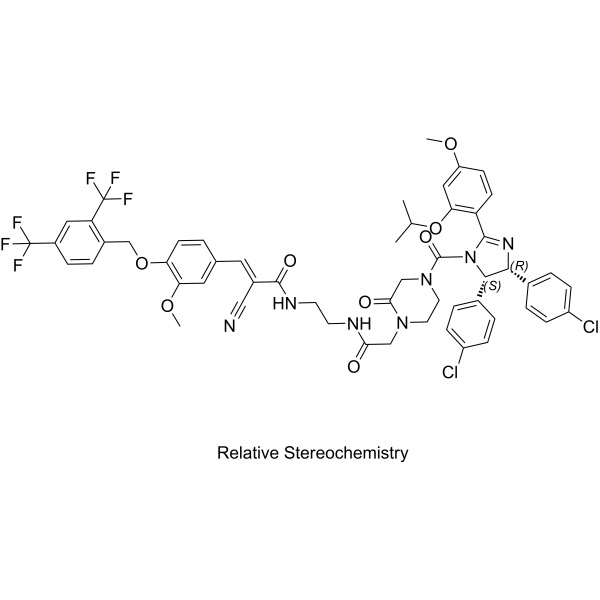
Results for "
Configuration
" in MedChemExpress (MCE) Product Catalog:
4
Biochemical Assay Reagents
3
Isotope-Labeled Compounds
| Cat. No. |
Product Name |
Target |
Research Areas |
Chemical Structure |
-
- HY-W010347
-
-
-
- HY-W018035
-
|
Glyceric Acid (20% in Water,ca.2 mol/L)
|
Endogenous Metabolite
|
Metabolic Disease
|
|
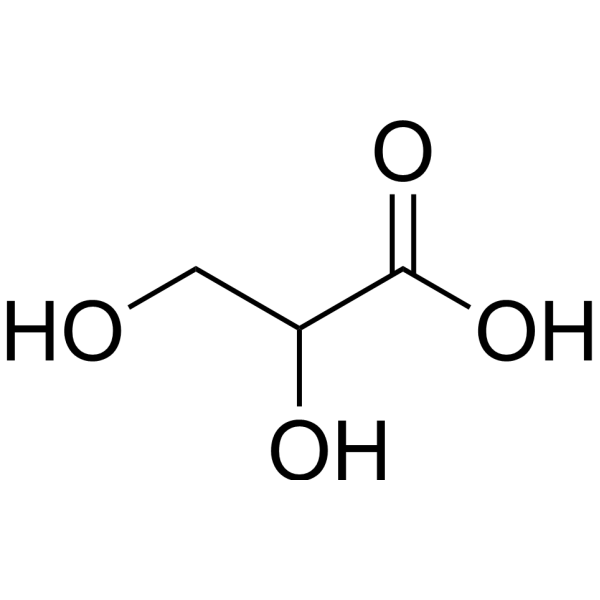
DL-Glyceric Acid (20% in water) is a metabolite of plants and mammals and exists in two configurations, D and L .
|
-
-
- HY-P1939
-
|
Cyclo(L-prolyl-L-leucyl)
|
Fungal
Bacterial
Influenza Virus
|
Infection
|
|
Cyclo(L-Leu-L-Pro) is a cyclic dipeptide with broad-spectrum antibacterial, antiviral and antifungal activities. Its biological activity is highly dependent on the stereoconfiguration and is widely present in microbial metabolites. Cyclo(L-Leu-L-Pro) efficiently and specifically inhibits the production of aflatoxin by Aspergillus flavus. The cis configuration of Cyclo(L-Leu-L-Pro) (cis-cyclo(L-Leu-L-Pro)) has broad-spectrum antibacterial activity against multi-drug resistant bacteria and significantly inhibits the influenza A virus H3N2 .
|
-
-
- HY-30220
-
-
-
- HY-113068
-
|
|
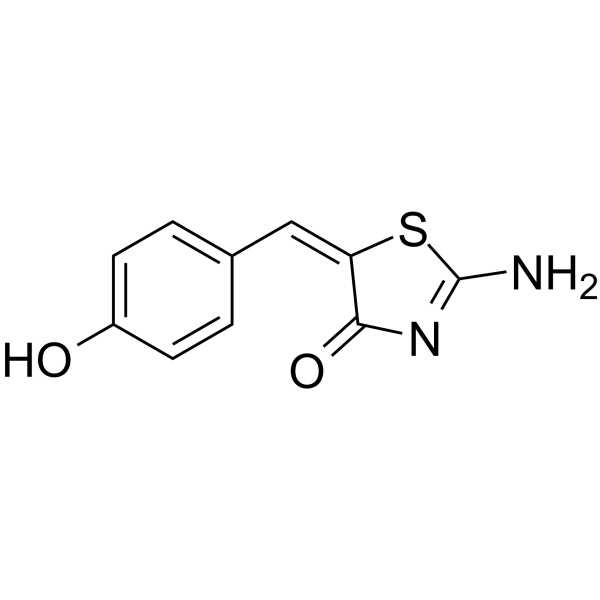
Tyrosinase
|
Metabolic Disease
|
|
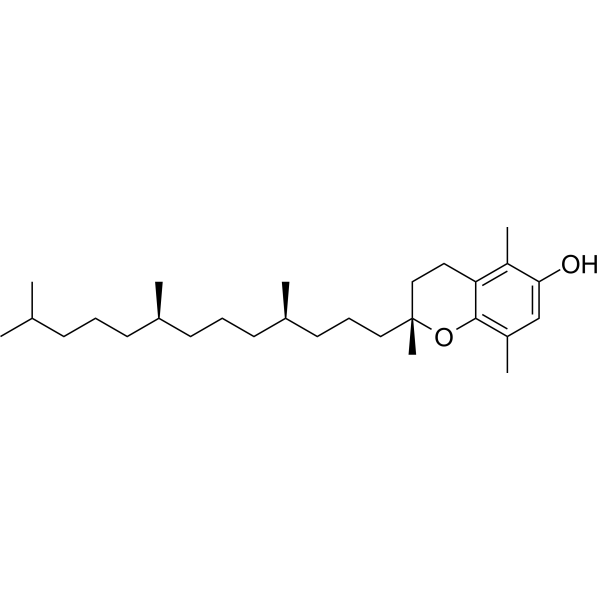
(rel)-β-Tocopherol is a relative configuration of β-Tocopherol. β-Tocopherol is a lipid-soluble form of vitamin E with antioxidant activity .
|
-
-
- HY-117693
-
(E/Z)-Mirin
Maximum Cited Publications
9 Publications Verification
|
ATM/ATR
|
Cancer
|
|
(E/Z)-Mirin is a mixture of (E)-Mirin and Mirin ((Z)-Mirin) (HY-19959) configurations. Among them, Mirin is an inhibitor of MRN (Mre11-Rad50-Nbs1). Mirin prevents MRN-dependent ATM activation without affecting ATM protein kinase activity .
|
-
-
- HY-164254
-
|
(E/Z)-GA-002
|
Large Tumor Suppressor (LATS)
YAP
|
Cardiovascular Disease
Inflammation/Immunology
Cancer
|
|
Cardiomyocyte proliferation promoting agent-1 ((E/Z)-GA-002), which is an E/Z mixture, is a cardiomyocyte proliferation promoter. GA-002 (single E configuration) is a kinase inhibitor for LATS1 and LATS2, with its IC50 values being 3.93 nM and 3.87 nM respectively. GA-002 can induce the expression of genes regulated by the Hippo pathway, inhibit the phosphorylation of YAP/TAZ, and induce the nuclear translocation of YAP .
|
-
-
- HY-W653733
-
-
-
- HY-13859
-
|
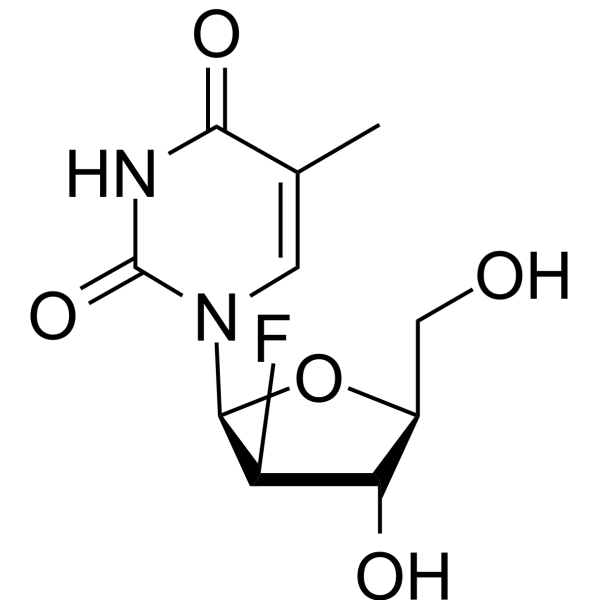
L-FMAU
|
HBV
DNA/RNA Synthesis
Orthopoxvirus
|
Infection
|
|
Clevudine (L-FMAU), a nucleoside analog of the unnatural L-configuration, has potent anti-HBV activity with long half-life, low toxicity. Clevudine is a non-competitive inhibitor that is not incorporated into the viral DNA but rather binds to the polymerase. Clevudine is active against cowpox virus respiratory infection in mice .
|
-
-
- HY-W008922
-
|
|
Amino Acid Derivatives
|
Others
|
|
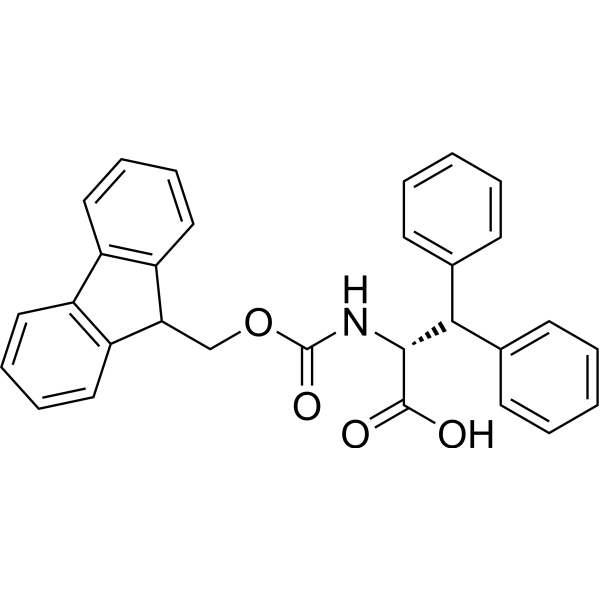
Fmoc-D-3,3-diphenylalanine is a non-natural D-configuration amino acid derivative protected by Fmoc and commonly used in peptide synthesis research.
|
-
-
- HY-148165
-
|
|
Nucleoside Antimetabolite/Analog
|
Neurological Disease
|
|
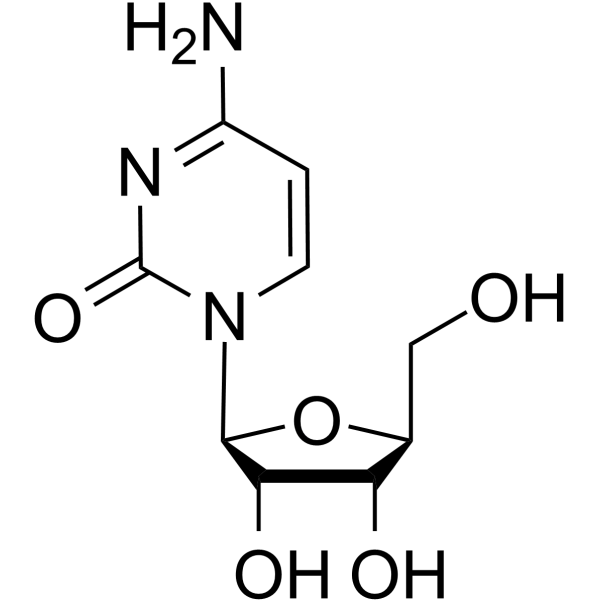
L-Cytidine is an L-configurational form of Cytidine (HY-B0158). L-Cytidine is a pyrimidine nucleoside, a component of RNA. Cytidine can control the glial glutamate cycle, affect brain phospholipid metabolism, catecholamine synthesis and mitochondrial function .
|
-
-
- HY-145728B
-
|
(R/S)-ISIS-2302
|
Integrin
|
Inflammation/Immunology
|
|
(R/S)-Alicaforsen is the racemate of Alicaforsen composed of R and S configurations. Alicaforsen is a 20-base antisense oligonucleotide inhibiting ICAM-1 production, which is an important adhesion molecule involved in leukocyte migration and trafficking to the site of inflammation.
|
-
-
- HY-160440
-
|
|
mAChR
Drug Isomer
|
Others
|
|
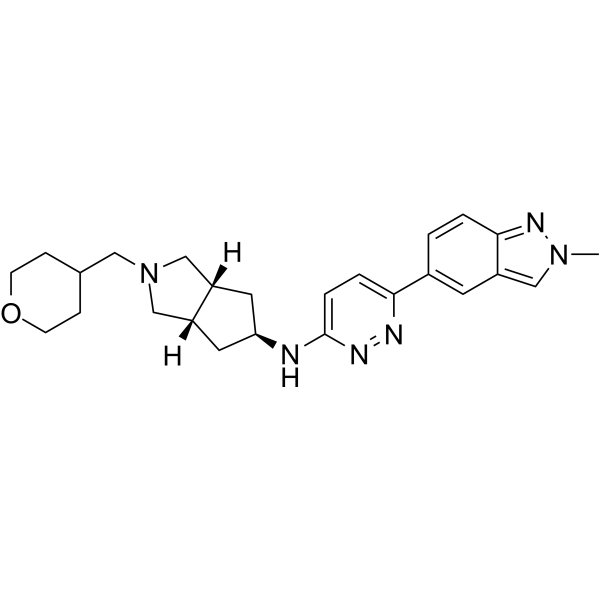
rel-VU6021625 is the relative configuration of VU6021625 (HY-160440A). VU6021625 is a potent and selective mAChR M4 antagonist with IC50 values of 0.44 nM and 57 nM for human M4, rat M4, respectively .
|
-
-
- HY-148864
-
|
|
Epigenetic Reader Domain
|
Cancer
|
|
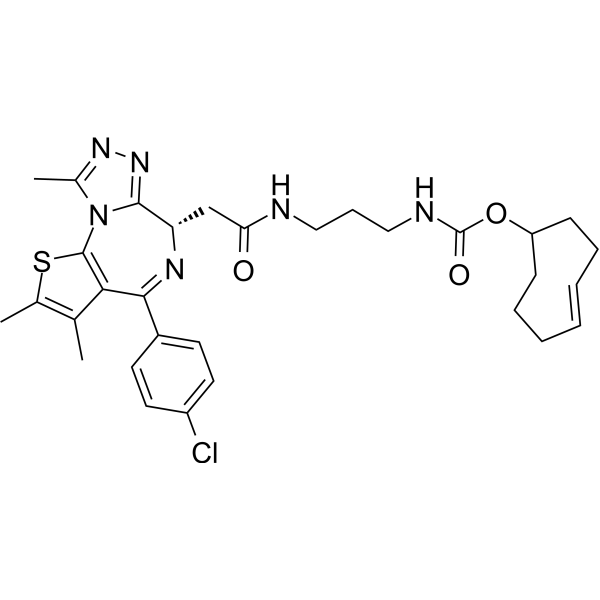
JQ1-TCO is the double bond E configuration of JQ1-TCO (HY-148864A). JQ1-TCO is a derivative of JQ1 (HY-13030), an inhibitor of BET. JQ1-TCO is suitable for click chemistry and can be used as molecular probes in vitro and in vivo .
|
-
-
- HY-W074648
-
|
|
MOFs
Bacterial
|
Infection
|
|
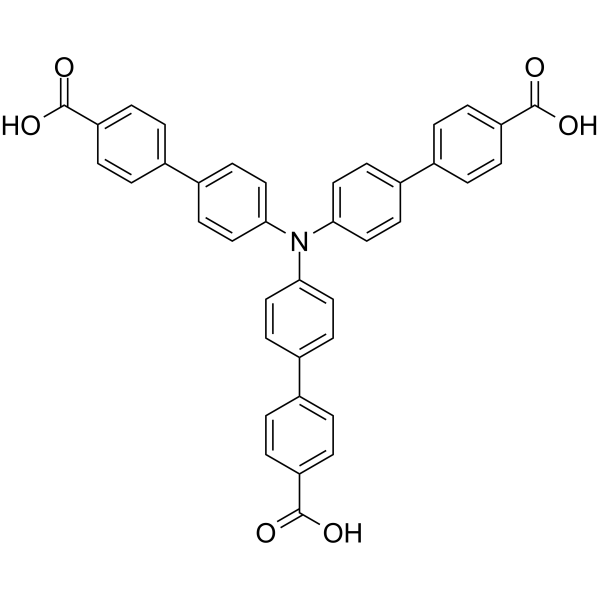
Antibacterial agent 18 is a multi-arm AIE molecule extracted from patent CN110123801A, compound 23. Antibacterial agent 18 can be used for resisting Gram-positive and Gram-negative bacteria. Antibacterial agent 18 can be conjugated in the cell wall of rigid arm configuration insertion bacterium, and block cell wall turns sugar and turns peptide process, to inhibit or kill bacterium .
|
-
-
- HY-138130
-
|
|
Nucleoside Antimetabolite/Analog
|
Infection
|
|
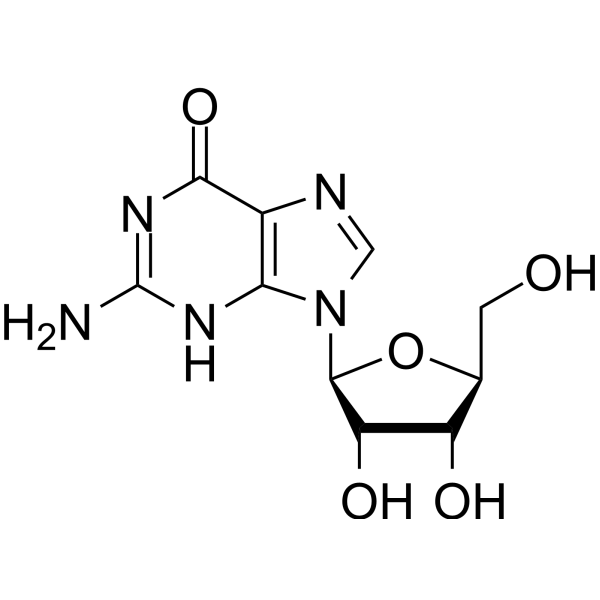
L-Guanosine is the L-configuration of Guanosine (HY-N0097). L-Guanosine is a purine nucleoside with anti-herpesvirus activity. L-Guanosine can be used to prepare supramolecular hydrogel .
|
-
-
- HY-148169
-
|
|
Nucleoside Antimetabolite/Analog
|
Infection
|
|
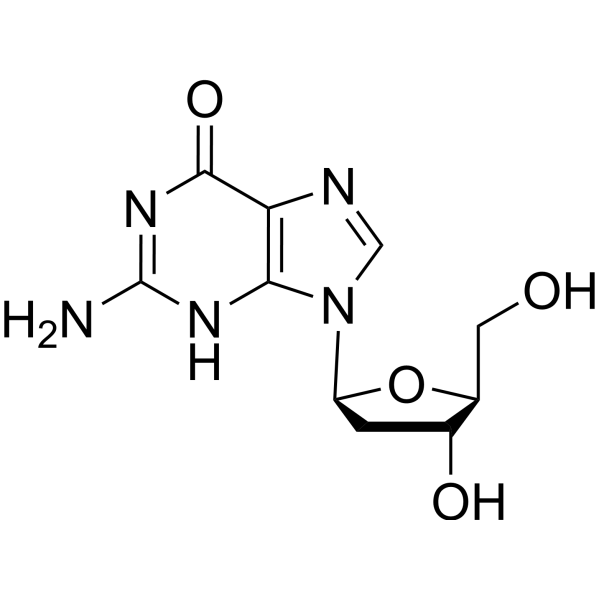
2'-Deoxy-L-guanosine selectively inhibits D-Thymidine phosphorylation catalyzed by HSV 1 thymidine kinase. 2'-Deoxy-L-guanosine is the L-configuration of 2'-Deoxyguanosine (HY-17563) .
|
-
-
- HY-W001959
-
|
|
Endogenous Metabolite
|
Metabolic Disease
|
|
D-Allothreonine is the D stereoisomer of Allothreonine. D-Allallreonine is a peptide lipid derived from bacteria. D-Allothreonine can be specifically oxidized by D-amino acid oxidase, while the L configuration has no reaction. D-Allallreonine is also a component of bacterial polysaccharides. D-Allallreonine can be used for researching bacterial pathogenicity, antigenic diversity and drug resistance .
|
-
-
- HY-W337569
-
|
(±)-UK-109496
|
Fungal
|
Others
|
|
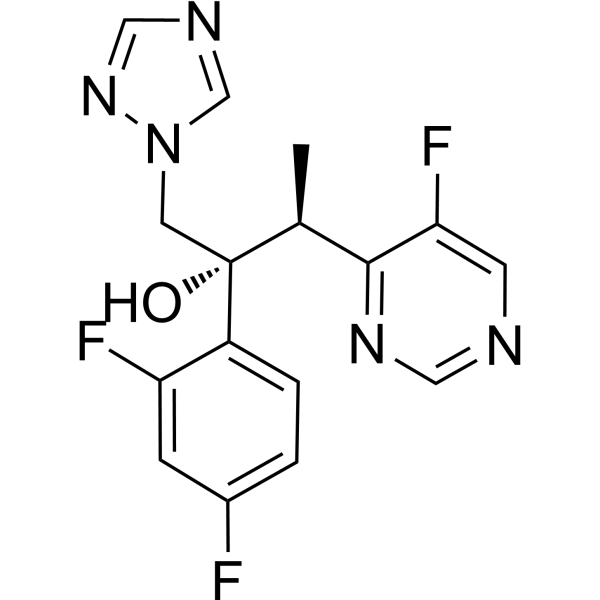
(±)-Voriconazole ((±)-UK-109496) is a relative configuration of Voriconazole (HY-76200). Voriconazole is an antifungal agent .
|
-
-
- HY-152953
-
-
-
- HY-ER013I
-
|
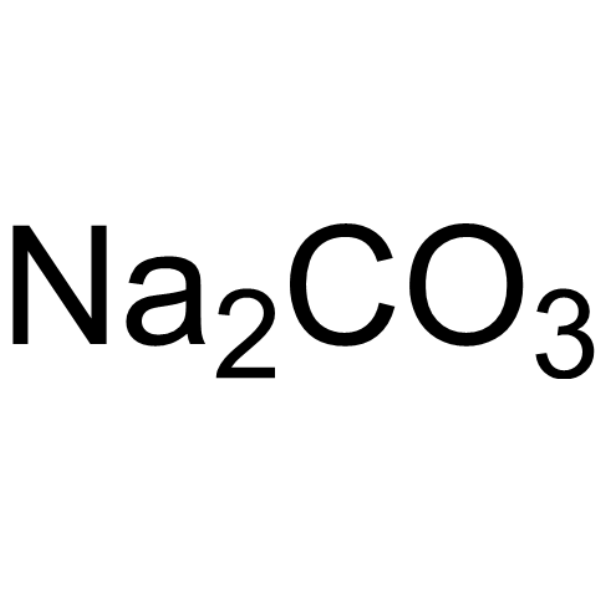
Calcined soda meets analytical specification of Ph. Eur., BP, NF, FCC, E500
|
Biochemical Assay Reagents
|
Neurological Disease
|
|
Sodium carbonate anhydrous, meets analytical specification of Ph. Eur., BP, NF, FCC, E500 is a biochemical assay reagent suitable for buffer configuration .
|
-
-
- HY-147251
-
|
|
Drug Derivative
|
Others
|
|
SRI 6409-94 is an orally active Ro 13-6298 analogue that is teratogenic. SRI 6409-94 serves as a molecular tool to study the effect of the three-dimensional configuration of retinol on teratogenic activity .
|
-
-
- HY-W010347R
-
|
|
Reference Standards
Endogenous Metabolite
Cathepsin
|
Cardiovascular Disease
Inflammation/Immunology
|
|
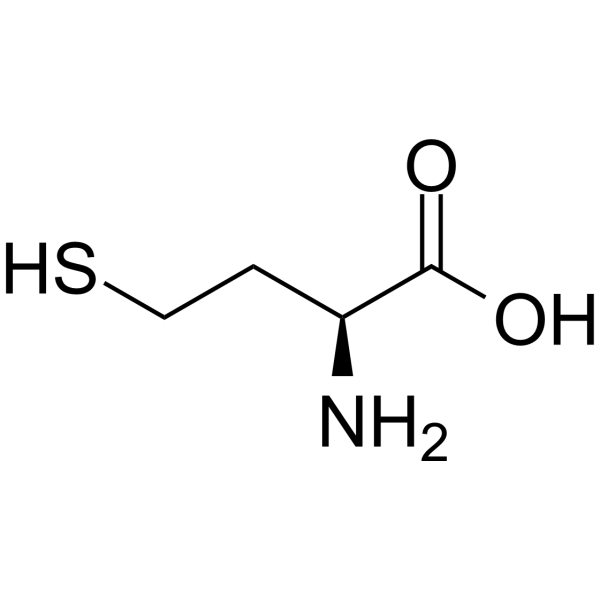
L-Homocysteine (Standard) is the analytical standard of L-Homocysteine. This product is intended for research and analytical applications. L-Homocysteine, an amino acid, is a homocysteine that has L configuration. Homocysteine is an essential intermediate in normal mammalian metabolism of methionine. L-Homocysteine induces upregulation of Cathepsin V that mediates vascular endothelial inflammation in hyperhomocysteinaemia[1][2].
|
-
-
- HY-W012885
-
|
|
Biochemical Assay Reagents
|
Others
|
|
(S)-Methyl 3-hydroxybutanoate consists of a chiral center, resulting in two enantiomers, where (S)-Methyl 3-hydroxybutanoate means that the hydroxyl group is located on the third carbon atom of the S-configuration carboxylic acid group stereoisomers. This compound is often used as a building block for the synthesis of various pharmaceuticals and natural products. Due to its fruity taste, it is also used as a flavor and fragrance ingredient.
|
-
-
- HY-114324A
-
|
|
PROTACs
PARP
|
Cancer
|
|
rel-PROTAC PARP1 degrader is the relative configuration of ROTAC PARP1 degrader (HY-114324). ROTAC PARP1 degrader is a PARP1 degrader based on MDM2 E3 ligand. It induces significant PARP1 cleavage and programmed cell death. PROTAC PARP1 degrader at 10 μM at 24 h inhibits MDA-MB-231 cell line with an IC50 of 6.12 μM.
|
-
-
- HY-148166
-
|
|
Nucleoside Antimetabolite/Analog
|
Others
|
|
L-Inosine is the L-configuration of Inosine (HY-N0092). Inosine is an endogenous purine nucleoside produced by catabolism of adenosine. Inosine has anti-inflammatory, antinociceptive, immunomodulatory and neuroprotective effects .
|
-
-
- HY-W740611
-
|
|
Drug Intermediate
|
Inflammation/Immunology
|
|
Trihydroxycoprostane (THCP) is a polyhydroxysterane compound with a 5β configuration. ITrihydroxycoprostane acts as a key intermediate in the biosynthesis of bile acids from cholesterol and also serves as an important sterol metabolite generated by host-gut microbiota interactions. Trihydroxycoprostane can be used for mechanistic studies of diseases such as non-alcoholic fatty liver disease, inflammatory bowel disease, and bile acid metabolism disorders .
|
-
-
- HY-14282A
-
|
|
Fungal
|
Infection
Inflammation/Immunology
|
|
(Z)-Lanoconazole is the Z configuration of Lanoconazole. Lanoconazole is a potent and orally active imidazole antifungal agent, shows a broad spectrum of activity against fungi in vitro and in vivo . Lanoconazole interferes with ergosterol biosynthesis by inhibiting sterol 14-alpha demethylase and blocking fungal membrane ergosterol biosynthesis. Lanoconazole can be used for the investigation of dermatophytosis and onychomycosis .
|
-
-
- HY-119426
-
-
-
- HY-W160625
-
|
|
Others
|
Others
|
|
3,5-Dimethyl-2-cyclohexen-1-one is a precursor to configurationally locked polyene chromophores with a mono-methylated cyclohexene ring .
|
-
-
- HY-B0196B
-
|
|
Serotonin Transporter
|
Cancer
|
|
(S)-Venlafaxine is the (S)-configuration of Venlafaxine. Venlafaxine is an orally active, potent serotonin (5-HT)/norepinephrine (NE) reuptake dual inhibitor. Venlafaxine is an antidepressant agent .
|
-
-
- HY-177712
-
|
|
ROR
|
Inflammation/Immunology
|
|
RORγt inverse agonist 36 (S configuration of Compound 16) is a RORγt inverse agonist. RORγt inverse agonist 36 can be used for the research of inflammation and immunology .
|
-
-
- HY-10082A
-
|
(E)-PAN-811; (E)-NSC# 663249; (E)-OCX191
|
DNA/RNA Synthesis
|
Cancer
|
|
(E)-3-AP is the E configuration of 3-AP. 3-AP is a potent ribonucleotide reductase inhibitor. 3-AP shows anti-proliferative activity. 3-AP shows anticancer activity in L1210 leukemia model. 3-AP inhibits RR activity and DNA synthesis .
|
-
-
- HY-W856375
-
|
|
MOFs
Fluorescent Dye
|
Others
|
|
(E)-BSPOTPE is the E configuration of BSPOTPE (HY-W856375A). BSPOTPE binds Human serum albumin (HSA) (HY-P1956), exhibits aggregation-induced emission (AIE) phenomenon. BSPOTPE shows selectivity for albumin (such as HSA and BSA), but has no obvious fluorescence response to other proteins and DNA. BSPOTPE can be used as fluorescent probe for HSA .
|
-
-
- HY-122359A
-
|
rel-L-Centchroman; Ormeloxifene
|
Estrogen Receptor/ERR
Apoptosis
Reactive Oxygen Species (ROS)
|
Cancer
|
|
rel-Levormeloxifene (rel-L-Centchroman) is the relative configuration of Levormeloxifene (HY-122359). rel-Levormeloxifene is a selective estrogen receptor modulator (SERM). rel-Levormeloxifene inhibits proliferation of leukemia cells with IC50 about 7 μM, arrests cell cycle at G0/G1 phase, and induces apoptosis. rel-Levormeloxifene induces differentation of myelogenesis leukemia, and enhances ROS production in K562 cells .
|
-
-
- HY-101960
-
|
(Z)-AG-183
|
EGFR
|
Others
|
|
(Z)-Tyrphostin A51 is the Z configuration of Lanoconazole A51. Tyrphostin A51 is a potent protein tyrosine kinase (PTK) inhibitor. Tyrphostin A51 inhibits the volume-dependent release of [ 3H]taurine in a dose-dependent manner. Tyrphostin A51 markedly reduces cellular tyrosyl phosphorylation level. Tyrphostin A51 inhibits both basal and EGF-induced human bone cell proliferation .
|
-
-
- HY-169946A
-
|
|
Wee1
|
Cancer
|
|
WEE1/PKMYT1-IN-2 is the axial chiral P configuration of WEE1/PKMYT1-IN-1 (HY-169946). WEE1/PKMYT1-IN-1 is a potent and orally active WEE1 and PKMYT1 inhibitor. WEE1/PKMYT1-IN-1 shows antiproliferation activity .
|
-
-
- HY-121125
-
|
|
Others
|
Others
|
|
Aucubigenin, the aglycone of the iridoid glycoside aucubin, has been characterized through X-ray diffraction analysis. Its crystal structure reveals monoclinic symmetry with specific conformations adopted by its cyclopentane and pyran rings. The study also determined the absolute configurations of both aucubin and aucubigenin. Significant O-H O hydrogen bonding interactions were observed in the crystal lattices of both compounds, highlighting their structural stability and potential for intermolecular interactions .
|
-
-
- HY-169946B
-
|
|
Wee1
|
Cancer
|
|
WEE1/PKMYT1-IN-3 is the axial chiral M configuration of WEE1/PKMYT1-IN-1 (HY-169946). WEE1/PKMYT1-IN-1 is a potent and orally active WEE1 and PKMYT1 inhibitor. WEE1/PKMYT1-IN-1 shows antiproliferation activity .
|
-
-
- HY-113068R
-
|
|
Reference Standards
Tyrosinase
|
Metabolic Disease
|
|
(rel)-β-Tocopherol (Standard) is the analytical standard of (rel)-β-Tocopherol. This product is intended for research and analytical applications. (rel)-β-Tocopherol is a relative configuration of β-Tocopherol.(±)-β-Tocopherol is a lipid-soluble form of vitamin E with antioxidant activity. β-Tocopherol can inhibit tyrosinase activity and melanin synthesis. β-Tocopherol also can prevent the inhibition of cell growth and of PKC activity caused by d-alpha-tocopherol .
|
-
-
- HY-N9761
-
|
|
Others
|
Others
|
|
Murrayanine is a dimeric pyranoquinoline alkaloid, a mixture of two enantiomers with a predominant configuration on the chiral axis .
|
-
-
- HY-125949
-
|
|
Others
|
Others
|
|
Kanshone H (compound 6) is a sesquiterpene compound isolated from the underground parts of spikenard .
|
-
-
- HY-106841A
-
|
(-)-Draflazine; (S)-R-75231; (S)-R88021
|
Adenosine Receptor
Drug Isomer
|
Others
|
|
(S)-Draflazine ((-)-Draflazine) is the (S)-configuration of Draflazine (HY-106841). (S)-Draflazine is a potent blocker of nucleoside transport .
|
-
-
- HY-109092A
-
-
-
- HY-P3045
-
|
|
Opioid Receptor
|
Others
|
|
Bilaid B (compound 2a) is a tetrapeptide. Bilaid B resembles opioid peptides albeit with a unique, alternating LDLD amino acid configuration. .
|
-
-
- HY-W098280
-
|
|
Biochemical Assay Reagents
|
Others
|
|
Phenylglycine methyl ester is a chiral anisotropic reagent. Phenylglycine methyl ester can be used for absolute configuration determination of various chiral carboxylic acids .
|
-
-
- HY-125644
-
|
|
Amino Acid Derivatives
|
Others
|
|
L-Lombricine is a D-configuration amino acid, which can be isolated from Lumbricus terrestris. L-Lombricine is related to the energy storage in earthworms .
|
-
-
- HY-135386
-
-
-
- HY-18957A
-
|
rel-BGB-283
|
Raf
EGFR
|
Cancer
|
|
rel-Lifirafenib (rel-BGB-283) is the relative configuration of Lifirafenib (HY-18957). Lifirafenib is a potent Raf Kinase and EGFR inhibitor .
|
-
-
- HY-N15739
-
|
|
Biochemical Assay Reagents
|
Others
|
|
(rel)-ent-Chromazonarol is the relative configuration of ent-Chromazonarol and is a sesquiterpene hydroquinone compound. (rel)-ent-Chromazonarol can be isolated from the sponge Disidea pallescens .
|
-
- HY-122294
-
|
|
Endogenous Metabolite
|
Neurological Disease
|
|
Rociverine is an anticholinergic compound with smooth muscle relaxant activity. Rociverine showed different binding modes in five cloned muscarinic receptors. The cis stereoisomer of Rociverine showed a higher affinity change compared to the trans stereoisomer. The (1R,2R) configuration of Rociverine showed significantly higher affinity, even up to 240 times. The (1S,2S) configuration of Rociverine is very important for binding selectivity .
|
-
- HY-148168
-
|
|
Nucleoside Antimetabolite/Analog
|
Others
|
|
L-5-Methyluridine is the L-configuration of 5-Methyluridine (HY-W009444). 5-Methyluridine is an endogenous methylated nucleoside found in human fluids.
|
-
- HY-Y1683R
-
|
Racementhol (Standard)
|
Reference Standards
GABA Receptor
|
Others
|
|
DL-Menthol (Standard) is the analytical standard of DL-Menthol. This product is intended for research and analytical applications. DL-Menthol is a relative configuration of (-)-Menthol. DL-Menthol relates to the activation of GABAA receptor .
|
-
- HY-13607A
-
|
|
Androgen Receptor
|
Cancer
|
|
(rel)-BMS-641988 is a relative configuration of BMS-641988. BMS-641988 is a potent nonsteroidal androgen receptor antagonist. BMS-641988 has the potential for the research of prostate cancer .
|
-
- HY-117283
-
|
rel-RP 52891
|
Potassium Channel
|
Others
|
|
rel-Aprikalim (rel-RP 52891) is the relative configuration of Aprikalim (HY-121183). Aprikalim (RP 52891), a potassium channel opener (KCO), activates ATP-sensitive K + (KATP) channels in guinea pig ventricular myocytes .
|
-
- HY-113630A
-
|
|
Others
|
Others
|
|
20β-22-Azacholesterol is the β-configuration of 22-Azacholesterol (HY-113630). 20β-22-Azacholesterol is an inhibitor for cholesterol side chain cleavage reactions .
|
-
- HY-115570A
-
|
(Z/E)-GW108X
|
Kinesin
ULK
Autophagy
|
Cancer
|
|
(Z/E)-GW406108X is a mixture of different configurations of GW406108X (HY-115570). GW406108X is a specific Kif15 (Kinesin-12) inhibitor with an IC50 of 0.82 uM .
|
-
- HY-18941B
-
|
(rel)-LY354740; (rel)-Eglumetad
|
mGluR
|
Neurological Disease
|
|
(rel)-Eglumegad ((rel)-LY354740) is a relative configuration of Eglumegad (HY-18941). Eglumegad is a highly potent and selective group II (mGlu2/3) receptor agonist with EC50s of 5 and 24 nM for transfected human mGlu2 and mGlu3 receptors, respectively .
|
-
- HY-114862
-
|
13,14-dihydro-15(R)-PGE1
|
Endogenous Metabolite
|
Others
|
|
13,14-dihydro-15(R)-Prostaglandin E1 (13,14-dihydro-15(R)- PGE1) is an analog of 13,14-dihydro- PGE1 which has the hydroxyl group at C-15 in the unnatural R configuration .
|
-
- HY-101512D
-
|
|
Histone Methyltransferase
|
Cancer
|
|
rel-A-395 hydrochloride is the relative configuration of A-395 (HY-101512) hydrochloride. A-395 is an antagonist of polycomb repressive complex 2 (PRC2) protein-protein interactions that potently inhibits the trimeric PRC2 complex (EZH2-EED-SUZ12) with an IC50 of 18 nM .
|
-
- HY-W339206
-
|
|
Endogenous Metabolite
|
Others
|
|
1,2-Dinonanoyl-sn-glycero-3-phosphocholine, a specific phosphatidylcholine, features fatty acyl configurations that can influence the physical properties of membranes, making it a key component for generating eicosanoids. As a phospholipid abundant in membranes, it has fatty acids attached to glycerol at the sn-1 and sn-2 positions via ester bonds.
|
-
- HY-100449A
-
|
|
Prostaglandin Receptor
|
Endocrinology
|
|
(S)-AL 8810 is an 11β-fluoro analog of PGF2α that acts as a potent and selective antagonist at the FP receptor. (S)-AL 8810 is the C-15 epimer of AL 8810, having the
inverse, (S), or "natural" configuration at C-15 relative to AL 8810, which is 15-(R) .
|
-
- HY-N12207
-
|
|
Others
|
Others
|
|
Neohelmanthicin C is a phenylpropionic acid compound .
|
-
- HY-W006069
-
|
|
Protease Activated Receptor (PAR)
|
Others
|
|
H-Phe(3,5-DiF)-OH is a difluorophenylalanines in the L-configuration [L-(F2)Phe]. H-Phe(3,5-DiF)-OH can be incorporated into the thrombin receptor-tethered ligand peptide SFLLRNP to identify the phenyl hydrogens of the Phe-2 residue involved in the CH/π receptor interaction .
|
-
- HY-128838A
-
|
|
PROTACs
Estrogen Receptor/ERR
|
Others
|
|
(rel)-PROTAC ERRα Degrader-1 is a relative configuration of PROTAC ERRα Degrader-1. PROTAC ERRα Degrader-1 comprises a MDM2 ligand binding group, a linker and an estrogen-related receptor alpha (ERRa) binding group. PROTAC ERRα Degrader-1 is an estrogen-related receptor alpha (ERRa) degrader .
|
-
- HY-90001S3
-
|
rel-ABT 538-d6; rel-RTV-d6
|
Isotope-Labeled Compounds
|
Infection
|
|
rel-Ritonavir-d6 (rel-ABT 538-d6) is the deuterium labeled rel-Ritonavir. rel-Ritonavir is a relative configuration of Ritonavir (HY-90001). Ritonavir (ABT 538) is an inhibitor of HIV protease used to study of HIV infection and AIDS. Ritonavir is also a SARS-CoV 3CLpro inhibitor with an IC50 of 1.61 μM .
|
-
- HY-164283
-
|
2-((2,3-Bis(oleoyloxy)propyl)dimethylammonio)ethyl hydrogen phosphate
|
Endogenous Metabolite
|
Others
|
|
DOCP (2-((2,3-Bis(oleoyloxy)propyl)dimethylammonio)ethyl hydrogen phosphate), characterized by their inverted charge orientation compared to traditional phosphocholine (PC) lipids, feature a quaternary amine positioned near the bilayer interface and a phosphate group that protrudes into the aqueous environment. This unique configuration of iPC lipids provides an exceptional opportunity to explore the biophysical properties and bioactivity implications resulting from the charge inversion at the bilayer surface.
|
-
- HY-10121D
-
|
rel-Org 5222 hydrochloride
|
5-HT Receptor
Adrenergic Receptor
Dopamine Receptor
Histamine Receptor
Drug Isomer
|
Neurological Disease
|
|
rel-Asenapine (rel-Org 5222) hydrochloride is a relative configuration of Asenapine hydrochloride (HY-16567). Asenapine (Org 5222) hydrochloride, an atypical antipsychotic, is an antagonist of serotonin receptors (pKi: 8.4-10.5), adrenoceptors (pKi: 8.9-9.5), dopamine receptors (pKi: 8.9-9.4) and histamine receptors (pKi: 8.2-9.0). Asenapine hydrochloride can be used in the research of schizophrenia and bipolar disorder .
|
-
- HY-103451A
-
|
|
Estrogen Receptor/ERR
|
Metabolic Disease
|
|
rel-(R,R)-THC is the relative configuration of (R,R)-THC (HY-103451). (R,R)-THC is an ERα agonist and an ERβ antagonist, with Kis of 9.0 nM and 3.6 nM for ERα and ERβ, respectively. (R,R)-THC has higher relative binding affinity for ERβ than ERα with the values of 25 and 3.6 .
|
-
- HY-W797383A
-
|
|
E3 Ligase Ligand-Linker Conjugates
|
Cancer
|
|
(S)-Phthalimidinoglutarimide-6-piperazine is the (S)-configuration of Phthalimidinoglutarimide-6-piperazine (HY-W797383). (S)-Phthalimidinoglutarimide-6-piperazine is an E3 ligase ligand-linker conjugate. (S)-Phthalimidinoglutarimide-6-piperazine can be used for synthesis of PROTAC SMARCA2 degrader-35 (HY-176871) .
|
-
- HY-30220R
-
|
L-(-)-3-Phenyllactic Acid (Standard)
|
Endogenous Metabolite
Fungal
Reference Standards
|
Infection
Metabolic Disease
|
|
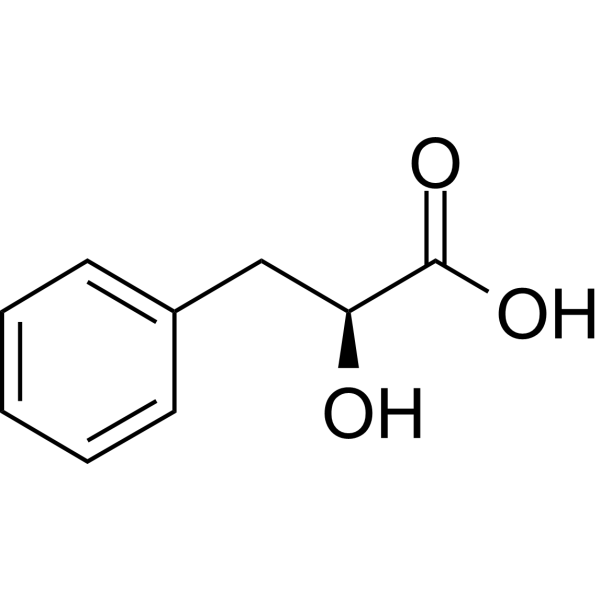
(S)-2-Hydroxy-3-phenylpropanoic acid (Standard) is the analytical standard of (S)-2-Hydroxy-3-phenylpropanoic acid. This product is intended for research and analytical applications. (S)-2-Hydroxy-3-phenylpropanoic acid is the L-configuration of 2-Hydroxy-3-phenylpropanoic acid, and its level is closely related to some diseases, such as phenylketonuria .
|
-
- HY-142648A
-
|
|
MALT1
|
Cancer
|
|
(R)-MLT-985 is the R configuration of MLT-985 (HY-142648). MLT-985 is a selective allosteric and orally active MALT1 inhibitor with an IC50 value of 3 nM. MLT-985 can suppress cell growth and aberrant CARD11/BCL10/MALT1 complex signaling. MLT-985 can be used for the research of cancer, such as B cell malignancies .
|
-
- HY-170437
-
|
|
Opioid Receptor
|
Neurological Disease
|
|
MOR modulator-1 (compound 6) is a potent and selective μ opioid receptor (MOR) modulator. MOR modulator-1 exhibits improved opioid receptor selectivity, enhanced in vivo antagonistic effect, and overall fewer withdrawal symptoms compared to NAT (6α-configuration). MOR modulator-1 links with carboxamido linker μ, δ, γ with Kis of 0.25, 41.1, 1.30 nM, respectively[1]
|
-
- HY-169803
-
|
|
Prostaglandin Receptor
|
Cardiovascular Disease
|
|
L-657926 is a stereoselective antagonist of the thromboxane A2 (TxA2) receptor, composed of (-)-9-chlorobenzyl-6-fluoro-1,2,3,4-tetrahydrocarbazol-1-yl acetic acid and (+)-9-chlorobenzyl-6-fluoro-1,2,3,4-tetrahydrocarbazol-l-yl acetic acid. The IC50s of (-) and (+) configurations for TxA2 are 0.27 nM and 124 nM, respectively.
|
-
- HY-176193
-
|
|
P-glycoprotein
|
Cancer
|
|
P-gp modulator-7 (Compound 9e) is a P-glycoprotein (P-gp) inhibitor. P-gp modulator-7 occupies the channel entrance of P-gp with a unique T-shaped configuration, hindering the peristaltic extrusion mechanism of transmembrane domains TM12 and TM9, thereby inhibiting P-gp from pumping drugs out of cells and reversing the multidrug resistance (MDR) of tumor cells. P-gp modulator-7 is promising for research of cancers .
|
-
- HY-136926
-
|
FR-008I
|
Fungal
|
Infection
|
|
Candicidin A3 (FR-008I) is an antifungal antibiotic with significant biological activity. Candicidin A3 can effectively inhibit the growth of fungi through its unique three-dimensional structure and seven-membered ring geometry. The absolute configuration of Candicidin A3 is a specific arrangement of multiple chiral centers, which may affect its biological activity and interaction with targets. Candicidin A3 can be used as a potential drug to inhibit fungal infections .
|
-
- HY-W753181
-
|
L-(-)-3-Phenyllactic Acid-13C9
|
Isotope-Labeled Compounds
Fungal
Endogenous Metabolite
|
Metabolic Disease
|
|
(S)-2-Hydroxy-3-phenylpropanoic acid- 13C9 (L-(-)-3-Phenyllactic Acid- 13C9) is the 13C-labeled (S)-2-Hydroxy-3-phenylpropanoic acid (HY-30220). (S)-2-Hydroxy-3-phenylpropanoic acid is the L-configuration of 2-Hydroxy-3-phenylpropanoic acid, and its level is closely related to some diseases, such as phenylketonuria .
|
-
- HY-N9816
-
|
|
Drug Metabolite
|
Others
|
|
Plucheoside B (Compound 7b) aglycone is an aglycone of plucheoside B with an absolute configuration of 3R, 4R, and 9R that can be isolated from the leaves of Croton cascarilloides Räuschel .
|
-
- HY-107785R
-
|
D-Glucosamine-2-N-sulfate sodium (Standard)
|
Reference Standards
Endogenous Metabolite
|
Metabolic Disease
|
|
2-Deoxy-2-sulfoamino-D-glucose (sodium) (Standard) is the analytical standard of 2-Deoxy-2-sulfoamino-D-glucose (sodium). This product is intended for research and analytical applications. 2-Deoxy-2-sulfoamino-D-glucose sodium (D-Glucosamine-2-N-sulfate sodium) is an endogenous metabolite. The main regulatory mechanism of 2-Deoxy-2-sulfoamino-D-glucose sodium involves the interaction of sulfuric acid groups with biomolecules. Sulfate groups can influence the charge density and configuration of polysaccharides, thereby regulating their ability to bind to proteins such as antithrombin. This combination can enhance the activity of antithrombin, which in turn inhibits key enzymes in the blood clotting process to achieve anti-clotting effects. 2-Deoxy-2-sulfoamino-D-glucose sodium can be used to study the selective removal of n-sulfate groups from Heparin (HY-17567) which has important implications for understanding the biological activity of heparin and developing related drugs .
|
-
- HY-160559
-
|
|
Drug Derivative
|
Others
|
|
Ceramide 8 is a free 6-hydroxylated ceramide found in human skin with (2S,3R,4E,6R) stereochemical configuration. Ceramide 8 is a predominant lipid component of human epidermal stratum corneum. Ceramide 8 contributes to the skin's water barrier function that prevents body water loss .
|
-
- HY-117650
-
|
(R)-RO 7020322; RO0321
|
Drug Isomer
|
Infection
|
|
(R)-RG7834 is an inactive enantiomer (“R” configuration) of RG7834 (HY-117650A).
|
-
- HY-CE00156
-
|
(2S)-Pristanoyl-coenzyme A
|
Biochemical Assay Reagents
|
Others
|
|
(2S)-Pristanoyl-CoA ((2S)-Pristanoyl-coenzyme A) is pristanoyl-CoA in which C-2 of the pristanoyl group has S-configuration.
|
-
- HY-124950A
-
|
(+)-GR114297A
|
Drug Isomer
|
Metabolic Disease
|
|
(+)-Picumeterol is a configurations of Picumeterol (HY-124950). Picumeterol is a potent and selective β2-adrenoceptor agonist with bronchodilator and anti-bronchoconstrictor effects .
|
-
- HY-105281
-
|
|
Drug Derivative
|
Metabolic Disease
|
|
rel-(E)-BMY 21950 sodium is the relative configuration of BMY 21950 (HY-105281A). BMY 21950 is an HMG-CoA reductase inhibitor. BMY 21950 inhibits hepatic cholesterol synthesis .
|
-
- HY-E71084
-
|
|
Biochemical Assay Reagents
|
Others
|
|
(R)-2-Haloacid dehalogenase (EC 3.8.1.9) acts on acids of short chain lengths, C2 to C4, with inversion of configuration at C-2.
|
-
- HY-148826A
-
|
ARC 183 sodium; BC 007 sodium
|
Thrombin
|
Cardiovascular Disease
|
|
Rovunaptabin sodium (ARC 183 sodium) is a DNA aptamer, which is a single-stranded DNA molecule consisting of 15 deoxynucleotides that forms well-defined three-dimensional configuration, allowing it to bind to thrombin with high affinity and specificity.
|
-
- HY-183036
-
-
- HY-183035
-
-
- HY-185234
-
-
- HY-W725194
-
|
4-FDCK hydrochloride
|
Drug Isomer
|
Neurological Disease
|
|
4-Fluoro deschloroketamine (4-FDCK) hydrochloride (Page 145) is an amine cyclohexane compound, with its (R)-configuration being Blixeprodil (HY-172419) (an NMDA receptor antagonist). 4-Fluoro deschloroketamine hydrochloride can be used for the study of depression .
|
-
- HY-180192
-
|
|
PI3K
Akt
Apoptosis
|
Cancer
|
|
Dehydroxy-oridonin-vinyl ester (Compound 6k) is an anti-cancer agent. Dehydroxy-oridonin-vinyl ester exhibits extremely strong anti-proliferative activity against SU-DHL-6 cells, with its IC₅₀ value being 0.12 μM. Dehydroxy-oridonin-vinyl ester induces cell apoptosis by inhibiting the activation of the PI3K/Akt signaling pathway, without affecting the cell cycle progression. Dehydroxy-oridonin-vinyl can be used for the study of lymphoma .
|
-
- HY-N18105
-
|
|
Drug Derivative
|
Others
|
|
(-)-(S)-Celacinnine (compound 1) is a 13-membered monocyclic spermidine alkaloid with the (S)-configuration.(-)-(S)-Celacinnine can be found in Maytenus arbutifolia, Tripterygium wilfordii, Maytenus serrata, Maytenus heterophylla subsp. heterophylla, and Pleurostylia africana, all from the Celastraceae plant family .
|
-
- HY-137557A
-
|
(E/Z)-APN1607; (E/Z)-PM-PBB3
|
Tau Protein
|
Neurological Disease
|
|
(E/Z)-Florzolotau ((E/Z)-APN1607) is a mixed configuration or unspecified configuration of Florzolotau (HY-137557). Florzolotau (APN1607) is a positron emission tomography (PET) ligand that can be used for the detection of Alzheimer's disease (AD) and other tau proteinopathies. Its binding sites are located in the β-sheet of paired helical filaments (PHFs) and straight filaments (SFs) of tau protein, as well as in the C-shaped cavity of SFs. In addition, APN-1607 binds to intraneuronal inclusions in Alzheimer's disease (AD), primary age-related tauopathy (PART) and posterior cortical atrophy (PCA). Florzolotau shows promise for PET imaging studies of neurological disorders, particularly tau proteinopathies .
|
-
- HY-163825A
-
|
|
Drug Isomer
Cannabinoid Receptor
|
Endocrinology
|
|
(E)-RNB-61 is the E configuration of RNB-61 (HY-163825). RNB-61 is an orally active cannabinoid CB2 receptor (CB2R) agonist with a Ki range of 0.13 nM to 1.81 nM. RNB-61 has renal protective and/or anti-fibrotic effects .
|
-
- HY-15322A
-
|
(rel)-P505-15; (rel)-PRT-2607; (rel)-BIIB-057
|
Syk
Drug Isomer
|
Inflammation/Immunology
|
|
(rel)-PRT062607 ((rel)-P505-15) is the relative configuration of PRT062607 (HY-15322). PRT062607 is a highly selective inhibitor of Syk kinase, with an IC50 value of 1-2 nM, and is more than 80 times less potent against Fgr, Lyn, FAK, Pyk2, and Zap70.
|
-
- HY-E71225
-
|
|
Biochemical Assay Reagents
|
Others
|
|
α-D-Xyloside xylohydrolase (EC 3.2.1.177) catalyses hydrolysis of a terminal, unsubstituted xyloside at the extreme reducing end of a xylogluco-oligosaccharide. Representative α-xylosidases from glycoside hydrolase family 31 utilize a two-step (double-displacement) mechanism involving a covalent glycosyl-enzyme intermediate, and retain the anomeric configuration of the product.
|
-
- HY-186059A
-
|
|
Potassium Channel
|
Neurological Disease
|
|
HCN2 modulator-5 (S-configuration 39) is a HCN2 ion channel inhibitor. HCN2 modulator-5 inhibits HCN2 ion channel activity. HCN2 modulator-5 can be used for the research of pain, inflammatory pain, neuropathic pain, tinnitus, central nervous system disorders, psychiatric disorders, mood disorders .
|
-
- HY-E71350
-
|
|
Biochemical Assay Reagents
|
Others
|
|
κ-Carrageenase, Zobellia galactanivorans (EC 3.2.1.83) is an enzyme with systematic name kappa-carrageenan 4-beta-D-glycanohydrolase (configuration-retaining) . This enzyme catalyses the following chemical reaction: Endohydrolysis of (1->4)-beta-D-linkages between D-galactose 4-sulfate and 3,6-anhydro-D-galactose in kappa-carrageenans. The main products of hydrolysis are neocarrabiose-sulfate and neocarratetraose-sulfate.
|
-
- HY-113756B
-
|
|
Drug Derivative
Prostaglandin Receptor
ERK
Akt
JNK
p38 MAPK
|
Inflammation/Immunology
|
|
rel-Latanoprost acid is a relative configuration of Latanoprost acid (HY-113756A). Latanoprost acid, an analog of prostaglandin (PG) F2α, is an selective prostanoid receptor (FP) agonist that specifically activates the FP-PG receptor . Latanoprost acid inhibits RANKL-induced osteoclastgenesis and function by inhibiting ERK, AKT, JNK, and p38 cascade, following by the c-fos/NFATc1 pathway. Latanoprost acid is a medication which works to lower pressure inside the eyes .
|
-
- HY-B0428D
-
|
(E/Z)-OKY-046 sodium
|
Prostaglandin Receptor
|
Cardiovascular Disease
Neurological Disease
Inflammation/Immunology
|
|
(E/Z)-Ozagrel sodium [(E/Z)-OKY-046 sodium] is an EZ configuration mixture of Ozagrel sodium (HY-B0428A). Ozagrel sodium (OKY-046 sodium) is a high selective and orally active thromboxane A2 (TXA2) synthase inhibitor with an IC50 of 11 nM. Ozagrel sodium exerts anti-platelet aggregation, vasodilation and anti-inflammatory effects by inhibiting the production of TXA2 and increasing the production of prostacyclin (PGI2). Ozagrel sodium can be used for the study of ischemic stroke, asthma and thromboembolic diseases .
|
-
- HY-118132
-
|
|
Antibiotic
|
Infection
|
|
LL-Z1220 is a novel antibiotic with the structure of 2-(3,8-dioxopentacyclo[5.1.0.0^~^~]oct-5-en-5-yl)-4H-pyran-4-one. This appears to be the first reported natural product containing a benzene dioxide group. This antibiotic readily undergoes valence isomerization to form 1,4-dioxopentacyclo. The chemical and spectroscopic properties of the antibiotic suggest that the benzene dioxide has a cis configuration.
|
-
- HY-N12964
-
|
|
Others
|
Others
|
|
4-Hydroxycanthin-6-one is a novel quinoline alkaloid isolated from the stem bark of the tree Ailanthus altissima. Five other known compounds were also found in the study. The structures of the new compounds were determined by interpretation of physical and spectroscopic data, and their absolute configurations were determined by electronic circular dichroism spectroscopy and quantum chemical calculations. These compounds showed significant inhibitory activity against lipopolysaccharide (LPS)-induced nitric oxide (NO) production in RAW 264.7 cells, showing potential anti-inflammatory properties .
|
-
- HY-N19839
-
|
Stratioside II
|
Drug Intermediate
|
Others
|
|
Kiwiionoside (Stratioside II) is a glycoside compound found in kiwifruit. Kiwiionoside can be used as a drug intermediate .
|
-
- HY-P11099
-
|
|
Transferrin Receptor
|
Neurological Disease
Cancer
|
|
Cys-LT7 is a transferrin receptor (TfR)-targeting peptide ligand. Cys-LT7 binds to a TfR site distinct from endogenous transferrin, mediates conjugated Doxorubicin (HY-15142A) delivery to TfR-overexpressed tumor cells, and exhibits low toxicity to TfR-low-expressed normal cells. Cys-LT7 is an L-configuration peptide susceptible to proteolytic enzymes, leading to poor biostability in peptide-drug conjugates. Cys-LT7 can be used for the research of glioblastoma, hepatocellular carcinoma, lung carcinoma .
|
-
- HY-N0120
-
|
(E/Z)-Piceid
|
Drug Isomer
|
Cardiovascular Disease
Metabolic Disease
Inflammation/Immunology
Cancer
|
|
(E/Z)-Polydatin ((E/Z)-Piceid) is a mixture of the E/Z configurations of Polydatin (HY-N0120A). Polydatin can be isolated from Polygonum cuspidatum, grapes, peanuts, red wine, hop pellets, cocoa-containing products and chocolate products. Polydatin exhibits multiple biological properties, such as anti-platelet aggregation, anti-low-density lipoprotein oxidation, cardioprotective activity, anti-inflammatory and immunomodulatory functions. Polydatin shows favorable cytotoxic effects against various tumor cell lines, including cervical cancer cells, liver cancer cells, and nasopharyngeal carcinoma cells .
|
-
- HY-W061674
-
|
(E)-Pent-2-enoic acid
|
Biochemical Assay Reagents
|
Others
|
|
(2E)-Pent-2-enoic acid is an unsaturated carboxylic acid, it is also known as 2-pentenoic acid or crotonic acid, the "2E" designation indicates that the molecule has a trans double bond configuration, where the double bond The two carbon atoms on both sides are located on opposite sides, (2E)-Pent-2-enoic acid has a pungent odor, is miscible with water and most organic solvents, it is commonly used in organic synthesis as a variety of chemical reactions, including esterification, oxidation, and reduction, and in addition, its potential use as a flavoring agent in the food industry was investigated.
|
-
- HY-N18043
-
|
|
Drug Derivative
|
Others
|
|
Rehmaglutin C is an iridoid lactone.Rehmaglutin C can be found in the dried root of Rehmannia glutinosa LiBosCH .
|
-
- HY-N11424
-
|
|
Drug Metabolite
Glycosyltransferase
|
Metabolic Disease
|
|
Bilirubin diglucuronide is a bilirubin glycoside conjugate with a 1-O-acyl β-D-glucuronide structure. Bilirubin diglucuronide is the major conjugated bilirubin (HY-N0323) and predominant pigment excreted in the bile of adult humans, rats, dogs and cats. Bilirubin diglucuronide is mainly synthesized via UDP-glucuronosyltransferase-mediated transfer of glucuronic acid from UDP-glucuronic acid to bilirubin monoglucuronide, or via enzymatic disproportionation of two moles of bilirubin monoglucuronide (predominantly producing the IXα configuration). In addition, Bilirubin diglucuronide can also be synthesized from bilirubin or its monoglucuronide in a UDP-glucuronic acid-dependent manner. Pretreatment with phenobarbital significantly enhances the formation process of Bilirubin diglucuronide .
|
-
- HY-106899A
-
|
(rel)-L-680573
|
Platelet-activating Factor Receptor (PAFR)
|
Others
|
|
(rel)-MK 287 ((rel)-L-680573) is a relative configuration of MK 287. MK 287 is a potent, selective and orally active antagonist of platelet-activating factor receptor (PAFR). MK 287 can inhibit [3H]C18-PAF binding to human platelet, polymorphonuclear leukocyte (PMN) and lung membranes with K1 values of 6.1, 3.2, and 5.49 nM, respectively. MK 287 can inhibit PAF-induced aggregation of platelets in plasma or gel-filtered platelets and elastase release from PMNs with ED50 values of 56, 1.5 and 4.4 nM. MK 287 can be used for the research of cardiovascular disease, such as thrombosis .
|
-
- HY-N13729
-
|
|
NO Synthase
|
Cardiovascular Disease
Neurological Disease
|
|
Stephalonine P is a hasubanan-type alkaloid anti-inflammatory agent with neuroprotective effects against neuroinflammation. Stephalonine P regulates post-ischemic inflammatory responses by inhibiting NO production in LPS-activated BV2 microglia (IC50=34.01 μM), thereby reducing microglial activation and neuronal damage. Stephalonine P can be isolated from the whole plant of Stephania japonica. Stephalonine P can be used in research on stroke and other neuroinflammation-related diseases .
|
-
- HY-W010712
-
|
|
Amino Acid Derivatives
|
Others
|
|
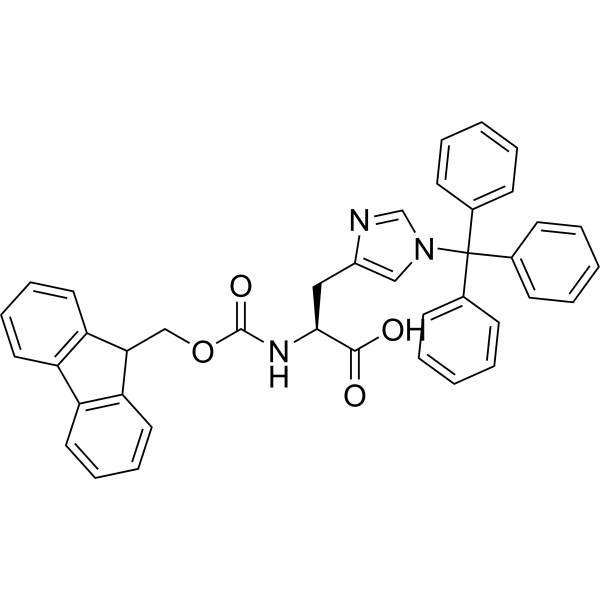
Fmoc-His(Trt)-OH is a histidine derivative with a trityl (Trt) group protecting the His side chain. Fmoc-His(Trt)-OH also has an Fmoc group protecting the α-NH2 group. Fmoc-His(Trt)-OH can be used in solid-phase peptide synthesis to prevent racemization and byproduct formation. Fmoc-His(Trt)-OH acts as a protected histidine precursor in solid-phase peptide synthesis (SPPS), participating in peptide chain construction through amide bond formation. Fmoc-His(Trt)-OH can be precisely incorporated into the target peptide sequence, ensuring correct peptide chain synthesis and reducing impurity formation. Fmoc-His(Trt)-OH is mainly used in the solid-phase synthesis research of pharmaceutical peptides and bioactive peptides, and is particularly suitable for the preparation of peptide drugs requiring precise control of histidine configuration .
|
-
- HY-P2632
-
|
RADA16
|
Biochemical Assay Reagents
|
Neurological Disease
|
|
RAD16-I (RADA16) is a non-directed self-assembling peptide hydrogel. Under physiological conditions, RAD16-I spontaneously forms a three-dimensional nanofiber network that mimics the extracellular matrix, and possesses excellent properties such as high water content, biocompatibility and degradability. RAD16-I serves as an ideal scaffold for three-dimensional cell culture. RAD16-I not only maintains cell viability and induces self-organization, but also supports cell adhesion, proliferation, differentiation and insulin secretion, effectively stabilizes islet clusters and promotes directed differentiation of the cardiac lineage. RAD16-I can construct a cell-friendly nano-microenvironment for research related to diseases such as myocardial infarction and diabetes .
|
-
| Cat. No. |
Product Name |
Type |
-
- HY-W856375
-
|
|
Fluorescent Dye
|
|
(E)-BSPOTPE is the E configuration of BSPOTPE (HY-W856375A). BSPOTPE binds Human serum albumin (HSA) (HY-P1956), exhibits aggregation-induced emission (AIE) phenomenon. BSPOTPE shows selectivity for albumin (such as HSA and BSA), but has no obvious fluorescence response to other proteins and DNA. BSPOTPE can be used as fluorescent probe for HSA .
|
| Cat. No. |
Product Name |
Type |
-
- HY-W061674
-
|
(E)-Pent-2-enoic acid
|
Biochemical Assay Reagents
|
|
(2E)-Pent-2-enoic acid is an unsaturated carboxylic acid, it is also known as 2-pentenoic acid or crotonic acid, the "2E" designation indicates that the molecule has a trans double bond configuration, where the double bond The two carbon atoms on both sides are located on opposite sides, (2E)-Pent-2-enoic acid has a pungent odor, is miscible with water and most organic solvents, it is commonly used in organic synthesis as a variety of chemical reactions, including esterification, oxidation, and reduction, and in addition, its potential use as a flavoring agent in the food industry was investigated.
|
-
- HY-ER013I
-
|
Calcined soda meets analytical specification of Ph. Eur., BP, NF, FCC, E500
|
Biochemical Assay Reagents
|
|
Sodium carbonate anhydrous, meets analytical specification of Ph. Eur., BP, NF, FCC, E500 is a biochemical assay reagent suitable for buffer configuration .
|
-
- HY-W012885
-
|
|
Biochemical Assay Reagents
|
|
(S)-Methyl 3-hydroxybutanoate consists of a chiral center, resulting in two enantiomers, where (S)-Methyl 3-hydroxybutanoate means that the hydroxyl group is located on the third carbon atom of the S-configuration carboxylic acid group stereoisomers. This compound is often used as a building block for the synthesis of various pharmaceuticals and natural products. Due to its fruity taste, it is also used as a flavor and fragrance ingredient.
|
-
- HY-107785R
-
|
D-Glucosamine-2-N-sulfate sodium (Standard)
|
Biochemical Assay Reagents
|
|
2-Deoxy-2-sulfoamino-D-glucose (sodium) (Standard) is the analytical standard of 2-Deoxy-2-sulfoamino-D-glucose (sodium). This product is intended for research and analytical applications. 2-Deoxy-2-sulfoamino-D-glucose sodium (D-Glucosamine-2-N-sulfate sodium) is an endogenous metabolite. The main regulatory mechanism of 2-Deoxy-2-sulfoamino-D-glucose sodium involves the interaction of sulfuric acid groups with biomolecules. Sulfate groups can influence the charge density and configuration of polysaccharides, thereby regulating their ability to bind to proteins such as antithrombin. This combination can enhance the activity of antithrombin, which in turn inhibits key enzymes in the blood clotting process to achieve anti-clotting effects. 2-Deoxy-2-sulfoamino-D-glucose sodium can be used to study the selective removal of n-sulfate groups from Heparin (HY-17567) which has important implications for understanding the biological activity of heparin and developing related drugs .
|
| Cat. No. |
Product Name |
Target |
Research Area |
-
- HY-P1939
-
|
Cyclo(L-prolyl-L-leucyl)
|
Fungal
Bacterial
Influenza Virus
|
Infection
|
|
Cyclo(L-Leu-L-Pro) is a cyclic dipeptide with broad-spectrum antibacterial, antiviral and antifungal activities. Its biological activity is highly dependent on the stereoconfiguration and is widely present in microbial metabolites. Cyclo(L-Leu-L-Pro) efficiently and specifically inhibits the production of aflatoxin by Aspergillus flavus. The cis configuration of Cyclo(L-Leu-L-Pro) (cis-cyclo(L-Leu-L-Pro)) has broad-spectrum antibacterial activity against multi-drug resistant bacteria and significantly inhibits the influenza A virus H3N2 .
|
-
- HY-W010712
-
|
|
Amino Acid Derivatives
|
Others
|
|
Fmoc-His(Trt)-OH is a histidine derivative with a trityl (Trt) group protecting the His side chain. Fmoc-His(Trt)-OH also has an Fmoc group protecting the α-NH2 group. Fmoc-His(Trt)-OH can be used in solid-phase peptide synthesis to prevent racemization and byproduct formation. Fmoc-His(Trt)-OH acts as a protected histidine precursor in solid-phase peptide synthesis (SPPS), participating in peptide chain construction through amide bond formation. Fmoc-His(Trt)-OH can be precisely incorporated into the target peptide sequence, ensuring correct peptide chain synthesis and reducing impurity formation. Fmoc-His(Trt)-OH is mainly used in the solid-phase synthesis research of pharmaceutical peptides and bioactive peptides, and is particularly suitable for the preparation of peptide drugs requiring precise control of histidine configuration .
|
-
- HY-P11099
-
|
|
Transferrin Receptor
|
Neurological Disease
Cancer
|
|
Cys-LT7 is a transferrin receptor (TfR)-targeting peptide ligand. Cys-LT7 binds to a TfR site distinct from endogenous transferrin, mediates conjugated Doxorubicin (HY-15142A) delivery to TfR-overexpressed tumor cells, and exhibits low toxicity to TfR-low-expressed normal cells. Cys-LT7 is an L-configuration peptide susceptible to proteolytic enzymes, leading to poor biostability in peptide-drug conjugates. Cys-LT7 can be used for the research of glioblastoma, hepatocellular carcinoma, lung carcinoma .
|
-
- HY-W008922
-
|
|
Amino Acid Derivatives
|
Others
|
|
Fmoc-D-3,3-diphenylalanine is a non-natural D-configuration amino acid derivative protected by Fmoc and commonly used in peptide synthesis research.
|
-
- HY-P2632
-
|
RADA16
|
Biochemical Assay Reagents
|
Neurological Disease
|
|
RAD16-I (RADA16) is a non-directed self-assembling peptide hydrogel. Under physiological conditions, RAD16-I spontaneously forms a three-dimensional nanofiber network that mimics the extracellular matrix, and possesses excellent properties such as high water content, biocompatibility and degradability. RAD16-I serves as an ideal scaffold for three-dimensional cell culture. RAD16-I not only maintains cell viability and induces self-organization, but also supports cell adhesion, proliferation, differentiation and insulin secretion, effectively stabilizes islet clusters and promotes directed differentiation of the cardiac lineage. RAD16-I can construct a cell-friendly nano-microenvironment for research related to diseases such as myocardial infarction and diabetes .
|
-
- HY-P3045
-
|
|
Opioid Receptor
|
Others
|
|
Bilaid B (compound 2a) is a tetrapeptide. Bilaid B resembles opioid peptides albeit with a unique, alternating LDLD amino acid configuration. .
|
-
- HY-W006069
-
|
|
Protease Activated Receptor (PAR)
|
Others
|
|
H-Phe(3,5-DiF)-OH is a difluorophenylalanines in the L-configuration [L-(F2)Phe]. H-Phe(3,5-DiF)-OH can be incorporated into the thrombin receptor-tethered ligand peptide SFLLRNP to identify the phenyl hydrogens of the Phe-2 residue involved in the CH/π receptor interaction .
|
| Cat. No. |
Product Name |
Category |
Target |
Chemical Structure |
-
- HY-W010347
-
-
-
- HY-W018035
-
-
-
- HY-30220
-
-
-
- HY-113068
-
-
-
- HY-N0120
-
|
(E/Z)-Piceid
|
Structural Classification
Stilbenes
Classification of Application Fields
Polygonaceae
Reynoutria japonica Houtt.
Phenols
Polyphenols
Plants
Inflammation/Immunology
Disease Research Fields
Source Classification
|
Drug Isomer
|
|
(E/Z)-Polydatin ((E/Z)-Piceid) is a mixture of the E/Z configurations of Polydatin (HY-N0120A). Polydatin can be isolated from Polygonum cuspidatum, grapes, peanuts, red wine, hop pellets, cocoa-containing products and chocolate products. Polydatin exhibits multiple biological properties, such as anti-platelet aggregation, anti-low-density lipoprotein oxidation, cardioprotective activity, anti-inflammatory and immunomodulatory functions. Polydatin shows favorable cytotoxic effects against various tumor cell lines, including cervical cancer cells, liver cancer cells, and nasopharyngeal carcinoma cells .
|
-
-
- HY-N11424
-
|
|
Structural Classification
Natural Products
Endogenous metabolite
Source Classification
|
Drug Metabolite
Glycosyltransferase
|
|
Bilirubin diglucuronide is a bilirubin glycoside conjugate with a 1-O-acyl β-D-glucuronide structure. Bilirubin diglucuronide is the major conjugated bilirubin (HY-N0323) and predominant pigment excreted in the bile of adult humans, rats, dogs and cats. Bilirubin diglucuronide is mainly synthesized via UDP-glucuronosyltransferase-mediated transfer of glucuronic acid from UDP-glucuronic acid to bilirubin monoglucuronide, or via enzymatic disproportionation of two moles of bilirubin monoglucuronide (predominantly producing the IXα configuration). In addition, Bilirubin diglucuronide can also be synthesized from bilirubin or its monoglucuronide in a UDP-glucuronic acid-dependent manner. Pretreatment with phenobarbital significantly enhances the formation process of Bilirubin diglucuronide .
|
-
-
- HY-W001959
-
-
-
- HY-W010347R
-
-
-
- HY-W740611
-
|
|
Structural Classification
Endogenous metabolite
Steroids
Source Classification
|
Drug Intermediate
|
|
Trihydroxycoprostane (THCP) is a polyhydroxysterane compound with a 5β configuration. ITrihydroxycoprostane acts as a key intermediate in the biosynthesis of bile acids from cholesterol and also serves as an important sterol metabolite generated by host-gut microbiota interactions. Trihydroxycoprostane can be used for mechanistic studies of diseases such as non-alcoholic fatty liver disease, inflammatory bowel disease, and bile acid metabolism disorders .
|
-
-
- HY-W160625
-
-
-
- HY-121125
-
-
-
- HY-113068R
-
-
-
- HY-N9761
-
-
-
- HY-125949
-
-
-
- HY-N15739
-
-
-
- HY-Y1683R
-
-
-
- HY-113630A
-
-
-
- HY-N12207
-
-
-
- HY-30220R
-
-
-
- HY-N12964
-
|
|
Alkaloids
Simaroubaceae
Ailanthus altissima (Mill.) Swingle
Quinoline Alkaloids
Plants
Source Classification
|
Others
|
|
4-Hydroxycanthin-6-one is a novel quinoline alkaloid isolated from the stem bark of the tree Ailanthus altissima. Five other known compounds were also found in the study. The structures of the new compounds were determined by interpretation of physical and spectroscopic data, and their absolute configurations were determined by electronic circular dichroism spectroscopy and quantum chemical calculations. These compounds showed significant inhibitory activity against lipopolysaccharide (LPS)-induced nitric oxide (NO) production in RAW 264.7 cells, showing potential anti-inflammatory properties .
|
-
-
- HY-N9816
-
-
-
- HY-N18105
-
-
-
- HY-N19839
-
-
-
- HY-N18043
-
-
-
- HY-N13729
-
-
| Cat. No. |
Product Name |
Chemical Structure |
| Cat. No. |
Product Name |
|
Classification |
-
- HY-13859
-
|
L-FMAU
|
|
Nucleoside Analogs
Thymidine
|
|
Clevudine (L-FMAU), a nucleoside analog of the unnatural L-configuration, has potent anti-HBV activity with long half-life, low toxicity. Clevudine is a non-competitive inhibitor that is not incorporated into the viral DNA but rather binds to the polymerase. Clevudine is active against cowpox virus respiratory infection in mice .
|
-
- HY-148165
-
|
|
|
Nucleoside Analogs
Cytidine
|
|
L-Cytidine is an L-configurational form of Cytidine (HY-B0158). L-Cytidine is a pyrimidine nucleoside, a component of RNA. Cytidine can control the glial glutamate cycle, affect brain phospholipid metabolism, catecholamine synthesis and mitochondrial function .
|
-
- HY-145728B
-
|
(R/S)-ISIS-2302
|
|
Antisense Oligonucleotides
|
|
(R/S)-Alicaforsen is the racemate of Alicaforsen composed of R and S configurations. Alicaforsen is a 20-base antisense oligonucleotide inhibiting ICAM-1 production, which is an important adhesion molecule involved in leukocyte migration and trafficking to the site of inflammation.
|
-
- HY-138130
-
|
|
|
Nucleoside Analogs
Guanosine
|
|
L-Guanosine is the L-configuration of Guanosine (HY-N0097). L-Guanosine is a purine nucleoside with anti-herpesvirus activity. L-Guanosine can be used to prepare supramolecular hydrogel .
|
-
- HY-148169
-
|
|
|
Nucleoside Analogs
Guanosine
|
|
2'-Deoxy-L-guanosine selectively inhibits D-Thymidine phosphorylation catalyzed by HSV 1 thymidine kinase. 2'-Deoxy-L-guanosine is the L-configuration of 2'-Deoxyguanosine (HY-17563) .
|
-
- HY-148166
-
|
|
|
Nucleoside Analogs
Inosine
|
|
L-Inosine is the L-configuration of Inosine (HY-N0092). Inosine is an endogenous purine nucleoside produced by catabolism of adenosine. Inosine has anti-inflammatory, antinociceptive, immunomodulatory and neuroprotective effects .
|
-
- HY-148168
-
|
|
|
Nucleoside Analogs
Uridine
|
|
L-5-Methyluridine is the L-configuration of 5-Methyluridine (HY-W009444). 5-Methyluridine is an endogenous methylated nucleoside found in human fluids.
|
-
- HY-148826A
-
|
ARC 183 sodium; BC 007 sodium
|
|
Aptamers
|
|
Rovunaptabin sodium (ARC 183 sodium) is a DNA aptamer, which is a single-stranded DNA molecule consisting of 15 deoxynucleotides that forms well-defined three-dimensional configuration, allowing it to bind to thrombin with high affinity and specificity.
|
Your information is safe with us. * Required Fields.
Inquiry Information
- Product Name:
- Cat. No.:
- Quantity:
- MCE Japan Authorized Agent:

