Search Result
Results for "
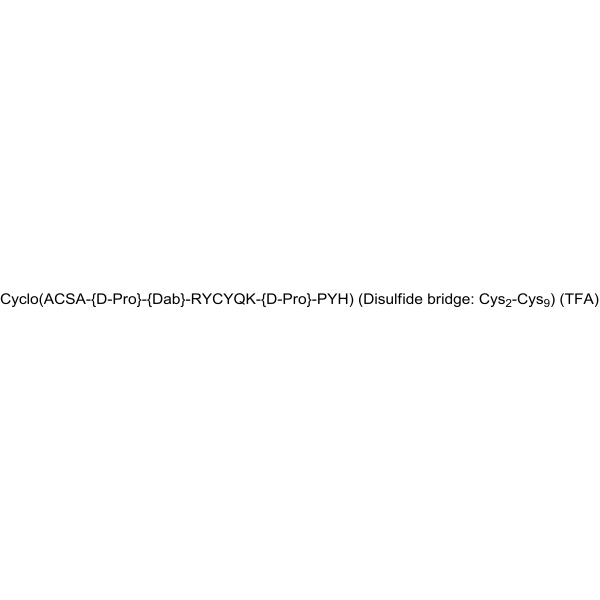
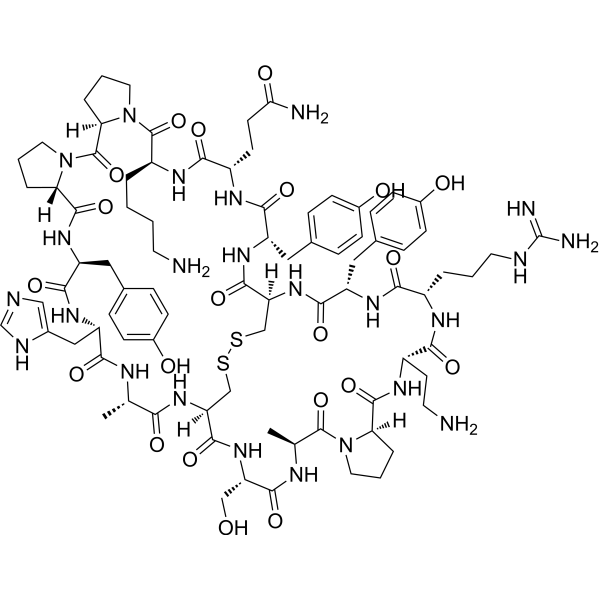
Cys96
" in MedChemExpress (MCE) Product Catalog:
2
Isotope-Labeled Compounds
| Cat. No. |
Product Name |
Target |
Research Areas |
Chemical Structure |
-
- HY-P1410
-
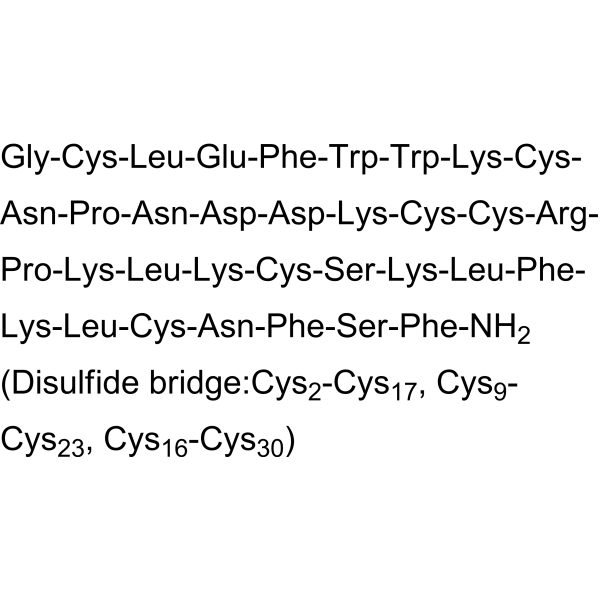
GsMTx4
Maximum Cited Publications
112 Publications Verification
|
TRP Channel
Piezo Channel
|
Cardiovascular Disease
Neurological Disease
Inflammation/Immunology
|
|
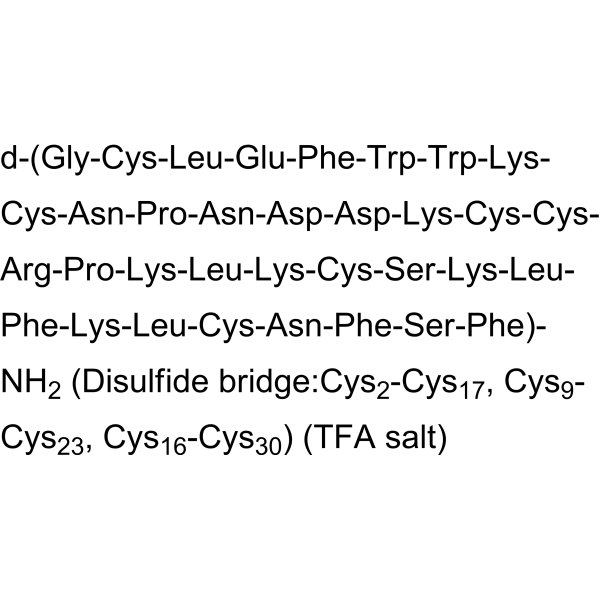
GsMTx4 is a spider venom peptide that selectively inhibits cationic-permeable mechanosensitive channels (MSCs) belonging to the Piezo and TRP channel families. GsMTx4 also blocks cation-selective stretch-activated channels (SACs) , attenuates lysophosphatidylcholine (LPC)-induced astrocyte toxicity and microglial reactivity. GsMTx4 is an important pharmacological tool for identifying the role of these excitatory MSCs in normal physiology and pathology .
|
-
-
- HY-P0122
-
|
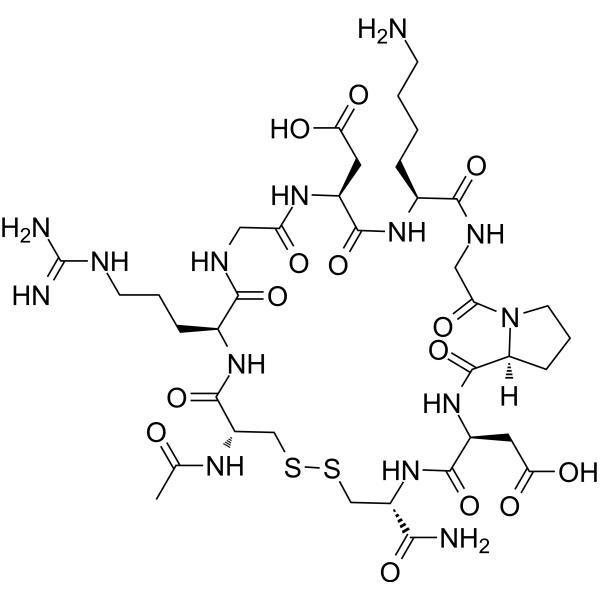
c(CRGDKGPDC)
|
Integrin
|
Cancer
|
|
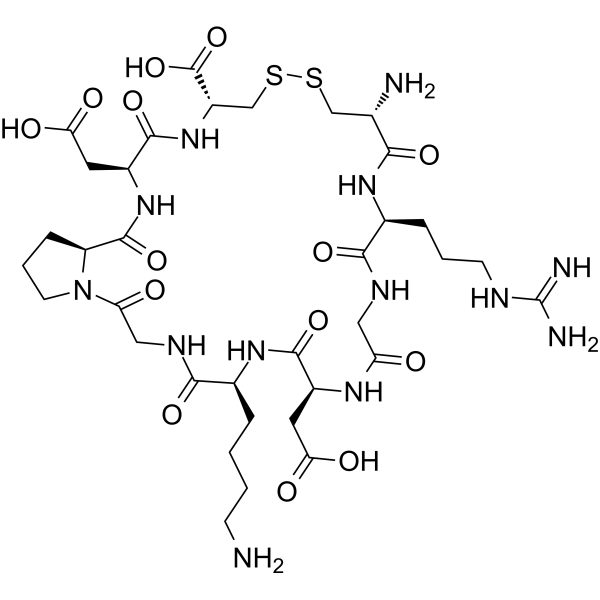
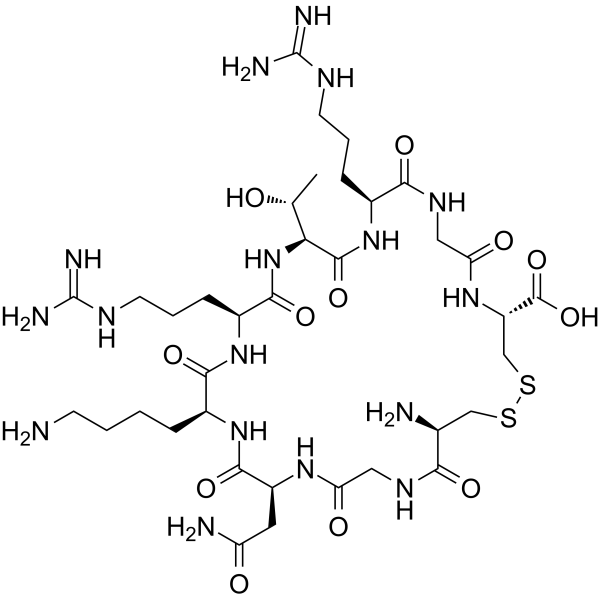
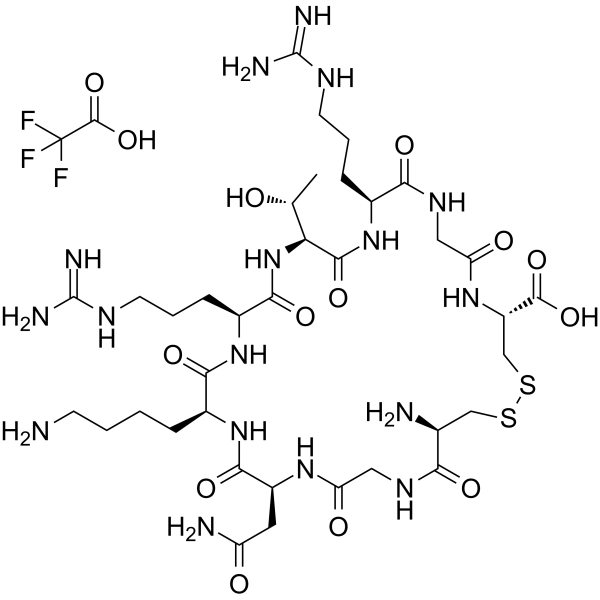
iRGD peptide is a 9-amino acid cyclic peptide, triggers tissue penetration of agents by first binding to αv-integrins, then proteolytically cleaved in the tumor to produce CRGDK/R to interact with neuropilin-1, and has tumor-targeting and tumor-penetrating properties.
|
-
-
- HY-P1410A
-
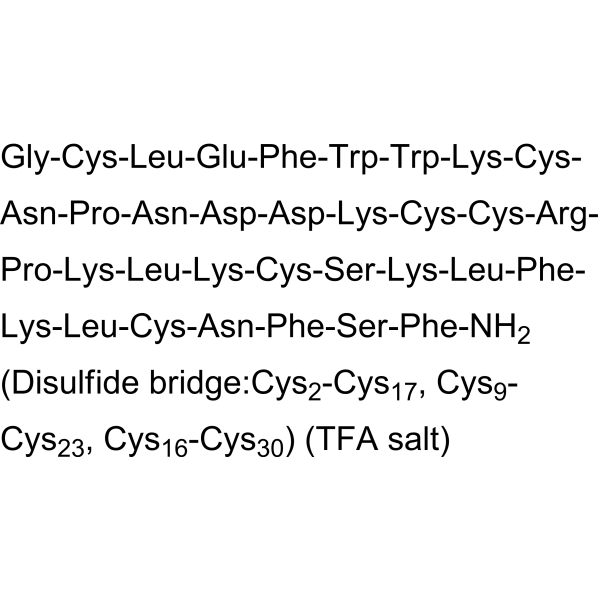
GsMTx4 TFA
Maximum Cited Publications
112 Publications Verification
|
TRP Channel
Piezo Channel
|
Cardiovascular Disease
Neurological Disease
Inflammation/Immunology
|
|
GsMTx4 TFA is a spider venom peptide that selectively inhibits cationic-permeable mechanosensitive channels (MSCs) belonging to the Piezo and TRP channel families. GsMTx4 TFA also blocks cation-selective stretch-activated channels (SACs) , attenuates lysophosphatidylcholine (LPC)-induced astrocyte toxicity and microglial reactivity. GsMTx4 TFA is an important pharmacological tool for identifying the role of these excitatory MSCs in normal physiology and pathology .
|
-
-
- HY-P1410B
-
-
-
- HY-12554
-
|
|
Vasopressin Receptor
|
Cardiovascular Disease
Inflammation/Immunology
Endocrinology
|
|
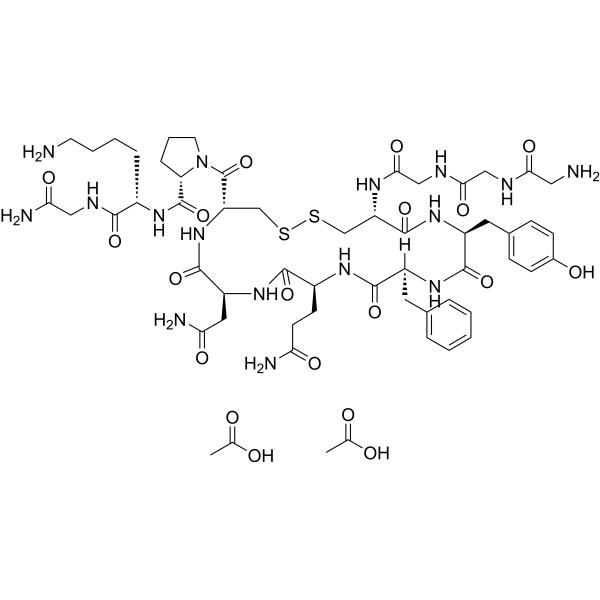
Terlipressin is a vasopressin analogue with potent vasoactive properties. Terlipressin is a highly selective vasopressin V1 receptor agonist that reduces the splanchnic blood flow and portal pressure and controls acute variceal bleeding. Terlipressin exerts anti-inflammatory and anti-oxidative effects. Terlipressin has the potential for hepatorenal syndrome and norepinephrine-resistant septic shock research .
|
-
-
- HY-P3448
-
|
CEND-1; iRGD; LSTA1
|
Integrin
Complement System
|
Cancer
|
|
Certepetide (CEND-1) is a bifunctional cyclic peptide (a.k.a. iRGD). Certepetide is a tumor-penetrating enhancer via RGD motif interaction with alphav-integrins and via activating NRP-1, and transforms the solid tumor microenvironment into a temporary agent conduit. Certepetide accumulates in tumors, and is used in the research of pancreatic cancer and other solid tumors .
|
-
-
- HY-P1682A
-
|
POL6326 TFA
|
CXCR
Arrestin
|
Cancer
|
|
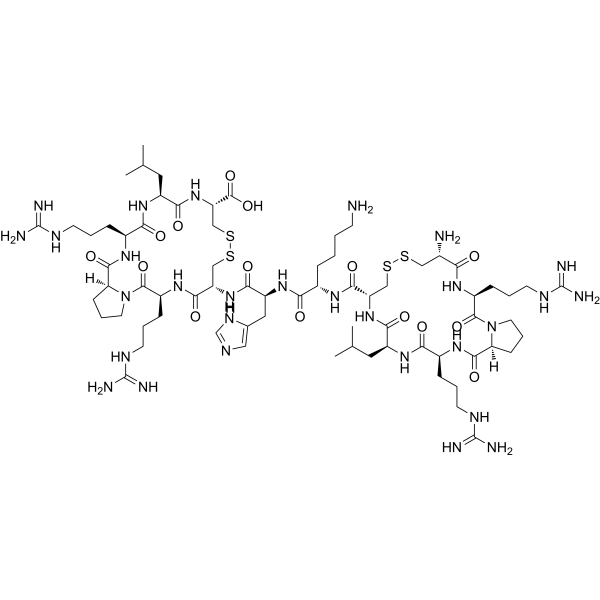
Balixafortide TFA (POL6326 TFA) is a potent, selective, well-tolerated peptidic CXCR4 antagonist with an IC50 < 10 nM. Balixafortide TFA shows 1000-fold selective for CXCR4 than a large panel of receptors including CXCR7. Balixafortide TFA blocks β-arrestin recruitment and calcium flux with IC50s < 10 nM. Balixafortide TFA is also a potent hematopoietic stem and progenitor cell (HSPC) mobilizing agent. Anti-cancer effects .
|
-
-
- HY-P2526
-
LyP-1
2 Publications Verification
|
Complement System
|
Cancer
|
|
LyP-1 is a cyclic 9-amino-acids tumor homing peptide and selectively bind to p32 receptors overexpressed in various tumor-associated cells .
|
-
-
- HY-12554A
-
|
|
Vasopressin Receptor
|
Cardiovascular Disease
Inflammation/Immunology
Endocrinology
|
|
Terlipressin diacetate is a vasopressin analogue with potent vasoactive properties. Terlipressin diacetate is a highly selective vasopressin V1 receptor agonist that reduces the splanchnic blood flow and portal pressure and controls acute variceal bleeding. Terlipressin diacetate exerts anti-inflammatory and anti-oxidative effects. Terlipressin diacetate has the potential for hepatorenal syndrome and norepinephrine-resistant septic shock research .
|
-
-
- HY-P2271
-
|
|
Apelin Receptor (APJ)
|
Cancer
|
|
MM 54 (compound 5) is a competitive antagonist at APJ, with an IC50 of 93 nM. MM 54 behaves as a potent and selective inhibitor of apelin binding and APLNR activation .
|
-
-
- HY-P1410C
-
|
|
Piezo Channel
Calcium Channel
mTOR
PI3K
Akt
|
Cardiovascular Disease
Neurological Disease
Inflammation/Immunology
|
|
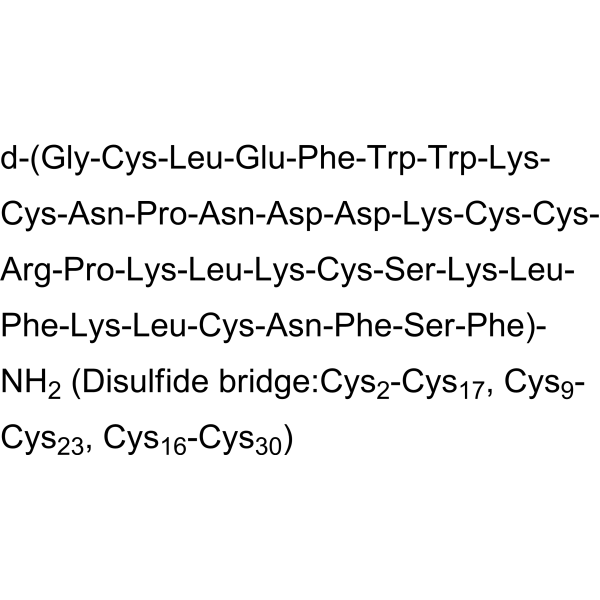
D-GsMTx4 TFA is a spider peptide and the D enantiomer of GsMTx4 (HY-P1410). D-GsMTx4 TFA inhibits the mechanosensitive ion channel Piezo2. D-GsMTx4 TFA inhibits [Ca 2+]i elevation. D-GsMTx4 TFA inhibits mTOR and PI3K-Akt signaling pathways. D-GsMTx4 TFA inhibits mechanical allodynia and thermal hyperalgesia. D-GsMTx4 TFA can be used in researches of mechanical stress, chronic pain and idiopathic pulmonary fibrosis .
|
-
-
- HY-P1682
-
|
POL6326
|
CXCR
Arrestin
|
Cancer
|
|
Balixafortide (POL6326) is a potent, selective, well-tolerated peptidic CXCR4 antagonist with an IC50 < 10 nM. Balixafortide shows 1000-fold selective for CXCR4 than a large panel of receptors including CXCR7. Balixafortide blocks β-arrestin recruitment and calcium flux with IC50s < 10 nM. Balixafortide is also a potent hematopoietic stem and progenitor cell (HSPC) mobilizing agent. Anti-cancer effects .
|
-
-
- HY-161027
-
|
|
Carnitine Palmitoyltransferase (CPT)
Apoptosis
|
Cancer
|
|
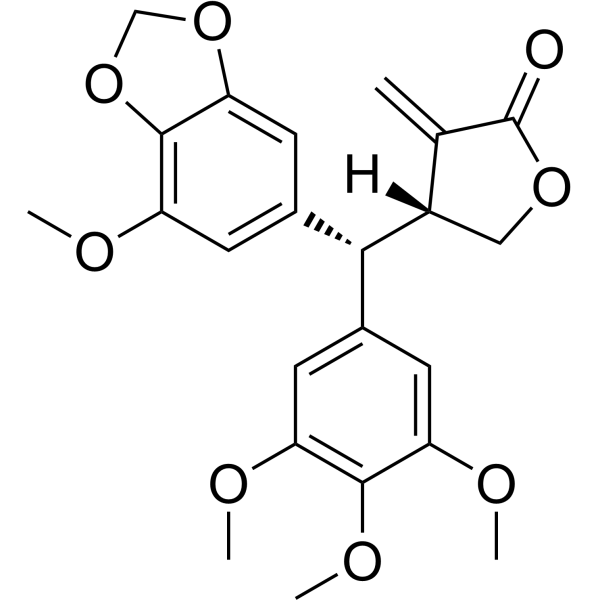
DHP-B is an Ecolignan-type compound and covalent, selective CPT1A inhibitor with a Kd of 1.62 μM. DHP-B can be isolated from the plant Peperomia dindygulensis. DHP-B covalently binds to Cys96 of CPT1A, blocks FAO, and disrupts the mitochondrial CPT1A-VDAC1 interaction. DHP-B triggers Apoptosis. DHP-B exhibits anti-CRC activity .
|
-
-
- HY-P1215A
-
|
|
Melanocortin Receptor
|
Metabolic Disease
|
|
HS024 is a selective MC4 receptor antagonist, with Kis of 0.29, 3.29, 5.45, 18.6 nM for MC4, MC5, MC3, and MC1, respectively. HS024 increase food intake .
|
-
-
- HY-P10557
-
|
|
Biochemical Assay Reagents
|
Neurological Disease
|
|
DAG peptide is a cyclic peptide. DAG peptide selectively recognizes a subset of astrocytes that are activated in Alzheimer's disease (AD) starting at an early stage of the disease. DAG peptide can be used as a tool to enhance the delivery of therapeutics and imaging agents to sites of vascular changes and astrogliosis in diseases associated with neuroinflammation .
|
-
-
- HY-P10758
-
-
-
- HY-P11315
-
-
-
- HY-P3525A
-
|
|
Integrin
|
Others
|
|
G-Pen-GRGDSPCA TFA is an αvβ3-inhibiting RGD peptide. G-Pen-GRGDSPCA can limit neointimal hyperplasia and lumen stenosis after vascular injury, as well as regulate the migration and proliferation of smooth muscle cells. G-Pen-GRGDSPCA TFA can be used in the study of the mechanism of vascular injury repair .
|
-
-
- HY-P5183
-
|
|
Sodium Channel
|
Neurological Disease
|
|
Hm1a is a venom peptide and a selective hNaV1.1 activator with an EC50 of 7.5 nM. Hm1a enhances hNaV1.1 and hNaV1.3 channel currents via delayed inactivation. Hm1a restores action potential firing in Dravet syndrome GABAergic inhibitory interneurons, reduces interictal epileptiform discharges and whole-brain hyperexcitability, lowers seizure frequency, and rescues premature death in Dravet syndrome mice. Hm1a can be used for the research of neurological disease, such as Dravet syndrome .
|
-
-
- HY-P1215
-
|
|
Melanocortin Receptor
|
Metabolic Disease
|
|
HS024 is a selective MC4 receptor antagonist, with Kis of 0.29, 3.29, 5.45, and 18.6 nM for MC4, MC5, MC3, and MC1, respectively. HS024 increase food intake .
|
-
-
- HY-P11074
-
|
|
Bacterial
|
Infection
|
|
Sakacin P is an antimicrobial peptide that targets Gram-positive bacteria (such as Listeria monocytogenes) and belongs to Class IIa bacteriocin. Sakacin P has almost no antimicrobial activity against Gram-negative bacteria. Sakacin P exerts its antimicrobial activity by interacting with bacterial cell membranes and destroying membrane integrity. Sakacin P can be used for the study of Listeria contamination and antimicrobial drugs in the food industry.
|
-
-
- HY-P3525
-
|
|
Integrin
|
Others
|
|
G-Pen-GRGDSPCA is an αvβ3-inhibiting RGD peptide. G-Pen-GRGDSPCA can limit neointimal hyperplasia and lumen stenosis after vascular injury, as well as regulate the migration and proliferation of smooth muscle cells. G-Pen-GRGDSPCA can be used in the study of the mechanism of vascular injury repair .
|
-
-
- HY-P5160A
-
|
PhlTx1 TFA
|
Sodium Channel
|
Neurological Disease
|
|
Phlotoxin-1 (PhlTx1) is a 34-amino acid and 3-disulfide bridge peptide. Phlotoxin-1 can be isolated from Phlogiellus genus spider. Phlotoxin-1 is an antinociceptive agent by inhibiting NaV1.7 channel .
|
-
-
- HY-P2786A
-
-
-
- HY-P5182A
-
|
|
Potassium Channel
|
Inflammation/Immunology
|
|
HsTX1 (TFA) toxin, from the scorpion Heterometrus spinnifer, is a 34-residue, C-terminally amidated peptide cross-linked by four disulfide bridges. HsTX1 (TFA) is an the inhibitor of potassium channel, with IC50 for Kv1.3 of 12 pM and inhibits TEM cell activation and attenuates inflammation in autoimmunity .
|
-
-
- HY-P4745
-
|
|
MCHR1 (GPR24)
|
Metabolic Disease
|
|
hMCH-1R antagonist 1 (Compound 30) is an effective and selective antagonist of human melanin-concentrating hormone receptor 1 (hMCHR1) with an KB value of 3.6 nM. HMCH-1R antagonist 1 can bind to hMCHR1 and hMCHR2 with IC50 values of 65 nM and 49 nM, respectively. HMCH-1R antagonistist 1 can be used for metabolic research .
|
-
-
- HY-P5188A
-
-
-
- HY-P10835
-
|
|
LAG-3
|
Cancer
|
|
LAG-3 cyclic peptide inhibitor C25 is a LAG-3 inhibitor. LAG-3 cyclic peptide inhibitor C25 has a high affinity with human LAG-3 protein with a Kd value of 0.66 μM. LAG-3 cyclic peptide inhibitor C25 can block the interaction of LAG-3 with HLA-DR (MHC-II) and activate CD8 + T cells. LAG-3 cyclic peptide inhibitor C25 can be used in the study of cancer .
|
-
-
- HY-P11134
-
|
LeuA
|
Bacterial
|
Infection
|
|
Leucocin A (LeuA), a 37-amino acid peptide, is a class II bacteriocin without Lanthionine (HY-135113). Leucocin A has potent anti-bacterial activity against gram-positive bacteria, such as Leuconostoc paramesenteroides and Lactobacillus sake with MICs of 69 and 39 nM, respectively. Leucocin A can be used for infectious diseases research .
|
-
-
- HY-12554B
-
|
|
Vasopressin Receptor
|
Cardiovascular Disease
Inflammation/Immunology
Endocrinology
|
|
Terlipressin acetate is a vasopressin analogue with potent vasoactive properties. Terlipressin acetate is a highly selective vasopressin V1 receptor agonist that reduces the splanchnic blood flow and portal pressure and controls acute variceal bleeding. Terlipressin acetate exerts anti-inflammatory and anti-oxidative effects. Terlipressin acetate has the potential for hepatorenal syndrome and norepinephrine-resistant septic shock research .
|
-
-
- HY-P5907
-
|
|
Opioid Receptor
|
Neurological Disease
|
|
Helianorphin-19 is a potent and selective κ-opioid receptor (KOR) activator with a Ki of 21 nM and an EC50 of 45 nM. Helianorphin-19 exhibits strong KOR-specific peripheral analgesic activity in a mouse model of chronic visceral pain .
|
-
-
- HY-P1766
-
|
|
CGRP Receptor
|
Cardiovascular Disease
|
|
Adrenomedullin (11-50), rat is the C-terminal fragment (11-50) of rat adrenomedullin. Rat adrenomedullin induces a selective arterial vasodilation via CGRP1 receptors .
|
-
-
- HY-P5916
-
|
κ-Theraphotoxin-Gr4a; Kappa-TRTX-Gr4a; Voltage sensor toxin 3; Peptide F
|
Others
Potassium Channel
|
Neurological Disease
|
|
VSTx-3 is a KV channel blocker. VSTx-3 is demonstrated to be a potent, TTX-sensitive sodium channel blocker and especially, a potent blocker of NaV1.8 channels (IC50 0.19 μM for hNaV1.3, 0.43 μM for hNaV1.7 and 0.77 μM for hNaV1.8 channels).
|
-
-
- HY-P10837
-
|
|
LAG-3
|
Inflammation/Immunology
Cancer
|
|
LAG-3 cyclic peptide inhibitor 12 (Cyclic peptide 12) is an inhibitor of LAG-3 with an IC50 value of 4.45 μM and a Ki value of 2.66 µM .
|
-
-
- HY-P5155
-
|
|
Potassium Channel
|
Neurological Disease
|
|
Stromatoxin 1 is an inhibitor of Potassium Channel, a peptide which can be isolated from tarantulas. Stromatoxin 1 selectively inhibits K(V)2.1, K(V)2.2, K(V)4.2, and K(V)2.1/9.3 channels. K(V)2.1 and K(V)2.2, but not K(V)4.2, channel subunits play a key role in opposing both myogenic and neurogenic urinary bladder smooth muscle (UBSM) contractions in rats .
|
-
-
- HY-P3448S
-
|
CEND-1-13C6,15N2; iRGD-13C6,15N2; LSTA1-13C6,15N2
|
Isotope-Labeled Compounds
Complement System
Integrin
|
Cancer
|
|
Certepetide- 13C6, 15N2 (CEND-1- 13C6, 15N2) is the 13C- and 15N-labeled Certepetide (HY-P3448). Certepetide (CEND-1) is a bifunctional cyclic peptide (a.k.a. iRGD). Certepetide is a tumor-penetrating enhancer via RGD motif interaction with alphav-integrins and via activating NRP-1, and transforms the solid tumor microenvironment into a temporary agent conduit. Certepetide accumulates in tumors, and is used in the research of pancreatic cancer and other solid tumors .
|
-
-
- HY-P10788
-
|
|
Complement System
|
Cancer
|
|
CK3 peptide is an NRP-1 targeting peptide with the amino acid sequence CLKADKAKC. The CK3 peptide specifically binds to NRP-1 to target breast cancer cells. Single-photon emission computed tomography (SPECT) and near-infrared fluorescence (NIRF) imaging show significant accumulation of CK3 peptide in xenograft tumors in nude mice. CK3 peptide can be used for molecular imaging studies of breast cancer.
|
-
-
- HY-P11143
-
|
|
Interleukin Related
|
Cardiovascular Disease
|
|
IL4RPep-1 is a peptide that can specifically target atherosclerotic plaque, and its target is IL-4 receptor. IL4RPep-1 exhibits good plaque targeting and is not enriched in normal tissues. IL4RPep-1 has potential application as a targeting delivery system or molecular imaging probe for atherosclerosis research .
|
-
-
- HY-P11264
-
|
|
GPR55
Collagen
Reactive Oxygen Species (ROS)
Apoptosis
|
Metabolic Disease
Inflammation/Immunology
|
|
Cyclic peptide P1-1 is a high-potent GPR55 antagonist. Cyclic peptide P1-1 antagonizes GPR55 and suppresses collagen secretion. Cyclic peptide P1-1 reduces ROS production, attenuates ER stress, and inhibits mitochondria-associated Apoptosis. Cyclic peptide P1-1 inhibits the expression of α-SMA and COL1α. Cyclic peptide P1-1 ameliorates CCl4 (HY-Y0298)-induce and MCD-diet-induce acute liver inflammation and fibrosis .
|
-
-
- HY-P10826
-
|
|
PD-1/PD-L1
|
Cancer
|
|
PD-1/PD-L1 inhibitory peptide C8 is inhibits PD-1/PD-L1 interaction, promotes the activation of CD8+ and CD4+ T cells, and increases the IFN-γ secretion. PD-1/PD-L1 inhibitory peptide C8 exhibits antitumor efficacy in mouse model .
|
-
-
- HY-P5914A
-
|
WaTx TFA
|
TRP Channel
|
Neurological Disease
|
|
Wasabi Receptor Toxin TFA (WaTx TFA) is the TFA salt form of Wasabi Receptor Toxin (HY-P5914). Wasabi Receptor Toxin TFA is a cell-penetrating scorpion toxin. Wasabi Receptor Toxin TFA is the activator for TRPA1 ion channel with EC50 in nanomolar level, and prolongs the channel open time, but reduces Ca 2+ permeability. Wasabi Receptor Toxin TFA causes thermal hypersensitivity and mechanical allodynia in rats, without triggering neurogenic inflammation .
|
-
-
- HY-P5914
-
|
WaTx
|
TRP Channel
|
Neurological Disease
|
|
Wasabi Receptor Toxin is a cell-penetrating scorpion toxin. Wasabi Receptor Toxin is the activator for TRPA1 ion channel with EC50 in nanomolar level, and prolongs the channel open time, but reduces Ca 2+ permeability. Wasabi Receptor Toxin causes thermal hypersensitivity and mechanical allodynia in rats, without triggering neurogenic inflammation .
|
-
-
- HY-P5177
-
-
-
- HY-P5179
-
|
HWTX-I
|
Calcium Channel
Sodium Channel
|
Neurological Disease
|
|
Huwentoxin I (HWTX-I) is a peptide toxin that inhibits voltage-gated sodium channels and N-type calcium channels. Huwentoxin I inhibits sodium channels in rat hippocampus and cockroach dorsal unpaired median (DUM) neurons with IC50 values of 66.1 and 4.80 nM, respectively .
|
-
-
- HY-P5160
-
|
PhlTx1
|
Sodium Channel
|
Neurological Disease
|
|
Phlotoxin-1 (PhlTx1) is a 34-amino acid and 3-disulfide bridge peptide. Phlotoxin-1 can be isolated from Phlogiellus genus spider. Phlotoxin-1 is an antinociceptive agent by inhibiting NaV1.7 channel .
|
-
-
- HY-P5164
-
|
|
Sodium Channel
|
Neurological Disease
|
|
GrTx1 is a peptide toxin originally isolated from the venom of the spider Grammostola rosea. GrTx1 blocks sodium channel, with IC50s of 0.63 μM, 0.23 μM, 0.77 μM, 1.29 μM, 0.63 μM and 0.37 μM for Nav1.1, Nav1.2, Nav1.3, Nav1.4, Nav1.6 and Nav1.7, repectively . GrTx1 can be used for neurological disease research .
|
-
-
- HY-P2785A
-
-
-
- HY-P5184
-
|
HNTX-IV
|
Sodium Channel
|
Neurological Disease
|
|
Hainantoxin-IV is a specific antagonist of Sodium Channel, targeting to tetrodotoxin-sensitive (TTX-S) voltage-gated sodium channels. His28 and Lys32 are the key resiudes of Hainantoxin-IV for binding with target, while Hainantoxin-IV adopts an inhibitor cystine knot motif .
|
-
-
- HY-P5180
-
|
|
Sodium Channel
|
Neurological Disease
|
|
Jingzhaotoxin-V is a peptide that inhibits potassium currents in Xenopus laevis oocytes with an IC50 value of 604.2 nM. Jingzhaotoxin-V also inhibits tetrodotoxin-resistant and tetrodotoxin-sensitive sodium currents in rat dorsal root ganglion neurons with IC50 values of 27.6 and 30.2 nM, respectively .
|
-
-
- HY-P5153
-
|
μ-TRTX-Tp1a
|
Sodium Channel
|
Neurological Disease
|
|
ProTx-III is a selective and potent inhibitor of voltage-gated sodium channel Nav1.7, with an IC50 of 2.1 nM. ProTx-III is a spider venom peptide isolated from the venom of the Peruvian green velvet tarantella. ProTx-III has a typical inhibitor cystine knot motif (ICK). ProTx-III is able to reverse the pain response. ProTx-III can be used to study diseases such as chronic pain, epilepsy, and arrhythmia .
|
-
- HY-P2785
-
-
- HY-P3448S1
-
|
CEND-1-13C2,15N; iRGD-13C2,15N; LSTA1-13C2,15N
|
Isotope-Labeled Compounds
Complement System
Integrin
|
Cancer
|
|
Certepetide- 13C2, 15N (CEND-1- 13C2, 15N) is the 13C- and 15N-labeled Certepetide (HY-P3448). Certepetide (CEND-1) is a bifunctional cyclic peptide (a.k.a. iRGD). Certepetide is a tumor-penetrating enhancer via RGD motif interaction with alphav-integrins and via activating NRP-1, and transforms the solid tumor microenvironment into a temporary agent conduit. Certepetide accumulates in tumors, and is used in the research of pancreatic cancer and other solid tumors .
|
-
- HY-P5931
-
|
Potassium channel toxin alpha-KTx 6.13; SPX; α-KTx6.13
|
Potassium Channel
|
Inflammation/Immunology
Cancer
|
|
Spinoxin isolated from the venom of scorpion Heterometrus spinifer, is a 34-residue peptide neurotoxin cross-linked by four disulfide bridges. Spinoxin is a potent inhibitor of Kv1.3 potassium channel (IC50 = 63 nM), considering to be valid molecular targets in the diagnostics and therapy of various autoimmune disorders and cancers .
|
-
- HY-P5165
-
|
|
Potassium Channel
|
Inflammation/Immunology
|
|
Maurotoxin is a 34-residue and four disulde-bridged toxin that can be isolated from the chactoid scorpion (Scorpio maurus). Maurotoxin inhibits the Shaker potassium channels (ShB) K + current with an IC50 of 2 nM .
|
-
- HY-P5182
-
|
|
Potassium Channel
|
Inflammation/Immunology
|
|
HsTX1, from the scorpion Heterometrus spinnifer, is a 34-residue, C-terminally amidated peptide cross-linked by four disulfide bridges. HsTX1, an the inhibitor of potassium channel, with IC50 for Kv1.3 of 12 pM inhibits TEM cell activation and attenuates inflammation in autoimmunity .
|
-
- HY-P11143A
-
|
|
Interleukin Related
Liposome
|
Cancer
|
|
IL4RPep-1 acetate is an interleukin-4 receptor (IL-4R) binding agent. IL4RPep-1 acetate preferentially binds to cells with high levels of IL-4R expression compared to those with low levels of expression. IL4RPep-1-labeled liposomes containing Doxorubicin (HY-15142A) are internalized by cells more efficiently. IL4RPep-1-labeled liposomes accumulate more effectively within H226 tumors .
|
-
- HY-P11762
-
-
- HY-P11745
-
-
- HY-P11827
-
|
|
Collagen
ERK
TGF-beta/Smad
|
Metabolic Disease
|
|
C11 peptide-1 is an antifibrotic agent that binds directly to Collagen I. C11 peptide-1 physically disrupts Collagen I interaction with Lumican. C11 peptide-1 reduces inflammatory infiltration and inhibits the ERK1/2 and Smad2/3 signaling pathways. C11 peptide-1 can be used for the research of liver fibrosis .
|
-
- HY-P11665
-
-
- HY-P11408
-
|
|
Bombesin Receptor
|
Neurological Disease
Cancer
|
|
[D-Cys6,Asn7,D-Ala11,Cys14]-Bombesin (6-14), a synthetic peptide, is a non-selective bombesin receptor agonist. [D-Cys6,Asn7,D-Ala11,Cys14]-Bombesin (6-14) has preferred pEC50 values of 8.06 for the neurotrophin B bombesin receptor (BB1), 8.69 for the gastrin-releasing peptide bombesin receptor (BB2), and 6.71 for the orphan receptor (BB3). [D-Cys6,Asn7,D-Ala11,Cys14]-Bombesin (6-14) can be used to study diseases related to bombesin receptors, such as cancer and neurological disorders .
|
-
- HY-P11471
-
|
|
Bacterial
Reactive Oxygen Species (ROS)
|
Infection
|
|
(K(C10)GGGRrRPC)2 (Compound (C-C10)C-C) is a dimeric lipopeptide and antibacterial agent. (K(C10)GGGRrRPC)2 enhances the accumulation of ROS, inhibits the bacterial respiratory chain dehydrogenase activity. (K(C10)GGGRrRPC)2 exhibits significant inhibition of bacterial biofilm formation. (K(C10)GGGRrRPC)2 exhibits antimicrobial activity against Acinetobacter baumannii AB1901, A. baumannii AB1902, Pseudomonas aeruginosa 25349, Staphylococcus aureus 11011, with MICs of 4 μM, 8 μM, 4 μM, and 8 μM, respectively. (K(C10)GGGRrRPC)2 shows antimicrobial efficacy against E. coli ATCC 25922 .
|
-
| Cat. No. |
Product Name |
Target |
Research Area |
-
- HY-P1410
-
GsMTx4
Maximum Cited Publications
112 Publications Verification
|
TRP Channel
Piezo Channel
|
Cardiovascular Disease
Neurological Disease
Inflammation/Immunology
|
|
GsMTx4 is a spider venom peptide that selectively inhibits cationic-permeable mechanosensitive channels (MSCs) belonging to the Piezo and TRP channel families. GsMTx4 also blocks cation-selective stretch-activated channels (SACs) , attenuates lysophosphatidylcholine (LPC)-induced astrocyte toxicity and microglial reactivity. GsMTx4 is an important pharmacological tool for identifying the role of these excitatory MSCs in normal physiology and pathology .
|
-
- HY-P0122
-
|
c(CRGDKGPDC)
|
Integrin
|
Cancer
|
|
iRGD peptide is a 9-amino acid cyclic peptide, triggers tissue penetration of agents by first binding to αv-integrins, then proteolytically cleaved in the tumor to produce CRGDK/R to interact with neuropilin-1, and has tumor-targeting and tumor-penetrating properties.
|
-
- HY-P1410A
-
GsMTx4 TFA
Maximum Cited Publications
112 Publications Verification
|
TRP Channel
Piezo Channel
|
Cardiovascular Disease
Neurological Disease
Inflammation/Immunology
|
|
GsMTx4 TFA is a spider venom peptide that selectively inhibits cationic-permeable mechanosensitive channels (MSCs) belonging to the Piezo and TRP channel families. GsMTx4 TFA also blocks cation-selective stretch-activated channels (SACs) , attenuates lysophosphatidylcholine (LPC)-induced astrocyte toxicity and microglial reactivity. GsMTx4 TFA is an important pharmacological tool for identifying the role of these excitatory MSCs in normal physiology and pathology .
|
-
- HY-P1410B
-
-
- HY-P3448
-
|
CEND-1; iRGD; LSTA1
|
Integrin
Complement System
|
Cancer
|
|
Certepetide (CEND-1) is a bifunctional cyclic peptide (a.k.a. iRGD). Certepetide is a tumor-penetrating enhancer via RGD motif interaction with alphav-integrins and via activating NRP-1, and transforms the solid tumor microenvironment into a temporary agent conduit. Certepetide accumulates in tumors, and is used in the research of pancreatic cancer and other solid tumors .
|
-
- HY-P1682A
-
|
POL6326 TFA
|
CXCR
Arrestin
|
Cancer
|
|
Balixafortide TFA (POL6326 TFA) is a potent, selective, well-tolerated peptidic CXCR4 antagonist with an IC50 < 10 nM. Balixafortide TFA shows 1000-fold selective for CXCR4 than a large panel of receptors including CXCR7. Balixafortide TFA blocks β-arrestin recruitment and calcium flux with IC50s < 10 nM. Balixafortide TFA is also a potent hematopoietic stem and progenitor cell (HSPC) mobilizing agent. Anti-cancer effects .
|
-
- HY-P2526
-
LyP-1
2 Publications Verification
|
Complement System
|
Cancer
|
|
LyP-1 is a cyclic 9-amino-acids tumor homing peptide and selectively bind to p32 receptors overexpressed in various tumor-associated cells .
|
-
- HY-P5217
-
|
|
Peptides
|
Others
|
|
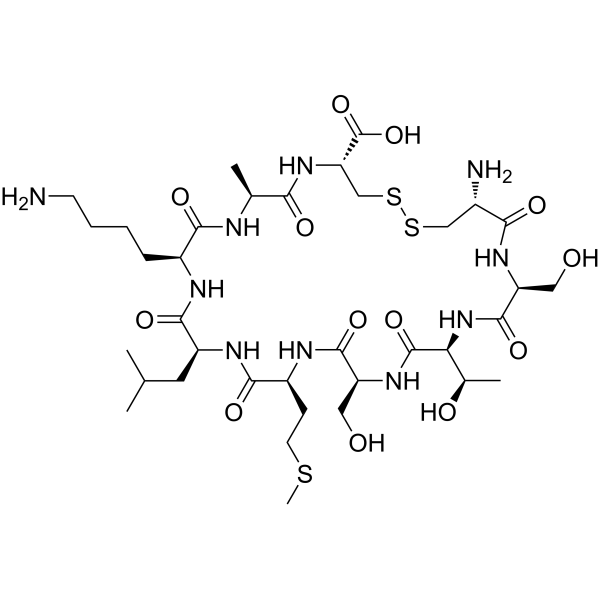
CSTSMLKAC (peptide 2) is a cyclic 9 amino acid sequence that mimics endogenous peptide sequences. CSTSMLKAC homes to cardiomyocytes in the ischemic myocardium .
|
-
- HY-12554A
-
|
|
Vasopressin Receptor
|
Cardiovascular Disease
Inflammation/Immunology
Endocrinology
|
|
Terlipressin diacetate is a vasopressin analogue with potent vasoactive properties. Terlipressin diacetate is a highly selective vasopressin V1 receptor agonist that reduces the splanchnic blood flow and portal pressure and controls acute variceal bleeding. Terlipressin diacetate exerts anti-inflammatory and anti-oxidative effects. Terlipressin diacetate has the potential for hepatorenal syndrome and norepinephrine-resistant septic shock research .
|
-
- HY-P2271
-
|
|
Apelin Receptor (APJ)
|
Cancer
|
|
MM 54 (compound 5) is a competitive antagonist at APJ, with an IC50 of 93 nM. MM 54 behaves as a potent and selective inhibitor of apelin binding and APLNR activation .
|
-
- HY-P1410C
-
|
|
Piezo Channel
Calcium Channel
mTOR
PI3K
Akt
|
Cardiovascular Disease
Neurological Disease
Inflammation/Immunology
|
|
D-GsMTx4 TFA is a spider peptide and the D enantiomer of GsMTx4 (HY-P1410). D-GsMTx4 TFA inhibits the mechanosensitive ion channel Piezo2. D-GsMTx4 TFA inhibits [Ca 2+]i elevation. D-GsMTx4 TFA inhibits mTOR and PI3K-Akt signaling pathways. D-GsMTx4 TFA inhibits mechanical allodynia and thermal hyperalgesia. D-GsMTx4 TFA can be used in researches of mechanical stress, chronic pain and idiopathic pulmonary fibrosis .
|
-
- HY-P1682
-
|
POL6326
|
CXCR
Arrestin
|
Cancer
|
|
Balixafortide (POL6326) is a potent, selective, well-tolerated peptidic CXCR4 antagonist with an IC50 < 10 nM. Balixafortide shows 1000-fold selective for CXCR4 than a large panel of receptors including CXCR7. Balixafortide blocks β-arrestin recruitment and calcium flux with IC50s < 10 nM. Balixafortide is also a potent hematopoietic stem and progenitor cell (HSPC) mobilizing agent. Anti-cancer effects .
|
-
- HY-P1215A
-
|
|
Melanocortin Receptor
|
Metabolic Disease
|
|
HS024 is a selective MC4 receptor antagonist, with Kis of 0.29, 3.29, 5.45, 18.6 nM for MC4, MC5, MC3, and MC1, respectively. HS024 increase food intake .
|
-
- HY-P2526A
-
|
|
Peptides
|
Cancer
|
|
LyP-1 TFA is a cyclic 9 amino acids tumor homing peptide and selectively bind to p32 receptors overexpressed in various tumor-associated cells .
|
-
- HY-P10557
-
|
|
Biochemical Assay Reagents
|
Neurological Disease
|
|
DAG peptide is a cyclic peptide. DAG peptide selectively recognizes a subset of astrocytes that are activated in Alzheimer's disease (AD) starting at an early stage of the disease. DAG peptide can be used as a tool to enhance the delivery of therapeutics and imaging agents to sites of vascular changes and astrogliosis in diseases associated with neuroinflammation .
|
-
- HY-P10758
-
-
- HY-P11315
-
-
- HY-P3525A
-
|
|
Integrin
|
Others
|
|
G-Pen-GRGDSPCA TFA is an αvβ3-inhibiting RGD peptide. G-Pen-GRGDSPCA can limit neointimal hyperplasia and lumen stenosis after vascular injury, as well as regulate the migration and proliferation of smooth muscle cells. G-Pen-GRGDSPCA TFA can be used in the study of the mechanism of vascular injury repair .
|
-
- HY-P5183
-
|
|
Sodium Channel
|
Neurological Disease
|
|
Hm1a is a venom peptide and a selective hNaV1.1 activator with an EC50 of 7.5 nM. Hm1a enhances hNaV1.1 and hNaV1.3 channel currents via delayed inactivation. Hm1a restores action potential firing in Dravet syndrome GABAergic inhibitory interneurons, reduces interictal epileptiform discharges and whole-brain hyperexcitability, lowers seizure frequency, and rescues premature death in Dravet syndrome mice. Hm1a can be used for the research of neurological disease, such as Dravet syndrome .
|
-
- HY-P1215
-
|
|
Melanocortin Receptor
|
Metabolic Disease
|
|
HS024 is a selective MC4 receptor antagonist, with Kis of 0.29, 3.29, 5.45, and 18.6 nM for MC4, MC5, MC3, and MC1, respectively. HS024 increase food intake .
|
-
- HY-P11423
-
|
|
Peptides
|
Others
|
|
CSK peptide is a peptide that improves transport of macromolecules across the intestinal mucosal barrier targeting goblet cells. CSK peptide can be used for oral delivery system research .
|
-
- HY-P11074
-
|
|
Bacterial
|
Infection
|
|
Sakacin P is an antimicrobial peptide that targets Gram-positive bacteria (such as Listeria monocytogenes) and belongs to Class IIa bacteriocin. Sakacin P has almost no antimicrobial activity against Gram-negative bacteria. Sakacin P exerts its antimicrobial activity by interacting with bacterial cell membranes and destroying membrane integrity. Sakacin P can be used for the study of Listeria contamination and antimicrobial drugs in the food industry.
|
-
- HY-P1457
-
|
|
Peptides
|
Cardiovascular Disease
|
|
Adrenomedullin (AM) (13-52), human is a 40 amino acid peptide, which acts as an endothelium-dependent vasodilator agent.
|
-
- HY-P3525
-
|
|
Integrin
|
Others
|
|
G-Pen-GRGDSPCA is an αvβ3-inhibiting RGD peptide. G-Pen-GRGDSPCA can limit neointimal hyperplasia and lumen stenosis after vascular injury, as well as regulate the migration and proliferation of smooth muscle cells. G-Pen-GRGDSPCA can be used in the study of the mechanism of vascular injury repair .
|
-
- HY-P5160A
-
|
PhlTx1 TFA
|
Sodium Channel
|
Neurological Disease
|
|
Phlotoxin-1 (PhlTx1) is a 34-amino acid and 3-disulfide bridge peptide. Phlotoxin-1 can be isolated from Phlogiellus genus spider. Phlotoxin-1 is an antinociceptive agent by inhibiting NaV1.7 channel .
|
-
- HY-P2786A
-
-
- HY-P5182A
-
|
|
Potassium Channel
|
Inflammation/Immunology
|
|
HsTX1 (TFA) toxin, from the scorpion Heterometrus spinnifer, is a 34-residue, C-terminally amidated peptide cross-linked by four disulfide bridges. HsTX1 (TFA) is an the inhibitor of potassium channel, with IC50 for Kv1.3 of 12 pM and inhibits TEM cell activation and attenuates inflammation in autoimmunity .
|
-
- HY-P4745
-
|
|
MCHR1 (GPR24)
|
Metabolic Disease
|
|
hMCH-1R antagonist 1 (Compound 30) is an effective and selective antagonist of human melanin-concentrating hormone receptor 1 (hMCHR1) with an KB value of 3.6 nM. HMCH-1R antagonist 1 can bind to hMCHR1 and hMCHR2 with IC50 values of 65 nM and 49 nM, respectively. HMCH-1R antagonistist 1 can be used for metabolic research .
|
-
- HY-P11422
-
|
|
Peptides
|
Infection
|
|
CKS9 is an M cell-targeting peptide. CKS9 exhibits high affinity towards M cells. CKS9 facilitates the transport of chitosan nanoparticles across the M cell to enter the follicle-associated epithelium (FAE) in Peyer’s patch (PP) of the gut. CKS9 can be used for swine dysentery research .
|
-
- HY-P11049
-
|
|
Peptides
|
Neurological Disease
|
|
Stroke-homing peptide is a homing peptide. Stroke-homing peptide can home to ischemic stroke brain tissue and detect the apoptotic neuronal cells. Stroke-homing peptide can be used for the research of molecular imaging and selective drug delivery to stroke tissue .
|
-
- HY-P5188A
-
-
- HY-P3825
-
|
CCAP
|
Peptides
|
Cardiovascular Disease
|
|
Crustacean cardioactive peptide (CCAP) is a insect cardioregulatory peptides that contmns 9 amino acid, first isolated from the tobacco hawkmoth, Manduca sexta. There are two cystemes at pnsttons 3 and 9 forming a disulfide bridge and the carboxyl-terminns is amldated .
|
-
- HY-P10835
-
|
|
LAG-3
|
Cancer
|
|
LAG-3 cyclic peptide inhibitor C25 is a LAG-3 inhibitor. LAG-3 cyclic peptide inhibitor C25 has a high affinity with human LAG-3 protein with a Kd value of 0.66 μM. LAG-3 cyclic peptide inhibitor C25 can block the interaction of LAG-3 with HLA-DR (MHC-II) and activate CD8 + T cells. LAG-3 cyclic peptide inhibitor C25 can be used in the study of cancer .
|
-
- HY-P11134
-
|
LeuA
|
Bacterial
|
Infection
|
|
Leucocin A (LeuA), a 37-amino acid peptide, is a class II bacteriocin without Lanthionine (HY-135113). Leucocin A has potent anti-bacterial activity against gram-positive bacteria, such as Leuconostoc paramesenteroides and Lactobacillus sake with MICs of 69 and 39 nM, respectively. Leucocin A can be used for infectious diseases research .
|
-
- HY-12554B
-
|
|
Vasopressin Receptor
|
Cardiovascular Disease
Inflammation/Immunology
Endocrinology
|
|
Terlipressin acetate is a vasopressin analogue with potent vasoactive properties. Terlipressin acetate is a highly selective vasopressin V1 receptor agonist that reduces the splanchnic blood flow and portal pressure and controls acute variceal bleeding. Terlipressin acetate exerts anti-inflammatory and anti-oxidative effects. Terlipressin acetate has the potential for hepatorenal syndrome and norepinephrine-resistant septic shock research .
|
-
- HY-P5907
-
|
|
Opioid Receptor
|
Neurological Disease
|
|
Helianorphin-19 is a potent and selective κ-opioid receptor (KOR) activator with a Ki of 21 nM and an EC50 of 45 nM. Helianorphin-19 exhibits strong KOR-specific peripheral analgesic activity in a mouse model of chronic visceral pain .
|
-
- HY-P1766
-
|
|
CGRP Receptor
|
Cardiovascular Disease
|
|
Adrenomedullin (11-50), rat is the C-terminal fragment (11-50) of rat adrenomedullin. Rat adrenomedullin induces a selective arterial vasodilation via CGRP1 receptors .
|
-
- HY-P11029
-
|
|
Peptides
|
Cancer
|
|
CES (CESPLLSEC) is a homing peptide targeting Synaptosomal associated protein 25 (SNAP25). CES specifically homes in intracranial U87MG and the WT-glioblastoma (GBM) model. CES can be used as a targeting peptide for drug delivery for cancers research .
|
-
- HY-P5916
-
|
κ-Theraphotoxin-Gr4a; Kappa-TRTX-Gr4a; Voltage sensor toxin 3; Peptide F
|
Peptides
Potassium Channel
|
Neurological Disease
|
|
VSTx-3 is a KV channel blocker. VSTx-3 is demonstrated to be a potent, TTX-sensitive sodium channel blocker and especially, a potent blocker of NaV1.8 channels (IC50 0.19 μM for hNaV1.3, 0.43 μM for hNaV1.7 and 0.77 μM for hNaV1.8 channels).
|
-
- HY-P10837
-
|
|
LAG-3
|
Inflammation/Immunology
Cancer
|
|
LAG-3 cyclic peptide inhibitor 12 (Cyclic peptide 12) is an inhibitor of LAG-3 with an IC50 value of 4.45 μM and a Ki value of 2.66 µM .
|
-
- HY-P5155
-
|
|
Potassium Channel
|
Neurological Disease
|
|
Stromatoxin 1 is an inhibitor of Potassium Channel, a peptide which can be isolated from tarantulas. Stromatoxin 1 selectively inhibits K(V)2.1, K(V)2.2, K(V)4.2, and K(V)2.1/9.3 channels. K(V)2.1 and K(V)2.2, but not K(V)4.2, channel subunits play a key role in opposing both myogenic and neurogenic urinary bladder smooth muscle (UBSM) contractions in rats .
|
-
- HY-P3448S
-
|
CEND-1-13C6,15N2; iRGD-13C6,15N2; LSTA1-13C6,15N2
|
Isotope-Labeled Compounds
Complement System
Integrin
|
Cancer
|
|
Certepetide- 13C6, 15N2 (CEND-1- 13C6, 15N2) is the 13C- and 15N-labeled Certepetide (HY-P3448). Certepetide (CEND-1) is a bifunctional cyclic peptide (a.k.a. iRGD). Certepetide is a tumor-penetrating enhancer via RGD motif interaction with alphav-integrins and via activating NRP-1, and transforms the solid tumor microenvironment into a temporary agent conduit. Certepetide accumulates in tumors, and is used in the research of pancreatic cancer and other solid tumors .
|
-
- HY-P10788
-
|
|
Complement System
|
Cancer
|
|
CK3 peptide is an NRP-1 targeting peptide with the amino acid sequence CLKADKAKC. The CK3 peptide specifically binds to NRP-1 to target breast cancer cells. Single-photon emission computed tomography (SPECT) and near-infrared fluorescence (NIRF) imaging show significant accumulation of CK3 peptide in xenograft tumors in nude mice. CK3 peptide can be used for molecular imaging studies of breast cancer.
|
-
- HY-P11143
-
|
|
Interleukin Related
|
Cardiovascular Disease
|
|
IL4RPep-1 is a peptide that can specifically target atherosclerotic plaque, and its target is IL-4 receptor. IL4RPep-1 exhibits good plaque targeting and is not enriched in normal tissues. IL4RPep-1 has potential application as a targeting delivery system or molecular imaging probe for atherosclerosis research .
|
-
- HY-P11264
-
|
|
GPR55
Collagen
Reactive Oxygen Species (ROS)
Apoptosis
|
Metabolic Disease
Inflammation/Immunology
|
|
Cyclic peptide P1-1 is a high-potent GPR55 antagonist. Cyclic peptide P1-1 antagonizes GPR55 and suppresses collagen secretion. Cyclic peptide P1-1 reduces ROS production, attenuates ER stress, and inhibits mitochondria-associated Apoptosis. Cyclic peptide P1-1 inhibits the expression of α-SMA and COL1α. Cyclic peptide P1-1 ameliorates CCl4 (HY-Y0298)-induce and MCD-diet-induce acute liver inflammation and fibrosis .
|
-
- HY-P10826
-
|
|
PD-1/PD-L1
|
Cancer
|
|
PD-1/PD-L1 inhibitory peptide C8 is inhibits PD-1/PD-L1 interaction, promotes the activation of CD8+ and CD4+ T cells, and increases the IFN-γ secretion. PD-1/PD-L1 inhibitory peptide C8 exhibits antitumor efficacy in mouse model .
|
-
- HY-P5914A
-
|
WaTx TFA
|
TRP Channel
|
Neurological Disease
|
|
Wasabi Receptor Toxin TFA (WaTx TFA) is the TFA salt form of Wasabi Receptor Toxin (HY-P5914). Wasabi Receptor Toxin TFA is a cell-penetrating scorpion toxin. Wasabi Receptor Toxin TFA is the activator for TRPA1 ion channel with EC50 in nanomolar level, and prolongs the channel open time, but reduces Ca 2+ permeability. Wasabi Receptor Toxin TFA causes thermal hypersensitivity and mechanical allodynia in rats, without triggering neurogenic inflammation .
|
-
- HY-P11030
-
|
|
Peptides
|
Cancer
|
|
Ahx-CES is a CES peptide-linker conjugate targeting Synaptosomal associated protein 25 (SNAP25). Ahx-CES can be used for synthesis of peptide-drug conjugates with Verteporfin (HY-B0146) for cancers research .
|
-
- HY-P5914
-
|
WaTx
|
TRP Channel
|
Neurological Disease
|
|
Wasabi Receptor Toxin is a cell-penetrating scorpion toxin. Wasabi Receptor Toxin is the activator for TRPA1 ion channel with EC50 in nanomolar level, and prolongs the channel open time, but reduces Ca 2+ permeability. Wasabi Receptor Toxin causes thermal hypersensitivity and mechanical allodynia in rats, without triggering neurogenic inflammation .
|
-
- HY-P5177
-
- HY-P5167
-
|
|
Peptides
|
Inflammation/Immunology
|
|
GsAF-1 is a peptide toxin containing three disulfide bonds. GsAF-1 can be isolated from the venom of the Chilean pink tarantula. GsAF-1 can be used for research of moderate-to-severe pain .
|
- HY-P5179
-
|
HWTX-I
|
Calcium Channel
Sodium Channel
|
Neurological Disease
|
|
Huwentoxin I (HWTX-I) is a peptide toxin that inhibits voltage-gated sodium channels and N-type calcium channels. Huwentoxin I inhibits sodium channels in rat hippocampus and cockroach dorsal unpaired median (DUM) neurons with IC50 values of 66.1 and 4.80 nM, respectively .
|
- HY-P5160
-
|
PhlTx1
|
Sodium Channel
|
Neurological Disease
|
|
Phlotoxin-1 (PhlTx1) is a 34-amino acid and 3-disulfide bridge peptide. Phlotoxin-1 can be isolated from Phlogiellus genus spider. Phlotoxin-1 is an antinociceptive agent by inhibiting NaV1.7 channel .
|
- HY-P5164
-
|
|
Sodium Channel
|
Neurological Disease
|
|
GrTx1 is a peptide toxin originally isolated from the venom of the spider Grammostola rosea. GrTx1 blocks sodium channel, with IC50s of 0.63 μM, 0.23 μM, 0.77 μM, 1.29 μM, 0.63 μM and 0.37 μM for Nav1.1, Nav1.2, Nav1.3, Nav1.4, Nav1.6 and Nav1.7, repectively . GrTx1 can be used for neurological disease research .
|
- HY-P2785A
-
- HY-P5184
-
|
HNTX-IV
|
Sodium Channel
|
Neurological Disease
|
|
Hainantoxin-IV is a specific antagonist of Sodium Channel, targeting to tetrodotoxin-sensitive (TTX-S) voltage-gated sodium channels. His28 and Lys32 are the key resiudes of Hainantoxin-IV for binding with target, while Hainantoxin-IV adopts an inhibitor cystine knot motif .
|
- HY-P5180
-
|
|
Sodium Channel
|
Neurological Disease
|
|
Jingzhaotoxin-V is a peptide that inhibits potassium currents in Xenopus laevis oocytes with an IC50 value of 604.2 nM. Jingzhaotoxin-V also inhibits tetrodotoxin-resistant and tetrodotoxin-sensitive sodium currents in rat dorsal root ganglion neurons with IC50 values of 27.6 and 30.2 nM, respectively .
|
- HY-P5153
-
|
μ-TRTX-Tp1a
|
Sodium Channel
|
Neurological Disease
|
|
ProTx-III is a selective and potent inhibitor of voltage-gated sodium channel Nav1.7, with an IC50 of 2.1 nM. ProTx-III is a spider venom peptide isolated from the venom of the Peruvian green velvet tarantella. ProTx-III has a typical inhibitor cystine knot motif (ICK). ProTx-III is able to reverse the pain response. ProTx-III can be used to study diseases such as chronic pain, epilepsy, and arrhythmia .
|
- HY-P2785
-
- HY-P3448S1
-
|
CEND-1-13C2,15N; iRGD-13C2,15N; LSTA1-13C2,15N
|
Isotope-Labeled Compounds
Complement System
Integrin
|
Cancer
|
|
Certepetide- 13C2, 15N (CEND-1- 13C2, 15N) is the 13C- and 15N-labeled Certepetide (HY-P3448). Certepetide (CEND-1) is a bifunctional cyclic peptide (a.k.a. iRGD). Certepetide is a tumor-penetrating enhancer via RGD motif interaction with alphav-integrins and via activating NRP-1, and transforms the solid tumor microenvironment into a temporary agent conduit. Certepetide accumulates in tumors, and is used in the research of pancreatic cancer and other solid tumors .
|
- HY-P5931
-
|
Potassium channel toxin alpha-KTx 6.13; SPX; α-KTx6.13
|
Potassium Channel
|
Inflammation/Immunology
Cancer
|
|
Spinoxin isolated from the venom of scorpion Heterometrus spinifer, is a 34-residue peptide neurotoxin cross-linked by four disulfide bridges. Spinoxin is a potent inhibitor of Kv1.3 potassium channel (IC50 = 63 nM), considering to be valid molecular targets in the diagnostics and therapy of various autoimmune disorders and cancers .
|
- HY-P5165
-
|
|
Potassium Channel
|
Inflammation/Immunology
|
|
Maurotoxin is a 34-residue and four disulde-bridged toxin that can be isolated from the chactoid scorpion (Scorpio maurus). Maurotoxin inhibits the Shaker potassium channels (ShB) K + current with an IC50 of 2 nM .
|
- HY-P5182
-
|
|
Potassium Channel
|
Inflammation/Immunology
|
|
HsTX1, from the scorpion Heterometrus spinnifer, is a 34-residue, C-terminally amidated peptide cross-linked by four disulfide bridges. HsTX1, an the inhibitor of potassium channel, with IC50 for Kv1.3 of 12 pM inhibits TEM cell activation and attenuates inflammation in autoimmunity .
|
- HY-P11143A
-
|
|
Interleukin Related
Liposome
|
Cancer
|
|
IL4RPep-1 acetate is an interleukin-4 receptor (IL-4R) binding agent. IL4RPep-1 acetate preferentially binds to cells with high levels of IL-4R expression compared to those with low levels of expression. IL4RPep-1-labeled liposomes containing Doxorubicin (HY-15142A) are internalized by cells more efficiently. IL4RPep-1-labeled liposomes accumulate more effectively within H226 tumors .
|
- HY-P11415
-
|
|
Peptides
|
Cancer
|
|
GX1 is a tumor-homing peptide, and its amino acid sequence is CGNSNPKSC. GX1 can specifically target the vascular endothelial cells of gastric cancer and can be used as a specific imaging probe for gastric cancer angiogenesis .
|
- HY-P11762
-
- HY-P11745
-
- HY-P11827
-
|
|
Collagen
ERK
TGF-beta/Smad
|
Metabolic Disease
|
|
C11 peptide-1 is an antifibrotic agent that binds directly to Collagen I. C11 peptide-1 physically disrupts Collagen I interaction with Lumican. C11 peptide-1 reduces inflammatory infiltration and inhibits the ERK1/2 and Smad2/3 signaling pathways. C11 peptide-1 can be used for the research of liver fibrosis .
|
- HY-P11665
-
- HY-P5176
-
|
LtTx-1a
|
Peptides
|
Neurological Disease
|
|
Latartoxin-1a (LtTx-1a) is a peptide toxin can be isolated from L. tarabaevi. Latartoxin-1a is paralytic and lethal to insects and has membrane-bound activity .
|
- HY-P5151
-
|
|
Peptides
|
Others
|
|
LiTx3 is a lethal and cysteine-rich peptide. LiTx3 can be isolated from L. intermedia crude venom. LiTx3 induces flaccid paralysis in Spodoptera frugiperda larvae .
|
- HY-P11408
-
|
|
Bombesin Receptor
|
Neurological Disease
Cancer
|
|
[D-Cys6,Asn7,D-Ala11,Cys14]-Bombesin (6-14), a synthetic peptide, is a non-selective bombesin receptor agonist. [D-Cys6,Asn7,D-Ala11,Cys14]-Bombesin (6-14) has preferred pEC50 values of 8.06 for the neurotrophin B bombesin receptor (BB1), 8.69 for the gastrin-releasing peptide bombesin receptor (BB2), and 6.71 for the orphan receptor (BB3). [D-Cys6,Asn7,D-Ala11,Cys14]-Bombesin (6-14) can be used to study diseases related to bombesin receptors, such as cancer and neurological disorders .
|
- HY-P11471
-
|
|
Bacterial
Reactive Oxygen Species (ROS)
|
Infection
|
|
(K(C10)GGGRrRPC)2 (Compound (C-C10)C-C) is a dimeric lipopeptide and antibacterial agent. (K(C10)GGGRrRPC)2 enhances the accumulation of ROS, inhibits the bacterial respiratory chain dehydrogenase activity. (K(C10)GGGRrRPC)2 exhibits significant inhibition of bacterial biofilm formation. (K(C10)GGGRrRPC)2 exhibits antimicrobial activity against Acinetobacter baumannii AB1901, A. baumannii AB1902, Pseudomonas aeruginosa 25349, Staphylococcus aureus 11011, with MICs of 4 μM, 8 μM, 4 μM, and 8 μM, respectively. (K(C10)GGGRrRPC)2 shows antimicrobial efficacy against E. coli ATCC 25922 .
|
| Cat. No. |
Product Name |
Chemical Structure |
-
- HY-P3448S
-
|
|
|
Certepetide- 13C6, 15N2 (CEND-1- 13C6, 15N2) is the 13C- and 15N-labeled Certepetide (HY-P3448). Certepetide (CEND-1) is a bifunctional cyclic peptide (a.k.a. iRGD). Certepetide is a tumor-penetrating enhancer via RGD motif interaction with alphav-integrins and via activating NRP-1, and transforms the solid tumor microenvironment into a temporary agent conduit. Certepetide accumulates in tumors, and is used in the research of pancreatic cancer and other solid tumors .
|
-
-
- HY-P3448S1
-
|
|
|
Certepetide- 13C2, 15N (CEND-1- 13C2, 15N) is the 13C- and 15N-labeled Certepetide (HY-P3448). Certepetide (CEND-1) is a bifunctional cyclic peptide (a.k.a. iRGD). Certepetide is a tumor-penetrating enhancer via RGD motif interaction with alphav-integrins and via activating NRP-1, and transforms the solid tumor microenvironment into a temporary agent conduit. Certepetide accumulates in tumors, and is used in the research of pancreatic cancer and other solid tumors .
|
-
| Cat. No. |
Product Name |
|
Classification |
-
- HY-P10758
-
|
|
|
Alkynes
|
|
Alkyne-βAG-TOCA, an octreotide derivative, targets somatostatin receptor type 2 (SST2) . Alkyne-βAG-TOCA can be used for the synthesis/research of Radionuclide-Drug Conjugates (RDCs).
|
Your information is safe with us. * Required Fields.
Inquiry Information
- Product Name:
- Cat. No.:
- Quantity:
- MCE Japan Authorized Agent:

