Search Result
Results for "
DNA crosslinking agent
" in MedChemExpress (MCE) Product Catalog:
4
Biochemical Assay Reagents
5
Isotope-Labeled Compounds
| Cat. No. |
Product Name |
Target |
Research Areas |
Chemical Structure |
-
- HY-17394
-
-
-
- HY-B0245
-
-
-
- HY-W010342
-
|
|
NADPH Oxidase
|
Cancer
|
|
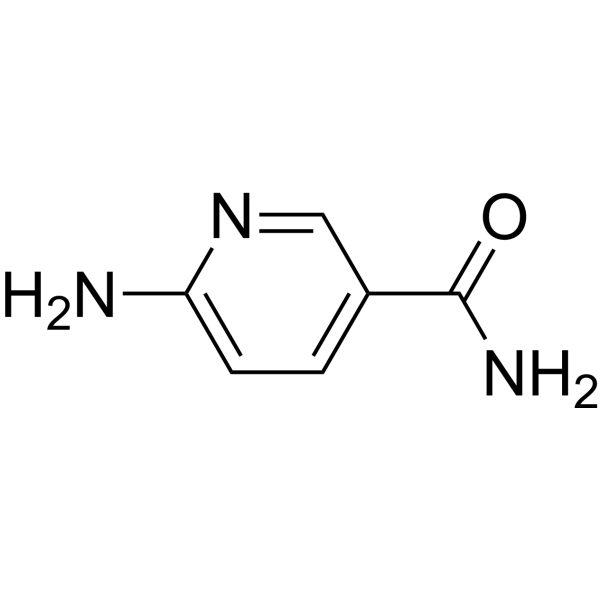
6-Aminonicotinamide, a potent antimetabolite of nicotinamide, is competitive NADP +-dependent enzyme glucose-6-phosphate dehydrogenase (G6PD) inhibitor (Ki=0.46 μM). 6-Aminonicotinamide resultis ATP depletion and synergizes with DNA-crosslinking chemotherapy agents, such as Cisplatin (HY-17394), in killing cancer cells .
|
-
-
- HY-128952
-
|
SG3249
|
Drug-Linker Conjugates for ADC
DNA Alkylator/Crosslinker
|
Cancer
|
|
Tesirine (SG3249) is an antibody-drug conjugate (ADC) pyrrolobenzodiazepine (PBD) dimer payload. Tesirine combines potent antitumor activity with desirable physicochemical properties such as favorable hydrophobicity and improved conjugation characteristics. SG3199 (HY-101161) is the released warhead component of the ADC payload Tesirine. SG3199 retains picomolar activity in a panel of cancer cell lines. PBD dimers are highly efficient DNA minor groove cross-linking agents with potent cytotoxicity .
|
-
-
- HY-101127
-
|
PBD dimer
|
ADC Payload
|
Cancer
|
|
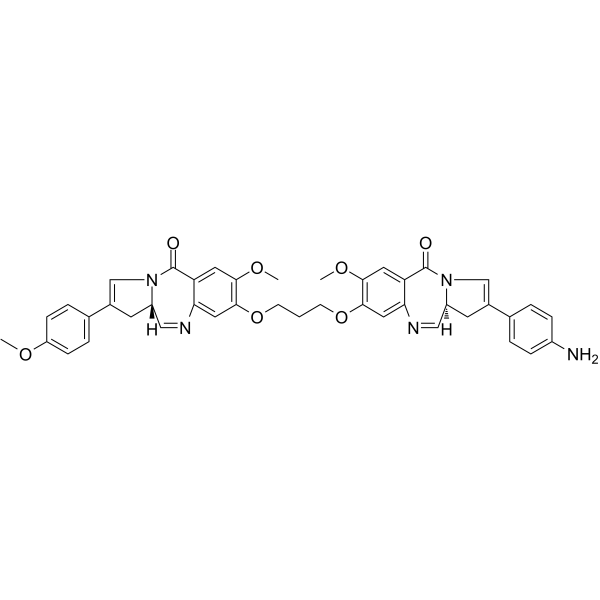
SGD-1882 is a cytotoxic, DNA minor-groove crosslinking agent pyrrolobenzodiazepine (PBD) dimer, acting as the payload for ADCs.
|
-
-
- HY-101162
-
|
|
Drug-Linker Conjugates for ADC
|
Cancer
|
|
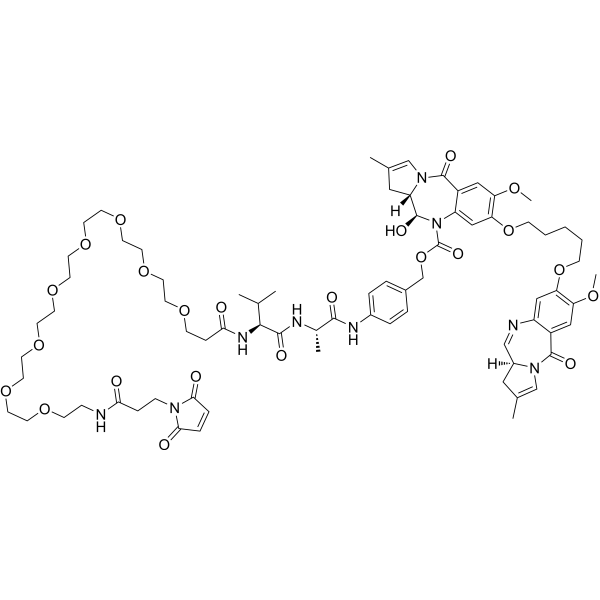
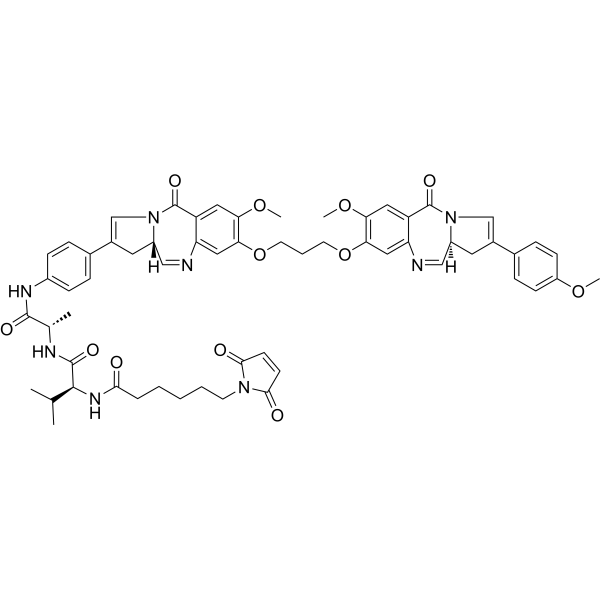
SGD-1910 is a agent-linker conjugate for ADC by using the antitumor antibiotic, pyrrolobenzodiazepine (PBD, a cytotoxic DNA crosslinking), linked via the cleavable linker MC-Val-Ala .
|
-
-
- HY-14573
-
-
-
- HY-B0077
-
-
-
- HY-13567
-
-
-
- HY-13543
-
|
CB 1954
|
Quinone Reductase
DNA Alkylator/Crosslinker
|
Cancer
|
|
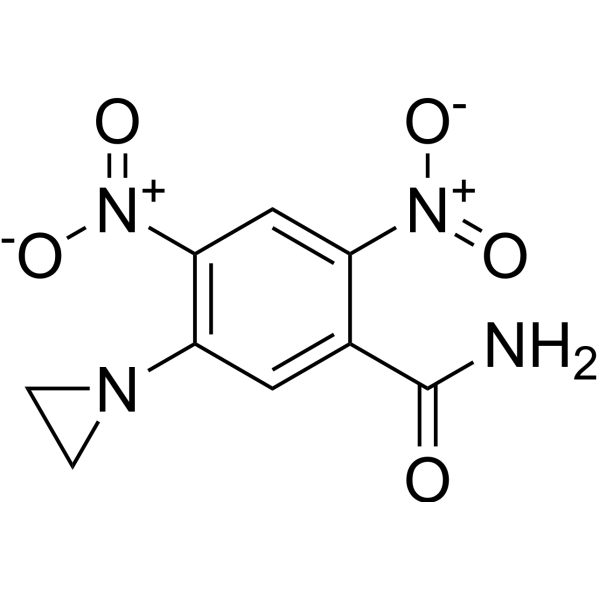
Tretazicar (CB 1954), an antitumor proagent, is highly selective against the Walker 256 rat tumour line. Tretazicar is enzymatically activated to generate a bifunctional agent, which can form DNA-DNA interstrand cross-links. Tretazicar in rat cells involves the reduction of its 4-nitro group to a 4-hydroxylamine by the enzyme NAD(P)H:quinone oxidoreductase 1 (NQO1) .
|
-
-
- HY-111397
-
|
NSC 615291; U-77779
|
DNA Alkylator/Crosslinker
|
Cancer
|
|
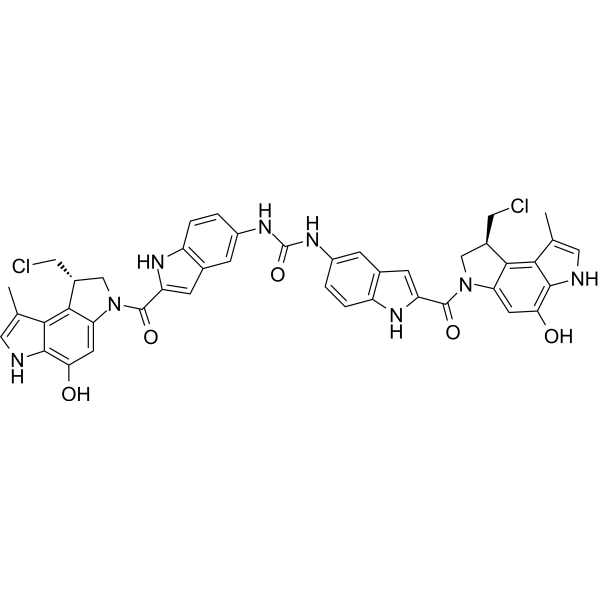
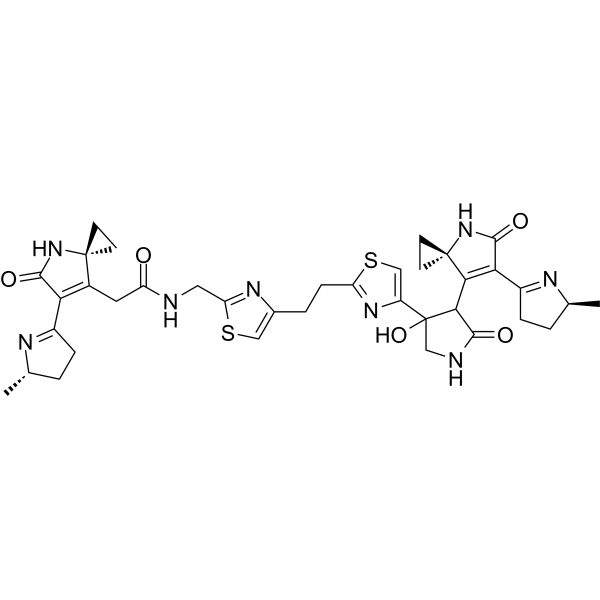
Bizelesin (NSC 615291; U-77779) is an AT-specific DNA alkylating agent that can generate DNA interstrand crosslinks, effectively inhibit DNA replication, and has potential anticancer activity .
|
-
-
- HY-13703A
-
|
ACNU
|
DNA Alkylator/Crosslinker
DNA/RNA Synthesis
Apoptosis
p38 MAPK
JNK
AP-1
|
Cancer
|
|
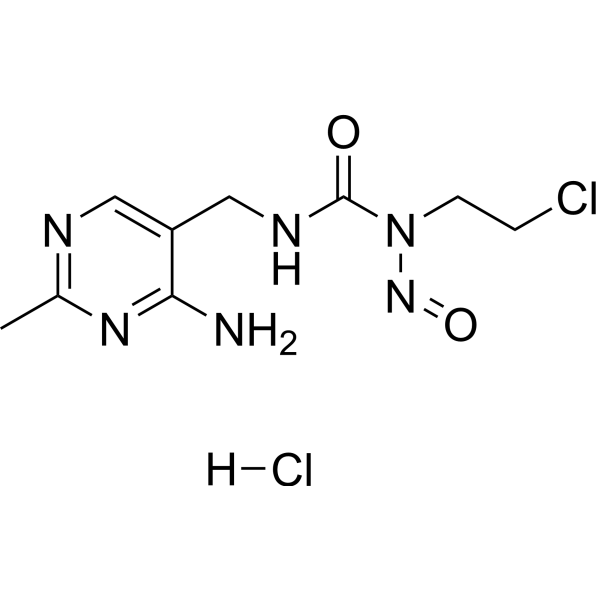
Nimustine hydrochloride (ACNU) is the hydrochloride salt form of Nimustine (HY-13703). Nimustine hydrochloride is an alkylating agent, which induces DNA double-strand breaks (DSBs) and inter-strand crosslinks (ICLs), thereby activating the DNA damage response (DDR) signaling pathway. Nimustine hydrochloride activates p38 MAPK/JNK signaling pathway, and exhibits antitumor activity .
|
-
-
- HY-B0245S
-
|
|
DNA Alkylator/Crosslinker
Apoptosis
|
Inflammation/Immunology
Cancer
|
|
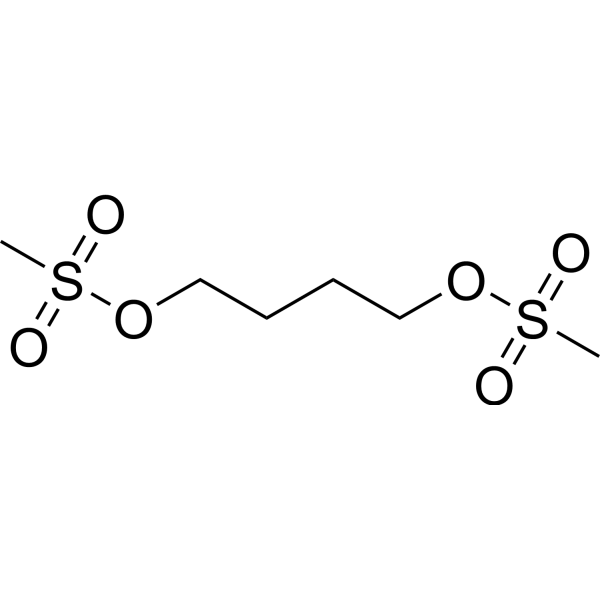
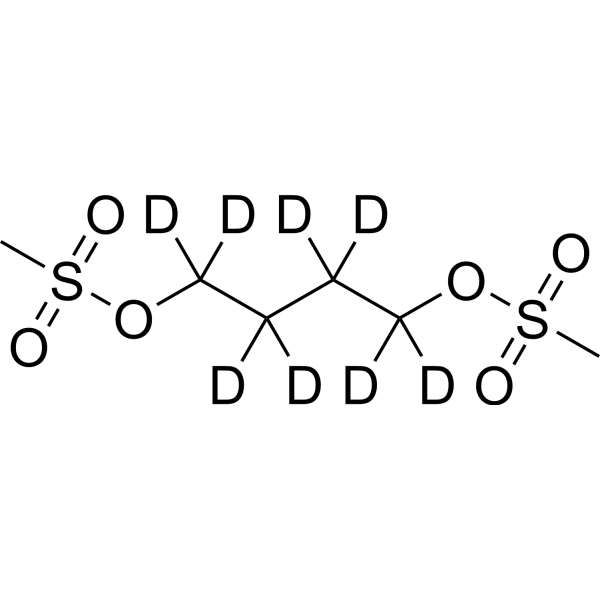
Busulfan-d8 is a deuterium labeled Busulfan. Busulfan is a potent alkylating antineoplastic agent. Busulfan causes DNA damage by cross-linking DNAs and DNA and proteins. Busulfan inhibits thioredoxin reductase. Busulfan induces apoptosis. Busulfan is an immunosuppressive and myeloablative chemotherapeutic agent .
|
-
-
- HY-126539
-
|
|
E1/E2/E3 Enzyme
|
Cancer
|
|
UBE2T/FANCL-IN-1 is a potent inhibitor of UBE2T/FANCL-mediated FANCD2 monoubiquitylation that sensitizes cells to the DNA cross-linking agent, Carboplatin .
|
-
-
- HY-139621
-
|
|
DNA Alkylator/Crosslinker
|
Cancer
|
|
Colibactin 742 is a covalently binding DNA-damaging agent targeting DNA, with an IC50 of 5.2 μM against human cervical cancer cells (HeLa). Colibactin 742 covalently binds to DNA, forming interstrand crosslinks (ICLs), activating the Fanconi anemia DNA repair pathway, inducing γH2AX and FANCD2 foci formation and cell cycle arrest, while exacerbating mismatch repair deficiency (MMRd)-related mutations. Colibactin 742 can mimic the genotoxicity of natural Colibactin while avoiding its instability, and is mainly used in colorectal cancer (CRC) related research, including microbial tumorigenesis mechanisms, DNA damage repair pathways, and mutation signature analysis .
|
-
-
- HY-B0245R
-
|
|
DNA Alkylator/Crosslinker
Apoptosis
Reference Standards
|
Inflammation/Immunology
Cancer
|
|
Busulfan (Standard) is the analytical standard of Busulfan. This product is intended for research and analytical applications. Busulfan is a potent alkylating antineoplastic agent. Busulfan causes DNA damage by cross-linking DNAs and DNA and proteins. Busulfan inhibits thioredoxin reductase. Busulfan induces apoptosis. Busulfan is an immunosuppressive and myeloablative chemotherapeutic agent .
|
-
-
- HY-16405
-
|
|
DNA Alkylator/Crosslinker
|
Cancer
|
|
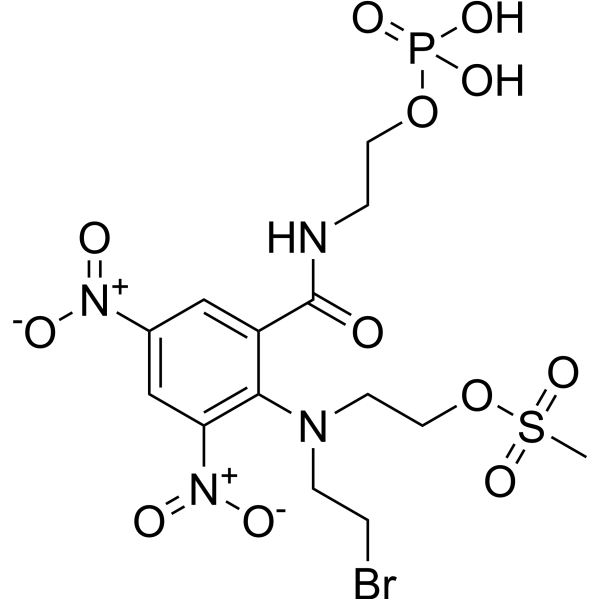
PR-104 is a selective hypoxia-activated DNA cross-linking agent and can be used for the research of multiple tumor xenograft models. PR-104, as a nitrogen mustard pre-proagent, is converted efficiently to the more lipophilic dinitrobenzamide mustards alcohol PR-104A .
|
-
-
- HY-W781133
-
|
cis-[Pt(NH3)2N1-pyridineCl]Cl
|
DNA Alkylator/Crosslinker
|
Cancer
|
|
cDPCP (cis-[Pt(NH3)2(N1-pyridine)Cl]Cl) is a DNA crosslinking agent and also a substrate for OCT1 and OCT2. DPCP exhibits anticancer activity and can improve the survival rate of sarcoma-180 mice. cDPCP is suitable for the research of colorectal cancer and cancers with appropriate cation transporters .
|
-
-
- HY-W075885
-
|
trans-platinumdiamminedichloride
|
DNA Alkylator/Crosslinker
|
Others
|
|
trans-Platinum(II)diammine dichloride (trans-platinumdiamminedichloride) is a geometric isomer of Cisplatin (HY-17394). Trans-Platinum(II)diammine dichloride is a DNA cross-linking agent that induces significant DNA cross-link damage while exhibiting low cytotoxicity. Trans-Platinum(II)diammine dichloride is useful for studying DNA-protein cross-links .
|
-
-
- HY-14572
-
|
SN 27858
|
DNA Alkylator/Crosslinker
Drug Metabolite
|
Cancer
|
|
PR-104A (SN 27858) is the alcohol metabolite of phosphate proagent PR-104. PR-104A is a hypoxia-selective DNA cross-linking agent/DNA-damaging agent and cytotoxin. Antitumor Activity . PR-104A is metabolized under hypoxia by the 1-electron NADPH:cytochrome P450 oxidoreductase. PR-104A can be used for the research of relapsed/refractory T-lineage acute lymphoblastic leukemia (T-ALL) .
|
-
-
- HY-W341499
-
|
|
Endogenous Metabolite
|
Others
|
|
5-Formyl-2'-deoxyuridine is a product formed when the 5-methyl group of thymine in DNA undergoes oxidation due to exposure to gamma radiation or certain chemical agents. Serving as a biomarker of oxidative DNA damage, 5-formyl-2'-deoxyuridine is employed in investigations of DNA damage and repair mechanisms. Additionally, 5-Formyl-2'-deoxyuridine can be used in studies involving chemically crosslinking with peptides derived from the RecA protein .
|
-
-
- HY-W111005
-
|
|
DNA Alkylator/Crosslinker
|
Cancer
|
|
1-Chloromethylpyrene is an alkylating agent that enters the DNA double helix structure through intercalation, forms covalent bonds with electrophilic groups, resulting in DNA cross-linking, thereby inhibiting the proliferation of tumor cells .
|
-
-
- HY-402091
-
|
|
ADC Payload
|
Others
|
|
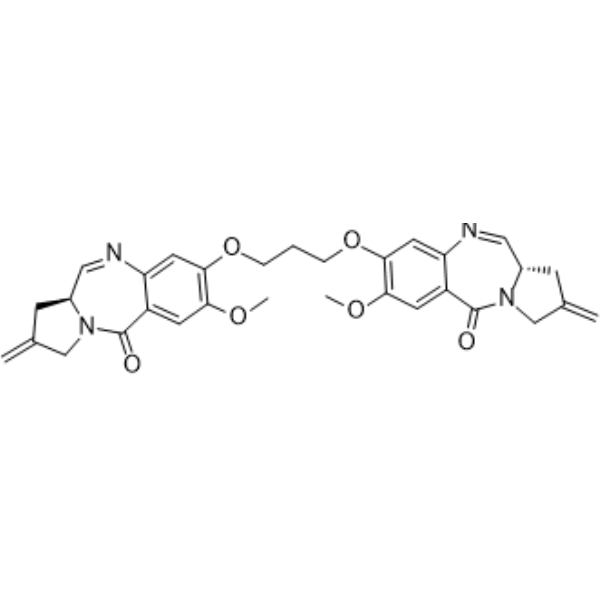
SJG-136 intermediate-1 (compound 19) is an intermediate for synthesizing SJG-136. SJG-136 is a DNA cross-linking agent, with an XL50 of 45 nM for pBR322 DNA .
|
-
-
- HY-W007712
-
|
2-Bromo-3-picoline
|
Drug Intermediate
|
Cancer
|
|
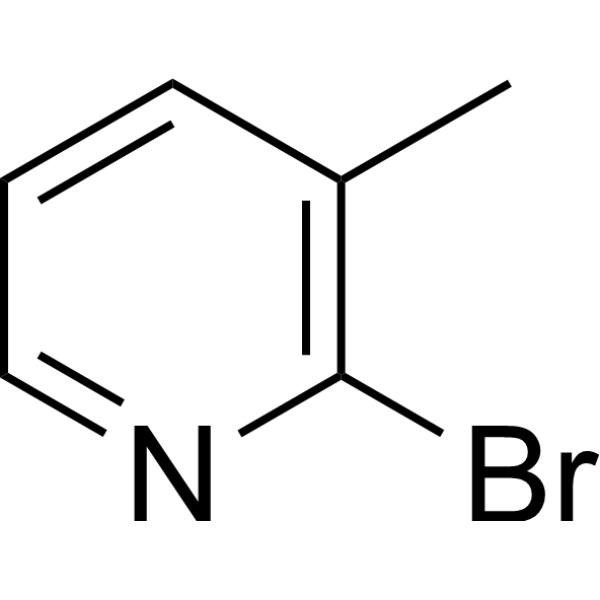
2-Bromo-3-methylpyridine (2-Bromo-3-picoline) is a heterocyclic intermediate of the halomethylpyridine family. 2-Bromo-3-methylpyridine can be used in the synthesis of platinum(IV) diazide complexes .
|
-
-
- HY-114577
-
|
Isophosphoramide mustard tromethamine; IPM tromethamine; ZIO-201 tromethamine
|
DNA Alkylator/Crosslinker
|
Cancer
|
|
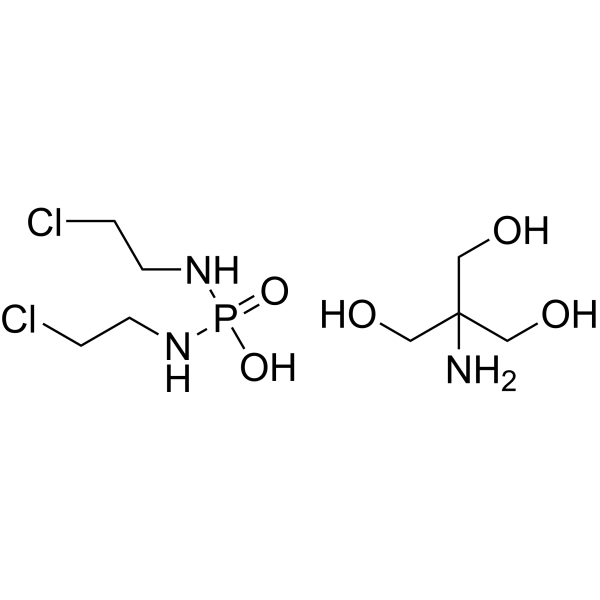
Palifosfamide (tromethamine) is a synthetic alkylating agent with potential antineoplastic activity. As the stabilized active metabolite of ifosfamide, palifosfamide (tromethamine) irreversibly alkylates and crosslinks DNA through GC base pairs. This leads to an inhibition of DNA replication and ultimately cell death. Compared to ifosfamide, palifosfamide (tromethamine) is less toxic.
|
-
-
- HY-D2438
-
|
|
Fluorescent Dye
|
Cancer
|
|
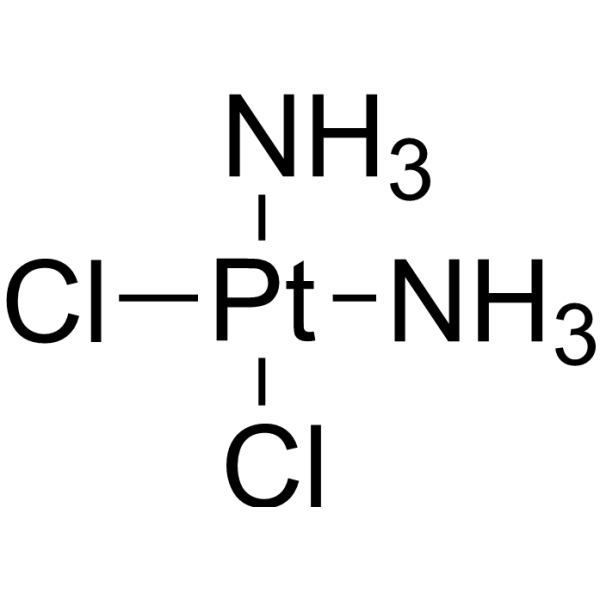
CDDP-PEG-Cy3 is a CDDP-PEG conjugate labeled with Cy3 (HY-D0822). The Cy3 fluorophore is commonly used in applications such as immunolabeling, nucleic acid labeling, fluorescence microscopy, and flow cytometry. The maximum emission wavelength of Cy3 is approximately 562-570 nm. Cisplatin (CDDP) (HY-17394) is an antineoplastic chemotherapy agent by cross-linking with DNA and causing DNA damage in cancer cells. Cisplatin activates ferroptosis and induces autophagy .
|
-
-
- HY-U00265
-
|
3-Carbethoxypsoralen; 3-Ethoxycarbonylpsoralen
|
Bacterial
|
Infection
|
|
3-CPs is a monofunctional furanocoumarin and a photoprotective agent targeting Staphylococcus aureus DNA, possessesing anti-UVB lethal activity. 3-CPs competitively intercalates into DNA, forming exclusively 4',5'-furan-side mono-adducts upon UVB irradiation, and irreversibly inhibits the formation of cyclobutane pyrimidine dimers. 3-CPs prevents UVB-induced DNA damage by preferentially binding to strong (AT)n sites within the DNA, without inducing lethal interstrand DNA cross-links; the limited number of mono-adducts it induces can be efficiently repaired by bacteria. 3-CPs holds potential for use in the development of photoprotective formulations for skin diseases, as well as in studies investigating bacterial DNA photodamage repair mechanisms and the optimization of photochemotherapy safety .
|
-
-
- HY-13703
-
-
-
- HY-W010342R
-
|
|
NADPH Oxidase
Reference Standards
|
Cancer
|
|
6-Aminonicotinamide, a potent antimetabolite of nicotinamide, is competitive NADP+-dependent enzyme glucose-6-phosphate dehydrogenase (G6PD) inhibitor (Ki=0.46 μM). 6-Aminonicotinamide resultis ATP depletion and synergizes with DNA-crosslinking chemotherapy agents, such as Cisplatin (HY-17394), in killing cancer cells .
|
-
-
- HY-164401
-
|
|
EAAT
DNA/RNA Synthesis
DNA Alkylator/Crosslinker
|
Neurological Disease
Cancer
|
|
QBS10072S is a bifunctional chemotherapeutic agent that can cross the blood-brain barrier (BBB), comprising a LAT1-targeting domain and a cytotoxic domain. QBS10072S exhibits inhibitory potency against LAT1-mediated substrate uptake (IC50 = 21 μM) of approximately 50-fold higher than that against LAT2 (IC50 = 1100 μM). QBS10072S enters LAT1-expressing tumor cells via LAT1-mediated active transport, induces DNA interstrand crosslinking, and causes DNA damage and cell death. QBS10072S can be used for the research of glioblastoma and aggressive T-cell lymphoma .
|
-
-
- HY-128952G
-
|
SG3249
|
Drug-Linker Conjugates for ADC
DNA Alkylator/Crosslinker
|
Cancer
|
|
Tesirine (GMP) (SG3249 (GMP)) is Tesirine (HY-128952) produced by using GMP guidelines. GMP small molecules works appropriately as an auxiliary reagent for cell therapy manufacture. Tesirine (SG3249) is an antibody-drug conjugate (ADC) pyrrolobenzodiazepine (PBD) dimer payload. Tesirine combines potent antitumor activity with desirable physicochemical properties such as favorable hydrophobicity and improved conjugation characteristics. SG3199 (HY-101161) is the released warhead component of the ADC payload Tesirine. SG3199 retains picomolar activity in a panel of cancer cell lines. PBD dimers are highly efficient DNA minor groove cross-linking agents with potent cytotoxicity .
|
-
-
- HY-139635
-
-
-
- HY-13567S
-
-
-
- HY-402090
-
|
|
ADC Payload
|
Others
|
|
SJG-136 intermediate-2 (compound 141) is an intermediate for synthesizing SJG-136. SJG-136 is a DNA cross-linking agent, with an XL50 of 45 nM for pBR322 DNA .
|
-
-
- HY-B0077S1
-
|
SDX-105-d8
|
Isotope-Labeled Compounds
DNA Alkylator/Crosslinker
Apoptosis
|
Cancer
|
|
Bendamustine-d8 (hydrochloride) is deuterium labeled Bendamustine (hydrochloride). Bendamustine hydrochloride (SDX-105), a purine analogue, is a DNA cross-linking agent. Bendamustine hydrochloride activats DNA-damage stress response and apoptosis. Bendamustine hydrochloride has potent alkylating, anticancer and antimetabolite properties .
|
-
-
- HY-13567S1
-
|
SDX-105-d8 free base
|
DNA Alkylator/Crosslinker
Apoptosis
|
Cancer
|
|
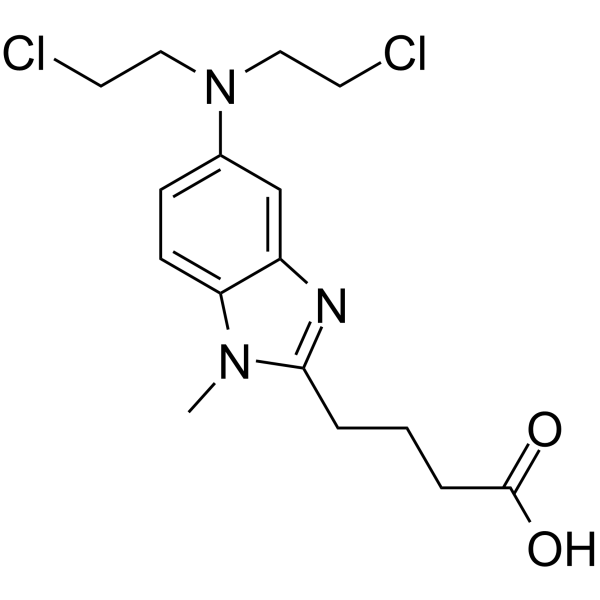
Bendamustine-d8 is the deuterium labeled Bendamustine . Bendamustine (SDX-105 free base), a purine analogue, is a DNA cross-linking agent. Bendamustine activates DNA-damage stress response and apoptosis. Bendamustine has potent alkylating, anticancer and antimetabolite properties .
|
-
-
- HY-B0077R
-
|
SDX-105 (Standard)
|
Reference Standards
DNA Alkylator/Crosslinker
Apoptosis
|
Cancer
|
|
Bendamustine (hydrochloride) (Standard) is the analytical standard of Bendamustine (hydrochloride). This product is intended for research and analytical applications. Bendamustine hydrochloride (SDX-105), a purine analogue, is a DNA cross-linking agent. Bendamustine hydrochloride activats DNA-damage stress response and apoptosis. Bendamustine hydrochloride has potent alkylating, anticancer and antimetabolite properties .
|
-
-
- HY-13567R
-
|
SDX-105 free base (Standard)
|
DNA Alkylator/Crosslinker
Apoptosis
Reference Standards
|
Cancer
|
|
Bendamustine (Standard) is the analytical standard of Bendamustine. This product is intended for research and analytical applications. Bendamustine (SDX-105 free base), a purine analogue, is a DNA cross-linking agent. Bendamustine activates DNA-damage stress response and apoptosis. Bendamustine has potent alkylating, anticancer and antimetabolite properties .
|
-
-
- HY-147740
-
|
|
DNA Alkylator/Crosslinker
|
Cancer
|
|
WEHI-150 is a replica of mitoxantrone, is a portent DNA interstrand crosslinkagent with an adduct half-lives of 12.5 h. WEHI-150 forms covalent adducts at CpG sequences and exhibits a preference for methylated CpG sites. Formaldehyde-activated WEHI-150 induces DNA interstrand crosslinks. Formaldehyde-activated WEHI-150 shows Concentration-dependent transcription blockages. WEHI-150 can mediate covalent adducts that are independent of interactions with the N-2 of guanine and is capable of adduct formation at novel DNA sequences .
|
-
-
- HY-117909
-
|
RXDX-107
|
Apoptosis
|
Cancer
|
|
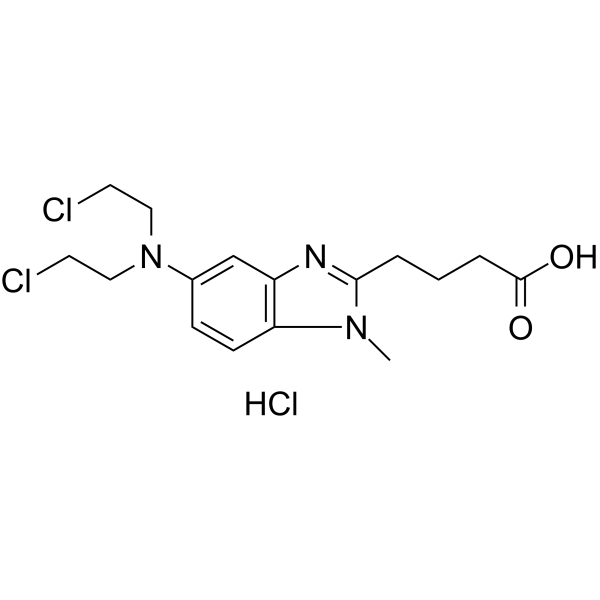
CEP-40125 (RXDX-107) is a modified form of Bendamustine (HY-13567), a DNA cross-linking agent that may cause DNA damage and cell apoptosis. CEP-40125 (RXDX-107) is formed by encapsulating the alkyl ester form of Bendamustine in human serum albumin .
|
-
-
- HY-W738282
-
|
SDX-105-d7
|
Isotope-Labeled Compounds
DNA Alkylator/Crosslinker
Apoptosis
|
Cancer
|
|
Bendamustine-d7 hydrochloride (SDX-105-d7) is the deuterium labeled Bendamustine hydrochloride (HY-B0077). Bendamustine hydrochloride (SDX-105), a purine analogue, is a DNA cross-linking agent. Bendamustine hydrochloride activats DNA-damage stress response and apoptosis. Bendamustine hydrochloride has potent alkylating, anticancer and antimetabolite properties .
|
-
-
- HY-106109
-
|
|
DNA Alkylator/Crosslinker
DNA/RNA Synthesis
|
Cancer
|
|
FK 973 is a dihydrobenzoxazine anticancer agent. FK 973 selectively inhibits DNA synthesis and can form DNA cross-links through cytoplasmic activation. FK 973 exhibits significant antitumor activity in various animal tumor models and human tumor xenografts, with relatively weak myelosuppressive effects. FK 973 is sensitive to neural tumor cells. FK 973 can be used for DNA-targeted antitumor research .
|
-
-
- HY-16406
-
|
|
DNA Alkylator/Crosslinker
|
Cancer
|
|
PR-104 (sodium) is a selective hypoxia-activated DNA cross-linking agent and can be used for the research of multiple tumor xenograft models. PR-104 (sodium), as a nitrogen mustard pre-proagent, is converted efficiently to the more lipophilic dinitrobenzamide mustards alcohol PR-104A .
|
-
-
- HY-13543R
-
|
CB 1954 (Standard)
|
DNA Alkylator/Crosslinker
Reference Standards
|
Cancer
|
|
Tretazicar (Standard) is the analytical standard of Tretazicar. This product is intended for research and analytical applications. Tretazicar (CB 1954), an antitumor proagent, is highly selective against the Walker 256 rat tumour line. Tretazicar is enzymatically activated to generate a bifunctional agent, which can form DNA-DNA interstrand cross-links. Tretazicar in rat cells involves the reduction of its 4-nitro group to a 4-hydroxylamine by the enzyme NAD(P)H:quinone oxidoreductase 1 (NQO1) .
|
-
-
- HY-18774
-
|
|
DNA Alkylator/Crosslinker
|
Cancer
|
|
Cycloplatam is a DNA crosslinking agent. Cycloplatam inhibits tumor cell DNA replication and transcription. Cycloplatam is promising for research of ovarian cancer, lung cancer, and other solid tumors .
|
-
-
- HY-13567A
-
|
SDX-105 hydrate
|
DNA Alkylator/Crosslinker
Apoptosis
|
Metabolic Disease
|
|
Bendamustine hydrochloride hydrate (SDX-105 hydrate), a purine analogue, is a DNA cross-linking agent. Bendamustine hydrochloride hydrate activates DNA-damage stress response and apoptosis. Bendamustine hydrochloride hydrate has potent alkylating, anticancer and antimetabolite properties .
|
-
-
- HY-W075885R
-
|
trans-platinumdiamminedichloride (Standard)
|
Biochemical Assay Reagents
Reference Standards
|
Others
|
|
trans-Platinum(II)diammine dichloride (trans-platinumdiamminedichloride) (Standard) is an analytical standard for trans-Platinum(II)diammine dichloride (HY-W075885). This product is intended for research and analytical applications. trans-Platinum(II)diammine dichloride is a geometric isomer of Cisplatin (HY-17394). trans-Platinum(II)diammine dichloride is a DNA cross-linking agent that induces significant DNA cross-link damage but exhibits low cytotoxicity. trans-Platinum(II)diammine dichloride can be used to study DNA-protein cross-links.
|
-
-
- HY-185389
-
|
Liposomal cisplatin
|
Liposome
DNA Alkylator/Crosslinker
|
Cancer
|
|
Cisplatin liposome is a liposome-encapsulated form of Cisplatin (HY-17394). Cisplatin (CDDP) is an anti-tumor chemotherapeutic agent that cross-links with DNA, causing DNA damage in cancer cells. Cisplatin liposome prolongs drug circulation time and slowly releases the drug, allowing it to accumulate in the tumor and exert its killing effect.
|
-
-
- HY-132974
-
-
-
- HY-164401A
-
|
|
EAAT
DNA/RNA Synthesis
DNA Alkylator/Crosslinker
|
Neurological Disease
Cancer
|
|
QBS10072S dihydrochloride is a bifunctional chemotherapeutic agent that can cross the blood-brain barrier (BBB), comprising a LAT1-targeting domain and a cytotoxic domain. QBS10072S dihydrochloride exhibits inhibitory potency against LAT1-mediated substrate uptake (IC50 = 21 μM) of approximately 50-fold higher than that against LAT2 (IC50 = 1100 μM). QBS10072S dihydrochloride enters LAT1-expressing tumor cells via LAT1-mediated active transport, induces DNA interstrand crosslinking, and causes DNA damage and cell death. QBS10072S dihydrochloride can be used for the research of glioblastoma and aggressive T-cell lymphoma .
|
-
| Cat. No. |
Product Name |
Type |
-
- HY-D2438
-
|
|
Fluorescent Dye
|
|
CDDP-PEG-Cy3 is a CDDP-PEG conjugate labeled with Cy3 (HY-D0822). The Cy3 fluorophore is commonly used in applications such as immunolabeling, nucleic acid labeling, fluorescence microscopy, and flow cytometry. The maximum emission wavelength of Cy3 is approximately 562-570 nm. Cisplatin (CDDP) (HY-17394) is an antineoplastic chemotherapy agent by cross-linking with DNA and causing DNA damage in cancer cells. Cisplatin activates ferroptosis and induces autophagy .
|
-
- HY-128952G
-
|
SG3249
|
Fluorescent Dye
|
|
Tesirine (GMP) (SG3249 (GMP)) is Tesirine (HY-128952) produced by using GMP guidelines. GMP small molecules works appropriately as an auxiliary reagent for cell therapy manufacture. Tesirine (SG3249) is an antibody-drug conjugate (ADC) pyrrolobenzodiazepine (PBD) dimer payload. Tesirine combines potent antitumor activity with desirable physicochemical properties such as favorable hydrophobicity and improved conjugation characteristics. SG3199 (HY-101161) is the released warhead component of the ADC payload Tesirine. SG3199 retains picomolar activity in a panel of cancer cell lines. PBD dimers are highly efficient DNA minor groove cross-linking agents with potent cytotoxicity .
|
| Cat. No. |
Product Name |
Type |
-
- HY-W075885
-
|
trans-platinumdiamminedichloride
|
Biochemical Assay Reagents
|
|
trans-Platinum(II)diammine dichloride (trans-platinumdiamminedichloride) is a geometric isomer of Cisplatin (HY-17394). Trans-Platinum(II)diammine dichloride is a DNA cross-linking agent that induces significant DNA cross-link damage while exhibiting low cytotoxicity. Trans-Platinum(II)diammine dichloride is useful for studying DNA-protein cross-links .
|
-
- HY-W007712
-
|
2-Bromo-3-picoline
|
Biochemical Assay Reagents
|
|
2-Bromo-3-methylpyridine (2-Bromo-3-picoline) is a heterocyclic intermediate of the halomethylpyridine family. 2-Bromo-3-methylpyridine can be used in the synthesis of platinum(IV) diazide complexes .
|
-
- HY-128952G
-
|
SG3249
|
Biochemical Assay Reagents
|
|
Tesirine (GMP) (SG3249 (GMP)) is Tesirine (HY-128952) produced by using GMP guidelines. GMP small molecules works appropriately as an auxiliary reagent for cell therapy manufacture. Tesirine (SG3249) is an antibody-drug conjugate (ADC) pyrrolobenzodiazepine (PBD) dimer payload. Tesirine combines potent antitumor activity with desirable physicochemical properties such as favorable hydrophobicity and improved conjugation characteristics. SG3199 (HY-101161) is the released warhead component of the ADC payload Tesirine. SG3199 retains picomolar activity in a panel of cancer cell lines. PBD dimers are highly efficient DNA minor groove cross-linking agents with potent cytotoxicity .
|
-
- HY-W075885R
-
|
trans-platinumdiamminedichloride (Standard)
|
Biochemical Assay Reagents
|
|
trans-Platinum(II)diammine dichloride (trans-platinumdiamminedichloride) (Standard) is an analytical standard for trans-Platinum(II)diammine dichloride (HY-W075885). This product is intended for research and analytical applications. trans-Platinum(II)diammine dichloride is a geometric isomer of Cisplatin (HY-17394). trans-Platinum(II)diammine dichloride is a DNA cross-linking agent that induces significant DNA cross-link damage but exhibits low cytotoxicity. trans-Platinum(II)diammine dichloride can be used to study DNA-protein cross-links.
|
| Cat. No. |
Product Name |
Chemical Structure |
-
- HY-B0245S
-
|
|
|
Busulfan-d8 is a deuterium labeled Busulfan. Busulfan is a potent alkylating antineoplastic agent. Busulfan causes DNA damage by cross-linking DNAs and DNA and proteins. Busulfan inhibits thioredoxin reductase. Busulfan induces apoptosis. Busulfan is an immunosuppressive and myeloablative chemotherapeutic agent .
|
-
-
- HY-13567S
-
|
|
|
Bendamustine-d4 is the deuterium labeled Bendamustine. Bendamustine is a DNA cross-linking agent that causes DNA breaks, with alkylating and antimetabolite properties.
|
-
-
- HY-B0077S1
-
|
|
|
Bendamustine-d8 (hydrochloride) is deuterium labeled Bendamustine (hydrochloride). Bendamustine hydrochloride (SDX-105), a purine analogue, is a DNA cross-linking agent. Bendamustine hydrochloride activats DNA-damage stress response and apoptosis. Bendamustine hydrochloride has potent alkylating, anticancer and antimetabolite properties .
|
-
-
- HY-13567S1
-
|
|
|
Bendamustine-d8 is the deuterium labeled Bendamustine . Bendamustine (SDX-105 free base), a purine analogue, is a DNA cross-linking agent. Bendamustine activates DNA-damage stress response and apoptosis. Bendamustine has potent alkylating, anticancer and antimetabolite properties .
|
-
-
- HY-W738282
-
|
|
|
Bendamustine-d7 hydrochloride (SDX-105-d7) is the deuterium labeled Bendamustine hydrochloride (HY-B0077). Bendamustine hydrochloride (SDX-105), a purine analogue, is a DNA cross-linking agent. Bendamustine hydrochloride activats DNA-damage stress response and apoptosis. Bendamustine hydrochloride has potent alkylating, anticancer and antimetabolite properties .
|
-
| Cat. No. |
Product Name |
|
Classification |
-
- HY-W341499
-
|
|
|
Nucleoside Analogs
Uridine
|
|
5-Formyl-2'-deoxyuridine is a product formed when the 5-methyl group of thymine in DNA undergoes oxidation due to exposure to gamma radiation or certain chemical agents. Serving as a biomarker of oxidative DNA damage, 5-formyl-2'-deoxyuridine is employed in investigations of DNA damage and repair mechanisms. Additionally, 5-Formyl-2'-deoxyuridine can be used in studies involving chemically crosslinking with peptides derived from the RecA protein .
|
-
- HY-185389
-
|
Liposomal cisplatin
|
|
Liposome
|
|
Cisplatin liposome is a liposome-encapsulated form of Cisplatin (HY-17394). Cisplatin (CDDP) is an anti-tumor chemotherapeutic agent that cross-links with DNA, causing DNA damage in cancer cells. Cisplatin liposome prolongs drug circulation time and slowly releases the drug, allowing it to accumulate in the tumor and exert its killing effect.
|
| Cat. No. |
Product Name |
Target |
Research Areas |
Chemical Structure |
-
- HY-128952G
-
|
SG3249
|
Drug-Linker Conjugates for ADC
DNA Alkylator/Crosslinker
|
Cancer
|
|
Tesirine (GMP) (SG3249 (GMP)) is Tesirine (HY-128952) produced by using GMP guidelines. GMP small molecules works appropriately as an auxiliary reagent for cell therapy manufacture. Tesirine (SG3249) is an antibody-drug conjugate (ADC) pyrrolobenzodiazepine (PBD) dimer payload. Tesirine combines potent antitumor activity with desirable physicochemical properties such as favorable hydrophobicity and improved conjugation characteristics. SG3199 (HY-101161) is the released warhead component of the ADC payload Tesirine. SG3199 retains picomolar activity in a panel of cancer cell lines. PBD dimers are highly efficient DNA minor groove cross-linking agents with potent cytotoxicity .
|
-
Your information is safe with us. * Required Fields.
Inquiry Information
- Product Name:
- Cat. No.:
- Quantity:
- MCE Japan Authorized Agent:

