


Search Result
Results for "
DNA delivery
" in MedChemExpress (MCE) Product Catalog:
26
Biochemical Assay Reagents
| Cat. No. |
Product Name |
Target |
Research Areas |
Chemical Structure |
-
- HY-112764
-
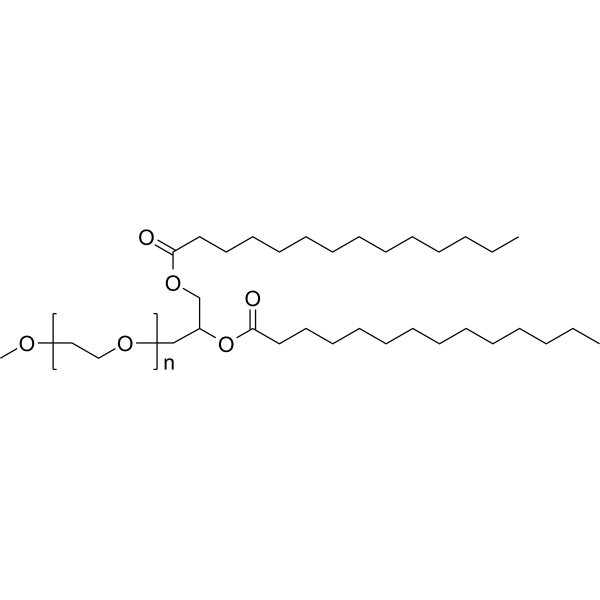
mPEG2000-DMG
Maximum Cited Publications
21 Publications Verification
|
Liposome
|
Metabolic Disease
|
|
DMG-PEG 2000 is used for the preparation of liposome for siRNA delivery with improved transfection efficiency in vitro. DMG-PEG 2000 is also used for the lipid nanoparticle for an oral plasmid DNA delivery approach in vivo through a facile surface modification to improve the mucus permeability and delivery efficiency of the nanoparticles .
|
-
-
- HY-W127378
-
|
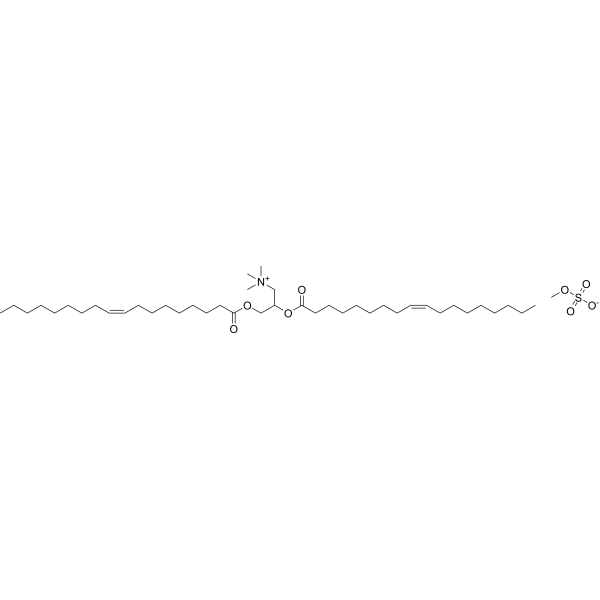
1,2-Dioleoyl-3-trimethylammonium-propane methylsulfate
|
Liposome
|
Others
|
|
DOTAP methylsulfat is a cationic lipid reagent, a cationic derivative of trimethylammonium, linked to two 18-carbon fatty acid tails, each with a single olefin group. DOTAP methylsulfat can self-assemble with negatively charged ions (such as DNA) to form complexes, which can be adsorbed to the cell membrane surface and enter the cell by electrostatic interaction and endocytosis, respectively. DOTAP methylsulfat promotes endosomal membrane fusion with its own hydrophobic domain, releases DNA into the cytoplasm, and exerts gene delivery function. DOTAP methylsulfat can be widely used in research fields such as gene therapy, cell transfection, and non-viral vector design .
|
-
-
- HY-B2247A
-
|
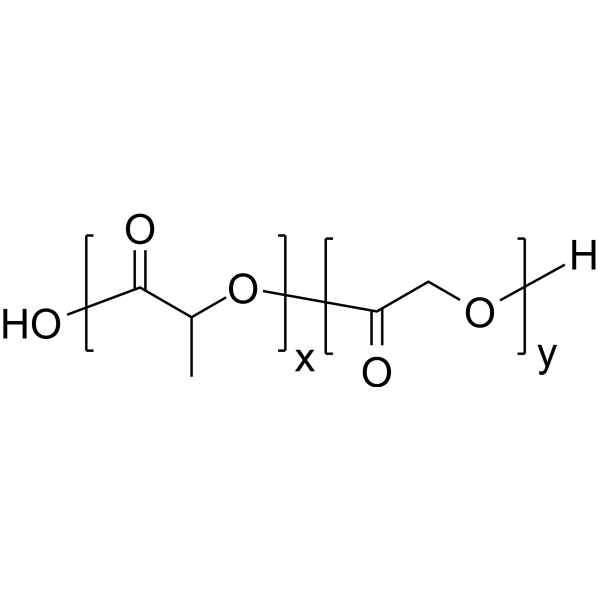
poly(lactic-co-glycolic acid) (75:25)
|
Biochemical Assay Reagents
|
Others
|
|
PLGA (75:25) is a low toxicity, biocompatible and biodegradable controlled drug delivery carrier, can achieve slow release in the organism. PLGA (75:25) is a copolymer of 75% poly lactic acid (PLA) and 25% poly glycolic acid (PGA). PLGA (75:25) has been extensively studied as delivery vehicles for agents, proteins and various other macromolecules such as DNA, RNA and peptides .
|
-
-
- HY-W014837
-
|
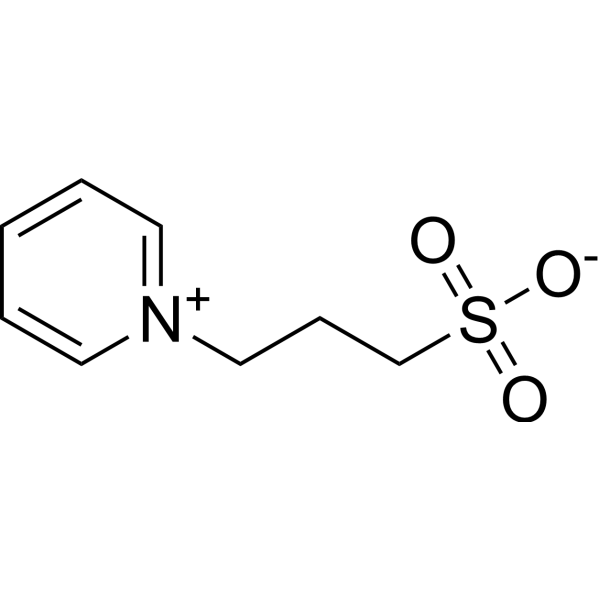
3-(1-Pyridinio)-1-propanesulfonate
|
Biochemical Assay Reagents
|
Others
|
|
NDSB-201 consists of a pyridine group attached to a propane chain, which in turn is attached to a sulfonate group. This compound is commonly used as a buffer in biochemical and biological research, especially in electrophoretic applications. It maintains a stable pH in aqueous solutions and has low UV absorption, making it suitable for use in the UV spectrum. Furthermore, due to its ability to form stable complexes with DNA and other biomolecules, 3-(pyridin-1-ium-1-yl)propane-1-sulfonate has been investigated for its potential in drug delivery and genetic research.
|
-
-
- HY-112624J
-
|
Dextran 4; Dextran D4; Dextran T4(MW 3200-4800)
|
Bacterial
|
Others
|
|
Dextran 4,000 is a mucus rheology modifier. The dextran molecules in Dextran 4,000 can reduce the cross-link density of mucus through osmotic effects and hydrogen bond substitution, and reduce viscoelasticity and improve the mucociliary/cough clearance index by destroying the DNA-mucin network structure in mucus. Dextran 4,000 has the ability to improve the rheological properties and clearance ability of cystic fibrosis (CF) sputum, and can be used in the study of inhalation therapy or aerosol delivery of mucostatic respiratory diseases. The Dextran series of compounds are also natural polysaccharide drug carriers that can be connected to drugs through covalent bonding methods such as ester bonds, amide bonds or click chemistry, or self-assembled to form carriers such as nanoparticles and hydrogels. Dextran is biodegradable and biocompatible, and can achieve targeted delivery and controlled release of drugs. Dextran derivatives can prolong the half-life of drugs, increase local concentrations, and reduce the activity of immune clearance .
|
-
-
- HY-P4121
-
|
|
Potassium Channel
|
Inflammation/Immunology
Cancer
|
|
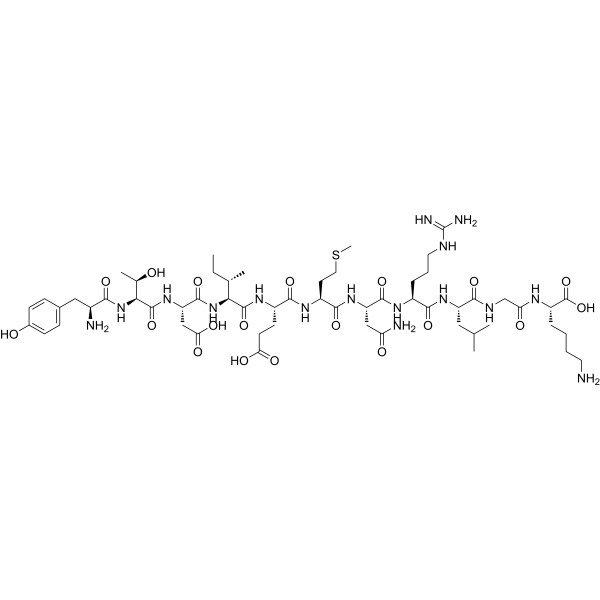
L17E is an attenuated cationic amphiphilic lytic (ACAL) peptide that can be used to deliver a variety of macromolecules, including proteins, antibodies, and DNA nanostructures. L17E inserts and cleaves the membrane structure through electrostatic interaction, enabling intracellular escape. The efficiency of L17E-mediated delivery is strongly correlated with the expression level of KCNN4 (the gene encoding the calcium-activated potassium channel KCa3.1). L17E also promotes the cellular uptake of macromolecules by inducing micropinocytosis. L17E can be further optimized and improved through dimerization strategies and in combination with other delivery systems, such as nuclear localization signal peptides and cell membrane-coated nanoparticles .
|
-
-
- HY-P0311
-
|
|
Bacterial
|
Infection
|
|
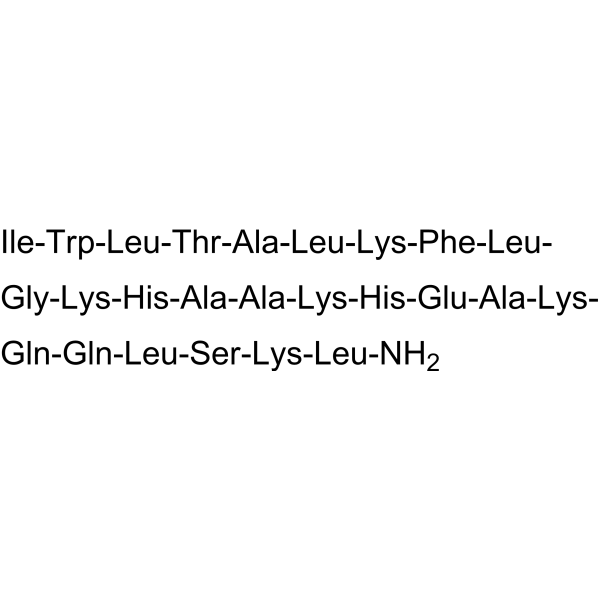
LAH4, an alpha-helix of the designed amphipathic peptide antibiotic, exhibits potent antimicrobial, nucleic acid transfection and cell penetration activities. LAH4 possesses high plasmid DNA delivery capacities. LAH4 has a strong affinity for anionic lipids found in the outer membrane of bacterial membranes .
|
-
-
- HY-126437I
-
-
-
- HY-P4076
-
|
|
HIV
DNA Alkylator/Crosslinker
|
Infection
|
|
MPG peptides, Pβ is an amphipathic cell-penetrating peptide. MPG peptides, Pβ consists of three components: the hydrophobic fusion sequence (GALFLGFLGAAGSTMGA) of HIV glycoprotein 41, a spacer domain (WSQP), and the nuclear localization signal (KKKRKV) of the large T antigen of Simian virus 40. MPG peptides, Pβ can form stable non-covalent complexes with nucleic acids (including DNA) through electrostatic interactions and improve their intracellular delivery. MPG peptides, Pβ can be used in studies of HIV-1-related immune responses .
|
-
-
- HY-D0917
-
|
|
DNA Stain
|
Cancer
|
|
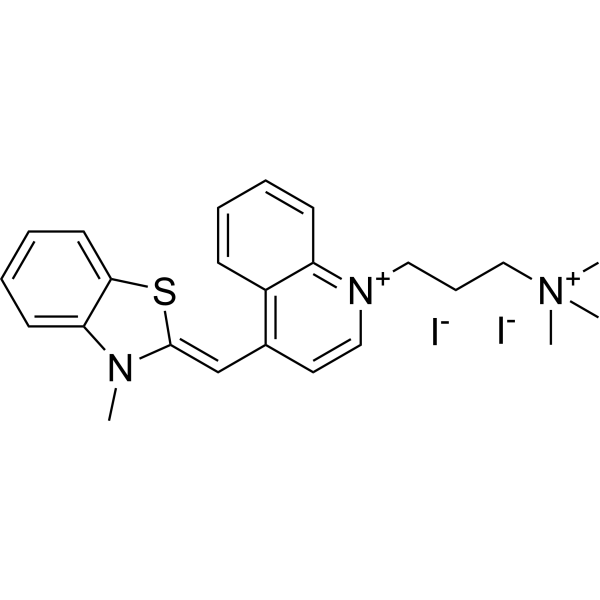
NIR-Red Dead Cell-1 Dye is a DNA-binding fluorescent dye for non-living cells (Ex/Em=515 nm/531 nm). NIR-Red Dead Cell-1 Dye can intercalate into base pairs of double-stranded DNA and produce stronger fluorescence. NIR-Red Dead Cell-1 Dye is suitable for necrotic cells or late apoptotic cells with damaged cell membranes, showing green fluorescence under fluorescence microscopy or flow cytometry. NIR-Red Dead Cell-1 Dye can be used to distinguish live cells from dead cells and distinguish cell membrane integrity. NIR-Red Dead Cell-1 Dye can be attached to the surface of Feraheme (FH) nanoparticles (NPs) to obtain fluorescent dye-functionalized NPs for drug delivery studies .
|
-
-
- HY-112624K
-
|
Dextran 5; Dextran D5; Dextran T5(MW 4500-5500)
|
Apoptosis
Autophagy
|
Others
|
|
Dextran T5 (MW 5,000) is a sulfated polysaccharide anti-apoptotic and autophagic agent. Dextran T5 (MW 5,000) has sulfated groups and interacts with cell membranes by mimicking endogenous glycosaminoglycans, inhibiting the mitochondrial apoptotic pathway and delaying DNA fragmentation to exert anti-apoptotic activity. Dextran T5 (MW 5,000) also promotes the conversion of LC3-I to LC3-II and the formation of autophagosomes to activate the autophagic pathway. Dextran T5 (MW 5,000) can prolong the survival cycle of CHO cells and increase the production of recombinant erythropoietin (EPO). The Dextran series of compounds are also natural polysaccharide drug carriers that can be connected to drugs through covalent bonding methods such as ester bonds, amide bonds or click chemistry, or self-assembled to form carriers such as nanoparticles and hydrogels. Dextran is biodegradable and biocompatible, and can achieve targeted delivery and controlled release of drugs. Dextran derivatives can prolong drug half-life, increase local concentration and reduce immune clearance activity. The Dextran series of compounds are also natural polysaccharide drug carriers that can be connected to drugs through covalent bonding methods such as ester bonds, amide bonds or click chemistry, or self-assembled to form carriers such as nanoparticles and hydrogels. Dextran is biodegradable and biocompatible, and can achieve targeted delivery and controlled release of drugs. Dextran derivatives can prolong the half-life of drugs, increase local concentrations, and reduce the activity of immune clearance .
|
-
-
- HY-112523A
-
|
|
Liposome
|
Others
|
|
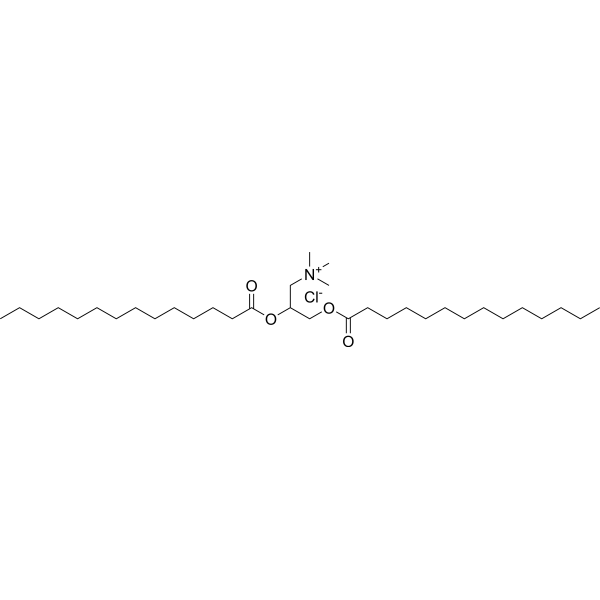
DMTAP is a cationic lipid that can be used for delivery of DNA, RNAi and drugs .
|
-
-
- HY-W591476B
-
|
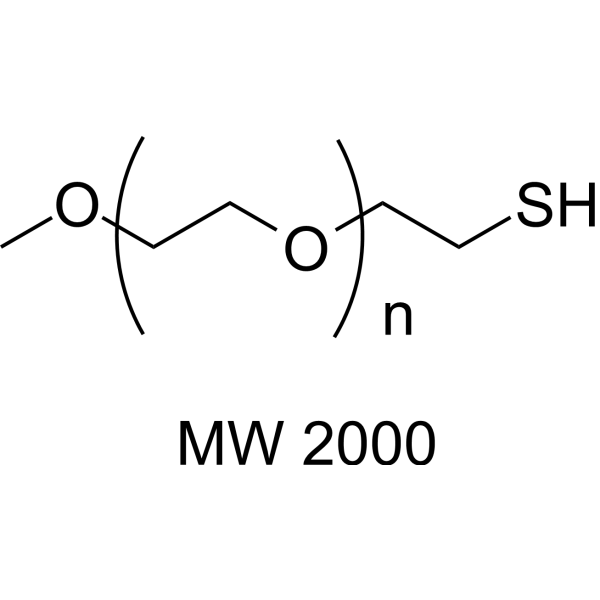
mPEG750-SH
|
Biochemical Assay Reagents
|
Others
|
|
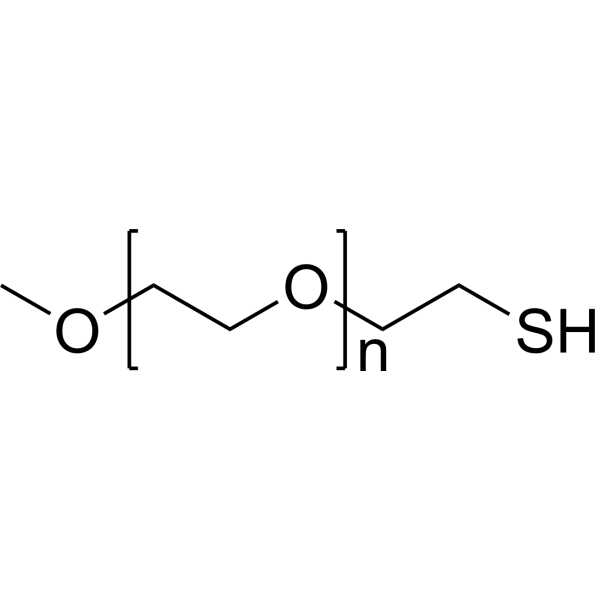
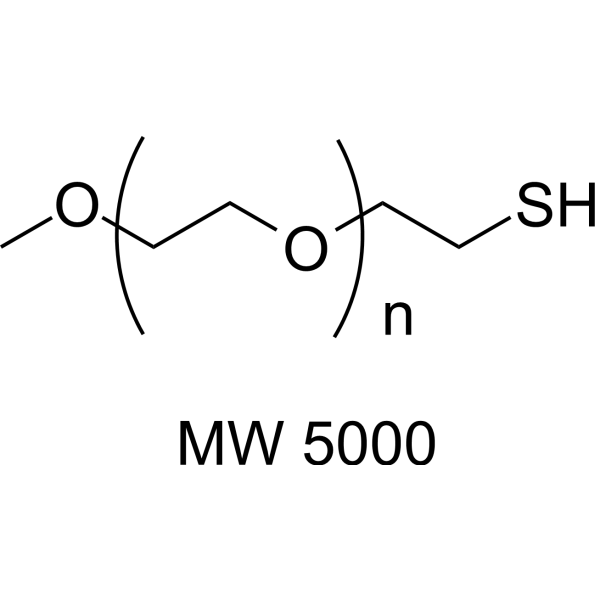
m-PEG750-thiol modifies DNA thiolation for the synthesis of gold nanorods (AuNRs). Thiolated DNA can be loaded onto AuNR by the mPEG-SH/Tween 20 assisted method (Tween 20 and mPEG-SH repeatedly displace CTAB on the AuNR surface). DNA AuNRs have been widely used in nanostructure assembly, gene therapy, biosensing, and drug delivery.
|
-
-
- HY-W441015A
-
|
|
Liposome
|
Others
|
|
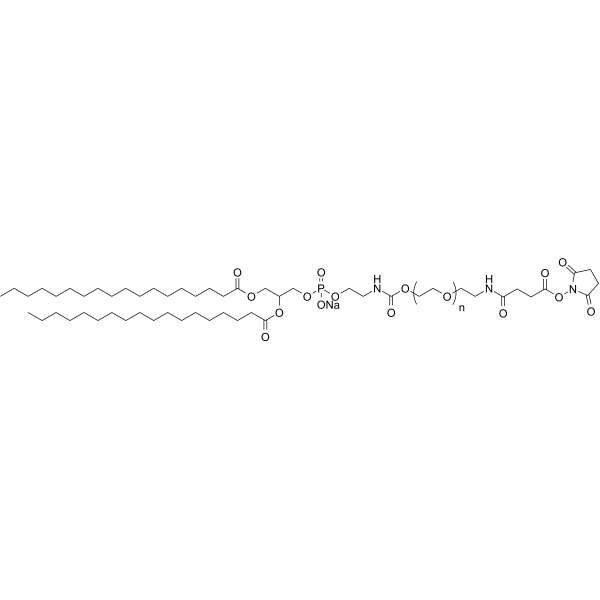
DSPE-m-PEG3400-NHS is a pegylated phospholipid derivatives which can be used to prepare liposome or lipid nanoparticles for targeted drug delivery system, such as DNA or mRNA vaccine .
|
-
-
- HY-P0328
-
|
|
VSV
|
Infection
|
|
VSV-G tag Peptide is a 11 amino acid peptide derived from the Vesicular Stomatitis viral glycoprotein. VSV-G tag Peptide can integrate into the cell membranes of animal cells, induce cell fusion, and significantly enhance the efficiency of DNA transfection into animal cells. VSV-G tag Peptide can be used for research on drug delivery .
|
-
-
- HY-P0311A
-
|
|
Bacterial
|
Infection
|
|
LAH4 TFA, an alpha-helix of the designed amphipathic peptide antibiotic, exhibits potent antimicrobial, nucleic acid transfection and cell penetration activities. LAH4 TFA possesses high plasmid DNA delivery capacities. LAH4 TFA has a strong affinity for anionic lipids found in the outer membrane of bacterial membranes .
|
-
-
- HY-132141
-
|
5-Propargylamino-dUTP
|
DNA/RNA Synthesis
|
Others
|
|
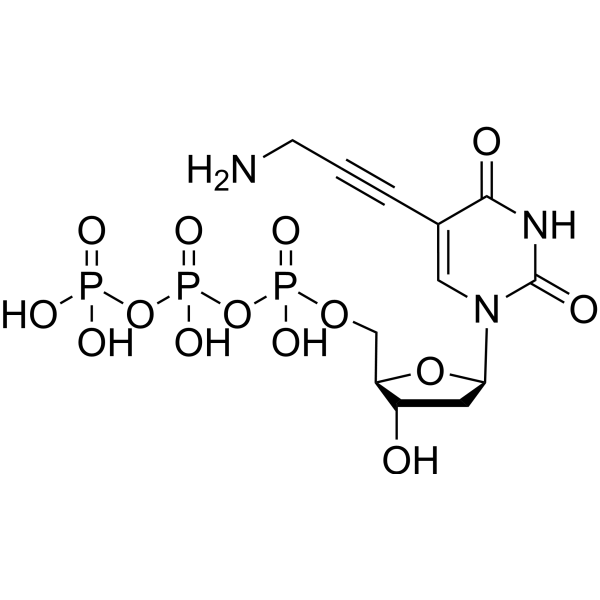
5-PA-dUTP (5-Propargylamino-dUTP) is a C5-modified nucleotide and can be incorporated into DNA nanoparticles (DNPs) for photosensitizer delivery . 5-PA-dUTP is a click chemistry reagent, it contains an Alkyne group and can undergo copper-catalyzed azide-alkyne cycloaddition (CuAAc) with molecules containing Azide groups.
|
-
-
- HY-P10991A
-
|
Stearylated octaarginine TFA
|
Biochemical Assay Reagents
|
Others
|
|
Stearyl-(homoarginine)8 (Stearylated octaarginine) TFA is an effective gene delivery vector that can deliver plasmid DNA into cells. Stearyl-(homoarginine)8 TFA can make plasmid DNA more effectively internalized into cells and improve the nuclear delivery rate .
|
-
-
- HY-D1005I
-
|
|
Biochemical Assay Reagents
|
Others
|
|
Poloxamer L61 is a non-ionic triblock copolymer surfactant. Poloxamer L61 effectively achieves intracellular molecular delivery to cancer cells during photoacoustic molecular delivery, and maintains cell viability by promoting cell membrane resealing, thus avoiding irreversible damage caused by laser-induced membrane permeabilization. Poloxamer L61 is a key component of SP1017, a compound related to gene therapy, which regulates the interaction between DNA and extracellular matrix as well as cellular uptake, and significantly enhances the distribution and bioavailability of plasmid DNA in skeletal muscle. Poloxamer L61 can be used in studies on local or systemic therapeutic protein production .
|
-
-
- HY-W591476C
-
|
mPEG550-SH
|
Biochemical Assay Reagents
|
Others
|
|
m-PEG550-thiol modifies DNA thiolation for the synthesis of gold nanorods (AuNRs). Thiolated DNA can be loaded onto AuNR by the mPEG-SH/Tween 20 assisted method (Tween 20 and mPEG-SH repeatedly displace CTAB on the AuNR surface). DNA AuNRs have been widely used in nanostructure assembly, gene therapy, biosensing, and drug delivery.
|
-
-
- HY-W583869
-
|
1-Stearoyl-2-Oleoyl-sn-glycero-3-PE; 18:0-18:1 PE; PE(18:0/18:1)
|
Liposome
|
Metabolic Disease
|
|
1-Stearoyl-2-oleoyl-sn-glycerol-3-phosphoethanolamine is a phospholipids that contains stearic acid and oleic acid at the sn-1 and sn-2 positions, respectively. It has been used in the generation of lipid nanoparticles (LNPs) for in vitro delivery of mRNA or nuclear-targeted plasmid DNA.
|
-
-
- HY-159067
-
|
DEAE-dextran, MW 500000 hydrochloride, from bacterial (Leuconostoc mesenteroides); Diethylaminoethyl-dextran, MW 500000 hydrochloride
|
Biochemical Assay Reagents
|
Cancer
|
|
DEAE-dextran, MW 500000 hydrochloride (DEAE-dextran, MW 500000 hydrochloride, from bacterial (Leuconostoc mesenteroides)) is a high-molecular-weight positively charged polymer that significantly enhances the uptake of viral RNA by tissue culture cells. When employed in the delivery system for "tumor immunity" RNA-splenocyte transfer, DEAE-dextran can markedly extend the lifespan of tumor-bearing animals, comparable to that of actively immunized animals. Furthermore, DEAE-dextran serves as a complexing agent for nucleic acids, forming composite particles with DNA/RNA for extensive applications in gene delivery. Additionally, DEAE-dextran can be utilized as a coating for liposomes .
|
-
-
- HY-W097268
-
-
-
- HY-131663
-
-
-
- HY-144016
-
|
|
Liposome
|
Others
|
|
16:0 EPC chloride, a P-O-ethyl derivative, is a saturated cationic lipid. 16:0 EPC chloride can serve as a DNA and RNA transfecting agent. 16:0 EPC chloride can be used as a co-adjuvant for preparing vaccines and promote drug delivery .
|
-
-
- HY-W440910
-
|
|
Liposome
|
Others
|
|
DSPE-PEG5000-Cy3 is a phospholipid PEG polymer with Cy3 dye used in labeling and fluorescence microscopy. The polymer can self-assemble in aqueous solution to form micelles/lipid bilayer and used to prepare liposomes or nanoparticles for nutrients delivery such as mRNA or DNA vaccine.
|
-
-
- HY-D2565
-
|
|
Fluorescent Dye
|
Others
|
|
Cy5.5-PEG2000-DSPE is a PEG phospholipid with Cy5.5 (HY-D0924) dye used in protein/nucelic acid labeling and fluorescence microscopy. Cy5.5-PEG2000-DSPE can self-assemble in aqueous solution to form micelles/lipid bilayer and used to prepare liposomes or nanoparticles for nutrients delivery such as mRNA or DNA vaccine.
|
-
-
- HY-D2593
-
|
|
Fluorescent Dye
|
Others
|
|
Cy7.5-PEG2000-DSPE is a PEG phospholipid with CY7.5 (HY-D0926) dye used in protein/nucelic acid labeling and fluorescence microscopy. Cy7.5-PEG2000-DSPE can self-assemble in aqueous solution to form micelles/lipid bilayer and used to prepare liposomes or nanoparticles for nutrients delivery such as mRNA or DNA vaccine (Ex/Em=770/820 nm).
|
-
-
- HY-P10991
-
|
Stearylated octaarginine
|
Biochemical Assay Reagents
|
Others
|
|
Stearyl-(homoarginine)8 (Stearylated octaarginine) is an effective gene delivery vector that can deliver plasmid DNA into cells. Stearyl-(homoarginine)8 can make plasmid DNA more effectively internalized into cells and improve the nuclear delivery rate .
|
-
-
- HY-143688
-
|
|
Liposome
|
Others
|
|
EDMPC, a cationic lipid, has an enhanced ability to deliver DNA to pulmonary tissues. EDMPC mediates intralobar DNA delivery to rodents .
|
-
-
- HY-112764GL
-
|
|
Liposome
|
Metabolic Disease
|
|
DMG-PEG 2000 (GMP Like) is DMG-PEG 2000 (HY-112764) produced by using GMP like guidelines. GMP Like small molecules works appropriately as an auxiliary reagent for cell therapy manufacture. DMG-PEG 2000 is used for the preparation of liposome for siRNA delivery with improved transfection efficiency in vitro. DMG-PEG 2000 is also used for the lipid nanoparticle for an oral plasmid DNA delivery approach in vivo through a facile surface modification to improve the mucus permeability and delivery efficiency of the nanoparticles .
|
-
-
- HY-W440912
-
|
|
Liposome
|
Others
|
|
DSPE-PEG3400-Cy5 is a PEG phospholipid with Cy5 dye used in protein/nucelic acid labeling and fluorescence microscopy. The polymer can self-assemble in aqueous solution to form micelles/lipid bilayer and used to prepare liposomes or nanoparticles for nutrients delivery such as mRNA or DNA vaccine.
|
-
-
- HY-D2610
-
|
|
Fluorescent Dye
|
Others
|
|
ICG PEG2000 DSPE is a PEG phospholipid with Indocyanine green (ICG) (HY-D0711) dye used in protein/nucelic acid labeling and fluorescence microscopy. ICG PEG2000 DSPE can self-assemble in aqueous solution to form micelles/lipid bilayer and used to prepare liposomes or nanoparticles for nutrients delivery such as mRNA or DNA vaccine (Ex/Em=785/813 nm).
|
-
-
- HY-153125
-
|
|
Liposome
|
Others
|
|
DLRIE is a cationic lipid that can be used for the synthesis of liposome GAP-DLRIE. GAP-DLRIE can be used to enhance the delivery and expression of plasmid DNA. DLRIE can be used for delivery of nucleic acids .
|
-
-
- HY-W591476A
-
|
mPEG3400-SH
|
Biochemical Assay Reagents
|
Others
|
|
m-PEG3400-thiol modifies DNA thiolation for the synthesis of gold nanorods (AuNRs). Thiolated DNA can be loaded onto AuNR by the mPEG-SH/Tween 20 assisted method (Tween 20 and mPEG-SH repeatedly displace CTAB on the AuNR surface). DNA AuNRs have been widely used in nanostructure assembly, gene therapy, biosensing, and drug delivery.
|
-
-
- HY-W591476D
-
|
mPEG350-SH
|
Biochemical Assay Reagents
|
Others
|
|
m-PEG350-thiol modifies DNA thiolation for the synthesis of gold nanorods (AuNRs). Thiolated DNA can be loaded onto AuNR by the mPEG-SH/Tween 20 assisted method (Tween 20 and mPEG-SH repeatedly displace CTAB on the AuNR surface). DNA AuNRs have been widely used in nanostructure assembly, gene therapy, biosensing, and drug delivery.
|
-
-
- HY-W440899
-
|
|
Liposome
|
Others
|
|
DSPE-PEG1000-SPDP is a thiol reactive PEG lipid. The polymer is amphiphilic and spontaneously forms lipid bilayer in water. It can be used to encapsulate nutrients or therapeutics for targeted drug delivery, for example mRNA or DNA vaccine, liposomal doxorubicin for anti tumor.
|
-
-
- HY-17650
-
|
(±)-Dimyristoyl-2,3-dimethylhydroxypropylamine
|
Liposome
|
Others
|
|
DMDHP ((±)-Dimyristoyl-2,3-dimethylhydroxypropylamine) is a cationic lipid with a polar head group containing a dihydroxy group. DMDHP exhibits superior transfection efficiency and lower toxicity at high DNA doses in mouse intrapulmonary transfection model. DMDHP is commonly used for gene delivery .
|
-
-
- HY-160045
-
|
|
Cholecystokinin Receptor
|
Cancer
|
|
AP1153 aptamer sodium is a DNA aptamer that specifically binds to the cholecystokinin receptor CCKBR (Kd: ~15 pM), but does not activate CCKBR-related signaling pathways. AP1153 aptamer sodium is internalized by pancreatic ductal adenocarcinoma (PDAC) cells in a receptor-mediated manner. AP1153 aptamer sodium can bioconjugate to the surface of fluorescent nanoparticles to facilitate nanoparticle delivery to PDAC tumors in vivo .
|
-
-
- HY-159711
-
|
|
Liposome
|
Cancer
|
|
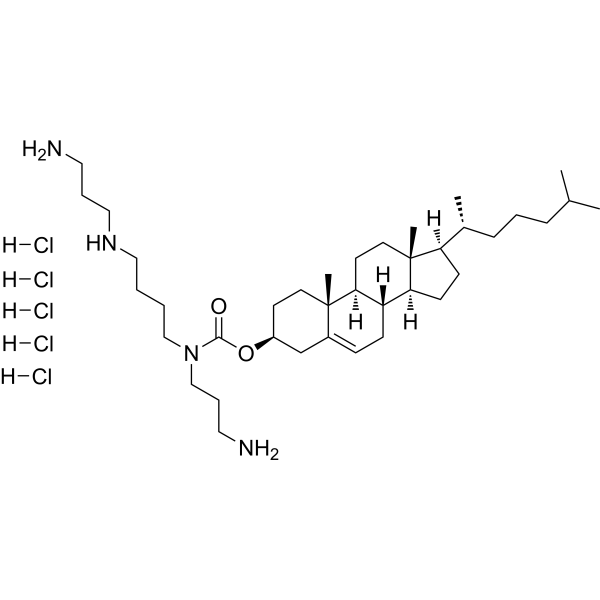
PPPDA-O16B is a lipid containing disulfide bonds used for DNA delivery. PPPDA-O16B can encapsulate DNA plasmid, releasing DNA selectively via lipid degradation catalyzed by GSH .
|
-
-
- HY-126721
-
-
-
- HY-W800848
-
|
|
Liposome
|
Others
|
|
3,3'-[Dithiobis[2,1-ethanediyl(methylimino)]]bis[1-propanol] is a SS-cleavable proton-activated lipid-like material (SSPalm). 3,3'-[Dithiobis[2,1-ethanediyl(methylimino)]]bis[1-propanol] can be used for delivery of plasmid DNA .
|
-
-
- HY-W440909
-
|
|
Liposome
|
Others
|
|
DSPE-PEG3400-Cy3 is a phospholipid PEG polymer with Cy3 dye used in labeling and fluorescence microscopy. The polymer can self-assemble in aqueous solution to form micelles/lipid bilayer and used to prepare liposomes or nanoparticles for nutrients delivery such as mRNA or DNA vaccine.
|
-
-
- HY-W440907
-
|
|
Biochemical Assay Reagents
|
Others
|
|
DSPE-PEG5000-Vinylsulfone is a viniyl sulfone PEG lipid which can be used for bioconjugation with cysteine or other thiol molecule through thiol-ene reaction. The polymer is a self-assembling reagetn which forms lipid bilayer in water and can be used as drug carrier to delivery therapeutic agents, such as mRNA or DNA vaccine.
|
-
-
- HY-W440905
-
|
|
Biochemical Assay Reagents
|
Others
|
|
DSPE-PEG2000-Vinylsulfone is a viniyl sulfone PEG lipid which can be used for bioconjugation with cysteine or other thiol molecule through thiol-ene reaction. The polymer is a self-assembling reagetn which forms lipid bilayer in water and can be used as drug carrier to delivery therapeutic agents, such as mRNA or DNA vaccine.
|
-
-
- HY-W440904
-
|
|
Biochemical Assay Reagents
|
Others
|
|
DSPE-PEG1000-Vinylsulfone is a viniyl sulfone PEG lipid which can be used for bioconjugation with cysteine or other thiol molecule through thiol-ene reaction. The polymer is a self-assembling reagetn which forms lipid bilayer in water and can be used as drug carrier to delivery therapeutic agents, such as mRNA or DNA vaccine.
|
-
-
- HY-D2887B
-
|
Rhodamine B-PEG-DSPE (MW 1000)
|
Fluorescent Dye
|
Others
|
|
RB-PEG-DSPE (MW 1000) (Rhodamine B-PEG-DSPE (MW 1000)) is a PEG phospholipid labeled Rhodamine B (HY-Y0016). RB-PEG-DSPE (MW 1000) can be used to prepare liposomes or nanoparticles for nutrients delivery such as mRNA or DNA vaccine (Ex/Em = 546/610 nm) .
|
-
-
- HY-D2526
-
|
|
Fluorescent Dye
Liposome
|
Others
|
|
Cy3 IRGD-PEG-DSPE is a PEG phospholipid with Cy3 (HY-D0822) dye used in protein/nucelic acid labeling and fluorescence microscopy. Cy3 IRGD-PEG-DSPE can self-assemble in aqueous solution to form micelles/lipid bilayer and used to prepare liposomes or nanoparticles for nutrients delivery such as mRNA or DNA vaccine.
|
-
-
- HY-D2887H
-
|
Rhodamine B-PEG10000-DSPE
|
Fluorescent Dye
|
Others
|
|
RB-PEG10000-DSPE (Rhodamine B-PEG10000-DSPE) is a PEG phospholipid labeled Rhodamine B (HY-Y0016). RB-PEG10000-DSPE can be used to prepare liposomes or nanoparticles for nutrients delivery such as mRNA or DNA vaccine (Ex/Em=546/610 nm) .
|
-
-
- HY-D2887C
-
|
Rhodamine B-PEG2000-DSPE
|
Fluorescent Dye
|
Others
|
|
RB-PEG2000-DSPE (Rhodamine B-PEG2000-DSPE) is a PEG phospholipid labeled Rhodamine B (HY-Y0016). RB-PEG2000-DSPE can be used to prepare liposomes or nanoparticles for nutrients delivery such as mRNA or DNA vaccine (Ex/Em=546/610 nm) .
|
-
- HY-D2887D
-
|
Rhodamine B-PEG3400-DSPE
|
Fluorescent Dye
|
Others
|
|
RB-PEG3400-DSPE (Rhodamine B-PEG3400-DSPE) is a PEG phospholipid labeled Rhodamine B (HY-Y0016). RB-PEG3400-DSPE can be used to prepare liposomes or nanoparticles for nutrients delivery such as mRNA or DNA vaccine (Ex/Em=546/610 nm) .
|
-
- HY-D2887A
-
|
Rhodamine B-PEG600-DSPE
|
Fluorescent Dye
|
Others
|
|
RB-PEG600-DSPE (Rhodamine B-PEG600-DSPE) is a PEG phospholipid labeled Rhodamine B (HY-Y0016). RB-PEG600-DSPE can be used to prepare liposomes or nanoparticles for nutrients delivery such as mRNA or DNA vaccine (Ex/Em=546/610 nm) .
|
-
- HY-D2609
-
|
|
Fluorescent Dye
|
Others
|
|
ICG PEG1000 DSPE is a PEG phospholipid with Indocyanine green (ICG) (HY-D0711) dye used in protein/nucelic acid labeling and fluorescence microscopy. ICG PEG1000 DSPE can self-assemble in aqueous solution to form micelles/lipid bilayer and used to prepare liposomes or nanoparticles for nutrients delivery such as mRNA or DNA vaccine (Ex/Em=785/813 nm).
|
-
- HY-D2611
-
|
|
Fluorescent Dye
|
Others
|
|
ICG PEG3400 DSPE is a PEG phospholipid with Indocyanine green (ICG) (HY-D0711) dye used in protein/nucelic acid labeling and fluorescence microscopy. ICG PEG3400 DSPE can self-assemble in aqueous solution to form micelles/lipid bilayer and used to prepare liposomes or nanoparticles for nutrients delivery such as mRNA or DNA vaccine (Ex/Em=785/813 nm).
|
-
- HY-D2613
-
|
|
Fluorescent Dye
|
Others
|
|
ICG PEG10000 DSPE is a PEG phospholipid with Indocyanine green (ICG) (HY-D0711) dye used in protein/nucelic acid labeling and fluorescence microscopy. ICG PEG10000 DSPE can self-assemble in aqueous solution to form micelles/lipid bilayer and used to prepare liposomes or nanoparticles for nutrients delivery such as mRNA or DNA vaccine (Ex/Em=785/813 nm).
|
-
- HY-D2517
-
|
|
Fluorescent Dye
Liposome
|
Others
|
|
Cy3-PEG5000-DSPE is a PEG phospholipid with Cy3 (HY-D0822) dye used in protein/nucelic acid labeling. Cy3-PEG5000-DSPE can self-assemble in aqueous solution to form micelles/lipid bilayer and used to prepare liposomes or nanoparticles for nutrients delivery such as mRNA or DNA vaccine.
|
-
- HY-D2544
-
|
|
Fluorescent Dye
|
Others
|
|
Cy5-PEG5000-DSPE is a PEG phospholipid with Cy5 (HY-D0821) dye used in protein/nucelic acid labeling and fluorescence microscopy. Cy5-PEG5000-DSPE can self-assemble in aqueous solution to form micelles/lipid bilayer and used to prepare liposomes or nanoparticles for nutrients delivery such as mRNA or DNA vaccine.
|
-
- HY-D2542
-
|
|
Fluorescent Dye
|
Others
|
|
Cy5-PEG2000-DSPE is a PEG phospholipid with Cy5 (HY-D0821) dye used in protein/nucelic acid labeling and fluorescence microscopy. Cy5-PEG2000-DSPE can self-assemble in aqueous solution to form micelles/lipid bilayer and used to prepare liposomes or nanoparticles for nutrients delivery such as mRNA or DNA vaccine.
|
-
- HY-D2516
-
|
|
Fluorescent Dye
Liposome
|
Others
|
|
Cy3-PEG3400-DSPE is a PEG phospholipid with Cy3 (HY-D0822) dye used in protein/nucelic acid labeling and fluorescence microscopy. Cy3-PEG3400-DSPE can self-assemble in aqueous solution to form micelles/lipid bilayer and used to prepare liposomes or nanoparticles for nutrients delivery such as mRNA or DNA vaccine.
|
-
- HY-D2595
-
|
|
Fluorescent Dye
|
Others
|
|
Cy7.5-PEG5000-DSPE is a PEG phospholipid with CY7.5 (HY-D0926) dye used in protein/nucelic acid labeling and fluorescence microscopy. Cy7.5-PEG5000-DSPE can self-assemble in aqueous solution to form micelles/lipid bilayer and used to prepare liposomes or nanoparticles for nutrients delivery such as mRNA or DNA vaccine (Ex/Em=770/820 nm).
|
-
- HY-D2592
-
|
|
Fluorescent Dye
|
Others
|
|
Cy7.5-PEG1000-DSPE is a PEG phospholipid with CY7.5 (HY-D0926) dye used in protein/nucelic acid labeling and fluorescence microscopy. Cy7.5-PEG1000-DSPE can self-assemble in aqueous solution to form micelles/lipid bilayer and used to prepare liposomes or nanoparticles for nutrients delivery such as mRNA or DNA vaccine (Ex/Em=770/820 nm).
|
-
- HY-W440906
-
|
|
Biochemical Assay Reagents
|
Others
|
|
DSPE-PEG3400-Vinylsulfone is a viniyl sulfone PEG lipid which can be used for bioconjugation with cysteine or other thiol molecule through thiol-ene reaction. The polymer is a self-assembling reagetn which forms lipid bilayer in water and can be used as drug carrier to delivery therapeutic agents, such as mRNA or DNA vaccine.
|
-
- HY-D2887
-
|
Rhodamine B-PEG400-DSPE
|
Fluorescent Dye
|
Others
|
|
RB-PEG400-DSPE (Rhodamine B-PEG400-DSPE) is a PEG phospholipid labeled Rhodamine B (HY-Y0016). RB-PEG400-DSPE can be used to prepare liposomes or nanoparticles for nutrients delivery such as mRNA or DNA vaccine (Ex/Em=546/610 nm) .
|
-
- HY-D2887E
-
|
Rhodamine B-PEG5000-DSPE
|
Fluorescent Dye
|
Others
|
|
RB-PEG5000-DSPE (Rhodamine B-PEG5000-DSPE) is a PEG phospholipid labeled Rhodamine B (HY-Y0016). RB-PEG5000-DSPE can be used to prepare liposomes or nanoparticles for nutrients delivery such as mRNA or DNA vaccine (Ex/Em=546/610 nm) .
|
-
- HY-D2612
-
|
|
Fluorescent Dye
|
Others
|
|
ICG PEG5000 DSPE is a PEG phospholipid with Indocyanine green (ICG) (HY-D0711) dye used in protein/nucelic acid labeling and fluorescence microscopy. ICG PEG5000 DSPE can self-assemble in aqueous solution to form micelles/lipid bilayer and used to prepare liposomes or nanoparticles for nutrients delivery such as mRNA or DNA vaccine (Ex/Em=785/813 nm).
|
-
- HY-D2541
-
|
|
Fluorescent Dye
|
Others
|
|
Cy5-PEG1000-DSPE is a PEG phospholipid with Cy5 (HY-D0821) dye used in protein/nucelic acid labeling and fluorescence microscopy. Cy5-PEG1000-DSPE can self-assemble in aqueous solution to form micelles/lipid bilayer and used to prepare liposomes or nanoparticles for nutrients delivery such as mRNA or DNA vaccine.
|
-
- HY-D2543
-
|
|
Fluorescent Dye
|
Others
|
|
Cy5-PEG3400-DSPE is a PEG phospholipid with Cy5 (HY-D0821) dye used in protein/nucelic acid labeling and fluorescence microscopy. Cy5-PEG3400-DSPE can self-assemble in aqueous solution to form micelles/lipid bilayer and used to prepare liposomes or nanoparticles for nutrients delivery such as mRNA or DNA vaccine.
|
-
- HY-D2545
-
|
|
Fluorescent Dye
|
Others
|
|
Cy5-PEG10000-DSPE is a PEG phospholipid with Cy5 (HY-D0821) dye used in protein/nucelic acid labeling and fluorescence microscopy. Cy5-PEG10000-DSPE can self-assemble in aqueous solution to form micelles/lipid bilayer and used to prepare liposomes or nanoparticles for nutrients delivery such as mRNA or DNA vaccine.
|
-
- HY-D2567
-
|
|
Fluorescent Dye
|
Others
|
|
Cy5.5-PEG5000-DSPE is a PEG phospholipid with Cy5.5 (HY-D0924) dye used in protein/nucelic acid labeling and fluorescence microscopy. Cy5.5-PEG5000-DSPE can self-assemble in aqueous solution to form micelles/lipid bilayer and used to prepare liposomes or nanoparticles for nutrients delivery such as mRNA or DNA vaccine.
|
-
- HY-D2566
-
|
|
Fluorescent Dye
|
Others
|
|
Cy5.5-PEG3400-DSPE is a PEG phospholipid with Cy5.5 (HY-D0924) dye used in protein/nucelic acid labeling and fluorescence microscopy. Cy5.5-PEG3400-DSPE can self-assemble in aqueous solution to form micelles/lipid bilayer and used to prepare liposomes or nanoparticles for nutrients delivery such as mRNA or DNA vaccine.
|
-
- HY-D2564
-
|
|
Fluorescent Dye
|
Others
|
|
Cy5.5-PEG1000-DSPE is a PEG phospholipid with Cy5.5 (HY-D0924) dye used in protein/nucelic acid labeling and fluorescence microscopy. Cy5.5-PEG1000-DSPE can self-assemble in aqueous solution to form micelles/lipid bilayer and used to prepare liposomes or nanoparticles for nutrients delivery such as mRNA or DNA vaccine.
|
-
- HY-D2568
-
|
|
Fluorescent Dye
|
Others
|
|
Cy5.5-PEG10000-DSPE is a PEG phospholipid with Cy5.5 (HY-D0924) dye used in protein/nucelic acid labeling and fluorescence microscopy. Cy5.5-PEG10000-DSPE can self-assemble in aqueous solution to form micelles/lipid bilayer and used to prepare liposomes or nanoparticles for nutrients delivery such as mRNA or DNA vaccine.
|
-
- HY-185484
-
|
BMS-936561
|
Antibody-Drug Conjugates (ADCs)
Transmembrane Glycoprotein
|
Cancer
|
|
MDX-1203 (BMS-936561) is an antibody-drug conjugate targeting CD70. MDX-1203 binds to CD70 and mediates the specific delivery of its conjugated cytotoxic payload to tumors. MDX-1203 delivers a DNA alkylating payload into cells. MDX-1203 can be used in research related to advanced clear cell renal cell carcinoma and relapsed/refractory B-cell non-Hodgkin lymphoma .
|
-
- HY-D2596
-
|
|
Fluorescent Dye
|
Others
|
|
Cy7.5-PEG10000-DSPE is a PEG phospholipid with CY7.5 (HY-D0926) dye used in protein/nucelic acid labeling and fluorescence microscopy. Cy7.5-PEG10000-DSPE can self-assemble in aqueous solution to form micelles/lipid bilayer and used to prepare liposomes or nanoparticles for nutrients delivery such as mRNA or DNA vaccine (Ex/Em=770/820 nm).
|
-
- HY-D2594
-
|
|
Fluorescent Dye
|
Others
|
|
Cy7.5-PEG3400-DSPE is a PEG phospholipid with CY7.5 (HY-D0926) dye used in protein/nucelic acid labeling and fluorescence microscopy. Cy7.5-PEG3400-DSPE can self-assemble in aqueous solution to form micelles/lipid bilayer and used to prepare liposomes or nanoparticles for nutrients delivery such as mRNA or DNA vaccine (Ex/Em=770/820 nm).
|
-
- HY-185493
-
|
|
Drug-Linker Conjugates for ADC
|
Cancer
|
|
Mal-VC-PAB-seco-CBI-PBD dimer is a highly active drug-linker conjugate. Mal-VC-PAB-seco-CBI-PBD dimer integrates the DNA-damaging effects of two distinct types of compounds: seco-cyclopropabenzindoline (seco-CBI) and pyrrolobenzodiazepine (PBD). Mal-VC-PAB-seco-CBI-PBD dimer is linked via a valine-alanine (VC) linker cleavable by cathepsin B and achieves targeted delivery relying on monoclonal antibodies. Mal-VC-PAB-seco-CBI-PBD dimer is applicable for cancer research .
|
-
- HY-P11698
-
|
|
DNA Alkylator/Crosslinker
Transthyretin (TTR)
|
Cancer
|
Guanidino-G-Clamp-PNA is a highly efficient sequence-specific RNA binder and gene silencer. Guanidino-G-Clamp-PNA precisely targets such targets as miR-155 or transthyretin (TTR) mRNA through base pairing: the former regulates tumor-related signaling pathways by reducing microRNA activity, while the latter inhibits the translation of harmful proteins via steric hindrance. Guanidino-G-Clamp-PNA effectively stabilizes DNA/RNA duplexes, induces cancer cell apoptosis, and suppresses tumor growth. In addition, Guanidino-G-Clamp-PNA can be conjugated with targeting ligands to improve tissue-specific delivery and reduce in vivo adverse reactions, and it can also enhance the splicing regulation efficacy of other oligonucleotide platforms (such as PMO) when integrated into them. Guanidino-G-Clamp-PNA is applicable to the research of various diseases including diffuse large B-cell lymphoma and hereditary transthyretin-related amyloidosis .
|
-
- HY-180540
-
|
|
DNA Methyltransferase
|
Neurological Disease
Cancer
|
|
MGMT-IN-1 (Compound 2) is a light-activated MGMT inhibitor. MGMT-IN-1 can effectively enhance the cytotoxicity of Temozolomide (TMZ) (HY-17364) only under light conditions, significantly increasing the DNA damage caused by TMZ. MGMT-IN-1 can be used for the study of chordoma .
|
-
| Cat. No. |
Product Name |
Type |
-
- HY-D0917
-
|
|
Fluorescent Dye
|
|
NIR-Red Dead Cell-1 Dye is a DNA-binding fluorescent dye for non-living cells (Ex/Em=515 nm/531 nm). NIR-Red Dead Cell-1 Dye can intercalate into base pairs of double-stranded DNA and produce stronger fluorescence. NIR-Red Dead Cell-1 Dye is suitable for necrotic cells or late apoptotic cells with damaged cell membranes, showing green fluorescence under fluorescence microscopy or flow cytometry. NIR-Red Dead Cell-1 Dye can be used to distinguish live cells from dead cells and distinguish cell membrane integrity. NIR-Red Dead Cell-1 Dye can be attached to the surface of Feraheme (FH) nanoparticles (NPs) to obtain fluorescent dye-functionalized NPs for drug delivery studies .
|
-
- HY-D2565
-
|
|
Fluorescent Dye
|
|
Cy5.5-PEG2000-DSPE is a PEG phospholipid with Cy5.5 (HY-D0924) dye used in protein/nucelic acid labeling and fluorescence microscopy. Cy5.5-PEG2000-DSPE can self-assemble in aqueous solution to form micelles/lipid bilayer and used to prepare liposomes or nanoparticles for nutrients delivery such as mRNA or DNA vaccine.
|
-
- HY-D2593
-
|
|
Fluorescent Dye
|
|
Cy7.5-PEG2000-DSPE is a PEG phospholipid with CY7.5 (HY-D0926) dye used in protein/nucelic acid labeling and fluorescence microscopy. Cy7.5-PEG2000-DSPE can self-assemble in aqueous solution to form micelles/lipid bilayer and used to prepare liposomes or nanoparticles for nutrients delivery such as mRNA or DNA vaccine (Ex/Em=770/820 nm).
|
-
- HY-112764GL
-
|
|
Fluorescent Dye
|
|
DMG-PEG 2000 (GMP Like) is DMG-PEG 2000 (HY-112764) produced by using GMP like guidelines. GMP Like small molecules works appropriately as an auxiliary reagent for cell therapy manufacture. DMG-PEG 2000 is used for the preparation of liposome for siRNA delivery with improved transfection efficiency in vitro. DMG-PEG 2000 is also used for the lipid nanoparticle for an oral plasmid DNA delivery approach in vivo through a facile surface modification to improve the mucus permeability and delivery efficiency of the nanoparticles .
|
-
- HY-D2610
-
|
|
Fluorescent Dye
|
|
ICG PEG2000 DSPE is a PEG phospholipid with Indocyanine green (ICG) (HY-D0711) dye used in protein/nucelic acid labeling and fluorescence microscopy. ICG PEG2000 DSPE can self-assemble in aqueous solution to form micelles/lipid bilayer and used to prepare liposomes or nanoparticles for nutrients delivery such as mRNA or DNA vaccine (Ex/Em=785/813 nm).
|
-
- HY-D2887B
-
|
Rhodamine B-PEG-DSPE (MW 1000)
|
Fluorescent Dye
|
|
RB-PEG-DSPE (MW 1000) (Rhodamine B-PEG-DSPE (MW 1000)) is a PEG phospholipid labeled Rhodamine B (HY-Y0016). RB-PEG-DSPE (MW 1000) can be used to prepare liposomes or nanoparticles for nutrients delivery such as mRNA or DNA vaccine (Ex/Em = 546/610 nm) .
|
-
- HY-D2526
-
|
|
Fluorescent Dye
|
|
Cy3 IRGD-PEG-DSPE is a PEG phospholipid with Cy3 (HY-D0822) dye used in protein/nucelic acid labeling and fluorescence microscopy. Cy3 IRGD-PEG-DSPE can self-assemble in aqueous solution to form micelles/lipid bilayer and used to prepare liposomes or nanoparticles for nutrients delivery such as mRNA or DNA vaccine.
|
-
- HY-D2887H
-
|
Rhodamine B-PEG10000-DSPE
|
Fluorescent Dye
|
|
RB-PEG10000-DSPE (Rhodamine B-PEG10000-DSPE) is a PEG phospholipid labeled Rhodamine B (HY-Y0016). RB-PEG10000-DSPE can be used to prepare liposomes or nanoparticles for nutrients delivery such as mRNA or DNA vaccine (Ex/Em=546/610 nm) .
|
-
- HY-D2887C
-
|
Rhodamine B-PEG2000-DSPE
|
Fluorescent Dye
|
|
RB-PEG2000-DSPE (Rhodamine B-PEG2000-DSPE) is a PEG phospholipid labeled Rhodamine B (HY-Y0016). RB-PEG2000-DSPE can be used to prepare liposomes or nanoparticles for nutrients delivery such as mRNA or DNA vaccine (Ex/Em=546/610 nm) .
|
-
- HY-D2887D
-
|
Rhodamine B-PEG3400-DSPE
|
Fluorescent Dye
|
|
RB-PEG3400-DSPE (Rhodamine B-PEG3400-DSPE) is a PEG phospholipid labeled Rhodamine B (HY-Y0016). RB-PEG3400-DSPE can be used to prepare liposomes or nanoparticles for nutrients delivery such as mRNA or DNA vaccine (Ex/Em=546/610 nm) .
|
-
- HY-D2887A
-
|
Rhodamine B-PEG600-DSPE
|
Fluorescent Dye
|
|
RB-PEG600-DSPE (Rhodamine B-PEG600-DSPE) is a PEG phospholipid labeled Rhodamine B (HY-Y0016). RB-PEG600-DSPE can be used to prepare liposomes or nanoparticles for nutrients delivery such as mRNA or DNA vaccine (Ex/Em=546/610 nm) .
|
-
- HY-D2609
-
|
|
Fluorescent Dye
|
|
ICG PEG1000 DSPE is a PEG phospholipid with Indocyanine green (ICG) (HY-D0711) dye used in protein/nucelic acid labeling and fluorescence microscopy. ICG PEG1000 DSPE can self-assemble in aqueous solution to form micelles/lipid bilayer and used to prepare liposomes or nanoparticles for nutrients delivery such as mRNA or DNA vaccine (Ex/Em=785/813 nm).
|
-
- HY-D2611
-
|
|
Fluorescent Dye
|
|
ICG PEG3400 DSPE is a PEG phospholipid with Indocyanine green (ICG) (HY-D0711) dye used in protein/nucelic acid labeling and fluorescence microscopy. ICG PEG3400 DSPE can self-assemble in aqueous solution to form micelles/lipid bilayer and used to prepare liposomes or nanoparticles for nutrients delivery such as mRNA or DNA vaccine (Ex/Em=785/813 nm).
|
-
- HY-D2613
-
|
|
Fluorescent Dye
|
|
ICG PEG10000 DSPE is a PEG phospholipid with Indocyanine green (ICG) (HY-D0711) dye used in protein/nucelic acid labeling and fluorescence microscopy. ICG PEG10000 DSPE can self-assemble in aqueous solution to form micelles/lipid bilayer and used to prepare liposomes or nanoparticles for nutrients delivery such as mRNA or DNA vaccine (Ex/Em=785/813 nm).
|
-
- HY-D2517
-
|
|
Fluorescent Dye
|
|
Cy3-PEG5000-DSPE is a PEG phospholipid with Cy3 (HY-D0822) dye used in protein/nucelic acid labeling. Cy3-PEG5000-DSPE can self-assemble in aqueous solution to form micelles/lipid bilayer and used to prepare liposomes or nanoparticles for nutrients delivery such as mRNA or DNA vaccine.
|
-
- HY-D2544
-
|
|
Fluorescent Dye
|
|
Cy5-PEG5000-DSPE is a PEG phospholipid with Cy5 (HY-D0821) dye used in protein/nucelic acid labeling and fluorescence microscopy. Cy5-PEG5000-DSPE can self-assemble in aqueous solution to form micelles/lipid bilayer and used to prepare liposomes or nanoparticles for nutrients delivery such as mRNA or DNA vaccine.
|
-
- HY-D2542
-
|
|
Fluorescent Dye
|
|
Cy5-PEG2000-DSPE is a PEG phospholipid with Cy5 (HY-D0821) dye used in protein/nucelic acid labeling and fluorescence microscopy. Cy5-PEG2000-DSPE can self-assemble in aqueous solution to form micelles/lipid bilayer and used to prepare liposomes or nanoparticles for nutrients delivery such as mRNA or DNA vaccine.
|
-
- HY-D2516
-
|
|
Fluorescent Dye
|
|
Cy3-PEG3400-DSPE is a PEG phospholipid with Cy3 (HY-D0822) dye used in protein/nucelic acid labeling and fluorescence microscopy. Cy3-PEG3400-DSPE can self-assemble in aqueous solution to form micelles/lipid bilayer and used to prepare liposomes or nanoparticles for nutrients delivery such as mRNA or DNA vaccine.
|
-
- HY-D2595
-
|
|
Fluorescent Dye
|
|
Cy7.5-PEG5000-DSPE is a PEG phospholipid with CY7.5 (HY-D0926) dye used in protein/nucelic acid labeling and fluorescence microscopy. Cy7.5-PEG5000-DSPE can self-assemble in aqueous solution to form micelles/lipid bilayer and used to prepare liposomes or nanoparticles for nutrients delivery such as mRNA or DNA vaccine (Ex/Em=770/820 nm).
|
-
- HY-D2592
-
|
|
Fluorescent Dye
|
|
Cy7.5-PEG1000-DSPE is a PEG phospholipid with CY7.5 (HY-D0926) dye used in protein/nucelic acid labeling and fluorescence microscopy. Cy7.5-PEG1000-DSPE can self-assemble in aqueous solution to form micelles/lipid bilayer and used to prepare liposomes or nanoparticles for nutrients delivery such as mRNA or DNA vaccine (Ex/Em=770/820 nm).
|
-
- HY-D2887
-
|
Rhodamine B-PEG400-DSPE
|
Fluorescent Dye
|
|
RB-PEG400-DSPE (Rhodamine B-PEG400-DSPE) is a PEG phospholipid labeled Rhodamine B (HY-Y0016). RB-PEG400-DSPE can be used to prepare liposomes or nanoparticles for nutrients delivery such as mRNA or DNA vaccine (Ex/Em=546/610 nm) .
|
-
- HY-D2887E
-
|
Rhodamine B-PEG5000-DSPE
|
Fluorescent Dye
|
|
RB-PEG5000-DSPE (Rhodamine B-PEG5000-DSPE) is a PEG phospholipid labeled Rhodamine B (HY-Y0016). RB-PEG5000-DSPE can be used to prepare liposomes or nanoparticles for nutrients delivery such as mRNA or DNA vaccine (Ex/Em=546/610 nm) .
|
-
- HY-D2612
-
|
|
Fluorescent Dye
|
|
ICG PEG5000 DSPE is a PEG phospholipid with Indocyanine green (ICG) (HY-D0711) dye used in protein/nucelic acid labeling and fluorescence microscopy. ICG PEG5000 DSPE can self-assemble in aqueous solution to form micelles/lipid bilayer and used to prepare liposomes or nanoparticles for nutrients delivery such as mRNA or DNA vaccine (Ex/Em=785/813 nm).
|
-
- HY-D2541
-
|
|
Fluorescent Dye
|
|
Cy5-PEG1000-DSPE is a PEG phospholipid with Cy5 (HY-D0821) dye used in protein/nucelic acid labeling and fluorescence microscopy. Cy5-PEG1000-DSPE can self-assemble in aqueous solution to form micelles/lipid bilayer and used to prepare liposomes or nanoparticles for nutrients delivery such as mRNA or DNA vaccine.
|
-
- HY-D2543
-
|
|
Fluorescent Dye
|
|
Cy5-PEG3400-DSPE is a PEG phospholipid with Cy5 (HY-D0821) dye used in protein/nucelic acid labeling and fluorescence microscopy. Cy5-PEG3400-DSPE can self-assemble in aqueous solution to form micelles/lipid bilayer and used to prepare liposomes or nanoparticles for nutrients delivery such as mRNA or DNA vaccine.
|
-
- HY-D2545
-
|
|
Fluorescent Dye
|
|
Cy5-PEG10000-DSPE is a PEG phospholipid with Cy5 (HY-D0821) dye used in protein/nucelic acid labeling and fluorescence microscopy. Cy5-PEG10000-DSPE can self-assemble in aqueous solution to form micelles/lipid bilayer and used to prepare liposomes or nanoparticles for nutrients delivery such as mRNA or DNA vaccine.
|
-
- HY-D2567
-
|
|
Fluorescent Dye
|
|
Cy5.5-PEG5000-DSPE is a PEG phospholipid with Cy5.5 (HY-D0924) dye used in protein/nucelic acid labeling and fluorescence microscopy. Cy5.5-PEG5000-DSPE can self-assemble in aqueous solution to form micelles/lipid bilayer and used to prepare liposomes or nanoparticles for nutrients delivery such as mRNA or DNA vaccine.
|
-
- HY-D2566
-
|
|
Fluorescent Dye
|
|
Cy5.5-PEG3400-DSPE is a PEG phospholipid with Cy5.5 (HY-D0924) dye used in protein/nucelic acid labeling and fluorescence microscopy. Cy5.5-PEG3400-DSPE can self-assemble in aqueous solution to form micelles/lipid bilayer and used to prepare liposomes or nanoparticles for nutrients delivery such as mRNA or DNA vaccine.
|
-
- HY-D2564
-
|
|
Fluorescent Dye
|
|
Cy5.5-PEG1000-DSPE is a PEG phospholipid with Cy5.5 (HY-D0924) dye used in protein/nucelic acid labeling and fluorescence microscopy. Cy5.5-PEG1000-DSPE can self-assemble in aqueous solution to form micelles/lipid bilayer and used to prepare liposomes or nanoparticles for nutrients delivery such as mRNA or DNA vaccine.
|
-
- HY-D2568
-
|
|
Fluorescent Dye
|
|
Cy5.5-PEG10000-DSPE is a PEG phospholipid with Cy5.5 (HY-D0924) dye used in protein/nucelic acid labeling and fluorescence microscopy. Cy5.5-PEG10000-DSPE can self-assemble in aqueous solution to form micelles/lipid bilayer and used to prepare liposomes or nanoparticles for nutrients delivery such as mRNA or DNA vaccine.
|
-
- HY-D2596
-
|
|
Fluorescent Dye
|
|
Cy7.5-PEG10000-DSPE is a PEG phospholipid with CY7.5 (HY-D0926) dye used in protein/nucelic acid labeling and fluorescence microscopy. Cy7.5-PEG10000-DSPE can self-assemble in aqueous solution to form micelles/lipid bilayer and used to prepare liposomes or nanoparticles for nutrients delivery such as mRNA or DNA vaccine (Ex/Em=770/820 nm).
|
-
- HY-D2594
-
|
|
Fluorescent Dye
|
|
Cy7.5-PEG3400-DSPE is a PEG phospholipid with CY7.5 (HY-D0926) dye used in protein/nucelic acid labeling and fluorescence microscopy. Cy7.5-PEG3400-DSPE can self-assemble in aqueous solution to form micelles/lipid bilayer and used to prepare liposomes or nanoparticles for nutrients delivery such as mRNA or DNA vaccine (Ex/Em=770/820 nm).
|
| Cat. No. |
Product Name |
Type |
-
- HY-112764
-
mPEG2000-DMG
Maximum Cited Publications
21 Publications Verification
|
Biochemical Assay Reagents
|
|
DMG-PEG 2000 is used for the preparation of liposome for siRNA delivery with improved transfection efficiency in vitro. DMG-PEG 2000 is also used for the lipid nanoparticle for an oral plasmid DNA delivery approach in vivo through a facile surface modification to improve the mucus permeability and delivery efficiency of the nanoparticles .
|
-
- HY-W127378
-
|
1,2-Dioleoyl-3-trimethylammonium-propane methylsulfate
|
Biochemical Assay Reagents
|
|
DOTAP methylsulfat is a cationic lipid reagent, a cationic derivative of trimethylammonium, linked to two 18-carbon fatty acid tails, each with a single olefin group. DOTAP methylsulfat can self-assemble with negatively charged ions (such as DNA) to form complexes, which can be adsorbed to the cell membrane surface and enter the cell by electrostatic interaction and endocytosis, respectively. DOTAP methylsulfat promotes endosomal membrane fusion with its own hydrophobic domain, releases DNA into the cytoplasm, and exerts gene delivery function. DOTAP methylsulfat can be widely used in research fields such as gene therapy, cell transfection, and non-viral vector design .
|
-
- HY-W014837
-
|
3-(1-Pyridinio)-1-propanesulfonate
|
Biochemical Assay Reagents
|
|
NDSB-201 consists of a pyridine group attached to a propane chain, which in turn is attached to a sulfonate group. This compound is commonly used as a buffer in biochemical and biological research, especially in electrophoretic applications. It maintains a stable pH in aqueous solutions and has low UV absorption, making it suitable for use in the UV spectrum. Furthermore, due to its ability to form stable complexes with DNA and other biomolecules, 3-(pyridin-1-ium-1-yl)propane-1-sulfonate has been investigated for its potential in drug delivery and genetic research.
|
-
- HY-112624J
-
|
Dextran 4; Dextran D4; Dextran T4(MW 3200-4800)
|
Biochemical Assay Reagents
|
|
Dextran 4,000 is a mucus rheology modifier. The dextran molecules in Dextran 4,000 can reduce the cross-link density of mucus through osmotic effects and hydrogen bond substitution, and reduce viscoelasticity and improve the mucociliary/cough clearance index by destroying the DNA-mucin network structure in mucus. Dextran 4,000 has the ability to improve the rheological properties and clearance ability of cystic fibrosis (CF) sputum, and can be used in the study of inhalation therapy or aerosol delivery of mucostatic respiratory diseases. The Dextran series of compounds are also natural polysaccharide drug carriers that can be connected to drugs through covalent bonding methods such as ester bonds, amide bonds or click chemistry, or self-assembled to form carriers such as nanoparticles and hydrogels. Dextran is biodegradable and biocompatible, and can achieve targeted delivery and controlled release of drugs. Dextran derivatives can prolong the half-life of drugs, increase local concentrations, and reduce the activity of immune clearance .
|
-
- HY-126437I
-
|
|
Biochemical Assay Reagents
|
|
Poly-L-lysine hydrobromide (MW 1000-5000) is a homopolymer of L-lysine and a polycationic non-viral gene delivery vector. Poly-L-lysine hydrobromide (MW 1000-5000) forms complexes with plasmid DNA. Poly-L-lysine hydrobromide (MW 1000-5000) is applicable to relevant research on lung cancer .
|
-
- HY-112624K
-
|
Dextran 5; Dextran D5; Dextran T5(MW 4500-5500)
|
Biochemical Assay Reagents
|
|
Dextran T5 (MW 5,000) is a sulfated polysaccharide anti-apoptotic and autophagic agent. Dextran T5 (MW 5,000) has sulfated groups and interacts with cell membranes by mimicking endogenous glycosaminoglycans, inhibiting the mitochondrial apoptotic pathway and delaying DNA fragmentation to exert anti-apoptotic activity. Dextran T5 (MW 5,000) also promotes the conversion of LC3-I to LC3-II and the formation of autophagosomes to activate the autophagic pathway. Dextran T5 (MW 5,000) can prolong the survival cycle of CHO cells and increase the production of recombinant erythropoietin (EPO). The Dextran series of compounds are also natural polysaccharide drug carriers that can be connected to drugs through covalent bonding methods such as ester bonds, amide bonds or click chemistry, or self-assembled to form carriers such as nanoparticles and hydrogels. Dextran is biodegradable and biocompatible, and can achieve targeted delivery and controlled release of drugs. Dextran derivatives can prolong drug half-life, increase local concentration and reduce immune clearance activity. The Dextran series of compounds are also natural polysaccharide drug carriers that can be connected to drugs through covalent bonding methods such as ester bonds, amide bonds or click chemistry, or self-assembled to form carriers such as nanoparticles and hydrogels. Dextran is biodegradable and biocompatible, and can achieve targeted delivery and controlled release of drugs. Dextran derivatives can prolong the half-life of drugs, increase local concentrations, and reduce the activity of immune clearance .
|
-
- HY-112523A
-
-
- HY-W591476B
-
|
mPEG750-SH
|
Biochemical Assay Reagents
|
|
m-PEG750-thiol modifies DNA thiolation for the synthesis of gold nanorods (AuNRs). Thiolated DNA can be loaded onto AuNR by the mPEG-SH/Tween 20 assisted method (Tween 20 and mPEG-SH repeatedly displace CTAB on the AuNR surface). DNA AuNRs have been widely used in nanostructure assembly, gene therapy, biosensing, and drug delivery.
|
-
- HY-W441015A
-
|
|
Biochemical Assay Reagents
|
|
DSPE-m-PEG3400-NHS is a pegylated phospholipid derivatives which can be used to prepare liposome or lipid nanoparticles for targeted drug delivery system, such as DNA or mRNA vaccine .
|
-
- HY-132141
-
|
5-Propargylamino-dUTP
|
Biochemical Assay Reagents
|
|
5-PA-dUTP (5-Propargylamino-dUTP) is a C5-modified nucleotide and can be incorporated into DNA nanoparticles (DNPs) for photosensitizer delivery . 5-PA-dUTP is a click chemistry reagent, it contains an Alkyne group and can undergo copper-catalyzed azide-alkyne cycloaddition (CuAAc) with molecules containing Azide groups.
|
-
- HY-D1005I
-
|
|
Biochemical Assay Reagents
|
|
Poloxamer L61 is a non-ionic triblock copolymer surfactant. Poloxamer L61 effectively achieves intracellular molecular delivery to cancer cells during photoacoustic molecular delivery, and maintains cell viability by promoting cell membrane resealing, thus avoiding irreversible damage caused by laser-induced membrane permeabilization. Poloxamer L61 is a key component of SP1017, a compound related to gene therapy, which regulates the interaction between DNA and extracellular matrix as well as cellular uptake, and significantly enhances the distribution and bioavailability of plasmid DNA in skeletal muscle. Poloxamer L61 can be used in studies on local or systemic therapeutic protein production .
|
-
- HY-W591476C
-
|
mPEG550-SH
|
Biochemical Assay Reagents
|
|
m-PEG550-thiol modifies DNA thiolation for the synthesis of gold nanorods (AuNRs). Thiolated DNA can be loaded onto AuNR by the mPEG-SH/Tween 20 assisted method (Tween 20 and mPEG-SH repeatedly displace CTAB on the AuNR surface). DNA AuNRs have been widely used in nanostructure assembly, gene therapy, biosensing, and drug delivery.
|
-
- HY-159067
-
|
DEAE-dextran, MW 500000 hydrochloride, from bacterial (Leuconostoc mesenteroides); Diethylaminoethyl-dextran, MW 500000 hydrochloride
|
Biochemical Assay Reagents
|
|
DEAE-dextran, MW 500000 hydrochloride (DEAE-dextran, MW 500000 hydrochloride, from bacterial (Leuconostoc mesenteroides)) is a high-molecular-weight positively charged polymer that significantly enhances the uptake of viral RNA by tissue culture cells. When employed in the delivery system for "tumor immunity" RNA-splenocyte transfer, DEAE-dextran can markedly extend the lifespan of tumor-bearing animals, comparable to that of actively immunized animals. Furthermore, DEAE-dextran serves as a complexing agent for nucleic acids, forming composite particles with DNA/RNA for extensive applications in gene delivery. Additionally, DEAE-dextran can be utilized as a coating for liposomes .
|
-
- HY-144016
-
|
|
Biochemical Assay Reagents
|
|
16:0 EPC chloride, a P-O-ethyl derivative, is a saturated cationic lipid. 16:0 EPC chloride can serve as a DNA and RNA transfecting agent. 16:0 EPC chloride can be used as a co-adjuvant for preparing vaccines and promote drug delivery .
|
-
- HY-W440910
-
|
|
Biochemical Assay Reagents
|
|
DSPE-PEG5000-Cy3 is a phospholipid PEG polymer with Cy3 dye used in labeling and fluorescence microscopy. The polymer can self-assemble in aqueous solution to form micelles/lipid bilayer and used to prepare liposomes or nanoparticles for nutrients delivery such as mRNA or DNA vaccine.
|
-
- HY-143688
-
|
|
Biochemical Assay Reagents
|
|
EDMPC, a cationic lipid, has an enhanced ability to deliver DNA to pulmonary tissues. EDMPC mediates intralobar DNA delivery to rodents .
|
-
- HY-112764GL
-
|
|
Biochemical Assay Reagents
|
|
DMG-PEG 2000 (GMP Like) is DMG-PEG 2000 (HY-112764) produced by using GMP like guidelines. GMP Like small molecules works appropriately as an auxiliary reagent for cell therapy manufacture. DMG-PEG 2000 is used for the preparation of liposome for siRNA delivery with improved transfection efficiency in vitro. DMG-PEG 2000 is also used for the lipid nanoparticle for an oral plasmid DNA delivery approach in vivo through a facile surface modification to improve the mucus permeability and delivery efficiency of the nanoparticles .
|
-
- HY-W440912
-
|
|
Biochemical Assay Reagents
|
|
DSPE-PEG3400-Cy5 is a PEG phospholipid with Cy5 dye used in protein/nucelic acid labeling and fluorescence microscopy. The polymer can self-assemble in aqueous solution to form micelles/lipid bilayer and used to prepare liposomes or nanoparticles for nutrients delivery such as mRNA or DNA vaccine.
|
-
- HY-W591476A
-
|
mPEG3400-SH
|
Biochemical Assay Reagents
|
|
m-PEG3400-thiol modifies DNA thiolation for the synthesis of gold nanorods (AuNRs). Thiolated DNA can be loaded onto AuNR by the mPEG-SH/Tween 20 assisted method (Tween 20 and mPEG-SH repeatedly displace CTAB on the AuNR surface). DNA AuNRs have been widely used in nanostructure assembly, gene therapy, biosensing, and drug delivery.
|
-
- HY-W591476D
-
|
mPEG350-SH
|
Biochemical Assay Reagents
|
|
m-PEG350-thiol modifies DNA thiolation for the synthesis of gold nanorods (AuNRs). Thiolated DNA can be loaded onto AuNR by the mPEG-SH/Tween 20 assisted method (Tween 20 and mPEG-SH repeatedly displace CTAB on the AuNR surface). DNA AuNRs have been widely used in nanostructure assembly, gene therapy, biosensing, and drug delivery.
|
-
- HY-W440899
-
|
|
Biochemical Assay Reagents
|
|
DSPE-PEG1000-SPDP is a thiol reactive PEG lipid. The polymer is amphiphilic and spontaneously forms lipid bilayer in water. It can be used to encapsulate nutrients or therapeutics for targeted drug delivery, for example mRNA or DNA vaccine, liposomal doxorubicin for anti tumor.
|
-
- HY-W440909
-
|
|
Biochemical Assay Reagents
|
|
DSPE-PEG3400-Cy3 is a phospholipid PEG polymer with Cy3 dye used in labeling and fluorescence microscopy. The polymer can self-assemble in aqueous solution to form micelles/lipid bilayer and used to prepare liposomes or nanoparticles for nutrients delivery such as mRNA or DNA vaccine.
|
-
- HY-W440907
-
|
|
Biochemical Assay Reagents
|
|
DSPE-PEG5000-Vinylsulfone is a viniyl sulfone PEG lipid which can be used for bioconjugation with cysteine or other thiol molecule through thiol-ene reaction. The polymer is a self-assembling reagetn which forms lipid bilayer in water and can be used as drug carrier to delivery therapeutic agents, such as mRNA or DNA vaccine.
|
-
- HY-W440905
-
|
|
Biochemical Assay Reagents
|
|
DSPE-PEG2000-Vinylsulfone is a viniyl sulfone PEG lipid which can be used for bioconjugation with cysteine or other thiol molecule through thiol-ene reaction. The polymer is a self-assembling reagetn which forms lipid bilayer in water and can be used as drug carrier to delivery therapeutic agents, such as mRNA or DNA vaccine.
|
-
- HY-W440904
-
|
|
Biochemical Assay Reagents
|
|
DSPE-PEG1000-Vinylsulfone is a viniyl sulfone PEG lipid which can be used for bioconjugation with cysteine or other thiol molecule through thiol-ene reaction. The polymer is a self-assembling reagetn which forms lipid bilayer in water and can be used as drug carrier to delivery therapeutic agents, such as mRNA or DNA vaccine.
|
-
- HY-W440906
-
|
|
Biochemical Assay Reagents
|
|
DSPE-PEG3400-Vinylsulfone is a viniyl sulfone PEG lipid which can be used for bioconjugation with cysteine or other thiol molecule through thiol-ene reaction. The polymer is a self-assembling reagetn which forms lipid bilayer in water and can be used as drug carrier to delivery therapeutic agents, such as mRNA or DNA vaccine.
|
| Cat. No. |
Product Name |
Target |
Research Area |
-
- HY-P4121
-
|
|
Potassium Channel
|
Inflammation/Immunology
Cancer
|
|
L17E is an attenuated cationic amphiphilic lytic (ACAL) peptide that can be used to deliver a variety of macromolecules, including proteins, antibodies, and DNA nanostructures. L17E inserts and cleaves the membrane structure through electrostatic interaction, enabling intracellular escape. The efficiency of L17E-mediated delivery is strongly correlated with the expression level of KCNN4 (the gene encoding the calcium-activated potassium channel KCa3.1). L17E also promotes the cellular uptake of macromolecules by inducing micropinocytosis. L17E can be further optimized and improved through dimerization strategies and in combination with other delivery systems, such as nuclear localization signal peptides and cell membrane-coated nanoparticles .
|
-
- HY-P0311
-
|
|
Bacterial
|
Infection
|
|
LAH4, an alpha-helix of the designed amphipathic peptide antibiotic, exhibits potent antimicrobial, nucleic acid transfection and cell penetration activities. LAH4 possesses high plasmid DNA delivery capacities. LAH4 has a strong affinity for anionic lipids found in the outer membrane of bacterial membranes .
|
-
- HY-P4076
-
|
|
HIV
DNA Alkylator/Crosslinker
|
Infection
|
|
MPG peptides, Pβ is an amphipathic cell-penetrating peptide. MPG peptides, Pβ consists of three components: the hydrophobic fusion sequence (GALFLGFLGAAGSTMGA) of HIV glycoprotein 41, a spacer domain (WSQP), and the nuclear localization signal (KKKRKV) of the large T antigen of Simian virus 40. MPG peptides, Pβ can form stable non-covalent complexes with nucleic acids (including DNA) through electrostatic interactions and improve their intracellular delivery. MPG peptides, Pβ can be used in studies of HIV-1-related immune responses .
|
-
- HY-P0328
-
|
|
VSV
|
Infection
|
|
VSV-G tag Peptide is a 11 amino acid peptide derived from the Vesicular Stomatitis viral glycoprotein. VSV-G tag Peptide can integrate into the cell membranes of animal cells, induce cell fusion, and significantly enhance the efficiency of DNA transfection into animal cells. VSV-G tag Peptide can be used for research on drug delivery .
|
-
- HY-P0311A
-
|
|
Bacterial
|
Infection
|
|
LAH4 TFA, an alpha-helix of the designed amphipathic peptide antibiotic, exhibits potent antimicrobial, nucleic acid transfection and cell penetration activities. LAH4 TFA possesses high plasmid DNA delivery capacities. LAH4 TFA has a strong affinity for anionic lipids found in the outer membrane of bacterial membranes .
|
-
- HY-P10991A
-
|
Stearylated octaarginine TFA
|
Biochemical Assay Reagents
|
Others
|
|
Stearyl-(homoarginine)8 (Stearylated octaarginine) TFA is an effective gene delivery vector that can deliver plasmid DNA into cells. Stearyl-(homoarginine)8 TFA can make plasmid DNA more effectively internalized into cells and improve the nuclear delivery rate .
|
-
- HY-P10991
-
|
Stearylated octaarginine
|
Biochemical Assay Reagents
|
Others
|
|
Stearyl-(homoarginine)8 (Stearylated octaarginine) is an effective gene delivery vector that can deliver plasmid DNA into cells. Stearyl-(homoarginine)8 can make plasmid DNA more effectively internalized into cells and improve the nuclear delivery rate .
|
-
- HY-126721
-
-
- HY-P11698
-
|
|
DNA Alkylator/Crosslinker
Transthyretin (TTR)
|
Cancer
|
Guanidino-G-Clamp-PNA is a highly efficient sequence-specific RNA binder and gene silencer. Guanidino-G-Clamp-PNA precisely targets such targets as miR-155 or transthyretin (TTR) mRNA through base pairing: the former regulates tumor-related signaling pathways by reducing microRNA activity, while the latter inhibits the translation of harmful proteins via steric hindrance. Guanidino-G-Clamp-PNA effectively stabilizes DNA/RNA duplexes, induces cancer cell apoptosis, and suppresses tumor growth. In addition, Guanidino-G-Clamp-PNA can be conjugated with targeting ligands to improve tissue-specific delivery and reduce in vivo adverse reactions, and it can also enhance the splicing regulation efficacy of other oligonucleotide platforms (such as PMO) when integrated into them. Guanidino-G-Clamp-PNA is applicable to the research of various diseases including diffuse large B-cell lymphoma and hereditary transthyretin-related amyloidosis .
|
| Cat. No. |
Product Name |
Category |
Target |
Chemical Structure |
| Cat. No. |
Product Name |
|
Classification |
-
- HY-112764
-
mPEG2000-DMG
Maximum Cited Publications
21 Publications Verification
|
|
Pegylated Lipids
|
|
DMG-PEG 2000 is used for the preparation of liposome for siRNA delivery with improved transfection efficiency in vitro. DMG-PEG 2000 is also used for the lipid nanoparticle for an oral plasmid DNA delivery approach in vivo through a facile surface modification to improve the mucus permeability and delivery efficiency of the nanoparticles .
|
-
- HY-W127378
-
|
1,2-Dioleoyl-3-trimethylammonium-propane methylsulfate
|
|
Cationic Lipids
|
|
DOTAP methylsulfat is a cationic lipid reagent, a cationic derivative of trimethylammonium, linked to two 18-carbon fatty acid tails, each with a single olefin group. DOTAP methylsulfat can self-assemble with negatively charged ions (such as DNA) to form complexes, which can be adsorbed to the cell membrane surface and enter the cell by electrostatic interaction and endocytosis, respectively. DOTAP methylsulfat promotes endosomal membrane fusion with its own hydrophobic domain, releases DNA into the cytoplasm, and exerts gene delivery function. DOTAP methylsulfat can be widely used in research fields such as gene therapy, cell transfection, and non-viral vector design .
|
-
- HY-B2247A
-
|
poly(lactic-co-glycolic acid) (75:25)
|
|
Polymers
|
|
PLGA (75:25) is a low toxicity, biocompatible and biodegradable controlled drug delivery carrier, can achieve slow release in the organism. PLGA (75:25) is a copolymer of 75% poly lactic acid (PLA) and 25% poly glycolic acid (PGA). PLGA (75:25) has been extensively studied as delivery vehicles for agents, proteins and various other macromolecules such as DNA, RNA and peptides .
|
-
- HY-112523A
-
|
|
|
Cationic Lipids
|
|
DMTAP is a cationic lipid that can be used for delivery of DNA, RNAi and drugs .
|
-
- HY-W591476B
-
|
mPEG750-SH
|
|
Polymers
|
|
m-PEG750-thiol modifies DNA thiolation for the synthesis of gold nanorods (AuNRs). Thiolated DNA can be loaded onto AuNR by the mPEG-SH/Tween 20 assisted method (Tween 20 and mPEG-SH repeatedly displace CTAB on the AuNR surface). DNA AuNRs have been widely used in nanostructure assembly, gene therapy, biosensing, and drug delivery.
|
-
- HY-W441015A
-
|
|
|
Pegylated Lipids
|
|
DSPE-m-PEG3400-NHS is a pegylated phospholipid derivatives which can be used to prepare liposome or lipid nanoparticles for targeted drug delivery system, such as DNA or mRNA vaccine .
|
-
- HY-132141
-
|
5-Propargylamino-dUTP
|
|
Nucleotide Analogs
|
|
5-PA-dUTP (5-Propargylamino-dUTP) is a C5-modified nucleotide and can be incorporated into DNA nanoparticles (DNPs) for photosensitizer delivery . 5-PA-dUTP is a click chemistry reagent, it contains an Alkyne group and can undergo copper-catalyzed azide-alkyne cycloaddition (CuAAc) with molecules containing Azide groups.
|
-
- HY-W591476C
-
|
mPEG550-SH
|
|
Polymers
|
|
m-PEG550-thiol modifies DNA thiolation for the synthesis of gold nanorods (AuNRs). Thiolated DNA can be loaded onto AuNR by the mPEG-SH/Tween 20 assisted method (Tween 20 and mPEG-SH repeatedly displace CTAB on the AuNR surface). DNA AuNRs have been widely used in nanostructure assembly, gene therapy, biosensing, and drug delivery.
|
-
- HY-W583869
-
|
1-Stearoyl-2-Oleoyl-sn-glycero-3-PE; 18:0-18:1 PE; PE(18:0/18:1)
|
|
Phospholipids
|
|
1-Stearoyl-2-oleoyl-sn-glycerol-3-phosphoethanolamine is a phospholipids that contains stearic acid and oleic acid at the sn-1 and sn-2 positions, respectively. It has been used in the generation of lipid nanoparticles (LNPs) for in vitro delivery of mRNA or nuclear-targeted plasmid DNA.
|
-
- HY-144016
-
|
|
|
Cationic Lipids
|
|
16:0 EPC chloride, a P-O-ethyl derivative, is a saturated cationic lipid. 16:0 EPC chloride can serve as a DNA and RNA transfecting agent. 16:0 EPC chloride can be used as a co-adjuvant for preparing vaccines and promote drug delivery .
|
-
- HY-W440910
-
|
|
|
Pegylated Lipids
Fluorescent Lipids
|
|
DSPE-PEG5000-Cy3 is a phospholipid PEG polymer with Cy3 dye used in labeling and fluorescence microscopy. The polymer can self-assemble in aqueous solution to form micelles/lipid bilayer and used to prepare liposomes or nanoparticles for nutrients delivery such as mRNA or DNA vaccine.
|
-
- HY-143688
-
|
|
|
Cationic Lipids
|
|
EDMPC, a cationic lipid, has an enhanced ability to deliver DNA to pulmonary tissues. EDMPC mediates intralobar DNA delivery to rodents .
|
-
- HY-W440912
-
|
|
|
Pegylated Lipids
Fluorescent Lipids
|
|
DSPE-PEG3400-Cy5 is a PEG phospholipid with Cy5 dye used in protein/nucelic acid labeling and fluorescence microscopy. The polymer can self-assemble in aqueous solution to form micelles/lipid bilayer and used to prepare liposomes or nanoparticles for nutrients delivery such as mRNA or DNA vaccine.
|
-
- HY-153125
-
|
|
|
Cationic Lipids
|
|
DLRIE is a cationic lipid that can be used for the synthesis of liposome GAP-DLRIE. GAP-DLRIE can be used to enhance the delivery and expression of plasmid DNA. DLRIE can be used for delivery of nucleic acids .
|
-
- HY-W591476A
-
|
mPEG3400-SH
|
|
Polymers
|
|
m-PEG3400-thiol modifies DNA thiolation for the synthesis of gold nanorods (AuNRs). Thiolated DNA can be loaded onto AuNR by the mPEG-SH/Tween 20 assisted method (Tween 20 and mPEG-SH repeatedly displace CTAB on the AuNR surface). DNA AuNRs have been widely used in nanostructure assembly, gene therapy, biosensing, and drug delivery.
|
-
- HY-W591476D
-
|
mPEG350-SH
|
|
Polymers
|
|
m-PEG350-thiol modifies DNA thiolation for the synthesis of gold nanorods (AuNRs). Thiolated DNA can be loaded onto AuNR by the mPEG-SH/Tween 20 assisted method (Tween 20 and mPEG-SH repeatedly displace CTAB on the AuNR surface). DNA AuNRs have been widely used in nanostructure assembly, gene therapy, biosensing, and drug delivery.
|
-
- HY-W440899
-
|
|
|
Pegylated Lipids
|
|
DSPE-PEG1000-SPDP is a thiol reactive PEG lipid. The polymer is amphiphilic and spontaneously forms lipid bilayer in water. It can be used to encapsulate nutrients or therapeutics for targeted drug delivery, for example mRNA or DNA vaccine, liposomal doxorubicin for anti tumor.
|
-
- HY-17650
-
|
(±)-Dimyristoyl-2,3-dimethylhydroxypropylamine
|
|
Cationic Lipids
|
|
DMDHP ((±)-Dimyristoyl-2,3-dimethylhydroxypropylamine) is a cationic lipid with a polar head group containing a dihydroxy group. DMDHP exhibits superior transfection efficiency and lower toxicity at high DNA doses in mouse intrapulmonary transfection model. DMDHP is commonly used for gene delivery .
|
-
- HY-160045
-
|
|
|
Aptamers
|
|
AP1153 aptamer sodium is a DNA aptamer that specifically binds to the cholecystokinin receptor CCKBR (Kd: ~15 pM), but does not activate CCKBR-related signaling pathways. AP1153 aptamer sodium is internalized by pancreatic ductal adenocarcinoma (PDAC) cells in a receptor-mediated manner. AP1153 aptamer sodium can bioconjugate to the surface of fluorescent nanoparticles to facilitate nanoparticle delivery to PDAC tumors in vivo .
|
-
- HY-159711
-
|
|
|
Cationic Lipids
|
|
PPPDA-O16B is a lipid containing disulfide bonds used for DNA delivery. PPPDA-O16B can encapsulate DNA plasmid, releasing DNA selectively via lipid degradation catalyzed by GSH .
|
-
- HY-W440909
-
|
|
|
Pegylated Lipids
Fluorescent Lipids
|
|
DSPE-PEG3400-Cy3 is a phospholipid PEG polymer with Cy3 dye used in labeling and fluorescence microscopy. The polymer can self-assemble in aqueous solution to form micelles/lipid bilayer and used to prepare liposomes or nanoparticles for nutrients delivery such as mRNA or DNA vaccine.
|
-
- HY-W440905
-
|
|
|
Pegylated Lipids
|
|
DSPE-PEG2000-Vinylsulfone is a viniyl sulfone PEG lipid which can be used for bioconjugation with cysteine or other thiol molecule through thiol-ene reaction. The polymer is a self-assembling reagetn which forms lipid bilayer in water and can be used as drug carrier to delivery therapeutic agents, such as mRNA or DNA vaccine.
|
-
- HY-W440904
-
|
|
|
Pegylated Lipids
|
|
DSPE-PEG1000-Vinylsulfone is a viniyl sulfone PEG lipid which can be used for bioconjugation with cysteine or other thiol molecule through thiol-ene reaction. The polymer is a self-assembling reagetn which forms lipid bilayer in water and can be used as drug carrier to delivery therapeutic agents, such as mRNA or DNA vaccine.
|
-
- HY-D2526
-
|
|
|
Fluorescent Lipids
|
|
Cy3 IRGD-PEG-DSPE is a PEG phospholipid with Cy3 (HY-D0822) dye used in protein/nucelic acid labeling and fluorescence microscopy. Cy3 IRGD-PEG-DSPE can self-assemble in aqueous solution to form micelles/lipid bilayer and used to prepare liposomes or nanoparticles for nutrients delivery such as mRNA or DNA vaccine.
|
-
- HY-D2517
-
|
|
|
Fluorescent Lipids
|
|
Cy3-PEG5000-DSPE is a PEG phospholipid with Cy3 (HY-D0822) dye used in protein/nucelic acid labeling. Cy3-PEG5000-DSPE can self-assemble in aqueous solution to form micelles/lipid bilayer and used to prepare liposomes or nanoparticles for nutrients delivery such as mRNA or DNA vaccine.
|
-
- HY-D2516
-
|
|
|
Fluorescent Lipids
|
|
Cy3-PEG3400-DSPE is a PEG phospholipid with Cy3 (HY-D0822) dye used in protein/nucelic acid labeling and fluorescence microscopy. Cy3-PEG3400-DSPE can self-assemble in aqueous solution to form micelles/lipid bilayer and used to prepare liposomes or nanoparticles for nutrients delivery such as mRNA or DNA vaccine.
|
-
- HY-W440906
-
|
|
|
Pegylated Lipids
|
|
DSPE-PEG3400-Vinylsulfone is a viniyl sulfone PEG lipid which can be used for bioconjugation with cysteine or other thiol molecule through thiol-ene reaction. The polymer is a self-assembling reagetn which forms lipid bilayer in water and can be used as drug carrier to delivery therapeutic agents, such as mRNA or DNA vaccine.
|
| Cat. No. |
Product Name |
Target |
Research Areas |
Chemical Structure |
-
- HY-112764GL
-
|
|
Liposome
|
Metabolic Disease
|
|
DMG-PEG 2000 (GMP Like) is DMG-PEG 2000 (HY-112764) produced by using GMP like guidelines. GMP Like small molecules works appropriately as an auxiliary reagent for cell therapy manufacture. DMG-PEG 2000 is used for the preparation of liposome for siRNA delivery with improved transfection efficiency in vitro. DMG-PEG 2000 is also used for the lipid nanoparticle for an oral plasmid DNA delivery approach in vivo through a facile surface modification to improve the mucus permeability and delivery efficiency of the nanoparticles .
|
-
Your information is safe with us. * Required Fields.
Inquiry Information
- Product Name:
- Cat. No.:
- Quantity:
- MCE Japan Authorized Agent:

