31 Results for "

DNA supercoiling activity

" in MedChemExpress (MCE) Product Catalog:
Products (31)

31 Results for "DNA supercoiling activity" in MCE Product Catalog:

10
10 Cited Publications
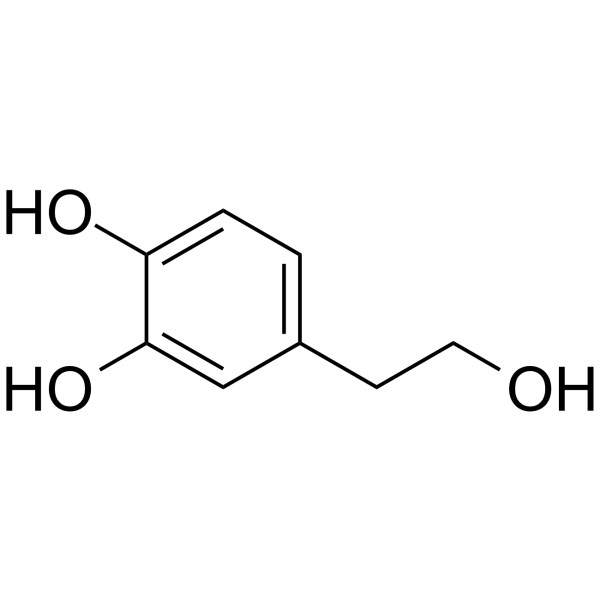
Cat. No.: HY-N0570
CAS No.: 10597-60-1
Synonyms: DOPET; 3,4-Dihydroxyphenethyl alcohol; 3-Hydroxytyrosol
Hydroxytyrosol (DOPET; 3,4-Dihydroxyphenethyl alcohol) is an orally active, blood-brain barrier-permeable multi-active compound with multiple effects including antibacterial, antioxidant, anti-platelet aggregation, and neuroprotective activities. Hydroxytyrosol not only inhibits the growth of Vibrio by increasing bacterial membrane permeability, but also interacts with DNA and mediates supercoiled DNA relaxation. Meanwhile, Hydroxytyrosol effectively reduces thrombosis and inhibits lipid oxidation by inhibiting COX activity and promoting vascular nitric oxide production. In terms of neuroprotection, Hydroxytyrosol significantly alleviates neuronal apoptosis and inflammatory responses by up-regulating the expression level of ERβ, thereby improving cognitive function in Alzheimer's disease models. Hydroxytyrosol has been widely used in scientific research related to Vibrio infection, arterial thrombosis, Alzheimer's disease and other related fields .
loading...
    loading...
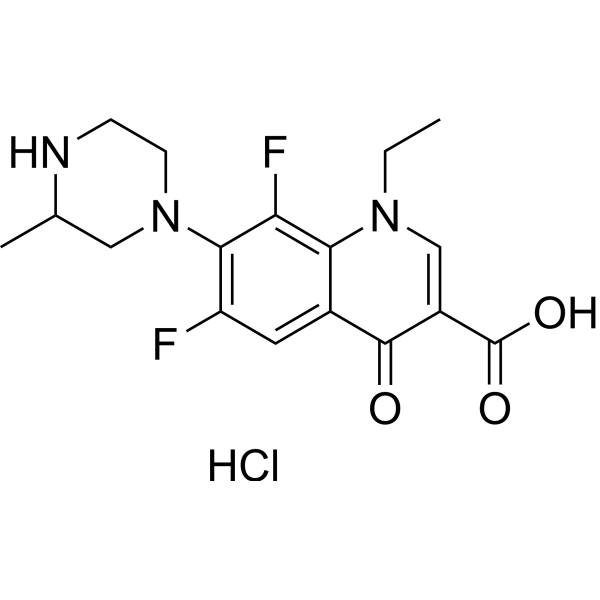
Cat. No.: HY-B0455
CAS No.: 98079-52-8
Synonyms: SC47111A hydrochloride; NY-198 hydrochloride
Lomefloxacin hydrochloride (NY-198 hydrochloride) is an orally active difluoroquinolone antibiotic. Lomefloxacin hydrochloride prevents DNA supercoiling and replication by inhibiting bacterial topoisomerase II. Lomefloxacin hydrochloride induces ROS production and Apoptosis. Lomefloxacin hydrochloride has broad-spectrum bactericidal activity against Gram-positive and Gram-negative bacteria. Lomefloxacin hydrochloride has anticancer effects against melanoma. Lomefloxacin hydrochloride can be used in the study of systemic bacterial infections (such as Salmonella typhimurium infections), skin and melanoma .
loading...
    loading...
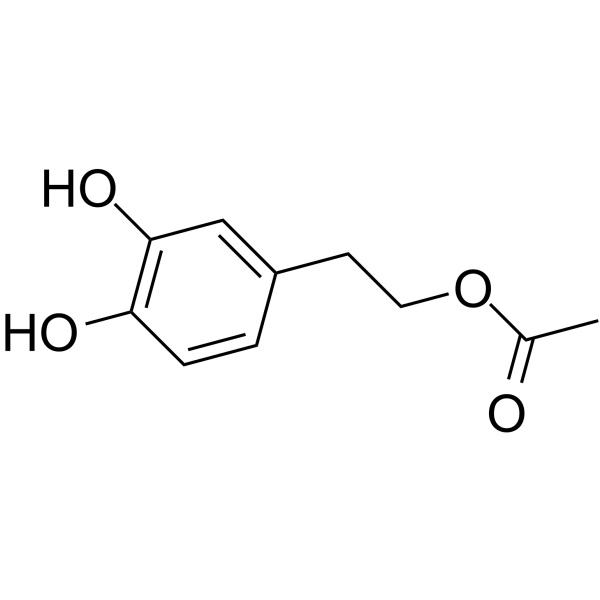
Cat. No.: HY-N6043
CAS No.: 69039-02-7
Hydroxytyrosol acetate is an orally active, blood-brain barrier-permeable multi-active compound with multiple effects including antibacterial, antioxidant, anti-platelet aggregation, and neuroprotective activities. Hydroxytyrosol acetate not only inhibits the growth of Vibrio by increasing bacterial membrane permeability, but also interacts with DNA and mediates supercoiled DNA relaxation. Meanwhile, Hydroxytyrosol acetate effectively reduces thrombosis and inhibits lipid oxidation by inhibiting COX activity and promoting vascular nitric oxide production. In terms of neuroprotection, Hydroxytyrosol acetate significantly alleviates neuronal apoptosis and inflammatory responses by up-regulating the expression level of ERβ, thereby improving cognitive function in Alzheimer's disease models. Hydroxytyrosol acetate has been widely used in scientific research related to Vibrio infection, arterial thrombosis, Alzheimer's disease and other related fields .
loading...
    loading...
Cat. No.: HY-W008598
CAS No.: 403-29-2
Synonyms: p-Fluorophenacyl bromide
Target:  

DNA/RNA Synthesis

Research Areas:  

Cancer

2-Bromo-4'-fluoroacetophenone (p-Fluorophenacyl bromide) is a photoinducible DNA cleavage inducer.2-Bromo-4'-fluoroacetophenone generates fluorine-substituted phenyl radicals upon excitation and irradiation to cleave DNA, converting circular supercoiled DNA to circular relaxed and linear DNA forms.2-Bromo-4'-fluoroacetophenone exhibits concentration-dependent DNA cleaving activity.2-Bromo-4'-fluoroacetophenone can be used for the research of cancer .
loading...
    loading...
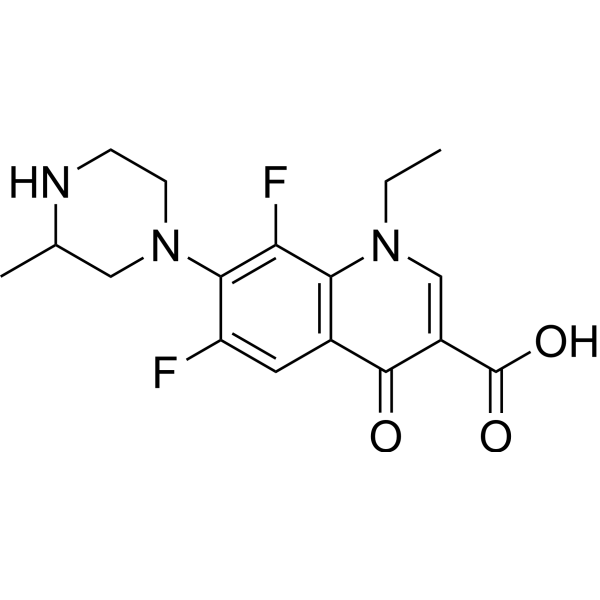
Cat. No.: HY-B0455A
CAS No.: 98079-51-7
Synonyms: SC47111A; NY-198
Lomefloxacin (SC47111A) is an orally active difluoroquinolone antibiotic. Lomefloxacin prevents DNA supercoiling and replication by inhibiting bacterial topoisomerase II. Lomefloxacin induces ROS production and Apoptosis. Lomefloxacin has broad-spectrum bactericidal activity against Gram-positive and Gram-negative bacteria. Lomefloxacin has anticancer effects against melanoma. Lomefloxacin can be used in the study of systemic bacterial infections (such as Salmonella typhimurium infections), skin and melanoma .
loading...
    loading...
Cat. No.: HY-B0330S
CAS No.: 1217716-71-6
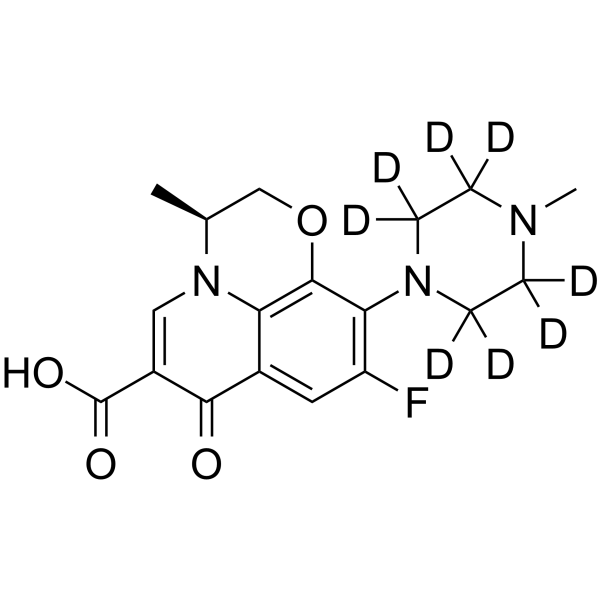
Synonyms: (-)-Ofloxacin-d8
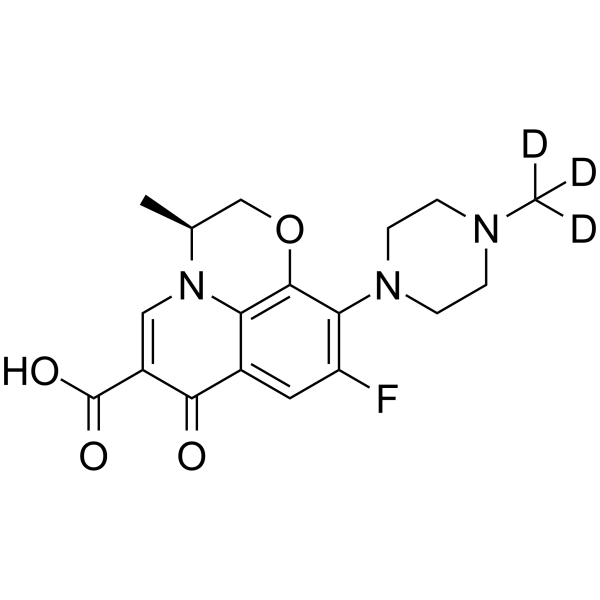
Levofloxacin-d8 is the deuterium labeled Levofloxacin. Levofloxacin, a synthetic fluoroquinolone, is an antibacterial agent that inhibits the supercoiling activity of bacterial DNA gyrase, halting DNA replication.
loading...
    loading...
Cat. No.: HY-N0570R
CAS No.: 10597-60-1
Synonyms: DOPET (Standard); 3,4-Dihydroxyphenethyl alcohol (Standard); 3-Hydroxytyrosol (Standard)
Hydroxytyrosol (Standard) (DOPET (Standard)) is the analytical standard of Hydroxytyrosol (HY-N0570). This product is intended for research and analytical applications. Hydroxytyrosol is an orally active, blood-brain barrier-permeable multi-active compound with multiple effects including antibacterial, antioxidant, anti-platelet aggregation, and neuroprotective activities. Hydroxytyrosol not only inhibits the growth of Vibrio by increasing bacterial membrane permeability, but also interacts with DNA and mediates supercoiled DNA relaxation. Meanwhile, Hydroxytyrosol effectively reduces thrombosis and inhibits lipid oxidation by inhibiting COX activity and promoting vascular nitric oxide production. In terms of neuroprotection, Hydroxytyrosol significantly alleviates neuronal apoptosis and inflammatory responses by up-regulating the expression level of ERβ, thereby improving cognitive function in Alzheimer's disease models. Hydroxytyrosol has been widely used in scientific research related to Vibrio infection, arterial thrombosis, Alzheimer's disease and other related fields .
loading...
    loading...
Cat. No.: HY-135389
CAS No.: 117707-40-1
Purity:  99.77%
Research Areas:  

Infection

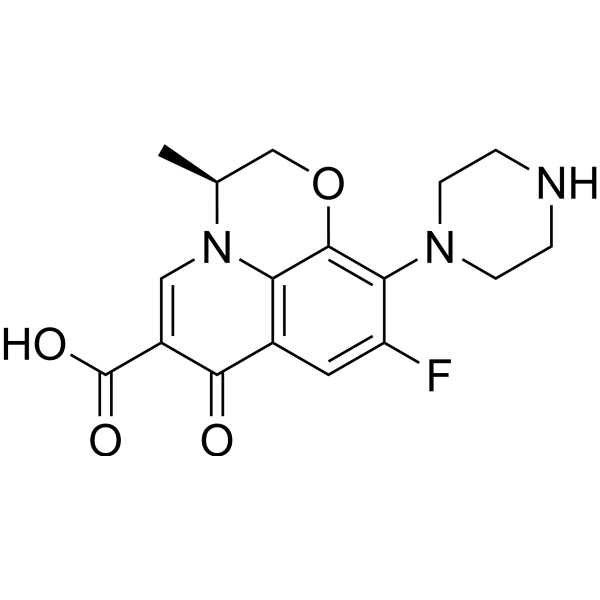
Desmethyl Levofloxacin is a metabolite of Levofloxacin (HY-B0330). Levofloxacin is a synthetic fluoroquinolone antibiotic that inhibits the supercoiling activity of bacterial DNA gyrase and prevents DNA replication .
loading...
    loading...
Cat. No.: HY-N0570S
CAS No.: 1330260-89-3
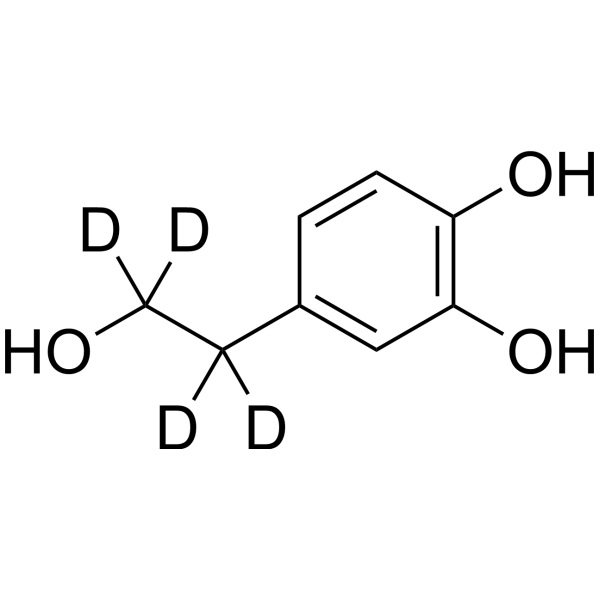
Synonyms: DOPET-d4; 3,4-Dihydroxyphenethyl alcohol-d4; 3-Hydroxytyrosol-d4
Hydroxytyrosol-d4 (DOPET-d4) is the deuterium labeled Hydroxytyrosol (HY-N0570). Hydroxytyrosol is an orally active, blood-brain barrier-permeable multi-active compound with multiple effects including antibacterial, antioxidant, anti-platelet aggregation, and neuroprotective activities. Hydroxytyrosol not only inhibits the growth of Vibrio by increasing bacterial membrane permeability, but also interacts with DNA and mediates supercoiled DNA relaxation. Meanwhile, Hydroxytyrosol effectively reduces thrombosis and inhibits lipid oxidation by inhibiting COX activity and promoting vascular nitric oxide production. In terms of neuroprotection, Hydroxytyrosol significantly alleviates neuronal apoptosis and inflammatory responses by up-regulating the expression level of ERβ, thereby improving cognitive function in Alzheimer's disease models. Hydroxytyrosol has been widely used in scientific research related to Vibrio infection, arterial thrombosis, Alzheimer's disease and other related fields .
loading...
    loading...
Cat. No.: HY-N0570S1
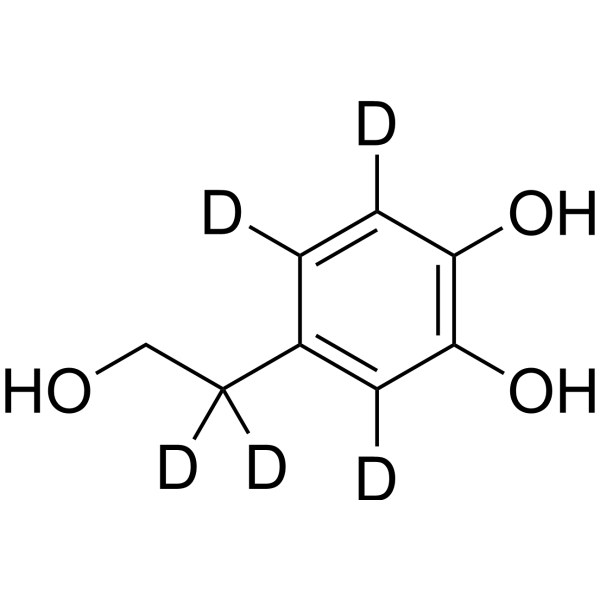
Synonyms: DOPET-d5; 3,4-Dihydroxyphenethyl alcohol-d5; 3-Hydroxytyrosol-d5
Hydroxytyrosol-d5 (DOPET-d5) is the deuterium labeled Hydroxytyrosol (HY-N0570). Hydroxytyrosol is an orally active, blood-brain barrier-permeable multi-active compound with multiple effects including antibacterial, antioxidant, anti-platelet aggregation, and neuroprotective activities. Hydroxytyrosol not only inhibits the growth of Vibrio by increasing bacterial membrane permeability, but also interacts with DNA and mediates supercoiled DNA relaxation. Meanwhile, Hydroxytyrosol effectively reduces thrombosis and inhibits lipid oxidation by inhibiting COX activity and promoting vascular nitric oxide production. In terms of neuroprotection, Hydroxytyrosol significantly alleviates neuronal apoptosis and inflammatory responses by up-regulating the expression level of ERβ, thereby improving cognitive function in Alzheimer's disease models. Hydroxytyrosol has been widely used in scientific research related to Vibrio infection, arterial thrombosis, Alzheimer's disease and other related fields .
loading...
    loading...
Cat. No.: HY-B0330S1
CAS No.: 2208780-63-4
(S)-Ofloxacin-d3 is the deuterium labeled Levofloxacin. Levofloxacin, a synthetic fluoroquinolone, is an antibacterial agent that inhibits the supercoiling activity of bacterial DNA gyrase, halting DNA replication.
loading...
    loading...
Cat. No.: HY-W740165
CAS No.: 2254176-11-7
Research Areas:  

Infection

Desmethyl Levofloxacin hydrochloride is a metabolite of Levofloxacin (HY-B0330). Levofloxacin is a synthetic fluoroquinolone antibiotic that inhibits the supercoiling activity of bacterial DNA gyrase and prevents DNA replication .
loading...
    loading...
Cat. No.: HY-135389S
CAS No.: 1217677-38-7
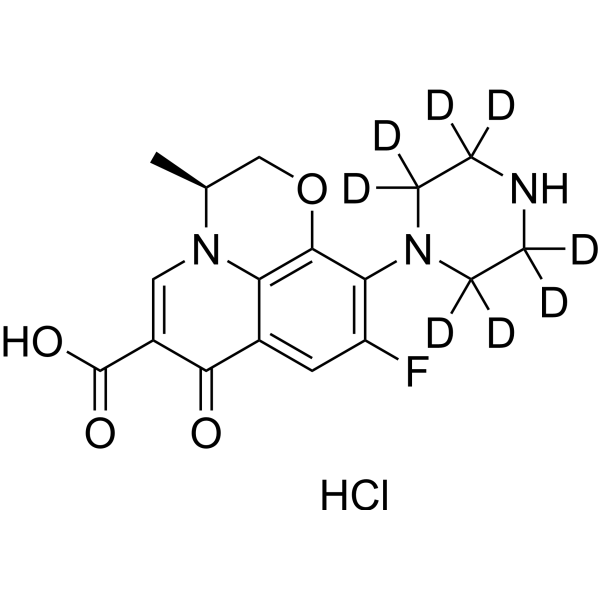
Desmethyl Levofloxacin-d8 hydrochloride is the deuterium labeled Desmethyl Levofloxacin. Desmethyl Levofloxacin is a metabolite of Levofloxacin. Levofloxacin, a synthetic fluoroquinolone, is an antibacterial agent that inhibits the supercoiling activity of bacterial DNA gyrase, halting DNA replication .
loading...
    loading...
Cat. No.: HY-135389R
CAS No.: 117707-40-1
Research Areas:  

Infection

Desmethyl Levofloxacin (Standard) is the analytical standard of Desmethyl Levofloxacin. This product is intended for research and analytical applications. Desmethyl Levofloxacin is a metabolite of Levofloxacin. Levofloxacin, a synthetic fluoroquinolone, is an antibacterial agent that inhibits the supercoiling activity of bacterial DNA gyrase, halting DNA replication .
loading...
    loading...
Cat. No.: HY-135389S1
CAS No.: 1217976-18-5
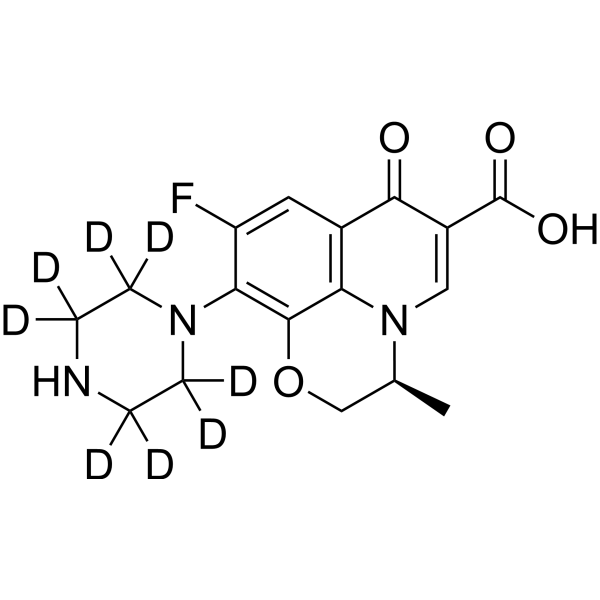
Desmethyl Levofloxacin-d8 is deuterium labeled Desmethyl Levofloxacin. Desmethyl Levofloxacin is a metabolite of Levofloxacin (HY-B0330). Levofloxacin is a synthetic fluoroquinolone antibiotic that inhibits the supercoiling activity of bacterial DNA gyrase and prevents DNA replication .
loading...
    loading...
Cat. No.: HY-115159
CAS No.: 100891-41-6
Target:  

Bacterial

Research Areas:  

Infection

Ro 14-9578 is a tricyclic quinolone analog with antibacterial activity. Ro 14-9578 inhibits DNA biosynthesis (IC50=117 μM) and DNA supercoiling (IC50=66.8 μM) in Escherichia coli. Furthermore, Ro 14-9578 exhibits inhibitory effects against various Gram-negative bacteria and Staphylococcus aureus .
loading...
    loading...
Cat. No.: HY-109785A
CAS No.: 1793050-70-0
Target:  

Bacterial

Research Areas:  

Infection

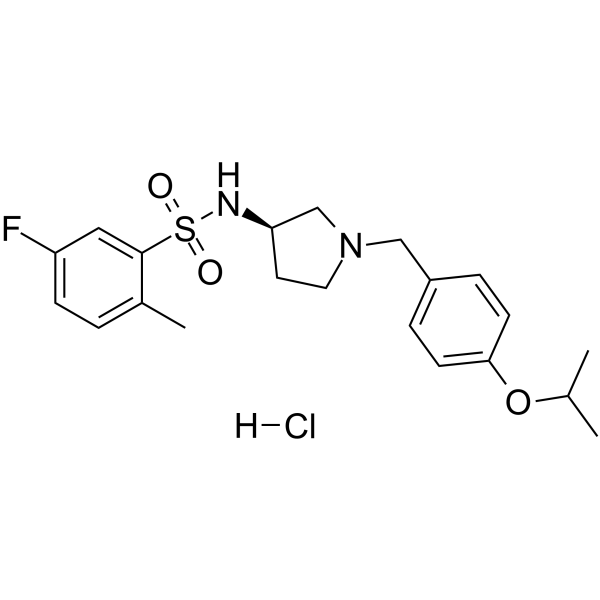
(R)-Gyramide A hydrochloride is a bacterial DNA gyrase inhibitor that disrupts supercoiling activity with an IC50 value of 3.3 µM. (R)-Gyramide A hydrochloride demonstrates antibacterial activity against E. coli, P. aeruginosa, and S. enterica (MICs of 10-80 µM). (R)-Gyramide A hydrochloride does not affect the closely related enzyme topoisomerase IV.
loading...
    loading...
Cat. No.: HY-146403
CAS No.: 2408695-41-8
Target:  

Bacterial

Research Areas:  

Infection

Antibacterial agent 98 (compound g37) is a potent and orally active antibacterial agent. Antibacterial agent 98 inhibits the ATPase activity of Gyrase B and impairs Staphylococcus aureus (S. aureus ) DNA supercoiling. Antibacterial agent 98 shows antibacterial activity and not induce resistance development of MRSA (methicillin-resistant S. aureus) .
loading...
    loading...
Cat. No.: HY-14780
CAS No.: 904302-98-3
Synonyms: NXL 101
Viquidacin (NXL 101) is an antibiotic with inhibitory activity against topoisomerase IV and DNA gyrase. Viquidacin exhibits antibacterial activity against gram positive bacterial by inhibiting the supercoiling, decatenation and relaxation in strains Staphylococcus aureus and Escherichia coli in micromolar levels. Viquidacin inhibits S. aureus wildtype and mutants with MIC of 2-128 mg/L .
loading...
    loading...
Cat. No.: HY-106940
CAS No.: 151390-79-3
Research Areas:  

Infection

DV-7751A is a new Fluoroquinolone and antibacterial agent. DV-7751A inhibits the supercoiling activity of DNA gyrases. DV-7751A exhibits antimicrobial activity against Streptococcus pneumonae, Streptococcus pyogenes, and Peptostreptococcus spp. DV-7751A has a rapid bactericidal effect against S. aureus, Escherichia coli, and P. aeruginosa .
loading...
    loading...

