Search Result
Results for "
DNA-binding domain
" in MedChemExpress (MCE) Product Catalog:
7
Isotope-Labeled Compounds
| Cat. No. |
Product Name |
Target |
Research Areas |
Chemical Structure |
-
- HY-W013049
-
|
Behenic acid
|
Endogenous Metabolite
DNA/RNA Synthesis
|
Metabolic Disease
Cancer
|
|
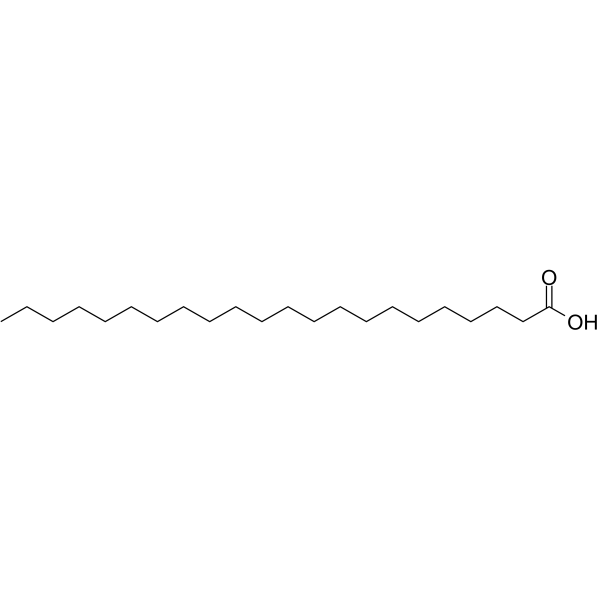
Docosanoic acid (Behenic acid) is a long-chain saturated fatty acid. Docosanoic acid inhibits the double-stranded DNA (dsDNA) binding activity of p53 DNA binding domain, with a Kd of 12 nM. Docosanoic acid has low bioavailability and can increase cholesterol in humans .
|
-
-
- HY-P2917
-
|
GyK
|
Nuclear Hormone Receptor 4A/NR4A
|
Metabolic Disease
Inflammation/Immunology
|
|
Glycerol kinase, microorganism (GyK) acts as a NR4A1 inhibitor with enzymatic activity. It directly binds to and inhibits the transcription factor NR4A1, thereby negatively regulating hepatic gluconeogenesis and reducing blood glucose levels. Glycerol kinase, microorganism positively regulates UCP1 expression via partial dependence on the β-adrenergic receptor-cAMP-CREB pathway, promotes browning of white adipose tissue and thermogenesis, and further modulates intracellular fatty acid composition and energy metabolism. In diabetic mouse models, overexpression of Glycerol kinase effectively antagonizes NR4A1-induced hyperglycemia, demonstrating potential for improving glucose homeostasis. Glycerol kinase, microorganism can be used for studies on diabetes and obesity .
|
-
-
- HY-163731
-
|
|
DNA Methyltransferase
Interleukin Related
|
Inflammation/Immunology
|
|
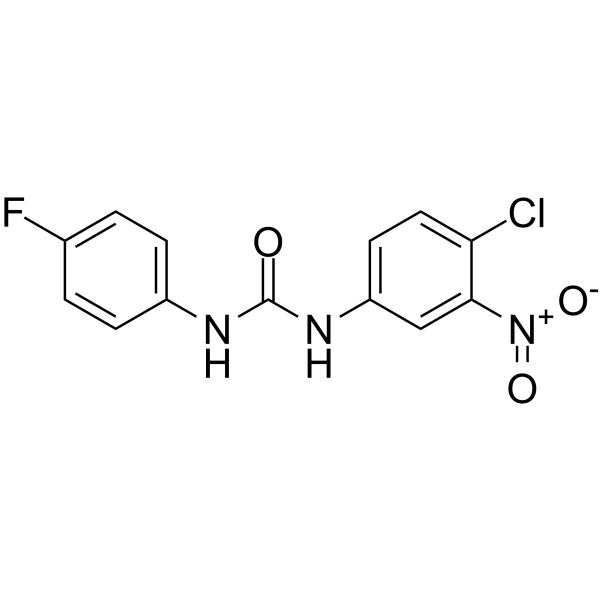
EGR-1-IN-1 is a EGR-1 inhibitor with an IC50 of 1.86 μM. EGR-1-IN-1 binds to the zinc finger DNA-binding domain of EGR-1 and promotes the dissociation of the EGR-1-DNA complex. EGR-1-IN-1 reduces the mRNA expression levels of EGR-1-regulated inflammatory genes induced by TNFα. EGR-1-IN-1 alleviates atopic dermatitis-like lesions in the ear skin of mice. EGR-1-IN-1 serves as a lead compound for the development of targeted compounds for inflammatory skin diseases. EGR-1-IN-1 can be used in studies related to atopic dermatitis .
|
-
-
- HY-138280
-
DTHIB
Maximum Cited Publications
6 Publications Verification
|
HSP
|
Cancer
|
|
DTHIB is a direct and selective heat shock factor 1 (HSF1) inhibitor with a Kd of 160 nM for DTHIB binding to the HSF1 DNA binding domain (DBD). DTHIB inhibits HSF1 cancer gene signature (HSF1 CaSig) and selectively stimulates degradation of nuclear HSF1. DTHIB has potently anticancer activities and can be used for prostate cancer research .
|
-
-
- HY-110088
-
|
|
MDM-2/p53
|
Cancer
|
|
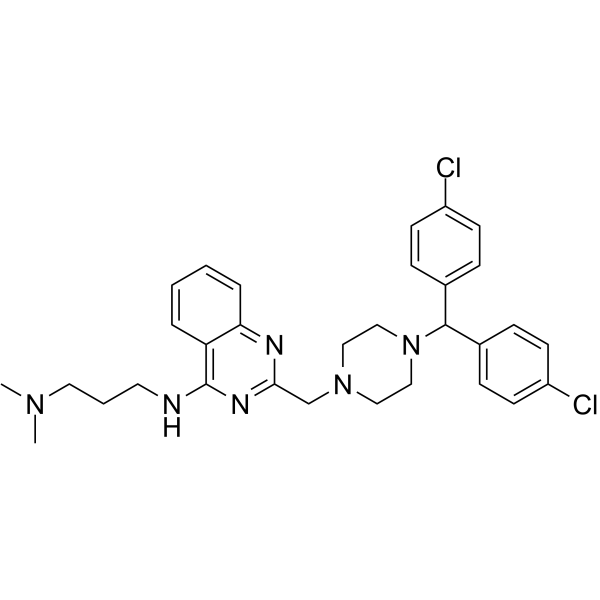
SCH529074 is a potent and orally active p53 activator. SCH529074 binds specifically and conformation-dependently to p53 DBD ( DNA binding domain) with a Ki of 1-2 μM in a saturable manner. SCH529074 restores mutant p53 function and interrupts HDM2-mediated ubiquitination of wild Type p53. SCH529074 can be used for the study of non-small-cell lung carcinoma (NSCLC) .
|
-
-
- HY-U00447
-
|
|
MDM-2/p53
DNA Alkylator/Crosslinker
|
Cancer
|
|
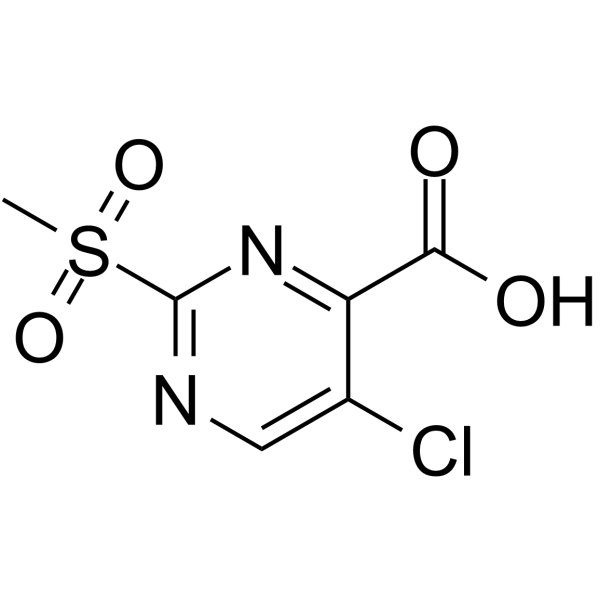
PK11000 is an alkylating agent, and stabilizes the DNA-binding domain of both WT and mutant p53 proteins by covalent cysteine modification without compromising DNA binding. PK11000 has anti-tumor activities .
|
-
-
- HY-W035137
-
|
5,15-DPP
|
STAT
|
Cancer
|
|
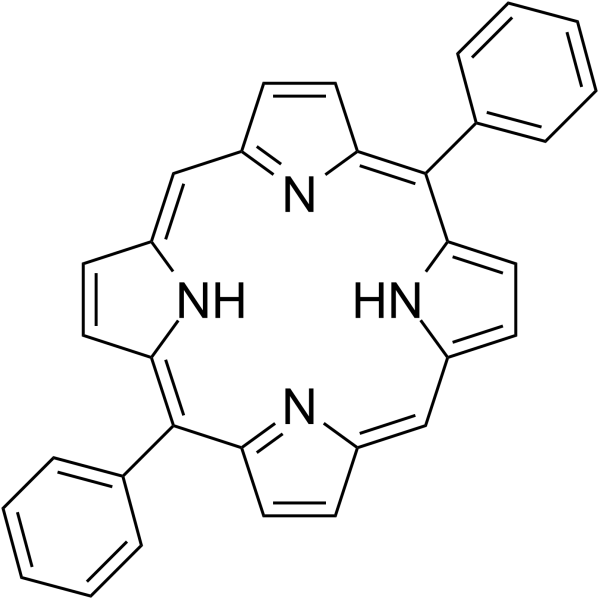
5,15-Diphenylporphyrin (5,15-DPP) is an inhibitor of the oncogenic transcription factor STAT3. 5,15-Diphenylporphyrin specifically binds to the SH2 domain of STAT3, blocking the pTyr-SH2 interaction, thereby inhibiting the dimerization, nuclear translocation and DNA binding activity of STAT3, and ultimately inhibiting the expression of cancer cell-related genes. 5,15-Diphenylporphyrin can be used in research fields related to the development of anticancer drugs[1][2].
|
-
-
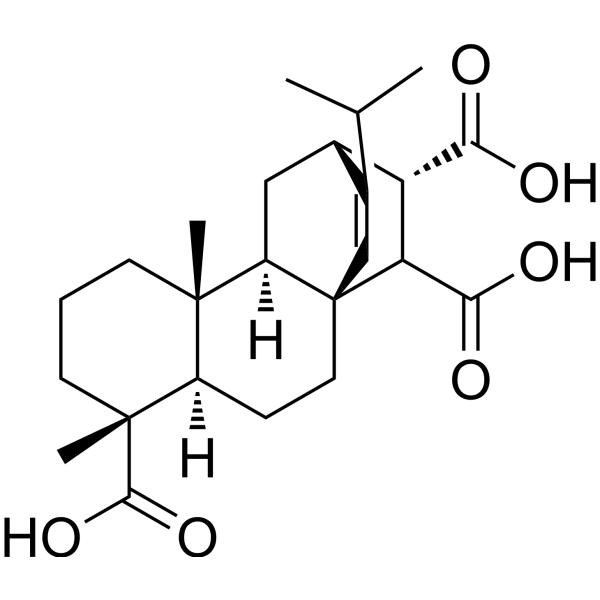
- HY-116501
-
|
|
Androgen Receptor
|
Cancer
|
|
VPC-14449 is a potent and selective inhibitor of the DNA-binding domain of the androgen receptor (AR-DBD), with IC50 of 0.34 μM for full-length human AR. VPC-14449 reduces the ability of full-length AR as well as AR variants to interact with chromatin. VPC-14449 can be used for the research of prostate cancer .
|
-
-
- HY-138155
-
|
|
DNA/RNA Synthesis
|
Cancer
|
|
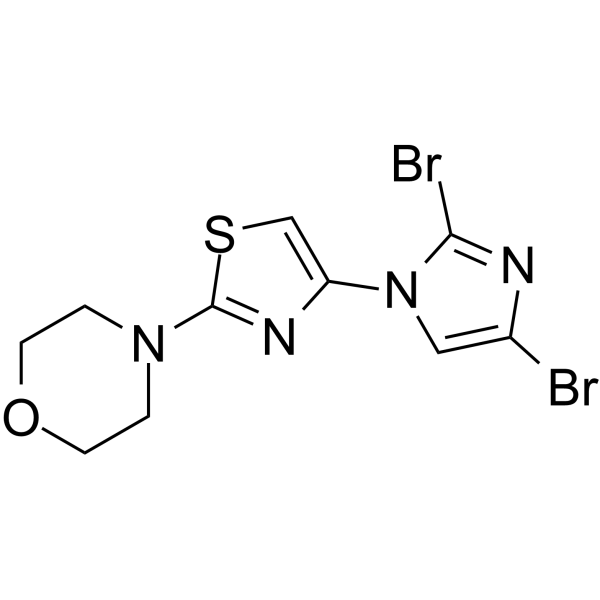
NSC15520 is a small molecular inhibitor of Replication Protein A (RPA). NSC15520 specifically recognizes the RPA N-terminal DNA binding domain (DBD), and blocks the interaction of RPA with p53 or RAD9. NSC15520 also inhibtis helix destabilization of a duplex DNA (dsDNA) oligonucleotide, involves in DNA replication, DNA repair, DNA recombination, and DNA damage response signaling .
|
-
-
- HY-W013049S3
-
|
Behenic acid-d3
|
Isotope-Labeled Compounds
Endogenous Metabolite
DNA/RNA Synthesis
|
Metabolic Disease
Cancer
|
|
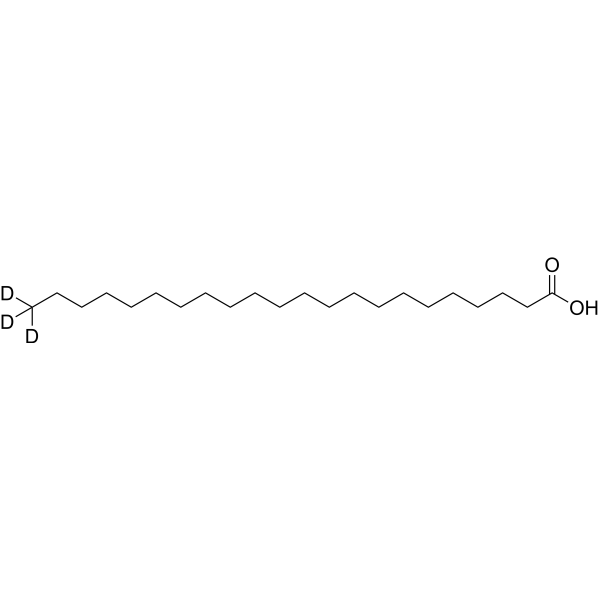
Docosanoic acid-d3 (Behenic acid-d3) is the deuterium labeled Docosanoic acid (HY-W013049). Docosanoic acid (Behenic acid) is a long-chain saturated fatty acid. Docosanoic acid inhibits the double-stranded DNA (dsDNA) binding activity of p53 DNA binding domain, with a Kd of 12 nM. Docosanoic acid has low bioavailability and can increase cholesterol in humans .
|
-
-
- HY-117669
-
|
|
Androgen Receptor
|
Cancer
|
|
VPC-14228 is an inhibitor that selectively targets androgen receptor DNA binding domain (AR-DBD). VPC-14228 inhibits the interaction between AR and DNA, thereby blocking AR-mediated transcriptional activation. VPC-14228 does not rely on nuclear localization inhibition, but rather inhibits the activity of full-length AR and splice variant AR-V7 by interfering with AR binding to chromatin. And VPC-14228 has high selectivity for other nuclear receptors such as ER and PR. VPC-14228 can be used in the study of prostate cancer [2].
|
-
-
- HY-177119
-
|
|
PROTACs
RIP kinase
Mixed Lineage Kinase
|
Infection
Inflammation/Immunology
|
|
ZBP1 Covalent PROTAC-1 is a covalent Z-DNA binding protein 1 ZBP1 PROTAC degrader, with its DC50 being 25.69 nM. ZBP1 Covalent PROTAC-1 integrates the ligand that recruits the VHL E3 ubiquitin ligase and the DNA aptamer (Aptamer Z3) with the specific Zα domain that can bind to ZBP1, which has a high affinity (KD = 2.71 nM) with ZBP1. After degrading ZBP1, the phosphorylation levels of downstream signaling molecules RIPK3 and MLKL significantly decrease. ZBP1 Covalent PROTAC-1, encapsulated by nano-liposomes, significantly improves the survival rate of mice infected with influenza A virus (IAV) after administration via the trachea .
|
-
-
- HY-162265A
-
|
|
Apoptosis
|
Cancer
|
|
UCM-13369 (Compound 4b) is a NPM1 inhibitor. UCM-13369 downregulates the pathway associated with mutant NPM1 C+, and specifically recognizes the C-end DNA-binding domain of NPM1 C+. UCM-13369 induces apoptosis in AML cell lines and primary cells. UCM-13369 can be used for leukemia research .
|
-
-
- HY-172767
-
|
|
PROTACs
STAT
Apoptosis
|
Cancer
|
|
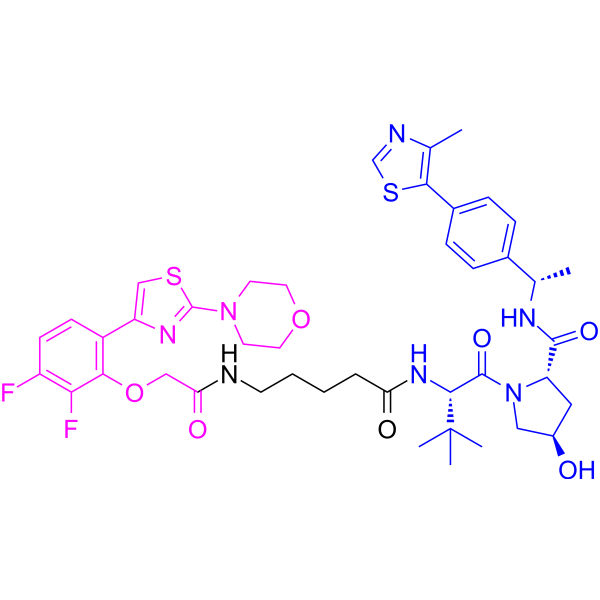
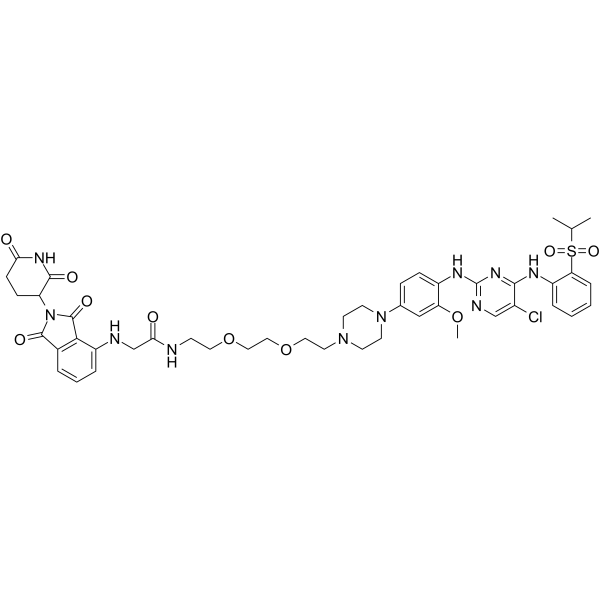
STAT3-D11-PROTAC-VHL (Compound D11-PROTAC) is a PROTAC degrader targeting Signal Transducer and Activator of Transcription 3 (STAT3). STAT3-D11-PROTAC-VHL exhibits anti-tumor activity with IC50 values of 1335 nM and 1973 nM against HeLa and MCF-7 cells, respectively. STAT3-D11-PROTAC-VHL binds to the DNA-binding domain of STAT3 and recruits the E3 ligase VHL to form a ternary complex, leading to the ubiquitination of STAT3 and subsequent degradation by the proteasome. STAT3-D11-PROTAC-VHL also inhibits tumor cell growth, induces cell cycle arrest and apoptosis, and suppresses tumor immune evasion .
|
-
-
- HY-W013049S1
-
|
Behenic acid-d43
|
Isotope-Labeled Compounds
Endogenous Metabolite
DNA/RNA Synthesis
|
Metabolic Disease
Cancer
|
|
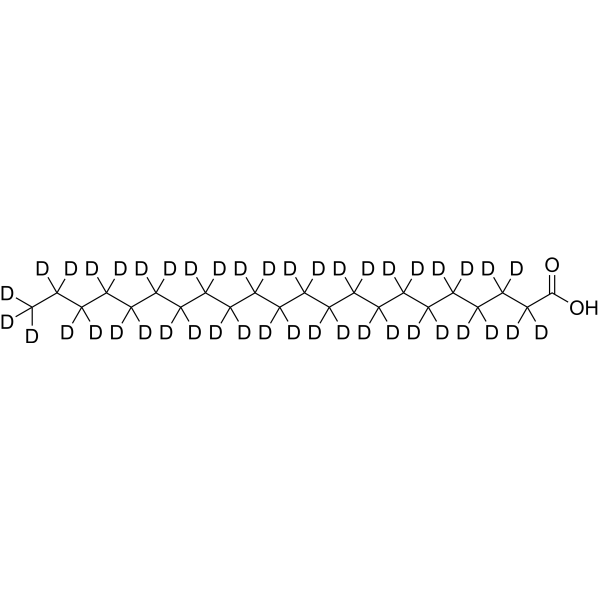
Docosanoic acid-d43 (Behenic acid-d43) is the deuterium labeled Docosanoic acid (HY-W013049). Docosanoic acid (Behenic acid) is a long-chain saturated fatty acid. Docosanoic acid inhibits the double-stranded DNA (dsDNA) binding activity of p53 DNA binding domain, with a Kd of 12 nM. Docosanoic acid has low bioavailability and can increase cholesterol in humans .
|
-
-
- HY-W013049S4
-
|
Behenic acid-d4-1
|
Isotope-Labeled Compounds
Endogenous Metabolite
DNA/RNA Synthesis
|
Metabolic Disease
Cancer
|
|
Docosanoic acid-d4-1 (Behenic acid-d4-1) is the deuterium labeled Docosanoic acid (HY-W013049). Docosanoic acid (Behenic acid) is a long-chain saturated fatty acid. Docosanoic acid inhibits the double-stranded DNA (dsDNA) binding activity of p53 DNA binding domain, with a Kd of 12 nM. Docosanoic acid has low bioavailability and can increase cholesterol in humans .
|
-
-
- HY-175455
-
|
|
PROTACs
Androgen Receptor
Akt
|
Cancer
|
|
LYA914 is an orally active AR/AR-V7 PROTAC degrader. LYA914 targets the proteolytic degradation of the conserved DNA binding domain (DBD) of the androgen receptor (AR). LYA914 exhibits potent antiproliferative effects in Enzalutamide (HY-70002)-insensitive/resistant cells. LYA914 inhibits tumor growth in VCaP/LNCaP tumor mouse models. LYA914 can be used to study castration-resistant prostate cancer (CRPC). (Pink: AR-DBD ligand-1: HY-175456, Blue: Thalidomide: HY-14658, Pink + Black: AR-DBD ligand-Linker Conjugate 1: HY-175457, Black: Boc-piperidine-oxopiperidin: HY-175458) .
|
-
-
- HY-162265
-
|
|
Apoptosis
|
Cancer
|
|
UCM-13369 (Compound 4b) is a NPM1 inhibitor. UCM-13369 downregulates the pathway associated with mutant NPM1 C+, and specifically recognizes the C-end DNA-binding domain of NPM1 C+. UCM-13369 induces apoptosis in AML cell lines and primary cells, that can be used for the research of AML .
|
-
-
- HY-P11164
-
|
|
DNA Alkylator/Crosslinker
|
Endocrinology
|
|
PRKGGRRRRAWGRRRRRRRRRRRRRRAPRKRLTLA is a peptide. PRKGGRRRRAWGRRRRRRRRRRRRRRAPRKRLTLA has a higher affinity for CR3 and DNA binding domain than FOXO4 and DRI. PRKGGRRRRAWGRRRRRRRRRRRRRRAPRKRLTLA can be used in the research of aging .
|
-
-
- HY-W013049S6
-
|
Behenic acid-13C4
|
Isotope-Labeled Compounds
Endogenous Metabolite
DNA/RNA Synthesis
|
Metabolic Disease
|
|
Docosanoic acid- 13C4 (Behenic acid- 13C4) is the 13C-labeled Docosanoic acid (HY-W013049). Docosanoic acid (Behenic acid) is a long-chain saturated fatty acid. Docosanoic acid inhibits the double-stranded DNA (dsDNA) binding activity of p53 DNA binding domain, with a Kd of 12 nM. Docosanoic acid has low bioavailability and can increase cholesterol in vivo .
|
-
-
- HY-174578
-
|
|
mRNA
|
Cancer
|
|
Human MYB mRNA encodes a protein with three HTH DNA-binding domains that functions as a transcription regulator. MYB plays an essential role in the regulation of hematopoiesis.
|
-
-
- HY-174386
-
|
|
STAT
|
Cancer
|
|
STAT3-IN-43 (Compound K2) is a covalent inhibitor targeting the allosteric site at the junction of the STAT3 coiled-coil domain and DNA-binding domain, with an IC50 of 40.7 μM. STAT3-IN-43 can be used in cancer research .
|
-
-
- HY-W013049R
-
-
-
- HY-174511
-
|
|
mRNA
|
Cancer
|
|
Human TP53 mRNA encodes the human tumor protein p53 (TP53) protein, a tumor suppressor protein containing transcriptional activation, DNA binding, and oligomerization domains. TP53 responds to diverse cellular stresses to regulate expression of target genes, thereby inducing cell cycle arrest, apoptosis, senescence, DNA repair, or changes in metabolism.
|
-
-
- HY-W013049S
-
|
Behenic acid-d4
|
Isotope-Labeled Compounds
Endogenous Metabolite
DNA/RNA Synthesis
|
Metabolic Disease
Cancer
|
|
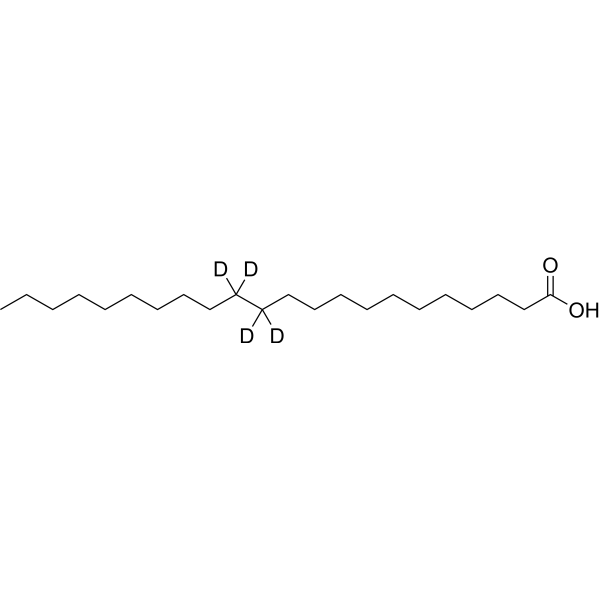
Docosanoic acid-d4 (Behenic acid-4) is deuterium labeled Docosanoic acid (HY-W013049). Docosanoic acid (Behenic acid) is a long-chain saturated fatty acid. Docosanoic acid inhibits the double-stranded DNA (dsDNA) binding activity of p53 DNA binding domain, with a Kd of 12 nM. Docosanoic acid has low bioavailability and can increase cholesterol in humans .
|
-
-
- HY-W013049S2
-
|
Behenic acid-d2
|
Isotope-Labeled Compounds
Endogenous Metabolite
DNA/RNA Synthesis
|
Metabolic Disease
Cancer
|
|
Docosanoic acid-d2 (Behenic acid-d2) is deuterium labeled Docosanoic acid (HY-W013049).
Docosanoic acid (Behenic acid) is a long-chain saturated fatty acid. Docosanoic acid inhibits the double-stranded DNA (dsDNA) binding activity of p53 DNA binding domain, with a Kd of 12 nM. Docosanoic acid has low bioavailability and can increase cholesterol in humans .
|
-
-
- HY-W013049S5
-
|
Behenic acid-d4-2
|
Isotope-Labeled Compounds
Endogenous Metabolite
DNA/RNA Synthesis
|
Metabolic Disease
Cancer
|
|
Docosanoic acid-d4-2 (Behenic acid-d4-2) is the deuterium labeled Docosanoic acid (HY-W013049). Docosanoic acid (Behenic acid) is a long-chain saturated fatty acid. Docosanoic acid inhibits the double-stranded DNA (dsDNA) binding activity of p53 DNA binding domain, with a Kd of 12 nM. Docosanoic acid has low bioavailability and can increase cholesterol in humans .
|
-
-
- HY-176068
-
|
|
Androgen Receptor
|
Cancer
|
|
3-Cl-Pyridine-amide-acrylaldehyde-piperazine is a synthetic intermediate of LO-4-25 (HY-176067). LO-4-25 is an androgen receptor (AR) DNA binding domain ligand linked via a linker to the truncated fumaramide handle. LO-4-25 shows robust degradation of both AR and AR-V7 in 22Rv1 cells .
|
-
-
- HY-162775
-
|
|
Bacterial
Antibiotic
|
Infection
|
|
TST1N-224 is a potent response regulator VraRC inhibitor. TST1N-224 can disrupt VraRC-DNA complex formation (IC50=60.2 μM). TST1N-224 exhibits interference with VraRC binding to its cognate DNA through a fast-on-fast-off binding mechanism (KD=23.4 μM). TST1N-224 predominantly interacts with the α9- and α10-helixes of the DNA-binding domain of VraR. TST1N-224 inhibits the growths of S. aureus (SA; MIC>126 μM), Methicillin-resistant S. aureus (MRSA; MIC>126 μM), and Vancomycin-intermediate S. aureus (VISA; MIC=63 μM). TST1N-224, an antimicrobial agent, evidently enhances the susceptibility of VISA to both Vancomycin (HY-B0671) and Methicillin (HY-B0974) .
|
-
-
- HY-141551
-
|
|
Estrogen Receptor/ERR
|
Cancer
|
|
GNE-274 is a structural analog of the ER degrader GDC-0927 and is a non-degrader. GNE-274 does not induce conversion of ER in breast cancer cell lines and functions as a partial ER agonist (partial ER agonist). GNE-274 increases the chromatin accessibility of ER-DNA binding sites, whereas GDC-0927 does not. GNE-274 is an effective ER ligand binding domain (LBD) inhibitor. GNE-274 can be used in cancer research.
|
-
-
- HY-N19821
-
|
|
DNA/RNA Synthesis
|
Cancer
|
|
Gangaleoidin is a FOXM1 inhibitor with an IC50 of 2.8 μM. Gangaleoidin inhibits interaction between FOXM1’s DNA-binding domain and target DNA sequence, downregulates FOXM1 and downstream target gene CCNB1 at the transcriptional level. Gangaleoidin suppresses proliferation of FOXM1-overexpressing breast cancer cells. Gangaleoidin can be used for the research of breast cancer .
|
-
-
- HY-174685
-
|
|
mRNA
|
Cancer
|
|
Human FLI1 mRNA encodes a transcription factor containing an ETS DNA-binding domain. FLI1 is a sequence-specific transcriptional activator that can recognize the DNA sequence 5''-C[CA]GGAAGT-3''.
|
-
-
- HY-181421
-
|
|
SF3B1
|
Cancer
|
|
WX-02-43 is a weak covalent inhibitor of SF3B1, and is the (1S,3R) enantiomer of WX-02-23 (HY-168534). WX-02-43 cannot effectively covalently modify the C258 site in the DNA-binding domain of FOXA1, and its inhibitory activity against SF3B1 is also weaker than that of WX-02-23. WX-02-43 serves as a negative control probe that fails to remodel the chromatin binding pattern and transcriptional activity of FOXA1. WX-02-43 can be used in studies on cancers such as prostate cancer to verify the specific effects of WX-02-23 on FOXA1 and SF3B1 targets .
|
-
-
- HY-183546
-
|
|
Phosphodiesterase (PDE)
DNA/RNA Synthesis
Apoptosis
Ferroptosis
|
Cancer
|
|
TDP1-IN-6 (Compound 16b) is a TDP1 inhibitor with an IC50 of 1.52 μM. Combination of TDP1-IN-6 with Topotecan (HY-13768) enhances DNA damage, induces Apoptosis, triggers S-phase cell cycle arrest, and promotes Ferroptosis. TDP1-IN-6 can be used for the research of cervical cancer .
|
-
-
- HY-182358
-
|
|
Apoptosis
|
Cancer
|
|
TMLZ-G46 is an orally active ZNF207 inhibitor with blood-brain barrier penetration ability, with a Kd value of 68 nM. TMLZ-G46 inhibits cancer cell proliferation, stemness, migration and invasion, induces G0/G1 cell cycle arrest and apoptosis, and suppresses colony formation. TMLZ-G46 can be used in glioma research .
|
-
| Cat. No. |
Product Name |
Target |
Research Area |
-
- HY-P11164
-
|
|
DNA Alkylator/Crosslinker
|
Endocrinology
|
|
PRKGGRRRRAWGRRRRRRRRRRRRRRAPRKRLTLA is a peptide. PRKGGRRRRAWGRRRRRRRRRRRRRRAPRKRLTLA has a higher affinity for CR3 and DNA binding domain than FOXO4 and DRI. PRKGGRRRRAWGRRRRRRRRRRRRRRAPRKRLTLA can be used in the research of aging .
|
| Cat. No. |
Product Name |
Category |
Target |
Chemical Structure |
| Cat. No. |
Product Name |
Chemical Structure |
-
- HY-W013049S3
-
|
|
|
Docosanoic acid-d3 (Behenic acid-d3) is the deuterium labeled Docosanoic acid (HY-W013049). Docosanoic acid (Behenic acid) is a long-chain saturated fatty acid. Docosanoic acid inhibits the double-stranded DNA (dsDNA) binding activity of p53 DNA binding domain, with a Kd of 12 nM. Docosanoic acid has low bioavailability and can increase cholesterol in humans .
|
-
-
- HY-W013049S1
-
|
|
|
Docosanoic acid-d43 (Behenic acid-d43) is the deuterium labeled Docosanoic acid (HY-W013049). Docosanoic acid (Behenic acid) is a long-chain saturated fatty acid. Docosanoic acid inhibits the double-stranded DNA (dsDNA) binding activity of p53 DNA binding domain, with a Kd of 12 nM. Docosanoic acid has low bioavailability and can increase cholesterol in humans .
|
-
-
- HY-W013049S4
-
|
|
|
Docosanoic acid-d4-1 (Behenic acid-d4-1) is the deuterium labeled Docosanoic acid (HY-W013049). Docosanoic acid (Behenic acid) is a long-chain saturated fatty acid. Docosanoic acid inhibits the double-stranded DNA (dsDNA) binding activity of p53 DNA binding domain, with a Kd of 12 nM. Docosanoic acid has low bioavailability and can increase cholesterol in humans .
|
-
-
- HY-W013049S6
-
|
|
|
Docosanoic acid- 13C4 (Behenic acid- 13C4) is the 13C-labeled Docosanoic acid (HY-W013049). Docosanoic acid (Behenic acid) is a long-chain saturated fatty acid. Docosanoic acid inhibits the double-stranded DNA (dsDNA) binding activity of p53 DNA binding domain, with a Kd of 12 nM. Docosanoic acid has low bioavailability and can increase cholesterol in vivo .
|
-
-
- HY-W013049S
-
|
|
|
Docosanoic acid-d4 (Behenic acid-4) is deuterium labeled Docosanoic acid (HY-W013049). Docosanoic acid (Behenic acid) is a long-chain saturated fatty acid. Docosanoic acid inhibits the double-stranded DNA (dsDNA) binding activity of p53 DNA binding domain, with a Kd of 12 nM. Docosanoic acid has low bioavailability and can increase cholesterol in humans .
|
-
-
- HY-W013049S2
-
|
|
|
Docosanoic acid-d2 (Behenic acid-d2) is deuterium labeled Docosanoic acid (HY-W013049).
Docosanoic acid (Behenic acid) is a long-chain saturated fatty acid. Docosanoic acid inhibits the double-stranded DNA (dsDNA) binding activity of p53 DNA binding domain, with a Kd of 12 nM. Docosanoic acid has low bioavailability and can increase cholesterol in humans .
|
-
-
- HY-W013049S5
-
|
|
|
Docosanoic acid-d4-2 (Behenic acid-d4-2) is the deuterium labeled Docosanoic acid (HY-W013049). Docosanoic acid (Behenic acid) is a long-chain saturated fatty acid. Docosanoic acid inhibits the double-stranded DNA (dsDNA) binding activity of p53 DNA binding domain, with a Kd of 12 nM. Docosanoic acid has low bioavailability and can increase cholesterol in humans .
|
-
| Cat. No. |
Product Name |
|
Classification |
-
- HY-174578
-
|
|
|
mRNA
Transcription Factors
|
|
Human MYB mRNA encodes a protein with three HTH DNA-binding domains that functions as a transcription regulator. MYB plays an essential role in the regulation of hematopoiesis.
|
-
- HY-174511
-
|
|
|
mRNA
|
|
Human TP53 mRNA encodes the human tumor protein p53 (TP53) protein, a tumor suppressor protein containing transcriptional activation, DNA binding, and oligomerization domains. TP53 responds to diverse cellular stresses to regulate expression of target genes, thereby inducing cell cycle arrest, apoptosis, senescence, DNA repair, or changes in metabolism.
|
-
- HY-174685
-
|
|
|
mRNA
Transcription Factors
|
|
Human FLI1 mRNA encodes a transcription factor containing an ETS DNA-binding domain. FLI1 is a sequence-specific transcriptional activator that can recognize the DNA sequence 5''-C[CA]GGAAGT-3''.
|
Your information is safe with us. * Required Fields.
Inquiry Information
- Product Name:
- Cat. No.:
- Quantity:
- MCE Japan Authorized Agent:

