167 Results for "

Data

" in MedChemExpress (MCE) Product Catalog:
Products (167)

167 Results for "Data" in MCE Product Catalog:

1
1 Cited Publications
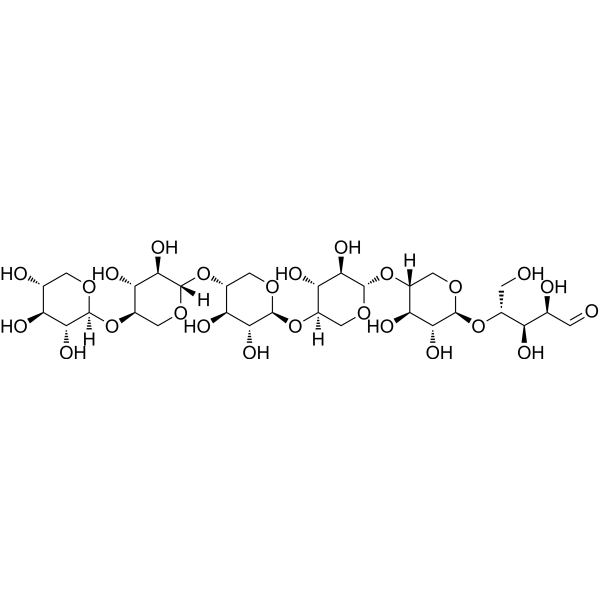
Cat. No.: HY-N6831
CAS No.: 49694-21-5
Xylohexaose is a xylooligosaccharide composed of six xylose residues. Xylohexaose can be produced by hydrolysis of beechwood xylan by AfXynA. Xylohexaose serves as a substrate for the determination of xylan hydrolysis activity .
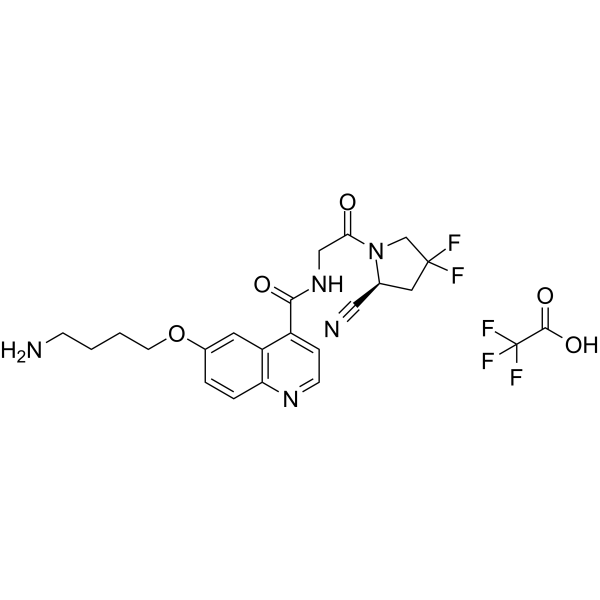
Cat. No.: HY-153552A
CAS No.: 2990021-73-1
Purity:  99.89%
Target:  

FAP

Research Areas:  

Cancer

NH2-UAMC1110 TFA is an aminobutoxy derivative of the fibroblast activation protein (FAP) inhibitor UAMC1110 (HY-100684), and is a precursor compound for the synthesis of FAP inhibitor probes, not directly used in bioactivity experiments. For example, NH2-UAMC1110 TFA is involved in the synthesis of the radiotracer FAPI-QS, which exhibits high tumor selectivity and high dose effect, and has been used in tumor diagnosis. NH2-UAMC1110 TFA structurally incorporates an active amino group, allowing it to form covalent bonds with various molecules (such as DOTA, DATA5m, radionuclide chelators, etc.) to synthesize molecular imaging probes or targeted compounds with the ability to target FAP. NH2-UAMC1110 TFA specifically binds to the FAP active site, inhibiting its proline-selective serine protease activity (including dipeptidyl peptidase and endopeptidase activity), blocking FAP-mediated tissue remodeling-related processes. Its key activity is high targeting and high affinity, and its core function is to act as a targeting module coupled with bifunctional chelators (such as DOTA, DATA5m). NH2-UAMC1110 TFA can be applied to diagnostic imaging studies of tumors expressing FAP (such as colorectal cancer, pancreatic cancer, etc.), and also provides molecular tools for targeted research of FAP-related diseases with high FAP expression, such as fibrosis and arthritis .
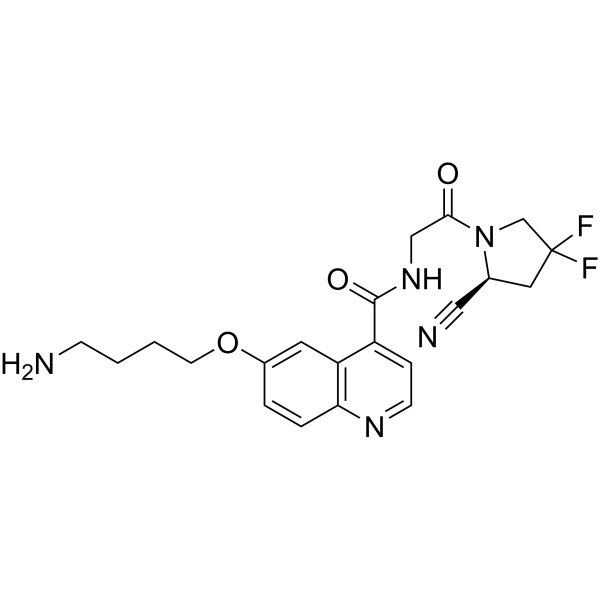
Cat. No.: HY-153552
CAS No.: 2758337-19-6
Target:  

FAP

Research Areas:  

Cancer

NH2-UAMC1110 is an aminobutoxy derivative of the fibroblast activation protein (FAP) inhibitor UAMC1110 (HY-100684), and is a precursor compound for the synthesis of FAP inhibitor probes, not directly used in bioactivity experiments. For example, NH2-UAMC1110 is involved in the synthesis of the radiotracer FAPI-QS, which exhibits high tumor selectivity and high dose-response, and has been used for tumor diagnosis. NH2-UAMC1110 introduces an active amino group into its structure, enabling it to form covalent bonds with various molecules (such as DOTA, DATA5m, radionuclide chelators, etc.), thereby synthesizing molecular imaging probes or targeted compounds with the ability to target FAP. NH2-UAMC1110 specifically binds to the FAP active site, inhibiting its proline-selective serine protease activity (including dipeptidyl peptidase and endopeptidase activity), blocking FAP-mediated tissue remodeling processes. Its key activity is high targeting and high affinity, and its core function is to be coupled with bifunctional chelators (such as DOTA, DATA5m) as a targeting module. NH2-UAMC1110 can be applied to diagnostic imaging studies of tumors expressing FAP (such as colorectal cancer, pancreatic cancer, etc.), and also provides molecular tools for targeted research of FAP-related diseases with high FAP expression, such as fibrosis and arthritis .
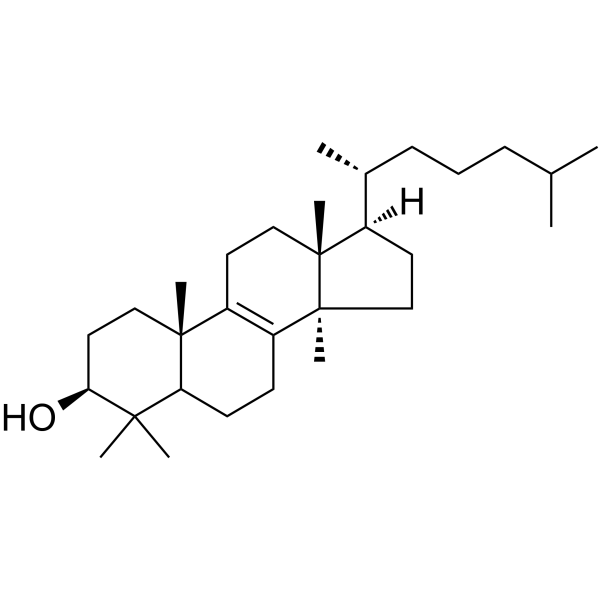
Cat. No.: HY-W040264
CAS No.: 911660-54-3
Synonyms: Lanostenol
24,25-Dihydrolanosterol is a naturally occurring tetracyclic Δ 8-triterpene alcohol that can be found in the seeds of Capsicum annuum. 24,25-Dihydrolanosterol is the initial carbocyclic sterol precursor in animals, fungi, and trypanosomatids, and participates in sterol synthesis .
Cat. No.: HY-164049
CAS No.: 2490544-50-6
Research Areas:  

Inflammation/Immunology

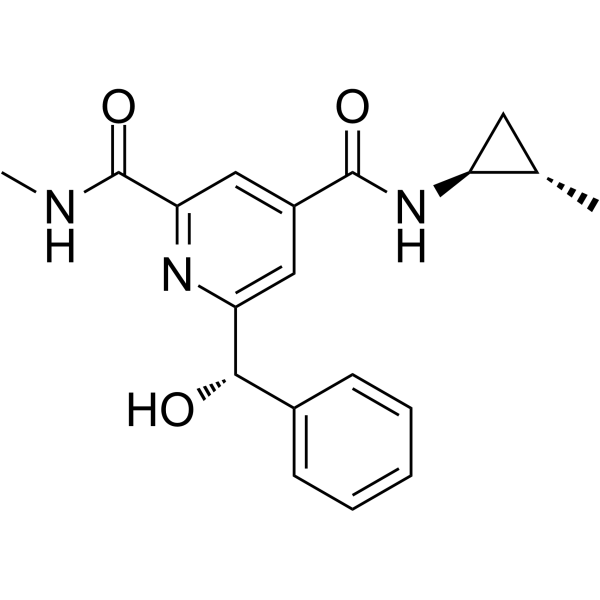
TG8-260 is a second-generation EP2 antagonist developed to alleviate the pathology of central nervous system and peripheral diseases driven by inflammation. TG8-260 can reduce neuroinflammation and gliosis in the hippocampus of rats after pilocarpine-induced persistent epileptic status. Pharmacokinetic data of TG8-260 showed that its plasma half-life was 2.14 hours and its oral bioavailability was 77.3%. TG8-260 is also a potent inhibitor of CYP450 and shows antagonistic activity in inhibiting EP2 receptor-mediated inflammatory gene expression in BV2-hEP2 microglia, which is suitable for studying anti-inflammatory pathways in animal models of peripheral inflammatory diseases .
Cat. No.: HY-34409
CAS No.: 107-86-8
Synonyms: 3-Methylbut-2-en-1-al
3-Methyl-2-butenal (3-Methylbut-2-en-1-al) is an enone aldehyde that occurs in hops (Humulus lupulus L.) .
Cat. No.: HY-131740
CAS No.: 67460-15-5
Synonyms: C7dATP
Target:  

DNA/RNA Synthesis

Research Areas:  

Others

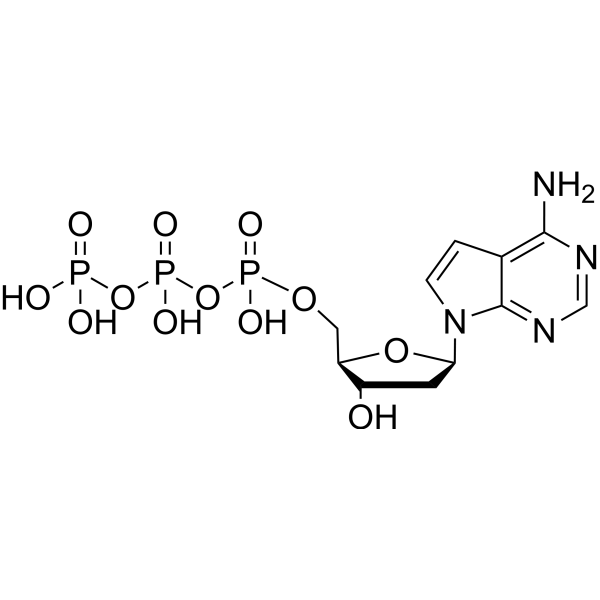
2'-Deoxytubercidin 5'-triphosphate(C7dATP) is a deoxyadenosine triphosphate (dATP) analog, which can reduce the electrophoretic mobility abnormality caused by the compression of G or A residues, and is used to improve the quality of DNA sequencing data .
Cat. No.: HY-113218S
CAS No.: 203805-90-7
Synonyms: O-Acetyl-L-carnitine-d9; ALCAR-d9
Acetyl-L-carnitine-d9 (O-Acetyl-L-carnitine-d9) is deuterium labeled Acetyl-L-carnitine. Acetyl-L-carnitine (O-Acetyl-L-carnitine) is a compound involved in human metabolic research. It has relevant applications in predicting metabolite biomarker changes using the Recon 2 metabolic reconstruction model and integrating and analyzing multiple data types, but its specific activity mechanism is not described in detail based on the existing information .
Cat. No.: HY-129265
CAS No.: 321695-37-8
Research Areas:  

Cancer

Poloxin-2 is a small molecule Plk1 PBD inhibitor that can effectively induce cell mitotic arrest with an EC50 of approximately 15 μM in HeLa cells. Poloxin-2HT was developed by conjugating a hydrophobic tag (HT) to Poloxin-2, a new application of inhibitors targeting protein-protein interactions. Poloxin-2HT significantly enhanced the effects on cell viability and apoptosis by selectively degrading Plk1 protein, and its effect was stronger than that of untagged Poloxin-2. These data validate hydrophobic tags as a new strategy for targeting and disrupting disease-associated proteins.
Cat. No.: HY-N9274
CAS No.: 100201-57-8
Target:  

Endogenous Metabolite

Research Areas:  

Others

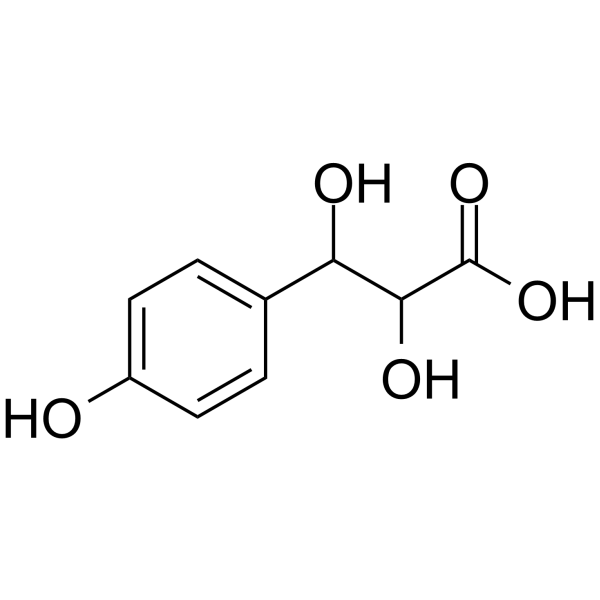
3-Hydroxy-3-(4-hydroxyphenyl)-lactic acid is a key metabolite in the P. roqueforti fermentation approach, with quantitative data of 10.2 ± 1.1 µM in Tyr 1 (presence of L-tyrosine) of .
Cat. No.: HY-131740A
Synonyms: C7dATP sodium
Target:  

DNA/RNA Synthesis

Research Areas:  

Others

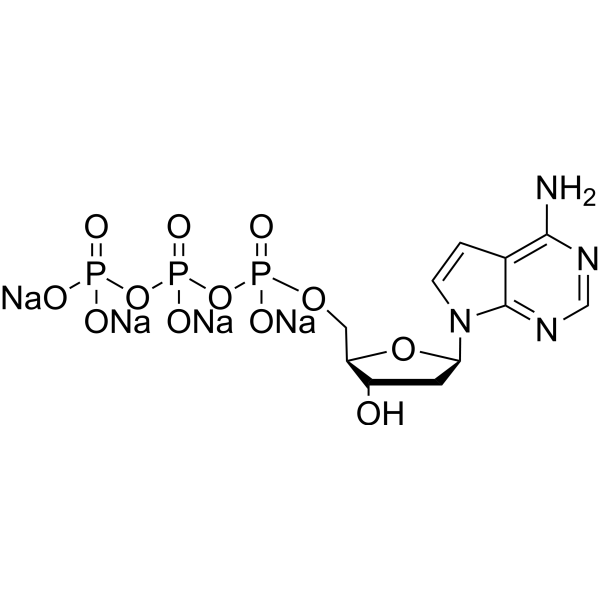
2'-Deoxytubercidin 5'-triphosphate(C7dATP) sodium is a deoxyadenosine triphosphate (dATP) analog, which can reduce the electrophoretic mobility abnormality caused by the compression of G or A residues, and is used to improve the quality of DNA sequencing data .
Cat. No.: HY-132232
CAS No.: 2159137-02-5
Research Areas:  

Cancer

GSK097 is a potent and selective Inhibitor of the second bromodomain (BD2) of the bromodomain and extra-terminal domain (BET) proteins. GSK097 displays 2000-fold selective for BD2 over BD1 (BRD4 data) with >1 mg/mL solubility in FaSSIF media .
Cat. No.: HY-121716
CAS No.: 173485-80-8
Synonyms: Antibiotic 2088A; LL-14I352α
Target:  

Bacterial

Pelagiomicin A is a novel phenazine antibiotic produced by the marine bacterium Pelagiobacter variabilis. The compound is unstable in water and small alcohols. The absolute structure of its major component, Pelagiomicin A, as well as the properties of minor amounts of other structures, were determined by spectroscopic data and synthesis. Pelagiomicin A is active against both Gram-positive and Gram-negative bacteria and exhibits antitumor activity in vitro and in vivo.
Cat. No.: HY-123582
CAS No.: 519052-02-9
Target:  

Opioid Receptor

Research Areas:  

Neurological Disease

CP-866,087 is a novel, potent and selective μ-opioid receptor antagonist with activity to inhibit opioid effects. CP-866,087 has shown promising preclinical efficacy data in disease models associated with alcohol consumption. CP-866,087 has also been used to study female sexual dysfunction .
Cat. No.: HY-118205
CAS No.: 637772-75-9
Target:  

Bacterial

Research Areas:  

Infection

SCH-538415 is a novel acyl carrier protein synthase inhibitor isolated from an unknown bacterial microorganism. The structural elucidation of compound 1 was completed by analyzing spectral data including UV, MS and 2D-NMR spectra. Compound 1 showed inhibitory activity in the acyl carrier protein synthase (AcpS) test with an IC50 value of 4.19 μM and exhibited antibacterial activity against Staphylococcus aureus in the agar diffusion test.
Cat. No.: HY-N12964
CAS No.: 106941-27-9
4-Hydroxycanthin-6-one is a novel quinoline alkaloid isolated from the stem bark of the tree Ailanthus altissima. Five other known compounds were also found in the study. The structures of the new compounds were determined by interpretation of physical and spectroscopic data, and their absolute configurations were determined by electronic circular dichroism spectroscopy and quantum chemical calculations. These compounds showed significant inhibitory activity against lipopolysaccharide (LPS)-induced nitric oxide (NO) production in RAW 264.7 cells, showing potential anti-inflammatory properties .
Cat. No.: HY-107748A
CAS No.: 219655-57-9
Synonyms: 5'-GNTI TFA
Target:  

Endogenous Metabolite

Research Areas:  

Neurological Disease

5'-Guanidinonaltrindole TFA is a selective kappa-opioid receptor antagonist with significant opioid antagonist activity. 5'-Guanidinonaltrindole TFA exhibits 5 times the antagonistic potency of the prototypical kappa-opioid receptor antagonist norbinatorphimine in smooth muscle preparations, with a selectivity ratio exceeding 500 times. Binding and functional studies of 5'-Guanidinonaltrindole TFA showed pA(2) values comparable to smooth muscle data. 5'-Guanidinonaltrindole TFA is regarded as a potentially valuable pharmacological tool for studying opioids due to its high selectivity and potency .
Cat. No.: HY-167680
CAS No.: 483369-58-0
Synonyms: GSK823093
Target:  

Endogenous Metabolite

Research Areas:  

Metabolic Disease

Denagliptin (GSK823093) is a small molecule dipeptidyl peptidase IV (DPP-4) inhibitor with activity for the suppression of endocrine and metabolic diseases. Denagliptin can be used to study type 2 diabetes. Denagliptin is stable in the solid state but degrades in solution and in mixtures with various excipients. Denagliptin also exhibits degradation in capsules, mainly through cyclization reactions to form (3S,7S,8aS) aminoamines to provide further synthetic materials. The degradation pathway of Denagliptin was elucidated, providing data to support its formulation development and regulatory filings .
Cat. No.: HY-12193
CAS No.: 556835-30-4
Target:  

Histamine Receptor

Research Areas:  

Others

A-349821 is a histamine H3 receptor antagonist characterized as a radioligand ([3H]-A-349821) for in vivo receptor occupancy assessment. In rats, [3H]-A-349821 penetrated the brain, showing higher levels in the cortex compared to the cerebellum, indicating selective H3 receptor binding. Its cortical occupancy was saturable, correlating with in vitro binding data. Inhibition studies with ABT-239 and other H3 antagonists showed dose-dependent reductions in receptor occupancy, matching blood levels associated with cognitive efficacy in preclinical models. [3H]-A-349821 thus serves as a valid tracer for H3 receptor occupancy, aiding in the development and clinical interpretation of H3 receptor antagonists .
Cat. No.: HY-137055
CAS No.: 1171824-96-6
Target:  

Others

Research Areas:  

Others

PF-3774076 is a highly central nervous system (CNS) penetrant, potent, and selective human α1A-adrenoceptor partial agonist. It exhibits good potency and selectivity in multiple binding and functional assays. PF-3774076 increases peak urethral pressure in anesthetized female dogs in a dose-dependent manner via a central mechanism. PF-3774076 affects both the proximal and distal portions of the urethra in vivo. These properties suggest that PF-3774076 may have significant benefit in the treatment of stress urinary incontinence (SUI) as a CNS-penetrant α1A receptor partial agonist. However, despite its partial agonism and selectivity for α1A receptors, PF-3774076 failed to provide adequate safety differences in in vivo models of cardiovascular function. This may be due to the simultaneous activation of both peripheral and central α1A receptors. These data suggest that while central α1A partial agonists may have significant benefit in the treatment of SUI, this class of agents may have difficulty achieving the desired urethral selectivity without affecting cardiovascular function.

