Search Result
Results for "
Diphenyl
" in MedChemExpress (MCE) Product Catalog:
5
Biochemical Assay Reagents
36
Isotope-Labeled Compounds
| Cat. No. |
Product Name |
Target |
Research Areas |
Chemical Structure |
-
- HY-112053
-
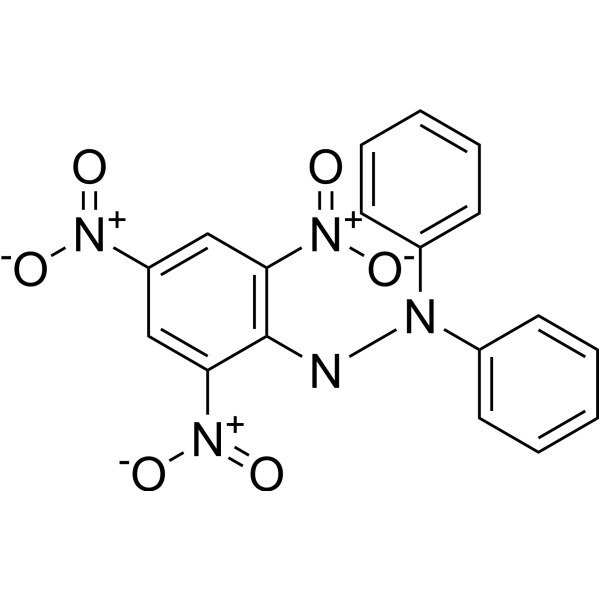
DPPH
Maximum Cited Publications
46 Publications Verification
2,2-Diphenyl-1-picrylhydrazyl
|
Reactive Oxygen Species (ROS)
|
Metabolic Disease
|
|
DPPH (2,2-Diphenyl-1-picrylhydrazyl) is a stable free radical that can be used to measure the radical scavenging activity of antioxidants. The odd electron of nitrogen atom in DPPH is reduced by receiving a hydrogen atom from antioxidants to the corresponding hydrazine. DPPH method may be utilized in aqueous and nonpolar organic solvents and can be used to examine both hydrophilic and lipophilic antioxidants .
|
-
-
- HY-D0970
-
|
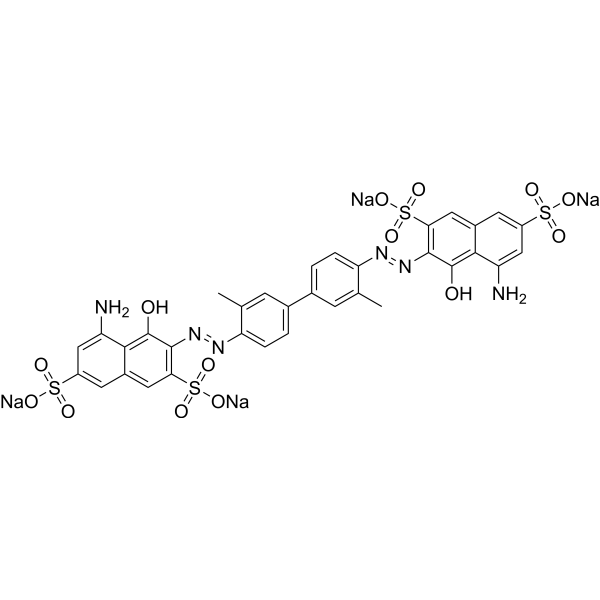
Direct Blue 14; Trypan Blue
|
Fluorescent Dye
|
Others
|
|
Diphenyl Blue (Trypan Blue) is a cell active dye, the most commonly used dye for the identification of dead cells, of en used to test cell membrane integrity and cell viability. Diphenyl Blue staining is one of the methods for tissue and cell culture. When cells are deactivated or have incomplete cell membranes, Diphenyl Blue can stain them Blue. Normal living cells with intact cell membranes reject Diphenyl blue and do not stain them blue. However, macrophages are capable of phagocytosis of Diphenyl Blue, so it can be used as a living stain for macrophages .
|
-
-
- HY-W074143
-
|
|
Fluorescent Dye
|
Others
|
|
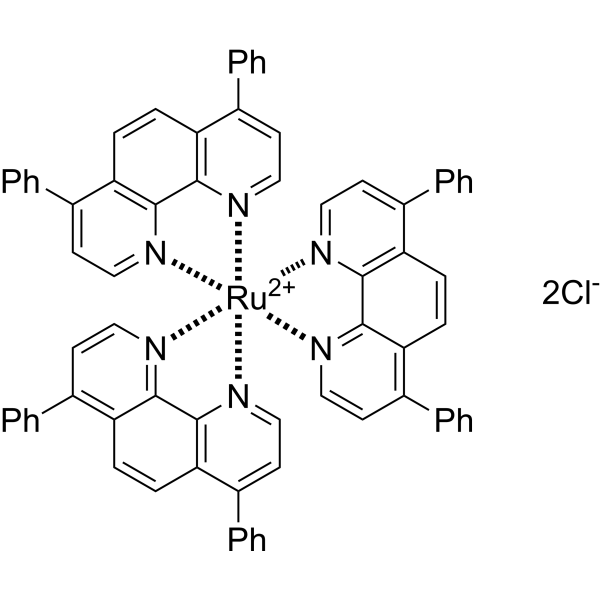
Tris(4,7-diphenyl-1,10-phenanthroline)ruthenium(II) dichloride ([Ru(dpp)3] 2+) is an electrochemiluminescent (ECL) probe and oxygen-sensitive sensor. Tris(4,7-diphenyl-1,10-phenanthroline)ruthenium(II) dichloride can be used to modify electrode surfaces for the detection of sulfates (S2O8 2-) and oxalates, based on electrochemical reactions that generate excited-state species, releasing photons through irreversible redox reactions. Tris(4,7-diphenyl-1,10-phenanthroline)ruthenium(II) dichloride utilizes the oxygen quenching of fluorescence mechanism, where fluorescence intensity reflects the metabolic rate of living microorganisms or oxygen levels within cells/tumors, allowing for real-time detection. Tris(4,7-diphenyl-1,10-phenanthroline)ruthenium(II) dichloride's main applications include microbial detection, antibacterial activity studies, and tumor microenvironment research .
|
-
-
- HY-118159
-
|
DPPP
|
Fluorescent Dye
|
Others
|
|
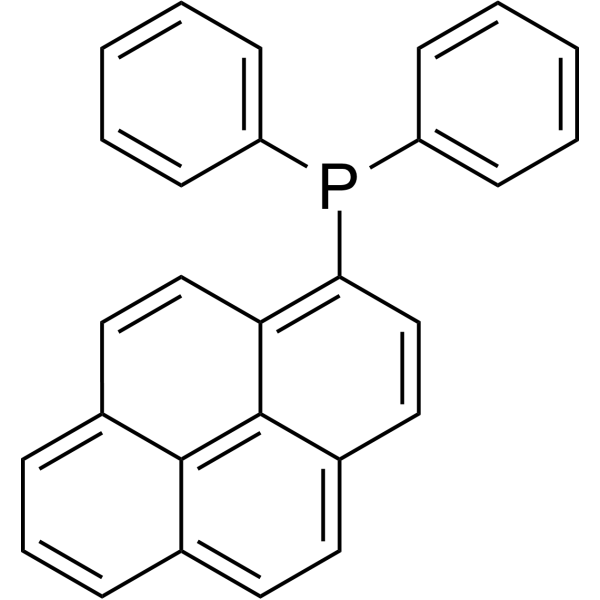
Diphenyl-1-pyrenylphosphine (DPPP) is a functional organic molecule with both fluorescent properties and metal coordination ability, which is commonly used in materials and coordination chemistry research. Upon exposure to ultraviolet light, Diphenyl-1-pyrenylphosphine undergoes photoinduced phosphorus atom oxidation to form O-DPPP, triggering a transition from aggregation-induced emission (AIE) to aggregation-caused quenching (ACQ). Diphenyl-1-pyrenylphosphine reacts stoichiometrically with lipid hydroperoxides to produce fluorescent diphenyl-1-pyrenylphosphine oxide. Diphenyl-1-pyrenylphosphine can insert into cell membranes to monitor lipid peroxidation processes in living cells .
|
-
-
- HY-W008151
-
|
|
Mitochondrial Metabolism
Carnitine Palmitoyltransferase (CPT)
|
Metabolic Disease
|
|
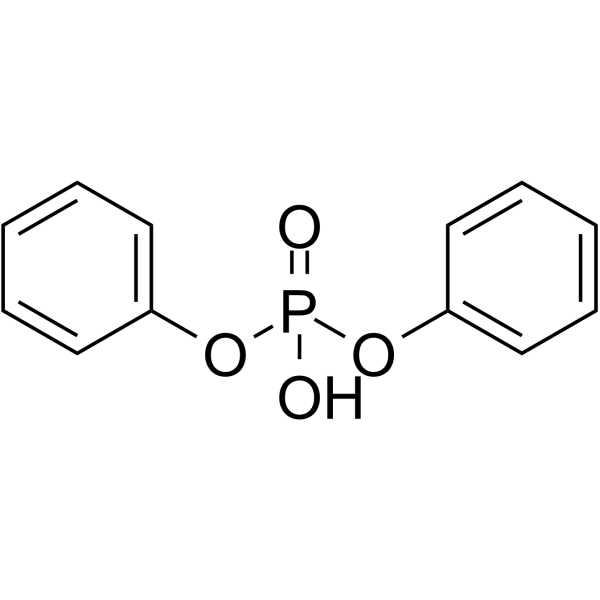
Diphenyl Phosphate inhibits growth and energy metabolism in zebrafish and mice in a sex-specific manner. Diphenyl Phosphate can inhibit the activity of SDH (respiratory complex II), reduce the expression of CPT1 and disrupts the integrity of the mitochondrial membrane. Diphenyl Phosphate may be used in research on metabolic diseases .
|
-
-
- HY-Y1177
-
|
Phenyl disulfide
|
PI3K
Akt
mTOR
Ferroptosis
Apoptosis
Autophagy
Glutathione Peroxidase
Keap1-Nrf2
|
Cancer
|
|
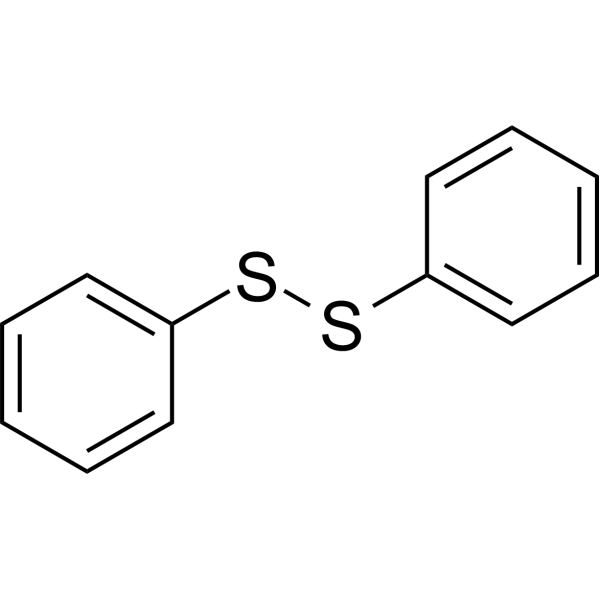
Diphenyl disulfide (Phenyl disulfide) is an organic disulfide compound. Diphenyl disulfide inhibits the PI3K/AKT/mTOR pathway, and induces ferroptosis (ferroptosis), apoptosis (apoptosis) and autophagy (autophagy) in cancer cells. Diphenyl disulfide downregulates GPX4 expression, inhibits NRF2 phosphorylation, induces lipid peroxidation, promotes xCT ubiquitination, induces proteolytic cleavage of p21 Bax into p18 Bax, and suppresses cell proliferation and viability. Diphenyl disulfide can be used in research related to melanoma and breast cancer .
|
-
-
- HY-W009066
-
|
EHDPP; Octicizer
|
PPAR
Progesterone Receptor
Estrogen Receptor/ERR
|
Endocrinology
|
|
2-Ethylhexyl diphenyl phosphate is an organophosphate flame retardants (OPFRs) and a PPARG agonist (EC20: 2.04 µM). 2-Ethylhexyl diphenyl phosphate also inhibits ERRγ transcriptional activity (IC50: 1.3 µM). 2-Ethylhexyl diphenyl phosphate upregulates 3β-HSD1, human chorionic gonadotropin (hCG) and progesterone secretion. 2-Ethylhexyl diphenyl phosphate can be used in studies of female reproduction and fetal development .
|
-
-
- HY-W399311
-
|
|
Drug Metabolite
|
Others
|
|
4-Hydroxyphenyl diphenyl phosphate is a hydroxylated metabolite of organophosphate flame retardant .
|
-
-
- HY-112053R
-
|
2,2-Diphenyl-1-picrylhydrazyl (Standard)
|
Reactive Oxygen Species (ROS)
Reference Standards
|
Metabolic Disease
|
|
DPPH (Standard) is the analytical standard of DPPH. This product is intended for research and analytical applications. DPPH (2,2-Diphenyl-1-picrylhydrazyl) is a stable free radical that can be used to measure the radical scavenging activity of antioxidants. The odd electron of nitrogen atom in DPPH is reduced by receiving a hydrogen atom from antioxidants to the corresponding hydrazine. DPPH method may be utilized in aqueous and nonpolar organic solvents and can be used to examine both hydrophilic and lipophilic antioxidants .
|
-
-
- HY-W011787
-
|
N,N′-Diphenyl-p-phenylenediamine
|
Reactive Oxygen Species (ROS)
|
Metabolic Disease
|
|
DPPD (N,N′-Diphenyl-p-phenylenediamine) is an orally active polymerization inhibitor and antioxidant with antioxidative activity. DPPD causes reproductive/developmental toxicity in rats. DPPD is widely used in rubber, oils, and feedstuffs, especially for tires in the rubber industry .
|
-
-
- HY-W250743
-
|
|
Biochemical Assay Reagents
|
Others
|
|
Cresyl diphenyl phosphate is a compound that disrupts lipid homeostasis in zebrafish embryos, causing alterations in lipid content and lipidomic profiles, as well as affecting gene expression and energy homeostasis. |
|
-
-
- HY-W718423
-
|
IDPP
|
DNA/RNA Synthesis
MDM-2/p53
|
Cancer
|
|
Isodecyl diphenyl phosphate (IDPP) is a flame retardant. Isodecyl diphenyl phosphate induces cytotoxicity, DNA damage, mitochondrial dysfunction and oxidative stress in cancer cells, and mediates DNA damage and cell cycle arrest via a p53-dependent pathway .
|
-
-
- HY-W008432
-
-
-
- HY-N2185
-
|
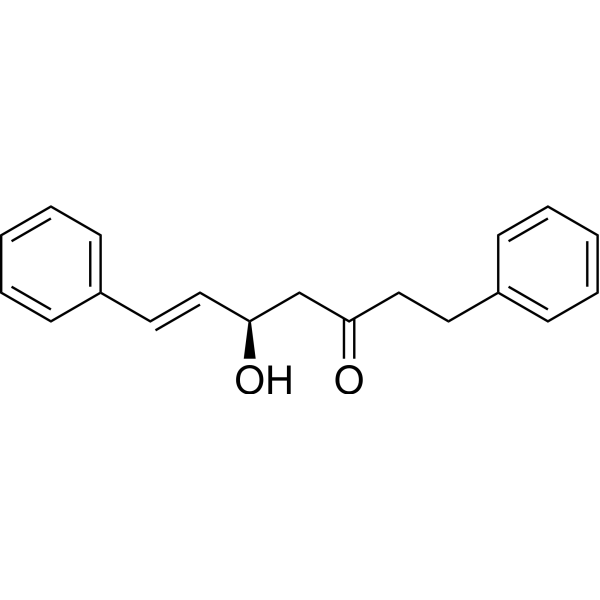
(5R)-trans-1,7-Diphenyl-5-hydroxy-6-hepten-3-one
|
Others
|
Inflammation/Immunology
|
|
(5R,6E)-5-Hydroxy-1,7-diphenyl-6-hepten-3-one is the methylene chloride extract of Alpinia nutans, has antioxidant activity .
|
-
-
- HY-B0230S
-
|
|
COX
|
Inflammation/Immunology
|
|
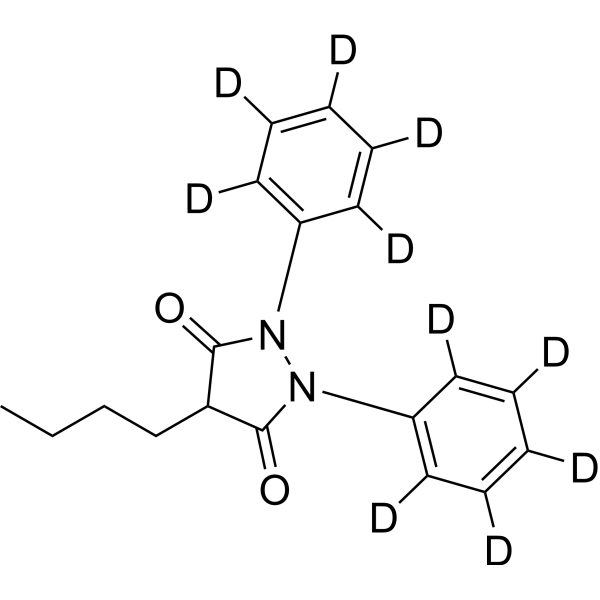
Phenylbutazone(diphenyl-d10) is the deuterium labeled Phenylbutazone. Phenylbutazone is an efficient reducing cofactor for the peroxidase activity of prostaglandin H synthase (PHS). Phenylbutazone, a hepatotoxin, is a nonsteroidal anti-inflammatory agent (NSAID). Phenylbutazone induces muscle blind-like protein 1 (MBNL1) expression and has the potential for ankylosing spondylitis research .
|
-
-
- HY-W075433
-
|
5,15-Di(4-Pyridyl)-10,20-Diphenylporphyrin
|
MOFs
|
Others
|
|
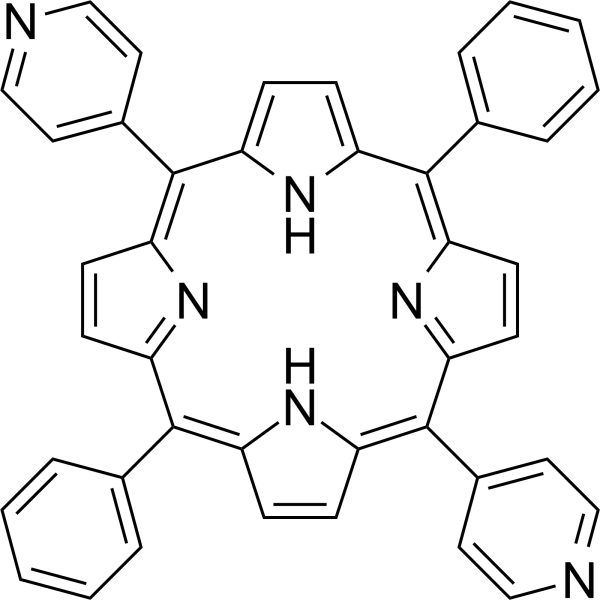
5,15-Diphenyl-10,20-di(pyridin-4-yl)porphyrin is a biochemical reagent that can be used as a biological material or organic compound for life science related research.
|
-
-
- HY-W877743
-
|
p-t-Butylphenyl Diphenyl phosphate
|
Biochemical Assay Reagents
|
Others
|
|
4-(tert-Butyl)phenyl diphenyl phosphate (p-t-Butylphenyl diphenyl phosphate) is mainly used as a flame retardant and lubricant.
|
-
-
- HY-W549227
-
-
-
- HY-N10405
-
|
|
Keap1-Nrf2
|
Metabolic Disease
|
|
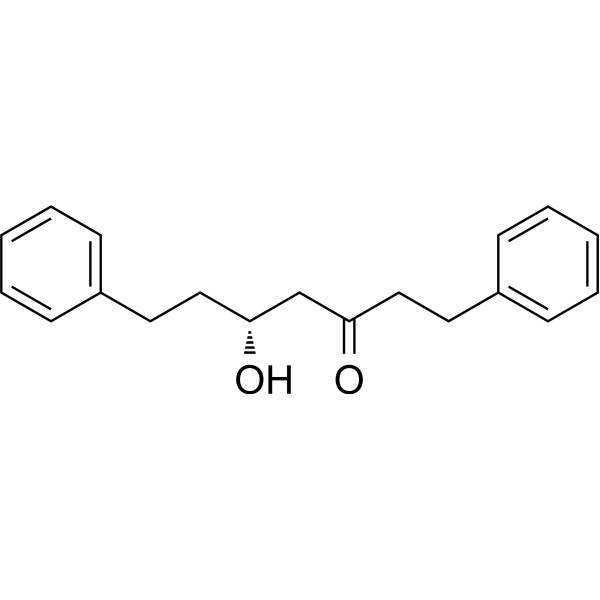
(R)-5-Hydroxy-1,7-diphenyl-3-heptanone is a diarylheptanoid that can be found in Alpinia officinarum. (R)-5-Hydroxy-1,7-diphenyl-3-heptanone ameliorates oxidative stress and insulin resistance via activation of Nrf2/ARE pathway .
|
-
-
- HY-D0059
-
|
DIB-Cl
|
Fluorescent Dye
|
Others
|
|
4-(4,5-Diphenyl-1H-imidazol-2-yl)benzoyl chloride (DIB-Cl) is a fluorescent labeling reagent. 4-(4,5-Diphenyl-1H-imidazol-2-yl)benzoyl chloride can be used for labeling amines and successfully being applied to determine activator amines by HPLC .
|
-
-
- HY-W008151R
-
|
|
Mitochondrial Metabolism
Reference Standards
|
Metabolic Disease
|
|
Diphenyl Phosphate inhibits growth and energy metabolism in zebrafish and mice in a sex-specific manner. Diphenyl Phosphate can inhibit the activity of SDH (respiratory complex II), reduce the expression of CPT1 and disrupts the integrity of the mitochondrial membrane. Diphenyl Phosphate may be used in research on metabolic diseases .
|
-
-
- HY-W011599
-
-
-
- HY-W112057
-
-
-
- HY-B1966R
-
|
|
Reference Standards
Others
|
|
|
Diphenyl phthalate (Standard) is the analytical standard of Diphenyl phthalate. This product is intended for research and analytical applications.
|
-
-
- HY-Y0339S
-
-
-
- HY-W716999
-
-
-
- HY-142784S
-
-
-
- HY-W877663
-
-
-
- HY-Y0339S1
-
|
|
Isotope-Labeled Compounds
|
Others
|
|
Diphenyl ether-d4 is the deuterium labeled Diphenyl ether (HY-Y0339). Oxydibenzene is a biochemical reagent that can be used as a biological material or organic compound for life science related research .
|
-
-
- HY-Y1177R
-
|
Phenyl disulfide (Standard)
|
PI3K
Akt
mTOR
Ferroptosis
Apoptosis
Autophagy
Glutathione Peroxidase
Keap1-Nrf2
|
Cancer
|
|
Diphenyl disulfide (Standard) is an analytical standard for diphenyl disulfide (HY-Y1177). This product is intended for research and analytical applications. Diphenyl disulfide (Phenyl disulfide) is an organic disulfide compound. Diphenyl disulfide inhibits the PI3K/AKT/mTOR pathway, and induces ferroptosis (ferroptosis), apoptosis (apoptosis) and autophagy (autophagy) in cancer cells. Diphenyl disulfide downregulates GPX4 expression, inhibits NRF2 phosphorylation, induces lipid peroxidation, promotes xCT ubiquitination, induces proteolytic cleavage of p21 Bax into p18 Bax, and suppresses cell proliferation and viability. Diphenyl disulfide can be used in research related to melanoma and breast cancer .
|
-
-
- HY-N13364
-
|
|
Others
|
Others
|
|
3-Hydroxy-1,5-diphenyl-1-pentanone is a natural product .
|
-
-
- HY-142537S
-
-
-
- HY-W713473
-
|
|
Isotope-Labeled Compounds
|
Others
|
|
4-Isopropylphenyl Diphenyl Phosphate-d10 is the deuterium labeled 4-(1-Methylethyl)phenyl diphenyl phosphate (HY-W588268).
|
-
-
- HY-W713471
-
|
|
Isotope-Labeled Compounds
|
Others
|
|
2-Isopropylphenyl Diphenyl Phosphate-d10 is the deuterium labeled 2-(1-Methylethyl)phenyl diphenyl phosphate (HY-W588267).
|
-
-
- HY-W162983
-
|
|
COX
|
Neurological Disease
Inflammation/Immunology
|
|
3,4-Diphenyl-5H-furan-2-one is a natural compound isolated from the endophytic fungus Aspergillus flavipes AIL8 derived from the mangrove plant Acanthus ilicifolius. 3,4-Diphenyl-5H-furan-2-one is a derivative of 2,3-diphenyltetrahydrofuran (DPTF), which is a COX-2 inhibitor. 3,4-Diphenyl-5H-furan-2-one can be used as a lead compound for inflammation and pain .
|
-
-
- HY-W008151S
-
|
DPhP-d10
|
Isotope-Labeled Compounds
|
Metabolic Disease
|
|
Diphenyl Phosphate-d10 (DPhP-d10) is the deuterium labled Diphenyl Phosphate (HY-W008151). Diphenyl Phosphate inhibits growth and energy metabolism of zebrafish in a sex-specific manner.
|
-
-
- HY-W717661
-
-
-
- HY-W719518
-
-
-
- HY-W588268
-
-
-
- HY-W588267
-
-
-
- HY-N8826
-
-
-
- HY-W704321
-
|
|
Bacterial
|
Infection
|
|
Diploicin is a diphenyl ether lactone compound with anti-gram-positive bacteria activity, which is found in lichens .
|
-
-
- HY-N2185R
-
|
(5R)-trans-1,7-Diphenyl-5-hydroxy-6-hepten-3-one (Standard)
|
Reference Standards
Others
|
Inflammation/Immunology
|
|
(5R,6E)-5-Hydroxy-1,7-diphenyl-6-hepten-3-one (Standard) is the analytical standard of (5R,6E)-5-Hydroxy-1,7-diphenyl-6-hepten-3-one. This product is intended for research and analytical applications. (5R,6E)-5-Hydroxy-1,7-diphenyl-6-hepten-3-one is the methylene chloride extract of Alpinia nutans, has antioxidant activity .
|
-
-
- HY-W276446
-
|
|
Cholinesterase (ChE)
|
Inflammation/Immunology
|
|
1,1-Diphenyl-4-(pyrrolidin-1-yl)but-2-yn-1-ol is an anticholinergic agent. 1,1-Diphenyl-4-(pyrrolidin-1-yl)but-2-yn-1-ol has the potential for the research of bronchial asthma . 1,1-Diphenyl-4-(pyrrolidin-1-yl)but-2-yn-1-ol is a click chemistry reagent, it contains an Alkyne group and can undergo copper-catalyzed azide-alkyne cycloaddition (CuAAc) with molecules containing Azide groups.
|
-
-
- HY-W751145
-
-
-
- HY-N8997
-
|
|
Others
|
Others
|
|
5-Hydroxy-1,7-diphenyl-4E,6E-dien-3-heptanone is a diarylheptanoid that can be found in dried rhizomes of Alpinia officinarum (Liangjiang) .
|
-
-
- HY-116710
-
|
|
FAAH
|
Others
|
|
3-Decyl-5,5'-diphenyl-2-thioxo-4-imidazolidinone (compound 45) is a potential inhibitor of fatty acid amide hydrolase (FAAH) (pI50: 5.89) and is active against CB(1) and CB(2) ) Lack of affinity for cannabinoid receptors .
|
-
-
- HY-166931S
-
-
-
- HY-W092778S
-
-
-
- HY-W008709
-
|
|
Biochemical Assay Reagents
|
Others
|
|
4-(4,5-Diphenyl-1H-imidazol-2-yl)phenol is an organic compound commonly used in fluorescent dyes and catalysts. It can be used to prepare some organic light-emitting diodes (OLEDs) and organic solar cells, and is widely used in chemical sensors and analytical instruments. In addition, this compound is used as a catalyst or buffer in certain chemical reactions.
|
-
- HY-163977
-
|
2,2-Diphenyl-1,3-dioxa-2-silacyclooct-5-ene
|
Biochemical Assay Reagents
|
Others
|
|
Silyl-ether based ROMP Monomer (2,2-Diphenyl-1,3-dioxa-2-silacyclooct-5-ene) is a biochemical reagent that can be used in the synthesis of advanced polymer materials for biomedical applications, including drug delivery vehicles and hydrogels .
|
-
- HY-W715357S
-
-
- HY-W009106R
-
|
Bispyrazolone (Standard)
|
Reference Standards
|
|
|
3,3'-Dimethyl-1,1'-diphenyl-1H,1'H-[4,4'-bipyrazole]-5,5'(4H,4'H)-dione (Standard) is the analytical standard of 3,3'-Dimethyl-1,1'-diphenyl-1H,1'H-[4,4'-bipyrazole]-5,5'(4H,4'H)-dione. This product is intended for research and analytical applications.
|
-
- HY-W587423S
-
|
|
Isotope-Labeled Compounds
|
Others
|
|
2,2′,3,3′,4,4′,5,5′,6-Nonabromo diphenyl ether- 13C12 is 13C labeled 2,2′,3,3′,4,4′,5,5′,6-Nonabromodiphenyl ether .
|
-
- HY-W011244S
-
-
- HY-W717687
-
|
Phosphoric acid, dodecyl Diphenyl ester-d10
|
Isotope-Labeled Compounds
|
Others
|
|
Alkyl diphenyl phosphate-d10 (Phosphoric acid, dodecyl diphenyl ester-d10) is the deuterium labeled Alkyl diphenyl phosphate.
|
-
- HY-W112831
-
|
1,1-Diphenyl-4,4-bipyridinium dichloride
|
MOFs
|
Others
|
|
1,1'-Diphenyl-[4,4'-bipyridine]-1,1'-diium chloride(1,1-Diphenyl-4,4-bipyridinium dichloride) is a metal-organic framework (MOF).
|
-
- HY-W717660
-
-
- HY-W1049864
-
|
|
MOFs
|
Others
|
|
5,5'-Diphenyl-2,2'-bipyridine is a metal-organic framework (MOF).
|
-
- HY-W112599
-
|
|
MOFs
|
Others
|
|
2,6-Diphenyl-4,4'-bipyridine is a metal-organic framework (MOF).
|
-
- HY-W717666
-
-
- HY-N9698
-
|
|
Others
|
Others
|
|
1,5-Diphenyl-2-penten-1-one is a natural product extracted from Stellera chamaejasme. 1,5-Diphenyl-2-penten-1-one has strong contact activity and very good anti-feedant activity against Aphis gossypii and Schizaphis graminum .
|
-
- HY-W016174
-
|
|
Biochemical Assay Reagents
|
Others
|
|
Diphenyl sulfide can be used as an additive into PTB7-Th:PC71BM-based inverted polymer solar cells. Diphenyl sulfide can regulate the vertical composition distribution and enhance the ordered molecular packing of the photoactive layer, thereby driving exciton dissociation and charge transport .
|
-
- HY-W016324S
-
-
- HY-B1942
-
-
- HY-B1966S
-
-
- HY-W075313
-
|
5,15-Diphenyl-10,20-di(4-carboxyphenyl)porphine
|
MOFs
|
Others
|
|
4,4′-(10,20-Diphenyl-21H,23H-porphine-5,15-diyl)bis[benzoic acid] (5,15-Diphenyl-10,20-di(4-carboxyphenyl)porphine) is a metal-organic framework (MOF).
|
-
- HY-W701048
-
|
|
Isotope-Labeled Compounds
|
Others
|
|
Diphenyl(pyridin-2-yl)methanol-d5 hydrochloride is the deuterium labeled Diphenyl(pyridin-2-yl)methanol hydrochloride (HY-W701049).
|
-
- HY-W103735
-
|
|
MOFs
|
Others
|
|
3,5-Diphenyl-4H-1,2,4-triazole is a metal-organic framework (MOF).
|
-
- HY-W243992
-
|
|
MOFs
|
Others
|
|
2,2'-Diphenyl-[1,1'-binaphthalene]-4,4'-diamine is a metal-organic framework (MOF).
|
-
- HY-W292263S
-
|
2,4-Diphenyl-6-(2-hydroxy-4-hexyloxyphenyl)-s-triazine-d5
|
Isotope-Labeled Compounds
|
Others
|
|
2-(4,6-Diphenyl-1,3,5-triazin-2-yl)-5-(hexyloxy)phenol-d5 (2,4-Diphenyl-6-(2-hydroxy-4-hexyloxyphenyl)-s-triazine-d5) is deuterium labeled 2-(4,6-Diphenyl-1,3,5-triazin-2-yl)-5-(hexyloxy)phenol .
|
-
- HY-166963S
-
-
- HY-W509970
-
|
|
MOFs
|
Others
|
|
5,10-Diphenyl-15,20-di(pyridin-4-yl)porphyrin is a metal-organic framework (MOF).
|
-
- HY-W112483
-
|
|
MOFs
|
Others
|
|
4-(4,5-Diphenyl-1H-imidazol-2-yl)pyridine is a metal-organic framework (MOF).
|
-
- HY-W128255S
-
|
2-(4,6-Diphenyl-1,3,5-triazine-2-yl)-5-methoxy-xyphenol-d5
|
Isotope-Labeled Compounds
|
Others
|
|
2-(4,6-Diphenyl-1,3,5-triazin-2-yl)-5-methoxyphenol-d5 (2-(4,6-Diphenyl-1,3,5-triazine-2-yl)-5-methoxy-xyphenol-d5) is deuterium labeled 2-(4,6-Diphenyl-1,3,5-triazin-2-yl)-5-methoxyphenol .
|
-
- HY-W128255S1
-
|
2-(4,6-Diphenyl-1,3,5-triazine-2-yl)-5-methoxy-xyphenol-d3
|
Isotope-Labeled Compounds
|
Others
|
|
2-(4,6-Diphenyl-1,3,5-triazin-2-yl)-5-methoxyphenol-d3 (2-(4,6-Diphenyl-1,3,5-triazine-2-yl)-5-methoxy-xyphenol-d3) is deuterium labeled 2-(4,6-Diphenyl-1,3,5-triazin-2-yl)-5-methoxyphenol .
|
-
- HY-N13493
-
|
|
Others
|
Others
|
|
5-Hydroxy-1,7-diphenyl-4-hepten-3-one is a natural product that can be isolated from Alpinia officinarum .
|
-
- HY-W586854
-
|
|
MOFs
|
Others
|
|
2',3'-Diphenyl-[1,1':4',1''-terphenyl]-4,4''-dicarboxylic acid is a metal-organic framework (MOF).
|
-
- HY-121914S
-
-
- HY-23278
-
|
3,6-Diphenyl-9H-Carbazole
|
MOFs
|
Others
|
|
3,6-Biphenyl-9H-carbazole (3,6-Diphenyl-9H-Carbazole) is a metal-organic framework (MOF).
|
-
- HY-166904S
-
-
- HY-166927S
-
-
- HY-W1049784
-
|
|
MOFs
|
Others
|
|
1,2-Diphenyl-1,2-bis(4-(pyridin-4-yl)phenyl)ethene is a metal-organic framework (MOF).
|
-
- HY-W144975
-
|
|
MOFs
|
Others
|
|
2,9-Dimethyl-4,7-diphenyl-1,10-phenanthroline-3,8-disulfonic acid is a metal-organic framework (MOF).
|
-
- HY-W144965
-
|
|
MOFs
|
Others
|
|
Sodium 2,9-dimethyl-4,7-diphenyl-1,10-phenanthroline-3,8-disulfonate is a metal-organic framework (MOF).
|
-
- HY-W124409
-
|
|
MOFs
|
Others
|
|
P,P′-[(1,2-Diphenyl-1,2-ethenediyl)di-4,1-phenylene] bis(dihydrogen phosphate) is a metal-organic framework (MOF).
|
-
- HY-166894S
-
|
|
Isotope-Labeled Compounds
|
Others
|
|
3,3′,4,4′,5,5′-Hexabromo diphenyl ether- 13C12 is 13C labeled 3,3′,4,4′,5,5′-Hexabromo diphenyl ether .
|
-
- HY-166926S
-
|
|
Isotope-Labeled Compounds
|
Others
|
|
2,2′,3,4,5,5′-Hexachloro diphenyl ether- 13C12 is 13C labeled 2,2′,3,4,5,5′-Hexachloro diphenyl ether .
|
-
- HY-166950S
-
|
|
Isotope-Labeled Compounds
|
Others
|
|
2,2′,3,4,4′,6-Hexabromo diphenyl ether- 13C12 is 13C labeled 2,2′,3,4,4′,6-Hexabromo diphenyl ether .
|
-
- HY-76595S1
-
-
- HY-W412612
-
|
Benzenamine,4-(2,6-Diphenyl-4-pyridinyl)
|
MOFs
|
Others
|
|
4-(2,6-Diphenylpyridin-4-yl)aniline (Benzenamine,4-(2,6-diphenyl-4-pyridinyl)) is a metal-organic framework (MOF).
|
-
- HY-W543249
-
|
|
MOFs
|
Others
|
|
4,4'-(15,20-Diphenyl-21H,23H-porphine-5,10-diyl)bis[benzenamine] is a metal-organic framework (MOF).
|
-
- HY-W243956
-
|
|
MOFs
|
Others
|
|
4,4′-(10,20-Diphenyl-21H,23H-porphine-5,15-diyl)bis[phenol] is a metal-organic framework (MOF).
|
-
- HY-W075314
-
|
|
MOFs
|
Others
|
|
4,4′-(15,20-Diphenyl-21H,23H-porphine-5,10-diyl)bis[phenol] is a metal-organic framework (MOF).
|
-
- HY-W456361
-
|
|
MOFs
|
Others
|
|
4,4′-(15,20-Diphenyl-21H,23H-porphine-5,10-diyl)bis-Benzoic acid is a metal-organic framework (MOF).
|
-
- HY-185173
-
|
|
TRP Channel
|
Others
|
|
(E)-3-Benzodioxol-5-yl-N,N-diphenyl-2-propenamide is a chemically synthesized flavoring substance and can be found in toothpaste products. (E)-3-Benzodioxol-5-yl-N,N-diphenyl-2-propenamide is non-genotoxic, shows no genotoxic activity in bacterial reverse mutation and in vitro mammalian cell micronucleus assays. (E)-3-Benzodioxol-5-yl-N,N-diphenyl-2-propenamide does not induce prenatal developmental toxicity in rats .
|
-
- HY-W075310
-
|
4,4'-(1,2-Diphenylvinyl)-1,2-di-(phenylcarboxylic acid)
|
MOFs
|
Others
|
|
4,4'-(1,2-Diphenyl-1,2-ethenediyl)bis[benzoic acid](4,4'-(1,2-Diphenylvinyl)-1,2-di-(phenylcarboxylic acid)) is a metal-organic framework (MOF).
|
-
- HY-W075319
-
|
1,1-Diphenyl-2,2-di(4-bromomethyl-phenyl)ethylene
|
MOFs
|
Others
|
|
4,4'-(2,2-Diphenylethene-1,1-diyl)bis((bromomethyl)benzene)(1,1-diphenyl-2,2-di(4-bromomethyl-phenyl)ethylene) is a metal-organic framework (MOF).
|
-
- HY-W456420
-
|
1,1-Diphenyl-2,2-di[4-(4-phenylphenyl)pyridine]ethylene
|
MOFs
|
Others
|
|
4,4'-((2,2-Diphenylethene-1,1-diyl)bis(4,1-phenylene))dipyridine(1,1-Diphenyl-2,2-di[4-(4-phenylphenyl)pyridine]ethylene) is a metal-organic framework (MOF).
|
-
- HY-166908S
-
|
|
Isotope-Labeled Compounds
|
Others
|
|
2,2',3,3',4,4',5,6,6'-Nonabromo diphenyl ether- 13C12 is 13C labeled 1,2,3,4,5-Pentabromo-6-(2,3,4,6-tetrabromophenoxy)benzene .
|
-
- HY-W103498
-
|
|
Biochemical Assay Reagents
|
Others
|
|
N4,N4'-Diphenyl-N4,N4'-bis(9-phenyl-3-carbazolyl)biphenyl-4,4'-diamine (Compound HT-01) is a biochemical reagent. N4,N4'-Diphenyl-N4,N4'-bis(9-phenyl-3-carbazolyl)biphenyl-4,4'-diamine can be used in the research of layered semiconductor devices with low-refractive-index organic coatings .
|
-
- HY-119176
-
|
|
Environmental Pollutants
Protoporphyrinogen IX oxidase
Herbicide
|
Others
|
|
Oxyfluorfen is a pre- and post-emergence diphenyl ether herbicide to control annual broad-leaved and grass weeds. Oxyfluorfen is a protoporphyrinogen oxidase inhibitor and inhibits photosynthesis by blocking chlorophyll synthesis. Oxyfluorfen can inhibit cell growth. Oxyfluorfen induces DNA damage and exhibits toxicity toward aquatic organisms such as Paramisgurnus dabryanus. Oxyfluorfen has genome-level deleterious effects on fish that can lead to stunted skeletal growth. Oxyfluorfen induces transverse limb deficiency or craniosynostosis .
|
-
- HY-119176R
-
|
|
Herbicide
Reference Standards
Protoporphyrinogen IX oxidase
|
Others
|
|
Oxyfluorfen (Standard) is the analytical standard of Oxyfluorfen. This product is intended for research and analytical applications. Oxyfluorfen is a pre- and post-emergence diphenyl ether herbicide to control annual broad-leaved and grass weeds. Oxyfluorfen is a protoporphyrinogen oxidase inhibitor and inhibits photosynthesis by blocking chlorophyll synthesis. Oxyfluorfen can inhibit cell growth. Oxyfluorfen induces DNA damage and exhibits toxicity toward aquatic organisms such as Paramisgurnus dabryanus. Oxyfluorfen has genome-level deleterious effects on fish that can lead to stunted skeletal growth. Oxyfluorfen induces transverse limb deficiency or craniosynostosis .
|
-
- HY-121900
-
|
|
PPAR
|
Metabolic Disease
Endocrinology
|
|
LT175, a dual PPARα/γ ligand, is an orally active partial agonist against PPARγ(hPPARα:EC50=0.22 μm; mPPARα:EC50=0.26 μm; hPPARγ:EC50=0.48 μm). LT175 interacts with PPARγ and affects the recruitment of the coregulators cyclic-AMP response element-binding protein-binding protein and nuclear corepressor 1 (NCoR1). LT175 interacts with PPARγ in a hydrophobic region called “diphenyl pocket”. LT175 has potent insulin-sensitizing effects and reduced adipogenic properties .
|
-
- HY-N12472
-
|
|
Aldose Reductase
|
Others
|
|
Floramanoside C shows 2,2-diphenyl-1-picrylhydrazyl scavenging and aldose reductase inhibitory activities .
|
-
- HY-W013343
-
|
|
Biochemical Assay Reagents
|
Others
|
|
Diphenyl-2-pyridylphosphine is a biochemical reagent that can be used as a biological material or organic compound for life science related research.
|
-
- HY-W129561
-
|
|
Biochemical Assay Reagents
|
Others
|
|
Bisphenol A bis(diphenyl phosphate) is a flame retardant. Bisphenol A bis(diphenyl phosphate) shows a crucial condensed phase action in addition to a gas phase action .
|
-
- HY-W456404
-
|
|
MOFs
|
Others
|
|
4-(4-Chlorophenyl)-2,6-diphenylpyridine (2,6-Diphenyl-4--pyridin) is a metal-organic framework (MOF).
|
-
- HY-N7518
-
|
|
MMP
|
Inflammation/Immunology
|
|
Eulophiol shows the 1,1-diphenyl-2-picrylhydrazyl (DPPH) free radical scavenging activity with an EC50 of 27.7μM. Antioxidant activity .
|
-
- HY-N1859
-
-
- HY-W274194
-
|
|
Reactive Oxygen Species (ROS)
|
Others
|
|
Antioxidant agent-7 (SD-7) is a benzodiazepine derivative with antioxidant activity with an IC50 value of 470 nM to scavenge DPPH (2,2-diphenyl-1-picrylhydrazyl) free radical .
|
-
- HY-N12871
-
|
|
Aldose Reductase
|
Others
|
|
Floramanoside D is a flavonol glycoside. Floramanoside D inhibits aldose reductase (IC50 is 2.2 μM), scavenges the 2,2-diphenyl-1-picrylhydrazyl (DPPH) (SC50 is 12.5 μM) .
|
-
- HY-W714006
-
|
|
Reactive Oxygen Species (ROS)
|
Metabolic Disease
|
|
Cochliodinol (compound 1) is a metabolite derived from the Apis mellifera ligustica. Cochliodinol has strong free radical scavenging activity of 2, 2-diphenyl-1-picrohydrazine (DPPH) (IC50=3.06 μg/mL) .
|
-
- HY-N9542
-
|
|
Others
|
Others
|
|
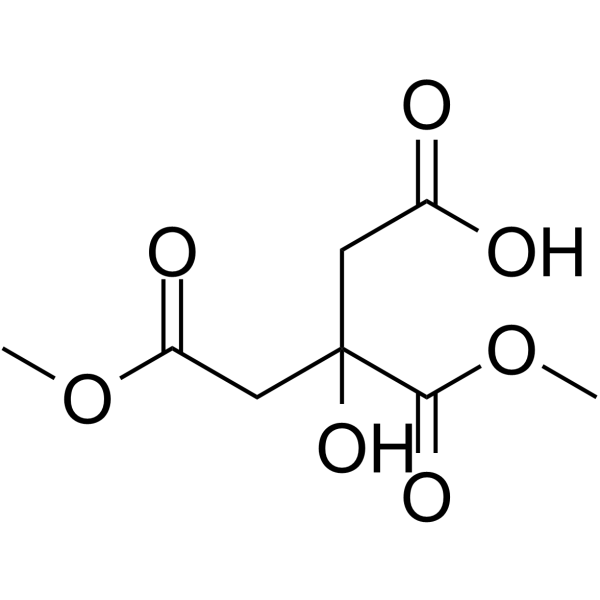
Dimethylurea/citric acid is a highly efficient deep eutectic solvent (DES). Dimethylurea/citric acid can be used as a catalyst and a green reaction medium for the synthesis of bis(indolyl)methanes, quinolines and aryl-4, 5-diphenyl-1H-imidazoles.
|
-
- HY-N10742
-
|
|
Reactive Oxygen Species (ROS)
|
Cardiovascular Disease
|
|
Maritimein is an aurone that can be isolated from Coreopsis tinctoria. Maritimein shows strong diphenyl(2,4,6-trinitrophenyl)iminoazanium (DPPH) radical-scavenging activity with an IC50 value of 4.12 μM. Maritimein can be used for the research of cardiovascular disease .
|
-
- HY-N16406
-
|
|
SOD
|
Metabolic Disease
|
|
Auroglaucin is a potent antioxidant. Auroglaucin shows 1,1-diphenyl-2-picrylhydrazyl (DPPH) radical scavenging capacity and superoxide radical scavenging activity with EC50 value of 74.6, 12.3 µM, respectively. Auroglaucin shows low activity for inhibiting the autoxidation of docosahexaenoic acid (DHA) .
|
-
- HY-N17573
-
|
|
Others
|
Others
|
|
Zizyflavoside B is a diphenyl ether-type biflavonoid. Zizyflavoside B occurs in the leaves of Zizyphus spina-christi (L.) Willd .
|
-
- HY-N9814
-
|
|
NO Synthase
|
Inflammation/Immunology
|
|
Shanciol B, isolated from the ethyl acetate extract of the air-dried whole plant of Pholidota imbricate Hook, inhibits nitric oxide (NO) production and 1,1-diphenyl-2-picrylhydrazil (DPPH) radical scavenging activity . Shanciol B is a microsomal prostaglandin E synthase-1 (mPGES-1) inhibitor with anti-inflammatory activity .
|
-
- HY-122761
-
|
|
mAChR
|
Neurological Disease
|
|
Quifenadine (Compound 3a), the hydroxyl-(diphenyl)methyl quinuclidine derivative, is a M3 receptor antagonist with an IC50 value > 1000 nM. Quifenadine can be used for the research of neurological disease .
|
-
- HY-N11997
-
|
|
Cholinesterase (ChE)
|
Neurological Disease
|
|
Feralolide is a dihydroisocoumarin isolated from the methanolic extract of aloe vera resin. Feralolide is also a dual inhibitor of AChE and BuChE, with IC50s of 55 μg/mL and 52 μg/mL respectively. Feralolide has antioxidant activity and inhibits 2,2-diphenyl-1-picrylhydrazyl (DPPH) and 2, 2′-azinobis-3-ethylbenzothiazoline-6-sulfonic acid (ABTS). Feralolide could be used in research into cognitive disorders such as Alzheimer's disease, potentially restoring and enhancing memory .
|
-
- HY-101605
-
|
|
Dipeptidyl Peptidase
|
Cardiovascular Disease
|
|
Prodipine, a diphenyl-phosphonate derivative. The IC50s of Prodipine for purified and plasma Dipeptidyl peptidase IV (DPP IV) from the rabbit are 4.5 μM and 30 μM, respectively.
|
-
- HY-162691
-
|
|
Herbicide
|
Others
|
|
DEP-5 is an inhibitor of acetohydroxyacid synthase (AHAS) with an inhibition constant of 39.4 μM. DEP-5 is a diphenyl ether-pyrimidine hybrid with herbicidal activity against the Leptochloa chinensis(L.) Nees .
|
-
- HY-P3350
-
|
|
Bacterial
|
Infection
|
|
LS-BF1 is a stable and low toxic cationic antimicrobial peptide. LS-BF1 displays broad spectrum of antibacterial activity, including the challenging ESKAPE pathogens, by cell membrane disruptive mechanism. LS-BF1 shows good in vivo efficacy for elimination of bacteria in a mouse infection model[1].
|
-
- HY-160680
-
|
|
Androgen Receptor
|
Endocrinology
|
|
AR antagonist 6 (compound 6i) is a diphenyl ether androgen receptor (AR) antagonist that binds AR at a concentration of 120 nM. AR antagonist 6 exhibits low toxicity and in vitro activity against the golden Syrian hamster ear model .
|
-
- HY-W710400
-
|
|
Isotope-Labeled Compounds
mAChR
|
Neurological Disease
|
|
Quifenadine-d10 is the deuterium labeled Quifenadine (HY-122761). Quifenadine (Compound 3a), the hydroxyl-(diphenyl)methyl quinuclidine derivative, is a M3 receptor antagonist with an IC50 value > 1000 nM. Quifenadine can be used for the research of neurological disease .
|
-
- HY-W725473
-
|
|
Isotope-Labeled Compounds
|
Others
|
|
Oxyfluorfen-d5 is deuterated labeled Oxyfluorfen (HY-119176) Oxyfluorfen is a pre- and post-emergence diphenyl ether herbicide to control annual broad-leaved and grass weeds. Oxyfluorfen is a protoporphyrinogen oxidase inhibitor and inhibits photosynthesis by blocking chlorophyll synthesis.
|
-
- HY-121914
-
|
o-Chlorotriphenylmethanol
|
Calcium Channel
|
Neurological Disease
|
|
(2-Chlorophenyl)diphenylmethanol (UCL 1880) is an analog of the metabolite 2-chlorophen-diphenyl-methanol (CBM) of 2-chlorophenyl, The IC50 for sI(AHP) inhibition is 1-2 μM. (2-chlorophenyl)diphenylmethanol is a weak Ca 2+ channel blocker .
|
-
- HY-121914R
-
|
o-Chlorotriphenylmethanol (Standard)
|
Reference Standards
Calcium Channel
|
Neurological Disease
|
|
(2-Chlorophenyl)diphenylmethanol (Standard) is the analytical standard of (2-Chlorophenyl)diphenylmethanol. This product is intended for research and analytical applications. (2-Chlorophenyl)diphenylmethanol (UCL 1880) is an analog of the metabolite 2-chlorophen-diphenyl-methanol (CBM) of 2-chlorophenyl, The IC50 for sI(AHP) inhibition is 1-2 μM. (2-chlorophenyl)diphenylmethanol is a weak Ca2+ channel blocker .
|
-
- HY-400849
-
|
|
Drug Intermediate
|
Others
|
|
Losartan impurity 14 (Compound I) is a Losartan (HY-17512) impurity containing an azido group. Losartan impurity 14 can be converted into an amino compound via organophosphorus reagents .
|
-
- HY-105168
-
|
|
Endothelin Receptor
|
Cardiovascular Disease
|
|
TAK 044 is an antagonist of Endothelin Receptor. TAK 044 strongly inhibits ET-induced deterioration in various animal models. TAK 044 can be used in study ET-related diseases such as acute myocardial infarction,acute renal failure, acute hepatic malfunction, and subarachnoid hemorrhage .
|
-
- HY-P4948
-
|
|
Biochemical Assay Reagents
|
Others
|
|
Coumarin-phalloidin is a kind of phalloidin labeled with Coumarin (HY-N0709). Coumarin-phalloidin is a new type of actin probe that can be used for triple immunofluorescence microscopic observation of the cell skeleton .
|
-
- HY-P10563
-
|
BHV-1100
|
CD38
|
Cancer
|
|
Noraramtide (BHV-1100) is an antibody recruitment molecule. Noraramtide can specifically bind to CD38 molecules to recruit natural killer (NK) cells. Noraramtide enhances the ability of NK cells to kill tumor cells through antibody-dependent cellular cytotoxicity (ADCC). This mechanism allows NK cells to more effectively recognize and eliminate tumor cells while avoiding mutual killing between NK cells. Noraramtide can be used for the study of autologous cancer immunity .
|
-
| Cat. No. |
Product Name |
Type |
-
- HY-D0970
-
|
Direct Blue 14; Trypan Blue
|
Fluorescent Dyes
|
|
Diphenyl Blue (Trypan Blue) is a cell active dye, the most commonly used dye for the identification of dead cells, of en used to test cell membrane integrity and cell viability. Diphenyl Blue staining is one of the methods for tissue and cell culture. When cells are deactivated or have incomplete cell membranes, Diphenyl Blue can stain them Blue. Normal living cells with intact cell membranes reject Diphenyl blue and do not stain them blue. However, macrophages are capable of phagocytosis of Diphenyl Blue, so it can be used as a living stain for macrophages .
|
-
- HY-W074143
-
|
|
Fluorescent Dyes
|
|
Tris(4,7-diphenyl-1,10-phenanthroline)ruthenium(II) dichloride ([Ru(dpp)3] 2+) is an electrochemiluminescent (ECL) probe and oxygen-sensitive sensor. Tris(4,7-diphenyl-1,10-phenanthroline)ruthenium(II) dichloride can be used to modify electrode surfaces for the detection of sulfates (S2O8 2-) and oxalates, based on electrochemical reactions that generate excited-state species, releasing photons through irreversible redox reactions. Tris(4,7-diphenyl-1,10-phenanthroline)ruthenium(II) dichloride utilizes the oxygen quenching of fluorescence mechanism, where fluorescence intensity reflects the metabolic rate of living microorganisms or oxygen levels within cells/tumors, allowing for real-time detection. Tris(4,7-diphenyl-1,10-phenanthroline)ruthenium(II) dichloride's main applications include microbial detection, antibacterial activity studies, and tumor microenvironment research .
|
-
- HY-118159
-
|
DPPP
|
Fluorescent Dyes
|
|
Diphenyl-1-pyrenylphosphine (DPPP) is a functional organic molecule with both fluorescent properties and metal coordination ability, which is commonly used in materials and coordination chemistry research. Upon exposure to ultraviolet light, Diphenyl-1-pyrenylphosphine undergoes photoinduced phosphorus atom oxidation to form O-DPPP, triggering a transition from aggregation-induced emission (AIE) to aggregation-caused quenching (ACQ). Diphenyl-1-pyrenylphosphine reacts stoichiometrically with lipid hydroperoxides to produce fluorescent diphenyl-1-pyrenylphosphine oxide. Diphenyl-1-pyrenylphosphine can insert into cell membranes to monitor lipid peroxidation processes in living cells .
|
-
- HY-D0059
-
|
DIB-Cl
|
Fluorescent Dyes
|
|
4-(4,5-Diphenyl-1H-imidazol-2-yl)benzoyl chloride (DIB-Cl) is a fluorescent labeling reagent. 4-(4,5-Diphenyl-1H-imidazol-2-yl)benzoyl chloride can be used for labeling amines and successfully being applied to determine activator amines by HPLC .
|
| Cat. No. |
Product Name |
Type |
-
- HY-W013343
-
|
|
Biochemical Assay Reagents
|
|
Diphenyl-2-pyridylphosphine is a biochemical reagent that can be used as a biological material or organic compound for life science related research.
|
-
- HY-W011599
-
-
- HY-W719518
-
-
- HY-W008709
-
|
|
Biochemical Assay Reagents
|
|
4-(4,5-Diphenyl-1H-imidazol-2-yl)phenol is an organic compound commonly used in fluorescent dyes and catalysts. It can be used to prepare some organic light-emitting diodes (OLEDs) and organic solar cells, and is widely used in chemical sensors and analytical instruments. In addition, this compound is used as a catalyst or buffer in certain chemical reactions.
|
-
- HY-163977
-
|
2,2-Diphenyl-1,3-dioxa-2-silacyclooct-5-ene
|
Biochemical Assay Reagents
|
|
Silyl-ether based ROMP Monomer (2,2-Diphenyl-1,3-dioxa-2-silacyclooct-5-ene) is a biochemical reagent that can be used in the synthesis of advanced polymer materials for biomedical applications, including drug delivery vehicles and hydrogels .
|
| Cat. No. |
Product Name |
Target |
Research Area |
-
- HY-W008432
-
-
- HY-P10563
-
|
BHV-1100
|
CD38
|
Cancer
|
|
Noraramtide (BHV-1100) is an antibody recruitment molecule. Noraramtide can specifically bind to CD38 molecules to recruit natural killer (NK) cells. Noraramtide enhances the ability of NK cells to kill tumor cells through antibody-dependent cellular cytotoxicity (ADCC). This mechanism allows NK cells to more effectively recognize and eliminate tumor cells while avoiding mutual killing between NK cells. Noraramtide can be used for the study of autologous cancer immunity .
|
-
- HY-P3350
-
|
|
Bacterial
|
Infection
|
|
LS-BF1 is a stable and low toxic cationic antimicrobial peptide. LS-BF1 displays broad spectrum of antibacterial activity, including the challenging ESKAPE pathogens, by cell membrane disruptive mechanism. LS-BF1 shows good in vivo efficacy for elimination of bacteria in a mouse infection model[1].
|
-
- HY-W112057
-
-
- HY-105168
-
|
|
Endothelin Receptor
|
Cardiovascular Disease
|
|
TAK 044 is an antagonist of Endothelin Receptor. TAK 044 strongly inhibits ET-induced deterioration in various animal models. TAK 044 can be used in study ET-related diseases such as acute myocardial infarction,acute renal failure, acute hepatic malfunction, and subarachnoid hemorrhage .
|
-
- HY-P4948
-
|
|
Biochemical Assay Reagents
|
Others
|
|
Coumarin-phalloidin is a kind of phalloidin labeled with Coumarin (HY-N0709). Coumarin-phalloidin is a new type of actin probe that can be used for triple immunofluorescence microscopic observation of the cell skeleton .
|
| Cat. No. |
Product Name |
Category |
Target |
Chemical Structure |
-
- HY-Y1177
-
-
-
- HY-N2185
-
-
-
- HY-N9542
-
-
-
- HY-N10405
-
-
-
- HY-N10742
-
-
-
- HY-N16406
-
|
|
Microorganisms
Phenols
Polyphenols
Source Classification
|
SOD
|
|
Auroglaucin is a potent antioxidant. Auroglaucin shows 1,1-diphenyl-2-picrylhydrazyl (DPPH) radical scavenging capacity and superoxide radical scavenging activity with EC50 value of 74.6, 12.3 µM, respectively. Auroglaucin shows low activity for inhibiting the autoxidation of docosahexaenoic acid (DHA) .
|
-
-
- HY-Y1177R
-
|
Phenyl disulfide (Standard)
|
Structural Classification
Natural Products
Endogenous metabolite
Source Classification
|
PI3K
Akt
mTOR
Ferroptosis
Apoptosis
Autophagy
Glutathione Peroxidase
Keap1-Nrf2
|
|
Diphenyl disulfide (Standard) is an analytical standard for diphenyl disulfide (HY-Y1177). This product is intended for research and analytical applications. Diphenyl disulfide (Phenyl disulfide) is an organic disulfide compound. Diphenyl disulfide inhibits the PI3K/AKT/mTOR pathway, and induces ferroptosis (ferroptosis), apoptosis (apoptosis) and autophagy (autophagy) in cancer cells. Diphenyl disulfide downregulates GPX4 expression, inhibits NRF2 phosphorylation, induces lipid peroxidation, promotes xCT ubiquitination, induces proteolytic cleavage of p21 Bax into p18 Bax, and suppresses cell proliferation and viability. Diphenyl disulfide can be used in research related to melanoma and breast cancer .
|
-
-
- HY-N13364
-
-
-
- HY-W162983
-
|
|
Callicarpa cathayana Hung T. Chang
Natural Products
Acanthaceae
Plants
Source Classification
|
COX
|
|
3,4-Diphenyl-5H-furan-2-one is a natural compound isolated from the endophytic fungus Aspergillus flavipes AIL8 derived from the mangrove plant Acanthus ilicifolius. 3,4-Diphenyl-5H-furan-2-one is a derivative of 2,3-diphenyltetrahydrofuran (DPTF), which is a COX-2 inhibitor. 3,4-Diphenyl-5H-furan-2-one can be used as a lead compound for inflammation and pain .
|
-
-
- HY-N8826
-
-
-
- HY-N2185R
-
-
-
- HY-N8997
-
-
-
- HY-N12472
-
-
-
- HY-N7518
-
-
-
- HY-N1859
-
-
-
- HY-N12871
-
-
-
- HY-W714006
-
-
-
- HY-N9814
-
-
-
- HY-N11997
-
|
|
Liliaceae
Coumarins
Phenols
Polyphenols
Aloe vera (L.) Burm. f.
Phenylpropanoids
Plants
Source Classification
|
Cholinesterase (ChE)
|
|
Feralolide is a dihydroisocoumarin isolated from the methanolic extract of aloe vera resin. Feralolide is also a dual inhibitor of AChE and BuChE, with IC50s of 55 μg/mL and 52 μg/mL respectively. Feralolide has antioxidant activity and inhibits 2,2-diphenyl-1-picrylhydrazyl (DPPH) and 2, 2′-azinobis-3-ethylbenzothiazoline-6-sulfonic acid (ABTS). Feralolide could be used in research into cognitive disorders such as Alzheimer's disease, potentially restoring and enhancing memory .
|
-
-
- HY-N9698
-
-
-
- HY-N13493
-
-
-
- HY-N17573
-
-
| Cat. No. |
Product Name |
Chemical Structure |
-
- HY-B0230S
-
|
|
|
Phenylbutazone(diphenyl-d10) is the deuterium labeled Phenylbutazone. Phenylbutazone is an efficient reducing cofactor for the peroxidase activity of prostaglandin H synthase (PHS). Phenylbutazone, a hepatotoxin, is a nonsteroidal anti-inflammatory agent (NSAID). Phenylbutazone induces muscle blind-like protein 1 (MBNL1) expression and has the potential for ankylosing spondylitis research .
|
-
-
- HY-W725473
-
|
|
|
Oxyfluorfen-d5 is deuterated labeled Oxyfluorfen (HY-119176) Oxyfluorfen is a pre- and post-emergence diphenyl ether herbicide to control annual broad-leaved and grass weeds. Oxyfluorfen is a protoporphyrinogen oxidase inhibitor and inhibits photosynthesis by blocking chlorophyll synthesis.
|
-
-
- HY-Y0339S
-
|
|
|
Diphenyl Ether-d10 is the deuterium labeled Diphenyl Ether .
|
-
-
- HY-W716999
-
|
|
|
Diphenyl Chlorophosphonate-d10 is the deuterium labeled Diphenyl chlorophosphate (HY-79353).
|
-
-
- HY-142784S
-
|
|
|
Isopropyl diphenyl phosphate-d7 is the deuterium labeled Isopropyl diphenyl phosphate .
|
-
-
- HY-Y0339S1
-
|
|
|
Diphenyl ether-d4 is the deuterium labeled Diphenyl ether (HY-Y0339). Oxydibenzene is a biochemical reagent that can be used as a biological material or organic compound for life science related research .
|
-
-
- HY-142537S
-
|
|
|
p-t-Butylphenyl diphenyl phosphate-d10 is the deuterium labeled p-t-Butylphenyl diphenyl phosphate .
|
-
-
- HY-W713473
-
|
|
|
4-Isopropylphenyl Diphenyl Phosphate-d10 is the deuterium labeled 4-(1-Methylethyl)phenyl diphenyl phosphate (HY-W588268).
|
-
-
- HY-W713471
-
|
|
|
2-Isopropylphenyl Diphenyl Phosphate-d10 is the deuterium labeled 2-(1-Methylethyl)phenyl diphenyl phosphate (HY-W588267).
|
-
-
- HY-W008151S
-
|
|
|
Diphenyl Phosphate-d10 (DPhP-d10) is the deuterium labled Diphenyl Phosphate (HY-W008151). Diphenyl Phosphate inhibits growth and energy metabolism of zebrafish in a sex-specific manner.
|
-
-
- HY-W717661
-
|
|
|
4-Hydroxyphenyl diphenyl phosphate-d10 is the deuterium labeled 4-Hydroxyphenyl diphenyl phosphate-d10 (HY-W717661) .
|
-
-
- HY-W751145
-
|
|
|
Diphenyl ether- 13C12 is 13C labeled Diphenyl ether. Oxydibenzene is a biochemical reagent that can be used as a biological material or organic compound for life science related research .
|
-
-
- HY-166931S
-
|
|
|
2,2',4,4'-Tetrabromo-6-methoxy-diphenyl ether- 13C12 is 13C labeled 2,2',4,4'-Tetrabromo-6-methoxy-diphenyl ether .
|
-
-
- HY-W092778S
-
|
|
|
4,4′-Dibromo diphenyl ether- 13C12 is 13C labeled 4,4'-Oxybis(bromobenzene) .
|
-
-
- HY-W715357S
-
|
|
|
3,3′,4,4′-Tetrabromo diphenyl ether- 13C12 is 13C labeled 4,4'-Oxybis(1,2-dibromobenzene) .
|
-
-
- HY-W587423S
-
|
|
|
2,2′,3,3′,4,4′,5,5′,6-Nonabromo diphenyl ether- 13C12 is 13C labeled 2,2′,3,3′,4,4′,5,5′,6-Nonabromodiphenyl ether .
|
-
-
- HY-W710400
-
|
|
|
Quifenadine-d10 is the deuterium labeled Quifenadine (HY-122761). Quifenadine (Compound 3a), the hydroxyl-(diphenyl)methyl quinuclidine derivative, is a M3 receptor antagonist with an IC50 value > 1000 nM. Quifenadine can be used for the research of neurological disease .
|
-
-
- HY-W011244S
-
|
|
|
9,10-Diphenyl anthracene-d18 is the deuterium labeled 9,10-Diphenyl anthracene.
|
-
-
- HY-W717687
-
|
|
|
Alkyl diphenyl phosphate-d10 (Phosphoric acid, dodecyl diphenyl ester-d10) is the deuterium labeled Alkyl diphenyl phosphate.
|
-
-
- HY-W717660
-
|
|
|
Methyl-d3 diphenyl phosphate is the deuterium labeled Methyl diphenyl phosphate (HY-W290291).
|
-
-
- HY-W717666
-
|
|
|
Diphenyl m-tolyl phosphate-d7 is the deuterium labeled Diphenyl m-tolyl phosphate (HY-W844071).
|
-
-
- HY-W016324S
-
|
|
|
Diphenyl-2,2′,4,4′,6,6′-methylamine-d6 is the deuterium labeled Diphenyl-methylamine .
|
-
-
- HY-B1966S
-
|
|
|
Diphenyl phthalate-3,4,5,6-d4 is the deuterium labeled Diphenyl phthalate .
|
-
-
- HY-W701048
-
|
|
|
Diphenyl(pyridin-2-yl)methanol-d5 hydrochloride is the deuterium labeled Diphenyl(pyridin-2-yl)methanol hydrochloride (HY-W701049).
|
-
-
- HY-W292263S
-
|
|
|
2-(4,6-Diphenyl-1,3,5-triazin-2-yl)-5-(hexyloxy)phenol-d5 (2,4-Diphenyl-6-(2-hydroxy-4-hexyloxyphenyl)-s-triazine-d5) is deuterium labeled 2-(4,6-Diphenyl-1,3,5-triazin-2-yl)-5-(hexyloxy)phenol .
|
-
-
- HY-166963S
-
|
|
|
3,4,4′-Trichloro diphenyl ether- 13C12 is 13C labeled 3,4,4′-Trichloro diphenyl ether .
|
-
-
- HY-W128255S
-
|
|
|
2-(4,6-Diphenyl-1,3,5-triazin-2-yl)-5-methoxyphenol-d5 (2-(4,6-Diphenyl-1,3,5-triazine-2-yl)-5-methoxy-xyphenol-d5) is deuterium labeled 2-(4,6-Diphenyl-1,3,5-triazin-2-yl)-5-methoxyphenol .
|
-
-
- HY-W128255S1
-
|
|
|
2-(4,6-Diphenyl-1,3,5-triazin-2-yl)-5-methoxyphenol-d3 (2-(4,6-Diphenyl-1,3,5-triazine-2-yl)-5-methoxy-xyphenol-d3) is deuterium labeled 2-(4,6-Diphenyl-1,3,5-triazin-2-yl)-5-methoxyphenol .
|
-
-
- HY-121914S
-
|
|
|
(2-Chlorophenyl)diphenyl-methanol-d5 is the deuterium labeled (2-Chlorophenyl)diphenylmethanol .
|
-
-
- HY-166904S
-
|
|
|
2,2′,4,4′,6-Pentabromo diphenyl ether- 13C12 is 13C labeled 2,2′,4,4′,6-Pentabromo diphenyl ether .
|
-
-
- HY-166927S
-
|
|
|
2,2′,4,4′,5-Pentabromo diphenyl ether- 13C12 is 13C labeled 2,2′,4,4′,5-Pentabromo diphenyl ether .
|
-
-
- HY-166894S
-
|
|
|
3,3′,4,4′,5,5′-Hexabromo diphenyl ether- 13C12 is 13C labeled 3,3′,4,4′,5,5′-Hexabromo diphenyl ether .
|
-
-
- HY-166926S
-
|
|
|
2,2′,3,4,5,5′-Hexachloro diphenyl ether- 13C12 is 13C labeled 2,2′,3,4,5,5′-Hexachloro diphenyl ether .
|
-
-
- HY-166950S
-
|
|
|
2,2′,3,4,4′,6-Hexabromo diphenyl ether- 13C12 is 13C labeled 2,2′,3,4,4′,6-Hexabromo diphenyl ether .
|
-
-
- HY-76595S1
-
|
|
|
4-Bromo diphenyl ether- 13C12 is 13C labeled 1-Bromo-4-phenoxybenzene .
|
-
-
- HY-166908S
-
|
|
|
2,2',3,3',4,4',5,6,6'-Nonabromo diphenyl ether- 13C12 is 13C labeled 1,2,3,4,5-Pentabromo-6-(2,3,4,6-tetrabromophenoxy)benzene .
|
-
Your information is safe with us. * Required Fields.
Inquiry Information
- Product Name:
- Cat. No.:
- Quantity:
- MCE Japan Authorized Agent:

