

1. Search Result
Search Result
Results for "

FPR1

" in MedChemExpress (MCE) Product Catalog:

33

Inhibitors & Agonists

13

Peptides

1

Inhibitory Antibodies

2

Natural
Products

3

Oligonucleotides

Targets Recommended:
Cat. No. Product Name Target Research Areas Chemical Structure
  • HY-P1122
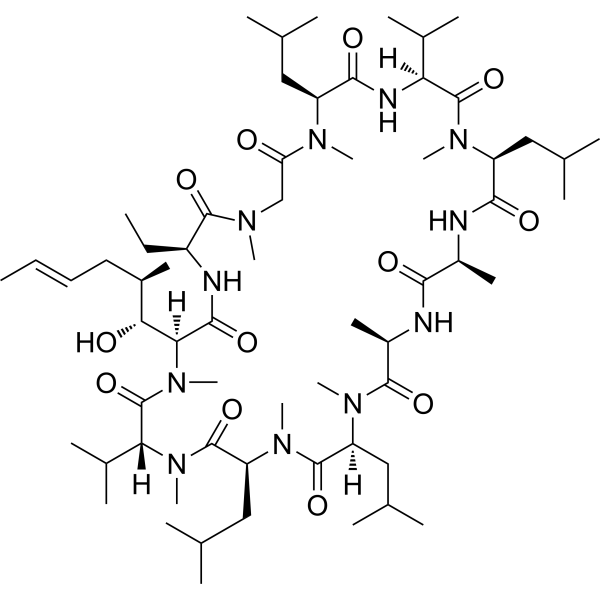
    Cyclosporin H
    3 Publications Verification

    Formyl Peptide Receptor (FPR) Infection Inflammation/Immunology
    Cyclosporin H is a selective and potent inhibitor of FPR-1 (formyl peptide receptor 1). Cyclosporin H, a viral transduction enhancer, increases lentiviral transduction up to 10-fold in human cord blood-derived hematopoietic stem and progenitor cells (HSPCs). Cyclosporin H displays an additive effect when combined with Rapamycin (HY-10219) or Prostaglandin E2 (HY-101952). Cyclosporin H lacks immunosuppressant activity of Cyclosporin A.
    Cyclosporin H
  • HY-101283
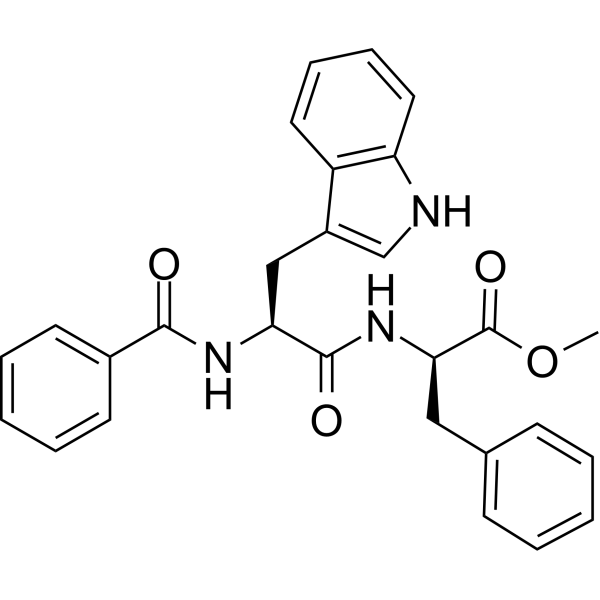
    HCH6-1
    5 Publications Verification

    Formyl Peptide Receptor (FPR) Inflammation/Immunology
    HCH6-1 is a potent and competitive dipeptide antagonist of Formyl peptide receptor 1 (FPR1). HCH6-1 inhibits chemotaxis, superoxide anion generation, and elastase release in human neutrophils specifically activated by fMLF (an FPR1 agonist). HCH6-1 has protective effects against acute lung injury (ALI) in vivo and can be used for the research of FPR1-involved inflammatory lung diseases [1].
    HCH6-1
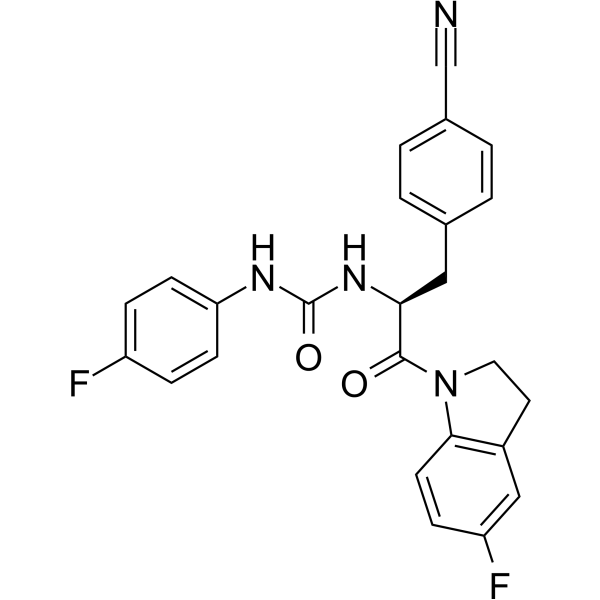
  • HY-156293

    Formyl Peptide Receptor (FPR) Apoptosis Cancer
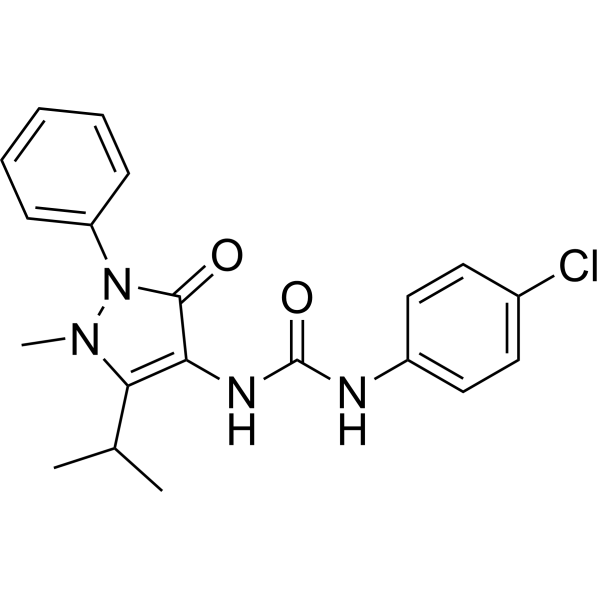
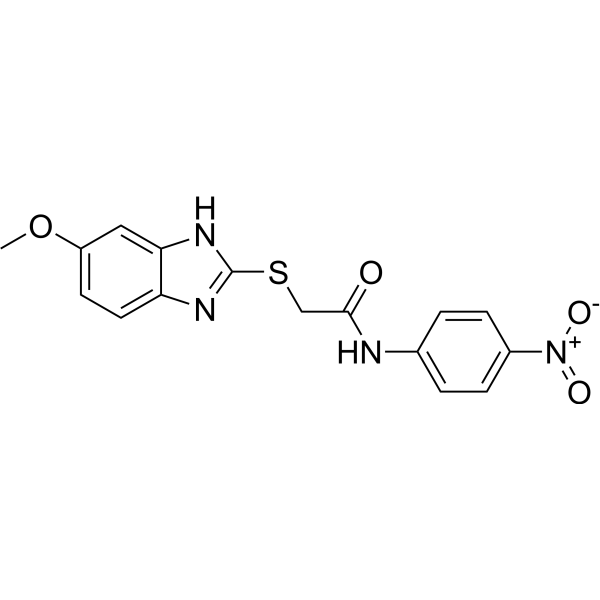
    FPR1 antagonist 1 (compound 24a) is a formyl peptide receptor 1 (FPR1) antagonist with an IC50 of 25 nM. FPR1 antagonist 1 inhibits cell growth through a combined effect on cell proliferation and apoptosis and reduces cell migration, while inducing an increase in angiogenesis [1].
    FPR1 antagonist 1
  • HY-19574
    FPR Agonist 43
    2 Publications Verification

    Formyl Peptide Receptor (FPR) Inflammation/Immunology
    FPR Agonist 43 (compound 43) is a dual formyl peptide receptor 1 (FPR1) and formyl peptide receptor 2 (FPR2)/ALX agonist [1] .
    FPR Agonist 43
  • HY-103286
    PD176252
    2 Publications Verification

    Bombesin Receptor Cancer
    PD176252 is a potent antagonist of neuromedin-B preferring (BB1) and gastrin-releasing peptide-preferring (BB2) receptor with Kis of 0.17 nM and 1 nM for human BB1 and BB2 receptors, and 0.66 nM, 16 nM for Rat BB1 and BB2 receptors, respectively; PD176252 is also an agonist of N-Formyl peptide receptor1/2 (FPR1/FPR2), with EC50s of 0.31 and 0.66 μM in HL-60 cells.
    PD176252
  • HY-173591

    Formyl Peptide Receptor (FPR) Apoptosis Cardiovascular Disease Neurological Disease Inflammation/Immunology
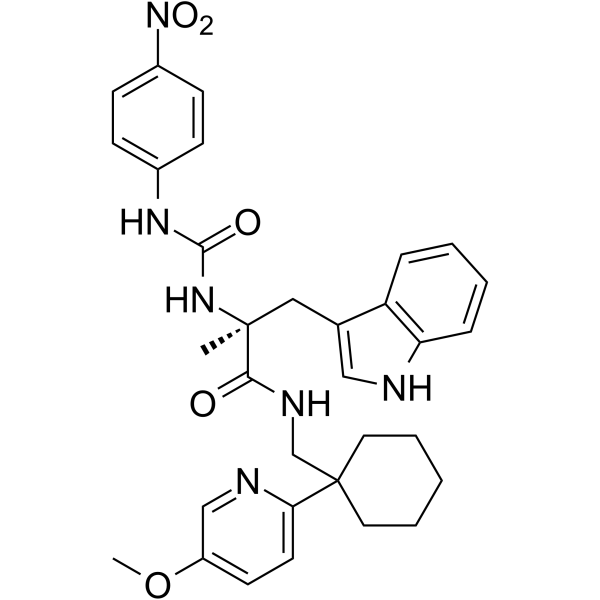
    T0080 is a central nervous system-penetrant FPR1 inhibitor. By functionally blocking the FPR1 signaling pathway, T0080 effectively reduces neutrophil infiltration into ischemic brain tissue and maintains the integrity of the blood-brain barrier. T0080 alleviates tPA-associated hemorrhagic transformation, inhibits demyelination responses and the expression of NOX2. T0080 also possesses anti-apoptotic (apoptosis) and anti-inflammatory properties, thereby protecting myelin and reducing neurological deficits. T0080 is widely used in studies related to ischemic stroke complicated by hemorrhagic transformation after tPA thrombolysis, as well as multiple sclerosis [1] .
    T0080
  • HY-P1795
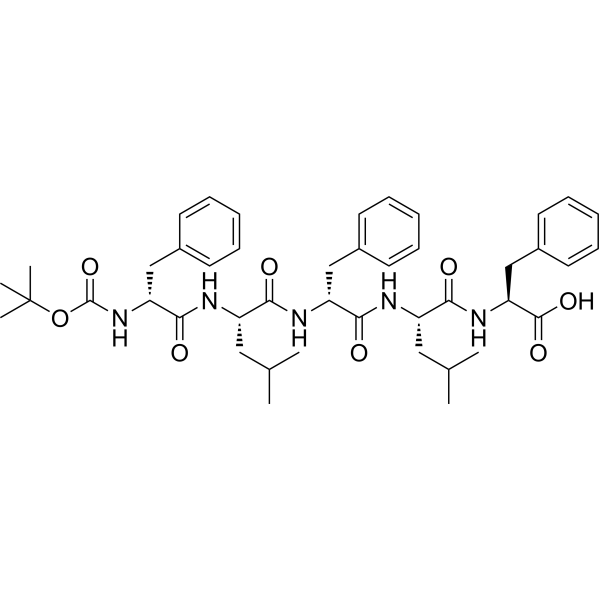
    Boc-dPhe-Leu-dPhe-Leu-Phe
    2 Publications Verification

    Formyl Peptide Receptor (FPR) Inflammation/Immunology
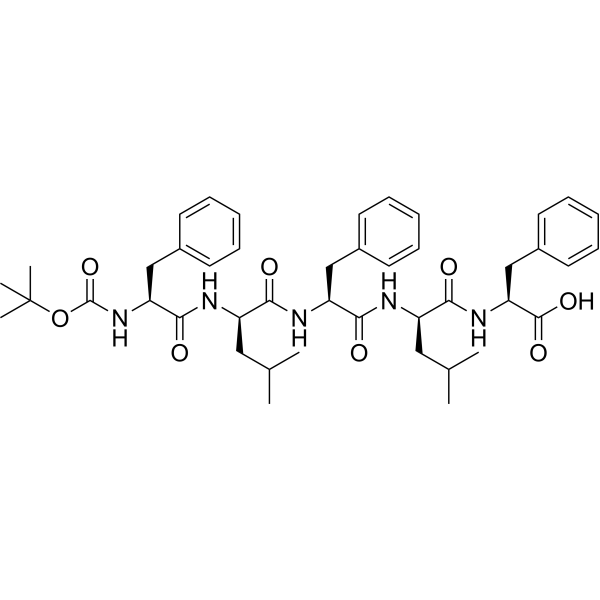
    Boc-dPhe-Leu-dPhe-Leu-Phe (Boc-fLfLF) is a selective N-formyl peptide receptor1 (FPR1) antagonist. Boc-dPhe-Leu-dPhe-Leu-Phe inhibits fMIFL(HY-P0224)-induced NADPH oxidase activity. Boc-dPhe-Leu-dPhe-Leu-Phe can be used for the study of inflammation [1].
    Boc-dPhe-Leu-dPhe-Leu-Phe
  • HY-116216

    Bombesin Receptor Cancer
    PD 168368 is a potent, competitive, and selective neuromedin B receptor (NMB-R) antagonist with the Ki of 15–45 nM [1]. PD 168368 is neuromedin B receptor (NMBR; IC50=96 nM) / gastrin-releasing peptide receptor (GRPR IC50=3500 nM) antagonist . PD 168368 also is a mixed FPR1/FPR2/FPR3 agonist with EC50s of 0.57, 0.24, and 2.7 nM, respectively .
    PD 168368
  • HY-P1117
    MMK1
    1 Publications Verification

    Formyl Peptide Receptor (FPR) Calcium Channel Neurological Disease Inflammation/Immunology
    MMK1 is a potent and selective human formyl peptide receptor like-1 (FPRL-1/FPR2) agonist with EC50s of <2 nM and >10000 nM for FPRL-1 and FPR1, respectively. MMK1 is a potent chemotactic and calcium-mobilizing agonist. MMK1 potently activates phagocytic leukocytes and enhances Pertussis Toxin-sensitive production by human monocytes of proinflammatory cytokines IL-1b and IL-6. MMK1 exerts anxiolytic-like activity [1] .
    MMK1
  • HY-128113

    Formyl Peptide Receptor (FPR) Inflammation/Immunology
    AG-09/1 is a specific formyl peptide receptor 1 (FPR1) agonist. N-formyl peptide receptors (FPR) are important in host defense [1].
    AG-09/1
  • HY-117971

    CXCR Formyl Peptide Receptor (FPR) Others
    BVT173187 is a selective inhibitor of the neutrophil formyl peptide receptor FPR1, with activity that inhibits FPR1 activation. BVT173187 inhibits FPR1 agonist-induced activation in neutrophils, reduces adhesion molecule mobilization and superoxide anion production, and has inhibitory activity on FPR1 similar to that of earlier described peptide antagonists, but also has effects on C5aR and CXCR signaling.
    BVT173187
  • HY-P1744

    fMLFK

    Formyl Peptide Receptor (FPR) Inflammation/Immunology
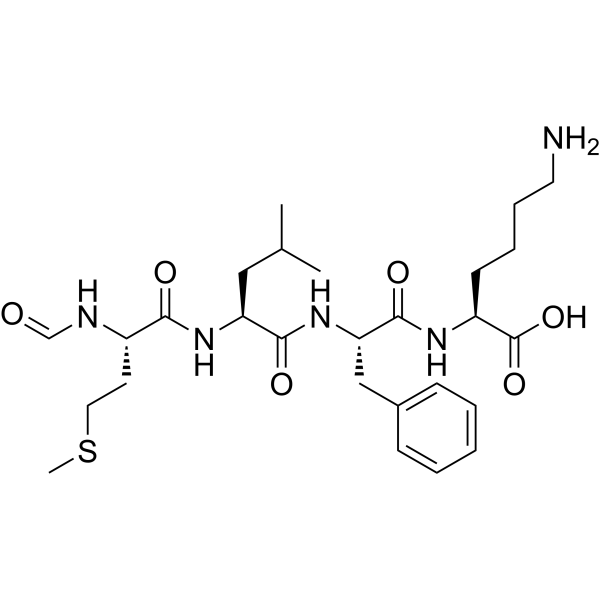
    N-Formyl-Met-Leu-Phe-Lys (fMLFK) is a peptide, acts as a potent and selective agonist of FPR1, with EC50s of 3.5 nM, 6.7 μM and 0.88 μM for FPR1, FPR2 and FPR2-D281 7.32G, respectively [1].
    N-Formyl-Met-Leu-Phe-Lys
  • HY-156294

    Formyl Peptide Receptor (FPR) Apoptosis Cancer
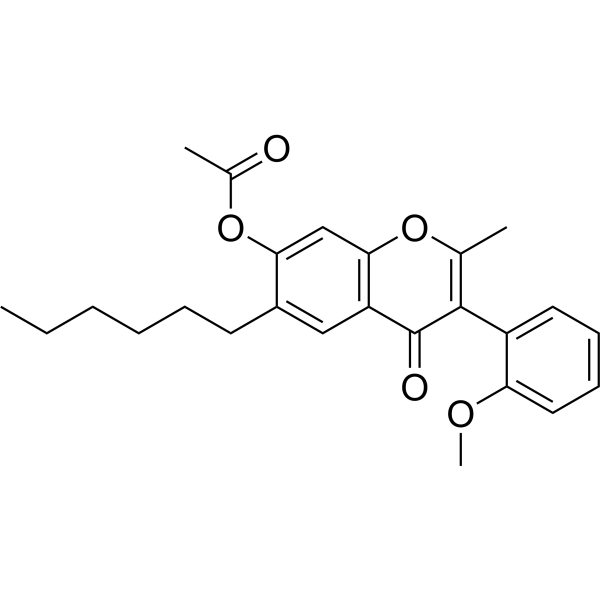
    FPR1 antagonist 2 (compound 25b) is a formyl peptide receptor 1 (FPR1) antagonist with an IC50 of 70 nM. FPR1 antagonist 2 inhibits cell growth through a combined effect on cell proliferation and apoptosis and reduces cell migration, while inducing an increase in angiogenesis [1].
    FPR1 antagonist 2
  • HY-P2355

    BOC2; Boc-Phe-dLeu-Phe-dLeu-Phe

    Formyl Peptide Receptor (FPR) Inflammation/Immunology
    BOC-FlFlF (Boc-Phe-dLeu-Phe-dLeu-Phe) is a selective FPR1 antagonist. Boc-FlFlF has an apparent dissociation constant (KD) of 230 nM as determined by the intracellular calcium mobilization assay. Boc-FlFlF can be used for the study of inflammation [1] .
    BOC-FlFlF
  • HY-P1121A

    Formyl Peptide Receptor (FPR) Inflammation/Immunology
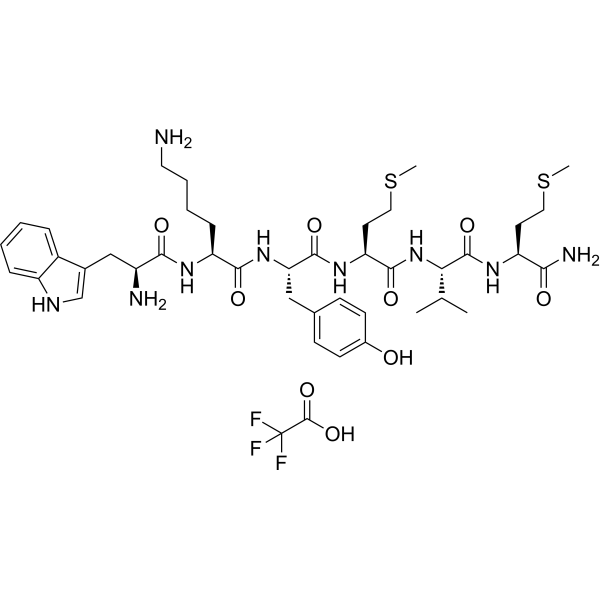
    WKYMVM-NH2 TFA is a potent N-formyl peptide receptor (FPR1) and FPRL1/2 agonist, also activates several leukocyte effector functions such as chemotaxis, mobilization of complement receptor-3, and activation of the NADPH oxidase [1] .
    WKYMVM-NH2 TFA
  • HY-144604

    Formyl Peptide Receptor (FPR) Infection Neurological Disease
    FPR2 agonist 2 is a potent and CNS-penetrant FPR2 agonist with an EC50 of 0.13 μM, 1.1 μM for FPR2 and FPR1, respectively. FPR2 agonist 2 inhibits the production of pro-inflammatory cytokines, counterbalances the changes in mitochondrial function, and inhibits caspase-3 activity [1].
    FPR2 agonist 2
  • HY-P1116A
    PBP10 TFA
    1 Publications Verification

    Bacterial Infection Inflammation/Immunology
    PBP10 is a cell permeable and selective gelsolin-derived peptide inhibitor of formyl peptide receptor 2 (FPR2) over FPR1 [1]. PBP10 is a 10-AA peptide with rhodamine conjugated at its N terminus, exerts bactericidal activity against gram-positive and gram-negative bacteria and limits microbial-induced inflammatory effects .
    PBP10 TFA
  • HY-P10738

    Formyl Peptide Receptor (FPR) Infection
    N-Formyl-MMYALF is a potent mitochondrial N-formyl peptide (mtFP) that has the activity of depleting calcium ions in the endoplasmic reticulum. N-Formyl-MMYALF can inhibit the FPR-1-mediated chemotactic response of polymorphonuclear leukocytes (PMNs) to bacterial peptides [1].
    N-Formyl-MMYALF
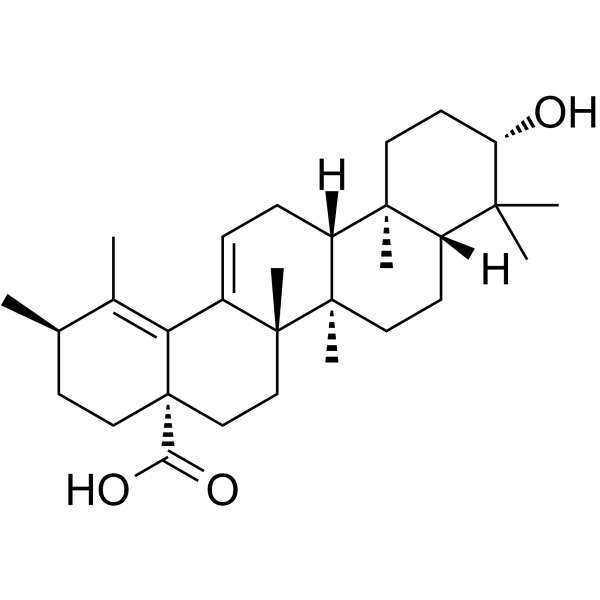
  • HY-N8152

    Reactive Oxygen Species (ROS) Inflammation/Immunology
    Randialic acid B, a triterpenoid compound, is a formyl peptide receptor 1 (FPR1) antagonist. Randialic acid B blocks FPR1 in human neutrophils and attenuates psoriasis-like inflammation in vivo [1].
    Randialic acid B
  • HY-P1118

    Formyl Peptide Receptor (FPR) Inflammation/Immunology
    Ac9-25, a N-terminal peptide of Annexin I, acts as a formyl peptide receptor (FPR) agonist and activates the neutrophil NADPH oxidase through FPR .
    Ac9-25
  • HY-176403

    Formyl Peptide Receptor (FPR) Inflammation/Immunology
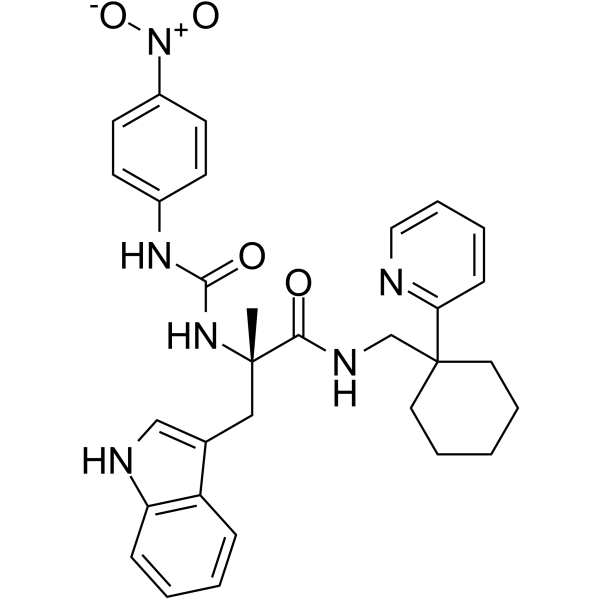
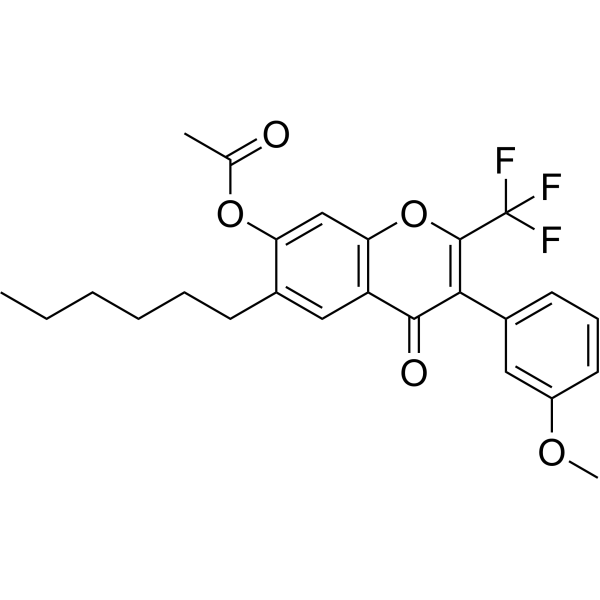
    FPR1 antagonist 3 (compound 10) is a potent and selective FPR1 antagonist. FPR1 antagonist 3 inhibits superoxide anion generation and elastase release with IC50s of 0.33 and 0.84 μM, respectively [1].
    FPR1 antagonist 3
  • HY-RS05085

    Small Interfering RNA (siRNA) Others

    FPR1 Human Pre-designed siRNA Set A contains three designed siRNAs for FPR1 gene (Human), as well as a negative control, a positive control, and a FAM-labeled negative control.

    FPR1 Human Pre-designed siRNA Set A
    FPR1 Human Pre-designed siRNA Set A
  • HY-RS16619

    Small Interfering RNA (siRNA) Others

    Fpr1 Mouse Pre-designed siRNA Set A contains three designed siRNAs for Fpr1 gene (Mouse), as well as a negative control, a positive control, and a FAM-labeled negative control.

    Fpr1 Mouse Pre-designed siRNA Set A
    Fpr1 Mouse Pre-designed siRNA Set A
  • HY-RS23054

    Small Interfering RNA (siRNA) Others

    Fpr1 Rat Pre-designed siRNA Set A contains three designed siRNAs for Fpr1 gene (Rat), as well as a negative control, a positive control, and a FAM-labeled negative control.

    Fpr1 Rat Pre-designed siRNA Set A
    Fpr1 Rat Pre-designed siRNA Set A
  • HY-178919

    Formyl Peptide Receptor (FPR) Apoptosis Bacterial Inflammation/Immunology
    N-19004 is a FPR1 antagonist. N-19004 shows broad-spectrum antibacterial effects against a variety of pathogens. N-19004 exhibits significant retinal protective effects in the rd10 mouse model of retinitis pigmentosa (RP). N-19004 can attenuate retinal dysfunction, mitigate rod and cone degeneration, and reduce immune cell activation, gliosis, inflammation, oxidative stress, and apoptosis. N-19004 can reduce the size of laser-induced choroidal lesions and promote edema absorption through dual anti-inflammatory and anti-angiogenic effects. N-19004 can be used for the research of retinal degenerative diseases such as retinitis pigmentosa [1] .
    N-19004
  • HY-P2355A

    BOC2 TFA; Boc-Phe-dLeu-Phe-dLeu-Phe TFA

    Formyl Peptide Receptor (FPR) Inflammation/Immunology
    BOC-FlFlF (TFA) (Boc-Phe-dLeu-Phe-dLeu-Phe (TFA)) is a selective FPR1 antagonist. BOC-FlFlF has an apparent dissociation constant (KD) of 230 nM as determined by the intracellular calcium mobilization assay. BOC-FlFlF can be used for the study of inflammation [1].
    BOC-FlFlF TFA
  • HY-101283R

    Formyl Peptide Receptor (FPR) Reference Standards Inflammation/Immunology
    HCH6-1 (Standard) is the analytical standard of HCH6-1 (HY-101283). This product is intended for research and analytical applications. HCH6-1 is a potent and competitive dipeptide antagonist of Formyl peptide receptor 1 (FPR1). HCH6-1 inhibits chemotaxis, superoxide anion generation, and elastase release in human neutrophils specifically activated by fMLF (an FPR1 agonist). HCH6-1 has protective effects against acute lung injury (ALI) in vivo and can be used for the research of FPR1-involved inflammatory lung diseases [1].
    HCH6-1 (Standard)
  • HY-P1117A

    Formyl Peptide Receptor (FPR) Calcium Channel Neurological Disease Inflammation/Immunology
    MMK1 TFA is a potent and selective human formyl peptide receptor like-1 (FPRL-1/FPR2) agonist with EC50s of <2 nM and >10000 nM for FPRL-1 and FPR1, respectively. MMK1 TFA is a potent chemotactic and calcium-mobilizing agonist. MMK1 TFA potently activates phagocytic leukocytes and enhances Pertussis Toxin-sensitive production by human monocytes of proinflammatory cytokines IL-1b and IL-6. MMK1 TFA exerts anxiolytic-like activity [1] .
    MMK1 TFA
  • HY-P991864

    MDX-124

    Formyl Peptide Receptor (FPR) Cancer
    Annexuzlimab is a humanised IgG1 monoclonal antibody which specifically binds to ANXA1 disrupting its interaction with formyl peptide receptors 1 and 2 (FPR1/2). Annexuzlimab arrests cell cycle progression with cancer cells accumulating in the G1 phase. Annexuzlimab targets secreted ANXA1, preventing FPR1/2 activation and reducing cancer progression. Annexuzlimab can be used for the research of triple negative breast cancer, pancreatic cancer and osteosarcoma [1] .
    Annexuzlimab
  • HY-P10738A

    Formyl Peptide Receptor (FPR) Infection
    N-Formyl-MMYALF TFA is a mitochondrial N-formyl peptide that has the activity of depleting calcium ions in the endoplasmic reticulum. N-Formyl-MMYALF TFA can inhibit the FPR-1-mediated chemotactic response of PMNs to bacterial peptides [1].
    N-Formyl-MMYALF TFA
  • HY-P1118A

    Formyl Peptide Receptor (FPR) Inflammation/Immunology
    Ac9-25 TFA, a N-terminal peptide of Annexin I, acts as a formyl peptide receptor (FPR) agonist and activates the neutrophil NADPH oxidase through FPR .
    Ac9-25 TFA
  • HY-N17383

    Toll-like Receptor (TLR) NF-κB Collagen Interleukin Related Cadherin NOD-like Receptor (NLR) TGF-β Receptor FXR Apoptosis Metabolic Disease Inflammation/Immunology
    Ligusticum cycloprolactam is a potent, orally active, and CNS-penetrant TLR4/NF-κB inhibitor, exhibiting anti-inflammatory and neuroprotective activity. Ligusticum cycloprolactam reduces FPR1 expression, inhibits NLRP3 inflammasome, TLR4/NF-κB, hepatic MAPK and TGF-β signaling, and selectively activates hepatic FXR. Ligusticum cycloprolactam attenuates pro-inflammatory mediator production, enhances anti-inflammatory cytokine secretion, regulates renal uric acid transporters, and preserves intestinal microbiota composition. Ligusticum cycloprolactam can be used for the research of ischemic stroke, hyperuricemic nephropathy, neuroinflammation, and metabolic dysfunction-associated fatty liver disease [1] .
    Ligusticum cycloprolactam
  • HY-103286R

    Reference Standards Bombesin Receptor Cancer
    PD176252 (Standard) is the analytical standard of PD176252 (HY-103286). This product is intended for research and analytical applications. PD176252 is a potent antagonist of neuromedin-B preferring (BB1) and gastrin-releasing peptide-preferring (BB2) receptor with Kis of 0.17 nM and 1 nM for human BB1 and BB2 receptors, and 0.66 nM, 16 nM for Rat BB1 and BB2 receptors, respectively; PD176252 is also an agonist of N-Formyl peptide receptor1/2 (FPR1/FPR2), with EC50s of 0.31 and 0.66 μM in HL-60 cells.
    PD176252 (Standard)

Inquiry Online

Your information is safe with us. * Required Fields.

Salutation


Country or Region *

Applicant Name *


Organization Name *

Department *


Email Address *


Product Name *

Cat. No.


Requested quantity *

Phone Number *


Remarks

Inquiry Online

Inquiry Information

Product Name:
Cat. No.:
Quantity:
MCE Japan Authorized Agent:

