
Search Result
Results for "
Fluorescent tag
" in MedChemExpress (MCE) Product Catalog:
1
Biochemical Assay Reagents
1
Isotope-Labeled Compounds
| Cat. No. |
Product Name |
Target |
Research Areas |
Chemical Structure |
-
- HY-D0021
-
|
EtBr; Homidium bromide
|
DNA Stain
|
Others
|
|
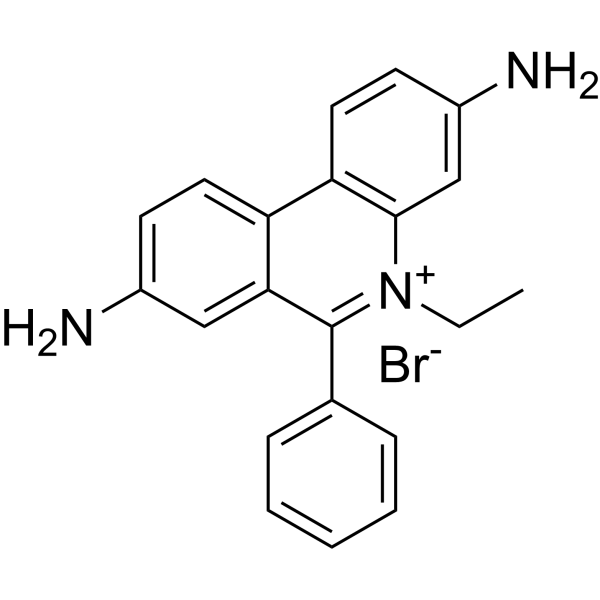
EthD bromide is an intercalating agent commonly used as a fluorescent tag (nucleic acid stain) in molecular biology laboratories for techniques such as agarose gel electrophoresis.
|
-
-
- HY-D2270
-
|
|
Fluorescent Dye
|
Others
|
|
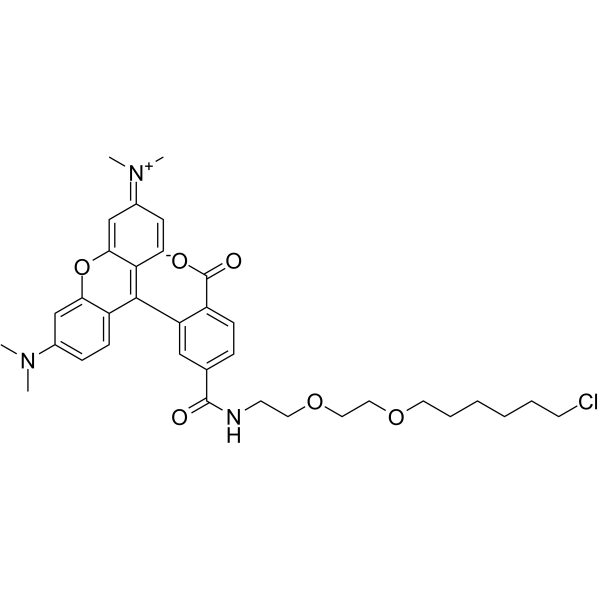
Halo tag TMR is a red fluorescent dye composed of Halo tag ligand molecules and TMR (TAMRA). Halo tag can quickly and stably covalently bind to Halo protein with high specificity and affinity (Ex/Em = 550/576 nm) .
|
-
-
- HY-164745
-
|
|
Fluorescent Dye
|
Others
|
|
L-β-ethynylserine (βES) is a threonine analog. L-β-ethynylserine is efficiently incorporated into newly synthesized proteins, and allows their selective visualization or enrichment through bioorthogonal ligation to fluorescent dyes or affinity tags, respectively .
|
-
-
- HY-D1314
-
|
6-FAM azide
|
Fluorescent Dye
|
Others
|
|
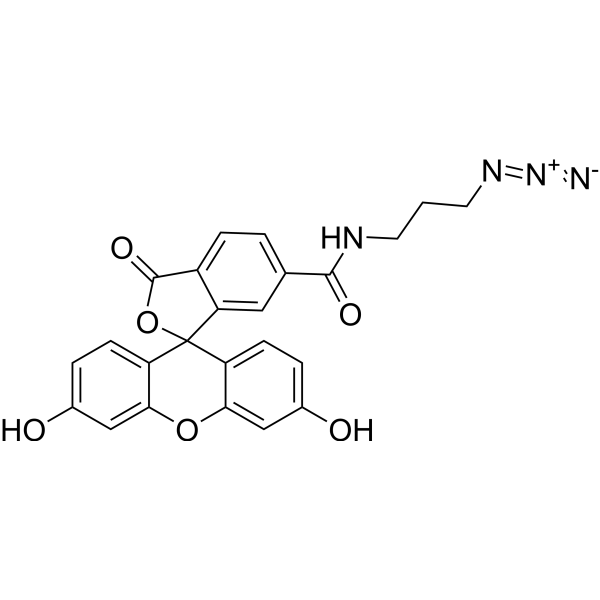
FAM azide, 6-isomer (6-FAM azide) is a 6-carboxyfluorescein derivative with an azide functional group and coupling partner in copper-catalyzed azide-alkyne cycloaddition. FAM azide, 6-isomer participates in synthesis of fluorescently tagged disparlure enantiomers for pheromone-binding protein binding assays. FAM azide, 6-isomer is widely used for labeling oligonucleotides (Ex/Em = 493/517 nm) .
|
-
-
- HY-W017776
-
|
SNAP-NH2
|
Drug Intermediate
|
Others
|
|
BG-NH2 is a pharmaceutical intermediate. BG-NH2 is suitable for synthesizing fluorescent SNAP tag substrates to label RNA .
|
-
-
- HY-DY1050
-
|
|
DNA Stain
|
Others
|
Ethidium bromide (solution) is an intercalating agent commonly used as a fluorescent tag (nucleic acid stain) in molecular biology laboratories for techniques such as agarose gel electrophoresis. Solvent and Concentration: Sterile water: 10 mg/Ml
|
-
-
- HY-D1506
-
|
|
Fluorescent Dye
|
Others
|
|
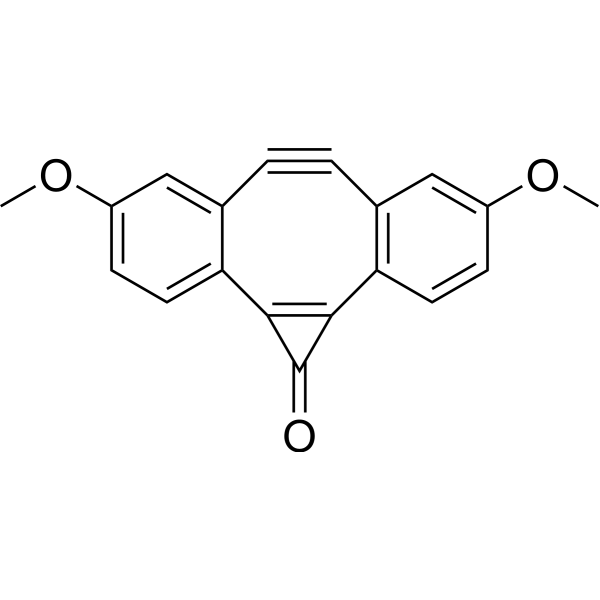
Fl-DIBO (fluorogenic dibenzocyclooctyne) is a selective and high sensitivity fluorescent probe to azide compounds. Fl-DIBO can react rapidly with azide compounds to form new highly fluorescent products with a maximum emission wavelength of 469 nm and excitation wavelength of 363 nm. Fl-DIBO can be used to label diazo-tagged proteins without detectable background signal interference . Fl-DIBO is a click chemistry reagent, it contains an Alkyne group and can undergo copper-catalyzed azide-alkyne cycloaddition (CuAAc) with molecules containing Azide groups.
|
-
-
- HY-126192
-
|
PiB; 6-OH-BTA-1
|
Amyloid-β
|
Neurological Disease
|
|
Pittsburgh Compound B (PiB) is a blood-brain barrier-permeable, specific Aβ deposition PET tracer that binds to Aβ(1-40) fibrils with a Ki value of 678.4 nM. Through click chemical modification (a clickable Pittsburgh Compound B derivative is prepared by introducing a PEG3 linker and an alkynyl group at the 6-hydroxy site of Pittsburgh Compound B, followed by covalent conjugation with azide-labeled fluorescent dyes or affinity tags via copper-catalyzed azide-alkyne cycloaddition (CuAAC)), Pittsburgh Compound B and its conjugates can be used for fluorescence imaging, ultrastructural studies, and enrichment and characterization of Aβ complexes. Pittsburgh Compound B is applicable to Alzheimer's disease research .
|
-
-
- HY-W039953
-
|
N-azidoacetylglucosamine-tetraacylated
|
Biochemical Assay Reagents
|
Others
|
|
Ac4GlcNAz (N-azidoacetylglucosamine-tetraacylated) is an azido-tagged analogue of N-acetylglucosamine (GlcNAC). It features azide functionality on the N-acyl side chain and is acetylated to aid in cell membrane permeation. Once in the cell, the acetylated compound is deprotected and takes part in the hexosamine biosynthetic pathway by action of GlcNAc kinase. The resulting modified proteins are detected by the addition of fluorescent tags under Cu(I)-catalyzed azide-alkyne cycloaddition conditions.
|
-
-
- HY-131028
-
|
JF646 TFA
|
Fluorescent Dye
|
Others
|
|
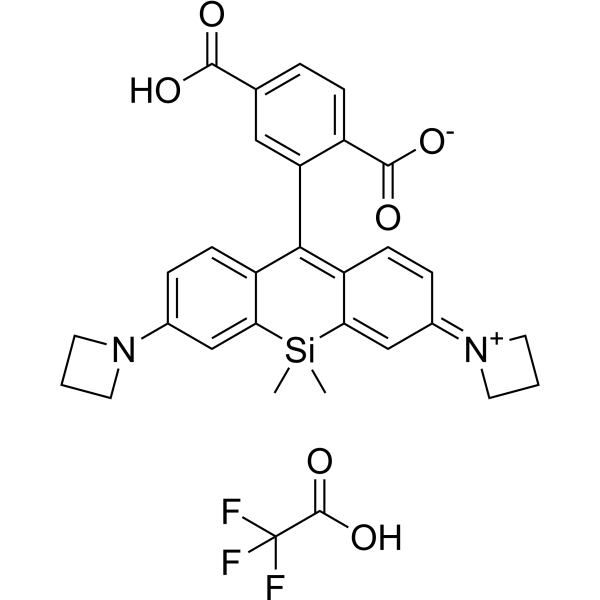
Janelia Fluor 646 TFA (JF646 TFA), a red fluorogenic fluorescent dye, can be used in the synthesis of Janelia Fluor 646 HaloTag and SNAP-Tag ligands. JF646 TFA is used in live cell imaging experiments . Janelia Fluor products are licensed under U.S. Pat. Nos. 9,933,417, 10,018,624 and 10,161,932 and other patents from Howard Hughes Medical Institute.
|
-
-
- HY-130736
-
|
JF549, SE; JF549, NHS
|
Fluorescent Dye
|
Others
|
|
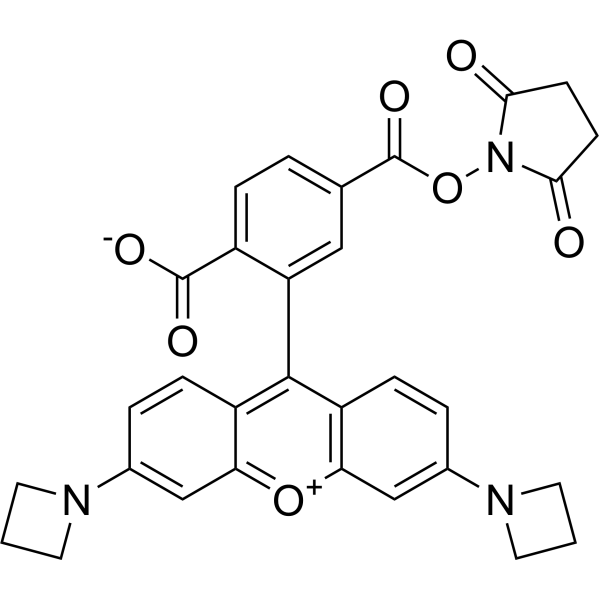
Janelia Fluor® 549, SE (JF549, SE) is a cell-permeable fluorescent dye with an NHS ester (succinimidyl ester (SE)) reactive group. NHS esters react with primary amines and are commonly used to conjugate dyes to proteins, antibodies, amine-modified oligonucleotides, and other molecules. Janelia Fluor® 549, SE also acts as a ligand for self-labeling tags such as HaloTag and SNAP-tag, and can be used in live-cell imaging studies (Ex/Em = 549 nm/571 nm) .\n
|
-
-
- HY-D1584
-
|
|
Phospholipase
|
Others
|
|
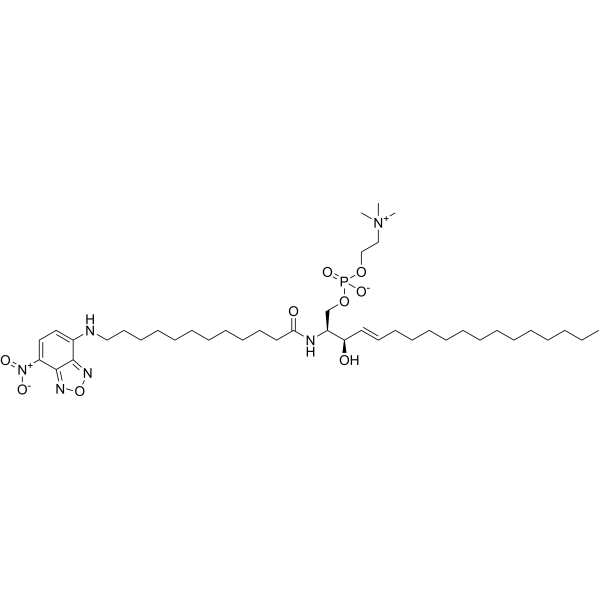
C12 NBD sphingomyelin is an active derivative of Sphingomyelin (HY-113498) that is tagged with fluorescent C12 nitrobenzoxadiazole (C12 NBD). C12 NBD sphingomyelin can be used as a sphingomyelinase substrate for studying the metabolism and transport of sphingomyelins (Ex=470 nm, Em=525 nm) .
|
-
-
- HY-D1690A
-
|
|
Fluorescent Dye
|
Others
|
|
sBADA is a potent green fluorescent dye. sBADA is a sulfonated BODIPY-FL 3-amino-D-alanine. sBADA is used to label peptidoglycans in bacterial cell walls in situ. (λex=490 nm, λem=510 nm) .
|
-
-
- HY-W778830
-
|
|
Drug Metabolite
|
Neurological Disease
|
|
Bodipy C12-ceramide (B12Cer) is a fluorescently tagged form of C12-Ceramide (HY-100353) that displays excitation/emission maxima of 505/540 nm, respectively. Bodipy C12-ceramide is formed when acid sphingomyelinase hydrolyzes BODIPY-C12 sphingomyelin in vitro and has been used to quantify acid sphingomyelinase activity in plasma with Niemann-Pick disease .
|
-
-
- HY-148947
-
|
|
Fluorescent Dye
Phosphoramidites
|
Others
|
|
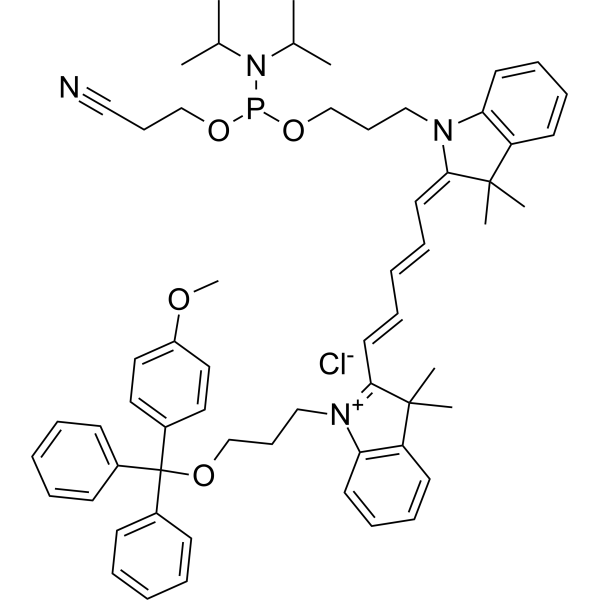
Cy5 Phosphoramidite is a fluorescent labeling reagent . Cy5 Phosphoramidite serves as a fluorescent tag for 3' terminal labeling of single-stranded DNA, enabling fluorescence-based nucleic acid detection, monitoring, quantification, and in vitro study .
|
-
-
- HY-P2496
-
|
|
Endothelin Receptor
Fluorescent Dye
NF-κB
COX
Prostaglandin Receptor
Apoptosis
TNF Receptor
Interleukin Related
MMP
|
Cardiovascular Disease
Inflammation/Immunology
Cancer
|
|
Endothelin 1 (swine, human), Alexa Fluor 488-labeled is an Endothelin-1 conjugated with Alexa Fluor 488 (HY-D1304). Endothelin-1 is an endogenous vasoconstrictor and agonist of ETA/ETB receptor. Endothelin 1 (swine, human) exerts effects including promoting mitosis, angiogenesis, tumor invasion and metastasis, and inhibiting apoptosis. Endothelin 1 (swine, human) induces inflammation and oxidative stress by activating the NF-κB pathway. Endothelin 1 (swine, human), Alexa Fluor 488-labeled is specifically designed for fluorescence imaging, flow cytometry or receptor localization studies, and can be used in research related to sepsis, atherosclerosis, systemic inflammatory response syndrome, cancer and congestive heart failure .
|
-
-
- HY-D2965
-
|
SPG1
|
Fluorescent Dye
|
Others
|
|
SNAP-Peroxy-Green-1 (SPG1) a SNAP tag fluorescent probe. SNAP-Peroxy-Green-1 can be used for detecting H2O2 in the extracellular space or on the surface of the cell membrane .
|
-
-
- HY-W039924
-
|
|
Drug Metabolite
|
Metabolic Disease
|
|
N-Azidoacetylmannosamine is an azide-labeled sugar that can be metabolically incorporated into glycoproteins. N-Azidoacetylmannosamine can then react with alkynes or phosphines that are linked to fluorescent or biotin tags for visualization or capture of the glycoproteins. N-Azidoacetylmannosamine can be used for studying glycan structures and functions in vivo .
|
-
-
- HY-D1575
-
|
|
Fluorescent Dye
|
Others
|
|
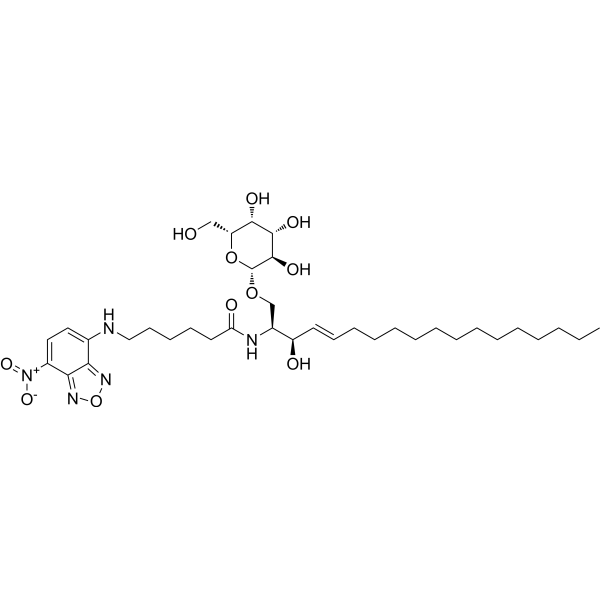
C6 NBD galactosylceramide is an active derivative of galactosylceramide that is tagged with fluorescent C6 nitrobenzoxadiazole (C6 NBD). C6 NBD galactosylceramide can be used as a substrate for neutral β-glycosylceramidase (GCase) to study intracellular localization and metabolism of galactosylceramide (Ex=nm, Em=525) .
|
-
-
- HY-W800701
-
|
|
Biochemical Assay Reagents
|
Others
|
|
BP Fluor 546 DBCO is an azide-reactive probe that can be used for imaging azide-tagged biomolecules via a copper-free click reaction. The DBCO moiety reacts with azides to form a stable triazole and does not require a Cu-catalyst or elevated temperatures. In applications where the presence of copper is a concern, BP Fluor 546 DBCO is an ideal alternative to copper-requiring fluorescent alkynes.
BP Fluor 546 is a water-soluble, pH-insensitive (from pH 4-10), orange-fluorescent dye with absorption and emission maxima at 554 and 570 nm, respectively. It can be used with the 488 nm and 532 nm laser lines. BP Fluor 546 dye conjugates to a variety of antibodies, peptides, proteins, tracers, and amplification substrates, which are often used for generating stable signals in imaging and flow cytometry.
|
-
-
- HY-P11263
-
|
|
iGluR
|
Neurological Disease
|
|
AVLX-144 is a highly potent inhibitor of postsynaptic density protein 95 (PSD-95). AVLX-144 can be used as a template to develop imaging probes for postsynaptic density (PSD) molecules, and can be labeled with fluorine-18 (¹⁸F) or tritium (³H) to visualize PSD-95 in vivo. AVLX-144 can be utilized for the study of Parkinson's disease .
|
-
-
- HY-148958
-
-
-
- HY-D2944
-
-
-
- HY-D2931
-
|
|
Fluorescent Dye
|
Others
|
|
SNAP-FAM is a FAM-labeled SNAP tag fluorescent probe, specifically designed for live-cell protein labeling and real-time imaging applications .
|
-
-
- HY-D2949
-
|
|
Fluorescent Dye
|
Others
|
|
SNAP-549 is a DY-549P1-labeled SNAP tag fluorescent probe, specifically designed for single-molecule imaging and dynamic tracking of proteins in living cells. SNAP-549 only labels SNAP-tag fusion proteins, with low background signals and forming irreversible connections, making it suitable for long-term observation .
|
-
-
- HY-D2933
-
|
|
Fluorescent Dye
|
Others
|
|
SNAP-505 is a green fluorescent O6 benzylguanine derivative. SNAP-505 labels SNAP-tagged proteins covalently.
SNAP-505 can be used to label cells (green) .
|
-
-
- HY-D2952
-
|
|
Fluorescent Dye
|
Others
|
|
BOCA-1-BG is a BODIPY-labeled SNAP tag fluorescence probe. BOCA-1-BG can be used to detect Ca 2+ concentration and serves as a highly sensitive Ca 2+ fluorescent indicator .
|
-
-
- HY-113217F
-
|
|
Fluorescent Dye
Liposome
|
Metabolic Disease
|
|
BODIPY 480/508-cholesteryl oleate is a fluorescently tagged derivative of Cholesteryl oleate (HY-113217). BODIPY 480/508-cholesteryl oleate can be used to monitor lipid transport mechanisms in mammalian cells (Ex/Em = 480/508 nm) .
|
-
-
- HY-D2940
-
|
SiR650-BG
|
Fluorescent Dye
|
Others
|
SiR-SNAP (SiR650-BG) is a SiR-labeled SNAP tag near-infrared fluorescent probe (Ex/Em: 645 nm/661 nm). SiR-SNAP combines excellent optical properties, good cell membrane permeability, and environmentally sensitive fluorescence characteristics, providing a powerful tool for the dynamic study of proteins in living cells .
|
-
-
- HY-D2960
-
|
CLIP-OG
|
Fluorescent Dye
|
Others
|
|
BC-OG is an oregon green labeled CLIP tag fluorescent probe. BC-OG can be used for labeling CLIP-tag fusion protein in cells .
|
-
-
- HY-D2961
-
|
|
Fluorescent Dye
|
Others
|
|
SiR-CLIP is a SiR-carboxyl derivative used for covalent fluorescent labeling of CLIP tags .
|
-
-
- HY-D2948
-
|
|
Fluorescent Dye
|
Others
|
|
SNAP-430 is a (diethylamino) coumarin-labeled SNAP tag fluorescent probe. SNAP-430 can be used for making SNAP-tag fusion proteins inside living cells, on cell surfaces, or in vitro.
|
-
-
- HY-D2946
-
|
BC-TMR
|
Fluorescent Dye
|
Infection
|
CLIP-TMR (BC-TMR) is a TMR-labeled CLIP tag fluorescent probe. CLIP-TMR combines the high specificity recognition ability of the CLIP-tag and the excellent optical performance of the TMR fluorophore, and can be used for the specific labeling and visualization of the HCV NS5A protein .
|
-
-
- HY-145493
-
|
|
Fluorescent Dye
|
Others
|
|
C12 NBD galactosylceramide, fluorescent dye, is a biologically active derivative of galactosylceramide that is tagged with a fluorescent C12 nitrobenzoxadiazole (C12 NBD) group. C12 NBD galactosylceramide can be used for the research of imaging .
|
-
-
- HY-D0021S
-
|
EtBr-d5; Homidium-d5 bromide
|
Isotope-Labeled Compounds
DNA Stain
|
Others
|
|
EthD-d5 bromide is the deuterium labeled Ethidium bromide. EthD bromide is an intercalating agent commonly used as a fluorescent tag (nucleic acid stain) in molecular biology laboratories for techniques such as agarose gel electrophoresis.
|
-
-
- HY-D1579
-
|
|
Fluorescent Dye
|
Others
|
|
C12 NBD galactosylceramide is a biologically active derivative of galactosylceramide that is tagged with a fluorescent C12 nitrobenzoxadiazole (C12 NBD) group. C12 NBD galactosylceramide has been used to detect ceramide trihexoside .
|
-
-
- HY-D1749
-
|
|
Fluorescent Dye
|
Others
|
|
C6 NBD L-threo-ceramide is a cell-permeable analog of ceramides that is tagged with a fluorescent group C6 nitrobenzoxadiazole (C6 NBD). It is rapidly transferred between liposomes, labels the Golgi apparatus, and is metabolized to C6 NBD sphingomyelin in BHK cells and V79 fibroblasts.
|
-
-
- HY-D2943
-
|
SNAP-SS-SulfoCy3
|
Fluorescent Dye
|
Others
|
|
BG-SS-SulfoCy3 is a SulfoCy3-labeled SNAP tag fluorescent probe, which is linked by a disulfide bond to achieve selective labeling and controllable cleavage. BG-SS-SulfoCy3 can be used to study the endocytosis and trafficking of membrane proteins such as GPCRs .
|
-
-
- HY-D2480
-
|
|
Fluorescent Dye
|
Metabolic Disease
|
|
BODIPY 480/508-cholesteryl linoleate is a cell-permeable and fluorescently tagged derivative of Cholesteryl Linoleate (HY-W010697). BODIPY 480/508-cholesteryl linoleate has been used to monitor cholesterol trafficking in isolated human monocyte-derived macrophages (Ex/Em=480/508 nm).
|
-
-
- HY-126944
-
|
2-Amino-N-phenylbenzamide
|
Biochemical Assay Reagents
|
Cancer
|
|
2-Aminobenzamide is a neutral and stable compound used as fluorescent tag, numerously in Glycan analysis. 2-aminobenzamide acts as the starting material for several important reactions like Bargellini reaction as an competent ambident nucleophile. Specifically 2-aminobenzamide and its derivatives are used in the blood coagulation cascade .
|
-
-
- HY-D1690
-
|
|
Fluorescent Dye
|
Others
|
|
sBADA TFA is a potent green fluorescent dye. sBADA TFA is a sulfonated BODIPY-FL 3-amino-D-alanine. sBADA TFA is used to label peptidoglycans in bacterial cell walls in situ. (λex=490 nm, λem=510 nm) .
|
-
-
- HY-D2964
-
|
|
Fluorescent Dye
|
Others
|
|
NBzF-BG is a novel H2O2-specific fluorescent probe. NBzF-BG shows visible absorption centered at 505 nm and weak fluorescence with an emission maximum at 525 nm. NBzF-BG is covalently and selectively conjugated with the SNAP-tag protein, leading to formation of the fluorophore-protein conjugate (SNAP-NBzF). SNAP-NBzF rapidly reacts with H2O2 and thereby shows an enhancement in fluorescence .
|
-
-
- HY-138658
-
|
JF526, SE; JF526, NHS
|
Fluorescent Dye
|
Others
|
|
Janelia Fluor 526, SE (JF526,SE) is a fluorogenic yellow fluorescent dye that contains NHS ester group. JF526 is a versatile scaffold for fluorogenic ligands, including labels for genetically encoded self-labeling protein tags and stains for endogenous structures . Janelia Fluor products are licensed under U.S. Pat. Nos. 9,933,417, 10,018,624 and 10,161,932 and other patents from Howard Hughes Medical Institute.
|
-
-
- HY-W800696
-
|
|
Fluorescent Dye
|
Others
|
|
BP Fluor 430 Azide is a water-soluble, green-fluorescent, azide-activated probe that reacts with terminal alkynes via a copper-catalyzed click reaction (CuAAC). It also reacts with strained cyclooctyne via a copper-free click chemistry reaction to form a stable triazole and does not require a Cu-catalyst or elevated temperatures.
BP Fluor 430 is a bright, photostable, green-fluorescent probe with excitation near its absorption maximum at 432 nm and emission maximum at 539 nm. This probe is water soluble and pH-insensitive from pH 4 to pH 10.
A next generation probe, BP Fluor 430 Picolyl Azide, is also available for detection of low abundance alkyne-tagged biomolecules.
|
-
-
- HY-D2327
-
|
|
Dipeptidyl Peptidase
|
Others
|
|
DPP-8/9 probe-1 (compound 20) is a fluorescent probe targeting Dipeptidyl Peptidase DPP8/9, which can be selectively labeled and visualized in vitro by fluorescence microscopy Active DPP8/9. DPP-8/9 probe-1 contains a nitrobenzoxadiazole (NBD) tag and has high affinity and selectivity for DPP8/9 over related S9 family members (IC50 of 210 nM and 15 nM, respectively) .
|
-
-
- HY-W800838
-
|
|
Fluorescent Dye
|
Cancer
|
|
BP Fluor 488 Tetrazine is a bright, green-fluorescent probe used for detection TCO-tagged biopolymers. BP Fluor 488 Tetrazine demonstrates exceptionally fast cycloaddition kinetics (up to 30 000 M-1 s-1) with trans-cyclooctenes (TCO) as the dienophile, the fastest kinetics ever reported for any bioorthogonal reaction. In applications such as in vivo cancer imaging or pre?targeted cell labeling studies where rapid reaction kinetics is a must BP Fluor 488 Tetrazine probe would of great value.
|
-
-
- HY-D1597
-
|
|
Fluorescent Dye
|
Others
|
|
Cyanine3.5 azide chloride, an analog of Cyanine3.5 azide, is a potent green fluorescent dye. Cyanine3.5 azide chloride uses click chemistry to tag the ethylidene group. (λex=591 nm, λem=604 nm) . Cyanine3.5 azide (chloride) is a click chemistry reagent, it contains an Azide group and can undergo copper-catalyzed azide-alkyne cycloaddition reaction (CuAAc) with molecules containing Alkyne groups. It can also undergo strain-promoted alkyne-azide cycloaddition (SPAAC) reactions with molecules containing DBCO or BCN groups.
|
-
-
- HY-D2941
-
|
SNAP-AF
|
Fluorescent Dye
|
Others
|
BGAF (SNAP-AF) is a fluorescent diacetyl fluorescein-labeled SNAP tag fluorescent probe, specifically designed for the covalent labeling of SNAP-tag fusion proteins in living cells. BGAF utilizes the specific reaction of the human DNA repair protein hAGT to achieve specific fluorescent labeling of the target protein in the living cell environment .
|
-
-
- HY-D2945
-
|
|
Fluorescent Dye
|
Others
|
|
CLIP-Biotin is a Biotin-labeled CLIP tag fluorescent probe. CLIP-Biotin can be used for marking the CLIP-tag fusion proteins in cells.
|
-
-
- HY-D2959
-
|
CLIP-DF
|
Fluorescent Dye
|
Others
|
|
BC-DF is a diacetyl fluorescein labeled CLIP tag fluorescent probe. BC-DF can be used for labeling CLIP-tag fusion protein in cells .
|
-
- HY-DY1107
-
|
|
Fluorescent Dye
|
Others
|
Halo tag TMR (solution) is a red fluorescent dye composed of Halo tag ligand molecules and TMR (TAMRA). Halo tag can quickly and stably covalently bind to Halo protein with high specificity and affinity (Ex/Em = 550/576 nm) . Solvent and concentration: DMSO: 5 mM
|
-
- HY-D2939
-
|
|
Fluorescent Dye
|
Others
|
BGSBD is a SNAP-tag-based fluorescent probe (Ex/Em: 435 nm/516 nm) based on the environmentally sensitive fluorescent group SBD, specifically designed for protein labeling of live cells without washing. BGSBD achieves a 280-fold fluorescence enhancement after labeling by ingeniously utilizing the hydrophobic binding pocket of the SNAP-tag protein, providing an ideal tool for real-time monitoring of protein dynamics within cells .
|
-
- HY-D2951
-
|
|
Fluorescent Dye
|
Others
|
|
BG-Kaede chromophore (Compound 4c) is a SNAP-tag-specific fluorescent probe, which is designed and synthesized using the chromophore of the red fluorescent protein Kaede as a template. BG-Kaede chromophore can be used as a tool for visualizing proteins in living cells .
|
-
- HY-D2930
-
|
SNAP-SS-SulfoCy5
|
Fluorescent Dye
|
Others
|
|
BG-SS-SulfoCy5 (SNAP-SS-SulfoCy5) is a SulfoCy5-labeled SNAP tag fluorescent probe, linked by a disulfide bond. BG-SS-SulfoCy5 combines the specific recognition of SNAP-tag, the cleavability of disulfide bond, and the excellent optical properties of SulfoCy5. BG-SS-SulfoCy5 can be used for tracking the internalization of cell surface proteins and multiple labeling experiments .
|
-
- HY-175127
-
|
|
Fluorescent Dye
|
Others
|
|
N-Dodecanoyl-L-homoserine lactone-3-hydrazone-fluorescein is a fluorescently-tagged probe. N-Dodecanoyl-L-homoserine lactone-3-hydrazone-fluorescein can be used in the research of O-DDHSL and 3O-C12-HSL detection .
|
-
- HY-D2958
-
|
|
Fluorescent Dye
|
Others
|
|
ZP1BG is a SNAP tag fluorescent probe for detecting Zn 2+, which is formed by the covalent connection of the zinc sensor ZP1 from the Zinpyr family with the benzyl guanine group. ZP1BG can be used to detect the concentration of Zn 2+ in neuronal organelles such as the Golgi apparatus and mitochondria .
|
-
- HY-176102
-
|
N-Hexanoyl-D-erythro-sphingosine alkyne
|
Biochemical Assay Reagents
|
Others
|
|
C6 Ceramide (d18:1/6:0) alkyne is an ω-alkyne derivative of C6 ceramide. The terminal alkyne group can be used in click chemistry reactions to tag C6 ceramide with fluorescent or biotinylated labels, allowing the analysis of the metabolism and biological activity of C6 ceramide.
|
-
- HY-D2924
-
|
|
Fluorescent Dye
|
Others
|
|
CBG-549-QSY7 is a Dylight 549-labeled SNAP tag fluorescent probe (Ex/Em: 546 nm/580 nm), specially designed for non-washable fluorescence imaging applications. CBG-549-QSY7 employs an intramolecular FRET quenching mechanism: intramolecular fluorescence quenching occurs before binding to the SNAP tag, and upon binding, the quenching group is cleaved, releasing fluorescence. The background fluorescence of CBG-549-QSY7 is extremely low, and clear cell membrane images can be obtained after 5 minutes of incubation .
|
-
- HY-D2942
-
|
|
Fluorescent Dye
|
Others
|
|
BDP-V BG-BODIPY is a SNAP tag fluorescent probe labeled with a BODIPY molecular motor. BDP-V BG-BODIPY contains a BODIPY molecular rotor that functions as a viscosity-sensitive fluorophore, which is highly responsive to local viscosity changes and enables the specific monitoring of the local microviscosity of proteins. BDP-V BG-BODIPY supports one-photon and two-photon imaging, with an excitation wavelength (Ex) of 488 nm (for one-photon excitation) and 850 nm (for two-photon excitation), and an emission wavelength (Em) of 500-600 nm .
|
-
| Cat. No. |
Product Name |
Type |
-
- HY-D0021
-
|
EtBr; Homidium bromide
|
Fluorescent Dyes
|
|
EthD bromide is an intercalating agent commonly used as a fluorescent tag (nucleic acid stain) in molecular biology laboratories for techniques such as agarose gel electrophoresis.
|
-
- HY-D2270
-
|
|
Fluorescent Dyes
|
|
Halo tag TMR is a red fluorescent dye composed of Halo tag ligand molecules and TMR (TAMRA). Halo tag can quickly and stably covalently bind to Halo protein with high specificity and affinity (Ex/Em = 550/576 nm) .
|
-
- HY-D1314
-
|
6-FAM azide
|
Fluorescent Dyes
|
|
FAM azide, 6-isomer (6-FAM azide) is a 6-carboxyfluorescein derivative with an azide functional group and coupling partner in copper-catalyzed azide-alkyne cycloaddition. FAM azide, 6-isomer participates in synthesis of fluorescently tagged disparlure enantiomers for pheromone-binding protein binding assays. FAM azide, 6-isomer is widely used for labeling oligonucleotides (Ex/Em = 493/517 nm) .
|
-
- HY-W017776
-
|
SNAP-NH2
|
Fluorescent Dyes
|
|
BG-NH2 is a pharmaceutical intermediate. BG-NH2 is suitable for synthesizing fluorescent SNAP tag substrates to label RNA .
|
-
- HY-DY1050
-
|
|
Fluorescent Dyes
|
Ethidium bromide (solution) is an intercalating agent commonly used as a fluorescent tag (nucleic acid stain) in molecular biology laboratories for techniques such as agarose gel electrophoresis. Solvent and Concentration: Sterile water: 10 mg/Ml
|
-
- HY-D1506
-
|
|
Fluorescent Dyes
|
|
Fl-DIBO (fluorogenic dibenzocyclooctyne) is a selective and high sensitivity fluorescent probe to azide compounds. Fl-DIBO can react rapidly with azide compounds to form new highly fluorescent products with a maximum emission wavelength of 469 nm and excitation wavelength of 363 nm. Fl-DIBO can be used to label diazo-tagged proteins without detectable background signal interference . Fl-DIBO is a click chemistry reagent, it contains an Alkyne group and can undergo copper-catalyzed azide-alkyne cycloaddition (CuAAc) with molecules containing Azide groups.
|
-
- HY-131028
-
|
JF646 TFA
|
Fluorescent Dyes
|
|
Janelia Fluor 646 TFA (JF646 TFA), a red fluorogenic fluorescent dye, can be used in the synthesis of Janelia Fluor 646 HaloTag and SNAP-Tag ligands. JF646 TFA is used in live cell imaging experiments . Janelia Fluor products are licensed under U.S. Pat. Nos. 9,933,417, 10,018,624 and 10,161,932 and other patents from Howard Hughes Medical Institute.
|
-
- HY-130736
-
|
JF549, SE; JF549, NHS
|
Fluorescent Dyes
|
|
Janelia Fluor® 549, SE (JF549, SE) is a cell-permeable fluorescent dye with an NHS ester (succinimidyl ester (SE)) reactive group. NHS esters react with primary amines and are commonly used to conjugate dyes to proteins, antibodies, amine-modified oligonucleotides, and other molecules. Janelia Fluor® 549, SE also acts as a ligand for self-labeling tags such as HaloTag and SNAP-tag, and can be used in live-cell imaging studies (Ex/Em = 549 nm/571 nm) .\n
|
-
- HY-D1584
-
|
|
Fluorescent Dyes
|
|
C12 NBD sphingomyelin is an active derivative of Sphingomyelin (HY-113498) that is tagged with fluorescent C12 nitrobenzoxadiazole (C12 NBD). C12 NBD sphingomyelin can be used as a sphingomyelinase substrate for studying the metabolism and transport of sphingomyelins (Ex=470 nm, Em=525 nm) .
|
-
- HY-D2965
-
|
SPG1
|
Fluorescent Dyes
|
|
SNAP-Peroxy-Green-1 (SPG1) a SNAP tag fluorescent probe. SNAP-Peroxy-Green-1 can be used for detecting H2O2 in the extracellular space or on the surface of the cell membrane .
|
-
- HY-D1575
-
|
|
Fluorescent Dyes
|
|
C6 NBD galactosylceramide is an active derivative of galactosylceramide that is tagged with fluorescent C6 nitrobenzoxadiazole (C6 NBD). C6 NBD galactosylceramide can be used as a substrate for neutral β-glycosylceramidase (GCase) to study intracellular localization and metabolism of galactosylceramide (Ex=nm, Em=525) .
|
-
- HY-W800701
-
|
|
Fluorescent Dyes
|
|
BP Fluor 546 DBCO is an azide-reactive probe that can be used for imaging azide-tagged biomolecules via a copper-free click reaction. The DBCO moiety reacts with azides to form a stable triazole and does not require a Cu-catalyst or elevated temperatures. In applications where the presence of copper is a concern, BP Fluor 546 DBCO is an ideal alternative to copper-requiring fluorescent alkynes.
BP Fluor 546 is a water-soluble, pH-insensitive (from pH 4-10), orange-fluorescent dye with absorption and emission maxima at 554 and 570 nm, respectively. It can be used with the 488 nm and 532 nm laser lines. BP Fluor 546 dye conjugates to a variety of antibodies, peptides, proteins, tracers, and amplification substrates, which are often used for generating stable signals in imaging and flow cytometry.
|
-
- HY-148958
-
|
|
Fluorescent Dyes
|
SNAP-Biotin is a biotin-labeled SNAP tag probe. SNAP-Biotin can be used for protein biotinylation .
|
-
- HY-D2944
-
-
- HY-D2931
-
|
|
Fluorescent Dyes
|
|
SNAP-FAM is a FAM-labeled SNAP tag fluorescent probe, specifically designed for live-cell protein labeling and real-time imaging applications .
|
-
- HY-D2949
-
|
|
Fluorescent Dyes
|
|
SNAP-549 is a DY-549P1-labeled SNAP tag fluorescent probe, specifically designed for single-molecule imaging and dynamic tracking of proteins in living cells. SNAP-549 only labels SNAP-tag fusion proteins, with low background signals and forming irreversible connections, making it suitable for long-term observation .
|
-
- HY-D2933
-
|
|
Fluorescent Dyes
|
|
SNAP-505 is a green fluorescent O6 benzylguanine derivative. SNAP-505 labels SNAP-tagged proteins covalently.
SNAP-505 can be used to label cells (green) .
|
-
- HY-D2952
-
|
|
Fluorescent Dyes
|
|
BOCA-1-BG is a BODIPY-labeled SNAP tag fluorescence probe. BOCA-1-BG can be used to detect Ca 2+ concentration and serves as a highly sensitive Ca 2+ fluorescent indicator .
|
-
- HY-113217F
-
|
|
Fluorescent Dyes
|
|
BODIPY 480/508-cholesteryl oleate is a fluorescently tagged derivative of Cholesteryl oleate (HY-113217). BODIPY 480/508-cholesteryl oleate can be used to monitor lipid transport mechanisms in mammalian cells (Ex/Em = 480/508 nm) .
|
-
- HY-D2940
-
|
SiR650-BG
|
Fluorescent Dyes
|
SiR-SNAP (SiR650-BG) is a SiR-labeled SNAP tag near-infrared fluorescent probe (Ex/Em: 645 nm/661 nm). SiR-SNAP combines excellent optical properties, good cell membrane permeability, and environmentally sensitive fluorescence characteristics, providing a powerful tool for the dynamic study of proteins in living cells .
|
-
- HY-D2960
-
|
CLIP-OG
|
Fluorescent Dyes
|
|
BC-OG is an oregon green labeled CLIP tag fluorescent probe. BC-OG can be used for labeling CLIP-tag fusion protein in cells .
|
-
- HY-D2961
-
|
|
Fluorescent Dyes
|
|
SiR-CLIP is a SiR-carboxyl derivative used for covalent fluorescent labeling of CLIP tags .
|
-
- HY-D2948
-
|
|
Fluorescent Dyes
|
|
SNAP-430 is a (diethylamino) coumarin-labeled SNAP tag fluorescent probe. SNAP-430 can be used for making SNAP-tag fusion proteins inside living cells, on cell surfaces, or in vitro.
|
-
- HY-D2946
-
|
BC-TMR
|
Fluorescent Dyes
|
CLIP-TMR (BC-TMR) is a TMR-labeled CLIP tag fluorescent probe. CLIP-TMR combines the high specificity recognition ability of the CLIP-tag and the excellent optical performance of the TMR fluorophore, and can be used for the specific labeling and visualization of the HCV NS5A protein .
|
-
- HY-145493
-
|
|
Fluorescent Dyes
|
|
C12 NBD galactosylceramide, fluorescent dye, is a biologically active derivative of galactosylceramide that is tagged with a fluorescent C12 nitrobenzoxadiazole (C12 NBD) group. C12 NBD galactosylceramide can be used for the research of imaging .
|
-
- HY-D1579
-
|
|
Fluorescent Dyes
|
|
C12 NBD galactosylceramide is a biologically active derivative of galactosylceramide that is tagged with a fluorescent C12 nitrobenzoxadiazole (C12 NBD) group. C12 NBD galactosylceramide has been used to detect ceramide trihexoside .
|
-
- HY-D1749
-
|
|
Fluorescent Dyes
|
|
C6 NBD L-threo-ceramide is a cell-permeable analog of ceramides that is tagged with a fluorescent group C6 nitrobenzoxadiazole (C6 NBD). It is rapidly transferred between liposomes, labels the Golgi apparatus, and is metabolized to C6 NBD sphingomyelin in BHK cells and V79 fibroblasts.
|
-
- HY-D2943
-
|
SNAP-SS-SulfoCy3
|
Fluorescent Dyes
|
|
BG-SS-SulfoCy3 is a SulfoCy3-labeled SNAP tag fluorescent probe, which is linked by a disulfide bond to achieve selective labeling and controllable cleavage. BG-SS-SulfoCy3 can be used to study the endocytosis and trafficking of membrane proteins such as GPCRs .
|
-
- HY-D2480
-
|
|
Fluorescent Dyes
|
|
BODIPY 480/508-cholesteryl linoleate is a cell-permeable and fluorescently tagged derivative of Cholesteryl Linoleate (HY-W010697). BODIPY 480/508-cholesteryl linoleate has been used to monitor cholesterol trafficking in isolated human monocyte-derived macrophages (Ex/Em=480/508 nm).
|
-
- HY-D1690
-
|
|
Fluorescent Dyes
|
|
sBADA TFA is a potent green fluorescent dye. sBADA TFA is a sulfonated BODIPY-FL 3-amino-D-alanine. sBADA TFA is used to label peptidoglycans in bacterial cell walls in situ. (λex=490 nm, λem=510 nm) .
|
-
- HY-D2964
-
|
|
Fluorescent Dyes
|
|
NBzF-BG is a novel H2O2-specific fluorescent probe. NBzF-BG shows visible absorption centered at 505 nm and weak fluorescence with an emission maximum at 525 nm. NBzF-BG is covalently and selectively conjugated with the SNAP-tag protein, leading to formation of the fluorophore-protein conjugate (SNAP-NBzF). SNAP-NBzF rapidly reacts with H2O2 and thereby shows an enhancement in fluorescence .
|
-
- HY-138658
-
|
JF526, SE; JF526, NHS
|
Fluorescent Dyes
|
|
Janelia Fluor 526, SE (JF526,SE) is a fluorogenic yellow fluorescent dye that contains NHS ester group. JF526 is a versatile scaffold for fluorogenic ligands, including labels for genetically encoded self-labeling protein tags and stains for endogenous structures . Janelia Fluor products are licensed under U.S. Pat. Nos. 9,933,417, 10,018,624 and 10,161,932 and other patents from Howard Hughes Medical Institute.
|
-
- HY-W800696
-
|
|
Fluorescent Dyes
|
|
BP Fluor 430 Azide is a water-soluble, green-fluorescent, azide-activated probe that reacts with terminal alkynes via a copper-catalyzed click reaction (CuAAC). It also reacts with strained cyclooctyne via a copper-free click chemistry reaction to form a stable triazole and does not require a Cu-catalyst or elevated temperatures.
BP Fluor 430 is a bright, photostable, green-fluorescent probe with excitation near its absorption maximum at 432 nm and emission maximum at 539 nm. This probe is water soluble and pH-insensitive from pH 4 to pH 10.
A next generation probe, BP Fluor 430 Picolyl Azide, is also available for detection of low abundance alkyne-tagged biomolecules.
|
-
- HY-D2327
-
|
|
Fluorescent Dyes
|
|
DPP-8/9 probe-1 (compound 20) is a fluorescent probe targeting Dipeptidyl Peptidase DPP8/9, which can be selectively labeled and visualized in vitro by fluorescence microscopy Active DPP8/9. DPP-8/9 probe-1 contains a nitrobenzoxadiazole (NBD) tag and has high affinity and selectivity for DPP8/9 over related S9 family members (IC50 of 210 nM and 15 nM, respectively) .
|
-
- HY-W800838
-
|
|
Fluorescent Dyes
|
|
BP Fluor 488 Tetrazine is a bright, green-fluorescent probe used for detection TCO-tagged biopolymers. BP Fluor 488 Tetrazine demonstrates exceptionally fast cycloaddition kinetics (up to 30 000 M-1 s-1) with trans-cyclooctenes (TCO) as the dienophile, the fastest kinetics ever reported for any bioorthogonal reaction. In applications such as in vivo cancer imaging or pre?targeted cell labeling studies where rapid reaction kinetics is a must BP Fluor 488 Tetrazine probe would of great value.
|
-
- HY-D2941
-
|
SNAP-AF
|
Fluorescent Dyes
|
BGAF (SNAP-AF) is a fluorescent diacetyl fluorescein-labeled SNAP tag fluorescent probe, specifically designed for the covalent labeling of SNAP-tag fusion proteins in living cells. BGAF utilizes the specific reaction of the human DNA repair protein hAGT to achieve specific fluorescent labeling of the target protein in the living cell environment .
|
-
- HY-D2945
-
|
|
Fluorescent Dyes
|
|
CLIP-Biotin is a Biotin-labeled CLIP tag fluorescent probe. CLIP-Biotin can be used for marking the CLIP-tag fusion proteins in cells.
|
-
- HY-D2959
-
|
CLIP-DF
|
Fluorescent Dyes
|
|
BC-DF is a diacetyl fluorescein labeled CLIP tag fluorescent probe. BC-DF can be used for labeling CLIP-tag fusion protein in cells .
|
-
- HY-DY1107
-
|
|
Fluorescent Dyes
|
Halo tag TMR (solution) is a red fluorescent dye composed of Halo tag ligand molecules and TMR (TAMRA). Halo tag can quickly and stably covalently bind to Halo protein with high specificity and affinity (Ex/Em = 550/576 nm) . Solvent and concentration: DMSO: 5 mM
|
-
- HY-D2939
-
|
|
Fluorescent Dyes
|
BGSBD is a SNAP-tag-based fluorescent probe (Ex/Em: 435 nm/516 nm) based on the environmentally sensitive fluorescent group SBD, specifically designed for protein labeling of live cells without washing. BGSBD achieves a 280-fold fluorescence enhancement after labeling by ingeniously utilizing the hydrophobic binding pocket of the SNAP-tag protein, providing an ideal tool for real-time monitoring of protein dynamics within cells .
|
-
- HY-D2951
-
|
|
Fluorescent Dyes
|
|
BG-Kaede chromophore (Compound 4c) is a SNAP-tag-specific fluorescent probe, which is designed and synthesized using the chromophore of the red fluorescent protein Kaede as a template. BG-Kaede chromophore can be used as a tool for visualizing proteins in living cells .
|
-
- HY-D2930
-
|
SNAP-SS-SulfoCy5
|
Fluorescent Dyes
|
|
BG-SS-SulfoCy5 (SNAP-SS-SulfoCy5) is a SulfoCy5-labeled SNAP tag fluorescent probe, linked by a disulfide bond. BG-SS-SulfoCy5 combines the specific recognition of SNAP-tag, the cleavability of disulfide bond, and the excellent optical properties of SulfoCy5. BG-SS-SulfoCy5 can be used for tracking the internalization of cell surface proteins and multiple labeling experiments .
|
-
- HY-D2958
-
|
|
Fluorescent Dyes
|
|
ZP1BG is a SNAP tag fluorescent probe for detecting Zn 2+, which is formed by the covalent connection of the zinc sensor ZP1 from the Zinpyr family with the benzyl guanine group. ZP1BG can be used to detect the concentration of Zn 2+ in neuronal organelles such as the Golgi apparatus and mitochondria .
|
-
- HY-D2924
-
|
|
Fluorescent Dyes
|
|
CBG-549-QSY7 is a Dylight 549-labeled SNAP tag fluorescent probe (Ex/Em: 546 nm/580 nm), specially designed for non-washable fluorescence imaging applications. CBG-549-QSY7 employs an intramolecular FRET quenching mechanism: intramolecular fluorescence quenching occurs before binding to the SNAP tag, and upon binding, the quenching group is cleaved, releasing fluorescence. The background fluorescence of CBG-549-QSY7 is extremely low, and clear cell membrane images can be obtained after 5 minutes of incubation .
|
-
- HY-D2942
-
|
|
Fluorescent Dyes
|
|
BDP-V BG-BODIPY is a SNAP tag fluorescent probe labeled with a BODIPY molecular motor. BDP-V BG-BODIPY contains a BODIPY molecular rotor that functions as a viscosity-sensitive fluorophore, which is highly responsive to local viscosity changes and enables the specific monitoring of the local microviscosity of proteins. BDP-V BG-BODIPY supports one-photon and two-photon imaging, with an excitation wavelength (Ex) of 488 nm (for one-photon excitation) and 850 nm (for two-photon excitation), and an emission wavelength (Em) of 500-600 nm .
|
| Cat. No. |
Product Name |
Type |
-
- HY-126944
-
|
2-Amino-N-phenylbenzamide
|
Biochemical Assay Reagents
|
|
2-Aminobenzamide is a neutral and stable compound used as fluorescent tag, numerously in Glycan analysis. 2-aminobenzamide acts as the starting material for several important reactions like Bargellini reaction as an competent ambident nucleophile. Specifically 2-aminobenzamide and its derivatives are used in the blood coagulation cascade .
|
| Cat. No. |
Product Name |
Target |
Research Area |
-
- HY-P0327
-
|
|
Peptides
|
Others
|
|
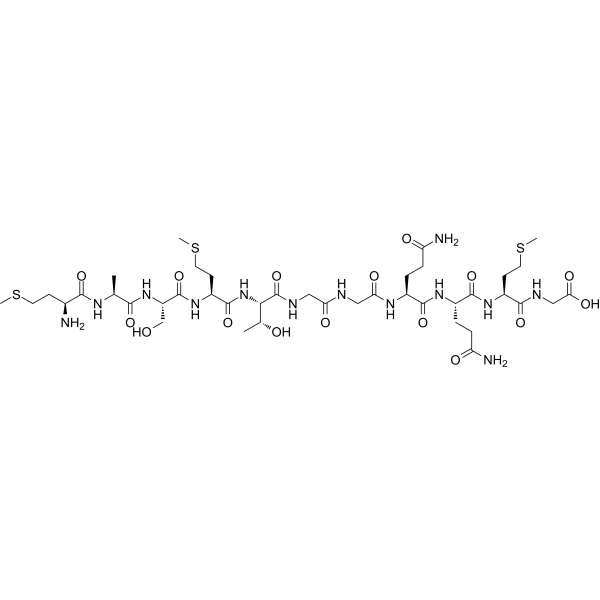
T7 Tag Peptide is a protein tag peptide composed of 11 residues from the N-terminus of gp10, the capsid protein of T7 bacteriophage. T7 Tag Peptide can be fused to the N-terminus or C-terminus of proteins such as enhanced green fluorescent protein (EGFP). T7 Tag Peptide is applicable for various immunoassays and affinity purification .
|
-
- HY-P2496
-
|
|
Endothelin Receptor
Fluorescent Dye
NF-κB
COX
Prostaglandin Receptor
Apoptosis
TNF Receptor
Interleukin Related
MMP
|
Cardiovascular Disease
Inflammation/Immunology
Cancer
|
|
Endothelin 1 (swine, human), Alexa Fluor 488-labeled is an Endothelin-1 conjugated with Alexa Fluor 488 (HY-D1304). Endothelin-1 is an endogenous vasoconstrictor and agonist of ETA/ETB receptor. Endothelin 1 (swine, human) exerts effects including promoting mitosis, angiogenesis, tumor invasion and metastasis, and inhibiting apoptosis. Endothelin 1 (swine, human) induces inflammation and oxidative stress by activating the NF-κB pathway. Endothelin 1 (swine, human), Alexa Fluor 488-labeled is specifically designed for fluorescence imaging, flow cytometry or receptor localization studies, and can be used in research related to sepsis, atherosclerosis, systemic inflammatory response syndrome, cancer and congestive heart failure .
|
-
- HY-P11263
-
|
|
iGluR
|
Neurological Disease
|
|
AVLX-144 is a highly potent inhibitor of postsynaptic density protein 95 (PSD-95). AVLX-144 can be used as a template to develop imaging probes for postsynaptic density (PSD) molecules, and can be labeled with fluorine-18 (¹⁸F) or tritium (³H) to visualize PSD-95 in vivo. AVLX-144 can be utilized for the study of Parkinson's disease .
|
-
- HY-P0327A
-
|
|
Peptides
|
Others
|
|
T7 Tag Peptide TFA is a protein tag consisting of 11 residues from the N-terminus of the T7 bacteriophage capsid protein gp10. T7 Tag Peptide TFA can be fused to the N-terminus or C-terminus of proteins such as enhanced green fluorescent protein (EGFP). T7 Tag Peptide TFA can be used in various immunoassays and affinity purification .
|
| Cat. No. |
Product Name |
Chemical Structure |
-
- HY-D0021S
-
|
|
|
EthD-d5 bromide is the deuterium labeled Ethidium bromide. EthD bromide is an intercalating agent commonly used as a fluorescent tag (nucleic acid stain) in molecular biology laboratories for techniques such as agarose gel electrophoresis.
|
-
| Cat. No. |
Product Name |
|
Classification |
-
- HY-164745
-
|
|
|
Alkynes
|
|
L-β-ethynylserine (βES) is a threonine analog. L-β-ethynylserine is efficiently incorporated into newly synthesized proteins, and allows their selective visualization or enrichment through bioorthogonal ligation to fluorescent dyes or affinity tags, respectively .
|
-
- HY-D1314
-
|
6-FAM azide
|
|
Azide
Labeling and Fluorescence Imaging
|
|
FAM azide, 6-isomer (6-FAM azide) is a 6-carboxyfluorescein derivative with an azide functional group and coupling partner in copper-catalyzed azide-alkyne cycloaddition. FAM azide, 6-isomer participates in synthesis of fluorescently tagged disparlure enantiomers for pheromone-binding protein binding assays. FAM azide, 6-isomer is widely used for labeling oligonucleotides (Ex/Em = 493/517 nm) .
|
-
- HY-D1506
-
|
|
|
Labeling and Fluorescence Imaging
|
|
Fl-DIBO (fluorogenic dibenzocyclooctyne) is a selective and high sensitivity fluorescent probe to azide compounds. Fl-DIBO can react rapidly with azide compounds to form new highly fluorescent products with a maximum emission wavelength of 469 nm and excitation wavelength of 363 nm. Fl-DIBO can be used to label diazo-tagged proteins without detectable background signal interference . Fl-DIBO is a click chemistry reagent, it contains an Alkyne group and can undergo copper-catalyzed azide-alkyne cycloaddition (CuAAc) with molecules containing Azide groups.
|
-
- HY-W039953
-
|
N-azidoacetylglucosamine-tetraacylated
|
|
Azide
|
|
Ac4GlcNAz (N-azidoacetylglucosamine-tetraacylated) is an azido-tagged analogue of N-acetylglucosamine (GlcNAC). It features azide functionality on the N-acyl side chain and is acetylated to aid in cell membrane permeation. Once in the cell, the acetylated compound is deprotected and takes part in the hexosamine biosynthetic pathway by action of GlcNAc kinase. The resulting modified proteins are detected by the addition of fluorescent tags under Cu(I)-catalyzed azide-alkyne cycloaddition conditions.
|
-
- HY-W039924
-
|
|
|
Azide
|
|
N-Azidoacetylmannosamine is an azide-labeled sugar that can be metabolically incorporated into glycoproteins. N-Azidoacetylmannosamine can then react with alkynes or phosphines that are linked to fluorescent or biotin tags for visualization or capture of the glycoproteins. N-Azidoacetylmannosamine can be used for studying glycan structures and functions in vivo .
|
-
- HY-D1597
-
|
|
|
Azide
|
|
Cyanine3.5 azide chloride, an analog of Cyanine3.5 azide, is a potent green fluorescent dye. Cyanine3.5 azide chloride uses click chemistry to tag the ethylidene group. (λex=591 nm, λem=604 nm) . Cyanine3.5 azide (chloride) is a click chemistry reagent, it contains an Azide group and can undergo copper-catalyzed azide-alkyne cycloaddition reaction (CuAAc) with molecules containing Alkyne groups. It can also undergo strain-promoted alkyne-azide cycloaddition (SPAAC) reactions with molecules containing DBCO or BCN groups.
|
-
- HY-176102
-
|
N-Hexanoyl-D-erythro-sphingosine alkyne
|
|
Alkynes
|
|
C6 Ceramide (d18:1/6:0) alkyne is an ω-alkyne derivative of C6 ceramide. The terminal alkyne group can be used in click chemistry reactions to tag C6 ceramide with fluorescent or biotinylated labels, allowing the analysis of the metabolism and biological activity of C6 ceramide.
|
| Cat. No. |
Product Name |
|
Classification |
-
- HY-148947
-
|
|
|
Phosphoramidites
Fluorescent Dye Phosphoramidite
|
|
Cy5 Phosphoramidite is a fluorescent labeling reagent . Cy5 Phosphoramidite serves as a fluorescent tag for 3' terminal labeling of single-stranded DNA, enabling fluorescence-based nucleic acid detection, monitoring, quantification, and in vitro study .
|
Your information is safe with us. * Required Fields.
Inquiry Information
- Product Name:
- Cat. No.:
- Quantity:
- MCE Japan Authorized Agent:

