1. Search Result
Search Result
Results for "

G-{d-Arg}-GDSPASSK

" in MedChemExpress (MCE) Product Catalog:

73

Inhibitors & Agonists

85

Peptides

Cat. No. Product Name Target Research Area
  • HY-P3529

    Peptides Others
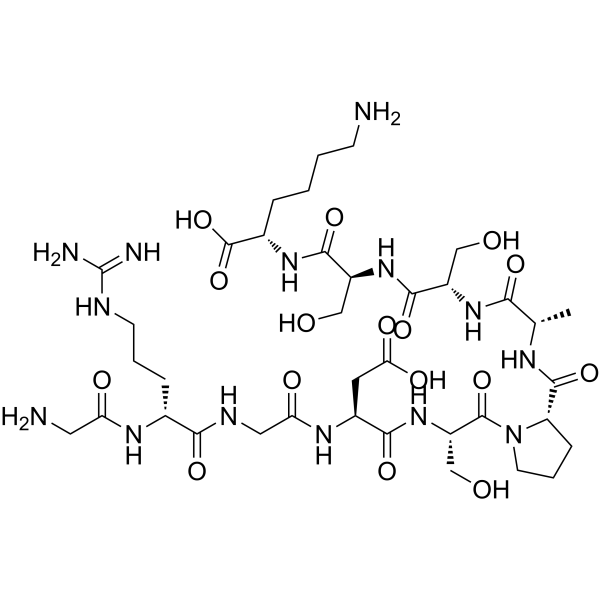
    G-{d-Arg}-GDSPASSK is a polypeptide that prevents cell adhesion, is used for wound healing, and allows tissue repair .
  • HY-P3582

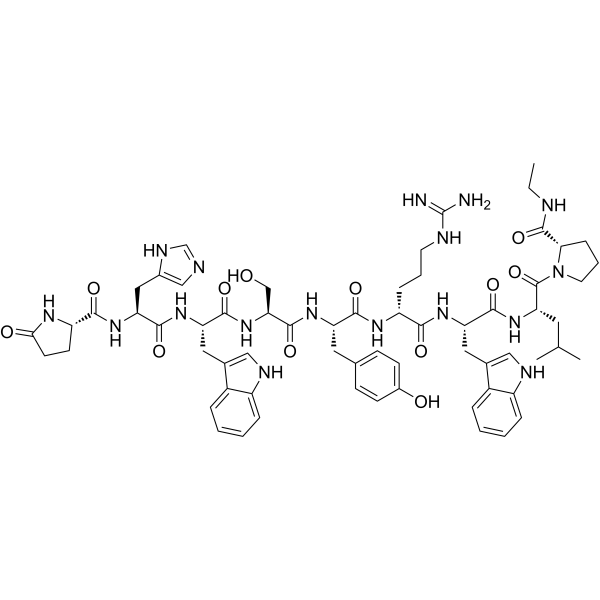
    GnRH Receptor Endocrinology
    sGnRH-A is a salmon gonadotropin-releasing hormone (GnRH) analogue. sGnRH-A stimulates growth hormone secretion. sGnRH-A also can be used as an inducer of ovulation by artificial insemination .
  • HY-P10861A

    Tau Protein Neurological Disease
    RI-AG03 acetate is a proteolytically stable tau aggregation inhibitor that crosses the blood-brain barrier and exhibits oral efficacy. RI-AG03 acetate inhibits tau aggregation and promotes the formation of alternative amorphous aggregates that are non-amyloidogenic. RI-AG03 acetate mediates cellular uptake through direct membrane penetration and macropinocytosis, and its conjugation with cell-penetrating peptide sequences (CPPs) enhances the binding of cells to liposomes. RI-AG03 acetate suppresses aggregation-dependent neurodegenerative and behavioral phenotypes, and extends the lifespan of Drosophila models of tauopathy. RI-AG03 acetate can be used for research on tau-related diseases such as Alzheimer's disease .
  • HY-P4474

    Peptides Others
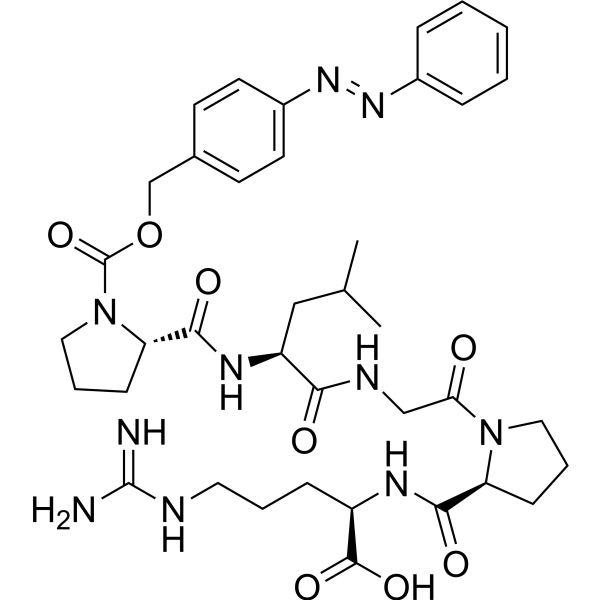
    Pz-Pro-Leu-Gly-Pro-d-Arg is a synthetic polypeptide substrate. Pz-Pro-Leu-Gly-Pro-d-Arg can be used to detect the collagenase-like activity of enzymes from various sources, such as Bacillus sp. AH-101 .
  • HY-P5506

    Complement System Others
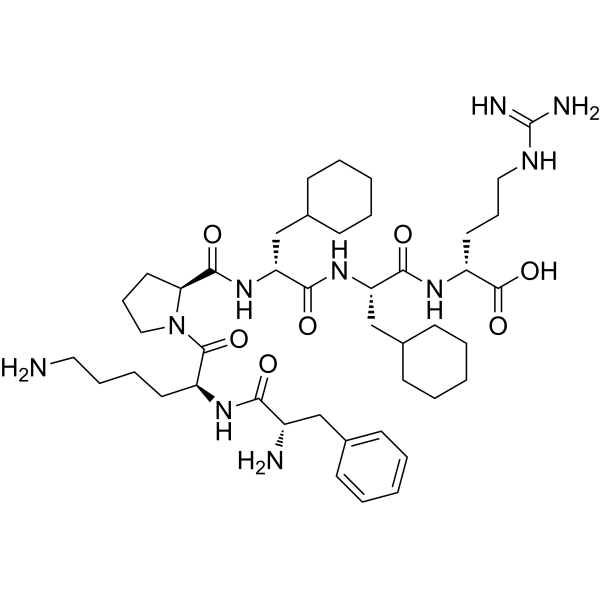
    C5a Receptor agonist, W5Cha (Peptide 1) is a selective complement C5a receptor (C5aR) agonist (EC50=0.2 μM), a hexapeptide derived from the C-terminus of C5a with specific amino acid modifications. C5a Receptor agonist, W5Cha is able to interact with the Arg-206 site of the C5a receptor through its C-terminal arginine, thereby activating the receptor .
  • HY-P10644A

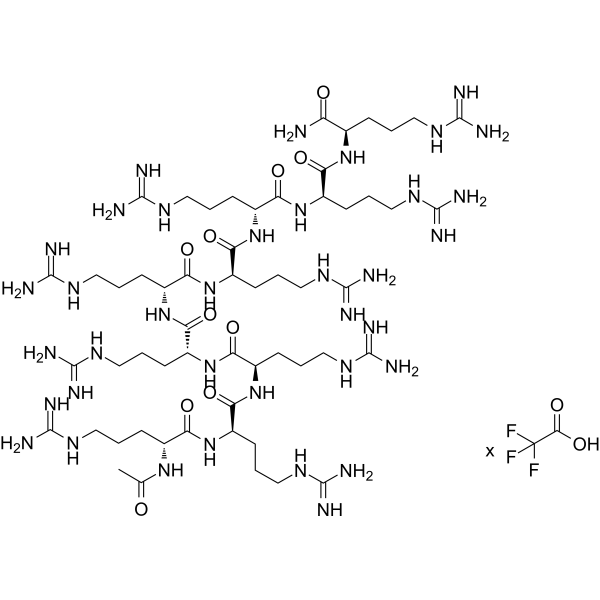
    Peptides Cancer
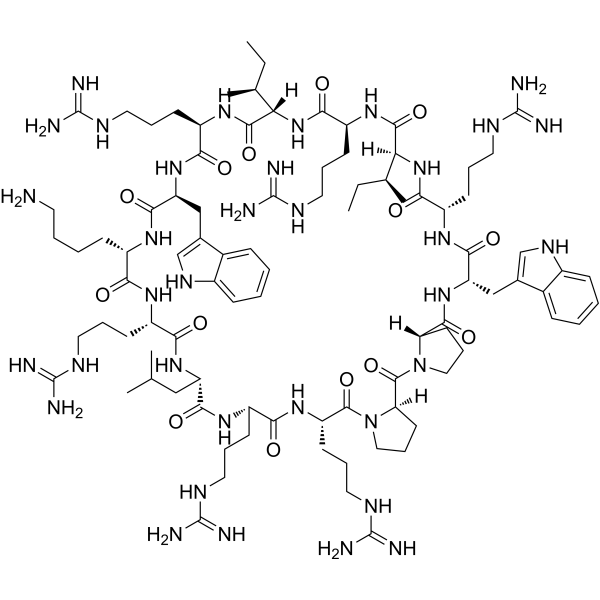
    CPP9 TFA is a small, amphipathic, cyclic cell penetrating peptide (CPP). CPPs bind directly to the plasma membrane phospholipids and enter mammalian cells via endocytosis, followed by efficient release from the endosome. CPP9 TFA can be used for intracellular delivery of therapeutic agents and chemical probes .
  • HY-P1194

    Neurokinin Receptor Inflammation/Immunology
    Spantide I, a substance P analog, is a selective NK1 receptor antagonist, with Ki values of 230 nM and 8150 nM for NK1 and NK2 receptor, respectively. Spantide I provides an approach to reduce type 1 and enhance the type 2 cytokine IL-10 in the infected cornea, leading to a significant reduction in corneal perforation .
  • HY-P7061A
    ALX 40-4C Trifluoroacetate
    1 Publications Verification

    Apelin Receptor (APJ) CXCR Infection Endocrinology
    ALX 40-4C Trifluoroacetate is a small peptide inhibitor of the chemokine receptor CXCR4, inhibits SDF-1 from binding CXCR4 with a Ki of 1 μM, and suppresses the replication of X4 strains of HIV-1; ALX 40-4C Trifluoroacetate also acts as an antagonist of the APJ receptor, with an IC50 of 2.9 μM.
  • HY-P10861

    Tau Protein Neurological Disease
    RI-AG03 is a proteolytically stable tau aggregation inhibitor that crosses the blood-brain barrier and exhibits oral efficacy. RI-AG03 inhibits tau aggregation and promotes the formation of alternative amorphous aggregates that are non-amyloidogenic. RI-AG03 mediates cellular uptake through direct membrane penetration and macropinocytosis, and its conjugation with cell-penetrating peptide sequences (CPPs) enhances the binding of cells to liposomes. RI-AG03 suppresses aggregation-dependent neurodegenerative and behavioral phenotypes, and extends the lifespan of Drosophila models of tauopathy. RI-AG03 can be used for research on tau-related diseases such as Alzheimer's disease .
  • HY-P10649

    Peptides Cancer
    CPP12 is a small, amphipathic, cyclic cell-penetrating peptide (CPP). CPP12 binds directly to plasma membrane phospholipids, enters mammalian cells via endocytosis, and then efficiently escapes from endosomes. CPP12 can be used for the intracellular delivery of drugs and chemical probes .
  • HY-P10649A

    Peptides Cancer
    CPP12 TFA is a small, amphipathic, cyclic cell-penetrating peptide (CPP). CPP12 TFA binds directly to plasma membrane phospholipids, enters mammalian cells via endocytosis, and then efficiently escapes from endosomes. CPP12 TFA can be used for the intracellular delivery of drugs and chemical probes .
  • HY-P4548

    Boc-RVRR-AMC

    Furin Others
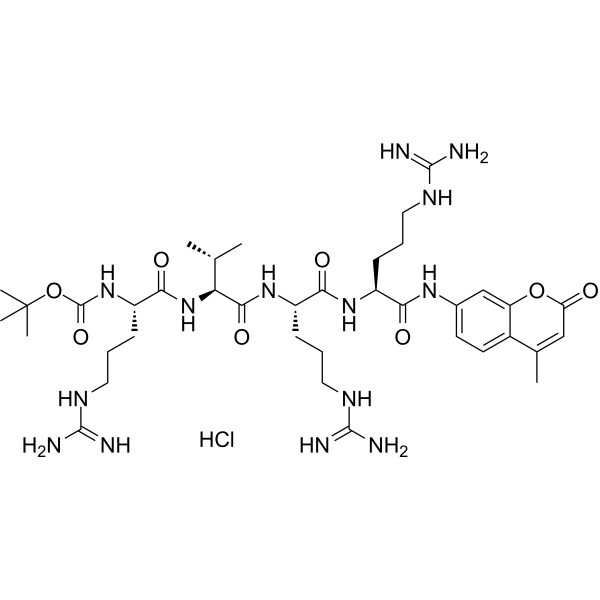
    Boc-Arg-Val-Arg-Arg-AMC hydrochloride (Boc-RVRR-AMC) is a synthetic fluorogenic substrate that is efficiently cleaved by furin .
  • HY-P3870

    Opioid Receptor Neurological Disease
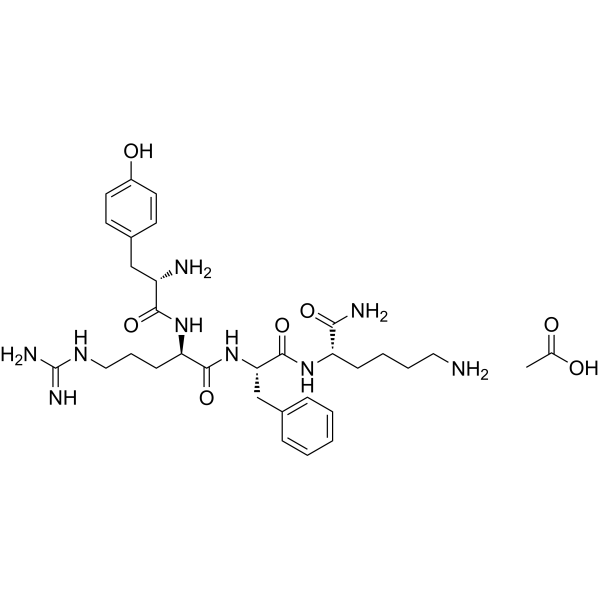
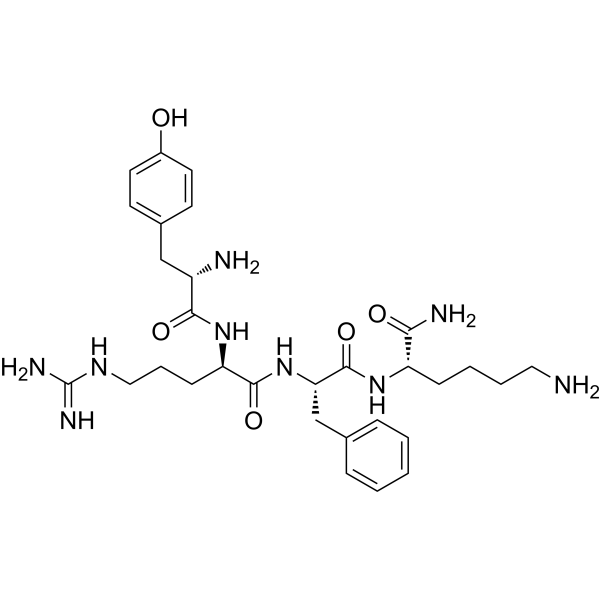
    DALDA is a potent and highly selective μ-opioid receptor agonist with a Ki of 1.69 nM. DALDA shows antinociceptive and respiratory effects .
  • HY-P2498A

    Cathepsin Cancer
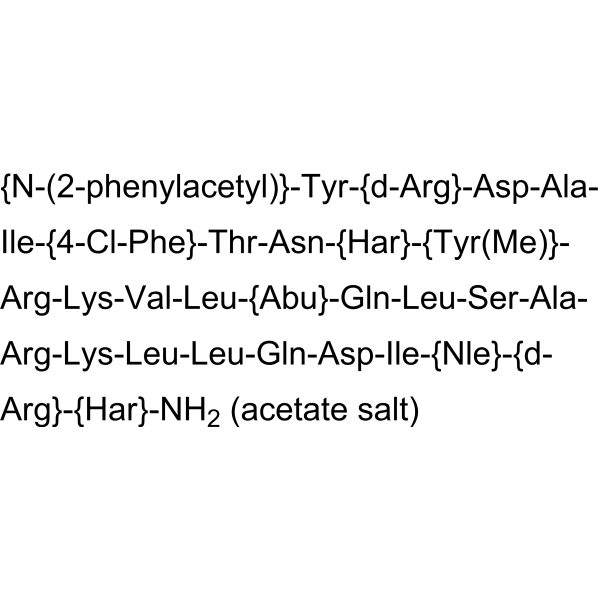
    Cathepsin D and E FRET Substrate acetate is a fluorogenic substrate for cathepsins D and E and not for B, H or L. The cleavage occurs at the Phe-Phe amide bond resul. Cathepsin D and E FRET Substrate is a valuable tool for routine assays and for mechanistic studies on cathepsins E and D .
  • HY-P3397A

    GHSR Cancer
    JV-1-36 acetate is a growth hormone-releasing hormone (GHRH) antagonist. JV-1-36 acetate inhibits the production of reactive oxygen species in A549 lung cancer cells. JV-1-36 can be used to study the effect of GHRH antagonists in vitro .
  • HY-P4764

    Melanocortin Receptor Cardiovascular Disease
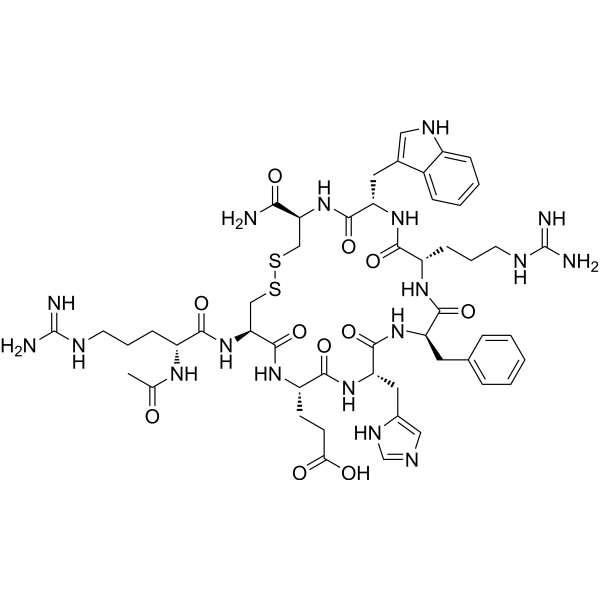
    Ac-DArg-c[Cys-Glu-His-DPhe-Arg-Trp-Cys]-NH 2 is a cyclic octapeptide with MC4R agonism. Ac-DArg-c[Cys-Glu-His-DPhe-Arg-Trp-Cys]-NH 2 significantly increases heart rate and blood pressure .
  • HY-103544

    JNK Interleukin Related Bombesin Receptor Inflammation/Immunology Cancer
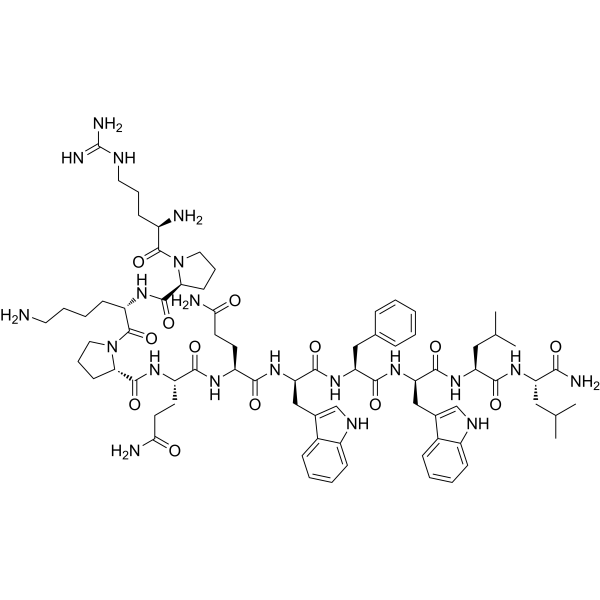
    [D-Arg1,D-Phe5,D-Trp7,9,Leu11]-Substance P, a Substance P derivative, is a biased agonist toward neuropeptide and chemokine receptors. [D-Arg1,D-Phe5,D-Trp7,9,Leu11]-Substance P activates G12. [D-Arg1,D-Phe5,D-Trp7,9,Leu11]-Substance P binds to IL-8 and GRP receptors. [D-Arg1,D-Phe5,D-Trp7,9,Leu11]-Substance P inhibits ERK-2 activation, activates JNK activity. [D-Arg1,D-Phe5,D-Trp7,9,Leu11]-Substance P stimulates an increase in neutrophil migration and Ca 2+ mobilization. [D-Arg1,D-Phe5,D-Trp7,9,Leu11]-Substance P is also a bombesin antagonist, and inhibits the growth of small cell lung cancer
  • HY-P3870A

    Opioid Receptor Neurological Disease
    DALDA acetate is a potent and highly selective μ-opioid receptor agonist with a Ki of 1.69 nM. DALDA acetate shows antinociceptive and respiratory effects .
  • HY-P3869

    [D-Arg2]Dermorphin-(1-4) amide

    Peptides Neurological Disease
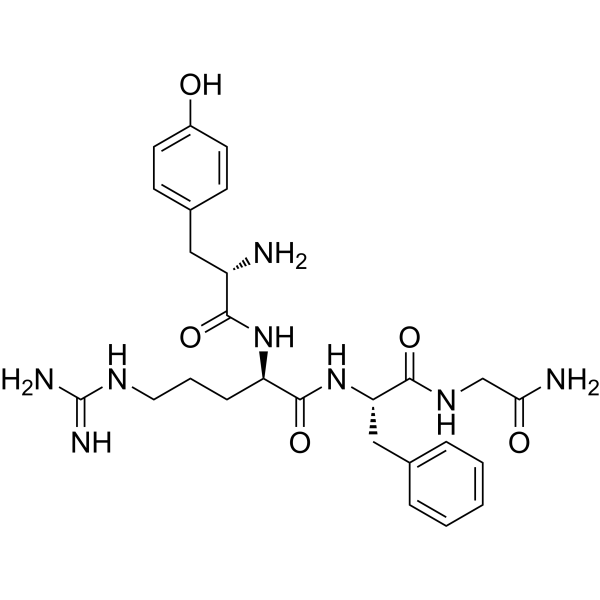
    Lumekefamide ([D-Arg2]Dermorphin-(1-4) amide) is a N-terminal shorter peptide amide of [D-Arg2]dermorphin with the hypothermic effect. Lumekefamide shows analgesic activity and degradation in soluble mouse liver and brain extracts .
  • HY-P5753

    Bacterial Infection
    JB-95, a β-hairpin macrocyclic peptide, exhibits potent antimicrobial activity against Escherichia coli. JB-95 can selectively disrupt the outer membrane but not the inner membrane of E. coli .
  • HY-P7061

    CXCR Apelin Receptor (APJ) Infection Endocrinology
    ALX 40-4C is a small peptide inhibitor of the chemokine receptor CXCR4, inhibits SDF-1 from binding CXCR4 with a Ki of 1 μM, and suppresses the replication of X4 strains of HIV-1; ALX 40-4C Trifluoroacetate also acts as an antagonist of the APJ receptor, with an IC50 of 2.9 μM.
  • HY-P10644

    Fluorescent Dye Cancer
    CPP9 is a small, amphipathic, cyclic cell penetrating peptide (CPP). CPPs bind directly to the plasma membrane phospholipids and enter mammalian cells via endocytosis, followed by efficient release from the endosome. CPP9 can be used for intracellular delivery of therapeutic agents and chemical probes .
  • HY-P4474A

    Peptides Others
    Pz-Pro-Leu-Gly-Pro-d-Arg TFA is a synthetic polypeptide substrate. Pz-Pro-Leu-Gly-Pro-d-Arg TFA can be used to detect the collagenase-like activity of enzymes from various sources, such as Bacillus sp. AH-101 .
  • HY-P3582A

    GnRH Receptor Endocrinology
    sGnRH-A acetate is a salmon gonadotropin-releasing hormone (GnRH) analogue. sGnRH-A acetate stimulates growth hormone secretion. sGnRH-A acetate also can be used as an inducer of ovulation by artificial insemination .
  • HY-P10923

    Cathepsin Others
    KYS-1 is a selective substrate for cathepsin E with a Km value of 1.9 μM. KYS-1 was incubated with cathepsin E (1.0 ng) with the pH optimum of approximately pH 4.0 .
  • HY-P2498

    Cathepsin Others
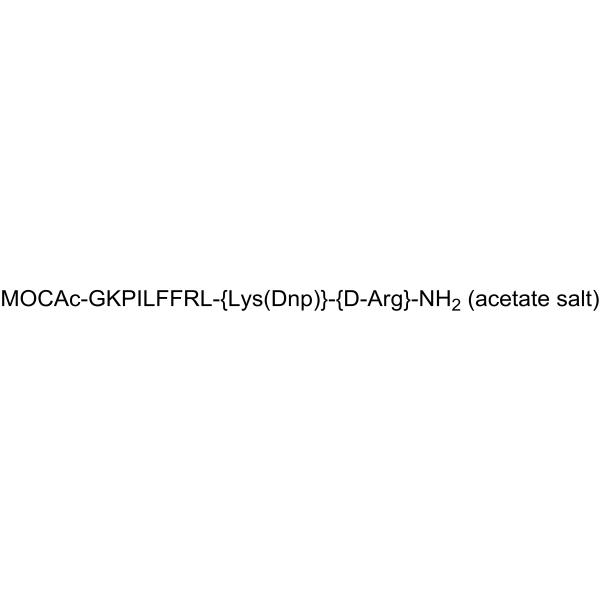
    Cathepsin D and E FRET Substrate is a fluorogenic substrate for cathepsins D and E and not for B, H or L. The cleavage occurs at the Phe-Phe amide bond resul. Cathepsin D and E FRET Substrate is a valuable tool for routine assays and for mechanistic studies on cathepsins E and D .
  • HY-P5518A

    Bradykinin Receptor Inflammation/Immunology Endocrinology
    [Des-Arg10]-HOE I40 TFA is a potent bradykinin B1 receptor antagonist .
  • HY-P3881

    Neurokinin Receptor Neurological Disease
    (D-Arg1,D-Pro2,D-Phe7,D-His9)-Substance P is a selective NK1 receptor antagonist .
  • HY-P3880

    Neurokinin Receptor Neurological Disease
    (D-Arg1,D-Pro2,D-Trp7,9,L-Leu11)-Substance P is a neuropeptide Substance P (HY-P0201) antagonist .
  • HY-P11374

    Bcl-2 Family Apoptosis Cancer
    Bid BH3-Gly-r8 is Bid BH3 linked to eight arginine residues. Bid BH3-Gly-r8 shows no difference in apoptotic effects compared to its unmodified peptide homologue. Bid BH3 has high affinity for Bax and Bcl-2. Bid BH3-Gly-r8 can be used in the research of tumors .
  • HY-P10331

    SDCBP Cancer
    KSL 128114, a peptide inhibitor of syntenin, binds the PDZ1 domain of syntenin with nanomolar affinity. KSL 128114 is resistant toward degradation in human plasma and mouse hepatic microsomes and displays a global PDZ domain selectivity for syntenin .
  • HY-P5131

    Opioid Receptor Others
    [Dmt1]DALDA is a potent and long-acting analgesic binds to the mu opioid receptor with high affinity and selectivity. [Dmt1]DALDA is a full agonist at hMOR (Kd = 0.199 nM) and hDOR, but only partial agonist against hKOR .
  • HY-P4750

    GHSR Endocrinology
    Acetyl-(D-Arg2)-GRF (1-29) amide (human) is an antagonist of growth hormone releasing factor (GRF). Acetyl-(D-Arg2)-GRF (1-29) amide (human) inhibits the release of growth hormone (GH) and can be used for endocrine research .
  • HY-P10918

    Peptides Inflammation/Immunology
    F11R peptide TFA is a F11 receptor molecule. F11R peptide TFA inhibits anti-F11R antibody-induced platelet aggregation, and inhibits the adhesion of platelets to cytokine (TNFα and INF-γ)-inflammed endothelial cells. F11R peptide TFA can be used for research of atherosclerotic plaques and associated thrombotic disease .
  • HY-P10790

    Microtubule/Tubulin Cancer
    Breast cancer targeting peptide 18–4 is a KRT1 receptor-targeting peptide, with a Kd of 0.98 μM. The amino acid sequence of Breast cancer targeting peptide 18–4 is WxEAAYQrFL, and it is an analogue of P160 peptide (HY-P10789). When covalently conjugated with the anticancer peptide MccJ25, Breast cancer targeting peptide 18–4 significantly increases the cellular uptake of MccJ25 in breast cancer cells and enhances its anticancer activity. The covalent conjugate exhibits IC50 values of 14.2, 20, and 25 μM against MCF-7, MDA-MB-435, and MDA-MB-435-MDR cells, respectively .
  • HY-P5010

    Vasopressin Receptor Cardiovascular Disease
    (D-Arg8)-Inotocin is a potent, selective and competitive antagonist of vasopressin receptor (V1aR), with a Ki of 1.3 nM. (D-Arg8)-Inotocin shows more than 3000-fold selectivity for the human V1aR over the other three subtypes, OTR, V1bR and V2R .
  • HY-P10394

    Opioid Receptor Neuropeptide FF Receptor Neurological Disease
    DP32 is a bifunctional compound that contains an opioid receptor (MOP) agonist and a neuropeptide FF receptor (NPFFR) antagonist. DP32 can be used in analgesia-related research .
  • HY-P3397

    GHSR Cancer
    JV-1-36 is a growth hormone-releasing hormone (GHRH) antagonist. JV-1-36 inhibits the production of reactive oxygen species in A549 lung cancer cells. JV-1-36 can be used to study the effect of GHRH antagonists in vitro .
  • HY-P10118A

    Cathepsin Others
    Cathepsin L-IN-3 (Compound cat L inh. 7) TFA is selective a noncovalent cathepsin L inhibitor with a Ki of 4.3 nM .
  • HY-P11405

    Neurotensin Receptor Neurological Disease Cancer
    [D-Arg1, D-Trp5, 7, 9, Leu11]-Substance P is a potent inhibitor of cell growth in small cell lung cancer (SCLC). [D-Arg1, D-Trp5, 7, 9, Leu11]-Substance P is also a neuropeptide antagonist, capable of blocking colony formation stimulated by various neuropeptides (including vasopressin and bradykinin). [D-Arg1, D-Trp5, 7, 9, Leu11]-Substance P inhibits the mobilization of Ca 2+ and the activation of mitogen-activated protein kinases induced by vasopressin or bradykinin. [D-Arg1, D-Trp5, 7, 9, Leu11]-Substance P inhibits the growth of H-69 xenograft tumors in nude mice .
  • HY-P5591

    Fungal Infection
    PAF26 is an antimicrobial peptide against phytopathogenic fungi Penicillium digitatum, Penicillium italicum and Botrytis cinerea .
  • HY-P0041A

    Vasopressin Receptor Neurological Disease
    F992 TFA is an antidiuretic peptide and vasopressin (antidiuretic hormone) analogue .
  • HY-P5327

    Bcl-2 Family Others
    r8 Bid BH3 is a biological active peptide. (The Bid BH3 is a pro-apoptotic member of the 'BH3-only' subset of BCL-2 family proteins that constitute a critical control point in apoptosis. r8BIDBH3 is lethal to human leukemia cell lines that expresse Bcl-2. The Bcl-2 antagonists may have the potential to be efficacious in cancer therapy. Poly-D-arginine (d-isomer as denoted by rrrrrrrr) is fused to the Bid BH3 peptide to facilitate cellular uptake of the peptide.)
  • HY-P5329

    NADPH Oxidase Others
    r8-Gly-Noxa A BH3 is a biological active peptide. (This cell permeable peptide is derived from the BH3 domain (a death domain) of Noxa A, amino acid residues 17 to 36. Eight D-Arginine residues and a Glycine linker residue are added to the amino terminal of the peptide.)
  • HY-P3530

    Integrin Others
    G-{d-Arg}-GDSP is an RGD peptide analogue that binds to the adhesion receptor of integrins and inhibits cellular fibronectin attachment as well as osteoclast resorption .
  • HY-P10824

    Amyloid-β Neurological Disease
    RI-OR2-TAT is a brain-penetrant inhibitor of β-Amyloid oligomerization, which is produced by adding the HIV protein transduction domain TAT to RI-OR2. RI-OR2-TAT binds to Aβ42 fibrils with a Kd value of 58-125 nM. RI-OR2-TAT reduces aggregation and plaque levels, reduces activation of microglia and oxidative damage, and increases the number of young neurons in the dentate gyrus .
  • HY-P0206F

    Bradykinin Receptor Others
    biotin-Bradykinin is a biological active peptide. (Biotin labeled HY-P0206)
  • HY-P11384

    Integrin Cardiovascular Disease
    D-RGDW is an Arg-Gly-Asp (RGD) containing peptide. D-RGDW inhibits αIIbβ3 mediated platelet aggregation .
  • HY-P4139

    Peptides Others
    activable cell-penetrating peptide (ACCP) consists of a polycationic CPP (typically arg9 or r9) connected via a cleavable linker to a matching polyanion (typically glu9 or e9), which reduces the net charge to nearly zero and thereby inhibits adhesion and uptake into cells .
  • HY-P0198B

    Neuropeptide Y Receptor Neurological Disease Metabolic Disease
    [D-Arg25]-Neuropeptide Y (human) ([D-Arg25] NPY) is a Y1 receptor selective agonist. Neuropeptide Y (human) is involved in Alzheimer's disease (AD) and protects rat cortical neurons against β-Amyloid toxicity .

Inquiry Online

Your information is safe with us. * Required Fields.

Salutation


Country or Region *

Applicant Name *


Organization Name *

Department *


Email Address *


Product Name *

Cat. No.


Requested quantity *

Phone Number *


Remarks

Inquiry Online

Inquiry Information

Product Name:
Cat. No.:
Quantity:
MCE Japan Authorized Agent: